


25, Sep 2026
Keystone To Launch India Business With Bengaluru As First Hub, Plans To Hire Talent & Increase Workforce Over Next Two Years
Bengaluru team will support global technology, manufacturing and financial services companies including Microsoft, Meta, Amazon, Goldman Sachs, Amgen and many other multinational enterprises as they navigate India’s market structure, regulatory complexity, litigation exposure and platform risk.
Bengaluru, India, Sept 25 — Keystone, a global advisory firm that guides the most critical technology and science-based platforms and ecosystems, today announced it is establishing Keystone India, with Bengaluru as its first hub in the country. The company plans to hire talent and expand its workforce in India over the next two years.
Keystone’s model differs from traditional consulting firms. Since its founding in 2003, Keystone has studied how technology ecosystems develop, how digital platforms compete and how transformative innovations change markets. The firm’s “triad” of disciplines brings together economists, technologists and management scientists, allowing Keystone to examine a problem from its technical foundations through its economic, legal and strategic business consequences. Keystone India will expand the firm’s global presence, navigate India’s market structure, regulatory complexity, litigation exposure and platform risk.
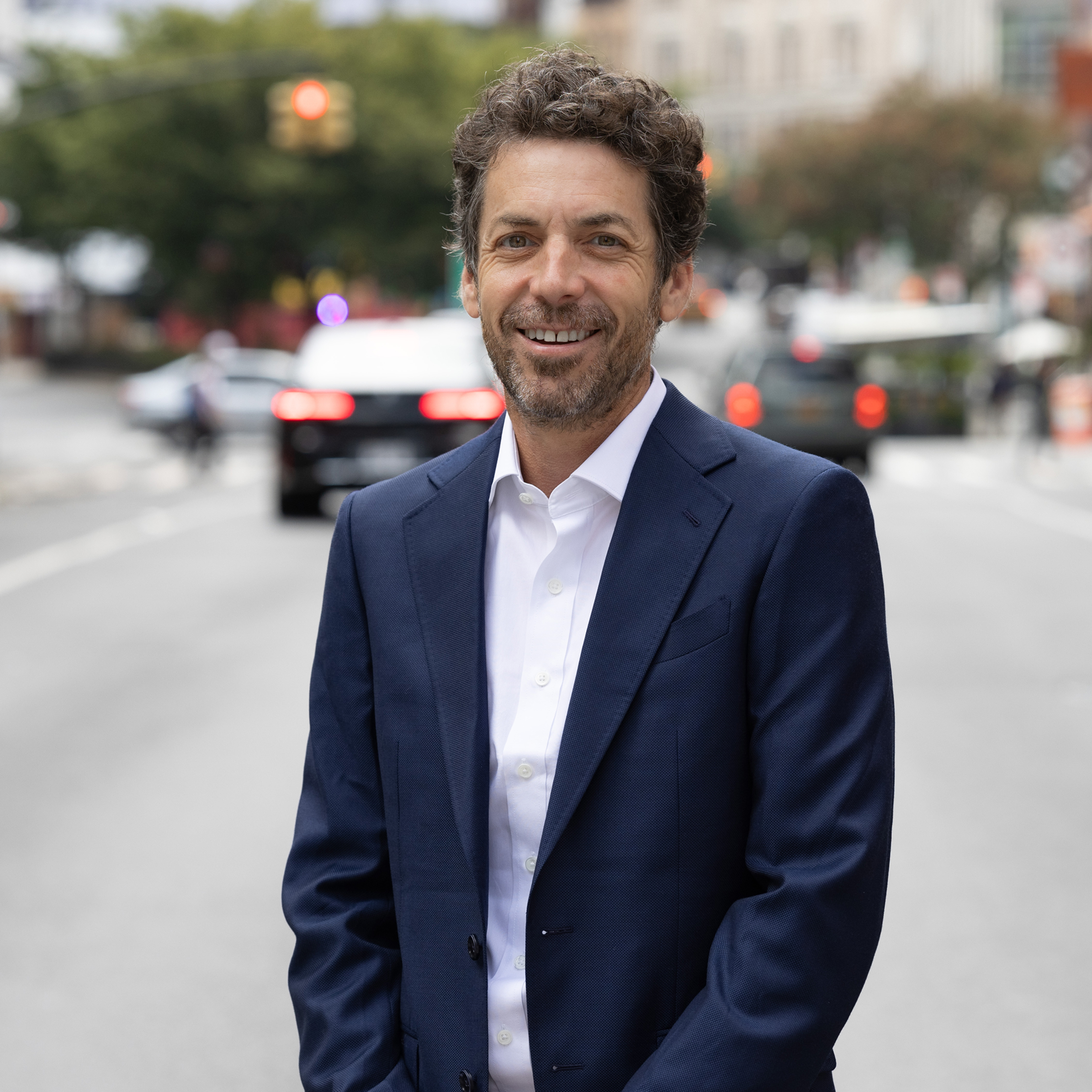
“Our Bengaluru launch reflects Keystone’s long-term commitment to India as a strategically important growth market,” said Jeff Marowits, Keystone CEO. “Over the next two years, we will be making substantial investments in the exceptional talent here to provide our full suite of strategic and regulatory services for the most prominent firms in India. These investments will ensure long-term growth and impact for Keystone throughout India.”
The Bengaluru team will support global technology companies including Microsoft and Meta, financial services firms like Goldman Sachs, as well as India’s largest law firms and global enterprises, helping each of these entities navigate this moment of AI disruption, as well as India’s distinctive market structure, regulatory environment and technology ecosystems.
Bengaluru provides a natural foundation for Keystone’s launch in India. The city brings together leading technology companies, research institutions, Global Capability Centres and a strong concentration of AI, data science and engineering talent. The Bengaluru office will form part of an integrated global platform, working alongside Keystone teams across the United States, Europe, the Middle East and Australia.
The Bengaluru team led by Keystone Senior Principal Himanshu Singhi will contribute to Keystone’s global AI Centre of Excellence. By connecting advanced AI and data capabilities with Keystone’s expertise in economics, strategy, investigations and litigation, the centre develops rigorous and repeatable approaches to complex client problems. Its work supports the responsible use of AI through technical expertise, economic analysis, sound governance and human judgment.
In India for the long haul
Keystone is building its India presence deliberately and for the long term. In doing so, Keystone India will bring a distinct form of advisory capability to the market: one grounded in an inherent understanding of technology and AI, and strengthened by the combined power of economics, technology and business strategy.
India sits at the centre of several forces reshaping the global economy. Its expanding digital economy, sophisticated enterprise sector, growing AI ecosystem and deep base of technical and entrepreneurial talent are creating significant opportunities while raising complex questions for businesses, investors, law firms and policymakers.
Under the leadership of its Global Head and Keystone Senior Partner Rohit Chatterjee, Keystone Advanced Technology Services, or K.ATS, is critical to its leadership in India. Within Keystone, computer scientists, data scientists, engineers and technologists work alongside Keystone’s economists, strategists and global expert network on critical strategic, legal and regulatory matters. The team can analyze source code and large-scale data, evaluate and audit AI systems, investigate complex technology environments and assess the architecture and operation of digital platforms. This technical depth allows Keystone to understand how a technology actually works before evaluating its economic significance or explaining it to a court, regulator, board or management team.
Keystone’s interdisciplinary model grew from its intellectual roots at Harvard Business School and has developed into an extensive group of leading academics, industry practitioners and former regulators. Keystone India will benefit from the remarkable talent and globally recognized academics across India to augment its offering.
For Indian organizations, this combination offers access to more than conventional economic or strategic advice. Keystone India will help businesses understand and deploy emerging technologies, evaluate AI and data systems, address competition and intellectual-property questions, manage complex investigations and prepare for the legal and regulatory implications of increasingly technology-driven markets.
- 0
- By Neel Achary

25, Sep 2026
Cuttack Durga Puja 2026 to be live-streamed, bringing the city’s grand celebrations to a global audience
Cuttack, Sept. 25 (UDN): Devotees unable to visit Cuttack during this year’s Durga Puja will be able to experience the city’s iconic celebrations from anywhere in the world, as the district administration has announced live streaming of the festival for the first time.

Representational Image
The online broadcast will cover major Durga Puja pandals, virtual darshan of the Goddess, and the colourful immersion processions, allowing viewers to follow the festivities from home.
Cuttack Collector Dattatraya Bhausaheb Shinde said the initiative has been planned on the lines of the successful live telecasts of Rath Yatra and Bali Jatra.
According to him, discussions have already been held with the Information and Public Relations (I&PR) Department, which has agreed to facilitate the live streaming. A technical team from the department will visit Cuttack to finalise the necessary arrangements before the festival.
Where to watch
The live coverage will be available on the I&PR Department’s official YouTube channel as well as the Cuttack district administration’s website, making the celebrations accessible to audiences across India and overseas.
Bringing Cuttack’s festive grandeur online
Widely regarded as one of Odisha’s biggest Durga Puja celebrations, Cuttack’s festival is known for its elaborate pandal decorations, silver filigree craftsmanship, and spectacular immersion processions that draw thousands of visitors every year.
Officials said the digital initiative aims to ensure that elderly devotees, people living outside Odisha, and those unable to travel can still participate in the festive atmosphere through a virtual experience.
The live broadcast is expected to showcase the city’s vibrant pandals, cultural celebrations, and the grand immersion procession that marks the conclusion of the annual festival.
25, Sep 2026
Nandankanan’s rescued orangutan infants recovering as haemoglobin levels improve
Bhubaneswar, Sept. 25: The five rescued orangutan infants undergoing care at Nandankanan Zoological Park are showing encouraging signs of recovery, with recent blood tests indicating an improvement in haemoglobin levels in two of the animals, zoo authorities said on Friday.

File_UDN
Veterinarians confirmed that all five infants are eating normally, remaining active, and displaying healthy behaviour while continuing to receive round-the-clock monitoring at the zoo’s quarantine facility.
As part of a routine health assessment, a Complete Blood Count (CBC) test was conducted on each infant. The results showed improved haemoglobin levels in two orangutans identified as M3 and F2. M3 has also received supportive injections to help raise its haemoglobin levels further.
Nandankanan Deputy Director Pradeep Mirase said the infants are being closely observed by veterinary teams, with treatment being adjusted according to their health requirements.
Expert recommendations
The recovery follows recent examinations by wildlife health specialists, including Dr. Abhijit Bhawal, Veterinary Officer at Delhi Zoo, and Dr. Sanath Krishna Mulia, Wildlife Veterinarian at the Wildlife Institute of India in Dehradun.
After reviewing the infants’ condition, the experts recommended gradually increasing their food intake, introducing additional dietary items, and administering antiparasitic medicines such as ivermectin or doramectin to reduce worm burden.
Earlier anaemia concerns
Previous health assessments had found that three of the five orangutan infants were suffering from anaemia, with one diagnosed with severe anaemia and two showing mild symptoms. Since then, the animals have been receiving supportive supplements and targeted veterinary care under the guidance of an expert committee.
The latest improvement in haemoglobin levels has been viewed as a positive development in their ongoing recovery.
Rescue and trafficking probe
The orangutan infants were rescued on September 8 after being spotted in the Rankotha Reserved Jhau Forest in Odisha’s Bhogarai area. They were subsequently shifted to Nandankanan Zoological Park, where they remain in quarantine under specialised care.
Authorities continue to investigate the suspected trafficking network and the circumstances that led to the endangered primates being abandoned in the forest.
25, Sep 2026
Is Anti-Ageing Really Worth It?
The Science Behind Living Younger, Longer
Ageing is one of the few things every human being experiences, yet it remains one of the most aggressively marketed aspects of modern health and wellness.
From anti-ageing creams and supplements to hormone therapies, longevity clinics, personalised health programmes and experimental cellular treatments, the promise is increasingly ambitious: look younger, feel younger and perhaps even reverse some of the biological changes associated with ageing.
But how much of this is actually supported by science?
The answer is more complicated than either the marketing industry or its critics sometimes suggest.
Ageing cannot currently be switched off. Nor is there an established medical treatment that has been proven to reverse the human ageing process. The U.S. Food and Drug Administration states that no medication has been proven to slow or reverse ageing.
At the same time, researchers are learning considerably more about the biological mechanisms involved in ageing. Scientists are studying cellular senescence, inflammation, mitochondrial dysfunction, DNA damage, epigenetic changes, stem-cell behaviour and other processes that may contribute to age-related decline.
The important distinction is this: the science of healthy ageing is real, while the promise of becoming biologically young again remains largely experimental.
The Question We Should Really Be Asking
Perhaps the biggest problem with the phrase “anti-ageing” is that it treats ageing itself as a disease.
Growing older is a normal biological process. The more meaningful health question is not necessarily, “How can I stop ageing?” but rather:
How can I remain healthy, independent and physically and mentally capable for as long as possible?
The World Health Organization describes healthy ageing in terms of maintaining functional ability and well-being rather than simply eliminating signs of age. It also points out that people of the same chronological age can have very different levels of physical and mental capacity.
That distinction is crucial.
Someone may have wrinkles, grey hair and a high chronological age while remaining physically active, socially connected and independent. Another person may be younger but have significant chronic disease or reduced mobility.
Therefore, ageing well is not necessarily about looking 30 when you are 60. It is about preserving the ability to live a meaningful life.
Chronological Age vs Biological Age
Your chronological age is straightforward: it is the number of years since you were born.
Biological ageing is more complicated.
Two people of the same chronological age can have very different cardiovascular health, muscle strength, metabolic health, cognitive function and overall physical capacity.
This has created enormous interest in the concept of “biological age.”
Researchers are investigating biomarkers that may provide clues about how rapidly an individual’s body is ageing. Some commercial companies now offer tests claiming to estimate biological age using blood markers or other measurements.
However, consumers should be cautious about treating a biological-age number as a definitive medical diagnosis.
A single score cannot capture every aspect of human health, and a laboratory measurement should not automatically be interpreted as proof that a person is ageing faster or slower than another individual.
The science of ageing biomarkers is developing, but the marketing around them can move considerably faster than the evidence.
What Happens to the Body as We Age?
Ageing affects virtually every biological system.
Muscle mass and strength can decline. Bone density can change. The cardiovascular system becomes less resilient. The immune system changes. Vision and hearing may deteriorate. Sleep patterns can shift. The risk of chronic diseases such as cardiovascular disease, diabetes and certain cancers generally increases with age.
At the cellular level, researchers are studying several interconnected processes.
Cellular Senescence
Some damaged or stressed cells stop dividing but do not immediately disappear. These are known as senescent cells.
Scientists are investigating whether the accumulation of such cells contributes to age-related dysfunction and whether selectively removing them could have therapeutic benefits.
This area of research has generated interest in a class of experimental compounds called senolytics.
But an important distinction remains: promising laboratory or early clinical findings do not automatically establish a treatment as safe, effective and ready for widespread use.
Epigenetic Changes
Cells contain the same basic DNA, but different genes can be switched on or off depending on the cell’s function and biological state.
The study of these regulatory mechanisms, known as epigenetics, has become an important part of ageing research.
Researchers are investigating whether some aspects of cellular ageing might eventually be modified through controlled epigenetic reprogramming.
This is one of the areas that fuels excitement around “age reversal.” But scientific ability to influence cellular processes should not be confused with an established therapy that can safely rejuvenate an entire human body.
Mitochondrial Changes
Mitochondria are often described as the energy-producing structures of cells.
Age-related changes in mitochondrial function are another area of investigation. Researchers are studying how these changes interact with metabolism, inflammation and cellular damage.
Again, the objective is not simply to make a cell appear younger in a laboratory. The ultimate challenge is demonstrating that an intervention produces meaningful improvements in human health without unacceptable risks.
The Most Powerful Anti-Ageing Strategy May Be Surprisingly Ordinary
While laboratories explore sophisticated technologies, some of the strongest evidence for healthy ageing continues to involve remarkably familiar behaviours.
Move more. Eat well. Don’t smoke. Sleep properly. Maintain healthy relationships. Manage chronic health conditions. Stay socially and mentally engaged.
The WHO notes that regular physical activity, a balanced diet and avoiding tobacco contribute to reducing the risk of noncommunicable diseases and maintaining physical and mental capacity as people age.
The National Institute on Aging similarly identifies physical activity and healthy lifestyle choices as important components of healthy ageing.
That may sound less exciting than a futuristic anti-ageing pill, but it matters because these behaviours influence several systems simultaneously.
Exercise: Perhaps the Closest Thing to a Universal Ageing Intervention
Exercise does not stop the clock.
But it can help preserve the things that make later life healthier.
Regular physical activity is associated with lower risks of several chronic diseases and can support cardiovascular health, mental health, sleep, mobility and physical function.
For older adults, exercise can also help maintain muscle strength, balance and functional independence.
The National Institute on Aging recommends a combination of aerobic activity, muscle-strengthening activity and balance-related exercise for older adults. Its guidance cites 150 minutes per week of moderate-intensity aerobic activity and muscle-strengthening activities on at least two days per week as general recommendations.
The message is important: exercise is not merely about burning calories.
It is about maintaining the physical capacity to climb stairs, carry groceries, get out of a chair, travel, play with grandchildren and continue living independently.
That is a form of age management with a very tangible outcome.
Food Matters — But There Is No Magic Anti-Ageing Diet
The anti-ageing market is filled with specialised diets, powders, capsules and nutritional products.
The underlying science is much less glamorous.
The WHO describes a healthy diet as one based on adequacy, balance, moderation and diversity, with minimally processed or unprocessed foods forming an important foundation.
For healthy ageing, the practical objective is to obtain adequate nutrients while limiting excessive amounts of unhealthy fats, free sugars and sodium.
The National Institute on Aging also highlights the importance of nutrient-dense foods and adequate protein for maintaining muscle as people grow older.
There is no single food that can “reverse ageing.”
Blueberries, turmeric, green tea, nuts, olive oil or other foods may have nutritional benefits, but none should be presented as a magic solution to ageing.
The same principle applies to supplements.
A supplement can be useful when someone has a genuine nutritional deficiency or a medically appropriate indication. That is very different from claiming that a supplement can generally reverse biological ageing.
Sleep Is an Underestimated Part of Healthy Ageing
Sleep often receives less attention than diet and exercise, but it is fundamental to health.
The National Institute on Aging notes that adults, including older adults, generally need around seven to nine hours of sleep each night. Poor-quality sleep can affect physical and mental health, daytime functioning and safety.
Persistent sleep problems should not simply be dismissed as an unavoidable consequence of getting older.
Conditions such as sleep apnoea and insomnia may require medical evaluation.
In other words, sleeping well is not a cosmetic anti-ageing treatment. It is part of maintaining the biological systems that support health.
What About Anti-Ageing Creams?
Here the answer depends on what someone expects from a product.
Skincare can improve the appearance and condition of the skin. Sun protection, moisturisation and certain dermatological ingredients can have legitimate cosmetic or dermatological benefits.
But improving skin appearance is not the same as reversing systemic ageing.
A cream cannot make an entire organism biologically younger.
This distinction is frequently blurred in advertising, where improvements in wrinkles, pigmentation or skin texture may be described using broader language such as “reversing ageing.”
Consumers should therefore ask a simple question:
What exactly is the product claiming to change?
Is it improving skin appearance?
Is it treating a specific medical condition?
Or is it claiming to change the fundamental ageing process?
Those are three very different claims.
The Rise of Longevity Medicine
A new field of research is attempting to understand ageing at a deeper biological level.
The emerging field often described as geroscience investigates the biological mechanisms of ageing and their relationship with age-related diseases.
Researchers are examining potential interventions involving pathways related to metabolism, cellular senescence, inflammation, nutrient sensing and cellular repair.
The long-term objective is not necessarily immortality.
A more realistic scientific goal is healthspan — increasing the period of life during which a person remains healthy and functionally independent.
This is an important shift.
Living to 100 is not necessarily a medical victory if most of those additional years are spent with severe disability or illness.
The more meaningful goal may be to increase the number of years lived in good health.
Can Existing Drugs Reverse Ageing?
This is where consumers need to be particularly careful.
Various established medications and experimental compounds have attracted attention because of their effects on biological pathways associated with ageing.
Some are being studied in clinical research for age-related conditions or longevity-related outcomes.
But “being studied” does not mean “proven.”
A medication that affects a pathway associated with ageing may not necessarily extend healthy human lifespan. It may also have side effects, drug interactions or risks that become particularly important when used by healthy people.
The FDA specifically warns that no medication has been proven to slow or reverse the ageing process.
That does not mean ageing research is pointless.
It means the evidence has to be separated from the marketing.
The Problem With the Anti-Ageing Industry
The desire to stay young is commercially powerful.
It can sell cosmetics, supplements, diagnostic tests, fitness programmes, private medical services and wellness products.
The danger arises when scientific terminology is used to create an impression of certainty that the underlying evidence does not support.
Words such as “cellular,” “DNA,” “epigenetic,” “longevity,” “detox,” “rejuvenation” and “biological age” can sound highly scientific.
But a scientific-sounding product description is not evidence of clinical effectiveness.
Before spending money on an anti-ageing product or treatment, consumers should ask:
- What specific health outcome has been demonstrated?
- Was the research conducted in humans?
- How large was the study?
- Was there a control group?
- Was the study published in a reputable peer-reviewed journal?
- Has the finding been independently replicated?
- What are the known risks?
- Is the product regulated or medically approved for the claimed use?
- Does the evidence show longer life, healthier life, or merely a change in a laboratory marker?
- Are the claims being made by independent researchers or primarily by the company selling the product?
These questions can expose the difference between genuine innovation and sophisticated marketing.
Ageing Should Not Become Something We Are Afraid Of
There is another issue that deserves attention.
The constant marketing of youth can create the impression that getting older is a failure.
Grey hair becomes something to hide. Wrinkles become something to eliminate. Age becomes something to fight.
But ageing is not simply a cosmetic problem.
People can become healthier in important ways as they get older. They can gain experience, emotional maturity, knowledge, relationships and perspective.
The objective of healthy ageing should therefore not be to erase age.
It should be to reduce preventable disease and preserve function.
That means being able to think clearly, move safely, maintain relationships, participate in society and continue doing the things that give life meaning.
Healthspan May Matter More Than Lifespan
Imagine two people who both live to 90.
One remains active and independent until 85 and experiences several years of serious health problems.
The other spends decades with significant disability and reaches the same age.
Their chronological lifespan is identical.
Their healthspan is not.
This is why the distinction between lifespan and healthspan is becoming increasingly important in ageing research.
The WHO similarly emphasises that living longer only produces the greatest benefit when the additional years are accompanied by good health and functional ability.
For individuals, this changes the question from:
“How can I live forever?”
to:
“How can I increase the number of healthy years I have?”
That is a much more practical question.
The Anti-Ageing Checklist That Actually Makes Sense
For most people, healthy ageing does not require an expensive longevity programme.
A sensible foundation includes:
1. Stay physically active
Combine aerobic activity with strength, balance and mobility work appropriate to your age and health status.
2. Eat a varied, nutrient-dense diet
Prioritise vegetables, fruits, whole grains, pulses and appropriate protein sources while limiting excessive sugar, unhealthy fats and sodium.
3. Don’t smoke
Tobacco avoidance remains one of the most consequential choices for long-term health.
4. Take sleep seriously
Aim for adequate, regular sleep and seek medical advice when persistent sleep problems occur.
5. Maintain social connections
Relationships and social participation are important components of healthy ageing and well-being.
6. Monitor established health risks
Blood pressure, blood sugar, cholesterol and other relevant health indicators should be managed according to individual medical advice.
7. Protect your skin
Sun protection can help reduce cumulative ultraviolet damage and is a much more evidence-based approach to maintaining skin health than many extravagant anti-ageing claims.
8. Keep the brain engaged
Learning, hobbies, meaningful activities and social interaction can contribute to an active and engaged later life.
9. Be sceptical of miracle claims
If a product promises dramatic age reversal with little effort, the evidence deserves particularly careful scrutiny.
10. Talk to a qualified healthcare professional
Especially before taking supplements, hormones, prescription drugs or experimental treatments for longevity.
So, Is Anti-Ageing Really Worth It?
The answer depends on what we mean by “anti-ageing.”
If it means trying to prevent avoidable disease, preserve muscle, maintain cardiovascular health, protect cognitive function, sleep well and remain independent for as long as possible, then the underlying objective is strongly supported by modern health science.
If it means buying a product that promises to literally turn back the biological clock, the situation is very different.
Ageing research is producing fascinating discoveries. Scientists are learning more about why cells and tissues deteriorate and whether some aspects of that process can be modified.
But scientific discovery is a journey, not a marketing slogan.
For now, there is no established pill, supplement or treatment that can make humans biologically young again.
The most credible approach is therefore not to wage war against ageing itself.
It is to build a longer healthspan.
And that may ultimately be the most meaningful form of anti-ageing medicine: not making someone look 20 years younger, but helping them remain strong, independent and healthy for more of the years they have.
The Bottom Line
Ageing is inevitable. Poor health is not.
Science may eventually discover interventions capable of modifying some fundamental mechanisms of ageing. Until then, the strongest foundation remains remarkably simple: physical activity, nutritious food, adequate sleep, avoidance of tobacco, social connection, preventive healthcare and evidence-based medical care.
The future of longevity may be high-tech.
But healthy ageing starts with habits that are already available today.
Health information in this feature is for general education and should not replace individual medical advice. People considering medicines, supplements, hormone therapies or experimental longevity treatments should discuss them with a qualified healthcare professional.
24, Sep 2026
ASHRAE Opens Abstract Submissions for 2027 Annual Conference in New Orleans
ATLANTA (September 24, 2026) – ASHRAE is accepting abstracts for conference papers for the 2027 ASHRAE Annual Conference, taking place June 12-16, 2027, in New Orleans, Louisiana.
The conference will bring together HVAC&R professionals, researchers, practitioners, building owners and industry leaders to share research, innovations and practical approaches addressing challenges across the built environment.
Authors are invited to submit abstracts for consideration within one of eight conference tracks:
Fundamentals and Applications
Covers foundational HVAC&R engineering principles, including thermodynamics, psychrometrics, heat transfer and fluid flow, as well as theoretical and applied concepts, design approaches and real-world experiences.
HVAC&R Systems and Equipment
Focuses on the development, application and operation of HVAC&R systems and equipment, including innovation, reliability, maintainability, cost effectiveness and energy efficiency.
Refrigeration and Refrigerants
Addresses advancements in refrigeration systems and refrigerant applications across industrial, commercial and specialty uses, including system performance, environmental impacts, refrigerant management and emerging technologies.
Research Summit
Highlights research that advances HVAC&R and the built environment. Submissions may include conference papers, seminars, forums, panel discussions and ASHRAE-sponsored research. The track also includes collaboration with ASHRAE’s archival research journal, Science and Technology for the Built Environment.
Building Decarbonization
Explores strategies to reduce building carbon emissions through energy efficiency, electrification, renewable energy integration, embodied carbon reduction and net-zero design.
Indoor Environmental Quality for Healthy Buildings
Examines indoor environmental quality and its relationship to occupant comfort, health, productivity and safety. Topics include ventilation, filtration, humidity control, air distribution, fire and smoke control, lighting, acoustics, hazardous spaces and the interaction between IEQ and building performance.
Owners and Operators
Focuses on practical approaches to optimizing building performance throughout the facility lifecycle, including commissioning, recommissioning, retro-commissioning, operations and maintenance, building analytics, fault detection, benchmarking, workforce development, resilience and total cost of ownership.
Mini-Tracks
Mini-tracks offer an opportunity to organize six to eight focused sessions around emerging or specialized topics that may not fit within an existing conference track. Individual sessions are submitted under the most appropriate conference track while contributing to a cohesive attendee experience.
Authors interested in proposing a mini-track can learn more about the requirements and submit their contact information for follow-up.
Authors whose abstracts are accepted will be invited to submit a full eight-page conference paper by February 17, 2027. Accepted papers will be included in the conference program and proceedings and may be considered for publication in Science and Technology for the Built Environment.
For more information and to submit an abstract, visit ashrae.org/2027Annual.
24, Sep 2026
World Lung Day – 25th September 2026: Mumbai Records 14,396 COPD Deaths, 7,069 Asthma Deaths
Mumbai’s Polluted Air Puts Lung Health at Risk; Experts Urge Citizens to Act Before Breathing Problems Turn Serious
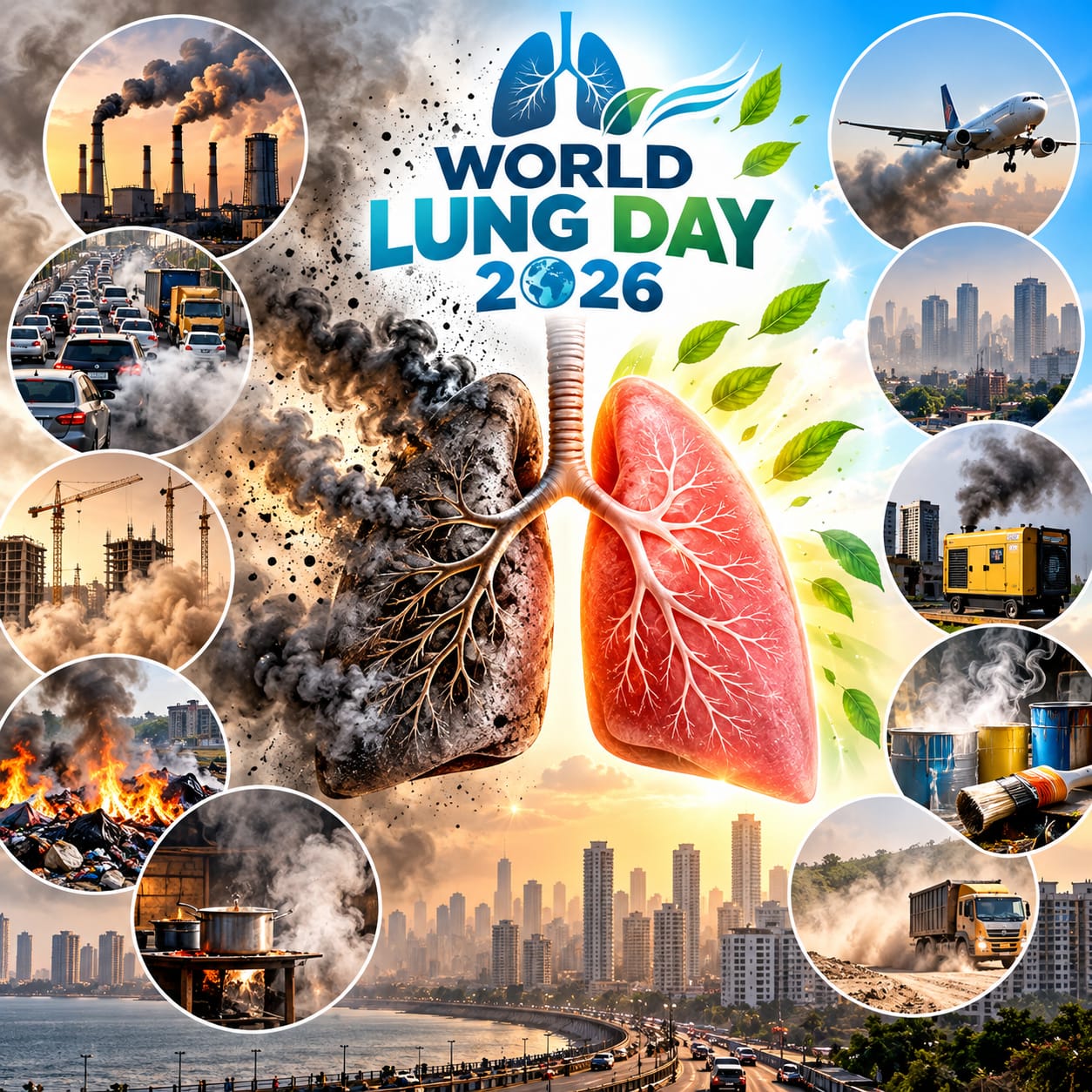
Mumbai | Sept 24- As Mumbai marks World Lung Day on September 25, pulmonologists are drawing attention to the long-term impact of air pollution on respiratory health, particularly from fine particulate matter such as PM2.5. Air-quality data for September 23 showed Mumbai at a moderate level in one CAMS-based city assessment, with an average PM2.5 concentration of 15.4 µg/m³. However, air quality can vary significantly across locations and throughout the day, making individual exposure an important concern.
PM2.5 particles are small enough to penetrate deep into the respiratory system and, with repeated exposure, can contribute to respiratory inflammation and increase the risk of conditions including asthma, COPD and other chronic lung problems. The concern is particularly relevant in a densely populated city where residents are routinely exposed to traffic emissions, construction dust, industrial pollutants and indoor air pollution.
Experts say lung damage does not always announce itself with severe symptoms. Persistent cough, breathlessness, wheezing, chest discomfort or reduced ability to perform routine physical activity can sometimes be early warning signs and should not simply be dismissed as seasonal changes or pollution-related irritation. The World Health Organization estimates that ambient air pollution contributes to approximately 4.2 million premature deaths globally every year, while combined household and outdoor air pollution is associated with nearly 7 million premature deaths annually.
Dr. Sangita Checker, Consultant Pulmonologist, Wockhardt Hospitals, Mira Road commented on this special day ““Every breath we take is an interaction between our lungs and the environment around us. Prolonged exposure to polluted air can trigger inflammation and gradually impair lung function, sometimes even before noticeable symptoms appear. What is particularly concerning is that people often normalise a persistent cough or breathlessness as ‘just pollution’ or a seasonal issue. Individuals with asthma, COPD and other respiratory conditions, along with children and older adults, are especially vulnerable. Persistent cough, wheezing, chest tightness, breathlessness or a noticeable reduction in exercise tolerance should never be ignored. On World Lung Day, the focus must shift from treating lung disease to protecting lung health through prevention, early detection and timely medical care. Our lungs work continuously throughout our lives—protecting them must become a daily priority.”
Dr. Parthiv Shah Pulmonologist, Apex Group of Hospitals, Mumbai commented on this day, “Lung health is no longer a concern limited to smokers or the elderly. In cities like Mumbai, air pollution, traffic emissions, dust and indoor pollutants can silently affect lung function. Persistent cough, breathlessness, wheezing or reduced exercise tolerance should not be ignored, as these may be early signs of respiratory disease. On World Lung Day, we must focus on prevention—avoiding smoking and vaping, reducing exposure to pollutants, staying physically active and seeking timely medical evaluation. Early detection and appropriate treatment can significantly improve long-term lung health and quality of life.”
Mumbai’s respiratory health burden remains a serious concern. BMC data obtained through RTI and reported for 2016–2021 recorded 14,396 COPD deaths, averaging nearly six deaths every day, along with 1,220 deaths from bronchitis and 7,069 deaths attributed to asthma. The burden was particularly high in areas such as M-East (Govandi), which recorded 675 COPD deaths, and K-East (Andheri East), with 971 deaths, highlighting the impact of prolonged exposure to both outdoor and indoor air pollution.
Experts recommend checking air-quality levels before prolonged outdoor activity, avoiding exposure to heavy traffic and visibly polluted areas, using appropriate protective masks when necessary, maintaining good indoor ventilation and avoiding smoking or exposure to second-hand smoke. Regular physical activity, adequate hydration and timely vaccination against relevant respiratory infections can also support overall respiratory health.
24, Sep 2026
TROOPS allocates US$12 million for new unit focused on AI infrastructure in Southeast Asia
HONG KONG, Sept 24- TROOPS, Inc. (Nasdaq: TROO) is committing US$12 million to start a new business unit focused on artificial intelligence infrastructure in Southeast Asia, a growing market that attracted more than US$55 billion of investment over the last year.
The Hong Kong financial services and property group has sought a future partnership with Bfarms365 LLC, a Texas company in the USA, through which it will offer services that include GPU-as-a-Service, AI inference, edge computing, decentralized compute, cloud orchestration, and other AI developer services.
The new unit is in the process of evaluating sites, partnerships, and assets across Hong Kong, Malaysia, and Indonesia. TROOPS expects to make its first allocation of US$6 million by the end of 2026.
The creation of this new unit comes in response to unprecedented growth in Southeast Asia as an AI hub for Asia Pacific and beyond. Data center capacity in Malaysia’s Johor state doubled over the same twelve months, according to figures presented at the China-ASEAN Business Leaders Summit in September. Telecom operators have begun buying into the build directly. Singtel is expanding its Nxera platform across Southeast Asia, SK Telecom raised US$2.2 billion from KKR and an IMM-Stonebridge consortium for its new AI data center vehicle in August, and Reliance Jio is developing campuses of its own.
“Southeast Asia has become the place where Asia’s compute is actually being built, and the capital going in is no longer only American,” said Damian Thurnheer, President and CEO of TROOPS, Inc. “Moving into this layer is a natural extension of our business, which has pioneered disruptive technologies including fintech.”
The TROOPS business portfolio is anchored in property and small business cash flows in Hong Kong through two licensed money lenders, holding commercial property for rental income, and managing an insurance consultancy and an online financial technology marketplace to deliver credit and insurance products through application programming interfaces. Group revenue rose 70% to US$17.1 million in the year to December 31, 2025. The company also holds a 19.9% stake in HK Golden, Inc., operator of one of Hong Kong’s largest online forums.
“This new venture provides strong unity with our existing business interests,” said Tommy Wing Ling Lui, CTO of TROOPS, Inc. “We already run machine learning inside underwriting and servicing, on infrastructure we rent. Owning capacity in the region changes what we can build, and it puts us on the right side of a market where operators, banks, and sovereign funds are all moving at once.”
TROOPS will report progress as definitive terms are reached and will file with the Securities and Exchange Commission where required.
24, Sep 2026
FTCCI’s ‘Telangana Through the Lens – 2026’ Photography Contest winners declared

Hyderabad, Sept 24: The Tourism Committee of the Federation of Telangana Chambers of Commerce and Industry (FTCCI) declared winners of the “Telangana Through the Lens – 2026,” an open photography contest which was aimed at celebrating and showcasing the vibrant, diverse and lesser-explored tourism potential of Telangana.
Themed “Explore, Experience and Exhibit the Spirit of Telangana Tourism,” the contest invitees entries from photography enthusiasts from all walks of life to capture the essence of Telangana through their lenses.
The response was overwhelming. It received 1400 plus submissions received from 554 photographers.
Contest was organised to celebrate World Photography Day and photographers were urged to discover and showcase Telangana’s hidden tourism gems
The winners of ‘Telangana Through the Lens – 2026’ reflect the diversity of photographers who responded to FTCCI’s call to explore Telangana through a tourism lens. Mr. Shravan Thadanla, Photographer, S1 Studios, won the First Prize, followed by Mr. Mahimala Kyadhar Reddy, Photographer, who won the Second Prize, and Mr. H. Satish, Photographer, who secured the Third Prize.
Shravan, a photographer who runs a photo studio by nymae S1 Studio in Ramappa Village in Mulugu Dsitrict was selected as first prize winner for his picture on Cheriyal Painting. Cheriyal scroll painting is a critically endangered folk art form native to Telangana that is currently fighting against extinction.
The seven consolation prizes were won by Mr. Kishore Das, Mr. Kathroju Yadagiri, Mr. Vonteddu Nageswara Rao, Mr. Basheer, Mr. Tula Narendar, Mr. Aavula Srinivasulu and Mr. Veeragoni Rajinikanth Goud. Their photographs brought different facets of Telangana’s tourism landscape into focus, highlighting the State’s visual richness and the potential of photography to discover, document and promote its lesser-known tourism attractions.
The winners were selected by a jury comprised of Yachendra Satyaprasad, a landscape photographer, former President of Telangana Photographic society for several years; H. Satish, fromer Chief News Photo Journalist associated with the Hindu and K.N. Hari (Narahari K.), a prominent photojournalist associated with the Telugu daily newspaper Nava Telangana and serves as the general secretary—of the Telangana State Photo Journalists Association (TSPJA).
The contest carries attractive cash prizes. The first prize is ₹15,000, the second prize ₹10,000 and the third prize ₹7,500. In addition, five consolation prizes of ₹1,500 each will be presented.
The cash prizes will be presented in a function to be held on 28th September at FTCCI, Red Hills.
FTCCI particularly encourages participants to venture beyond Telangana’s familiar tourist destinations and capture hidden gems, unexplored locations, lesser-known heritage sites, distinctive cultural practices, rural experiences, picturesque landscapes and other tourism attractions that deserve greater visibility. The contest seeks to use photography as a means of discovering and promoting new tourism possibilities across the State.
24, Sep 2026
Odisha Begins Work on Sustainable Urban Mobility Transition Plans for BKPPER Region
Bhubaneswar, Sept. 24 (UDN): The Odisha government has initiated work on a comprehensive sustainable urban mobility framework for the Bhubaneswar-Cuttack-Puri-Paradip Economic Region (BKPPER), with a focus on integrated regional transport planning, public bus transformation and stronger institutional mechanisms.
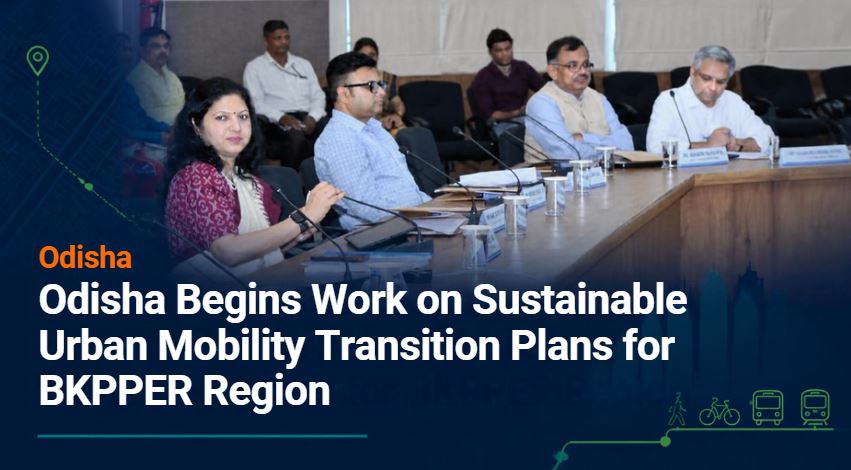
An inception workshop on the “Preparation of Sustainable Urban Mobility Transition Plans for Odisha” was held at Kharavela Bhawan in Bhubaneswar on Thursday by the Housing and Urban Development Department in collaboration with the Asian Development Bank (ADB).
Focus on Integrated Regional Mobility
The initiative seeks to prepare a long-term mobility framework for the rapidly urbanising BKPPER region. Key components include a Comprehensive Regional Mobility Plan, a roadmap for transforming bus services and a draft Transit-Oriented Development Policy for Odisha.
During the workshop, the ADB and its consultant team presented key findings and recommendations from the inception report. Officials and stakeholders from various departments discussed the proposed mobility measures and their implementation.
The initiative is aligned with the long-term objectives of Odisha Vision 2036 and Vision 2047.
Mobility Linked to Access and Productivity
Housing and Urban Development Department Additional Chief Secretary Usha Padhee stressed that the exercise should result in an implementable framework rather than remain limited to the preparation of a policy document.
She highlighted the importance of mobility in connecting people with essential services, employment and economic opportunities, and called for coordinated planning as Odisha enters a significant phase of urbanisation.
“Odisha is in a position where we can put the right systems in place as we move towards the next level of urbanisation,” Padhee said, underlining the need to incorporate sustainable mobility principles at an early stage.
ADB Transport Sector Office Director Kanzo Nakai also highlighted the relationship between urban mobility, productivity and economic development. Referring to an ADB study of six major metropolitan cities, he noted that lengthy daily commutes can result in substantial productivity losses.
Officials, Stakeholders Participate
Transport Commissioner Amitav Thakur, Director of Municipal Administration Arindam Dakua, CRUT Managing Director Md. Siddique Alam, IDCO Managing Director D. Prasant Reddy and BDA Vice-Chairman Chanchal Rana were among the officials attending the workshop.
Representatives from the Works Department, OSRTC, police, IDCO and other agencies, along with officials from Cuttack, Puri, Khordha and Jagatsinghpur districts, also participated.
From the ADB and consultant team, Senior Transport Advisor Saugata Dasgupta, consultants Bankim Kalra and Zohra Mutabanna, Ankush Malhotra and Pritha Ghosh Chatterjee of SYSTRA, among others, took part in the deliberations.
The discussions are expected to feed into an integrated mobility transition framework aimed at improving connectivity, public transport, efficiency and inclusiveness across Odisha, with the BKPPER region serving as a key focus area.
24, Sep 2026
Rasgovindpur Airstrip to Be Developed Into Airport in Mayurbhanj: Minister
Bhubaneswar, Sept. 24 (UDN): The Odisha government is set to develop the Rasgovindpur airstrip in Mayurbhanj district into a full-fledged airport, Transport Minister Bibhuti Bhushan Jena informed the state Assembly on Thursday.
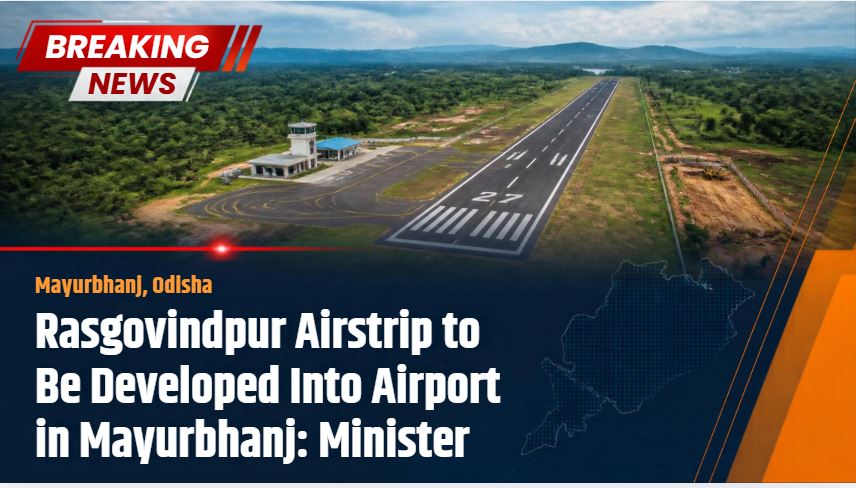
Representational Image
Responding to a question in the House, Jena said the Centre has already approved the proposal to upgrade the airstrip into an airport, paving the way for further development of the facility.
Budget Provision Made for Development
The minister said the state government has made a budgetary provision in the current financial year for the development and upgradation of the Rasgovindpur airstrip.
He added that the Odisha government is coordinating with the Centre on the project and has initiated necessary steps for its implementation.
Project to Boost Air Connectivity
The proposed airport is expected to strengthen air connectivity in Mayurbhanj and surrounding areas once the development work is completed and flight operations begin.
The Rasgovindpur facility, also known as the Amarda Road airstrip, has been under consideration for development for several years. The Centre had earlier granted permission for the state government to develop the airstrip for civil aviation purposes.
The latest announcement marks a fresh step towards converting the existing airstrip into an operational airport, although details regarding the project timeline, construction schedule and commencement of commercial flight services were not specified in the Assembly reply.


