


2, Feb 2026
Shiv Parekh of hBits Welcomes Union Budget 2026 Push on REITs and Investment Innovation
By:- Shiv Parekh, Founder and CEO, hBits
“The Union Budget 2026 sends a positive signal for India’s investment ecosystem. The 12.2 trillion rupee allocation for infrastructure and introducing a dedicated REITs for monetising CPSE assets can help unlock private capital and improve market liquidity. This opens up more stable, yield-focused investment opportunities for both institutional and retail investors.
At hBits, we see this as an important step toward making real estate and infrastructure investing more accessible and transparent.
- 0
- By Neel Achary

2, Feb 2026
Tax Holiday For Indian Data Centers In Budget Is A Core Sector Moment For AI- Sumant Parimal
Feb 2: Indian Finance Minister Nirmala Sitharaman presented the Government. of India’s budget for the year 2026-27 in the Indian Parliament yesterday.
This budget has proposed to provide a tax holiday up to 2047 to any foreign company that provides services to any part of the world outside India by procuring data centre services in India. In addition, it is also proposed to provide a safe harbour of 15% to the resident entity providing data centre services to a related foreign company.
Sumant Parimal, Chief Analyst of 5 Jewels Research (5JR) at Innogress, has hailed this and other provisions under the Union Budget of Govt of India, and said that the tax holiday for the Indian Data Centres in budget Is a core sector moment for AI.
Giving his analyst outlook on the Indian Budget 2026 presented today in the Indian Parliament by FM Nirmala Sitharaman, Chief Analyst of 5 Jewel Research at Innogress Mr Sumant Parimal, has said
“During year 2022 pre-budget outlook I emphasised the need for according strategic sector status to AI (Artificial Intelligence) in line with core sectors like Electricity, Coal, Steel, Gas, Telecommunication, now I am happy to see that Govt. of India has understood this and has provisioned tax holidays till 2047 for Data Centers getting setup in India for the global markets. I see this tax holiday provisioned in this year budget for Indian data centres as equivalent to according a strategic and core sector status to AI, which gets hosted and accessed through these data centres, in line with my pre-budget outlook for the year 2022. This provision of Govt. of India to waive off tax on Data Centres for international markets is not only going to boost Big Tech’s & MNC’s Data Centres footprints in India but shall also boost the attractiveness of domestic firms’ data centers capacities in the pipeline for receiving foreign collaborations and investment interests” said Mr Sumant Parimal.
“Further, this tax holiday provision is going to expand data center capacity additions in India, which in turn is going to trigger semiconductors, electronics and other IT-engineering related components demands in India, and I am happy to see that this semiconductor-electronics demand trigger has been proactively addressed by Govt. Of India by announcing India Semiconductor Mission (ISM) 2.0 with a budgetary outlay of Rs. 1000 Cr and additional budgetary outlay of Rs. 40,000 Cr for Electronics Components Manufacturing Scheme (ECMS)in FY 2026-27” Mr Sumant Parimal said.
Mr Sumant Parimal also hailed other provisions of the budget which includes ‘Bharat-VISTAAR’-a multilingual AI tool to enhance farm productivity, improve farmer decision making and reduce risk through customized advisory support, and to support the Indian Institute of Creative Technologies, Mumbai in setting up AVGC Content Creator AI Labs in 15,000 secondary schools and 500 colleges in furtherance of India’s Orange economy and termed these provisions of the budget a right step towards achieving “AI For ALL” for which he is emphasizing since 2019.
Chief Analyst of 5 Jewels Research also hailed the Indian government plans to launch a Customs Integrated System (CIS) within two years to streamline all customs operations, as announced by Finance Minister Nirmala Sitharaman during the Union Budget 2026-27 and termed it as most pressing AI-Technology led business transformation in governance for ease of doing businesses by reducing bureaucracy, which is a big relief to Enterprises, SMEs and R&D labs which are importing critical equipment, devices and components from overseas under extreme time and budgetary constraints. Mr Sumant Parimal termed this ‘CIS’ initiative as a catalyst to integrate India-based deep tech. GCCs (Global Capability Centers) / research centres in the Global supply chain because customs clearances were a big bottleneck in the inbound and outbound supply chains at the Indian ports.
1, Feb 2026
AI, Semiconductors, Startups, and Technology: Expert Insights on Union Budget 2026–27
Artificial Intelligence – Bruce Keith, CEO & Co-Founder, InvestorAi
“The focus on fiscal discipline and tax harmonisation is welcome. The emphasis on education in a rapidly AI-driven world makes sense. However, the increase in Securities Transaction Tax (STT) on futures and options—150% and 50%, respectively—may inadvertently reduce liquidity, as most F&O participants incur losses. Rather than disincentivising trading, education and AI-enabled guidance could be a better lever to address this challenge.”
Venture Capital Perspective – Ankur Mittal, Co-Founder, Inflection Point Ventures
“India’s service-led economy stands to benefit from AI-driven growth. The government’s focus on building strong AI talent is strategic, helping retain domestic talent, attract global tech investment, and strengthen the startup ecosystem. Startups like CTPL can play a pivotal role in executing this vision.”
Venture Capital Perspective – Anil Joshi, Managing Partner, Unicorn India Ventures
“Indian semiconductor manufacturing is nascent and needs policy support. ISM 2.0 and the ₹40,000 crore allocation for electronic components will strengthen the supply chain, enabling India to become self-reliant. Initiatives like Bharat Vistaar will enhance agriculture productivity using real-time AI and satellite data. The announcement of four telescope centres will bolster India’s self-reliant space research capabilities.”
Semiconductor Industry – Manu Iyer, General Partner & Co-Founder, Bluehill.VC
“The launch of India Semiconductor Mission 2.0 is transformative for technology and manufacturing. By supporting domestic semiconductor equipment, materials, and design, ISM 2.0 positions India as a globally competitive hub. Coupled with rare earth corridors across mineral-rich states, these measures strengthen supply chains for electronics, defense, and clean energy, driving high-skilled employment and innovation.”
Legal Tech – Hitesh Jirawla, Founder & CEO, Cubictree
“The government’s push to digitise courts, combined with AI innovation funds exceeding ₹10,000 crore, marks a quantum leap for Legal AI in India. This initiative addresses the ‘Iron Triangle’ of legal technology—cost, speed, and accuracy—establishing Legal AI as critical infrastructure for a developed India.”
Cybersecurity – Pankit Desai, Co-Founder & CEO, Sequretek
“Union Budget 2026 positions India’s digital economy as a core growth driver. The increase in safe harbour thresholds for IT/ITES companies—₹2,000 crore for domestic and ₹300 crore for overseas group entities—reduces tax disputes and compliance risks. Tax holidays for foreign cloud data centres enhance technological sovereignty. The ₹10,000 crore SME Growth Fund empowers adoption of emerging technologies, supporting India’s Make in India, Make for the World vision.”
The Union Budget 2026–27 lays a robust foundation for India to emerge as a global tech powerhouse, with focused investments in AI, semiconductors, cybersecurity, digital infrastructure, and skill development. Coupled with support for startups, SMEs, and high-tech manufacturing, these measures aim to foster innovation, build a resilient ecosystem, and strengthen India’s position in global value chains.
1, Feb 2026
Budget 2026 Strengthens Auto & EV Sector with CapEx Boost and Supply Chain Support
Mumbai, Feb 01: Speaking on the budget announcements, Mr Shailesh Chandra, President, SIAM and MD & CEO, Tata Motors Passenger Vehicles Ltd, said,
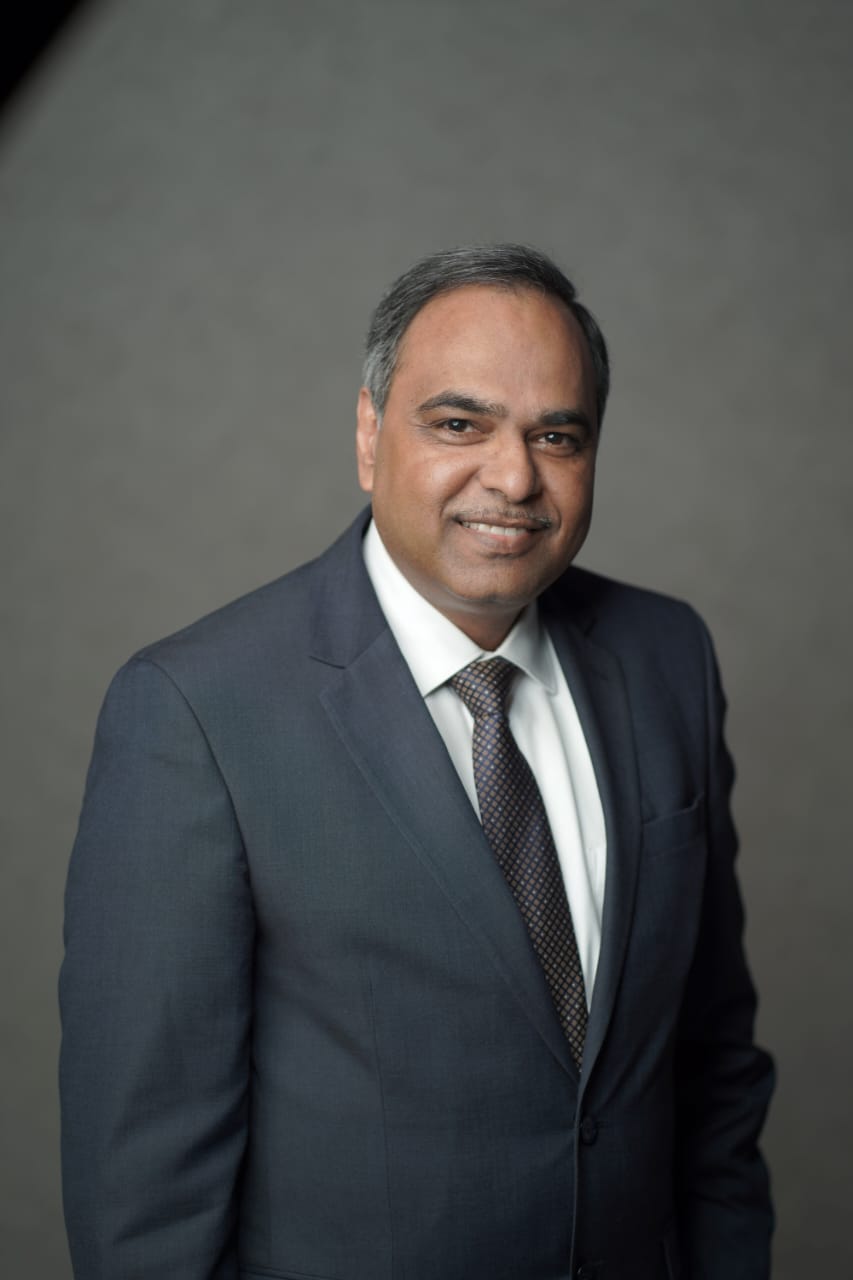
“We welcome the Union Budget 2026–27, which continues to focus on long-term, sustained economic growth with a strong emphasis on manufacturing, infrastructure including freight corridors & waterways and fiscal prudence. The decision to raise the capital expenditure target to Rs 12.2 lakh crore for FY 2026-27 from Rs 11.2 lakh crore in the current year will provide a strong impetus to demand creation and industrial activity, including the Automobile sector.
Enhanced support for electronic components manufacturing, setting up dedicated corridors for mining and processing of rare earth, along with initiatives to establish high-tech tool rooms and supporting container manufacturing, will develop supply chain resilience and help in streamlining exports. The allocation of 4,000 e-buses for the Purvodaya States will accelerate the transition toward sustainable public mobility solutions.
Continued exemption of Basic Customs Duty on Capital Goods used for manufacturing lithium-ion batteries, along with the extension of concessional duty benefits for lithium-ion cells and their parts used in manufacturing batteries for electric and hybrid vehicles for a further two years till March 2028, will enable creation of a robust EV ecosystem in the country.”
1, Feb 2026
Budget 2026 Focuses on Future Skills, Education, and Innovation-Driven Ecosystems
“Union Budget 2026 goes beyond allocations to architect ecosystems – linking education, healthcare, creativity, and industry at scale. From university townships and regional medical hubs to content creator labs and design institutes, the focus is clearly on future skills and employability. For brands and institutions, this marks a shift from transactional communication to purpose-led narratives rooted in impact and innovation. As policy enables new talent pipelines and digital-first learning, strategic communication will be critical in building credibility, attracting stakeholders, and translating policy vision into measurable public trust and growth.”
1, Feb 2026
Budget 2026 Boosts Healthcare Access, Infrastructure, and Skilled Workforce
By:- Dr. Azad Moopen, Founder & Chairman, Aster DM Healthcare
Today’s Budget lays out a thoughtful and forward-looking blueprint for India’s healthcare ecosystem—one that seamlessly integrates innovation, access, capacity expansion and global competitiveness. The Biopharma Shakti initiative, with an outlay of ₹10,000 crore over five years and a clear focus on strengthening research, manufacturing and regulatory capabilities, will play a pivotal role in accelerating India’s journey towards advanced, affordable and globally benchmarked healthcare solutions. The exemption of basic customs duty on 17 critical cancer drugs is a timely and patient-centric measure that will significantly improve access to life-saving therapies while easing the financial burden on families.
The Budget’s strong emphasis on healthcare infrastructure is equally encouraging. The proposed 50 percent capacity expansion of district hospitals, combined with targeted investments in tertiary care through the expansion of NIMHANS 2.0 in North India and the addition of three new AIIMS facilities, will meaningfully strengthen care delivery across both urban and underserved regions. These measures reinforce the government’s commitment to building a more resilient, inclusive and future-ready public health system.
Importantly, the Budget recognises healthcare as a powerful engine of employment and social impact. The announcement of 1,00,000 Allied Health Professionals (AHPs), alongside the training of 1.5 lakh caregivers, supported by structured skilling initiatives, AI-enabled training pathways and digital health programmes, marks a decisive step towards building a large, skilled and future-ready healthcare workforce. This integrated approach will help support an ageing population, specialised care needs and emerging models of care delivery. Together with the continued push for medical hubs, medical value tourism, and a sharper focus on mental and digital health, these initiatives firmly position India as a globally trusted healthcare destination with sustainable long-term growth potential.
1, Feb 2026
Budget 2026 Drives Inclusive Growth and Financial Wellbeing: Thomas John Muthoot
Thomas John Muthoot, Managing Director, Muthoot FinCorp Ltd
“Budget 2026–27 is part of a longer reform journey under the leadership of our Prime Minister Narendra Modi where successive budgets have shifted India from stimulus driven spending to reforms over rhetoric.
By combining fiscal discipline, manufacturing strength, a bold services mission, digital public infrastructure, infrastructure led growth, skilling and simpler tax processes, the Budget advances the Viksit Bharat 2047 vision of a resilient and self-reliant India, while directly strengthening the financial wellbeing, opportunity and dignity of the common man and making growth truly inclusive and a force for good.
For Muthoot FinCorp Ltd., this policy direction is constructive and aligned with our purpose of transforming the life of the common man by improving financial wellbeing and being a force for good.”
1, Feb 2026
Budget 2026: Boost for Digital Payments, MSMEs, and Export Growth
Anup Agarwal, Co-founder, Kiwi
The ₹2,000 crore incentive allocation for UPI and RuPay in Budget 2026 reinforces the importance of a sustainable digital payments ecosystem. As UPI continues to scale across transactions and use cases, the role of NPCI in maintaining interoperability, reliability, and low-cost access remains central. Sustained incentives are critical to preserving this affordability while enabling responsible innovation across the ecosystem. At Kiwi, we see this as a strong foundation for layering transparent and responsible credit on top of trusted payment rails to improve access and affordability for everyday consumption.
Vikas Tarachandani, Co-founder, SURE
“The Budget reinforces confidence in India’s financial ecosystem by prioritising stability, reform continuity and sector preparedness for long-term growth. The focus on improving credit quality and expanding financial inclusion strengthens the foundation for more disciplined borrowing and efficient capital allocation.”
Sundeep Mohindru, Founder & Promoter, M1xchange
“The Budget’s decisive push to create CHAMPION SMEs by giving equity support and by anchoring liquidity access through the TReDS ecosystem marks a structural shift in how working capital flows to MSMEs. By positioning TReDS as the settlement platform for liquidity support for MSMEs for their supplies to CPSEs, the government encourages wider participation in invoice discounting. This re-establishes the value add TReDS is making towards solving the delayed payment challenge for MSMEs. Credit guarantee support on Invoice discounting on TReDS and the integration of GeM with TReDS will enable quicker and more affordable financing for suppliers. Treating TReDS receivables as asset backed securities will deepen liquidity multifold and enhance the secondary market expansion for invoices discounted . Equally critical is the creation of corporate mitras through professional institutions, which will strengthen affordable compliance support in Tier 2 and Tier 3 towns. Together, these measures reinforce MSMEs as India’s engine of growth.”
Pushkar Mukewar, Founder and CEO, Drip Capital
“The Budget’s measures to support seafood exports, including increased duty-free input limits, extended export timelines, and duty-free fish catch in the EEZ and on the High Seas, will significantly ease cost and working-capital pressures for Indian exporters. These steps create new avenues to scale operations, manage cash flows more predictably, and fully harness the economic value of marine resources.”
1, Feb 2026
Budget 2026: Infrastructure and Logistics Boost to Strengthen India’s Trade Competitiveness
Mr. Girish Aggarwal, Managing Director, APM Terminals Pipavav
“Budget 2026 reassures the government’s continued focus on infrastructure-led growth and the importance of logistics as a key enabler of India’s trade competitiveness. At a time of global uncertainty, the record public capital expenditure of INR12.2 lakh crore and the emphasis on integrated connectivity through freight corridors, coastal shipping, inland waterways, and port-led development provide a stable and confidence-building signal for the sector.
Focused initiatives such as the Dankuni–Surat Dedicated Freight Corridor and the operationalisation of new national waterways strengthen multimodal connectivity, while investments in ship-repair ecosystems and high-speed rail corridors reflect a forward-looking approach to long-term infrastructure development.
The Finance Minister’s emphasis on keeping the ‘Reform Express’ firmly on track is clearly visible in these initiatives, as well as in the INR10,000 crore allocation for container manufacturing and the focus on sustainable cargo movement. From an industry perspective, these measures will significantly improve connectivity, reduce transit times, lower logistics costs, and enable Indian ports to operate with greater efficiency, reliability, and scale. The Budget’s focus on digitised, integrated customs processes and faster cargo clearances is a meaningful step towards improving ease of doing business. The expansion of AI-enabled, non-intrusive scanning across major ports will directly support faster cargo movement and lower transaction friction, translating into improved reliability and efficiency across the logistics chain for ports and trade.
At APM Terminals Pipavav, we see this as an opportunity to continue working closely with the government and stakeholders to support India’s evolving logistics and maritime ecosystem and contribute to India’s long-term economic growth.”
1, Feb 2026
Budget 2026–27: India Poised to Lead as AI Drives Economic Growth, Says 1Point1 Solutions CMD
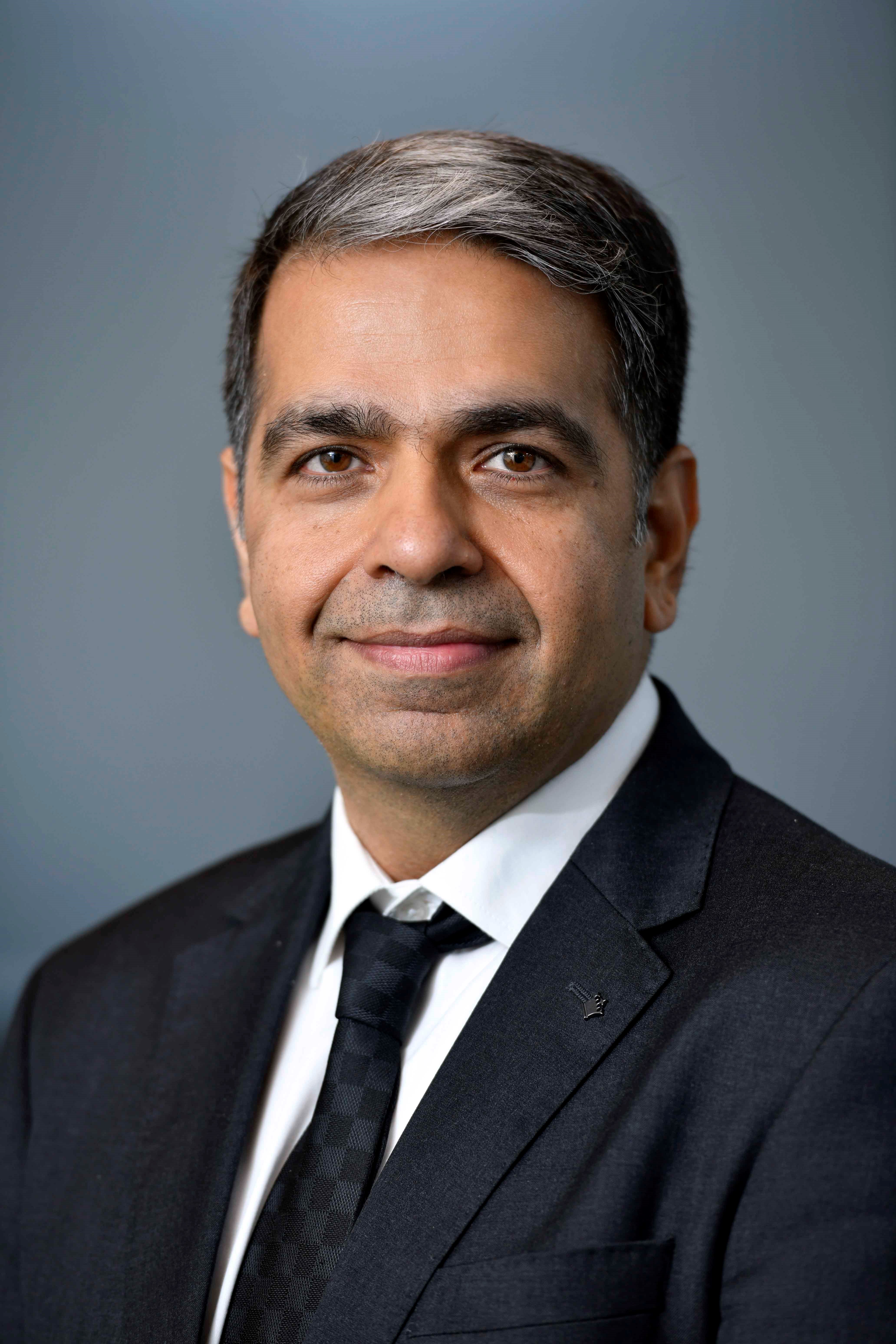
By:- Akshay Chhabra, CMD, 1Point1 Solutions Limited.
The Union Budget 2026–27 signals that India is moving beyond AI adoption to making AI a core engine of economic growth. A key highlight is the recognition of data centres as critical national infrastructure—a timely move that underscores the foundational role of digital infrastructure in an AI-led economy.
The proposed tax holiday until 2047 for global cloud service providers operating data centres in India sends a strong signal to long-term investors and hyperscalers. It encourages sustained capital commitment, accelerates large-scale infrastructure build-out, and strengthens India’s position in the global cloud, AI, and digital services value chain.
For AI-first services companies like 1Point1 Solutions, with operations across global markets and expertise in technology-led BPM and CX transformation, these measures create a powerful enabling environment. Incentives for cloud and hyperscale providers not only expand infrastructure capacity but also enhance institutional capability, talent readiness, and ecosystem maturity.
Together, these steps reinforce India’s readiness to lead responsibly in a digital- and intelligence-driven global economy. For companies with deep AI integration and global operations, this Budget highlights a clear reality: AI is no longer a future roadmap it is today’s operating reality, and India is ready to lead from the front.


