


31, Jan 2026
Škoda Auto India and BBH India roll out ‘You Never Drive Alone’, spotlighting Škoda Super Care
Mumbai, Jan 31: Škoda Auto India, in partnership with BBH India, has launched an integrated campaign ‘You Never Drive Alone’ as it debuts its brand-wide service programme ‘Škoda Super Care’. Aimed at enhancing customer ownership experience across Škoda Auto India’s entire product portfolio from 2026, ‘Škoda Super Care’ introduces best-in-class ownership benefits as part of a unified service framework.
Designed with a clear business and consumer insight, the campaign ‘You Never Drive Alone’ is led by a brand film that brings Škoda’s philosophy to life. The campaign portrays driving as an experience to be enjoyed with peace of mind, beyond simply a means of reaching a destination.
The film follows a couple on a scenic drive, pausing to take in the lush, serene landscape from the comfort of their car. As they glance back, they notice the Škoda Super Care team nearby, a reminder that with a rapidly growing network across 183 cities in India, and a strengthened customer support throughout the vehicle ownership lifecycle, Škoda owners are never truly alone on the road.
Commenting on the initiative, Ashish Gupta, Brand Director, Škoda Auto India, said,
“Today marks a meaningful step forward in how we support our customers beyond the showroom. Ownership is about confidence, clarity and value every time a customer drives their car, visits a service centre or needs support. With Škoda Super Care, we are bringing together best-in-class warranty coverage and roadside assistance for four years, along with four free services including the Škoda Check-in services at 1,000 and 7,500 Kms. This gives customers an early connect with Škoda service along with affordable & predictable service costs, strong support through the ownership journey and the peace of mind they deserve. It’s a simple promise, yet a powerful one.”
Discussing the campaign, Parikshit Bhattaccharya, Chief Creative Officer, BBH India and Propagate India, added,
“Service is usually communicated through information. We chose to communicate it through feeling. The idea was to visualise support without making it loud, to show that reassurance can exist quietly in the background of a journey.”
‘You Never Drive Alone’ is currently live across television, digital, print, and OOH. With purposeful storytelling, the campaign builds upon long-term ownership confidence through periodic maintenance services, newly introduced Škoda Check-in services, extended warranty coverage, roadside assistance and free services, offering clarity and value.
- 0
- By Neel Achary

31, Jan 2026
KIMS Kurnool doctors Dr. Sheikh Mannan & Dr. Kiran Kumar who corrected S-shaped spine
Kurnool, Jan 31: Doctors at KIMS Hospital, Kurnool, have successfully corrected a severe S-shaped spinal deformity in an 18-year-old girl through a highly complex surgery involving the placement of 30 spinal screws.
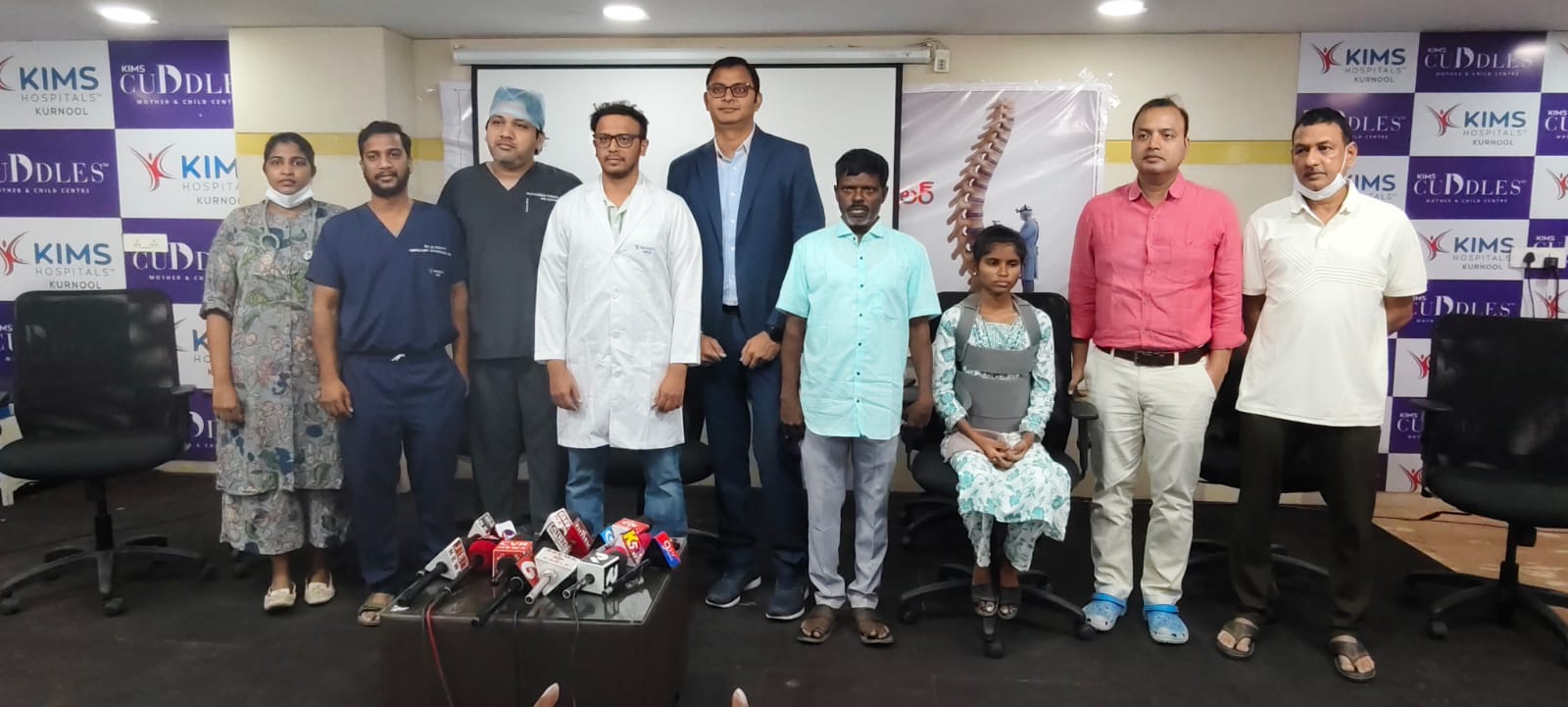
The patient, a resident of Vamasamudram village in Kurnool district, had been suffering for several years from persistent headaches, abnormal gait, and progressive spinal curvature. Her family, belonging to an economically weaker background, initially sought treatment at a private hospital where she underwent surgery in 2019 for Arnold–Chiari malformation, a congenital condition affecting the brain. While the headaches subsided after that procedure, the spinal deformity continued to worsen over the years, eventually resulting in a pronounced hunchback posture.
Given the high risk associated with corrective spinal surgery in such cases, including the possibility of permanent neurological damage, the patient was referred to KIMS Hospital, Kurnool.
After detailed evaluation, a team led by consultant spine surgeon Dr. Shaik Mannan and Chief Consultant and Head of the Orthopaedics Department Dr. Kiran Kumar decided to perform the surgery under continuous intra-operative neuromonitoring.
Explaining the procedure, Dr. Mannan said the patient had a spinal curvature of nearly 50 degrees extending from the D2 to L4 vertebrae.
“Despite the high risk, we were able to achieve nearly 90–95% correction using 30 specialised screws. The spinal alignment has been restored close to normal. The earlier shoulder imbalance has resolved, both shoulders are now at the same level, and the prominent bony hump on the back has significantly reduced,” he said.
Remarkably, the patient was able to walk independently from the first day after surgery, and her vital functions returned to normal soon after. The surgery was successfully completed with the support of the anaesthesia team comprising Dr. Bhuvana and Dr.Shruthi, along with, critical care Dr. Rajesh Reddy.
Orthopaedic HOD Dr. Kiran Kumar said the procedure marked one of the most complex spinal surgeries performed in the Rayalaseema region and the first successful neuromuscular scoliosis correction of its kind in the area. “This achievement once again highlights the clinical expertise and commitment of KIMS Hospital,” he noted.
KIMS Kurnool Regional COO Siddareddy stated that the entire cost of the surgery was covered under the Arogyasri scheme, making it completely free for the patient. He added that the hospital has performed over 100 highly complex spinal surgeries in the Rayalaseema region, which he described as a matter of pride for the institution.
31, Jan 2026
CREDAI Hyderabad on Economic Survey 2025–26
Hyderabad: Jan 31: CREDAI Hyderabad welcomes the Economic Survey 2025–26, which reaffirms Hyderabad’s role as a key driver of India’s urban and economic growth. The Survey projects 7.4% GDP growth for FY26, supported by strong Gross Fixed Capital Formation nearing 30% of GDP, a resilient services sector growing at 9.1%, and credible fiscal consolidation with the fiscal deficit at around 4.8% of GDP.
Hyderabad’s growth stands out for its simultaneous urban densification and rapid peripheral expansion, reflecting sustained demand for high-density residential and commercial development. This pattern highlights the need for possibility-oriented urbanism, where infrastructure, mobility, and utilities keep pace with city expansion.
The Survey highlights strong sectoral performance, with the Financial, Real Estate and Professional Services sector growing by 9.9% in H1 FY26, while construction recorded 7.4% growth, underscoring the multiplier impact of public capital expenditure on housing, jobs, and infrastructure.
Commenting on the Economic Survey, Mr. Jagannath Rao Bandari, President-elect, CREDAI Hyderabad, said:
“The Economic Survey captures Hyderabad’s unique growth trajectory, with both core densification and peripheral expansion progressing together. To sustain this momentum, it is critical to address constraints in land, mobility, and infrastructure through predictable regulations, contextual compliance, and trust-based governance.”
CREDAI Hyderabad aligns with the Survey’s assessment that the high cost of capital remains a key constraint and calls for risk-mitigation tools, partial credit guarantees, and improved access to long-term finance to support housing supply across segments.
Looking ahead to the Union Budget 2026, CREDAI Hyderabad expects continued emphasis on infrastructure funding and public capex to sustain 7–8% construction growth, along with expanded support for PMAY 2.0, single-window clearances, and viability gap funding for affordable housing.
On taxation for homebuyers, CREDAI Hyderabad urges further reforms including higher income-tax deductions on home loans, NPS-like tax benefits linked to housing finance, and rationalisation of stamp duties, which will enhance affordability and boost middle-class homeownership.
CREDAI Hyderabad reiterates its commitment to reform-led growth, affordable housing, and sustainable urban development, and looks forward to policies that strengthen Hyderabad’s contribution to India’s $5 trillion economy.
31, Jan 2026
Experts flag the East-West OdishaDevelopmental Divide: PRAHAR Seminar
Bhawanipatna, Jan 31 : PRAHAR, (Public Response Against Helplesness & Action for Redressal) a policy-focused development organisation working on employment, livelihoods and regional equity, organised a Seminar on “South-West Odisha: Economic & Employment Growth, Challenges and Opportunities” at Hotel Midtown, Bhawanipatna.
The dialogue brought together economists, development practitioners and industry experts to discuss solutions to bridge the widening intra-state developmental disparities in Odisha. The Panel highlighted that Odisha’s substantial mineral reserves, particularly in Kalahandi and Rayagada, represent an underleveraged opportunity for manufacturing-led growth. Greater integration of these resources into downstream industrial activity could support higher GDP contribution, employment creation, and improved value retention within the domestic economy.
Speaking at the forum, Dr. Ajaya Mishra, Former Professor of Geography, GM University and Kalahandi University, said,
“It is time for all of Odisha to benefit from the Viksit Odisha agenda and align with the Atmanirbhar Bharat 2047 roadmap. When industrial activity is not supported by local clustering, employment remains limited and migration continues. Odisha has a clear opportunity to leverage the world’s second-largest rich Bauxite base, supported by substantial private investments such as refineries, to drive industrialisation and create sustainable livelihoods. Policy must recognise this shift if backward regions are to genuinely catch up.”
Mr Abhay Raj Mishra, President of PRAHAR, said,
“India’s past experience demonstrates that prolonged regional intra-state disparities often translate into political and social fragmentation. From Uttarakhand to Jharkhand to Telangana, demands for separate statehood have been rooted in uneven development. Odisha must not treat regional imbalances as a peripheral issue, but as a core development challenge.”
Unlocking the untapped Bauxite Mining alone has the potential to empower 10,000 SMEs and create 2.4 million jobs for the state, accelerating Orissa’s development multifold. Data from the dialogue highlighted that districts such as Kalahandi and Rayagada continue to lag significantly in income and employment indicators. Kalahandi’s per capita income stands at approximately ₹32,000—less than one-fifth of the state average of around ₹1.8 lakh—while nearly 70 per cent of the workforce in South–Western Odisha remains dependent on agriculture, reflecting the absence of non-farm employment engines despite the region’s mineral resource wealth and home to one of the world’s largest Alumina Refineries in the state.
Mr. Ashok Pattnaik, CEO NGO Kartavya said
“Odisha’s challenge is not the availability of resources, but the absence of a structured pathway from mineral Production to local industrial growth.” Mr. Satyanarayan Pattanayak, Founder Secretary, Seba Jagat, said: “Eastern districts are gaining jobs and industries, while western Odisha continues to lag, which is reflected in sharp per capita income gaps within the state. Odisha can close its own gap only by bringing large-scale industrial activity and employment including farm &forest based industries to western districts and different need based Skills training ( including soft skills) for youths & women which growth reaches every region.”
Speakers noted that states that have built integrated industrial ecosystems combining production, fabrication and MSME clusters have seen higher job creation, stronger regional GDP growth and lower migration. In contrast, delays in developing such domestic value chains have a clear macroeconomic cost: limited utilisation of domestic resources increases India’s reliance on imported raw materials, resulting in avoidable foreign exchange outflows and lost value addition at both the state and national levels.
31, Jan 2026
HPV Vaccination and Regular screening can prevent cervical cancer
Mohali, Jan 31: Cervical cancer is the second most common cancer affecting Indian women, with nearly 1.3 lakh women diagnosed every year. Sadly, most women in India are diagnosed in advanced stages leading to high death rates. This is truly unfortunate as cervical cancer is a preventable cancer. With January being observed as the Cervical Cancer Awareness Month, Dr Shweta Tahlan, Senior Consultant, Gynae Onco-Surgery, Fortis Hospital, Mohali, gives us a detailed insight on cervical cancer.
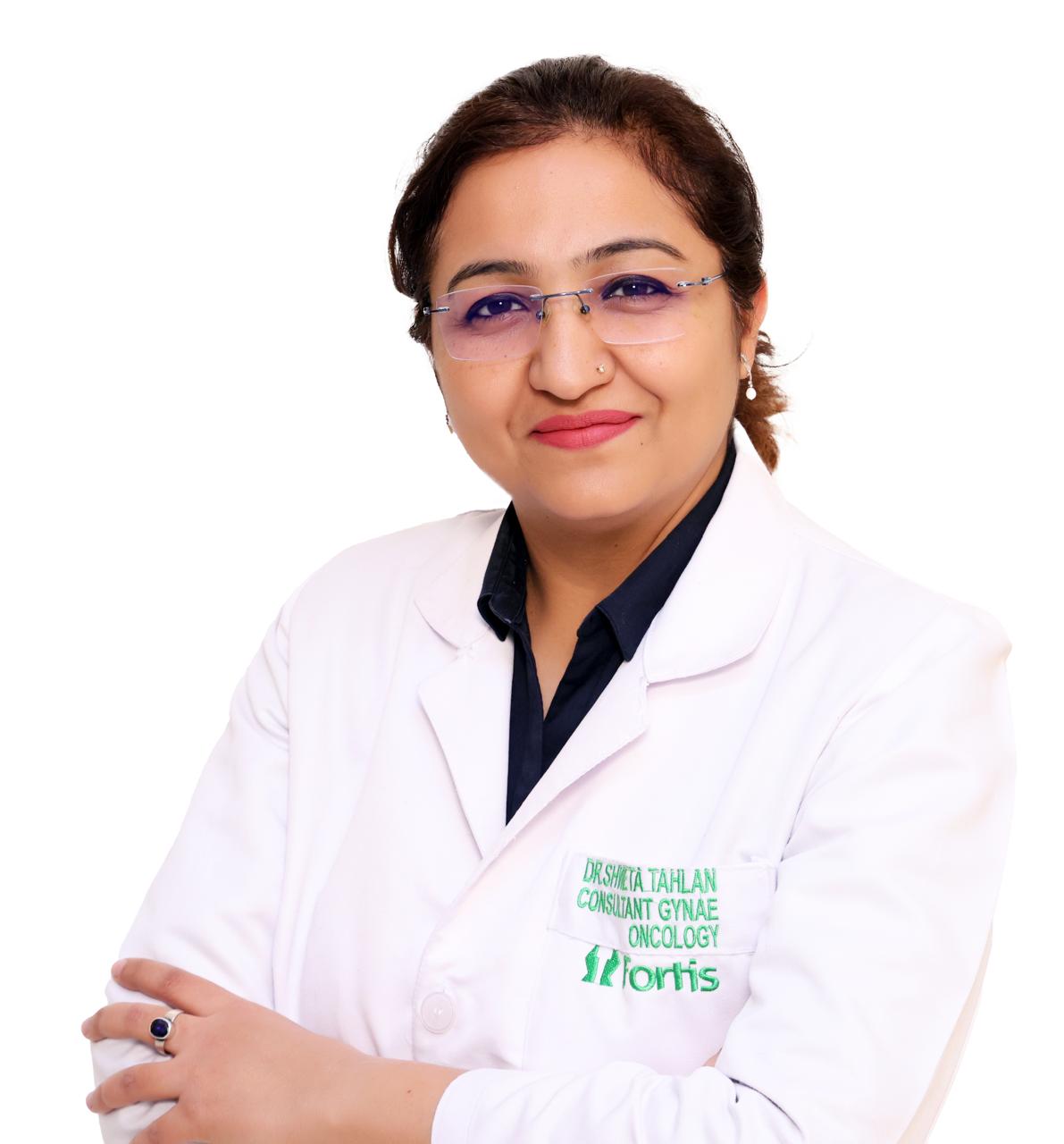
Cervical cancer occurs in the cells of the cervix, which is the lower part of uterus and most cases are reported in the age group of 35-60 years. Majority of cervical cancers are caused by persistent infection by high-risk strains of Human papilloma virus, and a precancer stage usually precedes the invasive cancer stage. This detailed understanding of the disease makes it a preventable cancer
Prevention and Early detection
HPV vaccination provides the primary prevention against this deadly disease and timely vaccination gives lifelong protection. The recommended age to get vaccinated is between 9 and 26 years of age, although, it can also be given to women up to 45 years of age. HPV vaccine is very safe, effective, widely available and affordable. HPV vaccination is recommended by all medical organizations like WHO, FOGSI and IAP.
Screening tests provide secondary prevention, and it is done by testing cervical smears for abnormal cells (Pap smear & LBC) and presence of HPV (HPV testing). The test is painless and is done in OPD itself. This helps us detect and cure women in precancer stage itself (before cancer is formed). Screening test is recommended for all women over the age of 25 years.
Early detection helps detect women in early stages of cancer. Symptoms of cervical cancer are postcoital vaginal bleeding, persistent vaginal discharge which can be foul-smelling or blood stained, postmenopausal vaginal bleeding, continuous or intermenstrual bleeding, lower abdomen pain or discomfort, urinary troubles and severe back ache.
Treatment
Women in early stages are treated effectively by radical surgery and women diagnosed in advanced stages are treated with radiotherapy, chemotherapy and immunotherapy. Timely treatment from expert oncologists can provide good survival and excellent quality of life.
Widespread HPV vaccination and regular screening can help save many lives. Our target is to save women from this deadly disease and together, we can achieve it.
31, Jan 2026
EduConclave 3.0 Highlights Inclusive STEM Education for the Next Generation
Pune, Jan 31: Pune Knowledge Cluster, under the Office of the Principal Scientific Adviser to the Government of India, in collaboration with Salaam Bombay Foundation, organised EduConclave 3.0 on January 30, 2026, at Savitribai Phule Pune University.
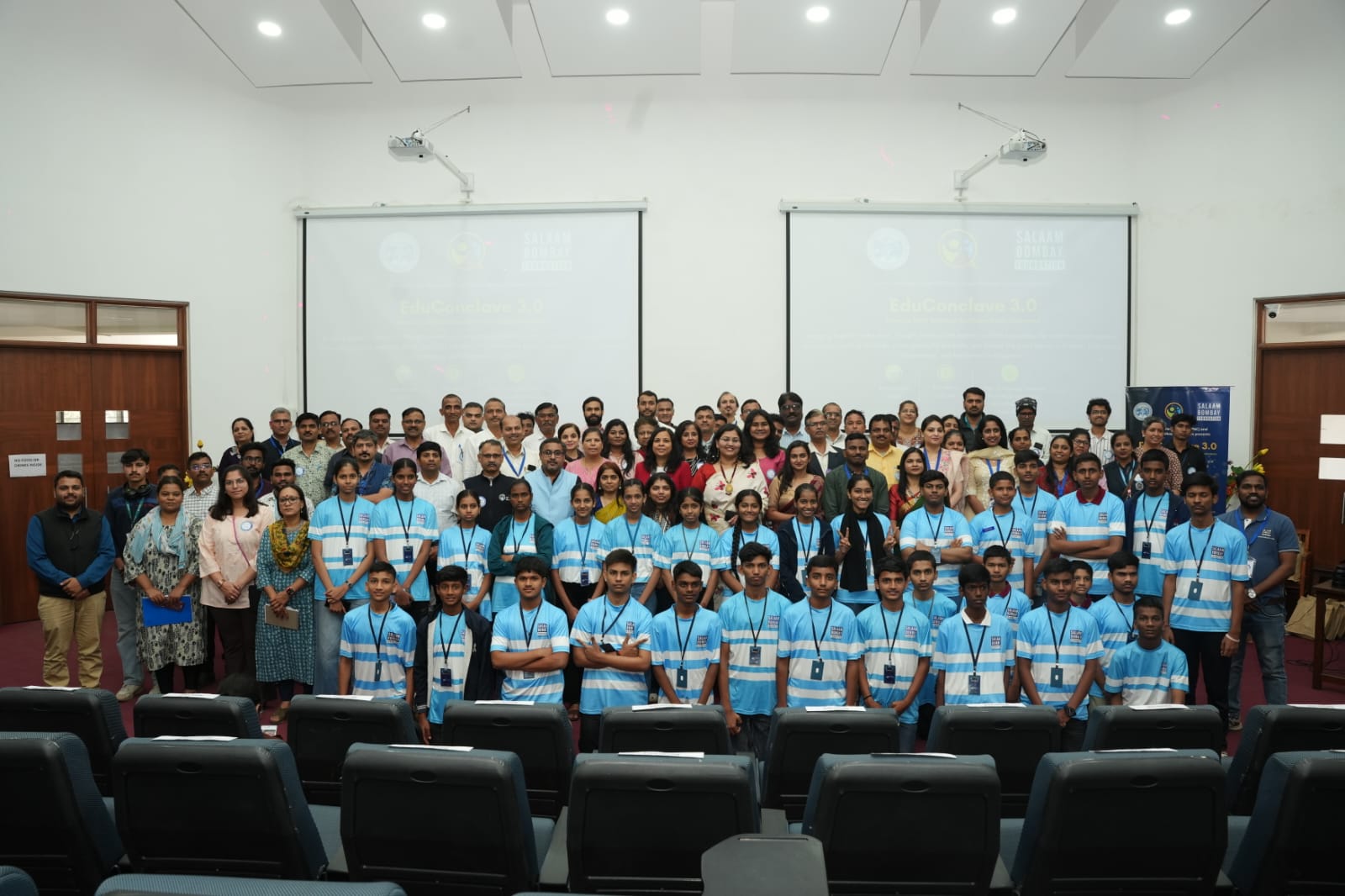
The two-day conclave brought together educators, policymakers and STEM practitioners to explore new and practical approaches to STEM education in India. The programme featured hands-on workshops on Artificial Intelligence and Zero-Cost Game-Based Learning, a panel discussion on building future-ready classrooms, and a STEM showcase highlighting emerging education technologies.
A key highlight of EduConclave 3.0 was TechVision, a student-led technology exhibition where students from government and government-aided schools presented solutions to real-world challenges. More than 750 students from over 25 schools across Mumbai, Pune and Nashik participated, developing over 100 projects across robotics, artificial intelligence and other new-age technologies. The top 14 projects were showcased at the conclave, which was attended by over 1,000 students from 19 government schools in Pune.
Among the notable innovations was SpoilAlert, developed by students Ayush Bhosale and Shreyash Bile. The handheld food safety scanner detects whether food is fresh or spoiled by sensing spoilage gases and changes in colour and moisture, with results displayed instantly on a screen. Designed as a low-cost, non-destructive device, it aims to reduce food waste and help prevent foodborne illnesses.
In the agriculture category, ShetiSuraksha, an autonomous farming robot created by Arjun Vishwasroa and Soham Hajare, attracted attention for its practical application. The robot monitors plant and soil conditions, waters only dry areas, detects rainfall, deters pests, and sends real-time updates to the farmer’s phone. The solution is designed to save water and labour while supporting healthier crops and more efficient farm management.
Other innovations include: SalineGuard Pro (saline monitoring system that silently tracks fluid levels and alerts nurses in time – enhancing patient safety without disturbing hospital calm), NextGen Cart (a smart shopping cart that scans barcodes, verifies item weight, and shows real-time billing on your phone – making checkout faster, fairer, and hassle-free), Poll Wizard (digital voting system that ensures secure, duplicate-free polling with instant results and easy Excel-based data management), FallWatch (bike-mounted fall detection system that senses accidents and instantly shares live location with emergency contacts for faster lifesaving response), among others.
Dr. Priya Nagaraj, Interim-CEO, Pune Knowledge Cluster (PKC) said,
“We are very happy to be hosting the third year of EduConclave, which is our annual education conference. This year’s focus is on integrating digital pedagogies into school teaching and learning practices. We are happy to see that we have more than 70 participants, and we have a very large student-led exhibition as part of EduConclave this year.
We hope to continue this legacy of having education and STEM education conferences in Pune, and we hope this becomes a flagship event for many educators and organizations working in STEM pedagogies to come, collaborate, network, and bring about meaningful change and impact in education.”
Commenting on the conclave, Mr. Gaurav Arora, Chief Growth Officer and Senior Vice President – skills@school & Sports, Salaam Bombay Foundation, said,
“Aligned with the vision of the National Education Policy 2020, EduConclave underscores the importance of experiential and inquiry-based STEM education in bridging learning gaps for students from resource-challenged backgrounds. By nurturing curiosity and confidence at the school level, our collaboration with Pune Knowledge Cluster aims to strengthen pathways to higher education and future careers in science and technology.”
EduConclave 3.0 concluded with a strong call to action to ensure equitable access to quality STEM education across regions and school systems. By placing students at the centre of innovation and learning, the conclave reaffirmed a shared commitment to building inclusive, future-ready education ecosystems that empower young minds to explore, innovate and lead.
31, Jan 2026
Budget 2026 Can Accelerate India’s GCC-Led Innovation Growth: Srinivas Nandigam
Srinivas Nandigam, Managing Director, Global Capability Centre, Advance Auto Parts India:
“India’s Global Capability Centre ecosystem has entered a phase of sustained maturity and global relevance. Today, the country hosts over 1,700 GCCs employing more than 1.6 million professionals, representing the largest concentration of GCC talent worldwide. The sector’s economic contribution is estimated at over USD 46 billion, with growth increasingly driven by advanced engineering, data platforms, AI enablement, and product development roles.
Over the past year, continued investments in digital infrastructure, skilling initiatives, and regional development have further strengthened this momentum, enabling GCCs to evolve from support centres into global innovation engines. Enterprises have expanded their India mandates across areas such as applied AI, cloud architecture, cybersecurity, and platform engineering, reflecting rising confidence in the depth and quality of India’s technical talent.
As the focus shifts toward Budget 2026, the opportunity lies in strengthening structured talent ecosystems and long-term capability building. This includes deeper industry academia collaboration, targeted investment in advanced engineering and digital skills, and policy support that enables sustainable growth across both established and emerging talent hubs. With global enterprises increasingly scaling innovation closer to talent, India is well positioned to lead the next phase of engineering excellence and technology leadership.
Advance Auto Parts India Innovation Centre sees Budget 2026 as an important catalyst to further elevate India’s role as a global hub for engineering innovation and enterprise transformation.”
31, Jan 2026
Tata Power Strengthens UP Grid with New 765 kV Transmission Lines
Tata Power Commissions 765 kV Mainpuri–Bara and Mainpuri–Unnao Transmission Lines, Strengthening Uttar Pradesh’s Power Evacuation Network
Bengaluru, Jan 31: The Tata Power Company Limited (Tata Power), one of India’s largest integrated power companies, has successfully commissioned two critical 765 kV Extra High Voltage (EHV) transmission corridors in Uttar Pradesh, marking a significant milestone in strengthening the state’s power transmission infrastructure and enhancing grid reliability across the northern region.
The newly commissioned corridors—Mainpuri–Bara (380 circuit kilometres) and Mainpuri–Unnao (194 circuit kilometres)—have been developed under the South East UP Power Transmission Company Limited (SEUPPTCL) project and form a vital part of Tata Power’s expanding national transmission portfolio. Together, these high-capacity lines create a robust backbone for reliable power flow within Uttar Pradesh and across the Northern Grid.
The project, acquired by Resurgent Power Ventures Pte. Ltd., a joint venture led by Tata Power in partnership with ICICI Bank and global investors, represents a successful resolution of previously stressed power assets. Once operational, the two transmission corridors will enable the evacuation of over 3,000 MW of thermal power generated within the state, significantly improving grid stability while supporting Uttar Pradesh’s long-term energy security and industrial growth objectives.
Execution of the project involved complex engineering and large-scale resource mobilisation. The construction required over 42,000 metric tonnes of tower steel, 6,900 kilometres of conductor stringing, and the completion of more than 100 major crossings, including railway lines, rivers, and existing transmission corridors. The lines also traverse forest stretches and were executed in strict compliance with environmental, safety, and regulatory norms.
Despite these challenges, the project was delivered in line with Tata Power’s benchmarks for operational excellence, quality execution, and stringent safety standards, reinforcing the company’s credentials as a leading developer of high-voltage transmission infrastructure in India.
With the commissioning of these two 765 kV corridors, Tata Power’s operational transmission network now spans 5,312 circuit kilometres, with an additional 1,997 circuit kilometres under construction. This expanding portfolio underscores the company’s growing role in building and modernising India’s high-voltage transmission backbone at a time when enhanced grid capacity is critical to sustaining economic growth and supporting the country’s evolving energy landscape.
31, Jan 2026
ISIC Expands Advanced Care with Launch of Integrated Sports Injury Clinic
New Delhi, January 30, 2026: ISIC Multispecialty Hospital, has further strengthened its advanced care portfolio with the launch of a dedicated Sports Injury Clinic—a first-of-its-kind, fully integrated centre designed to deliver comprehensive, patient-centric sports injury management.
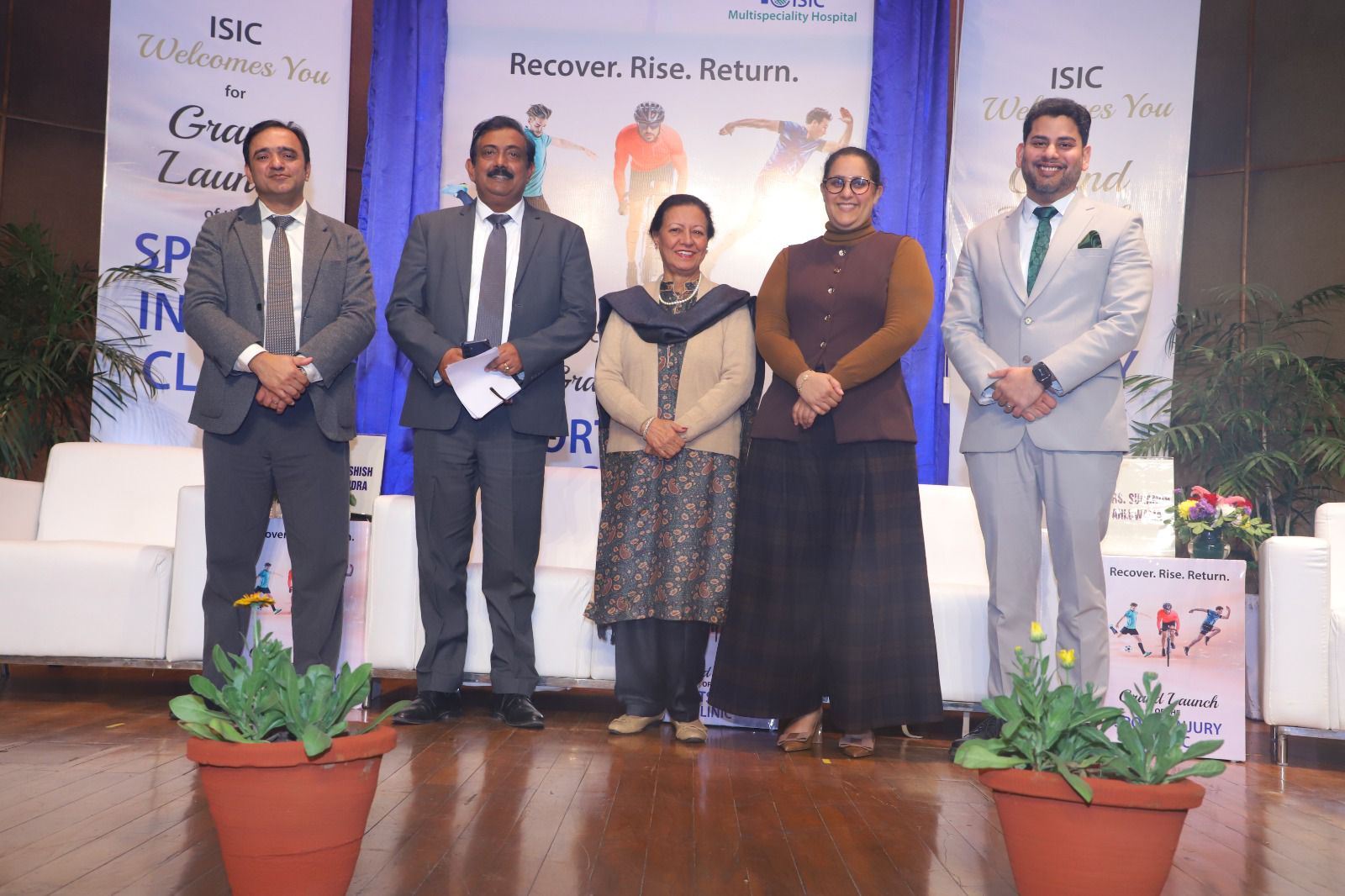
Going beyond conventional treatment models, the clinic combines professional movement and biomechanical assessments with advanced diagnostics to identify underlying “weak links” in the body that contribute to injury or recurrence. The medical team deploys non-invasive and minimally invasive interventions, including Arthroscopy, Minimally Invasive Spine Surgery (MISS), Platelet-Rich Plasma (PRP), Stem Cell Therapy/BMAC, and Prolotherapy, ensuring precision-led treatment, faster recovery, and durable outcomes. From prehabilitation and accurate diagnosis to surgical excellence and data-driven rehabilitation, the clinic offers a truly end-to-end care ecosystem.
Built on the philosophy that movement is medicine, the Sports Injury Clinic integrates cutting-edge technology with expert-led clinical care to optimise recovery and performance. Central to this approach is the TecnoBody Digital Movement Laboratory, featuring a Digital Mirror Wall, 3D cameras, and real-time biofeedback that provide instant visual cues to correct posture and movement during therapy. Walker View Gait Analysis evaluates walking and running mechanics to identify imbalances and improve posture, while ProKin Balance Platforms deliver advanced proprioceptive training—critical for recovery from injuries such as ankle sprains and ACL tears.
The clinic’s capabilities are further strengthened by hydrotherapy, low-impact recovery programmes, advanced robotics, and 7K visualisation systems, enabling enhanced precision and safety across interventions. Rehabilitation is delivered exclusively by Masters-level physiotherapists, using advanced neuromuscular training techniques, supported by naturopathy and evidence-based clinical nutrition to accelerate healing, optimise performance, and build long-term resilience.
The launch comes at a time when sports-related injuries are rising steadily across India. Studies suggest that nearly half of individuals engaged in regular physical activity experience musculoskeletal injuries, most commonly affecting the knees (28%), ankles (18%), shoulders (10%), and spine (13%). Notably, ACL injuries among young athletes have surged by over 400% in the past two decades, driven by early sports specialisation and inadequate rehabilitation. Experts highlight that the lack of integrated sports medicine infrastructure often results in incomplete recovery, repeated injuries, and shortened athletic careers—gaps the ISIC Sports Injury Clinic aims to address.
Commenting on the launch, Ms. Sugandh Ahluwalia, Chief Strategy Officer, ISIC Multispecialty Hospital, said,
“ISIC’s legacy has always been rooted in restoring movement and function through advanced spine and orthopaedic care. The Sports Injury Clinic is a natural extension of this philosophy, where prehabilitation and rehabilitation are not add-ons but central to recovery. By integrating early conditioning, precise movement analysis, and masters-led rehabilitation, we are enabling athletes to be better prepared before injury or surgery and supported well beyond it—ensuring recovery that is stronger, safer, and sustainable.”
Dr. Ashish Chandra, Chief Operating Officer, ISIC Multispecialty Hospital, added,
“As ISIC continues to evolve, our focus remains on building advanced, future-ready centres of care. The Sports Injury Clinic reflects this vision—bringing together minimally invasive surgery, robotic rehabilitation, digital motion labs, hydrotherapy, and regenerative therapies under one roof. This integrated ecosystem allows us to offer athletes access to sports medicine and recovery protocols on par with leading global institutions.”
With the launch of the Sports Injury Clinic, ISIC Multispecialty Hospital reinforces its position as a centre of excellence in advanced orthopaedic and sports medicine care, offering athletes a comprehensive, future-ready platform dedicated to recovery, performance, and long-term athletic health.
31, Jan 2026
Kolkata Hosts Landmark MATECIA & SURFACES REPORTER Architecture Event, Spotlighting East & Northeast India as Emerging Design Powerhouses
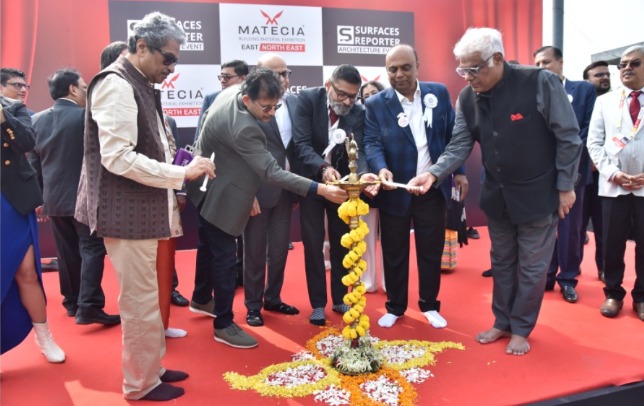
Kolkata, Jan 31: India’s leading building materials exhibition, MATECIA Exhibition (Materials & Products for Construction, Interiors & Architecture), along with SURFACES REPORTER, one of India’s most respected architecture and design media platforms, was formally inaugurated today at Biswa Bangla Mela Prangan (BBMP), Kolkata. The inauguration marks the launch of the largest-ever confluence of architecture, interiors, and building materials for East and Northeast India.
Held from 30 January to 1 February 2026, the three-day event was inaugurated in the presence of distinguished industry leaders, senior architects, and policymakers. National Award–winning actor, motivational speaker, and Founder of Ashish Vidyarthi & Associates, Mr. Ashish Vidyarthi, graced the occasion as the Chief Guest.
The inaugural ceremony featured the traditional lamp lighting and opening address by Mr. Rajesh Mittal, President, FIPPI and CMD, Greenply Industries Ltd; Mr. Surinder Arora, President, ILMA and Managing Director, Virgo Industries Ltd; Mr. Ramesh Bagla, President, CTMA; and Ms. Meenakshi Ganeshan, Deputy Director General, BIS, East Zone. They were joined by senior leaders including Mr. Manoj Lohia of Merino Industries Ltd, Mr. Joydeep Chitlangia of Duroply, Mr. Vishal Dokania of Durian, Mr. Rushil Thakkar of Rushil Décor, Mr. Gajanan Munka of Saburi Plywood, Mr. Gaurav Bagla, President, BTIA, Mr. Vikas Khemka, Vice President, BTMA, Mr. M.P. Singh, former Director, IWST and FIPPI, and Mr. J. Ahuja of ILMA.
The event brought together over 150 leading architecture and design firms, interior designers, developers, dealers, brands, and channel partners from more than 12 states across East and Northeast India, including Jharkhand, Bihar, West Bengal, Odisha, Assam, Meghalaya, Nagaland, Manipur, Mizoram, Tripura, Chhattisgarh, Arunachal Pradesh, and Sikkim. The strong regional participation positioned Kolkata as a vital cultural and regional bridge, while reinforcing the scale, diversity, and creative strength of the eastern and northeastern design ecosystem.
Speaking at the inauguration, Ashish Vidyarthi said, “Life becomes exciting when people choose to build something meaningful with it. What truly moved me about this industry is that it works quietly, yet shapes everything we live in—from our homes to our cities. Behind every road, bridge and building are passionate creators and manufacturers who rarely seek the spotlight, but whose work defines progress.”
Highlighting the importance of industry platforms, he added, “Platforms like MATECIA and the SURFACES REPORTER Architecture Event bring this unseen ecosystem to life, celebrating both the makers and the architectural fraternity that consistently insists on quality, integrity and thoughtful choices. It is this commitment to relevance, value and responsibility that allows an industry—and the people within it—to remain vibrant and enduring.”
Spread across over 1,50,000 sq. ft., the event featured 100+ leading interior and surface brands and brought together the topmost architects and interior designers from east and northeast representing over 500 landmark projects. The event welcomed an estimated 14,000–16,000 visitors from 100+ towns and cities.
Verticaa Dvivedi, Director, Surfaces Reporter Architecture Event, said, “The successful inauguration of the MATECIA Exhibition and SURFACES REPORTER Architecture Event has affirmed what we have always believed these regions are not peripheral markets, but are the centres of architectural thought and innovation. The local designers view climate, context, and culture not as limitations, but as their source of creativity, teaching the world through their work. This issue is the start of a bigger story at the national level where the architects from the East and Northeast of India get their proper place in the creative arena of the country.”
Emphasising both the material and market opportunity, Pragat Dvivedi, Director, MATECIA Exhibition, said, “The response to MATECIA Exhibition and SURFACES REPORTER Architecture Event clearly confirms that East and Northeast India are rapidly turning into serious growth markets. With rapid urban development, expanding infrastructure, and a growing community of design conscious professionals, these regions are paving the way for the next generation of India’s building materials industry. Our participation in the event is a signal of our firm conviction that the materials market of the country in the future will be driven by the East and Northeast at least as much as by any other region.”
The event witnessed the presence of prominent architects including Ar. Sunil Maniramka, Ar. Rupande Shah, Ar. Monica Khosla Bhargava, Ar. Amber Chandgothia, Ar. J. P. Agrawal, and Ar. Bipratip Dhar, among others. Additionally, architectural associations from Jharkhand, Mizoram, Nagaland, and Arunachal Pradesh participated enthusiastically, reinforcing the strong collective identity and collaborative spirit of the region’s architectural community.
A key highlight of the platform Surfaces Reporter Salutes – Architecture & Design Honours is scheduled for 31 January 2026 from 4:00 PM onwards. As the first collective regional recognition initiative dedicated exclusively to East and Northeast India, the honours celebrates around 100 leading architects and interior designers, the creative forces behind more than 500 of the region’s most notable projects, recognising excellence across residential, commercial, hospitality, institutional and urban design.
The event highlights India Interior Retailing (IIR), a knowledge platform that brings industry and interior retail leaders together, creating a high-energy space for learning, networking, and growth. In addition, the Surfaces Reporter SHOWCASE will address a special presentation zone where brands present and architects review, offering an excellent opportunity for interaction and collaboration between designers and manufacturers.
The MATECIA Exhibition and SURFACES REPORTER Architecture Event East & Northeast India took a firm step forward in the re-interpretation of the region at the national level while establishing the region’s design excellence firmly on India’s architectural map.


