


15, Jan 2026
Budget 2026 Poised to Boost Housing Growth Beyond Metros
By:– Prakhar Agrawal, Director, Rama Group
“Budget 2026 presents a pivotal opportunity to shape India’s housing story beyond the metros. Tier-II and Tier-III cities are witnessing rising aspirations and end-user–driven demand, and the right policy measures can accelerate this growth. Strategic interventions such as GST rationalisation on construction, enhanced homebuyer tax incentives, and realistic affordability benchmarks, coupled with sustained investment in urban infrastructure and connectivity, will not only make housing more accessible but also unlock the next wave of real estate growth across the country.”
- 0
- By Neel Achary

15, Jan 2026
Seagate 32TB Capacities Now Shipping to Channel and Retail Partners Globally
New Dehli, Jan 15: Seagate Technology plc (NASDAQ: STX), a global leader in mass‑capacity data storage, is showcasing advanced storage solutions at Intersec 2026 that help power the transformation of AI-driven video analytics into searchable, decision‑ready intelligence. The edge-to-cloud portfolio is designed to help businesses unlock the full value of their data and make smarter, faster decisions.
AI applications in video image analytics (VIA) are fueling unprecedented data growth at the network edge. IDC reports that more than 75% of organizations expect their video data to at least double over the next five years, as AI adds summaries, annotations, and metadata to every frame. This surge is driven by new use cases across industries – from accelerating investigations and automating alerts to ensuring compliance and enabling deep operational insights.
To help meet this demand, Seagate highlights its latest mass-capacity storage breakthroughs at Intersec. Building on its leadership in CMR technology, the company brings industry-leading 32TB hard drives across its Exos®, SkyHawk® AI, and IronWolf® Pro portfolio to channel and retail partners. Following the blueprint established in hyperscale cloud environments – where Seagate Mozaic technology at higher capacities is already proven – enterprise customers can confidently scale AI workloads across today’s complex hybrid and multi-cloud infrastructures. Hard drives deliver unmatched capacity, performance, and scalability enabling businesses to efficiently store and process massive volumes of data, supporting AI adoption at the edge and in data centers.
“AI applications, like computer vision, are transforming how video is used across industries,” said Melyssa Banda, SVP of Edge Storage and Solutions at Seagate. “From smart city initiatives to retail and critical infrastructure, video is becoming a searchable business intelligence, and it’s changing how operations run day-to-day. This pivot demands a new kind of data backbone: mass-capacity storage at the edge and in the data center to keep insights flowing and archives searchable. Without it, the promise of AI-powered video analytics stalls.”
To learn more, visit us at Intersec booth SA H19. Seagate experts are there to provide you with the latest updates on cutting-edge technologies designed to address the needs of the AI-driven data surge.
Media are invited to a networking Happy Hour on January 13 at 12:30pm at the booth.
15, Jan 2026
Global Youth Action Fund 2026 applications are now open to all students
The International Baccalaureate (IB), a global leader in international education, has opened the annual application window for the Global Youth Action Fund, an award open to students enrolled in a secondary school aged 12 to 19 who have developed projects or initiatives aimed at creating a positive social impact in their communities.
The Global Youth Action Fund will be open to students, or student groups, from both IB and non-IB schools. The window to apply for the grant will remain open until 30 January 2026.
The fund is open to young people who are driven by purpose and a desire to make a difference. To date, the Global Youth Action Fund has awarded grants to over 290 projects led by more than 440 young people globally. Whether tackling climate change in Jakarta, advancing gender equity in Nairobi, or building digital inclusion in Lima, each project contributes to a shared movement of youth-led action and collective hope.
“Since its founding in 1968, the IB has been dedicated to building a better, more peaceful world,” said Dr. Nicole Bien, Chief Community Partnerships & Development Officer for the IB. “Young people today are showing great resilience and curiosity in the face of global challenges, starting from within their communities and working outwards to develop initiatives that drive meaningful change. We are delighted to support these young leaders in their inspiring efforts.”
The Global Youth Action fund is part of the IB’s commitment to support, elevate and empower youth voices. Designed to unite the global community in challenging moments, the Festival of Hope creates a space for young people to share their experiences and transform complex challenges into positivity and hope. Discover more pathways to action on the Festival of Hope website.
Every funded project must align with one or more of the 17 United Nations Sustainable Development Goals (SDGs), and is reviewed by an international panel of experts, educators, and youth leaders. Selection is based on:
- Purpose and vision – addressing meaningful global or local challenges.
- Innovation and creativity – offering bold, original approaches to change.
- Impact and sustainability – demonstrating measurable potential for long-term benefit.
- Collaboration and leadership – engaging others to create shared solutions.
Selected students will receive:
- Up to 3,000 USD in grant funding, as per project needs. Funding is dependent on what students request and what the IB Global Youth Action Fund committee decides.
- Mentorship and networking opportunities with leading social entrepreneurs and other student awardees from around the world.
“The most meaningful aspect of the programme was receiving firsthand insights from industry experts,” said Sadhika Kapoor, a student from Vietnam whose EcoPsych project promotes eco-friendly action in schools. “We felt genuinely honored to be in the presence of such highly accomplished individuals. Discovering that they began their changemaking journeys at the same age as us made them even more compelling role models.”
15, Jan 2026
Where Chillies Tell Stories: A Global Spice Brunch at JW Café, JW Marriott Mumbai Sahar
Mumbai, Jan 15: JW Café at JW Marriott Mumbai Sahar presents A Spice Affair, a one-day-only global spice brunch that reimagines heat as an art form rather than a challenge. This immersive culinary experience traces the historic spice route, showcasing how chillies and aromatics can be layered with finesse to create depth, balance, and elegance.
Designed as a curated journey across continents, A Spice Affair brings together live cooking stations and signature dishes inspired by iconic spices—from the gentle warmth of Kashmiri chilli and the smoky complexity of Mexican chipotle to vibrant African peri-peri, earthy Middle Eastern za’atar, numbing Sichuan pepper, and the bold punch of Southeast Asian bird’s eye chilli. Each creation honours its cultural roots while remaining thoughtfully crafted for refined, approachable palates.
The winter-forward menu spans fiery soups, chilli-led starters, tandoor specialities, globally inspired mains, heat-driven grains, and delicately spiced desserts. Techniques such as roasting, grilling, fermenting, and slow cooking enhance flavour complexity, allowing spice to unfold with nuance rather than intensity alone.
At the heart of the experience lies interactive storytelling. Aroma-led tablescapes and a dedicated spice bar invite guests to see, smell, and understand these ingredients in their purest form. Complemented by live music, A Spice Affair offers a vibrant yet sophisticated setting—encouraging Mumbaikars to rediscover the artistry, heritage, and storytelling power of the world’s most essential flavours.
Date: 18th January, 2026
Venue: JW Café, JW Marriott Mumbai Sahar
15, Jan 2026
Lyne Originals Expands Its Affordable Audio and Power Accessories Portfolio
New Delhi, Jan 15: Lyne Originals, one of India’s fast-growing smart accessories and audio brands, has announced the launch of six new products across true wireless earbuds, wireless neckbands, portable speakers, and power banks. The new lineup includes the Startup-22 Power Bank, Startup-29 Bluetooth Speaker, Startup-15 TWS, Startup-17 Wireless Neckband, Start-2 Wireless Neckband, and Start-1 Wireless Neckband.
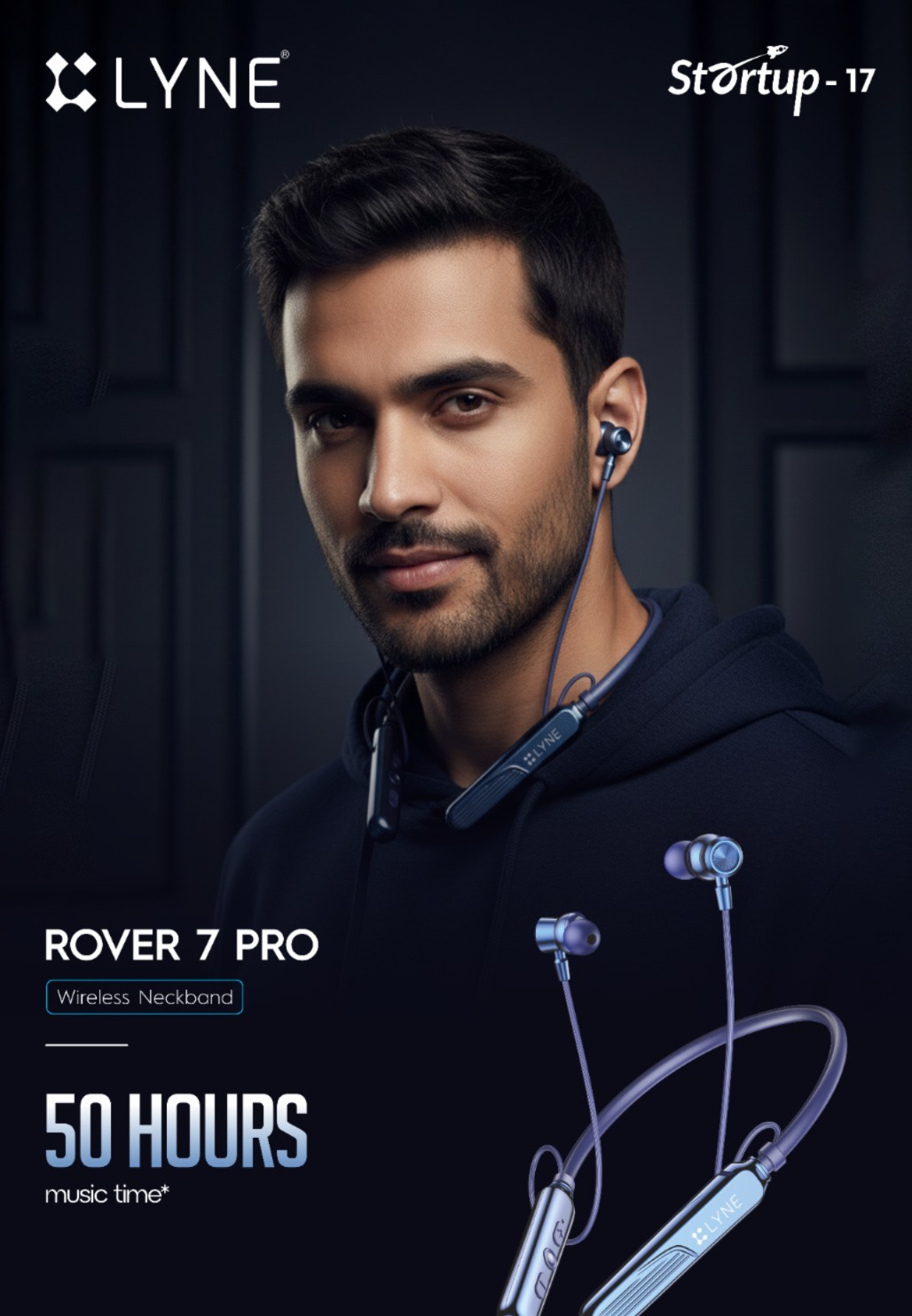
These launches further strengthen Lyne Originals’ portfolio of affordable, everyday technology accessories, with a focus on dependable audio performance, extended battery life, low-latency usage, and fast-charging capabilities.
Commenting on the launch, Mr. Kavya Vij, Chief Product Officer, Lyne Originals, said,
“Our focus at Lyne Originals has always been on creating products users can rely on every day. From immersive audio and low-latency gaming to long battery life and fast charging, this new range has been designed around real usage needs. With accessible pricing and thoughtfully selected features, these launches reflect our commitment to making smart audio and power accessories available to a wider audience across India.”
Product Features and Specifications
Startup-22 Power Bank
The Startup-22 Power Bank is built for users who need reliable, all-day charging. Featuring a 20,000mAh battery, it supports 65W fast charging along with PD and QC protocols. Multiple output ports allow simultaneous device charging, while an LED display provides real-time battery and charging status.
Available in Black and White.
Startup-29 Bluetooth Speaker
Designed for powerful sound in a compact form, the Startup-29 Bluetooth Speaker delivers 20W audio output through a 52mm driver. It supports Bluetooth 5.3 connectivity and offers up to 10 hours of playback. The inclusion of a wireless microphone makes it ideal for karaoke, casual gatherings, and home entertainment.
Available in Blue, Orange, and Green.
Startup-15 True Wireless Stereo Earbuds
The Startup-15 TWS offers an immersive wireless audio experience with strong call clarity and ultra-low latency. Featuring Bluetooth 6.0 and ENC technology, the earbuds reduce background noise during calls. Equipped with 13mm dynamic drivers, they deliver clear and engaging sound. With up to 50 hours of playback and 49ms low latency, the earbuds are well-suited for gaming, streaming, and everyday use.
Available in Blue, Black, and White.
Startup-17 Wireless Neckband
Designed for extended wear and everyday comfort, the Startup-17 Wireless Neckband features magnetic earbuds for tangle-free storage and auto on/off functionality. It supports Bluetooth 5.4, includes ENC for improved call clarity, and houses 10mm drivers for balanced sound. With up to 50 hours of music playback, it is ideal for long listening sessions.
Available in Blue, Black, and Silver.
Start-2 Wireless Neckband
The Start-2 Wireless Neckband is tailored for performance-driven users, including gamers and streamers. Powered by Bluetooth 5.3, it offers ENC support, 10mm drivers for immersive audio, and voice assistant compatibility for hands-free control. With up to 30 hours of playback, it ensures uninterrupted listening throughout the day.
Available in Black and Purple.
Start-1 Wireless Neckband
The Start-1 Wireless Neckband balances immersive entertainment with everyday reliability. Equipped with Bluetooth 5.3, it delivers 40ms ultra-low latency, making it ideal for gaming and streaming. The neckband features ENC technology, voice assistant support, and optimised drivers for rich, detailed sound. Offering up to 30 hours of music playback and talk time, it ensures long-lasting performance on the go.
Available in Black and Purple.
15, Jan 2026
Novotel Bengaluru Outer Ring Road Celebrates the Harvest Season with Pongal Utsav
Pongal is more than a festival it is a celebration of harvest, gratitude, and prosperity. Embracing this spirit, Novotel Bengaluru Outer Ring Road presents Pongal Utsav, a thoughtfully curated South Indian Harvest Food Festival that pays tribute to age-old traditions, community bonding, and the joy of sharing a wholesome meal.
Reflecting Novotel’s commitment to cultural authenticity and immersive culinary experiences, Pongal Utsav will be hosted from January 10 to January 14, 2026, at The Square, the hotel’s signature all-day dining restaurant.
The festival brings the essence of the harvest season—gratitude, abundance, and togetherness—to the table through a harvest-inspired menu that celebrates South India’s rich culinary heritage. Curated by Executive Chef Owaize Ahmed Khan and his culinary team, the menu showcases time-honoured recipes from Tamil Nadu and Andhra Pradesh.
The culinary journey begins with traditional favourites such as Medu Vadai, crisp and golden, and Kuzhi Paniyaram, soft, spiced, and comforting. The highlight of the festival, Ven Pongal, is slow-cooked with rice, lentils, ghee, and pepper, and served with classic accompaniments including Sambar and Coconut Chutney.
Guests can further indulge in regional delicacies such as Kara Kuzhambu, Avial, and seasonal Poriyals, perfectly paired with steamed rice and traditional condiments. The experience concludes on a sweet note with Sakkarai Pongal, symbolising prosperity and sweetness for the year ahead.
Set in a warm and inviting ambience, Pongal Utsav at The Square promises a soulful dining experience that honours South Indian harvest traditions with authenticity and care.
Event Details:
What: Pongal Utsav – South Indian Harvest Food Festival
Where: The Square, Novotel Bengaluru Outer Ring Road
When: January 10 to January 14, 2026
15, Jan 2026
Jammu & Kashmir Chief Minister Omar Abdullah Visits IICT–NFDC Campus to Explore Collaboration Opportunities
The Chief Minister of Jammu & Kashmir, Omar Abdullah, visited the Indian Institute of Creative Technologies (IICT) campus at the National Film Development Corporation (NFDC), Mumbai, on January 15, to explore avenues for institutional collaboration and student exchange between IICT and the Government of Jammu & Kashmir.
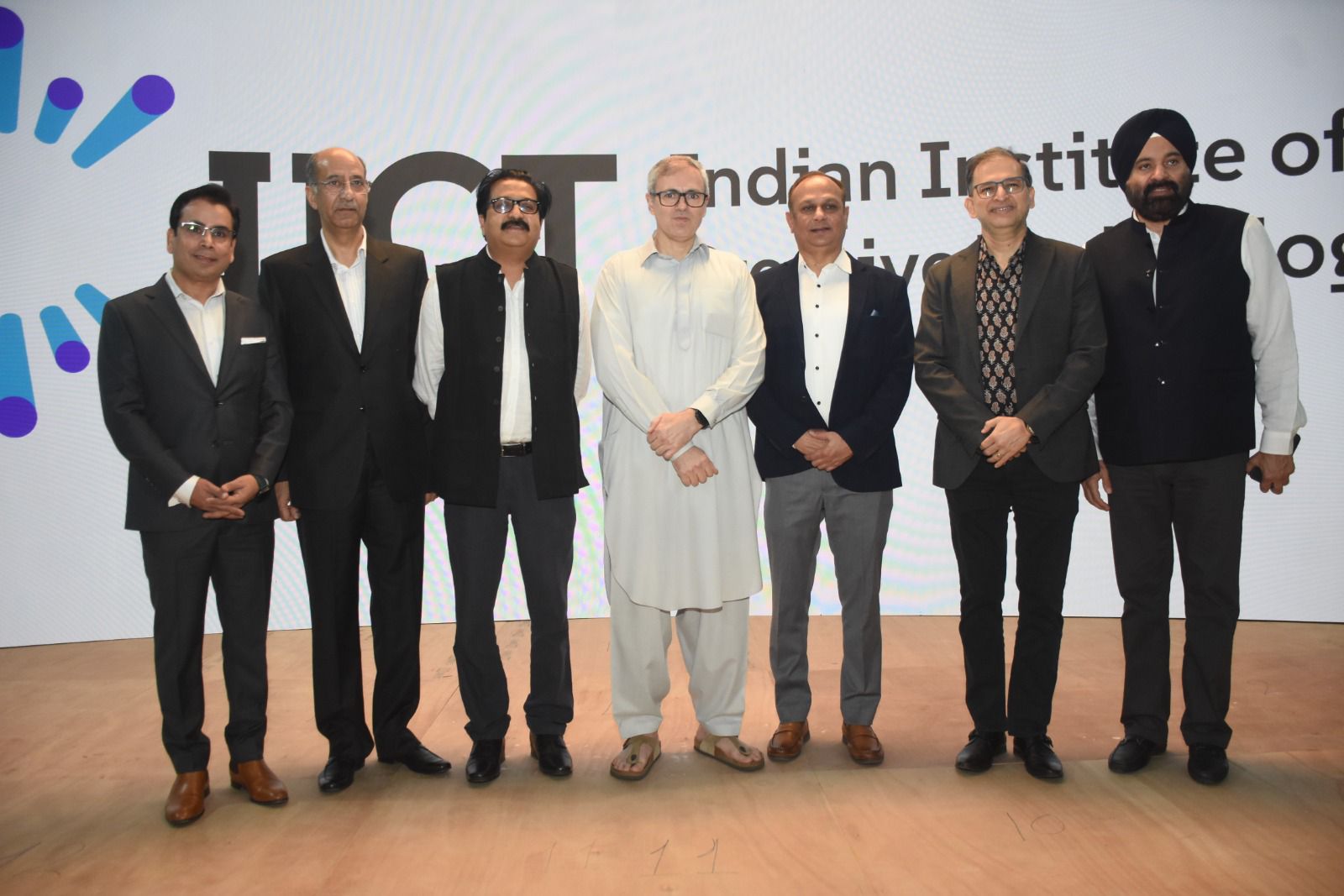
The visit was hosted by Dr. Vishwas Deoskar, Chief Executive Officer, IICT, along with Munjal Shroff, Governing Council Member, IICT, at the IICT–NFDC Campus.
During the visit, the Chief Minister was taken through a structured walkthrough of IICT’s academic and technology infrastructure. The programme included a curated audiovisual presentation at the Rangayan Preview Theatre, highlighting IICT’s vision, academic framework, and creative technology capabilities. This was followed by a live showcase at the Anubhuti Drishya Immersive Studio Lab, featuring demonstrations of augmented reality (AR), virtual reality (VR), and mixed reality (MR) applications, along with hands-on experiential interactions.
The visit also featured a Digital Twin demonstration at the Photogrammetry Studio, where a live 3D photogrammetry scan was conducted to create a digital avatar, showcasing the practical applications of immersive and emerging technologies.
A strategic discussion session followed, focusing on potential collaboration between IICT and the Government of Jammu & Kashmir. Key areas explored included student exchange and institutional cooperation, skill development and capacity building in AVGC and emerging creative technologies, digital heritage and cultural preservation through immersive tools, and the development of a collaborative startup incubation and innovation ecosystem aimed at empowering youth from the region.
Speaking during the interaction, the Chief Minister said,
“If we want Jammu and Kashmir to become an attractive destination for filmmaking, then human talent and post-production capability must be created locally, and that is where a relationship with an institution like IICT becomes important for us.”
Commenting on the visit, Dr. Vishwas Deoskar, CEO, IICT, said,
“We are grateful to the Chief Minister of Jammu & Kashmir for visiting the IICT campus. The interaction was valuable, and we look forward to exploring meaningful collaborations that can benefit students and young talent from Jammu & Kashmir by enabling skill development, fostering innovation, and creating sustainable employment and entrepreneurship opportunities.”
Following the discussions, the Chief Minister visited the NFDC Bharat Pavilion and Museum, which chronicles India’s cinematic and creative heritage. The visit underscored the museum’s role as a national cultural repository and a platform for preserving, presenting, and celebrating India’s film and creative legacy, before he proceeded to onward engagements at the NFDC campus.
15, Jan 2026
Dazzl Secures USD 3.2M Seed Funding to Build On-Demand Beauty & Wellness Platform
Dazzl, an on-demand beauty and wellness services platform, has raised $3.2 million in a Seed round led by Stellaris Venture Partners, marking its first institutional fundraise. The round also saw participation from prominent founders and operators including Ritesh Agarwal (Founder & Group CEO, PRISM; formerly OYO), Maninder Gulati (former OYO CXO), Abhinav Sinha (Founder, Kluisz AI; former OYO COO), Sameer Brij Verma (Founder, Northpoint Capital; former MD & Partner, Nexus Venture Partners), and Abhishek Bansal (CEO & Co-founder, Shadowfax).
The funds will be used to pilot and scale Dazzl’s quick beauty and wellness services across select micro-markets in Bengaluru, build repeatable hyperlocal operations and go-to-market playbooks, and invest in core technology, training systems, and service quality infrastructure.
Founded by Komal Solanki (IIT Delhi, Harvard Business School) and Ashish Bajpai (IIT Kanpur), Dazzl is reimagining beauty and wellness for modern urban consumers by shifting the category from scheduled appointments to on-demand, at-home services delivered within 10 minutes.
“What should be about looking and feeling your best has quietly become a planning-heavy chore,” said Komal Solanki, Co-founder and CEO, Dazzl. “Dazzl removes that friction by enabling instant, high-quality beauty and wellness services at home—so consumers can access care when they want it, not when a schedule allows.”
Unlike traditional platforms focused on occasional use, Dazzl is built for everyday, high-frequency needs—such as a last-minute blow dry, a quick head massage, or an impromptu pedicure. By vertically owning supply, training, and operations, and positioning professionals close to demand clusters, the platform ensures consistent service quality and rapid response times.
“Over the next year, our focus is on deepening adoption in Bengaluru and demonstrating strong repeat usage across clusters,” said Ashish Bajpai, Co-founder and COO, Dazzl. “We are building a scalable tech and operations playbook that can be replicated efficiently across new cities.”
Commenting on the investment, Naman Lahoty, Partner at Stellaris Venture Partners, said,
“Consumer expectations have shifted decisively towards immediacy, and this is now extending from products to services. Dazzl is building a new operating model for beauty and wellness—designed for speed, reliability, and everyday use. We’re excited to partner with the team as they build this category from the ground up.”
15, Jan 2026
Barista Coffee Launches Premium Ceremonial Grade Matcha
New Delhi, India, Jan 15: India’s iconic café brand democratises the global matcha movement with best-in-class quality at an unbeatable price .
Barista Coffee Company, one of India’s most loved café brands, has announced the launch of its latest beverage range ‘Dhoom Matcha De’, a refreshing new Matcha-led offering crafted using ceremonial grade Matcha.
With this launch, Barista brings global wellness and café trends closer to Indian consumers by introducing a curated range of four Matcha beverages – Matcha Latte, Matcha Iced Latte, Matcha Frappe, and Matcha Strawberry each designed to deliver a distinct taste experience while maintaining the highest quality standards.
Matcha, globally celebrated for its antioxidant-rich profile, clean energy boost, and mindful indulgence, has traditionally been positioned as a premium-priced beverage. Barista aims to change that narrative by offering ceremonial grade matcha known for its vibrant green colour, smooth texture, and superior taste – at the best price point in the café category.
Speaking on the launch, Rajat Agrawal, CEO – Barista Coffee Company said,
“With ‘Dhoom Matcha De’, our intent is to make global beverage trends accessible to Indian consumers. By offering ceremonial grade Matcha across four exciting flavours starting at just INR 170, we are ensuring our guests never have to choose between quality, innovation, and affordability.”
The playful name ‘Dhoom Matcha De’ reflects Barista’s youthful and energetic approach to innovation, while staying true to its legacy of creating beverages that resonate across generations.
The ‘Dhoom Matcha De’ range – Matcha Latte, Matcha Iced Latte, Matcha Frappe, and Matcha Strawberry is now available across select Barista cafés, inviting guests to enjoy the best quality Matcha at the best price, only at Barista.
15, Jan 2026
Celebrate Republic Day with Dreame Technology: Exclusive Deals on Smart Home Cleaning and Personal Care Products on Amazon
New Delhi, India, Jan 15: As India welcomes the New Year and celebrates the spirit of Republic Day, Dreame Technology, a global leader in premium smart home appliances, is inviting consumers to embrace smarter living with exclusive offers of up to 72% on its advanced cleaning and personal care portfolio. The offers will be available during the Amazon Great Republic Day Sale, running from January 16 to January 22, 2026.
The limited-period sale features Dreame’s wide range of robotic vacuum cleaners, cordless stick vacuums, wet-and-dry cleaners, and grooming products, making intelligent home solutions more accessible to Indian households. The offers will be available on Amazon.in and across select Croma stores in over 20 cities.
Commenting on the initiative, Manu Sharma, Managing Director, Dreame Technology India, said,
“New beginnings are about moving forward, and for many households, that starts with simplifying everyday life. As consumers step into the New Year, we’re making our most advanced smart living, cleaning, and grooming solutions more accessible than ever—combining intelligent technology with strong value, service, and long-term support.”
As families prepare for the long Republic Day weekend, Dreame’s festive offers make it easier to upgrade everyday living. From robotic vacuums that clean autonomously to grooming tools designed for fast-paced mornings, Dreame’s technology works quietly in the background—allowing consumers to focus on what truly matters.
Products Featured in the Republic Day Sale
Robotic Vacuum Cleaners
Dreame’s robotic vacuum range delivers intelligent navigation, powerful suction, and hands-free maintenance for effortless home cleaning.
Stick Vacuums & Wet-and-Dry Cleaners
Designed for flexibility and convenience, these devices offer deep-cleaning performance for both dry and wet messes across different surfaces.
Personal Care Products
Dreame’s grooming range, including advanced hair dryers, combines precision, performance, and portability to support modern lifestyles.
Customers can also experience Dreame’s innovations firsthand at 60+ dedicated ‘Dreame Zones’ within Croma stores, where live demonstrations allow shoppers to see the performance, precision, and intelligent design of the products before making a purchase.
Every purchase is supported by Dreame’s comprehensive after-sales ecosystem, which includes:
-
1-year warranty on all vacuum cleaners
-
2-year warranty on grooming devices
-
Virtual product demonstrations for easy setup
-
Service network across 165+ cities with pick-up and drop support
-
Dedicated customer helpline
-
Monday–Saturday: 9:00 AM – 6:00 PM
-
Sunday: 10:00 AM – 4:00 PM
-
This Republic Day, Dreame Technology continues its mission to make premium, intelligent home solutions more accessible helping Indian households spend less time on chores and more time enjoying comfort, convenience, and progress.