


22, Sep 2026
MENA Fintech Association Releases Bi-Annual Regulatory Update on ADGM’s Evolving Digital Asset Framework
Abu Dhabi, UAE – 22nd September, 2026 – The MENA Fintech Association has released its latest Bi-Annual Regulatory Update Session report, providing members and the wider financial services industry with insights into the Abu Dhabi Global Market (ADGM) Financial Services Regulatory Authority’s (FSRA) latest regulatory priorities, market developments, and forthcoming initiatives across digital assets and financial services.
The report follows MFTA’s Policy & Regulations Working Group participation in the FSRA Bi-Annual Regulatory Update Session held on 19 May 2026, led by members of the FSRA Policy & Legal team, Lawrence Paramasivam and Margaret Devaney. The session was moderated by Christine Assali, Co-Chair of the MFTA Policy & Regulations Working Group, and brought together approximately 20 representatives from MFTA member firms across the fintech and digital assets ecosystem.
The report provides an overview of how ADGM’s digital asset ecosystem has evolved from a predominantly institutional market focused on custody and price exposure into a broader and increasingly sophisticated financial ecosystem. It highlights developments across tokenised assets, structured products, staking, lending and borrowing, and the growing infrastructure supporting regulated digital asset businesses.
A key area highlighted in the report is the expansion of the virtual asset ecosystem within ADGM. Regulated entities are now engaging with a broader universe of virtual assets, while the development of independent custodians, brokerage venues, staking providers, security assessors, compliance providers, and transaction monitoring solutions is helping reduce barriers to entry and supporting more sophisticated operating models.
The report also examines the FSRA’s evolving regulatory frameworks around fiat-referenced tokens (FRTs), including the accepted FRT framework and the distinction between virtual assets and payment instruments. It further covers developments relating to staking activities, custody, financial crime controls, technology risk, market integrity, and the FSRA’s supervisory approach.
Beyond digital assets, the update provides insights into a number of emerging regulatory themes, including AI in regulated entities, tokenisation and TradFi convergence, cross-border regulatory coordination and harmonisation, and the potential implications of quantum computing for financial services.
The report reflects MFTA’s continued focus on creating practical channels for regulatory dialogue between policymakers, regulators, financial institutions, fintechs, and digital asset businesses. By translating regulatory discussions into accessible industry intelligence, the Association aims to help its network better understand evolving requirements and prepare for developments shaping the financial services landscape.
Nameer Khan, Chairman of the MENA Fintech Association and Founder of Fils, added:
“Regulatory clarity is fundamental to the sustainable development of financial innovation. Our ongoing engagement with regulators such as the FSRA provides the industry with an important opportunity to understand how regulatory frameworks are evolving alongside new technologies, business models, and market infrastructure. Through initiatives such as these regulatory update sessions, MFTA continues to strengthen the dialogue between regulators and the private sector and support a more informed, responsible, and forward-looking fintech ecosystem across MENA.”
The report also reflects MFTA’s appreciation for the FSRA’s continued engagement and openness to substantive dialogue with industry participants. MFTA thanked Lawrence Paramasivam, Margaret Devaney, Brian Byagaba, Monique Elgin, and John Hermann for their participation and contribution to the session.
As digital assets, tokenisation, AI, and emerging financial technologies continue to develop, MFTA will continue to convene regulatory and industry stakeholders to support greater clarity, knowledge exchange, and policy-aligned innovation across the region.
- 0
- By Neel Achary

22, Sep 2026
Meghalaya Strengthens Maternal & Child Healthcare; CM Shri Conrad K. Sangma Inaugurates 50-Bed Annex at DMCH, Tura
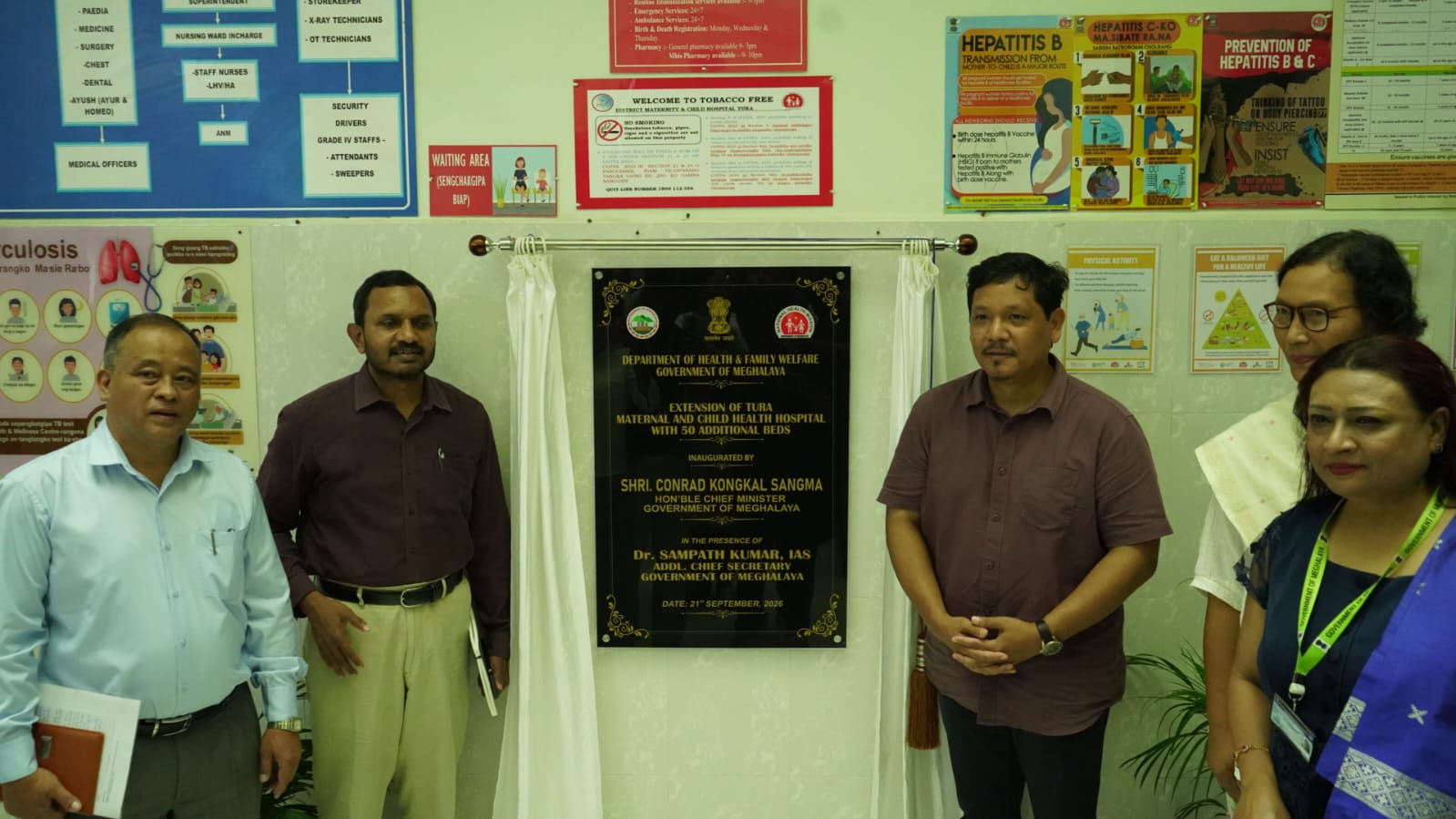
Tura, September 22, 2026: In a major step towards strengthening maternal and child healthcare in the Garo Hills, Shri Conrad K. Sangma, Honourable Chief Minister of Meghalaya, today inaugurated the expanded 150-bed District Maternity & Child Hospital (DMCH) at Tura, as part of the expansion of the Maternal and Child Health (MCH) facility.
Hosted under the theme “A Solemn Celebration of Maternal & Child Health,” the event highlighted Meghalaya’s continuing efforts to strengthen healthcare infrastructure, improve access to quality maternal and child care and reduce preventable deaths among mothers and children.
The expansion builds on a broader healthcare strategy that includes the MOTHER (Measurable Outcomes in Transforming Health Sector through a Holistic Approach with a Focus on Women Empowerment) programme, Rescue Mission and the Chief Minister’s Safe Motherhood Scheme, along with initiatives focused on high-risk pregnancies, institutional deliveries, maternal and child nutrition and improved referral systems.
Speaking on the occasion, Shri Conrad K. Sangma, Honourable Chief Minister of Meghalaya, said the expansion addresses an important infrastructure need and reflects the importance accorded by the State to maternal and child health. “It’s a very important step, especially keeping in mind the importance that we give to the health of mother and child. But more importantly, we are on expansion mode,” he said.
Emphasising the goal that healthcare systems must ultimately protect every mother and child, Hon’ble Chief Minister said, “We don’t want even a single mother to lose her life. We don’t want a single child to lose his or her life.” He said the State is working on further expansion of civil hospitals, district hospitals and mother and child hospitals. Under PM-DevINE, he said Meghalaya expects approximately ₹750–800 crore in project funding over the next five years and has consciously decided to direct most of these projects towards health. Tura, Shillong and Jowai are among the locations identified for major hospital infrastructure investments.
Shri Sampath Kumar, IAS, Additional Chief Secretary, Government of Meghalaya, said the inauguration marks a critical milestone in strengthening tertiary healthcare infrastructure in the region. He highlighted the State Government’s sustained commitment to healthcare over the past six to seven years and noted that Meghalaya is currently allocating more than 8% of its total budget to healthcare.
He highlighted key health outcomes achieved through sustained interventions, including a reduction of more than 55% in maternal mortality, over 40% in infant mortality and nearly 10 percentage points in stunting reduction over the past five years. Reaffirming the State’s vision of achieving single-digit maternal and infant mortality rates, on par with Kerala, he outlined interventions including the Chief Minister’s Safe Motherhood Scheme, transit homes for high-risk pregnant mothers, community childcare support through self-help groups, Mother-Baby Kits to encourage institutional deliveries and Mission 1000 Days focused on maternal and child nutrition.
From the clinical perspective, Dr. Dylan G. Momin, Specialist Obstetrician-Gynaecologist, Tura Maternity & Child Hospital, said the facility has been facing considerable pressure, catering to more than 100 pregnant women, in addition to gynaecological and paediatric cases. He said the expanded capacity will ease the burden and strengthen the hospital’s role as the referral centre for difficult and high-risk cases from across the Garo Hills. He also appreciated the financial support provided through government schemes such as CMHIS and the availability of advanced equipment, including laparoscopy facilities. “Lots of patients have benefited a lot because now we are working as a team,” he said.
At the frontline, Anna Merry Ch. Marak, Staff Nurse, Tura Maternity & Child Hospital, said the increased capacity has significantly improved the management of ante-natal, post-natal and high-risk patients, who earlier had to be accommodated together because of limited beds. She noted that regular training, updated protocols, advanced technology and team-based care have strengthened their ability to manage patients, while counselling has helped mothers with newborn care and breastfeeding. She also highlighted the impact of the Safe Motherhood Scheme kits and Chief Minister Mother & Child Care Kits, which provide essential items for both mothers and babies, as well as ambulance and other government-supported services that have reduced the burden on families.
Chief Minister also formally unveiled the plaque at the New OPD building, officially opening the enhanced facility to the public.
A major highlight of the programme was the Distribution Ceremony of the Chief Minister Mother & Child Care Kits, with the Chief Minister personally distributing the kits to post-natal mothers in the hospital wards. The kits are intended to provide practical support during the immediate postnatal period and contribute to safer, healthier beginnings for newborns.
21, Sep 2026
Research Reveals Where the Internet Really Slows Down
Sep 21: Most people associate network performance with bandwidth, that is, the amount of data that can be transferred per second. However, for many of today’s digital services, latency is just as important.
“If you are downloading a large film, bandwidth is usually the main factor determining how long it takes. But for interactive services such as video calls, online gaming and virtual reality, latency has a much greater impact on the user experience,” says Simon Sundberg.
In his thesis, What’s the Delay? Understanding Latency Across the Network, he examines latency across several parts of the internet infrastructure, including internet service provider networks, web servers and the satellite-based Starlink network.
THE LARGEST DELAYS OCCUR CLOSEST TO USERS
One of the main findings is that the largest delays often occur closest to the user, in the so-called “last mile” between the internet service provider and the connected device.
“We found that the greatest delays did not necessarily occur out on the wider internet. In many cases, the problems were located in the final stretch to the user, where traffic is often carried over Wi-Fi,” says Simon Sundberg.
The research shows that access networks remain a significant source of latency and that delays can sometimes reach one second or more. Such delays are clearly noticeable in applications such as video conferencing and online gaming.
UNCOVERING HIDDEN DELAYS
Improving the internet first requires the ability to identify and measure the underlying problems. For this reason, the thesis focuses on developing new tools capable of monitoring network latency in real time without disrupting traffic. These tools make use of technologies such as eBPF, which enables network traffic analysis directly within the operating system kernel with minimal overhead.
The measurements revealed that major latency spikes can occur within web server software itself, long before information is transmitted to the user. The research also identified how various mechanisms within Starlink’s satellite network influence network delays.
“Most of the time, the internet works extremely well, but occasional sudden delays can cause a video call to break up or an online game to freeze. Our research shows that these problems can have many different causes and may arise in several different parts of the network,” says Simon Sundberg.
TOOLS ALREADY BEING USED IN PRACTICE
The results of the thesis have not remained confined to academia. Several of the tools developed as part of the research are already being used by internet service providers and global Content Delivery Networks. These tools make it possible to continuously monitor latency and identify user-affecting problems more quickly.
“By making latency visible, network operators and service providers gain a better understanding of where problems occur and how they can be addressed. Ultimately, the hope is that this will contribute to a better internet experience for everyone,” says Simon Sundberg.
21, Sep 2026
Aster DM Quality Care commissions 10 MW solar power project for Aster Medcity in Kerala
Kochi, Sep 21: Aster DM Quality Care, one of India’s healthcare providers, in partnership with Oyster Renewable Energy Pvt Ltd, has commissioned a 10 MW solar power project for Aster Medcity in Kerala. The milestone project marks another significant step in Aster’s journey towards building a more sustainable and energy-efficient healthcare infrastructure.
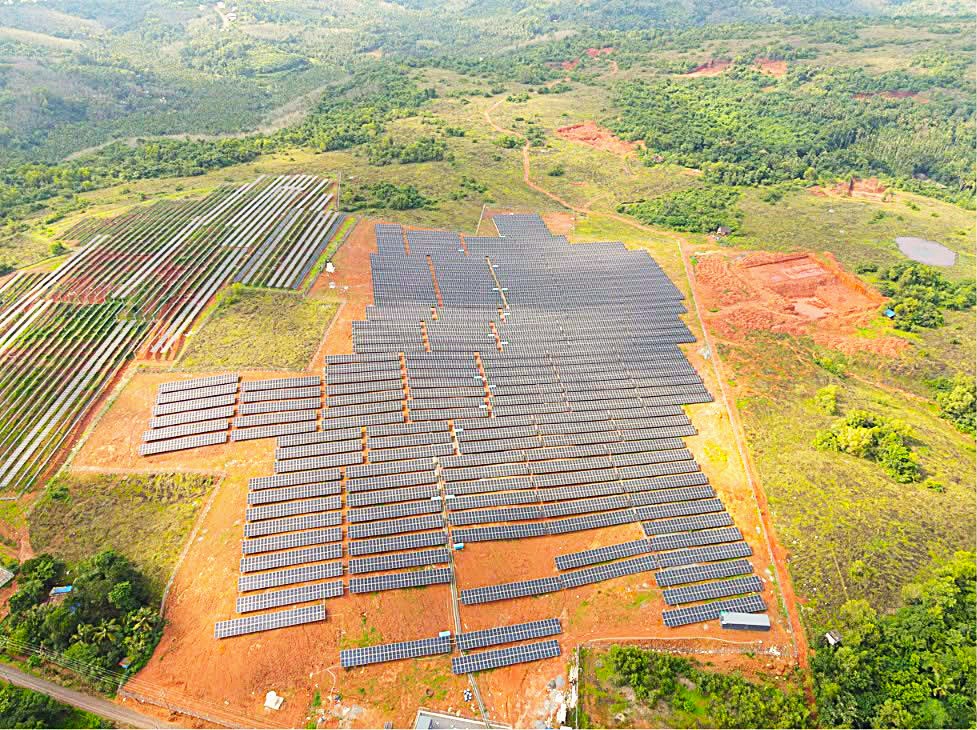
Developed by Oyster Renewable, the ground-mounted solar project is located at Ambalathara and adjoining villages in Hosdurg Taluka, Kasargod District. The project integrates high-efficiency bifacial solar modules optimised for Kerala’s tropical climate and is designed to deliver reliable and cost-efficient clean power to support the round-the-clock energy requirements of Aster Medcity.
The project is expected to generate approximately 16-17.5-million units of renewable energy annually, meeting over 90% of the total energy requirement of Aster Medcity on a captive basis. The power is supplied through Oyster Green Hybrid Two Private Ltd, in which the Aster Group holds a 26% equity stake. The project, once fully operational, is expected to abate approximately 23,138 metric tonnes of CO₂ emissions annually, significantly reducing the carbon footprint of Aster’s operations. Aster DM Quality Care has invested Rs. 3.87 crore in this project. The commissioning marks the first operational phase of the project, with full commissioning to follow in subsequent phases.
Commenting on the development, Mr. Ramesh Kumar, CEO, Aster DM Quality Care, said,
“As a healthcare organisation, we recognise that our responsibility towards healthier communities extends beyond the care we provide within our hospitals. Integrating renewable energy into our operations is an important part of our commitment to building a more sustainable healthcare ecosystem. This 10 MW solar project for Aster Medcity will not only help meet a significant proportion of the hospital’s energy requirements through clean power but also strengthen our efforts towards reducing the environmental footprint of our operations. We will continue to explore and invest in solutions that make our healthcare infrastructure more resilient, efficient and sustainable for the future.”
Siddharth Bhatia, Managing Director & CEO, Oyster Renewable Energy Pvt Ltd, said,
“The Aster Medcity project marks Oyster’s second-largest solar installation for a healthcare institution to date and sets a new benchmark for what clean energy infrastructure in this sector can look like. Healthcare facilities demand uninterrupted, reliable power, and this project has been engineered to meet exactly that standard. Beyond energy security, the project will abate approximately 23,138 metric tonnes of carbon emissions annually, a meaningful contribution to Kerala’s sustainability goals and India’s broader clean energy transition. We are proud to partner with Aster in their sustainability journey and demonstrate that responsible clean energy can support India’s critical infrastructure.”
The project reinforces the growing importance of renewable energy solutions in meeting the requirements of energy-intensive sectors such as healthcare. Through initiatives such as this, Aster DM Quality Care continues to integrate sustainability into its infrastructure and operations while reducing its dependence on grid-based fossil fuel power.
21, Sep 2026
RAKEZ spotlights infrastructure and connectivity as drivers of business growth at BCCD briefing
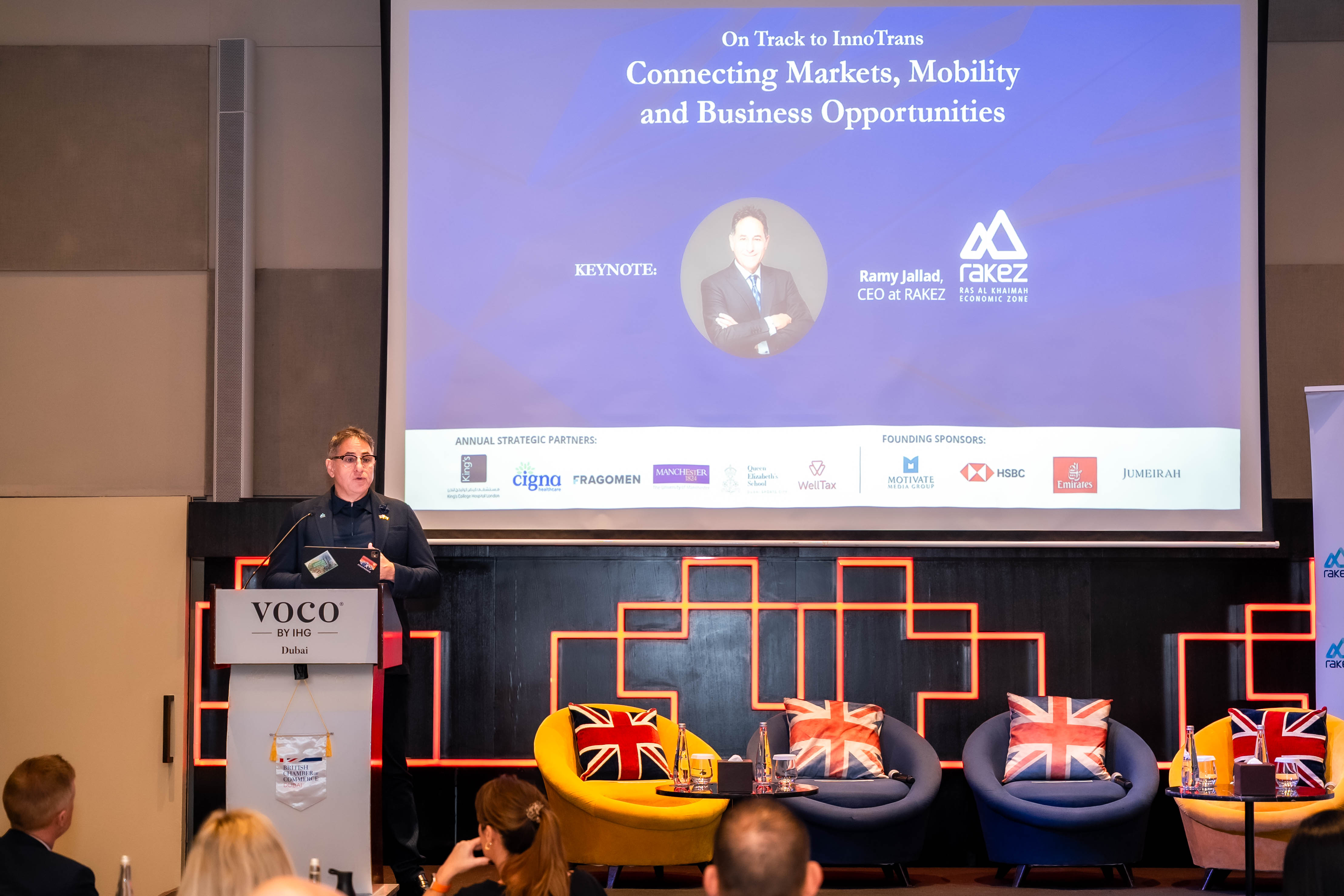
Ras Al Khaimah, Sept 21: Ras Al Khaimah Economic Zone (RAKEZ) highlighted the growing role of integrated infrastructure, rail connectivity and industrial ecosystems in enabling business growth and strengthening market access during the British Chamber of Commerce Dubai (BCCD) Business Briefing, ‘On Track to InnoTrans – Connecting Markets, Mobility and Business Opportunities’.
Sponsored by RAKEZ, the event brought together businesses and industry stakeholders from mobility, engineering, logistics, infrastructure and related sectors to discuss how stronger connectivity can support investment, market access and commercial links between the UAE and the UK.
Speaking at the event, RAKEZ Group CEO Ramy Jallad highlighted the importance of integrated infrastructure in supporting business growth, particularly how transport networks, industrial capacity, logistics and business ecosystems work together to improve competitiveness and create new opportunities.
He also participated in a panel discussion alongside AtkinsRéalis Senior Director and Middle East Transportation Market Lead Roger Cruickshank, moderated by BCCD Chair Helen Barrett.
Jallad said: “Connectivity delivers its greatest value when it translates into commercial opportunity. When transport infrastructure, industrial zones, ports, logistics networks and business ecosystems work together, companies gain greater flexibility in how they source, produce and reach their markets. For British businesses with expertise across engineering, infrastructure, digital solutions, logistics and related technologies, there is significant scope to build partnerships and establish a presence in the UAE, creating a platform for wider regional growth.”
BCCD CEO Katy Keenan said: “The conversations taking place around rail, mobility and infrastructure extend far beyond the transport sector itself. Business briefings such as this bring the wider business community together to explore and identify emerging opportunities for the supply chain and surrounding ecosystem. RAKEZ provided an important commercial perspective by connecting the infrastructure agenda with the needs of businesses looking to grow locally and between the UK-UAE trade corridor.”
The discussion also highlighted Ras Al Khaimah’s growing industrial ecosystem and the opportunities available to companies looking to establish or expand in the region. RAKEZ currently supports more than 50,000 companies across over 50 sectors, including more than 3,700 UK-linked businesses, with solutions ranging from industrial land and warehouses to offices and customisable facilities.
Through its collaboration with BCCD, RAKEZ continues to strengthen connections with the British business community and create opportunities for companies to explore Ras Al Khaimah as a base for UAE and regional growth.
21, Sep 2026
Hindustan Coca-Cola Beverages Supports Used PET Bottle Collection Drive at Mount Mary Festival 2026
Mumbai, Sep 21: Hindustan Coca–Cola Beverages, in collaboration with the Brihanmumbai Municipal Corporation and implementation partner Sangam Pratishthan, is supporting a used PET bottle collection and awareness initiative at the Mount Mary Fair 2026 in Bandra. The drive aims to encourage devotees and visitors to dispose of used PET bottles responsibly through designated collection points across the fair.
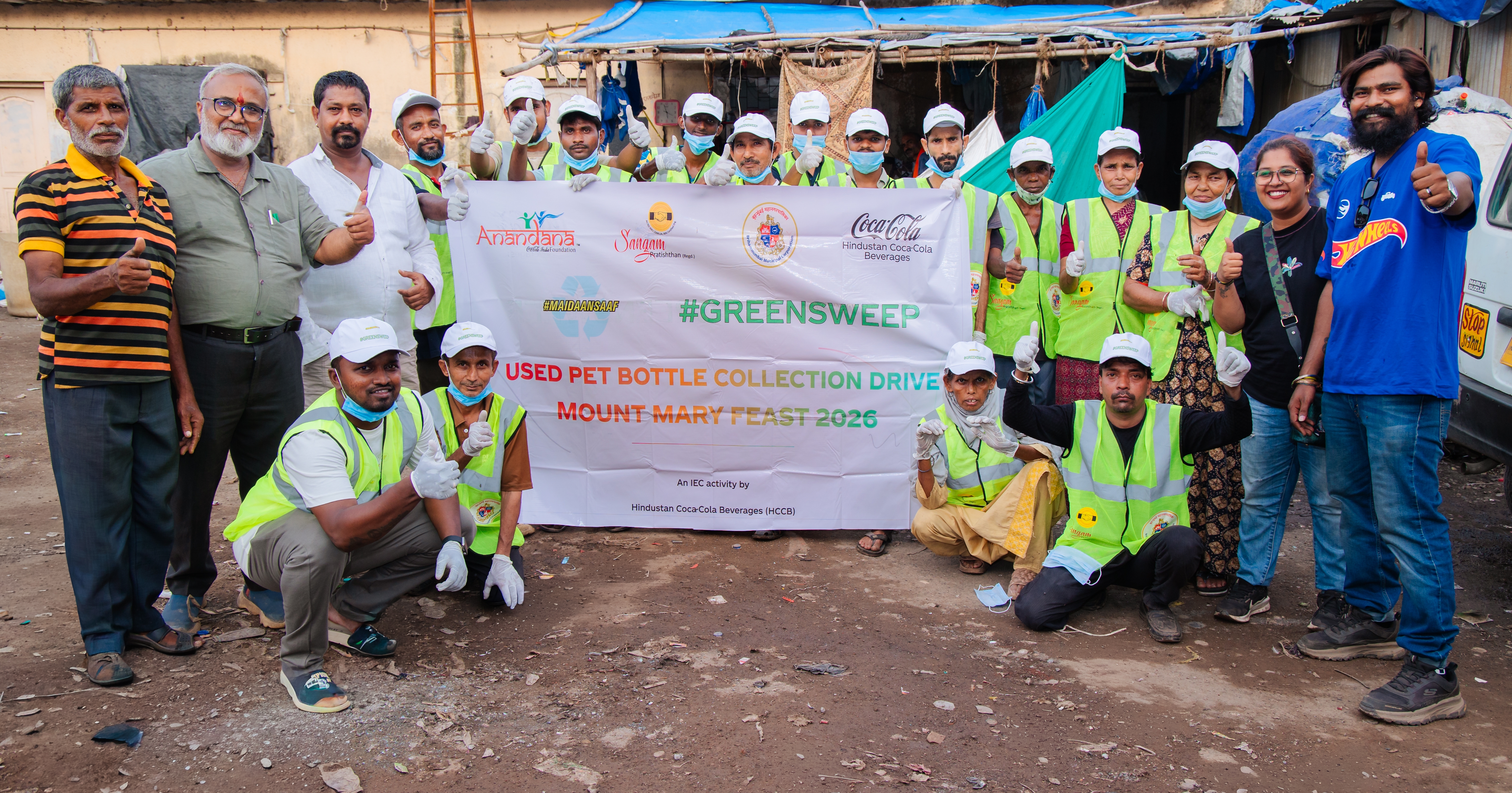
The Mount Mary Fair, one of Mumbai’s most recognised cultural and community gatherings, attracts lakhs of devotees and visitors every year to the Basilica of Our Lady of the Mount in Bandra. GreenSweep aims to support responsible used PET bottle collection through a structured collection mechanism and sustained awareness efforts across the fair premises.
This drive combines designated collection infrastructure with on-ground awareness activities to support the responsible collection and recycling of used PET bottles during the fair. More than 20 volunteers have been deployed at key locations across the fair area, where they will encourage visitors and devotees to use designated collection points and participate in source-level segregation. The collected used PET bottles will be channelled through authorised recycling pathways, supporting responsible material management.
Complementing the collection effort, the initiative is leveraging pathnatya performances and nukkad nataks in Marathi and Hindi to take the message of responsible used PET bottle collection directly to devotees, visitors, and local residents. Through engaging performances at key locations across the fair, local artists will encourage community participation in the responsible collection and disposal of used PET bottles. The street plays are designed to make sustainability messages accessible and relatable, helping reinforce positive environmental practices among audiences of all age groups.
Speaking on the initiative, Komal Ghag Nadar, Secretary, Sangam Pratishthan, said,
“The Mount Mary Fair brings together people from diverse communities, making it an ideal platform to encourage responsible used PET bottle collection. Through GreenSweep, we are supporting on-ground efforts through volunteer mobilisation, awareness activities, and designated collection points. We are grateful to the Brihanmumbai Municipal Corporation for its support and to Hindustan Coca–Cola Beverages for entrusting us with the opportunity to implement this initiative on the ground. By combining collection infrastructure with community engagement, we hope to encourage greater participation in responsible used PET bottle collection and recycling practices during the fair.
The initiative also builds on HCCB’s ongoing collaboration with the Department of Environment and Climate Change, Government of Maharashtra, and the Maharashtra Pollution Control Board under the Maha r-PET Abhiyaan. The programme promotes responsible collection and recycling of used PET bottles through public awareness, community engagement, and strengthened collection systems, encouraging greater citizen participation in recycling and supporting circularity for PET packaging across Maharashtra.
21, Sep 2026
Baroda BNP Paribas Balanced Advantage fund crosses Rs 5000 crore AUM mark as it nears its 8th anniversary
Mumbai, September 21: Baroda BNP Paribas Balanced Advantage Fund has crossed the Rs 5,000 crore assets under management (AUM) milestone as it approaches its eighth anniversary, marking another milestone in the open-ended dynamic asset allocation fund‘s journey of wealth creation for investors.
The scheme has consistently outperformed its benchmark, the Nifty 50 Hybrid Composite 50:50 Index, over the one, three and five-year periods as well as since inception, buttressing its position as a core allocation to an investor’s portfolio (see table below).
|
Returns in CAGR % |
1 year |
3 years |
5 years |
Since inception |
|
Regular plan |
10.31 |
12.37 |
10.67 |
13.2 |
|
NIFTY 50 Hybrid Composite Debt 50:50 Index |
1.37 |
7.65 |
7.05 |
10.21 |
How has the fund created wealth?
A Rs 1 lakh investment made at the scheme’s inception would be worth Rs 2,62,961 as of end-August 2026. The fund has also delivered a 10.8% SIP return over one year and a 12.75% compounded annualised SIP return since inception, outperforming the benchmark returns over 1,3,5 years and since inception.
An investor who had started a Rs 10,000 monthly SIP from the scheme’s inception would have accumulated Rs 15.42 lakh as of end-August 2026.
How does the dynamic asset allocation strategy work?
The fund dynamically adjusts its net equity allocation between 30% and 100%, based on the fund’s multi factor asset allocation model. While this rebalancing would could result in tax liabilities if an individual were to do it in their portfolio, since the Baroda BNP Paribas Balanced Advantage fund adjusts the asset allocations in its portfolio directly, an individual investor’s tax liability crystalises only, when they redeem their investments.
Baroda BNP Paribas MF has developed a proprietary valuation model that assesses multiple valuation parameters to guide the fund managers on the relative allocation between net equity and debt. The fund managers of this open-ended hybrid fund, actively manage duration and exposure to sectors and market capitalisations to capture upside, protect downside and control risks.
Diversified portfolio across asset classes
As of end-August 2026, 80.6% of the scheme’s assets were invested in equity, the balance in debt, cash and other assets. The equity portfolio comprised 67.7% large-cap, 24.6% mid-cap and 7.7% small-cap stocks.
The debt portfolio focuses on capital preservation and income accrual, with 48.8% allocated to sovereign and highest-credit-rated instruments, 36.3% to cash and cash equivalents and 15% to high-safety-rated AA/AA+ instruments.
Jitendra Sriram, Kushant Arora and Neeraj Saxena manage the equity allocation of the scheme while Prashant Pimple manages the fixed income allocation.
Investors can start with a minimum lump-sum investment of Rs 5,000 or a monthly SIP of Rs 500. The scheme has no exit load for redemptions of less than 10% of the investment within one year.
A balanced approach to long-term investing
With its Rs 5,000 crore AUM milestone, a dynamic equity-debt allocation and diversified portfolio, Baroda BNP Paribas Balanced Advantage Fund offers investors a structured approach to navigating changing market valuations while participating in long-term equity wealth creation.
As the fund approaches its eighth anniversary, investors looking to build a core wealth creating portfolio with moderate long-term risk by combining equity growth potential with income generation from debt; and active risk management can consider the Balanced Advantage Fund as part of their medium to long-term investment strategy.
21, Sep 2026
Gwalior Telecom Manufacturing Zone Draws INR 5,500 Crore Investment Interest from 24 Firms
GWALIOR, September 21, 2026: Gwalior is emerging as a new destination for telecom equipment manufacturing, with 24 companies proposing investments of around ₹5,500 crore in the upcoming Telecom Manufacturing Zone (TMZ). The proposed investments are expected to create more than 18,000 direct and indirect employment opportunities, giving a significant push to the city’s industrial development.
The proposed manufacturing cluster is being positioned as a dedicated ecosystem for telecom equipment and components. Instead of relying on a single large project, the zone is expected to bring multiple manufacturers together, creating opportunities for suppliers, component makers, testing facilities and other supporting businesses.
The project is part of the Centre’s broader strategy to strengthen domestic telecom manufacturing and build more resilient technology supply chains. Increasing demand for 5G equipment, network infrastructure and emerging communication technologies has created opportunities for Indian manufacturers to expand both domestic production and export capabilities.
The first phase of the Gwalior project has identified approximately 170 acres of land for industrial development. Authorities are also examining the possibility of making additional land available as investor interest has grown beyond the initial capacity planned for the zone.
The investment proposals have followed a series of meetings between government authorities and potential investors. The Department of Telecommunications and the Madhya Pradesh government signed an agreement earlier this year to facilitate the development of the manufacturing zone, followed by investor outreach programmes in major business centres.
Investment interest from companies participating in these engagements has been divided across different phases. Proposals worth about ₹3,500 crore emerged from discussions in Delhi, while another ₹2,000 crore of proposed investment was generated through subsequent investor interactions in Mumbai.
The proposed zone is expected to benefit from a combination of government incentives and common infrastructure. Madhya Pradesh has outlined incentives relating to land, electricity, employment and production, while the telecom ministry has proposed shared testing infrastructure that could help manufacturers reduce the cost and time involved in product certification.
A proposed common testing laboratory package of around ₹500 crore is among the infrastructure initiatives being considered for the project. Such facilities could be particularly relevant for telecom manufacturers, where equipment and components must undergo technical and regulatory testing before entering commercial markets.
Connectivity is another factor supporting Gwalior’s industrial proposition. The city has established road and rail links with major markets in North India, while improvements in highway and airport infrastructure are expected to further support the movement of raw materials, finished products and industrial personnel.
The availability of engineering talent could also help the proposed cluster meet its workforce requirements. Gwalior and the surrounding region have a sizeable network of educational institutions, providing access to engineers and technically trained workers who could support manufacturing, product development, quality control and related operations.
For Madhya Pradesh, the project offers an opportunity to diversify Gwalior’s industrial base and attract technology-oriented manufacturing investments. For the telecom industry, the cluster could create a more integrated domestic supply chain by bringing equipment manufacturers and component suppliers closer together.
The development comes at a time when India is seeking to expand its role in global electronics and telecommunications manufacturing. Building local production capabilities can help companies serve India’s rapidly expanding digital infrastructure market while creating a base for exports to international markets.
The ₹5,500-crore investment proposals represent an initial commitment rather than completed investment, with companies still required to proceed through formal application, land-allocation and project-implementation stages. The eventual economic impact will depend on how quickly these proposals translate into operational facilities.
If implemented as planned, the Gwalior Telecom Manufacturing Zone could become a significant manufacturing cluster for the communications industry, combining production facilities, component suppliers, testing infrastructure, skilled manpower and logistics capabilities within a single ecosystem. The project could also add a new industrial dimension to Gwalior’s growing role in Madhya Pradesh’s technology and manufacturing economy.
21, Sep 2026
Microsoft Expands India Cloud Footprint with Fourth Region as AI Demand Accelerates
HYDERABAD, September 21, 2026: Microsoft has expanded its cloud infrastructure presence in India with the launch of its fourth cloud region, strengthening its focus on the country’s rapidly growing demand for artificial intelligence, cloud computing and data-intensive digital services.
The new India South Central cloud region in Hyderabad adds another major infrastructure hub to Microsoft’s India network, which already includes cloud regions in Mumbai, Pune and Chennai. The expansion comes at a time when Indian enterprises are increasing investments in generative AI, machine learning, data analytics and cloud-based applications.
The Hyderabad region has been developed to support demanding enterprise and AI workloads while providing high availability and resilience. Its infrastructure is designed to help organisations deploy applications that require substantial computing resources, secure data environments and reliable access to cloud services.
Microsoft’s latest investment highlights the growing importance of India in the global AI infrastructure landscape. As businesses move beyond experimental AI projects toward large-scale deployment, demand is rising for computing power, data storage, networking infrastructure and specialised cloud capabilities.
India’s expanding digital economy is also creating significant pressure for additional data-centre capacity. The country generates a substantial share of global digital data, while its existing data-centre infrastructure remains comparatively smaller. This gap is creating opportunities for hyperscale technology companies and data-centre operators to invest heavily in new capacity.
Microsoft has committed billions of dollars toward expanding its cloud and AI infrastructure in India. The company’s investment programme also includes initiatives focused on developing AI skills and strengthening the broader ecosystem needed to support widespread adoption of artificial intelligence.
The Hyderabad facility is particularly significant because of its emphasis on supporting next-generation workloads. AI applications require considerably greater computing capacity than many traditional enterprise applications, making the availability of specialised and scalable infrastructure increasingly important for companies seeking to deploy AI at scale.
Sustainability is another component of Microsoft’s infrastructure strategy. The company has indicated that the new Hyderabad cloud region will use effectively zero water for cooling, an approach aimed at reducing the environmental impact associated with large-scale data-centre operations.
Microsoft is also expanding its efforts to develop India’s AI talent pool. The company has announced an ambitious goal of providing AI skills to millions of people in India over the coming years, reflecting the growing recognition that infrastructure expansion must be accompanied by a workforce capable of using and developing advanced technologies.
The company’s move comes amid a broader wave of investment in India’s data-centre and AI ecosystem. Government programmes, private-sector capital and technology investments are collectively helping build the computing infrastructure required for applications ranging from enterprise automation and financial services to healthcare, manufacturing and public services.
For Microsoft, the fourth cloud region represents a strategic expansion of its long-term presence in one of the world’s fastest-growing digital markets. For India, the additional hyperscale infrastructure could provide greater capacity for businesses and institutions seeking to adopt cloud technologies and deploy AI applications.
The development also signals a shift in the country’s technology infrastructure priorities. With AI increasingly becoming a core component of business strategy, access to reliable, scalable and energy-efficient computing infrastructure is emerging as a critical requirement for India’s next phase of digital growth.
21, Sep 2026
JEEVMEDIA Launches EYDIT, a Specialised Post-Production Agency for the Creator Economy
Sep 21: JEEVMEDIA, a global creator management and influencer marketing agency, announces the launch of EYDIT, a dedicated post-production agency designed to solve the critical “editing bottleneck” facing influencers and technology brands. Operating as a specialised vertical of JEEVMEDIA, EYDIT aims to change post-production from a final logistical step into a measurable performance function.

In the current creator economy, influencers often find themselves capped by production capacity; a single operator who can shoot content but cannot scale output without professional editing support. Simultaneously, brands in AI and technology struggle to find post-production partners who understand their specific requirements, such as screen recordings, UI walkthroughs and prompt-to-output sequences. EYDIT is created to address this disconnect, providing professional-grade editing that prioritises retention, pacing and visual storytelling.
EYDIT focuses on four core areas of expertise, emphasising data-driven editing that aligns with platform-specific retention curves. These include high-retention short-form content for Reels, TikTok and YouTube Shorts, where the agency specialises in hooks and the critical first three seconds. The agency also provides narrative-driven editing for long-form YouTube documentaries and video essays, expert-led editing for AI product and technology content, and advanced motion graphics and multi-format repurposing.
“The creator economy solved distribution years ago, but it never solved production,” said Prafulla Kumar Jha, Founder and CEO of EYDIT and JEEVMEDIA. “Every brand can find a creator in ten minutes, but getting content that actually holds attention still comes down to the edit, a part of the chain that nobody really owns. We built EYDIT because we needed it ourselves. Running campaigns across 90 countries, we kept seeing good creators and good budgets undone by weak post-production, so rather than patching it with freelancers, we built the company we wished existed.”
The editing team at EYDIT is led by Chief Operating Officer Sharbajit Nath, who brings six years of industry experience and Founding Video Editor Niloy Roy, a specialist in AI-native editing workflows. The agency currently scales with a growing team of ten editors, all hired on the basis of their ability to predict and maintain viewer attention.
Interested influencers and brands can learn more and book a consultation at eydit.com.