


21, Sep 2026
Primebook Is Set to Launch Primebook 3 Series, Expanding What a Personal Computer Can Do

New Delhi, 21 September 2026: Primebook, an Indian full-stack deeptech company building a personal computing ecosystem powered by PrimeOS, is set to launch its third-generation laptop lineup, starting with Primebook 3 Max, around 1st of October. These laptops will also be available at Flipkart Big Billion Days and Amazon Great Indian Festival 2026 at discounted prices. The company will also introduce Primebook 3 Pro as part of the same third-generation lineup at a later date.
With Primebook 3 laptops, the company is bringing together a more capable hardware platform and an expanded software experience designed to support a wider range of computing needs. The result is a more flexible approach to personal computing, combining the performance headroom to take on more demanding workloads with the freedom to work across different software environments, rather than being limited by either the hardware or the operating system.
Commenting on the launch, Chitranshu Mahant, Co-founder and CEO of Primebook, states, “The personal computer industry has spent years pursuing more power, but the more important question today is how efficiently that power is used. Not every task needs the same level of computing, and not every user should have to keep upgrading their hardware as their needs evolve. We see an opportunity to make personal computing more efficient by combining capable hardware with software that makes better use of the computing resources available. For us, the long-term opportunity is not simply to build more powerful computers, but to rethink how much computing capability users actually need to get more done.”
Primebook 3 laptops now move to the MediaTek Genio 720. The processor brings an integrated NPU, giving the laptops the ability to handle AI tasks directly on the device more efficiently. The processor is complemented by 8GB of LPDDR5 RAM, an upgrade from the LPDDR4X memory used in the previous generation. Together, the laptop delivers up to 40% higher performance than its predecessor. The upgrade is equally significant on the software side, with PrimeOS bringing new and enhanced capabilities across productivity, security, software support, and AI.
For everyday productivity, Primebook has built its own office suite, PrimeOffice, which acts as an alternative to Microsoft Office, given the limitations of MS Office for Android. With over 90% of the same functionality, PrimeOffice enables users to work with documents, spreadsheets and presentations. This free, offline-first suite includes: PrimeDocs, PrimeSheets and PrimePresent. The suite is designed with a cleaner, less cluttered interface that keeps necessary tools within easy reach instead of burying them under menus. Although it will initially launch with Primebook 3 Max, Primebook 2 users and users of Primebook 3 Pro will also get to access PrimeOffice in the coming months.
For engineers, aspiring developers and users who need more specialised software, PrimeOS provides free, native access to some popular Linux applications and a Linux terminal by leveraging the same Linux kernel the OS uses. This includes applications such as VS Code, GIMP, LibreOffice, Firefox, Arduino IDE, DBeaver CE, TablePlus and Postman, allowing users to work with tools that typically sit outside the Android application ecosystem. This gives Primebook 3 Max greater flexibility in how it can be used, particularly for those who like to build using Claude or similar CLI tools.
PrimeOS also introduces device health management through its inbuilt Task Manager and PrimeSecurity apps. PrimeSecurity scans for dangerous or fake apps and warns users when an app has a non-authentic developer signature. It can also kill or block dangerous or resource-hungry apps running in the background, helping maintain the health of the device. Task Manager gives users visibility into how their device is running, with CPU and RAM monitoring and the ability to manage startup apps. When PrimeOS detects an issue with device health, users receive a notification with a suggested action that they can take directly.
Beyond the core hardware and software upgrades, Primebook 3 also brings a more refined approach to the physical design of the laptop. The 15.6-inch Primebook 3 Max features a metallic body, a slimmer profile and a matte finish, balancing durability with a more refined look for everyday use.
In its third-generation laptop, Primebook brings upgraded connectivity for a more versatile setup. It supports Wi-Fi 6 and Bluetooth 5.3. There’s a full-function USB 3.2 Type-C port that supports charging, OTG, display output through a Type-C to HDMI cable, and connecting other accessories. This is complemented by USB 3.2 Type-A, USB 2.0 Type-A, a 3.5mm stereo audio jack and an additional USB 2.0 Type-C port for peripheral connectivity.
For calls and online collaboration, Primebook 3 features a 5MP webcam capable of recording 1440p video at 30fps, along with dual microphones and software-based noise cancellation. The laptops also feature dual stereo speakers for loud, clearer audio output. A backlit keyboard with three adjustable brightness levels and multi-finger touchpad gestures further enhance the everyday user experience.
Primebook 3 Max will be available at a starting price of ₹35,990 across Amazon, Flipkart, Primebook’s website, Bajaj Electronics stores in Delhi-NCR and Bangalore, and Sangeetha Mobiles and Pai International stores across Telangana and Andhra Pradesh. Customers purchasing Primebook 3 Max on online marketplaces will also have access to No Cost EMI and Instant Bank Discounts. The laptop will come with a one-year warranty.
- 0
- By Neel Achary

21, Sep 2026
Assam CM Himanta Biswa Sarma Lays Foundation Stone for Adani Power’s Rs.48,000-Crore Thermal Plant
Guwahati, September 21, 2026: Assam Chief Minister Himanta Biswa Sarma has laid the foundation stone for Adani Power Limited’s 3,200 MW ultra-supercritical thermal power plant at Chapar in Dhubri district, marking the beginning of one of the largest power-sector investments in the state. The project involves an estimated investment of ₹48,000 crore and is expected to significantly expand Assam’s power-generation capacity.
The proposed plant will consist of four units of 800 MW each and will use ultra-supercritical technology. According to Adani Power, the facility is designed with high-efficiency systems and modern environmental safeguards. Commissioning is planned in phases beginning from December 2030.
The Chapar project is being positioned as a major addition to the energy infrastructure of Northeast India. Once commissioned, the plant is expected to become the region’s largest power-generation asset and provide electricity for household, commercial and industrial requirements in Assam.
The project is part of a larger ₹63,000-crore power investment programme in Assam involving the Adani Group. Besides the thermal plant, around ₹15,000 crore has been earmarked for two pumped-storage projects with a combined capacity of 2,700 MW through Adani Green Energy.
The investment is also expected to have a significant employment impact. Adani Power estimates that the Chapar project could generate up to 20,000 jobs during the construction phase and approximately 5,000 jobs once the plant becomes operational. The project is also expected to create opportunities for contractors, suppliers, transport operators and other local service providers.
Speaking at the foundation ceremony, Chief Minister Himanta Biswa Sarma described the project as an important development for Assam’s emerging energy sector. He said the investment would contribute to employment generation, economic activity and state revenues while creating opportunities for local industries and enterprises.
Adani Group Director Jeet Adani said the project would support homes, businesses and industries by adding reliable power-generation capacity. He also highlighted the potential for local businesses to participate in the project’s supply and services ecosystem as construction progresses.
The project follows Adani Power’s successful bid in a competitive process conducted in 2025. The company emerged as the successful bidder in October 2025 to establish the 3,200 MW facility and subsequently received the Letter of Award from Assam Power Distribution Company Limited (APDCL) in November 2025.
The proposed investment forms part of a broader expansion of the Adani Group’s presence in Assam. Across different sectors, the group has committed investments exceeding ₹80,000 crore, including projects in power, aviation and cement. The group’s Terminal 2 at Lokpriya Gopinath Bordoloi International Airport in Guwahati became operational in February 2026.
The Chapar project also comes at a time when Assam is seeking to strengthen its industrial and infrastructure base. A larger and more reliable electricity supply can support energy-intensive industries, commercial establishments and expanding urban and rural demand. The availability of power infrastructure is also an important consideration for businesses assessing future investments in the Northeast.
The project will use ultra-supercritical technology, which operates at higher temperatures and pressures than conventional subcritical coal-fired generation and can achieve higher thermal efficiency. The company has said the plant will incorporate modern environmental safeguards, although the project’s eventual environmental performance will also depend on its implementation and regulatory compliance.
With construction now set to move forward, the ₹48,000-crore Chapar thermal power project represents a major infrastructure undertaking for Assam. Its progress over the coming years will be closely watched for its impact on electricity generation, employment, local business participation and the wider industrial development of the state.
21, Sep 2026
Rural India Crosses 12.22 Crore Household Toilet Milestone Under Swachh Bharat Mission
New Delhi, September 21, 2026: India’s rural sanitation programme has achieved another major milestone, with the number of individual household toilets constructed under the Swachh Bharat Mission-Grameen (SBM-G) crossing 12.22 crore. The achievement highlights the scale of the country’s sanitation efforts over the past decade and reflects the expansion of toilet access across villages.
The Swachh Bharat Mission was launched on October 2, 2014, with the objective of accelerating sanitation coverage and eliminating open defecation. At the beginning of the programme, rural sanitation coverage was estimated at around 39 per cent. The mission subsequently witnessed a rapid expansion in household toilet construction, supported by government programmes, local administrations and community participation.
More than 10 crore toilets were constructed during the first phase of the rural sanitation mission, helping India move towards universal household toilet access. Rural India was declared Open Defecation Free in 2019. Since then, the focus has increasingly shifted from creating toilet infrastructure to ensuring sustained usage, maintenance and wider village-level sanitation.
The second phase of SBM-G has broadened the programme’s objectives. Along with maintaining Open Defecation Free status, the government has placed greater emphasis on solid and liquid waste management, visual cleanliness and sustainable sanitation systems. The approach recognises that a clean village requires more than household toilets and depends on the availability of systems to manage waste effectively.
Government data indicates that thousands of villages have progressed towards ODF Plus status under the second phase of the programme. ODF Plus focuses on maintaining ODF behaviour while ensuring that villages have arrangements for managing solid and liquid waste. The Model category additionally places emphasis on visual cleanliness and sustained community-level sanitation practices.
Solid waste management has emerged as a significant component of the rural sanitation programme. Villages are increasingly developing systems for waste collection, segregation, processing and disposal. Composting facilities, waste collection centres and other local infrastructure are being promoted to prevent garbage from accumulating in public spaces and to encourage communities to treat waste as a resource.
Liquid waste management is another important area of intervention. Rural sanitation programmes are supporting measures such as soak pits, drainage systems and other decentralised solutions to manage wastewater. Effective liquid waste management can help reduce stagnant water, improve village cleanliness and contribute to healthier living environments.
The programme has also expanded into resource recovery through initiatives such as GOBARdhan. The initiative promotes the conversion of cattle dung and other organic waste into useful products, including biogas and organic manure. Such projects can potentially connect sanitation with renewable energy, agricultural productivity and local economic activity.
A major lesson from India’s sanitation experience is that infrastructure alone cannot guarantee lasting results. Behavioural change remains critical to ensuring that toilets are consistently used, maintained and kept hygienic. Awareness campaigns, community mobilisation and local participation therefore remain important elements of the rural sanitation strategy.
Women and girls have also been among the key beneficiaries of improved household sanitation. Access to toilets can provide greater privacy and convenience while reducing the need for open defecation. For rural households, sanitation infrastructure can consequently have implications extending beyond hygiene to dignity, safety and everyday quality of life.
The growing emphasis on community participation is also changing the nature of the sanitation campaign. Gram Panchayats, local bodies, village organisations and citizens have an important role in maintaining sanitation facilities and waste-management systems. Long-term success will depend increasingly on whether villages can sustain these systems after the initial infrastructure is created.
The crossing of the 12.22-crore household toilet mark therefore represents more than a numerical milestone. It marks another stage in India’s long-running sanitation transformation, with the policy focus moving from toilet construction towards comprehensive waste management, behavioural sustainability and cleaner villages. The next phase will depend on maintaining the infrastructure already created and ensuring that sanitation becomes a permanent part of rural community life.
20, Sep 2026
Etihad Rail and AD Ports Group Launch Integrated Rail Service, Connecting Fujairah Terminals with Abu Dhabi’s Industrial Heartland
New Fujairah-ICAD rail service and customs-enabled inland gateway bring port services closer to customers across Abu Dhabi
Abu Dhabi, UAE – 20 September 2026: Etihad Rail, the developer and operator of the UAE National Rail Network, and AD Ports Group (ADX: ADPORTS), a global enabler of integrated trade, industry and logistics solutions, have partnered to launch a direct rail service connecting Fujairah Terminals with the Industrial City of Abu Dhabi (ICAD).
The integrated inland logistics rail depot solution, linking one of the UAE’s East Coast maritime gateways on the Gulf of Oman with the nation’s industrial heartland in the capital Abu Dhabi, combines a new dedicated rail freight service, and a customs-enabled inland cargo gateway designed to bring trade closer to customers.
Developed in partnership with AD Ports Group, Etihad Rail extends the reach of Fujairah Terminals beyond the port gates by enabling cargo arriving in Fujairah to be transported directly by rail approximately 200 km to ICAD, where customers can access customs clearance, inspection and cargo release services.

A key milestone underpinning the launch is the designation of ICAD with its own UN LOCODE “AECAD”, establishing it as a recognised international logistics location within global shipping and trade systems. For the first time, shipping lines, freight forwarders, and cargo owners can book cargo directly to ICAD as the destination and clearance point. Combined with dedicated customs and inspection infrastructure, this enables containers arriving at Fujairah Terminals to be transported directly by rail to ICAD for inspection, clearance, and release, simplifying customs processes, reducing handling requirements, and accelerating the movement of goods across Abu Dhabi.
The solution is designed to serve importers, exporters, manufacturers, distributors, and logistics providers operating across Abu Dhabi, allowing them to receive cargo closer to warehouses, production facilities, and end markets. The new service offers customers reliable schedules, reduced road congestion, enhanced scalability for high-volume cargo movements and lower carbon emissions compared with traditional long-haul trucking. Operating three times per week, the dedicated Etihad Rail service connects Fujairah Terminals with ICAD, strengthening multimodal cargo flows across the corridor.
Omar Alsebeyi, Chief Executive Officer, Etihad Rail Freight, said: “The launch of our new Fujairah-ICAD rail service represents another important step in unlocking the full potential of the UAE National Rail Network for our customers. Through our partnership with AD Ports Group, we have created an innovative logistics solution that goes beyond transportation by bringing key port services closer to where cargo is ultimately needed. By combining rail connectivity with customs-enabled inland cargo handling and the ability to book cargo directly to ICAD, we are helping customers move goods more efficiently, simplify logistics processes, and reduce the time between vessel arrival and final delivery.”
Saif Al Mazrouei, Chief Executive Officer, Ports Cluster – AD Ports Group, said: “Strong trade corridors are built by connecting gateways with the industrial and commercial ecosystems they serve. The integrated service brings together Fujairah Terminals, the UAE National Rail Network and ICAD (AECAD) as part of a more connected system, extending the reach of our port infrastructure beyond the terminal and bringing essential services closer to customers. Through our partnership with Etihad Rail, we are enabling seamless, reliable and resilient cargo flows, while providing businesses with greater flexibility in how they access markets and manage their supply chains. This seamless approach strengthens connectivity across the trade ecosystem, supports long-term growth and reinforces Abu Dhabi’s position as a gateway of choice for trade and industry.”
The launch of the service reinforces the shared commitment of Etihad Rail and AD Ports Group to strengthening the UAE’s logistics and trade infrastructure through greater connectivity, innovation, and customer-focused supply chain solutions. By combining the capabilities of Fujairah Terminals with the reach of the UAE National Rail Network with an inland gateway offering customs and cargo handling services, the partnership is helping create a more efficient and resilient logistics ecosystem for businesses operating across the country.
As part of the wider AD Ports Group ecosystem, Fujairah Terminals plays a vital role in delivering integrated, end-to-end supply chain solutions, connecting ports, industrial and free zones, logistics platforms, and digital services. Through its comprehensive service offering and strategic location, Fujairah Terminals supports the UAE’s position as a global logistics and trade hub, strengthening connectivity across the GCC, India, the Red Sea, and East Africa.
20, Sep 2026
Athulya Senior Care, in Collaboration with Madras Medical College and Athulya Academy, Organises Two-Day Academic Programme on Comprehensive Dementia Care.
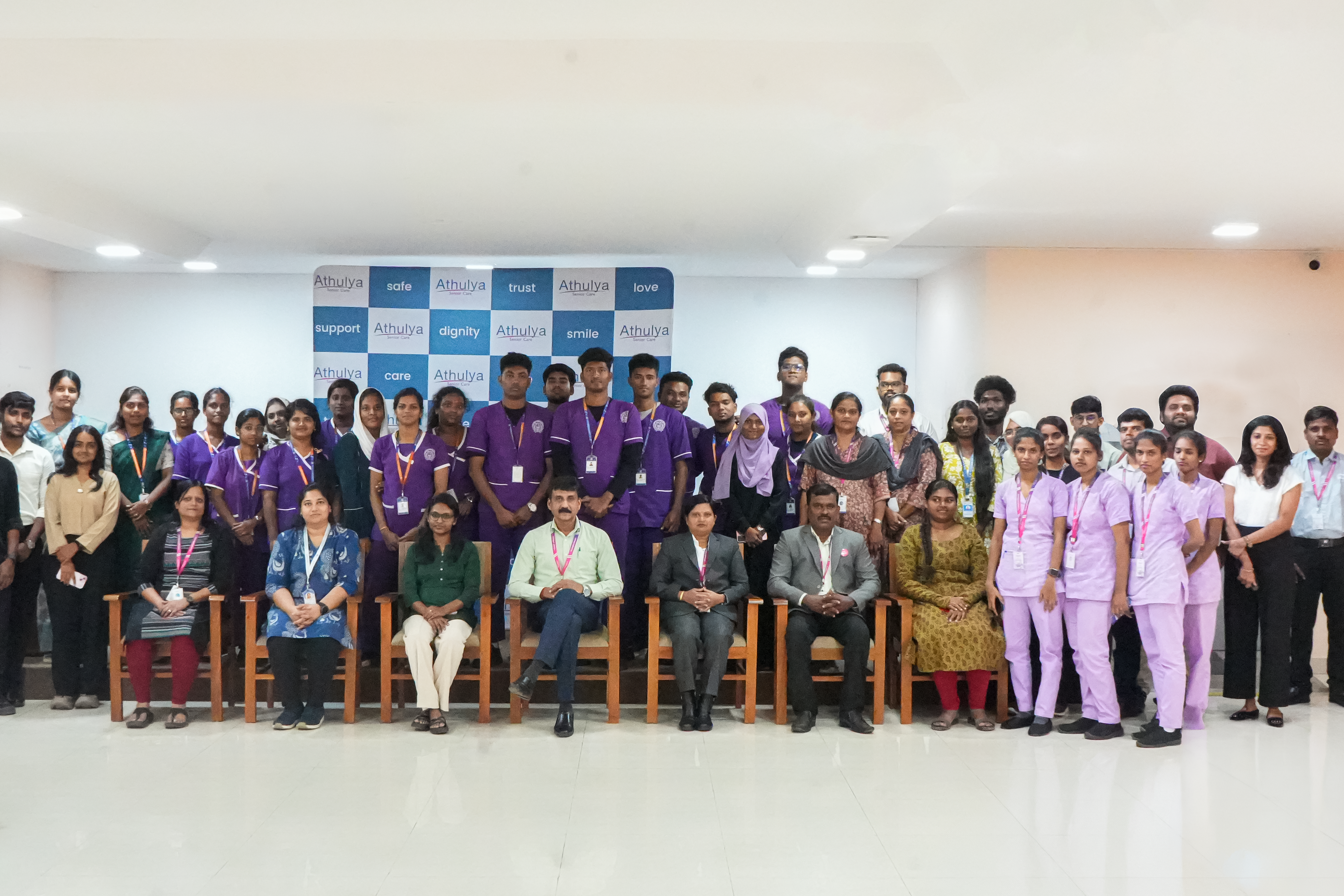
Programme focuses on strengthening clinical knowledge and practical skills among nursing students, faculty and healthcare professionals
Chennai, Sept 20: Athulya Senior Care, in collaboration with Madras Medical College (MMC) and Athulya Academy, organised a two-day academic programme titled “Comprehensive Dementia Care: Current Concepts, Clinical Skills and Future Directions” on September 18 and 19, 2026, at Athulya Senior Care, Maduravoyal, Chennai. The programme focused on strengthening understanding of dementia care and equipping nurses, nursing faculty, nursing students and healthcare professionals with updated knowledge and practical skills to support older adults living with dementia.
The programme brought together experts from geriatric medicine, neurology, nursing and dementia care, with sessions covering current concepts, clinical approaches and the evolving needs of people living with dementia. The initiative also sought to bridge academic learning with practical caregiving and promote a multidisciplinary approach to dementia care.
The inaugural ceremony was held on September 18 and was inaugurated by Prof. Dr. R. Shankar Shanmugam, Principal, Madras Medical College (MMC), Chennai and Registrar, Tamil Nadu Nurses & Midwives Council, who attended the programme as the Chief Guest.
With dementia cases increasing alongside India’s ageing population, there is a growing need to strengthen the skills and preparedness of healthcare professionals involved in senior care. A national LASI-DAD study estimated that 7.4% of Indians aged 60 and above, or around 8.8 million people, are living with dementia. Against this backdrop, programmes that combine academic learning with clinical and practical insights can play an important role in building a better-trained workforce and strengthening the quality of dementia care in India.
Speaking on the collaboration, Mr. Srinivasan G, Founder & CEO, Athulya Senior Care, said, “Dementia care requires a multidisciplinary approach and well-trained professionals who understand the clinical and emotional needs of seniors. Through this programme, we aim to strengthen knowledge and practical skills while encouraging greater focus on specialised geriatric and dementia care.”
Dr. Nivedha Pathmanathan, Psychiatrist, Athulya Senior Care, added, “Dementia affects much more than memory, often impacting behaviour, communication and everyday life. Strengthening awareness among healthcare professionals can support early recognition, timely intervention and more personalized, compassionate care for seniors and their families.”
The two-day programme included expert-led sessions and practical learning focused on key aspects of dementia care, with perspectives from medical, nursing and mental health professionals. The participation of 60 healthcare professionals provided an opportunity for knowledge exchange and discussion around the evolving requirements of dementia and geriatric care.
The programme marks an important step towards strengthening dementia care in India by bringing together academic learning, clinical expertise and practical caregiving perspectives. Through this collaboration, Athulya Senior Care, Madras Medical College and Athulya Academy aim to support the development of skilled healthcare professionals and promote a more informed, multidisciplinary approach to dementia care, ultimately contributing to better care outcomes and improved quality of life for seniors and their families.
20, Sep 2026
Cloud PC: How Safe Is Your Data?
The personal computer is undergoing a quiet transformation. For decades, businesses and individuals have depended on physical desktops and laptops to store applications, files and computing resources. Now, an increasing portion of that computing experience is moving away from the device sitting on a desk and into the cloud.
The emergence of the Cloud PC is at the centre of this shift. Instead of relying entirely on local hardware, users can access a virtual computer hosted in a remote data centre. Applications, operating systems and business resources can be delivered through the internet, allowing employees to work from offices, homes and other locations using a wide range of devices.
For companies pursuing hybrid work, centralized IT management and flexible computing, the model offers significant opportunities. But it also raises a question that businesses cannot afford to ignore: when the computer moves to the cloud, what happens to the security of the data?
The Computer Is No Longer Just on the Desk
A Cloud PC changes the traditional relationship between a user and a computer.
In a conventional setup, applications and files may be stored directly on a desktop or laptop. The organization is responsible for securing the physical machine, its operating system, applications and local storage.
With a Cloud PC, much of the computing environment is hosted remotely. The physical device becomes more of an access point to a centrally managed digital workspace.
That architecture can bring security advantages. If an employee loses a laptop, for example, sensitive corporate information may remain within the cloud environment rather than being stored entirely on the missing device.
But the security boundary has changed. The organization now has to protect not only the cloud infrastructure but also the identities, devices, connections and permissions used to access it.
Security Does Not Automatically Come With the Cloud
There is a common misconception that moving data and applications to a major cloud platform automatically makes them secure.
The reality is more complicated.
Leading cloud providers invest heavily in infrastructure security, encryption, identity management and monitoring. However, customers still control many aspects of how their cloud environments are configured and accessed.
A poorly configured Cloud PC can therefore become a security weakness even when the underlying cloud infrastructure is highly protected.
Weak passwords, excessive user permissions, outdated software, inappropriate data-sharing policies and compromised accounts can create vulnerabilities that sophisticated infrastructure security cannot completely eliminate.
The lesson is important: cloud technology can provide powerful security capabilities, but security still has to be designed and managed.
Identity Has Become the New Security Perimeter
Perhaps the biggest change introduced by cloud computing is the growing importance of digital identity.
When employees worked primarily inside corporate offices and connected through controlled networks, organizations could place considerable emphasis on securing the network perimeter.
Cloud computing makes that approach less effective.
An employee may access a Cloud PC from a home office, hotel, airport or another location. The identity of the person requesting access therefore becomes critically important.
If an attacker steals an employee’s credentials, the attacker may attempt to access corporate resources while appearing to be a legitimate user.
This is why multifactor authentication, conditional access, strong identity management and least-privilege permissions have become central components of modern cloud security.
Encryption: Essential, But Not a Complete Solution
Encryption is another major layer of cloud protection.
Data can be encrypted while it is stored and while it travels between systems. Microsoft, for example, documents encryption for Windows 365 Cloud PC storage and protection of network traffic in transit.
Encryption helps ensure that stolen or intercepted data is much harder to use without the appropriate cryptographic keys.
But encryption cannot solve every security problem.
Consider a compromised employee account. If an attacker successfully authenticates as an authorized user, the data may be accessible through legitimate system functions. The information may remain encrypted at the storage level, but the attacker could potentially view or manipulate it through the authorized session.
That is why encryption must operate alongside authentication, authorization, monitoring and data-loss prevention.
The Risk of Misconfiguration
One of the less visible dangers in cloud computing is misconfiguration.
Cloud platforms offer extensive security controls, but organizations must configure those controls correctly. An incorrectly assigned permission can expose information that was supposed to remain restricted.
For example, an employee may receive broader access than necessary, an administrator may leave an unnecessary service enabled, or sensitive information may be permitted to move to unmanaged devices.
These problems do not necessarily represent a failure of cloud technology. They can represent failures in implementation and governance.
For companies adopting Cloud PCs, configuration management should therefore be treated as an ongoing security process rather than a one-time installation task.
What Happens When a Device Is Lost?
The loss or theft of a laptop is one area where Cloud PCs can potentially change the risk profile.
If an organization’s sensitive information is primarily maintained inside the cloud environment, losing the physical device does not necessarily mean losing the entire corporate data set.
However, this protection depends on configuration.
Employees may still download documents, take screenshots, copy information, print files or use local applications. Browser sessions and cached credentials can also introduce additional risks.
Businesses should therefore establish clear rules regarding what information can leave the Cloud PC environment and under what circumstances.
Data-loss-prevention technologies can provide additional controls by identifying and restricting certain types of sensitive information movement.
Remote Work Expands the Attack Surface
Cloud PCs are particularly attractive to organizations with remote and hybrid workforces.
An employee can potentially access a standardized computing environment without carrying the entire corporate infrastructure with them.
But remote access also means that corporate systems may be accessed from networks and devices outside the organization’s direct control.
Public Wi-Fi, insecure home networks, personal devices and phishing attacks can all become part of the security equation.
This is one reason the Zero Trust security model has gained prominence. Rather than assuming that a user or device should automatically be trusted because it is connecting from a familiar network, Zero Trust emphasizes continuous verification of identity, device status and access requirements.
Cloud PCs and Ransomware
Ransomware has added another dimension to the cloud-security discussion.
Moving desktops into the cloud does not make an organization immune to ransomware. Attackers can still target credentials, endpoints, applications and users.
A compromised privileged account can be particularly dangerous because it may provide access to multiple systems.
Organizations using Cloud PCs should therefore combine access controls with endpoint protection, network security, monitoring, segmentation and recovery procedures.
Backup strategy is equally important. A cloud-based system should not be confused with a backup system. Organizations still need appropriate recovery mechanisms for critical business information.
Insider Risk Cannot Be Ignored
Cybersecurity discussions often focus on hackers operating from outside an organization. But legitimate users can also become a source of data exposure.
An employee might accidentally send a confidential file to the wrong recipient. A contractor might download information that should remain inside the organization. A malicious insider might deliberately attempt to remove proprietary data.
Cloud environments can offer improved visibility into these activities when appropriate monitoring and data-governance tools are deployed.
The objective is not to create an environment where every employee is treated as a suspect. Instead, organizations need proportionate controls that protect sensitive information while allowing employees to perform their jobs efficiently.
Building a Safer Cloud PC Environment
Businesses considering Cloud PCs should approach security as a layered system.
First, protect identities. Multifactor authentication should be standard for sensitive corporate environments, supported by strong password policies and appropriate access controls.
Second, limit privileges. Employees should have access only to the applications and information necessary for their responsibilities.
Third, control data movement. Organizations should determine when files can be downloaded, copied, printed or transferred to external devices.
Fourth, maintain software security. Operating systems, applications and browsers should receive security updates in a timely manner.
Fifth, monitor activity. Unusual login locations, repeated authentication failures, unexpected data transfers and other abnormal behaviour should trigger investigation.
Sixth, prepare for failure. Incident-response and recovery plans should be tested before an actual security incident occurs.
Finally, educate employees. Technology is only one part of cybersecurity. A user who cannot identify a convincing phishing message can unintentionally bypass several layers of technical protection.
Who Is Responsible for Cloud PC Security?
Cloud security works through a shared-responsibility model.
The cloud provider is responsible for securing the infrastructure and services it operates. The customer remains responsible for many decisions involving users, permissions, configurations, applications and data.
That division of responsibility is critical.
A business cannot simply purchase Cloud PCs and transfer its cybersecurity obligations to the cloud provider. It must understand exactly which security responsibilities belong to the provider and which remain with its own IT and security teams.
The Future of the Desktop Is Also a Security Question
The Cloud PC represents more than another way of accessing Windows or business applications. It reflects a broader change in enterprise computing.
As organizations move applications, storage and workspaces into cloud environments, the traditional definition of a “computer” is becoming less important. What matters increasingly is the combination of identity, data, applications, devices and cloud infrastructure.
That transformation offers businesses greater flexibility, but it also demands stronger security discipline.
The key question is therefore not whether a Cloud PC is inherently safe or unsafe. Its security depends on how the entire ecosystem is designed and managed.
A properly configured Cloud PC environment can provide strong protection through centralized controls, encryption, identity management and monitoring. At the same time, compromised credentials, excessive permissions, misconfiguration and poor data-handling practices can create serious exposure.
For organizations, the move to Cloud PCs should therefore be accompanied by a corresponding investment in cybersecurity strategy.
The desktop may be moving into the cloud. The responsibility for protecting the data should not.
19, Sep 2026
Kaayu Rituals Opens New Conversations Around Preventive Health and Vitality

New Delhi | September 19, 2026
Kaayu Rituals, a UK-based Ayurvedic wellness brand, marked six months of its journey with a wellness event at Shangri-La Eros New Delhi, bringing together healthcare professionals, wellness experts and industry stakeholders for conversations around preventive healthcare, sexual health, fertility, vitality and everyday wellbeing.
Shri Prataprao Ganpatrao Jadhav, Minister of State (Independent Charge), Ministry of Ayush and Minister of State, Ministry of Health and Family Welfare, also joined the event digitally. He appreciated the initiative undertaken by Kaayu Rituals to promote conversations around preventive wellness and applauded the team for bringing together perspectives from Ayurveda, modern medicine and contemporary wellness.
The event also marked the brand’s next phase, with Kaayu Rituals announcing its expansion into wellness categories including sexual health, fertility, vitality and lung health. The company said the expansion is part of its broader focus on making preventive wellness a more consistent part of everyday life.

Speaking at the event, Preeti Choudhary, Founder and CEO, Kaayu Rituals, said, “Six months ago, Kaayu Rituals was an idea; today, it is a growing community built around a simple belief that wellness should begin before we become unwell. Our expansion into sexual health and lung health marks an important new chapter for us, but more importantly, it reflects our intent to bring greater awareness, openness and responsibility to areas of everyday health that are often overlooked. We believe Ayurveda, modern medicine and traditional knowledge can contribute to a more holistic conversation when the individual remains at the centre. As we grow, our commitment is to quality, safety, transparency and scientific integrity, because we know that trust is not created through a marketing campaign — it is earned, one product, one conversation and one person at a time.”
From traditional knowledge to modern wellness
Founded with the objective of bringing Ayurvedic principles into contemporary everyday life, Kaayu Rituals has built a portfolio spanning inner wellness supplements, Ayurveda-inspired hair care, skin wellness solutions and herbal tea infusions.
The brand’s six-month milestone event included a session titled “Kaayu Rituals: Behind the Brand”, featuring Preeti Choudhary, Founder and CEO; Puneet Mittal, Chief Sales Officer; and Umesh Arora, Head of R&D, COSMOS.
The discussion focused on the brand’s formulation approach, research and development, production processes, quality standards and the development of its product portfolio.

Sexual health enters the wider wellness conversation
A key session at the event, “Sexual Health in India,” brought together Dr. Jagriti and Dr. Abishes Saha to discuss sexual health, fertility, vitality, awareness and preventive care.
The panel highlighted the importance of treating sexual health as part of overall wellbeing and encouraging more informed conversations around subjects that are often approached with hesitation. There are topics that are supposed to be discussed openly and it is the societal responsibility of us all to get into the prevention, which eventually is better than cure.
The discussion reflected Kaayu Rituals’ broader approach of bringing often-overlooked areas of wellness into mainstream conversations around everyday health.
Ayurveda and modern medicine in today’s lifestyle
The second panel, “Ayurveda, Modern Medicine & Today’s Lifestyle,” featured Dr. Tanu and Dr. Akshara Arora.
The discussion examined the relevance of Ayurvedic principles such as balance, routine and prevention in contemporary lifestyles, alongside the role of modern medicine and evidence-based healthcare.
Expanding the wellness portfolio
As Kaayu Rituals enters its next phase, the brand is expanding into categories focused on sexual health, fertility, vitality and lung health.
The company also plans to explore further work across women’s wellness, sexual health and mental health, with an emphasis on awareness, dignity and responsible wellness.
The brand said its expansion will continue to be guided by its focus on quality, research, responsible product development and preventive wellness.
Building wellness into everyday life
The six-month milestone reflects the beginning of Kaayu Rituals’ next phase of growth, with the company looking to build a wider conversation around preventive wellness and conscious living.
Rather than positioning wellness only as a response to health concerns, Kaayu Rituals aims to encourage people to think about everyday choices, healthy routines and preventive practices as part of their approach to wellbeing.
The company said it intends to continue bringing together Ayurvedic knowledge, contemporary research, quality standards and responsible wellness practices as it develops its portfolio and expands its presence.
19, Sep 2026
PM Modi to Distribute 51,000 Appointment Letters at 20th Rozgar Mela; Odisha to Host Events in Cuttack, Bhubaneswar
Bhubaneswar, Sept. 19 (UDN): Prime Minister Narendra Modi will distribute more than 51,000 appointment letters to newly recruited candidates in various Central Government departments on Saturday as part of the 20th Rozgar Mela, with Odisha hosting parallel events in Cuttack and Bhubaneswar.

Representational Image
The nationwide recruitment drive will be conducted through video conferencing across 45 locations in the country, where newly appointed employees will receive their appointment letters and participate in induction programmes.
Recruits Across Multiple Ministries
The appointments cover a range of Central Government ministries and departments, including the Ministry of Railways, Ministry of Home Affairs, Ministry of Health and Family Welfare, Department of Revenue, Department of Financial Services and the Ministry of Defence, among others.
The programme is aimed at inducting recruits into government service while providing them with an opportunity to interact with the Prime Minister during the nationwide event.
Cuttack Event at Ravenshaw University
In Cuttack, the Rozgar Mela will be held at the Convention Centre on the Ravenshaw University campus.
Union Tribal Affairs Minister Jual Oram will attend the programme as the chief guest and hand over appointment letters to selected recruits.
Bhubaneswar Programme to Include 161 Recruits
The Bhubaneswar event will take place at the Rail Auditorium, where Union Minister of State for Rural Development Kamlesh Paswan will be the chief guest.
A total of 161 newly recruited candidates from different Central Government departments are expected to participate in the programme.
According to the official schedule, the recruits include 41 candidates from AIIMS and the Ministry of Health, 37 from the Railways, 30 from the Department of Posts, 22 from CGST Bhubaneswar and 10 from the Income Tax Department, along with recruits from ESIC, the Central Ground Water Board, CISF, the Ministry of Education, the Defence Accounts Department and other departments.
The Bhubaneswar programme will begin with a short film on the objectives of the Rozgar Mela, followed by the Prime Minister’s virtual address to the newly appointed employees.
The Rozgar Mela is part of the Centre’s ongoing initiative to expedite recruitment across government departments while providing newly selected candidates with a formal induction into public service.
19, Sep 2026
Foundation Stone for Mahalakshmi Green Energy Project to be Laid in Kolhapur on September 20
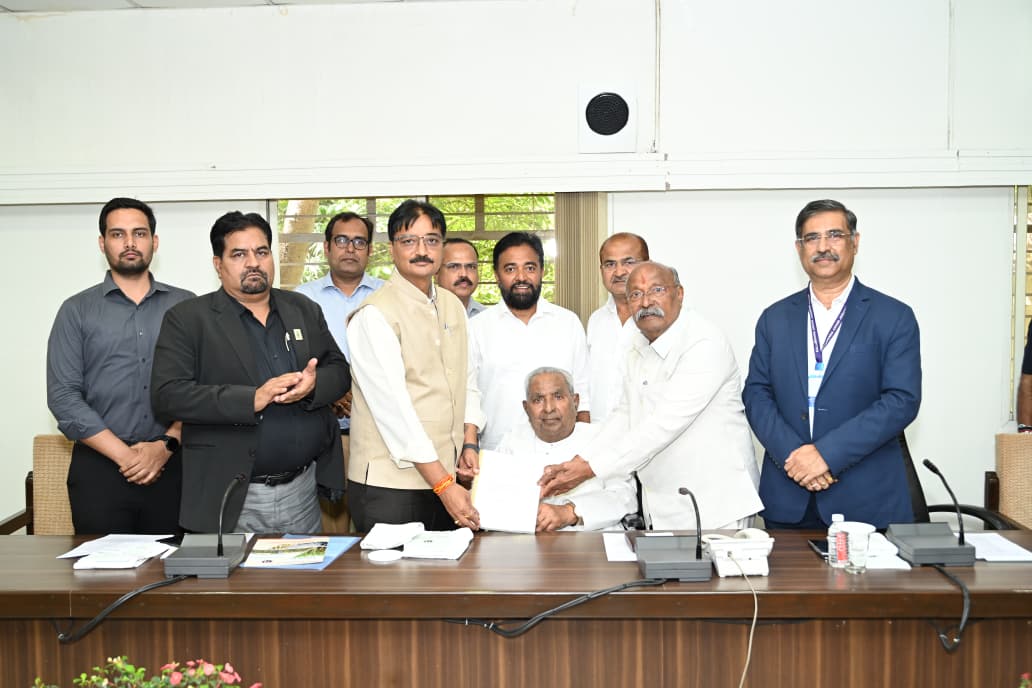
Kolhapur, Maharashtra, September 19, 2026: The Bhoomi Pujan ceremony of the ‘Mahalakshmi Green Energy’ project will be held in Kolhapur, Maharashtra, on September 20, 2026. The foundation stone of the project, being established as a unit of the Cooperative Sugar Value-Added Products and Bio-Energy Multi-State Cooperative Society Ltd, will be laid by Hon’ble Union Home and Cooperation Minister Shri Amit Shah.
Under the vision of Hon’ble Prime Minister Shri Narendra Modi of ‘Sahakar Se Samriddhi’ and the guidance of Union Home and Cooperation Minister Shri Amit Shah, the Multi-State Cooperative Society is being established with the objective of promoting value addition and a circular economy in the cooperative sugar industry. The initiative focuses on better utilisation of by-products generated by sugar mills to create additional value and income opportunities.
Kolhapur district is widely known for its vast sugarcane fields and advanced sugarcane cultivation. However, over the past few years, cooperative sugar mills in the region have faced increasing financial pressures, which have also affected the livelihoods of farmers and their families. In this context, better utilisation of by-products of the sugar industry and production of value-added products from them is an important step towards strengthening the cooperative sugar sector.
With this objective, the Cooperative Sugar Value-Added Products and Bio-Energy Multi-State Cooperative Society Ltd has been established. The society will work towards the revival of closed or loss-making cooperative sugar mills across the country, with the initiative beginning in Maharashtra’s Kolhapur district.
The society’s first project, ‘Mahalakshmi Green Energy’, is being established in Kolhapur district. The project will support the financial strengthening of the district’s Jawahar, Sharad, Rajaram, Mandlik and Halsidnath Cooperative Sugar Mills. Value-added and agricultural-use products will be manufactured from the by-products of these mills, helping reduce financial pressures on the mills and improve the economic condition of farmers.
An integrated project will be established under the initiative, comprising a 250 TPD citric acid plant, a 20 TPD compressed biogas (CBG) plant and a 200 TPD PDM plant. The project will primarily utilise sugar industry by-products such as molasses, press mud, bagasse and other suitable biomass, as well as ash from incineration boilers. Other necessary infrastructure and utility facilities will also be developed as required.
The Mahalakshmi Green Energy project will be an important initiative towards creating a model for downstream value addition in the cooperative sugar sector. It is not merely an industrial investment but also a step towards developing a scalable model for the cooperative sugar industry. In the future, this model could potentially be adopted in other cooperative sugar clusters across the country, promoting better utilisation of sugar industry by-products, development of renewable energy and production of value-added products.
Presence of Senior Dignitaries
The ceremony will be attended by Shri Eknath Shinde, Hon’ble Deputy Chief Minister of Maharashtra; Shri Devendra Fadnavis, Hon’ble Chief Minister of Maharashtra; and Smt Sunetra Ajit Pawar, Hon’ble Deputy Chief Minister of Maharashtra, as distinguished guests.
The programme will also be attended by Shri Murlidhar Mohol, Hon’ble Minister of State for Cooperation and Civil Aviation; Shri Krishan Pal Gurjar, Hon’ble Minister of State for Cooperation; and Shri Babasaheb Mohanrao Patil, Hon’ble Minister for Cooperation, Maharashtra, as guests of honour.
The occasion will also be graced by the presence of Shri Pankaj Kumar Bansal, Managing Director, National Cooperative Development Corporation (NCDC), New Delhi.
The Bhoomi Pujan ceremony will be held at 11:00 AM on September 20, 2026, in Kolhapur, Maharashtra. The programme will include the lighting of the ceremonial lamp and inauguration, welcome of the guests, an address by the Chief Minister of Maharashtra, screening of a short film on the circular economy in the sugar industry, and the formal launch of the Bhoomi Pujan ceremony of the project by the Union Home and Cooperation Minister.
19, Sep 2026
IPL Turns 20 in 2027: BCCI Announces Grand Celebrations, Governing Council Members Re-Elected
Mumbai, Sept. 19 (UDN): The Indian Premier League (IPL) is set to complete two decades in 2027, with the Board of Control for Cricket in India (BCCI) planning a series of special programmes to mark the milestone.

Representational Image
The decision was taken during the BCCI’s 95th Annual General Meeting (AGM) held at its headquarters in Mumbai on Friday.
The General Body unanimously approved plans for celebrations commemorating 20 seasons of the IPL, which began in 2008 and has since grown into one of the most prominent franchise cricket competitions in the world.
Dhumal, Majumdar Retain IPL Governing Council Seats
The AGM also saw the re-election of Arun Singh Dhumal and M Khairul Jamal Majumdar to the IPL Governing Council.
Dhumal, who previously served as treasurer of the Himachal Pradesh Cricket Association, has headed the IPL Governing Council since 2022. Majumdar represents the Cricket Association of Mizoram and has been associated with the council as a representative of state associations.
Both were elected unopposed and will continue to be involved in the administration and functioning of the league.
From an Eight-Team Tournament to a Global Cricket Brand
The IPL began on April 18, 2008, with the inaugural match between Kolkata Knight Riders and Royal Challengers Bangalore at the M Chinnaswamy Stadium in Bengaluru.
The opening game produced an instant IPL landmark as KKR batter Brendon McCullum smashed an unbeaten 158 off 73 deliveries, setting the tone for the tournament’s explosive brand of cricket.
Over the years, the competition has expanded in scale, attracting global players while recording substantial growth in viewership, commercial value and international reach.
The league started with eight teams in 2008 and expanded to 10 teams in 2022 with the entry of Gujarat Titans and Lucknow Super Giants. The current format comprises 74 matches in a season.
Mumbai Indians, CSK Among Most Successful Teams
Across its first 19 editions, Mumbai Indians and Chennai Super Kings have each secured five IPL titles.
Former captains Rohit Sharma and MS Dhoni have also guided their respective franchises to five championships each.
Kolkata Knight Riders have won the title three times, while Rajasthan Royals, Deccan Chargers, Sunrisers Hyderabad and Gujarat Titans have also featured among the champions.
According to the report, Royal Challengers Bengaluru enter the 2027 season as defending champions after securing consecutive titles in 2025 and 2026.
IPL’s Commercial Value Has Grown Sharply
The league’s financial footprint has expanded dramatically since its launch.
The IPL’s original 10-year television rights agreement in 2008 was valued at approximately $1 billion. For the 2023-27 cycle, the BCCI sold the media rights in 2022 for Rs 48,390 crore, equivalent to around $6.2 billion at the time.
The deal significantly elevated the IPL’s position among the world’s major sporting properties in terms of media-rights value per match.
As the league approaches its 20th edition in 2027, the BCCI’s proposed celebrations are set to mark a significant milestone in the tournament’s nearly two-decade journey.


