


19, Sep 2026
Bhubaneswar Emerges as Major Tier-2 Real Estate Hub as Property Prices Rise 63%
Bhubaneswar, Sept. 19 (UDN): Bhubaneswar is strengthening its position as one of India’s prominent Tier-2 real estate markets, with strong growth reported across the residential, warehousing and retail segments.

Representational Image
According to a CII-Knight Frank India report, residential property prices across 11 emerging cities, including Bhubaneswar, increased by 63% between 2021 and 2026. This growth was substantially higher than the 42% rise recorded across India’s eight major metropolitan markets during the same period.
The report highlighted several factors behind the growing appeal of Tier-2 and Tier-3 cities. These include expanding MSME ecosystems, availability of skilled manpower, growth in the services sector and the increasing presence of Global Capability Centres (GCCs).
Warehousing Activity Picks Up
Bhubaneswar has also emerged as one of the key Tier-2 cities in India’s warehousing market.
The city was among six selected Tier-2 markets that recorded significant warehousing transactions in 2025. Along with Lucknow, Jaipur, Nagpur, Indore and Coimbatore, Bhubaneswar contributed to a combined 5.3 million square feet of warehousing transactions—nearly half of the total recorded across the key Tier-2 markets.
The six cities together registered 11.2 million square feet of warehousing transactions during 2025, underlining the growing demand for logistics and industrial space outside India’s major metropolitan centres.
Retail Sector Also Expanding
Bhubaneswar is additionally contributing to the expansion of organised retail in emerging cities.
The report noted that Bhubaneswar, along with nine other emerging markets, accounted for approximately 60% of the 36 million square feet of shopping-centre stock across 24 Tier-2 cities in 2025.
The growth reflects increasing consumer demand, urbanisation and the expansion of organised retail infrastructure in cities beyond India’s traditional metropolitan hubs.
Infrastructure Key to Sustaining Growth
The CII-Knight Frank report noted that continued investment in infrastructure, connectivity, employment opportunities and urban development will be critical for sustaining the momentum in emerging real estate markets.
For Bhubaneswar, the combination of rising residential demand, expanding warehousing activity and retail development is positioning the Odisha capital as an increasingly important destination in India’s evolving Tier-2 real estate landscape.
- 0
- By Neel Achary

19, Sep 2026
SEMICON India 2026 Strengthens Semiconductor Ecosystem with 25 New Industry Partnerships
New Delhi, Sep 19: India’s semiconductor ecosystem received a significant boost at SEMICON India 2026, with 25 new partnerships and industry tie-ups announced across chip manufacturing, semiconductor materials, advanced packaging, power electronics, logistics, research and skill development.
The agreements reflect the growing participation of both Indian and global companies in India’s semiconductor sector and highlight the efforts to build capabilities across the entire value chain rather than focusing only on chip fabrication.
Several partnerships are aimed at increasing domestic access to specialised materials and manufacturing inputs. Tata Electronics has entered into collaborations related to high-purity gases, advanced chemicals and other materials used in semiconductor production. Other initiatives are focused on specialised engineering systems and infrastructure required for semiconductor fabrication facilities.
Advanced packaging is another area receiving attention, with industry collaborations exploring the development and local production of components required for semiconductor packaging. Strengthening these capabilities can help expand domestic value addition and create opportunities for specialised suppliers.
The new partnerships also cover power semiconductor technologies. Initiatives involving silicon carbide devices and other power-electronics solutions are targeting applications such as renewable energy, electric mobility, power transmission, industrial systems and data centres.
Logistics is also becoming an important part of the semiconductor ecosystem. Specialised supply-chain partnerships are being developed to support the transportation, warehousing and handling of sensitive semiconductor equipment and materials as manufacturing activity expands.
The event also placed emphasis on research, deep-tech startups and workforce development. Collaboration between industry, educational institutions and technology organisations is expected to support the development of specialised skills in chip design, semiconductor manufacturing, packaging and related engineering fields.
The growing international participation at SEMICON India 2026 further highlights the increasing interest in India as a semiconductor manufacturing and technology destination. Global companies are exploring opportunities to work with Indian manufacturers, suppliers, startups and research institutions.
The latest tie-ups indicate that India’s semiconductor strategy is gradually developing into a broader industrial ecosystem covering design, materials, manufacturing, packaging, logistics, power electronics, research and talent.
For Indian businesses, this expansion could create new opportunities for local manufacturing and technology services, while strengthening supply chains and supporting the growth of semiconductor-related startups and MSMEs.
With new partnerships emerging across multiple segments, SEMICON India 2026 has provided fresh momentum to India’s efforts to develop a globally connected and domestically capable semiconductor industry.
19, Sep 2026
Swedish Survey Highlights India’s Growing Appeal for Global Businesses
New Delhi, Sep 19: India’s expanding economy, large domestic market and improving business environment are strengthening its appeal among international companies, with the country receiving the highest business-climate ranking among 41 markets surveyed in the 2026 Global Business Climate Survey.
Commerce and Industry Minister Piyush Goyal shared the findings, highlighting India’s growing position as an important destination for global businesses at a time when companies are reassessing investment strategies amid economic and geopolitical uncertainties.
The survey provides insights into how Swedish companies view business conditions across international markets. The 2026 edition covers 41 markets and examines companies’ assessment of economic conditions, business opportunities, investment prospects and operating challenges.
India’s ranking reflects the positive outlook among Swedish businesses operating in the country. Around 73 per cent of surveyed Swedish companies rated India’s current business climate as good or very good, indicating a broadly positive assessment of the market.
The country’s growth prospects and investment opportunities have also contributed to this positive sentiment. Swedish companies are increasingly exploring opportunities across sectors such as manufacturing, information technology, engineering, automotive, aerospace, business services and other technology-driven industries.
India’s large consumer base, expanding infrastructure, digital economy, skilled workforce and growing manufacturing capabilities are creating opportunities for companies looking to establish or expand their presence in the country. The development of domestic supply chains and increasing integration with global production networks are also supporting new areas of business cooperation.
For Swedish companies, India is emerging as more than a large consumer market. Its expanding industrial base and growing capabilities in technology, engineering, research and innovation are creating opportunities for long-term partnerships, investment and local production.
The survey also provides a view of the challenges that international companies encounter while operating in different markets. Regulatory requirements, administrative procedures, customs processes and other market-entry issues remain areas where businesses seek greater efficiency and predictability.
Against this backdrop, India’s strong position in the survey highlights the growing confidence of foreign businesses in the country’s economic potential and investment opportunities.
The findings also underline the strengthening economic relationship between India and Sweden. Cooperation between companies from the two countries is expanding across manufacturing, technology, clean energy, telecommunications, mobility, life sciences and sustainable infrastructure.
At a time when global companies are looking to diversify supply chains and identify markets with long-term growth potential, India’s combination of market scale, talent, manufacturing capacity and technological capabilities is creating a broader platform for international business.
The survey therefore offers a snapshot of how Swedish businesses assess markets globally while also highlighting India’s increasing role in international investment, manufacturing and business expansion.
19, Sep 2026
Volkswagen Announces Exciting Track Day Experiences for Customers at CoASTT, Coimbatore
Bengaluru, Sep 19 :Volkswagen India has announced the launch of VWe Track Day, a new experiential platform designed to bring customers and enthusiasts closer to the brand’s performance DNA through immersive driving experiences, driver development activities and community engagement. The inaugural edition will take place on October 10-11, 2026 at CoASTT, Coimbatore, a leading motorsport and driver training facility in India.
Created to celebrate Volkswagen’s legacy of engineering excellence and engaging driving dynamics, Volkswagen Experiences: Track Day offers participants the opportunity to experience their vehicles in a professionally managed environment while enhancing driving skills through expert-led sessions. The platform reflects Volkswagen India’s commitment to creating meaningful customer experiences that extend beyond vehicle ownership and foster a deeper connection with the brand.
The inaugural edition will bring together owners of Volkswagen’s performance-oriented models, including the Golf GTI, Tiguan R-Line, Tayron R-Line, Virtus GT and Taigun GT, alongside automotive enthusiasts, media representatives and Volkswagen leadership. Participants will engage in a range of on-track and off-track activities designed to showcase vehicle capabilities while emphasizing safe and responsible driving practices.
Over the two-day programme, participants will have access to curated driving experiences, including lead-and-follow sessions, autocross challenges, slalom exercises, off-road obstacle courses, go-karting, vehicle handling demonstrations and professional driving instruction. The activities have been designed to cater to varying skill levels, enabling participants to build confidence and better understand vehicle dynamics under expert guidance.
In addition to the track experiences, attendees will participate in technical masterclasses, owner networking sessions and lifestyle activities designed to create meaningful interactions among members of the Volkswagen community. The event will also feature dedicated hospitality areas, family-friendly experiences, interactive brand engagement opportunities and recognition programmes celebrating unique owner stories and achievements.
Volkswagen Experiences: Track Day marks the beginning of a broader experiential initiative aimed at bringing customers closer to the Volkswagen brand through curated driving programmes and exclusive ownership experiences. Through this platform, Volkswagen India seeks to create an ecosystem where customers can engage with the brand beyond traditional ownership touchpoints while celebrating the joy of driving that has long been synonymous with Volkswagen.
19, Sep 2026
Max Hospital, Vaishali launches KTP (Kidney Transplant Program) and Nephrology OPD at Gwalior
One of the leading healthcare providers in the country, Max Super Specialty Hospital, Vaishali, today, launched the Kidney Transplant Program and Nephrology OPD in Gwalior.
The OPDs will be conducted at Max Patient Assistance Center, Shree Diagnostic Pvt Ltd, in Gwalior and will be available to patients on 3rd Sunday of every month between 11:00 am – 02:00 pm. The launch will make sure that patients are able to book regular appointments for both queries and routine follow-ups related to their kidney and/or overall renal health.
The launch event was held at Hotel Clark Inn, Gwalior and was addressed by Dr Manoj Singhal, Director- Nephrology and Kidney Transplantation, Max Super Speciality Hospital, Vaishali. With the introduction of these services, patients across all genders, ages, as well as socio-economic backgrounds, wouldn’t need to travel to other cities and instead, visit OPDs for regular quality medical services.
At the launch, Dr Manoj Singhal, Director- Nephrology and Kidney Transplantation, Max Super Speciality Hospital, Vaishali, said, “Through the launch of KTP and Nephrology OPD services in Gwalior, the unit would like to extend its medical help and support to the patients here in the city and nearby regions. Offering quality healthcare services along with cutting-edge technology, Max Hospital, Vaishali is already a chosen tertiary care facility for patients from this region.”
With the significant rise in the incidences of renal failure, this is a substantial step taken by Max Healthcare towards ensuring that such patients in the region have easy and speedy access to quality healthcare services.
He further added, “There are various factors due to which there is a rise in the number of individuals being detected with chronic kidney diseases such as regular consumption of alcohol, drug abuse, severe dehydration, unbalanced diet and unmonitored use of painkillers, etc. Therefore, our goal is to ensure efficient management of the disease and availability of specialized medical help in their neighborhood.”
Over In the past years, Max Super Speciality Hospital, Vaishali has been actively working towards offering international standards of healthcare facilities in different regions across the country. The leading healthcare player organizes numerous health-camps, OPDs and screening camps for the residents of other regions like Chandausi, Gwalior, Meerut, Kanpur, Moradabad, etc. and its neighboring areas.
19, Sep 2026
Odisha Plans 870-Acre ‘Silicon Valley’ Near Cuttack, Gets Rs 23,600 Crore Investment Proposals
Bhubaneswar, Sept. 19 (UDN): Odisha is set to develop an 870-acre technology hub at Naraj near Cuttack, with the state government proposing to brand the project as ‘Odisha Silicon Valley’ and position it as a base for semiconductor, electronics and information technology industries.
Pic Credit: x.com/CMO_Odisha
Chief Minister Mohan Charan Majhi announced the plan during Semicon India 2026 in New Delhi, where Odisha also received investment proposals worth around Rs 23,600 crore, which the government said could create approximately 6,100 jobs.
Naraj Identified as Technology Hub
The proposed technology hub will be located along the Cuttack-Bhubaneswar urban corridor, offering connectivity to major highways as well as the Paradip and Dhamra ports.
The government said the location could support semiconductor manufacturing and related activities, including logistics and supply-chain operations.
The project is part of Odisha’s broader effort to attract investments in high-technology and advanced manufacturing sectors.
Investment Proposals Worth Rs 23,600 Crore
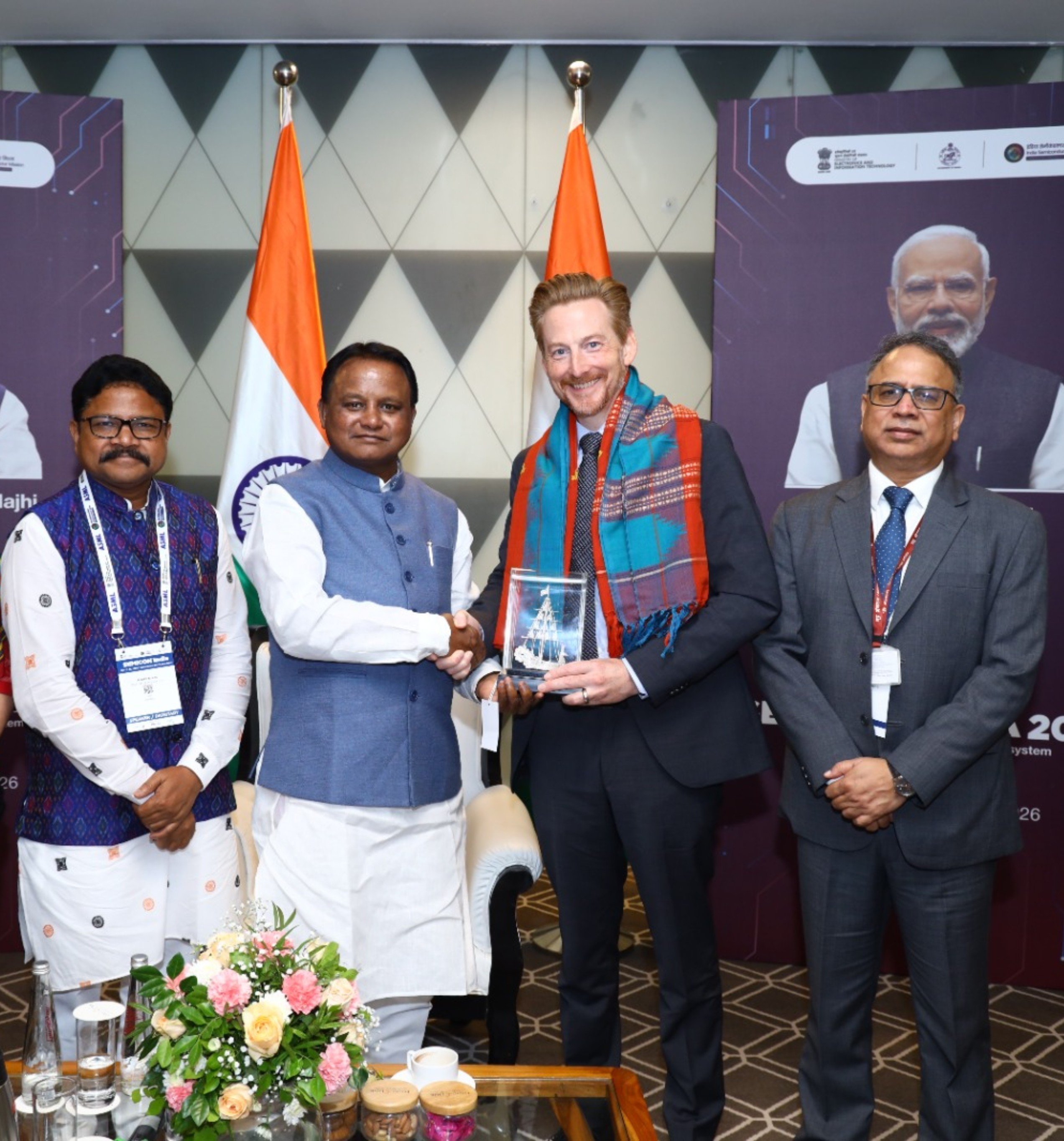
During his visit to Semicon India, Majhi held discussions with representatives of global and domestic technology companies, industry organisations and delegations from Japan, Sweden and Taiwan.
Companies involved in discussions included Lam Research, Applied Materials, SiCSem, 3D Glass Solutions, Cyient, Linde and HORIBA India.
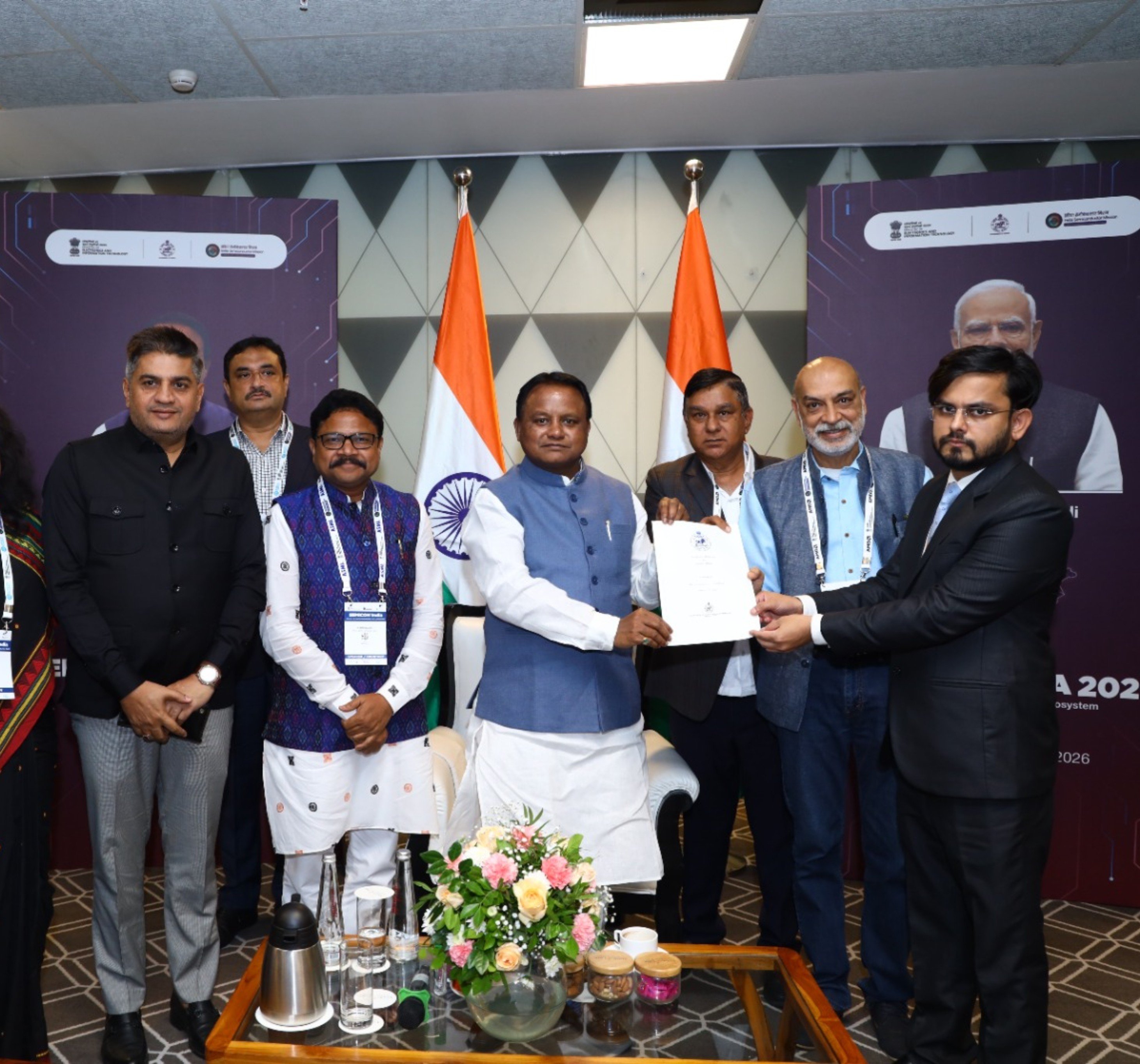
The state also signed a Letter of Intent with QuadQuantum for establishing a manufacturing facility for silicon carbide (SiC) substrate wafers.
According to the government, the investment proposals announced during the event have the potential to generate around 6,100 employment opportunities in Odisha.
Semiconductor Policy Gets Additional Support
Odisha has also amended its semiconductor policy to provide an additional 25% fiscal support for projects approved under the India Semiconductor Mission.
The enhanced support will cover segments including semiconductor equipment, specialised gases, raw materials and components of the semiconductor supply chain.
The move is aimed at strengthening the ecosystem around semiconductor manufacturing and attracting companies involved in both production and ancillary activities.
Odisha Pavilion Showcases Chip Initiatives
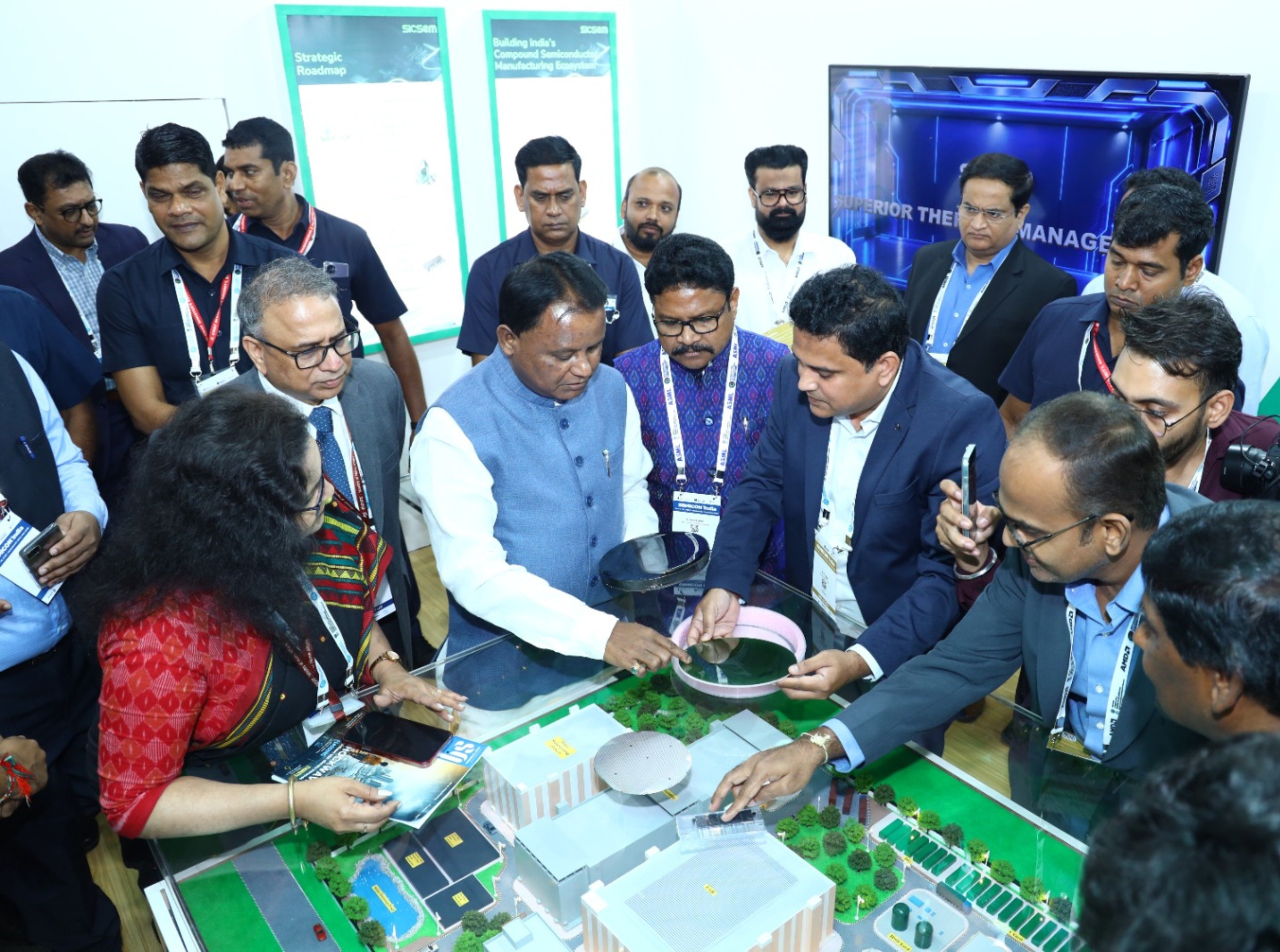
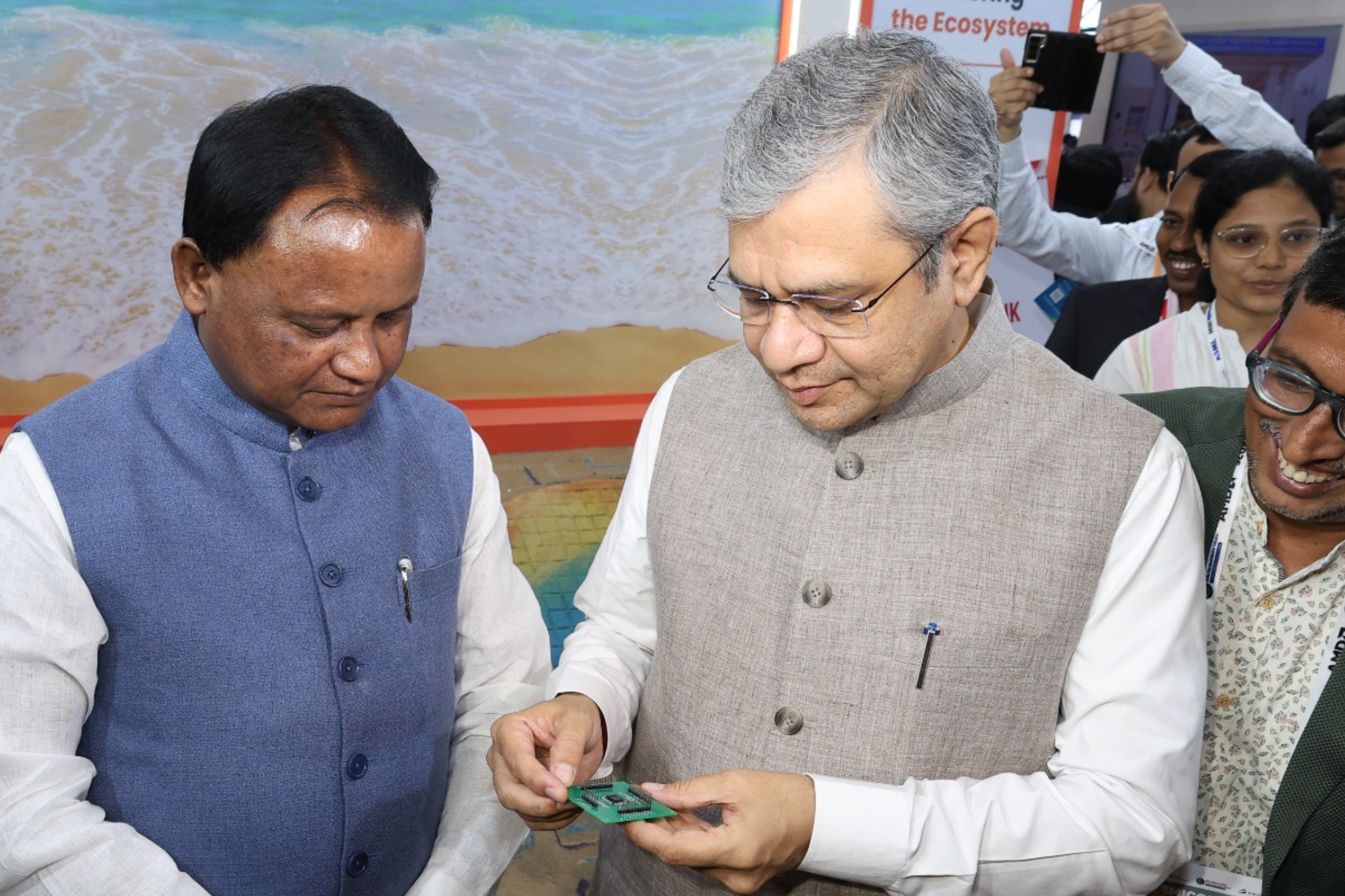
Majhi also inaugurated the Odisha Pavilion at Semicon India 2026, where the state showcased semiconductor-related projects and chip-design initiatives involving companies and educational institutions.
With the proposed Naraj hub, policy incentives and fresh investment proposals, the state government is seeking to expand Odisha’s presence in India’s growing semiconductor and electronics manufacturing ecosystem.
19, Sep 2026
PM Modi to Distribute Over 51,000 Appointment Letters at 20th Rozgar Mela today
NEW DELHI, September 19, 2026: Prime Minister Narendra Modi will distribute more than 51,000 appointment letters to newly recruited youth joining various Government organisations at the 20th Rozgar Mela on Saturday.
The appointment letters will be handed over at 12:30 PM through video conferencing, following which the Prime Minister will address the newly selected candidates.
The Rozgar Mela is being organised simultaneously at 45 locations across the country, bringing together newly appointed candidates selected for positions in different Ministries and Departments of the Government of India.
Among the major departments where the recruits will take up their assignments are the Department of Revenue, Ministry of Railways, Ministry of Home Affairs, Ministry of Health and Family Welfare, Department of Financial Services and Ministry of Defence.
The latest recruitment drive is part of the Government’s continuing initiative to provide employment opportunities to young people and facilitate their entry into public service.
The Rozgar Mela programme has also emerged as a mechanism for bringing recruitment and appointment processes into a common national platform, with selected candidates receiving appointment letters during these events.
The Government has positioned the initiative within its broader focus on expanding employment opportunities for youth and enabling their participation in India’s economic and development activities.
With the latest edition, the cumulative number of young people who will have received appointment letters through Rozgar Melas is expected to reach about 12.75 lakh across various Government departments and organisations.
The recruits will assume responsibilities in a range of administrative and operational roles, depending on their respective departments and appointments.
The participation of multiple Ministries and Government organisations highlights the wide range of employment opportunities available across the public sector.
For the newly selected candidates, the event marks the formal beginning of their careers in Government service, while the Prime Minister’s interaction is intended to underline the role of young professionals in public administration and national development.
The 20th Rozgar Mela thus represents another milestone in the Government’s ongoing recruitment initiative, with thousands of young people set to begin their professional journey in different parts of the country’s public administration system.
18, Sep 2026
RBI Absorbs Rs 2.23 Lakh Crore Through VRRR as Banking System Remains Flush With Funds
MUMBAI, September 18, 2026: The Reserve Bank of India stepped up its liquidity management operations on Friday, absorbing Rs 2.23 lakh crore from the banking system through a three-day Variable Rate Reverse Repo (VRRR) auction, as surplus funds continued to remain elevated across banks.
The central bank received bids worth Rs 2,22,629 crore against a notified amount of Rs 2.25 lakh crore and accepted the entire amount offered by participating banks. The funds were absorbed at a cut-off and weighted average rate of 5.24 per cent.
The operation is part of the RBI’s ongoing efforts to manage excess liquidity and keep overnight money-market rates aligned with its policy stance. The three-day funds parked with the central bank are scheduled to reverse on September 21, making the operation a temporary liquidity-management measure rather than a permanent withdrawal of money from the financial system.
The latest auction comes against the backdrop of a sizeable liquidity surplus in the banking system. RBI data showed that surplus liquidity stood at approximately Rs 6.94 lakh crore as of September 17.
The figure, however, represents a moderation from the estimated surplus of around Rs 10.73 lakh crore on September 11, indicating that recent RBI operations have already absorbed a significant amount of excess funds.
For the central bank, the challenge is to ensure that abundant liquidity does not push short-term market rates materially away from the policy repo rate. VRRR operations provide the RBI with a flexible mechanism to temporarily take excess funds out of circulation while allowing banks to earn a return on the money parked with the central bank.
Under a Variable Rate Reverse Repo operation, banks bid to place surplus funds with the RBI for a specified period. Unlike a fixed-rate reverse repo, the interest rate is determined through the auction process.
The mechanism allows the RBI to calibrate liquidity conditions according to prevailing market requirements. When surplus cash is high, banks have less incentive to borrow from one another, which can place downward pressure on overnight money-market rates.
By absorbing excess funds, the RBI can help maintain closer alignment between short-term market rates and the policy repo rate, thereby supporting the transmission of monetary policy.
The latest VRRR auction is not an isolated liquidity operation. The RBI has also been using open market operations to absorb surplus funds from the banking system.
On Thursday, the central bank sold government securities worth Rs 50,000 crore through an OMO auction. Two additional government-security sales of Rs 25,000 crore each have been scheduled for September 21 and September 28.
The combination of VRRR operations and OMO sales gives the RBI different tools to address liquidity conditions over varying time horizons. While a VRRR operation temporarily absorbs funds, an OMO sale involves the outright sale of government securities.
One of the factors contributing to the current liquidity surplus has been strong mobilisation of Foreign Currency Non-Resident (Bank), or FCNR(B), deposits.
Subsequent currency swaps with the RBI have released additional rupee liquidity into the banking system. Month-end government spending, including payments related to salaries and pensions, has also contributed to the availability of funds with banks.
The resulting liquidity conditions have given banks a substantial pool of funds that can either be deployed for lending and investment or parked with the central bank.
Friday’s operation follows another sizeable VRRR auction conducted earlier in the week.
In that auction, the RBI received bids worth Rs 3,93,352 crore against a notified amount of Rs 5 lakh crore and accepted the entire amount offered. The funds were also absorbed at a 5.24 per cent cut-off and weighted average rate.
The sequence of auctions highlights the central bank’s continuing focus on calibrating liquidity rather than allowing excess funds to accumulate unchecked in the financial system.
The RBI’s liquidity operations are closely watched by banks, money-market participants and fixed-income investors because the availability of surplus cash influences overnight rates and short-term funding conditions.
A large liquidity surplus can make funds readily available in the banking system, potentially putting downward pressure on short-term market rates. RBI absorption operations can help moderate that excess and keep money-market conditions consistent with the central bank’s broader monetary policy framework.
For banks, however, the impact is also linked to the relative attractiveness of deploying funds in loans, securities or central-bank facilities. The VRRR rate of 5.24 per cent provides a benchmark for banks deciding how to deploy short-term surplus funds.
The current situation illustrates the balancing act faced by the RBI. Excess liquidity can support financial-market stability and provide banks with ample resources, but very large surpluses can also affect the transmission of monetary policy by keeping short-term market rates below the desired level.
The central bank therefore has to calibrate its interventions carefully—absorbing funds when necessary while ensuring that the banking system retains sufficient liquidity to meet credit and settlement requirements.
The reduction in surplus liquidity from around Rs 10.73 lakh crore on September 11 to Rs 6.94 lakh crore on September 17 suggests that the recent measures are already changing the liquidity profile of the banking system.
With additional OMO sales scheduled for September 21 and September 28, liquidity management is likely to remain an important feature of India’s money markets in the near term.
The September 18 VRRR auction demonstrates that the RBI is using multiple instruments to manage the volume and cost of money in the banking system. As banks navigate changing deposit flows, government spending and foreign-currency-related liquidity, the central bank’s operations will remain important for keeping short-term market conditions orderly.
For the banking sector, the immediate message is clear: surplus liquidity remains substantial, but the RBI is actively recalibrating it rather than allowing excess funds to freely influence overnight market rates.
18, Sep 2026
India’s IT Export Engine Crosses USD 239 Billion as Global Demand Powers FY26 Growth
NEW DELHI, September 18, 2026: India’s technology industry has strengthened its position in the global services economy, with the country’s software services exports rising 9.5 per cent to $239.3 billion in 2025-26, according to the latest data released by the Reserve Bank of India.
The milestone reflects the growing international demand for Indian technology capabilities at a time when businesses worldwide are accelerating investments in digital transformation, cloud infrastructure, artificial intelligence, cybersecurity and data-driven operations.
The RBI’s broader measure puts India’s software services exports at $239.3 billion when services delivered through the overseas commercial presence of Indian companies are included. On a basis excluding such overseas commercial presence, software services exports stood at $221.4 billion, registering growth of 8.2 per cent during the financial year.
The numbers demonstrate that India’s IT industry is no longer dependent solely on traditional software outsourcing. The sector has progressively expanded into technology consulting, engineering, business-process services, cloud solutions, analytics and other specialised digital capabilities, creating a much broader export base.
Computer services continued to constitute the largest share of India’s software services exports, contributing more than two-thirds of the total. Business process outsourcing also remained an important component, with finance and accounting-related services forming a significant part of the BPO business.
This diversification has helped Indian technology companies remain relevant to international clients even as the nature of technology spending has changed. Companies are increasingly seeking partners capable of combining technology implementation with domain expertise and business transformation.
The United States continued to be the most important destination for Indian software services. It accounted for 54.1 per cent of India’s software services exports during FY26.
Europe represented another major market, contributing 31.8 per cent of exports. The United Kingdom alone accounted for 15.4 per cent, highlighting the continuing importance of developed markets to India’s technology-services business.
The geographical pattern also illustrates both the strength and the opportunity for the Indian IT industry. While established markets remain critical revenue sources, expansion into Asia-Pacific, the Middle East, Africa and other emerging markets could provide additional avenues for growth and diversification.
The US dollar remained the principal currency used for invoicing India’s software exports. It accounted for 72.6 per cent of export transactions during FY26.
The euro represented 9.6 per cent, while the Indian rupee accounted for 6.3 per cent and the British pound for 6 per cent.
The dominance of the dollar reflects the strong connection between Indian technology companies and North American customers, while the presence of multiple invoicing currencies demonstrates the sector’s wide international reach.
A striking feature of India’s technology-export model continues to be its ability to deliver services remotely. Around 91.7 per cent of software services exports were delivered through off-site modes during FY26.
This model has become an important competitive advantage for Indian companies. Technology teams based in India can work with customers across continents, providing software development, technical support, analytics, consulting and other services without requiring a physical workforce at every customer location.
The growth of remote and distributed delivery has also allowed technology companies to scale their international operations more efficiently.
The RBI’s survey covered 7,569 software-export companies, with 2,363 firms responding. The respondents included most of the large companies and represented around 89 per cent of estimated total software services exports.
The survey therefore provides a significant window into the structure and performance of India’s technology-export ecosystem, particularly the contribution of large and established IT services companies.
At the same time, India’s technology economy has developed a sizeable base of smaller firms, startups and specialised technology providers. Their expansion into niche areas could become increasingly important as global technology buyers look for specialised expertise rather than only large-scale outsourcing capacity.
AI Could Redefine the Next Growth Cycle
The next chapter for India’s IT export industry is likely to be shaped heavily by artificial intelligence.
Generative AI and automation are changing how software is developed and how business processes are delivered. This presents both an opportunity and a structural shift for Indian technology companies.
Rather than relying primarily on labour-intensive technology services, companies are increasingly moving towards AI engineering, data platforms, cloud transformation, cybersecurity, digital products and high-end technology consulting.
For India, the ability to combine its large technology workforce with AI capabilities could determine how much additional value the country can capture from the next wave of global digital spending.
The expansion of software exports also carries significance beyond the IT industry. Technology services are a major source of foreign-exchange earnings for India and form an important part of the country’s services-export surplus.
The continued expansion of software services therefore provides support to India’s broader external sector while reinforcing the country’s reputation as a major global destination for technology and business services.
The latest export numbers also underline the growing importance of technology in India’s international economic engagement. Software is effectively becoming one of the country’s major globally traded capabilities.
Crossing the $239-billion mark represents a significant expansion of India’s technology-services footprint, but the next phase will be less about export volume alone and more about the value generated from each technology engagement.
Indian companies face a global market where AI, automation and digital platforms are rapidly changing traditional business models. Maintaining growth will require continuous investment in skills, intellectual property, research, innovation and specialised technology capabilities.
For India, the opportunity is substantial. The country has already built a globally recognised technology-services ecosystem. The task now is to evolve that ecosystem from a major delivery centre into an increasingly important source of technology innovation, digital products and high-value services.
With software exports reaching $239.3 billion in FY26, India’s IT industry enters its next phase with a larger global footprint—and a technology landscape that is demanding a new generation of capabilities.
18, Sep 2026
Marathi Cinema Takes India’s Oscar Story Forward with ‘Gondhal’
Mumbai, Sep 18: Marathi cinema has secured another major opportunity on the global stage, with Gondhal, written and directed by Santosh Davakhar, chosen as India’s official entry for the 99th Academy Awards.
The Film Federation of India selected the film from 33 submissions for the Best International Feature category. The announcement places a story rooted in Maharashtra’s cultural landscape at the centre of India’s Oscar campaign for 2027.
Set in rural Maharashtra, Gondhal draws from the traditional Gondhal folk-performance tradition, bringing elements of music, dance, mythology and local customs into its narrative. The film uses this cultural setting to explore relationships, personal choices, desire, betrayal and the tensions that can emerge when individual aspirations meet deeply rooted traditions.
The film features Kishor Kadam, Ishita Deshmukh, Yogesh Sohoni, Nishad Bhoir and Anuj Prabhu among others. Its selection follows recognition for Davakhar at the 56th International Film Festival of India, where he received the Silver Peacock award.
The selection also adds another chapter to the growing presence of regional-language cinema in India’s international film journey. Gondhal is the fourth Marathi-language film to be chosen as India’s official Oscar entry, following Shwaas, Harishchandrachi Factory and Court.
For Marathi cinema, the development provides an opportunity to bring a story shaped by Maharashtra’s folk traditions and contemporary social realities to a much wider international audience. It also highlights the diversity of Indian filmmaking, where regional languages and local cultural experiences continue to contribute to the country’s broader cinematic identity.
The Oscar selection is the beginning of the Academy’s subsequent evaluation process and does not by itself mean that the film has secured a final nomination. The 99th Academy Awards are scheduled to be held on March 14, 2027, in Los Angeles.
With Gondhal now entering the international feature film race, Marathi cinema gets another opportunity to showcase its storytelling traditions, regional identity and contemporary creative talent to audiences beyond India.


