


18, Sep 2026
Electric motors from NORD DRIVESYSTEMS
Originally planned as an addition to its gear unit portfolio, NORD now supplies motors in standard and special versions for more than 100 industries.
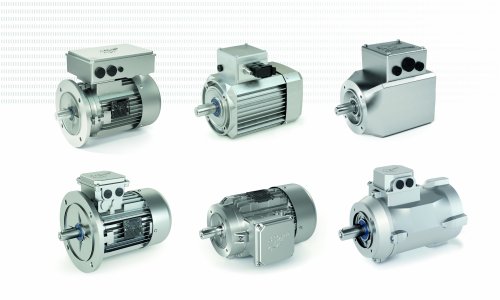
Sept 18: Each year, more than 1 million stand-alone motors leave the NORD DRIVESYSTEMS production halls worldwide. Originally planned as an addition to its gear unit portfolio, NORD now supplies electric motors in standard and special versions to users in more than 100 industries.
In 1983, NORD DRIVESYSTEMS started the production of its own motors. Today, quantities top the million mark each year. In three factories, the solution provider for drive technology manufactures asynchronous motors from 0.12 kW to 55 kW, and synchronous motors from 0.5 kW to 11 kW. With standard motors and customer-specific configurations, NORD serves a wide range of industrial requirements. The focus is on two aspects: flexibility and availability.
From continuous operation to explosion protection
NORD motors can be found in various applications. This includes energy-intensive motors for continuous operation in intralogistics or NXD tupH®-treated smooth motors in wash-down areas in the food industry. Explosion-protected versions according to ATEX, IECEx and HazLoc for conveyor systems in dust or gas atmospheres are also part of the range.
Popular efficiency portfolio
The efficiency portfolio with motors of efficiency classes IE3 to IE5 is one of the most popular NORD developments. It meets all efficiency regulations of the international target markets. With its IE5+ permanent magnet synchronous motor, NORD even surpasses the efficiency specified by the highest defined IE class. For customers who aim to achieve a higher efficiency class in retrofitting, the manufacturer makes it easy: Identical motor dimensions allow users to perform such a change without fundamental mechanical modifications.
Quickly and internationally available
With factories in Italy, Poland and China, NORD manufactures the standard and special versions at international hubs. Further motor assembly facilities are located in North and South America, India and Australia. This way, the company achieves short delivery times for national and international customer projects. NORD motors are thereby not only quickly available but immediately ready for use. The portfolio comprises motors with international approvals and acceptances. This allows for the worldwide integration of, for example, the asynchronous UNIVERSAL motor and the IE5+ synchronous motor without any significant changes in system and machinery design. This simplifies and speeds up system commissioning.
Reliable quality
NORD manufactures its motors with great production depth. By using modern production facilities and a quality management certified according to DIN ISO 9001, the company meets its self-imposed quality standards at all locations. They apply to the motors as well as any other drive component from NORD. Whether standard or special solution – they must have a long service life and work reliably.
- 0
- By Neel Achary

18, Sep 2026
Practo strengthens leadership: Shashank ND elevated to Managing Director and Executive Chairman, Jagnoor Singh appointed CEO
Bengaluru, Sep 18: Practo, one of the world’s most trusted digital healthcare platforms, today announced a new leadership structure to support its next phase of growth. Shashank ND Singh, Founder & CEO, has been elevated to the expanded role of Managing Director and Executive Chairman. Jagnoor Singh, previously Chief Operating Officer, has been appointed Chief Executive Officer, effective 01 September 2026. The new structure comes at a time of strong business momentum for Practo, which is growing at 40% year-on-year and has remained profitable for the past two and a half years.
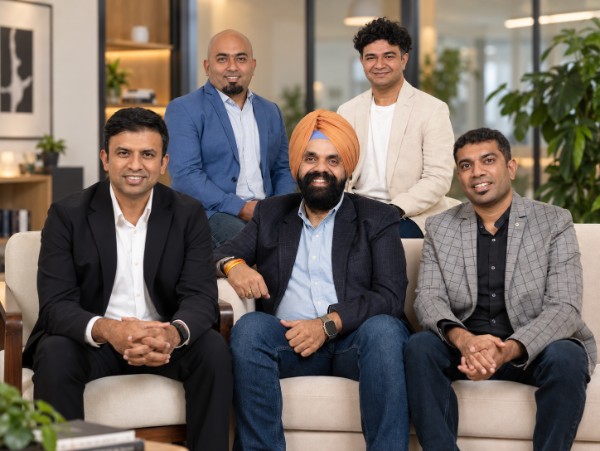
As Managing Director and Executive Chairman, Shashank ND Singh continues to shape Practo’s overall vision, product and strategy and leads the company’s long-term innovation agenda, capital strategy, inorganic growth and corporate development initiatives.
“Over the past 18 years, Practo has built a trusted healthcare platform connecting patients, doctors and providers at scale. We are now entering a phase that requires us to strengthen execution across our businesses while investing deeply in the ideas that will shape healthcare over the next decade. Jagnoor has brought strong operating rigour and ambition to Practo, and has been instrumental in advancing our growth strategy. I look forward to working even more closely with him as we scale our impact, accelerate innovation and build Practo’s next phase of growth,” said Shashank ND Singh, Founder, Managing Director and Executive Chairman, Practo.
Singh joined Practo as Chief Operating Officer in January 2025 and has spent close to two years driving the company’s growth strategy, strengthening execution and advancing its expansion into new markets. Before Practo, Singh held senior operating roles at Bharti Airtel, Unacademy and OYO, spanning telecom and consumer internet. As CEO, he leads Practo’s overall strategy, growth and operations across global markets, working closely with Shashank ND to advance the company’s long-term vision.
“Since joining Practo, I have had the opportunity to help strengthen our businesses and advance our global expansion. The progress we have made has deepened my conviction in the opportunity ahead and in our ability to deliver meaningful impact for patients and providers. Practo has an exceptional leadership team, strong foundations and a clear ambition for the future. Our focus is to build on this momentum – scaling globally, deepening our role across the healthcare ecosystem and harnessing AI to strengthen our products and improve healthcare outcomes. I look forward to working closely with Shashank and the entire Practo team as we take this next chapter forward,” said Jagnoor Singh, Chief Executive Officer, Practo.
Practo has also strengthened its leadership bench by elevating two long-standing leaders into expanded roles, reflecting the depth of talent built within the company over its 18-year journey.
Siddhartha Nihalani, Co-founder, Practo, has taken on the additional responsibility of Chief Operating Officer – B2C, overseeing the company’s consumer businesses. Rowel Coelho, previously Head of Monetization, has been appointed Chief Operating Officer – B2B, with responsibility for Practo’s enterprise and corporate businesses. Together, Siddhartha and Rowel bring nearly three decades of experience at Practo and have contributed to the company’s evolution across multiple stages of its journey.
In addition, Abhinav Lal, Co-founder, Practo, has been named Chief Scientist. In this research-focused role, he will lead Practo’s exploration of frontier applications of AI in healthcare, forge research partnerships and build an innovation hub focused on developing future-ready technologies. His appointment reflects Practo’s commitment to advancing foundational research and pursuing ideas that could shape the future of healthcare.
“Practo is fortunate to have leaders who have helped build and evolve the company over many years. These elevations deepen our leadership capabilities and prepare us for an exciting next phase,” Shashank added.
Following the expansion of its consumer platform into the UAE and the United States, Practo is entering a new phase of global growth, with a network of 700,000+ doctors and healthcare providers serving millions of patients globally. The expanded leadership team will support the company’s priorities of scaling internationally, deepening its presence across the healthcare ecosystem and embedding AI-led capabilities across its existing products and new solutions.
18, Sep 2026
Pension is self-respect in retirement: Joint Labour Commissioner, Govt of Telangana
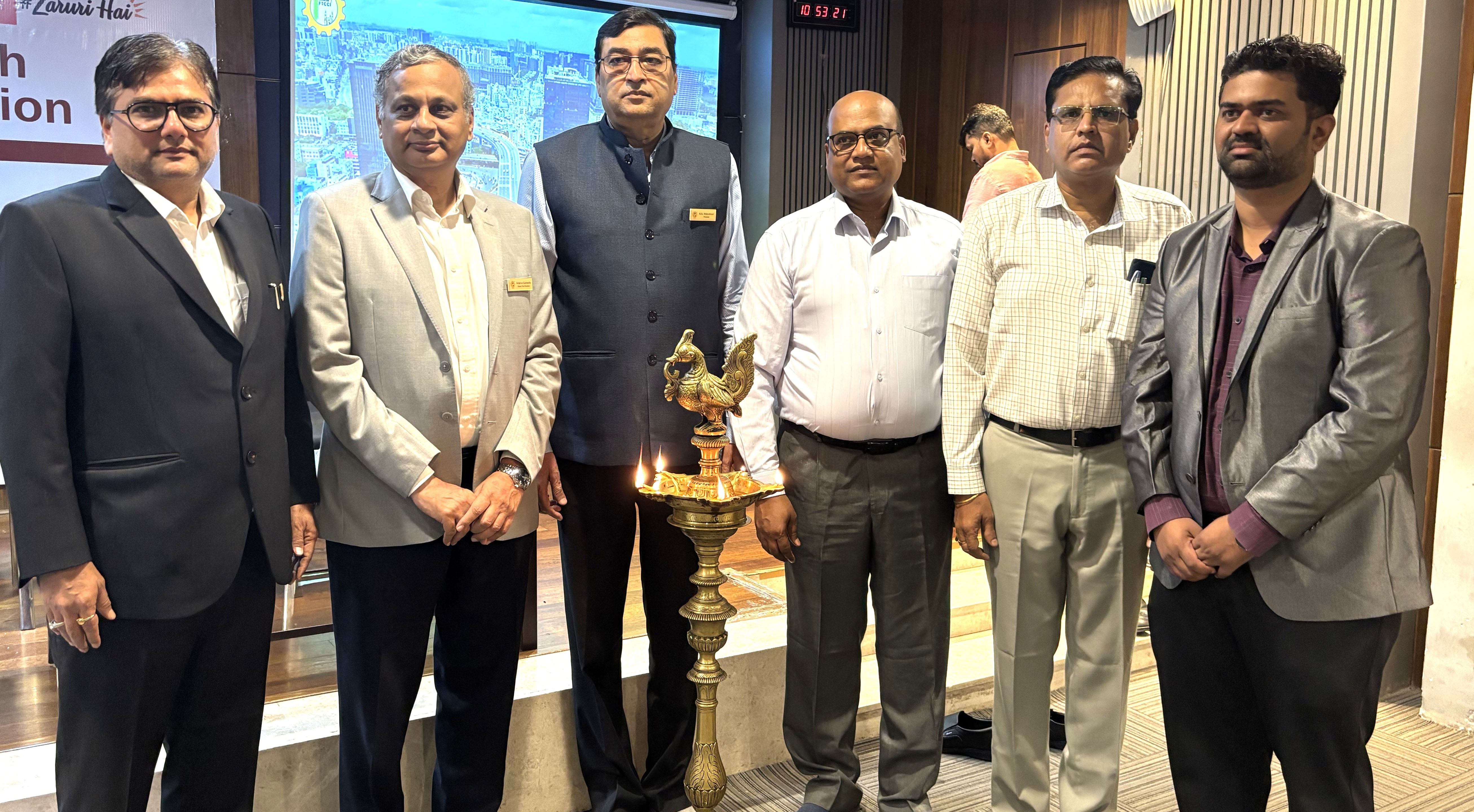
Hyderabad, Sept 18: “Pension is self-respect when you retire, especially for those working in the private sector. While the system provides pension benefits to many government employees, those working in the private sector need to plan early to ensure a regular income after retirement. One should not have to depend on others after retirement and compromise on one’s self-respect,” said R. Chandrasekaran, Joint Labour Commissioner, Department of Labour, Government of Telangana.
He was speaking as the Chief Guest at a workshop on “National Pension System (NPS) – Strengthening MSMEs through Social Security and Workforce Retention”, organised by FTCCI – Federation of Telangana Chambers of Commerce & Industry, in association with the Pension Fund Regulatory and Development Authority (PFRDA), the statutory regulator for India’s pension sector.
Addressing a gathering of more than 100 participants after inaugurating the workshop, Chandrasekaran described the NPS as a “silent saving” mechanism and urged MSMEs to consider adopting NPS for their employees. He also encouraged employees to become “pressure groups” advocating the adoption of NPS within their organisations.
E.S. Ganesh Ram, General Manager, District Industries Centre (DIC), said NPS can be beneficial for both employees and employers. He described it as a form of financial protection for the future and highlighted the significant role of MSMEs in employment generation.
Ajinkya Deshpande, Assistant Manager, PFRDA, gave an overview of NPS and its relevance to MSMEs. He said MSMEs are among the key growth engines of the Indian economy and play a major role in employment generation.
He said NPS was introduced for new Central Government employees with effect from January 1, 2004, and was subsequently adopted by State Governments and extended to the corporate sector. NPS was opened to all citizens on a voluntary basis from May 1, 2009.
“For many people, retirement planning takes a back seat during their working years. This is where NPS can play an important role,” he said, highlighting its potential to support retirement security while also helping organisations attract and retain talent.
The scale of the MSME workforce makes retirement planning a significant social-security issue. Government of India data shows that MSMEs employ more than 32.82 crore people across over 7.47 crore enterprises, making the sector the second-largest source of employment after agriculture. MSMEs also contribute around 31.1% of India’s GDP, 35.4% of manufacturing output and 48.58% of exports.
Against this backdrop, the workshop focused on the need to bring retirement planning and social security into the employee-benefit framework of MSMEs.
The scale of NPS itself has also expanded significantly. According to PFRDA, as of September 13, 2026, NPS had 2.32 crore subscribers and assets under management of ₹17.57 lakh crore.
The private-sector segment has been growing rapidly as well. PFRDA’s Annual Report 2024-25 states that active NPS accounts under the private sector stood at 66.45 lakh as of March 31, 2025, compared with 55.12 lakh a year earlier — a 20.6% year-on-year increase. During FY2024-25, 12.01 lakh new subscribers enrolled under the private-sector segment. The report also states that 19,867 corporates had adopted NPS as of March 31, 2025.
K.K. Maheshwari, President, FTCCI, said NPS has emerged as an important retirement-planning mechanism and stressed the importance of understanding its features, investment framework and benefits.
“You may retire from work, but you cannot retire from financial needs. Retirement planning therefore needs to become an important part of the employee-benefit framework, particularly in the private sector,” he said.
He said NPS can be particularly relevant for private-sector employees and MSMEs as they look at ways to strengthen employee welfare while also attracting and retaining talent.
Srinivas Garimella, Senior Vice President, FTCCI, said that while NPS is mandatory for certain categories of government employees, participation in NPS by private-sector employees remains voluntary. He expressed hope that greater awareness among MSMEs and employees would lead to wider adoption of the system.
The half-day workshop, attended by more than 100 private-sector employees and representatives of MSMEs, focused on retirement planning, social security and workforce retention.
Raghava Sampreet Mandali, Key Account Manager – AP & Telangana, HDFC Pension Fund Management Ltd., and Anathagiri Sai Ganesh, Relationship Manager, UTI Pension Funds, provided detailed information on NPS products, processes and implementation.
The speakers highlighted that the fundamental objective of NPS is to help individuals build a retirement corpus during their working years, providing financial support after retirement. They noted that a large section of India’s workforce does not have access to a traditional guaranteed pension and that NPS provides a structured and regulated mechanism for retirement savings.
The workshop also highlighted that retirement benefits can contribute not only to employees’ long-term financial security but also to employee satisfaction, talent attraction and workforce retention, making social security an increasingly important consideration for MSMEs.
18, Sep 2026
India’s Textile Exports Gain Momentum as August Shipments Rise 16.1%
New Delhi: India’s textile export sector is showing renewed momentum, with exports rising 16.1 per cent year-on-year to ₹29,776 crore in August 2026, compared with ₹25,656 crore in August 2025. The latest performance points to strengthening demand across a broad range of textile products and provides a positive signal for one of India’s most important manufacturing and export-oriented industries. The figures were released by the Ministry of Textiles on September 17.
The August growth becomes more significant when viewed against the cumulative performance of the current financial year. During April-August 2026, India’s textile exports reached ₹1.43 lakh crore, registering a 10.3 per cent increase over the corresponding period of the previous year. The five-month performance indicates that the sector’s export expansion is not limited to a single month but is being supported by growth across several product categories.

A closer look at the numbers reveals a broad-based improvement in the export basket. Cotton yarn, fabrics, made-ups and handloom products recorded a 24.1 per cent increase in August. Cotton remains strategically important for India because of the country’s established manufacturing base, large domestic cotton ecosystem and extensive network of spinning, weaving and processing units.
The man-made textile segment also contributed strongly to the August performance. Exports of man-made yarn, fabrics and made-ups increased 19.9 per cent during the month. The growth highlights the expanding role of synthetic and blended materials in international textile markets, where buyers increasingly seek a combination of performance, cost efficiency, design flexibility and sustainability.
Another notable performer was the handicrafts segment. Handicraft exports, excluding handmade carpets, rose 41.4 per cent in August, making it one of the fastest-growing categories during the month. On a cumulative basis, handicrafts recorded 44 per cent growth during April-August. This performance underscores the potential of India’s traditional manufacturing and artisan ecosystem in global markets.
The carpet industry also maintained positive momentum, with exports increasing 15 per cent in August. India’s carpet manufacturers and exporters have long served international markets, particularly through products that combine traditional craftsmanship with contemporary designs. Continued export growth in this category could provide opportunities for both established exporters and smaller manufacturing clusters.
Ready-made garments, another critical component of India’s textile value chain, recorded 6.1 per cent growth in August. Although the pace was lower than that of several other segments, the positive movement is significant because apparel exports connect India’s textile industry directly with global fashion, retail and consumer markets.
The cumulative April-August figures further demonstrate the breadth of the recovery. Cotton textiles grew 18 per cent, while man-made textiles expanded 13.6 per cent and carpet exports increased 11.9 per cent. Handicrafts, excluding handmade carpets, recorded the strongest cumulative growth at 44 per cent.
For Indian textile companies, the export numbers also highlight the importance of moving beyond volume-driven manufacturing toward greater value addition. Higher-value products, specialised fabrics, technical textiles, branded apparel and differentiated handicrafts can potentially allow Indian manufacturers to capture more value from global demand.
Market diversification is another important factor for the industry. The Ministry of Textiles has attributed the sustained growth across major segments to factors including improved market access, policy interventions, value addition and market diversification. These factors are particularly relevant as Indian exporters operate in a highly competitive global environment where pricing, delivery times, product quality, compliance and sustainability standards increasingly influence sourcing decisions.
The export performance also has wider implications for India’s manufacturing ecosystem. Textiles are closely connected with cotton cultivation, yarn production, weaving, processing, dyeing, garment manufacturing, logistics, packaging and retail. Consequently, stronger export demand can have an impact across multiple stages of the value chain, including opportunities for small and medium-sized enterprises operating in textile clusters.
At the same time, the latest numbers should be viewed within the broader context of global trade. Textile exporters continue to face challenges related to international competition, input costs, currency movements, changing consumer preferences and sustainability requirements. Maintaining export growth will therefore require continued investment in productivity, technology, quality standards, design capabilities and reliable supply chains.
India’s textile industry is also undergoing a gradual shift toward higher-value and more diversified products. The combination of traditional textile capabilities, a large manufacturing workforce and growing investments in modern production technologies gives Indian companies opportunities to participate in segments ranging from conventional garments to technical and performance textiles.
The August figures consequently provide a useful indicator of the sector’s current direction. With exports growing 16.1 per cent during the month and cumulative shipments up 10.3 per cent during April-August, the industry has entered the second half of the financial year with a stronger export trajectory.
For policymakers and industry, the next priority will be to convert this momentum into sustained competitiveness. Expanding access to international markets, strengthening textile clusters, encouraging technology adoption and supporting greater value addition could help Indian exporters compete more effectively for global sourcing opportunities.
India’s textile export story is therefore increasingly about more than higher shipment volumes. The August 2026 performance points to a broader opportunity: building a more diversified, technology-enabled and value-oriented textile ecosystem capable of serving global markets. If the momentum across cotton, man-made textiles, carpets, handicrafts and apparel can be sustained, the sector could remain an important contributor to India’s manufacturing and export growth in the years ahead.
17, Sep 2026
Brazil asserts the origin of its quartzites in Italy, the destination for over US$85 million in exports
For the second year in a row, Marmomac Italy will feature an entire hall devoted to Brazil, hosting 42 national companies; It’s Natural Pavilion projects US$60 million in business.
Verona (Italy), Sept 17 – Brazilian quartzite already holds a prominent position in the international market. Now, Brazil aims to further strengthen recognition of its origin. At Marmomac Italy 2026, held from September 22 to 25 in Verona, the country will strengthen its position as a global benchmark in the supply of premium quartzites.
For the second year in a row, an entire hall at Marmomac will be devoted to Brazil. Hall 1 will bring together 42 Brazilian companies, with 32 located in the It’s Natural Pavilion, an initiative promoted by the Brazilian Natural Stone Association (Centrorochas) in partnership with the Brazilian Trade and Investment Promotion Agency (ApexBrasil). The pavilion will span over 1,000 square meters. Ten other Brazilian companies will also be located in the same hall.
This strategy is essentially rooted in the trade relationship with Italy itself. In 2025, Brazil exported US$117.7 million worth of natural stones to Italy, an increase of 42.2% compared to the previous year. Quartzites accounted for 72.8% of this total, with US$85.6 million in exports, 66.7% more than the amount recorded in 2024.
According to the president of Centrorochas, Tales Machado, these figures underscore the importance of also advancing recognition of the product’s origin. “The international market already acknowledges the quality and value of Brazilian quartzites. The challenge now is to ensure that this acknowledgement becomes increasingly associated with Brazil. Marmomac plays a crucial role in this process: even though it is held in Europe, it brings together buyers, distributors, and specifiers from several continents, with a strong presence from markets in the Americas, Asia, and the Middle East. This broad reach makes Verona a point of connection to the global market and expands the opportunity to associate the value of these materials with their Brazilian origin,” he explains.
The Verona trade fair attracts visitors from beyond Europe
Companies participating in the It’s Natural Pavilion expect to generate US$10 million in business deals during the fair and another US$50 million over the 12 following months, besides establishing around 350 business contacts. Della Pietra, Stone Palace, and Yellow Stone take part in Marmomac Italy for the first time.
The strategy will be highlighted in the It’s Natural Pavilion through the slogan “Brazil – The World’s Leading Source of Premium Quartzites.” The message links the commercial prominence of quartzites to the Brazilian geodiversity: the country has more than 1,200 cataloged varieties of natural stones, forming one of the most diverse portfolios in the sector.
This diversity will also be showcased at Café Brasil, where a mosaic in the shape of a map of the country will feature 80 samples of 44 different materials, including quartzites, granites, marbles, and other natural stones, supplied by 27 exhibiting companies.
32 companies are part of the It’s Natural Pavilion
Participating companies in the It’s Natural Pavilion are Altivo Pedras, Andrade Stones, Bluestones, Bramagran, Cajugram, Calvi Granitos, CS3 Revestimentos, Della Pietra, Fortuna, Gramil, Granex do Brasil, Granipex, Graniti Export, Granos, IBMG Mineração, Imarf, Madson Pedras, Magban, Magnitos, Mameri Export, MGA, Micapel Slate, Monte Negro, Nova Aurora, Paraná, Pedra do Frade, Pemagran, Santo Antonio Stones, Sociedade Mamífera, Stone Palace, Super Clássico, and Yellow Stone.
Brazil’s program in Verona
Monday | Sept. 21
7:30 p.m. – Centrorochas’ Welcome Dinner
Venue: Vittorio Emanuele, Piazza Bra
Tuesday | Sept. 22
11:00 a.m. – Official Opening Ceremony of Marmomac Italy
Venue: Hall 10
1:00 p.m. – Opening Ceremony of the It’s Natural Pavilion Venue: Auditorium – Hall 1
Wednesday | Sept. 23
6:30 p.m. to 8:00 p.m. – Reception for members of the Natural Stone Institute (NSI) (members only)
Venue: Palazzo Verità Poeta – Vicolo S. Silvestro, 6
Thursday | Sept. 24
3:00 p.m. – Natural Stone Strategic Alliance (NSSA) General Assembly
Venue: Bellini Room
9:00 p.m. – Marmomac Brazil “Get Together”
Venue: Signorvino
17, Sep 2026
Valuable, sustainable, future-proof – TÜV SÜD offers Services for Every Stage of a Building´s Life Cycle
Sept 17, Munich. TÜV SÜD supports market participants throughout all stages of a property’s life cycle with a comprehensive range of services – from interdisciplinary real estate consulting and quality control during construction to sustainability certifications in accordance with the recognized BREEAM standard. (EXPO REAL, Hall B1, Stand B1.53)
The demands placed on owners, investors, and asset managers have changed significantly. Technical risks, ESG requirements, operator responsibility, decarbonization, cost optimization, and value preservation can no longer be considered in isolation. “Anyone who wants to secure and grow value over the long term must look at technology, operations, economic efficiency, and sustainability as a whole,” says Norbert Rupp, Managing Director of TÜV SÜD Advimo GmbH. “With our interdisciplinary technical consulting services, we help market participants view their real estate as a holistic system and establish a solid foundation for their decisions.”
Digital applications are also being used more and more in this context. For example, TÜV SÜD experts have developed a solution that enables audits, property inspections, and condition assessments to be conducted according to uniform standards, further improving the quality of data and documentation. The tool is already being used for facility management audits and is set to be gradually expanded to other areas, such as technical property management. “Systematization and standardization make it easier to compare results,” says Rupp. “In addition, this enhances our ability to make data-driven decisions in property management.”
Independent Quality Assurance as a Key to Success for Construction Projects TÜV SÜD supports building owners, investors, and project developers with quality control throughout the construction process. The experts monitor construction projects from the planning and execution phases through to final acceptance, with the goal of identifying potential defects early on, minimizing risks, and avoiding change orders and costly rework. Through regular site inspections, systematic assessments, and transparent reporting, they provide a solid basis for decision-making for all project stakeholders.
The expertise and experience of TÜV SÜD’s experts are also in demand when it comes to preserving evidence – to document the current condition of real estate, define the scope of claims, and avoid conflicts. They also support owners and investors through technical assessments, condition analyses, and the identification of opportunities for modernization and optimization, helping to rescue stranded assets and ensure that properties retain their value and remain sustainable in the long term. Modern digital tools and drone-based technologies complement the work of the experts on construction sites and in existing properties. They enable the quick and secure collection of relevant data and support quality control and the documentation of construction progress.
“Against the backdrop of political initiatives to accelerate planning and construction processes, professional quality assurance will continue to grow in importance,” emphasizes Martin Kneissl, head of the Construction Engineering business unit at TÜV SÜD Industrie Service GmbH. “After all, faster procedures must not come at the expense of quality, safety, and sustainability.”
Sustainability – Strengthening the DACH Region in the Face of International Competition As real estate markets become increasingly globalized, the comparability of sustainability claims is also becoming more important. The BREEAM sustainability standard from the British Building Research Establishment (BRE) provides a comprehensive framework that takes environmental, social, and economic aspects into account and covers the entire life cycle of a building. With over one million certifications in more than 80 countries, BREEAM is one of the world’s leading standards in this field.
Since 2016, TÜV SÜD Industrie Service GmbH has been the exclusive National Scheme Operator (NSO) for BREEAM in Germany, Austria, and Switzerland. In this role, TÜV SÜD develops and operates national BREEAM systems, oversees the training and licensing of experts, and certifies projects in the DACH region. “We see our role not only in adapting the BREEAM standard to national requirements, but also in strengthening the DACH region’s position in international competition,” explains Alexander Rüb, Head of the BREEAM National Scheme Representation at TÜV SÜD. “We combine global requirements and best practices with the high-quality standards and unique characteristics of the German-speaking markets.”
17, Sep 2026
IIT Roorkee Convocation 2026 to Spotlight Excellence, Innovation and Research
Roorkee, Sep 17: Indian Institute of Technology Roorkee is set to host its Convocation 2026 on 19 and 20 September 2026, celebrating the academic achievements and accomplishments of 2,701 graduating students. The two-day ceremony will bring together eminent leaders from national security, defence, technology and industry, reflecting IIT Roorkee’s enduring commitment to academic excellence, cutting-edge research, innovation and national development.
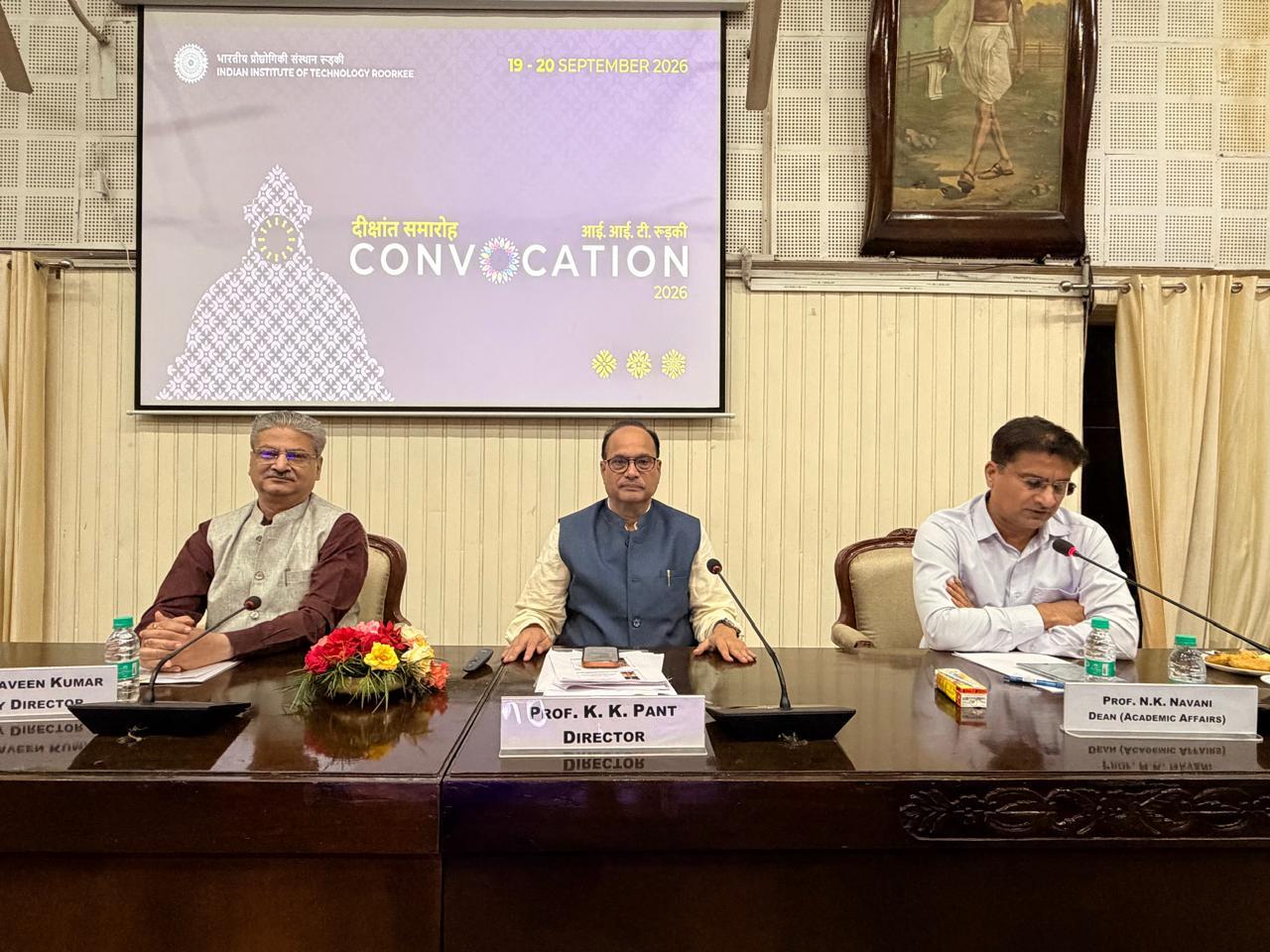
At a press meet held today, Prof. K.K. Pant, Director, IIT Roorkee, announced the details of the Convocation and highlighted the significance of the occasion, which will witness distinguished national and industry leaders addressing the graduating students and the Institute community.
The first day of the Convocation, dedicated to Undergraduate students, on 19 September 2026, will feature Shri Ajit Kumar Doval, KC, National Security Advisor of India, as the Chief Guest, who will deliver the Convocation Address. General N. S. Raja Subramani, PVSM, AVSM, SM, VSM, Chief of Defence Staff of India and Secretary, Department of Military Affairs, will grace the occasion as the Guest of Honour.
The second day of the Convocation, dedicated to Postgraduate and Ph.D. students, on 20 September 2026, will feature Shri Harshavardhan Chitale, Chief Executive Officer (CEO), Hero MotoCorp, as the Chief Guest, who will deliver the Address. Dr. Kapil Garg, Founder & Managing Director, Oilmax Energy Pvt. Ltd., and Managing Director, Asian Energy Services Ltd., will be the Guest of Honour.
Adv. Harish Salve, Former Solicitor General of India and Chairman, Board of Governors, IIT Roorkee, will preside over the Convocation Ceremony.
The distinguished line-up of guests underscores the broad spectrum of opportunities and responsibilities that await the graduating students, while highlighting the strong connection between education, research, innovation, national priorities and industry.
During the press conference, Prof. K.K. Pant, Director, IIT Roorkee, said,
“Convocation is a significant milestone in the journey of our students and a moment of pride for the entire IIT Roorkee community. This year, as we confer degrees upon 2,701 students, we celebrate not only their academic accomplishments but also their spirit of innovation, research and service to society. The presence of distinguished leaders from the fields of national security, defence and industry further reflects the diverse impact and relevance of the Institute’s academic and research ecosystem. We look forward to welcoming the graduating students, their families, distinguished guests and the wider IIT Roorkee community to this special occasion.”
The press conference was held at the Senate Hall, James Thomson Building, IIT Roorkee, where Prof. Praveen Kumar, Deputy Director, and Prof. N.K. Navani, Dean of Academic Affairs, also addressed the media.
Inviting the stakeholders to be a part of the Convocation Ceremony Prof. Praveen Kumar, Deputy Director, IIT Roorkee, said,
“Convocation is a celebration of the hard work, perseverance and achievements of our graduating students. It is also an occasion that brings together the Institute’s students, faculty, alumni, parents and stakeholders. We warmly invite everyone to join us in celebrating this important milestone and to witness the accomplishments of the graduating batch. We are confident that our graduates will carry forward the values of excellence, integrity and innovation nurtured at IIT Roorkee and contribute meaningfully to the nation and society.”
Speaking during the event, Prof. N.K. Navani, Dean of Academic Affairs, IIT Roorkee, said,
“The Convocation marks the culmination of years of learning, exploration and personal growth for our students. At IIT Roorkee, education goes beyond the classroom, encouraging students to think critically, pursue research and innovation, and address real-world challenges. As we confer degrees upon 2,701 students, we celebrate their accomplishments and look forward to seeing them create a positive impact in their chosen fields. I extend my warmest wishes to all the graduating students and their families on this proud occasion.”
During the press conference, Prof. K.K. Pant also launched a promotional video for the Convocation, highlighting the event’s details, the achievements of the institute, and the accomplishments of its students.
The Convocation will be live-streamed for those unable to attend in person.
17, Sep 2026
Vishwakarma Puja: When Workers Pause To Honour The Tools Of Their Craft
Bhubaneswar, Sept. 17 (UDN): Across Odisha, the rhythm of work changes on Vishwakarma Puja. Factories fall quiet, workshops close for the day, vehicles remain parked and machines that operate throughout the year are cleaned, decorated and worshipped.
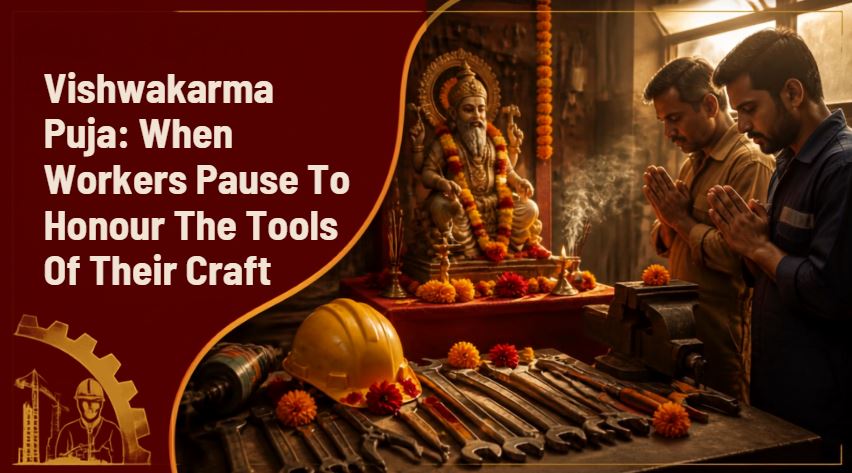
Celebrated when the Sun enters Virgo, Vishwakarma Puja is more than a religious observance for workers and craftsmen. It is a day that places work, skill, tools and gratitude at the centre of the celebration.
The Divine Master Craftsman
In Hindu tradition, Lord Vishwakarma is revered as the divine architect and master craftsman. He represents the ability to design, create and transform an idea into something tangible.
Traditional accounts associate Vishwakarma with the creation of several divine weapons and objects, including Vishnu’s Sudarshan Chakra and Shiva’s Trishul.
In Odisha, the deity’s significance is closely linked with the Jagannath tradition. According to popular belief, Vishwakarma appeared in the guise of an aged sculptor to carve the sacred wooden forms of Lord Jagannath, Lord Balabhadra and Devi Subhadra.
This association gives Vishwakarma Puja a distinctive cultural resonance in the state.
Tools Become Objects Of Reverence
One of the defining features of the festival is the worship of tools and machinery. Workers clean their workplaces, wash machines, polish equipment and arrange their tools before the puja.
Hammers, saws, wrenches, agricultural implements, vehicles and industrial machinery may all become part of the ritual. Flowers, sandalwood paste, incense and other offerings are placed on or around the equipment.
The practice reflects the belief that tools are an extension of human skill and effort. They help workers build, repair, produce, transport and create, making them an important part of everyday livelihood.
Prayers For Safety And Skill
The festival also brings the practical concerns of working life into its rituals. Workers seek blessings for safety, prosperity, skill and success.
For someone working with heavy machinery, safety may be the foremost concern. For an artisan, it may be precision and craftsmanship. For farmers, shopkeepers, mechanics and other workers, the prayers often reflect the particular demands of their professions.
In this sense, Vishwakarma Puja connects spirituality with the realities of work, recognising the effort and expertise required to earn a livelihood.
A Pause From Production
In many workplaces, machinery remains switched off after the puja. The temporary halt provides a break from the routine of production and offers workers an opportunity to step away from their daily responsibilities.
The pause also carries a broader message: productivity is not the only measure of work. Rest, reflection and appreciation have a place alongside labour.
Dignity In Every Form Of Work
At the heart of the festival is the idea that skill and honest labour deserve respect. Vishwakarma, as the divine craftsman, represents the value of creating something through knowledge, patience and practice.
A carpenter, mechanic, welder, farmer, driver, artisan or factory worker may use very different tools, but each depends on experience and skill to perform the job well.
Vishwakarma Puja therefore offers a cultural reminder that the dignity of work does not depend solely on status or profession. The act of creating, repairing, building or serving others through honest effort carries its own value.
A Festival Of Gratitude
When flowers are placed on a machine or a worker folds their hands before a set of tools, the ritual symbolises more than worship. It expresses gratitude for the means through which people earn their livelihoods and contribute to society.
For one day, machines stop and tools are set aside. Workers gather to acknowledge the skills they possess, the equipment they rely on and the labour that sustains everyday life.
That is the enduring message of Vishwakarma Puja: work can carry dignity, skill can command respect, and gratitude can transform ordinary tools into reminders of human creativity and effort.
17, Sep 2026
Alpex Solar inaugurates its ambitious 2.2 GW G12R TOPCon Solar Cell Plant in Kosi-Kotwan
New Delhi, Sep 17: Alpex Solar Limited, a manufacturer of high-precision solar PV modules and solar systems, announced the inauguration of its ambitious 2.2 GW G12R TOPCon PV solar cell manufacturing facility at Kosi Kotwan Industrial Area, Mathura, Uttar Pradesh. The plant was inaugurated in the presence of eminent dignitaries and distinguished guests.
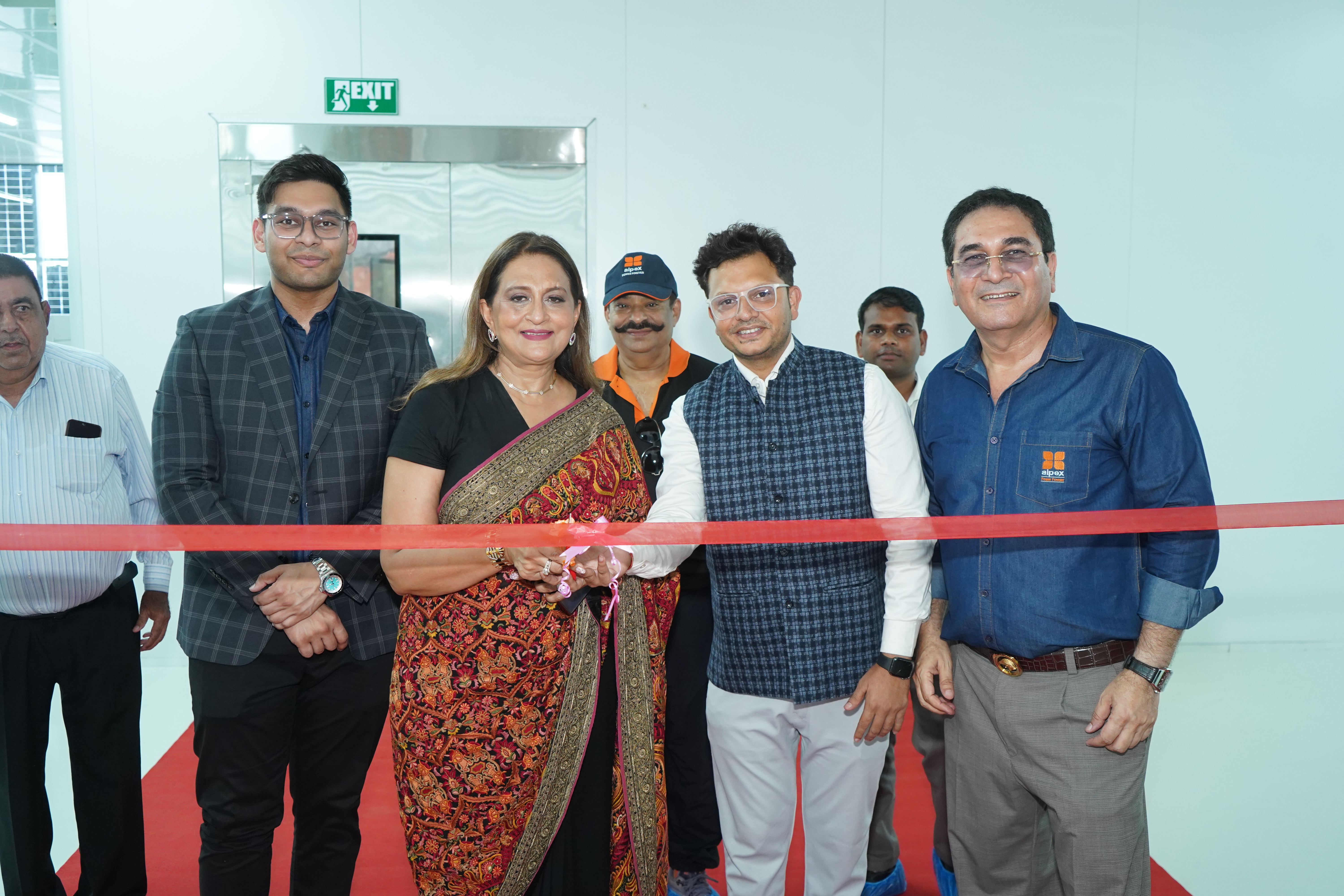
Alpex Solar’s 2.2 GW G12R TOPCon solar cell manufacturing facility not only marks a significant milestone in the company’s backwards-integration strategy but also strengthens Uttar Pradesh’s position as an emerging hub for renewable energy manufacturing.
Speaking on the occasion, Ashwani Sehgal, Managing Director, Alpex Solar Limited, said,
“Bharat is on its way to becoming Aatmanirbhar, and we at Alpex Solar are proud to unfurl the next chapter in the green energy revolution through technology, scale and ambitious backward integration into higher efficiency PV solar cells. This feat of excellence wouldn’t have been possible without the support of the state government and all our stakeholders. For us at Alpex, this also marks the next level of growth, and with the support of our stakeholders, including our team members, we remain committed to creating value and nurturing positive impact all around.”
The inauguration reinforces Alpex Solar’s commitment to expanding its manufacturing footprint and investing in advanced technologies as India accelerates its transition towards renewable energy. A leading manufacturer of high-precision solar PV modules and solar systems, Alpex Solar announced the inauguration of its ambitious 2.2 GW G12R TOPCon PV solar cell manufacturing facility at Kosi Kotwan Industrial Area, Mathura, Uttar Pradesh. The new facility will add significant cell manufacturing capacity to the company’s existing operations and strengthen its ability to serve the domestic solar PV market.
Alpex’s new facility is the first integrated TOPCon giga manufacturing line in Uttar Pradesh, representing a major addition to the state’s advanced solar manufacturing capabilities. The plant will manufacture G12R TOPCon solar cells, a next-generation technology designed to deliver higher efficiency and power output and support the evolving requirements of the solar PV industry.
Commenting on the occasion, Aditya Sehgal, Chief Executive Officer, Alpex Solar Limited., said,
“The 2.2 GW G12R TOPCon cell manufacturing facility marks an important milestone in Alpex Solar’s journey from a solar module manufacturer and EPC provider to a more deeply integrated renewable energy company. Uttar Pradesh has emerged as an important destination for advanced manufacturing, and we are proud to contribute to the country’s growing solar ecosystem. This facility will strengthen our technology and manufacturing capabilities while enabling us to participate more meaningfully in India’s transition towards cleaner and more secure energy.”
Alpex’s foray into PV solar cells marks a significant step in its strategy to build an integrated solar PV manufacturing platform. With capabilities spanning solar cells, modules and EPC services, the company is strengthening its presence across the solar value chain and enhancing its ability to serve India’s rapidly growing demand for clean energy. Its establishment in Uttar Pradesh is expected to further support the state’s renewable energy ambitions while contributing to industrial development and job creation in the region.
Monica Sehgal, Whole-time Director, Alpex Solar Limited, said:
“The 2.2 GW TOPCon cell facility represents a strategic investment in expanding our manufacturing depth and creating greater value across the solar PV value chain. Vertical integration will give us greater control over critical inputs, technology, and quality, while improving our ability to respond to evolving market requirements. As India’s solar manufacturing ecosystem scales up, we remain focused on disciplined capacity expansion, operational efficiency and building sustainable long-term value for all stakeholders.”
Alpex Solar operates multiple manufacturing facilities across Uttar Pradesh and Madhya Pradesh, offering an integrated portfolio that includes solar PV cells, solar PV modules, solar cells, EPC solutions, solar pumps, and aluminium frames. The company’s current operations in Greater Noida are set to expand with five new manufacturing units across Greater Noida, Kosi–Kotwan in Uttar Pradesh, and Madhya Pradesh. Notably, the Kosi–Kotwan facility is witnessing accelerated construction as part of its ongoing solar cell and module capacity expansion.
17, Sep 2026
Soach Global Set For Substantial Gains In Partial Exit From National Stock Exchange
Mumbai, Sep 17: Soach Global Strategic Holdings Limited, Mauritius, a wholly-owned subsidiary of Soach Global Opportunities Fund, is part exiting from its decade-long investment in the National Stock Exchange of India Limited. The Fund is selling through the offer for sale in NSE‘s initial public offering, which opened today.
The Fund acquired 1,50,000 NSE equity shares from Industrial Finance Corporation of India Limited in January 2016 at ₹3,950 per share, aggregating ₹59.25 crore. Over the following decade, the holding multiplied to 82,50,000 shares through corporate actions, without any additional investment. Adjusted for these corporate actions, the Fund’s average acquisition cost is ₹71.8 per share.
The Fund is now selling 16,50,000 equity shares, which is 20% of its holding, at the IPO price band of ₹1,700 to ₹1,785 per share, valuing the sale at approximately ₹280 to ₹295 crore. This realises nearly five times the Fund’s entire original investment, a return of roughly 25x. The Fund will continue to hold 66,00,000 shares, 80% of its position, valued at approximately ₹1,120 to ₹1,180 crore at the price band.
“Bharat is a fast-growing economy with a large number of growth-aspiring youngsters who are quickly learning the risks and rewards of participating in capital markets. We are participating in the offer for sale and selling a partial stake of what we own because we would like to see a large number of the mass retail population hold some stake of NSE. As these retail investors buy small stakes in NSE, directly or indirectly through mutual funds, they will also benefit from the growth of NSE, the same way we have by buying our stake over ten years ago. Of India’s 1.4 billion people, only about 130 million are registered investors on NSE, and that is the opportunity,” said Anubhav Dayal, Founder & Director, Soach Global Opportunities Fund.
“In our country, we have a culture of buying gold at a festival or for a ceremony. Gold, once purchased by a family, is held for a long time, even generations. It is sold only when in desperate need of money. Retail buyers can compare shares of NSE with buying gold. As a multi-asset-class trading platform, NSE will book growth in revenue while operating at a fixed cost, most of it already incurred. It is a high-technology platform settling trades in nanoseconds, and a multi-asset-class exchange: equity, commodities, electricity futures, bond index futures and coal. As India develops, the list of tradable products will only increase, adding to revenues on a largely fixed cost base. This will reflect in its price per share post-listing. This is a one-way partial exit and we have no plans of re-entering,” he added.


