


27, Jul 2026
Indian Stocks Open Higher as Falling Crude Oil Prices Boost Sentiment
Mumbai, July 27: Indian benchmark equity indices opened higher on Monday, snapping a five-session losing streak, as a sharp decline in crude oil prices improved investor sentiment and boosted expectations for lower inflation and stronger corporate earnings.

The Nifty 50 rose about 0.7% in early trade, while the BSE Sensex gained a similar margin. Gains were broad-based, with financials, consumer stocks and utilities leading the advance after Brent crude prices fell following signs of easing geopolitical tensions in the Middle East.
Lower crude oil prices are generally viewed as positive for India, one of the world’s largest oil importers, as they help reduce import costs, ease inflationary pressures and support economic growth. Investors also drew support from stronger-than-expected quarterly earnings from several companies.
Market participants will continue to monitor global geopolitical developments, corporate earnings and upcoming central bank policy decisions for further direction.
- 0
- By Neel Achary

27, Jul 2026
Eastern India’s Biggest Robotics Championship “TECHNOXIAN 2026” witnesses over 500 Young Innovators at East Zonal Competitions of the World Robotics Championship
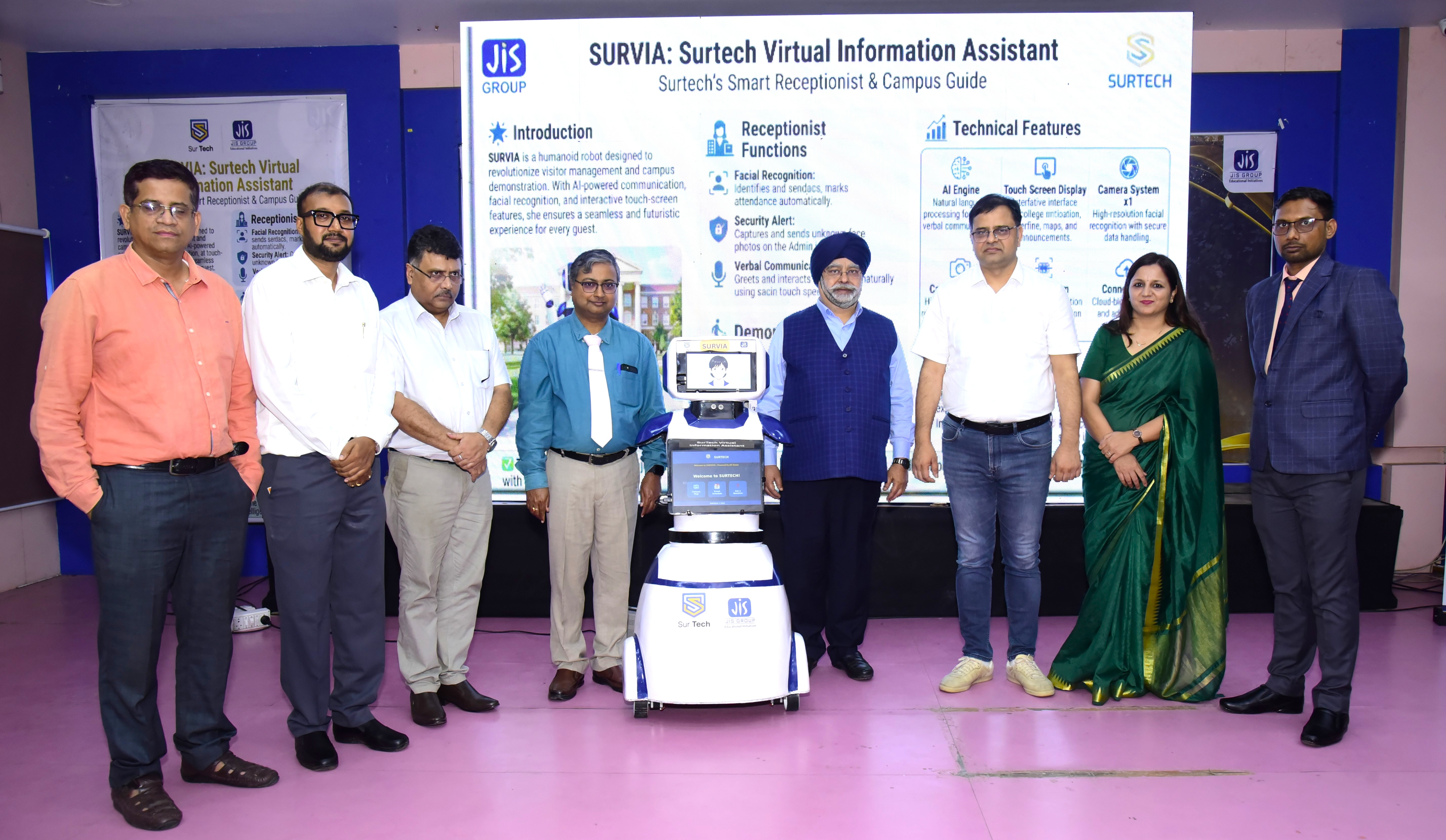
Kolkata, July 27: Dr. Sudhir Chandra Sur Institute of Technology and Sports Complex (SurTech), a JIS Group educational initiative hosted TECHNOXIAN 2026 East Zonal Competitions (10th Edition of the World Robotics Championship 2026) at its campus in Dum Dum, bringing together the brightest young innovators, future engineers and technology enthusiasts from across Eastern India. Organised in association with the World Robotics Organization (WORSO), the two-day championship witnessed the participation of more than 100 teams and over 500 participants from schools and colleges across the Eastern Zone, who competed in a series of cutting-edge robotics competitions, innovation-driven challenges and hands-on STEM experiences, showcasing exceptional creativity, technical excellence and problem-solving skills. The event was graced by Shri. Debdutta Guha, General Manager, MSME Technology Centre (Tool Room), Government of India; Raj Sharma, President, All India Council for Robotics & Automation; Smt. Alka Sachdeva, Vice President, All India Council for Robotics & Automation; Prof. (Dr.) Debasish De, CSE, Makaut; Sardar Taranjit Singh, Managing Director, JIS Group; and Prof. (Dr.) Saradindu Panda, Principal, SurTech, amongst others.
One of the major highlights of the championship was the inauguration of SURVIA, an indigenously developed robot created at the AICTE IDEA Lab of SurTech, JIS Group. Developed through advanced research and innovation, SURVIA reflects the institution’s commitment to promoting next-generation technologies and strengthening India’s innovation ecosystem through practical, industry-oriented learning. Another significant attraction of the event was the official launch of an innovative device, the Wind and Solar Driven Mobile Charging Unit, jointly designed and developed by the Centre of Excellence (COE) – Livid Design Inc. and the Department of Electronics & Communication Engineering, SurTech, JIS Group. The sustainable innovation demonstrates the institution’s continued focus on clean energy solutions and industry-academia collaboration for addressing real-world challenges through technology.
TECHNOXIAN 2026 served as a dynamic platform for aspiring roboticists and technology enthusiasts to demonstrate their engineering capabilities while interacting with peers, mentors and industry experts. The championship encouraged participants to explore emerging technologies, collaborate on innovative solutions and gain hands-on exposure to the rapidly evolving fields of robotics, artificial intelligence and automation.
Speaking on the occasion, Sardar Taranjit Singh, Managing Director, JIS Group, said, “Innovation begins with curiosity, and platforms like TECHNOXIAN inspire young minds to transform ideas into impactful technological solutions. At JIS Group, we remain committed to nurturing future-ready talent by providing students with opportunities to experiment, innovate and excel in emerging technologies. The inauguration of SURVIA, along with the launch of the Wind and Solar Driven Mobile Charging Unit, further reflects our continuous endeavour to create an ecosystem where research, creativity and technological excellence thrive.”
27, Jul 2026
FIA and FOM confirm that Malaysia will join the 2026 calendar, as host venue for the Bahrain Grand Prix
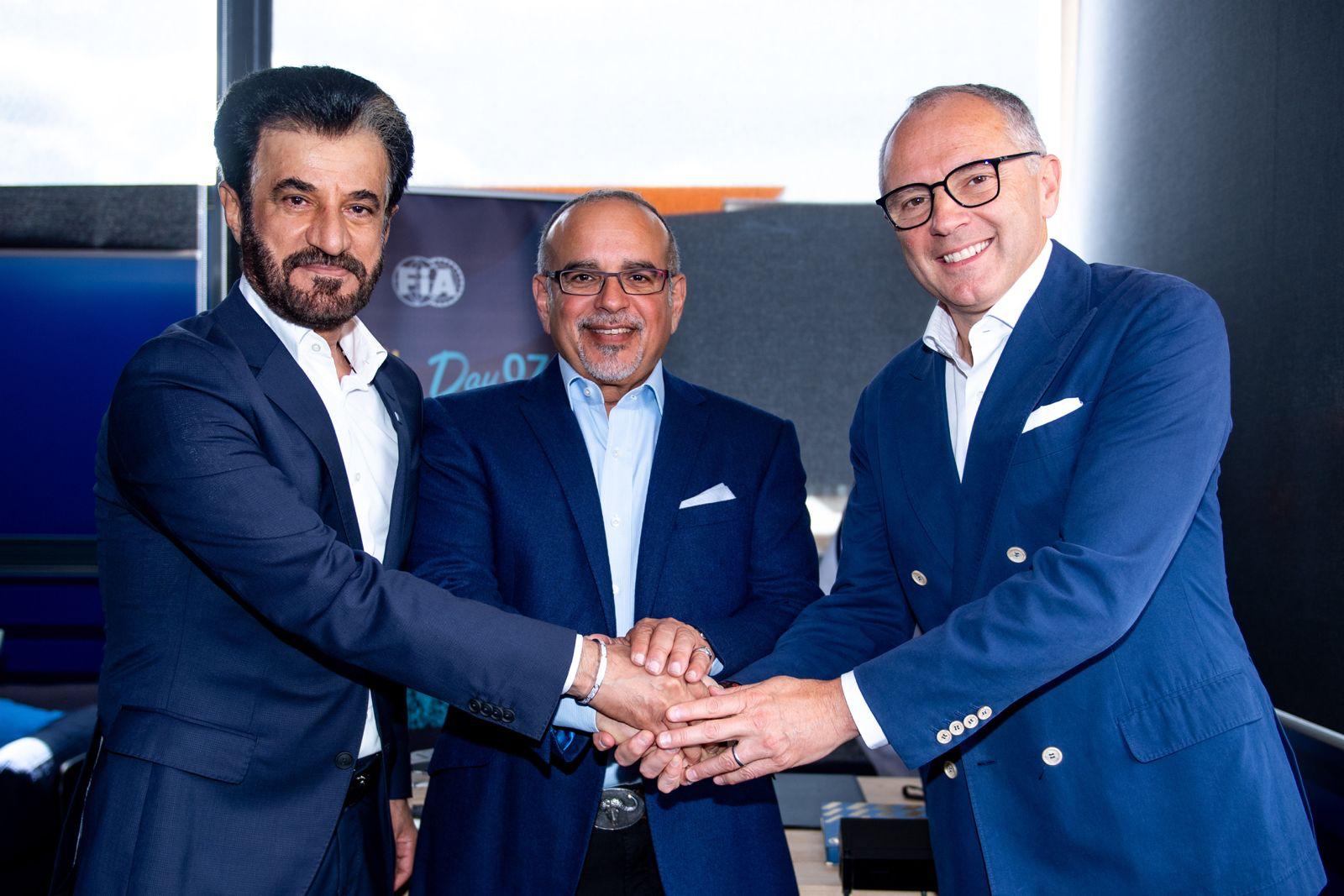
Dubai, UAE, July 27: The Fédération Internationale de l’Automobile (FIA) and Formula One Management have confirmed that Malaysia will host the Formula 1 Bahrain Grand Prix at Sepang International Circuit from 2–4 October 2026, between the Azerbaijan and Singapore Grands Prix.
The event, which is subject to final agreements and official sign-off, including the approval of the World Motor Sport Council, will become the Formula 1 Gulf Air Bahrain Grand Prix in Malaysia.
This solution demonstrates Formula 1’s ability to adapt quickly and find a way to ensure that the sport’s ecosystem of the sport continue to benefit from an extensive and exciting 2026 schedule, as well as recognising Bahrain’s place on the calendar and the generosity of Malaysia in making the replacement possible.
This agreement, reached between the FIA, FOM, His Royal Highness Prince Salman bin Hamad Al Khalifa of Bahrain, His Majesty the King of Malaysia, and their respective governments, allows Formula 1 to preserve a Grand Prix that would otherwise have not happened. The rest of the schedule for 2026 remains unchanged.
This will be welcome news for Formula 1 fans around the world. Sepang is one of Formula 1’s most iconic and challenging circuits, known for its passionate fans, exciting racing and unpredictable weather, making it an ideal venue to host this round of the Championship.
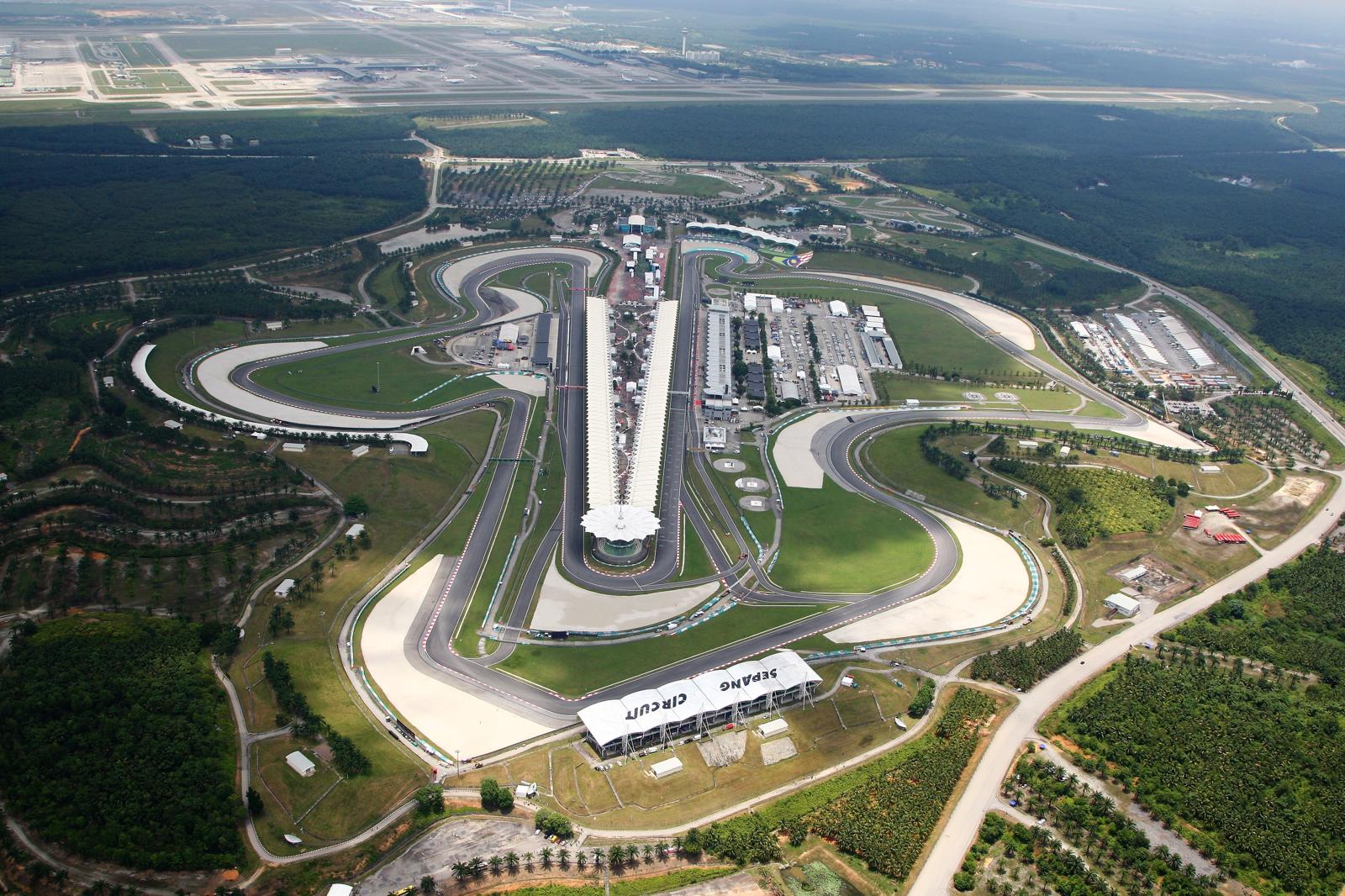
His Excellency, Mohammed Ben Sulayem, President of the FIA, said: “I am incredibly proud of the collaboration that will enable Malaysia to host the 2026 Bahrain Grand Prix at the iconic Sepang International circuit later this year.
“Throughout this process, the FIA, Formula One Management, and our partners in Bahrain have worked tirelessly to explore every option, with the safety and wellbeing of the teams, volunteers, officials, our colleagues, and fans remaining our highest priority.
“Malaysia has long held an important place in the history of Formula One and the return of the Championship to Sepang is testament to our close relationship with the Motorsports Association of Malaysia, the continued commitment of the Malaysian Government, and the strength of international cooperation within our sport.
“My sincere thanks to His Majesty King Hamad bin Isa Al Khalifa, King of the Kingdom of Bahrain, His Majesty Sultan Ibrahim, King of Malaysia, and His Royal Highness Crown Prince Salman bin Hamad Al Khalifa of Bahrain, for their vision and support in making this possible. We look forward to welcoming the global motorsport community back to Sepang.”His Royal Highness Prince Salman bin Hamad Al Khalifa, the Crown Prince and Prime Minister of the Kingdom of Bahrain, said: “With the blessings of His Majesty King Hamad bin Isa Al Khalifa, King of Bahrain, and His Majesty Sultan Ibrahim Ibni Sultan Iskandar, King of Malaysia, and building on the close and brotherly relations between our two countries, I am proud to join Dato’ Seri Anwar Ibrahim, Prime Minister of Malaysia in announcing that Bahrain will host the Formula 1 Grand Prix at the Sepang International Circuit in Malaysia, from 2 to 4 October 2026.
“This will be a wonderful experience for fans around the world and reflects Bahrain’s enduring commitment to, and passion for, the sport. Amid ongoing regional challenges, Bahrain is proud to stand as a pillar of stability for Formula 1, and we will continue to do everything in our power to ensure a successful and memorable race for everyone involved.
“I offer my sincere appreciation to F1, the FIA, Bahrain International Circuit, Sepang International Circuit, and the teams for their support in helping us deliver an exciting weekend of racing.”
Prime Minister Dato’ Seri Anwar Ibrahim of Malaysia said: “I extend my deepest appreciation to His Royal Highness Prince Salman bin Hamad Al Khalifa, Crown Prince and Prime Minister of the Kingdom of Bahrain, as well as the Government and people of Bahrain, for the trust and confidence they have placed in Malaysia. We are honoured to support the Kingdom of Bahrain, Formula 1 and the FIA in hosting the Formula 1 Gulf Air Bahrain Grand Prix at Sepang International Circuit this year.
“This collaboration is more than the staging of a world-class sporting event. It reflects the enduring friendship, mutual trust and close partnership between Malaysia and the Kingdom of Bahrain, while reaffirming Malaysia’s readiness and capability to host major international events.
“Malaysia stands ready to welcome Formula 1, the FIA, the teams and fans from around the world back to Sepang. We look forward to showcasing our world-class infrastructure, operational excellence and warm hospitality, while further strengthening the bonds between our two nations through this special occasion.”
Stefano Domenicali, President and CEO of Formula 1, said: “We are delighted to confirm that Malaysia will host the Bahrain Grand Prix in 2026. We have all shown once again that Formula 1 can adapt, find solutions and deliver results and give a great surprise to everyone following our sport.
“I would like to express our sincere thanks to Bahrain and Malaysia, notably His Royal Highness Prince Salman bin Hamad Al Khalifa and the King and Prime Minister of Malaysia for their vision, passion and decisive action in making this exciting moment possible.
“I also want to thank the President of the FIA, His Excellency Mohammed Ben Sulayem for his partnership and collaboration. Most importantly, this is excellent news for our fans, who will continue to enjoy a packed calendar and the opportunity to see Formula 1 return to one of the sport’s most iconic circuits. Malaysia is an incredible country and Sepang has a rich history in Formula 1 and will provide a fantastic spectacle for fans both at the track and watching around the world.”
26, Jul 2026
Central University of Karnataka Faculty Member Appointed Consultant for International Digital Library Project
Kalaburagi, July 26: A faculty member of the Central University of Karnataka (CUK) has secured an international industry consultancy assignment, marking a significant milestone for the university’s recently established Department of Library and Information Science.
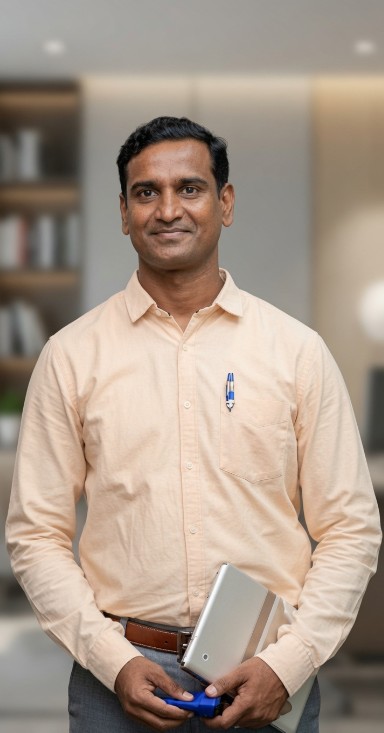
Assistant Professor Raghavendra B. Bonal has been appointed as Project Consultant for Digital Library, Knowledge Management and Information Science Initiatives by Pune-based Calyonix Infotech Pvt. Ltd. The appointment is the department’s first major industry-sponsored consultancy project and includes participation in an international offshore Library and Information Science (LIS) initiative.
Under the consultancy, Dr. Bonal will provide technical expertise in digital library development, knowledge management systems, library automation technologies and project implementation. His portfolio includes work on KOHA and DSpace platforms, RFID-based library automation, solution design, project planning, proposal development, technical reviews, capacity building and implementation support.
As his first assignment, Dr. Bonal has been designated Technical and Library Information Science Project Consultant for an international offshore LIS project valued at approximately ₹25 lakh. He will oversee project conceptualisation, technology assessment, solution architecture, implementation planning, quality assurance and execution support throughout the project lifecycle.
The company clarified that the engagement is consultancy-based and assignment-specific, and does not constitute regular employment. Consultancy terms, including project duration, deliverables and remuneration, will be finalised separately for individual assignments.
Calyonix Infotech has also expressed interest in collaborating with Dr. Bonal on the future application of his patented innovation, “AI-Powered Interactive Smart Book: Text-to-Animation with Language Customisation.” The proposed collaboration aims to explore research, technology transfer and product development for educational technology, digital learning and library innovation.
Congratulating Dr. Bonal, CUK Vice-Chancellor Battu Satyanarayana described the appointment as a matter of pride for the university. He said the consultancy reflected the growing recognition of the university’s academic expertise and demonstrated its ability to contribute to international, industry-driven projects.
The Vice-Chancellor said such collaborations are in line with the objectives of the National Education Policy (NEP) 2020, which promotes innovation, multidisciplinary research, industry-academia partnerships, entrepreneurship, skill development and experiential learning.
He added that the achievement reinforces the university’s commitment to research-based consultancy, global collaborations and providing students and research scholars with greater professional exposure through industry engagement.
25, Jul 2026
Eros Innovation and RunnTV Announce Strategic Partnership to Launch Eros Universe FAST Channels for Global Distribution
Mumbai, India July 25: Eros Innovation, a global Sovereign AI and Cultural Intelligence technology company, today announced a strategic partnership with RunnTV, one of India’s fastest-growing independent FAST (Free Ad-Supported Streaming TV) platforms, to launch and globally distribute a slate of Eros Universe FAST channels.
As part of the collaboration, Eros Innovation will introduce two FAST channels, Eros Universe Bollywood Cinema and Eros Universe Entertainment, designed to bring its catalogue of Bollywood films and premium entertainment content to audiences worldwide. The channels will be powered by RunnTV‘s FAST technology infrastructure and distributed across a wide network of connected TV platforms, smart TV OEMs and OTT ecosystems.
The channels draw on a catalogue of over 11,000 films spanning Bollywood blockbusters and regional cinema.
This partnership represents a key milestone in Eros Innovation‘s global digital distribution strategy, enabling the company to expand its international reach and tap into the rapidly growing FAST and connected TV ecosystem.
“FAST is redefining how audiences consume premium content, and this partnership marks an important step in our journey to make Eros‘ rich content library more accessible to viewers worldwide, creating dedicated destinations for high-quality Indian entertainment,” said Kumar Ahuja, Group Chief Operating Officer, Eros Innovation. “We also plan to expand our FAST channel portfolio in the coming months as we continue to scale globally.”
Through the partnership, Eros Innovation will leverage RunnTV‘s end-to-end FAST capabilities, including channel creation, playout, monetisation and analytics, ensuring seamless deployment and scalable distribution across international markets.
“We are excited to collaborate with Eros and support their expansion into the FAST ecosystem,” said Manish Sinha, Founder and CEO, RunnTV. “Eros‘ iconic content library, combined with our technology and distribution capabilities, will enable the creation of compelling, high-quality FAST channels for global audiences. This partnership strengthens our commitment to helping content owners unlock new revenue streams and reach through FAST.”
This collaboration further strengthens the FAST ecosystem by bringing premium content to a wider connected TV audience, while creating new opportunities for advertisers to reach highly engaged viewers through brand-safe, data-driven advertising.
As the FAST landscape continues to evolve, ad-supported streaming is emerging as a key growth driver for premium content distribution, audience expansion and sustainable monetisation.
25, Jul 2026
President Murmu Takes Green Initiative to Romania, Plants Tree Under ‘Ek Ped Maa Ke Naam’
July 25: President Droupadi Murmu planted a tree in Romania as part of the ‘Ek Ped Maa Ke Naam’ initiative, highlighting the importance of environmental conservation and sustainable development.
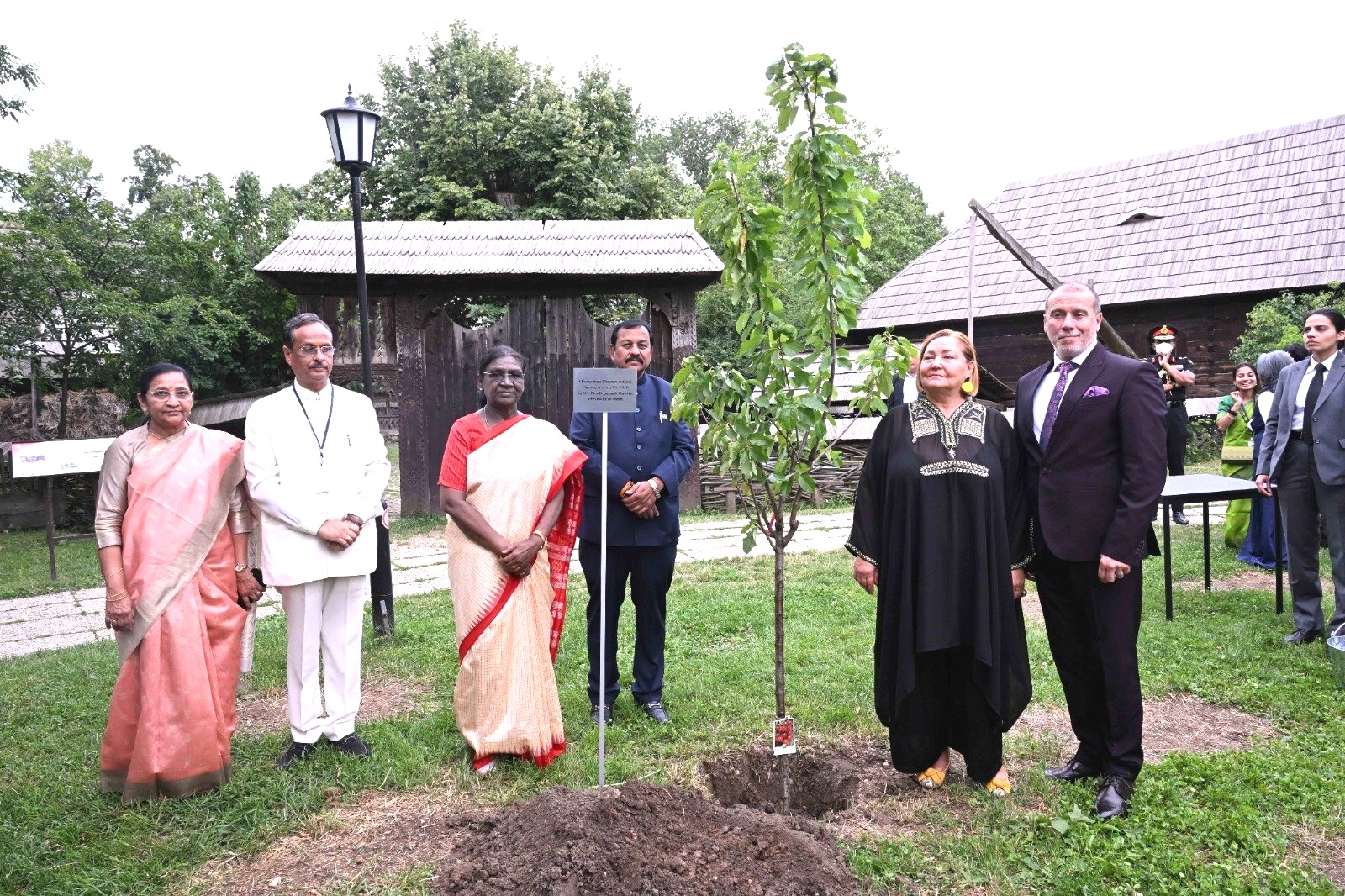
The President’s participation in the campaign reflected India’s commitment to promoting ecological awareness and encouraging people to protect nature in honour of their mothers.
During the tree plantation programme, President Murmu emphasised the significance of collective efforts towards preserving the environment and creating a greener future for coming generations.
The ‘Ek Ped Maa Ke Naam’ initiative, launched to inspire citizens to plant trees as a tribute to their mothers, has encouraged people across India and abroad to participate in environmental protection efforts.
The tree plantation event in Romania also showcased the shared commitment of India and its international partners towards addressing environmental challenges and strengthening the message of sustainability.
25, Jul 2026
India Celebrates Jhandu Kumar’s Para Powerlifting Success at CWG 2026
New Delhi, July 25: Prime Minister Narendra Modi congratulated para powerlifter Jhandu Kumar for his remarkable performance at the Commonwealth Games 2026, praising his determination and calling his bronze medal-winning effort a “spectacular performance”.
PM Modi highlighted Jhandu Kumar’s dedication, discipline and perseverance, saying that the achievement reflects the courage and commitment of India’s para-athletes who continue to excel on the international stage.
The bronze medal win has added another proud moment to India’s Commonwealth Games campaign and showcased the growing potential of the country’s para-sports community.
Appreciating the athlete’s success, the Prime Minister said such achievements inspire countless young sportspersons to pursue their dreams and contribute to India’s sporting excellence.
Jhandu Kumar’s performance has drawn appreciation from the sporting fraternity, with fans and officials celebrating his achievement as a symbol of hard work, resilience and the spirit of never giving up.
25, Jul 2026
Education Key to Transformation, Says President Murmu
July 25: President Droupadi Murmu said education has been the most transformative force in her life, as she received an Honorary Doctorate from the Bucharest University of Economic Studies during her visit to Romania.
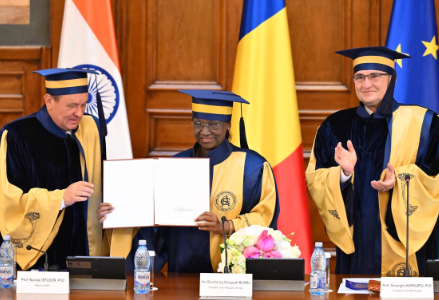
Pic Credit: https://x.com/rashtrapatibhvn
Accepting the prestigious honour, President Murmu described it as a reflection of the deep and enduring friendship between the people of India and Romania. She expressed gratitude for the recognition and highlighted the important role of education in shaping individuals, societies and nations.
The President encouraged the Bucharest University of Economic Studies and other Romanian educational institutions to further strengthen academic cooperation with India through joint research programmes, faculty exchanges and student mobility initiatives.
She emphasised that greater collaboration in the field of education can build stronger connections between the two countries and create new opportunities for young learners, researchers and academic communities.
President Murmu’s remarks highlighted the shared commitment of India and Romania towards expanding knowledge partnerships and promoting greater understanding through education.
25, Jul 2026
Suna Besha: Puri’s Grand Golden Celebration of Lord Jagannath’s Divine Majesty

The holy city of Puri is preparing to witness one of the most awe-inspiring and spiritually significant moments of the annual Rath Yatra — the Suna Besha, a centuries-old tradition where Lord Jagannath, Lord Balabhadra and Devi Subhadra are adorned in magnificent gold ornaments on their chariots.
Also known as Raja Besha or Rajarajeshwara Besha, the grand ritual is observed on Bahuda Ekadashi, the 11th day of the bright fortnight of Ashadha, following the return of the deities from the Gundicha Temple. On this sacred occasion, the three deities appear in a resplendent golden attire, creating a divine spectacle that attracts devotees from across the country and beyond.
The sight of the deities shining in gold, seated on their majestic chariots near the Lion’s Gate (Singhadwara) of the Jagannath Temple, is considered one of the most memorable experiences of the Rath Yatra festival.
A Tradition Rooted in History
The origin of Suna Besha dates back to the 15th century during the reign of Odisha’s King Kapilendra Deva in 1460 AD. According to tradition, after returning victorious from military campaigns in southern India, the king offered a vast treasure of gold and precious gems to Lord Jagannath as a mark of devotion.
The donated wealth was used to create elaborate ornaments for the deities, and the practice of adorning Lord Jagannath, Lord Balabhadra and Devi Subhadra with these golden decorations during Rath Yatra became an enduring tradition.
Over the centuries, Suna Besha has remained a symbol of Odisha’s rich spiritual heritage, devotion and artistic excellence.
A Divine Display of Gold Craftsmanship
The golden ornaments used during Suna Besha are preserved in the temple treasury, known as the Bhitara Bhandara. With elaborate security arrangements, the ornaments are brought out and handed over to temple servitors, who carefully decorate the deities on their respective chariots.
Lord Jagannath is adorned with a golden Chakra (wheel), along with a silver Sankha (conch), while Lord Balabhadra is decorated with a golden plough and mace, representing their divine attributes.
The magnificent ornaments include:
- Suna Mukuta – Golden crown
- Suna Hasta – Golden hands
- Suna Payar – Golden feet
- Suna Chakra – Golden wheel
- Suna Gada – Golden mace
- Suna Padma – Golden lotus
- Suna Kundal – Golden earrings
- Mayur Chandrika – Golden peacock feather ornament
- Suna Mala – Intricately designed gold necklaces
Each ornament carries deep religious meaning and reflects the exceptional craftsmanship passed down through generations.
One of the Most Revered Forms of the Deities
Among the 32 traditional forms or Beshas of Lord Jagannath, Lord Balabhadra and Devi Subhadra, Suna Besha holds a special place in the hearts of devotees. The golden attire represents the divine royalty of the deities and their status as the supreme rulers of the universe.
Suna Besha is celebrated five times a year — four times inside the temple on the Ratna Singhasana and once during Rath Yatra when the deities appear on their chariots for public darshan.
A Moment of Faith and Devotion
For devotees, Suna Besha is more than a religious ceremony; it is an emotional and spiritual experience. Thousands gather in Puri to catch a glimpse of the golden form of the deities, believing that the sacred darshan brings blessings, peace and spiritual fulfilment.
As the golden ornaments illuminate the chariots and devotional chants echo through the streets of Puri, Suna Besha continues to stand as a magnificent celebration of faith, tradition and Odisha’s timeless cultural legacy.
25, Jul 2026
Major Maritime Boost: Rs 69,725 Crore Package for Shipbuilding Sector
New Delhi, July 25: The government has announced a major support package of Rs 69,725 crore aimed at strengthening India’s shipbuilding industry, enhancing maritime financing and accelerating growth in the country’s blue economy.
The initiative is expected to provide a significant boost to domestic shipyards, improve competitiveness and encourage greater participation in the global maritime sector. It will also help create a stronger ecosystem for ship construction, repair and related industries.
The package focuses on improving access to finance, supporting capacity expansion and promoting innovation in the shipbuilding sector. By addressing key challenges faced by the industry, the move aims to reduce dependence on foreign shipbuilding capabilities and position India as a major maritime hub.
The government said the initiative will generate new employment opportunities, support ancillary industries and contribute to the growth of coastal economies.
With India’s strategic location and expanding maritime trade, the package is expected to play a crucial role in strengthening the country’s shipping infrastructure and advancing its vision of becoming a global leader in the maritime sector.


