


25, Jul 2026
Delhi-NCR on High Alert as IMD Warns of Heavy Rain; Residents Urged to Stay Prepared
New Delhi, July 25: Residents across Delhi-NCR are being advised to prepare for intense monsoon conditions after the India Meteorological Department (IMD) issued a fresh alert forecasting heavy rainfall across the region and several other states. The advisory comes amid an active monsoon phase that is expected to bring widespread showers, thunderstorms, and localized waterlogging over the coming days.
Authorities have urged citizens to remain vigilant as heavy rain may disrupt daily life, leading to traffic congestion, reduced visibility, and temporary flooding in low-lying areas. Commuters are encouraged to plan their travel in advance, monitor weather updates, and exercise caution while driving or using public transport during periods of intense rainfall.
Emergency response teams and civic agencies have been placed on alert to monitor vulnerable locations, manage waterlogging, and ensure swift action wherever required. Officials are also coordinating with local administrations to minimize disruptions and maintain essential public services throughout the spell of adverse weather.
The IMD has advised residents to avoid unnecessary travel during periods of heavy downpour, stay away from waterlogged areas, and follow official weather advisories issued through verified channels. People living in flood-prone localities are encouraged to take necessary precautions and remain prepared for rapidly changing weather conditions.
The latest alert highlights the continued impact of the southwest monsoon across northern and central India, with several states expected to receive moderate to heavy rainfall. Authorities will continue to monitor the evolving weather system and issue timely updates to help ensure public safety.
- 0
- By Neel Achary

25, Jul 2026
Over 7.3 Crore Income Tax Returns Filed for AY 2026–27, Reflecting Growing Trust in India’s Digital Tax Ecosystem
New Delhi, July 25: India’s ongoing efforts to simplify tax compliance and strengthen digital public services continue to gain momentum, with more than 7.3 crore Income Tax Returns (ITRs) filed for the Assessment Year (AY) 2026–27 so far. The milestone highlights increasing taxpayer participation and reflects the growing confidence of individuals and businesses in the country’s modernized tax administration.
Driven by a series of taxpayer-centric reforms, the Income Tax Department has made return filing more seamless and accessible through an enhanced digital platform. Features such as pre-filled return forms, faster online verification, simplified filing procedures, and quicker refund processing have significantly improved the overall taxpayer experience, reducing compliance time while enhancing transparency.
The surge in filings underscores the positive impact of the government’s continued investment in technology-led governance. By leveraging digital innovation, automation, and data-driven services, the tax administration is becoming more efficient, responsive, and user-friendly, encouraging greater voluntary compliance across the country.
Officials emphasized that the steady rise in return filings is not only a reflection of improved digital infrastructure but also of increasing public awareness and confidence in a transparent and accountable tax system. The government remains focused on creating an ecosystem where tax compliance is simple, secure, and convenient for every taxpayer.
As the filing season progresses, taxpayers who have not yet submitted their returns are encouraged to complete the process well before the applicable deadline to ensure timely processing and avoid last-minute delays.
India’s evolving digital tax framework forms an integral part of the country’s broader vision of improving ease of doing business, promoting financial transparency, and delivering citizen-centric public services. With continuous technological advancements and policy reforms, the government aims to further strengthen the efficiency, accessibility, and inclusiveness of the nation’s direct tax ecosystem.
25, Jul 2026
OHRIA AYURVEDA Reimagines Ayurveda’s Oldest Overnight Ritual with India’s First Ghee Collagen Sleeping Mask

Delhi, India July 25: As overnight skincare rituals continue to shape modern beauty routines, OHRIA AYURVEDA is taking the category back to its roots with the launch of India’s First Ghee Collagen Sleeping Mask – an innovation inspired by one of Ayurveda’s oldest and most revered skincare preparations, Shata Dhauta Ghrita (100-Times Washed Ghee). Positioned under the thought, “India’s First, Ayurveda’s Oldest.”, the First Gel-Based Ghee Collagen Sleeping Mask – Age Delay Night Ritual redefines overnight skincare by bringing together centuries-old Ayurvedic wisdom and modern skincare science in a lightweight, breathable gel-ghee hybrid that restores skin while you sleep. Unlike conventional sleeping masks that focus only on surface hydration, OHRIA’s latest innovation is rooted in the Ayurvedic philosophy of Rasayana—the science of deep nourishment and rejuvenation. Designed to work in harmony with the skin’s natural overnight repair cycle, it helps support natural collagen production, deeply hydrates, calms heat-stressed skin, improves the appearance of pigmentation and post-acne marks, and restores visible firmness and luminosity over time.
At the heart of the formulation lies Shata Dhauta Ghrita, a traditional Ayurvedic process in which pure cow’s ghee is washed one hundred times to transform it into an exceptionally lightweight, cooling, fast-absorbing preparation. Long celebrated in Ayurveda for its restorative properties, this time-honoured ritual has been reinterpreted into a modern gel-ghee hybrid texture that delivers all the nourishment of ghee without heaviness or greasiness, forming a breathable moisture-sealing layer suitable for every skin type—including sensitive and acne-prone skin. The formulation is further enriched with Naturally Derived Gotu Kola Exosomes, Peptides, Amino Acids, Sugarcane-Derived Hyaluronic Acid, and a 61% Ayurvedic herb blend featuring Manjistha, Sariva, Sandalwood, Rose Petals, Licorice, and Gotu Kola, ingredients traditionally celebrated for supporting skin renewal, calming inflammation, reducing the appearance of pigmentation, and enhancing the skin’s natural radiance. Rather than chasing temporary radiance, the Ghee Collagen Sleeping Mask introduces OHRIA AYURVEDA’s philosophy of Indian Glass Skin – healthy, luminous skin achieved through consistent overnight nourishment, repair, hydration, and restoration. Every application transforms sleep into an active skincare ritual, allowing the skin to repair while you rest and awaken with a visibly calmer, softer, more radiant complexion.
Speaking on the launch, Rajni Ohri, Founder of OHRIA AYURVEDA, said, “Ayurveda has always believed that healthy skin is nurtured through nourishment and restoration rather than quick fixes. With the Ghee Collagen Sleeping Mask, we wanted to revive one of Ayurveda’s oldest skincare preparations – Shata Dhauta Ghrita – and reinterpret it through modern formulation science. We call it The Overnight Eraser because it is designed to help visibly erase the effects of everyday skin stress, dehydration, dullness and fatigue overnight while supporting healthier, stronger and naturally radiant skin over time. Inspired by Rasayana, this product reflects our vision of introducing Indian Glass Skin through the wisdom of Ayurveda.”
25, Jul 2026
FII Outflows Continue from Indian Markets Amid Escalating Global Tensions
Mumbai, July 25: Foreign Institutional Investor (FII) outflows from Indian equity markets continued this week as escalating global geopolitical tensions and heightened risk aversion prompted overseas investors to reduce exposure to emerging markets.
Market participants remained cautious amid growing uncertainty surrounding global developments, leading to sustained selling by foreign investors. The outflows reflect a broader shift toward safer assets as investors assess the potential impact of geopolitical risks, inflationary pressures, and evolving monetary policy expectations across major economies.
Despite the continued FII selling, domestic institutional investors (DIIs) have provided support to the markets through consistent buying, helping cushion the impact of foreign fund withdrawals. Analysts note that India’s strong macroeconomic fundamentals, resilient corporate earnings, and long-term growth prospects continue to underpin investor confidence.
Market experts expect near-term volatility to persist as global events unfold. Investor sentiment is likely to remain sensitive to geopolitical developments, central bank policy signals, commodity price movements, and global capital flows.
While foreign portfolio flows may remain under pressure in the short term, India’s structural growth story and improving economic outlook are expected to support medium- to long-term investment interest.
25, Jul 2026
ACVS INDIA 2026 brings global experts to Hyderabad to Advance Safer, Smarter Interventional Cardiology
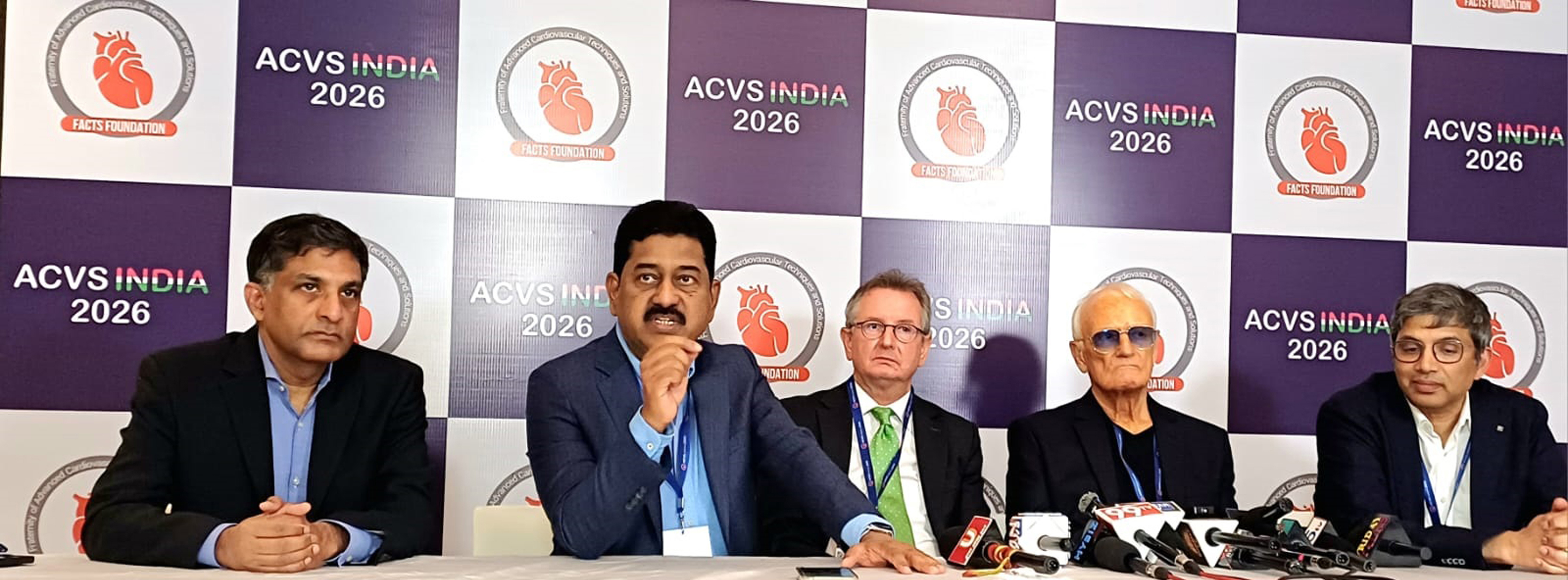
Hyderabad, July 25: FACTS Foundation, a non-profit organization of cardiologists and cardiac surgeons committed to research, innovation, education, and training, in association with ACVS INDIA (Advanced Cardiovascular Solutions) is hosting the 17th edition of ACVS INDIA 2026, from July 24 to 26, 2026, at the Trident Hyderabad. This is India’s premier and 2nd largest Interventional Cardiology conference of our country which will be attended by app. 1500 cardiologists across India & few from abroad. The conference themed “Complications Prevention & Management” brings together some of the world’s foremost interventional cardiologists to deliberate on the latest advancements in cardiovascular care.
Dr. A. Sreenivas Kumar, Founder Director, FACTS Foundation, Sr. Consultant Cardiologist & Director – Cardiology and Clinical Research, Apollo Hospitals, Hyderabad; Dr. Susheel Kodali, Sr. Consultant Cardiologist, NYU Group of Hospitals, New York; Dr. Ramesh Daggubati, Professor and Vice Chair of Cardiology, Chief of Interventional Cardiology, Director of Structural Heart Disease, West Virginia University School of Medicine; Prof. Eberhard Grube, Head, Centre of Innovative Interventions in Cardiology (CIIC), University Hospital Bonn, Germany; and Dr. Miroslaw Ferenc, University Heart Center Freiburg/Bad Krozingen, Germany; addressed the media, today at a Press Conference at Trident Hyderabad.
The three-day conference will focus on techniques to prevent and manage complications in coronary and structural heart interventions, while showcasing the latest advances in coronary interventions, structural heart disease, complex PCI, cardiovascular imaging, complication management, and emerging technologies. Experts will also discuss advanced minimally invasive techniques that enable treatment of complex cardiac conditions without open-heart surgery, significantly reducing patient trauma, morbidity, and mortality.
Speaking on the occasion, Dr. A. Sreenivas Kumar said, The significance of ACVS INDIA 2026 lies in showcasing the latest advances in the treatment of cardiovascular diseases. Rapid technological innovations have made cardiac procedures safer, more precise, and increasingly minimally invasive. The conference will bring together globally renowned cardiologists and cardiac surgeons from India and abroad to demonstrate these cutting-edge techniques, offering young doctors a unique opportunity to learn from world experts and enhance patient care. A major highlight will be the live satellite transmission of advanced cardiac procedures from leading international centres. The scientific programme will feature breakthrough developments such as advanced technologies to treat heavily calcified heart valves, the use of Impella, a catheter-based micro heart pump that provides temporary mechanical circulatory support during high-risk interventions and advanced Chronic Total Occlusion (CTO) techniques to reopen long-standing blocked coronary arteries. Live case transmissions from Germany will further provide delegates with a rare opportunity to witness some of the world’s most advanced cardiac interventions in real time.
Dr Susheel Kodali said, The conference will offer valuable insights into the latest transcatheter valve therapies and peripheral vascular interventions, highlighting minimally invasive catheter-based treatments that are transforming cardiovascular care. While Transcatheter Aortic Valve Replacement (TAVR) is now performed more frequently than open-heart valve surgery in the U.S., experts will emphasise that appropriate patient selection and clinical decision-making are as critical as the procedure itself. The discussions will also focus on the responsible adoption of these advanced technologies through education and evidence-based practice, particularly in countries like India, where affordability, access to specialised care, and limited procedural volumes remain key challenges.
Prof. Eberhard Grube said, Since the advent of Transcatheter Aortic Valve Replacement (TAVR) in 2002, structural heart interventions have transformed the treatment of valve disease. Initially met with scepticism and resistance, these minimally invasive procedures were first offered to elderly, high-risk patients who were unsuitable for open-heart surgery. Their remarkable success has since been validated through robust clinical trials, establishing TAVR as a standard treatment worldwide. Today, the Heart Team approach, where cardiologists and cardiac surgeons jointly determine the most appropriate treatment for each patient, has become the global standard, reflecting the successful convergence of interventional cardiology and cardiac surgery. While challenges such as affordability, access, and long-term outcomes remain, innovation continues at a rapid pace. With India’s growing focus on indigenous technologies and medical device development, the country is poised to play a significant role in shaping the future of structural heart interventions.
Dr Miroslaw Ferenc, said, As populations age, the incidence of heavily calcified coronary artery disease is rising, making treatment increasingly complex. Today, the success of Percutaneous Coronary Intervention (PCI) depends not only on stent implantation but, more importantly, on optimal lesion preparation using advanced technologies such as orbital atherectomy, rotoblator, laser use and shockwave therapy, to ensure the best outcomes. The conference will focus on these evolving technologies through live case demonstrations, enabling participants to learn from complex real-world interventions. Experts will also discuss emerging strategies for younger patients, where the emphasis is increasingly on preserving future treatment options by minimising permanent stent implantation through innovations such as drug-coated balloons, alongside informed decision-making between catheter-based interventions and surgery.
Dr Ramesh Daggubati, Said, Heart health begins with prevention through a healthy diet, regular exercise, weight management, and controlling cholesterol and blood sugar. Today, many heart blockages can be treated safely with minimally invasive catheter-based procedures, avoiding open-heart surgery. Advanced intravascular imaging and calcium-modification technologies have significantly improved outcomes in complex coronary interventions. ACVS INDIA is helping bridge the gap in advanced interventional cardiology training through live case demonstrations, expert discussions, and hands-on learning from global specialists. These real-time procedures enhance clinical skills, promote safer interventions, and improve patient outcomes. With lifestyle diseases such as diabetes, obesity, and heart disease on the rise due to poor diet and physical inactivity, greater public awareness, preventive care, and regular health check-ups are essential to safeguarding heart health.
A key highlight of ACVS INDIA 2026 is the India Talent Sessions, offering young interventional cardiologists a prestigious platform to present challenging cases and innovative treatment approaches. The sessions foster scientific exchange, expert feedback, and practical learning from internationally renowned faculty. The conference also emphasizes translating research into clinical practice through evidence-based recommendations, procedural strategies, and real-world insights to improve decision-making and patient outcomes. Another hallmark is its extensive Live Case Demonstrations, featuring 23 live coronary and structural heart interventions, showcasing advanced techniques, cutting-edge devices, and practical solutions for managing complex cardiovascular diseases.
Among the major attractions will be live procedures by internationally renowned operators, including Dr. Saibal Kar and Dr. Srinivas Potluri alongside several leading Indian interventionists who will demonstrate diverse procedural approaches and share technical nuances in managing challenging cases. A landmark highlight of this year’s conference is the first-ever live transcatheter aortic regurgitation intervention to be transmitted directly from the United States, providing Indian delegates with a rare opportunity to observe advanced structural heart intervention performed in real time by global experts.
Delegates attending the conference will have the opportunity to interact with some of the world’s most distinguished faculty, including Dr. Ajay Kirtane, Dr. Susheel Kodali, Dr. Ramesh Daggubati, Dr. Samir Kapadia, Dr. Saibal Kar, Dr. Sanjog Kalra, Dr. Saurabh Gupta, Dr. Dharam Khumbhani, Prof. Eberhard Grube, Dr. Miroslaw Ferenc, Dr. Arvinda Nejundappa, Dr. Ashish Pershad, Dr. Srinivas Potluri, Dr. Michael Benz, Dr. Sripal Bengalore along with many senior Indian faculty.
With its unique blend of global expertise, cutting-edge science, live case demonstrations, innovation in practice, interactive discussions, and Hyderabad’s renowned hospitality, ACVS INDIA 2026 promises to be an enriching academic experience and reaffirms its mission of promoting excellence in cardiovascular care through education, innovation, collaboration, safety, precision, and better patient outcomes.
24, Jul 2026
SK Telecom Launches Dedicated AI Data Center Business Development Company to Kick Off ‘Asia’s AI Infrastructure Hub’ Push
SEOUL, Korea, July 24 — SK Telecom (NYSE: SKM, hereafter “SKT”) announced that its Board of Directors has approved the establishment of ‘SK Hyper,’ a new company dedicated to AI data center (AIDC) business development, along with an investment of KRW 750 billion by 2030 to lay the groundwork for the business.
The name ‘SK Hyper’ embodies the meaning of transcending all limits to unlock infinite possibilities, and reflects the company’s determination to rapidly expand the AIDC business to hyperscale.
SK Hyper will focus on business development to enable the build-out of 15GW of AIDC capacity over the mid-to-long term. It will be responsible for securing sites, constructing and operating substations, acquiring customers, and commercializing the AIDC business.
SKT will retain 100% ownership of SK Hyper and provide phased capital contributions as needed through 2030, within the approved investment limit.
With the newly established company, SKT is expected to accelerate the build-out of AIDCs to help achieve the government’s mega project. Centered on SK Hyper, SKT targets a phased opening of 5GW of AIDC capacity in 2029 as the first phase.
Taking market demand and other factors into account, SKT plans to commence sequential expansion toward a total capacity of 15 GW in 2035.
Recently, SKT also established the AIDC Integrated Development Division reporting directly to the CEO to consolidate the Group’s full‑stack AI capabilities.
SKT plans to build out AI infrastructure by region, starting with a GW‑class AIDC cluster in Ulsan and adding additional GW‑class AIDCs in the Chungcheong and Honam regions.
On the same day, SK Hyper’s Board of Directors appointed Chung Suk-geun as the inaugural CEO of SK Hyper. CEO Chung is recognized for deep expertise in the AIDC business, currently serving as SKT’s Head of the AI CIC (Company-in-Company). He also heads SKT’s AIDC Integrated Development Division, tasked with connecting SK Group’s AIDC execution organizations and accelerating the delivery of the project.
“SK Hyper’s role is to turn SK Group’s blueprint for Asia’s AI Infrastructure Hub into reality,” said Chung Suk-geun, CEO of SK Hyper. “Through systematic and rapid execution, we will secure core infrastructure and customers, and contribute to Korea’s advancement to AI G3.”
24, Jul 2026
Saudi Arabia’s Red Sea crude bypass peaks in March and declines 41% by June, Wood Mackenzie data shows
Gulf crude exports fall 82% from January to June; Iraq, Kuwait and Qatar record zero exports as Strait of Hormuz remains severely constrained
LONDON/HOUSTON/SINGAPORE, July 24 –Saudi Arabia redirected virtually all crude exports through its East-West Petroline to Yanbu on the Red Sea following the closure of the Strait of Hormuz in late February, reaching a peak of approximately 4.07 million barrels per day in March. By June, those volumes had declined to approximately 2.39 million barrels per day — a 41% reduction from peak, according to Wood Mackenzie vessel tracking and cargo data.
Gulf crude exports fall 82% from January baseline
From January to June 2026, crude exports from the Middle East Gulf fell 82%, from an average of 18.8 million barrels per day across 370 cargoes to approximately 3.4 million barrels per day across 71 cargoes, according to Wood Mackenzie’s MEC tracking data.
The Strait of Hormuz carried approximately 11.4 million barrels per day of crude capacity in January and February 2026, averaging 6.3 large crude carrier movements per day according to Wood Mackenzie’s VesselTracker. Following US-Israel strikes on Iran on 28 February, traffic through the strait effectively ceased. By early July, large crude carrier movements had partially recovered to approximately 4.4 vessels per day — down 30% from pre-conflict levels — with Suezmax outbound transits at zero, transit vessel counts down 97% from pre-conflict norms, and freight rates approximately three times pre-conflict levels.
Iraq, which exported 3.77 million barrels per day in January, recorded zero exports by June. Kuwait fell from 1.19 million barrels per day to zero from April. Qatar, at 0.72 million barrels per day in January, also recorded zero from April. All three producers are entirely dependent on the Strait of Hormuz for seaborne crude access and have no pipeline bypass alternative. The UAE maintained a diminished position of approximately 0.56 million barrels per day in June, accounting for 68.6% of all non-Saudi Gulf exports in the June-July period.
Saudi Arabia’s Red Sea pivot peaks — then declines
Saudi Arabia’s response was to shift crude exports through the East-West Petroline to Yanbu, its Red Sea terminal. In March, 86.7% of Saudi liftings originated from Yanbu, representing 121.9 million barrels across 77 cargoes at an average of approximately 4.07 million barrels per day. That concentration rose to 93.6% in April, 94.3% in May and 98.6% in June, with only a single cargo of approximately one million barrels clearing the Gulf at Ju’aymah during the month.
Despite the near-total concentration of exports through Yanbu, volumes have declined steadily from the March peak. By June, Yanbu loadings had fallen to approximately 2.39 million barrels per day — a 41% reduction from the March peak and a 66% decline from Saudi Arabia’s January total export level of approximately 7.96 million barrels per day across both Gulf and Red Sea terminals.
The destination profile for Saudi Red Sea crude in June and July reflects a clear shift toward South and East Asian markets. Of recorded cargoes, 11 were directed to Ain Sukhna in Egypt for onward pipeline movement, five to Malacca, four to Karachi, three each to New Mangalore and Sikka in India, and two each to Ulsan and Yeosu in South Korea and Yokkaichi in Japan. No direct European crude deliveries were recorded from Saudi Red Sea terminals during this period.
Refined product flows from the region have continued at reduced levels. Wood Mackenzie’s Global Refined Waterborne Products tracking recorded 171 MEG-origin product cargoes in June and July, including jet fuel deliveries to Pembroke in the United Kingdom and Le Havre in France and ULSD movements to Constantza in Romania. Four product cargoes loaded at Jubail on the Saudi Gulf coast in early July, indicating limited commercial passage for smaller vessels.
“For months, the market treated Yanbu as the answer to Hormuz risk,” said Ian Solis, data analyst, Tech/Maritime-Ops for Wood Mackenzie. “The problem is that Yanbu has its own chokepoint. If Bab al-Mandeb comes under sustained disruption from a declared Houthi naval blockade, Asia stands to lose a major crude supply artery. What looked like diversification was in reality a shift from one strategic bottleneck to another.”
24, Jul 2026
Five-Man Crew Complete 2,000 Mile Row Around Great Britain Setting a New World Record
July 24: Team Rowmads has successfully completed an extraordinary unsupported circumnavigation of Great Britain by rowing boat, covering approximately 2,000 miles in one of the world’s most demanding endurance challenges.
The team is the first and fastest team of five to complete the GB Row Challenge unsupported, completing the row in 32 days, 30 minutes and 58 seconds. They crossed the finish line underneath Tower Bridge, London, yesterday afternoon (16 July).
Made up of three military doctors, two brothers serving as a trauma surgeon and a firefighter, and a fitness coach, the team battled relentless tides, unpredictable weather, sleep deprivation and physical exhaustion over the course of their journey. Every mile was powered solely by human effort, with no outside assistance or resupply.
Royal Navy trauma and orthopaedic registrar, Stefano Capella, said:
“The biggest highlight was seeing just how extraordinary our country is from the water. We had dolphins following the boat, and saw otters, whales and incredible stretches of coastline. Scotland was beautiful, even if the weather did not always let it show its true colours.
“There were some brutally hard moments, like being on the oars at two in the morning for the fifth night in a row, rationing water and dealing with no power. But morale stayed remarkably high because we had such a fantastic team.”
The achievement places team Rowmads among an elite group, with fewer than 40 people ever having completed a continuous, unsupported circumnavigation of Great Britain by rowing boat.
Stefano added:
“There were rare days when the boat seemed to fly and rowing felt almost like piloting a fighter jet. Those moments were incredibly special. More than anything, though, it was the chance to share the experience with some of my best friends and my twin brother.
“We amazingly never ran out of things to talk about. I think we could probably launch our own Loose Women equivalent. That’s what got us through. We had no power in the end. Our speakers died, our radios died as well, so it relied on us to make our own entertainment for quite long periods. It’s amazing how you can while away 24 hours on the oars just by talking.”
Beyond their sporting achievement, the expedition has made a significant contribution to marine science. Throughout the journey, the crew collected environmental data on microplastic pollution, biodiversity, underwater noise pollution, sea temperature and salinity.
The information will now be analysed by scientists at the University of Portsmouth before being shared through The Crown Estate’s Marine Data Exchange, one of the world’s largest open-access collections of marine industry data.
The research contributes to a growing long-term record of the health of UK coastal waters and will help scientists better understand the effects of human activity on marine ecosystems.
The GB Row Challenge is widely regarded as one of the toughest rowing races in the world. Crews must navigate approximately 2,000 miles around the coastline of Great Britain without external support, relying entirely on their preparation, teamwork and determination to overcome some of the most challenging waters in Europe.
Skipper Mike Eager said:
“If anybody reading this is thinking of doing it, I’d say go for it. You wouldn’t even be looking at a challenge like this if you weren’t the right sort of person in the first place. It’s hard, and it takes a huge amount of planning. In many ways, just getting to the start line is probably the hardest part. But it will be an experience like no other, and I don’t think you’ll ever regret it.
“Coming home has made me appreciate all the simple things you take for granted, like sitting on a sofa, walking more than four metres, sleeping in a proper bed, using a proper toilet and eating with cutlery.
“It was actually quite nice to be taken away from the real world for a while. You don’t have to worry about emails or any of the day-to-day distractions. I’m looking forward to getting back to reality and society, but if I’m honest, it’s a bit of a double-edged sword. I loved the simplicity of life on the boat.”
The team’s Guinness World Record is subject to verification by the Ocean Rowing Society. This year’s joint headline sponsors are Cleaner Seas Group and Simply Sustainable – two organisations focused on advancing practical solutions to environmental challenges.
24, Jul 2026
Suicidal Thoughts Among U.S. Veterans Increased Nearly 50 percentage Over Five Years, National Study Finds
July 24: Suicide remains one of the leading causes of death among U.S. military veterans, claiming more than 6,000 lives each year. Although suicide prevention efforts have expanded in recent years, it has remained unclear whether the prevalence of suicidal thoughts and behaviors has changed as the prevention landscape and veteran population has evolved.
A new nationally representative study led by researchers at the National Center for PTSD and Yale School of Medicine found that the prevalence of recent suicidal thoughts among U.S. veterans increased by nearly 50% over the past five years. The findings, published July 20 in JAMA Network Open, show that while suicidal thoughts have become more common, the prevalence of suicide planning and suicide attempts has remained relatively stable.
Researchers analyzed data from the 2025–2026 National Health and Resilience in Veterans Study, a population-based survey of 2,636 U.S. military veterans. The study updated national estimates of suicidal thoughts and behaviors, identified factors associated with suicide risk, and examined mental health treatment use among veterans with a history of suicidal thoughts or behaviors.
“Effective suicide prevention depends on having accurate, up-to-date information about who is at greatest risk,” said lead author Ian C. Fischer, PhD, a clinical psychologist at the VA Connecticut Healthcare System and assistant professor of psychiatry. “The veteran population has become younger, and there have been increases in the proportion of women veterans and shifts in its racial and ethnic composition over the past five years, making it essential to monitor changes in suicidal thoughts and behaviors and identify the veterans who may benefit most from prevention and early intervention.”
The study found that 13.4% of U.S. veterans reported suicidal thoughts during the previous two weeks, compared with 9.0% in the last nationally representative survey conducted in 2019–2020. Rates of lifetime suicide planning and suicide attempts, however, remained largely unchanged (8.0% and 4.9% vs 7.3% and 3.9%, respectively). Younger veterans and female veterans reported substantially higher rates of suicidal thoughts, suicide planning, and suicide attempts than older and male veterans.
The researchers also identified several factors associated with suicide risk. Functional disability, major depressive disorder, and posttraumatic stress disorder were among the strongest correlates of suicidal thoughts and suicide planning, while adverse childhood experiences emerged as the strongest correlate of lifetime suicide attempts.
The study further examined mental health treatment among veterans reporting suicidal thoughts and behaviors. In general, veterans who relied on the VA as their primary source of healthcare were more likely than veterans who primarily received care outside the VA to have ever received mental health treatment and to be currently engaged in treatment.
More specifically, among veterans reporting suicidal thoughts during the previous two weeks, 75.2% of VA-primary users had received lifetime mental health treatment and 53.6% were currently receiving treatment, compared with 46.2% and 25.6%, respectively, among non-primary VA users. Similar differences were observed among veterans with past-year suicidal thoughts, lifetime suicide planning, and lifetime suicide attempts: current treatment rates were 53.8%, 55.1%, and 65.3% among VA-primary users relative to 25.8%, 29.0%, and 36.8% among non-primary VA users.
While promising, these findings also indicate that many veterans experiencing suicidal thoughts or behaviors, particularly those who do not rely primarily on the VA, have not been recently engaged in mental health treatment, highlighting opportunities to strengthen outreach and engagement.
“These findings suggest that the VA is playing an important role in connecting veterans at elevated suicide risk with mental healthcare,” said Brandon Nichter, PhD, visiting scholar in Yale’s Department of Psychiatry. “At the same time, many veterans with recent suicidal thoughts are still not engaged in treatment. Expanding outreach and reducing barriers to care across both VA and community health systems will be essential to reaching these individuals.”
The study’s authors note that continued national surveillance of suicidal thoughts and behaviors among veterans will be critical for evaluating the impact of suicide prevention efforts and ensuring that resources are directed toward veterans at greatest risk.
Other study authors include Peter J. Na, MD, MPH, of the VA Connecticut Healthcare System and Yale School of Medicine; Melanie L. Hill, PhD, of Yale School of Medicine; John H. Krystal, MD, of the National Center for PTSD and Yale School of Medicine; and Robert H. Pietrzak, PhD, MPH, of the National Center for PTSD, Yale School of Medicine, and Yale School of Public Health.
24, Jul 2026
JW Marriott Mumbai Sahar Announces the Appointment of Dr. Nisarga V M as Spa Manager

Mumbai, July 24: JW Marriott Mumbai Sahar, proudly known as the “Gateway to Mumbai,” is delighted to announce the appointment of Dr. Nisarga V M as its new Spa Manager. Renowned for its bespoke therapies and immersive wellness experiences, Spa by JW is designed around the brand’s four signature pillars: Calm, Nourish, Balance and Renew, creating personalised journeys that help guests restore balance, rejuvenate the mind and body, and embrace holistic well-being.
In her new role, Dr. Nisarga will lead the operations of Spa by JW, overseeing wellness programming, spa operations, guest experience, and team development. She will play a pivotal role in enhancing the hotel’s spa offerings by delivering personalised experiences rooted in the core pillars: Calm, Nourish, Balance and Renew.
Dr. Nisarga brings over five years of experience in luxury spa and wellness operations across leading hospitality brands, including IHCL (Taj Hotels). Throughout her career, she has held leadership positions at Taj Alibag Resort & Spa, Taj Theog Resort & Spa, Taj Devi Ratn, Jaipur, where she was a part of the pre-opening team, and Golden Palms Resort & Spa, Bengaluru. Across these roles, she has successfully led operational excellence, wellness programming, and high-performing teams while consistently delivering exceptional guest experiences.
Speaking on her appointment, Dr. Nisarga V M, Spa Manager, JW Marriott Mumbai Sahar, said, “I am delighted to join JW Marriott Mumbai Sahar and be a part of a brand that places genuine emphasis on holistic well-being. Wellness has become an integral part of the luxury hospitality experience and I look forward to collaborating with the team to further elevate the Spa by JW experience with wellness programmes and experiences that resonate with the evolving needs of today’s guests.”


