


7, Sep 2026
Jindal Stainless Partners with Japan’s JFE Steel to Strengthen Ferritic Stainless Steel Capabilities
Sep 07: Jindal Stainless, India’s stainless steel manufacturer, has entered into a Technical Assistance Agreement with JFE Steel Corporation, Japan, one of the world’s steelmakers, to strengthen its manufacturing capabilities for selected ferritic stainless steel grades. The collaboration will focus on enhancing product quality, manufacturing practices, and process efficiency through technical assistance.
The agreement comes at a time when global demand for stainless steel is accelerating, driven by increasing adoption across automotive, infrastructure, railways, process industries, and other value-added applications owing to its corrosion resistance, durability, and lower lifecycle costs. Industry estimates indicate that the global stainless steel market, particularly the ferritic stainless steel segment, is expected to witness steady growth over the coming decade, supported by rising demand for cost-efficient and sustainable material solutions. Ferritic stainless steel grades are widely used in automotive components, railway coaches, kitchen equipment, industrial machinery, construction, and several other value-added applications, making them an important growth segment for the future. Under the Technical Assistance Agreement, JFE Steel will support Jindal Stainless’ ongoing efforts to strengthen product quality and manufacturing practices for the grades specified in the Agreement.
Commenting on the cooperation, Managing Director, Jindal Stainless, Abhyuday Jindal, said,
“The future of manufacturing will be shaped by materials that deliver superior performance, sustainability, and value. Stainless steel, as a group of diversified high-performance alloys, is emerging as the material of choice across industries. Ferritic stainless steel, in particular, is becoming an increasingly important solution for industries looking to balance durability, corrosion resistance, and cost efficiency. At Jindal Stainless, we are committed to continuously enhancing our technological capabilities by cooperation with the world’s best. JFE Steel’s decades of expertise in ferritic stainless steel manufacturing will help us further strengthen product quality and operational excellence. More importantly, this association is about building capabilities that create greater value for our customers by strengthening our people, processes, and practices through this agreement.”
The Agreement will reinforce Jindal Stainless’ commitment to leveraging global expertise, fostering innovation, and building world-class manufacturing capabilities to support the future growth of stainless steel.
- 0
- By Neel Achary

7, Sep 2026
From Grocery Bills to Fuel Costs, Inflation Pressure Builds in August

New Delhi, Sep 7: India’s retail inflation is expected to rise to 4.88 per cent in August, up from 4.44 per cent in July, as higher food prices and fuel costs put renewed pressure on household budgets, according to a Union Bank of India report.
The projected increase would mark the second consecutive monthly rise in consumer price inflation and the highest reading in the current CPI series, the report said.
Food inflation is expected to increase to 6.03 per cent in August from 5.24 per cent in July. While vegetable prices are expected to show some moderation, higher prices of sugar, cereals and edible oils could keep overall food inflation elevated.
Sugar is emerging as a key source of pressure. The report estimates that sugar inflation could rise sharply, with prices increasing around 15 per cent during August. This could push sugar inflation to 11.53 per cent on a month-on-month basis.
Cereal and pulses prices are also expected to remain firm due to tighter domestic supplies. Milk prices could see further pressure in the coming months following recent price increases in several states.
For households, higher food inflation means a larger share of monthly income could go towards essentials such as groceries and cooking needs. This can leave consumers with less money for discretionary spending on items such as clothing, entertainment, eating out and other non-essential goods.
The expected rise in inflation also matters for businesses. Higher input and operating costs can increase pressure on manufacturers, retailers and food companies. Some businesses may pass part of these costs on to consumers, while others may see their profit margins squeezed.
The inflation outlook will also remain important for monetary policy. A sustained rise in consumer prices could make it more difficult for the Reserve Bank of India to ease interest rates aggressively, particularly if food and fuel pressures continue.
The latest estimate comes as India’s economy continues to show strong growth, with GDP expanding 7.8 per cent in the April-June quarter. However, keeping inflation under control will remain important to ensure that strong economic growth is supported by healthy consumer demand.
Overall, the expected August inflation rise highlights the continuing impact of food and energy prices on the Indian economy. A moderation in food prices and improved supply conditions will be important for easing pressure on households in the months ahead.
7, Sep 2026
Mayfair Spring Valley Resort, Guwahati Wins Best Luxury Hotel Award at Global Tourism Excellence Awards 2026
New Delhi, Sep 07: Cementing its position in Northeast India’s luxury hospitality sector, Mayfair Spring Valley Resort, Guwahati, has been honoured with the title of “Best Luxury Hotel” at the Global Tourism Excellence Awards 2026. The recognition was conferred at the awards ceremony held on August 29 in Noida. Presented by Mrs. Riniki Bhuyan Sarma, CMD, Pride East Entertainments, the award marks a significant milestone for the resort as it continues to establish a distinctive identity for luxury hospitality in the region.
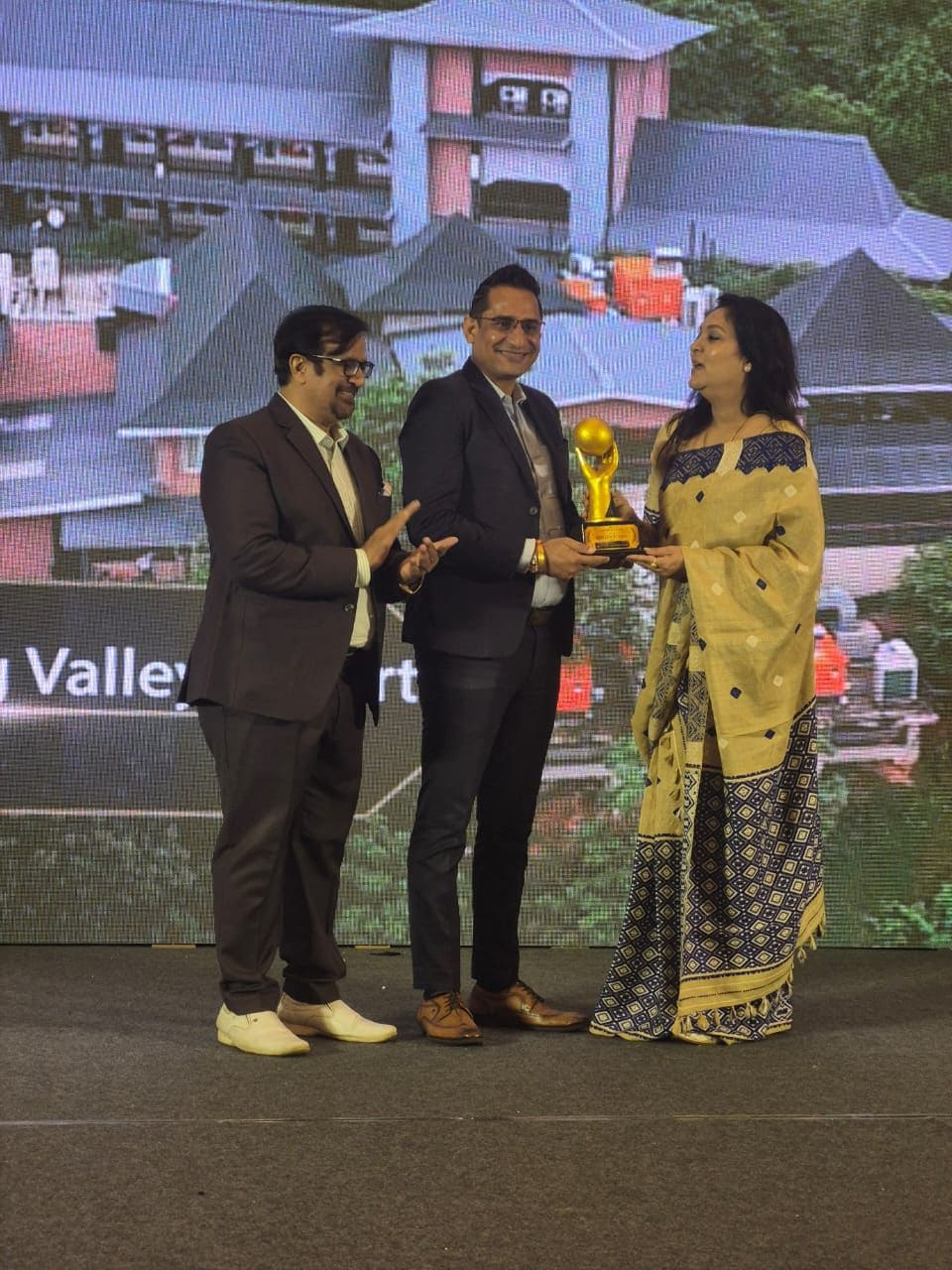
The recognition comes as Northeast India continues to gain attention among travellers seeking destinations that combine natural beauty, distinctive cultural experiences and high-quality hospitality. Mayfair Spring Valley Resort has positioned itself at the forefront of this evolution, bringing together luxury, thoughtful service and the character of the region to create experiences for travellers from across India and around the world.
Commenting on the achievement, Mr. Pardeep Siwach, General Manager, Mayfair Spring Valley Resort, Guwahati, said
“This recognition is a proud moment for the entire team at Mayfair Spring Valley Resort. We have always believed that luxury is about more than beautiful spaces; it is about creating thoughtful, personalised experiences that guests remember. This recognition belongs to our entire team, whose passion, commitment and attention to every detail make exceptional guest experiences possible every day. We are grateful to everyone who has been part of our journey and look forward to continuing to raise the bar for luxury hospitality in the region.
The award reflects Mayfair Spring Valley Resort’s larger vision of going beyond conventional luxury hospitality to showcase the extraordinary beauty, culture and warmth of Northeast India on the global tourism map. By creating a luxury destination rooted in its regional identity while maintaining contemporary standards of hospitality, the resort is contributing to the growing visibility of Guwahati and the wider Northeast as a premium travel destination.
7, Sep 2026
GST Council Meeting Shifted to October 7, Focus Likely on Simplifying GST System
New Delhi, Sep 7: The 57th meeting of the GST Council has been rescheduled from September 12 to October 7 as the earlier date coincides with the BRICS Summit in New Delhi.
The meeting will be preceded by discussions among senior GST officials on October 5 and 6. Union Finance Minister Nirmala Sitharaman will chair the meeting, which will bring together representatives from the Centre and state governments.
The upcoming meeting is expected to focus on making the GST system simpler and more business-friendly. Improving compliance procedures, resolving pending issues and providing greater clarity on GST rules are likely to remain important areas of discussion.
Another key objective will be to improve GST administration and reduce difficulties faced by businesses and taxpayers. The Council may also look at ways to streamline procedures related to tax payments, refunds and input tax credit.
The meeting will also provide an opportunity for the Centre and states to review the functioning of the GST framework and discuss measures that can improve revenue collection while keeping compliance manageable for businesses.
The GST Council last met in September 2025, when major changes were approved in the GST rate structure. The revised system introduced 5 per cent and 18 per cent as the main tax rates, while a 40 per cent rate was retained for selected luxury and demerit goods.
The October 7 meeting is expected to be closely watched by businesses, consumers and state governments. Any decision aimed at simplifying procedures and improving the GST framework could make compliance easier and provide greater certainty for businesses.
7, Sep 2026
Al Qadsiah Club and LogRhythm | Exabeam Sign Memorandum of Understanding to Explore Cybersecurity Innovation
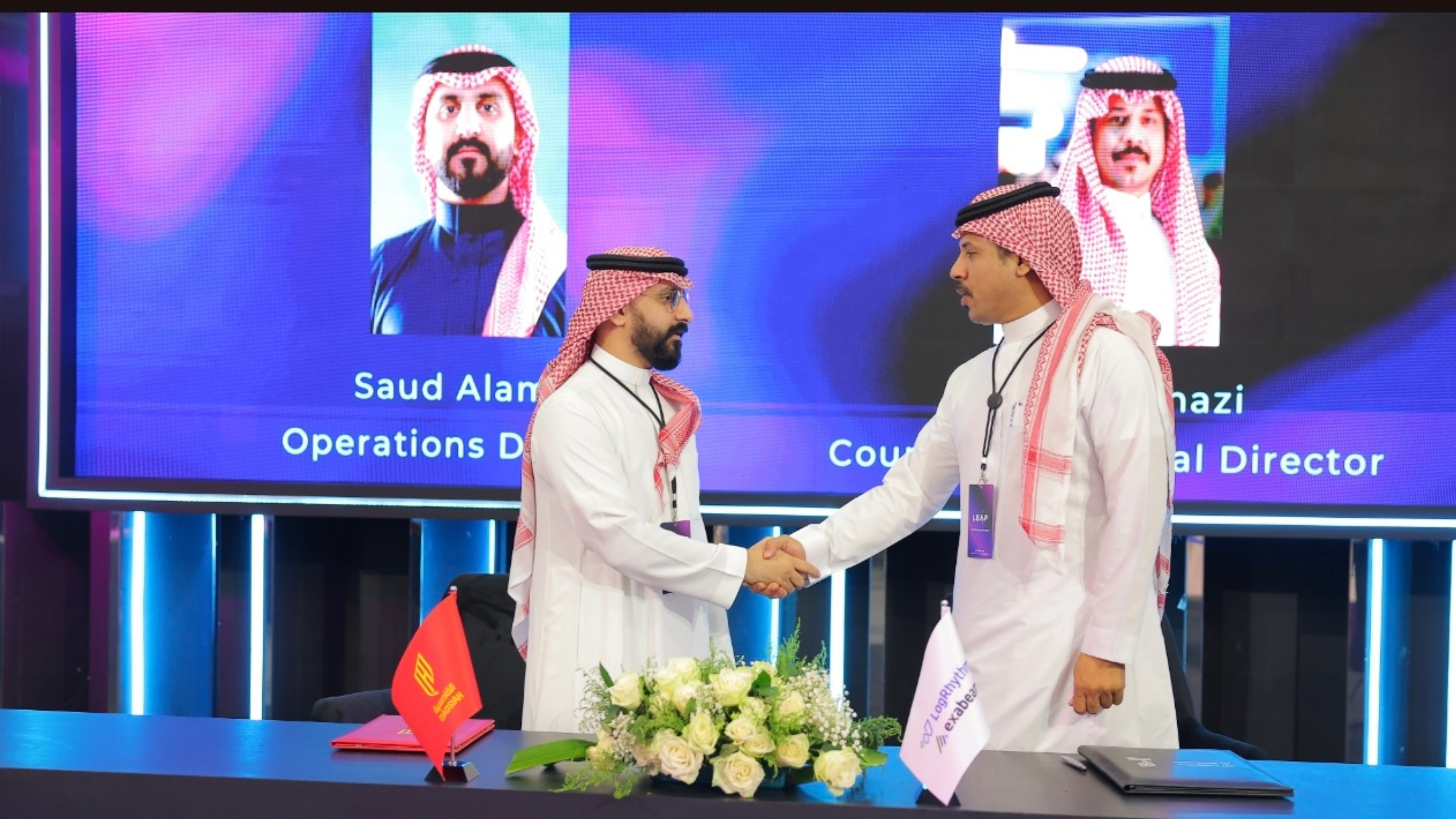
Sept 07: Al Qadsiah Club and LogRhythm | Exabeam have signed a Memorandum of Understanding (MoU) to explore opportunities for collaboration in the field of cybersecurity. The agreement was signed on the sidelines of LEAP 2026, reflecting both parties’ commitment to supporting innovation and strengthening digital security in the Kingdom of Saudi Arabia.
The collaboration brings together Al Qadsiah Club, one of Saudi Arabia’s leading sports clubs, and LogRhythm | Exabeam, a company specializing in cloud-based cybersecurity solutions and AI-driven analytics, with the aim of exploring ways to enhance cyber resilience and protect the Club’s digital environment.
The MoU focuses on evaluating opportunities to leverage advanced security information and event management technologies and solutions that support threat monitoring, detection, and response capabilities, while helping safeguard the systems, platforms, and digital services that underpin the Club’s day-to-day operations.
The two parties will also explore opportunities to strengthen cybersecurity practices and enhance the readiness of the Club’s digital infrastructure to keep pace with the rapidly evolving digital landscape, in alignment with Saudi Arabia’s digital transformation agenda and the objectives of Vision 2030.

Commenting on the agreement, Sultan Al-Alanazi, Country Director, LogRhythm | Exabeam Saudi Arabia, said:
“As the sports sector continues its rapid shift towards digital services and data-driven environments, cybersecurity has become essential to protecting operations, services, and information. This Memorandum of Understanding with Al Qadsiah Club marks an important step in supporting the digital transformation of Saudi Arabia’s sports sector. We look forward to exploring opportunities for collaboration and leveraging cloud-native technologies and AI-powered capabilities to strengthen cybersecurity and digital resilience.”
For his part, Saud Al-Omari, Executive Director of Operation of Al Qadsiah Club said:
“Cybersecurity is a fundamental pillar of Al Qadsiah Club’s digital transformation journey, and enhancing cyber resilience is an important part of our efforts to build a secure and sustainable digital environment. Through this MoU, we look forward to exploring opportunities for collaboration with LogRhythm | Exabeam and benefiting from its expertise and advanced technologies to strengthen the protection of our systems and digital services while supporting our future ambitions.”

The MoU reflects the shared commitment of Al Qadsiah Club and LogRhythm | Exabeam to advancing innovation and cybersecurity, contributing to the protection of the Club’s digital ecosystem and supporting the continued development of Saudi Arabia’s sports sector in line with the objectives of Vision 2030.
7, Sep 2026
Sensex, Nifty Slip at Open as Middle East Tensions, IPO Activity Pressure Markets
Mumbai, Sep 7: Indian stock markets started the week on a cautious note on Monday, with the Sensex and Nifty opening slightly lower as investors remained wary of rising crude oil prices, tensions in the Middle East and a packed IPO calendar.

The Nifty 50 opened at 23,883.15, down 14.55 points or 0.06 per cent, while the Sensex slipped 69.38 points or 0.09 per cent to 76,446.05.
Selling was more visible in IT and media stocks in early trade. The Nifty Media index fell 1.26 per cent, while the IT index declined 1.15 per cent. Auto, Chemicals, Private Bank, FMCG and Cement stocks also traded under pressure.
Some pockets of the market, however, managed to stay positive. Oil & Gas, Metal, PSU Bank and Realty stocks recorded modest gains.
A major concern for investors this week is the strong IPO pipeline. With several mainboard issues opening for subscription, a significant amount of investor money could move towards new offerings, potentially reducing liquidity available for the broader secondary market.
Global developments are adding to the cautious mood. Renewed tensions involving the US and Iran have pushed crude prices higher, raising concerns over energy costs and their possible impact on India’s economy and corporate earnings.
The market is also coming into the new week after four consecutive weekly declines, making investors more selective in their approach. Analysts are watching the 23,800 level on the Nifty as an important support, while 23,960 could act as an immediate hurdle.
For the week ahead, movements in crude oil, foreign fund flows, IPO activity, global interest-rate expectations and developments in the Middle East are likely to remain key drivers of market sentiment.
With several competing factors at play, investors could see continued volatility and stock-specific movements during the week.
6, Sep 2026
Dr. Vinaya Prakash Singh Re-elected APPU Secretary-General for Second Term
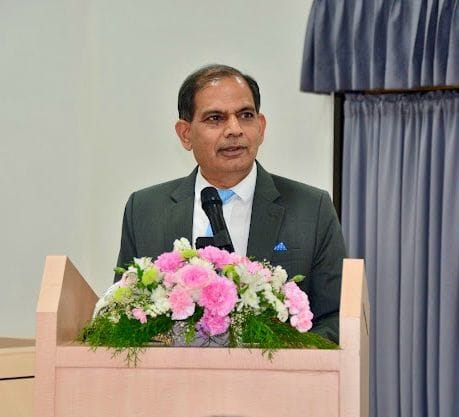
New Delhi: Dr. Vinaya Prakash Singh, a 1988-batch Indian Postal Service officer, has been re-elected as Secretary-General of the Asian-Pacific Postal Union (APPU) for a second consecutive four-year term. He was elected unopposed by acclamation during the 14th APPU Congress held in Bangkok on September 4, 2026.
Dr. Singh’s re-election is seen as a significant recognition of India’s role in international postal cooperation and reflects the confidence of postal administrations across the Asia-Pacific region in his leadership. His second term will begin in January 2027 and continue through December 2030.
India’s Role in Asia-Pacific Postal Cooperation
The re-election comes as the Asian-Pacific Postal Union continues to strengthen cooperation among postal administrations across the region. Headquartered in Bangkok, the APPU is an intergovernmental organisation with 32 member countries and functions as a Regional Union of the Universal Postal Union (UPU), the United Nations specialised agency for the postal sector.
Dr. Singh first assumed the position of APPU Secretary-General in January 2023 after being elected at the 13th APPU Congress in 2022. During his first term, he contributed to strengthening cooperation among postal administrations and supporting efforts to modernise and develop postal services across the Asia-Pacific region.
His second term is expected to provide further opportunities to deepen regional postal cooperation, promote modernisation and address emerging priorities facing the postal sector.
Dr. Vinaya Prakash Singh’s Career in Indian Postal Service
Dr. Singh has more than three decades of experience in public administration and the postal sector. During his career, he has held several senior positions in the Government of India, including Member of the Postal Services Board, Senior Deputy Director General and Chief Vigilance Officer in the Department of Posts.
He has also served as Chief Postmaster General of Uttar Pradesh Circle and Chief General Manager at India Post Headquarters. His professional experience includes assignments with the Union Public Service Commission, the United Nations Development Programme in Afghanistan and the Army Postal Service Corps.
Academic Background and Recognition
Alongside his administrative career, Dr. Singh has an extensive academic background. He was a Gold Medallist in Modern History from the University of Allahabad and holds a Ph.D. in Management from the Indian Institute of Technology Delhi.
The Department of Posts has congratulated Dr. Vinaya Prakash Singh on his re-election and wished him a successful second term as Secretary-General of the Asian-Pacific Postal Union.
His continuation in the post through 2030 is expected to further strengthen India’s engagement in international postal affairs and regional cooperation across the Asia-Pacific postal network.
6, Sep 2026
Board Of Practical Training, Eastern Region, Ministry Of Education, Government Of India Commemorates Regional Apprenticeship Day 2026
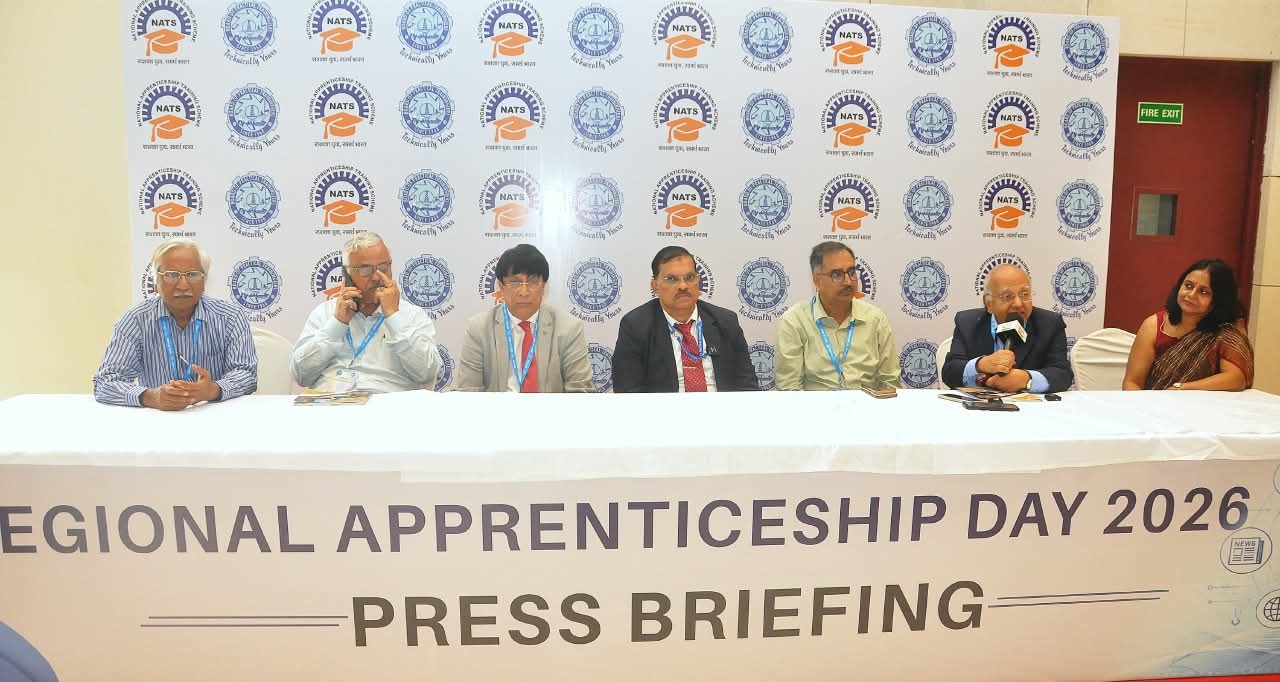
Photo Caption: Image 1: (L-R) Prof. Dr. Sadhan Chandra Ray, FIE, Kolkata; Shri R. N. Lahiri, Hon’ble BoG Member, BOPT (ER); Shri Dibakar Chandra Deka, Vice Chancellor, Mizoram University ; Dr S.M. Ejaz Ahmad, Director, Board of Practical Training (Eastern Region), Ministry of Education, Government of India; Prof. Dr N K Agarwal, Director, Department of Higher Education, Government of Bihar; Shri Sandipan Chakraborty, Ex-chairman BOPT(ER) & Tata Motors Logistics Ltd.; Dr. Ratna Sinha, HR Advisor, Kolkata were present on the occasion of Regional Apprenticeship Day 2026 in Kolkata.
Kolkata, Sept 06: The Board of Practical Training, Eastern Region, BOPT(ER), Kolkata, an organisation under the Ministry of Education, Government of India, commemorated Regional Apprenticeship Day 2026 in Kolkata today. The event was organised around the theme “Empowering MSMEs through NATS: Catalyzing Regional Growth via Structured Apprenticeships” and focused on highlighting the importance of apprenticeship training and the role of the National Apprenticeship Training Scheme (NATS) in creating job opportunities, building skills and empowering youth for a future-ready workforce. The programme also highlighted the role of structured apprenticeships in supporting Micro, Small and Medium Enterprises (MSMEs) and contributing to regional growth, in line with the objectives of the National Education Policy (NEP) 2020.
Prof. Dr. Sadhan Chandra Ray, FIE, Kolkata; Shri R. N. Lahiri, Hon’ble BoG Member, BOPT (ER); Shri Dibakar Chandra Deka, Vice Chancellor, Mizoram University; Prof. Dr N K Agarwal, Director, Department of Higher Education, Government of Bihar; Shri Sandipan Chakraborty, Ex-chairman BOPT(ER) & Tata Motors Logistics Ltd.; Dr. Ratna Sinha, HR Advisor, Kolkata & Dr S.M. Ejaz Ahmad, Director, Board of Practical Training (Eastern Region), Ministry of Education, Government of India were present on the occasion and addressed the media.
BOPT(ER) has been working towards strengthening apprenticeship opportunities for graduates and diploma engineers through NATS, enabling them to gain practical industry exposure and improve their employability. During FY 2025-26, BOPT(ER) trained 1,45,449 apprentices under the NATS programme, of these, 1,15,193 apprentices secured employment after completing their apprenticeship, accounting for around 79% of the total apprentices trained.
“Regional Apprenticeship Day celebration intends to mobilize graduates and diploma engineers to come forward and get their skill honed to meet the current industry demand and improve their employability. It is observed that 1,15,193 apprentices are either absorbed in the same industries or secured employment in other establishments post completion of their training”, added by Dr S.M. Ejaz Ahmad, Director, Board of Practical Training (Eastern Region), Ministry of Education, Government of India.
For FY 2026-27, BOPT(ER) has set a target of training around 1.5 lakh apprentices under the NATS programme. This is part of the overall target of training around 6 lakh apprentices across all BOATs/BOPTs during the financial year. The initiative is aligned with the theme “Empowering MSMEs through NATS: Catalyzing Regional Growth via Structured Apprenticeships”, with a focus on strengthening apprenticeship opportunities and supporting MSMEs through a skilled and industry-ready workforce.
As per the NILERD report, around 79% of apprentices secure permanent employment after completing their apprenticeship under NATS each year. The findings highlight the role of apprenticeship training in providing practical workplace exposure and improving employment opportunities for graduates and diploma engineers.
The National Apprenticeship Training Scheme (NATS) provides practical training opportunities to graduates and diploma engineers across industries and establishments. The programme enables apprentices to gain hands-on experience and develop industry-relevant skills, helping bridge the gap between academic learning and workplace requirements.
BOPT(ER) has also been conducting Apprenticeship-cum-Job Melas throughout the year to connect students and graduates with industries and establishments offering apprenticeship and employment opportunities. These initiatives are aimed at creating a direct link between skilled youth and industry requirements.
The Regional Apprenticeship Day 2026 also emphasised the alignment of apprenticeship training with the vision of NEP 2020, particularly its focus on skill development, vocational education, practical learning and improving the employability of young people. The initiative seeks to encourage more students, graduates and diploma engineers to take up apprenticeship opportunities and develop skills that are relevant to the evolving employment landscape.
5, Sep 2026
Archaea As Flexitarians: Ammonia-Oxidizing Microbes Also Feed on Amino Acids
Sep 05: Symbiotic ammonia-oxidizing archaea in marine sponges are not strict specialists, but true “flexitarians”: A team led by microbiologists Bettina Glasl and Katharina Kitzinger from the University of Vienna, in collaboration with partners from Australia, has shown that these microbes dine not only on ammonia but also on amino acids such as valine, leucine, and isoleucine – and presumably do that to communicate with their animal host. The findings shed new light on one of the oldest animal-microbe symbiotic relationships on Earth and point to a previously underestimated role played by archaea. The study was published in the prestigious journal Science Advances.
For decades, scientists assumed that ammonia-oxidizing archaea had a strict diet, feeding exclusively on ammonia, and to some extent, on the simple nitrogenous compounds cyanate and urea, to fix CO2. A new study led by researchers from the Centre for Microbiology and Environmental Systems Science at the University of Vienna, in collaboration with the Australian Institute of Marine Science, shows that symbiotic ammonia-oxidizing archaea, unlike their free-living relatives studied thus far, are actually “flexitarians”. They use amino acids, such as valine, leucine and isoleucine, as additional food sources. This finding also suggests that these symbiotic microbes may have an unknown ability to communicate with their animal hosts.
An ancient symbiosis
Marine sponges are among the oldest animals. Their simple bodies are teeming with microbes. This partnership, also called symbiosis, is vital for the sponge’s survival in the oceans. Ammonia-oxidizing archaea are key symbionts in marine sponges. They are renowned as the sponge’s microscopically sized sanitation crew as they remove toxic ammonia, a metabolic waste product.
Until now, it was assumed that they are strict “chemolithoautotrophs”: They derive energy from inorganic compounds, in this case ammonia, and use CO2 as their carbon source.Hints that symbiotic ammonia-oxidizing archaea might be more flexible came from their genomes. Unlike many free-living ammonia-oxidizing archaea, they carry genes encoding transporters for branched-chain amino acids. The new study provides the first direct experimental evidence that symbiotic ammonia-oxidizing archaea actually are mixotrophs, capable to use CO2 and amino acids as a carbon source.
Zooming in on individual microbes’ activity
The researchers studied the coral reef sponge Ianthella basta, also called elephant ear sponge, and its ammonia-oxidizing archaeal symbiont Nitrosospongia ianthellae. Using a cutting-edge combination of advanced chemical and microscopic imaging techniques, including NanoSIMS, they were able to watch the dietary habits of individual symbiont cells in their sponge host.
“The real challenge was to prove which specific cells were consuming the amino acids within the sponge,” says Katharina Kitzinger, co-lead author and specialist in single-cell analysis. “We could literally see the labeled amino acids being incorporated into individual symbiont cells, linking a cell’s identity to its function rather than relying on genome predictions alone.”
From waste disposal to microbial communication
The discovery has implications beyond the microbes’ diet. As they can both consume and produce branched-chain amino acids, symbiotic ammonia-oxidising archaea may influence the availability of these essential amino acids within their ancient animal host.
“We used to think of these symbionts primarily as a waste disposal service for the sponge” says Bettina Glasl, co-lead author and expert in sponge–microbiome interactions. “By producing and consuming these amino acids, the symbionts can potentially modulate important signalling molecules for the sponge. This could be a form of communication between microbes and animal hosts with deep evolutionary roots.”
The researchers propose that this metabolic activity could even influence the mTOR signaling pathway, a conserved regulator of cell growth and metabolism that responds to branched-chain amino acid availability.
“This work would not have been possible without the tight collaboration of many people in Austria and Australia, and the generous support from the FWF for the Cluster of Excellence ‘Microbiomes drive planetary health'” says Michael Wagner, head of the FWF-Cluster and last author of the study.
5, Sep 2026
Utah researchers join NSF center that studies how robots and people learn to work together
Sep 05: A new National Science Foundation Science and Technology Center, led by the University of Texas at Austin, will study what happens when assistive robots leave the lab and move into the real world to live and work alongside humans.
The Center for Human and Robot Co-Adaptation will bring together 39 researchers from six universities and multiple industry partners to establish a new science of “human-robot co-adaptation”—how people and robots learn from one another and adjust their behavior over long periods in everyday settings that will include homes, hospitals and assisted-living residences.
The University of Utah will play a central role in the new center under the leadership of Daniel Brown, assistant professor in the John and Marcia Price College of Engineering’s Kahlert School of Computing. The Utah contingent of researchers has expertise spanning human-AI alignment and safety, robot learning and manipulation, human-centered computing and human factors.
“A lot of research into robotics research today focuses on whether a robot can successfully complete a particular task,” Brown said. “Through this center, we want to dive deeper and understand what happens when a person and a robot live and work together for weeks, months or even years.”
“This kind of long-term study of co-adaptation is really only possible with the kind of large-scale effort afforded by the center,” he said. “I’m really excited about the opportunity to get the research we’ve been developing in the lab into hospitals, dormitories, museums and care facilities to better understand how to create human-robot interactions that benefit and empower people.”
Other Kahlert faculty involved with the 5-year collaboration, which is funded by a $30 million NSF grant, include Tucker Hermans, Jason Wiese and Kenneth Marino, along with Frank Drews, a Utah professor of psychology.
The University of Utah will also provide one of the center’s most important real-world proving grounds. Through the Human Environment with Robots Facility Network, robots will be deployed at University of Utah Health sites, including the Craig H. Neilsen Rehabilitation Hospital and the planned One U Residential Center, designed to support independent living for people with complex physical injuries.
Craig H. Neilsen Rehabilitation Hospital is a leader in patient-facing technology and innovation, providing a clinical environment to develop and test new technologies that can increase patient independence, improve rehabilitation outcomes and support care teams. The project builds on a longstanding collaboration between Jason Wiese; Dr. Jeffrey Rosenbluth, Vice Chair of Innovation and Community Programs at Neilsen Rehabilitation Hospital; James Gardner, who coordinates the development of new patient-facing technology at Neilsen Rehabilitation Hospital; and Brent Eliesen, Health Innovation Team Lead with University of Utah Information Technology.
Their work includes the hospital’s 75 smart patient rooms, where assistive technologies are integrated into patient care and studied in a clinical setting. This established infrastructure and experience provide a strong foundation for expanding this work into assistive robotics.
These real-world settings will allow researchers to study how patients, caregivers, healthcare professionals and robots adapt to one another during extended, real-world interactions—moving robotics research beyond short laboratory experiments toward technologies that can safely support rehabilitation and independent living. Utah will also contribute to the center’s education and outreach efforts through collaborations with the Utah STEM Action Center.
“This project gives us a chance to study robotics where the technology really matters: alongside people in their everyday environments,” Wiese said. “We want to understand how robots can adapt to individual needs and support greater independence.”
Partner universities include Indiana University Bloomington, the Massachusetts Institute of Technology, Tufts University, and Yale University. Industry collaborators include Amazon, Apptronik, Diligent Robotics, Google DeepMind, Hello Robot, MassRobotics, NVIDIA and Robust AI.