



19, Sep 2024
From Music to Fashion to Pop Culture: Prime Video’s Original Series Call Me Bae is the Must-Watch Series of the Season
MUMBAI—September 19, 2024— Since its premiere on September 6th on Prime Video, Call Me Bae has captivated audiences across age groups and become a part of the cultural zeitgeist. The series has reached audiences wide and deep, having been viewed in over 165 countries worldwide and in over 85% pin codes across India. As a testament to all the positive reactions, Call Me Bae has ranked #1 in the India top 10 list in India since its launch and featured among the top 10 trending titles on Prime Video in 50+ countries including the U.S., the UK, Canada, Australia, the UAE, Saudi Arabia, Malaysia, New Zealand, South Africa and many more on its launch weekend. Following the overwhelming reaction from customers along with asks for a new season, Prime Video today announced that Season Two of Call Me Bae is officially under development.

Call Me Bae has drawn in audiences from across the globe, standing out for its light-hearted and spirited tonality with its self-aware take on privilege and spin on iconic pop-culture moments. Not just the light moments, the series’ emotional core too has struck a chord, as the central themes of #Behencode, self-identity and belief continue to resonate deeply with fans, adding a heart-warming layer to the show’s playful narrative. The series’ vibrant soundtrack continues to gain traction with four of the ten tracks on the album – “Vekh Sohneeya”, “Churaaiyaan”, “Khwaish Poori” and “Yara Tere Bin” trending on Instagram. With “Vekh Sohneyaa” gaining over 10 MM+ views on YouTube and featuring at #8 on Shazam’s Discovery India chart and #1 on the Top 50 chart in Mumbai and Delhi. The show’s fashion-forward styling has inspired content creators and brands to recreate Bae’s iconic looks as she gets set to “Seize the Day”. Overall, the series and cast led by actor Ananya Panday along with Vir Das, Gurfateh Pirzada,Varun Sood, Vihaan Samat, Muskkaan Jaferi, Niharika Lyra Dutt, Lisa Mishra, and Mini Mathur are being applauded for their exemplary performances.
The series launched on the service following a vibrant and bold promotional campaign that perfectly encapsulated its spirit. The campaign launched with lead actor Ananya Panday, as ‘Bae’, making a grand entrance at Mumbai airport, with her ‘larger than life’ baggage. Ahead of the trailer release, Prime Video teased fans with a quirky video featuring Karan Johar, humorously ‘launching’ Ananya in her long-form streaming debut. In the lead-up to the premiere, the service transformed Mumbai’s busy Western Express Highway (WEH) metro station into a Bae-themed interactive wonderland for an entire week. With digital, influencer-led, and on-ground activations, and brand partnerships with ONLY, Tresemme, and Amazon Fashion, the campaign bought Bae’s world to life. Call Me Bae became one of the most talked-about titles of the year, making ‘bae’ the character a true cultural phenomenon.
“It’s been truly amazing to witness the overwhelming love and appreciation that Call Me Bae has received,” said Nikhil Madhok, head of originals, Prime Video India. “Encouraged by the response, we have commissioned development for season 2 and to embark on the next chapter of Bae’s journey alongside her tribe.”
“From the very beginning, our vision for Call Me Bae was to create a series that sparks light-hearted yet meaningful conversations, and brings characters that resonate with our audience,” continued Madhok. “We’re excited to see the impact the series has had, with admiration pouring in from India and beyond. The show’s perfect blend of humor, wit, and heartfelt emotion has connected with viewers in ways that have left us thankful.”
“We’re stoked to announce that we’re working on developing the second season of Call Me Bae,” shared producer Karan Johar. “The first season has been a game-changer for us, and we’re grateful for all the love and appreciation it has garnered from audiences across the globe. It’s been an absolute privilege to be a part of this journey, seeing the show go from script to screen and finally revel in immense love from viewers. The love Ananya, Collin, Ishita and the rest of the cast have received has been a true joy to witness. The series is a testament of our long-standing partnership with Prime Video and our shared commitment to delivering content that is entertaining and engaging. We’re genuinely excited to delve deeper into the characters and their stories, and we’re positive that the second season will be more Bae-misaal than before!”
“The success of our first season on Prime Video has been truly remarkable. We’re over the moon to have created something that has resonated with viewers across demographics.” said Apoorva Mehta. “We’re fully committed to continuing the momentum with the second season of Call Me Bae. The team at Dharmatic Entertainment is thrilled and is working hard to develop new character arcs and storylines for the upcoming season. I know I speak for the entire cast and crew of the series when I say we can’t wait to share more about Bae and her unique world with the audience.”
“I’m still in awe of the response we’ve received for the first season of Call Me Bae, which has been an absolute labor of love for us from the word go.” said Somen Mishra. “With Prime Video’s global reach, it is truly gratifying to see how audiences from across countries have fallen in love with Bae and her gang! Seeing this story go from concept to completion has been a truly rewarding experience. I’m grateful to Ishita, Collin, Ananya and the rest of the cast who have been the life and soul of Call Me Bae and I’m thrilled we’ve dived right back in for the second season.”
- 0
- By Rabindra

19, Sep 2024
Shri Jayant Chaudhary, Minister of State, MSDE launches Tata Skill Development Centres in Delhi and Bengaluru
Chandigarh 19th September 2024: Tata STRIVE, the skill development initiative of Tata Community Initiatives Trust (TCIT) and Airbus India Private Limited have extended their partnership in the areas of skill development and livelihood generation. As part of this joint initiative, a skill training centre called Airbus- Tata STRIVE Skills Training Centres are being established. The partnership aims to provide a platform to the students who want to make their careers in digital courses gaining valuable exposure in the training infrastructure that has been established at the centre.
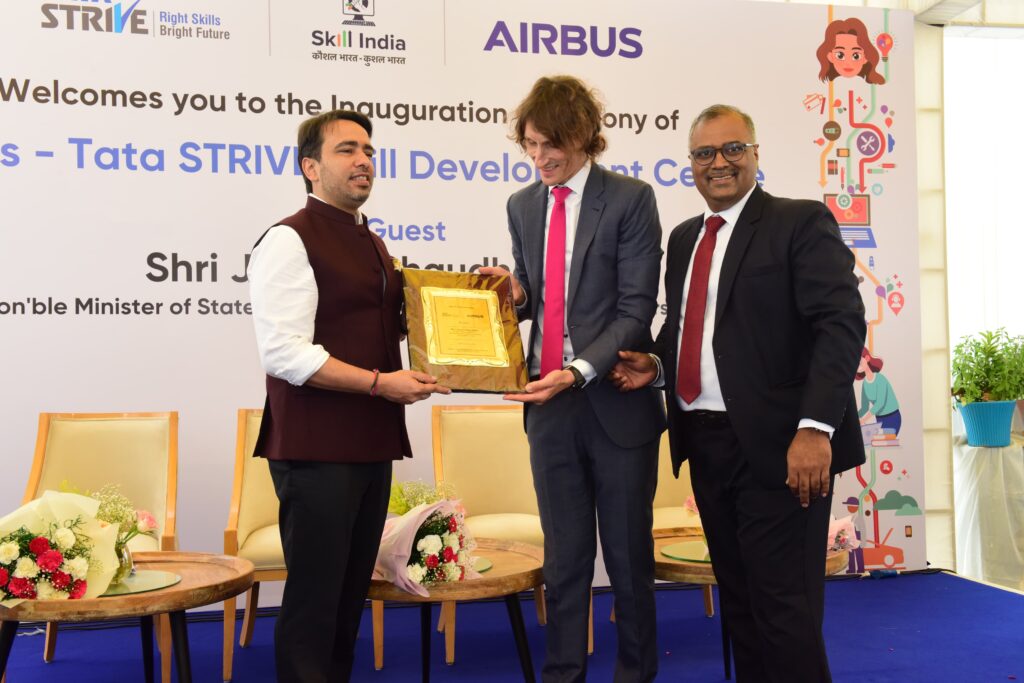
During his address, Shri Jayant Chaudhary, Hon’ble Minister of State (I/C), Ministry of Skill Development and Entrepreneurship mentioned, “I am delighted to launch the two skilling centers in Delhi and Bangalore in partnership with Tata Strive and Airbus, marking a significant step in equipping our youth with future-ready skills. During my visit to the center, it was inspiring to meet the bright and ambitious candidates who represent India’s next generation of innovators. This collaboration in critical sectors like Infrastructure, Logistics, Aerospace, and Defense highlights the importance of aligning skilling programs with the evolving needs of industry and the labor market. By leveraging India’s strengths and tailoring our approach to local demands, MSMEs, and state policies, we can meaningful opportunities for every individual across geographies.”
“Tata’s deep social engagement with national priorities is commendable, and I urge Airbus and Tata to further their efforts in skill development and higher education on a continuous basis. By integrating skilling with formal education, we can create a seamless path for students to explore new horizons and enhance their competencies in tandem with industry needs. Our youth must continuously aspire to reinvent themselves and embrace lifelong learning. The 120 students trained here will not only be skilled but confident, ready to soar higher. Airbus doesn’t just help the candidates fly—it inspires them to aim for new heights in both education and skills,” he added.
Other dignitaries present at the event were Ms. Sonal Mishra, Joint Secretary, MSDE, Mr. Ameya Vanjari, COO, Tata STRIVE, Mr. Remi Maillard, President and MD, Airbus India and South Asia.
Located at Dwarka in New Delhi and Nagavara in Bengaluru, Karnataka, the institute is well equipped to train youths in each centre, placement linked skill training programs, spanning IT, Electronics and Aviation sectors, through courses such as AWS Cloud Computing, Junior Full Stack Developer and Cyber Security. Based on mutual agreement between both parties, courses in Aviation and Aero Space may also be introduced in future. The courses will be short term in nature, with duration ranging from 3 to 6 months, and would aim to provide sustainable livelihood opportunities to the trained and certified youth.
Tata Group, long regarded as one of the most responsive and ethical business groups in India, responded to this national challenge by establishing the Tata Community Initiatives Trust (TCIT) in 2014. Tata STRIVE, an initiative under TCIT, address the pressing need of skilling India’s youth for employment, entrepreneurship, and community enterprise. Tata STRIVE aims to skill young people in the age group 18-35 years for jobs/entrepreneurship, with a special focus on youth from disadvantaged communities, including women, people with disabilities, SC/ST etc. The training process and course content is customized to enable youth to successfully transition to the workplace and thrive in it. Over the past decade Tata STRIVE has positively impacted more than 1.7 million lives through various direct and indirect skilling programs.
The youth from Delhi NCR and Karnataka will be the biggest gainer from the institutes. The institutes with its state-of-the-art facilities and future expansion plans will meet the demands to a greater extent. The Airbus-Tata Strive centres in Delhi and Bengaluru aim to upskill more than 900 youth from economically underprivileged sections of society over a period of three years.
19, Sep 2024
NSDC collaborates with Ethnotech Academy and Cambridge to skill and upskill India’s workforce for emerging technologies
Chandigarh, September 19, 2024 – The National Skill Development Corporation (NSDC), under the aegis of the Ministry of Skill Development and Entrepreneurship, has launched the “Centre for Future Skills” an initiative in collaboration with Ethnotech Academy and Cambridge University Press & Assessment. This state-of-the-art facility, a vibrant hub of innovation and learning aims to provide technology infrastructure and expert guidance in the latest technologies to higher education institutions (HEIs), creating a launch pad for students to excel in the rapidly evolving tech landscape and connecting the aspirations of our youth with the ever-changing demands of industry.
The key highlight of the event was to create partnerships between academic/ corporate partners and NSDC, alongside Ethnotech and Cambridge University Press & Assessment. This was followed by panel discussions that delved into current challenges and potential solutions in the fields of emerging technologies.
The technology infrastructure will include all the major technologies such as Artificial Intelligence and Machine Learning, Data Analytics, AR/VR/Meta, Cloud computing, Cyber Security, Internet of Things, Industrial / Home Automation, Robotic Process Automation and Semiconductor Design.
Talking about the initiative, Shri Nitin Kapoor, Vice President, NSDC, emphasised the importance of equipping the youth with skills relevant to the future job market. He stated, “This is a significant advancement in India’s skill development landscape, as we strive to position India as the Skill Capital of the World, our focus on future-ready skills is paramount. Upskilling is no longer a luxury but a necessity, as it empowers individuals to stay relevant and adapt to technological advancements. NSDC International is playing a key role in bridging the global skill gap and Skill India Digital Hub (SIDH) is the go to skill platform for all your skilling needs.
Our collaborations with Ethnotech Academy and Cambridge University Press & Assessment will bring in the global practices.” He also highlighted the necessity of collaboration between academia and industry to ensure that educational programs are aligned with market needs.
During his address, Dr Kiran Rajanna mentioned, “The Centre for Future Skills will act as an aggregator, bringing together industry and academia. The purpose is to provide inexpensive access to students, certified in global skills. Furthermore, the Skill India Digital Hub (SIDH) will be to skills, what UPI is to commercial payments.”
While addressing the audience, Mr. Peter Philips, Chief Executive Officer, Cambridge University Press & Assessment, “Cambridge University Press and Assessment is the largest single department within the Cambridge campus with over 100 million learners. Through Cambridge’s globally recognised certification and assessment resources, the collaboration aims to empower learners with new-age skills, improve their career prospects, and contribute to the global economy.”
Other dignitaries present at the event were Prof. T G Sitharam, Chairman, AICTE and Ms Hiroyaki Takashima, CEO, Zenken Corporation, Mr Alan Griffin, Senior Council Member, Victorian Institute of Technology and Former Minister, Commonwealth of Australia.
19, Sep 2024
ISB Launches ‘PGP YL’ – A 20 Month Post Graduate Programme In Management For Fresh Graduates And Early Career Professionals
September 19, 2024: Renowned for setting new benchmarks in management education since its inception in 2001, the Indian School of Business (ISB), is poised to embark on another groundbreaking path in its mission to groom future leaders for India and the world. ISB has announced the launch of PGP YL – a 20 month Post Graduate Programme in Management for Young Leaders (PGP YL), a full time MBA equivalent residential management programme for high-potential aspirants with up to 2 years of full-time work experience.
Commencing in mid 2025, ISB’s PGP YL will offer a comprehensive learning experience through an innovative and cutting-edge curriculum designed as a response to the rapidly evolving business landscape and technology disruptions. The research backed PGP YL curriculum will blend foundational business principles with advanced technology, data, analytics courses and global perspectives to develop students into innovative problem solvers.
Given the students’ limited work experience, the PGP YL curriculum has been designed to incorporate significant experiential learning components, including a Business Design Lab and an Innovation Lab. Additionally, students will be required to complete a mandatory two-month summer internship, which will provide them with practical exposure to business environments in various settings. Students in the PGP YL programme will be taught by renowned faculty from ISB and other top international B-schools who will bring their expertise to the classroom.
Speaking about the new PGP YL programme, Professor Madan Pillutla, Dean, ISB, said, “Since our inception in 2001, ISB has been imparting world-class management education to create leaders for India and the world. Our many conversations with industry leaders and recruiters reveal a need for young professionals who can step straight into roles that require business acumen alongside deep expertise in data and technology. In line with these requirements, we have designed the PGP YL programme for fresh graduates and entry level professionals to transform them into exceptional problem solvers and innovators at the workplace.”
Students interested in applying for the PGP YL programme will have to submit a valid GMAT, GRE or CAT score, in addition to the details of their educational qualifications and work experience, if any. The admissions process for the PGP YL programme includes a personal interview based on the students’ academic excellence, application essays and test score performance. The shortlisted students will then be interviewed by a panel consisting of leading industry practitioners, academicians, and ISB alumni in senior positions.
19, Sep 2024
Spinny Q3 CY24 Report: Renault Kwid in Top 3 for Third Consecutive Quarter
Chandigarh, 19 September 2024: Rising new car prices have not slowed India’s enthusiasm for car ownership, as Spinny, India’s full-stack used car marketplace, continues to see significant growth in the last two quarters of CY24. According to Spinny’s Q3 report, significant trends have emerged in car buyer preferences, financing options, and delivery choices.
Among the standout trends is Honda’s return to the top three preferred car brands, with City and Amaze as key models, alongside Maruti Suzuki and Hyundai, replacing Tata in the rankings. Additionally, Renault Kwid continues to be a customer favourite, securing its place among the top three car models for the third consecutive quarter with Hyundai Grand i10 and Maruti Suzuki Wagon R.
Moreover, the compact SUV segment is the highest-growing category with 12% growth over the last quarter.
Fuel preferences showed 83% of buyers opting for petrol cars, followed by 12% choosing diesel and 5% preferring CNG. The most preferred colours for car buyers are white, grey, and red.
Spinny’s data reveals a growing trust in its financial offerings, with a 6% increase in buyers opting for car finance. A notable 60% of all purchases were financed through Spinny’s seamless loan services, demonstrating the company’s customer-focused and transparent approach. The report also indicates a rise in digital car purchases, with 65% of buyers now opting to purchase cars online, a 5% increase from the previous quarter. This shift underscores India’s growing preference for digital transactions when buying cars.
In addition, there has been a significant rise in hub deliveries, with 82% of buyers opting to collect their cars from Spinny Hubs or Spinny Parks, as compared to 18% who chose home deliveries. This represents a 7% jump in hub deliveries from the previous quarter. 53% of these hub deliveries took place at Spinny Parks, highlighting the one-of-a-kind experience of test driving, assortment and deliveries at the parks. This trend aligns with the Indian consumer’s preference for an in-person experience, even when shopping online.
Spinny’s data also shows a strong rise in first-time car buyers, who make up 67% of all customers, with 30% of total buyers being women, reflecting Spinny’s effort towards growing women’s car ownership. Another interesting shift is the growing preference for manual transmissions, with 76% of buyers opting for them, up from 70% in the previous quarter, while automatic transmissions dropped to 24% from 30%.
The used luxury car market has experienced robust growth in urban regions, with an increasing number of young Indians favouring luxury cars. Delhi leads this trend, followed by Bengaluru and Mumbai. Popular models like BMW X1 and Audi A4 highlight India’s affinity for German luxury cars with Jeep Compass joining the top luxury picks.
Addressing the recent trends, Niraj Singh, Founder & CEO of Spinny, said, “The trust our customers place in us reflects our commitment to making car buying and selling simple and delightful. The consistent rise in car financing and the increasing number of women buyers are a testament to young India’s embrace of Spinny’s efforts to make used car transactions more transparent and customer-focused, fulfilling aspirations of car ownership and its significance for Indian households. It’s interesting how our dynamic nation continues to evolve every quarter with its diverse tastes, keeping us excited and encouraging us to enhance our services.”
During Spinny’s recent Freedom Days promotion from August 15-18, the company observed a 15% increase in traffic nationwide, with over a million users, every day. The top car-buying regions during this campaign were Delhi NCR, Bengaluru, and Pune entering as one of the top cities.
Additionally, the average age of buyers during the campaign was 36 years, indicating a slightly more mature customer base than the usual average of 32 years.
With the growing need and demand for EVs, Spinny’s partnership with Tata Motors has seen Nexon EV as a customer’s favourite, followed by Tiago EV in Bengaluru, Mumbai and Pune.
19, Sep 2024
Healthy Repsol Honda Team return to Misano
Misano, September 19, 2024: A rejuvenated Joan Mir and Luca Marini are ready to make amends after illness dealt a harsh blow the first time around, the unique 2024 schedule offering them redemption in Misano.
Just a week later, the MotoGP World Championship is back at the Misano World Circuit Marco Simoncelli for a second round – the Gran Premio dell’Emilia-Romagna. It will be a week of taking profit from the lessons learned in the previous visit and the important Monday Test for everyone on the grid.
Joan Mir’s weekend can only improve compared to his previous visit to the Italian coast, now free of the virus which struck him down. The goal for this second edition remains largely the same as the first for the #36; continue to improve his Honda RC213V based on the setup gamble in Aragon and what he and his side of the garage learned on Monday. Putting together a competitive weekend in Italy will be important to prepare for the coming flood of races.
Although forced to miss Sunday, Luca Marini arrives back in Misano with clear intentions to improve and is aided by the data gathered during the weekend and the test. Increased bike time throughout the 2024 season has seen the Italian make consistent steps forward and a second race at the Misano World Circuit Marco Simoncelli will give him and the Repsol Honda Team a unique chance to continue building on their base with a direct comparison. As always, the local hero will have the home crowd as extra wind in his sails.
This weekend marks the start of the first of two triple headers in the most intense period of the year. Once the race on track is over, the race will be on to pack and travel across the globe to arrive in Lombok, Indonesia for the next round the very next weekend.
Joan Mir
“If we do a single lap during this weekend, it will already be better than the last one. I am feeling much better now and have been able to train fully during this week away from the track, my physical condition is not a problem. We were able to catch up a bit on the Monday test and try a couple of things which should let us hit the ground running this weekend. Let’s see what the weekend brings as we start this intense period of races.”
Luca Marini
“The only way to go this weekend is up! I was really disappointed not to race last weekend but it was the correct decision. We got a lot done at the test despite my condition which was positive and after the test we have a couple of things to try this weekend to improve our performance. It’s a privilege to have another opportunity to race in front of the home fans again and the objective is to have a more competitive weekend for them.”
19, Sep 2024
Woxsen University Secures 6th Spot in Asia-Pacific in the prestigious Bloomberg Best B-School 2024 Rankings
Hyderabad, 19 September 2024: Woxsen University has received a prestigious honour for its highly regarded MBA programs, securing the 6th spot in the Bloomberg Best B-School 2024 Rankings for the Asia Pacific region. Known for its commitment to nurturing future business leaders, Woxsen has now become the 3rd highest-ranked institution in India, following IIM-Bangalore and the Indian School of Business.
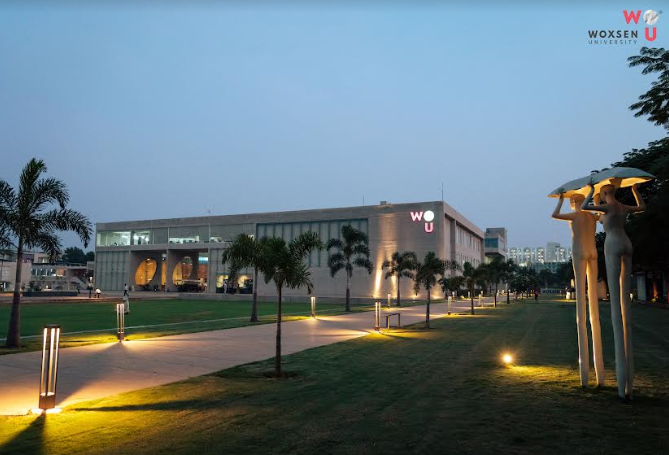
Woxsen University’s impressive standing in the rankings is a result of its strong focus on four key pillars of business education: Learning, Networking, Entrepreneurship, and Placements. These pillars have helped shape its MBA programs into some of the most sought-after in the region, further solidifying the institution’s reputation for offering excellence with new-age learning and remarkable returns on investment.
The Bloomberg site mentions representative comments from students and alumni on what’s best about the MBA programs at Woxsen University:
“The learning opportunities are vast. We have a library accessible for all students for 24 hours, and our college encourages teamwork and collaboration. The faculty is very supportive.”
“The best thing about our MBA program is its unique blend of rigorous academic training and real-world business experience, preparing graduates to excel as innovative leaders in a rapidly changing global market.”
With this, Woxsen University has officially declared admissions open for its flagship MBA programs for the AY 2025 intake. Aspiring students can apply for the MBA (General), MBA (Business Analytics), MBA (Financial Services) & MBA (General) for Experienced Professionals programs. Notably, Woxsen’s MBA programs are EFMD Global Accredited, placing the institution among the top 1% of business schools worldwide and are also ranked 101+ Worldwide by QS Business Masters World Ranking 2024.
The MBA admission season at Woxsen University has opened with the Scholar’s Round a unique opportunity for students who excel academically. To provide them with access to the best education, Woxsen has allocated additional scholarships for these exceptional students, over and above the merit scholarship. Woxsen University’s Scholar’s Round will be open until 17th November 2024.
By enrolling Woxsen’s Flagship MBA program, students have the chance to learn from the best minds, apply for exclusive student exchange programs and progressive studies, network with industry leaders, gain industry-relevant experience, and achieve success.
19, Sep 2024
HDFC Pension Becomes First Private Sector Pension Fund Manager to Surpass Rs. 1 Lakh Crore in AUM
Bengaluru, September 19, 2024: HDFC Pension Fund Management Limited (HDFC Pension), the largest private sector Pension Fund Manager under the National Pension System (NPS), has reached a significant milestone, surpassing Rs. 1,00,000 crore in Assets Under Management (AUM) as of September 12, 2024. This achievement marks a doubling of AUM in just 16 months, from Rs. 50,000 crore in May 2023, driven by a remarkable 34.1% growth in the Company’s Subscriber base, now totaling over 21 lakhs.
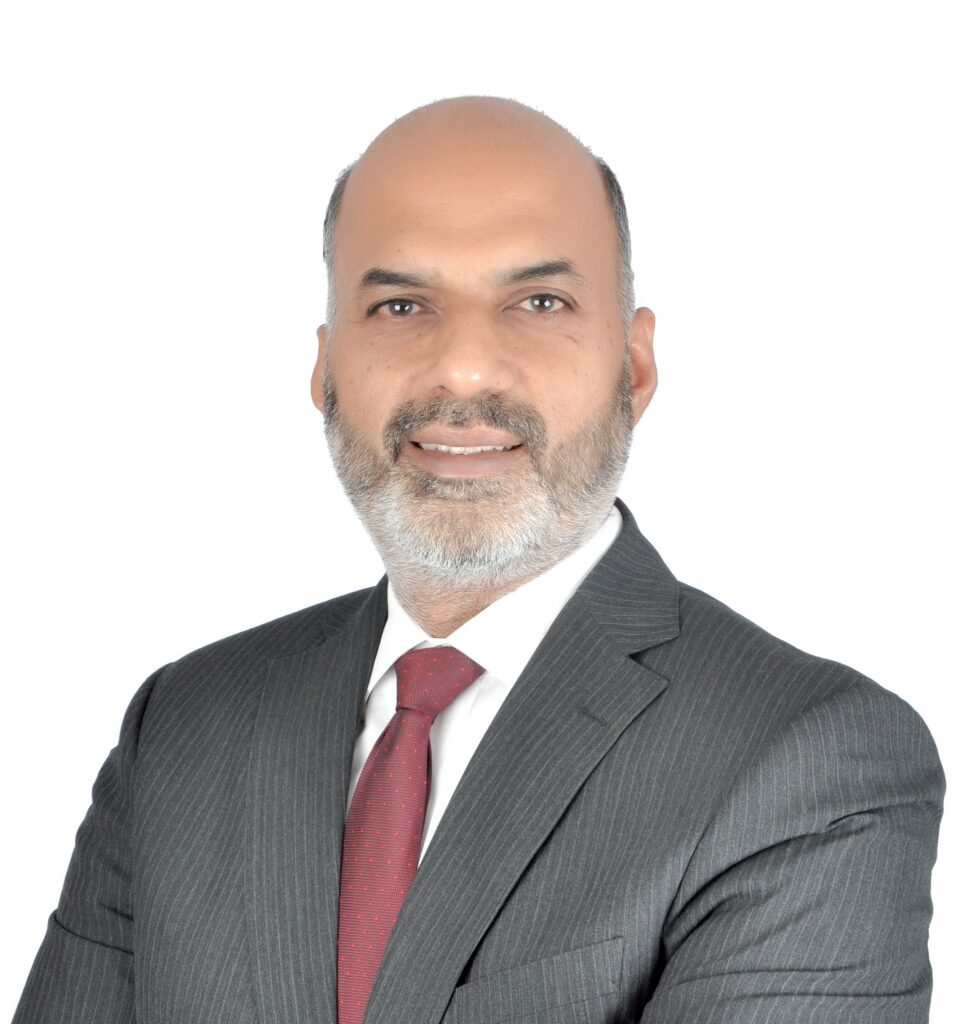
As a wholly owned subsidiary of HDFC Life Insurance Company Ltd., HDFC Pension’s rapid growth underscores its leadership in the Pension Fund sector and its unwavering commitment to helping individuals secure their financial future.
HDFC Pension recently marked 11 years of successful operations and currently manages 43.6% of the total NPS AUM in the Retail and Corporate segment, with over 36.8% of all Subscribers in this segment choosing HDFC Pension as their preferred Pension Fund Manager (PFM), underscoring the Company’s strong market leadership and the trust it enjoys amongst investors. The company has over 5000 committed Pension Agents and is the largest Corporate NPS Point of Presence working with over 2800 companies servicing over three lakh employees across these Corporates.
Sriram Iyer – Chief Executive Officer, HDFC Pension, remarked on this significant achievement, “We are truly humbled by the trust that so many individuals and institutions have placed in us. At HDFC Pension, our focus has always been on offering the best possible service to our Subscribers, Partners, Pension Agents, and Distributors. Reaching Rs. 1,00,000 crore AUM is a significant achievement and is the result of collective efforts and the faith of our stake holders. We would like to express our sincere gratitude to our customers, regulator – Pension Fund Regulatory and Development Authority (PFRDA), National Pension System Trust, and our CRA partners – Protean eGov Technologies, KFin Technologies Ltd. and CAMS NPS for all their support.”
He further added, “The National Pension System (NPS) is an invaluable financial tool, empowering individuals to plan for their retirement with flexibility and cost-effectiveness. We remain committed to growing alongside our Subscribers, and we are confident that the NPS will continue to empower more individuals to prepare for their future with confidence.”
Market Leadership: A Commitment to Excellence
Technological Advancements: HDFC Pension is at the forefront of leveraging technology to improve the NPS experience for its Point of Presence Subscribers and Partners. By investing in seamless digital journeys and introducing services such as WhatsApp BOT support, the Company aims to streamline processes and deliver exceptional customer service.
Operational Excellence: HDFC Pension’s strong operational framework ensures seamless, smooth and efficient delivery of services. This dedication to operational excellence was recognised when the company was honoured with the ‘Best Pension Customer Service Provider’ award at the India Insurance Summit 2024.
In addition, HDFC Pension has been awarded the title of ‘Best Performing PFM’ by Money Today for three consecutive years, from 2019 to 2022, further solidifying its leadership position in the fund management sector.
19, Sep 2024
Urbanization Vs. Nature – Is a Symbiosis Possible

by Akash Pharande, Managing Director – Pharande Spaces
Before urbanization took off earnestly in India, humans and nature coexisted admirably. Unfortunately, rampant real estate development has steadily reduced Indians’ access to nature. From the increasing demand for integrated townships with abundant greenery, we can see that urban dwellers today are looking to reconnect with nature.
The Cost of Urbanization
Our cities’ development agendas have taken a huge toll. Parks and forested regions have been replaced with high-rise skyscrapers. It’s tempting to blame municipal authorities and real estate developers for this loss, but there is no denying that our cities, which have limited space, must adapt to the constantly rising demand for housing, office buildings and the other real estate manifestations of modern-day life.
Supply follows demand, and developers cater to an ever-increasing demand. But there is a price to pay for this demand-supply interplay – nature has been relegated to the sidelines and, in some cities, wiped out altogether. There is a common belief today that greenery has become a luxury that only the rich can afford.

Pune’s Development Trajectory
Let’s take Pune as an example. This city’s geographic limits were previously much narrower, and there was little motivation to expand them. Pune was the quintessential retirement city and was even called Pensioner’s Paradise. Another claim to fame was its educational institutions, earning it the additional tag of ‘Oxford of the East’. The city and its economic activity coexisted amicably with farming activities, even in the core areas.
Going back a little further, the British viewed Pune (then Poona) as a region of political turmoil and resistance to their rule. Pune did not begin to expand geographically or demographically till India gained independence in 1947.
Then the technological revolution in Pune started. It grew from a tiny city to a full-fledged metropolis because of its rapidly expanding employment opportunities, first in manufacturing, then in software technology and information technology-enabled services (ITeS), attracting a massive influx of people.
The city’s population began to rise significantly in the 1990s because of the country’s economic liberalization, which allowed for foreign investment and boosted industrial expansion. Pune’s salubrious climate, along with its robust education infrastructure, began to draw more and more skilled workforce. Infosys and Wipro established bases here, resulting in the creation of the Hinjewadi IT Park.
This resulted in a cascade effect, attracting other tech enterprises and MNCs. Its proximity to Mumbai, India’s financial capital, added to its appeal to firms looking to cut costs. Rapid urbanization resulted in massive infrastructure development, including upgraded road networks, residential complexes, and commercial malls.
As Pune evolved into an IT powerhouse, more and more real estate development was required to accommodate people and the businesses they work in. As of 2024, the estimated population of Pune is 4.44 million within the city limits and 7.35 million in the metropolitan area.
There was minimal impact on Pune’s once-famous natural wealth when it was still relatively small and unspoiled by the rampant urbanization we see today. It is painfully obvious how much of its originally bountiful supply of green open spaces has been depleted by low and high-rise housing constructions, landfills, commercial structures, and shopping malls.

A Steady Disconnect From Nature
This development approach creates a disconnect between city dwellers and the natural environment. The desire to restore a healthy environment and healthier cities is once again staging a resurgence, but most real estate development today revolves around amenities and facilities. The little vegetation available is mostly ornamental.
Our cities are increasingly turning gray rather than green. Any attempts to reconnect people with the environment must be cross-disciplinary and integrated.
A city needs structures, deforestation is inescapable, and buildings will last as long as humanity. But can we restore nature to our cities?
An attempt in Singapore to reintroduce a natural ecosystem into the urban fabric is yielding incredible benefits. What such a vision of urbanization in the future may accomplish is fascinating. Concrete CAN coexist with a large amount of greenery, and one should not rule out the other.
However, it requires an extremely progressive town-planning vision, strong political resolve, and unwavering backing from the city’s population.
To conclude
Let’s face it – most of the housing demand in India in recent years is mostly for concrete structures with modern amenities, with a little bit of token vegetation. However, we are seeing a resurgence in demand for nature-rich housing in our cities.
Today’s young homebuyers come from a place of increased environmental conscience, and also concerns about their own and their children’s health and wellness. The rise in demand for homes in integrated townships, which guarantee abundant green, open spaces which will not be violated by further development, is testimony to this fact.
It takes time for a city to lose its ‘green’ reputation; for Bangalore and Pune, it took decades. It will take a few more decades to restore it, but it is achievable if all parties, from town planners and municipal officials to real estate developers and buyers, agree it is worthwhile and must be done.
Akash Pharande is Managing Director – Pharande Spaces, a leading real estate construction and development firm famous for its township projects in Greater Pune and beyond. Pharande Promoters & Builders, the flagship company of Pharande Spaces and an ISO 9001-2000 certified company, is a pioneer of townships in the region. With the recent inclusion of Puneville Commercial into one of its most iconic townships, Pharande Spaces taken a major step towards addressing Pune’s current and future requirements for fully integrated residential-commercial convenience
19, Sep 2024
66% of Shoppers Want a Unified Shopping Experience From Brands, Locus.sh and Coresight Research Report
New Delhi, September 19, 2024: Consumers are no longer sticking to just one platform–they are browsing, researching, and purchasing across multiple channels—be it online stores, in-store, or via mobile apps, states Locus and Coresight Research in a new research report titled “From Omnichannel to Unified Commerce: Elevating Cross-Channel Customer Experience to the Next Level”. 65.8% of consumers are increasingly combining these touchpoints to enhance convenience and choice
In India, many trends mirror this shift. A growing number of young Indian shoppers, particularly those aged 18-44, are leveraging both online and offline platforms. With 75% of online shoppers in India falling within this age group, brands are witnessing a rising demand for integrated, multi-channel shopping experiences.
The report further highlights the financial impact of this behavior. 25% of shoppers spend more when they engage with retailers across multiple channels. This increase in spending stems from higher engagement, access to more options, and enhanced convenience. At the same time, 36.9% of these consumers are more likely to remain loyal to retailers offering a seamless, multi-channel experience. India is seeing a similar pattern, with 62% of online shoppers belonging to medium to high-income households. These shoppers are demanding personalized, frictionless experiences as they navigate between online platforms, direct-to-consumer (D2C) sites, and physical stores.
The report also points to the growing role of social commerce. In the US, consumers increasingly use social media as a key discovery tool. While 22.8% of shoppers have purchased directly through social media platforms, many more use them to discover products and research before buying. India is following this trend, with social commerce rising as a critical point of influence, especially in fashion and beauty categories, where shoppers rely heavily on social platforms for product recommendations.
“Shoppers in both the US and India are embracing a hybrid shopping approach, signaling a clear shift toward a more integrated purchasing experience. More than half of the US consumers are leading the way in merging these behaviors, and India is quickly catching up, with a younger, affluent demographic driving similar trends. The commonality across both markets is the demand for convenience, real-time access to product information, and seamless transitions between channels. Retailers that recognize and adapt to this will not only see increased spending but also greater loyalty,” commented Nishith Rastogi, Founder & CEO, Locus.sh
As the shopping landscape shifts, the path forward is unified commerce. Unlike traditional omnichannel approaches, unified commerce integrates the backend—logistics, inventory, and customer data—into a single system, enabling a truly seamless shopping experience across all channels. The report highlights the need for real-time inventory management powered by technologies like RFID and mobile-first shopping platforms is becoming essential to keeping customers engaged and satisfied in both markets.


