



20, Sep 2024
Bergner India Launches ‘The Indian Cooking Club’ Challenge and Debuts Podcast with Michelin-Star Chef Vikas Khanna
Mumbai, 20 September 2024 — Bergner India, renowned for its innovative cookware, has introduced two exciting initiatives: The Indian Cooking Club challenge and the Bergcast podcast series. Both aim to promote healthier cooking while celebrating the rich traditions of Indian cuisine.
The Indian Cooking Club Challenge
Bergner India invites home chefs, food lovers, and culinary enthusiasts to participate in The Indian Cooking Club challenge, celebrating the rich heritage of Indian cooking. Participants are encouraged to prepare a beloved traditional Indian dish, capture it on photo or video, and share it on Instagram. This initiative aims to create a platform where the beauty and depth of Indian cuisine are celebrated, from regional specialities to forgotten recipes passed down through generations.
Since its launch, the challenge has gained widespread popularity, with a growing community of participants, including influencers and food bloggers, sharing their culinary creations. The response has been overwhelming, as people reconnect with their roots while embracing healthier, modern cooking practices. This collective effort has brought the vibrancy of Indian cooking to a global audience, celebrating both tradition and innovation.
“Our goal with The Indian Cooking Club is to celebrate the tradition of Indian cooking, bringing it to homes around the world,” said Umesh Gupta, Managing Director of Bergner India. “We want to inspire people to not only appreciate their cultural heritage but also explore modern ways of cooking that promote health and well-being.”
Bergcast – A Culinary Conversation
Alongside the cooking challenge, Bergner has launched Bergcast, a podcast designed to dive deep into the stories behind the food, the tools that shape it, and the people who create it. The first episode features a conversation between Vikas Khanna, renowned chef and culinary visionary, and Ishita Bhatia, a specialist in Behavioural Nutrition and Dietetics. Together, they discuss everything from childhood memories of cooking to how cookware has evolved in modern kitchens.
“Living a healthy life isn’t just about the food we eat—it’s about the choices we make every day, from the ingredients to the tools we use in the kitchen and beyond. It’s about making conscious, better choices for a healthier, more balanced life,” said Vikas Khanna.
“On Bergcast, I share how these decisions impact our well-being and how the right tools and practices help us live healthier, more fulfilled lives.”
Both initiatives reflect Bergner India’s mission to blend tradition with innovation, supporting healthier lifestyles through the right cookware solutions.
- 0
- By Rabindra

20, Sep 2024
Act on Alzheimer’s disease quickly and pre-empt its rapid progression
By-Dr Hema Krishna P (Consultant – Neurology and Movement Disorders), Aster CMI Hospital, Bangalore
Alzheimer’s disease is one of the commonest causes of dementia or memory loss in simple terms. The incidence of Alzheimer’s disease in India is growing steadily while it may not be alarming. The disease is affecting the elderly more, but it is also showing signs of increase in the younger population. According to studies, the disease is seen in over seven per cent of the population over 60 years and is expected to be present in over 80 lakh people in the country by 2030 and cross a crore by 2050. While it is necessary to grasp the extent of its spread in the population, it is important also to understand what the disease is, how it progresses, what its presence is among the elderly and the young and what measures can be taken to prevent its serious onset.
Alzheimer’s disease, we should know, is a progressive neurological disorder that is defined by the gradual loss or degeneration of brain cells, which leads to impairments in cognitive functions such as memory, reasoning, and the ability to perform routine tasks. This condition primarily affects the elderly, although it can also be present in younger individuals in its early-onset form. We have to watch out for early signs that often include memory loss, particularly difficulty in recalling recent events or conversations, which may be accompanied by confusion regarding time and place. As the disease advances, individuals may experience challenges in language, such as trouble finding the right words or following conversations, loosing track of routes or navigational difficulty, alterations in mood and personality, which can lead to increased anxiety, depression, or social withdrawal.
The diagnosis of Alzheimer’s disease involves a thorough evaluation of cognitive function and behavioral changes, typically conducted by doctors. It may include a detailed medical history, neurological examinations, and various cognitive tests to assess memory, problem-solving abilities, and language skills. In addition, brain imaging techniques such as MRI or CT scans may be used to rule out other potential causes of dementia and to observe any structural changes in the brain associated with the disease.
Management of this disease involves a comprehensive approach aimed at relieving symptoms and improving the quality of life for affected individuals. including pharmacological interventions, such as cholinesterase inhibitors and memantine. This should be coupled with cognitive behavioral therapy.
Given all these implications, it is important to take proactive measures to reduce the risk of developing Alzheimer’s disease. It is important to exercise regularly, maintain a balanced and nutritious diet and participate in cognitive activities that stimulate the brain. Also, managing your cardiovascular health by controlling blood pressure, cholesterol levels, and diabetes can significantly help prevent the onset of this neurodegenerative condition. By adopting these preventive strategies, individuals can enhance their overall cognitive resilience and potentially delay the progression of Alzheimer’s disease.
It is also crucial to understand that even the healthiest of people can develop the disease and it is important address the symptoms early on. While there have been many strategies to prevent the onset of the disease, the most recent methods are looking at the integration of Artificial Intelligence in medicine and ways in which this can be applied in treating Alzheimer’s disease. It is necessary to modernize medical administration in psychological-neurological based treatments to generate the best outcomes.
There are massive differences in availability of medical infrastructure between urban and rural areas in the country and hence there is need to upgrade the same to reach the maximum number of potential patients. The government and the industry need to act together and while there have been many initiatives, there is greater urgency for public private partnership in medical administration in India to address serious health problems like Alzheimer’s disease.
20, Sep 2024
The Indian Rubber Gloves Manufacturers Association Welcomes CDSCO’s New Guidelines, Urges Effective Implementation
New Delhi / Mumbai, September 20, 2024: The Indian Rubber Gloves Manufacturers Association (IRGMA) has welcomed the fresh guidelines detailing the functions and responsibilities of the Zonal, Sub-zonal, and Port offices of the Central Drugs Standard Control Organization (CDSCO). The association urged the government to take stringent measures to implement the order effectively to stop the import of substandard gloves in the country.
CDSCO issued the new Guidance Document for Functions and Responsibilities of Zonal, Sub-zonal, and Port offices on September 12. The guidelines were last released in 2011, and the recent changes—including the introduction of new rules and regulations and the online system through the SUGAM portal—necessitated the revised order in line with the procedures followed in CDSCO offices.
Speaking on the new CDSCO guidelines, the IRGMA General Secretary Man Mohan Singh Gulati said, “The new guidelines issued by CDSCO are a welcome step. However, the implementing authorities, including ADCs posted at ports, must be made aware of the document to effectively control the import of substandard bulk-packed gloves.”
The association has long been demanding the Quality Control Order (QCO) for gloves to keep substandard imports at bay and urged the government to expedite its process. This will not only help Indian manufacturers but also contribute to the union government’s Make in India initiative to achieve self-sufficiency and reduce dependence on other countries.
The IRGMA general secretary added that the new CDSCO guidance document will bring uniformity, transparency, predictability, and accountability to all offices, incorporating risk-based inspections as part of the organization’s technical functions.
The risk-based inspection guidelines outline uniform enforcement procedures for onsite inspections to evaluate compliance with quality systems and infrastructure, adhering to nationally and internationally accepted Good Manufacturing Practice (GMP) standards.
The guidelines also set timelines for processing various applications in the medical devices sector, including procedures for granting licenses to manufacture drugs for examination, testing, or analysis under the New Drugs & Clinical Trials Rules, 2019, and the issuance of No Objection Certificates (NOCs) for cargo clearance at CDSCO port offices, among other matters.
According to the guidelines, each drugs inspector will collect at least ten samples each month, comprising nine samples of drugs (APIs, excipients, and formulations) and one sample of cosmetics or medical devices. Each inspector shall maintain data on sampling and submit it to their controlling authority monthly to facilitate the execution of the sampling plan. The inputs from the monthly sampling data will be used to plan the next month’s sampling strategy.
20, Sep 2024
55-Year-Old Male’s Abdominal Pain Diagnosed as Atypical Pancreatic Pseudocyst, Successfully Treated with Advanced Surgery
A 55-year-old male presented with persistent dragging pain in his left upper quadrant, which worsened after eating. Over the past three months, the patient had significantly reduced his food intake due to the pain, leading to noticeable weight loss. Initially, his symptoms were misdiagnosed as simple gastritis, and local treatment was administered. However, the patient’s condition did not improve, prompting further investigation.
A sonography revealed a peri-splenic hematoma, a collection of blood around the spleen, typically associated with blunt abdominal trauma. Despite the absence of a clear traumatic event, conservative management was employed based on initial CT findings, which also showed the hematoma. Unfortunately, these conservative measures did not alleviate the patient’s symptoms.

Dr. Vinay Thati, a General Surgeon at Wockhardt Hospitals Mumbai Central, decided to reassess the patient’s condition due to the lack of progress. Recognizing the limitations of the initial imaging and treatment approach, Dr. Thati ordered a new CT scan from another center for a fresh perspective. This scan uncovered an unexpected finding: a **pancreatic pseudocyst** located above the spleen. This was atypical, as pancreatic pseudocysts typically form behind the pancreas, not above it.
The unusual location of the pseudocyst and the patient’s persistent symptoms led to the decision to proceed with surgical intervention. Initially, the plan was to perform laparoscopic surgery to minimize invasiveness. However, due to the pseudocyst’s challenging position, the procedure was converted to an open surgery. During the operation, the surgical team established an internal drainage system by anastomosing a part of the jejunum (small intestine) to the pseudocyst. This technique allowed pancreatic juices to drain effectively into the small intestine and facilitated the gradual collapse of the pseudocyst.
Dr. Thati commented, “Accurate diagnosis and tailored treatment are crucial when dealing with complex abdominal conditions. Identifying the pancreatic pseudocyst in this atypical location was essential for effectively addressing the patient’s symptoms. By opting for internal drainage, we avoided the complications associated with external fistulas and achieved a successful outcome. It’s gratifying to see the patient’s positive recovery following the surgery.”
The case underscores the importance of thorough diagnostic evaluation in managing abdominal pain with ambiguous origins. The initial misdiagnosis as gastritis and the subsequent identification of an atypical peri-splenic hematoma and pancreatic pseudocyst highlight the need for vigilance and persistence in diagnosis. Following the surgery, the patient experienced a complete resolution of pain, improved appetite, and weight gain during a one-month follow-up.
Dr. Vinay Thati’s intervention, including advanced imaging and innovative surgical techniques, successfully addressed the patient’s condition and led to a positive recovery. This case illustrates the significance of precise diagnosis and appropriate surgical intervention in achieving optimal patient outcomes.
20, Sep 2024
ICICI Bank opens two new branches at Dwarka
New Delhi: ICICI Bank has set up two new branches at Sector 3 and Sector 19, Dwarka in New Delhi. The branches are equipped with an ATM, each.
Prof. (Dr.) Mahesh Verma, Vice Chancellor, Guru Gobind Singh Indraprastha University, New Delhi, inaugurated both the branches.
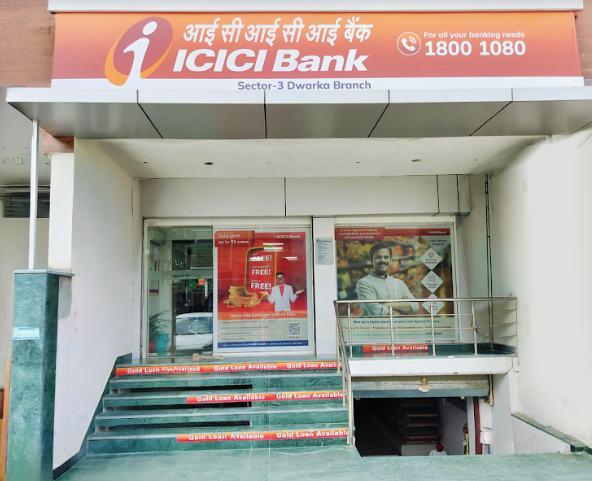
These branches offer a comprehensive range of accounts and deposits including savings and current accounts, fixed and recurring deposits and loans like business loan, home loan, personal loan, auto loan and education loan along with remittance and card services. They also provide locker facility at their premises. They operate from 9:30 A.M to 3:00 P.M on Monday to Friday and on the first, third, and fifth Saturdays of the month.
They also offer Tab Banking facility that provides nearly 100 services at the customer’s place by an employee through a tablet device. The services include opening of accounts and Fixed Deposit (FD), raising cheque book request, generation of e-statements and change of address, among others.
ICICI Bank has a network of more than 410 branches and over 880 ATMs and cash recycling machines (CRMs) in Delhi.
ICICI Bank services its large customer base through a multi-channel delivery network of branches, ATMs, call centers, internet banking, and mobile banking.
20, Sep 2024
Persistent Named Fastest Growing IT Services Brand in the 2024 Brand Finance India 100 Report
Persistent Systems, a global pioneer in Digital Engineering and Enterprise Modernization, has been recognized as the fastest-growing IT services brand in the prestigious 2024 Brand Finance India 100 report. Persistent ranked 9th among the most valuable IT services brands, with a brand value of $609 million and a brand strength score of 72.39/100, earning an AA brand rating. Since 2020, the Company’s brand value surged by 327%, and its brand strength index increased by 36% – the highest within India’s top 10 IT Services brands.
Brand Finance is the world’s leading brand valuation consultancy. Its brand strength framework evaluates brands across three key pillars: Brand Investment, examining growth initiatives; Brand Equity, assessing stakeholder perceptions; and Brand Performance, measuring market share, demand fulfillment, and promise delivery. By excelling in these parameters, Persistent achieved a remarkable 3.9-point increase in brand strength over the past year, outperforming its peers. This recognition underscores the effectiveness of its strategic investments and resulting strong business performance. It reflects Persistent’s commitment to delivering innovative solutions catering to client needs, maintaining high standards of excellence in service and quality, and fostering high levels of trust by all stakeholders.
Persistent’s sustained growth momentum is fueled by its ability to anticipate client needs and deliver customized, innovative solutions that address specific business challenges, significantly contributing to its brand reputation. Persistent has achieved 17 consecutive quarters of revenue growth, reporting $328.2M in revenue in Q1 FY25 with 5.6% Q-o-Q and 16.0% Y-o-Y growth – a direct result of its resilience and future readiness. Beyond enhancing brand value and commending its marketing strategies, this accolade reinforces Persistent’s robust market positioning and deep relationships with stakeholders, highlighting its leadership and expanding value within the highly competitive IT Services market. In last year’s report, the Company was named the fastest-growing brand in Brand Value among the top 10 Indian IT Services brands.
Gurvinder Sahni, Chief Marketing Officer, Persistent
“We are honored to be recognized as the fastest-growing IT services brand in India by Brand Finance, with extraordinary 327% growth in brand value. This acknowledgment underscores our commitment to position Persistent as a leader in AI and other emerging technologies.
Our success stems from continuous innovation, a strong focus on quality, and an exceptional understanding of our client needs. Strategic marketing investments, amplified by a high social media engagement and trust of all our stakeholders, have enhanced our brand visibility and recall. Our vibrant culture and employee initiatives, like achieving three Guinness World Records, highlight our innovative spirit.
Persistent’s rise to the 9th position among Indian IT Services brands highlights our dedication to delivering exceptional value to our clients, becoming an ecosystem orchestrator with our partners, and creating a rewarding environment for our employees.”
David Haigh, Chairman and CEO, Brand Finance
“Persistent has made significant strides in brand building in recent years, as highlighted by our brand evaluation. According to the 2024 India 100 report, Persistent is the fastest-growing IT services brand among the top 10 IT brands, boasting a 36% growth rate since 2020. The company consistently scores high in employee equity, reflecting its people-centric culture, and excels in revenue growth, service delivery perception, and brand-building. These accomplishments demonstrate Persistent’s alignment with client needs and its adaptability to the dynamic market needs.”
Liz Miller, Vice President and Principal Analyst, Constellation Research
“The pace of change shows no sign of slowing as the transition from the digital age to the digital AI age marches on. Persistent has stepped into the epicenter of this shift and has posted impressive growth as a result. Their growth was a key factor in Persistent being named Constellation Research’s Best Enterprise Services Vendor for 2023 amid tough competition. But Persistent’s growth hasn’t been limited to growth in opportunities, customers, or revenue: Persistent’s brand positioning and strategic marketing initiatives have also advanced and is reflected in Brand Finance’s review of the enterprise services space. Having known the team and methodology at Brand Finance for some time now, it should not be understated how impressive this is, and the recognition is well-deserved.”
20, Sep 2024
India to Set New Global Textile Sustainability Standards, Says Minister Pabitra Margherita at PHDCCI Summit
New Delhi: The 3rd Sustainable Textile Summit, hosted by the PHD Chamber of Commerce and Industry (PHDCCI), concluded successfully on 17th September 2024, with a strong emphasis on India’s potential to lead the global textile industry in sustainability.
The summit brought together industry leaders, policymakers, and experts to discuss innovative solutions and explore opportunities for a more sustainable textile future. Key themes addressed included ethical sourcing, labor practices, carbon emissions reduction, technology adoption, and circular economy solutions.
Our vision is clear- to make India a global leader in sustainable textiles, to achieve this, we must remain innovative, agile, and committed to change. The government will support the industry with policies and initiatives essential to turning this vision into reality. As we look towards the future of our textile industry, I am confident that India will set new global benchmarks, fuelled by our spirit of self-reliance, innovation, and unwavering commitment to sustainability. Together, let us elevate India’s fabric to new heights of sustainability and global leadership, said Mr. Pabitra Margherita, Hon’ble Minister of State for Textiles, Govt. of India while speaking at 3rd Edition of PHDCCI’s Sustainable textile summit held today at PHD House, New Delhi under the theme of Sustainable solutions for a global textile future.
He added, India is rising to meet this challenge of sustainability with the Amrit Kaal vision, launching of the technology mission to promote eco-friendly products and the ESG Taskforce to adopt sustainability across the textile value chain. Our 5F formula—from Farm to Fiber to Factory to Fashion to Foreign Market—is paving the way for India’s sustainable growth from fiber to final product. This strategy will definitely position India on the global stage as a leader in sustainable textiles. The government’s integrated approach to sustainability, with initiatives like the National Technical Textiles Mission will further propel the industry towards a more sustainable future.
The minister further assured that under the leadership of Hon’ble Prime Minister Narendra Modi, India will achieve its goals of leading the global textile industry in sustainability.
Mr. Rohit Kansal, Additional Secretary, Ministry of Textiles, Govt. of India discussed that sustainability is not something forced upon us, whether by western legislation or the demands of brands and consumers. Indians have been known for sustainability for ages, and the current trend of downsizing and reusing has long been part of India’s culture and heritage.
He added that sustainability and circularity are becoming key focuses for the textile and apparel industry. Mr Kansal further discussed three mega trends affecting the global textile industry- first, the estimation that by 2030, global trade for apparel will reach $1.2 trillion. Second, the rise of innovation, digitization, and Industry 4.0, and third is the shift in sourcing patterns.
He further discussed that textiles contribute 1.2 billion tons of greenhouse gas emissions and $500 billion losses from barely recycled clothing. However, he added that by adopting sustainability measures, it’s possible to unlock a $500 billion market and generate significant value.
Speaking further, he gave examples of Indian textile clusters excelling in sustainability, such as the Tirupur knitwear cluster, Panipat cluster where 95% of plastic bottles are recycled, woman-led cluster in Agroha, and the sustainable initiatives of Kasturi cotton.
He added that 45% of installed capacity for textile production now comes from non-fossil resources. And for this we don’t need external agencies to teach us about sustainability, in fact we just need to look and learn from each other. We are soon to become leaders in electric vehicles (EVs), and similarly, we will lead in textile sustainability, he concluded.
Dr. Srikanta K Panigrahi, Director General, Indian Institute of Sustainable Development (IISD) & Former Secretary, Govt. of India discussed how sustainability has become imperative for everyone, and strategic public policy is moving in that direction. Speaking further he called for a focus on natural fibers to enhance sustainability and urged the industry to explore the commercial viability of these fibers as part of building a Viksit Bharat.
On the certification system, he discussed the Hon’ble Prime Minister’s vision to elevate Khadi to global importance, but challenges like technical trade barriers need to be addressed. As per the western norms all textile products require a QR code to indicate the GHG emissions and ecological footprint of each product in line to this a Indian standard needs to be developed, and Mr Panigrahi explained that the Bureau of Indian Standards is working on developing Indian standard of itself to achieve global competitiveness.
Mr. Madhu Sudhan Bhageria, Chair, PHDCCI Textiles Committee & CMD, Filatex India Ltd discussed that both challenges and opportunities lie ahead for the textile sector. He acknowledged the remarkable contribution of the industry, which upholds India’s culture and serves as a cornerstone for the economy.
He added that the global textile business is growing at a CAGR of 3%. The rapid expansion of e-commerce, shifting leisure patterns, and increased smartphone usage have also contributed to its growth. He discussed that the objective of this event is to identify focus areas and formulate actionable strategies to address the issues our country and industry are facing. Speaking further on challenges, he highlighted the fragmentation within the industry, financial constraints, and technological hurdles as key concerns.
Mr. Bagheria further discussed that SMEs need support and prioritizing this sector is essential. At PHDCCI, we have outlined several recommendations, and we hope they will create a positive ripple effect in addressing these challenges, as sustainability is no longer an option it is essential.
Mr. Salil Bhandari, Former President of PHDCCI & Founder, BGJC Consulting Pvt. Ltd emphasized that PHDCCI is a chamber that takes any issue to the grassroots level. As a chamber, we represent the largest MSME group in India, working at both the state and central levels.
He added that Sustainability doesn’t just need deliberations, it requires action, and textiles are an essential part of this sustainability journey. It starts with the individual, and personal actions are necessary. Bhandari also spoke about Earth Overshoot Day and urged large industries to collaborate with MSMEs, as these smaller businesses require support. He reiterated the importance of MSMEs for the nation’s growth and encouraged large industries to work in tandem with them.
Distinguished speakers from the textile industry shared their experiences and perspectives on sustainability. Mr. B M Sharma, Joint Managing Director of RSWM Limited, discussed the company’s sustainability initiatives and the importance of collaboration between industry players. Mr. Anil Jadhav, Regional Director-South Asia & Middle East of Ecocert, highlighted the role of certifications in promoting sustainable practices.
Further, during the session presentations were made by Mr. B M Sharma, Jt. Managing Director, RSWM Limited; Mr. Anil Jadhav, Regional Director-South Asia & Middle East, Ecocert; and Varun Vaid, Business Director, Wazir Advisors Pvt. Ltd who discussed their respective organizations’ contributions to the sustainability path.
The summit concluded with a call for action, urging industry stakeholders to embrace sustainability as a core value and work together to create a more sustainable textile future. Recommendations included promoting ethical sourcing, reducing environmental impact, investing in sustainable technologies, and supporting policy reforms.
20, Sep 2024
Bank of Baroda announces winners of GenAI Hackathon 2024 held in collaboration with Microsoft
Mumbai, September 19, 2024: Bank of Baroda (Bank), one of India’s leading public sector banks, announced the winners of nationwide online Hackathon on Generative AI, held in collaboration with Microsoft Azure as the technology partner. The nearly three month long Hackathon brought together the brightest minds in the technology and banking sectors to tackle pressing challenges as defined by the Bank through innovative solutions. The hackathon attracted over 26,000 registrations. From these, 180 teams advanced to the prototype building phase, with the top 10 teams showcasing their solutions at the grand finale in Mumbai.
Shri Sanjay Mudaliar, Executive Director, Bank of Baroda said, “Banking today is undergoing transformative changes and this requires constant ideation and reimagining solutions, making use of emerging technologies. Bank of Baroda Hackathon 2024, in collaboration with Microsoft, was truly a celebration of creativity, teamwork and technological prowess. We thank all participants for their enthusiastic participation and congratulate the winners for their outstanding submissions. We will further fine-tune, test and then implement the winning solutions within the Bank, giving winners an opportunity to enhance their prototypes and make them achieve scale.”
In this Hackathon, Bank of Baroda sought groundbreaking solutions in six areas: customer service, financial advisory, audit & compliance, risk management, operational efficiency and personalised content generation. The Top 3 winners and their winning submissions were as follows:
Team Goblins secured the first place, for their ComplianceAI platform designed to automate and streamline compliance processes within banking institutions. This solution integrates real-time updates on regulatory guidelines, AI-driven AML monitoring, and automated audit report generation, addressing critical delays in regulatory compliance and operational inefficiencies.
In joint second place were Team Refo and Team Wisteria. Team Refo presented Refo.dev, an AI-driven lending automation platform which significantly enhances the efficiency of customer on-boarding and product launches. By integrating AI to streamline critical lending processes, Refo.dev reduces operational costs and time-to-market, transforming the lending landscape. Team Wisteria introduced Seva AI, a revolutionary customer service platform that utilises AI for real-time sentiment analysis and personalised customer interactions. This platform ensures a consistent and customised service experience across various channels, markedly improving customer satisfaction and operational efficiency.
Team Cyber Wardens secured third place. They developed an AI-powered suite of tools that revolutionizes email management and data accessibility within banks. Their solution automates email categorisation, enhances sentiment analysis, and provides a natural language interface for efficient data retrieval, significantly improving operational responsiveness and customer service.
The teams were felicitated by Shri Sanjay Mudaliar, Executive Director, Shri Saurabh Shukla, Chief Technology Officer, along with other senior functionaries. The winners received cash prizes worth Rs. 5 lakh, Rs. 3 lakh and Rs. 2 lakh for securing the first, second and third positions respectively.
The success of the hackathon was a result of strategic collaboration amongst Bank of Baroda, Microsoft Azure & ID8NXT. The innovative solutions presented by the participants were built using Microsoft Azure services. An extensive promotional campaign, knowledge-sharing sessions, webinars, rigorous mentorship programmes, and robust technological support ensured that participants had the resources and guidance necessary to bring their visions to life.
20, Sep 2024
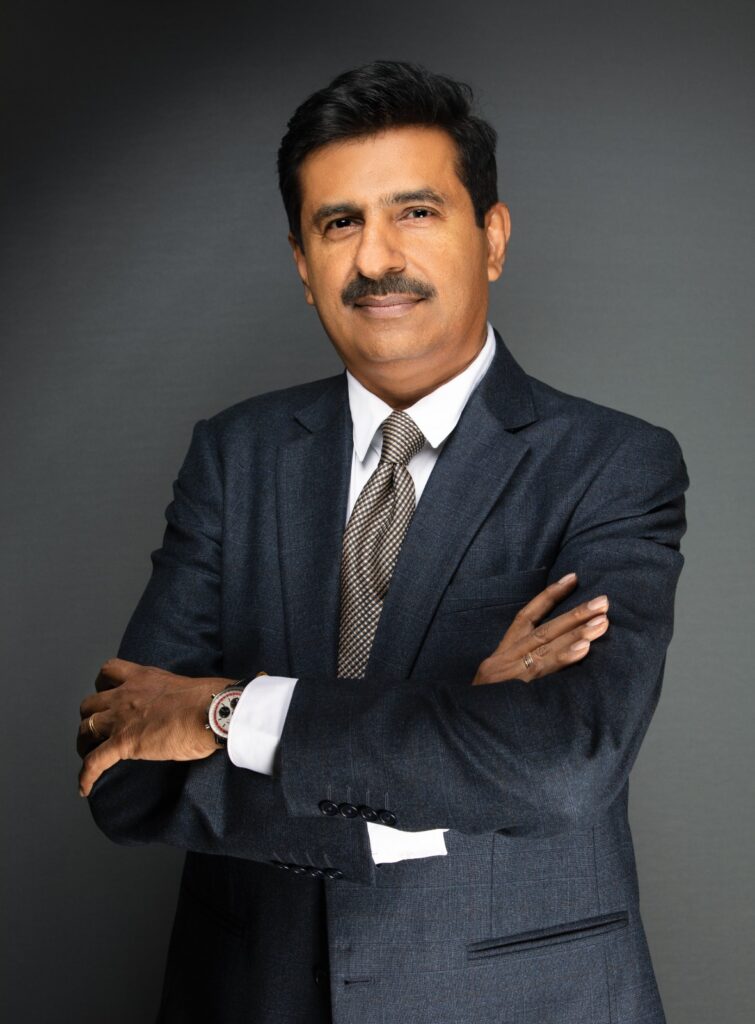
The burgeoning middle class will drive India to become a global aviation powerhouse, says Jaideep Mirchandani
India’s aviation sector is witnessing unprecedented growth, driven by a surge in demand and the rapid development of new airports. With record numbers of passengers flying, the industry has transformed into the third-largest domestic aviation market after China and the US. According to Statista research, India’s passenger traffic amounted to over 376 million at airports across India in the financial year 2024, of which close to 69.6 million were international travellers, registering a 15 per cent increase compared to 2023. The ambitious expansion plans by Indian carriers with massive orders placed for new aeroplanes is clearly a positive sign of progress for the aviation industry in India.
Industry experts attribute the rapid aviation growth to a combination of factors, including a growing middle class and rising household incomes, the introduction of more low-cost carriers and major infrastructure developments, particularly the increase in operational airports. The adoption of advanced technologies, progressive government policies, foreign direct investment (FDI) and a vibrant tourism industry also contribute to driving demand for air travel.
Another significant growth driver is the regional connectivity scheme, UDAN. According to the Ministry of Civil Aviation, by 2023, 73 unserved/underserved airports, including nine heliports and two water aerodromes, have been operationalised since 2017 under the UDAN scheme. The government has also revealed plans to operationalise 12 new airports across eight states and union territories this year under the scheme.
“The focus on the regional connectivity scheme will have multifaceted benefits. Passengers will be able to enjoy improved air connectivity while airlines will receive concessions for operating regional routes. Underserved regions will also benefit in terms of economic development and increased tourism,” says Jaideep Mirchandani, Chairman of aviation major Sky One.
Now, the challenge before the Government, Indian passenger aviation companies and other stakeholders will be to maintain the growth trajectory and propel it to new heights. “We have already seen some major steps planned by the Government. In the recently concluded Asia Pacific Ministerial Conference on Civil Aviation, India formally adopted the landmark Delhi Declaration, which is expected to establish a framework for strengthening regional cooperation, addressing aviation challenges and ensuring sustainable growth. The declaration, along with coordinated efforts from all stakeholders, is also likely to make air travel safer, more affordable and accessible for all citizens,” says Mirchandani.
He believes that more attention should be paid to research and development, and maintaining a strong supply chain for sustained growth. “Better financial incentives and skill development programs can strengthen the workforce, while collaboration with global players on training and developing domestic MRO (Maintenance, Repair, and Overhaul) will cement India’s position as a key player in global aviation. Strategic partnerships and global alliances will also help Indian carriers extend their international reach,” he concludes.
20, Sep 2024
AI Adoption Soars in India, but Energy and Infrastructure Challenges Threaten Sustainability: Pure Storage Survey
Bangalore, India — September 20, 2024: Pure Storage®, the IT pioneer that delivers the world’s most advanced data storage technology and services has released a new report highlighting the preparedness of enterprises in India to compete in a business landscape characterized by two key trends – AI and sustainability. The report, “India’s AI Journey: Balancing Innovation with Sustainable Growth” found that while AI is a top priority, companies are concerned about its impact on energy consumption and that meeting their ESG goals will become impossible without a modern robust IT infrastructure.
Industry Significance:
AI is rapidly emerging as a transformative power across various industries in India, driven by the urgent demand for innovation, increased productivity, and improved customer experiences. A recent report by TeamLease Digital indicated that AI could contribute approximately $450-500 billion to the nation’s GDP by 2025, representing 10% of India’s ambitious $5 trillion GDP goal. However, AI is also putting a strain on data centers by requiring more resources such as electricity, water and space. According to the International Energy Agency, data centers already account for 1 to 2 percent of global energy consumption, AI will push this up even more.
Survey Highlights:
India’s AI Momentum gaining traction: Over the next three years, 48% of respondents have prioritized AI to maintain their competitive edge. Currently, 52% of organizations have deployed AI technologies, 35% are piloting them, and 12% are still exploring integration strategies.
Current AI Applications: AI is being leveraged across various functions, including marketing and sales, IT operations and fraud detection, reflecting its versatility. Today, 64% of the organizations use AI for their virtual assistant/chatbot function, 45% use AI across IT operations and cybersecurity reflecting the critical need for secure and efficient IT environments and 40% use it for new product development (NPD) and innovation.
AI Adoption Across Sectors: The banking, financial services, and insurance (BFSI); technology, media, and telecommunications (TMT) sectors lead in AI adoption with 68% and 70% rates, respectively, while sectors like government, healthcare, and manufacturing show more cautious adoption, with higher percentages in the piloting phase. While tech and media sectors prefer cloud-based AI solutions, BFSI and government sectors lean towards on-premises solutions due to compliance and security concerns.
IT infrastructure is a key challenge in AI deployment: To prepare for AI, 74% of organizations plan to upgrade data management tools and processes, 65% plan to enhance data storage infrastructure, and 61% plan to invest in data security and compliance to ensure secure and efficient data flows.
Rising Energy Consumption and Sustainability Concerns: As AI technologies expand, the demand for supporting infrastructure has surged. 42% of organizations report a doubling in compute power needs, while 41% have seen their storage demands double. This growth also drives higher energy consumption, with 74% of organizations concerned about AI’s impact on energy use and ESG goals.
Executive Insight:
“As AI adoption surges in India, organizations are driving innovation across sectors, but they struggle with rising energy demands and meeting ESG goals. Our report highlights the urgent need to invest in robust, energy-efficient systems that can power AI-driven growth while securing a greener future for all.” – Ajay Singh, Chief Product Officer, Pure Storage
Methodology
Pure Storage’s study is based on a survey conducted across India’s enterprises in sectors such as BFSI, Tech-Telecom-Media, Healthcare (Pharma R&D and Diagnostics), Government, Airlines, Transportation, Supply Chain and Logistics, Manufacturing, etc. from June to August 2024. The study involved 210 respondents including key IT decision-makers and those with the authority to influence IT purchasing decisions. The insights were gathered through a combination of in-depth interviews and a survey questionnaire.


