


8, Oct 2026
Asset Managers Report Sharp Rise in Risk Across Investment, Operational Regulatory and Reputation, Clearwater Analytics Study Reveals
BOISE, Idaho, NEW YORK, CHICAGO, LONDON and HONG KONG, Oct 08 —A comprehensive global study, “The Crowded Trade”, commissioned by Clearwater Analytics, which surveyed 250 senior executives at fund managers across the U.S, Europe and the Asia-Pacific region, finds credit and liquidity risks across nearly every category firms track.
Market risk has increased for 80% of asset managers over the past year, the largest rise of any risk category in the study, with 34% describing the increase as dramatic.Around three-quarters (77%) of respondents say credit risk has increased, with 51% saying it has done so dramatically. Some 71% of asset managers have experienced increases in liquidity risk, and 36% say those increases have been dramatic.Meanwhile, 71% say concentration risk has increased with 29% saying it has been dramatic.
Chris Sturhahn, Head of Product, Asset Management at Clearwater Analytics, said: “Market, credit, liquidity, and concentration risk are all rising at nearly every firm that responded. That's a harder problem than any one risk moving by itself, and it's a big part of why we're seeing firms shift into alternatives, expand hedging, and rotate into new markets and regions. Asset managers need more than performance data and they need real-time visibility into risk exposures, liquidity conditions and portfolio concentrations. Firms that can aggregate, analyze, and act on investment data quickly will be far better positioned to manage uncertainty and respond to changing market conditions.”
Looking across their operations, nearly three-quarters (73%) of asset managers say technology and cyber risk has increased, with half saying it has done so dramatically.Business continuity risk has increased for 80% of firms, with 32% calling the increase dramatic. People and process failures, such as errors in trade execution or inadequate internal controls, have increased for 75% of firms, with 24% calling the increase dramatic.
Sturhahn said: “Operational risk has become a major focus for asset managers as portfolios grow more complex, reporting requirements intensify and market events unfold much more quickly. Many firms still rely on fragmented systems, manual reconciliations and delayed reporting processes that can create inefficiencies and increase the potential for errors during periods of market stress.”
Reputational risk, meaning damage to a firm's brand from negative media, legal disputes, or poor performance that drives investor outflows, has increased for 69% of firms over the past 12 months, with 44% calling the increase dramatic.
ESG risk, meaning potential losses from investments failing to meet environmental, social, or governance standards, has increased for 77% of firms, with 31% calling the increase dramatic.
Competition risk, meaning the risk of losing market share to competitors due to poor performance or high fees, has increased for 72% of firms, with 24% calling the increase dramatic.
When asked which risks pose the greatest concern to asset managers over the next 12 months, almost two-thirds (62%) of research participants say technology/cyber risk. The next highest risk was liquidity risk (47%) closely followed by credit risk (46%). More than a third
(37%) identified concentration risk as the biggest threat in the coming year, while 35% say people and process failures and 28% say market risk.
Sturhahn added: “Firms are already responding to this, moving into alternatives, expanding hedging, and rotating into new regions and asset classes. The next question is whether those moves hold up once markets are actually tested, which is exactly what we look at next in this research.”
- 0
- By Neel Achary

8, Oct 2026
Korum Mall to Host Garba & Dandiya Workshop Ahead of Golden Dandiya Celebrations

Thane, October 08, 2026: Ahead of its Golden Dandiya celebrations, Korum Mall is bringing the festive spirit of Navratri to visitors with a special, free Garba & Dandiya Workshop on October 9 and 10, 2026, in association with Tantrum Dance Academy.
Here’s what visitors can look forward to:
1. Learn Garba & Dandiya
A fun, interactive workshop for beginners and enthusiasts to learn the traditional festive dance forms and brush up on their moves.
2. Get Ready for Golden Dandiya
The workshop will serve as a festive build-up to Korum Mall’s upcoming Golden Dandiya celebrations.
3. Fun for All
Designed for visitors across age groups, the workshop offers an opportunity for friends and families to learn and celebrate together.
4. Soak in the Navratri Spirit
With music, dance, and festive energy, the workshop will set the mood for Navratri celebrations at Korum Mall.
Visitors can participate in the workshop free of cost and get their festive moves ready for the Golden Dandiya celebrations.
Event Details:
When: October 9 & 10, 2026 – 4:00 PM to 6:00 PM
Where: Korum Mall, Thane
What: Special Dandiya and Garba Workshop
8, Oct 2026
TransNusa Introduces High-Frequency Jakarta-Singapore Schedule with Launch of Fourth Daily Flight
The Premium Service Carrier Ramps Up Flight Capacity to Meet Increased Business and Leisure Travel Demand |
|
JAKARTA, Oct 08- TransNusa, Asia’s premium service carrier, has announced a schedule increase to four daily flights between Jakarta and Singapore, reinforcing its position on this key international corridor. The transition to a four-times-daily scheduled flight follows the recent expansion from two to three flights daily, reflecting steady passenger demand and the airlines’ operational capacity to support increased traffic on the route. With this enhanced frequency, TransNusa now offers seamless travel times tailored perfectly to the schedules of both business and leisure travelers. The fourth flight takes off from Jakarta today at 17.40 and arrives Singapore at 20:20. It departs Singapore at 21:20 and arrives Jakarta at 21:55. Leadership Driven Growth and Changi Recognition
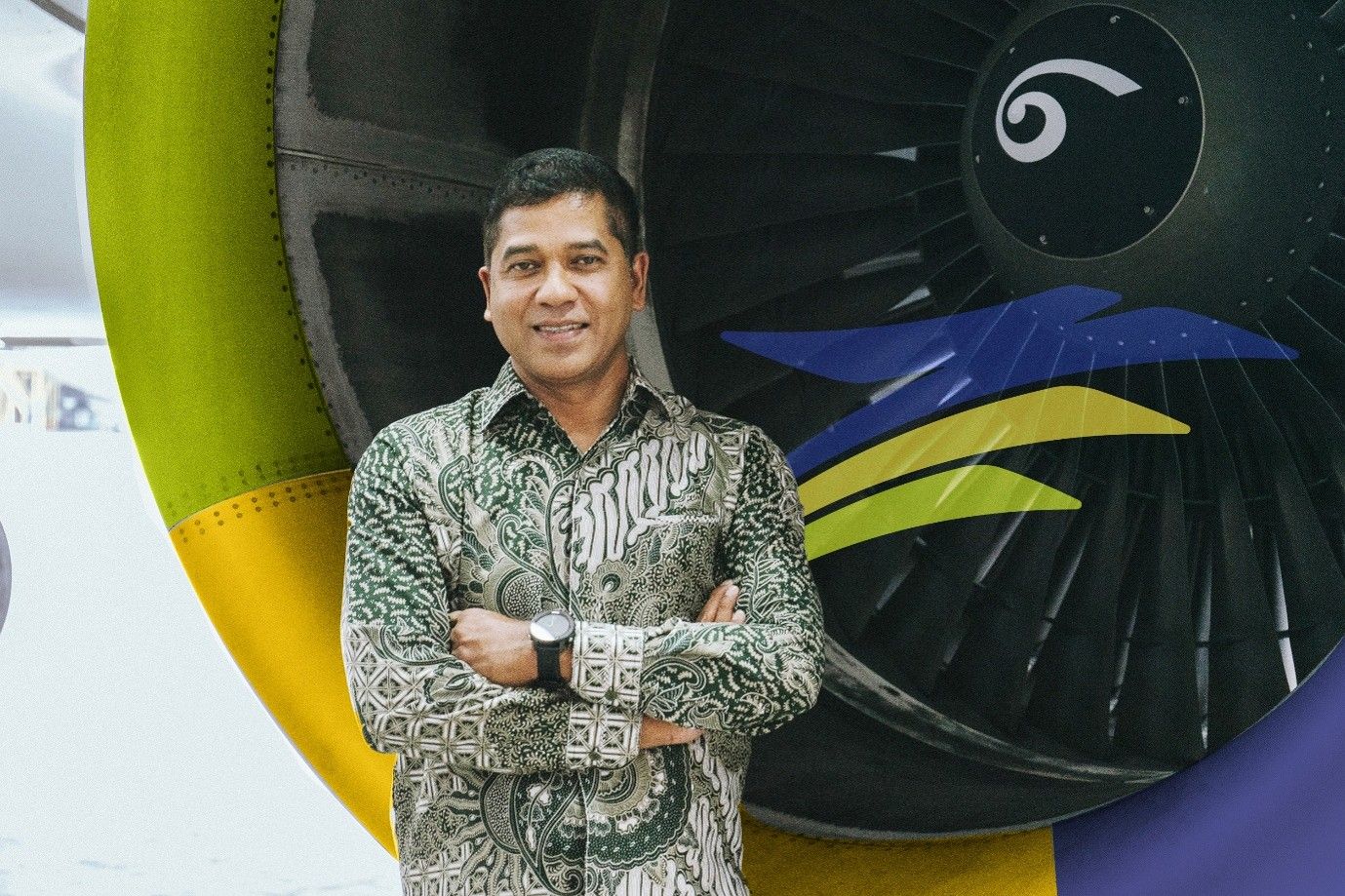
Datuk Bernard Francis… Continuously leading TransNusa to greater heights Securing multiple frequency increases within a short timeframe of less than 6 months from a world-class hub like Singapore Changi Airport, which maintains strict operational benchmarks and partners with top-tier airlines, demonstrates the carrier’s growth trajectory and scalable capabilities. The frequency increase not only builds directly upon the airline’s transition from two to three flights daily but also upon the airline’s recognition at the Changi Airline Awards 2026, where Datuk Bernard led TransNusa to became the first Indonesian carrier to win the “Top Airlines by Absolute Passenger Growth (Southeast Asia)” award from the World-Renown Changi Airport Group, just 17 months after starting operations at the airport. Comprehensive Daily Flight Schedule Operating the route with its modern Airbus A320 fleet, TransNusa’s schedule provides morning, afternoon, and evening options. Flights depart from Soekarno-Hatta International Airport and land at Singapore Changi Airport Terminal 4.
Bookings for the new daily flight times are now available. Passengers can view schedules, select seats, and book fares directly through the official TransNusa website at transnusa.co.id. Redefining Regional Air Travel TransNusa distinguishes itself as a premium service carrier by providing a balanced alternative that bridges the gap between low-cost affordability and full-service legacy options. The airline offers travelers a competitive product that includes baggage allowances, seat options, and a comfortable seat layout on its aircraft. By matching these products with consistent on-time performance, TransNusa provides a reliable and practical choice for modern corporate and holiday travelers alike. This unique and new service model, developed and introduced by Datuk Bernard in 2023, remains central to the airline’s broader international network scaling. In addition to its unique offerings, TransNusa recently highlighted its premium evolution by introducing its customized “Premium Plus” cabin product as part of its Melbourne-Bali flight offerings. Launching on 19 October 2026, this option features tailored priority services and enhanced baggage limits, underscoring the airline’s commitment to delivering diverse travel options across its growing destination portfolio. |

8, Oct 2026
Sonata Software Achieves the 2026–2027 Microsoft AI Business Solutions Inner Circle Award

East Brunswick, Nj And Bengaluru, India, October 08: Sonata Software an AI-first Modernization Engineering company, has earned the 2026–2027 Microsoft AI Business Solutions Inner Circle award. This marks Sonata Software’s sixth Inner Circle recognition, placing the company among the top echelon of Microsoft’s AI Business Solutions global network of partners.
The recognition builds on Sonata Software’s more than three-decade relationship with Microsoft and continued investments in full-stack AI capabilities. Through Sonata Harmoni.AI, its Responsible-first AI tooling, Sonata brings together differentiated capabilities across AI-led modernization, AI-ready data, resilient AI operations and AI-led service delivery to help enterprises move from AI experimentation to business impact at scale.
“The ability to embrace AI to deliver value and enterprise velocity will differentiate organizations in an AI-led era,” said Anthony Lange, Chief Revenue Officer, Sonata Software. “Our sixth Inner Circle recognition reflects the engineering depth we bring to helping enterprises turn AI into measurable business value. Together with Microsoft, we’re helping them move from systems of record to systems capable of autonomous action.”
“Inner Circle partners represent our top selling partners worldwide. But it is more than a sales recognition; it’s a community of industry leaders who work closely with Microsoft to accelerate innovation, share experience and shape the future of AI-powered business transformation. The collaboration and commitment to customer success demonstrated by this community helps us advance the entire AI Business Solutions partner ecosystem around the world to deliver transformative business outcomes at scale.” said Niels Jensen, Microsoft AI Business Solutions ERP Lead in Enterprise Partner Solutions.
Sonata’s capabilities across Microsoft Dynamics 365, Microsoft Azure, Microsoft Fabric, Microsoft Power Platform and Microsoft Copilot help enterprises modernize technology and business processes for AI. Most recently, Sonata joined Microsoft’s Copilot Agents & Platform (CAP) Engineering Depth Partners program and became a Microsoft Frontier Partner, deepening its engagement with Microsoft Engineering and Product teams to advance and scale agentic AI.
8, Oct 2026
Carne Group recognised as Luxembourg’s largest third-party ManCo by Monterey Insight
Continued growth underscores Carne’s position as the leading third-party ManCo in Europe
London – Dublin – Luxembourg, Oct 08 – Carne Group, Europe’s largest third-party management company (ManCo), has maintained its leadership position as Luxembourg’s largest third-party management company, by total assets under management (AUM) in the latest Monterey Insight Luxembourg Intelligence report.
Carne has ranked first among third-party ManCos in Luxembourg, for the second consecutive year and seventh overall, across all management companies and AIFMs, with US$242.4bn in AUM in the Luxembourg market, reflecting 46.4% year-on-year growth, according to the Monterey Insight Luxembourg Report 2026.
John Parkhouse, President of Carne Group, commented:
“The scale of growth we have achieved over the past year reflects the strength of the Luxembourg market and the accelerating shift towards outsourcing. As asset managers navigate increased operational and governance complexity, they are placing greater value on partners that can help firms scale efficiently and meet rising investor expectations.
Our Supermodel II research highlights the growing demand for specialist operating models and third-party ManCo solutions, with 34% of asset managers likely to fully outsource support for new products or fund vehicles to a third-party ManCo over the next two years and a further 18% of managers with an internal ManCo planning to fully outsource those responsibilities.
This industry shift is particularly evident in Luxembourg, where a robust regulatory and governance framework, deep cross-border expertise and well-established fund ecosystem continue to reinforce the evolving role of third-party ManCos as strategic enablers.”
Carne’s leadership position has also been recognised by PwC’s 2026 Observatory for Management Companies Barometer, which ranked Carne as the largest third-party ManCo in Luxembourg, by assets under management (AUM) and sub-funds. The report also found that third-party ManCos now account for 19% of total Luxembourg ManCo assets under management, with over €1.1 trillion in assets under management, highlighting the continued growth of the third-party ManCo model in Luxembourg.
Together, these two reports confirm Carne’s position as the largest third-party ManCo in Europe, overseeing more than $1 trillion in AUM globally.
|
8, Oct 2026
JSW Cement Strengthens Its Regional Capacity In North India
Chandigarh, October 08, 2026: JSW Cement, one of India’s leading green cement producers and part of the diversified JSW Group, today announced the successful commissioning of an additional 1.00 MTPA cement grinding unit at Nagaur, Rajasthan. The commissioning marks another significant milestone in the Company’s growth strategy.
With this commissioning, JSW Cement’s total cement grinding capacity has increased to 25.10 MTPA, while its total clinker manufacturing capacity, including clinker capacity at its joint venture, JSW Cement FZC, stands at 9.74 MTPA.
JSW Cement had commenced operations in North India in March 2026 with the Nagaur Integrated Plant, comprising a 3.30 MTPA clinkerisation unit and 2.50 MTPA cement grinding unit. With the commissioning of the additional 1.00 MTPA cement grinding unit, the plant’s total cement grinding capacity has increased to 3.50 MTPA, enhancing the company’s ability to cater to the growing cement demand across Rajasthan, Haryana, Punjab and the National Capital Region (NCR). The expansion has been funded through a strategic mix of equity and long-term debt.
During the quarter ended 30th September 2026, JSW Cement has also commissioned the Alternate Fuel Handling System and the Waste Heat Recovery system (WHRS) at the Nagaur Integrated Plant.
Announcing this today, Mr. Nilesh Narwekar, CEO, JSW Cement, said: “The commissioning of additional 1.00 MTPA grinding capacity at Nagaur is a key strategic priority for us and will accelerate JSW Cement’s expansion into North India. We look forward to servicing the growing needs of the region and contributing to the economic growth of Rajasthan, Haryana, Punjab and the NCR area. I am delighted to share that the company has commissioned this grinding unit within the expected timeline, showcasing our project execution capabilities. Further, the Alternate Fuel Handling System and the Waste Heat Recovery system (WHRS) are expected to substantially reduce our production costs going forward.”
8, Oct 2026
RiverSoft brings specialised hard water solutions to Pune homes

Pune, Oct 08: Pune’s rising hard–water concerns are affecting daily life. It contributes to limescale on taps and showers, scaling in appliances, higher soap and detergent consumption, and concerns about hair and skin. Areas like Hinjewadi, Wakad, Baner, Balewadi, Kharadi, Hadapsar, Wagholi, and Pimpri-Chinchwad have seen significant growth in high-rise apartments and gated communities. In these newer developments, the water quality may vary, depending on a mix of municipal, borewell, and tanker supply.
Hard water concerns, coupled with these variations in water sources, create demand for simple, installation-friendly hard water solutions that can be fitted directly at the point of use rather than requiring changes to the building’s water infrastructure.
To address these challenges, RiverSoft offers specialised water-care solutions including the SF-15 Pro shower & tap filter (a key product in Pune), DIVA-01 shower filter, DIVA PRO tap filter and Bliss-15C cartridge. With a hard water conditioning layer, they reduce the harmful effects of hard water and remove chlorine and sediments. Their filters also contain Vitamin C, which helps improve hair and skin health. These filters do not reduce TDS and are easy to install at the point of use. Additionally, there is a growing demand for cartridge replacements and refills, particularly the SFC-15 replacement cartridge. This indicates a shift towards ongoing water care and maintenance rather than treating filtration as a one-time purchase.
Pune is also seeing strong growth in sediment filtration, with RiverSoft’s sediment filter gaining good traction year on year. Kitchen tap extenders, washing-machine filters and prefilters are also a growing category, reflecting increased interest in managing water quality across different points of household use.
With demand spread across Pune’s western and eastern residential corridors, the city is emerging as a growing market for RiverSoft as consumers increasingly explore solutions for hard water, sediment and everyday household water-quality concerns.
7, Oct 2026
Welcomhotel by ITC Hotels, Bengaluru Presents A Celebration to Savour – Bengali Food Festival at WelcomCafe Jacaranda

Welcomhotel Bengaluru invites guests to embark on a culinary journey through the rich and vibrant flavours of Bengal with “A Celebration to Savour,” a specially curated Bengali Food Festival at WelcomCafe Jacaranda, from 9th to 21st October 2026.
Celebrating the culinary traditions of Bengal, the festival brings together an exquisite selection of cherished regional classics and festive favourites, thoughtfully prepared using authentic flavours and time-honoured recipes. From comforting preparations to indulgent delicacies, the spread captures the warmth, nostalgia and celebratory spirit associated with Bengali cuisine.
Guests can savour the specially curated spread as part of the dinner buffet, offering an opportunity to discover the diverse flavours of Bengal in an inviting and contemporary setting.
Festival Details
What: A Celebration to Savour – Bengali Food Festival
Where: WelcomCafé Jacaranda, WelcomHotel Bengaluru
When: 9th – 21st October 2026
Takeaway Box for Two:
With its evocative flavours, cherished recipes and festive culinary traditions, “A Celebration to Savour” promises guests an opportunity to experience the essence of Bengal, one plate at a time.
7, Oct 2026
Sumsub Launches Reusable KYC Gateway, Cutting Repeat Verification for MiniPay’s Network
The first integrator to go live with Reusable KYC Gateway, enabling 20 million wallet users verify their identity once and reuse it across MiniPay’s partner ecosystem
SINGAPORE, Oct 07 — Sumsub, the AI-powered trust infrastructure for compliance operations at scale, today launched Reusable KYC Gateway at Token2049 Singapore. MiniPay, one of the fastest growing stablecoin wallets, is the first live integrator, giving its users a shared verification experience across MiniPay’s partner network.
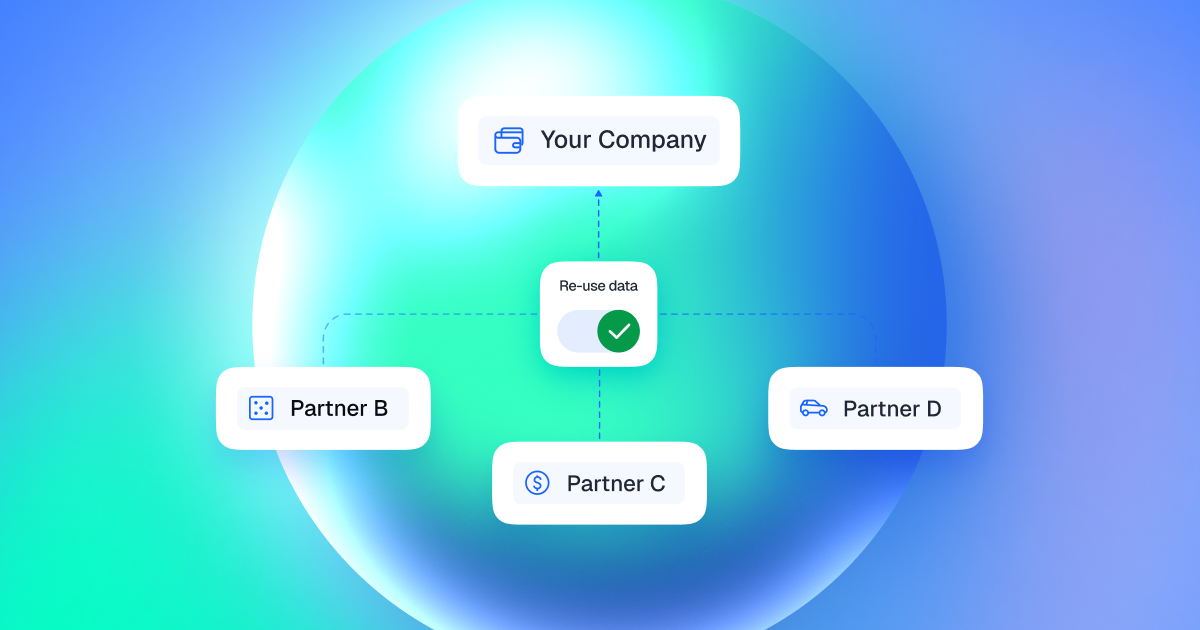
MiniPay users can verify their identity once and reuse it at every regulated partner in that network, without MiniPay needing to store, handle or control sensitive personal data like identity documents. Gateway is the newest addition to Sumsub’s Reusable KYC product line, which also includes Reusable KYC Share.
Solving repeat verification at scale
MiniPay operates across more than 70 countries with over 20 million wallets opened to date. As a self-custodial wallet, MiniPay does not need to verify users itself. Each of its partners, including on and off ramps, card issuers and payment providers, has traditionally run its own separate KYC process. That means the same user re-uploads documents and resubmits a selfie every time they interact with a new partner, even though they are verifying the same identity inside the same ecosystem. Each repeat check is a fresh drop off point, costing partners conversion and costing users time.
One verification, every partner
Reusable KYC Gateway removes that repetition. Users verify once with Sumsub, then unlock each new regulated partner service in MiniPay’s network with a single tap. When a MiniPay user is prompted to verify, they either draw on one of the 15 million pre-existing Sumsub IDs or complete a new check with an ID document and a selfie. The user explicitly consents to connect that verified identity to their MiniPay account, keeping control over what is shared and with whom.
From there, when the user first interacts with a regulated partner in MiniPay’s network, they consent once to share their identity with that partner, and the partner receives the verified identity directly from Sumsub ID. The partner can then complete verification without any extra user screens while still running its own compliance checks against its policies, with additional checks required for higher-risk transactions.
As the verified identity is passed directly from Sumsub to the partner, MiniPay does not collect, store or handle sensitive identity documents or biometric data itself.
Results for MiniPay’s partner network
Since adopting the approach, MiniPay partners have seen verification conversion rise from approximately 70% to 95%, and KYC completion time fall by up to 50%. Eight of MiniPay’s partners already use Sumsub for verification.
“Repeated KYC checks across the same ecosystem are inconvenient for everyone, and one in three applicants we see have already verified with us before,” said Andrew Novoselsky, Chief Product Officer at Sumsub. “Reusable KYC Gateway puts that reuse to work for MiniPay’s users, giving them a single verified identity that works throughout its entire partner network, with full control over what they share and with whom.”
“Self-custody has always been central to MiniPay. Users hold their own funds, and now they also control their own verified identity,“ said Murray Spark, Senior Director of Business Development at Opera. “They decide what to share and with whom, and that matters more and more as our partner network expands across new markets.”
Available now
Reusable KYC Gateway is now available to any non-regulated business connecting users to a network of regulated partners, from non-custodial wallets to decentralized trading platforms, that wants to cut onboarding friction without taking on the data liability of storing identity documents themselves. Sumsub is showcasing the product at its Token2049 Singapore booth on 7–8 October.
7, Oct 2026
Private Equity Fund Managers Focus on Evergreen and Hybrid Launches
Oct 07: Private equity fund managers are increasingly focusing on hybrid and evergreen structured funds for new launches as they target new distribution channels, new research* from Ocorian, a leading U.S. and global asset services provider, shows.
The study, carried out across the U.S. and Europe with private equity fund managers managing $3.511 trillion, found that 63% expect to see hybrid or perpetual structures with gates dominate new launches over the next two years, while 56% expect to see the most new launches in evergreen or open-ended funds.
Semi-liquid funds are likely to be less popular, with just 40% expecting to see the most new launches, while 25% point to bespoke mandates and just 10% to closed-ended drawdown vehicles.
The key reason driving changes to fund structures is access to new distribution channels, such as wealth managers, with nearly half (47%) citing that motivation, ahead of 41% pointing to regulatory or tax considerations, the research across all key U.S. markets and in the UK, Switzerland, Germany, Italy, Spain, Poland, Sweden and Bulgaria found.
All (100%) of the private equity fund managers surveyed said they are evolving fee structures across their product range. Over a third (37%) are now placing greater reliance on performance-based fee structures, and a similar number (35%) are charging tiered fees by commitment size. Around a quarter (24%) have evolved their fee structures to offer a more bespoke arrangement per investor. Just 4% cite that they’re lowering their headline management fees.
Around six out of 10 (58%) expect to increase capital raised from wealth managers and private banks over the next two years, while 63% expect a rise in capital raising from family offices.
However, the biggest source of new capital is likely to be pension funds, with 86% expecting an increase in capital raised from the sector, while 80% expect an increase from insurance companies and 84% from sovereign wealth funds.
Around 50% of private equity fund managers questioned reported that average investor commitments had increased in the past two years, with the rest saying commitments had remained broadly stable.
Almost all (92%) said the liquidity profile of their newer products had increased, albeit modestly, with just 4% saying products were significantly more liquid than five years ago. Increasing interest in tokenization of funds may have some influence with 70% of managers saying they were exploring the concept or actively pursuing it.
Eamon Burns, Global Head of Fund Accounting at Ocorian, said: “Private equity fund managers are adapting and evolving their product ranges in response to changes in demand as they seek to widen their distribution channels.
“There is increasing demand for, and interest in more liquidity, as well as a rise in average investor commitments. At the same time, fund managers are adapting fund structures to attract new investors, with the wealth management sector a key target. However, the main sources of investment remain institutional.
“Fund managers increasingly require support that can help them to quickly and efficiently adapt to changes across the market, while concentrating on their core business.”


