


19, Jun 2026
From Forgotten Space to Functional Living: The New Age of Basement Transformation in Modern Homes

In many homes, the basement has long been treated as an afterthought—an unfinished, dimly lit space used for storage or left completely unused. But that perception is changing rapidly. In today’s lifestyle-driven housing culture, where comfort, flexibility, and smart space utilization matter more than ever, basements are being reimagined as powerful extensions of everyday living.
What was once hidden below the surface is now becoming one of the most valuable parts of a home—capable of supporting work, wellness, entertainment, and even income generation.
Understanding the Two Paths: Finishing and Remodeling
Basement transformation generally follows two distinct approaches, depending on the condition of the space and the homeowner’s goals.
Basement Finishing: Creating Something New
Basement finishing refers to converting an unfinished underground area into a fully livable space.
This process typically involves:
- Building internal walls and structural framing
- Installing flooring and ceilings
- Setting up electrical wiring and lighting systems
- Adding insulation and moisture protection
- Integrating plumbing where needed
In simple terms, finishing turns an empty, raw structure into a complete, usable environment that feels like a natural extension of the home.
Basement Remodeling: Upgrading What Already Exists
Basement remodeling focuses on improving a space that is already finished but needs modernization or better functionality.
It may include:
- Changing room layouts and improving flow
- Updating interiors, flooring, and fixtures
- Enhancing lighting and ventilation
- Adding new functional zones such as offices or studios
- Improving comfort, aesthetics, and usability
Remodeling is about refining space to match evolving lifestyle needs.
Modern Techniques That Are Changing Basement Design
Today’s basement projects are no longer just construction work—they are carefully planned upgrades that combine comfort, safety, and modern living standards.
1. Moisture Protection and Long-Term Durability
One of the most important aspects of basement transformation is controlling moisture. Modern homes now use layered protection systems that include waterproof coatings, drainage solutions, and sealed wall structures. These methods help maintain a dry, safe, and long-lasting environment.
2. Insulation for Year-Round Comfort
Basements often face temperature fluctuations. New insulation techniques help maintain a balanced indoor climate, making the space usable in every season. This also reduces energy usage and improves overall comfort.
3. Lighting That Transforms Atmosphere
Since natural light is limited, lighting becomes a defining feature. Carefully designed lighting setups using layered fixtures, warm tones, and smart controls can completely change the mood of a basement, making it feel open, bright, and inviting.
4. Smart Home Features
Modern basements are increasingly integrated into connected home systems. Climate control, lighting, security, and entertainment can all be managed digitally, offering convenience and efficiency in daily use.
5. Flexible Space Design
One of the strongest trends in basement development is flexibility. Spaces are now designed to adapt over time—allowing a single room to function as an office during the day, a family lounge in the evening, or a guest room when needed.
Movable partitions, foldable furniture, and modular layouts make this possible.
How Basements Are Being Used Today
The purpose of basements has expanded far beyond storage. They are now becoming essential lifestyle spaces.
Work and Productivity Spaces
With remote and hybrid work becoming common, many homeowners are turning basements into quiet, dedicated work environments that support focus and professionalism.
Creative and Digital Studios
Basements are also being used as personal studios for content creation, design work, online teaching, and freelancing activities. The privacy and isolation they offer make them ideal for creative work.
Wellness and Fitness Areas
Many families are converting basements into fitness zones, yoga rooms, or relaxation spaces, making health and wellness more accessible within the home.
Entertainment and Family Spaces
Home theatres, gaming rooms, and family lounges are becoming popular basement uses, turning the space into a center for leisure and bonding.
Income-Generating Units
In some homes, basements are transformed into rental spaces or independent living units, creating additional income opportunities while increasing property usefulness.
Why Basement Transformation Matters Today
The growing interest in basement development reflects a broader shift in how people view their homes. It is no longer just about size—it is about how effectively space can support daily life.
A well-designed basement can:
- Increase usable living area without external expansion
- Improve comfort and lifestyle flexibility
- Add long-term value to the property
- Support modern work and living patterns
- Offer financial benefits through rental use
Conclusion
Basement transformation represents a quiet but powerful change in modern home design. It turns overlooked space into meaningful living areas that support how people live, work, and relax today.
With thoughtful planning and modern design approaches, basements are no longer forgotten corners—they are becoming some of the most important and versatile spaces in the home.
- 0
- By Neel Achary

19, Jun 2026
AD Ports Group Launches Integrated Logistics Services Between Khalifa Port and Umm Qasr Port to Strengthen Regional Trade Connectivity

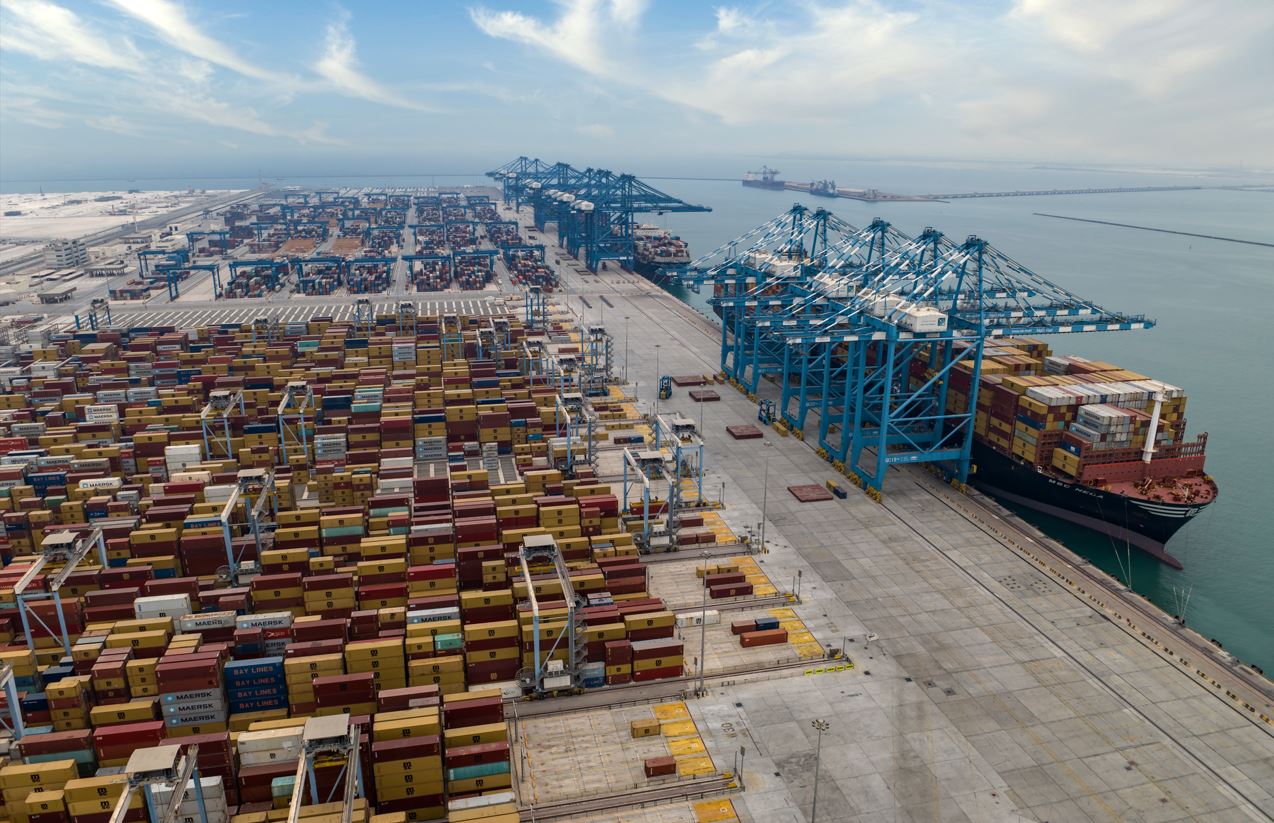
Abu Dhabi, UAE, June 19: AD Ports Group (ADX: ADPORTS), a leading global enabler of trade, industry, and logistics solutions, has launched integrated logistics services connecting Khalifa Port with Umm Qasr Port in Iraq, reinforcing the Group’s commitment to enhancing regional connectivity and supporting existing trade corridors.
The new service addresses growing container and Ro-Ro cargo volumes through a direct weekly shipping service linking Khalifa Port and Umm Qasr Port, thereby enhancing trade flows between Lebanon, Syria, Jordan, and the UAE and wider GCC markets, while further strengthening regional connectivity with Türkiye and Europe.
Captain Mohamed Juma Al Shamisi, Managing Director and Group CEO of AD Ports Group, said: “AD Ports Group remains committed to expanding its integrated logistics ecosystem to better serve customers and strengthen regional connectivity, in line with the vision of our wise leadership. This service enhances business resilience by providing access to diversified trade corridors and seamless logistics solutions that support greater supply chain efficiency and sustainable growth. It also reflects our forward-looking approach to developing strategic trade routes that improve market access, facilitate the flow of goods, and create new opportunities for businesses across the region and beyond.”
AD Ports Group has established the necessary logistics capabilities at both Khalifa Port and Umm Qasr Port to enable the efficient storage, handling, and movement of cargo. The enhanced capabilities will support seamless trade flows, improve operational performance, and contribute to greater long-term supply chain resilience across the region.
19, Jun 2026
Rural Incomes Strengthen as Farm Activity and Labour Demand Drive Wage Growth
New Delhi, June 19: Rural wage growth is showing signs of acceleration across several parts of the country, supported by increased agricultural activity and rising demand for labour, according to a recent report.
The report highlights that improved farm operations, seasonal agricultural work, and greater demand for workers in rural areas have contributed to higher wage growth, offering a positive signal for rural incomes and economic activity.
Economists noted that stronger labour demand is helping improve earning opportunities for rural households, particularly during key agricultural seasons. Increased activity in farming and allied sectors has generated employment opportunities, supporting consumption and household spending in rural markets.
The trend is being viewed as an encouraging development for the rural economy, which plays a vital role in India’s overall growth story. Higher wages can enhance purchasing power, stimulate local demand, and contribute to improved living standards for rural communities.
Analysts also pointed out that sustained growth in rural incomes could support demand for consumer goods, agricultural inputs, and essential services, creating positive spillover effects across multiple sectors of the economy.
While the pace of wage growth may vary across regions and occupations, the report suggests that strengthening farm activity and labour market conditions are providing a favourable backdrop for rural economic recovery and development.
Experts believe continued investments in agriculture, rural infrastructure, and employment-generating activities will be important for sustaining this momentum and ensuring long-term income growth in rural India.
19, Jun 2026
Father’s Day Gift Guide: Samsung Smart Appliances for Every Home’s Hero
This Father’s Day, go beyond the usual and surprise Dad with smart appliances that truly make his life easier and more enjoyable. Samsung’s Bespoke AI appliances innovative lineup is designed to simplify his daily routines, from keeping his meals fresh and delicious with the Bespoke AI Refrigerator to making laundry a breeze with the Bespoke AI Washing Machine. The Bespoke AI Air Conditioner ensures his room stays cool and comfortable, even during the hottest days, while the Bespoke AI AirDresser helps him look sharp and polished without the hassle of frequent dry cleaning. These thoughtful gifts not only enhance his everyday life but also show him how much you care about his comfort and convenience.
Samsung Bespoke AI Refrigerator- Upgrade Dad’s kitchen with the Samsung Bespoke AI Refrigerator, a smart appliance that ensures food stays fresh and hygienic. Its intelligent cooling technologies and flexible storage options make meal prep and organization effortless. By gifting him this innovative refrigerator, you’re not just enhancing his kitchen you’re simplifying his daily life with cutting-edge convenience.
-
Key Features: Twin Cooling Plus, AI Energy Mode, Power Cool & Power Freeze, Convertible 5-in Mode
-
Benefits: Keeps food fresh and odor-free, optimizes energy consumption, offers flexible storage options
-
Additional Highlight: Active Fresh Filter+ removes 99.9% of bacteria for a cleaner and more hygienic storage environment
-
Ideal For: Families looking for smarter food storage and hygiene
-
Available On: Samsung.com, Amazon, Flipkart, and leading retail outlets
2. Samsung Bespoke AI Washing Machine- Surprise Dad with the Samsung Bespoke AI Washing Machine—a thoughtful gift that simplifies his daily routine. Its intelligent features, like AI Wash and Hygiene Steam, ensure his clothes stay fresh and clean with minimal effort, making laundry a hassle-free task. By choosing this smart appliance, you’re not just giving a gift; you’re offering him the convenience of more free time to enjoy his favorite activities.
-
Key Features: AI Wash, Hygiene Steam, Air Wash, Washer Dryer functionality
-
Benefits: Intelligent fabric care, deep hygienic cleaning, odor removal without water, convenient drying solution
-
Additional Highlight: AI Wash automatically adjusts water and detergent usage based on fabric type and load size
-
Ideal For: Busy households and everyday laundry needs
-
Available On: Samsung.com, Amazon, Flipkart, and major retail platforms
3. Samsung Bespoke AI Air Conditioner- Treat Dad to the comfort of the Samsung Bespoke AI Air Conditioner, designed to tackle extreme summer heat with ease. Its AI-powered optimization and energy-efficient inverter technology ensure consistent cooling while saving on electricity bills. By gifting him this smart appliance, you’re providing a cooler, more comfortable home environment, allowing him to relax and enjoy the summer months stress-free.
-
Key Features: Fast Cooling, AI-powered optimisation, energy-efficient inverter technology
-
Benefits: Rapid cooling, consistent comfort, optimised power consumption
-
Additional Highlight: Smart cooling capabilities automatically adjust performance based on room conditions
-
Ideal For: Homes dealing with extreme summer temperatures
-
Available On: Samsung.com, Amazon, Flipkart, and leading retail outlets
4. Samsung Bespoke AI AirDresser-This Father’s Day, elevate Dad’s wardrobe with the Samsung Bespoke AI AirDresser, a smart solution for keeping clothes fresh and wrinkle-free. Its advanced steam and air technology sanitizes and deodorizes outfits, reducing the need for frequent dry cleaning. By choosing this innovative gift, you’re helping him maintain a polished look effortlessly, giving him more time to focus on what he loves.
-
Key Features: Advanced steam and air technology for sanitizing, deodorizing, and reviving clothes
-
Benefits: Reduces the need for frequent dry cleaning, keeps clothes fresh and wrinkle-free
-
Ideal For: Dads who want to maintain a polished look without the hassle of frequent laundry or dry cleaning
-
Available On: Samsung Store in BKC Mumbai
19, Jun 2026
AI Fashion Revolution 2026: How AR, Digital Twins & Smart Startups Are Transforming the Fashion Industry
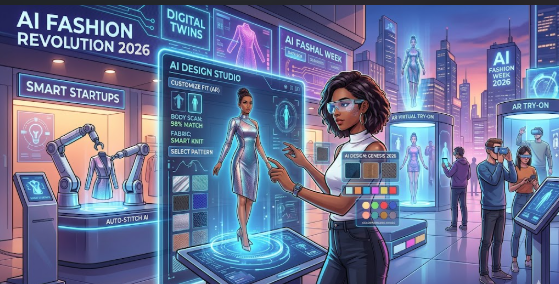
Fashion in 2026 is no longer just about what people wear—it is about how technology understands, predicts, and shapes personal style in real time. The industry has shifted into a powerful fusion of creativity and computation, where artificial intelligence, augmented reality (AR), digital twins, and blockchain systems are driving everything from design to purchase decisions.
What makes this transformation especially significant is its accessibility. Earlier, fashion innovation was limited to large global brands. Today, digital-first tools are empowering independent designers, small fashion startups, and direct-to-consumer (D2C) brands to scale globally without traditional retail barriers.
Fashion has effectively evolved into a data-driven, experience-led, and AI-powered ecosystem.
Fashion Technology 2026: From Clothing Industry to Intelligent Experience Economy
The modern fashion landscape operates less like a traditional retail industry and more like a real-time digital intelligence system.
Instead of seasonal cycles and static catalogs, brands now rely on:
- AI-powered trend forecasting systems
- Real-time consumer behaviour analytics
- Virtual design and prototyping tools
- Automated, personalized marketing engines
This means fashion is no longer pushed to consumers—it is generated dynamically based on their preferences, lifestyle, and digital behaviour.
The result is a shift from mass fashion to hyper-personalized fashion ecosystems.
AI in Fashion 2026: The Rise of Smart Styling, Prediction & Automation
Artificial intelligence has become the backbone of modern fashion operations and consumer experience.
How AI is transforming fashion today:
- Predicting upcoming fashion trends using global social data
- Generating design concepts and fabric combinations
- Acting as AI-powered personal stylists for users
- Creating dynamic pricing and personalized product feeds
AI is now functioning as both a creative assistant and a commercial strategist, enabling brands to respond instantly to shifting consumer demand.
For fashion startups, this is a major breakthrough—AI reduces dependency on large design, marketing, and analytics teams, allowing lean businesses to operate at scale.
AR Try-On Revolution: The End of Guesswork in Online Shopping
Augmented Reality (AR) has fundamentally changed how consumers shop for fashion online.
Instead of imagining how clothing will look, users can now:
- Try outfits virtually using mobile cameras
- Build accurate 3D body avatars
- Preview fabric texture, fit, and movement
- Compare multiple styling options instantly
This has significantly improved purchase confidence while reducing product returns across the fashion e-commerce sector.
For startups and D2C brands, AR acts as a virtual fitting room that eliminates the need for physical retail infrastructure.
Digital Twins in Fashion: Creating Virtual Versions of Consumers
One of the most advanced developments in 2026 fashion is the emergence of digital twins—virtual representations of real consumers.
These AI-generated profiles are built using:
- Body measurements and scanning data
- Purchase history and browsing behaviour
- Style preferences and lifestyle patterns
What digital twins enable:
- Precision virtual fitting of garments
- AI-curated wardrobe planning
- Real-time personalized styling recommendations
- Virtual product testing before manufacturing
For designers, this reduces production uncertainty. For consumers, it creates a fully personalized fashion journey that evolves over time.
Fashion Startups in 2026: How Digital Tools Are Democratizing the Industry
Perhaps the most disruptive impact of fashion technology is its role in empowering startups and independent designers globally.
1. Direct-to-Consumer (D2C) Global Expansion
Startups can now:
- Launch collections without physical inventory
- Sell directly via social media platforms
- Reach international customers instantly
This removes traditional dependency on retail chains and distributors.
2. AI-Powered Lean Fashion Businesses
Small brands are leveraging AI to:
- Design collections faster
- Forecast demand trends
- Automate digital marketing campaigns
- Optimize pricing strategies in real time
This allows startups to compete with established fashion houses using data instead of scale.
3. Social Commerce as the New Fashion Marketplace
Short-form video platforms and influencer ecosystems now act as:
- Digital fashion runways
- Instant sales channels
- Brand discovery engines
Fashion trends now spread through algorithms, not seasonal showcases.
Blockchain & Digital Product Passports: The Transparency Revolution
Modern consumers demand full visibility into product origins, and fashion brands are responding through blockchain-based Digital Product Passports (DPPs).
These systems allow users to:
- Track garment sourcing and production history
- Verify authenticity of luxury products
- Assess sustainability and ethical standards
For startups, transparency is becoming a competitive advantage in building trust and long-term loyalty.
Omnichannel Fashion: Where Physical Stores Become Digital Experiences
In 2026, the separation between online and offline retail no longer exists.
Modern fashion retail now includes:
- Smart mirrors with virtual outfit visualization
- RFID-enabled real-time inventory systems
- AI assistants in physical stores
- Seamless online-to-offline purchase journeys
Even small boutiques now function as hybrid digital-physical experience centers.
AI-Driven Fashion Marketing: Real-Time Personalization at Scale
Fashion marketing has evolved into a continuous, AI-optimized content system.
Brands now use:
- AI-generated ad creatives tailored to micro-audiences
- Real-time personalized shopping feeds
- Shoppable videos embedded in social media platforms
- Influencer-driven micro-launch campaigns
Every interaction is now both content and commerce combined.
Sustainable Fashion Through Technology: Reducing Waste with Intelligence
Technology is also addressing one of fashion’s biggest challenges—sustainability.
Key innovations include:
- Virtual sampling replacing physical prototypes
- AI demand forecasting reducing overproduction
- Digital-only fashion collections for online platforms
- Blockchain verification for ethical sourcing
Sustainability is no longer optional—it is becoming a core operational requirement in modern fashion systems.
Conclusion: Fashion Is Becoming a Fully Intelligent Digital Ecosystem
Fashion in 2026 is becoming a blend of creativity and technology, where AI, AR, and digital tools are changing how people shop, design, and experience style. It is making fashion more personalized, accessible, and innovative, while also helping startups and designers reach global audiences more easily.
19, Jun 2026
SIP Investing in Focus: How Systematic Investing Builds Long-Term Financial Discipline in Uncertain Markets
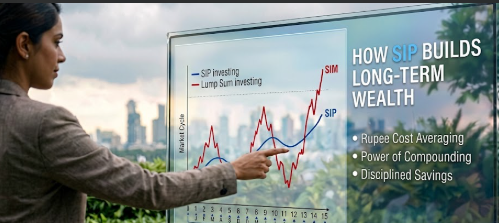
In times of market volatility, most investors face the same dilemma—should they invest now, wait for a correction, or exit until things stabilize? This uncertainty often leads to delayed decisions, emotional reactions, and missed opportunities. It is precisely this behavioural challenge that has made Systematic Investment Plans (SIPs) one of the most widely adopted mutual fund investing methods in India.
A SIP allows investors to invest a fixed amount at regular intervals, helping remove the pressure of timing the market while encouraging disciplined, long-term wealth creation. In an environment where short-term market movements are unpredictable, SIPs offer a structured way to stay invested and build financial stability over time.
What is SIP Investing? A Simple System for Disciplined Wealth Creation
A Systematic Investment Plan (SIP) is a method of investing a fixed amount at regular intervals—monthly, quarterly, or as chosen by the investor—into mutual fund schemes.
Instead of investing a large lump sum at once, SIPs distribute investments across time, making the process more stable and predictable in terms of contribution behaviour.
Key Features of SIPs:
- Fixed and regular investment contributions
- Long-term disciplined investing approach
- Exposure to multiple market cycles
- Flexible investment amounts and tenure options
SIPs are designed to build consistency, which is often more important than timing in long-term investing.
SIP vs Market Timing: Why Consistency Wins Over Prediction
One of the strongest advantages of SIP investing is that it eliminates the need to predict market movements.
Financial markets are influenced by global events, economic cycles, interest rates, and investor sentiment—all of which are difficult to forecast accurately.
SIPs ensure that:
- Investors continue investing during market highs and lows
- Emotional decision-making is reduced
- Wealth building remains consistent over time
This makes SIPs especially relevant in volatile or uncertain market conditions.
Rupee Cost Averaging: The Built-in Advantage of SIPs
SIP investing naturally benefits from rupee cost averaging, a mechanism where investment units are purchased at different price levels over time.
- More units are bought when markets are low
- Fewer units are bought when markets are high
- Overall cost of investment is averaged out
This reduces the impact of short-term volatility and helps smooth the investment journey.
However, it is important to note that rupee cost averaging does not eliminate risk—it only distributes it over time.
Power of Compounding: The Core Engine of Long-Term Wealth
The real strength of SIP investing lies in compounding, where returns generate additional returns over time.
Compounding works best when:
- Investments are held for long durations
- Contributions are made consistently
- Withdrawals are avoided during growth phases
Even small monthly investments can grow significantly over time when compounded over several years, making SIPs suitable for long-term financial goals such as retirement planning, education funding, and wealth accumulation.
Why Time Horizon Matters in SIP Investing
Time is one of the most critical factors in SIP performance.
A longer investment horizon allows:
- Greater participation across market cycles
- Reduced impact of short-term volatility
- Stronger compounding effect
Short-term fluctuations tend to even out over longer periods, making patience a key element of successful SIP investing.
Asset Allocation and Diversification: Building a Balanced Portfolio
SIP investing becomes more effective when combined with asset allocation and diversification.
Asset Allocation:
Distributing investments across:
- Equity funds (growth-oriented, higher risk)
- Debt funds (stability-oriented, lower risk)
- Hybrid funds (balanced exposure)
Diversification:
Spreading investments across sectors, industries, and instruments to reduce concentration risk.
Together, these strategies help create a more stable and balanced investment portfolio.
SIP Investing in India’s Mutual Fund Ecosystem
SIPs are widely offered by Asset Management Companies (AMCs) across India, including major fund houses such as HDFC Mutual Fund and others.
Their growing popularity is driven by:
- Easy digital onboarding
- Low entry barriers
- Increased financial awareness
- Preference for structured investing habits
Today, SIPs have become one of the most common ways retail investors participate in mutual funds.
SIP Calculator: A Learning Tool, Not a Guarantee
A SIP calculator is often used to estimate potential growth based on assumed returns, investment duration, and monthly contributions.
It helps investors understand:
- How compounding works over time
- The impact of consistent investing
- The relationship between time and growth
However, these calculations are only illustrative. Actual returns depend on market performance and economic conditions.
Important Risks and Considerations
While SIPs are a disciplined investment approach, investors should be aware of:
Market Risk
Mutual fund investments are subject to market fluctuations.
No Guaranteed Returns
Returns vary based on market conditions and fund performance.
Discipline is Key
Consistency often matters more than investment size.
Product Understanding
Each mutual fund has different risk levels and objectives.
SIPs as a Behavioural Advantage in Investing
Beyond financial mechanics, SIPs also help shape better investor behaviour.
They encourage:
- Emotional discipline during volatility
- Long-term thinking over short-term reactions
- Regular saving habits
- Structured financial planning
In many ways, SIPs act as a bridge between financial theory and real-world investor behaviour.
Conclusion: A Structured Path to Long-Term Financial Stability
SIP investing is not about predicting markets or chasing short-term gains. It is about building a disciplined, consistent approach to wealth creation over time.
By combining:
- Regular investing
- Long-term time horizon
- Rupee cost averaging
- Power of compounding
- Diversification
SIPs provide a structured framework for navigating volatile markets while steadily building financial security.
In a world of uncertainty, SIPs offer one simple advantage—the ability to stay invested when it matters most.
19, Jun 2026
Roinet Strengthens BC Sakhi Network, Empowering Over 24,000 Women Entrepreneurs Across India
Mumbai, June 19: Roinet Solutions Pvt. Ltd., a Corporate Business Correspondent (CBC), is strengthening its BC Sakhi network across India to accelerate women-led entrepreneurship and deepen financial inclusion in underserved communities.
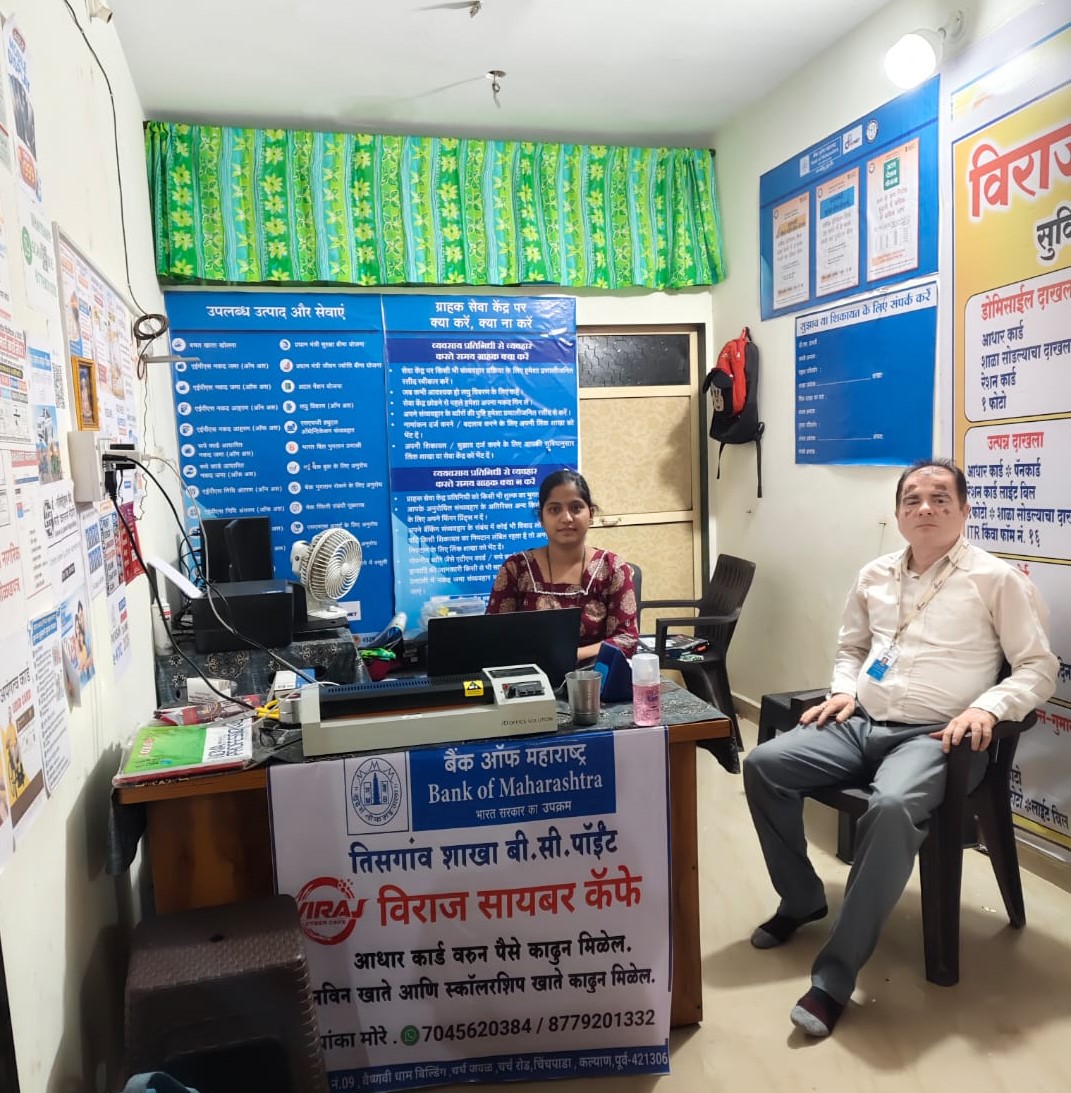
As part of its commitment to building an inclusive financial ecosystem, Roinet today works with over 24,000 women Customer Service Point (CSP) operators across the country, with women managing nearly 22% of its total service outlets. Collectively, these women-led outlets have contributed to a Gross Transaction Value (GTV) exceeding USD 1 billion, underscoring the growing role of women in driving last-mile financial services and rural economic growth.
What began in 2020 with just 105 women banking correspondents has today evolved into a robust network of over 24,000 women CSPs across rural and semi-urban India. Equipped with smartphones, biometric micro-ATMs, and digital banking tools, these BC Sakhis provide essential doorstep banking services including cash withdrawals and deposits, account opening, fund transfers, pension disbursements, government benefit payments, and financial awareness support.
The initiative has emerged as a powerful livelihood-generation platform, with BC Sakhis earning between ₹10,000 and ₹50,000 per month, while top-performing agents have the potential to earn up to ₹1 lakh per month. In addition to enabling financial independence, the programme is helping women gain greater confidence, social recognition, and leadership roles within their communities.
Further expanding its footprint, Roinet recently inaugurated new BC Sakhi Centres across Delhi, Uttar Pradesh, and Maharashtra. Each centre is expected to serve over 3,000 customers, bringing reliable banking services closer to underserved populations while creating additional employment opportunities for women.
The impact of the initiative is reflected in stories like that of Jayalakshmi Devi, a 35-year-old BC Sakhi from Varanasi. Once doubted because of her educational background, she now serves as a trusted banking facilitator in her community. Similarly, Riya Sharma, a mother of two who had never worked before joining the programme, now earns a steady monthly income and has become financially independent.
Reflecting on the journey, Sameer Mathur, Founder and Managing Director, Roinet Solutions Pvt. Ltd., said:
“When we started this initiative, many questioned whether women in rural India could successfully deliver banking services. What we saw instead was immense determination and an eagerness to learn, grow, and become financially independent. Today, these women are not just banking correspondents, they are entrepreneurs, trusted advisors, and catalysts for change within their communities. Our BC Sakhi network demonstrates how financial inclusion and women empowerment can go hand in hand, creating sustainable livelihoods while expanding access to formal financial services. We remain committed to scaling this model and enabling more women to participate meaningfully in India’s growth story.”
Through its expanding BC Sakhi network, Roinet continues to bridge the gap between financial institutions and underserved communities, advancing national priorities around Digital India, financial inclusion, women empowerment, and rural entrepreneurship.
19, Jun 2026
India Poised to Play Key Role in Next Phase of Global Energy Transition: WEF
New Delhi, June 19: A World Economic Forum (WEF) assessment has highlighted that only 24 per cent of countries globally have made progress across all major energy transition metrics in 2026, underscoring uneven global advancement in achieving secure, affordable, and sustainable energy systems.
The report notes that while several nations are advancing renewable energy adoption and improving energy security, many continue to face challenges in balancing sustainability, reliability, and affordability in their energy systems.
Against this backdrop, India has been identified as a key player in the next phase of the global energy transition, driven by its large-scale energy demand, expanding infrastructure, and growing investments in clean and renewable energy sources.
Uneven Global Energy Progress
The WEF assessment points to significant disparities in global energy transition progress, with only a minority of countries showing improvements across all core dimensions of energy performance.
Key challenges include policy coordination gaps, financing constraints, and uneven access to advanced clean energy technologies.
India’s Expanding Energy Footprint
India’s growing role in the global energy landscape is attributed to its rapid expansion in renewable capacity, continued policy focus on clean energy development, and efforts to ensure energy security alongside economic growth.
The country is increasingly seen as a critical market influencing global energy demand patterns and future transition pathways.
Outlook
The report concludes that the next phase of the global energy transition will depend on stronger international cooperation, sustained investment flows, and accelerated deployment of clean technologies, with India expected to remain a central driver in this evolving framework.
19, Jun 2026
Gold Imports Fall 39 pc in May After Duty Hike; ETF Outflows Signal Weak Demand: WGC
New Delhi, June 19: India’s gold imports declined sharply by 39 per cent in May following an increase in import duty, according to data cited by the World Gold Council (WGC). The decline reflects weaker domestic demand amid higher prices and policy changes in the bullion market.
The report also noted that gold exchange-traded funds (ETFs) recorded their first net outflows in over a year, indicating a shift in investor sentiment and reduced investment demand during the month.
The fall in imports is largely attributed to higher landed costs after the duty hike, which pushed up domestic prices and led to cautious buying from jewellers and consumers.
Gold ETFs, which had seen steady inflows in recent months, witnessed outflows in May, driven by profit booking and price volatility in global and domestic markets.
Despite the monthly decline, the WGC stated that long-term demand for gold remains supported by cultural buying patterns, portfolio diversification needs, and global economic uncertainty. However, near-term demand trends are expected to remain sensitive to policy changes and price movements.
19, Jun 2026
India May Face Inflation Pressure from Fertiliser Supply Risks: CareEdge
New Delhi, June 19, 2026: A potential disruption in fertiliser supply from West Asia could pose upside risks to India’s inflation outlook, even though the country currently maintains adequate buffer stocks, according to a CareEdge report.
The report highlights that fertilisers are a critical input for India’s agriculture sector, and any disturbance in global supply chains or price stability could have a cascading impact on domestic input costs and overall inflation trends.
CareEdge noted that while India’s present stock position and diversified sourcing strategy provide near-term stability, prolonged disruptions in West Asia could increase pressure on fertiliser availability and pricing.
The report further stated that India’s dependence on imported fertiliser components makes global geopolitical developments an important factor in managing domestic inflation risks.
Overall, while the short-term outlook remains stable due to sufficient buffers, the report cautions that sustained external shocks could elevate inflationary pressures if supply disruptions persist.


