


17, Jun 2026
CaratLane – A TATA Product Appoints Dhaval Raja as Chief Saes Officer
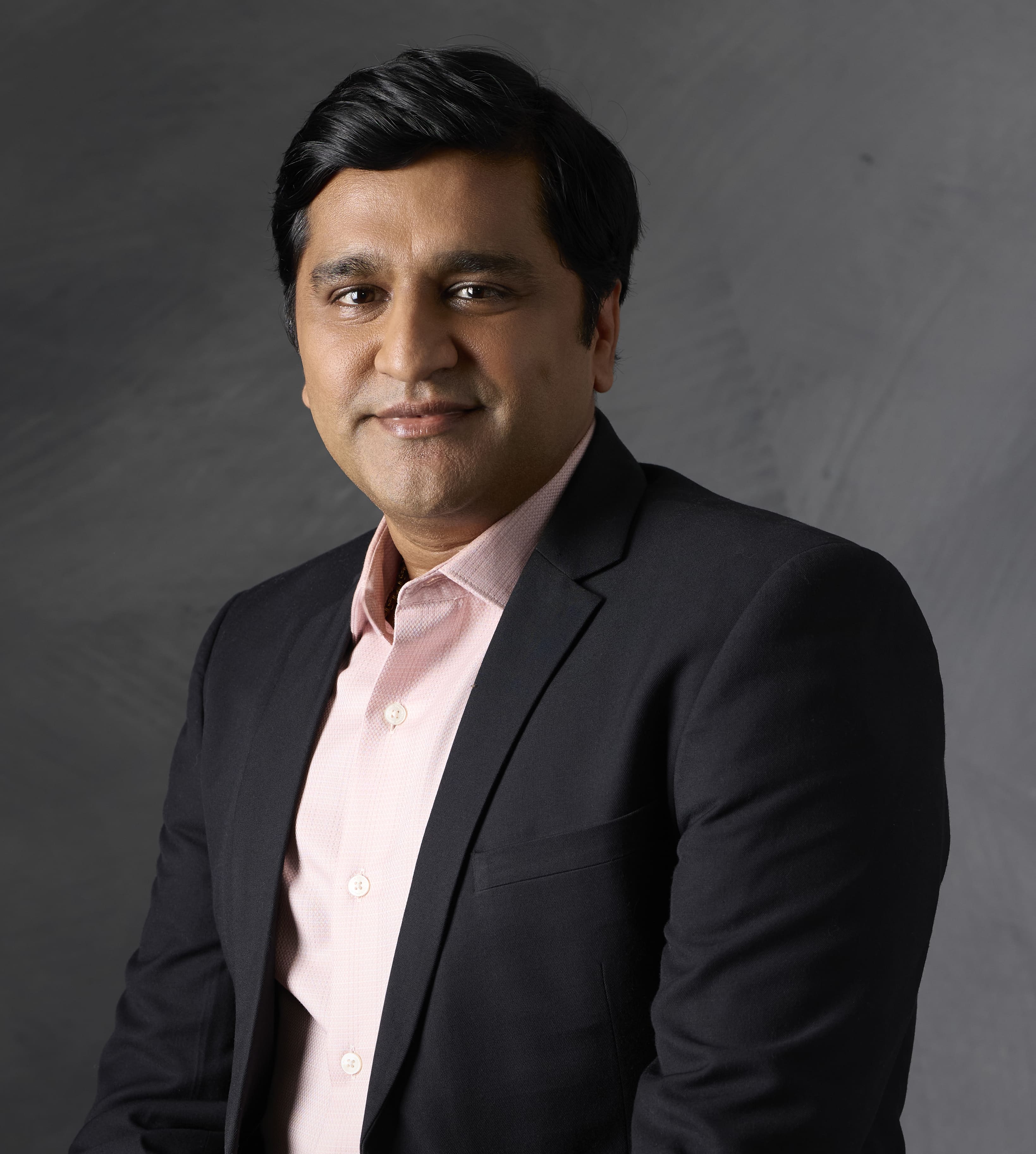
Mumbai, India, June 17: CaratLane – A Tata Product, India’s leading omni-channel jewellery brand, has announced the appointment of Dhaval Raja as its Chief Sales Officer (CSO). In this role, Dhaval will lead the company’s sales function across channels and markets, driving business growth, retail excellence, customer experience transformation, and network expansion as CaratLane continues to strengthen its omni-channel presence across India.
Dhaval brings extensive experience in sales leadership, business expansion, and retail operations, having worked across leading consumer-facing organisations. Prior to joining CaratLane, he served as Chief Sales & Business Officer at Senco Gold & Diamonds, where he led the retail, online, corporate, and digital business verticals. During his tenure, the company witnessed significant transformation, expanding from a strong regional player into a nationally recognised jewellery brand while achieving rapid retail growth and a successful public listing.
Speaking on his appointment, Dhaval Raja, Chief Sales Officer, CaratLane, said, “CaratLane has built a strong reputation for redefining the jewellery-buying experience through innovation, accessibility, and a customer-first approach. I look forward to working closely with the leadership team to strengthen sales excellence, expand our retail footprint, enhance customer experiences, and contribute to the brand’s next phase of growth.”
At CaratLane, Dhaval will be responsible for driving sales growth, accelerating new store expansion, strengthening retail execution, and leading customer experience transformation initiatives across the network. He will work closely with the leadership team to align sales strategy with the company’s long-term growth ambitions, while enhancing productivity and delivering consistent business performance across channels.
Over the course of his career, Dhaval has held leadership roles at Raymond Ltd., Raymond Apparel Ltd., and Aditya Birla Fashion & Retail Ltd., where he built expertise across sales, commercial strategy, channel management, and business operations. He has worked closely with cross-functional teams to drive market expansion, improve productivity, and build scalable operating structures that support sustainable business growth.
Known for his structured leadership style and strong execution orientation, Dhaval brings a sharp focus on building accountable, high-performing teams and fostering collaboration across functions. His ability to combine commercial insight with operational discipline has enabled organisations to scale efficiently while maintaining consistency in execution.
- 0
- By Neel Achary

17, Jun 2026
Time Travel Through Food: At the Imperial Hotel, Tokyo, the Past Is Still Being Served
A Culinary Legacy That Allows Guests to Move Between Eras in a Single Meal
TOKYO, June 17: Restaurants worldwide are rethinking how meals are experienced, complementing technical excellence with a greater emphasis on memory, heritage and narrative. This approach reflects a broader shift in consumer expectations, where context, origin and emotional connection carry as much weight as flavor, creating a dining experience that almost transports guests back in time.
Industry trends indicate rising demand for immersive, story-driven experiences alongside renewed interest in heritage cuisine and culinary nostalgia. For many operators, this has meant building concepts designed to evoke history. At the Imperial Hotel, Tokyo, that narrative does not need to be constructed; it already exists. What is now emerging as a defining direction in global hospitality has, in effect, long been integral to the hotel’s culinary identity for more than 135 years.
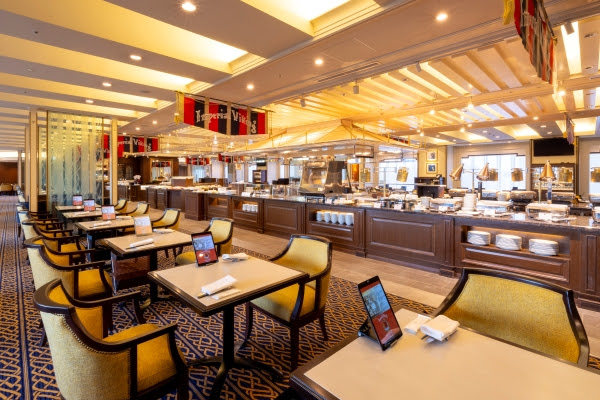
Within the Imperial Viking Sal, the hotel’s long‑established buffet restaurant, dishes originally created for specific guests and moments in history remain in active service. Introduced in 1958 as Japan’s first “Viking” buffet, the concept marked a turning point in how the country engaged with international cuisine, bringing multiple culinary traditions into a single setting while allowing guests to shape their own experience. Inspired by the Scandinavian smorgasbord encountered by Imperial Hotel president Tetsuzō Inumaru, the format was adapted for a Japanese audience as a dining style centered on variety and individual choice.
The restaurant’s cultural impact extends beyond the hotel itself. The name “Viking,” originally chosen for its Nordic associations, entered everyday language and became widely used in Japan as a synonym for all‑you‑can‑eat buffet dining, reflecting how the concept was not only adopted but fully integrated into the country’s modern food culture.
Following its renewal in August 2023, the Imperial Viking Sal now presents more than 50 dishes spanning French, Japanese, and Chinese influences, reflecting its continued evolution from its original smorgasbord roots. Unlike a traditional set menu, the format allows diners to move fluidly across cuisines and eras within a single meal. A single visit can trace a progression from prewar European techniques to postwar Japanese adaptations and into contemporary interpretations, creating a layered experience built plate by plate.
“Many restaurants today are working to build experiences around history and narrative,” said Kazuhiko Yashima, General Manager of the Imperial Hotel, Tokyo. “At the Imperial Hotel, those stories are already embedded in our dishes. They were created at distinct moments in time for real guests, and they have remained part of our offering ever since.”
Several signature offerings, both dishes and beverages, anchor this continuity, reflecting the hotel’s role in cultural exchange, personalization, and culinary evolution.
The Chaliapin Steak, created in 1934 for Russian opera singer Feodor Chaliapin, represents an early example of highly personalized cuisine. Developed to address the singer’s difficulty with tougher cuts of meat, the steak is tenderized using grated onions, whose enzymes break down the fibers to produce a soft, yielding texture. It is finished with sautéed onions that add depth without the need for a traditional sauce, illustrating how technical adaptation can lead to lasting culinary innovation.
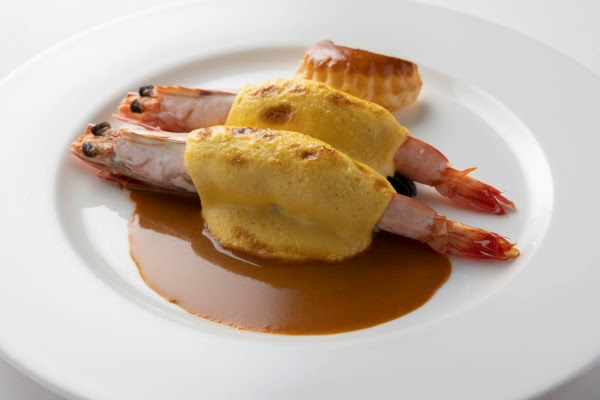
The Gratin of Prawn and Sole “Queen Elizabeth II”, first prepared during the Queen’s state visit to Japan in 1975, reflects the precision and restraint associated with diplomatic hospitality. The dish combines delicate seafood with a carefully balanced cream-based preparation designed to feel refined rather than overtly rich. Its name, granted with the Queen’s approval, ties it directly to a specific historical moment and reinforces its place within the hotel’s legacy of state occasions.
The hotel’s Signature Double Consommé Soup, refined over generations, reflects the introduction and evolution of classical French culinary technique within Japan. Achieving its clarity requires a prolonged clarification process that removes impurities while concentrating flavor, resulting in a crystal-clear broth with notable depth. Long regarded as a benchmark of technical discipline, it underscores the precision that underpins the hotel’s culinary foundations.

The Imperial Hotel’s signature “Mount Fuji” cocktail, first created in 1924, represents a distinctive moment in the hotel’s history of hospitality and innovation. Conceived as a welcome drink for Western passengers arriving in Tokyo on around‑the‑world cruises, it was designed as a visual tribute to Japan’s most iconic landscape. Its white, foamy surface, accented with a maraschino cherry, evokes the image of a snow‑capped Mount Fuji with the red sun rising above its peak. As the Imperial Hotel’s first original cocktail, its carefully balanced recipe, combining gin, fruit juices, egg white, and cream, has been passed down unchanged since its creation. While later accounts note that the identity of its creator remains uncertain, the Mount Fuji continues to be served at the Old Imperial Bar as an enduring symbol of the hotel’s legacy and its tradition of welcoming international guests.
Taken together, these dishes trace a progression of influence, adaptation and exchange. They serve not only as menu offerings, but as records of shifting cultural relationships and evolving tastes, shaped by the individuals and moments for which they were originally created. As the industry increasingly favors experience-led formats and narrative-driven menus, dining rooted in real historical moments and figures has gained renewed relevance. The Imperial Hotel, Tokyo offers a distinct point of reference, one grounded not in recreation, but in continuity.
The result is not a reinterpretation of history, but its continuation. At the Imperial Hotel, Tokyo, guests encounter another era not through imagination, but through a progression of dishes that carries them across time.
17, Jun 2026
Canara Bank Launches new FCNR Special Deposit Scheme for NRIs, offers up to 6.50 petcentage p.a. on US Dollar deposits
Bengaluru, June 17 : Canara Bank announces its FCNR Special Deposit Scheme, designed to help Non-Resident Indians grow their savings while investing securely in India. This announcement comes in line with the recent measures announced by the Reserve Bank of India to encourage foreign currency inflows into the nation.
Under the Special Deposit Scheme, customers can earn interest on deposits denominated in foreign currencies, with high interest rates and capital protection features. This scheme is offered in leading foreign currencies such as US Dollar , British Pound Sterling , Euro, Canadian Dollar and Australian Dollar
Customers can now earn an attractive interest rate of up to 6.50% p.a. on USD deposits, with a flexible tenure ranging from 3 years to 5 years. The deposit carries a lock-in period of one year.
The rate is effective from June 11, 2026.
Another important benefit of FCNR deposits is that both the invested sum and the earned interest amount can be transferred abroad without any restrictions, offering total freedom to the NRIs managing their financial affairs overseas. Besides, the interest earned from the FCNR deposits is exempted from tax in India, which makes for an ideal investment choice for the NRIs. Under this scheme, Canara Bank is also providing the facility of a loan against the FCNR deposits.
Speaking about this scheme, Shri. Bhavendra Kumar, Executive Director, Canara Bank, said,
“The FCNR(B) Special Deposit Scheme is tailor-made to provide our NRI customers with the benefit of earning competitive interest on their foreign currency deposits. This scheme is very convenient, tax-efficient, and easy to withdraw funds, making an excellent investment option for our customers abroad.”
This scheme reflects Canara Bank’s dedication to developing creative, customer-oriented banking facilities for its customers worldwide.
Customers can learn more about the scheme by visiting Canara Bank’s official website https://www.canarabank.bank.in/
17, Jun 2026
Saatvik Green Energy Limited Wins Golden Peacock Occupational Health & Safety Award 2026
Mumbai, June 17: Saatvik Green Energy Limited, one of India’s leading integrated renewable energy companies, has been conferred the Golden Peacock Occupational Health & Safety Award 2026 in the Power (Renewable) Sector by the Institute of Directors (IOD), India. The award is among the country’s most prestigious recognitions for corporate excellence and acknowledges organizations that demonstrate outstanding commitment to workplace safety, employee well-being, and continuous improvement in occupational health and safety performance.
The recognition reflects Saatvik‘s unwavering commitment to fostering a safety-first culture across its solar PV module manufacturing operations in Ambala, Haryana. With a large workforce comprising employees and contract workers operating in a highly dynamic manufacturing environment, the Company has consistently embedded safety into every aspect of its operations through strong leadership commitment, robust governance systems, employee engagement, and technology-enabled risk management.
Commenting on the recognition, Mr. Prashant Mathur, CEO, Saatvik Green Energy Limited, said: “At Saatvik, safety is not a compliance requirement or a business priority, it is a core value embedded in every decision we make. As we continue to expand our manufacturing footprint and contribute to India’s clean energy transition, our foremost responsibility is to ensure that every employee and contractor returns home safely each day. This recognition reflects the collective efforts of our workforce in building a proactive safety culture driven by leadership commitment, employee participation, continuous learning, and technology-led risk management. From AI-enabled safety monitoring and predictive maintenance to robust governance systems and extensive workforce training, we are committed to setting new benchmarks in occupational health and safety. We are honoured to receive the Golden Peacock Occupational Health & Safety Award 2026 and remain steadfast in our pursuit of a zero-harm workplace.”
Safety at Saatvik is supported by a comprehensive Occupational Health & Safety Management System aligned with ISO 45001 standards and integrated into the Company’s overall governance framework. Occupational health and safety performance is regularly reviewed by senior leadership and forms an integral part of the Company’s ESG governance architecture.
The Company has adopted a technology-driven approach to workplace safety. Digital-enabled visual inspection systems help identify manufacturing defects that could potentially lead to electrical or fire-related risks. Real-time video analytics monitor PPE compliance and unsafe behaviours, while predictive maintenance systems identify equipment-related risks before they escalate into incidents. These initiatives are further supported by structured processes such as Hazard Identification and Risk Assessment (HIRA), Job Safety Analysis (JSA), Permit-to-Work systems, Behaviour-Based Safety programmes, and Management of Change protocols.
Employee participation remains central to Saatvik‘s safety culture. Through safety committees, suggestion schemes, toolbox talks, recognition programmes, and continuous training initiatives, employees and contract workers actively contribute to hazard identification, risk reduction, and workplace improvements. The Company also maintains 100 percent safety training coverage across its workforce, reinforcing competency and awareness at all organizational levels.
Saatvik‘s safety performance has delivered measurable outcomes. Over the last two years, the Company has maintained Zero Lost Time Injuries (LTI), achieved a significant reduction in Total Recordable Incident Rate (TRIR), reduced incident-related downtime, and strengthened workforce capability through more than 4,700 annual training hours. The Company has also reported zero compensation claims, zero equipment damage incidents, and no regulatory penalties or notices related to occupational health and safety.
The Company’s safety systems and performance have been independently validated through ISO 45001 certification and a Bronze Medal from EcoVadis, placing the Company among the top-performing organizations globally on ESG parameters.
The Golden Peacock Occupational Health & Safety Award is conferred annually by the Institute of Directors (IOD), India, and is widely regarded as a benchmark for excellence in workplace health and safety. The selection process involves a rigorous multi-stage assessment, including independent evaluation, peer review, and final adjudication by an eminent jury chaired by Hon’ble Justice Uday U. Lalit, Former Chief Justice of India, along with distinguished leaders from public administration, industry, law, sustainability, and governance.
17, Jun 2026
Vogue India Spotlights Senator Dr. Rasha Kelej’s Leadership, Purpose, and Vision for Empowering Women
MUMBAI, India, June 17 — Senator Dr. Rasha Kelej, CEO of Merck Foundation, has been featured by leading lifestyle media publication Vogue India. The feature article, titled “Empowering Change: Dr. Rasha Kelej’s Vision for Women-Led Development”, highlights her inspiring leadership journey, her vision for empowering women and girls through education and healthcare, and the transformative impact of Merck Foundation’s programs in advancing healthcare capacity, breaking infertility stigma, supporting girl education, and driving social change across Africa and beyond.
Senator Dr. Rasha Kelej, CEO of Merck Foundation and One of 100 Most Influential African Women (2019-present) shared, “I am truly honoured to be featured by Vogue India, yet again. As a long-time reader of Vogue, I have always admired its ability to celebrate fashion, individuality, and influential voices. This feature not only highlights the impact of my work but also reflects a message I strongly believe in that women should never feel they must compromise their femininity to become effective leaders. Leadership today is multidimensional; it is not only about the decisions we make, but also about how we present ourselves and represent our mission. I believe confidence, authenticity, professionalism, and personal style can coexist seamlessly, and that embracing our individuality can make us stronger leaders and role models for others.”
Beyond her personal leadership journey, The Vogue India feature also highlights Dr. Kelej’s close collaboration with 33 African and Asian First Ladies, through which she champions programs that empower women in healthcare and STEM, break infertility stigma, support girls’ education, and create lasting impact in communities across Africa and Asia.
Under Dr. Rasha Kelej’s leadership, Merck Foundation has transformed the lives of millions through their impactful programs including the “Merck Foundation Scholarships Program”, through which more than 2,600 scholarships have been provided for healthcare providers from 52 countries in 44 critical and underserved medical specialties.
She also created the “Merck Foundation More Than a Mother” movement in 2015, one of the most impactful and widely recognized campaigns, that aims to empower infertile and childless women through access to information, education, health and change of mindset. The campaign is building quality and equitable Reproductive and Fertility Care capacity, breaking infertility stigma, raising awareness about infertility prevention & male infertility, and Supporting Girl Education.
As a passionate advocate for supporting girls’ education Dr. Kelej has launched Merck Foundation Educating Linda program, which provides annual scholarships to high-performing yet underprivileged schoolgirls, in partnership with African first Ladies. To date, more than 1,500 annual scholarships are awarded to African schoolgirls from 21 countries, covering school fees and other essential educational expenses, including books and uniforms, enabling them to complete their education and reach their full potential.
The article also showcases how Dr. Kelej has leveraged innovative and creative platforms, including media, fashion, music, animation films, and storybooks, to raise awareness about critical social and health issues. Through these initiatives, Merck Foundation has been able to engage communities and create culture shift in communities across Africa and beyond.
The feature also spotlights Dr. Kelej’s distinctive style and fashion presence while offering insights into the personal philosophy that has guided her journey, she shares, “My learnings and takeaways from my work and journey have been to never give up and always be yourself. Be consistent, persistent, and disciplined. Not only in your work commitments and goals, but also in your personal ones, such as daily exercise, healthy eating, and self-development, to stay relevant. Most importantly, practice daily stress management, which is the key to sustainable high performance.”
16, Jun 2026
Cinnzeo Bakery Café Signs Multi-Unit Franchise Agreement for Telangana Territory in India
Hyderabad – June 16: Cinnzeo Bakery Café of Canada is pleased to announce the signing of a multi-unit franchise development agreement for the Telangana Territory in India, marking a significant milestone in the brand’s international expansion strategy.
Under the agreement, the new franchise partner will develop multiple Cinnzeo Bakery Café locations throughout Telangana, including key urban markets such as Hyderabad. The development will introduce Cinnzeo’s signature fresh-baked cinnamon rolls and premium bakery offerings to one of India’s fastest-growing and most dynamic regions.
“We are excited to welcome our Telangana franchise partner to the Cinnzeo family,” said Brad Turner, CEO of Cinnzeo Bakery Café of Canada. “India represents a tremendous growth opportunity for our brand, and Telangana’s strong economic development, vibrant retail sector, and growing consumer demand for premium café experiences make it an ideal market for expansion.”
The multi-unit development agreement reflects Cinnzeo’s commitment to partnering with experienced operators who share the brand’s focus on product quality, operational excellence, and exceptional guest experiences.
Cinnzeo Bakery Café is widely recognized for its oven-fresh cinnamon rolls, made with proprietary recipes and premium ingredients. In addition to its signature Classic Roll, the menu features specialty rolls, Cinnzeo Bites, gourmet coffee beverages, and other bakery café offerings designed to meet evolving consumer preferences.
“Our new franchise partner brings strong local market knowledge and a strategic growth vision,” added Gaurav Marya, CEO of Franchise India. “We look forward to supporting the successful rollout of multiple locations across Telangana and building a strong, long-term presence in the region.”
The first Telangana location is anticipated to open in 2026, with additional units to follow in accordance with the agreed development schedule.
This agreement further strengthens Cinnzeo’s global footprint and reinforces its position as a leading specialty bakery café brand committed to thoughtful, sustainable international growth.
16, Jun 2026
Wood Mackenzie: Data centre metals demand isn’t an asset story. It’s a grid story.
Grid infrastructure requirements reshape base metals demand outlook to 2040

LONDON/HOUSTON/SINGAPORE, June 16: Research from Wood Mackenzie finds that the base metals required to power the global data centre boom extend far beyond the servers, cooling units, and enclosures inside the facility. When grid reinforcement, transmission networks, and facility-level power systems are included, total system-level metals consumption reaches an estimated three to four times the volume implied by the asset itself.
The research, Data centre metals demand: it’s all about the infrastructure not internals (Wood Mackenzie, June 2026), sets out why the conventional framing of this demand story is incomplete, and what that means for commodity markets, infrastructure investment, and energy policy.
“Most assessments of data centre metals demand stop at the server room door,” said Shashank Sriram, Senior Research Analyst, Al
uminium Markets at Wood Mackenzie. That captures the smallest part of the picture. The infrastructure required to keep a modern data centre running, redundant power systems, on-site generation, transmission reinforcement, has a metals footprint that dwarfs what is happening inside the facility. At the system level, we are looking at three to four times the volume implied within the asset. For investors and grid planners, that is a material difference.”
Key findings at a glance
- Internal aluminium demand peaks at 0.6 to 0.9 million tonnes annually, declining from the late 2030s
- Cooling represents approximately 55% of internal aluminium demand; racking and enclosures approximately 25%
- Internal demand grows at approximately 8 to 10% CAGR to the early 2030s, then falls at approximately 2 to 3% per annum
- Annual data centre power capacity additions are projected to peak at approximately 30 to 33 GW in the early 2030s
- Asia-Pacific will exceed 50% of global additions at peak; North America leads early deployment
What is happening inside the facility
Inside the data centre, aluminium demand is concentrated in cooling systems, at approximately 55% of internal use, and racking and enclosures, at approximately 25%. Copper anchors performance at high-density nodes, driven by power density and system complexity rather than structure. Both metals grow at approximately 8 to 10% per year into the early 2030s, before plateauing and declining at approximately 2 to 3% per annum as efficiency gains and AI-driven design optimisation take hold. Total aluminium demand within the asset peaks at 0.6 to 0.9 million tonnes annually before trending lower toward the late 2030s.
In short, the internal demand profile is front-loaded and bounded, even as underlying compute demand continues to rise.
Where demand is actually being generated
The first structural shift occurs at the facility boundary. As grid connections slow and local power capacity tightens, operators are building power systems into the facility itself. On-site generation now spans solar and wind with storage, gas engines and turbines, solid oxide fuel cells, and emerging small modular reactor concepts. None of this scales with compute load. It sits alongside it, engineered to guarantee uptime regardless of what the grid does. Wood Mackenzie estimates that this layer alone effectively doubles the metals demand implied within the asset, with aluminium expanding across busways, structural housings, and distribution systems, and copper scaling across high-load interconnections and grounding infrastructure.
The second shift occurs at the grid. Annual data centre-driven power capacity additions are projected to rise from approximately 15 to 20 gigawatts today to a peak of approximately 30 to 33 gigawatts in the early 2030s, stabilising at structurally higher levels thereafter. Asia-Pacific will account for more than half of global additions during the peak phase. North America leads early deployment. These are not incremental grid connections. They are network reinforcement programmes responding to load profiles that existing infrastructure was not designed to absorb.
At this stage, metals demand is no longer driven by the data centre. It is driven by the power system required to sustain it. Aluminium dominates here, scaling across overhead transmission, conductors, and utility-scale generation frameworks. Copper scales across substations, underground connections, and generation-side electrical systems. The split between the two metals is not a function of price. It is determined by the physical limits of each application. Physics defines outcomes. Price influences the boundaries.
When all three layers are aggregated, total system-level metals consumption reaches an estimated three to four times the volume implied within the asset. The result, the report concludes, is not substitution between aluminium and copper, but co-dependent expansion across the base metals complex.
16, Jun 2026
Noida International Airport Takes Flight A New Era of Connectivity and Growth Along the Yamuna Expressway
June 16 : The commencement of commercial flight services by IndiGo from the new Noida International Airport at Jewar on June 15 marks a transformative milestone in Uttar Pradesh’s infrastructure and economic development journey. In a landmark moment for Uttar Pradesh’s infrastructure landscape, the airport welcomed its inaugural flight from Lucknow’s Chaudhary Charan Singh International Airport, which landed at 8:05 AM on Monday. The return IndiGo service, flight 6E-2279, is scheduled to depart Noida at 6:55 PM and arrive in Lucknow at 8:00 PM. As the first airline to begin operations from the airport, IndiGo will connect the region to multiple cities across India, significantly enhancing accessibility and establishing the Yamuna Expressway corridor as one of the country’s most promising growth destinations.
The launch of flight operations is expected to catalyse investment, employment generation, logistics growth, tourism, and urban development across the region. With direct connectivity to more than 16 cities planned in phases, the airport is poised to emerge as a major aviation hub for North India, complementing Delhi-NCR’s expanding infrastructure ecosystem.
This landmark development further strengthens the investment potential of the Yamuna Expressway, a corridor already witnessing unprecedented momentum through planned infrastructure initiatives, including logistics parks, industrial clusters, Film City, Medical Device Park, and Airport City developments under the YEIDA Master Plan 2041.
While several real estate developers have turned their attention to the Yamuna Expressway corridor in anticipation of the transformative impact of the Noida International Airport, ACE Group has been among the pioneers in recognizing and investing in the region’s long-term potential. Over the years, the company has built a diverse and impressive portfolio of residential, commercial, and plotted developments along the corridor, establishing a strong presence in one of North India’s fastest-growing real estate destinations.
Among the flagship developments is ACE Terra, a premium residential project in Sector 22D that has emerged as one of the most sought-after addresses along the Yamuna Expressway. Building on the project’s strong response from homebuyers and investors, ACE Group has recently unveiled Aurea, two exclusive new towers within the development. Offering thoughtfully designed luxury residences, expansive green surroundings, contemporary architecture, and world-class amenities, ACE Terra and Aurea together reflect the growing demand for high-quality living spaces in close proximity to the now operational Noida International Airport. The development offers residents the unique advantage of enjoying a refined lifestyle while remaining connected to one of India’s most significant infrastructure-led growth corridors.
ACE Group has also introduced ACE YXP, a first-of-its-kind lifestyle and commercial destination on the Yamuna Expressway to be operational this year. Featuring high-street retail, entertainment zones, dining avenues, studio residences, and leisure spaces, and many high-end brands are already on board. The project is envisioned as a vibrant commercial hub catering to the growing residential and business population expected to emerge around the airport ecosystem.
For those seeking long-term investment opportunities, ACE Group presents two integrated township developments along the Yamuna Expressway corridor, each combining strategic location advantages with modern infrastructure and future-ready planning.
The first is a 68-acre township anchored by ACE Estate, a premium plotted development offering investors the foundation of land ownership within a thoughtfully planned community. Complementing the plots is ACE Edit, which offers a contemporary mix of studio apartments and retail spaces, catering to the growing demand for flexible living and commercial formats in the airport-influenced corridor.
The second is a expansive 100-acre township built around ACE Acreville, an equally compelling plotted development evolving into a vibrant mixed-use destination. Within this township, ACE Verde stands as a premium residential development designed to deliver an elevated lifestyle experience amidst thoughtfully planned surroundings. Complementing the residential component is ACE Hive, a commercial project featuring fully furnished business suites managed by Sarovar Hotels, bringing hospitality-led services and professionally managed workspaces to the region.
Together, these developments underscore ACE Group’s vision of creating integrated communities that seamlessly blend residential, commercial, hospitality, and investment opportunities while capitalizing on the immense growth potential of the Yamuna Expressway corridor.
As Noida International Airport welcomes its first passengers, the surrounding region stands at the threshold of unprecedented transformation.
16, Jun 2026
AVILOO turns battery anxiety into battery confidence with industry-first warranty for used EVs
London, June 16 : AVILOO, the global leader in independent EV battery diagnostics, today announces the launch of the AVILOO Battery Warranty in the UK – the first product of its kind to provide used EV buyers with genuine, financially backed protection based entirely on independent battery health data.
The warranty comes into effect in July in the UK, launching simultaneously in Germany, the Netherlands, Finland, Austria, Belgium, Ireland and Switzerland, following successful rollouts in France and Sweden in June.
The used EV market in the UK is growing rapidly, but buyer confidence has not kept pace. For most consumers, the battery – the single most expensive component in any electric vehicle – remains an unknown quantity at the point of purchase. Manufacturer-reported health figures are neither independently verified nor standardised. The AVILOO Battery Warranty changes that.
How it works: for dealers
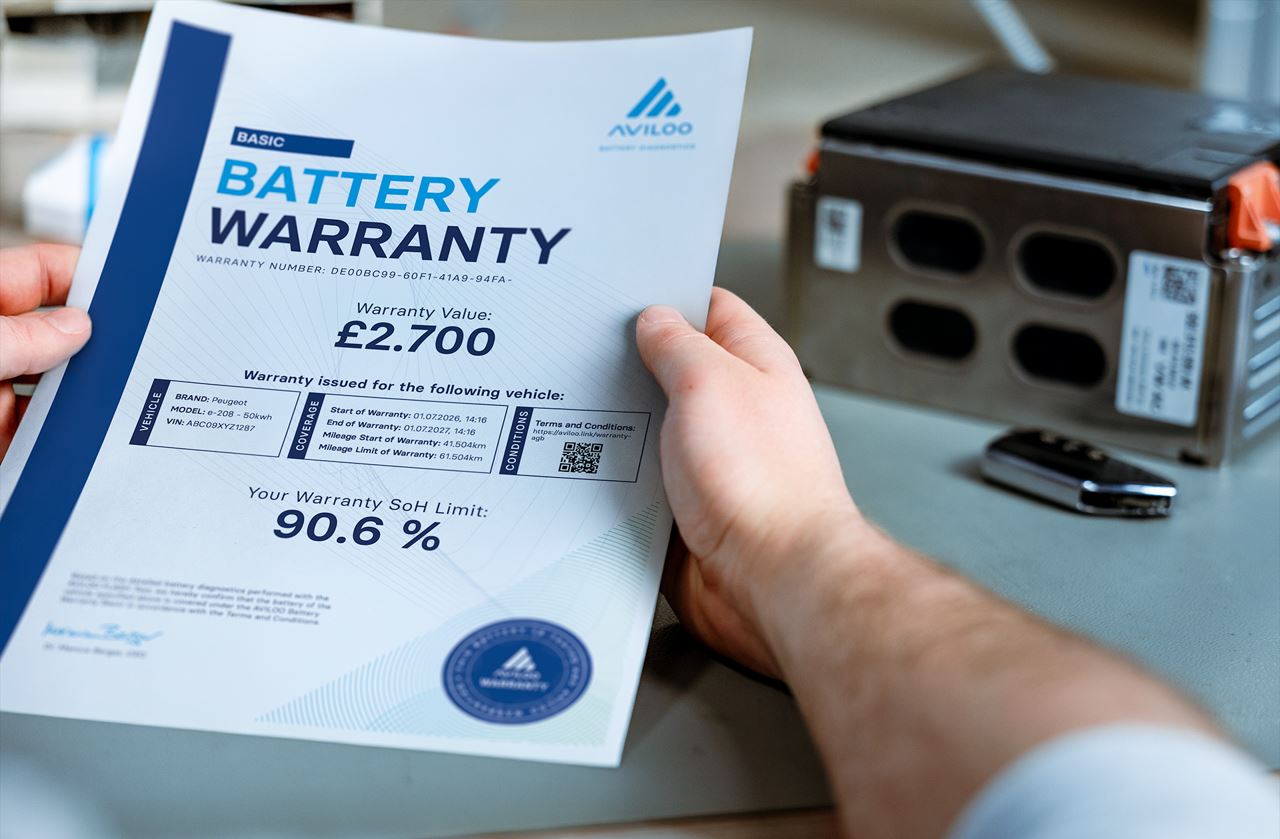
The Battery Warranty is issued as a standalone document, separate from AVILOO’s existing independent battery certificate. It is managed through AVILOO Connect, a new digital dashboard for professional EV remarketing, giving dealers, fleet operators, and remarketing platforms a single interface to manage battery test lifecycles from incoming inspection through to warranty issuance.
For each vehicle, an individual State of Health (SoH) floor is calculated using AVILOO’s proprietary diagnostics database – the largest battery health dataset in the world. The calculation sets the minimum SoH the battery must maintain at 20,000 kilometres over the one-year warranty period. Dealers can offer this warranty to buyers as a credible, independently underwritten selling point, without carrying the risk themselves.
How it works: for buyers
Buyers receive a one-year warranty period during which they can carry out an AVILOO FLASH Test – a three-minute, manufacturer-neutral diagnostic that assesses real battery capacity, thermal management, and charging capability against original factory specifications, covering 96% of EV models currently on the road.
If the battery’s SoH falls below the calculated threshold during the warranty period, the buyer receives £2,700 in compensation plus a full refund of the FLASH Test costs. This is a concrete, unconditional financial backstop, not a vague assurance.
Marcus Berger, CEO of AVILOO, said:
“The AVILOO Battery Warranty raises the used electric vehicle market to a new level. For the first time in the UK, we are providing the foundation for a warranty based solely on objective, independent measurement data. This builds trust and gives British dealers and buyers a level of certainty that simply has not existed before. The UK has one of Europe’s most dynamic used EV markets, and we see enormous appetite from both dealers and consumers to get this right. With the Battery Warranty, we are setting a new industry standard – one that provides orientation for all market participants, strengthens the case for electric mobility, and ensures that used EVs are seen not as a risk, but as a sustainable, trustworthy choice.”
Already trusted by Europe’s biggest automotive names
AVILOO’s credentials in independent battery diagnostics are already well established. Mercedes-Benz, Volvo, and Porsche Holding have each selected AVILOO as their preferred third-party battery testing provider for dealerships across Europe, with the FLASH Test deployed on both own-brand and trade-in vehicles.
Leasing majors Ayvens and Arval use AVILOO as part of their end-of-lease remarketing process. Auction groups BCA and Cox Automotive have integrated the FLASH Test into their European operations. Major dealer groups Hedin and Emil Frey are also live. All relationships are underpinned by European-level agreements.
16, Jun 2026
Navitas Solar Announces Rs. 1,500 Crore Integrated Manufacturing Expansion in Gujarat with 3.6 GW Cell Line and Pilot Wafer & Ingot Line
Surat, June 16 : Navitas Solar, one of India’s solar manufacturers, today announced a proposed investment of approximately INR 1,500 crore towards an integrated manufacturing expansion in Gujarat. The project includes a 3.6 GW high-efficiency solar cell manufacturing facility and a pilot wafer & ingot line, marking a significant step in the company’s strategy to deepen backward integration and strengthen India’s domestic solar manufacturing ecosystem.
The proposed expansion is designed to enhance domestic value addition, reduce long-term dependence on imported components and support India’s broader clean energy and manufacturing ambitions. The project will be developed in phases, with Phase I targeted for commissioning in 2027 and subsequent capacity additions planned thereafter, subject to market conditions and project readiness.
As part of the project, civil work covering over 10 lakh sq. ft. is currently underway. Navitas Solar has put in place the required technology tie-up for the planned manufacturing line and appointed senior leadership to spearhead the new business vertical. The company is further strengthening its project execution, manufacturing, technology and quality functions with experienced talent to support the successful implementation of the expansion and its long-term growth plans.
The cell manufacturing facility is being designed as a highly automated and future-ready production platform capable of supporting next-generation solar technologies. The manufacturing line will be developed with upgradeability and flexibility to adapt to evolving technology pathways, including potential transitions to advanced cell architectures, subject to market and technology readiness.
Along with this investment, a strategic pilot wafer & ingot line is planned in 2027 as a part of its long-term roadmap for deeper backward integration. The initiative is expected to strengthen internal capabilities, enhance technology understanding and support future localization requirements across the solar value chain.
Commenting on the development, Mr. Vineet Mittal, Director Finance & Strategy, Navitas Solar, said,
“India’s clean energy transition requires strong domestic manufacturing capabilities across the entire solar value chain. Our planned integrated manufacturing expansion in Gujarat is a strategic step towards building a future-ready platform across modules, cells and deeper backward integration. With civil work underway, technology partnership in place, key government approvals secured and senior leadership appointed to drive the project, we are progressing with a clear focus on execution, quality, innovation and long-term competitiveness. This expansion reflects our commitment to strengthening India’s manufacturing ecosystem, enhancing supply-chain resilience and supporting the country’s vision of becoming a global clean energy manufacturing hub.”
The expansion comes at a pivotal time for India’s solar sector, following the Government’s implementation of the ALMM List-II framework for solar PV cells. As domestic module manufacturing capacity continues to expand, the availability of approved domestic solar cells is becoming a critical factor for project planning, supply-chain security and long-term competitiveness. Navitas Solar’s proposed 3.6 GW cell facility is aligned with this national policy direction and is expected to support the industry’s transition towards higher domestic value addition, reduced import dependence and stronger clean energy self-reliance.
The project is expected to generate nearly 1,000 employment opportunities across manufacturing, engineering, operations, project execution, quality assurance and research functions, while also creating significant indirect employment across logistics, ancillary industries and supporting services. Navitas Solar currently has an annual solar module manufacturing capacity of 3 GW and offers a comprehensive portfolio of Mono PERC and high-efficiency TOPCon modules ranging from 40W to 720W. The company also has upstream integration through its subsidiary, Navitas Alpha Renewables Pvt. Ltd., which manufactures solar encapsulants, further strengthening the group’s position across the solar manufacturing ecosystem.
With this planned Rs. 1,500 crore investment, Navitas Solar is taking a significant step towards becoming a more integrated, technology-driven and future-ready solar manufacturer, reinforcing its long-term commitment to innovation, self-reliance and India’s clean energy future.


