


7, Oct 2026
Hoola Health Acquires UpTodd and Unveils Hoola 1000 for a Child’s First 1,000 Days
Bengaluru, Oct 07th, 2026: Hoola Health, a paediatric healthcare company building an integrated care ecosystem for children and families, today announced the acquisition of UpTodd, an early-childhood development platform, and unveiled Hoola 1000, a paediatrician-led programme that guides families from pregnancy through a child’s second birthday. Registrations for the programme are now open, ahead of its December 2026 launch in Bengaluru. Built on UpTodd’s early-childhood content and parent-engagement capabilities, Hoola 1000 combines guided paediatric care, specialist support and everyday guidance in one place.
The programme takes its name from the first 1,000 days of a child’s life, from conception to the second birthday, widely recognised as the most important window for a child’s growth, brain development and long-term health.
For most families, pregnancy comes with a clear structure of regular check-ups, scans and antenatal classes. After birth, that structure largely falls away. Paediatric visits in the first two years tend to be brief and built around a vaccine or an illness, and parents often leave without knowing what to expect next, what to watch out for or what is perfectly normal. Once they leave the clinic, the everyday questions are theirs to answer alone, with advice pieced together from search engines and social media. And many urban parents are raising children away from the extended families who once guided them through these early years.
Breastfeeding is a clear example of what happens when support thins out after birth. Nearly four in ten babies in Karnataka are not exclusively breastfed through their first six months, a figure that has barely moved in recent years, according to the National Family Health Survey (NFHS-6). For many families, what is missing is not intent, but the right guidance at the right moment.
Hoola 1000 is designed to give parents that village, a clinical one, starting with the paediatric visit itself. At each Guided Check-in, a Hoola paediatrician walks parents through how their child is growing, what to expect in the weeks ahead, what to watch out for and what they do not need to worry about. Beyond the check-ins, families have unlimited consultations with Hoola paediatricians and specialists, including lactation consultants, nutritionists, sleep coaches and developmental therapists, over chat, video or in person at a Hoola clinic, with no per-consultation charges. A dedicated Care Concierge acts as each family’s single point of contact, helping parents with their questions, connecting them with the right specialist and managing appointments all seven days a week, and keeping track of every vaccination, with paediatricians guiding parents on each vaccine.
Alongside clinical care, the programme gives parents structured, everyday support at home:
• Daily nutrition plans and an on-demand recipe library, matched to the child’s age and feeding stage
• Weekly play and development activities suited to the child’s developmental stage
• Monthly milestone reports that help parents track growth and development
• Stage-wise toy and activity kits delivered home as the child grows
Commenting on the unveiling, Deeksha Senguttuvan, Founder & CEO, Hoola Health, said, “When a baby is born, parents have a hundred questions, and a typical paediatric visit answers very few of them. Families come in for a vaccine or when their child is unwell, and leave without a sense of what’s coming next. We built Hoola 1000 so that every visit helps parents understand what to expect, what to watch for and what not to worry about, and so that the support doesn’t stop when they leave the clinic. Across more than 20,000 families at Hoola, and through UpTodd’s work with over 100,000 parents, we have seen how much that guidance matters. We want Hoola to be the partner parents turn to through every stage of early childhood, not just when their child is sick.”
The unveiling follows Hoola Health’s acquisition of UpTodd, an early-childhood development platform offering personalised, milestone-driven programmes across child development, nutrition and parenting guidance. UpTodd has engaged more than 100,000 families and built a base of over 10,000 paying customers. The acquisition brings UpTodd’s content, milestone-tracking and parent-engagement capabilities into Hoola Health, where they are combined with Hoola’s clinical expertise to shape Hoola 1000. UpTodd’s founders, Abhishek Singh, Devesh Kaushik and Richa Singh, have joined Hoola Health to lead new initiatives, technology and the therapy business respectively. Financial terms of the transaction were not disclosed.
Hoola 1000 will launch in Bengaluru in December 2026, with pricing and programme details to be announced at launch.
- 0
- By Neel Achary

7, Oct 2026
RBI Turns Cautious, Raises Repo Rate to 5.50 pc Amid Inflation and Global Uncertainty
New Delhi, Oct 7: The Reserve Bank of India (RBI) has increased the benchmark repo rate by 25 basis points to 5.50 per cent, taking a cautious approach as rising inflation, higher crude oil prices and growing global economic risks put pressure on the domestic economy.
The decision was announced on Wednesday after a three-day meeting of the six-member Monetary Policy Committee (MPC), chaired by RBI Governor Sanjay Malhotra.
Along with the repo rate hike, the RBI raised the Standing Deposit Facility (SDF) rate to 5.25 per cent, while the Marginal Standing Facility (MSF) rate and bank rate were adjusted to 5.75 per cent.
The rate increase comes after the central bank had maintained the repo rate at 5.25 per cent for an extended period. It also marks the first increase in the repo rate since February 2023, reflecting a shift in the policy environment as inflationary pressures have become more pronounced.
Inflation has been one of the key factors behind the RBI’s decision. India’s Consumer Price Index (CPI) inflation rose to 4.82 per cent in August from 4.45 per cent in July, bringing price pressures closer to the upper end of the RBI’s tolerance band.
The global environment has also become more challenging. Crude oil prices have moved above $100 a barrel, partly due to escalating tensions in West Asia. A sustained rise in oil prices could increase input, transportation and energy costs across several sectors and add to inflationary pressures.
Global bond yields and inflation trends have further complicated the policy outlook. With several major economies facing renewed price pressures, the room for central banks to maintain easier monetary conditions has narrowed.
Domestic food inflation remains another area of concern. Strong El Nino conditions and below-normal rainfall in October could affect Rabi crop production, potentially creating additional pressure on food prices in the coming months.
SBI Research had earlier indicated that the balance of risks favoured a 25-basis-point rate increase, citing broader inflationary pressures, changing global macroeconomic conditions, liquidity developments and renewed repricing of risks in financial markets.
The RBI’s latest decision underlines its priority of containing inflation while keeping a close watch on growth and financial stability. Borrowers, banks, businesses and investors will now track upcoming policy meetings for further signals on interest rates and liquidity conditions.
The repo rate hike could have implications for borrowing costs across the economy, particularly for loans linked to external benchmarks, while also influencing deposit rates and financial market sentiment.
7, Oct 2026
Biodeal Pharmaceuticals Expands into Sterile Injectables with Acquisition of Biological E Facility
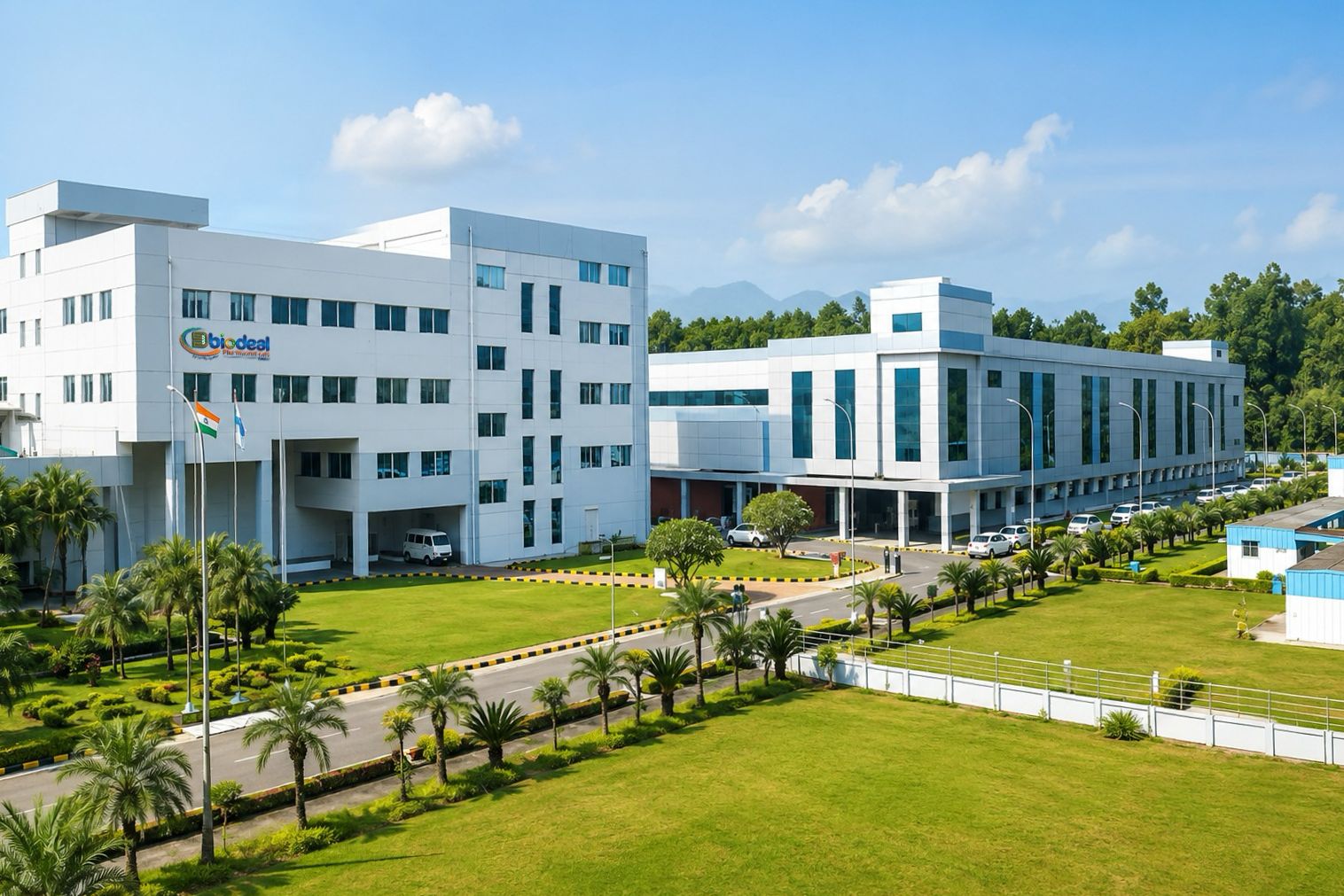
Mumbai, 07 October 2026: Biodeal Pharmaceuticals, a leading Contract Development and Manufacturing Organisation (CDMO), has acquired a sterile injectable manufacturing facility in Paonta Sahib, Himachal Pradesh – one of the largest manufacturing facilities in the state – from Biological E Limited. The acquisition marks a strategic expansion of Biodeal’s manufacturing platform into sterile injectables for global markets, adding established regulatory credentials, specialised capabilities and significant manufacturing capacity to its portfolio.
The facility is equipped for general injectables and Carbapenem manufacturing in vial formats, supported by German-made Groninger processing lines, with current annual capacity of around 135 million units. There is scope to expand to the facility‘s full capacity of 17 production lines and to add pre-filled syringe (PFS) and lyophilised formats. Biodeal is pursuing PIC/S and EU accreditation for the facility as part of its plans to expand into additional regulated markets.
Spread across a 14-acre campus, the Paonta Sahib facility comprises approximately 39,000 square metres of built-up manufacturing space and has the potential to add a further capacity of 30 million units through near-term expansion. Located approximately 50 kilometres from Biodeal’s existing Nalagarh facility, the acquisition also strengthens the company’s manufacturing footprint within Himachal Pradesh’s established pharmaceutical corridor.
“This acquisition is a deliberate step, not an opportunistic one. RMB Capitalworks backed our growth path with conviction, and Paonta Sahib gives us a regulated-market manufacturing base with credentials and capabilities that normally take years to build. It changes the category of company Biodeal competes in and puts us in a strong position to continue building a durable, high-value regulated-market business,” said Anurag Kumar, Chairman & Managing Director, Biodeal Pharmaceuticals.
The facility was acquired from Biological E Limited, a Hyderabad-headquartered vaccine and pharmaceutical manufacturer with nearly seven decades of operations, as part of Biological E’s ongoing investment in its new vaccine R&D and CDMO campus in Telangana. With this acquisition, Biodeal adds established manufacturing capacity and credentials to its platform, broadening the range of complex injectable manufacturing it can offer pharmaceutical customers globally – spanning Carbapenems for serious bacterial and drug-resistant infections, and in process of expanding into ready-to-use pre-filled syringe formats, and lyophilised products with extended stability and shelf life.
“As Biological E continues to focus our investment on our new vaccine R&D and CDMO campus in Telangana, divesting our Paonta Sahib facility to a capable, growth-oriented partner was a natural next step. We are confident Biodeal Pharmaceuticals is well positioned to build on the strong foundation established at this facility, and we wish them continued success as they take it forward,” said Mahima Datla, CEO & Managing Director, Biological E Limited.
7, Oct 2026
CDK Global Names Sudhakar Ramakrishna President and CEO
Technology veteran succeeds Brian MacDonald, who retires after leading successful CDK transformation
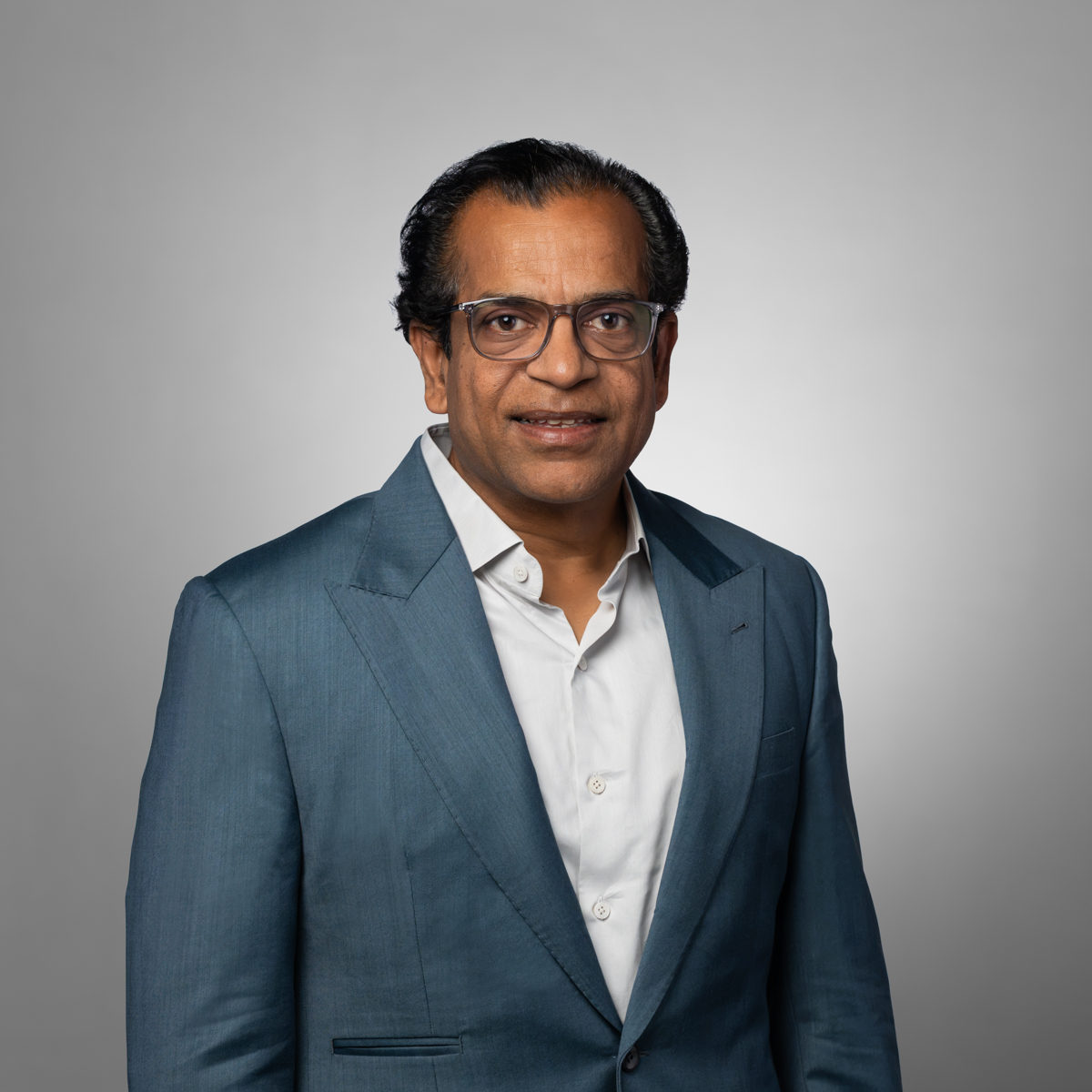
India, Oct 07: CDK, the leading automotive retail software provider, named Sudhakar Ramakrishna president and CEO and member of the CDK board of directors, effective Oct. 5. He succeeds Brian MacDonald, who will retire and serve as a senior strategic advisor to Brookfield and CDK, providing continuity and perspective through the planned transition.
Ramakrishna is a seasoned enterprise technology leader with decades of experience building and scaling software businesses across cloud, mobility, networking, security and collaboration markets. He most recently served as president and CEO of SolarWinds, a leading provider of infrastructure management software, and previously led Pulse Secure, where he worked closely with customers and partners in complex, mission-critical environments. He also held senior leadership roles at Citrix, Polycom, Motorola, 3Com and U.S. Robotics.
“We are grateful to Brian for his leadership and the lasting impact he has had on CDK. He returned to the company at an important moment and led a multi-year transformation that strengthened CDK’s strategy, product roadmap and financial foundation,” said Doug Bayerd, managing partner in Brookfield’s Private Equity Group and director of CDK’s board of directors. “Sudhakar is the right leader to build on that foundation. His experience leading technology organizations, scaling innovation and commercializing customer-centric products makes him well suited to advance CDK’s momentum and help its customers succeed in a changing automotive landscape.”
CDK enters this transition positioned for its next phase of growth, supported by more than $500 million invested over several years to evolve its platform from an industry-leading system of record into a system of intelligence and engagement. As technology becomes more central to automotive retail, CDK’s unmatched automotive-specific data -including 257 million unique customer IDs reflecting most U.S. consumers and vehicles on its platform – creates a strong foundation for AI, analytics and customer insights. That advantage allows CDK to embed intelligence directly into the workflows customers already rely on without disruption.
“CDK has the people, scale, expertise and product depth to help customers get more from the solutions they rely on to operate their businesses,” said Ramakrishna. “Our opportunity is to deliver more customer value and success through innovation, disciplined execution and reliable delivery. I look forward to spending time with our customers, learning from our teams and partners, and carrying forward our commitment to earning the industry’s trust every day.”
7, Oct 2026
UAE-Founded AHOY Labs Outperforms OpenAI, Amazon,Microsoft, Google and NVIDIA on EnterpriseRAG-Bench
Regional deep-tech company delivers greater enterprise AI accuracy than OpenAI, with a fifteenth of the noise
Dubai, UAE,7 October 2026–UAE-founded AHOY Labs (aka Trouvé), part of the AHOY technology group, today announced that its sovereign-by-design AI system has outperformed the enterprise AI search products of OpenAI, Amazon, Microsoft, Google and NVIDIA on EnterpriseRAG-Bench, a public, open-source benchmark for enterprise AI.
The regional deep-tech company surpassed all five across every measure reported by the benchmark and ranked eighth worldwide among 26 systems.
The benchmark gives each AI system the full archive of a simulated company including 500,000 emails, chat threads, files,tickets, sales recordsand meeting transcripts. It then asks 500 questions.Some answers are spread across several documents. Some documents contradict each other. Some questions have no answer at all. Systems are scored on whether their answers are correct and completeand on whether they bring back only the documents that matter.
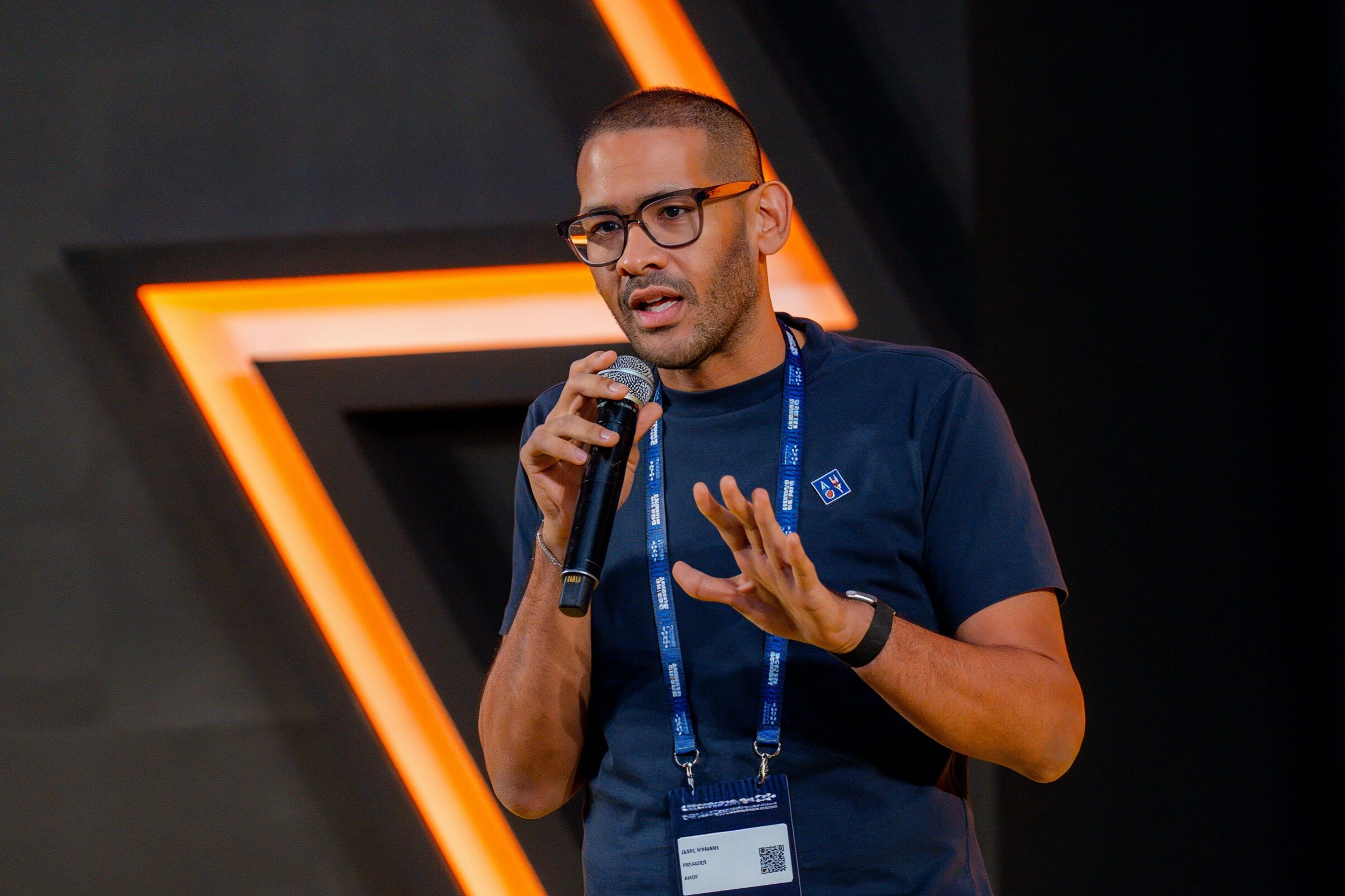
“We built AHOY to prove that sovereignty and world-class performance are not a trade-off. Outperforming the biggest names in technology, on both accuracy and precision, shows that regionalorganisations can keep full control of their data without settling for second-best AI. This is a milestone, not a finish line. Our goal is the top spot,” said Jamil Shinawi, Founder and Group CEO of AHOY.
A fifteenth of the noise
The biggest gap is in precision. For each answer, OpenAI File Search returned an average of 15.7 irrelevant documents. AHOY Labs returned 1.03, about a fifteenth as many and the fewest of all six systems. Irrelevant documents are noise: they bury the real evidence, add cost and slow people down. They also make it harder to check where an answer came from. With AHOY, the evidence behind an answer is the evidence that matters. For governments, regulators and organisations that must defend every decision they make with AI, that difference is decisive.
Built for sovereignty
AHOY’s platform is designed to run inside the customer’s own premises, on the customer’s own hardware. It can operate fully offline, so sensitive data never leaves the organisation, and AHOY’s internal testing shows it delivers the same benchmark result when running fully offline. Sovereignty is built into the system itself, not added as a hosting option, so every AHOY deployment is sovereign. This makes AHOY Labs the highest-ranked sovereign system on the leaderboard and suited to sectors where data cannot go to a public cloud, such as government, defence, healthcare and energy.
EnterpriseRAG-Bench was created by Onyx and published with an accompanying research paper. It is open source under the MIT licence. Onyx reviews results before posting them to the public leaderboard and does not rank its own product.
Overall Score of Systems:
|
System |
Overall score |
Questions answered correctly |
Irrelevant documents per answer (lower is better) |
|
AHOY Labs (aka Trouvé) |
74.95 |
79.6% |
1.03 |
|
OpenAI File Search |
61.03 |
69.8% |
15.7 |
|
Amazon Q (Kendra) |
48.96 |
55.4% |
1.49 |
|
Microsoft Azure AI Search |
48.42 |
56.4% |
3.25 |
|
Google Vertex AI Search |
41.87 |
49.2% |
4.05 |
|
NVIDIA AI Blueprints |
37.73 |
59.6% |
7.72 |
7, Oct 2026
Wordly Launches First Hardware-Free Silent Theater Live Audio Solution for Conferences
Three-in-one solution combines audio streaming, live captions, and high-quality translation into one unified product
LOS ALTOS, CA – October 7, 2026 – Wordly, the pioneer in AI translation and captions used across conferences, governments, schools, and enterprises, today introduced Silent Theater, a new way for events to deliver live audio in noisy open spaces without renting headsets and transmitters. The new capability streams audio directly to attendees’ smartphones and earbuds in real-time.
Traditionally, floor audio solutions (also known as silent disco) required ordering special equipment and managing onsite setup. Wordly’s Silent Theater delivers the service alongside their trusted AI translation and caption platform, allowing event organizers to leverage existing workflows to save significant time and money.
“Offering silent theater services has always been popular, but the extra hardware requirements have limited adoption,” said Wordly Founder & CEO, Lakshman Rathnam. “By streaming audio directly to attendees’ phones, we’re making open-air presentations easier to run, easier to scale, and more cost-effective for events of all sizes. Done well, Silent Theater offers more options for presentations in open areas and exhibitor booths.”
A Modern Approach to a Long-Standing Event Challenge
Trade show floors routinely reach 80–90 dB, making open-air presentations difficult for attendees to follow. Wordly Silent Theater allows presenters to speak naturally while attendees listen through their own devices. Organizers can also display live captions on stage screens and booth walls to capture the walk-by audience engagement.
“Wordly’s Silent Theater removes the logistical burden that makes traditional setups difficult to deploy by eliminating headset rentals, transmitter setups, and the staffing required to manage devices on site,” Rathnam continued. “It also gives organizers a comprehensive three‑in‑one solution by combining original audio streaming, live captions, and translation into a single platform.”
Part of Wordly’s Ongoing Platform Expansion
Silent Theater follows the recent rollout of Sponsor Logos, which enables event teams to monetize translation and captions through partner branding. When attendees open Wordly on their phones to listen to the Silent Theater audio stream, event planners can display Sponsor Logos directly on those same phone screens. Both product launches reflect Wordly’s continued commitment to solving complex, real-world operational challenges for event planners, particularly in environments where noise, accessibility, multilingual audiences, and high-stakes communications intersect.
6, Oct 2026
Dead Souls: Revival, a novel written by GigaChat, goes on sale
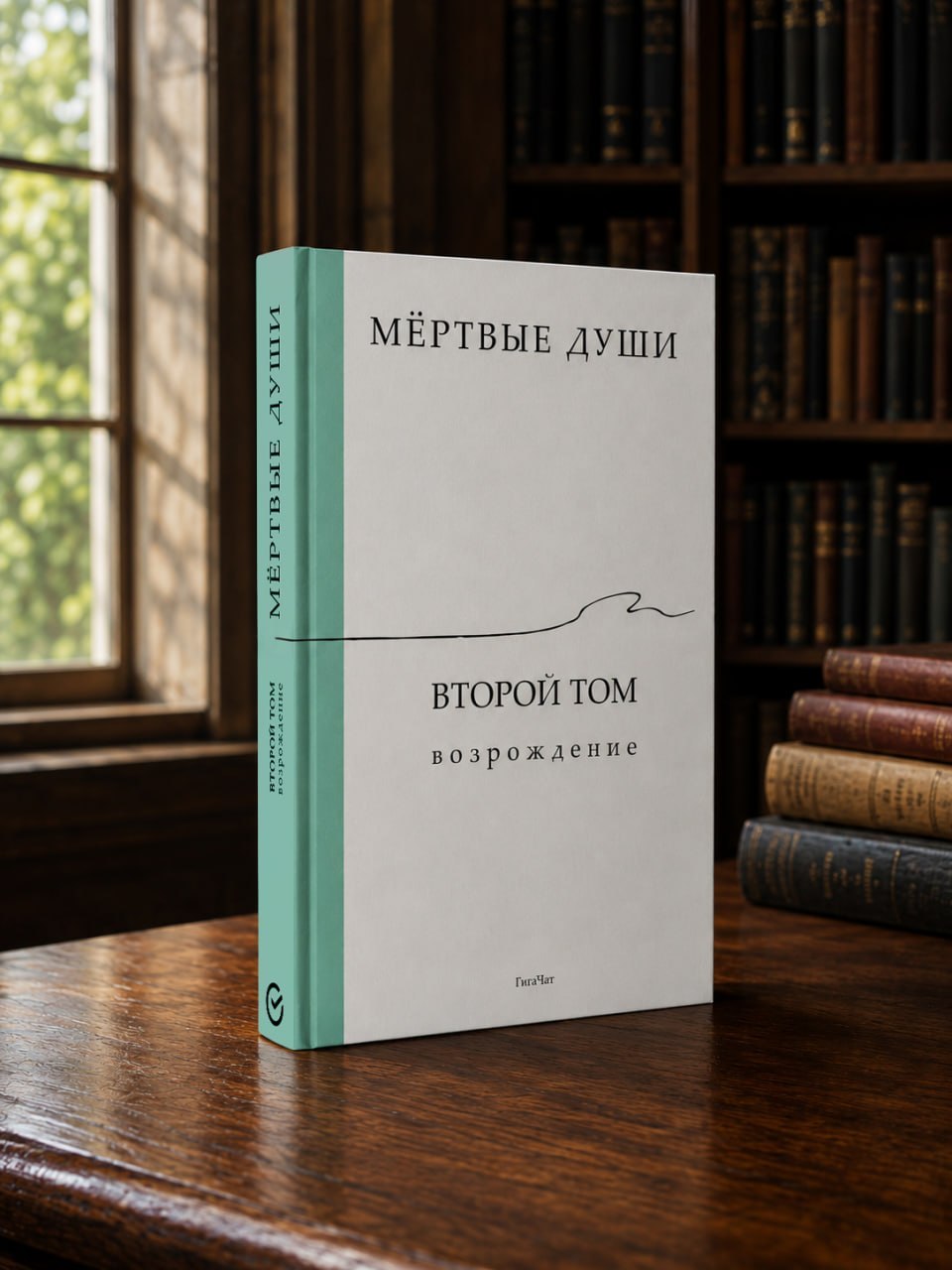
Moscow, Oct 06: In the run-up to its 185th anniversary, Sber is releasing the novel Dead Souls: Volume Two. Revival. This is a continuation of Nikolai Gogol’s immortal novel, with the text generated by the large language model GigaChat. A team of experts — including historians, literary scholars, linguists, and engineers — collaborated with Sber on this cultural research project. It is the first work created by artificial intelligence in the style of a world-renowned literary classic.
The second volume of Dead Souls represents one of the most enigmatic creative catastrophes in world literature. The manuscript, burned by the author on the night of February 24, 1852, has sparked endless debates, hypotheses, and speculation. Sber’s project took over a year. Far from merely compiling existing texts, Sber professionals and invited experts conducted extensive, complex research. GigaChat was trained on Gogol’s complete works — including his letters, drafts, and notebooks — as well as the writings of his contemporaries (Pushkin, Dostoevsky, and Turgenev), philosophical texts, biblical writings, and even the paintings the author admired.
To evaluate the outcome, an 11-parameter system was devised, encompassing lexical diversity (archaisms, Gogol-esque neologisms), syntax (long rhetorical periods), the grotesque, the comic physicality of dialogue, and the active presence of the narrator. Experts verified each generated episode for uniqueness, ensuring the artificial intelligence learned to create new meanings rather than simply copying the classic author. The neural network’s output was meticulously scrutinized to confirm it was generating semantic imagery with fresh meaning, rather than merely compiling existing texts by Gogol.
The resulting text is, undeniably, not Gogol. Yet, it is a text crafted according to the principles of Gogol’s narrative style, an achievement made possible through the synergy of human and artificial intelligence. The project yielded a literary work but also 21 illustrations created by GigaChat in the style of A. Agin, the artist behind the illustrations for the first volume of Dead Souls published during Gogol’s lifetime.
Vladislav Kreynin, senior vice president, director of the Marketing and Communications Department, Sberbank: “Debate surrounding the second volume of Dead Souls continues to this day: why did the writer destroy the manuscript, and what was the fate of the characters? Our project does not aim to settle these arguments but rather offers the reader a new cultural experience. In reviving what was lost, we relied on a solid scholarly foundation and deep respect for the author, setting ourselves two key objectives. The first is research-oriented: to demonstrate that neural networks can serve not merely as assistants for everyday tasks, but as sophisticated tools for analysis and synthesis in the hands of professionals. The second is educational: to engage the younger generation with Russian classics, encourage them to revisit not only Dead Souls but Gogol’s entire body of work, and rediscover the richness of his universe — all while taking another step toward reviving cultural heritage with the help of GigaChat.”
Dead Souls: Revival continues a series of Sber initiatives leveraging artificial intelligence to restore historical memory. Previous efforts include Digital Peter, which deciphered the handwritten manuscripts of Peter the Great; Revived Collection, which helped restore hundreds of paintings lost during the Great Patriotic War; and a project marking the 185th anniversary of Pyotr Tchaikovsky’s birth, which allowed the public to see and hear the maestro’s unfinished opera, Mandragora.
The book’s release is an invitation to dialogue: it is up to the reader to judge whether the neural network succeeded in recreating “the vast universe that is Gogol.”
6, Oct 2026
Sensex Jumps 685 Points, Nifty Reclaims 22,750 as Investors Await RBI Policy Signals
Mumbai, Oct 6: Indian equity markets staged a strong recovery on Tuesday, with the benchmark Sensex gaining nearly 700 points and the Nifty rising above the 22,750 mark as investors stepped up buying across pharmaceuticals, private banks and oil and gas stocks ahead of the Reserve Bank of India’s monetary policy decision.
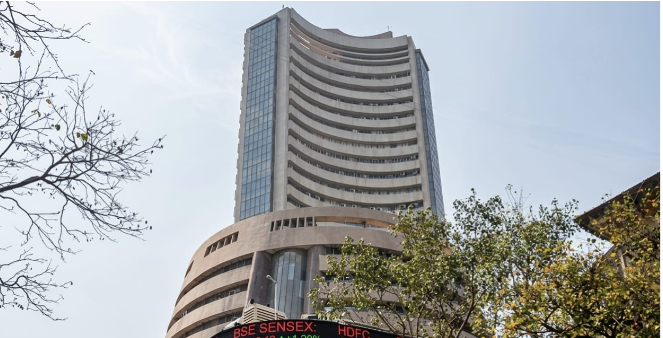
The Sensex climbed 685.34 points, or 0.95 per cent, to close at 73,067.81, while the Nifty 50 advanced 220.35 points, or 0.98 per cent, to settle at 22,776.10.
The rebound came as investors looked beyond recent market volatility and positioned themselves ahead of the RBI’s policy announcement. Market participants are particularly watching the central bank’s stance on interest rates, liquidity and the broader economic outlook.
Nifty gains momentum
Technical indicators also pointed towards some improvement in market momentum. Analysts said a sustained move above the 22,800 level could strengthen the recovery and potentially take the Nifty towards 23,000.
On the downside, 22,600 is emerging as an immediate support level, followed by 22,500. The Relative Strength Index (RSI) has moved into the mid-30s, indicating that momentum is gradually improving, while the easing of the negative MACD histogram suggests that selling pressure may be losing some intensity.
Pharma, banking and oil stocks lead
Buying was visible across several heavyweight stocks, helping the benchmarks maintain their upward momentum through the session.
Among Nifty constituents, Trent, BSE and Kotak Mahindra Bank were among the strongest performers. Pharma and chemical stocks also attracted significant buying interest, with the Nifty Pharma index emerging as the best-performing sectoral index, followed by the Nifty Chemical index.
The broader market participated strongly in the recovery. The Nifty MidCap index rose 1.08 per cent, while the Nifty SmallCap index gained 1.56 per cent, indicating that investor interest extended beyond large-cap stocks.
The IT sector, however, moved in the opposite direction as investors booked some profits. The Nifty IT index was the biggest sectoral laggard during the session.
RBI policy in focus
With the RBI policy decision approaching, investors are likely to closely track signals on inflation, growth, liquidity and interest rates. The central bank’s assessment of domestic economic conditions could play an important role in determining the market’s next move.
The recent decline in crude oil prices has also offered some relief to Indian equities by easing concerns over imported inflation and corporate costs.
Overall, analysts described the near-term market outlook as cautiously constructive. The two-session recovery has improved sentiment, but global uncertainties, currency movements, crude prices and monetary-policy expectations remain key risks for investors.
For the market to extend Tuesday’s gains, sustained buying and a decisive move above the 22,800 resistance zone will be important. A failure to hold the recovery, meanwhile, could bring the 22,600-22,500 support range back into focus.
6, Oct 2026
Professional investors target tokenised gold ETFs as price of precious metal decreases, new research finds
Oct 06: Gold’s recent price decrease has created a strong buying opportunity for 28% of institutional investors and wealth managers participating in global research* from ST0x, the onchain trading infrastructure for tokenised securities issued by S01 Issuer GmbH,
under an EEA base prospectus approved by the FMA Liechtenstein.
A further 48% of the 200 institutional investors and wealth managers surveyed consider the price decrease as a moderate buying opportunity, seeing the precious metal as worth adding while expecting prices to remain range bound in the short term.
One-fifth of respondents are taking a neutral or ‘wait-and-see’ position, holding current allocations and waiting for clear signs of a technical price bottom. Four per cent of respondents say gold’s investment thesis has weakened, and they expect further downside toward previous support lines.
Given the current market environment and gold’s valuation decrease, study participants plan to increase their gold allocations over the next six months. The biggest group (31%) will increase by between 3% and 4% while 23% will up allocations by 2% to 3%.
Around a fifth (19%) will increase by 4% to 5%; one in ten by 1% to 2%; 5% say by more than 5%; the same amount will increase allocations by up to 1% and 6% will maintain current levels.
When asked if they would consider using a tokenised gold ETF as a tactical vehicle to deploy capital rather than a traditional gold ETF, 23% of respondents say they would do so exclusively. Survey participants said the operational advantages including 24/7 trading, near-instant settlement make tokenised ETFs their preferred vehicle to capitalise on gold’s priced decrease.
More than half (58%) will partially allocate to tokenised gold ETFs noting they would split the investment between traditional and tokenised gold ETFs to test liquidity and infrastructure, the research across North America, the UK, continental Europe, the Middle East and Asia Pacific found.
Around 15% of respondents would consider using a tokenised gold ETF and are actively auditing tokenised issuers for future allocations, but they currently prefer traditional ETFs.
Nick Magliocchetti, Director, S01 Issuer GmbH said: “Gold’s recent price decrease is being viewed by professional investors as an opportunity to reassess and increase exposure, rather than a fundamental breakdown in the precious metal’s investment case.
“What is particularly interesting is the willingness of investors to consider tokenised securities referencing gold ETFs as a tactical vehicle for putting that capital to work. The combination of 24/7 access, near-instant settlement and the ability to deploy capital quickly could be particularly valuable when markets move sharply. While traditional ETFs will remain an important part of portfolios, tokenised securities referencing gold ETFs have the potential to give investors greater flexibility and precision when responding to short-term market opportunities.”
Looking at expectations for the spot price of gold (per troy ounce) by end of December, more than half (53%) of professional investors surveyed say $4,201 to $4,600 (Moderate recovery toward the 200-day moving average), while 28% forecast $3,800 to $4,200 (consolidation at current levels).
Some 15% predict $4,601 to $5,000 (strong bullish rebound); 2% say above $5,000 (new historical highs driven by renewed market shocks); and a further 2% say below $3,800 (further deep correction).
The price of gold is currently around $4,180 per troy ounce.
6, Oct 2026
Aahwahan Foundation With The Support of Tredence CSR Strengthens Care and Well-Being of 78 Senior Citizens at Its Gurugram Old Age Home Through ‘Meethi Muskan’
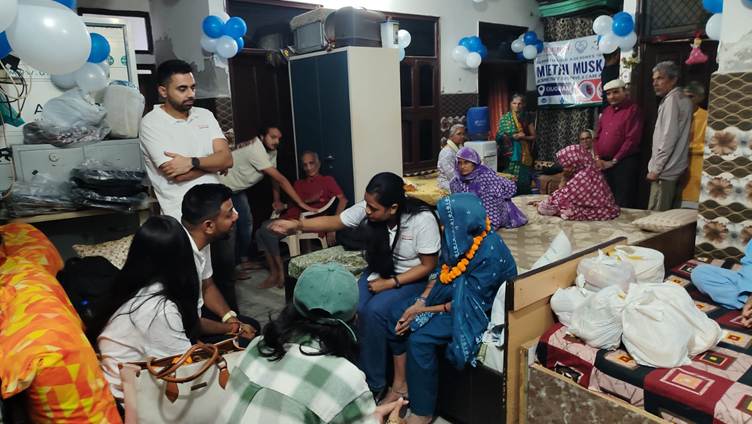
Gurugram, 06 October 2026: Aahwahan Foundation, with the support of Tredence CSR, is pleased to announce the launch of its ‘Meethi Muskan’ initiative, inaugurated at Aahwahan Old Age Home, H. NO, Police chouki, B130, Krishna Hospital Wali Gali, Near Sector 4, Gurugram – 122001. The initiative aims to support senior citizens living in old age homes by improving their living conditions and providing essential assistance in areas such as food, healthcare, clothing, hygiene and overall well–being. At Gurugram Old Age Home, a total of 78 senior citizens benefited from the ‘Meethi Muskan’ initiative. Through this initiative, Aahwahan Foundation seeks to bring greater care, dignity, happiness and hope to elderly people who require continued support. The initiative is designed to provide consistent assistance while contributing to the overall physical, emotional and social well–being of senior citizens.
The elderly residents of this old-age home come from underprivileged and economically disadvantaged backgrounds. They have spent most of their lives earning a living through daily wage and manual labour. At this stage of their lives, they are no longer able to work to support themselves or afford the care and medical treatment they need. Speaking about the initiative, Mr. Braja Kishore Pradhan, CEO & Founder, Aahwahan Foundation, said, “A smile from an elderly person can carry a lifetime of stories, emotions and memories. At this stage of life, people need care and support the most. During our visit to the old-age home in Gurugram, we realised that beyond food, clothing and healthcare, what many senior citizens need most is the warmth of human connection and the feeling that someone cares.”
With the support of Tredence CSR, Aahwahan Foundation has adopted six old age homes across Gurugram, Chennai, Bengaluru, Hyderabad, Pune, & Kolkata. as part of the ongoing initiative. The program will focus on strengthening these homes and helping ensure that residents have access to essential resources and a more comfortable living environment. As an ongoing initiative, Aahwahan Foundation plans to expand Meethi Muskan to additional cities and old age homes across India. Through this continued expansion, the Foundation aims to reach more senior citizens and provide them with meaningful support tailored to their needs.
Meethi Muskan is part of Aahwahan Foundation’s continued efforts to work for vulnerable and underserved communities across India. The Foundation believes that supporting senior citizens requires more than meeting their basic needs-it also involves creating spaces where they can experience respect, companionship and dignity. The initiative reflects Aahwahan Foundation’s broader commitment to social welfare and community development. By combining essential assistance with care and compassion, the Foundation aims to contribute towards creating happier, healthier and more dignified lives for senior citizens.


