


18, May 2026
Shyam Middle East Resources expands industrial footprint with AED 40 million investment in Ras Al Khaimah facility
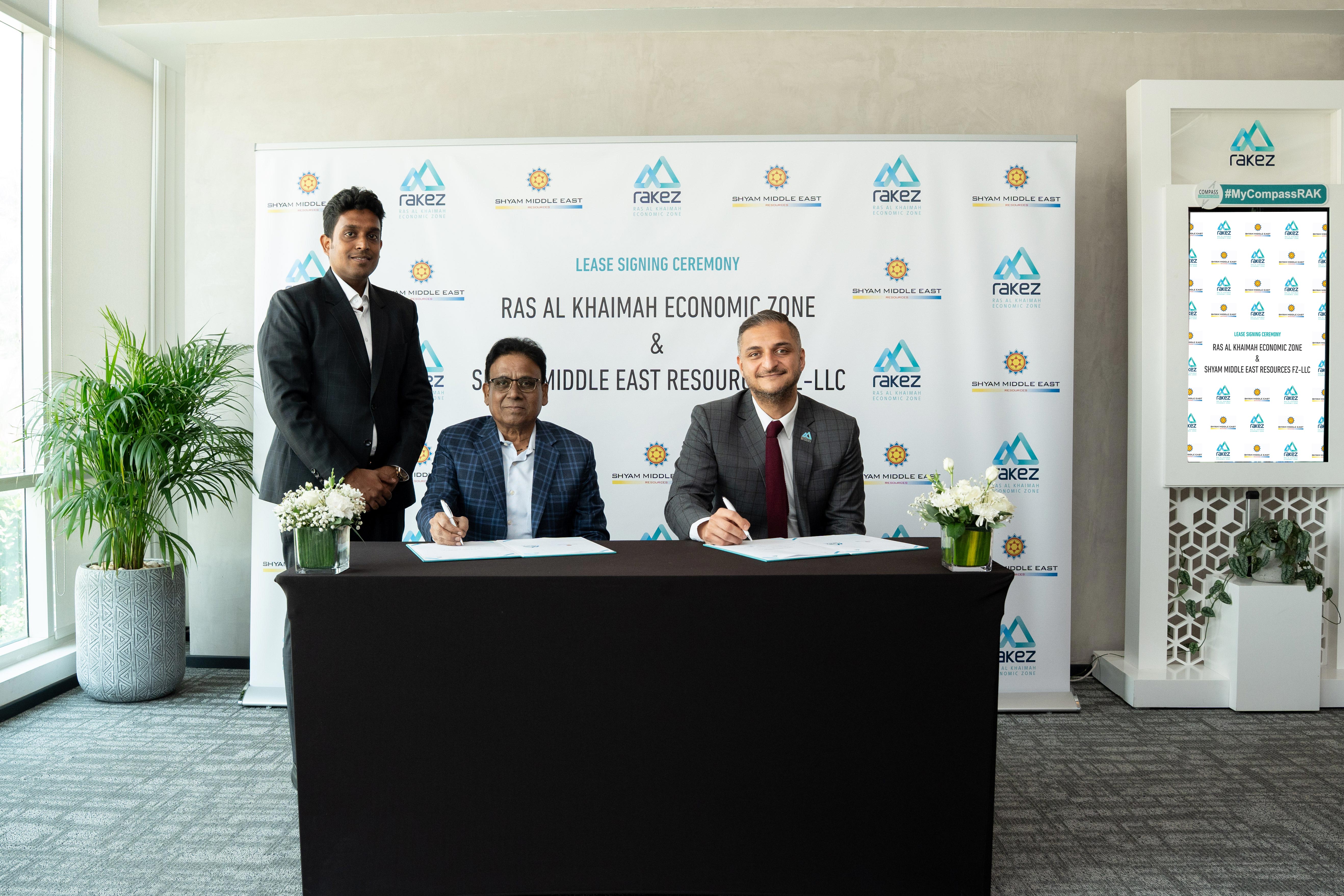
Ras Al Khaimah, May 18 Shyam Middle East Resources FZ-LLC, part of India’s renowned Shyam Steel Group, is establishing a new non-ferrous metals processing and manufacturing facility at Al Ghail Industrial Zone in Ras Al Khaimah Economic Zone (RAKEZ).
With an investment of AED 40 million, the project marks a significant step in the Group’s global expansion strategy, strengthening its regional footprint while tapping into Ras Al Khaimah’s growing industrial ecosystem.
The agreement was formalised during a signing ceremony at RAKEZ’s Compass Coworking Centre, represented by Shyam Steel Group Chairman Shri Purushottam Beriwala and RAKEZ Sales Director Mustafa Shaker.
Spanning approximately 21,000 m², the facility will be developed in two phases. The first unit is expected to be operational by the first quarter of 2027, followed by the second unit in the next quarter. The facility will process and manufacture non-ferrous metals, including lead, aluminium, and copper, along with alloy production from non-ferrous ingots, with a projected capacity of up to 2,000 tonnes per month. Once fully operational, it is expected to generate around 150 employment opportunities.
Commenting on the partnership, Beriwala said, “Our decision to establish operations in Ras Al Khaimah was driven by its cost-effective operating environment, investor-friendly policies, and strategic connectivity to global markets. RAKEZ provided a seamless set-up experience, supported by efficient processes, readily available industrial land, and a well-integrated. This investment marks an important milestone in strengthening our presence in the Middle East and expanding into new international markets.”
RAKEZ Group CEO Ramy Jallad said, “Shyam Steel Group’s set-up reinforces Ras Al Khaimah’s position as a growing hub for manufacturing and industrial activity. Demand for industrial materials and metal processing continues to grow alongside the region’s construction, infrastructure, and manufacturing sectors, creating strong opportunities for specialised industrial operations. At RAKEZ, we focus on enabling investors to move efficiently from set-up to production through ready infrastructure, responsive support, and a business environment designed for scale. We are pleased to support the Group as they expand their regional footprint and bring new industrial capabilities to the emirate.”
RAKEZ continues to support industrial investors through its integrated ecosystem, combining flexible solutions, world-class infrastructure, and end-to-end support services that enable businesses to establish, operate, and scale efficiently.
- 0
- By Neel Achary

18, May 2026
AD Ports Group Awards Three Contracts for Noatum Ports Pointe-Noire Terminal in the Republic of the Congo
Brazzaville, Republic of the Congo/ Abu Dhabi, UAE – 18 May 2026: AD Ports Group (ADX: ADPORTS), a leading global enabler of trade, industry, and logistics solutions, announced the award of three major contracts for the design and construction of marine and landside infrastructure, and the sourcing of crane equipment, for the Noatum Ports Pointe-Noire Terminal in the Republic of the Congo.
The container terminal is being developed under AD Ports Group’s majority-owned joint venture with the CMA CGM Group, through its subsidiary CMA Terminals, following an agreement signed between the two parties in February 2025.
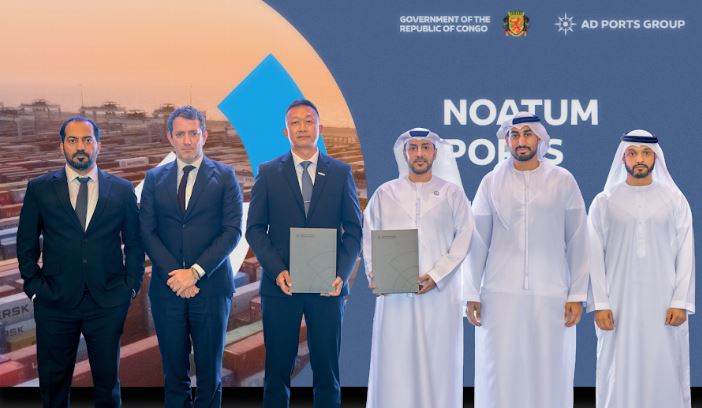
The contract awards, with a combined value of approximately AED 735 million (USD 200 million,), mark a milestone in the development of the new container terminal, which is being delivered under AD Ports Group’s 30-year concession agreement with the Government of the Republic of the Congo, extendable by a further 20 years.
The awards include two contracts for marine works and topside works valued at approximately AED 551 million (USD 150 million) to MAR CONTRACTING SARLU and MBTP SA JV, in addition to a AED 184 million (USD 50 million) contract for three ship-to-shore (STS) cranes and nine rubber-tyred gantry (RTG) cranes awarded to Shanghai Zhenhua Heavy Industries Co. Ltd. (ZPMC).
The container terminal will initially include a quay wall of approximately 420 metres in length and 16 metres in depth, capable of accommodating Patagonia-class vessels, alongside a 100,000 sqm logistics area. Under its concession agreement with the Congolese government, the Group has the right to develop additional multipurpose cargo capabilities, to be evaluated in line with evolving business demand.
Mohamed Eidha AlMenhali, Regional CEO – AD Ports Group, said: “These contract awards mark a significant step towards delivering a modern and future-ready container terminal at the Port of Pointe-Noire, in partnership with CMA Terminals. This development reflects AD Ports Group’s long-term commitment to investing in high-growth markets and developing integrated maritime and logistics infrastructure that strengthens regional trade connectivity. This strategic investment will not only enhance port capacity, but also to create lasting value for Congolese communities through job creation, skills development, and stronger integration into global trade. In addition, this development will support economic diversification, attract leading global shipping lines, and deliver sustainable value for the Republic of the Congo and the wider region, in line with the vision of our wise leadership in the UAE.”
The foundational contracts advance the development of the new container terminal at the Port of Pointe-Noire, enhancing its capacity to handle larger vessels and higher annual throughput, which further reinforces its role as a regional trade gateway serving Central and West Africa. Construction is expected to be completed in approximately two years.
Based on comparable port developments, Noatum Ports’ Pointe-Noire Terminal is estimated to create up to 9,000 jobs, both directly and indirectly, from the initial phase of construction and through the start of operations.
Construction activities are projected to create up to 800 jobs, whilst direct terminal operations are expected to support a further 400 roles. In addition, up to 7,000 indirect jobs are anticipated through new business opportunities enabled by the terminal.
The development of the Noatum Ports Pointe‑Noire Terminal is closely aligned with the Government of the Republic of the Congo’s vision and the National Development Plan for Congo‑Brazzaville, which prioritises economic diversification, reduced dependence on hydrocarbons, and inclusive growth.
By modernising port infrastructure, enhancing trade competitiveness, and strengthening logistics capabilities, AD Ports Group supports the Government’s ambition to position Pointe‑Noire as a leading maritime and logistics hub for Central and West Africa, whilst generating sustainable economic and social benefits.
The marine works contract includes the full design and construction of the quay wall, marine structures, crane foundations, quay infrastructure, and associated waterside works. The topside works contract covers the development of a concession area, including container yard infrastructure, operational and administrative facilities, utilities networks, substations, and supporting terminal infrastructure.
The crane supply contract covers the manufacture and delivery of Super Post-Panamax STS cranes, which are amongst the largest and most advanced in container ports. The hybrid RTG cranes are expected to reduce diesel consumption by up to 60% compared to conventional diesel-powered RTGs, equivalent to savings of approximately 1 million litres of fuel per year, and a reduction of around 5,000 tonnes of CO2 emissions.
AD Ports Group continues to expand across Africa, with port terminals and logistics businesses in Egypt, Tanzania, Angola, Cameroon, and the Republic of the Congo, supporting regional trade integration and long-term economic development. In addition, the Group provides maritime shipping services in West and East Africa, and is building a 20km2 industrial and logistics park in East Port Said, Egypt, at the Mediterranean mouth of the Suez Canal.
18, May 2026
UNIQLO Brings UT Graphic T Universe Pop-Up to Gurugram
Delhi, May 18 : Global apparel retailer UNIQLO is bringing the world of UT to Gurgaon with a month-long UT Pop-Up at Ambience Mall, Gurugram from May 15 to June 15, 2026. Designed as a celebration of pop culture and self-expression, the limited-time pop-up invites customers to discover UT, UNIQLO’s graphic T-shirt label, through some of its most globally loved collections inspired by art, manga, anime and characters.
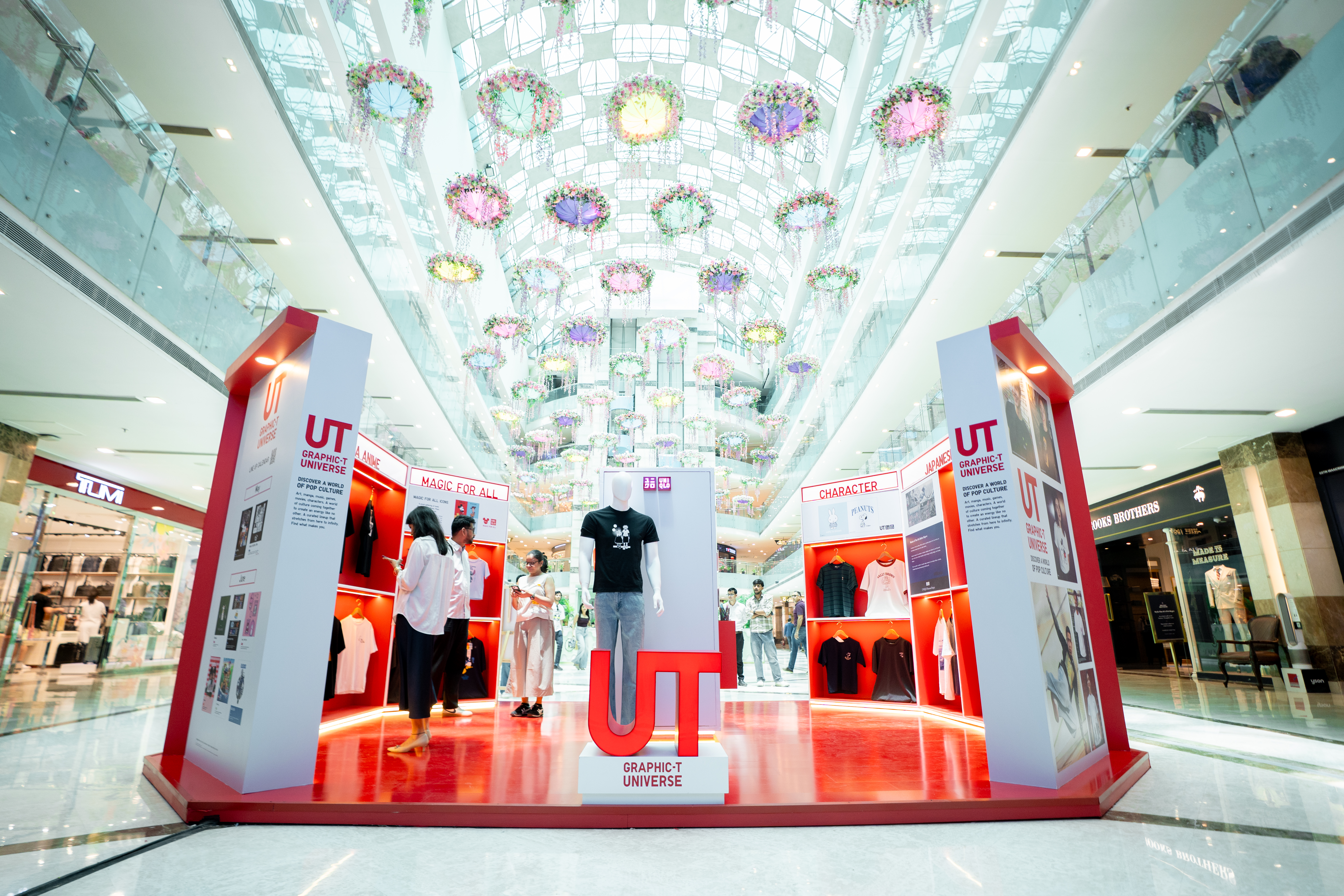
The pop-up features a curated showcase of UT collections across globally recognized cultural franchises including Disney, manga and anime series, gaming titles, and other popular cultural touchpoints. Through UT, UNIQLO continues to bring together creativity and everyday wear, reimagining graphic T-shirts through the lens of LifeWear – simple, high-quality clothing designed to enrich everyday life.
Located at Ambience Mall, Gurugram, the limited-time pop-up has been designed to offer customers an engaging introduction to UT’s distinctive visual universe through seasonal collections, limited-time drops, and dedicated displays inspired by globally loved stories and characters. With graphic T-shirts continuing to see growing popularity among younger consumers and pop culture communities, the pop-up brings together fashion, individuality, and everyday style in a format tailored for customers evolving cultural landscape.
UT, short for UNIQLO T-shirt, is UNIQLO’s graphic T-shirt label that collaborates with artists, brands, characters, games, anime, and cultural institutions from around the world. Featuring collections across art, manga, music, movies, and characters, UT transforms cultural moments into wearable everyday apparel.
As part of the activation, customers and visitors are encouraged to share their favourite UT moments on social media throughout the duration of the pop-up.
18, May 2026
VST Tillers Tractors Limited reports 25% revenue growth with strong operational performance
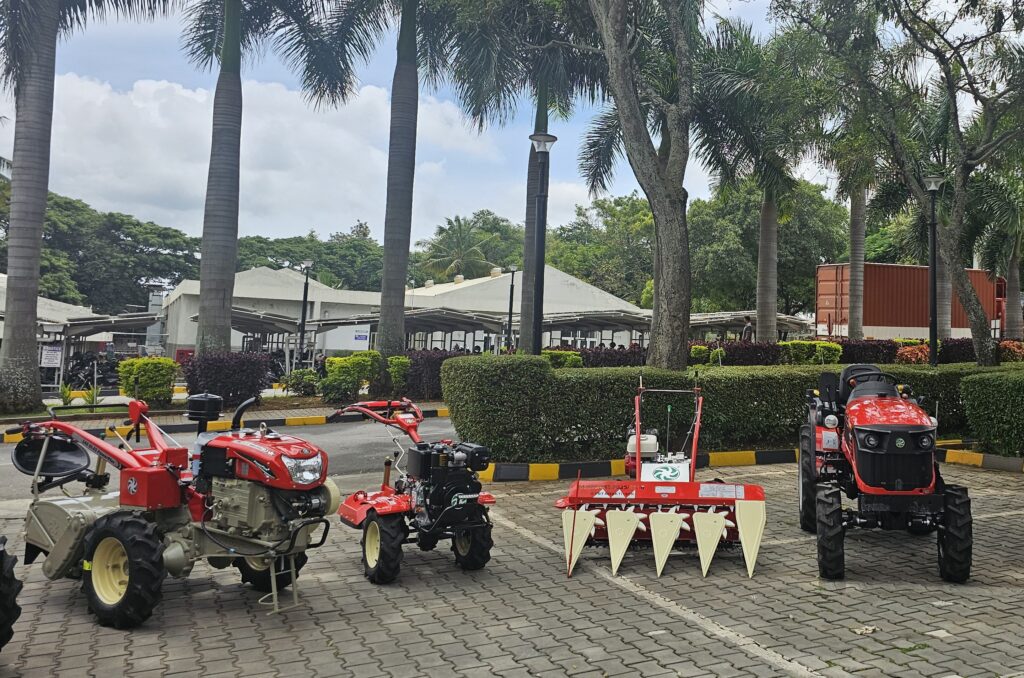
Bengaluru, May 18: VST Tillers Tractors Limited (VST), India’s leading farm equipment manufacturer, today announced its financial results for the 4th quarter and the financial year, showcasing continued growth momentum and operational resilience.
Financial Highlights – FY2025-26
- Revenue from operations increased to ₹1,240 crore, registering a robust growth of 25% compared to ₹995 crore in FY2024-25, marking new milestone in the Company’s revenue growth journey.
· Operational EBITDA increased significantly to ₹166 crore from ₹70.7 crore in the previous year. Operational EBITDA margins improved by 221 basis points to 13.38% from 11.17% last year. Operational EBITDA is computed after excluding other income and fair value gain/(loss) on investments.
- Profit After Tax (PAT) stood at ₹106 crore as against ₹94 crore in FY2024-25. Excluding the impact of fair value gain/(loss) on investments, adjusted PAT increased by 61% to ₹113 crore from ₹70 crore in the previous year.
- The Company generated strong operating cash flows of ₹132 crore during the year compared to ₹76 crore in the previous year, supported by improved operational performance, efficient working capital management, and a strong balance sheet with healthy cash reserves.
Q4 FY2025-26 Highlights
· For Q4 FY2025-26, the Company reported revenue from operations of ₹328 crore, registering a growth of 9% compared to the corresponding quarter of the previous year.
· Operational EBITDA for the quarter increased to ₹46.82 crore from ₹40.37 crore in Q4 FY2024-25, with EBITDA margins improving to 14.2% from 13.4% in the corresponding period last year.
· Reported Profit After Tax (PAT) for the quarter stood at ₹5 crore as against ₹25 crore in Q4 FY2024-25. Excluding the impact of fair value gain/(loss) on investments, adjusted PAT increased by 36% to ₹39 crore from ₹28 crore in the corresponding quarter of the previous year.
18, May 2026
The real value of water is felt only when it runs dry: DropTalk 2026
DropTalk 2026, Water Sustainability Summit, Bringing Together Leaders in Water, Climate and Sustainability
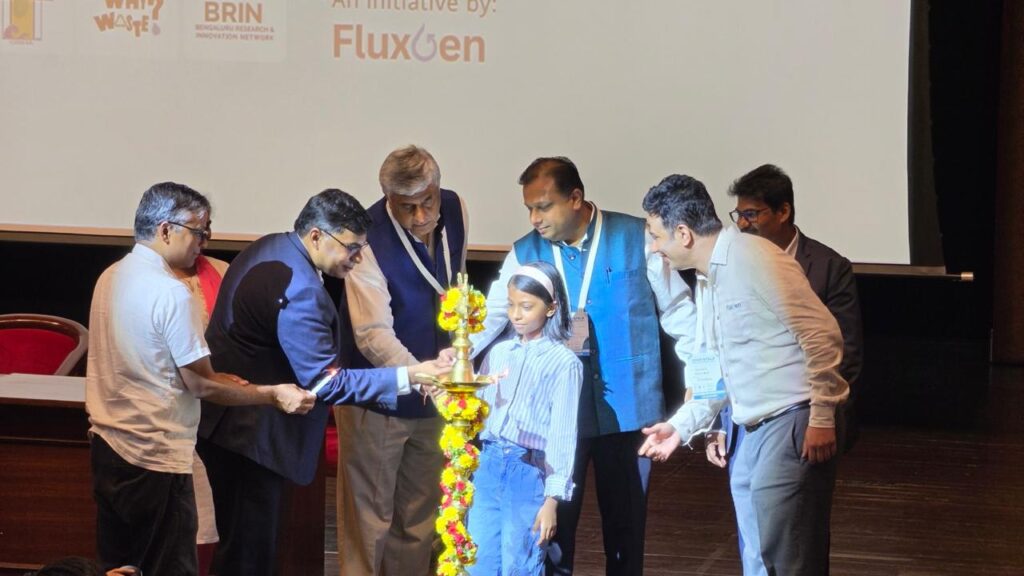
Bengaluru, May 18: DropTalk 2026, a two-day summit dedicated to conversations, collaboration and action on water and climate sustainability, was held at Indian Institute of Science (IISC) in Bengaluru. Hosted by FluxGen Sustainable Technologies, in collaboration with Indian Institute of Science (IISc), Department of Instrumentation & Applied Physics, Interdisciplinary Centre for Water Research (ICWaR), Centre for Sustainable Technologies (CST) and OpenWater. The summit is sponsored by Murugappa Water Technology and Solutions (MWTS).
The summit has brought together policymakers, researchers, industry leaders, startups, environmentalists and students to deliberate on innovative and sustainable approaches to water management, climate resilience and environmental stewardship.
Speaking at the inaugural session, Rajeev Gowda highlighted the need for stronger collaboration between academia, industry and policymakers to address critical sustainability challenges. He emphasised that Bengaluru possesses the talent, institutions and innovation ecosystem required to emerge as a global hub for research-driven solutions in water and climate sustainability.
The event also featured thought-provoking discussions on the growing challenges of water scarcity, climate change and sustainable resource management. Experts stressed the importance of adopting integrated “One Water” approaches that combine rainwater harvesting, wastewater reuse, watershed protection, lake rejuvenation and efficient urban water management practices.
Addressing the gathering, Jaytheerth Nadgir underscored the importance of collective responsibility in securing a sustainable future for the next generation. He also highlighted India’s growing leadership in cleantech innovation and the need to recognise and support indigenous solutions emerging from startups, research institutions and industry.
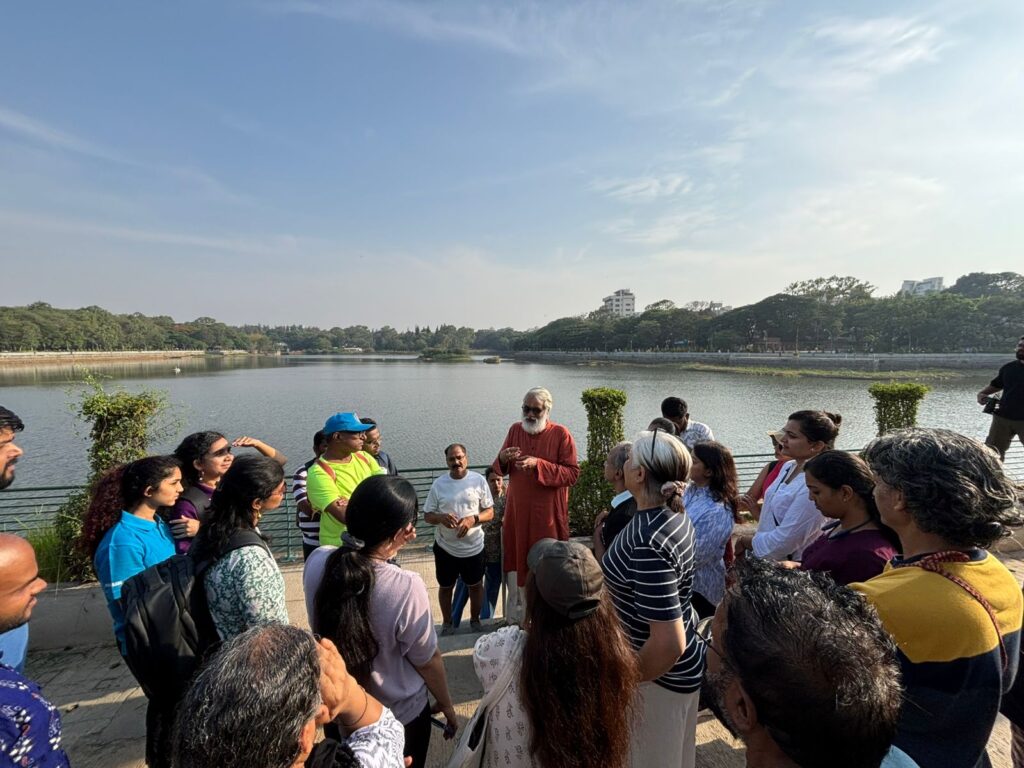
DropTalk 2026 featured a wide range of engaging sessions and immersive experiences, including HydroMingle, Jal Samvaada, Flow Forward, Women in Water, lake walks, technology showcases and discussions on industrial water management and sustainability. One of the key highlights of the summit is the Painting Competition for school students, aimed at inspiring young minds to think creatively about sustainability, water conservation and environmental responsibility.
Dr. Krishna Raj, Professor and Head RBI Chair Professor Centre for Economic Studies and Policy Institute for Social and Economic Change (ISEC) said “every drop of water has value, regardless of whether it comes from rivers, groundwater, rainwater or even wastewater. India urgently needs to redefine and reimagine water management, as climate change and rising demand are creating severe risks to future water availability. We know the price of water, but we often fail to understand its true value. Water is no longer a free resource — it is an economic, social and environmental asset that must be conserved and managed responsibly for future generations,” he observed.
Ganesh Shankar, Founder, FluxGen Sustainable Technologies said, “the real value of water is felt only when it runs dry. Urban India must move from a unidirectional water supply approach to an integrated ‘One Water’ management system that includes rainwater harvesting, wastewater reuse, lake restoration, watershed protection and efficient consumption practices. Source protection and watershed management are critical for ensuring sustainable water supply to cities like Bengaluru. Governments, industries and citizens must work together to improve water accounting, reduce pollution and promote equitable access to safe drinking water,”
Prof. Rajeev Gowda, former MP and Chair, Bengaluru Research and Innovation Network “Bengaluru has the talent, institutions and industry ecosystem needed to become a global hub for research and innovation. Through the Bengaluru Research and Innovation Network, we want to break silos, build collaborations and create platforms where interdisciplinary ideas can emerge and solve real-world challenges like water sustainability. We cannot allow Bengaluru to face a future of water scarcity. Two years ago, headlines warned that Bengaluru could become the next major city to run dry, but with integrated solutions such as wastewater reuse, rainwater harvesting, lake rejuvenation and groundwater recharge, we can build a sustainable water future for the city.”
“Water management requires both innovation and policy alignment. From projects like the KC Valley initiative to apartment-level wastewater treatment and reuse, Karnataka is already moving towards a ‘One Water’ approach, but we need more research-backed ideas and stronger collaboration between academia, policymakers and industry,” he added. According to him, “Water sustainability is not just a policy issue, it is a responsibility we owe to the next generation. I personally believe that we must act today so that we never have to apologise to our children for the environmental challenges they inherit tomorrow,”
Jaytheerth Nadgir, CEO Murugappa Water Technology & Solutions said “India is witnessing a golden phase of innovation in clean technologies. Startups, research institutions and industries are doing remarkable work in areas such as water management, sustainability and cleantech, and it is important that we recognise and celebrate our own achievements. The future of agriculture, sustainability and water conservation are deeply interconnected. If we truly want to improve farmers’ incomes and build a sustainable future, we must focus on the ‘soil to soul’ approach, where responsible management of natural resources becomes central to development,”
18, May 2026
Nutrition and Sodium Combine in Many Foods
Washington D.C.: The complexity of foods that are both high in sodium and key nutrients creates challenges for sodium reduction efforts when reformulating foods, according to new research.
Understanding the nutritional profile of the top contributors to sodium intake from food has implications for public health, dietary guidance, and food reformulation efforts.
It is also crucial to understand the levels of different nutrients in foods of public health concern to ensure that ongoing efforts to reduce sodium intake do not inadvertently compromise the overall nutritional quality of the diet.
According to a new study led by University of Toronto researchers, this analysis is necessary is to “avoid unintended consequences, such as reductions in shortfall nutrients or displacement of nutrient-dense foods.” The research was supported by IAFNS Sodium in Foods & Health Implications Committee.
The Nutrients Foods Carry
For example, pizza provides moderate amounts of iron, folate, and calcium. According to the article, “Cold cuts, meat mixed dishes, burritos/tacos, burgers, poultry, and chicken nuggets were the highest contributors (40% to 50%) to protein servings.”
Thus, they conclude that the major sources of sodium also contribute key nutrients which should be considered during sodium reduction and reformulation efforts. Reformulating some food products to lower sodium by 10%-30% is feasible “but should also be implemented in ways to preserve the nutrient contributions of these foods,” the authors say. The paper comes against a backdrop of recent voluntary and educational programs to lower sodium intake from foods.
Based on NHANES Survey
The analysis drew on nationally representative data from the 2017-2018 U.S. National Health and Nutrition Examination Survey (NHANES), a continuous, cross-sectional survey of people living in the U.S. The participants completed an in-person 24-hour dietary recall and health examination. Researchers captured data from a variety of different groups and demographic categories.
Results from the analysis of the survey showed that many top food category contributors to sodium intakes such as vegetables, cheese, cold cuts, and breads are also sources of nutrients Americans do not get enough of. These so-called “short-fall” nutrients include potassium, fiber, calcium, and vitamin D. In addition, the top contributors include food groups of public health importance like dairy, vegetables, and grains. On the flip side, some of these foods can also include what scientists call nutrients-to-limit such as sodium, but also saturated fat, and sugars.
Complex Food Challenge
The paper concludes, “Given the complexity of foods that are simultaneously high in sodium and sources of key nutrients, interpretive front-of-pack labeling systems may help consumers… Evidence from other countries suggests that such systems may encourage shifts toward lower-sodium and healthier products.”
According to Mavra Ahmed, first author on the study and a Research Associate/Fellow in the Department of Nutritional Sciences at the University of Toronto’s Temerty Faculty of Medicine, “These findings highlight a critical tension in sodium reduction policy — many of the foods contributing most to sodium intake also provide essential nutrients. Therefore, policies must take a more nuanced, systems-level approach to avoid unintended nutritional trade-offs.”
According to Mary L’Abbe’, principal investigator on the study and Professor Emeritus of Nutritional Sciences at Temerty Medicine, “These results show that it is important that manufacturers continue to focus efforts on reducing sodium levels in foods, particular those that are high in sodium and also contribute other important nutrients that Americans need in their diets.”
The new paper is freely available.
The Institute for the Advancement of Food and Nutrition Sciences (IAFNS) is committed to leading positive change across the food and beverage ecosystem. This paper was supported by IAFNS Sodium in Foods & Health Implications Committee. IAFNS is a 501(c)(3) science-focused nonprofit uniquely positioned to mobilize government, industry and academia to drive, fund and lead actionable research. iafns.org
18, May 2026
Bharti Enterprises announces agreement for Prudential plc to acquire majority stake in Bharti Life Insurance
New Delhi, May 18 –Bharti Enterprises announced that Prudential plc (“Prudential”), a leading insurer and asset manager in Asia and Africa, has agreed to acquire a 75% stake in Bharti Life Insurance Company Limited (“Bharti Life”), one of India’s leading life insurance providers, from Bharti Life Ventures Pvt Ltd (and other selling shareholders).
Sunil Bharti Mittal, Founder and Chairman, Bharti Enterprises, said, “We are delighted to welcome Prudential Plc as the controlling shareholder of Bharti Life, further accelerating its growth trajectory. Prudential’s experience and global scale, combined with Bharti’s strong track record, create a formidable alliance to tap into the immense potential of India’s life insurance sector. This partnership opens new opportunities for Bharti Life’s employees and further reinforces the strategic relationship between India and the United Kingdom.”
Commenting on the development, Karan Bhagat, Founder, MD & CEO, 360 ONE, said “Our private equity funds are pleased to have made a meaningful investment in Bharti Life Insurance and we have been encouraged by the company’s market-leading growth and strong momentum. Today’s transaction reflects both its current performance and long-term potential. We are also delighted to welcome Prudential PLC’s controlling investment in Bharti Life Insurance and look forward to continuing the distribution of the company’s products through our network.”
This transaction comes with India’s life insurance sector undergoing rapid transformation, driven by digital adoption, increasing awareness, and rising demand for financial protection solutions. The market continues to present strong structural growth opportunities, supported by favorable demographics and relatively low life insurance penetration, indicating significant unmet demand.
Bharti Life Insurance, an entity of Bharti Enterprises, has built a strong presence in India through innovative life insurance solutions and an expanding footprint. The investment will support Bharti Life’s next phase of growth by enhancing its product offerings and expanding its distribution reach to better serve evolving customer needs.
Bharti Life’s strong local presence, combined with Prudential’s established insurance expertise, is expected to expand access to life and health protection solutions across the country, supported by the combined brand strength and operational capabilities of both organizations.
Completion of the transaction remains subject to receipt of regulatory approvals and the satisfaction of other conditions.
16, May 2026
India Emerges as New Manufacturing Hub for Original Marconite Following ELASIA 2026 Announcement
Bangalore, 16 May 2026
In a significant development for India’s electrical infrastructure and industrial manufacturing sector, Intertech and UK-based James Durrans & Sons have announced plans for phased manufacturing of original Marconite in India. The announcement was made during ELASIA 2026, South Asia’s premier trade fair dedicated to the power, electrical, controls, automation and lighting industries.
The proposed localisation initiative is aimed at supporting India’s rapidly expanding infrastructure ecosystem while aligning with the Government of India’s “Make in India” vision for advanced industrial technologies.
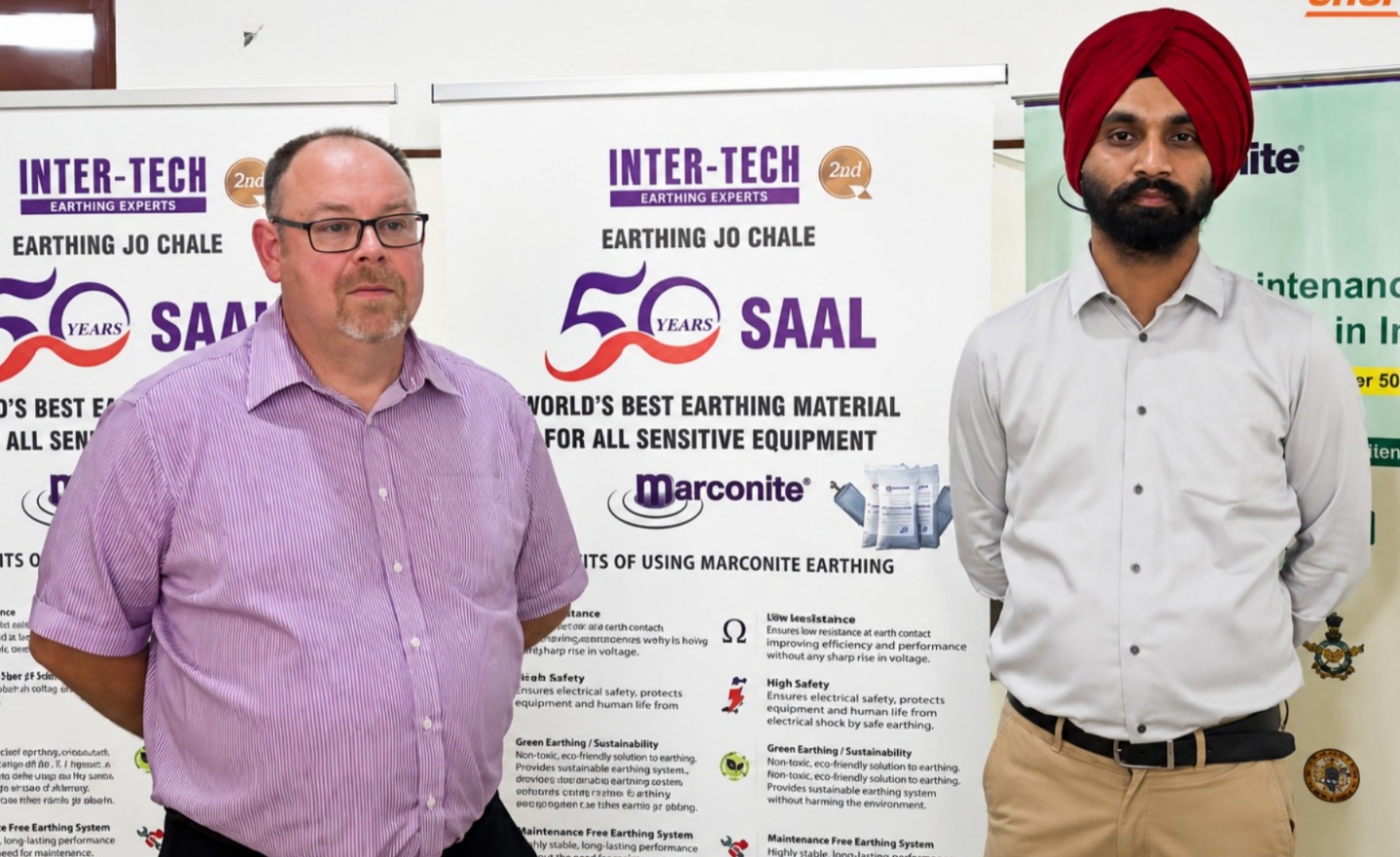
James Durrans & Sons, a 163-year-old British company and global manufacturer of Marconite technology, has been associated with Intertech since 2011 to expand the product’s reach in India. David Wilson of James Durrans & Sons said the company had identified India as a key strategic growth market nearly two decades ago before partnering with Intertech to establish Marconite across the country. Since then, the partnership has steadily expanded, with the product now being supplied across sectors including solar energy, power utilities, oil and gas, railways and metro infrastructure projects.
The companies confirmed that work is currently underway to establish manufacturing pathways, raw material sourcing and technical processes required for local production. The first phase is expected to involve the establishment of a pilot manufacturing facility within the next 12 to 18 months, after which operations could be scaled further for the wider Indian market.
Intertech CEO Gurumohit Singh said the company has consistently focused on technically engineered earthing solutions designed specifically for Indian operating conditions. He noted that Intertech follows a scientific approach involving soil resistivity analysis, fault current calculations and site-specific engineering before implementing any grounding system.
Marconite, originally developed for military and radar applications, is globally recognised as a carbon-based conductive material used in earthing and lightning protection systems. Unlike conventional grounding compounds, the product is designed to be waterless and maintenance-free, ensuring long-term operational reliability without recurring servicing requirements.

Over the years, Marconite technology supplied by James Durrans has been deployed globally across several critical infrastructure and defence-linked sectors, including organisations such as British Telecom, the UK Ministry of Defence, the Royal Air Force and Saudi Aramco. In India, Intertech has established a strong presence across industrial and infrastructure segments, with projects and clientele including Tata Steel, Apollo Hospitals, Motherson Sumi, STUDDS, Avaada Energy, the Indian Air Force, the Indian Army and Delhi Metro.
With the proposed localisation of original Marconite manufacturing, Intertech and James Durrans aim to strengthen India’s access to globally proven earthing technologies while contributing to the country’s long-term infrastructure and manufacturing ambitions.
16, May 2026
Inaugural California Outdoor Economy Summit Highlights Rural Economies and Land Stewardship
On June 3–5, Cal Poly Humboldt will host California’s inaugural Outdoor Economy Summit, a new statewide event exploring how outdoor recreation drives economic growth, job creation, and long-term community resilience.
The three-day summit, located at the Adorni Center in Eureka, is a partnership between Cal Poly Humboldt, Redwood Region RISE, and Humboldt County’s Economic Development Division.
The event reflects a growing recognition that outdoor recreation—which encompasses activities ranging from camping, RVing, and fishing to amusement parks and festivals—is more than a lifestyle or amenity; it’s an economic force. In 2024, outdoor recreation generated more than $1.3 trillion in economic output nationwide. That’s about 2.4% of U.S. GDP, which supports more than 5 million jobs, according to the U.S. Bureau of Economic Analysis.
In California alone, outdoor recreation contributes more than $80 billion annually to the state’s economy, supporting more than 589,000 jobs.
“As California leads the nation in outdoor recreation—activity that supports thousands of jobs and helps drive our economy forward—it’s encouraging to see this gathering of regional leaders dedicated to expanding its economic benefits in Humboldt County,” says U.S. Sen. Adam B. Schiff. “As I continue the fight for more rural economic development, I am grateful for local leaders coming together to ensure we are protecting and strengthening our natural landscapes to support outdoor recreation.”
“California’s $81 billion outdoor recreational economy leads the nation,” says State Sen. Mike McGuire. “The Golden State’s incredible beauty sets us apart from the rest with the tallest trees on earth, our famous coastline, mountains, and deserts—it’s one of the most special places on Earth. And with every segment of the Great Redwood Trail completed, we’re offering unparalleled access to Northern California, and tapping the benefits of outdoor rec economy straight into our rural communities.”
“The outdoor economy is a major economic driver in California, but there’s an opportunity to grow it in a way that’s sustainable and supportive of our communities, including our Tribal communities,” says Genevieve Marchand, summit coordinator and Recreation Administration professor at Cal Poly Humboldt. “This summit creates a collaborative space so we can better understand how we can invest in and sustain it.”
The summit comes at a pivotal moment, as Assembly Bills 2578 and 2494—focused on strengthening outdoor recreation planning and investment across California—signal growing statewide attention to the sector’s economic and environmental impact.
“With growing attention at the state level, this is the right moment to bring partners together,” says Calder Johnson, summit coordinator and sector investment coordinator of arts, culture, and tourism at Redwood Region RISE. “The summit helps connect policy, investment, and on-the-ground work in a meaningful way.”
Speakers and participants include representatives from Hip Camp, California Natural Resources Agency, Nevada Division of Outdoor Recreation, Founded Outdoors, California Council of Land Trusts, California Jobs First, the Great Redwood Trail Agency, and youth leaders involved in outdoor access initiatives. They’ll examine topics such as:
- Ecotourism and agritourism
- Representation in the outdoor economy
- Workforce needs
- Business development and investments
- Tribal lands and projects
- Land stewardship
- Long-term community and economic resilience
The California Outdoor Economy Summit is intentionally place-based. By convening leaders in Humboldt County, a region deeply connected to its forests, waterways, coastline, and Tribal lands, organizers hope what’s learned here can be applied across the state.
“This summit is designed to meet the moment,” Marchand said. “Through collaboration, stewardship, and shared commitment, we can move closer to an outdoor economy that works for communities while protecting the lands and waters that sustain them.”
16, May 2026
Rising Fuel Costs and Freight Pressures Reshape Export Industry Dynamics
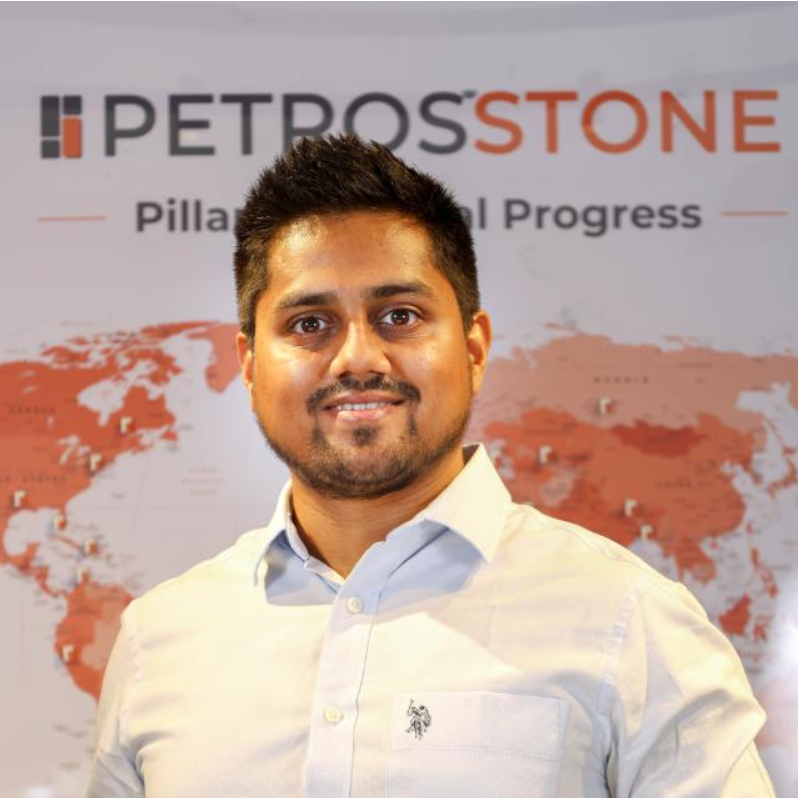
By:- Rishabh Jain, Director- International Business, Petros Stone LLP
“The recent fuel price hike of over ₹3 per litre is significantly increasing both domestic logistics and international freight costs at a time when exporters are already dealing with high ocean freight rates and volatility in the West Asia corridor. While the weaker rupee offers some temporary relief on export realisations, it only partially offsets the rising cost pressures. What we are seeing across the industry is not strategic agility, but survival-driven adaptation. Many manufacturers are slowing production, liquidating inventory, and fulfilling orders through existing stock to manage working capital. At the same time, less competitive players are struggling to sustain operations, leading to a gradual consolidation within the sector.”


