


13, May 2026
CleverTap and Rabbit Rewards win Silver at Thailand MarTech Awards 2026 for real-time, agentic customer engagement
The partnership delivers 85% uplift in engagement and drives measurable impact through AI-powered decisioning.
MUMBAI, INDIA, May 13 - CleverTap, the all-in-one customer engagement platform, has won Silver at the Thailand MarTech Awards 2026 in the Impact MarTech category, in partnership with Rabbit Rewards, the loyalty and lifestyle platform for Bangkok’s BTS Skytrain and a widely used commuter ecosystem in Southeast Asia.

The recognition highlights how CleverTap and Rabbit Rewards have transformed customer engagement by building a real-time, agentic engagement model powered by autonomous decisioning, designed to serve millions of commuters in a high-frequency environment.
Rabbit Rewards operates at the intersection of daily commuting, payments, and lifestyle services, where user behavior shifts constantly based on routine, timing, and location. Traditional campaign-led approaches, built on static segmentation and fixed schedules, were unable to keep pace and often resulted in delayed or irrelevant engagement.
To address this, Rabbit Rewards partnered with CleverTap to implement a real-time decisioning layer that continuously interprets live behavior and determines the next best action for each user.
With CleverAI™, and its suite of tools — including IntelliNODE and Best Time Optimization among others — Rabbit Rewards deployed trigger-based, omnichannel journeys across push notifications, in-app messaging, email, and SMS. These journeys span onboarding, renewals, promotions, and re-engagement, and adapt continuously to commuter behavior.
The shift to real-time, behavior-led engagement delivered clear, measurable outcomes:
-
85% uplift in click-through rates (CTR)
-
62.6% week-4 repeat transactions among engaged users, compared to 18.7% for non-engaged users
-
2.4% of total transactions directly influenced by CleverTap-powered engagement
Beyond these results, Rabbit Rewards significantly improved the quality of customer engagement. Communication became more timely, contextual, and aligned with commuter needs, strengthening trust and positioning the platform as a more intuitive, lifestyle-oriented companion for daily users.
“Our vision has always been to make everyday commuting more seamless, rewarding, and relevant for our users. Through our partnership with CleverTap, we have successfully transitioned from traditional campaign execution to a real-time engagement model that understands and responds to commuter behavior in the moment.
CleverAI™ has enabled us to deliver more personalized and timely experiences at scale, strengthening both customer engagement and long-term loyalty. This collaboration goes beyond technology — it is about ensuring Rabbit Rewards shows up for our members in ways that feel personal, timely, and genuinely useful throughout their daily journeys,” said Kamolwan Korphaisarn, Program Director, Rabbit Rewards
“Enterprises today sit on a surplus of data, but turning those data points into timely, meaningful action remains a big challenge. With CleverAI™, we’re enabling brands to move beyond static campaigns to intelligent systems that continuously interpret behavior, determine the next best action, and deliver truly personalized experiences in real time. Our work with Rabbit Rewards shows how this approach drives stronger engagement while enabling seamless, context-aware customer journeys at the scale of the individual,” said Anand Jain, Co-founder and Chief Marketing Officer, CleverTap.
- 0
- By Neel Achary

13, May 2026
Mumbai’s Next Luxury Wave Will Rise from Redevelopment, Not Land Banks
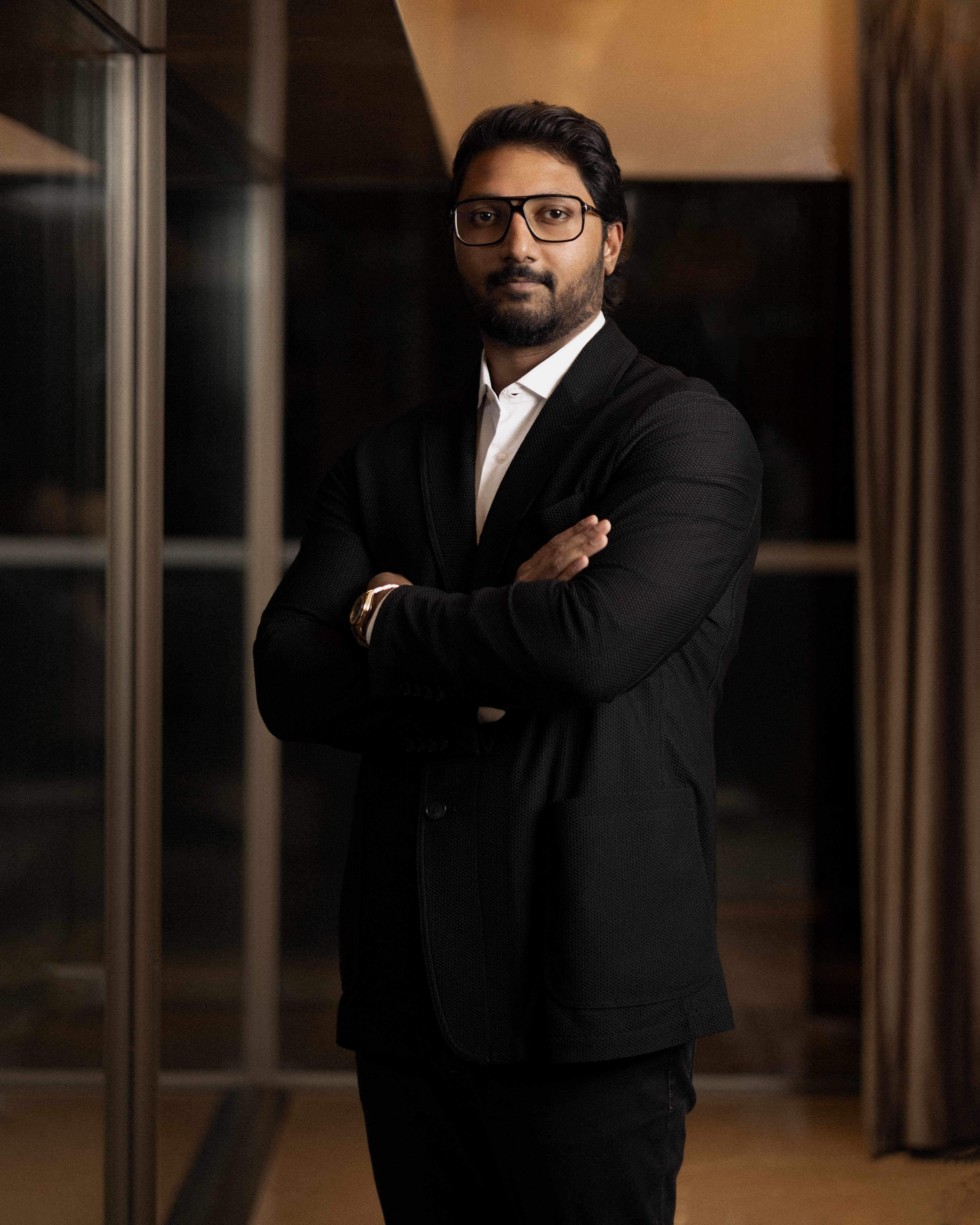
By:- Suhan Shetty, Founder, Rubics Group
Mumbai as a city has always reinvented itself under pressure. Defined by the surrounding sea, and thick density, real estate in the financial capital has always oscillated between expansion and reinvention. However, today that balance has somehow shifted. With paucity of land becoming a huge concern, redevelopment, and not land banking, is emerging as Mumbai’s next luxury trend.
For decades, land banks were thought of as a salient real estate strategy. Developers acquired undeveloped plots, then held on to them for years before unlocking their value. However, in a market of 438 square kilometres is already land constrained and built-up, this model no longer is viable, or practical. Factors like high acquisition costs, scarce land, fragmented ownership patterns, and regulatory complexities has made greenfield development increasingly difficult.
Redevelopment in comparison, offers a much more pragmatic solution. It helps developers to unlock value from existing sites, without acquiring the otherwise scarce fresh land. In other words, redevelopment can be known as a form of strategic “land banking”, making use of the city’s already urbanised infrastructure. With Mumbai’s population exceeding 21 million, redevelopment is no longer an optional solution, rather is an essential step to transform the city.
Since 2020, more than 910 housing societies have undergone redevelopment, accounting for 327 acres of land. However, the effect of this goes far beyond numbers; this unveils a new reimagining of urban living. Old, low-rise and dilapidated buildings, are now being converted to vertical structures, replete with modern infrastructure, smart technologies, and sustainable features such as solar energy systems and EV-ready facilities.
Mumbai’s vertical transformation is also reshaping the city’s economic growth. Property values have been steadily appreciating, with projections suggesting that redevelopment could generate revenue worth Rs 1.3 lakh crores by 2030. For both homebuyers and investors, this presents a golden opportunity to buy premium properties at affordable rates, before prices escalate further.
What marks this phase even more crucial, is the quality of development. Redevelopment projects are not mere replacements for old buildings, they are in fact, comprehensive urban upgrades; these societies serve as integrated neighbourhoods with metro connectivity, wellness-focused amenities, and green design principles. Features like infinity pools, private cinemas, spa facilities, and landscaped sky gardens are no longer limited to South Mumbai-they are a key aspect of suburban living.
This shift is clearly reflected in market trends. Luxury properties (defined as properties above 10 crores), have seen unprecedented growth. In the first half of 2025 alone, sale from such properties touched a staggering Rs 14,750 crore, marking an 11 per cent year-on-year increase. Interestingly, the Rs 20–40 crore segment has expanded by 138 percent since 2022. The consensus is quite clear-the dominance of the primary market, which accounts for 75 per cent of these transactions, reveals a marked shift to new, redeveloped led projects, rather than resale inventory.
The key examples of this transformation include micro-markets such as Bandra, Khar, Santacruz, Juhu, Chembur, Goregaon and Borivali, where both standalone and cluster redevelopment projects are upgrading old neighbourhoods. These projects are not just improving housing stock, they are elevating the standard of living by improving infrastructure, optimising land use, and integrating communities.
A crucial push for this shift comes from Policy control. The Development Control and Promotion Regulations (DCPR) 2034 have introduced major provisions that incentivise redevelopment. Clauses such as 33(7), 33(9), and 33(10) set down clear frameworks that are tailored to different scales of projects-from individual societies to large cluster developments. Standalone redevelopment under Clause 33(7) offers increased floor space index (FSI), and additional saleable area, while cluster redevelopment under Clause 33(9), enables FSI of over 4.0 in select areas, helping the creation of master-planned precincts.
This apart, recent policy relaxations, such as including reduced premiums and an additional 10 per cent FSI for self-redevelopment, have further accelerated the viability of such developers. These factors have attracted developers to the suburbs, where land scarcity augments the value of every square foot.
Another important factor is that redevelopment is unravelling alongside major infrastructure upgrades. The opening of the Navi Mumbai International Airport, the completion of the Mumbai–Pune Expressway missing link, the Sewri–Worli corridor, and the Panvel–Karjat rail line have massively improved connectivity across the metropolitan region. This in turn, reduces congestion in central areas and improves the appeal of suburban micro-markets, where redevelopment activity is most intense.
This robust growth cycle is a combination of infrastructure, policy reform, and market demand. This apart, hybrid work patterns, and an increased focus on wellness and sustainability, is driving many to invest in high quality homes, a dream made possible through redevelopment. The future of Mumbai’s real estate market will no longer be defined by acquisition of new land, but by the thoughtful use of existing spaces. With redevelopment, the city is poised to grow vertically, while improving liveability, sustainability, and economic value.
As policymakers streamline approvals and developers redefine their inventory, redevelopment will be an intrinsic part of Mumbai’s real estate narrative, with buyers gaining early access to premium properties before price hikes. For Mumbai, this shift is carving a path to sustainable growth where land is no longer available, but the possibilities to upgrade living, are limitless. Hence, it will be prudent to say that Mumbai’s new luxury wave will not be propelled from the edges, but from the within the core of the city.
13, May 2026
Ashok Leyland expands its footprint in Gujarat, Opens a new LCV dealership in Jamnagar
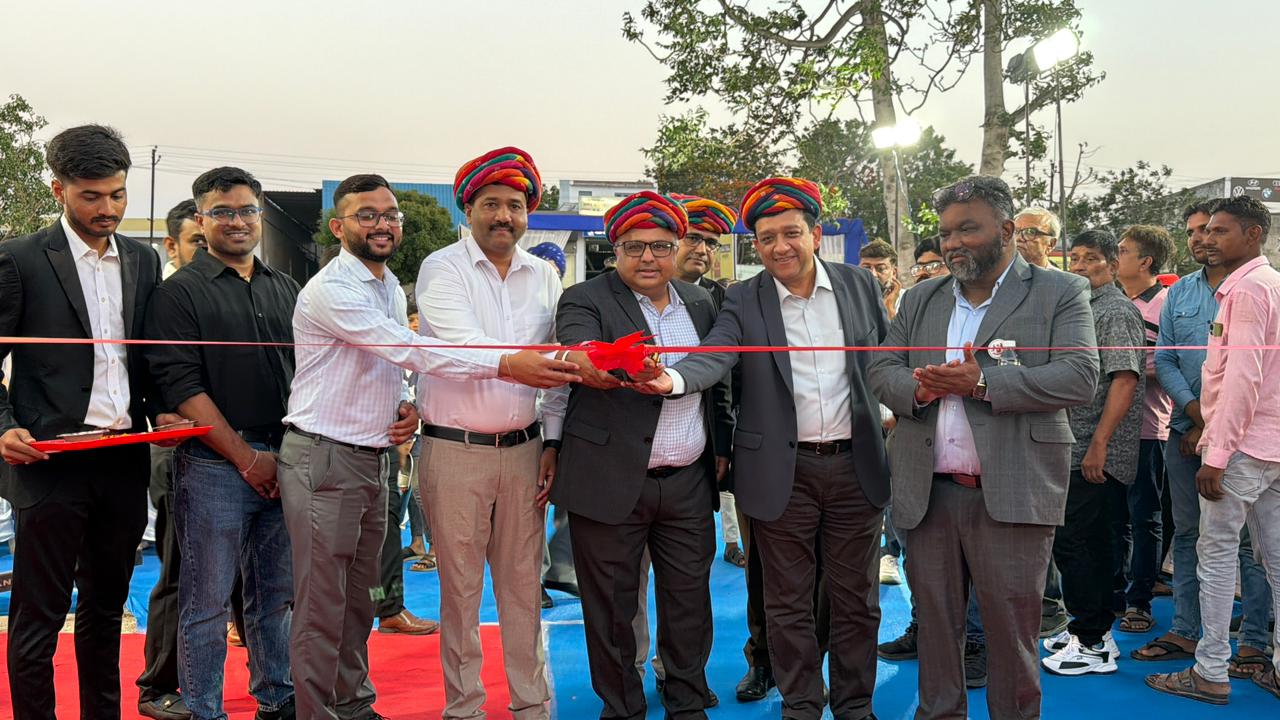
Chandigarh, May 13: Ashok Leyland, the Indian flagship of the Hinduja Group and the country’s leading commercial vehicle manufacturer, today inaugurated its new dealership for Light Commercial Vehicles in Jamnagar. This is the 13th Light Commercial Vehicle dealership in the state of Gujarat, further strengthening its robust LCV distribution network, which now spans over 945 customer touchpoints across the country.
The new channel partner Karan Autolink has a 3S (Sales, Service and Spares) facility strategically located at Jamnagar Rajkot Highway. The facility is equipped with 7 service bays and state-of-the-art infrastructure to ensure superior customer experience. The company currently offers a range of LCV products – SAATHI, DOST, BADA DOST, PARTNER and MiTR.
Mr. Viplav Shah, Head – LCV Business, Ashok Leyland Ltd. said, “We are excited to further strengthen our presence in the key market of Gujarat with our new dealership coming up in Jamnagar. The DOST, BADA DOST and SAATHI vehicles have been receiving an overwhelming response from customers, owing to their best-in-class mileage, superior performance, and extensive sales and aftersales support. This new dealership is yet another step in reinforcing our reach and ensuring that we provide the best experience to our valued customers.”
Our products cater to the evolving needs of Indian LCV customers, combining best-in-class technology with unmatched reliability. Today, over 6 lakhs+ Ashok Leyland LCVs operate across India, reflecting our strong presence in the segment. SAATHI, our latest offering in the premium entry-level SCV segment has been a gamechanger in the industry. Powered by a new-generation 45 HP engine delivering 110 Nm of torque, the SAATHI offers the largest loading area in its segment and an industry-leading payload capacity of 1,120 kg.
BADA DOST is offered in six variants and is powered with an 80 hp BS6 engine that delivers best-in-class power & mileage, best-in-class payload, best-in-class load body length and loading space that helps customer earn more profit per trip. Owing to its low turning radius and best-in-class ground clearance, BADA DOST is the ideal vehicle for inter and intra city applications.
DOST range comes in avatars of DOST XL and DOST+ XL to cater to different sections of the market and applications.
PARTNER, a modern & highly fuel-efficient load carrier, caters to the 4-ton payload segment and is available in both 4 tyre and 6 tyre options. PARTNER is based on an internationally acclaimed vehicle platform & carries the renowned ZD30 CRDI engine.
MiTR bus is offered in both staff bus & school bus options. It provides superior mileage even in stop-and-go conditions. MiTR School Bus complies with all school bus safety norms & offers unmatched ride comfort.
13, May 2026
Inc. 5000 Agency Founder Ric Militi Launches Leadership Series Inspired by InnoVision’s Internal Success Framework
|
|
|
|
13, May 2026
Red Hat Launches New Developer Tools for Agentic AI
New Delhi, Delhi, India May 13: Red Hat, the world’s leading provider of open-source solutions, today announced expanded capabilities across its developer portfolio specifically built for the requirements of AI agents. Through the newly-available Red Hat Desktop and enhancements to Red Hat Advanced Developer Suite, Red Hat intends to smooth the transition from agents running locally on developer workstations to production-scale deployments across the hybrid cloud.
What Red Hat announced
With today’s general availability of Red Hat Desktop, Red Hat is providing commercial support for the Red Hat build of Podman Desktop, creating a more reliable foundation for local container and AI development. Red Hat Desktop also includes capabilities for isolated AI agent sandboxing, an initiative designed to help developers execute and test autonomous agents in a protected sandbox on their local hardware, preventing unverified agent actions from affecting the host OS. Red Hat Advanced Developer Suite also adds new capabilities, including a trusted software factory, Red Hat Trusted Libraries and AI-driven exploit intelligence to modernize security across the software supply chain. These new features use AI to determine if known vulnerabilities in generated code are relevant to a specific application runtime, allowing developers to prioritize remediation based on actual risk.
Why this matters
As the volume of AI-generated code increases, developers need a workflow that balances local experimentation with enterprise-grade deployment. Whether developers start locally with Red Hat Desktop or in a cloud-based development environment via Red Hat OpenShift Dev Spaces, they receive the same consistency and governance required for enterprise production. By unifying these environments and transitioning to production scale with Red Hat OpenShift, Red Hat enables teams to treat AI agents as tier-one applications. This approach provides a security-driven path to production, enabling developers to move from experimental local sandboxes to verified, scalable innovation across the hybrid cloud.
What Red Hat experts are saying
“The transition to agentic AI expands the requirements for modern application development,” said James Labocki, Senior Director, Product Management, Red Hat. “By establishing a trusted production path across the hybrid cloud with Red Hat Advanced Developer Suite and providing consistent environments through Red Hat Desktop and Red Hat OpenShift Dev Spaces, we’re helping developers accelerate and own their AI strategy with the same rigor they apply to their core IT applications.”
Key takeaways
-
Standardized AI lifecycle: Red Hat provides a more consistent experience from local machines to the cloud, helping organizations move AI from experimental projects to repeatable production workflows.
-
Maintain developer choice: Red Hat has expanded support in Red Hat OpenShift Dev Spaces, a Red Hat OpenShift feature, to include integration with Amazon Web Services (AWS) Kiro coding assistant (technical preview). This joins existing integration for Microsoft Copilot, Claude CLI and more, providing the flexibility to use preferred coding assistants and environments from local machines.
-
Shift security left: Built on Red Hat Hardened Images and Red Hat Trusted Libraries (both available with SLSA Level 3 origin and integrity), these tools provide a software supply chain that is transparent and verifiable before code is even written.
-
Sandbox-first testing: Developers can execute autonomous agents in an isolated environment, providing a safety layer to observe agent behaviors before cluster deployment.
Deeper details:
Red Hat Desktop and Podman integration
Red Hat Desktop delivers an enterprise-supported environment for local container and AI development centered on the hardened and supported Red Hat build of Podman Desktop. Developers can easily access the full library of Red Hat Hardened Images from their laptop, while connecting to local or remote OpenShift clusters for unit testing. This ensures that the container running on the developer‘s machine is architecturally consistent with the one running in production. Developers looking to test sandboxed AI agents can find more information at www.openkaiden.ai.
Flexible coding assistants
Red Hat OpenShift Dev Spaces now provides an extensible framework that allows developers to integrate preferred AI-driven tools directly into their cloud-based IDE. This includes new support for the AWS Kiro coding assistant (technical preview), alongside existing integrations for Microsoft Copilot, Claude CLI, Cline, Continue, Roo and more. By supporting both proprietary and open-source assistants, Red Hat enables teams to use frontier models or host private models, helping to align developer productivity tools with corporate security and sovereignty requirements.
Red Hat Advanced Developer Suite enhancements
The latest version of Red Hat Advanced Developer Suite introduces the developer preview of a trusted software factory based on accepted CNCF best practices and Red Hat’s internal build processes. This provides a standards-based CI/CD implementation that customers can use as-is or tweak and replicate to meet specific needs. Additional features include:
-
Red Hat Trusted Libraries: Curated Python packages built on SLSA Level 3 infrastructure with added software bill of materials (SBOMs) and cryptographic signatures to help provide a more transparent and verifiable software supply chain.
-
Exploit intelligence: Developed using the NVIDIA AI blueprint for vulnerability analysis, this capability uses AI-driven code reasoning to determine if a vulnerable function is actually reachable in an application’s runtime environment. By isolating exploitable code paths from broader vulnerability data, Red Hat helps developers prioritize fixes that actually impact security.
Red Hat Summit
Join the Red Hat Summit keynotes live on YouTube to hear the latest from Red Hat executives, customers and partners:
-
The next platform is choice — Tuesday, May 12, 8:30-10 a.m. EDT
-
The AI-ready enterprise is here — Wednesday, May 13, 9-10 a.m. EDT
Learn more:
-
OpenShift: Consistent integration for the hybrid enterprise
-
Red Hat Hardened Images Accelerates Cloud-Native Development and Zero-CVE Strategies
-
Red Hat Desktop brings Kubernetes-aligned development to the desktop
-
From experimentation to production: Building trust in the agentic AI era
-
Learn more about Red Hat Summit
-
See all of Red Hat’s announcements this week in the Red Hat Summit newsroom
-
Follow @RedHatSummit or #RHSummit on X for event-specific updates
Connect with Red Hat
-
Learn more about Red Hat
-
Get more news in the Red Hat newsroom
-
Read the Red Hat blog
-
Follow Red Hat on X
-
Follow Red Hat on Instagram
-
Watch Red Hat videos on YouTube
-
Follow Red Hat on LinkedIn
13, May 2026
Euro Pratik Sales Delivers Strong Q4FY26 Performance; PAT Rises 50 percent YoY to ₹21.5 Cr on Robust Demand and Strategic Expansion
Mumbai, May 13: Euro Pratik Sales Ltd, one of India’s leading decorative surface and wall panel companies, announced its financial results for the quarter and year ended 31st March 2026, reporting strong growth across key financial metrics driven by product innovation, expanding market presence, and operational efficiencies.
FY26 marked another milestone year for the company with healthy revenue growth, strong profitability, strategic regional expansion, and continued strengthening of its product portfolio. Euro Pratik continues to consolidate its leadership position in the organized decorative wall panel and laminates segment through its design-led offerings, robust distribution network, and asset-light business model.
KEY BUSINESS & STRATEGIC UPDATES
• Successfully integrated URO Veneer World, strengthening the company’s footprint in South India
• Acquired Chawla Brothers in April 2026, further expanding presence in North India
• Continued product innovation with launches such as Canfor 2 and Chisel 2026 series catering to evolving consumer preferences
• Introduced new textures including Stonite, PolyASSA, and Lamart, reinforcing Euro Pratik’s positioning as a design-forward surface solutions brand
• Continued to operate with a debt-free balance sheet supported by strong internal accruals
KEY FINANCIAL HIGHLIGHTS FOR FY26
• Revenue from Operations stood at ₹334.0 Cr+, growing 18% YoY
• Profit After Tax stood at ₹77.2 Cr
• Maintained strong operational and financial discipline
• Continued investments in innovation, distribution expansion, and market development
KEY FINANCIAL HIGHLIGHTS FOR Q4 FY26
• Revenue from Operations stood at ₹93.5 Cr, up 28% YoY
• EBITDA stood at ₹26.7 Cr, up 37% YoY
• EBITDA Margin improved to 27.3% from 25.5% in Q4 FY25
• Profit After Tax stood at ₹21.5 Cr, up 49.5% YoY
• PAT Margin expanded to 23.0% from 19.7% in Q4 FY25
Mr. Pratik Singhvi, Chairman & Managing Director said, “In Q4 FY26, our revenue grew by 28% year-on-year to ₹93.5 crore, while EBITDA increased by 37% year-on-year to ₹26.7 crore. Profit after tax rose by 49.5% year-on-year to ₹21.5 crore. Despite a majority of our products being crude-based, the company successfully navigated currency volatility, rising freight costs, and logistical challenges during the quarter.
Our product innovation engine remains active, with recent launches such as Canfor 2 and the Chisel 2026 series catering to evolving aesthetic preferences at accessible price points. We have also introduced Stonite, PolyASSA, and Lamart textures, further strengthening Euro Pratik’s positioning as a design-forward surface solutions brand.
Following the successful integration of URO Veneer World in South India, the acquisition of Chawla Brothers in April 2026 has further strengthened Euro Pratik’s presence in North India. Backed by a debt-free balance sheet and healthy internal accruals, the company remains well-positioned for future growth opportunities.”
The company also maintained a strong financial position with a debt-free balance sheet backed by healthy internal accruals. On the global front, Euro Pratik expanded its international presence with subsidiaries in the U.S., UAE and Europe.
With continued investments in innovation, distribution expansion and market development, the company remains optimistic about sustaining its growth momentum in the coming years.
13, May 2026
AD Ports Group Delivers 41% YoY Net Profit Growth to AED 653 Million in Q1 2026; Best Quarterly Profits on Record

Abu Dhabi, UAE – May 13: AD Ports Group (ADX: ADPORTS), a leading global enabler of integrated trade, industry, and logistics solutions, today reported strong revenue and net profit performance in the first quarter of 2026, demonstrating the resilience of its diversified and integrated trade ecosystem amidst the challenging and complex geopolitical and macroeconomic backdrop.
From a service offering and geographic perspective, AD Ports Group’s diversified operations, and vertically integrated business model based on long-term partnerships and contracts, focused strategy, and operational flexibility, have proven once again to be effective in turning risks into differentiated opportunities. Throughout the obvious challenges posed by the geopolitical situation in the Arabian Gulf, the Group has been able to maintain uninterrupted services, operating normally with precautionary business continuity protocols activated.
Continuity measures include the rerouting of cargo operations and feeder services to Fujairah Terminals and Khorfakkan Port, and deployment of new land and air bridges, complemented by additional warehousing and storage facilities. AD Ports Group launched new regional feeder shipping services to maintain supply chain integrity, redeploying and scaling up its container and bulk cargo vessels fleet, with plans to further increase fleet capacity. The new services connect with ports in India, Pakistan and Oman, as well as Red Sea ports, and ports along the Upper Arabian Gulf region.
The Group also established a land bridge to transport cargo from Fujairah and Khorfakkan through bonded customs corridors across the UAE to Khalifa Port, Jebel Ali Port, and Sharjah, using 800 trucks and four new daily rail services by Etihad Rail. These efforts were supported by the Group’s expanded warehousing and storage capacity for essential goods, currently exceeding 76,000 m2, with plans to more than double to 188,000 m2.
Leveraging its award-winning digital trade infrastructure, the Group also launched new freight management platforms that delivered visibility and resilience, enabling the efficient management of trade flows. By unifying and processing data across the Group’s global operations, these platforms have enabled the Group to act on real-time trade lane intelligence to strengthen supply chain integrity, whilst repurposing empty import containers for export along alternative high-volume corridors, which enhanced resilience and reduced time and cost for customers.
In Maritime & Shipping, the strong performance was a combination of volume and price effects, notably in container feeders, Ro-Ro, and tankers, as well as increased drydocking activities. Container feeder shipping volumes rose 20% YoY to 871K TEUs in Q1 2026, driven by increased services and capacity, whilst the bulk, multipurpose, and Ro-Ro vessel fleet reached 63, up from 41 in the same period a year earlier.
In the Economic Cities & Free Zones Cluster, growth momentum continued with 843,000 m2 (net) new industrial land leases in KEZAD Abu Dhabi, generating strong demand for warehouses, staff accommodation, and utilities provision. KEZAD also completed the sale of a group of warehouses to MAIR Group for AED 295 million and sold a 1.0 km2 mixed-use land plot to Danube Properties for AED 840 million, as part of the Group’s strategy to actively manage its asset portfolio across all business Clusters, and monetise real estate and non-core assets, when opportune.
In the Ports Cluster, UAE operations remained resilient in the face of challenging regional events, with quarterly container throughput declining 5% YoY and general cargo volumes dropping 23% YoY, which were largely offset by strong growth internationally of 17% YoY and 21% YoY, respectively. In the UAE, container capacity utilisation stood at 54% (57% at Khalifa Port), whilst internationally it reached 65%, up from 58% in Q1 2025.
In Logistics, the global freight environment remains challenging, with rising operational costs, and in the UAE quarterly polymer volumes declined 6% YoY as a result of the regional situation.
In Q1 2026, AD Ports Group continued expanding internationally with a trade corridor and region-focused strategy. The Middle East, Central Asia, Pakistan, Egypt, Sub-Saharan Africa, and Mediterranean regions remained in focus, as the Group continued to build operational scale and long-term partnerships. A 30-year concession was secured for a brownfield multipurpose port in Aqaba, Jordan, and a 30-year concession was signed for a new greenfield dry bulk terminal at Douala Port in Cameroon. In parallel, the Group has continued to interconnect its 38 port terminals with associated maritime and logistics services, increasing synergies and enhancing asset utilisation.
In its Balance Sheet, AD Ports Group’s debt leverage continued to improve, with a Net Leverage of 3.9x, vs. 4.1x in Q1 2025, and 4.0x in Q4 2025.
Despite a low cash conversion ratio of 62%, Cash Flows from Operations reached AED 943 million in Q1 2026, +30% YoY, on steady growth in operating profit from core operations, and AED 74 million from the asset monetisation programme under a two-year payment plan for the sale of warehouses to MAIR Group.
With quarterly organic CapEx of AED 1.35 billion, the Group generated slightly negative Free Cash Flow to the Firm (FCFF) of AED 348 million but maintains annual guidance of positive FCFF going forward, subject to the evolving regional situation.
Q1 2026 Financial KPIs
|
AED m |
Q1 2025 |
Q4 2025 |
Q1 2026 |
YoY % |
|
Revenue |
4,597 |
5,954 |
5,750 |
25% |
|
EBITDA 1) |
1,136 |
1,606 |
1,516 |
33% |
|
EBITDA Margin (%) |
24.7% |
27.0% |
26.4% |
1.7% |
|
Profit Before Tax (PBT) |
515 |
646 |
729 |
42% |
|
Total Net Profit |
464 |
567 |
653 |
41% |
|
Net Profit – Owners of the Company |
348 |
454 |
497 |
43% |
|
Non-Controlling Interests |
116 |
113 |
156 |
34% |
|
Reported EPS (AED) 2) |
0.07 |
0.09 |
0.10 |
43% |
1)EBITDA is calculated by taking net profit and adding depreciation and amortization, finance costs, income tax expense, impairment of investment properties and subtracting government grants, fair value gain on pre-existing interest in a joint venture and finance income.
2)Based on the weighted average number of shares for the period.
Key Developments in Q1 2026
Ports Cluster
·Joined Africa Ports Development’s (APD) 30-year concession to design, build and operate a new dry bulk terminal at the Port of Douala in the Republic of Cameroon. The agreement establishes an investment structure, under which AD Ports Group together with two other UAE investors own 60% of the operating company, alongside ADP’s 40% ownership, implying an effective economic interest of 51% for AD Ports Group.
·Signed a 30-year concession agreement with Aqaba Development Corporation (ADC) to operate the brownfield Aqaba Multipurpose Port, Jordan’s only and exclusive general cargo and multipurpose seaport. The concession was secured through a JV with AD Ports Group holding 70% ownership and ADC 30%.
·Secured a USD 115 million project finance facility led by the International Finance Corporation (IFC) and National Bank of Kuwait-Egypt (NBK) to support the development of the Noatum Ports Safaga Terminal in Egypt.
Economic Cities & Free Zones Cluster
·Signed a 50-year land lease with Galadari Brothers’ heavy equipment division to establish a AED 75 million facility in KEZAD A (Al Ma’mourah). The 150,000 m2 facility will be used for storage and distribution of heavy machinery and industrial equipment in the region.
·Sold a group of warehouses in KEZAD Logistics Park – KLP Free Zone 3 (FZ3) in Abu Dhabi to MAIR Group for AED 295 million.
·Launched the 450,000 m2 Metal Park, the world’s first pay-as-you-grow metals ecosystem in Abu Dhabi.
·Signed an AED 840 million land sale agreement with Danube Properties for a 1.0 km2 plot located within the 16 km2 KEZAD Town Centre for the development of a residential and mixed-use project.
·Signed a 50-year land lease with Jotun Abu Dhabi to establish a new 83,177 m2 manufacturing facility in ICAD – KEZAD Musaffah with an investment value of AED 450 million. Jotun Abu Dhabi is relocating from its existing 22,000 m2 facility.
Maritime & Shipping Cluster
- Safeen Drydocks, part of Noatum Maritime, acquired 100% ownership of Balenciaga Astilleros Shipyard, one of Spain’s most established and technologically advanced shipbuilding and repair facilities, for a total consideration of EUR 11.2 million.
Others
- Refinanced a USD 2.5 billion syndicated loan with two UAE banks, extending maturity to March 2029, and reducing future borrowing costs.
Key Developments Post Q1 2026
·Signed new land leases for five new projects in KEZAD Al Ain and KEZAD A (Al Ma’mourah), covering a total footprint of over 84,000 m2 and representing a total investment of AED 147 million. The projects are in the automotive (car cleaning products), metal, and logistics industries.
·Sold three warehouses in KEZAD Logistics Park (KLP) in Abu Dhabi to Aldar for AED 650 million.
·Signed a strategic partnership with Tawazun Council for Defence Enablement to develop Al Selmiyyah Defence Industrial Free Zone in Abu Dhabi. Al Selmiyyah will be developed as a zone dedicated to advancing defence manufacturing in the UAE. AD Ports Group will serve as a strategic partner and advisor for the zone, leading the master planning process, shaping land use and infrastructure planning, and providing industrial zone development expertise to support phased delivery, ecosystem integration, and connectivity to regional and global trade networks, in line with international best practices.
–
|
|
||||
13, May 2026
Mahindra Insurance Brokers Limited partners with WebEngage to strengthen data led customer experience
Mumbai, May 13 : Mahindra Insurance Brokers Limited (MIBL), one of India’s leading insurance broking companies, has entered into a strategic partnership with WebEngage, a leading SaaS provider of Customer Data Platform and engagement solutions, to strengthen customer experience through a unified, data-led approach. This initiative is expected to improve engagement outcomes and campaign effectiveness by enabling data-led orchestration across customer touch points.
The partnership is aimed at helping MIBL build a 360-degree customer view by consolidating interactions across D2C platforms, assisted sales journeys, and offline dealer-led touchpoints. This will enable the company to map complete customer journeys from offline renewals to digital self-serve purchases within a single system, supporting more consistent and relevant communication across the insurance lifecycle, including policy purchase, renewals and servicing.
As part of the collaboration, MIBL will use WebEngage’s platform to enable automated, policy-level communication, allowing timely and contextual updates and reminder journeys for every policy a customer holds. The unified view is also expected to support cross-sell and upsell opportunities across product categories, including extending motor insurance customers into health policies, while encouraging greater adoption of digital-first journeys.
Commenting on the partnership, Avlesh Singh – Co-founder & CEO, WebEngage, said,
“Insurance engagement today must move beyond transactional reminders to intelligent, lifecycle-driven conversations. Our partnership with Mahindra Insurance Brokers Limited brings together unified data, automation, and policy-level intelligence to create highly contextual customer journeys. By connecting assisted, offline, and digital touchpoints, we are enabling the organization to drive stronger engagement, provide cross-sell opportunities, and deliver meaningful value across the policyholder lifecycle. Having successfully driven impactful engagement transformations with brands such as Groww, Acko, Tata Motors, Eureka Forbes, CIPLA, Metro Brands, we are excited to collaborate with MIBL to build innovative, customer-centric insurance experiences at scale.”
Through this collaboration, MIBL is moving towards a single-view, omnichannel customer strategy. By combining unified data, automated orchestration, and policy-level intelligence, the organization is building a scalable foundation for lifecycle engagement, enabling stronger relationships, improved campaign effectiveness, and sustained growth in an increasingly digital-first insurance landscape.
13, May 2026
MP Sahney Urges Corporate-Cooperative Collaboration to Boost Social Enterprises at CII Summit
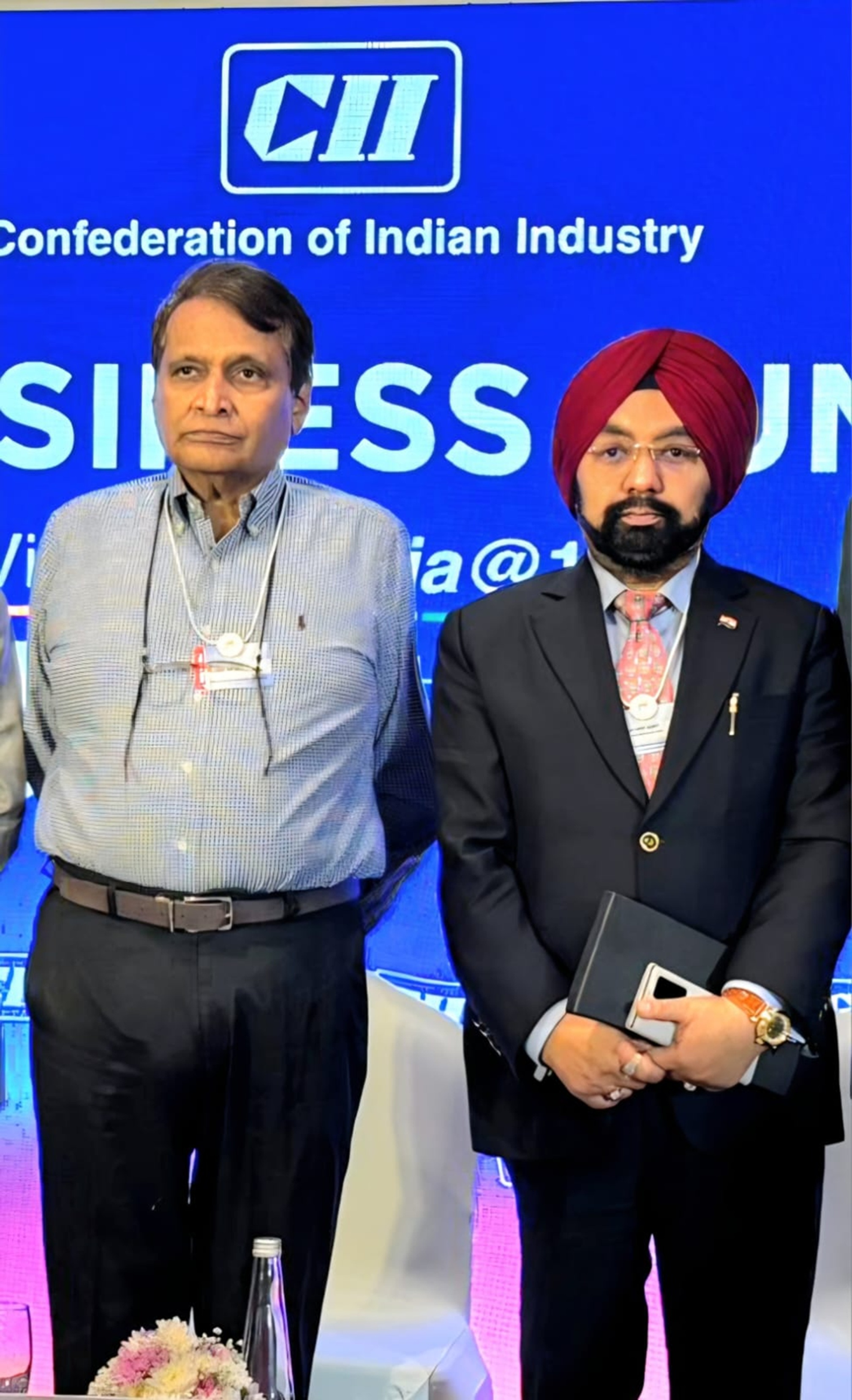
New Delhi, May 13 : The corporate and cooperative sectors must team up to build social enterprises and unlock demand in rural India, Rajya Sabha MP Dr. Vikramjit Singh Sahney said at the CII Annual Summit.
Known for his push on grassroots development, Dr. Sahney argued that corporates and cooperatives working together could reach the last mile in villages, spurring rural economies and creating sustainable livelihoods. “If we truly want to spur rural demand and bring inclusive growth, corporates and cooperatives cannot work in silos, they must collaborate to promote social enterprises,” he said. This kind of synergy, he added, would help bridge the stubborn urban-rural divide.
Dr. Sahney put a sharp focus on women-led groups. Women-led cooperatives, self-help groups (SHGs), and women-run enterprises have huge potential but often lack the backing they need, he said. They should get greater institutional support to evolve into technology-enabled, professionally managed outfits, using digital payments, online procurement, and e-market platforms to boost their effectiveness and scale.
Cooperatives need to get more transparent with professional leadership, regular audits, autonomy, and independent boards. The newly enacted Multi-State Cooperative Societies Act gives them the legal tools to do just that, allowing real independence while keeping accountability in check.
The session, chaired by Sh. Suresh Prabhu, former Union Commerce Minister and India’s ex-G20 Sherpa, drew nods from industry leaders and policy makers.
They agreed cooperatives are an underused lever for inclusive growth. Dr. Sahney’s ideas line up with the Prime Minister Narendra Modi’s vision of ‘sahakar se samriddhi’ (prosperity through cooperation) push, which fits with the bigger discussions happening about improving rural areas and starting social projects, especially as more money is now being spent in the countryside.”
13, May 2026
Apollo Hospitals Brings Advanced Super Speciality Care to the Heart of Mumbai with New Centre in Dadar
Mumbai, May 13: Apollo Hospitals has launched its Super Speciality Center in Dadar, bringing advanced medical care to the heart of Mumbai. The Centre offers super–speciality services across Cardiology, Neurology, Oncology, Gastroenterology, Orthopaedics, Transplantation, and Pulmonology, supported by comprehensive diagnostics, robotics-enabled care, and 24×7 clinical access. All services are delivered by experienced Apollo clinicians, each with over a decade of expertise, operating within Apollo‘s established clinical ecosystem. The launch was graced by Mr Arunesh Punetha, Regional CEO – Western Region, along with Apollo’s experts: Dr Anil D’Cruz (Director Oncology and Sr Head and Neck Oncology Surgeon), Dr Deepak Gautam (Sr Consultant Orthopaedic & Robotic Joint Replacement Surgeon), Dr Dipalee Borade (Consultant Radiation Oncology), Dr Jyoti Bajpai (Lead Consultant, Medical and Precision Oncology), Dr Sumeet Pawar (Consultant Spine & Neurosurgeon) along with other doctors and members of the community.
Apollo Hospitals Brings Advanced Super Speciality Care to the Heart of Mumbai with New Centre in Dadar
Nearly 8,000 patients from Mumbai travel to Apollo Hospitals Navi Mumbai every year for advanced care, many of them making that journey repeatedly through the course of treatment. As Apollo Navi Mumbai approaches its 10th anniversary this November, the new Dadar centre represents the next chapter in our journey, bringing the same trusted clinical expertise and continuity of care closer to patients and their families in the heart of the city.
Dr Anil D’Cruz said: “At Apollo, we believe advanced healthcare should not only be world-class, but also easier to access consistently. Over the years, thousands of patients from Mumbai have travelled to Navi Mumbai for specialised treatment, often multiple times during the course of care. The launch of our Dadar Centre reflects our commitment to reducing that burden and ensuring patients can access Apollo’s trusted specialists, advanced diagnostics, and integrated care pathways closer to home. This is not just an expansion of infrastructure, but an expansion of patient-centric care.”
For patients managing ongoing treatment, the Centre significantly reduces the burden of approximately 30 kilometres of travel per visit, enabling faster consultations, more consistent follow-up, and uninterrupted continuity of care. This is particularly meaningful for oncology patients, those on post-transplant recovery, and individuals managing long-term chronic conditions, for whom the frequency of care visits is highest.


