


9, May 2026
New Income Tax Act 2025 Aims to Simplify Filing, Expand India’s Taxpayer Base
New Delhi, May 9 (BNP): India’s newly introduced Income Tax Act 2025 is being positioned as one of the country’s most significant tax simplification reforms in recent years, with the government focusing on making tax filing easier, clearer, and more accessible for ordinary citizens.

Speaking at a taxpayer awareness programme in Mumbai, Chief Commissioner of Income Tax (IT & TP) Nirupama Kotru said the new law, along with the upcoming Income Tax Rules 2026, has been designed to reduce complexity in the tax system and encourage greater voluntary compliance.
According to Kotru, the reforms aim to help individuals understand and file their taxes independently without relying heavily on chartered accountants or tax professionals for basic returns. She noted that many citizens still perceive tax filing as overly technical and difficult, often discouraging them from entering the formal tax system altogether.
To address these challenges, the government has introduced several taxpayer-friendly measures under the new framework. These include simplified language in the legislation, fewer sections and technical provisions, multilingual informational brochures, and digital support tools such as the “Aaykar Sathi” chatbot. Dedicated guidance resources have also been made available through the Income Tax Department’s online platforms to assist taxpayers in resolving queries more easily from home.
Kotru clarified that while the structure and presentation of the law have been simplified, there has been no major shift in India’s overall tax policy. She stated that India continues to maintain one of the more taxpayer-friendly tax regimes globally, supported by relatively low tax rates and progressive reforms introduced over the years.
The new Income Tax Act is particularly important because it seeks to remove long-standing barriers that have prevented many individuals from participating in the formal tax ecosystem. Complex terminology, difficult procedures, and confusion around different sources of income have historically made tax compliance intimidating for first-time or small taxpayers. In many cases, even honest taxpayers struggled with filing errors due to lack of clarity.
Officials believe the simplified format of the new law will improve public understanding of tax obligations, reduce unintentional mistakes, and build greater confidence among taxpayers. By making compliance easier, the government hopes to gradually widen India’s relatively narrow taxpayer base and strengthen overall revenue participation.
The reform also reflects the government’s broader push toward digital governance and citizen-centric public services. Tools such as AI-enabled chat support and simplified online guidance are expected to make the filing process more transparent, efficient, and accessible, especially for salaried individuals, small business owners, and first-time filers.
With the upcoming filing season expected to be governed by the new framework, tax authorities will closely monitor how effectively the simplified system improves compliance and encourages more citizens to file returns independently.

- 0
- By Neel Achary

9, May 2026
Commerce Secretary Visits Switzerland to Strengthen India–EFTA Trade Partnership
New Delhi, May 9 (BNP): Commerce Secretary Rajesh Agarwal concluded an official visit to Switzerland aimed at strengthening bilateral trade and investment ties and accelerating the implementation of the India–EFTA Trade and Economic Partnership Agreement (TEPA). The visit underscored India’s commitment to deepening economic engagement with Switzerland and the wider European Free Trade Association (EFTA) region.
TEPA represents a major milestone in India’s international trade strategy, marking the country’s first trade agreement with the EFTA bloc and its first operational trade partnership with a European economic grouping. The agreement is expected to unlock new opportunities for businesses, exporters, investors, startups, MSMEs, and professionals across both regions.
During the visit, the Commerce Secretary held bilateral discussions with Helene Budliger Artieda, State Secretary at the Swiss State Secretariat for Economic Affairs (SECO). The meeting focused on reviewing progress made since the agreement became operational and identifying measures to further enhance trade, investment, regulatory cooperation, and business-to-business engagement.
Both sides discussed the importance of addressing implementation-related challenges at an early stage to ensure industries and enterprises can fully utilise the benefits offered under TEPA. Discussions also covered improving market access, reducing non-tariff barriers, and strengthening institutional cooperation to support long-term economic partnerships.
As part of the visit, Rajesh Agarwal also participated in the 55th St. Gallen Symposium, where India’s growing global economic role and trade ambitions were highlighted. In a keynote video address delivered at the symposium, Commerce and Industry Minister Piyush Goyal stated that India has signed nine Free Trade Agreements with 38 developed countries under the leadership of Prime Minister Narendra Modi, creating expanded opportunities across sectors including manufacturing, services, agriculture, fisheries, startups, and MSMEs.
The Minister emphasised that India’s trade agreements are designed to improve competitiveness, strengthen supply chains, encourage investment flows, and provide Indian businesses with greater access to high-value global markets. He noted that these agreements are helping Indian enterprises integrate more effectively into international value chains while supporting sustainable export growth.
Highlighting the early success of TEPA, the Minister observed that within just 200 days of implementation, several new Indian product categories have entered the Swiss market, services trade has gained momentum, and investment interest between the two countries has strengthened considerably.
He further noted that India’s large consumer base, robust digital public infrastructure, skilled workforce, expanding industrial capabilities, and ongoing economic reforms position the country as a reliable long-term economic partner for Switzerland and the broader EFTA region.
TEPA is expected to facilitate deeper integration of “Make in India” products into European value chains, with Switzerland serving as an important gateway for Indian exports into Europe. The agreement is also anticipated to create wider opportunities for farmers, fishermen, forest-based communities, women entrepreneurs, youth, startups, MSMEs, and skilled professionals.
Under TEPA, EFTA countries have provided improved market access on 92.2 per cent of tariff lines, covering nearly 99.6 per cent of India’s exports, along with tariff concessions on processed agricultural products.
India–Switzerland economic relations continue to grow steadily. India’s exports to Switzerland exceeded $1.2 billion during FY 2025–26, while services exports to Switzerland reached approximately $6.88 billion in 2024, generating a strong services trade surplus for India.
The visit concluded with both sides reaffirming their commitment to sustained government-level dialogue, stronger industry collaboration, and deeper economic integration under the India–EFTA partnership framework.
9, May 2026
India’s Ornamental Fisheries Exports Reach INR 41 Crore, PMMSY Driving Growth and Global Opportunities
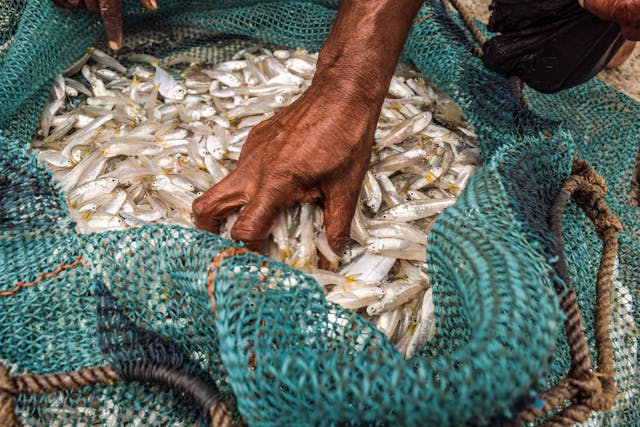
New Delhi, May 9 (BNP): India’s ornamental fisheries sector is witnessing rapid growth, supported by increasing global demand, rich aquatic biodiversity, and focused government initiatives under the Pradhan Mantri Matsya Sampada Yojana (PMMSY). With ornamental fish exports estimated at nearly ₹41 crore, the sector is steadily emerging as a promising contributor to rural livelihoods, entrepreneurship, and India’s fisheries economy.
As part of efforts to strengthen the sector, Dr. Abhilaksh Likhi, Secretary, Department of Fisheries, Ministry of Fisheries, Animal Husbandry and Dairying (MoFAH&D), Government of India, visited the Ornamental Fisheries Brood Bank at Mangrul village in Raigad district, Maharashtra. The facility was established by Mrs. Yashodhara Sanjay Khandagale under the PMMSY scheme and has become a notable example of innovation and sustainable growth in ornamental aquaculture.
During the visit, the Union Secretary interacted with PMMSY beneficiaries and local stakeholders to understand on-ground challenges, identify operational gaps, and assess opportunities for further strengthening the sector. The interaction highlighted the growing role of small entrepreneurs and women-led enterprises in transforming ornamental fisheries into a sustainable livelihood model.
The Raigad-based brood bank is regarded as one of the first initiatives of its kind in India and currently conserves and breeds more than 25 varieties of ornamental fish. Through her brand “Sam Discus,” Mrs. Yashodhara Sanjay Khandagale has successfully established a strong presence in the domestic ornamental fish market, particularly in premium discus fish production.
The facility has produced nearly 7.7 lakh ornamental fish across 20 species, generating an estimated revenue of ₹1.93 crore while creating direct and indirect employment opportunities for approximately 25–30 people. Equipped with more than 700 tanks, the brood bank also serves as a centre for skill development, best-practice training, and entrepreneurship promotion in ornamental aquaculture.
The unit exports ornamental fish to several international markets, including the United States, Italy, France, Mauritius, South Korea, Qatar, Kuwait, Malaysia, China, Uzbekistan, Nigeria, and Israel, showcasing India’s growing global footprint in the ornamental fisheries trade. The brood bank is also covered under government support schemes such as the Group Accident Insurance Scheme (GAIS) and the National Fisheries Development Programme (NFDP), ensuring regulatory compliance and institutional backing.
India possesses immense potential in ornamental fisheries, with nearly 700 indigenous freshwater species and over 300 marine ornamental species available domestically. Leveraging this biodiversity, the government has significantly expanded infrastructure support under PMMSY. So far, 1,986 backyard ornamental fish rearing units, 6,018 fish kiosks and aquariums, and 117 retail markets — including dedicated ornamental fish and aquarium markets — have been supported across the country.
In addition, five freshwater ornamental fish brood banks and 199 integrated ornamental fish units have been established to strengthen breeding, production, marketing, and value-chain development. The Department of Fisheries has also identified 34 fisheries production and processing clusters nationwide, including a dedicated ornamental fisheries cluster in Madurai, Tamil Nadu.
Maharashtra continues to play a vital role in India’s fisheries sector due to its strong marine and inland fishery resources. The state has a coastline of nearly 878 km, 173 fish landing centres, and 526 fishing villages, supporting over 15 lakh fisherfolk. Fish production in Maharashtra reached approximately 5.9 lakh tonnes during 2022–23. Inland fisheries resources in the state span reservoirs, rivers, ponds, and brackish water areas, offering substantial scope for aquaculture expansion.
Officials noted that initiatives such as PMMSY and the Blue Revolution scheme have helped improve hatcheries, aquaculture infrastructure, cage farming, and fisher welfare in the state. However, continued investment, technology adoption, and stronger market linkages will be essential to unlock the sector’s full potential.
The visit by the Union Secretary is expected to further strengthen the ornamental fisheries ecosystem by encouraging stakeholder participation, enabling policy-level interventions, and promoting sustainable growth and export opportunities in the sector.
9, May 2026
Nifty, Sensex End Week Higher as Easing Crude Prices and Stronger Rupee Boost Sentiment
New Delhi, May 9 (BNP): Indian equity markets closed the week on a positive note, with benchmark indices Nifty and Sensex recording strong gains amid improving investor confidence. Market sentiment remained upbeat throughout the week, supported by easing global crude oil prices, a strengthening rupee, and encouraging global market trends.

The decline in crude oil prices offered relief to investors, easing concerns around inflation and import-related costs for the Indian economy. At the same time, the rupee’s appreciation against the US dollar further strengthened market confidence and supported foreign investor sentiment.
Buying activity was witnessed across major sectors, particularly banking, IT, and automobile stocks, which contributed significantly to the market rally. Analysts noted that stable domestic fundamentals and improving global cues helped maintain positive momentum in equities during the trading sessions.
Market participants are expected to closely monitor upcoming economic data, global commodity price movements, and policy signals from central banks for further direction in the weeks ahead.
9, May 2026
This Mother’s Day, ControlZ Helps You Gift Her the iPhone She Deserves
New Delhi, May 09: She’s always put everyone else first; this Mother’s Day is about putting her first. Celebrating the strength, care, and everyday moments that define motherhood, ControlZ is encouraging consumers to choose a gift that reflects genuine appreciation- a premium iPhone that brings together aspiration, performance, and everyday relevance.
Smartphones today are central to how we stay connected, manage our lives, and capture moments that matter. An iPhone, in particular, has long been seen as one of the most aspirational devices- a product that represents quality, reliability, and a sense of pride. This Mother’s Day, ControlZ is making it easier to gift that experience, enabling moms to own and enjoy a device they truly deserve.
Whether it’s staying connected with loved ones, managing daily routines, or preserving memories, an iPhone seamlessly integrates into every aspect of modern life. Beyond functionality, it is a thoughtful gesture, one that acknowledges her role, her aspirations, and the standards she holds for herself.
Yug Bhatia, Founder of ControlZ, said “Mother’s Day is about making her feel valued in a way that truly resonates. An iPhone has always been one of the most desirable products, something many aspire to own. This is an opportunity to give her that experience a gift that aligns with her expectations and makes her feel special.”
This Mother’s Day, ControlZ encourages consumers to move beyond conventional gifting and choose something that is both meaningful and enduring; a device that brings together aspiration, utility, and thoughtful intent.
8, May 2026
Gold and Silver Gain Up to 1 pc as Geopolitical Tensions Lift Safe-Haven Demand
May 8 (BNP): Gold and silver prices traded higher on Friday, gaining up to 1 per cent in domestic and international markets, as renewed geopolitical tensions between the United States and Iran boosted demand for safe-haven assets.

On the Multi Commodity Exchange (MCX), gold futures (June 5 contract) opened at ₹1,52,672 per 10 grams, slightly higher than the previous close of ₹1,52,261. During the session, the metal strengthened further, touching an intraday high of ₹1,53,103 before trading at ₹1,52,853 per 10 grams, up 0.38 per cent.
Silver futures (July 3 contract) also opened on a stronger note at ₹2,59,999 per kg compared to the previous close of ₹2,58,540. The metal extended its gains through the day, rising to an intraday high of ₹2,62,723 before trading at ₹2,61,666 per kg, up over 1 per cent.
Market analysts said gold continues to show steady upward momentum, supported by sustained buying interest. They noted that a firm move above the ₹1,53,000 level could further strengthen bullish sentiment, while key support is seen near the ₹1,52,000–₹1,51,600 range.
For silver, experts pointed out that prices have remained strong after opening above the ₹2,60,000 mark. A breakout above the ₹2,64,000–₹2,66,000 resistance zone could pave the way for further upside, while support is placed around ₹2,56,000.
In global markets, precious metals also gained. COMEX gold rose 0.28 per cent to $4,725 per ounce, while silver edged up 0.17 per cent to $80.30 per ounce.
The rally was driven by heightened tensions in West Asia after reports of renewed conflict-related developments involving the US and Iran, raising concerns over regional stability and supply risks. At the same time, Brent crude rose nearly 3 per cent to $102.89 per barrel, while US WTI crude climbed 4 per cent to $98.64 per barrel, reflecting broader market unease.
Overall, safe-haven demand and geopolitical uncertainty continued to support precious metal prices across global markets.
8, May 2026
India’s Mining Sector Moves into “Mining 5.0” Era Driven by AI and Digital Transformation
May 8 (BNP): India’s mining industry is entering a new phase of transformation, often referred to as “Mining 5.0,” with a strong emphasis on digital technologies, automation, and artificial intelligence, according to a Deloitte–ICC report.
The report highlights that the sector is increasingly adopting integrated digital systems to improve efficiency, safety, and productivity across mining operations. Advanced technologies such as AI, data analytics, and smart monitoring tools are being used to modernise traditional mining practices and support more data-driven decision-making.
This shift marks a significant evolution from conventional mining methods to a more technology-led approach, where real-time data and automation play a central role in operations and resource management.
The report notes that digital transformation is expected to enhance operational transparency, reduce risks, and optimise resource utilisation. It also points to growing interest in sustainable mining practices, supported by technology-enabled monitoring of environmental impact and energy usage.
Industry experts believe that the transition to “Mining 5.0” will help India’s mining sector become more competitive globally, while also improving safety standards and operational efficiency.
The adoption of AI and integrated digital systems is expected to play a key role in reshaping the future of mining in India, making the sector more modern, efficient, and technology-driven.
8, May 2026
Rupee Weakens 25 Paise to 94.47 Against US Dollar on Rising Geopolitical Concerns
May 8 (BNP): The Indian rupee weakened on Friday, slipping 25 paise to close at 94.47 (provisional) against the US dollar, after posting gains in the previous two trading sessions. The decline came as fresh geopolitical tensions between the United States and Iran weighed on investor sentiment.
Forex market participants said concerns intensified after reports of renewed conflict-related developments around the Strait of Hormuz, a key global oil transit route. While Iran accused the US of violating a ceasefire agreement, the US maintained that the ceasefire remained in place despite ongoing strikes and rising tensions in the region.
The uncertainty in the Middle East also impacted global oil markets. Brent crude prices, which had eased earlier to around USD 98 per barrel following hopes of a ceasefire, edged higher again to nearly USD 100 per barrel as investors reassessed the stability of supply routes and the possibility of prolonged tensions.
Traders noted that rising crude prices and geopolitical risks contributed to volatility in currency markets, keeping pressure on emerging market currencies, including the rupee.
Overall, sentiment remained cautious as global developments continued to influence currency movements and energy price trends.
8, May 2026
Archon PowerInfra Plans Expansion in Hydropower, Highways, and Public Infrastructure Development

Archon Powerinfra has announced its future expansion plans with a strong focus on steady growth and quality project execution.
Speaking about the company’s vision, Kapil Sharma said that Archon Powerinfra believes in careful and planned expansion instead of fast diversification. The company aims to grow in sectors where it already has strong experience and technical capability.
Archon Powerinfra plans to increase its presence in the following areas:
- Hydropower and river engineering projects
- Infrastructure linked to power transmission
- Roads and bridge construction
- Large public buildings and infrastructure development
The company already holds qualifications for major government and infrastructure projects, including national highway projects worth up to ₹400 crore and building and infrastructure projects worth up to ₹300 crore.
Archon Powerinfra also plans to adopt modern technology in a practical and effective way. The company will gradually introduce digital monitoring and planning tools to improve project management, efficiency, and execution quality.
“Our focus is on long-term growth with strong execution standards,” said Kapil Sharma. “We want to build projects that create lasting value and support India’s infrastructure development.”
With this strategy, Archon Powerinfra aims to strengthen its position in the infrastructure sector while continuing to deliver reliable and high-quality projects across the country.
8, May 2026
Rising LPG and Tomato Prices Push Up Veg and Non-Veg Thali Costs in April: Crisil Report
May 8 (BNP): A rise in LPG prices along with a sharp increase in tomato rates led to higher costs for both vegetarian and non-vegetarian thalis in April, according to a Crisil report.
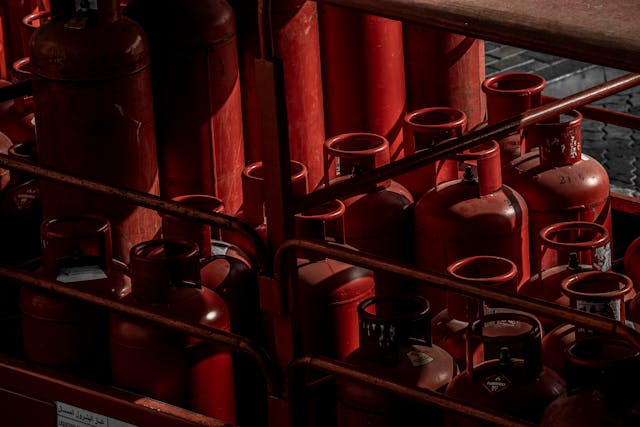
The report observed that household food expenses were impacted by costlier cooking gas and seasonal spikes in vegetable prices, particularly tomatoes. These factors together contributed to an increase in the overall cost of preparing a standard home-cooked meal during the month.
Vegetarian thalis saw upward pressure mainly due to higher vegetable prices, with tomatoes playing a key role in driving costs. Non-vegetarian thalis also became more expensive, influenced by increased fuel expenses as well as costlier input ingredients.
Crisil noted that revisions in LPG prices had a direct effect on kitchen budgets across households, adding to the overall inflationary pressure on daily food consumption.
While prices of some other food items remained relatively stable, fluctuations in essential commodities continued to shape monthly spending patterns for consumers.
The report highlights how changes in fuel and food prices together influence household budgets, reflecting the sensitivity of everyday meal costs to broader inflation trends.


