


8, May 2026
Mother’s Day 2026: Celebrating Her with the Timeless Power of Rubies

Mumbai, May 08: This Mother’s Day, Gemfields invites you to honour the women who shape our lives with a gift as enduring and meaningful as their love – the ruby.
- Fehmida Lakhany x Gemfields Ruby and Diamond Choker
- IVY x Gemfields Ruby and Diamond Chandelier Earrings
- Fabergé x Gemfields Colours of Love Cosmic Curve Rose Gold Ruby Eternity Ring
- DIACOLOR x Gemfields Gleaming Flower Earrings
- The Line x Gemfields Ruby Ladhi Ratan Necklace

- 0
- By Neel Achary

8, May 2026
Mother’s Day at Masala Library, BKC

Celebrate the most special woman in your life with a meal that is as extraordinary as she is. This Mother’s Day, Masala Library invites you to experience the cutting edge of post-colonial Indian chemistry, where traditional flavors meet modern elegance.
Join us for a memorable culinary journey, and as a token of our love, enjoy a complimentary signature dessert specially crafted to end your celebration on a sweet note.
Highlight: Complimentary dessert for every Mother
Reservations: +91 84549 00900
Location: Masala Library by Jiggs Kalra (BKC, Mumbai)
8, May 2026
Jaro Education Delivers Strong Q4 FY26 Performance with 17.30 percent YoY PAT Growth; Board Recommends Final Dividend of 30 percent per share
India, May 08: Jaro Education, a higher education and upskilling company, announced its audited financial results for the quarter and year ended March 31, 2026, reporting strong growth in profitability supported by sustained learner demand, expanding institutional partnerships, and continued operating momentum.
Total income for Q4 FY26 increased 10% YoY to ₹8,184.45 lakh. Profit After Tax (PAT) for the quarter rose 17% YoY to ₹2,133.28 lakh from ₹1,818.65 lakh in Q4 FY25, while PAT margin improved to 26% from 24%.
EBITDA for Q4 FY26 stood at ₹3,015.30 lakh compared to ₹2,843.38 lakh in the corresponding quarter last year, reflecting a growth of 6% YoY. EBITDA margin stood at 37%.
The quarter saw continued demand for industry-aligned and flexible learning formats among working professionals, particularly across management and technology-led programs.
For the full year FY26, total income grew 12% YoY to ₹28,500.18 lakh, while PAT increased 2.41% YoY to ₹5,291.64 lakh. The company generated healthy operating cash flows of ₹5,744.70 lakh during the year, with EBITDA standing at ₹8,321.15 lakh.
Operationally, the company recorded 32,236 admissions during FY26 and continued expanding its institutional network through strategic collaborations and program launches.
During the quarter, Jaro Education entered into a strategic partnership with SP Jain Institute of Management and Research (SPJIMR) and renewed collaborations with institutions including IIM Ahmedabad and IIT Delhi. The company also launched 18 new programs across management, technology, and leadership domains.
The Board of Directors recommended a final dividend of 30% per equity share having a face value of ₹10 each, subject to shareholders’ approval at the upcoming Annual General Meeting (AGM). This is in addition to the interim dividend of 20% per share declared during the December quarter, taking the total dividend for FY26 to 50% per share, reflecting the company’s continued focus on delivering shareholder value alongside business growth.
Commenting on the performance, Dr. Sanjay Salunkhe, Chairman and Managing Director, Jaro Education, said: “Our Q4 FY26 performance reflects the strength of our scalable business model, sustained learner demand, and deep institutional partnerships. During the year, we continued to expand our program portfolio, strengthen learner engagement, and build long-term collaborations with leading academic institutions.
We are witnessing increasing demand for industry-relevant and outcome-oriented learning solutions across management, technology, and leadership domains, reinforcing the long-term growth potential of the higher education and upskilling ecosystem.
Looking ahead, we remain focused on scaling our operations, deepening institutional relationships, enhancing learner outcomes, and delivering sustainable growth with strong operational discipline.”
8, May 2026
Samsung Launches Fifth Edition of ‘Samsung Solve for Tomorrow’, Doubles Grants to INR 2 Crore for Winning Teams
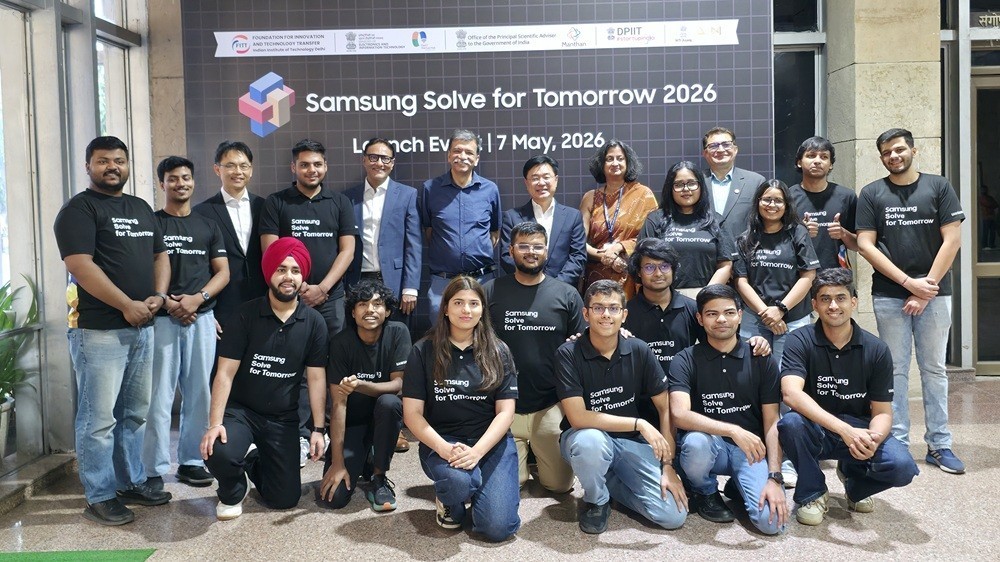
India May 08: Samsung has announced the launch of the fifth edition of Samsung Solve for Tomorrow, its flagship innovation and education programme designed to empower India’s next generation of young innovators to build technology-driven solutions for real-world challenges.
As Samsung marks 30 years in India, the company is significantly expanding the scale and ambition of the programme, reinforcing its long-term commitment to India’s innovation ecosystem and the vision of #DigitalIndia.
In line with this ambition, the 2026 edition will provide incubation grants worth INR 2 crore to the top four winning teams, enabling them to further develop and scale their ideas through incubation support at IIT Delhi. In addition, the top 20 teams will receive INR 20 lakh, while the top 40 teams will be awarded INR 8 lakh along with Samsung devices and mentorship support.
“We are proud to have been a trusted partner in the country’s digital and innovation journey over the last 30 years, contributing to a growing culture of innovation led by its youth. Samsung Solve for Tomorrow has evolved into a strong platform for nurturing young innovators and enabling a pipeline of emerging startups addressing real-world challenges. With the 2026 edition, we are taking innovation deeper into Bharat—more than doubling our outreach to schools and expanding access for young changemakers. In its fifth year, the programme reflects our sustained commitment to India’s innovation journey, while strengthening the ecosystem through design thinking, skilling, industry exposure, and start-up support, in alignment with the vision of #DigitalIndia,” said JB Park, President & CEO, Samsung Southwest Asia.
Empowering the Next Generation of Innovators
This year’s programme invites students aged 14–22 to submit ideas across four themes — AI Living for India, Health & Education, Environmental Sustainability, and Sport & Tech — reflecting the growing role of technology in building a smarter, more inclusive, and future-ready India.
The six-month programme will provide thousands of participants access to hands-on prototyping support, investor connects, expert mentorship, immersive workshops, and extensive training designed to help transform ideas into scalable solutions.
Industry, Academia, and Government Come Together
“Bharat is being shaped by a new generation of young innovators who are solving for the world as well. Through Samsung Solve for Tomorrow, we see early-stage ideas being nurtured into viable solutions with the potential to scale. Such initiatives strengthen the pipeline of future entrepreneurs and innovators,” said Prof. Ajay Kumar Sood, Principal Scientific Adviser to the Government of India.
“We believe that young students can find innovative solutions to local, regional and global problems. Our continuing collaboration with Samsung Solve for Tomorrow enables students to access deep-tech mentorship, interdisciplinary research and prototyping support. This initiative reflects how academia and industry together can accelerate innovation that addresses both national priorities and global challenges,” said Prof. Rangan Banerjee, Director, IIT Delhi.
“India’s journey towards a knowledge-driven and innovation-led economy depends on how effectively we nurture scientific temper and problem-solving skills among our youth. Platforms like Samsung Solve for Tomorrow play an important role in encouraging young people to apply science and technology to solve real-world challenges aligned with national priorities,” said Dr. Sapna Poti, Director, Office of Principal Scientific Adviser to the Government of India.
Programme Journey: From Ideas to Impact
Applications for Samsung Solve for Tomorrow 2026 will remain open from May 7 to July 3, 2026. During this phase, Samsung will conduct 100 design-thinking workshops across schools and colleges nationwide to equip participants with foundational problem-solving and ideation skills.
Following the application phase, the top 100 teams 25 from each theme will be shortlisted for expert-led online training and mentorship. After a video pitch round, 40 teams will advance to the next stage, with 10 teams selected from each theme.
Exposure to World-Class Innovation Ecosystems
Semi-finalists will participate in intensive mentoring sessions with Samsung leaders and industry experts, alongside curated visits to Samsung’s R&D centres in Bengaluru, Noida, and Delhi and Head Office offering first-hand exposure to world-class innovation ecosystems.
Participants will also undergo an immersive prototyping programme and residential bootcamp designed to refine ideas and prepare teams for the final stage of the competition.
The top 20 teams — five from each theme — will advance to the grand finale and participate in investor meets, pitch presentations, and mentoring sessions with Samsung experts.
Awards, Grants, and Incubation Support
- Top 100 teams: Certificates of achievement
- Top 40 teams: INR 8 lakh and Samsung laptops for every member
- Top 20 teams: INR 20 lakh and Samsung Galaxy Z Flip smartphones for every member
- Special Awards: Digital Impact Award and Community Choice Award with a combined prize pool of INR 2.5 lakh
-
Top 4 winning teams: Incubation grants worth INR 2 crore at IIT Delhi
A Global Platform for Young Changemakers
First launched in the US in 2010, Samsung Solve for Tomorrow is now operational in 68 countries and has engaged more than 3 million young people.
Samsung Newsroom India: Samsung Launches Fifth Edition of ‘Samsung Solve for Tomorrow’, Doubles Grants to INR 2 Crore for Winning Teams
8, May 2026
BSE Limited Reports Strong FY26 Earnings Driven by Derivatives and Transaction Revenue Growth
Mumbai, May 8: BSE Limited reported strong financial performance for Q4FY26 and FY26, supported by sharp growth in derivatives trading, transaction revenues, and improving operating leverage.
For Q4FY26, revenue from operations increased 84.7% year-on-year to Rs 15.64 billion, while EBITDA surged 119.2% to Rs 10.61 billion. EBITDA margins improved significantly to 67.9% compared to 57.2% in the corresponding quarter last year.
Profit After Tax (PAT) for the quarter rose 61.1% year-on-year to Rs 7.96 billion, broadly in line with market expectations. For the full financial year FY26, BSE reported revenue growth of 63.5% to Rs 48.34 billion, while PAT increased 88.1% to Rs 24.87 billion.
The company announced a dividend of Rs 10 per share.
BSE’s operational performance remained strong during the quarter, with Cash Average Daily Turnover (ADTO) increasing 65.7% year-on-year to Rs 90.3 billion, while Index Premium ADTO surged 145.5% to Rs 289.2 billion.
Transaction revenues rose 114.3% year-on-year to Rs 13.11 billion, accounting for 83.8% of overall revenues during the quarter. Equity derivatives remained the largest contributor, with revenues from the segment increasing 137.6% year-on-year to Rs 11.28 billion.
The exchange also reported healthy growth in mutual fund transactions, which rose 34% year-on-year during the quarter.
Management highlighted a strong IPO pipeline for FY27 with over 250 applications and potential fundraising exceeding Rs 1.75 trillion. The company also announced plans to launch three new monthly index derivative contracts, including Focused IT, Focused Midcap, and Sensex Next 30.
The company stated that participation from Foreign Portfolio Investors (FPIs) and members continues to increase, with member count crossing 580 by March 2026 and a target of reaching 700 by FY27-end.
At the current market price of Rs 3,964, the stock trades at approximately 53x FY27E EPS and 44x FY28E EPS based on previous estimates. Analysts have maintained an “ADD” rating on the stock, with the target price currently under review.
8, May 2026
Hamdard Foods India Brings Its Trusted Products Closer to Consumers with Its D2C Online Store
New Delhi, May 08: Strengthening its commitment to evolving consumer needs, Hamdard Foods India continues to enhance accessibility through its Direct-to-Consumer (D2C) online platform, enabling consumers across India to conveniently shop its trusted range of products from the comfort of their homes.
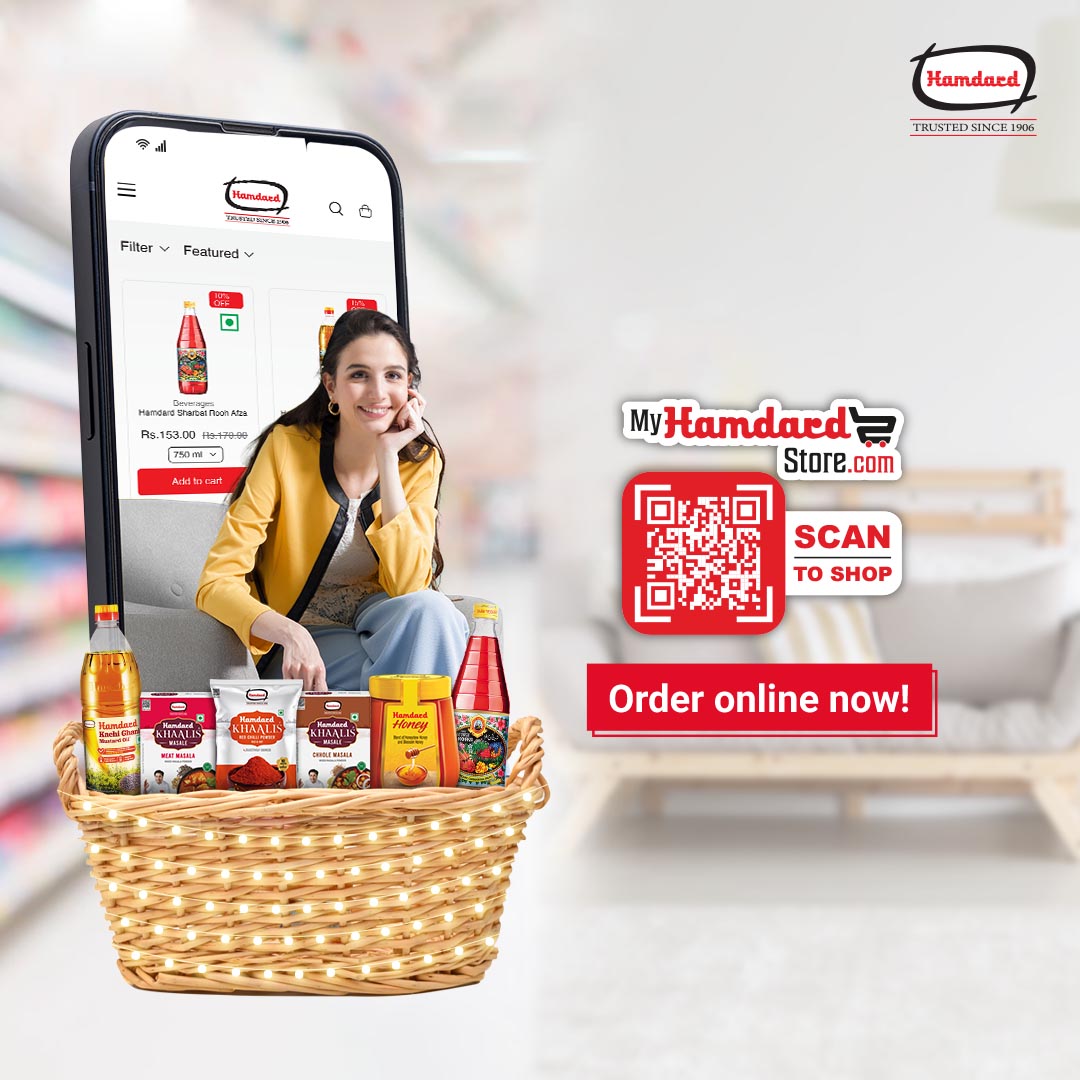
Available at https://myhamdardstore.com/, the platform brings together Hamdard Foods India diverse portfolio, including its iconic summer beverages, honey, spices, edible oils, ready-to-cook essentials, and digestive health products, under one seamless digital experience.
As consumer behavior increasingly shifts towards convenience-led and digital-first shopping, Hamdard Foods India D2C presence reflects the brand’s ongoing focus on making its offerings more readily available while building a closer connection with its consumers. The platform offers a user-friendly interface, secure payment options, and reliable doorstep delivery, ensuring a smooth and efficient purchase journey.
CEO – Mr. Hamid Ahmed, from Hamdard Foods shared,
“Our focus has always been on meeting the evolving needs of our consumers. Strengthening our direct-to-consumer presence through myhamdardstore.com allows us to make our products more accessible, while continuing to uphold the trust and quality that the brand is known for.”
Beyond convenience, the platform also enables consumers to explore product benefits, discover new offerings, and find inspiration for everyday usage, making it a holistic destination for both purchase and discovery.
With its growing emphasis on digital engagement, Hamdard Foods India aligns with the broader industry shift, in which legacy brands are increasingly leveraging D2C channels to remain relevant, agile, and consumer-centric in today’s dynamic retail landscape.
8, May 2026
Indian Markets Slip as West Asia Tensions Shake Investor Confidence
Mumbai, May 8 (BNP): Indian equity markets opened lower on Friday as rising tensions between the United States and Iran unsettled global investors and pushed crude oil prices sharply higher. The cautious mood across international markets weighed on domestic sentiment, dragging benchmark indices into the red during early trade.
The BSE Sensex declined more than 500 points in the morning session, touching an intraday low of 77,291.72, while the NSE Nifty50 dropped nearly 170 points to trade around 24,158.
Selling pressure was visible across banking, automobile, and oil-linked stocks. Private and PSU banking counters were among the biggest drags, alongside auto majors such as Mahindra & Mahindra, Tata Motors, Maruti Suzuki, and Eicher Motors. Financial stocks including HDFC Bank, ICICI Bank, Axis Bank, and Shriram Finance also traded lower.

Despite the weak broader sentiment, defensive sectors offered some support to the market. IT, pharmaceutical, healthcare, and chemical stocks managed to stay in positive territory as investors looked for relatively safer bets amid rising uncertainty.
Market analysts said investors remain nervous due to the continuing “escalation-de-escalation” cycle in West Asia, which has kept oil prices volatile and global markets on edge.
Experts also pointed out that India’s broader market continues to show resilience despite geopolitical worries. The Nifty Midcap index recently touched record highs, reflecting sustained investor interest in mid-sized companies even as valuations remain elevated.
The latest round of tensions emerged after Iran accused the United States of breaching a month-long ceasefire agreement. Tehran claimed that American forces targeted oil tankers and civilian locations near the Strait region following naval confrontations on Thursday. Washington, however, described the military action as retaliatory after alleged attacks on US naval vessels.
US President Donald Trump said the ceasefire was still in place and added that Washington was waiting for Iran’s response to a fresh peace proposal.
The geopolitical uncertainty triggered a fresh rally in oil prices. Brent crude climbed nearly 3 per cent to trade above $102 per barrel, while US West Texas Intermediate (WTI) crude surged around 4 per cent to nearly $99 per barrel.
Asian markets also reflected the cautious sentiment, with Japan’s Nikkei, Hong Kong’s Hang Seng, and South Korea’s KOSPI trading lower during the session.
On Wall Street overnight, US markets ended modestly weaker, with the S&P 500 slipping 0.38 per cent and the Nasdaq closing 0.13 per cent lower.
8, May 2026
JioHotstar x Swiggy Unlock Match-Time Commerce at Scale, Redefining Interactive Streaming
Mumbai, May 08: In a defining leap for the future of streaming, JioHotstar, in partnership with Swiggy, introduced a first-of-its-kind in-app food ordering experience natively integrated within its platform.With over 37 million users already experiencing the feature during the ongoing cricket season, the integration combines live sports, contextual triggers and seamless in-app checkout, a capability that moves beyond discovery to enable real-time transactions within the streaming environment.
Available across 690+ cities, the experience allows viewers to browse restaurants, unlock exclusive match-triggered and ‘can’t miss’ offers, place orders, and track deliveries, all without leaving the live stream. Built exclusively for mobile, the feature enables a fully native and seamless journey from discovery to checkout within the JioHotstar platform, creating a more immersive, rewarding, and transaction-led match–time experience for fans through contextual engagement and exclusive moments designed specifically for live consumption.
As the experience has scaled, early signals are highlighting notable match–time ordering trends and how millions of users are actively engaging with the in-stream journey. Burgers have overtaken biryani as the most popular dish during live matches, signalling a shift in fan preferences, while impulse ordering continues to surge, with one user placing as many as 34 orders over the season. In a standout moment, a single user ordered over 100 burgers in one transaction, reflecting the scale of group consumption during key match moments.
Engagement remains high, with repeat visits to the in-app ordering section and high-value transactions, including a single order worth ₹6,801, and savings of up to ₹12,947 unlocked by another user through match–time offers, alongside deliveries completed in as little as 10 minutes and 42 seconds.
The highest overall ordering volumes were observed during Mumbai Indians matches, while the RCB vs Rajasthan Royals game recorded the highest single-match ordering peak. Match dynamics are also influencing behaviour, with high-intensity games driving peak ordering activity, while cities such as Hyderabad, Bengaluru and Delhi lead overall trends, alongside strong participation from emerging markets like Patna and Pune.
Rooted in the strong consumer behaviour of “order while you watch,” the collaboration brings together two category leaders to enable a more connected in-stream journey. It builds on JioHotstar’s broader approach to elevating the match–time environment through AI-led discovery, interactive formats and real-time commerce, while reiterating Swiggy’s focus on ensuring unparalleled convenience for its users.
Speaking about the initiative, Ishan Chatterjee, CEO – Sports, Jiostar said, “We are moving towards a world where the boundaries between content and commerce are becoming increasingly fluid. Streaming platforms will no longer operate in isolation, but as integrated environments that anticipate and enable what users want to do in the moment. Bringing together live sports and real-time commerce is an early expression of that future, one where engagement is not just about watching, but about acting in the moment.”
Speaking about the partnership, Rohit Kapoor, CEO, Swiggy Food Marketplace, said “Live sports viewing has evolved into a highly interactive experience, where fans often multitask while staying deeply engaged with the action. Ordering food during a match is already second nature for many viewers, and our partnership with JioHotstar allows fans to enjoy their favourite food and the match at the same time, without missing out on either.”
The experience is amplified through a high-energy ‘Match On, Munch On’ campaign built around match–time spontaneity and fan behaviour, with the call to action: “Iss cricket season… JioHotstar pe ‘Swiggy’ karo. Tap. Order. Eat. Repeat. Match On. Munch On.” Rolling out across digital, social, and the extensive JioStar television network, the campaign seamlessly integrates on-air moments with in-app actions, showcasing how the platform is hyper-serving sports fans through contextual, real-time experiences that allow them to order food without interrupting their viewing journey.
The integration reflects JioHotstar’s broader focus on building a more immersive and intuitive viewing ecosystem, where entertainment extends beyond passive consumption into more contextual and interactive experiences. From innovations such as Shop The Look and Conversational Voice Discovery to interactive viewing formats, commerce-led integrations, and personalised engagement journeys, the platform continues to evolve around how audiences discover, consume, and participate in entertainment today..
8, May 2026
TiE Women Roadshow held at T-Works
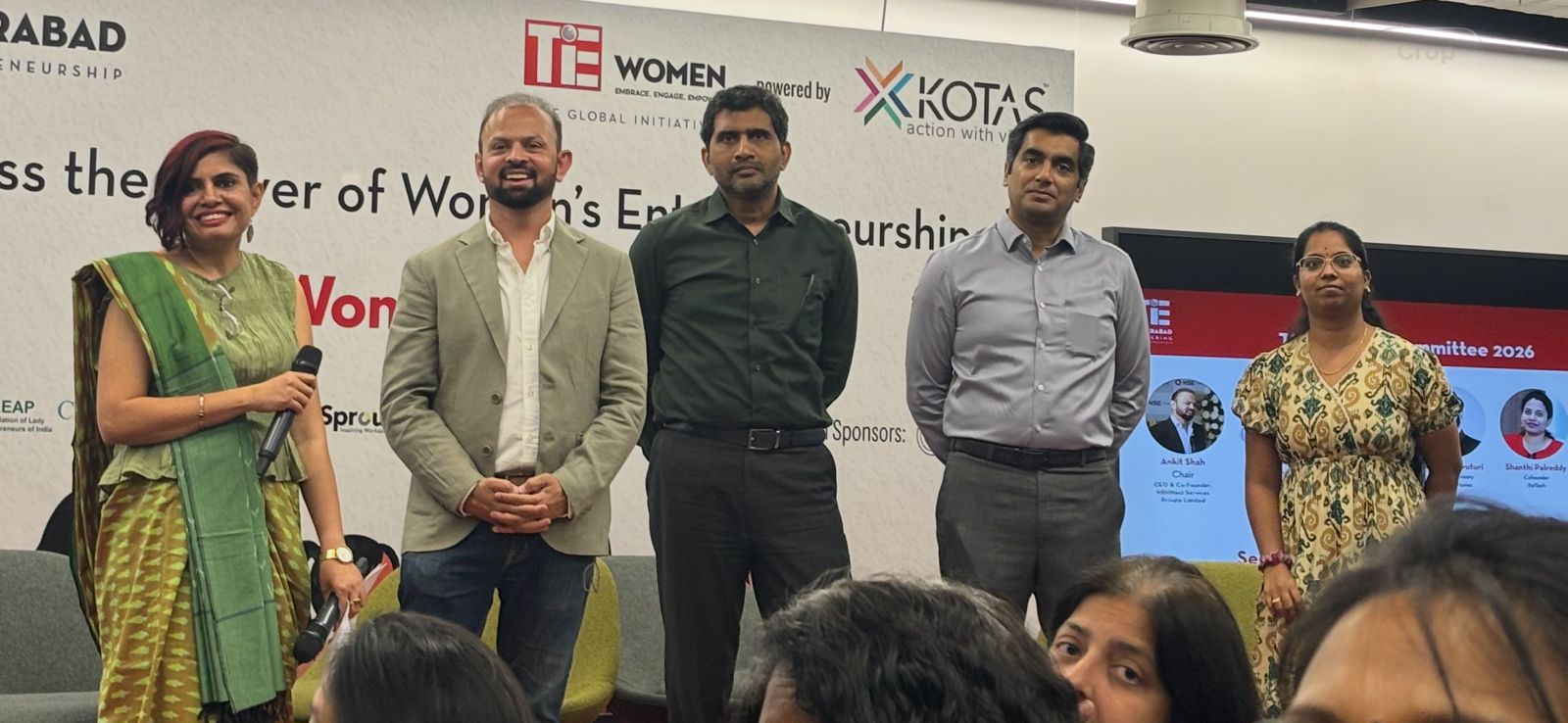
Hyderabad, May 08: TiE Hyderabad, which stands for The Indus Entrepreneurs and which is a global nonprofit organisation focused on fostering entrepreneurship through mentoring, networking, education, funding connections, and incubation, organised TiE Women Roadshow on Thursday at T-Works in Raidurgam in the city.
Over 100 women, aspiring entrepreneurs from different walks of life, participated in the roadshow.
The Roadshow was organised to create awareness about TiE Women, which is a unique program that helps women founders grow their startups by giving them mentorship, training, networking, visibility, and investor access. The larger idea is to increase and support women’s entrepreneurship globally. Part of that is a pitch competition. The 7th Edition of TiE Women will be held later in the year, for which entries are invited from women entrepreneurs from across Telangana. The last date to apply is May 10, 2026.
TiE Women 2026, targets 200 Applicants with statewide Outreach
Announcing an ambitious expansion plan, Murali Kakarla, President, TiE Hyderabad emphasized that language should not be a barrier for aspiring women entrepreneurs. “Let language not stop women from participating,” he said, adding that special Telugu knowledge-sharing and pitching sessions will be conducted to encourage women founders who are comfortable communicating in Telugu.
He also clarified that there is no entry fee to participate in the TiE Women program.
Don’t ignore simple ideas that crop up in your daily lives. Many great companies were built on the simple ideas. Consider TiE Hyderabad as launchpad for your startup.
Dr Murali Bukkapatnam, Past Chairman of the Global Board of Trustees, said entrepreneurship is incomplete until women are involved. “Mera Bharath cannot be Magan until women actively contribute to the nation’s GDP”.
This year, the Chapter will be conducting roadshows in Tier 2 cities of Telangana, like Nizamabad, Warangal, Karimnagar and others.
Ankit Sanjay Shah, TiE Hyderabad Committee Chair for TiE Women, described the initiative as a flagship global program that collaborates with over 60 TiE chapters worldwide to embrace, engage, and empower women entrepreneurs through mentorship, investor connects, networking opportunities, and entrepreneurial development programs. Each participating chapter selects one woman entrepreneur to represent it at the Regional Global Pitch Competition, which will be held later this year in one of the Indian cities. Over the years, TiE Hyderabad has engaged and mentored more than 600 women entrepreneurs, with over 100 receiving structured mentorship support.
Highlighting the program’s impact, Murali Kakarla noted that last year’s winner, Sowmya Darapaneni, Founder of Avinya Neurotech, was featured on the prestigious TiE50 and TGS100 global lists of promising startups.
TiE Women Hyderabad has so far engaged over 600 women entrepreneurs and facilitated more than $352,000 in equity-free grants, underlining its tangible contribution to strengthening the startup ecosystem.
Shanthala Veigas, Senior Director, TiE Hyderabad, said that building on the success of last year’s Nizamabad roadshow, the initiative will expand its outreach across Tier-2 cities, including Nizamabad, Warangal, Karimnagar, Khammam, and other parts of Telangana.
The roadshow brought together entrepreneurs, aspiring founders, investors, and ecosystem enablers, providing a vibrant platform for networking, collaboration, and the exchange of ideas.
Women entrepreneurs across Telangana are invited to apply for TiE Women 2026 by expressing their interest through the official application link. Through this expanded edition, TiE Hyderabad reaffirmed its commitment to empowering women founders, enabling access to mentorship and global exposure, and strengthening their role in shaping the region’s entrepreneurial landscape.
MV Reddy of the TiE Women 2026 Committee shared the eligibility criteria for the TiE Women pitching contest focus on supporting women-led startups with strong growth potential. To qualify, a startup must be founded or co-founded by women, and women co-founders must hold at least 33% equity in the company. The business should be registered after January 1, 2019, and must be less than ten years old. Additionally, the startup should be actively raising funds, while idea-stage startups are not eligible for participation. Although these criteria apply specifically to the pitching contest, women entrepreneurs and aspiring founders at any stage are encouraged to participate in TiE Women sessions and events.
A Panel discussion ‘Future is Female’ was held, and Deepa Pulipati, Vijayalakshmi Raghavan, Ankit Shah and Shanthala Veigas participated.
—
—
7, May 2026
DP World Launches War Risk Insurance to Secure West Asia Cargo Routes
Dubai, May 7 (BNP): Global logistics major DP World has launched a dedicated cargo war risk insurance solution aimed at strengthening the safety and resilience of trade operations across key West Asia shipping routes amid rising geopolitical uncertainty.
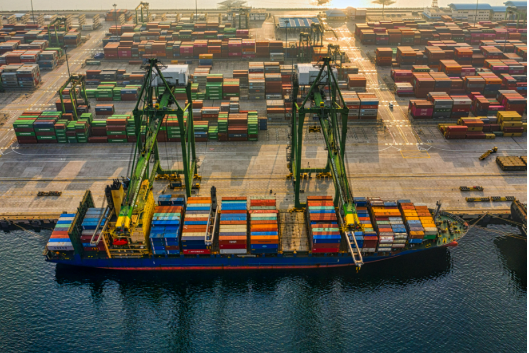
The new offering is designed to protect businesses from financial losses arising due to conflict-related disruptions, including risks linked to armed conflict, route instability, and supply chain interruptions in sensitive maritime corridors.
According to the company, the initiative will provide enhanced risk coverage across logistics operations, helping cargo owners, exporters, and shipping operators maintain continuity even in volatile trade environments.
DP World said the move comes in response to increasing challenges faced by global supply chains, where geopolitical tensions have led to higher insurance costs and operational uncertainties for trade passing through critical sea routes.
The company added that the solution aims to improve confidence among international traders by offering better financial protection and reducing exposure to unpredictable disruptions.
With this launch, DP World has further strengthened its role as a global logistics provider focused on ensuring secure, reliable, and resilient trade flows across international markets.



