


28, Apr 2026
India and Africa Ties Enter New Phase of Cooperation
New Delhi, Apr 28 (BNP): India–Africa relations are entering a new and more dynamic phase, with both sides focusing on expanding cooperation across key development areas, Minister of State for External Affairs Pabitra Margherita said on Tuesday.
Speaking at an event held at Bharat Mandapam, New Delhi, he said India and Africa share long-standing civilisational ties built over centuries through trade, cultural exchange, and people-to-people relations.
He noted that the partnership is now moving beyond traditional engagement to include wider collaboration in areas such as education, trade, capacity building, youth development, and innovation.
Focus on Youth and Development Cooperation
The remarks were made at the Yuva Bharat Global Forum, which was attended by diplomats from several African countries and representatives of organisations working on strengthening India–Africa ties.
Officials said the forum reflects India’s growing emphasis on youth-led global engagement and deeper cooperation with African nations in emerging sectors of development.
Building a Future-Oriented Partnership
Participants highlighted that India and Africa, as two fast-growing regions, are moving towards a more structured and future-focused partnership based on shared development priorities.
Discussions at the event focused on strengthening cooperation in skills development, innovation, trade facilitation, and people-to-people exchanges.
The Ministry of External Affairs said the expanding engagement reflects India’s commitment to Global South cooperation and building long-term, mutually beneficial international partnerships.

- 0
- By Neel Achary

28, Apr 2026
Dubai luxury real estate market strengthens across key price brackets
Keturah founder says year-on-year gains reflect resilience amid regional uncertainty
Dubai, UAE, 29th April; 2026: Dubai’s standing as one of the world’s leading luxury real estate markets is being underlined by sustained demand across key price segments.
A new market analysis from the Keturah luxury brand highlights a clear acceleration in developer sales in recent weeks, with strong year-on-year growth in both value and volume despite regional uncertainty.
Data from DXBinteract shows that developer sales above AED5 million reached AED25.04 billion between March 1 and April 15, a 21.4% increase on the same period last year, while transaction volumes rose 59.7% to 1,813 deals.
The AED5–10 million segment recorded the strongest growth, with value rising from AED3.43 billion to AED7.91 billion year-on-year and volume increasing from 503 to 1,153 transactions across the full March to April 15 period.
In the AED20–50 million range, value grew from AED5.38 billion to AED7.20 billion, with volume up from 211 to 236 transactions. The AED50–100 million bracket saw value climb from AED1.55 billion to AED2.63 billion, with transaction volumes rising from 24 to 42 deals across the period.

“In the current environment, the consistency of activity across these key segments is a strong indicator of underlying stability,” says Talal M. Al Gaddah, CEO and Founder of the Keturah luxury brand.
“The scale of growth across three distinct price bands tells you a great deal about the buyers driving it. These are committed, purposeful people taking a long-term view, and that level of sustained, broad-based confidence is a very encouraging sign.”
He adds: “Dubai’s luxury market has durability because developers are thinking differently about what they build. There is more focus on how homes are actually lived in, and less reliance on short-term demand cycles. You can see that in the quality and consistency of what is coming to market.”
Keturah’s two major luxury projects currently under development in Dubai sit directly within this market environment. Keturah Resort, a wellness-certified community along Dubai Creek adjacent to the Ras Al Khor Wildlife Sanctuary, is designed around long-term living in a natural waterfront setting, while Keturah Reserve, the AED5.7 billion bio-living community in Mohammed Bin Rashid City’s District 7, is structured around controlled supply, residential privacy and end-user demand rather than short-term turnover.
Together, they reflect where the market is heading, with greater emphasis on how people live at home day to day, and how developments are structured to support that.
“Dubai continues to attract long-term capital because the fundamentals are stable and predictable,” says Talal. “The infrastructure is in place, the regulatory environment is transparent, and there is a long-term approach to how the city is planned and delivered. That combination gives investors and end-users a level of certainty they can rely on.”
28, Apr 2026
Askey to Launch World’s First “All-in-One” Through-Window Bridging System in a Strategic Partnership with pureLiFi
Edinburgh, United Kingdom, April 28th 2026. pureLiFi, the global leader in LiFi technology, today announced a landmark partnership with Askey, a leading manufacturer of advanced network communications equipment, to revolutionise the Fixed Wireless Access (FWA) market. Askey will pioneer the demonstration of a fully integrated “all-in-one” solution that combines a high-performance 5G modem and pureLiFi’s proprietary through-window bridging technology in a streamlined self-installable solution.
Moving at an accelerated pace, Askey and pureLiFi are working to solve the industry’s “last-metre” challenge: delivering gigabit broadband indoors without the need for drilling holes, cabling, or professional installations. This addresses the broadband providers’ need for easy install solutions to slash their waitlists. This system utilises LiFi technology and wireless power to transmit data through windows, effectively bridging the 5G gap for users globally. Broadband subscribers may significantly enhance their service by relocating their Customer Premises Equipment (CPE) outdoors, which can deliver substantial benefits.

Disrupting the FWA Business Model
Unlike existing solutions that require separate accessories, such as pureLiFi’s Bridge XC Flex, this new collaboration integrates the bridging capabilities directly into Askey CPE. This “all-in-one” approach allows Telcos to provide self-installable units that increase network capacity by up to 6x. By eliminating the need for technician “truck rolls,” the solution allows operators to onboard users faster and more affordably while also lowering CO2 emissions.
This collaboration marks a significant milestone in wireless infrastructure, combining Askey’s leading Netcom expertise and global reach with pureLiFi’s pioneering innovation. Leadership from both organisations emphasised that this partnership is designed to fundamentally change how high-speed 5G internet is delivered and consumed.
Robert Lin, CEO of Askey, said that “Askey is committed to staying at the cutting edge of connectivity by working with global innovators like pureLiFi. We’ve been working for 5 years to solve the problem of bringing outdoor FWA signals indoors. pureLiFi’s LiFi bridge is the answer. Our combined system will enable carriers to get users connected cost-effectively and quickly while improving the overall 5G experience. By being the first to demonstrate ‘all-in-one’ FWA CPE with an integrated LiFi bridge, we will disrupt the FWA business model.
Ron Schaeffer, CEO of pureLiFi, added: “This partnership builds on pureLiFi’s pioneering position as innovators in the LiFi space and Askey’s excellence in 5G consumer premises equipment. Our proprietary wireless bridging technology is the key to unlocking the full potential of 5G FWA indoors. Together, we are providing a solution that is secure, unjammable, reliable, and incredibly simple for the end-user to install. We are proud to work with Askey to make better broadband connectivity a reality through the 5G spectrum with help from LiFi.”
Improved Access and User Experience
The Askey system is designed to provide reliable, gigabit-class data throughput, ensuring that users in urban, suburban and rural environments can access high-speed broadband regardless of modern building materials that block 5G signals. By integrating the modem and bridge into one unit, Askey is simplifying the user journey and ensuring that high-speed 5G is more accessible than ever before.
Availability
Units will be available for demonstration and testing with telecommunications carriers around the world within the first half of 2026. Both organisations are ready to revolutionise FWA, helping more users get online without requiring additional infrastructure investment.
28, Apr 2026
AI to Power Fintech Boom as Industry Heads Toward Dollar 2 Trillion Valuation by 2030
New Delhi, Apr 28 (BNP): The global fintech industry is on track for strong expansion, with projections suggesting it could reach USD 2 trillion by 2030, nearly tripling from current levels, driven by artificial intelligence (AI) and rapid digital transformation, according to McKinsey.
AI is becoming a central force in reshaping financial services, enabling automation in lending, real-time fraud detection, personalized banking, and seamless digital payments.
The financial ecosystem is undergoing a structural shift as banks and fintech firms integrate advanced technologies to improve efficiency and customer engagement while lowering costs.
Emerging economies are expected to contribute significantly to this growth, driven by rising internet penetration, mobile-first banking, and increasing financial inclusion.
Industry analysts also highlight that supportive regulations, digital infrastructure expansion, and innovation in embedded finance and real-time payments will define the next phase of growth.
28, Apr 2026
Aviva India Launches Aviva Secure Nest Annuity Plan to Support Diverse Retirement Needs
New Delhi, Apr 28: Aviva India announces the launch of Aviva Secure Nest Annuity Plan, a retirement solution that allows customers to secure regular income for life with a one‑time single premium
Aviva Secure Nest Annuity Plan offers multiple annuity options to suit varied needs, such as single life and joint life coverage, guaranteed lifetime income with flexible payout frequencies, and a return of purchase price feature to protect legacy for nominees. It is also aligned with Pension Fund Regulatory and Development Authority (PFRDA) regulations, making it a relevant choice for National Pension System (NPS) subscribers. By combining flexibility, compliance, and family protection, Aviva Secure Nest Annuity proves to be a practical solution for longterm financial security.
Commenting on the launch, Mr. Asit Rath, MD & CEO, Aviva India, said, “Retirement is a milestone that should be marked by security and dignity. With Aviva Secure Nest Annuity Plan, we are offering our customers a simple yet powerful way to ensure a steady stream of income for life, while protecting the financial well‑being of their loved ones.”
Adding further perspective, Mr. Ajai Kumar Tripathi, Chief & Appointed Actuary of Aviva India, said, “Aviva Secure Nest Annuity Plan has been carefully structured to balance guaranteed returns with flexibility. By offering options such as joint life coverage and return of purchase price, we are addressing the varied needs of customers who want both stability and family protection.”
28, Apr 2026
DPI 2.0 to Help Offset Energy Shocks: CEA Nageswaran
New Delhi, Apr 28 (BNP): India can mitigate the economic impact of energy disruptions in West Asia by enhancing productivity and competitiveness through the next phase of Digital Public Infrastructure (DPI 2.0), Chief Economic Advisor V Anantha Nageswaran said on Tuesday.
He made the remarks while addressing the launch of the DPI 2047 Roadmap Report prepared by NITI Aayog and the Frontier Technology Hub in New Delhi.
Energy Shocks and Economic Impact
Nageswaran said global energy volatility, particularly disruptions in West Asia, has highlighted India’s dependence on imported fossil fuels. He noted that such shocks can increase inflationary pressures and affect vulnerable groups including small farmers, micro enterprises, and daily wage workers.
He added that India’s high energy demand and exposure to global supply chain risks make economic resilience a key policy priority.
Shift Towards Productivity-Driven Digital Infrastructure
According to him, DPI 2.0 marks a shift from a welfare-oriented digital ecosystem to a productivity-focused framework designed to strengthen economic performance.
He said the aim is to improve overall productivity, reduce inefficiencies, and support broader macroeconomic goals, including long-term growth and resilience.
Key Focus Areas Under DPI 2047
The roadmap outlines sectoral transformation across:
- MSMEs
- Agriculture
- Education and healthcare
- Credit and financial access
- Energy systems
- Social protection frameworks
These initiatives aim to build integrated digital systems that reduce costs, improve access, and enhance efficiency across sectors.
Implementation Plan
The DPI 2047 roadmap proposes a phased rollout, starting with pilot projects in MSMEs and agriculture in 2026–27, followed by wider scaling across states and districts.
Officials said the framework is designed to strengthen India’s digital economy and support its long-term goal of becoming a $30 trillion economy by 2047, while building resilience against global economic shocks.
28, Apr 2026
Rupee Falls to 94.39 Against US Dollar
Mumbai, Apr 28 (BNP): The Indian rupee slipped in early trade on Tuesday, losing 24 paise to touch 94.39 against the US dollar, as pressure from rising crude oil prices and month-end dollar demand weighed on the currency.

Dealers said the rupee remained under strain due to higher global oil prices, which tend to increase India’s import bill and widen external account concerns. At the same time, sustained demand for the US dollar from importers added to the downward pressure.
Market sentiment was also influenced by a cautious global environment, with investors showing a preference for safe-haven assets amid ongoing international uncertainties.
Overall, currency traders expect volatility to continue in the near term, with movements likely to be guided by crude oil trends, foreign fund flows, and global risk sentiment.
28, Apr 2026
India and New Zealand FTA Set to Boost Apparel Exports, Industry Expects Strong Growth
New Delhi, Apr 28 (BNP): India’s apparel industry is poised for strong export growth following the Free Trade Agreement (FTA) between India and New Zealand, with exporters expecting shipments to increase three to four times in the coming years.
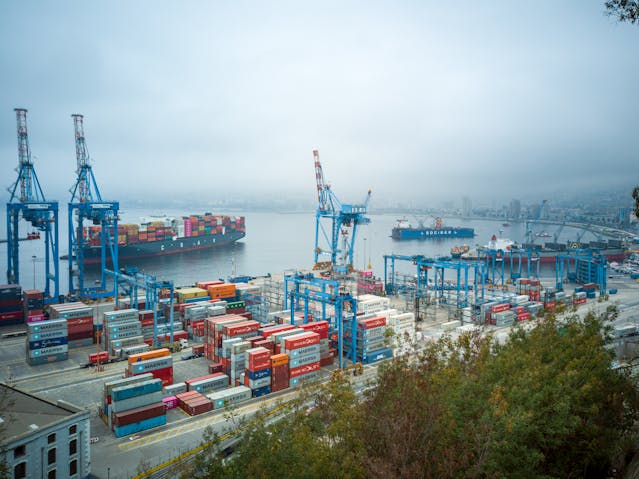
Industry participants say the agreement will significantly improve market access by lowering trade barriers and enhancing price competitiveness for Indian apparel in New Zealand. The benefits are expected to be most visible in segments such as ready-made garments, fashion wear, and value-added textile products.
The pact is viewed as a strategic move that aligns with India’s broader export diversification strategy, aimed at reducing dependence on traditional markets and expanding presence in emerging regions. It is also expected to strengthen India’s competitive position by offering tariff advantages over rival supplying countries.
While current apparel exports to New Zealand remain limited, industry experts believe the FTA will help unlock new demand and create fresh business opportunities for exporters and manufacturers.
The agreement is also likely to encourage investment in production capacity, product design, and supply chain efficiency, supporting sustained export-led growth.
Overall, the development is seen as a positive step toward deepening India’s trade engagement with the Oceania region and expanding its global footprint in the textiles and apparel sector.
28, Apr 2026
Goa positions itself as a year-round tourism powerhouse at Great Indian Travel Bazaar (GITB) 2026
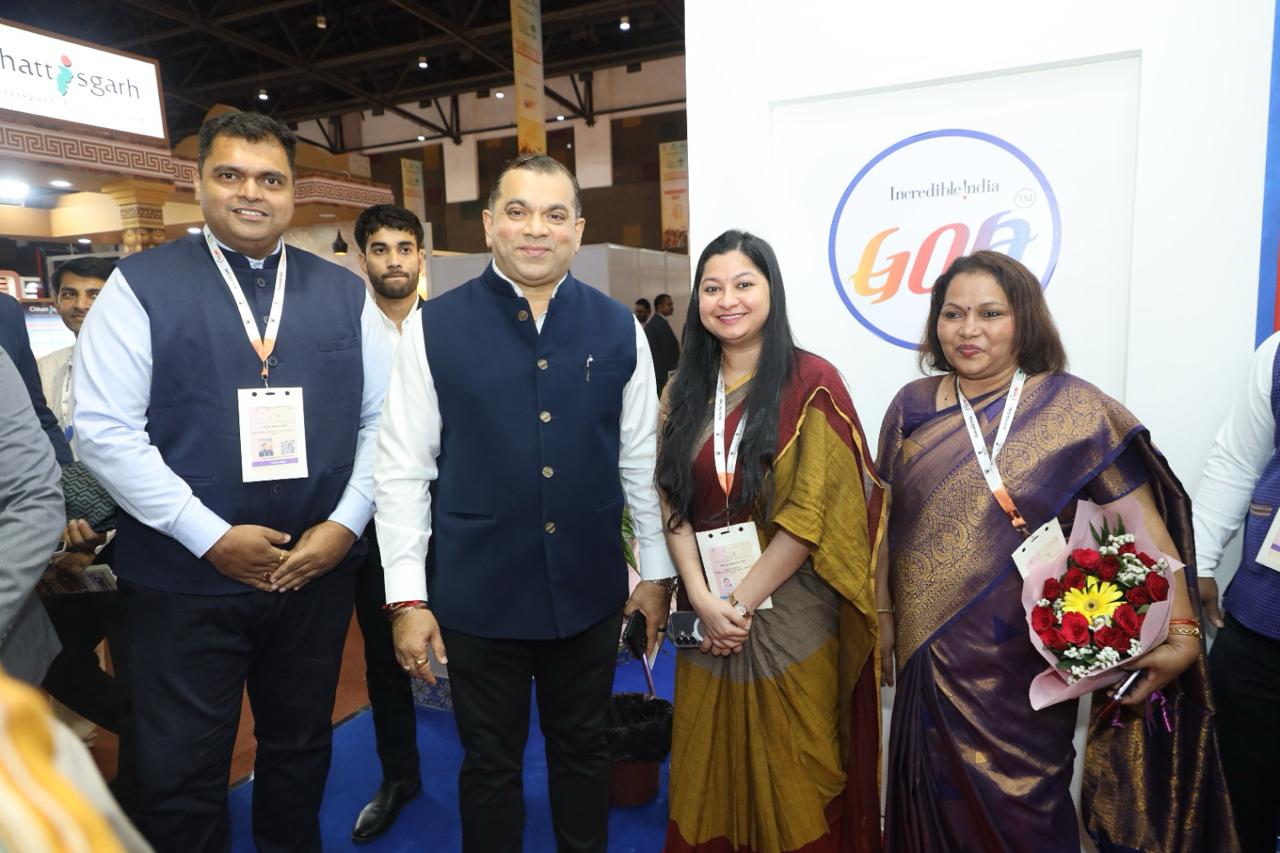
~Goa’s tourism minister, Rohan A. Khaunte focuses on high-value tourism, culture-led experiences, and segments like wellness, sports and tech tourism to drive next phase of growth~
Jaipur, Apr 28: Goa is positioning itself as a 365-day tourism destination, expanding beyond its traditional beach appeal to offer a year-round calendar of festivals, cultural experiences and emerging tourism segments, at the Great Indian Travel Bazaar (GITB) held in Jaipur from April 26–28.
The shift is driven by a clear objective, to extend the shelf-life of tourism in the state, attract higher-value travellers, and ensure consistent footfall across seasons rather than peak-driven influxes. By building a diverse mix of experiences across the year, Goa aims to move from a seasonal destination to a sustained, high-value tourism ecosystem.
At the heart of this strategy is the “Goa beyond beaches” narrative, with the state actively curating a robust calendar of festivals and cultural experiences that reflect its rich heritage. From traditional celebrations such as the Chikhal Kalo to flagship showcases like Spirit of Goa and a growing portfolio of community-led and seasonal festivals, the state is creating multiple entry points for travellers across the year. This is complemented by a strong push towards monsoon tourism, positioning Goa as an immersive, experiential destination even beyond the peak winter months.
Speaking at the inauguration of the 15th edition of GITB, Rohan A. Khaunte, Hon’ble Minister of Tourism, Government of Goa, said, “Goa offers a strong value advantage over other global destination hubs. Inspired by initiatives like Dekho Apna Desh and with the continued support of Hon’ble Union Tourism Minister Gajendra Singh Shekhawat, our focus is on positioning Goa as a globally competitive, year-round destination, one that not only delivers consistent value to travellers and partners, but also strengthens India’s presence in high-value tourism segments and drives sustainable, long-term growth for the sector.”
The state is also expanding into high-value and emerging tourism segments, including MICE, weddings, wellness and Ayurveda, while simultaneously building newer avenues such as sports tourism, culinary tourism and workation-led travel. With a growing focus on attracting Gen Z and experience-driven travellers, Goa is leveraging its evolving ecosystem to appeal to a younger, more global audience.
A key pillar of this strategy is the emphasis on wellness and Ayurveda tourism, with curated experiences that combine traditional healing practices with premium hospitality. Alongside this, Goa is strengthening its positioning in the MICE segment, aiming to play a leading role in increasing India’s global market share, supported by its infrastructure, connectivity and cost competitiveness.
Safety remains a key priority, with focused measures to enhance women’s safety and overall traveller security, further strengthening Goa’s positioning as a safe and welcoming destination.
To support this growth, the state continues to invest in connectivity and international market expansion. Building on strong charter traffic, Goa is opening up new routes and strengthening ties with emerging markets such as Kazakhstan, while also introducing airline incentive schemes to boost international arrivals.
Equally, Goa is embedding principles of regenerative tourism into its long-term strategy, promoting hinterland experiences, encouraging community participation, and ensuring that tourism growth contributes meaningfully to local economies while preserving cultural and environmental integrity, laying the foundation for a more sustainable and resilient tourism future.
–
28, Apr 2026
India and New Zealand FTA to Boost Gems & Jewellery Exports, Industry Welcomes Move
New Delhi, Apr 28 (BNP): The gems and jewellery industry has welcomed the signing of the Free Trade Agreement (FTA) between India and New Zealand, calling it a major step toward expanding exports and strengthening India’s global position.

The Gem and Jewellery Export Promotion Council (GJEPC) said the agreement will create new opportunities for exporters by providing zero-duty access to the New Zealand market.
Currently, India exports gems and jewellery worth around $16.61 million to New Zealand. With the FTA in place, exports are expected to grow significantly to nearly $50 million over the next three years.
Industry Perspective
Kirit Bhansali, Chairman of GJEPC, said the agreement comes at an important time when global markets are uncertain and businesses are looking to diversify.
He noted that India’s ongoing trade agreements are helping reduce reliance on traditional markets such as the US and the GCC region, while opening doors to newer regions like Oceania.
Key Benefits of the FTA
- Zero-duty access for Indian jewellery exports
- Improved competitiveness against countries like China and Thailand
- Higher export potential, especially in gold, silver, platinum, and fashion jewellery
- Increased investment opportunities in the sector
- Market diversification into Oceania, including Australia and Fiji
Growth Opportunities
New Zealand’s high per capita jewellery consumption makes it a promising market for Indian exporters. The FTA is expected not only to boost trade but also to strengthen long-term economic ties between the two countries.
Industry experts believe this agreement will support sustainable growth, improve market share, and make the sector more resilient in a changing global environment.


