


23, Oct 2026
Odisha Woos Global Investors at India Chem 2026, Eyes Chemical-Led Industrial Growth
Mumbai/Bhubaneswar, Oct 23: Odisha Chief Minister Mohan Charan Majhi has invited domestic and international investors to explore opportunities in the state’s chemicals and petrochemicals sector, pitching Odisha as a promising destination for downstream manufacturing, specialty chemicals and emerging industrial value chains.
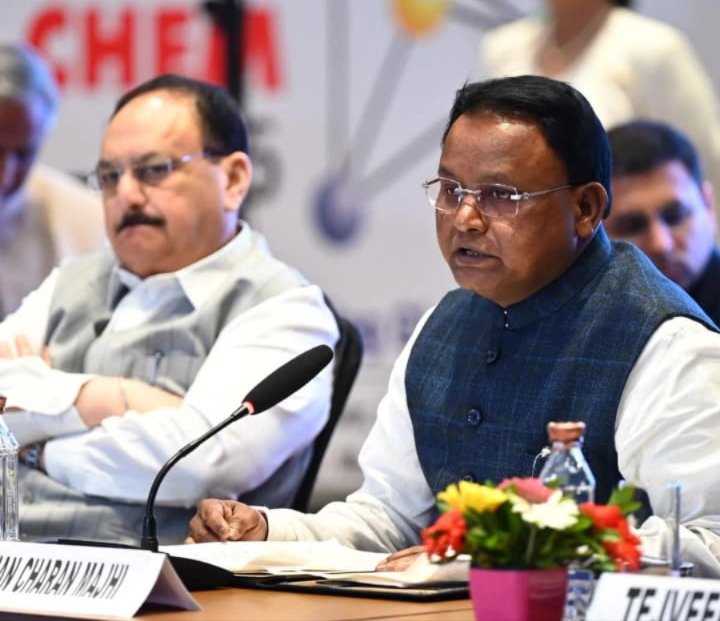
Pic Credit: x.com/IPR_Odisha
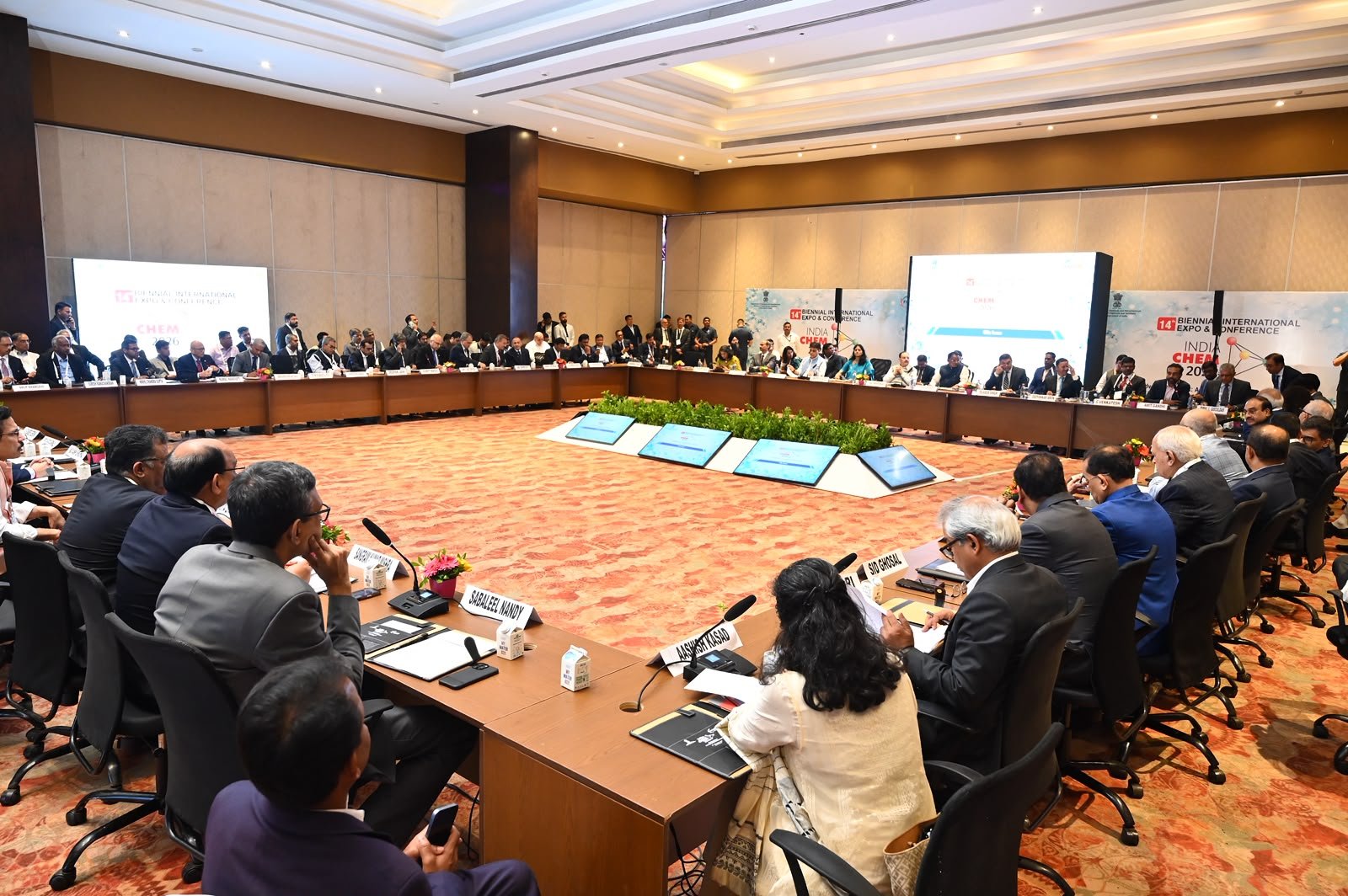
Addressing the CEO Roundtable at India Chem 2026 in Mumbai on Thursday, Majhi outlined the state government’s vision of transforming Odisha from a predominantly mineral-driven economy into a chemical-led industrial hub. The roundtable was chaired by Union Chemicals and Fertilizers Minister Jagat Prakash Nadda.
The Chief Minister highlighted Odisha’s port infrastructure, refinery capacity, industrial feedstock availability, established manufacturing base and connectivity to domestic and international markets as key advantages for prospective investors.
He also assured industry representatives that the state would work closely with companies throughout the investment process, from site selection and infrastructure development to regulatory approvals, project execution and commercial operations.
Paradip, Dhamra and Gopalpur in Focus
Odisha’s investment strategy centres on leveraging its coastal infrastructure and industrial clusters to attract new chemical and petrochemical projects.
Majhi identified Paradip, Dhamra and Gopalpur as potential destinations for port-based industries, while Angul and Dhenkanal offer opportunities for projects seeking proximity to metals, coal, power and established industrial consumers.
The state’s existing industrial ecosystem, including steel, aluminium, fertiliser and mining units, provides a substantial potential market for industrial gases, process chemicals, specialised coatings, refractories and water-treatment products.
Odisha is seeking to build on these demand centres by encouraging downstream manufacturing and developing supplier networks that can support both existing industries and new investments.
The state’s 15-million-tonne-per-annum refinery at Paradip, the Paradip Petroleum, Chemicals and Petrochemicals Investment Region (PCPIR), Indian Oil Corporation’s refinery and petrochemical complex, and the Plastic Park at Paradip form important elements of this strategy.
These facilities are expected to support investment opportunities in polymers, packaging, technical textiles and other petrochemical-based products.
Infrastructure and Faster Approvals on the Agenda
Emphasising the need for a supportive industrial ecosystem, Majhi said the state was working towards facilitating shared infrastructure, including common effluent treatment plants, logistics and storage facilities, utility corridors, pipeline connectivity and deep-sea discharge systems, depending on project requirements.
The government also intends to coordinate statutory approvals through a collaborative approach involving the Industries Department, Industrial Promotion and Investment Corporation of Odisha (IPICOL), Odisha Industrial Infrastructure Development Corporation (IDCO), the State Pollution Control Board and other relevant agencies.
The aim is to improve coordination and provide investors with greater clarity on project timelines and regulatory requirements. Locations with pre-approved environmental clearances, including at Gopalpur, could also help expedite project development, subject to applicable statutory conditions.
Push for Specialty and Green Chemicals
The Chief Minister encouraged companies to consider investments across a range of emerging and established segments, including coal-to-chemicals, coal-gasification derivatives, specialty chemicals, fluorochemicals, battery materials, advanced polymers, refrigerants and green-chemical value chains.
He reiterated the state government’s willingness to welcome industries, including red-category industrial units, while maintaining environmental safeguards, safety standards and regulatory compliance.
The approach, he indicated, would focus on combining investment facilitation with responsible industrial development.
Odisha Seeks to Expand Beyond Minerals
The investment pitch at India Chem 2026 reflects Odisha’s broader ambition to diversify its industrial base by increasing value addition to its existing resource and infrastructure advantages.
By attracting downstream chemical industries, the state aims to strengthen manufacturing linkages, expand industrial supplier networks and create opportunities across multiple sectors.
The success of the initiative will depend on translating investment interest into projects supported by reliable infrastructure, feedstock availability, efficient clearances and environmental safeguards.
With its ports, refinery infrastructure and established industrial clusters, Odisha is positioning itself to play a larger role in India’s chemicals and petrochemicals industry.
- 0
- By Neel Achary

22, Oct 2026
Jungheinrich and Automha Enter Strategic Partnership for the Gradual Automation of Existing Warehouses
Hamburg/Bergamo | Oct 22 – Jungheinrich and Italian warehouse automation and intralogistics specialist Automha are entering into a strategic partnership. Together, the two companies have developed a two-way pallet shuttle for high-density pallet storage. The solution combines Automha’s shuttle expertise with Jungheinrich’s strengths in system integration, software and lifecycle services. The aim is to provide companies with an economically viable entry point into warehouse automation while creating a development path towards more advanced automation in existing facilities
Shuttle Technology Gains Importance
Many companies face the challenge of increasing material flow performance without fundamentally modifying existing buildings or infrastructure. At the same time, requirements for space utilisation, productivity and process reliability continue to grow. Shuttle systems address these challenges and are therefore becoming increasingly important. The two-way shuttle jointly developed with Automha, the UP-Carrier GTJ, is designed to meet precisely these needs. The solution has been specifically developed as an entry point into warehouse automation. It can be integrated into existing warehouse environments and increases storage density without requiring major structural changes. Initially, pallet transport continues to be handled by industrial trucks. As operational requirements evolve and automation levels increase, transport processes can subsequently be automated. This creates a clear migration path from manually supported operations to a fully automated material flow.
From Brownfield Warehouses to Integrated Automation
The strategic significance of the partnership extends far beyond the shuttle itself. Through the close collaboration between Automha and Jungheinrich, customers benefit from a solution in which shuttle technology, racking systems, conveying technology, software integration and service are optimally coordinated. This enables projects to be planned more quickly, implemented more efficiently and supported throughout their entire lifecycle by a single partner. The solution can be integrated into existing IT and warehouse environments and, if required, expanded with additional automation technologies such as Jungheinrich Mobile Robots. With this offering, Jungheinrich expands its shuttle portfolio with a solution that provides an economical entry into automation while supporting customers across different stages of warehouse development, from existing warehouses to fully automated, high-density pallet storage systems.
„Not every company begins its automation journey with a fully automated warehouse,” says Dr. Tobias Harzer, Chief Automation Officer at Jungheinrich. “What matters is a development path that leverages existing infrastructure while opening the door to further automation. With this solution, customers can start where they are today, gradually develop their material flows and align investments with the growth of their business.“
Strategic Addition to the Shuttle Portfolio
The cooperation with Automha forms part of Jungheinrich’s technology-agnostic integration approach. Depending on customer requirements, Jungheinrich combines its own technologies with selected partner solutions to create end-to-end automation systems. While four-way shuttles, such as those offered by partner Movu Robotics, are primarily deployed in fully automated high-performance pallet warehouses, the solution developed together with Automha addresses applications in existing warehouse environments and customers seeking a gradual entry into automation. The shuttle was developed from concept to market readiness within nine months. Today, the solution is already deployed in more than 200 projects across over 25 countries.
„This partnership demonstrates how specialised shuttle technology and global integration expertise complement each other,” says Gianni Togni, VP Sales and Marketing of Automha. “Together, we are creating solutions that enable companies to modernise their warehouses in a targeted way and make more efficient use of their existing infrastructure. “
With Automha, Jungheinrich further strengthens its position as a system integrator supporting customers throughout their entire automation journey, from the first automation step in brownfield warehouses to fully integrated material flow systems.
22, Oct 2026
Environmental management at NORD’s sites: Gadebusch now also relies on solar power
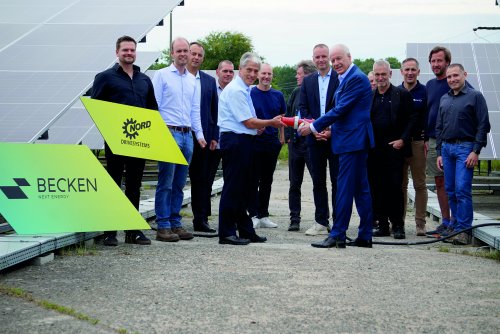
In future, NORD DRIVESYSTEMS’ site in Gadebusch will draw around a third of its required electricity from a nearby solar park in Lützow. The plant is thus consistently continuing its efforts to become less reliant on fossil fuels. This is part of the group-wide sustainability strategy that the system provider for drive technology set out.
A big day for Lützow: The municipality in Mecklenburg-Vorpommern, with a population of around 1,500, commissioned a 3.5-hectare solar park in June 2026. Together with photovoltaic modules installed on the roofs of two halls, the entire system is expected to generate 6.2 million kilowatt-hours of electricity per year. The largest consumer is a company belonging to drive manufacturer NORD DRIVESYSTEMS: Fertigungstechnik NORD in Gadebusch, which is about a 10-minute car drive away, takes advantage of the nearby solar park and will draw 2.67 million kilowatt-hours per year from the photovoltaic system. This accounts for approximately a third of its required electricity.
24/6 manufacturing requires large amounts of energy
The electricity demand is high. At its site in Gadebusch, NORD manufactures housings, shafts and worm wheels on six days a week, all day long. In five halls, over 180 employees are working on more than 80 machines and 60 interconnected systems. Every year, almost two million components leave the plant that is characterised by a high level of automation.
Every site contributes to achieving NORD’s sustainability targets
Part of the NORD DRIVESYSTEMS Group’s sustainability strategy is to continuously increase the self-produced electric power and the use of renewable energy. The company thus aims to achieve its target of reducing Scope 1 and Scope 2 greenhouse gas emissions by 45 percent by 2030 (compared with the base year 2024). At different sites of the NORD Group, respective projects involving the use of renewable power are being implemented.
Becoming less reliant on fossil resources
The individual sites, such as Fertigungstechnik NORD in Gadebusch, thus make important contributions to achieving the group’s targets. Getting connected to the solar park is the plant’s latest effort to becoming less reliant on fossil resources. In 2012, a heat recovery scheme was launched and implemented step by step. Since then, plate-type heat exchangers have been ensuring that excess heat from the production machines is dissipated and used to heat factory halls, offices and hot water. The recovery system operates without additional heating when outdoor temperatures are above 0 °C. This alone helps Fertigungstechnik NORD save around a third of the 583,000 kWh of fossil heat energy it previously used each year.
22, Oct 2026
Dr. K. A. Paul Calls on Israelis to Unite for Peace and Political Change on October 27
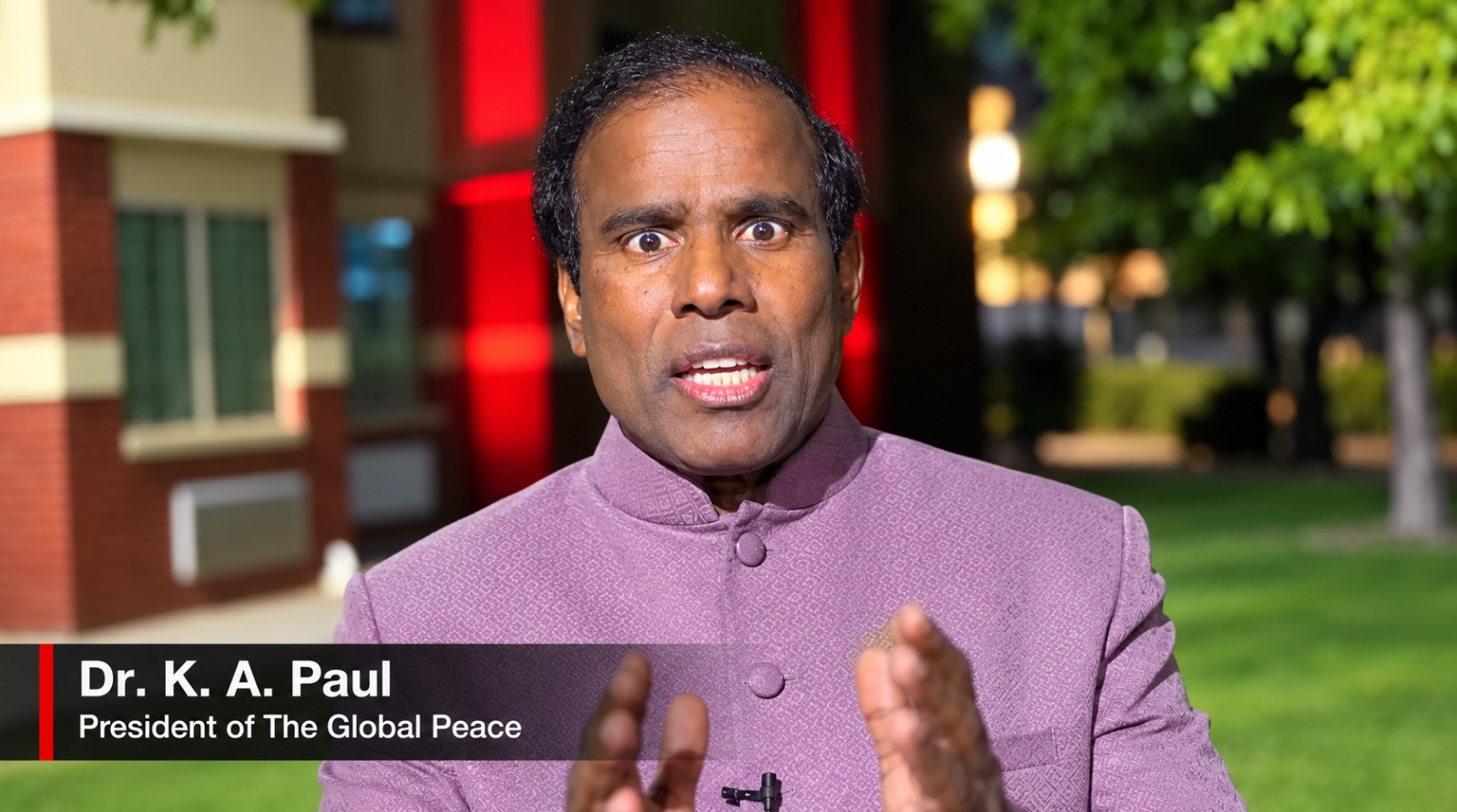
WASHINGTON, D.C., Oct 22: Dr. K. A. Paul, the world’s most popular evangelist, founder of the Global Peace Initiative, and longtime peace advocate known for his public campaigns promoting peace and reconciliation, today issued an urgent appeal to the media and the people of Israel to unite for peace, demand political accountability, and oppose the reelection of Prime Minister Benjamin Netanyahu in the political process culminating on October 27.
Dr. Paul argues that Prime Minister Netanyahu’s policies and advocacy for military confrontation have been major contributing factors to the war involving Iran, Israel, and the United States. He calls on Israelis who love their country and want a peaceful future to raise their voices and elect a peace loving leader
“My appeal is to every Israeli who loves Israel, every Jewish person who wants a secure future for their children, and every citizen who believes that peace is possible. Please stand united for peace, accountability, and a new direction. No leader should be above accountability for decisions that bring devastation to millions of people.”
A WAR WITH CONSEQUENCES FAR BEYOND THE MIDDLE EAST
Dr. Paul warned that the consequences of the Iran war affected all citizens of the world with high gasoline , groceries prices, economic stability, international security, and the lives of vulnerable populations worldwide.
He argued that rising food costs have placed an unbearable burden on families already struggling to survive. According to Dr. Paul, grocery prices have doubled in some countries and increased severalfold in others, making basic necessities increasingly unaffordable.
He emphasized the plight of people who cannot afford sufficient food, clean water, and essential nutrition.
“When the cost of food rises beyond what ordinary families can afford, the poorest people suffer first. Children, elderly people, and families already living in poverty cannot simply adjust their budgets indefinitely. When people go without adequate food and clean water for months, the consequences can be devastating.”
Dr. Paul called on the international community, humanitarian organizations, religious leaders, and governments to urgently assess the war’s effects on global food security and take immediate steps to protect vulnerable populations.
He stressed that the human cost of war must be measured not only in military casualties but also in hunger, displacement, economic hardship, and the loss of hope among ordinary people.
“This is not merely a regional conflict. The consequences of war reach families, workers, farmers, and vulnerable communities across the world. We must stop the destruction and pursue peace before the humanitarian consequences become even worse.”
DR. PAUL SAYS NETANYAHU MUST BE HELD POLITICALLY ACCOUNTABLE
Dr. Paul directly criticized Israeli Prime Minister Benjamin Netanyahu, arguing that his approach to Iran has helped drive the region toward a dangerous military confrontation.
He expressed concern that President Donald Trump was persuaded that military action could produce regime change in Iran, a goal Dr. Paul considers unrealistic and dangerously destabilizing.
Having visited Iran three times on official visits and once privately, Dr. Paul said his experiences have shaped his understanding of the Iranian people, their society, and the country’s political realities.
“I have visited Iran and met presidents and people there. I met President Massoud of Iran on 25th September 2026 in New York City . I believe that those who assume that military strikes or the assassination of national leaders will automatically produce regime change fundamentally misunderstand the country and its people.”
Dr. Paul questioned the decision to pursue the assassination of Iran’s Supreme Leader, whom he described as a revered religious figure for millions of Muslims. He argued that the killing of political and religious leaders can deepen hostility, increase instability, and make peaceful negotiations more difficult.
He called for an honest examination of the decisions that led to the war, including the advice given to President Trump by P. M. Netanyahu the objectives of the military campaign, and the possibility of achieving a sustainable peace through negotiations.
Dr. Paul maintains that Prime Minister Netanyahu should face political accountability for his role in the crisis and that Israeli voters should consider the consequences of his leadership when determining the country’s future.
DR. PAUL PRAISES SPEAKER MIKE JOHNSON’S PEACE EFFORTS
Dr. Paul expressed appreciation for U.S. House Speaker Mike Johnson, whom he described as a friend and a man of faith.
According to Dr. Paul, Speaker Johnson has devoted considerable time to efforts aimed at ending the conflict, including discussions involving President Trump and other political leaders.
“For 38 years, I have observed American political leadership and spoken with leaders across the political spectrum. I appreciate everyone who is sincerely working to stop this war. I am grateful to Speaker Mike Johnson for the efforts I understand he has made toward finding a peaceful solution.”
Dr. Paul said he believes that political and religious leaders have a moral responsibility to prioritize human life, diplomacy, and the long-term security of nations over prolonged military confrontation.
He also expressed his hope that America’s political leadership would help bring the parties toward a negotiated settlement.
QUESTIONS ABOUT THE ADVICE GIVEN TO PRESIDENT TRUMP
Dr. Paul raised questions about the influence of advisers and intermediaries involved in efforts to address the Iran conflict .
Dr. Paul believes that the administration should provide greater clarity about how the decision to pursue military action was reached, what alternatives were considered, and whether the prospect of regime change influenced the president’s decision.
He also raised concerns about potential conflicts of interest involving individuals participating in Middle East diplomacy and their financial or personal connections.
These concerns, he said, deserve transparent examination based on documented evidence. Dr paul given a 15 point peace proposal on 15th March to end the Iran war.
He urged the relevant parties to establish whether the proposal was reviewed and whether any of its provisions could contribute to ending the war.
“If a peace proposal can help save lives, it should be examined seriously. The world cannot afford to allow personal relationships, political rivalries, or competing interests to stand in the way of a genuine effort to end this conflict.”
A CALL FOR A NEGOTIATED PEACE AGREEMENT
Dr. Paul reiterated his commitment to pursuing a peaceful resolution through direct dialogue, international engagement, and negotiations involving the parties to the conflict.
He called on the United States, Israel, Iran, and international partners to prioritize an immediate diplomatic process focused on ending hostilities, protecting civilians, preventing further regional escalation, and addressing the security concerns of all parties.
He said the international community must move beyond military solutions and recognize that a durable peace requires negotiations, mutual security assurances, and a willingness to address the underlying causes of the conflict.
Dr. Paul urged political leaders to examine his 15-point peace proposal and other credible diplomatic initiatives that could provide a path toward ending the war.
OCTOBER 27: DR. PAUL’S APPEAL TO THE PEOPLE OF ISRAEL
Addressing Israelis directly, Dr. Paul called for peaceful civic participation and political accountability on October 27.
“To every Israeli who loves your country: please stand together for peace. To every Jewish person who wants a safer world for your children and grandchildren: your voice matters. To every citizen who believes that Israel deserves a future free from endless war: this is the time to speak.
“Do not confuse loving Israel with supporting every decision made by its leader . You can love Israel and still demand accountability from its leaders. You can defend the security of the Israeli people while opposing policies that risk wider war.
“I respectfully urge the Israeli people to consider whether Prime Minister Benjamin Netanyahu’s leadership has brought the country closer to lasting peace or placed it at greater risk. I call on those who oppose his policies to unite peacefully and pursue political change through the democratic process.”
Dr. Paul emphasized that his appeal is directed at political leadership and government policy, not at Jewish people as a religious or ethnic community.
He said that Israelis, Palestinians, Iranians, Americans, and people throughout the Middle East deserve a future in which children can grow up without the constant threat of war.
A MESSAGE TO WORLD LEADERS
Dr. Paul concluded by calling on the international community to place human life above political ambition and asked the media and the leaders to participate the Global Peace and prayer meeting in Dallas in Prismo Colinas from 6 to 9 PM on Sunday October 25,2026 .
“The world has enough weapons to destroy lives. What we urgently need is the courage to make peace.
“I appeal to President Trump, Prime Minister Netanyahu, Iran’s leaders, Speaker Mike Johnson, and leaders throughout the international community: please choose diplomacy. Please listen to those who are seeking peace. Please give serious consideration to every credible proposal that can end this war.
“History will remember not only the wars leaders fought but also the opportunities for peace they either embraced or rejected.
“My prayer is that October 27 will become a moment when the people of Israel raise their voices for peace, accountability, and a better future for generations to come.”
Dr. Paul reaffirmed his commitment to continued engagement with political, religious, and humanitarian leaders in the pursuit of a peaceful resolution.
His message is clear: the people of Israel deserve security, the people of Iran deserve peace, the American people deserve good leadership, and the world deserves an end to this devastating War.
22, Oct 2026
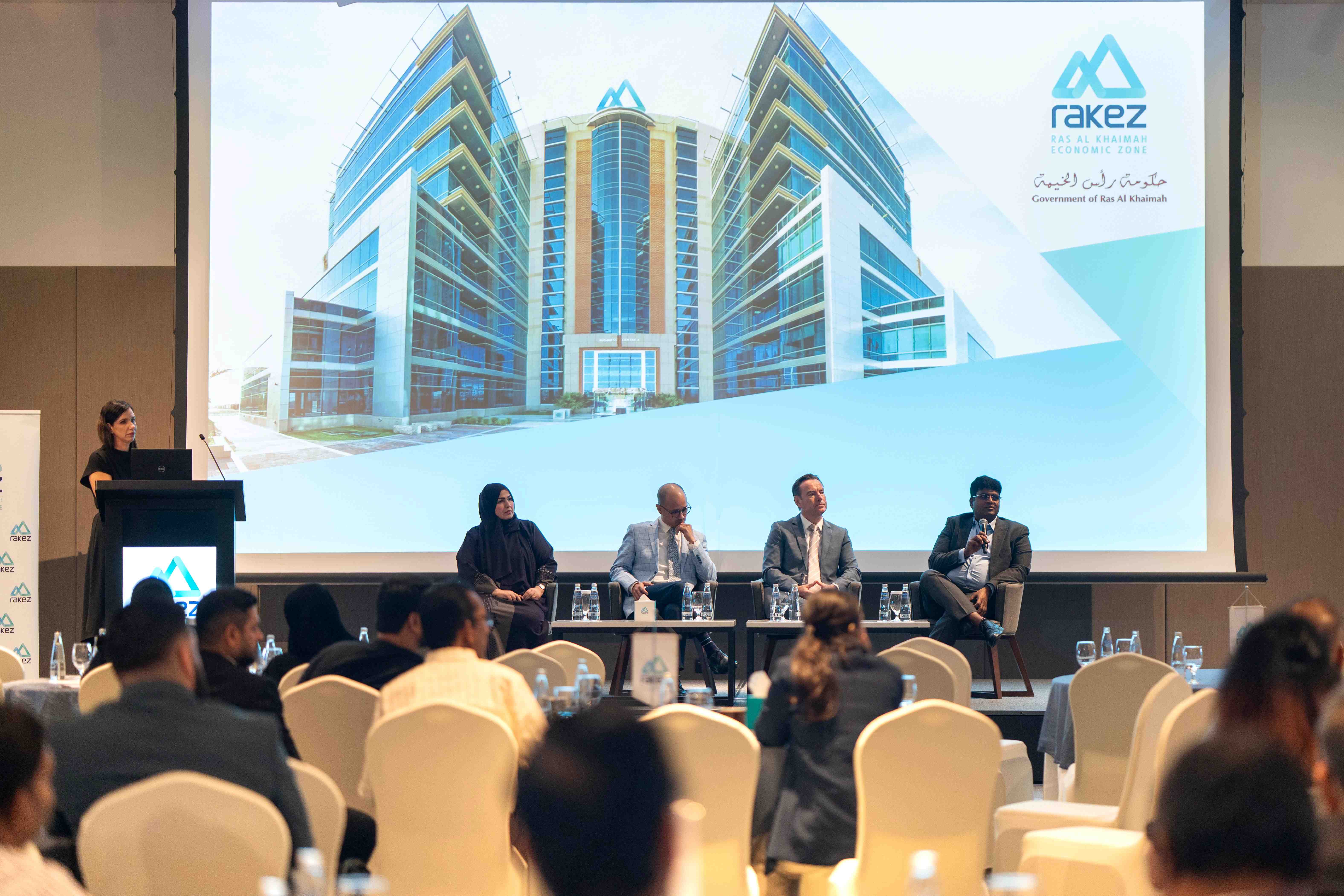
RAKEZ connects industrial businesses with trade ecosystem experts to support global growth
|
22, Oct 2026
CropLife Asia Welcomes New BASF, Corteva and FMC Representatives to Board
New appointments accompany leadership transition, with Paul Luxton of Syngenta assuming presidency
SINGAPORE, Oct 22 - CropLife Asia, the regional association representing the plant science industry, today announced the appointment of three new representatives to its Board of Directors: Sergi Vizoso-Sansano of BASF Agricultural Solutions, Subroto Geed of Corteva Agriscience and Sebastià Pons of FMC.
Sergi succeeds Simone Barg as BASF’s representative on the Board, Subroto succeeds Brook Cunningham as Corteva’s representative, while Sebastià succeeds Rahoul Sawani as FMC’s representative. The appointments also coincide with a transition in CropLife Asia’s leadership, with Paul Luxton, Head of Asia, Syngenta, formerly VicePresident, assuming the presidency, succeeding Simone Barg.
Sergi Vizoso-Sansano leads BASF Agricultural Solutions in Asia Pacific. He brings nearly 30 years of international experience with BASF across Europe and the Americas. Prior to his current role, he served as Senior Vice President, Agricultural Solutions Latin America, based in São Paulo, and also held leadership roles within CropLife associations in Latin America. He has also served as Chairman of the Board of CropLife Brasil and CropLife Latin America.
Subroto Geed is President, Asia Pacific, at Corteva Agriscience, having previously served as the company’s Head of South Asia. He brings extensive experience in business leadership, commercial strategy and operations across multiple industries and markets. Prior to joining Corteva, he held senior leadership positions across consumer healthcare, nutrition and beverages, with responsibilities spanning business growth, marketing, supply chain management and organizational development. His cross-sector experience brings a valuable perspective on business transformation, strategic partnerships and market development.
Sebastià Pons is the Executive Vice President and President, FMC Eurasia, leading FMC’s business across Europe, the Middle East, Africa and Asia Pacific from Geneva. He joined FMC in 2017 and most recently served as President for Europe, Middle East and Africa. Before joining FMC, he spent 20 years with DuPont Crop Protection in regional and global roles across Europe and the United States. He has also served on the Board of CropLife Europe.
Paul Luxton has served as Head of Asia at Syngenta since January 2024, overseeing the company’s business across key Asian markets, including Southeast Asia, Bangladesh and Korea. He previously led Syngenta’s Australia and New Zealand business, having served as Country Head since 2008. With extensive experience in agricultural business leadership and industry engagement, Paul brings a strong understanding of the opportunities and challenges facing agriculture across the region. He previously served as President of CropLife Australia and was Vice-President of CropLife Asia before assuming the presidency.
“We are pleased to welcome Sergi, Subroto and Sebastià to the CropLife Asia Board. Their combined international experience and diverse perspectives will strengthen our work to advance science-based policies, responsible stewardship and agricultural innovation across Asia. We also thank our outgoing Board representatives for their contributions and look forward to working with Paul in his role as President,” said Siang Hee Tan, Executive Director of CropLife Asia.
CropLife Asia extends its sincere appreciation to Simone Barg for her leadership as President of the Board, and to Brook Cunningham and Rahoul Sawani for their contributions as Board representatives. The association thanks them for their service and commitment to its work across Asia.
CropLife Asia Board of Directors
The CropLife Asia Board leadership and company representatives are now as follows:
-
Paul Luxton, Syngenta – President
-
Malu Nachreiner, Bayer Crop Science – Treasurer
-
Subroto Geed, Corteva Agriscience – Secretary
-
Dai Ito, Sumitomo Chemical – Member
-
Sergi Vizoso-Sansano, BASF Agricultural Solutions – Member
-
Sebastià Pons, FMC – Member
22, Oct 2026
TransNusa Celebrates Historic Milestone With Launch Off Maiden Melbourne-Bali Flight
MELBOURNE, Oct 22- TransNusa, the Asia-Pacific region’s pioneering Premium Service Carrier, today marked a major international expansion milestone with the official launch of its maiden flight from Bali to Melbourne. The inaugural daily scheduled flight establishes a highly competitive alternative on the heavily travelled Australia-Indonesia corridor.
The strategic expansion from Melbourne follows TransNusa’s exceptional growth in the Australian market, where it rapidly captured a 20 percent market share in Perth by increasing its scheduled flight frequency to 21 by July 2026 from just 3 weekly flights in April 2025. This showcases the confidence and loyalty the TransNusa brand has garnered in the Australian market within 15 short months.
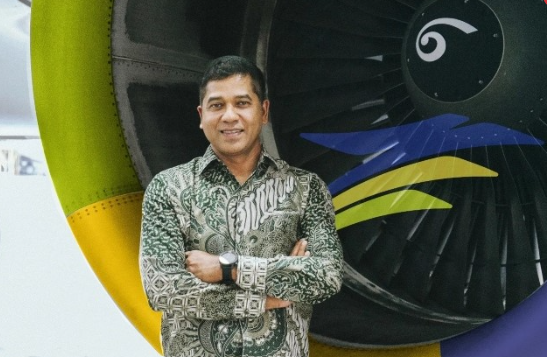
Datuk Bernard Francis, Group Chief Executive Officer of TransNusa, speaking on the historic launch stated that this new daily Melbourne-Bali route marks a significant milestone in the airline’s growth trajectory, shifting the paradigm from conventional point-to-point operations to positioning Bali as a primary international transit hub for Australian travellers.
“The launch of the Melbourne-Bali route represents a monumental step forward in TransNusa’s international expansion strategy. It strengthens Bali’s position as a premier gateway between Australia and Asia, while giving travellers a compelling new choice that combines connectivity, value, and a distinctly premium travel experience,” said the Malaysian-born aviation industry captain, Datuk Bernard.
“Bali remains a prime global holiday destination, and by connecting it directly to Melbourne, we are providing travellers from Australia with a highly competitive, premium flying alternative,” he added.
“TransNusa has always strived to deliver beyond expectations as our aim is to provide reliable, comfortable, and affordable travel choices across the region,” Datuk Bernard explained.
Datuk Bernard Francis… TransNusa offers a Beyond Bali network connectivity, allowing passengers to expand their experience and planning with smooth transitions to world class local and international island destination
To celebrate this milestone, TransNusa continues to offer exclusive introductory fares, with standard basic seats starting from just AUD299. Distinct from traditional low-cost competitors, even TransNusa’s standard tickets include generous baggage provisions alongside baseline comfort amenities such as complimentary water and snacks.
Strategic Schedule and Beyond Bali Network Connectivity
Engineered to seamlessly accommodate both leisure holidaymakers and business travellers, the route operates on an optimized overnight and morning schedule:
-
Flight 8B 18 departs Bali (DPS) at 20:45 from I Gusti Ngurah International Airport, arriving at Melbourne Airport (MEL) at 05:40 the following morning.
-
Flight 8B 19 departs Melbourne Airport (MEL) at 06:25, arriving in Bali (DPS) at 09:40.
Initially, TransNusa will operate four flights weekly, scheduled on Monday, Wednesday, Thursday and Friday. The airline will increase its frequency to seven scheduled flights weekly from November 15th onwards.
The synchronized schedule allows passengers from Australia to seamlessly transition “Beyond Bali” to 11 prime island destinations across the Indonesian archipelago, including the preserved marine ecosystems of Wakatobi and the pristine islands of Manado, Bima, Surabaya, and Lombok. Additionally, the network provides timely, hassle-free transits to leading global commercial and tourism hubs across Asia, including Guangzhou (China), Singapore, and Phuket (Thailand).
“Today, we are celebrating more than just a single point-to-point connection,” added Datuk Bernard.
“Our goal is to design ultimate travel experiences. By scheduling timely transits from Bali, we are giving travellers from Australia complete flexibility to extend their journeys seamlessly to exotic domestic havens or major regional capitals across China and Southeast Asia.”

Tickets for the new daily Melbourne–Bali route are available for immediate purchase. Travellers can book the tickets via the official website at transnusa.co.id or through authorized travel booking platforms.
21, Oct 2026
India-US Trade Deal Nears Finalisation as Trump Signals Key Changes in Bilateral Pact
New Delhi/Washington, Oct 21: India and the United States are reportedly moving closer to finalising a bilateral trade agreement, with US President Donald Trump indicating that the proposed pact will feature significant differences from earlier trade arrangements. According to recent statements attributed to senior officials from both countries, negotiations have entered their final stages, although some details remain unresolved.
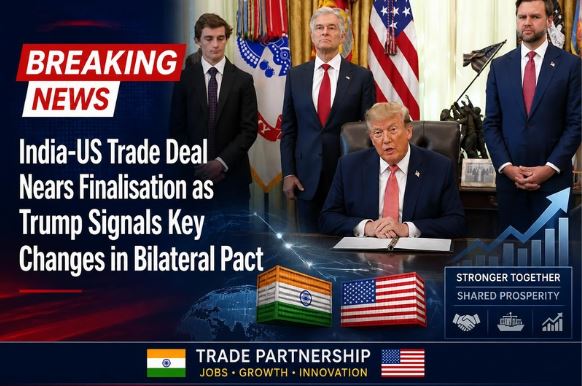
Representational Image
The development signals continued efforts by New Delhi and Washington to strengthen economic ties, address tariff-related concerns and expand commercial cooperation between the two major economies.
Trump Signals Changes in Proposed Trade Agreement
President Trump has expressed optimism about the progress of negotiations, suggesting that the emerging agreement will have a distinct structure compared with previous bilateral trade arrangements. The discussions follow more than a year of negotiations aimed at resolving differences over tariffs, market access and trade-related policies.
However, the complete terms of the proposed agreement have not yet been officially disclosed. The precise nature of the changes highlighted by Trump, along with the outstanding issues, remains unclear.
Marco Rubio Highlights Progress During India Visit
US Secretary of State Marco Rubio has also indicated that the two countries are approaching an agreement, with only a limited number of issues reportedly awaiting resolution.
His engagement with Indian officials in New Delhi forms part of broader diplomatic efforts to deepen cooperation in areas including energy, technology, defence and trade. These discussions reflect the growing importance both governments attach to their strategic and economic partnership.
Tariffs and Market Access Remain Key Issues
Trade negotiations between India and the United States have faced longstanding challenges involving import duties, access to domestic markets and regulatory differences.
The two governments established an initial framework for the first phase of a trade agreement in February, but subsequent changes in US tariff policy reportedly prompted further discussions.
Indian Commerce and Industry Minister Piyush Goyal has been involved in negotiations with US officials, including US Trade Representative Jamieson Greer, as both sides work to address outstanding commercial and regulatory concerns.
Officials Express Confidence in Final Outcome
US Ambassador to India Sergio Gor has reportedly indicated that major elements of the proposed agreement have been completed. India’s External Affairs Minister S Jaishankar has also expressed confidence in the ongoing diplomatic engagement.
Despite the positive signals, neither the complete text of the agreement nor a confirmed signing date has been announced in the information available for this report. The final outcome will depend on resolving the remaining issues and securing formal approval from both governments.
What the Deal Could Mean for India and the US
A successful agreement could provide greater clarity for businesses operating across both markets, potentially improve trade opportunities and support investment in key sectors. It could also help reduce uncertainty surrounding tariffs and strengthen economic cooperation between the two countries.
For India, the negotiations are important for expanding export opportunities while protecting domestic economic interests. For the United States, a deal could support efforts to improve market access and address trade imbalances.
For now, the positive statements from leaders and senior officials suggest that negotiations are approaching a critical stage. However, the agreement should not be considered final until both governments confirm its terms and announce its formal conclusion.
The bottom line: India and the United States appear to be making progress towards a revised trade agreement, but the final provisions, outstanding issues and signing timeline remain subject to official confirmation.
21, Oct 2026
Mahindra Manulife Insurance appoints Nilesh Kothari as Chief Financial Officer
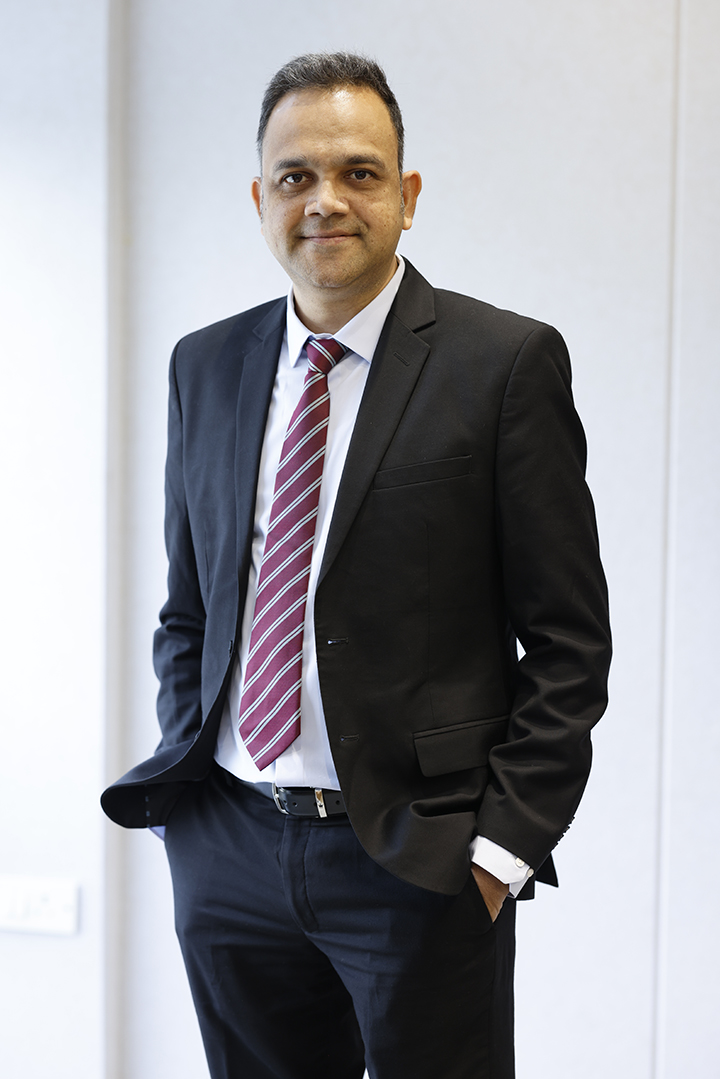
Mumbai, October 21, 2026: Mahindra Manulife Insurance Limited (MMIL) has appointed Nilesh Kothari as Chief Financial Officer (CFO), as the company builds its leadership team and prepares to launch a differentiated, future-ready life insurance business in India.
With over 22 years of experience in the life insurance industry, Nilesh brings deep expertise across financial strategy, capital and solvency management, business planning, investment operations, governance and regulatory engagement. Prior to joining Mahindra Manulife, he was CFO at PNB MetLife India Insurance and has previously held CFO and senior leadership roles at Bharti AXA Life and SBI Life Insurance. During his career, he has led initiatives spanning business growth and profitability, operational efficiency and large-scale finance transformation, including ERP and analytics-led modernization programs.
At Mahindra Manulife, Nilesh will focus on building a future-ready finance function that supports the successful launch and sustainable growth of the company. His mandate will include establishing strong financial governance, capital and solvency management and scalable processes.
Commenting on the appointment, Suresh Agarwal, Managing Director & CEO, Mahindra Manulife Insurance, said, “Nilesh brings deep life insurance expertise and a strong combination of financial stewardship, strategic thinking and transformation experience. As we build Mahindra Manulife, establishing strong financial foundations while creating an organization designed for the future will be critical. Nilesh’s experience across financial strategy, capital and solvency management, governance and technology-led transformation will play an important role as we build a sustainable, agile and future-ready life insurance business.”
Sharing his vision for the new role, Nilesh Kothari, Chief Financial Officer, Mahindra Manulife Insurance, said, “I am delighted to join Mahindra Manulife at this exciting stage as we prepare to launch a future-ready life insurance company. By combining the strength of both the trusted brands – Mahindra and Manulife with AI, technology and data-led capabilities, we have a compelling opportunity to reimagine customer experience and build a scalable, agile and sustainable business. I look forward to partnering with the leadership team to create value for customers, shareholders and employees.”
Nilesh was recognized as CFO of the Year in 2022 by the Institute of Chartered Accountants of India (ICAI). He holds a Bachelor of Commerce degree from the University of Mumbai and a Diploma in Information Systems Audit (DISA). He has also completed executive programmes at the Tuck School of Business at Dartmouth and IIM Bangalore.
21, Oct 2026
IIT Madras launches Finishing School to develop industry-ready biotechnology professionals
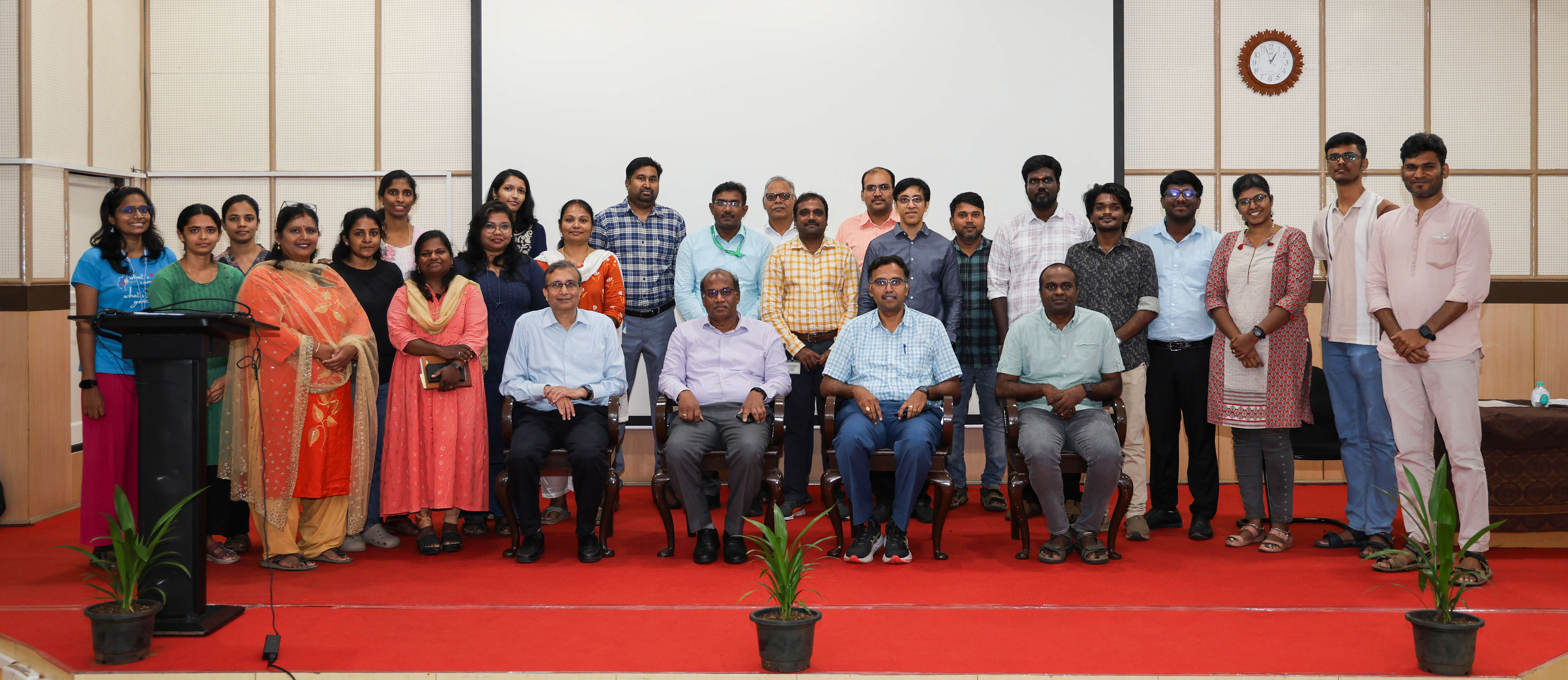
Chennai, 21st October 2026: Indian Institute of Technology Madras (IIT Madras) has launched an industry-oriented finishing school to equip young graduates with practical skills and professional competencies required by the biotechnology and biomanufacturing sectors.
‘UDYOG’ (Upskilling and Development for YOung Graduates) aims to bridge the gap between academic education and industry requirements through a structured training pathway. It combines online courses, intensive laboratory training, pilot-scale exposure and opportunities for industry internships.
The first batch of the Finishing School is scheduled to commence on 18th January 2027, and the early-bird registration closes on 15th December 2026. Interested students can submit an expression of interest through – https://code.iitm.ac.in/
The initiative is expected to support workforce development and contribute to India’s ambitions to strengthen its bioeconomy through innovation, advanced manufacturing capabilities and specialised skills.
The programme is intended for pre-final-year and final-year students, who are pursuing B.Tech., M.Tech. and M.Sc. degrees in biotechnology and allied disciplines, across all colleges and institutes in India.
Prof. V. Kamakoti, Director, IIT Madras, inaugurated ‘IITM-Biofoundry Finishing School – UDYOG’ at the campus today (21st Oct 2026) in the presence of faculty, students, researchers and industry stakeholders.
It is being launched through SynBioME – the IIT Madras-TICEL Biofoundry, which focuses on advancing biotechnology research, innovation, biomanufacturing and skill development. It is coordinated by Prof. Guhan Jayaraman, Professor, Department of Biotechnology, IIT Madras, who serves as the Principal Coordinator.
Addressing the launch event, Prof. V. Kamakoti, Director, IIT Madras, said, “AI also means Academia-Industry. It is becoming an absolute necessity that every discipline of Science and Engineering must look at this AI with care to make themselves relevant to the modern world. UDYOG is yet another effort taken by IIT Madras in this direction.”
Further, Prof. Guhan Jayaraman, Principal Coordinator, SynBioME and faculty Department of Biotechnology, IIT Madras, added, “India’s biotechnology and biopharmaceutical sectors are expanding at a rapid place. This is leading to a growing demand for professionals with practical expertise in industrial processes, analytical techniques, process development and regulatory practices. UDYOG seeks to address this demand by complementing academic knowledge with industry-relevant training and exposure to real-world biomanufacturing practices.”
Further, Mr. Chella Pandian Pitchai, Biocon – AVP & Global Head DEI | Culture, Values and Belongingness | Youth and Women Development, said, “Best wishes on the launch of the IITM-BioFoundry Finishing School. Science and biotechnology hold immense promise for the future, and empowering young people with the knowledge and confidence to contribute is vital. Preparing them to make a difference takes more than classroom learning; industry exposure through internships and mentorship can help build their readiness to turn knowledge into meaningful impact. I’m excited to see how the next generation of biotechnology talent will drive positive change and take the field to the next level.”
THREE-STAGE TRAINING
The finishing school will follow a three-stage training pathway. The first stage comprises three months of online learning delivered through Centre for Outreach and Digital Education (CODE), IIT Madras, supplemented by lectures from industry experts and demonstration videos illustrating industrial practices.
Participants who successfully complete the online component will be considered for selection to four-week intensive hands-on training program at the IIT Madras Biofoundry. The practical component is designed to provide exposure to laboratory processes and biomanufacturing workflows.
Following the hands-on training, selected participants may have opportunities to engage with industry partners and participate in interviews for long-term internships, providing a potential pathway from academic learning to workplace experience.


