


30, Sep 2026
National Seminar Sets Out Road Safety Priorities for Indian Cities: Context-Based Speeds, Safer Design and Stronger Enforcement
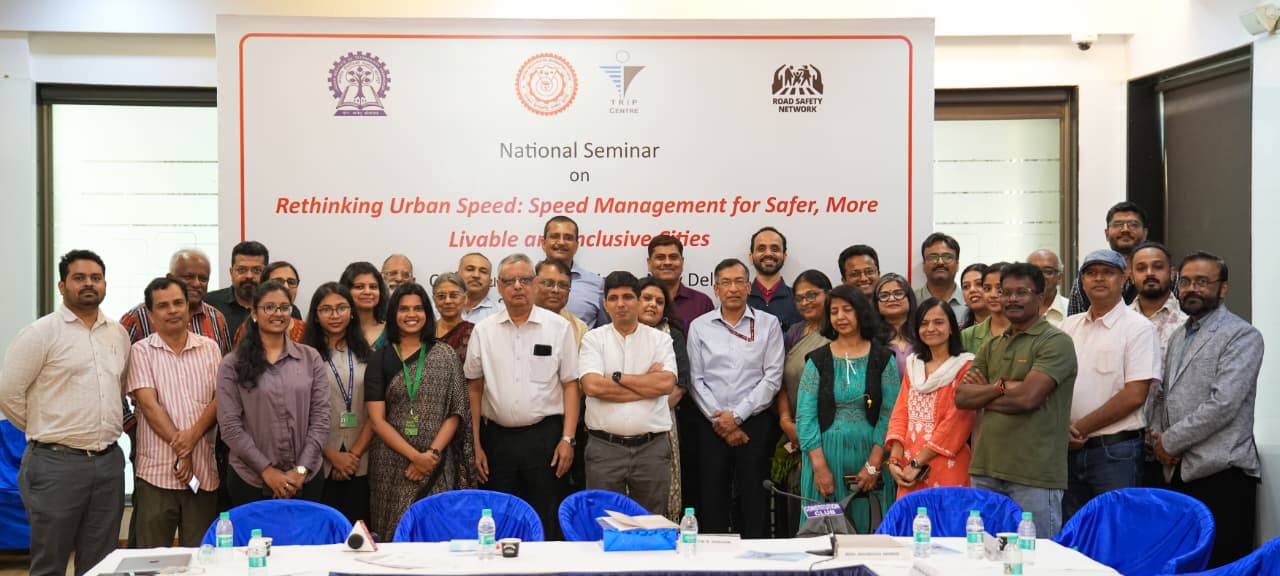
New Delhi, September 29: Speed management in Indian cities needs to move beyond the setting of speed limits and focus on the interaction between road design, enforcement, local conditions and the behaviour of road users, experts said at the National Seminar on “Rethinking Urban Speed: Speed Management for Safer, More Livable and Inclusive Cities”, held today at the Constitution Club of India, New Delhi.
Organised by the Road Safety Network (RSN) in collaboration with IIT Delhi’s Transportation Research and Injury Prevention Centre (TRIP Centre) and IIT Kharagpur, the seminar brought together policymakers, researchers, public health experts and road safety practitioners to examine how speed management can contribute to safer and more inclusive urban mobility.
The seminar featured participation from several leading experts and institutions, including Dr Nitin R. Gokarn, Chairman, National Road Safety Board; Mahmood Ahmed, Additional Secretary, Ministry of Road Transport and Highways; Prof. Geetam Tiwari, Emeritus Professor, Transportation Research and Injury Prevention Centre (TRIPC), IIT Delhi; Prof. Bhargab Maitra, Professor, Department of Civil Engineering, IIT Kharagpur and Member, Road Safety Network; Dr. Gautham M. Sukumar, Professor, Department of Epidemiology and Head, WHO Collaborating Centre for Injury Prevention and Safety Promotion, NIMHANS, Bengaluru; Dr. Mohammed Asheel B, National Professional Officer, Injury & Disability Prevention, WHO India; Ranjit Gadgil – Program Director, Parisar; Dr. Reenu Aneja, transport Specialist, World Bank; Ashim Sanyal, Managing Trustee, Consumer Voice and other road safety and urban mobility experts.
The discussions highlighted the need to ensure consistency among design speed, posted speed, and actual operating speed, while taking into account the function of a road, surrounding land use, and the presence of vulnerable road users. Experts also emphasised that speed management needs to be supported by appropriate engineering and enforcement rather than relying solely on awareness or speed-limit signage.
Mahmood Ahmed, Additional Secretary, Ministry of Road Transport and Highways, noted that speed management needs to be communicated alongside broader development priorities and supported through effective enforcement and locally relevant interventions. “One of the biggest challenges in speed management is convincing people that higher speeds do not necessarily reduce travel time, but can increase the risk and severity of fatalities. There is also considerable pressure to increase speeds on highways and expressways in the interest of economic growth and competitiveness. In urban areas, however, the multiplicity of authorities makes implementation more complex, and interventions have to be local and suited to the road environment. Stronger enforcement, including electronic enforcement, and greater certainty of punishment will be critical to making these measures effective.”
Dr Nitin R. Gokarn, Chairman, National Road Safety Board (NRSB), highlighted the need to address the gap between vehicle capabilities and the environments in which they operate. “Road safety requires us to look at the entire road environment and not vehicles in isolation. Vulnerable road users, particularly pedestrians and two-wheeler users, remain highly exposed to the consequences of unsafe speeds. We need better data on two-wheeler crashes, stronger attention to pedestrian infrastructure and effective implementation of safety measures. The National Road Safety Board looks forward to working with stakeholders such as the Road Safety Network to take these recommendations forward.”
The seminar also discussed the Safe System Approach, which recognises that road users can make mistakes and that road environments must be designed to prevent such mistakes from resulting in death or serious injury. Participants highlighted safe speeds, safe streets, safe vehicles, safe behaviour and effective post-crash response as key pillars of this approach.
The vulnerability of pedestrians and two-wheeler users emerged as a key concern. Experts noted that mixed-traffic environments and large differences in vehicle speeds can increase risks for two-wheeler users. The discussions called for greater attention to pedestrian infrastructure, accessible footpaths, safe crossings, traffic-calming measures and complete streets.
Prof. Bhargab Maitra, IIT Kharagpur and Member, Road Safety Network, emphasised that speed management provides an immediate opportunity to improve road safety. “Speed management is doable, implementable and workable in the short term. It is not merely about reducing speed limits; it requires the right combination of engineering, enforcement and context-based speed regulation. Aligning road design, speed limits and operating speeds, while prioritising pedestrians, cyclists and two-wheeler users, can help make our urban roads safer and more inclusive.”
The seminar also examined safer school zones, the need for better crash and speed data, and the importance of integrating road safety with urban planning and public transport. Experts stressed that infrastructure designed primarily around vehicle movement can marginalise pedestrians and cyclists, and called for greater adoption of people-centred and context-sensitive road design.
The seminar concluded with a call for data-driven, locally relevant and people-centred speed management, with engineering, enforcement and policy working together to create safer urban environments. Participants emphasised that managing speed is not only a road safety intervention but also an important component of building cities that are safer, more accessible and more inclusive for all road users.
- 0
- By Neel Achary

29, Sep 2026
Residential Property Prices Rise 63 percent Across 11 Emerging Cities, Outpacing Major Real Estate Markets
New Delhi, September 29, 2026: India’s residential real estate market is witnessing a broader growth story, with emerging cities increasingly playing a significant role alongside the country’s major metropolitan markets. According to a joint report by the Confederation of Indian Industry (CII) and Knight Frank India, residential property prices across 11 emerging markets increased by 63% between 2021 and 2026, compared with a 42% increase across eight major markets.
The report identifies Bhopal, Bhubaneswar, Chandigarh Tricity, Goa, Indore, Jaipur, Kochi, Lucknow, Nagpur, Visakhapatnam and Coimbatore as emerging residential markets. Between 2016 and 2026, these markets recorded an average Compound Annual Growth Rate (CAGR) of 8% in residential prices, twice the 4% CAGR recorded across the eight major markets.
Mr. Rajni Kant Mishra, Founder & Chairman, Amrawati Group, said, “The growth story of India’s real estate market is no longer limited to the major metropolitan cities. Better infrastructure, stronger connectivity, new employment opportunities and rising economic activity in emerging cities have given fresh momentum to residential demand. The 63% increase in residential prices across these markets between 2021 and 2026 reflects this changing landscape. At the same time, relatively affordable property prices and better lifestyle opportunities are attracting homebuyers. Going forward, emerging cities can become important centres of real estate development and investment in India.”
According to the report, improved infrastructure and connectivity, expanding economic activity, rising consumption and new employment opportunities are among the key factors supporting residential demand in these markets. Residential property prices across these emerging cities currently range from approximately ₹4,500 to ₹13,500 per sq. ft., depending on the market.
The findings highlight the changing dynamics of India’s residential real estate sector, with emerging cities gaining greater importance as residential destinations. As infrastructure improves and economic opportunities expand, these markets are increasingly contributing to the country’s broader real estate growth.
29, Sep 2026
Apollo Knowledge and BITS Pilani partner to advance healthcare research and build India’s healthcare technology workforce
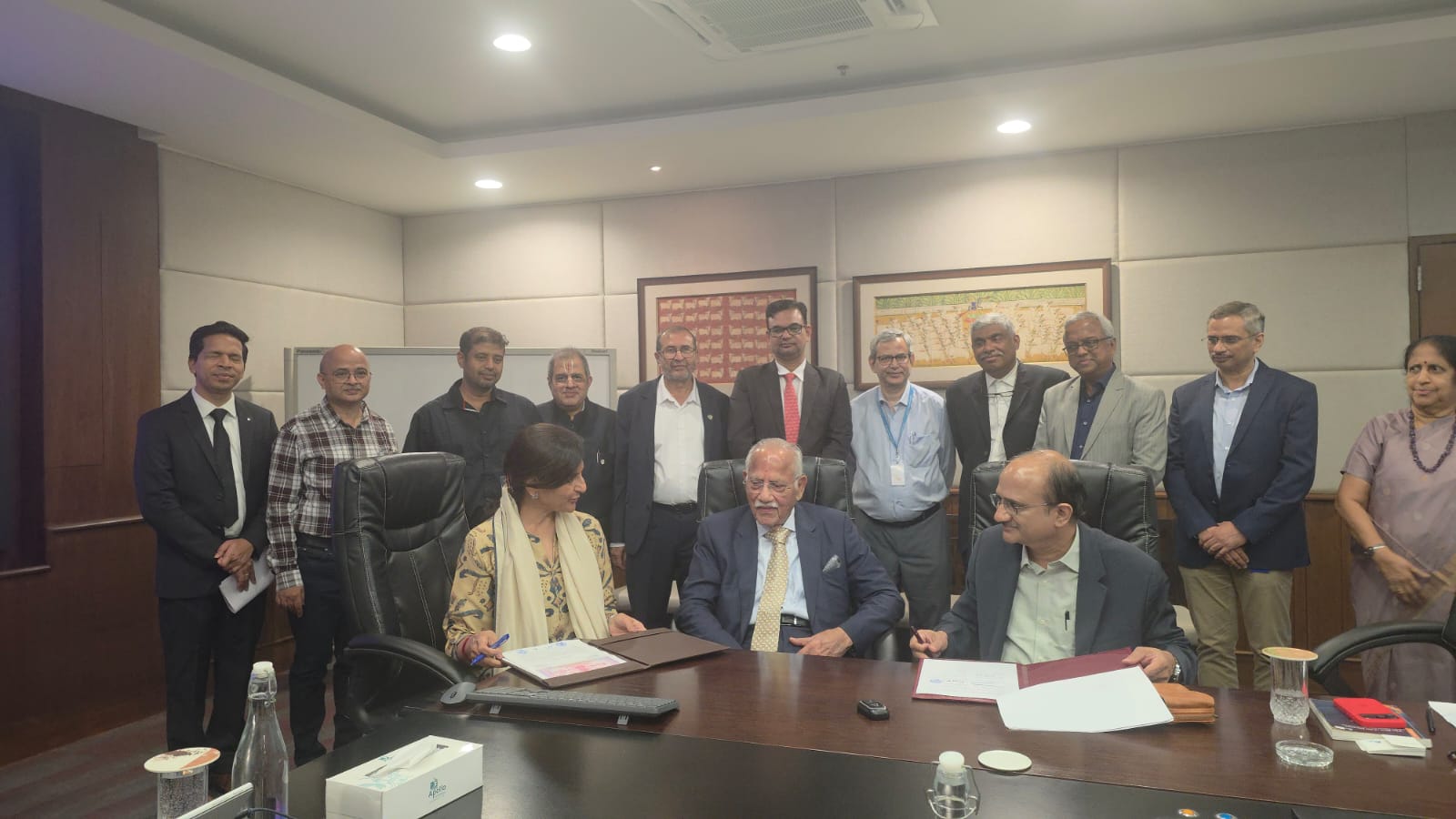
Chennai, 29 September 2026: Apollo Knowledge and the Birla Institute of Technology and Science, Pilani (BITS Pilani) have come together to work on healthcare research, education and workforce development. The two signed a Memorandum of Understanding today in the presence of Dr. Prathap C. Reddy, Founder-Chairman, Apollo Hospitals Group, Dr. Preetha Reddy, Executive Vice Chairperson, Apollo Hospitals Enterprise Limited, and Prof. V. Ramgopal Rao, Group Vice-Chancellor, BITS Pilani.
The collaboration brings together the clinical environment of the Apollo network and BITS Pilani’s strengths in engineering, technology and data science. Clinicians and BITS Pilani researchers will explore joint research on clinical and healthcare problems, with specific areas to be identified as the collaboration develops.
The two institutions will collaborate to develop Work Integrated Learning programmes for healthcare professionals. These programmes allow doctors, nurses, allied health professionals and healthcare managers to earn a qualification while continuing in their jobs. Potential areas include healthcare logistics and supply chain, pharmacy, and hospital finance, with the curriculum built around the work these professionals actually do.
The partners will also explore technology learning for students, built around the role each student is training for. This would extend to learners at The Apollo University, at the medical and nursing colleges in the Apollo network, and at Apollo Healthcare Academy’s partner institutions.
Specialised programmes in allied health and healthcare technology are a further area the two institutions will explore, combining BITS Pilani’s competency centres with clinical training in Apollo hospitals.
Dr. Prathap C. Reddy, Founder-Chairman, Apollo Hospitals Group, said, “Healthcare today runs on technology as much as it runs on clinical skill. The people who deliver care need to learn that technology properly, and they need to learn it without stepping away from their work. BITS Pilani has taught working professionals for over four decades. We have the hospitals, the clinicians and the students. Putting the two together lets us train the healthcare workforce this country needs, and take up research that answers the questions our doctors are asking today.”
Prof. V. Ramgopal Rao, Group Vice-Chancellor, BITS Pilani, said, “Healthcare is one of the areas where good engineering makes a direct difference to people’s lives. The collaboration creates opportunities to work with Apollo‘s clinical ecosystem and with a large base of healthcare professionals and students. We bring the technology, data science and a proven model of teaching people who are already working. We expect this collaboration to produce both research and trained professionals.”
29, Sep 2026
MDI Gurgaon’s Samvaad X ScaNxt NXT STEP to Put Strategic Decision-Making Under Polycrisis Conditions to Test
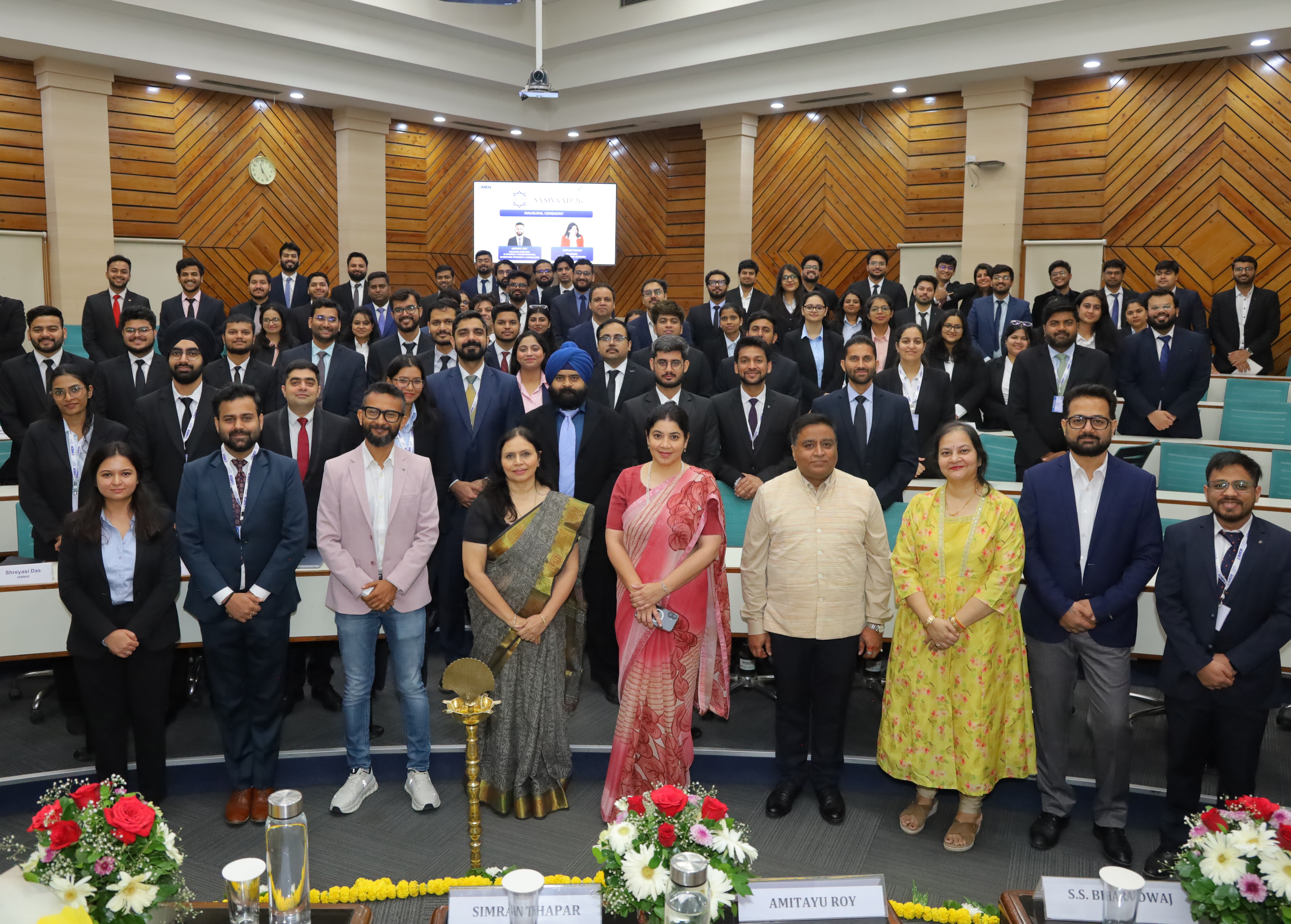
Gurugram, September 29, 2026: As businesses increasingly operate amid interconnected disruptions spanning markets, technology, geopolitics, supply chains and changing consumer behaviour, the ability to adapt strategy in real time is becoming an important management capability. Reflecting this shift, Management Development Institute (MDI) Gurgaon’s PGDM-BM 38th Batch, as part of Samvaad 2026, is organising Samvaad X ScaNxt – NXT STEP: The Polycrisis Challenge, a national-level case competition focused on strategic decision-making in an evolving business environment.
Built around the broader Samvaad 2026 theme of “Thriving in a Polycrisis,” the competition is designed to move beyond conventional case-solving. Participants are required to analyse a business situation, identify the central strategic challenge, develop recommendations and subsequently revisit those decisions when the underlying circumstances change.
The format reflects a broader question facing management education: how should future managers make decisions when the assumptions underlying a strategy can change faster than the strategy itself? Rather than evaluating a solution only on the basis of its initial logic, the final round places emphasis on participants’ ability to recognise changing conditions, reassess their choices and communicate a revised course of action.
“Today’s business environment demands the ability to learn, unlearn and adapt quickly. The assumptions behind a decision can change rapidly, and leaders need to be willing to test, learn and reinvent rather than remain constrained by an earlier approach. NXT STEP reflects this reality by asking participants to revisit their decisions as the situation evolves,” said Amitayu Roy, Managing Director – AI Strategy & Transformation, Accenture Strategy & Consulting, and Guest of Honour at Samvaad 2026.
Simran Thapar, HR Leader, Carrier – HVAC Business, said, “Polycrisis is not simply about the number of disruptions an organisation faces; it is about how we interpret those disruptions and navigate their interconnected impact. In today’s environment, professionals cannot look at challenges only through the lens of their individual functions. The ability to combine diverse perspectives, assess uncertainty and turn a crisis into an opportunity will be increasingly important for the leaders of tomorrow.”
“Management education must prepare future leaders not only to find solutions, but also to question their assumptions when the context changes. NXT STEP brings this approach to life by placing participants in situations where they must analyse a problem, make strategic choices and then revisit those choices as new challenges emerge. The ability to think critically, remain adaptable and make informed decisions amid uncertainty is central to preparing managers for the complexities of today’s business environment,” said Prof. Chinmaya Kulshrestha, Associate Professor, Chairperson – PGDM (BM) and Area Chairperson Marketing, MDI Gurgaon.
Bringing an academic and technology perspective to the discussion, Prof. Sangeeta Shah Bhardwaj, Chairperson – Centre on Artificial Intelligence and its application in Business, MDI Gurgaon, said, “Technology can help leaders analyse complexity and identify possibilities, but the real value lies in translating those insights into timely and effective action. For future managers, connecting technology with business context, adapting their thinking and executing under uncertainty will be critical. NXT STEP gives students an opportunity to experience this complexity firsthand and rethink their decisions as the context evolves.”
Ratan Shrivastava, Chief Guest at Samvaad 2026, said, “In business, what ultimately matters is the tangible value you create. The impact you make and the revenue or business value you bring to the table are important indicators of the value you have actually added to the organisation. In a world defined by polycrisis and constant uncertainty, understanding your core strengths and leaning into them can help you navigate your career with greater confidence, clarity, and resilience. ”
The initiative forms part of Samvaad 2026, the flagship business colloquium of MDI Gurgaon’s PGDM-BM programme, which brings together perspectives from academia and industry around contemporary business challenges. The 2026 edition, being held on September 26–27, focuses on how organisations and leaders can navigate an environment where multiple disruptions intersect and create complex, interconnected challenges.
29, Sep 2026
US-based Brain Digits Opens Office in Masdar City as Abu Dhabi Accelerates Push to Become World’s First AI-Native Government
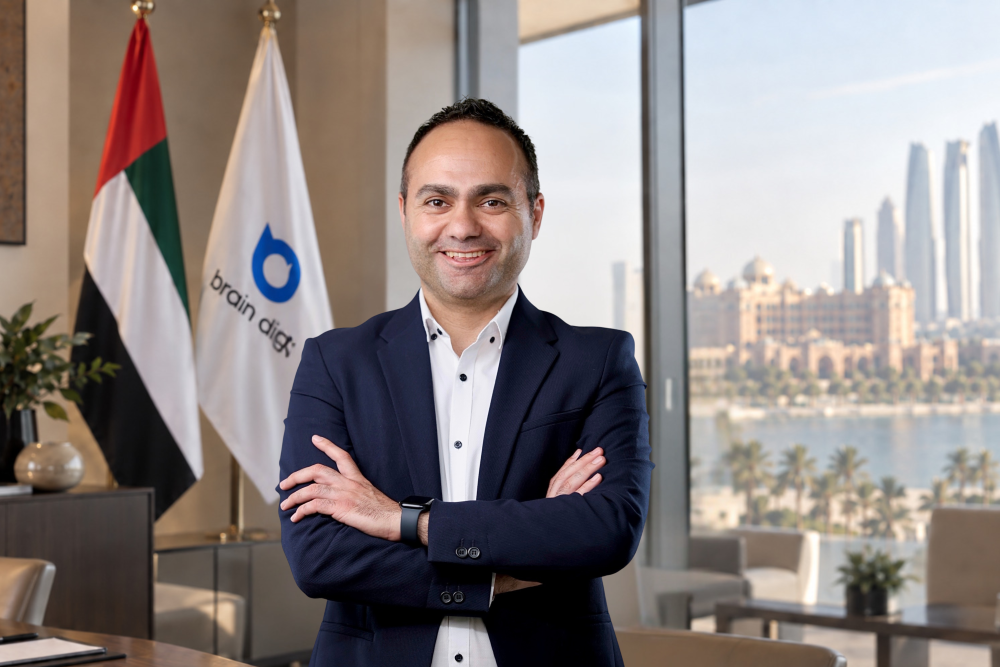
ABU DHABI, United Arab Emirates, Sept 29: Brain Digits, a US-based AI transformation and innovation company, has opened a new office in Abu Dhabi as it expands its UAE operations and seeks to support growing demand for artificial intelligence adoption across government and business.
The new branch, located at Smart Station in Masdar City, will work with government entities, public institutions, universities and companies looking to integrate AI into their operations, develop workforce capabilities and redesign processes around emerging technologies.
The expansion comes as Abu Dhabi accelerates its push to become a global centre for artificial intelligence and digital government. Under the Abu Dhabi Government Digital Strategy 2025–2027, the emirate is investing AED13 billion in digital infrastructure and aims to become the world’s first fully AI-native government by 2027.
“Abu Dhabi is creating one of the world’s most ambitious environments for the practical adoption of artificial intelligence,” said Jack Jendo, Founder and CEO of Brain Digits. “Our expansion brings us closer to organisations that are asking the next important question: how AI can improve the way people work, decisions made and services delivered. Our role is to help turn that ambition into practical capability and measurable results.”
The Abu Dhabi branch is licensed for innovation and artificial intelligence research and consultancy, as well as management consultancy.
Brain Digits said the UAE will remain the centre of its regional expansion, with operations in both Abu Dhabi and Dubai serving organisations across government, energy, healthcare, education, banking and other sectors.
The US-based company was established in Delaware in 2020 and has since expanded its work in organisational transformation and applied AI.
The Abu Dhabi office will also provide a base for Brain Digits to develop and test approaches for the UAE market that can later be applied across the GCC and wider Middle East.
Brain Digits is a US-based AI transformation and innovation company helping governments and organizations build the leadership, workforce capability, systems, data intelligence, advanced thinking and implementation capacity required for AI-enabled work.
Its work spans AI transformation strategy, organizational readiness, leadership, workforce enablement, data literacy, Design Thinking, AI agents and workflows, innovation, digital platforms, applied research and practical implementation.
29, Sep 2026
Meet the Flagship: SunRay Social & Swim Club Lands at SAii Lagoon Maldives

Maldives | Sept 29 – Following the successful soft launch of its new hospitality concept, SunRay Social & Swim Club, at SAii Koh Samui Villas earlier this year, S Hotels & Resorts has announced its expansion to SAii Lagoon Maldives, Curio Collection by Hilton ahead of a portfolio-wide rollout concluding at SAii Laguna Phuket later this year.
Designed to rethink the traditional beach club, SunRay shifts the focus from after-dark revelry to everything that happens under the sun: movement, good food, great music and time together. From sunrise to sunset, its programme follows the rhythm of the day, building towards golden hour and the Maldives’ spectacular sunsets.
The Indian Ocean edition brings that philosophy to the lagoon-front setting of SAii Lagoon Maldives, where the sun and ocean shape the day and experiences invite families, couples and groups of friends to move naturally between activity, connection and relaxation.
Four distinct periods shape the experience. First Light begins with sunrise yoga or a beach bootcamp, offering a gentle awakening or an active start. During Morning Drift, guests take to the water, from energising Aqua Flow workouts and games of newly introduced floating pickleball to discovering the lagoon’s marine life through snorkelling and diving. At Peak Sun, the tempo rises with mobile karaoke, water polo and pool volleyball, while water painting kits offer a creative pause by the beach.
Golden Hour pairs friendly rivalry with time together. Beachside table tennis, beach volleyball, padel clinics and Kick Box Fit keep the energy going, while family sandcastle competitions give imagination centre stage, bringing generations together to shape something of their own in the sand.
As the sun dips below the horizon, a Boduberu sunset ritual brings the rhythms of Maldivian culture to the shore. After dark, a rotating weekly line-up gives each evening its own character, from live bands and acoustic guitar sessions to DJ-led nights, collaborative sets pairing DJs with live guitarists, and DJ & SunRay chromatic ritual.
29, Sep 2026
“Meshwarha” First Phase Concludes: Uber and INJAZ Egypt Celebrate the Empowerment of 60 Female Drivers
Cairo, Egypt [29September 2026]: After launching Meshwarha, Uber and INJAZ Egypt have completed the initiative’s first training programme, bringing together 60 female Uber drivers for a learning journey focused on personal and professional development.
Launched in July as Uber’s long-term initiative supporting women’s economic participation in Egypt through learning, earning, and growth opportunities, Meshwarha began with a dedicated partnership with INJAZ Egypt.
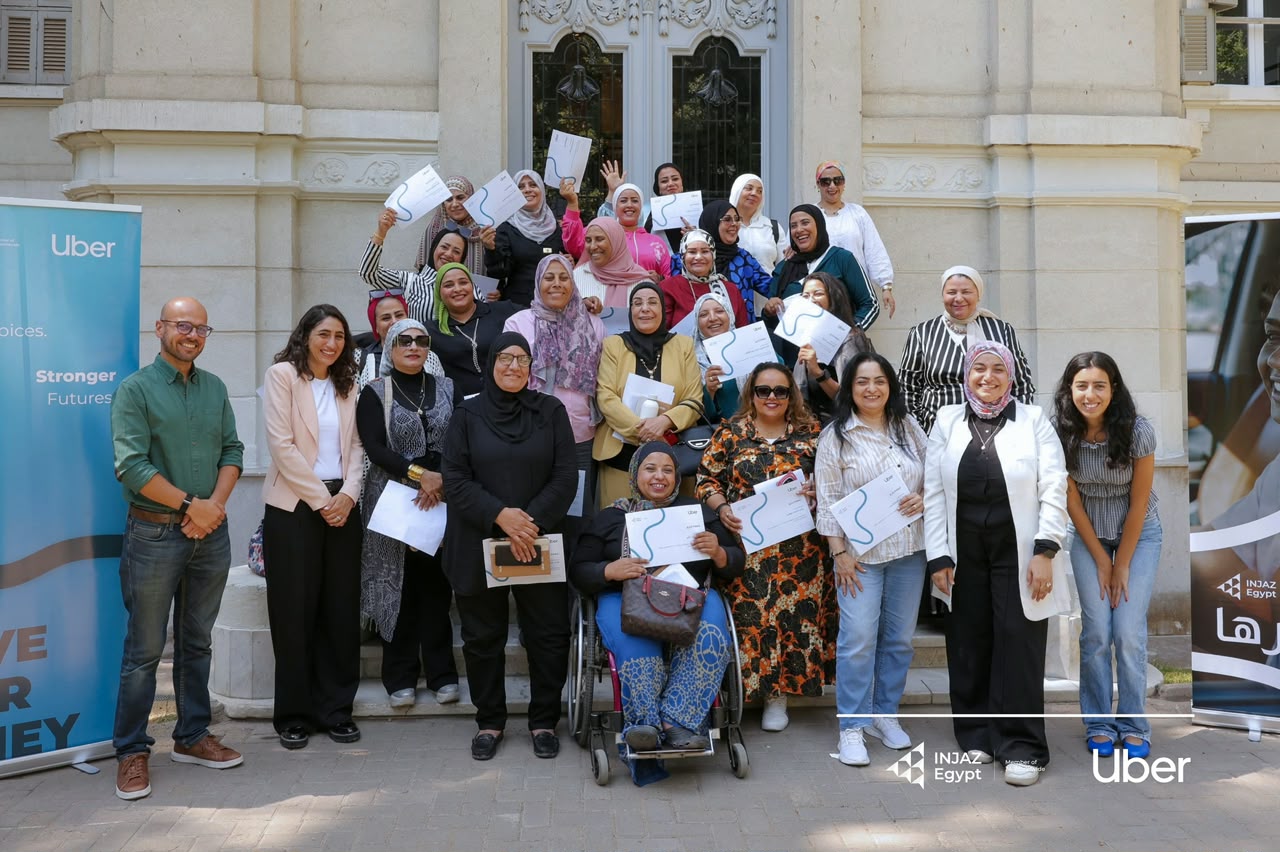
Over four weeks, the 60 participating women took part in three complementary learning tracks: Drive with Confidence, Drive Your Money, and Drive with Balance. The sessions covered soft skills, financial literacy and wellbeing, giving participants practical knowledge and tools they can apply both on and off the road.
The programme also created a space for participants to exchange experiences, learn from one another and build confidence around their personal and professional goals, while fostering a community of women drivers who can continue to support, encourage and learn from one another moving forward.
Turning Learning into Opportunity
This initiative reflects Uber’s continued commitment to the Egyptian market and its efforts to expand flexible earning opportunities for women. “Meshwarha” was designed as a long-term platform that will continue to evolve through new partnerships and programs aimed at supporting women throughout their journey of learning, earning, and growth.
“ ‘Meshwarha’ initiative reflects our commitment to supporting women’s economic participation in Egypt at every stage of their journey, and this partnership with INJAZ Egypt marks a key first step in that direction” said Mohamed El Shamy, General Manager, Uber Egypt. “It has been inspiring to see the participants’ dedication and investment in developing skills that positively impact both their personal and professional lives. We are proud of what the female drivers have achieved today, and at Uber, we look forward to continuing to build on and expand the impact of the ‘Meshwarha’ initiative through future partnerships and programs.”
“We were very proud to partner with Uber on the Meshwarha program, where we had the opportunity to witness the enthusiasm of the 60 female Uber Captains as they came together to learn, grow, and support one another as one community. It has been incredibly rewarding to see them learn from one another, build their confidence, and grow throughout this journey. At INJAZ Egypt, we believe that sometimes having the right space to learn, share, and believe in yourself can make all the difference. We are proud to have been part of their Meshwarha journey and look forward to seeing where it takes them next.” said Yasmine Wilson, Managing Director, INJAZ Egypt.
The Journey Continues
The completion of the INJAZ Egypt programme marks the first milestone under Meshwarha, with the broader initiative continuing beyond the four-week programme.
Uber aims to expand the impact of “Meshwarha” as a sustainable platform and continue supporting women at different stages of their journey through new partnerships and initiatives designed to support women in learning, working, and growing, while creating access to new opportunities across Egypt.
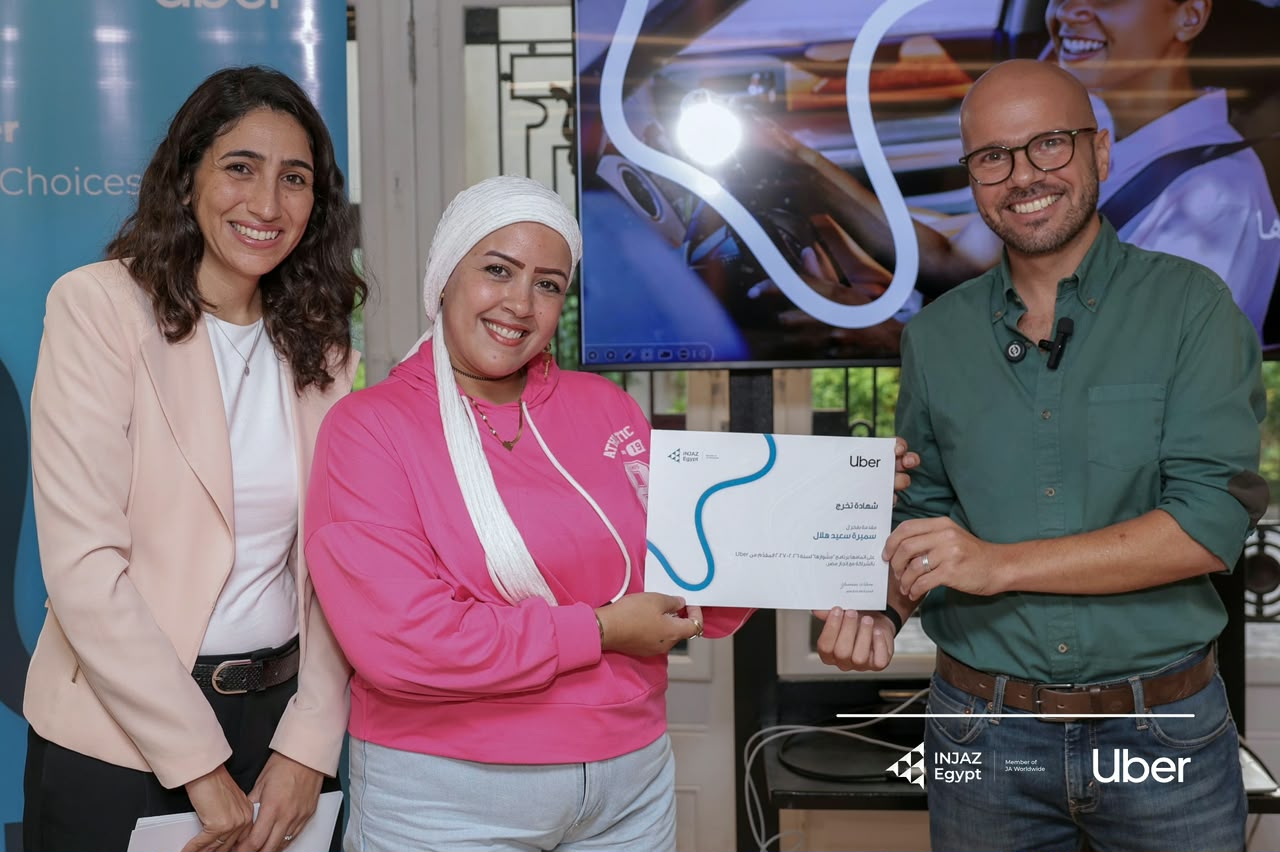
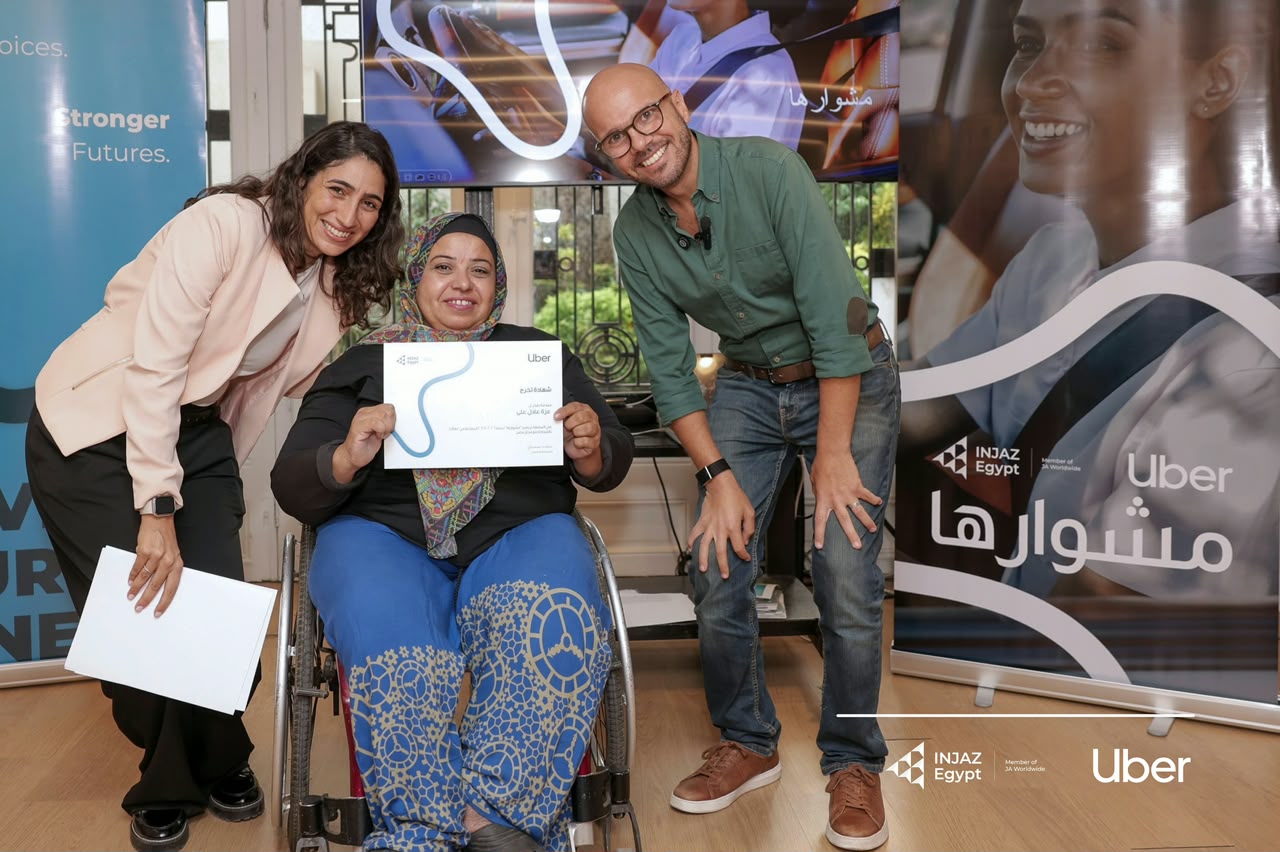
The closing session brought the 60 participants together to celebrate their progress and receive their certificates, with Mohamed El Shamy joining the women to mark the occasion and recognise their commitment throughout the programme.
29, Sep 2026
realme announces INR 500 crore worth of festive offers, bringing unbeatable value to consumers

New Delhi, September 29, 2026: realme, the most popular smartphone brand among Indian youth, is gearing up to make this Diwali more exciting with its “Real Wali Diwali” celebrations, bringing ₹500 crore worth of offers across its portfolio of smartphones & AIOT products
As part of its Real Wali Diwali celebrations, realme will bring attractive offers and benefits for consumers looking to upgrade their devices during the festive shopping season. The offers will be available on Flipkart during the Big Billion Days Sale and realme.com, along with mainline stores nationwide giving consumers access to exciting deals across the brand’s latest offerings.
With these festive offers, realme aims to make its technology more accessible to consumers while adding greater value to their festive shopping experience. The ₹500 crore festive offer will further strengthen realme’s commitment to bringing innovative products and compelling value to Indian consumers.
29, Sep 2026
Puri Intensifies Khaja Inspections Ahead of Festive Season, Five Units Sealed
Puri, Sept. 29 (UDN): With demand for the famous Puri khaja expected to rise during the upcoming festive season, district authorities have intensified inspections of sweet-making units to curb adulteration and ensure compliance with food safety norms.

Representational Image
A joint team from the Food Safety Unit and Puri district administration conducted raids at several khaja manufacturing units in and around the town, including establishments in Dolamandap Sahi near the Shree Jagannath Temple.
During the latest operation, officials seized around four quintals of khaja, sugar syrup and eight domestic LPG cylinders from the inspected premises.
Five Manufacturing Units Sealed
Authorities sealed five khaja manufacturing units for alleged violations of food safety regulations. Two pushcarts were also seized during the enforcement drive.
Officials said inspections would continue across different parts of Puri to monitor the quality and safety of food products being sold to devotees, tourists and local consumers.
The intensified checks come amid preparations for the festive season, when Puri witnesses a significant increase in visitors and demand for its traditional sweets.
Earlier Raids Also Conducted
The latest enforcement action follows another major inspection drive carried out in Puri days earlier.
During that operation, authorities seized approximately five quintals of khaja and khaja syrup and destroyed the material. Four khaja manufacturing units were also sealed for alleged violations.
Officials have indicated that further inspections will be conducted as part of the ongoing food-safety campaign.
Focus on Traditional Puri Sweet
Khaja is one of Puri’s best-known traditional sweets and is closely associated with the Shree Jagannath Temple and the city’s religious and tourism economy.
With the festive season expected to bring increased demand, authorities are stepping up surveillance of manufacturing and selling points to ensure that khaja and other food products meet prescribed safety standards.
The enforcement drive is expected to continue in the coming days, with officials maintaining checks on manufacturing units and vendors across the town.
29, Sep 2026
Tata Chemicals Mithapur Launches ‘Suraksha Gurukul’ Safety Training Centre
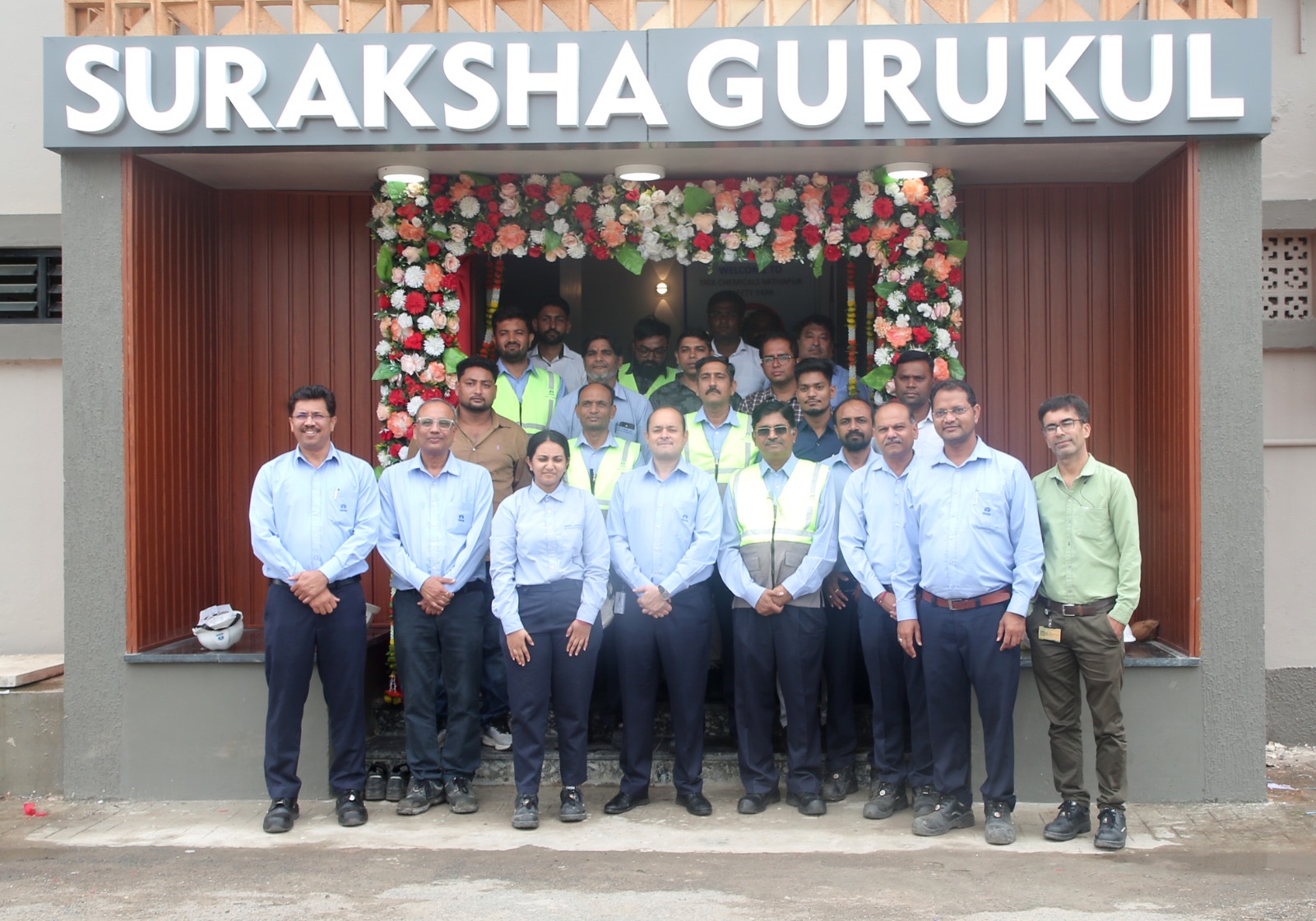
Chandigarh, 29 September 2026: Tata Chemicals Mithapur has launched ‘Suraksha Gurukul’, a Safety Training Centre for employees, contractors, visitors and drivers. The centre was inaugurated by Vikrant Deoras, Site & Manufacturing Head, Tata Chemicals Mithapur, in the presence of senior leadership, department heads and employees.
Developed over two years, the centre brings together Tata Chemicals’ Golden Safety Rules, digital learning, simulation-based training, practical demonstrations and competency assessments.
A key feature of the centre is its vehicle driving simulators, which allow drivers to practise different driving scenarios before entering operational areas. The training focuses on driver competency, hazard perception and defensive driving.
The centre also offers VR-based modules on areas such as working at height, fire safety and emergency preparedness. Plant locations and operational activities at Tata Chemicals Mithapur have also been digitally recreated to provide site-specific learning.
Suraksha Gurukul includes a Safety Exhibition Gallery with safety equipment models, demonstrations, learning displays and best practices. The training journey covers classroom and digital learning, practical sessions, simulator and VR training, assessment and certification.
Commenting on the launch, Vikrant Deoras, Site & Manufacturing Head, Tata Chemicals Mithapur, said: “Safety is a core part of how we operate at Tata Chemicals. Suraksha Gurukul brings together technology, practical training and site-specific learning to strengthen safety competence among our employees and partners. As we continue our journey towards Zero Harm, the centre will support a stronger and more proactive safety culture at the Mithapur site.”
The centre was developed with support from the Safety, Civil, Electrical and Plant teams at Mithapur.
Suraksha Gurukul is part of Tata Chemicals Mithapur’s continued efforts to strengthen safety capabilities across the site and support its Zero Harm journey.


