


16, Apr 2026
India’s Gem and Jewellery Exports Slip in FY26, but New Markets Offer Hope
New Delhi, Apr 16 (BNP): India’s gem and jewellery exports saw a slight decline in FY26, as global trade challenges and tariff pressures weighed on demand. However, the industry showed resilience by expanding into new markets and adapting to changing conditions.

Pic Credit: Pexel
Exports during the year stood at $27.72 billion, reflecting a modest drop compared to the previous year in dollar terms, even as rupee earnings remained broadly stable.
The slowdown was largely due to weaker demand from the United States, where higher tariffs and policy uncertainties affected export volumes. At the same time, ongoing geopolitical tensions and fluctuations in global markets added to the pressure on the sector.
Despite these challenges, Indian exporters made steady progress in diversifying their reach. Markets such as the UAE, Australia, Hong Kong, and Canada emerged as important growth drivers, helping offset declines in traditional destinations.
Trade agreements with countries like the UAE and Australia supported this shift, making it easier for exporters to access new opportunities. While some geopolitical tensions in West Asia impacted momentum toward the end of the year, overall demand from these regions remained encouraging.
The industry is also witnessing a gradual shift in product demand. While certain segments like cut and polished diamonds faced pressure, others such as silver and platinum jewellery gained traction, reflecting changing global consumer preferences.
Experts believe that this phase marks a transition for the sector, with a stronger focus on market diversification and value-added products. Looking ahead, potential trade deals with regions like the UK and the European Union could further support growth and help the industry regain momentum.

- 0
- By Neel Achary

16, Apr 2026
Muted Global Steel Demand Through 2026, Strong Recovery Expected Led by India

Pic Credit: Pexel
New Delhi, Apr 16 (BNP): Global steel demand is expected to remain subdued in the near term, with meaningful recovery likely only in 2027, according to a recent report by Centrum citing estimates from the World Steel Association.
The report projects global steel demand growth of just 0.3% in 2026, reflecting continued weakness in key markets. China, the world’s largest steel consumer, is expected to remain the primary drag on demand, with consumption forecast to decline by 1.5% year-on-year in calendar year 2026 and remain flat in 2027.
In contrast, India is emerging as a major growth driver. The report highlights that India’s steel demand is expected to grow by 7.4% in 2026 and accelerate further to 9.2% in 2027, positioning the country as a key contributor to the global demand rebound.
Despite muted demand conditions, steel prices have risen across major markets. Input costs have shown mixed trends, with iron ore and non-coking coal prices moving higher, while coking coal prices have softened compared to the previous month.
Among non-ferrous metals, aluminium continues to outperform, with prices remaining firm. Meanwhile, other metals such as copper, zinc, and nickel have witnessed marginal declines, reflecting uneven trends in the broader commodities market.
The report underscores that while near-term challenges persist due to weak global demand, particularly from China, India’s strong growth outlook offers a positive signal for the steel sector’s recovery in the coming years.
16, Apr 2026
Indian Equity Markets Surge on Easing West Asia Tensions
News Delhi, Apr 16 (BNP): Indian equity markets recorded a strong rally today, driven by improved global sentiment as geopolitical tensions in West Asia showed signs of easing. Benchmark indices posted notable gains, with the Nifty rising by 500 points and the Sensex advancing 0.7%.

The positive momentum was supported by renewed investor confidence, as concerns over potential disruptions in global markets and energy supplies began to recede. Easing tensions contributed to stability in crude oil prices, further encouraging buying across sectors.
Gains were broad-based, with key sectors such as banking, information technology, and energy leading the upward movement. Market participants responded positively to the reduced uncertainty, increasing exposure to equities.
Experts suggest that while the current trend reflects optimism, investors should continue to monitor global developments and macroeconomic indicators that may influence market direction in the coming weeks.
16, Apr 2026
Epson Earns AAA in MSCI ESG Ratings for the Third Consecutive Year
SYDNEY, Apr 16 – Epson has been awarded a AAA rating, the highest rating in the MSCI ESG Ratings, for the third consecutive year in 2026. MSCI ESG Ratings is a global ESG investment index provided by MSCI. MSCI researches and analyses a company’s response to ESG-related risks and opportunities and assigns one of seven ratings ranging from AAA at the top to CCC at the bottom.
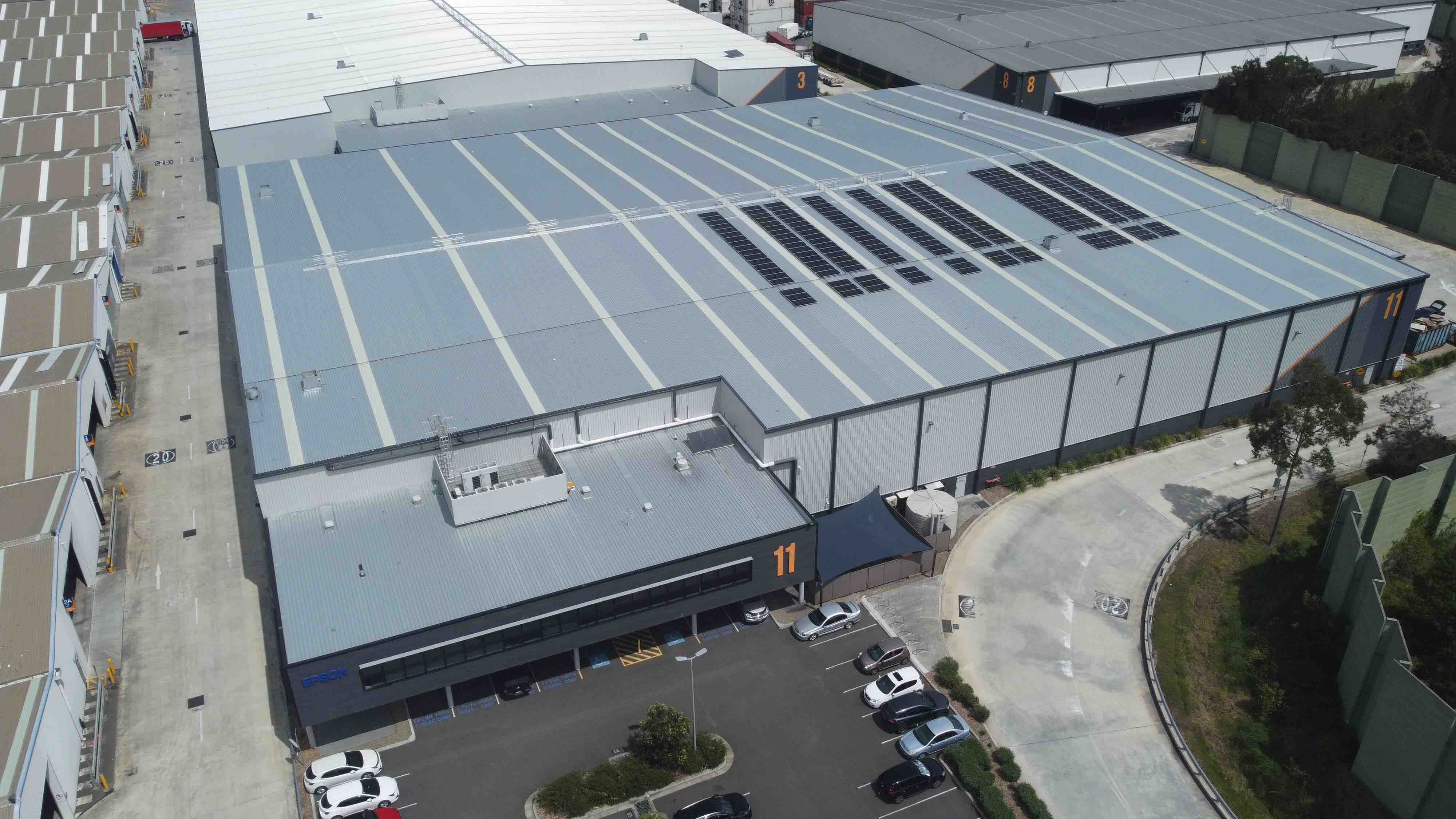
Epson facility at Yennora, NSW
Epson has implemented initiatives to enhance transparency in raw material procurement, as well as measures to strengthen human rights and human capital.
The company believe these initiatives were instrumental in helping to maintain the AAA rating for the third consecutive year.
Epson has been selected as a constituent of the MSCI Japan ESG Select Leaders Index and the MSCI Japan Empowering Women Index (WIN), as well as all other ESG indices covering Japanese equities adopted by the Government Pension Investment Fund (GPIF).
The Epson Group purpose statement is “Our philosophy of efficient, compact and precise innovation enriches lives and helps create a better world.” To fulfill Epson’s purpose in society, the company will continue to evolve our sustainability management initiatives that both resolve societal issues and drive corporate growth.
The FTSE JPX Blossom Japan Index, FTSE JPX Blossom Japan Sector Relative Index, MSCI Japan ESG Select Leaders Index, S&P/JPX Carbon Efficient Index, MSCI Japan Empowering Women Index (WIN), Morningstar Japan Ex-REIT Gender Diversity Tilt Index (GenDi) (current as of April 2, 2026).
16, Apr 2026
Monash University Malaysia to Host Strategy Session for SMEs on Navigating 2026 Business Shifts
Businesses operating in Malaysia and across ASEAN will get a timely roadmap for 2026 at an upcoming strategy session hosted in collaboration with Monash University Malaysia. The event will bring together industry leaders to unpack policy shifts, talent strategies, and growth opportunities in a rapidly evolving economic landscape.
Scheduled for April 23, 2026, at EQ Kuala Lumpur, the session is designed for both Australian SMEs operating in Malaysia and local enterprises preparing to scale. Organisers say the programme will focus on delivering practical insights, regulatory clarity, and actionable strategies that businesses can immediately implement.
Industry Leaders to Share Insights
The session will feature a strong lineup of speakers offering perspectives across policy, finance, talent, and technology:
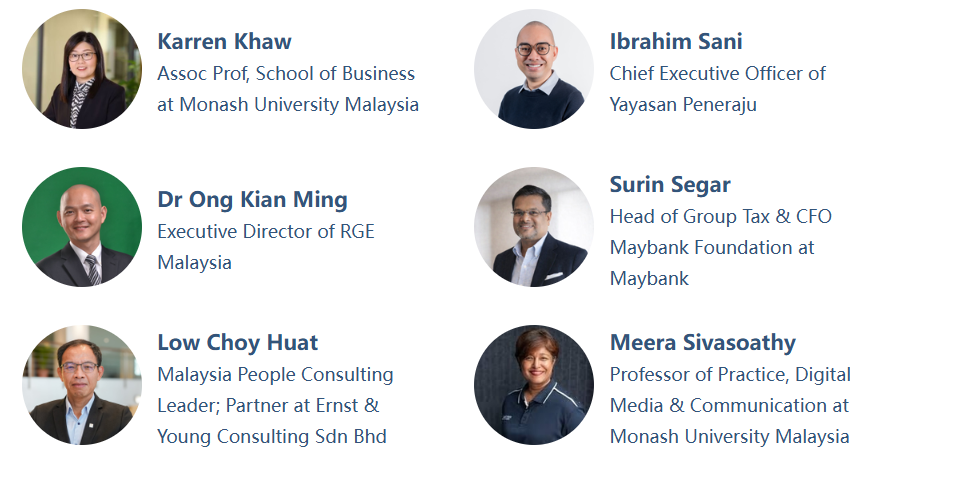
- Ong Kian Ming will discuss how businesses can remain competitive amid shifting dynamics in the ASEAN region.
- Surin Segar will address evolving SST regulations and the financial strategies SMEs need to prioritise.
- Ibrahim Sani will explore ways to unlock Malaysia’s talent pool and build future-ready teams.
- Low Choy Huat will highlight the role of resilient organisational culture and AI-driven talent strategies.
- Karen Khaw will focus on bridging the skills gap through industry–academia collaboration.
Additional academic perspective will be provided by Meera Sivasoathy, Professor of Practice in Digital Media and Communication.
Focus on Practical Outcomes
The session aims to go beyond theory, equipping attendees with clear, actionable guidance on navigating regulatory changes, leveraging talent, and embedding technology into business strategy. With ASEAN markets undergoing structural shifts, the event positions itself as a critical touchpoint for companies seeking to stay competitive.
Event Details:
- Date: April 23, 2026
- Time: 6:00 PM
- Venue: EQ Kuala Lumpur
Seats are limited, and organisers are encouraging early registration. Participation is subject to acceptance of the event’s data privacy policy.
With a strong emphasis on strategy, talent, and policy alignment, the session is expected to offer valuable direction for businesses preparing for the challenges and opportunities of 2026.
16, Apr 2026
Robinhood Targets 1 Million Learners Through Classroom Financial Education by 2030
Robinhood Markets, Inc. has announced an ambitious commitment to expand financial literacy, aiming to reach one million individuals through classroom-based education programmes by 2030. The pledge was highlighted during a policy panel on Capitol Hill, where Senior Director of International Government and External Affairs Chloe Barz outlined the company’s evolving strategy.
The initiative will extend across a wide spectrum of learners, including school and college students, educators, athletes, community leaders, and nonprofit partners. The company said its approach is designed to support individuals at key financial transition points, equipping them with practical knowledge to manage change and plan effectively.
A cornerstone of the effort is Robinhood’s flagship Money Drills™ programme, which now partners with 18 universities across the United States. New additions to the network in 2026 include the University of Arizona, Boise State University, and University of Wisconsin–Madison. These courses are designed to deliver essential financial skills in an accessible format while offering academic credits that contribute toward graduation.
Building on this foundation, the company plans to launch a new phase of the programme—Money Drills: Readiness—later this year. The initiative will specifically target active-duty military personnel, helping them navigate financial decisions as they transition to civilian life.
“Accessible financial education has always been central to our mission, and we are now significantly scaling our reach,” said Chloe Barz. “This commitment allows us to expand existing programmes while introducing new, tailored learning opportunities that meet people where they are.”
The push aligns with findings from the World Economic Forum, which highlight experiential learning—or “learning by doing”—as the most effective way for individuals to build investment knowledge. The research also indicates a strong preference for financial institutions as trusted sources of education, ahead of traditional media, social platforms, and formal schooling.
The announcement coincides with Robinhood’s second annual Financial Education Summit in Washington, D.C., bringing together policymakers, educators, athletes, and nonprofit leaders. The event features workshops, panel discussions, and specialised sessions aimed at strengthening collaboration and expanding access to financial literacy resources, particularly for underserved communities.
With this expanded push, Robinhood is positioning itself at the forefront of classroom-based financial education, combining in-person learning with its existing digital tools to help build long-term financial confidence among the next generation.
15, Apr 2026
Tata Motors Achieves 10 Lakh Commercial Vehicles Production Milestone at its Lucknow Plant
Bengaluru, April 15: Tata Motors Ltd., India’s largest commercial vehicle manufacturer, marked a defining milestone with the rollout of the 10th lakh commercial vehicle from its Lucknow facility, commemorating more than three‑and‑a‑half decades of its presence in Uttar Pradesh and its contribution to industrial excellence, economic growth, skill development and sustained livelihood creation. At a time when India’s commercial vehicle industry is undergoing rapid transformation towards cleaner, smarter and more efficient mobility solutions, this milestone underscores Tata Motors’ leadership in shaping the future of mobility. The milestone vehicle, a zero-emission electric bus, highlighted the shared commitment of Uttar Pradesh and Tata Motors to green mobility, aligned with the state’s net-zero 2070 vision and the company’s net-zero target of 2045.
It was flagged off by the Hon’ble Chief Minister of Uttar Pradesh, Yogi Adityanath, and Mr. N. Chandrasekaran, Chairman, Tata Sons Ltd., in the presence of the Deputy Chief Minister Shri Brajesh Pathak, along with Mr. Girish Wagh, Managing Director & Chief Executive Officer, Tata Motors Ltd., and eminent Ministers, public representatives, senior bureaucrats, government officials and senior leaders from Tata Motors.
Speaking on the occasion, Yogi Adityanath, Chief Minister of Uttar Pradesh, said,
Established in 1992, Tata Motors’ Lucknow facility has evolved into one of its most significant commercial vehicle manufacturing hubs, producing trucks and buses that meet global standards across multiple powertrains, including zero‑emission electric and fuel‑cell electric vehicles. Spread over ~600 acres, the plant combines manufacturing scale with a strong focus on people and sustainability—supporting over 8,000 livelihoods, building industry‑relevant skills through flagship training programmes, and operating as a water‑positive facility powered by 100% renewable energy, underscoring Tata Motors’ commitment to inclusive growth and sustainability ingrained responsible industrialization. The facility also supports a robust supplier ecosystem, enabling MSMEs and ancillary industries across Uttar Pradesh and beyond.
Speaking on the occasion, Mr. N. Chandrasekaran, Chairman, Tata Sons Ltd., said,
“The production of Tata Motors’ 10th lakh commercial vehicle from its Lucknow facility reflects the strength of our longstanding partnership with Uttar Pradesh. Over more than three decades, this collaboration has demonstrated how industry, government and communities can come together to drive industrial excellence, create livelihoods and build capabilities at scale. We are deeply grateful to the Hon’ble Chief Minister and the entire state for their continued support and for fostering a progressive, growth-oriented approach. As Uttar Pradesh accelerates its journey towards sustainable and inclusive growth, we remain firmly committed to contributing to its progress and to shaping a future‑ready mobility ecosystem.”
The landmark production milestone of 10 lakh vehicles underscores Tata Motors’ enduring commitment to Uttar Pradesh—anchored in manufacturing excellence, people-centric growth and responsible industrialisation. As the company advances its net‑zero journey, the Lucknow plant will continue to play a pivotal role in shaping a cleaner, smarter and more sustainable mobility future for India.
Tata Motors Commercial Vehicles, Lucknow: Manufacturing Excellence Anchored in People, Sustainability and Scale
Manufacturing Trucks and Buses of International Standards and Scale
Established in 1992, Tata Motors’ commercial vehicle manufacturing facility at Lucknow has evolved into one of the company’s most significant and technologically advanced production hubs. Spread across an expansive ~600-acre campus, the facility manufactures a comprehensive range of cargo and passenger commercial vehicles across multiple powertrains, including next-generation zero-emission electric buses and trucks, as well as fuel cell electric vehicles (FCEVs).
Designed for flexibility and scale, the facility has an annual production capacity of over one lakh vehicles and is a centre of manufacturing excellence, underpinned by rigorous standards of quality, safety and operational efficiency. Vehicles produced at Lucknow support commercial mobility needs across India and are also exported to international markets, reinforcing the facility’s role in delivering world-class products to customers globally.
Building Shared Prosperity through People, Skills, and Inclusion
At the heart of Tata Motors’ Lucknow facility lies a deep commitment to people, opportunity, and inclusive growth. The Plant reflects the company’s belief that progress is most meaningful when it is shared—through sustained investment in skilling, equitable workplaces, and long‑term community development.
The facility enables over 8,000 employment opportunities, strengthening the regional economy while supporting families and communities across Uttar Pradesh. Tata Motors’ continued presence in the state has played a meaningful role in nurturing livelihoods and reinforcing Uttar Pradesh’s emergence as a reliable, future‑ready destination for large‑scale manufacturing.
Reflecting a sustained effort to build environments that value equity, dignity, and equal opportunity, women today constitute a significant portion of the entire workforce. As a next step towards inclusivity, this Plant has also created employment opportunities for People with Disabilities from across the state.
The facility also serves as a cornerstone for a robust skilling and training ecosystem in the region, with its flagship Earn and Learn programmes such as Kaushalya, Lakshya and Saksham. Through its novel Dual System of Training (DST) and large-scale apprenticeship initiatives, Tata Motors has been working closely with local communities to build pathways to meaningful employment. These programmes have equipped thousands of youth across the state with industry-relevant skills, enabling them to progress confidently towards dignified, respected livelihoods that provide stability, pride of work, and long-term opportunity.
Driving Environmental Stewardship with Large‑scale Manufacturing
Tata Motors’ Lucknow facility exemplifies modern, responsible manufacturing—bringing together scale, sustainability and advanced technology. Designed with environmental stewardship at its core, the Plant is CII‑certified water positive and is operating with 100% renewable electricity significantly lowering the facility’s carbon footprint. Advanced Digital & Industry 4.0 technologies—including automation & robotics in critical manufacturing operations and AI‑enabled platforms—ensure high standards of safety, efficiency, quality, and resource optimisation.
Together, these capabilities position the Lucknow plant as a model for future‑ready manufacturing that delivers excellence while remaining deeply conscious of its environmental and social responsibilities.
15, Apr 2026
Sensex, Nifty Jump Over 1.6 pc on Strong Global and Sectoral Gains
Apr 15 (BNP): Indian stock markets ended the day on a strong note on Wednesday, as investors turned upbeat amid positive global cues and hopes of renewed talks between the US and Iran.
The Sensex jumped 1,263.67 points (1.64%), while the Nifty 50 climbed 389 points (1.63%) to settle at 24,231.
Broader markets saw even stronger momentum, with both midcap and smallcap indices rising more than 2%, showing that buying interest was not limited to large companies.
All sectoral indices ended in positive territory. The Nifty IT index led the rally with gains of around 2.8%, while media and realty stocks also saw healthy buying, rising over 2% each.
Investor sentiment improved as easing geopolitical tensions lifted global risk appetite and helped bring crude oil prices under control.
Market experts said that while earnings expectations remain mixed in the near term, overall sentiment is supported by reasonable valuations and hopes of stronger corporate performance in FY27.
15, Apr 2026
India’s Exports Rise in FY26, But Higher Imports Widen Trade Gap

New Delhi, Apr 15 (BNP): India’s exports recorded steady growth in FY26, rising by 4.22% to reach USD 860.09 billion, reflecting continued demand in global markets.
However, imports grew at a faster pace of 6.47% during the same period, leading to a widening trade deficit.
Officials said the increase in imports was driven by higher demand for key commodities and inputs, even as export performance remained stable.
The data highlights a mixed trend in India’s external trade, with positive export growth balanced by rising import costs, which have put pressure on the overall trade balance.
15, Apr 2026
CAE and InterGlobe Inaugurate New Pilot Training Centre in Mumbai to Support India’s Aviation Growth

Apr 15: CAE Simulation Training Private Limited (CSTPL), a joint venture between InterGlobe Enterprises and CAE, has inaugurated its fourth advanced pilot training centre in India. Located in Mumbai, the 44,000-square-foot state-of-the-art facility supports India’s growing aviation training sector and strengthens domestic pilot training capacity. Designed to provide an immersive and highly realistic training environment that upholds the industry’s highest safety and proficiency standards, the centre begins operations with its first Airbus A320 full-flight simulator (FFS). A second Airbus A320 FFS is scheduled to enter service later this year, with the capacity to scale up to six FFS over time, in line with market demand.
This addition reinforces CSTPL’s position as the largest pilot training organization in the country. With established centres in Greater Noida, Gurugram, and Bengaluru, the network currently has a collective capacity of 16 full-flight simulators, with plans to scale to 23 in the coming years. The Mumbai centre will support comprehensive pilot training services, complemented by Airbus, ATR, and Boeing training delivered across the CSTPL network in India, including type rating, recurrent training, and proficiency checks.
This growth underscores the shared commitment of InterGlobe and CAE to setting the highest industry standards for pilot training and flight safety.
As one of the world’s fastest-growing aviation markets, India’s rapid expansion requires a robust and sustainable pipeline of skilled professionals. According to CAE’s Aviation Talent Forecast, India will need approximately 22,000 new pilots by 2034 to support the continued growth of its aviation sector. Maharashtra stands as a premier aviation hub, and CSTPL’s Mumbai centre is uniquely positioned to serve the evolving operational needs of both Mumbai and Navi Mumbai airports. By expanding domestic training capacity, the facility enables airlines to meet regulatory and operational standards with greater efficiency.
The inauguration ceremony was attended by leadership teams from CAE, InterGlobe, and CSTPL, along with strategic stakeholders from across the aviation industry. The event marked a collaborative milestone for the sector, underscoring the centre’s role as a key hub for airline partners and its contribution to building a steady pipeline of world-class pilots to support their operations.
Alexandre Prévost, President, Civil Aviation, CAE, said, “India is one of the fastest‑growing aviation markets in the world, and the opening of the Mumbai centre strengthens our ability to support that growth with world‑class training capabilities. It reinforces CAE’s global Civil Aviation training network and is aligned with our broader transformation, focusing on disciplined capacity alignment and market‑led growth. Delivered through CSTPL, in partnership with our long‑standing partner InterGlobe, this centre expands domestic training capacity and provides airlines with access to advanced, high‑fidelity simulation close to where they operate.”
Aditya Pande, Group Chief Executive Officer, InterGlobe Enterprises, said, “The opening of our new pilot training centre in Mumbai is a defining milestone for India’s aviation ecosystem and a testament to our unwavering commitment to excellence. For over 12 years, our strategic partnership with CAE has been at the forefront of aviation training in India, consistently evolving to meet the industry’s needs. As the country’s largest pilot training organization, this fourth centre significantly scales CSTPL’s collective capacity to meet the critical demand for highly skilled pilots. We are proud to continue leading the way in nurturing aviation talent and driving the safety standards that support the growth of the industry.”


