


13, Apr 2026
Small Finance Banks Likely to Post Strong Q4 Performance
New Delhi, Apr 13 (BNP): Small finance banks are likely to deliver a strong performance in the fourth quarter of FY26, supported by steady credit demand and improving operational efficiency, according to a recent report.
The report notes that while near-term business conditions remain supportive, the sector’s outlook for FY27 will largely depend on broader macroeconomic factors, including interest rate movements, inflation trends, and overall economic growth.
It adds that continued loan growth and better asset quality could help strengthen earnings in the coming quarters. However, external risks such as global uncertainty and domestic liquidity conditions may influence future performance.
Analysts suggest that small finance banks remain well-positioned for growth, but caution that sustainability will depend on how macroeconomic trends evolve in the next fiscal year.

- 0
- By Neel Achary

13, Apr 2026
FIA President Ben Sulayem: “Without Volunteers, We Simply Could Not Go Racing”
Dubai, UAE, 13th April 2026: FIA President Mohammed Ben Sulayem has paid tribute to the thousands of volunteers who make Formula One racing possible, after a landmark study by the Fédération Internationale de l’Automobile revealed the true scale, value and dedication behind the crucial role they play.
Conducted by the FIA University, the Federation’s academic arm, the first-of-its-kind research reveals that a minimum of 20,112 trained volunteers are required to staff all 24 rounds of the Formula One World Championship calendar each season.
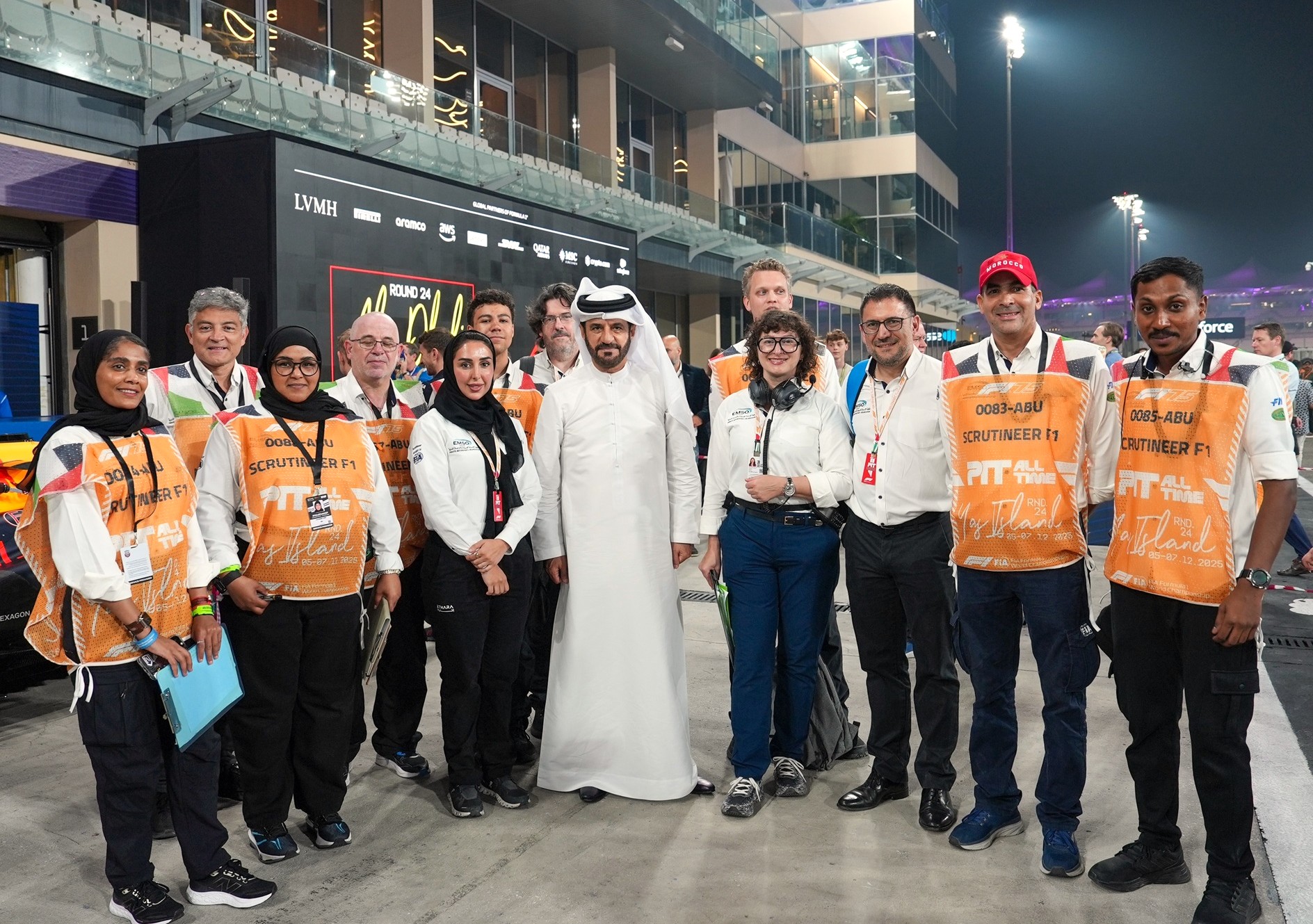
An average of 838 volunteers operating at each individual race weekend represents a ratio of 42 for every F1 driver competing on track, the highest volunteer-to-competitor ratio of any global sport.
With each volunteer committing approximately 48 hours of dedicated service to each race weekend, that amounts to a remarkable 965,376 hours contributed to the world’s premier racing series across the full season.
FIA President Mohammed Ben Sulayem said: “The FIA Formula One World Championship relies on volunteers, they are the backbone of our sport – without them we simply could not go racing. They ensure our competitions are safe and fair. They act with professionalism and pride, and they support drivers, teams and fans.
“The FIA deeply values their contribution and this landmark report not only delivers vital insights into their role but recognises our significant investment and helps the FIA continue to provide support in the most effective ways.
“Together with our Members, and our volunteers around the world, we are powering the FIA Formula One World Championship.”
From flag marshals to observers, incident officers to extrication teams, volunteers are the race makers who keep motor sport safe and create the unmistakable spirit of camaraderie, teamwork and unity present at every round of the Championship.
The report highlights the depth of their commitment, with 65% of volunteers taking annual leave or unpaid time off to serve at events.
As the global governing body for motor sport, the FIA continues to invest in the sport’s long-term development, ensuring each race is supported by trained and dedicated personnel. The study estimates that training and development programmes delivered by the FIA and its member clubs equate to more than €11 million annually.
Retention remains a key strength. Two-thirds of Formula One volunteers have been active for more than five years, reflecting a strong and positive culture across race weekends. This consistency has proved essential as volunteer workloads have increased by 20% during the same period alongside the sport’s global expansion.
Volunteering also offers a unique opportunity for race fans to play an active role in their home F1 Grand Prix. Many see it as a meaningful recreational activity alongside their careers, with the total replacement labour value of their contribution estimated at €13.2 million annually.
These figures underline both the economic importance of volunteers and the FIA’s commitment to supporting them.
The new report, the first of its kind in the FIA’s history, sets out a series of recommendations to further enhance the volunteer experience and maintain a healthy retention rate. The FIA is proposing a dedicated Centre of Excellence to act as a learning hub, recruiting and training volunteers and officials using world-leading innovation and global best practice.
Alongside this, an expanded FIA Officials Department, including a new volunteer charter, would outline the minimum standards required to support and value volunteers during a Formula One World Championship round.
13, Apr 2026
IMF Tax Advice to India and Other Developing Nations Under Scrutiny: Oxfam
New Delhi, Apr 13 (BNP): India has received a significant share of regressive tax-related recommendations from the International Monetary Fund (IMF) between 2022 and 2024, according to a report by Oxfam.
The analysis, released ahead of the IMF and World Bank Spring Meetings in Washington, alleges that the IMF has shown inconsistency in its policy advice. It claims that while wealthier countries are often guided toward more progressive taxation, developing nations are more frequently advised measures that could widen inequality.
The report states that around 59% of IMF tax advice given to low- and lower-middle-income countries is considered regressive. It also highlights concerns that such policy guidance may have implications for inequality and economic fairness.
The findings have sparked discussion on the need for more balanced and equitable global financial policy recommendations.
13, Apr 2026
Gartner Predicts 25 percent of All Enterprise GenAI Applications Will Experience At Least Five Minor Security Incidents Per Year By 2028
STAMFORD, Conn., Apr 13: By 2028, 25% of all enterprise generative AI (GenAI) applications will experience at least five minor security incidents per year, up from 9% in 2025, according to Gartner, Inc., a business and technology insights company.
As organizations continue to build and integrate agentic AI applications using technologies such as Model Context Protocol (MCP), new attack vectors and immature security practices will significantly elevate risk exposure.
“MCP was built for interoperability, ease of use and flexibility first, so security mistakes can manifest without continuous oversight for agentic AI,” said Aaron Lord, Sr. Director Analyst at Gartner. “Because of this, the rate of minor security incidents within GenAI applications is set to grow at an increased rate. We will eventually see 15% of all enterprise GenAI applications experience at least one major security incident per year by 2029, up from 3% in 2025.”
As enthusiasm for frameworks like MCP grows, software engineering leaders must be prepared for the security realities that follow, ranging from data exposure incidents to vulnerabilities lurking in widely used third‑party components. Protecting against these risks requires establishing rigorous security review processes, prioritizing low‑risk use cases, mitigating known threat‑patterns, and empowering domain experts to define guardrails that keep agentic AI both powerful and safe.
MCP’s design optimizes interoperability and developer speed, not security enforcement by default, which means missteps can surface through ordinary usage. This can happen especially where agents can access sensitive data, ingest untrusted content, or communicate externally in the same flow. Software engineering leaders should treat any use case that combines those three factors as a “no‑go zone” due to heightened exfiltration risk.
“Software engineering leaders should collaborate with data, security, and infrastructure teams to create a formal security review for MCP use cases to prioritize low‑risk patterns and explicitly exclude high‑risk combinations,” said Lord. “They should reinforce this with strong authentication and authorization practices tailored specifically for AI agents, not inherited from human user roles, to keep permissions tightly scoped. Applying well‑known threat‑pattern mitigations, such as guarding against content‑injection and tightening oversight of third‑party MCP components, will help close the most common gaps before they can be exploited.”
Successful, proactive mitigations for MCP security requires knowledge of antipatterns that can lead to vulnerabilities. Software engineering leaders will need to mitigate MCP vulnerabilities focused on known threat-patterns, such as content injection attacks, supply chain threats, and disclosure of sensitive data or escalation of privileges when AI tries to be helpful but makes a mistake.
“Software engineering leaders will need to establish domain-oriented ownership for MCP servers to drive domain-driven guardrails,” said Lord. “Growing complexity from agentic AI will eventually lead to complications managing access to data and maintaining compliance.”
To address this at scale, Gartner recommends that software engineering leaders collaborate with domain experts and work backward to ensure secure-by-default interactions for agentic AI. It will be critical for domain experts to predefine their guardrails before allowing MCP clients to access their data and resources. These domains should be the owners of MCP servers and define the guardrails for agentic AI usage.
Gartner clients can learn more in Best Practices to Counter MCP Security Risks.
Gartner is the World Authority on AI
Gartner is the indispensable partner to C-Level executives and technology providers as they implement AI strategies to achieve their mission-critical priorities. The independence and objectivity of Gartner insights provide clients with the confidence to make informed decisions and unlock the full potential of AI. Clients across the C-Level are using Gartner’s proprietary AskGartner AI tool to determine how to leverage AI in their business. With more than 2,500 business and technology experts, 6,000 written insights, as well as more than 4,000 AI use cases and case studies, Gartner is the world authority on AI. More information can be found here.
Gartner Application Innovation & Business Solutions Summit
Application innovation and software engineering strategies will be discussed at the Gartner Application Innovation & Business Solutions Summits taking place June 2-4 in Las Vegas, June 17-18 in Tokyo, and September 14-15 in London. Follow news and updates from the conferences on X and LinkedIn using #GartnerAPPS.
13, Apr 2026
Foreign Investors Continue Heavy Sell-Off in Indian Markets Amid Global Uncertainty
New Delhi, Apr 13 (BNP): Foreign portfolio investors (FPIs) have continued their aggressive selling in Indian equities, pulling out around ₹48,213 crore (about $5.14 billion) during the first 10 days of April, according to market data.
The sustained outflow is being driven by rising geopolitical tensions and broader global economic uncertainty, which have reduced investor appetite for riskier assets like emerging market equities.
This follows a massive withdrawal of ₹1.17 lakh crore in March, marking the steepest monthly outflow on record. In contrast, February had seen strong inflows of ₹22,615 crore, the highest in 17 months, indicating a sharp shift in investor sentiment.
Market experts say the volatility highlights the sensitivity of foreign capital flows to global developments, with investors quickly adjusting positions based on changing risk conditions.
13, Apr 2026
Row Over Paddy Incentives: Sitharaman Rejects Stalin’s Claim
New Delhi, Apr 13 (BNP): Union Finance Minister Nirmala Sitharaman on Sunday dismissed allegations made by Tamil Nadu Chief Minister M. K. Stalin regarding paddy cultivation incentives, calling them “factually baseless” and a “deliberate distortion.”
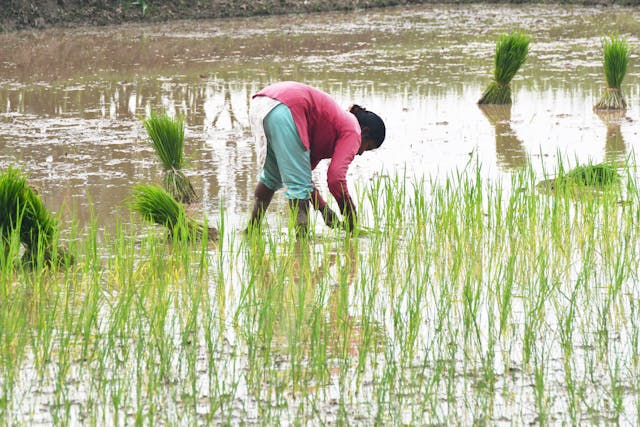
Pic Credit: Pexel
Responding to the remarks, she clarified in a post on X that the Centre had not directed states to stop incentives for farmers. Instead, she said the suggestion was aimed at encouraging states to align their bonus and support policies with broader national agricultural priorities.
These priorities, she noted, include promoting crop diversification and strengthening self-sufficiency in key crops such as pulses, rather than continuing excessive focus on a single crop.
The exchange comes amid ongoing political debate over agricultural policy and Centre–State coordination in farmer support measures.
13, Apr 2026
Govt Eases Wheat Export Curbs to Boost Shipments
New Delhi, Apr 13 (BNP): The Government of India has lifted restrictions on wheat exports after a gap of four years, opening the door for increased international demand as several countries line up to purchase Indian wheat.
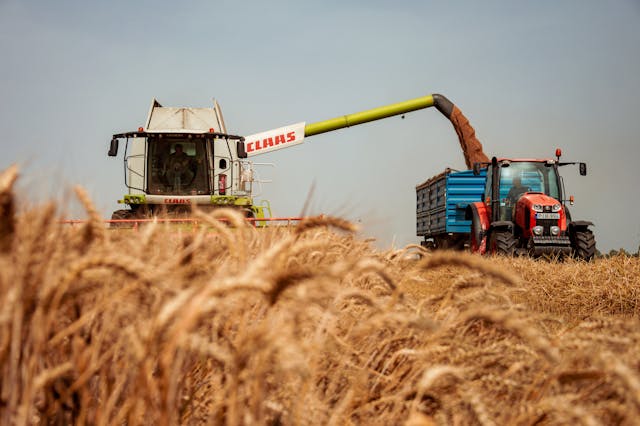
Pic Credit: Pexel
Countries including Egypt, Indonesia, Myanmar, and Bangladesh have shown strong interest in importing wheat from India. The Directorate General of Foreign Trade (DGFT) is expected to soon issue export quotas to facilitate shipments.
Officials and trade experts believe geopolitical uncertainties, along with adequate domestic stocks, are supporting export opportunities this year. India had earlier allowed limited exports, including around 2.5 million tonnes of grain and an additional 0.5 million tonnes of processed wheat in February.
Export prices to Bangladesh are estimated at around $275–$280 per tonne, which traders say remains competitive and profitable even after including freight costs.
India’s wheat production has remained strong, supported by record output and sufficient government reserves. The Food Corporation of India (FCI) currently holds about 22 million tonnes of wheat, well above the buffer requirement of 7.46 million tonnes, helping maintain stability in domestic markets where average prices stand at around ₹30.81 per kg.
For the 2025–26 season, wheat production is projected to rise to around 120 million tonnes, according to the Agriculture Ministry, aided by expanded cultivation area. However, officials have noted that unseasonal rains have caused some crop damage, particularly affecting wheat quality in certain regions.
Despite these challenges, India remains the world’s second-largest wheat exporter after China, and the government is targeting procurement of 30 million tonnes this year from key producing states such as Punjab, Haryana, Uttar Pradesh, Rajasthan, and Madhya Pradesh.
The move is expected to strengthen India’s position in global grain markets while ensuring adequate domestic supply remains stable.
13, Apr 2026
AmpliNxt Foundation launches NEXACON 100 to accelerate market-ready innovation in AECO sector
Pune, Apr 13: AmpliNxt Foundation, backed by the legacy of SoftTech Engineers Ltd, has launched NEXACON 100 – Market Readiness Cohort, a focused initiative aimed at enabling startups in the Architecture, Engineering, Construction, and Operations (AECO) sector to transition from innovation to real-world deployment.
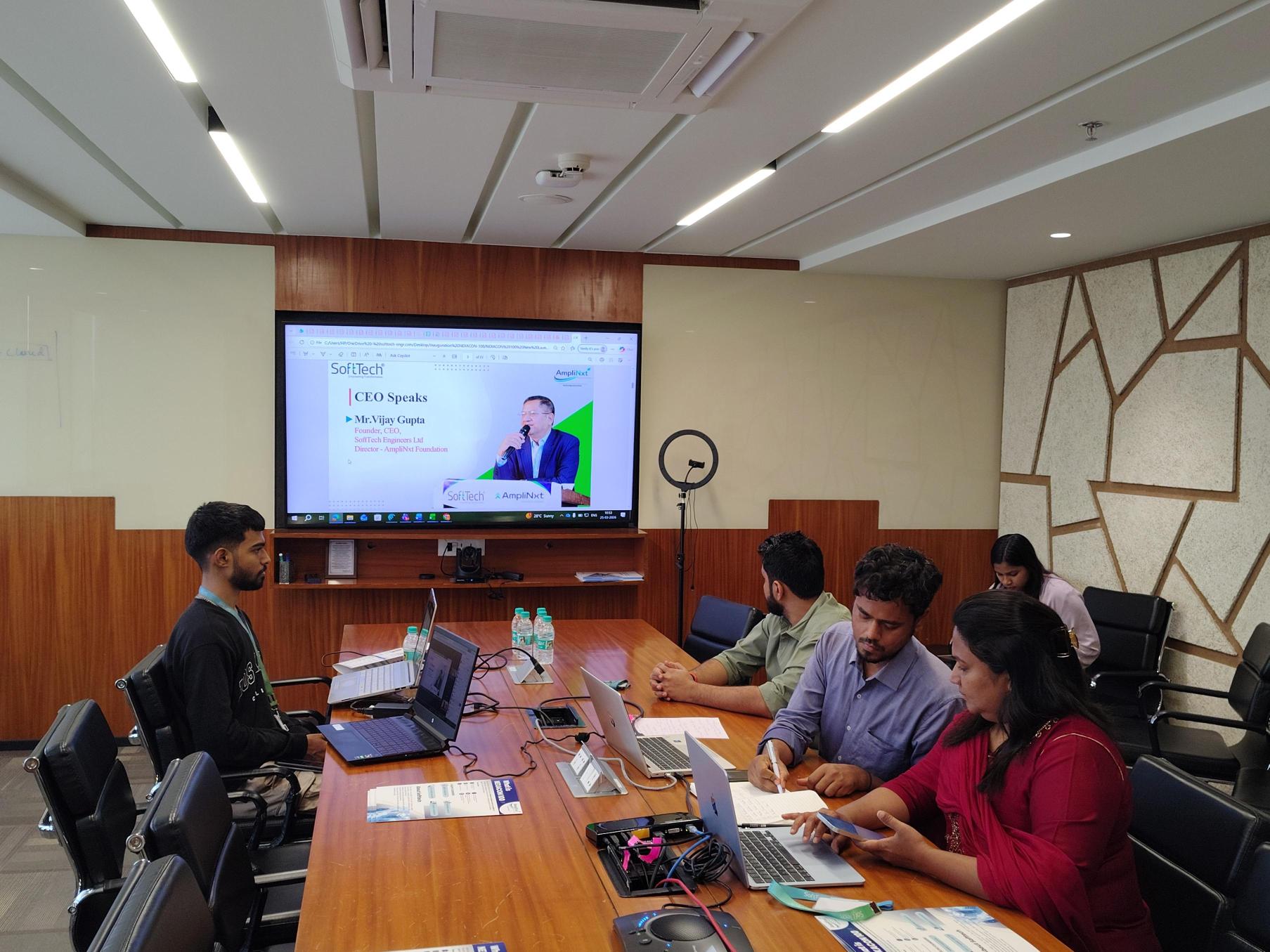
The inaugural cohort comprises 10 startups: Shegruh, PredictTec AI, Real Horizons, SafetyCloudAI, Prancevia, Propenize, SITEPACE.ai, Cobotiks, Vividobots, and BUILDINREALITY working across construction technology, infrastructure, artificial intelligence, and digital transformation. The programme is designed as an intensive 100-day journey centred on execution, market alignment, and scalable growth.
The launch was attended by Dr. Shrikant Patil, Chief Executive Officer of Maharashtra State Innovation Society (MSInS), Government of Maharashtra, as Special Guest.
Drawing on over three decades of experience in digitising the AEC ecosystem, SoftTech Engineers Ltd has played a pivotal role in enabling technology-led transformation across urban infrastructure. Building on this foundation, NEXACON 100 is positioned as a deployment-first accelerator, addressing a key gap where innovation often remains confined to pilots without achieving real-world scale.
Speaking at the launch, Vijay Gupta, Founder & CEO of SoftTech Engineers Ltd and Director at AmpliNxt Foundation, said,
“The AEC sector remains complex and deeply trust-driven. Startups need patience, strong ecosystem understanding, and a focus on solving real on-ground challenges. With AI shaping the future, bridging the gap between innovation and execution is more critical than ever.”
Dr. Shrikant Patil noted that India’s startup ecosystem is entering a phase of expanding opportunity, supported by initiatives such as CM Maha Funds and growing infrastructure development across Tier 1 and Tier 2 cities, enabling startups to scale faster and build impactful solutions.
Madhav Bhisa, Program Director at NASSCOM, highlighted the importance of market readiness in today’s ecosystem, noting that structured programmes play a crucial role in helping startups transition from innovation to real-world adoption, particularly as AI unlocks new possibilities across industries.
Jay Dhadhal, investor, emphasised that execution and clarity of market fit remain the defining factors for startup success, adding that programmes like NEXACON 100 are instrumental in building scalable and investment-ready businesses.
The launch also witnessed participation from leading investment partners, including Ankur Capital, Kalpataru, Y Point, MU Ventures, and Indian Angel Network, reflecting strong investor confidence and growing alignment between startups and capital in driving scalable innovation.
Closing the announcement, Varsharani Bhagatpatil, Head of AmpliNxt Foundation, said:
“The shift today is clear success is no longer defined by pilots, but by what scales on the ground. In AECO, innovation has often remained confined to PoCs with limited adoption pathways. NEXACON 100 is designed to enable startups that are ready for market integration and connect them with the right industry, government, and capital ecosystem to drive real impact.”
With a strong focus on areas such as construction technology, proptech, artificial intelligence, digital twins, and sustainability, NEXACON 100 aims to build a pipeline of startups capable of delivering practical, scalable, and industry-integrated solutions for the AECO ecosystem.
13, Apr 2026
Rupee Slides Sharply in Early Trade Amid Global Uncertainty
Mumbai, Apr 13 (BNP): The Indian rupee weakened significantly in early trading on Monday, falling by 49 paise to 93.32 against the US dollar, as global tensions and rising oil prices weighed heavily on the currency.
The decline comes amid renewed instability in West Asia, particularly after recent US–Iran talks failed to produce a clear outcome. Concerns over potential disruptions in the Strait of Hormuz—a crucial route for global oil shipments—have pushed crude oil prices higher, adding pressure on oil-importing countries like India.
At the same time, the US dollar remained strong, further dragging down the rupee. Market participants noted that foreign investors have been pulling funds out of Indian equities, intensifying the currency’s fall.
The combination of geopolitical uncertainty, elevated crude prices, and capital outflows has created a cautious mood in the currency markets, with traders closely monitoring global developments for further direction.
13, Apr 2026
Stocks Decline as Breakdown in US–Iran Talks Fuels Uncertainty
Mumbai, Apr 13 (BNP): India’s benchmark stock indices, the Sensex and Nifty, opened sharply lower on Monday, reflecting growing global anxiety after crucial talks between the United States and Iran ended without an agreement.
The failure of the high-stakes negotiations has raised fears that tensions between the two nations could escalate further, potentially leading to a prolonged period of instability. Investors reacted swiftly, pulling back from equities amid uncertainty.

One of the biggest concerns stemming from the stalled talks is the surge in crude oil prices. As geopolitical risks rise in the Middle East, oil markets tend to react strongly, and this time was no different. Higher oil prices are particularly worrying for countries like India, which rely heavily on imports, as they can fuel inflation and strain the economy.
The discussions, which reportedly stretched over 21 hours in Pakistan, were seen as a critical opportunity to ease hostilities. However, both sides have blamed each other for the breakdown, leaving the fragile two-week ceasefire hanging in the balance.
With no clear resolution in sight, market participants are expected to remain cautious in the coming days, closely watching global developments for any signs of progress or further escalation.


