


10, Apr 2026
Commerce Ministry Reviews Export Disruptions Amid West Asia Crisis
New Delhi, Apr 10 (BNP): The Commerce Ministry has held a series of high-level meetings with exporters and key stakeholders to address rising challenges in packaging, shipping, and port operations amid the ongoing geopolitical tensions in West Asia.
The meetings were chaired by Commerce Secretary Rajesh Agrawal and attended by Shipping Secretary Vijay Kumar, along with representatives from shipping lines, ports, Export Promotion Councils (EPCs), and commodity boards.
Officials said the discussions focused on disruptions in maritime trade following escalating tensions in the West Asia region, which have impacted vessel movement and shipping routes, especially on key international corridors.
Exporters flagged several concerns, including delays in shipments, logistical bottlenecks, and rising operational costs affecting overall export performance. Export Promotion Councils have been directed to submit detailed feedback on port-wise issues to enable targeted policy responses.
In a separate review, industry representatives highlighted a sharp rise in packaging material costs, driven by increased petrochemical prices. This has led to an estimated 50% surge in packaging costs over recent weeks, further squeezing export margins.
The ministry said it is actively monitoring the situation and engaging with stakeholders to ensure continuity in trade operations and minimise supply chain disruptions.

- 0
- By Neel Achary

10, Apr 2026
Emerging Startups Bring New Opportunities to Odisha’s Business Landscape
Odisha, located on India’s eastern coastline, has historically depended on agriculture, handloom weaving, and mineral-based industries for its economic stability. With fertile land and rich natural resources, agriculture especially rice and pulse cultivation has long supported a large share of the population.

In recent years, however, the state has been steadily shifting toward a more diversified and modern economy. Improved infrastructure, supportive policies, and growing entrepreneurial activity are reshaping Odisha into an emerging center for business innovation and industrial development.
Industrial Growth and Rising Entrepreneurship in Odisha
The state has made significant progress in expanding its industrial base. Government efforts to improve connectivity, simplify business regulations, and attract investment have played a major role in this transformation. Sports news Odisha is also gaining attention as improved infrastructure and growing media coverage highlight local talent and sporting achievements across the state.
New industrial clusters and development zones have encouraged the growth of manufacturing, information technology, tourism, and renewable energy sectors. This shift is gradually reducing reliance on traditional industries and creating new employment opportunities for the youth.
Alongside these changes, entrepreneurship and startups are becoming an important part of Odisha’s economic identity.
Growth of the Startup Culture
Over the past decade, Odisha has seen a noticeable rise in entrepreneurial activity. A key factor behind this growth is the structured support system created to encourage new businesses.
The startup environment is supported through:
- Incubation and innovation centers
- Early-stage financial assistance
- Training and mentorship programs
- Policy-driven incentives for new entrepreneurs
These initiatives have encouraged young professionals and graduates to explore entrepreneurship as a viable career option. As a result, cities like Bhubaneswar are emerging as growing hubs for innovation and new-age businesses.
Transforming Business Landscape of Odisha
Sectors Experiencing Startup-Driven Change
Technology and Digital Services
Startups in the technology sector are introducing digital solutions that help businesses operate more efficiently. From mobile applications to software platforms, these innovations are modernizing traditional systems and improving service delivery.
Agriculture and Rural Innovation
Agriculture-focused startups are bringing scientific methods into farming practices. Tools such as smart irrigation systems, drone monitoring, and data-based crop management are helping farmers increase productivity while reducing costs and environmental impact.
Healthcare Services
In the healthcare sector, startups are developing telemedicine platforms, online consultation systems, and affordable diagnostic tools. These innovations are improving access to healthcare, especially in rural and remote areas.
Tourism and Culture
Tourism-focused startups are promoting local heritage sites, cultural experiences, and eco-tourism. Digital marketing, virtual experiences, and personalized travel planning are helping attract more visitors and boosting local economies.
Government Role in Supporting Startups
The government has played a crucial role in shaping the startup ecosystem in Odisha. Through targeted policies and institutional support, it has created a favorable environment for innovation and business growth.
Key forms of support include:
- Dedicated startup policies and frameworks
- Financial assistance programs for new ventures
- Business incubation and accelerator support
- Networking opportunities with investors
- Participation in entrepreneurship events and competitions
These efforts have helped reduce barriers for new entrepreneurs and improved access to resources and funding.
Challenges in the Startup Ecosystem
Despite rapid progress, startups in Odisha continue to face certain challenges:
Limited access to funding: Early-stage startups often struggle to attract sufficient investment.
Infrastructure gaps: In some areas, connectivity and business facilities still need improvement.
Skill shortages: Many startups face difficulties in finding locally trained professionals with industry-specific skills.
Addressing these challenges will require collaboration between educational institutions, policymakers, and private investors.
Inspiring Startup Successes
Several startups from Odisha have demonstrated how innovation can create meaningful impact:
- A food-based venture promoting organic farming and supporting local farmers through sustainable practices
- A digital platform connecting traditional artisans with broader markets, helping preserve cultural heritage
- An education-focused startup offering skill development programs to improve employability among youth
These examples highlight how entrepreneurship in Odisha is not only generating income but also contributing to social development.
Role of Technology and Innovation
Technology has become a key driver of startup growth in Odisha. Many new businesses are using advanced tools such as artificial intelligence, Internet of Things, and data analytics to build efficient and scalable solutions.
Digital platforms are also enabling local entrepreneurs to reach wider markets, breaking geographical limitations and increasing competitiveness. This increasing reliance on technology is helping startups grow faster and operate more effectively.
Future Outlook
The future of startups in Odisha appears promising, with strong potential for expansion in areas such as renewable energy, artificial intelligence, agriculture technology, and digital commerce.
Growing collaboration between educational institutions, government bodies, and private investors is expected to strengthen the ecosystem further. Improved skill development programs and innovation-driven policies will also support the next generation of entrepreneurs.
With continued progress, Odisha has the potential to become a significant startup hub in India.
Conclusion
Odisha is undergoing a major economic transformation, moving from a resource-dependent economy toward a more innovation-driven and diversified system. The rise of startups is playing a central role in this change by creating jobs, encouraging creativity, and introducing modern solutions across industries.
Although challenges remain, the combined efforts of government support, technological advancement, and entrepreneurial enthusiasm are steadily shaping a strong and sustainable startup ecosystem in the state.
10, Apr 2026
Shipping Sector Boost: India’s Fleet Surpasses 14.2 Million GT
New Delhi: India’s national shipping fleet has crossed a major milestone, surpassing 14.2 million Gross Tonnage (GT) for the first time, supported by the addition of 92 new vessels during FY 2025–26.
Officials said the sharp expansion reflects a significant boost in the country’s maritime strength, with vessel additions recording a threefold increase in tonnage growth compared to previous periods.

Pic Credit: Pexel
The development is seen as a key step towards enhancing India’s presence in global shipping and reducing dependence on foreign fleets. It also aligns with the broader vision of Atmanirbhar Bharat, aimed at strengthening self-reliance in critical strategic sectors.
Experts note that the rising fleet capacity will improve cargo handling capability, support trade efficiency, and enhance India’s competitiveness in international maritime logistics.
With sustained investments and policy support, the shipping sector is expected to play an increasingly important role in driving trade growth and strengthening India’s blue economy ambitions.
10, Apr 2026
Priyanka Singh Promoted to EVP, Operations & CFO at Litera, Taking on Expanded Strategic Role as Litera Sees Ongoing Strong Growth
HOLMDEL, N.J. and CHICAGO – Apr. 10 – Litera, a leading legal AI platform provider that unifies the practice and business of law, announced the promotion of Priyanka Singh to Executive Vice President, Operations & Chief Financial Officer. Since joining Litera one year ago as CFO, Priyanka has expanded her impact beyond financial leadership, overseeing support and services, legal, and HR, and playing a central role in the company’s operational transformation. Her elevated title reflects the scope she has taken on, and the transformation she has led, helping reshape the company into a customer‑first organization and redefining how Litera partners with customers.

“From day one, Priyanka has shown a relentless drive to do right by our customers, and that commitment is showing up where it matters most,” said Avaneesh Marwaha, CEO of Litera. “What sets Priyanka apart is that she never stops at the balance sheet. She brings a CFO’s discipline to every corner of the business, and it’s her genuine care for our customers that has truly set the tone. Sentiment in the market is up, and Priyanka’s promotion reflects the direct impact her leadership has had on delivering the operational foundation behind our mission to pave the path for the future of law.”
Priyanka brings more than 20 years of experience in financial strategy, operations, and organizational transformation to her expanded role. Her background spans public and private companies focused on SaaS, mergers, and acquisitions at Togetherwork, Global Payments Inc., Heartland Payment Systems, and several verticals at General Electric. She is a Certified Public Accountant (CPA) and Chartered Accountant (CA).
During her first year at Litera, Priyanka has also been instrumental in the company’s return-to-office initiative, overseeing the opening of seven offices and building a culture of in-person collaboration that employees are choosing to embrace. That cultural shift reflects her broader leadership philosophy that strategy only works when it translates into concrete priorities at every level of the organization.
“Litera is at an exciting point in its growth,” said Priyanka Singh. “The opportunity in front of us to help law firms unify the practice and business of law through AI requires operational excellence and a dedication to customers that matches our technology ambition. I’m energized by what we’ve built in the past year, and even more so by what we’re positioned to build for the next decade on a foundation of 30 years of unmatched legal expertise along with our rapid pace of innovation.”
Litera’s pedigree of 30 years of legal expertise, combined with the AI capabilities embedded across its platform through Lito, its award-winning legal AI agent, positions the company as the only legal AI platform built to unify the practice and business of law. Priyanka’s expanded role strengthens the operational foundation to execute that vision.
10, Apr 2026
TCS Slips 3 pc as March Quarter Results Fail to Impress Investors
New Delhi,Apr 10 (BNP): Shares of India’s largest IT services company, Tata Consultancy Services (TCS) came under pressure on Friday, falling over 3% in early trade after its March quarter results failed to meet investor expectations.
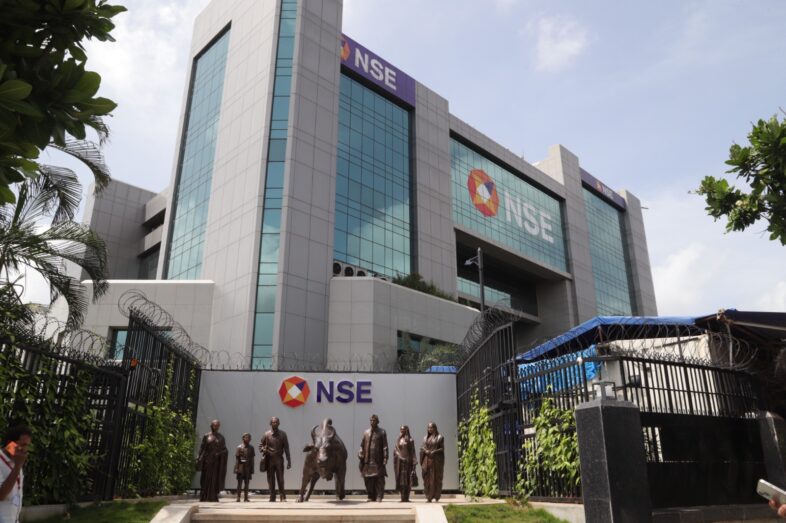
The stock declined by about 3.25% to ₹2,503.45 on the BSE, while on the NSE it slipped nearly 3.24% to ₹2,505, reflecting broad-based selling pressure following the earnings announcement.
Investor sentiment turned cautious as the results did not provide strong triggers for fresh buying, leading to profit booking in the heavyweight IT stock.
Market participants said the reaction indicates muted near-term expectations from the IT sector, which continues to face global demand uncertainties and margin pressures.
Despite the decline, analysts note that TCS remains a key benchmark stock for the Indian IT industry, and its performance is closely tracked for broader sector cues.
10, Apr 2026
Gold, Silver Edge Lower on MCX as Investors Book Profits
New Delhi, Apr 10 (BNP): Gold and silver prices edged lower on Friday in the domestic futures market, as investors booked profits and demand for safe-haven assets eased.
On the Multi Commodity Exchange (MCX), gold futures fell by around 0.5–1%, touching an intraday low of ₹1,52,561 per 10 grams. The yellow metal later recovered slightly but continued to trade weaker during the session.

Silver futures also came under pressure, declining about 0.7% to an intraday low of ₹2,42,067 per kilogram, compared to the previous close.
During the trading session, gold hit a high of ₹1,52,990 per 10 grams before slipping again, while silver also saw intraday volatility.
Market analysts said the decline was mainly driven by profit-taking at higher levels, along with a temporary reduction in safe-haven buying interest.
Despite the dip, traders continue to watch global cues and currency movements closely, which are likely to influence precious metal prices in the coming sessions.
10, Apr 2026
WhereWeGo Launches New Initiative, Inviting Industry to Help Shape Development of Workforce Tools
NEW ORLEANS, LA — April 9, 2026— WhereWeGo, a leading workforce technology company founded by former educators, today announced the launch of WhereWeGo Labs, a new initiative to build fast, free workforce tools around real problems workers and workforce organizations face every day.
The initiative responds to a growing gap in the workforce ecosystem: too often, tools are slow to build, expensive to maintain and ultimately underutilized after launch. The workforce field generates an enormous amount of research, reports and strategy documents, but relatively few lightweight tools that translate those ideas into practical use for workers. AI now makes it possible to build those tools much faster and cheaper. WhereWeGo Labs will launch new workforce tools every 30 days and is inviting workers, workforce practitioners, training providers and partners to suggest problems the team should tackle next.
“Everyone recognizes the need to fill jobs in high-growth industries like advanced manufacturing, yet most people would struggle to name even three of the roles in that field,” said Ben Ifshin, co-founder and CEO of WhereWeGo. “That is exactly the kind of gap WhereWeGo Labs is built to tackle. We’re launching fast, building in public, and inviting workers, practitioners, and partners to tell us what problems we should solve next.
Founded by two former public high school teachers, WhereWeGo has built digital platforms that have helped more than three million Americans explore careers, training programs and career pathways. The company’s work spans multiple regions and partners, with a focus on connecting workers, employers and training providers.
WhereWeGo Labs is built around two core goals: showing that useful workforce tools can now be built faster and more affordably, and tackling real problems faced by workers and workforce organizations whether or not they fit a traditional business case.
Initial tools currently in development, along with examples of the kinds of problems the WhereWeGo Labs initiative is designed to tackle, include:
- Training Program Navigation for Mississippi: Workers often struggle to find clear, trustworthy information about local training options. This tool helps people explore Mississippi training programs through a searchable, filterable experience built around the questions real workers are actually asking.
- Industry Clarity Score: Some industries have major opportunities, but from a worker’s perspective they can still feel opaque, fragmented or hard to enter. This tool evaluates how clear an industry is for workers by assessing barriers to entry, visibility into roles and pathways, and how easy it is to understand the steps needed to get started.
- “Am I Cooked?”: As AI reshapes the labor market, many workers have little clarity about whether their role is vulnerable or what to do next. This interactive tool helps individuals assess career risk and identify adjacent pathways using the latest research on AI-driven job displacement.
- Workforce Pell Eligibility Check: Many training providers and institutions are trying to understand whether their programs may qualify under emerging Workforce Pell guidelines. This tool helps them quickly assess eligibility questions in a policy environment that is still evolving.
- Can a Mom Actually Work Here: Many workplaces say they support families, but workers with caregiving responsibilities often face hidden barriers in practice. This tool helps organizations evaluate how supportive their workplace is and identify concrete ways to improve.
The launch of WhereWeGo Labs builds on the company’s broader approach: combining research, user data and real-world application to create light and easy-to-use tools that help to connect individuals with the right training and career pathways.
“When you build out in the open, you give your products a chance to evolve and get tangible feedback from real workers and practitioners,” said Leah Lykins, co-founder and chief product officer of WhereWeGo. “Our approach is to act fast, embrace imperfection and use real-world feedback to refine our tools. This means that we have a much greater chance of solving the problems that are real barriers for workers and those who try to serve them.”
The company’s latest report, informed by years of platform data, user behavior insights and work with workforce organizations across the country, highlights ongoing challenges in career navigation, training discovery and system complexity. WhereWeGo Labs extends that work by putting those insights into practice.
WhereWeGo invites workers, training providers, workforce organizations and other partners to explore the first WhereWeGo Labs tools and submit ideas for future builds. To learn more, visit labs.wherewego.org.
10, Apr 2026
BlueStone-backed Ethera launches ‘Akshaya Tritiya Edit,’ designed for life beyond the festival
BlueStone-backed Ethera, the lab-grown diamond jewellery brand, is marking this Akshaya Tritiya with a fresh perspective on festive buying, shifting the focus from one-day purchases to jewellery designed for everyday life. With its “Akshaya Tritiya Edit,” rooted in Ethera’s modern design language, the collection brings together pieces that are minimal yet expressive, meant to be worn across different occasions.

Ethera is working to shift the festive buying narrative in India, traditionally driven by ritual, where many consumers opt for gold coins as symbolic purchases, valued for investment but rarely worn. The brand positions jewellery as a more practical alternative, combining long-term value with everyday usability.
As consumer preferences evolve, Ethera has noticed a shift toward pieces that integrate into daily life. Rather than remaining stored away, jewellery is increasingly chosen for wearability and versatility. In this context, Ethera’s lightweight designs and lab-grown diamonds offer the same visual appeal as natural diamonds in formats suited to regular use, supporting the brand’s philosophy of “wear what you love every day.”
Spanning rings, earrings, pendants, and wristwear, the Akshaya Tritiya Edit features clean silhouettes, refined forms, and lightweight designs crafted for everyday styling. From solitaires to contemporary clusters, each piece can be layered, revisited, and lived in beyond a single occasion.
Commenting on the initiative, Nitesh Jain, Co-founder, Ethera, said:
“India’s jewellery sales crossed ₹12,000 crore during Akshaya Tritiya last year. Which is amazing, but what interests us is what happens after, the life a piece goes on to have. Does it stay locked away, or does it become part of your everyday? At Ethera, we design with that second life in mind. Jewellery should feel effortless to wear, because the real value of what you buy isn’t defined by the day you bought it, but by how often you choose to wear it after.”
Observed as one of the most auspicious days in the Hindu and Jain calendars, Akshaya Tritiya will be marked on Sunday, April 19, this year. The day is believed to bring enduring prosperity and good fortune, making it an ideal time for new beginnings and meaningful investments. Among its many traditions, buying jewellery, especially gold, continues to hold deep cultural significance as a symbol of wealth and security.
Building on this mindset, Ethera encourages consumers to explore fine jewellery that balances design with practicality. With lab-grown diamond pieces across accessible price points, including 9KT gold options, the brand makes it easier to choose jewellery that fits lifestyle and budget.
Adding a layer of personal expression, the collection offers customisation across gold purities, 9KT, 14KT, and 18KT, and finishes ranging from classic yellow to rose and subtle white gold. The result is jewellery that adapts to your mood, your style, and the many versions of you.
For the festive period, Ethera is offering up to 50% off on making charges and 20% off on diamonds, making it easier for customers to invest in pieces that hold value beyond the occasion.
As Ethera continues to strengthen its presence in everyday fine jewellery, this Akshaya Tritiya underlines its intent: jewellery isn’t for a day, it’s meant to be lived in, every day.
10, Apr 2026
Shaktikanta Das: Businesses Must Focus on Future Readiness
New Delhi, Apr 10 (BNP): At a time of “unprecedented volatility” in the global economy, Shaktikanta Das, Principal Secretary to the Prime Minister, has called on Indian industry to focus on safeguarding jobs, strengthening balance sheets, and making strategic investments to stay prepared for future challenges.
Speaking at the All-India Management Association National Leadership Conclave in New Delhi, where he was also conferred the Public Service Excellence Award, he delivered a keynote address titled “Turning Turbulence into Triumph: India’s Journey Through Crises.”
He said businesses must prioritise building organisational resilience, redesigning supply chains, and reducing overdependence on vulnerable networks. Companies—especially exporters—should also diversify into new markets and invest in skilling their workforce to improve adaptability.
“These measures are essential for ensuring long-term sustainability and enabling future growth for Indian industry,” he noted.
His remarks come amid rising geopolitical tensions in West Asia, which have begun affecting global supply chains and pushing up input costs for Indian manufacturers. Crude oil prices have also surged sharply, adding inflationary pressure on businesses.
Recent data from S&P Global shows that manufacturing input costs have risen at their fastest pace in nearly four years, while new orders have slowed to their weakest level since mid-2022.
Against this backdrop, he underlined the importance of energy security, self-reliance, and diversification as key pillars for sustaining India’s economic momentum in an uncertain global environment.
10, Apr 2026
Blue Star unveils a comprehensive new range of Unitary Cooling products to drive next phase of growth
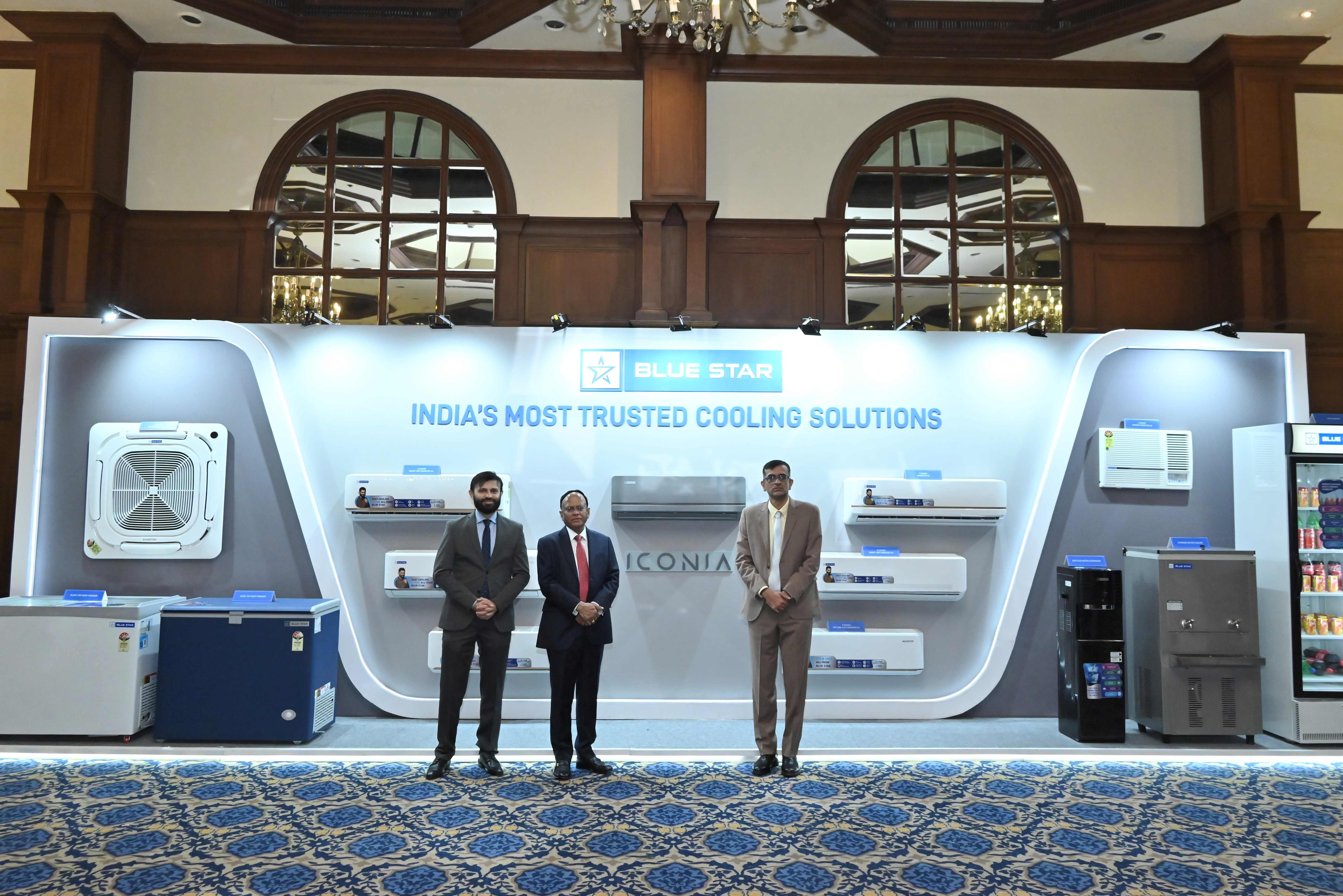
Apr 10: Blue Star Limited has announced the launch of its new range of Room Air Conditioners for Summer 2026, further strengthening the Company’s presence in India’s residential and commercial cooling segments. The comprehensive portfolio comprises 125 models of Room Air Conditioners, including a flagship premium range, catering to a wide spectrum of customer requirements and usage environments. All models comply with the new Bureau of Energy Efficiency (BEE) standards that came into effect on January 1, 2026. The expanded lineup has been strategically developed to address the growing demand for energy-efficient, high-performance cooling solutions across diverse applications.
India’s room AC industry is witnessing sustained structural growth, supported by rising affluence, rapid urbanisation, and increasing climate intensity. The category is projected to expand from approximately 14 million units to 30 million units by FY30, driven by strong first-time adoption in low-penetration markets as well as replacement demand in more mature urban centres. Tier 3, 4 and 5 markets are emerging as key growth engines, outpacing Tier 1 and 2 cities, albeit on a smaller base.
The comprehensive portfolio includes inverter, fixed-speed, and window air conditioners, catering to diverse customer segments across multiple price points. A key highlight is the launch of ‘Iconia’, a premium range in an elegant Midnight Silver finish, designed to appeal to discerning consumers.
The Company has launched a formidable range of flagship models, including ‘Super Energy-Efficient ACs’, ‘Heavy-Duty ACs’, ‘Hot & Cold ACs’ and ‘ACs with Anti-Virus Technology’.
Blue Star’s ‘Super Energy-Efficient ACs’ feature a unique Dynamic Drive Technology to achieve enhanced energy efficiency with optimised cooling by delivering high airflow volumes. As a result, the 1TR inverter split ACs achieve an ISEER of 6.25, making it 45% more energy efficient than a 3 star inverter AC.
The ‘Heavy-Duty ACs’ range is built with superior specifications and delivers exceptional cooling power and comfort, even in scorching heat of up to 56°C. Featuring a robust air throw of up to 55 feet, the ACs maintain full cooling capacity even at 43°C, ensuring optimal performance in extreme conditions.
The Company’s ‘Hot & Cold ACs’ are engineered to provide year-round comfort across diverse climates. Blue Star offers a specialised model that operates at ambient temperatures as low as -15°C, ideal for extreme winter markets like Srinagar, along with models designed to perform efficiently down to -5°C for regions experiencing harsh winters.
The range of ‘Anti-Virus Technology ACs’ enhances indoor air quality by filtering harmful microbes and particulate matter. These units can also operate in air purification mode, offering added protection, particularly during the winter season.
Nearly 50 models are Smart WiFi enabled, offering features such as AI-driven adaptive cooling, customised sleep modes, voice command technology and energy management features. The range also incorporates advanced multi-layer filtration systems to enhance indoor air quality, along with convertible cooling modes, self clean and defrost clean technology, DigiQ Octa Sensors, and Nano BluProtect technology for superior anti-corrosion protection.
The Company offers a lifetime warranty on the inverter compressor, a five-year warranty on PCBs, and attractive financing options to enhance affordability and accessibility.
Expanding Manufacturing Footprint
To support the growth of its Room Air Conditioners business, Blue Star has strengthened its manufacturing footprint across multiple facilities. The Company’s current production capacity is approximately 1.4 million units, scalable to 1.8 million units to meet rising demand. Blue Star operates a state-of-the-art plant at Sri City, Andhra Pradesh, along with two plants in Himachal Pradesh, all dedicated to room AC production. These facilities feature advanced automation technologies, including modern assembly lines and automated material handling systems, complemented by IoT integration and digitalisation initiatives to enhance efficiency, quality, and scalability.
Sustainable Technologies and R&D Infrastructure
Blue Star continues to strengthen its advanced R&D infrastructure, backed by accredited testing laboratories and dedicated product development facilities. The Company is integrating eco-friendly refrigerants and energy-efficient systems across its portfolio in line with evolving environmental standards. Through sustained investments in innovation, IoT integration, and digitalisation, Blue Star aims to deliver technologically advanced and environmentally responsible cooling solutions that meet the evolving needs of consumers.
Expanding Distribution and Service Network
Blue Star has established a strong pan-India presence, spanning 900 towns and retailing through more than 10000 outlets across the country. Its Gold Standard Service programme, supported by an extensive service network of over 2100 partners and robust digital platforms, ensures dependable after-sales support.
Comprehensive Range of Commercial Refrigeration Solutions
As part of the Unitary Cooling products portfolio, Blue Star also offers an extensive range of commercial refrigeration products designed to meet diverse industry requirements. The portfolio includes deep freezers, storage water coolers, bottled water dispensers, visi coolers and freezers, cold rooms, supermarket refrigeration systems, kitchen refrigeration equipment and healthcare refrigeration products such as ultra-low temperature freezers and vaccine transporters. Together, these solutions cater to a wide range of sectors, including Horticulture, Floriculture, Banana Ripening, Dairy, Ice Cream, Poultry, Processed Foods, Quick Service Restaurants, HoReCa, Sericulture, Marine, Pharmaceuticals, and Healthcare.
The commercial refrigeration business is witnessing strong structural momentum, driven by the growth in out-of-home consumption, expansion of food retail and quick commerce, and the increasing need for reliable temperature-controlled storage and logistics solutions. Rising disposable incomes, higher consumption of fresh and frozen foods, and the rapid expansion of modern trade and convenience formats are further supporting segment growth.
Future Prospects
Speaking to the press at a conference held in Kolkata, B Thiagarajan, Managing Director, Blue Star Limited, said, “India’s cooling demand is at an inflection point, supported by favourable demographics and structural shifts in consumption. Nearly 150 million households in India are expected to be able to afford air conditioners in the future, indicating significant headroom for penetration. The new range of Unitary Cooling products, including a comprehensive portfolio of commercial refrigeration solutions, further strengthens our ability to capitalise on the growing opportunities and expand our presence across both residential and commercial segments. By aligning our product strategy with key structural shifts, from first-time AC adoption to evolving refrigeration needs, Blue Star is well positioned to lead in the next phase of cooling demand.”
Place: Kolkata
Date: April 9th, 2026