


28, Sep 2026
Accor Appoints Vipin Khattar as Chief Commercial Officer, South Asia
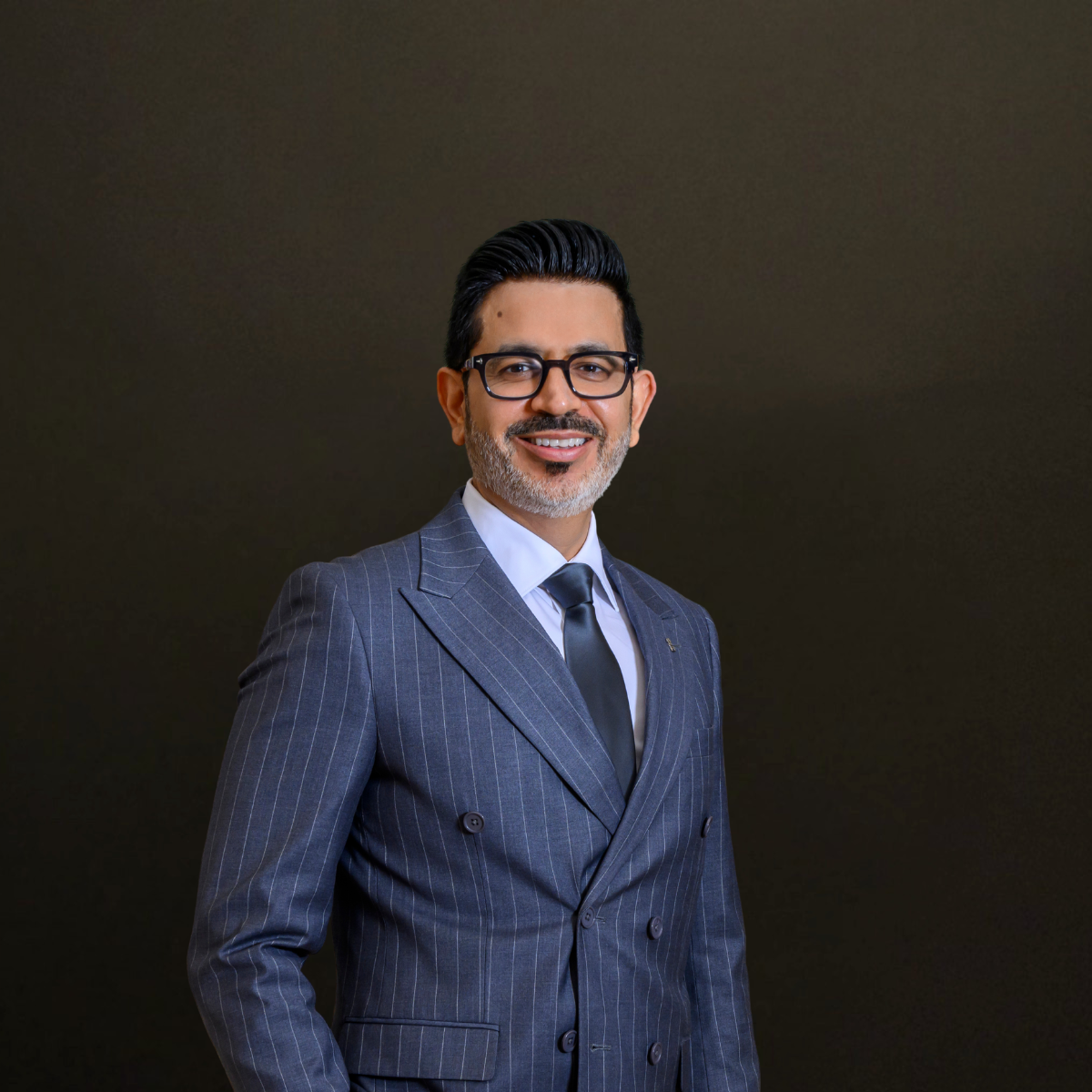
Sep 28: Accor, a world-leading hospitality group, has announced the appointment of Vipin Khattar as Chief Commercial Officer, South Asia. In this role, he will lead the Group’s commercial strategy across the region, overseeing sales, revenue management, marketing, digital distribution, loyalty, partnerships, and transformation initiatives.
Commenting on the appointment, Ranju Alex CEO, Accor South Asia, said: “We are delighted to welcome Vipin Khattar to Accor as Chief Commercial Officer, South Asia. His extensive experience across commercial strategy, sales and marketing, and hotel operations makes him a valuable addition to our leadership team. Vipin’s strategic vision, business acumen, and ability to align commercial opportunities with operational excellence will play an important role in strengthening Accor’s commercial platform across the region. As we continue to accelerate our growth ambitions, I am confident that under his leadership we will further enhance our brands, deepen key partnerships, and unlock new opportunities across markets and segments.”Commenting on his new role, Vipin Khattar, Chief Commercial Officer, South Asia, Accor, said: “I am excited to join Accor at such a dynamic phase of its growth journey in South Asia. The region presents tremendous opportunities, and I look forward to collaborating closely with our teams, hotel owners, and partners to strengthen commercial performance, elevate our brands, and drive sustainable growth across the market.”
- 0
- By Neel Achary

28, Sep 2026
New Livestock Insurance Portal to Strengthen Financial Protection for Farmers
Pic Credit: Pexel
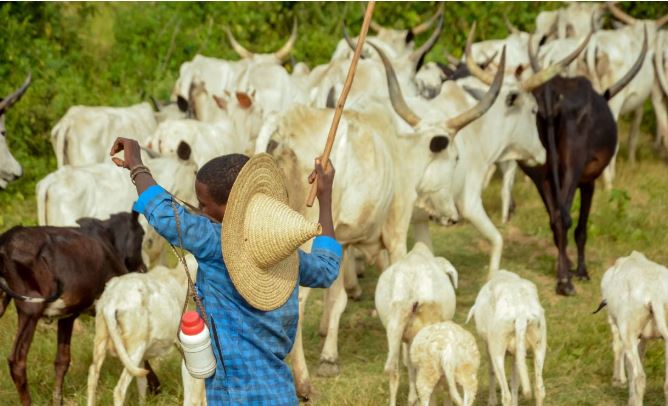
New Delhi, Sep 28: The Centre is set to launch a new Livestock Insurance Portal to make insurance services easier to access and manage for livestock farmers, while providing stronger financial protection against losses of insured animals.
Union Minister for Fisheries, Animal Husbandry and Dairying Rajiv Ranjan Singh will launch the portal in New Delhi. Developed by the Department of Animal Husbandry and Dairying, the digital platform is aimed at bringing livestock insurance services onto a single, transparent and technology-driven system.
The portal will bring key services such as policy registration, insurance issuance, claim processing, monitoring and reporting together on one platform. This is expected to simplify procedures, reduce paperwork and improve coordination among farmers, insurance agencies and government authorities.
Making Insurance Easier for Farmers
One of the key objectives of the initiative is to improve access to insurance, particularly for small and marginal farmers who depend heavily on livestock for household income.
The portal will be available in Hindi, English and 11 regional languages, making it easier for farmers to understand insurance provisions, access services and track their applications and claims.
For farmers, livestock insurance can provide an important financial safety net. The loss of cattle or other insured animals can significantly affect household income, particularly for families that depend on dairy farming and livestock-related activities. Faster and more transparent claim processing can help reduce the financial pressure caused by such losses.
Supporting Rural Livelihoods
Under the existing Livestock Insurance framework, beneficiaries contribute 15 per cent of the insurance premium, while the Centre and state governments jointly bear the remaining 85 per cent.
Subsidised insurance coverage is available for up to 10 cattle units per beneficiary household for most eligible animals, with separate limits for pigs and rabbits.
Government data shows that 60.8 lakh animals were insured during the latest five-year reference period, while ₹161.07 crore was released under the scheme.
The new digital platform is expected to make such support easier to administer and reach eligible beneficiaries more efficiently.
Greater Transparency in Claims
Another important objective is to improve the monitoring of insurance policies and claims. By shifting major processes to a common digital platform, the government expects to improve visibility over applications, policy status and claim settlements.
Real-time data can also help authorities identify delays, monitor implementation and take corrective action where necessary. Better data management could support more informed policymaking and improve the delivery of livestock-related programmes.
The government is also exploring the use of radio-frequency identification technology for animal identification. Such technology could help improve record-keeping and make verification during insurance claims more efficient.
Wider Economic Impact
The initiative could have an impact beyond insurance administration. Livestock is an important source of income for millions of rural households and contributes to India’s dairy, meat and other allied sectors.
Greater access to affordable insurance can reduce the financial risks associated with livestock ownership and provide farmers with greater confidence to maintain or expand their animal holdings.
A stronger insurance system can also support the broader rural economy by helping protect household incomes when livestock losses occur. This, in turn, can support spending on animal feed, veterinary services, dairy activities and other rural businesses linked to the livestock value chain.
For the government, the digital platform could improve institutional efficiency by bringing information and monitoring systems together. For farmers, the larger objective is simpler access to insurance, better information and a more transparent process for receiving support.
The launch of the Livestock Insurance Portal therefore marks a step towards technology-enabled risk protection for livestock farmers, with the potential to strengthen rural livelihoods while improving the efficiency and reach of government-supported insurance services.
28, Sep 2026
6,000 plus Bengalureans Come Together Ahead of World Heart Day to Support Surgery for 50 Underprivileged Children
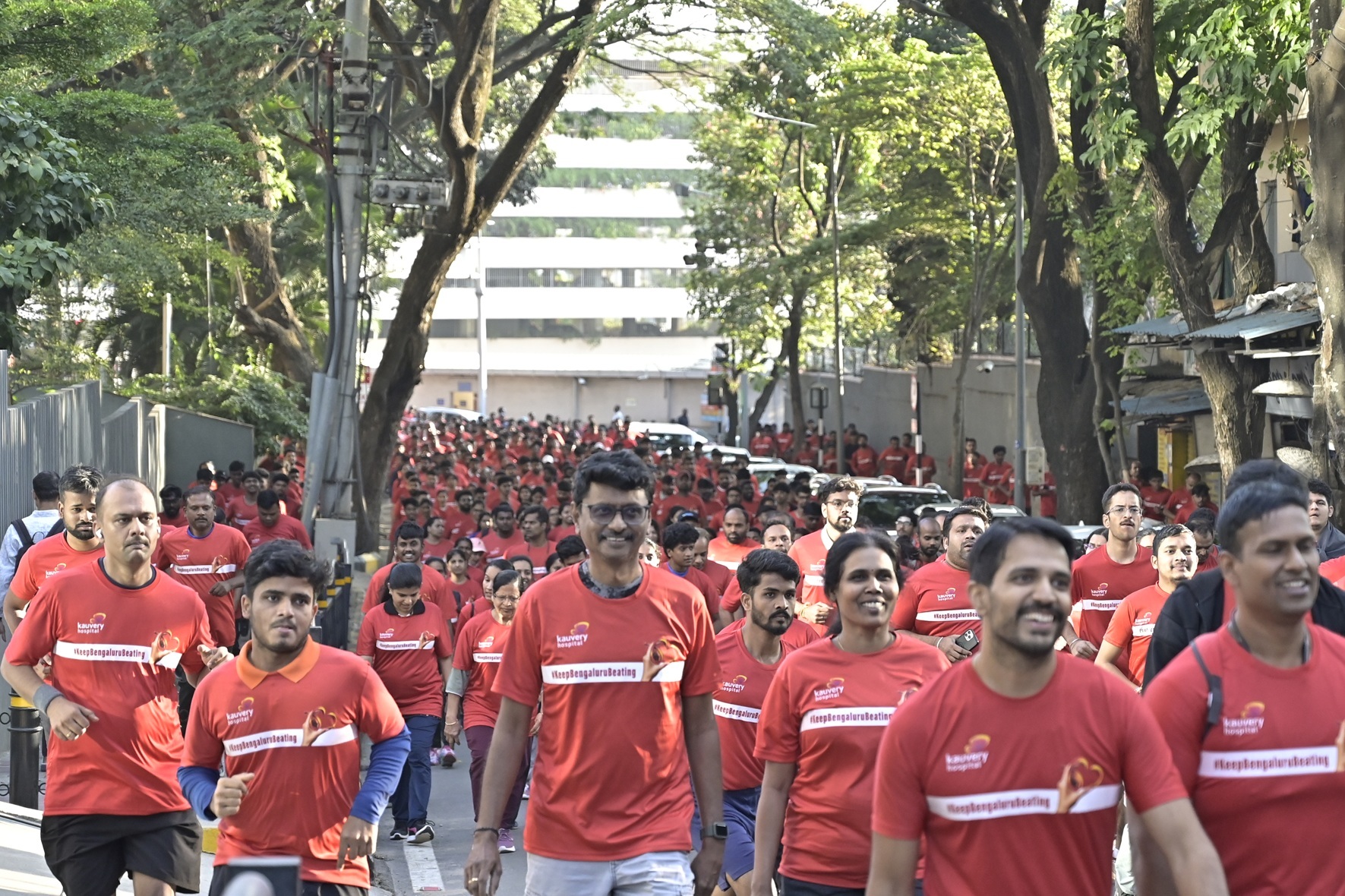
Bengaluru, September 28, 2026: More than 6,000 Bengalureans’ came together in Electronic City this morning to run, walk and cycle as part of the sixth edition of Kauvery BEATS, the annual community heart-health initiative of Kauvery Hospitals, Bengaluru. held ahead of World Heart Day on September 29.
The 5 km event brought together children, families, working professionals, recreational runners, cyclists and fitness enthusiasts, with participants encouraged to move at their own pace rather than compete for timings. In one of the morning’s most striking moments, participants came together to create a large human-heart formation, turning the gathering into a visual expression of collective responsibility towards heart health.
The event was flagged off in the presence of Dr B. Dinesh, Director and Professor of Cardiology, Sri Jayadeva Institute of Cardiovascular Sciences and Research, and Sri Narayana M, IPS, Deputy Commissioner of Police, Electronic City Division, Bengaluru.
Speaking at the event, Dr B. Dinesh said “Physical activity remains fundamental to cardiovascular health, but prevention cannot begin only when symptoms appear. People should also know their blood pressure, blood sugar and cholesterol, understand their family history and seek medical advice when risk factors are present. Community initiatives such as this help make heart health part of everyday conversation.”
The 2026 edition of BEATS focused on consistency in heart-healthy behaviour, encouraging people to stay physically active while also paying greater attention to cardiovascular risk factors.
Dr Vivek G, Director, Institute of Cardiology, Kauvery Hospitals, Electronic City, said “What makes this initiative meaningful is that it goes beyond bringing people together for a morning of fitness. Through Kauvery Sankalpa 2.0, the community also has an opportunity to support children who need specialised surgery but may not have the means to access it. Bringing together 6,000-plus people for heart health, while creating awareness and support for 50 children in need of surgery, shows how collective community action can make a meaningful difference.”
Moving for a larger purpose
This year, Kauvery BEATS also carried a larger social-impact message through Kauvery Sankalpa 2.0, an initiative aimed at enabling surgical care for 50 children from economically disadvantaged families in Karnataka. The programme aims to support 25 children requiring surgery for congenital heart conditions and 25 children requiring complex spine surgery, subject to clinical and socioeconomic eligibility.
Participants and supporters at BEATS were given the opportunity to make voluntary contributions towards the congenital-heart-surgery initiative, allowing the World Heart Day campaign to connect the message of heart health with the need for access to specialised cardiac care.
Six years of a growing community movement
Kauvery BEATS began in 2021 with around 600 participants and has grown steadily over six editions, crossing 1,200 participants in 2022, 2,800 in 2023, 3,500 in 2024 and more than 5,000 in 2025. Last year’s event similarly used mass participation and a human-heart formation to build awareness around cardiac health.
The 2026 campaign continues October 2 with Kauvery BEATS Circuit, a new functional-fitness format aimed at regular gym-goers, runners, cyclists and fitness enthusiasts. The format will combine short running intervals with functional exercises, extending the campaign’s message from community participation to fitness and cardiovascular-risk awareness.
28, Sep 2026
The Privacy Documents Attached to Just One Family’s Digital Day Can Take More Than 10 Workdays to Read – Longer Than the Complete Works of William Shakespeare

|
28, Sep 2026
Vedanta Plans Rs 1 Lakh Crore Investment in Odisha, Eyes Major Aluminium Expansion
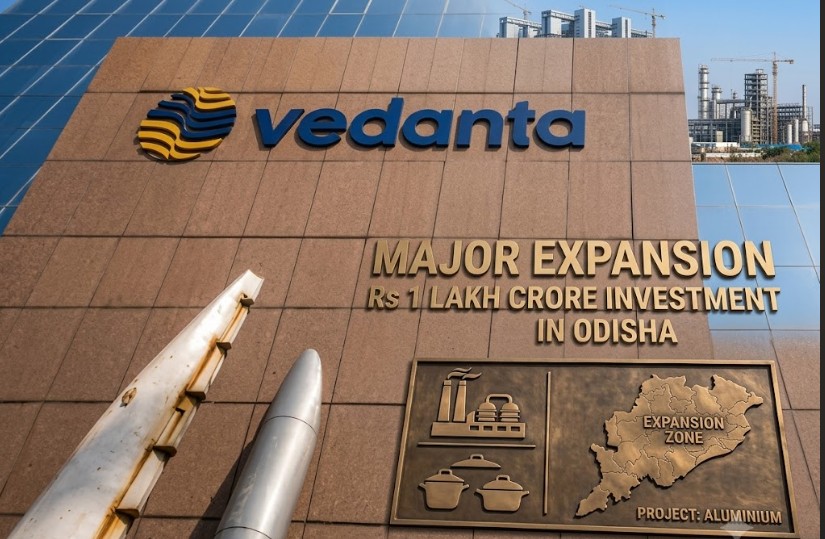
Bhubaneswar, Sept. 28 (UDN): Vedanta Group is planning to invest around Rs 1 lakh crore in Odisha over the next two-and-a-half to three years, with the proposed expansion covering aluminium, mining, refining and downstream manufacturing.
Representational Image
Vedanta Group Chairman Anil Agarwal announced the investment roadmap after meeting Odisha Chief Minister Mohan Charan Majhi on Saturday. The proposed projects, he said, would depend on timely land allocation and the necessary government approvals.
Major Expansion Planned in Jharsuguda
A key component of the proposed investment is an expansion of Vedanta’s aluminium operations in Jharsuguda.
The company is considering setting up a 2-million-tonne plant in the district. According to Agarwal, around 500 acres of land is being made available near Vedanta’s existing power facility for the proposed expansion.
The project could generate at least 50,000 direct and indirect employment opportunities, according to the company chairman.
Vedanta is also looking at expanding its operations across the aluminium value chain, including bauxite, refining and smelting.
Focus on Aluminium Downstream Industries
Agarwal also called for greater development of aluminium-based industries in Odisha, particularly among small and medium enterprises.
The proposed ecosystem could include manufacturers supplying components to sectors such as automobiles, aviation, railways and transportation. Vedanta plans to support such industries through supplies of aluminium and power, while giving priority to employment for people from Odisha.
New Refinery and Smelter Projects
The investment roadmap also includes a proposed refinery at Raigarh, along with new smelting and bauxite-linked projects.
The company is looking to expand its presence across the aluminium production chain, from raw material processing and refining to metal production and downstream applications.
Social Infrastructure Plans
Alongside industrial investments, Agarwal outlined plans for social infrastructure projects in Odisha.
These include a proposed large hospital for tribal communities, a digital university and a research hospital focused on medical research and the development of treatments for diseases including cancer.
The proposed investment programme is expected to further expand Vedanta’s industrial footprint in Odisha, subject to land availability, regulatory clearances and other approvals.
28, Sep 2026
FarmX Proposes Rs 1,000 Crore Agri-Tech Hub in Odisha, Plans Autonomous Tractor Manufacturing
Bhubaneswar, Sept. 28 (UDN): Silicon Valley-based technology company FarmX has proposed an investment of Rs 1,000 crore to establish an advanced agri-tech manufacturing and export hub in Odisha, with a focus on autonomous electric tractors, artificial intelligence, robotics and precision farming.
Pic Credit: x.com/KVSinghDeo1
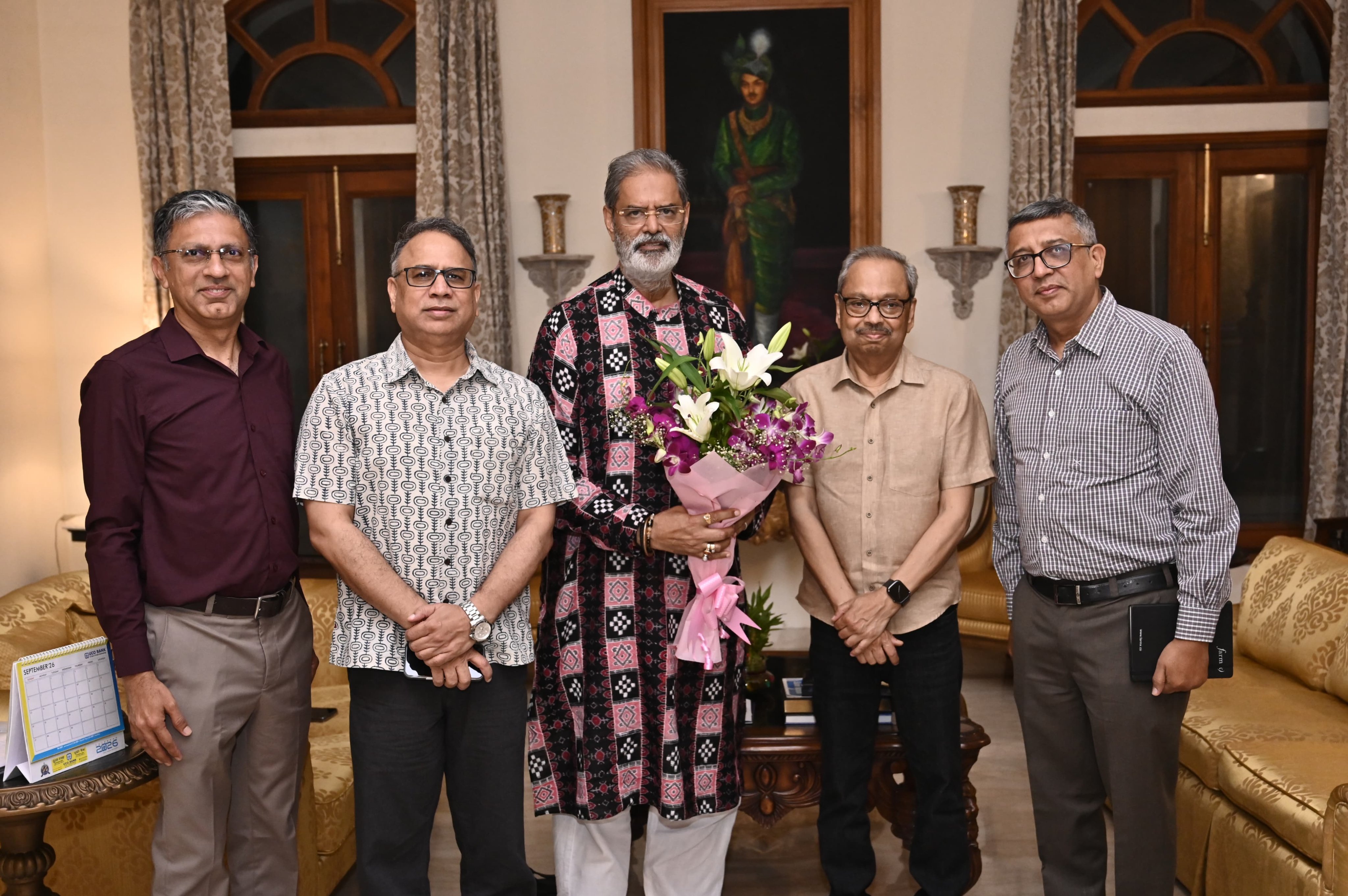
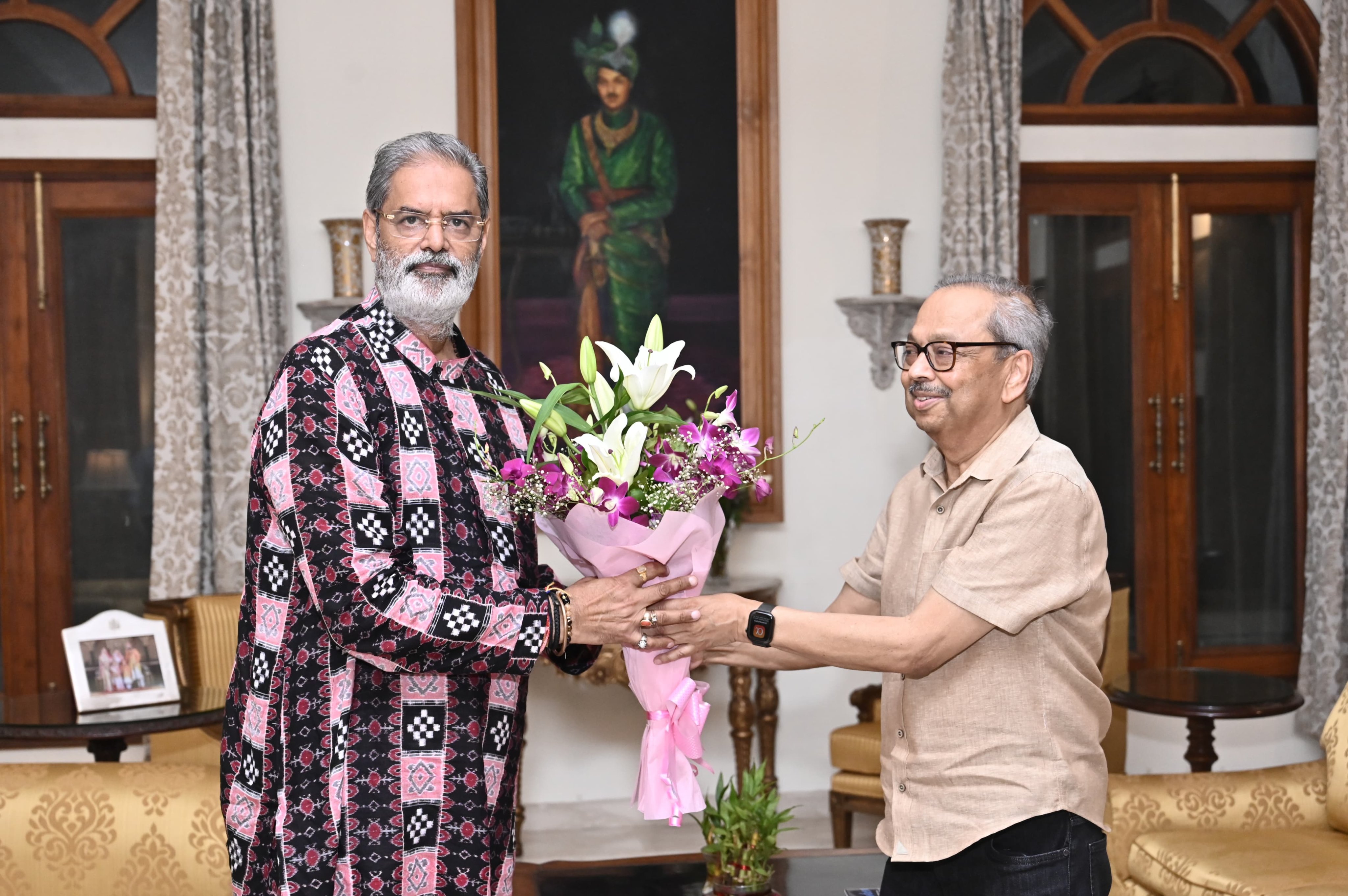
A FarmX delegation led by Chief Operating Officer Premal Ashar and Head of AI Lalit Bhatt met Odisha Deputy Chief Minister and Agriculture & Farmers’ Empowerment and Energy Minister Kanak Vardhan Singh Deo, along with Additional Chief Secretary, Electronics & Information Technology, Vishal Kumar Dev, on Saturday to discuss the proposed project.
Manufacturing Hub Planned
Under the proposal, FarmX plans to develop a state-of-the-art manufacturing campus in Odisha that could produce up to 1,000 autonomous electric tractors and 1 lakh field-sensing units annually.
The proposed facility is intended to cater to both Indian and overseas markets, positioning Odisha as a potential base for the company’s advanced agricultural technology operations.
The project is also expected to generate around 1,120 direct jobs and 3,700 indirect employment opportunities, with a significant focus on specialised technology and engineering roles.
Smart Farming Technology
Alongside manufacturing, FarmX has proposed a smart precision-farming initiative based on its FarmMap platform.
The open-architecture system combines satellite imagery, OSMO soil-moisture sensors and a regional-language mobile application in Odia to provide farmers with real-time information on field conditions.
The technology is designed to support more efficient irrigation and improve the use of fertilisers and pesticides by providing data-driven insights for farm management.
Odisha Focuses on Emerging Technologies
Singh Deo said Odisha is working to attract investment in emerging sectors such as artificial intelligence, semiconductors and electric mobility.
He highlighted the state’s efforts to promote advanced technologies, create high-skilled employment opportunities and support productivity improvements in agriculture.
The FarmX proposal is currently under consideration by the Odisha government. If approved, the project would seek to leverage the state’s industrial infrastructure and policy ecosystem while serving both domestic and international markets.
28, Sep 2026
NMDC Commissions INR 5,427-Crore Integrated Iron Ore Processing, Slurry Pipeline and Pellet Project in Chhattisgarh
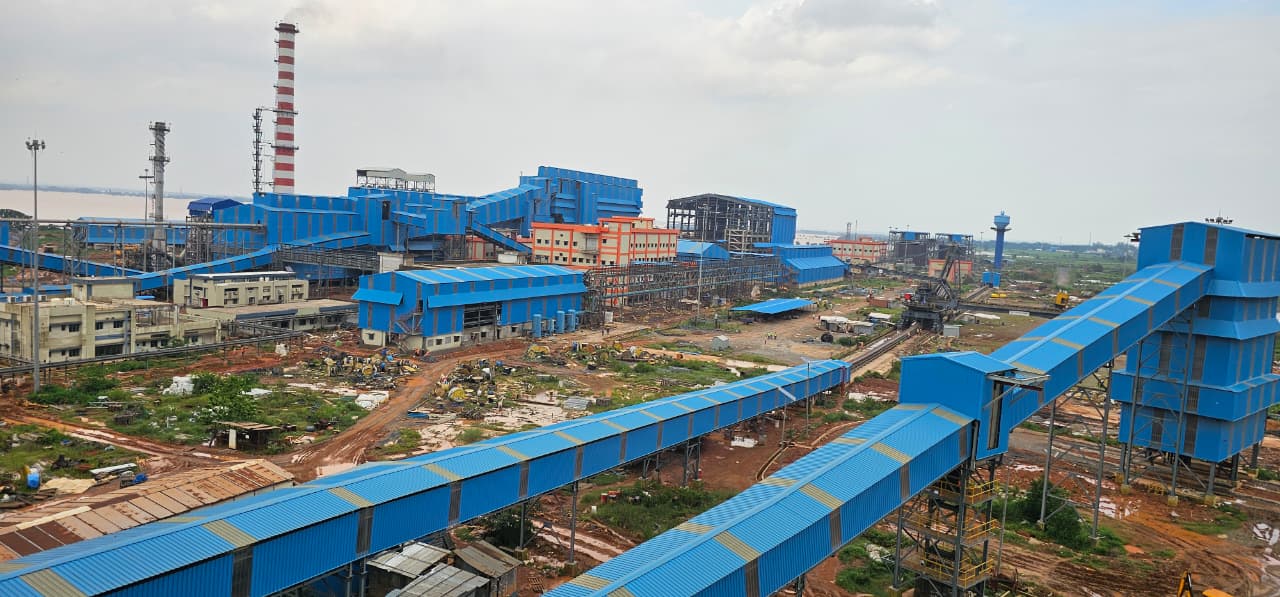
Bastar, Chhattisgarh, September 28, 2026: NMDC Ltd has commissioned its 2 million tonnes per annum (MTPA) pellet plant at Nagarnar, Chhattisgarh, marking a significant step in the company’s efforts to strengthen its presence across the iron ore value chain.
The pellet plant forms part of a ₹5,427-crore integrated project comprising an iron ore processing facility at Bacheli, a 15 MTPA slurry pipeline and the 2 MTPA pellet plant at Nagarnar. Together, the facilities establish an integrated system connecting NMDC’s iron ore mining operations at Bacheli with its steel plant at Nagarnar.
A key component of the project is the 135-km slurry pipeline, which transports processed iron ore concentrate from Bacheli to Nagarnar. The pipeline provides an alternative to road transportation and is designed to improve the efficiency of iron ore evacuation from NMDC’s mining operations.
The project will enable NMDC to make greater use of iron ore fines and slimes generated at its Bailadila mines. These materials can be processed into concentrate and subsequently converted into pellets, creating additional value from resources generated during mining and beneficiation.
The newly commissioned pellet plant uses Straight Grate Induration technology to produce iron ore pellets suitable for use in steelmaking. The addition of pellet production strengthens NMDC’s downstream capabilities and expands its portfolio beyond conventional iron ore mining and processing.
The maiden production from the pellet plant was monitored live from NMDC’s headquarters by Amitava Mukherjee, Chairman and Managing Director, NMDC Ltd, along with senior company leadership. Adverse weather conditions prevented the leadership team from travelling to the project site for the commissioning-related activities.
Speaking on the occasion, Mukherjee described the commissioning as an important milestone for the company. He noted that the project involved the execution of multiple major components, including the processing facilities, slurry pipeline and pellet plant.
The integrated infrastructure is expected to strengthen NMDC’s operational link between its Bacheli mining complex and Nagarnar steel plant, while providing greater flexibility in the movement and processing of iron ore.
The slurry pipeline passes through 61 villages in Bastar and Dantewada districts. Its commissioning is intended to reduce the dependence on road movement for processed ore, provide an alternative evacuation route and lower NMDC’s dependency on railway transportation.
The project also represents a move towards greater resource utilisation. By converting iron ore fines and slimes into concentrate and pellets, NMDC can increase the value recovered from its mineral resources while supporting the raw material requirements of the steelmaking ecosystem.
The commissioning comes as NMDC pursues a broader expansion and diversification strategy. The company has set a long-term objective of increasing its iron ore production capacity to 100 million tonnes annually, making investments in processing, transportation and value addition increasingly important to its growth plans.
With the new facilities operational, NMDC now has an integrated infrastructure chain covering iron ore mining, beneficiation, slurry transportation and pellet production. The project is expected to play a role in improving logistics efficiency and supporting the company’s long-term plans for capacity expansion and value-added iron ore products.
27, Sep 2026
Azerbaijani President Ilham Aliyev meets FIA President Mohammed Ben Sulayem as Baku celebrates a decade of racing
Discussions highlight Azerbaijan’s established place on the international motorsport calendar and opportunities for further collaboration with the FIA
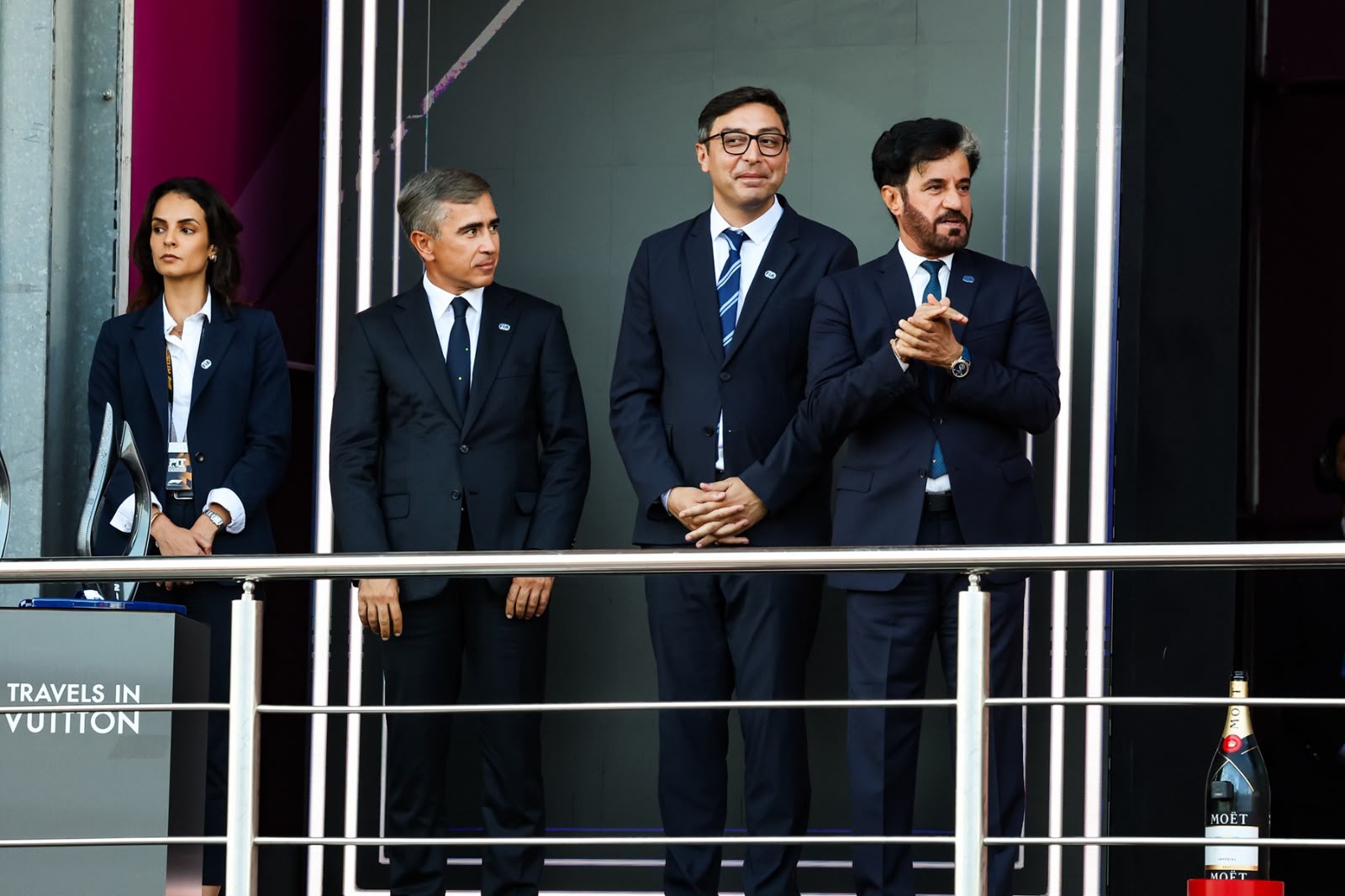
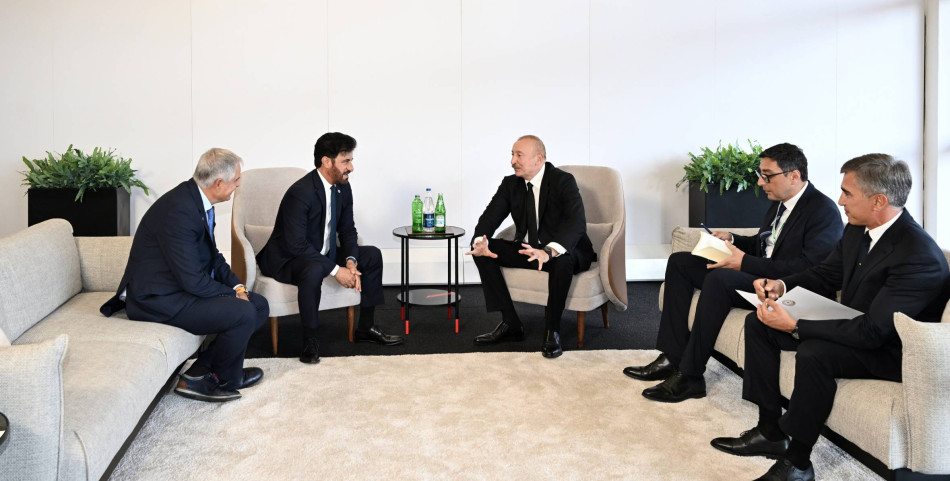
Dubai, UAE, 27th September 2026: Mohammed Ben Sulayem, President of the Fédération Internationale de l’Automobile (FIA), met with His Excellency Ilham Aliyev, President of the Republic of Azerbaijan, in Baku to discuss shared priorities across motorsport and mobility.

The meeting took place during yesterday’s Formula One Azerbaijan Grand Prix as Baku celebrated a decade of racing on its iconic streets. providing an opportunity to discuss Azerbaijan’s continued development as a major international sporting destination, its established position within global motorsport, and opportunities to strengthen cooperation between the country and the FIA.
Azerbaijan has become an important destination on the international sporting calendar, with Baku providing one of Formula 1’s most distinctive city-centre settings and attracting fans and visitors from around the world.
The Presidents also discussed the wider role of mobility in supporting economic growth and connectivity, as well as the importance of road safety and sustainable transport as Azerbaijan continues to invest in its infrastructure and international connectivity.
FIA President Mohammed Ben Sulayem said: “It was a pleasure to meet with His Excellency President Ilham Aliyev and discuss our shared ambitions for the continued development of motorsport and mobility in Azerbaijan.
“The success of Formula 1 in Baku demonstrates what can be achieved through long-term commitment, strong organisation and a clear vision for the role that major sporting events can play in bringing people together and showcasing a country to the world. My congratulations on a fantastic ten years of racing and I look forward to many more.
“Our discussions also extended beyond motorsport. As the global federation for mobility organisations, the FIA is committed to working with governments and our Member Clubs such as the Azerbaijan Automobile Federation to make mobility safer, more accessible and more sustainable. I look forward to continuing our collaboration with our partners in Azerbaijan across these important areas.”
President Ben Sulayem’s visit came as the FIA continues to strengthen its engagement across the region through its global network of Member Clubs and partners, including the Azerbaijan Automobile Federation and its President Anar Alakbarov.
The FIA has placed significant emphasis on growing motorsport participation and strengthening the pathway from grassroots competition to the highest levels of the sport, while using its global mobility network to advance road safety, sustainable mobility and accessibility.
Azerbaijan’s position at the crossroads of Europe and Asia, alongside continued investment in transport and infrastructure, provides opportunities for further collaboration across both pillars of the FIA’s work.
The meeting formed part of President Ben Sulayem’s programme in Azerbaijan, bringing together government, motorsport and mobility stakeholders to discuss opportunities to further develop the FIA’s activities in the country and wider region.
27, Sep 2026
Dubai records 335 sales of $10m+ homes in first eight months of 2026
New market analysis shows Palm Jumeirah still a prime location for high-end property investors
Dubai, UAE, 27th September; 2026: The Dubai real estate sector recorded 335 sales of homes valued at $10 million (AED36.7 million) and above in the first eight months of 2026, underling the city’s position as one of the world’s leading luxury residential markets.
An analysis of Dubai Land Department data by fäm Properties reveals that there were 206 high end villa sales transactions totalling AED11.7 billion between January and the end of August, and 129 luxury apartment sales amounting to AED8.67 billion.

Palm Jumeirah’s position as a prime residential location was again highlighted by sustained investor interest placing it among the top three areas for villa and apartment sales at $10 million + both in terms of volume and value.
The Palm Jumeirah luxury sales breakdown was 35 apartments (#1 by value) worth AED 2.18 billion (#2 by count) at an average of AED 62.2 million, and 28 villas (#3) at AED 1.85 billion (#3) at an average of AED 66.2M.
Firas Al Msaddi, CEO of fäm Properties, said: “There is still a great deal of money moving through the very top of Dubai’s property market, reinforcing the city’s position among the leading global investment hubs for high-net-worth individuals.
“More and more investors are making serious commitments because they regard Dubai as one of the most desirable places in the world to live, work and raise families, something which has also been highlighted by high volumes of new and renewed rental contracts in recent months.”
The leading area in terms of overall luxury villa sales volume and value was the master-planned residential community of Hadaeq Sheikh Moh’d Bin Rashid which recorded 48 transactions totalling AED2.77 billion at an average price of AED 57.8 million.
The most expensive apartment sold during the first eight months of the year was a 31,201 sq ft 6-bedroom unit at Aman Residences in Jumeirah Second which fetched AED 422 million.The most expensive villa was a 44,903 sq ft 7-bedroom property at La Mer in Jumeirah First which went for AED350 million.
TOP 5 AREAS FOR $10 MILLION-PLUS SALES BY OVERALL VALUE
Apartments
|
Area |
Transactions |
Total value |
Average price |
Rank by count |
|
Jumeirah Second |
31 |
AED 2.77B |
AED 89.6M |
2 |
|
Palm Jumeirah |
35 |
AED 2.18B |
AED 62.2M |
1 |
|
Jumeirah First |
16 |
AED 893.5M |
AED 55.8M |
3 |
|
Downtown Dubai |
14 |
AED 821.8M |
AED 58.7M |
4 |
|
Business Bay |
11 |
AED 694.2M |
AED 63.1M |
5 |
Villas
|
Area |
Transactions |
Total value |
Average price |
Rank bycount |
|
Hadaeq Sheikh Moh’d Bin Rashid |
48 |
AED 2.77B |
AED 57.8M |
1 |
|
Palm Jebel Ali |
43 |
AED 2.04B |
AED 47.5M |
2 |
|
Palm Jumeirah |
28 |
AED 1.85B |
AED 66.2M |
3 |
|
Emirates Living |
15 |
AED 1.08B |
AED 72.0M |
4 |
|
Wadi Al Safa 3 |
15 |
AED 766.4M |
AED 51.0M |
4 |
TOP 5 HIGHEST-VALUE TRANSACTIONS
Apartments
|
Price |
Beds |
Size sq ft |
Price sq ft |
Sale type |
Area, Master Project |
Project |
|
AED 422.0M |
6 |
31,201 |
AED 13,525 |
Off-plan |
Jumeirah Second |
Aman Residences |
|
AED 356.2M |
6 |
31,201 |
AED 11,417 |
Off-plan |
Jumeirah Second |
Aman Residences |
|
AED 225.9M |
6 |
31,387 |
AED 7,199 |
Off-plan |
Palm Jumeirah |
The Alba Residences |
|
AED 210.0M |
5 |
21,812 |
AED 9,628 |
Off-plan |
Jumeirah Second |
Peninsula Dubai Residences |
|
AED 200.0M |
5 |
20,418 |
AED 9,795 |
Off-plan |
Business Bay |
Bugatti Residences By Binghatti |
Villas
|
Price |
Beds |
Size sq ft |
Price sq ft |
Sale type |
Area, Master Project |
Project |
|
AED 350.0M |
7 |
44,903 |
AED 12,986 |
Off-plan |
Jumeirah First, La Mer |
|
|
AED 145.0M |
6 |
18,844 |
AED 20,714 |
Resale |
Palm Jumeirah |
Signature Villas |
|
AED 134.0M |
9 |
31,527 |
AED 3,858 |
Resale |
Emirates Living,Emirates Hills |
|
|
AED 115.0M |
6 |
18,303 |
AED 7,390 |
Resale |
Palm Jumeirah |
Eome |
|
AED 110.0M |
5 |
16,336 |
AED 15,714 |
Resale |
Palm Jumeirah |
Signature Villas |
26, Sep 2026
Tvs Motor Company, She For Society And Taliru Foundation Join Hands To Empower Women Auto Drivers In Bengaluru
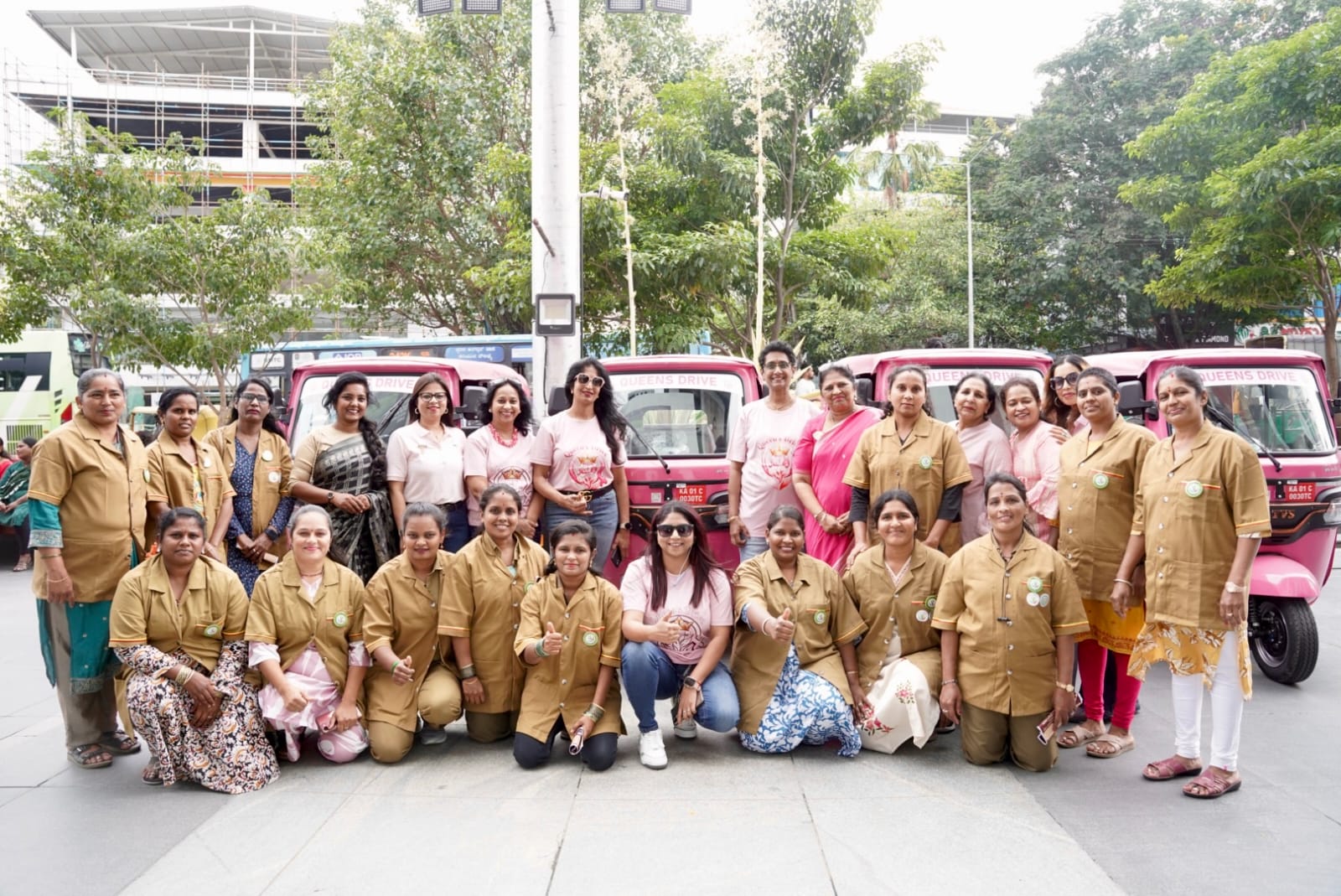
Bengaluru, September 26, 2026: TVS Motor Company, part of TVS VENU, is a leading global manufacturer of two and three-wheelers, today joined hands with She for Society (Women Biker NGO & Club), and Taliru Foundation to support women’s economic empowerment through the official launch of 16 pink electric autos in Bengaluru. The initiative, titled “Building Queens from the Grassroots,” aims to strengthen livelihood opportunities for women auto drivers in Bengaluru.
16 pink electric autos are being delivered to women beneficiaries identified by Taliru Foundation, marking the first phase of a planned scale-up to 100 vehicles. The initiative seeks to support more women in establishing sustainable livelihoods and participating in the commercial mobility ecosystem. The initiative has been backed by financial support from women’s organisations across India, reflecting a collaborative commitment towards enabling women’s financial independence and mobility.
Through this partnership, TVS Motor Company, She for Society, and Taliru Foundation seek to create pathways for women to participate in the commercial mobility ecosystem, supporting entrepreneurship, income generation, and greater economic participation.
The launch event was graced by Smt. Aishwarya Mahadev, Vice Chairman, Karnataka Road Development Ltd., KPCC Social Media President, and AICC Spokesperson. The initiative marks TVS Motor Company‘s large-scale Pink Auto project and represents the first phase of a broader programme aimed at enabling more women to build sustainable livelihoods through commercial mobility.
Commenting on the initiative, Rajat Gupta, Business Head, Commercial Mobility, TVS Motor Company, said, “At TVS Motor Company, we believe mobility can play a meaningful role in creating opportunities and strengthening livelihoods. Our collaboration with She for Society and Taliru Foundation reflects our commitment to enabling inclusive and sustainable commercial mobility. The Pink Auto initiative is a significant step towards supporting women entrepreneurs and helping them build greater economic independence. We are proud to contribute to an initiative that brings together mobility, community support, and social impact.”
Speaking on the initiative, Harshini, She For Society, said, “Queens Drive is our endeavour to build queens from the grassroots by enabling women to become financially independent through mobility. With the support of women’s organisations across India and our collaboration with Taliru Foundation and TVS Motor Company, we aim to create sustainable opportunities for women auto drivers. These 16 pink electric autos mark the beginning of a larger movement that we hope will empower 100 women and inspire communities across the country.”
Chitra from Taliru Foundation, said, “Through this initiative, we are working towards creating meaningful livelihood opportunities for women who aspire to become independent earners. The delivery of these 16 pink autos is an important milestone for our beneficiaries, and we are grateful to She for Society, TVS Motor Company, and the supporting women’s organisations for helping turn this vision into reality.”
The initiative underscores the importance of partnerships between mobility companies, social organisations, and communities in enabling inclusive economic growth and supporting women’s participation in India’s evolving commercial mobility landscape.


