


16, Mar 2026
Sheraton Hyderabad Brings Karaikudi’s Boldest Table to the City
Hyderabad, Mar 16 This March, Sheraton Hyderabad is turning up the heat, quite literally. Feast, the hotel’s all-day dining restaurant, will host the Karaikudi Food Festival from March 18 – 22, 2026, bringing one of India’s most distinctive and least-diluted regional cuisines to the heart of the city. At the helm is Chef Athi Lakshmi, a home chef from Madurai whose cooking is as rooted in tradition as the recipes themselves.
There are few cuisines in India as unapologetically bold and layered as the food from Karaikudi. Nestled in the Sivaganga district of Tamil Nadu, Karaikudi is the cultural heart of the Chettiar community, a merchant clan historically known for their trade routes, grand mansions, and, above all, their extraordinary food. Chettinad cooking is defined by a generous hand with freshly ground spices like kalpasi (black stone flower), marathi mokku (dried flower pods), star anise, pepper, and sesame oil, many of which are native to the region and rarely found in other Indian cuisines. The result is food that is deeply aromatic, layered in heat and fragrance and unlike anything that can be replicated with shortcuts.

Chef Athi Lakshmi carries that philosophy into everything she cooks. Deeply rooted in the culinary traditions of South Tamil Nadu, she has spent years mastering the bold gravies, hand-pounded masalas, and slow-cooked preparations that define this cuisine. For her, cooking is not just about feeding people.
“For me, food has never been just nourishment. Every dish I cook is a celebration of culture, of tradition, of love. I want every plate at Hyderabad to carry that same authenticity and pride,” says Chef Athi Lakshmi.
At Feast, guests can expect a spread that does full justice to the Karaikudi table: Chettinad Chicken, Karaikudi Mutton Chops, Kola Urundai, Pepper Crab, Kuzhi Paniyaram, Vazhai Poo Vadai, and a traditional Chettinad Vegetable Curry served alongside rice and dosa. The restaurant will be dressed in a Karaikudi-themed setup with think textures, colours, and details that draw from the region’s visual identity, making the experience as atmospheric as it is delicious.
For a cuisine that has quietly influenced Indian cooking for centuries without ever quite getting the spotlight it deserves, this festival is a long overdue moment. Hyderabad, a city that takes its food seriously, is perhaps the perfect stage for it.

- 0
- By Neel Achary

15, Mar 2026
PM Mudra Yojana Offers Collateral-Free Loans up to Rs.20 Lakh to Small Entrepreneurs
New Delhi: The Pradhan Mantri Mudra Yojana (PMMY), launched in 2015 to support small businesses and entrepreneurs, provides collateral-free loans of up to ₹20 lakh through banks and financial institutions, the government informed Parliament.
According to information provided by the Department of Financial Services (DFS), the scheme was launched on April 8, 2015, to extend credit support to small enterprises engaged in manufacturing, trading, services and agriculture-allied activities. Loans under the scheme are provided by Member Lending Institutions, including Scheduled Commercial Banks, Non-Banking Financial Companies and Micro Finance Institutions.
Individuals with viable business plans for small enterprises are eligible to apply for loans under the scheme. The loans are categorised into four segments based on the amount required.
Under the Shishu category, loans of up to ₹50,000 are provided, while the Kishor category covers loans above ₹50,000 and up to ₹5 lakh. The Tarun category offers loans above ₹5 lakh and up to ₹10 lakh.
To encourage successful borrowers, the government introduced a new category called Tarun Plus from October 24, 2024. Under this category, entrepreneurs who have successfully repaid their earlier loans under the Tarun category can avail collateral-free loans ranging from ₹10 lakh to ₹20 lakh.
The scheme has played an important role in supporting small businesses, traditional enterprises, handicrafts and agriculture-allied activities. It has also helped women entrepreneurs who often face challenges in accessing credit due to lack of collateral or credit history.
To simplify the loan application process and ensure timely disbursal, the government has also launched digital platforms such as the Jan Samarth portal, which integrates multiple credit-linked schemes and enables applicants to apply for loans through a self-service or assisted process.
This information was provided by Minister of State for Micro, Small and Medium Enterprises Shobha Karandlaje in a written reply in the Lok Sabha on March 12, 2026.
15, Mar 2026
MSME Ministry Completes 364 MSE-CDP Projects; SFURTI Scheme Strengthens Traditional Industry Clusters
New Delhi: The Ministry of Micro, Small and Medium Enterprises (MSME) has completed 364 projects under the Micro and Small Enterprises–Cluster Development Programme (MSE-CDP), aimed at enhancing productivity and competitiveness of micro and small enterprises across the country.
The MSE-CDP scheme focuses on establishing Common Facility Centres (CFCs) and creating or upgrading infrastructure facilities in existing industrial clusters. These initiatives provide financial support to improve technology access, production capacity and overall efficiency of micro and small enterprises.
Since the inception of the scheme, a total of 606 projects have been approved by the Ministry. Of these, 364 projects have been completed while 242 projects are currently under implementation.
Meanwhile, the Scheme of Fund for Regeneration of Traditional Industries (SFURTI) has also made significant progress in promoting cluster-based development and strengthening traditional industries.
According to the Ministry, 513 clusters have been approved across the country since 2015-16 under the SFURTI scheme, with a total committed assistance of ₹1,332.95 crore from the Government of India. These clusters are expected to benefit around 3.03 lakh traditional artisans engaged in sectors such as handicrafts, handloom, agro-processing, coir, honey and other related activities.
Out of the total clusters approved, 378 clusters are currently functional, while 135 clusters are at different stages of implementation.
Officials said the initiative has contributed to infrastructure development, skill enhancement, value addition and improved market linkages for traditional artisans at the grassroots level.
The schemes are part of the government’s broader efforts to promote rural entrepreneurship, strengthen traditional industries and generate sustainable livelihoods for artisans across the country.
15, Mar 2026
Union Minister of Coal and Mines G. Kishan Reddy Inaugurates Key Projects, Reviews Operations at WCL
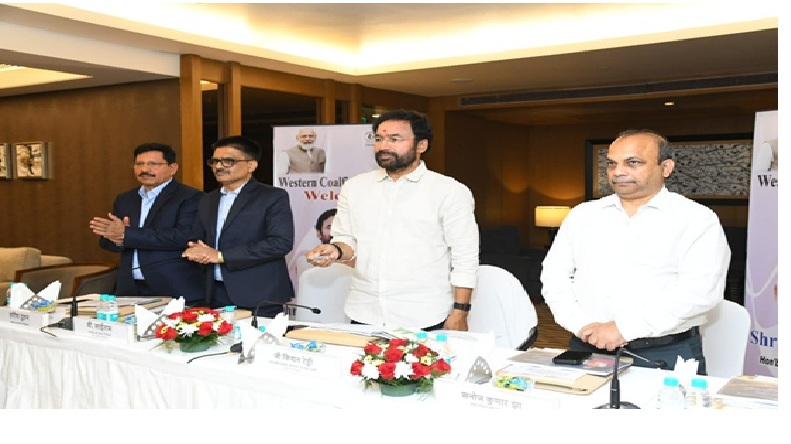
Nagpur: Union Minister of Coal and Mines G. Kishan Reddy, currently on a two-day visit to Western Coalfields Limited (WCL), virtually inaugurated and laid the foundation stone for several infrastructure and development projects while reviewing the company’s operational performance.
During the programme on Friday, the Minister virtually flagged off 25 electric vehicles aimed at supporting cleaner and more efficient operations within the organisation. He also laid the foundation stones for three major projects: the Black Diamond Sports Stadium in the Kamptee area of Nagpur, the Swami Vivekananda Eco Park in Tadali in Wani area, and a First Mile Connectivity (FMC) Project at the Sasti Open Cast Mine in the Ballarpur area.
The projects are expected to strengthen regional infrastructure, promote environmental sustainability, and modernise coal mining operations.
Following the inauguration, the Union Minister conducted a detailed review meeting on WCL’s performance, focusing on coal production, safety measures, sustainable development initiatives, environmental protection, and upcoming projects.
Praising the work culture and performance of the organisation, Reddy commended Team WCL for its achievements and expressed confidence that the company would deliver even stronger results in the current financial year. He also discussed WCL’s role in the evolving landscape of the coal industry.
During the meeting, WCL Chairman-cum-Managing Director Harish Duhan presented a detailed overview of the company’s achievements during the financial year 2025–26.
Senior officials present at the meeting included Sanoj Kumar Jha, Additional Secretary in the Ministry of Coal, B. Sairam, Chairman of Coal India Limited, along with other senior officers from the Ministry of Coal, Coal India Limited, and WCL.
As part of his visit, the Union Minister will also inspect the ongoing mine closure process at the Murpar underground mine on March 14, 2026. He is scheduled to hold a meeting with the District Collector and members of the Mine Closure Advisory Committee (MCAC).
Representatives from WCL’s Mine Closure team, non-governmental organisations, consultants, and members of local villages are expected to participate in the meeting to discuss issues related to mine closure and rehabilitation.
15, Mar 2026
Helios Luxe brings German watchmaker Alexander Shorokhoff in exclusive strategic partnership; taps 46% surge in accessible luxury
Chandigarh, March 15 – Helios Luxe by Titan Company Ltd. continues to consolidate its leadership in India’s accessible luxury watch segment, riding on the wave of a 46% growth in the category. Strengthening its strategic focus on curated global partnerships, Helios Luxe has announced its exclusive association with Alexander Shorokhoff, the German independent watchmaker celebrated for its limited-edition timepieces that place avante garde art at the heart of fine mechanical craftsmanship. This launch reinforces Helios Luxe’s commitment to expanding its accessible luxury portfolio with distinctive international maisons that cater to India’s increasingly discerning and culturally attuned luxury consumer. With this addition, the brand anticipates sustained momentum in the accessible luxury segment in the upcoming fiscal year.

With 5 exclusive and 7 other international brands introduced to India over the past 18 months, Helios Luxe has emerged as a strategic gateway for global watchmakers seeking a meaningful entry into the country. By offering a platform that allows each maison to present its identity with authenticity, Helios Luxe continues to drive higher-value retail, deepen collector engagement and expand access to differentiated mechanical watchmaking.
In this context, the arrival of Alexander Shorokhoff aligns seamlessly with this vision, as the brand, guided by Alexander Shorokhov’s philosophy of “Art on the Wrist”, approaches watchmaking as a form of cultural expression, blending German engineering precision with bold artistic interpretation. Among the highlights of the collection is the Kandy Avantgarde 2, inspired by the abstract works of Wassily Kandinsky and limited to 100 pieces worldwide, featuring a bold geometric dial and vivid colour palette that reflect the maison’s artistic identity. This forms a part of Helios Luxe’s curated offering of rare, individually numbered mechanical timepieces for discerning collectors.

Speaking on the launch, Mr. Rahul Shukla, VP & CSMO, Watches Division, Titan Company Limited, said, “The Indian luxury consumer today is increasingly drawn to brands with a strong narrative and clear creative identity. We are responding to this shift by deepening our portfolio of independent watchmakers while enhancing our after sales service standards. Alexander Shorokhoff embodies a story-led approach to fine watchmaking, and its entry into India reflects our commitment to curating culturally rooted, thoughtfully crafted, global maisons through Helios Luxe. Encouraged by the increasing traction for independent brands, we intend to deepen market reach by establishing 45 Helios Luxe boutiques across metros and select Tier 1 cities in the coming fiscal.”
Mr. Alexander Shorokhov, CEO of Alexander Shorokhoff Uhrenmanufaktur GmbH said, “India represents an exciting new chapter for us. We produce in very limited, numbered editions, and presenting these rare pieces to a vast and evolving luxury market like India is both exciting and meaningful. With Helios Luxe, we are introducing our manufactory to a country that deeply values culture, individuality and mechanical depth. We look forward to engaging with Indian collectors who appreciate rarity, strong narratives and a distinctive design language in the timepieces they choose to own.”
The India launch of Alexander Shorokhoff introduces a curated portfolio of 16 limited-edition timepieces spanning avant-garde, vintage-inspired and complication-led creations, including the Kandy Avantgarde 2, Winter, Sixtythree, Neva Brown, Neva Chrono, Full Calendar Cadamomo, Shar, Swan Lake Alarm, Lucky 8, Crazy Eyes Chrono, Flensi, Happy Second and Emotion Due. The collection features automatic, hand-wound and chronograph movements with in-house hand engraving and refined finishing, with most references limited to between 30 and 100 pieces worldwide. Each watch is handcrafted, assembled under the brand’s “one man, one watch” philosophy, individually numbered and available exclusively in India through 6 Helios Luxe boutiques.
15, Mar 2026
India’s Medical Devices Market Eyes $30 Billion by 2030: Opportunity, Policy Push and Global Interest
India’s medical devices industry is entering a period of rapid transformation. Long considered a small but essential part of the healthcare ecosystem, the sector is now drawing major policy attention and investor interest as the country works toward a projected $30 billion market by 2030.
Industry analysts say the growth will be driven by a combination of rising healthcare demand, government incentives for domestic manufacturing, and increasing adoption of advanced medical technologies.
A Market on a Strong Growth Path
India’s medical devices market is currently estimated at around $12–14 billion, but the sector has been expanding at a double-digit annual growth rate of roughly 15%. If this pace continues, the market could more than double within the next five years.
Several structural factors are supporting this expansion. India’s population of more than 1.4 billion is aging, lifestyle diseases such as diabetes and cardiovascular conditions are rising, and access to healthcare services is improving across smaller cities. Together, these trends are increasing the demand for diagnostic equipment, implants, consumables, and digital medical technologies.
Hospitals and diagnostic centers are also investing more heavily in modern equipment as healthcare infrastructure grows in both public and private sectors.
Government Push for Domestic Manufacturing
A major catalyst for growth has been the government’s push to reduce import dependence and strengthen local manufacturing.
India currently imports around 70–80% of its medical devices, particularly high-value products such as imaging equipment, implants, and advanced diagnostic systems. To address this gap, the government has introduced initiatives such as the Production Linked Incentive (PLI) scheme for medical devices, along with the creation of dedicated medical device parks in several states.
These measures aim to attract global manufacturers, encourage domestic production, and create a stronger supply chain ecosystem.
Policy support is also helping the industry move beyond low-value consumables toward more sophisticated products such as diagnostic imaging systems, surgical equipment, and high-precision implants.
Growing Investment and Global Partnerships
Global medical technology companies are increasingly looking at India as both a manufacturing hub and a major growth market.
International firms are expanding local production facilities and forming partnerships with Indian manufacturers to serve both domestic and export markets. At the same time, Indian startups are entering the field with innovations in digital health, AI-enabled diagnostics, and affordable medical technologies designed for emerging markets.
Venture capital investment in health technology has also accelerated, with investors backing companies developing portable diagnostic devices, wearable monitoring systems, and telemedicine platforms.
Opportunities in Tier-2 and Tier-3 Cities
While metropolitan hospitals have traditionally driven demand for advanced medical equipment, the next wave of growth is expected to come from Tier-2 and Tier-3 cities.
Healthcare infrastructure is expanding rapidly in these regions as private hospital chains and diagnostic networks move beyond major urban centers. Government health insurance programs and rising middle-class incomes are also increasing healthcare access.
As a result, demand for imaging equipment, point-of-care diagnostic devices, and affordable medical technologies is rising across smaller cities and semi-urban areas.
Challenges Remain
Despite strong growth prospects, the sector still faces several challenges.
Industry leaders often cite regulatory complexity, limited domestic component manufacturing, and price controls on certain medical devices as areas that need further policy clarity. High research and development costs also make it difficult for smaller companies to scale advanced technology production.
Supply chain constraints and reliance on imported components remain another concern for manufacturers aiming to build a fully integrated domestic ecosystem.
The Road to 2030
Even with these challenges, the long-term outlook for India’s medical devices sector remains optimistic.
If current growth momentum continues, analysts believe the industry could reach $30 billion by 2030, positioning India as one of the fastest-growing medical device markets in the world.
For policymakers, the sector offers an opportunity to strengthen healthcare infrastructure while building a globally competitive manufacturing base. For investors and technology companies, it represents a market where demand, innovation, and policy support are beginning to align.
The coming decade will determine whether India can turn this potential into a robust medical technology ecosystem that serves both domestic healthcare needs and global markets.
14, Mar 2026
Ledure Lightings Limited Launches New TVC Campaign with Brand Ambassador Ranbir Kapoor
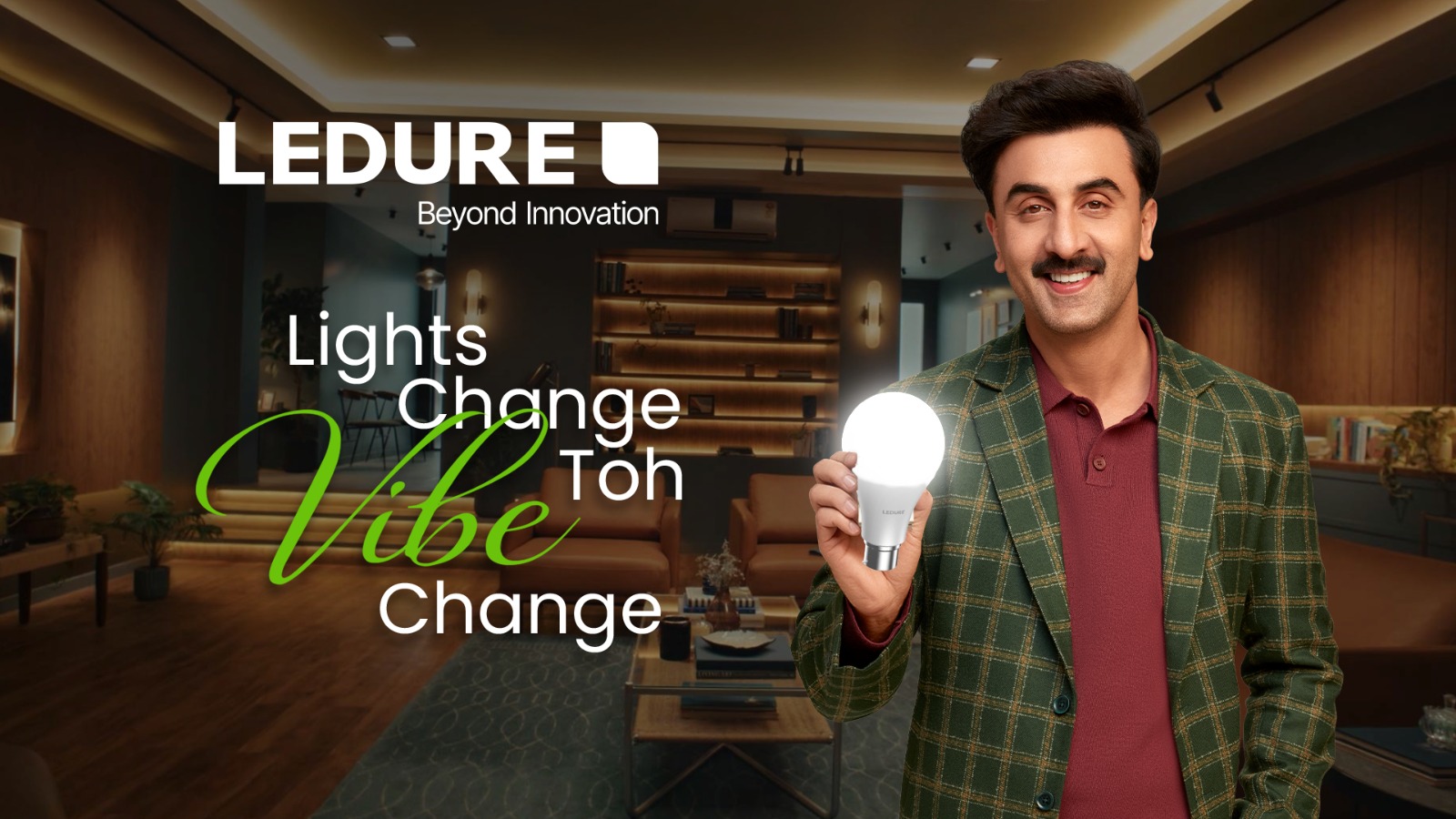
Mar 14th: Ledure Lightings Limited, one of India’s fastest-growing lighting brands, launched its new Television Commercial (TVC) with brand ambassador Ranbir Kapoor, to shape a new cultural conversation around the transformative power of light. This marks a defining moment for the brand as it moves beyond product communication.
The campaign reflects upon a powerful consumer truth where people are found to invest heavily in interiors, decor, furniture etc., overlooking the single element that ties it all together: lighting. Embedded around the key message- “Lights Change, Toh Vibe Change”, the TVC highlights the importance of right choice of lights in transforming spaces.
The TVC features Ranbir as ‘The Vibologist’ — a quirky, authoritative character who has the power to hear and feel inanimate objects. Utilising his power he audits living spaces and diagnoses lighting problems with wit and flair. Through dark corners, harsh shadows, and mood-killing illumination, the film dramatises how poor lighting causes genuine emotional distress- and how switching to Ledure instantly solves the problem.
Sharing his vision for Ledure’s next growth chapter, Ankit Gupta, Director, Ledure Lightings Limited emphasized the strategic-shift from product-led storytelling to connecting emotionally with the consumers through their new TVC campaign. He highlighted “Lighting plays a crucial role in giving a space the right character and identity it truly owns, however, this remains the most ignored part while planning a home or any commercial space. Before any innovation in the industry, incandescent lamps and Compact Fluorescent Lamp (CFL) were commonly used to illuminate spaces leaving very limited scope to explore and experiment.”
Further stressing on the campaign variables, Ankit mentioned the TVC tagline ‘Lights Change, Toh Vibe Change’, triggering the unavoidable question about the role of perfect lighting helping transform spaces and Ranbir‘s contagious energy & ability to combine humour with relatability turning concepts into reality. With a firm belief to fundamentally shift how Indian consumers approach lighting decisions, Ankit highlights Ledure’s role in redefining the industry and shaping lifestyles.
The campaign showcases multiple real-life use cases — from living rooms and bedrooms to bathrooms, and lounge spaces — exhibiting how Ledure‘s wide range of accent lights, profile lights, and mood-setting solutions delivers transformative results across every space. Ledure’s products pivot on cutting-edge LED technology, energy efficiency, and ease of installation offering consumers an aesthetic upgrade and a conscious investment in quality and sustainability.
Cementing its position as the definitive authority in modern, mood-driven lighting solutions, Ledure Lightings Limited will further work towards building awareness campaigns, planning expansion and engaging in industry networking. Consumers are invited to experience the transformation firsthand. As Ledure says — LEDURE it. Fix your vibe, instantly.
14, Mar 2026
Investors Leverage FII and DII Flows as Gift Nifty Records Historic Activity

Pic Credit: Pexel
In 2025, Gift Nifty—India’s key index for exchange-traded derivatives—achieved a record monthly turnover, reflecting its growing significance as a tool for market participants seeking early signals and better-informed trading strategies. The surge in activity underscores a broader shift in how investors, both domestic and foreign, approach pre-market analysis in India’s fast-moving equity markets.
Why Gift Nifty is Gaining Momentum
Gift Nifty provides a window into expected market movements before the regular trading session begins. By tracking overnight global trends, macroeconomic developments, and derivatives activity, traders can anticipate market direction, adjust positions, and manage risks more effectively.
Over the past few years, the index has increasingly attracted attention from foreign institutional investors (FII) and domestic institutional investors (DII). Investors now combine real-time FII and DII inflow and outflow data with Gift Nifty trends to make data-driven pre-market decisions, creating a feedback loop that strengthens market efficiency.
Record Turnover Signals Rising Engagement
The record monthly turnover in 2025 indicates that more participants are using Gift Nifty not just for speculative purposes but also for strategic hedging, arbitrage, and risk management. Analysts suggest that this trend reflects both the growing sophistication of Indian equity markets and the increased reliance on derivatives as a risk management tool.
Integrating FII and DII Data for Pre-Market Insights
Institutional flows play a crucial role in shaping market sentiment. By monitoring FII purchases or sales alongside DII activity, traders can identify likely market trends and potential reversals. For instance:
-
FII buying trends often indicate bullish sentiment among global investors.
-
DII flows can signal domestic confidence and provide a counterbalance to global pressures.
-
Combined analysis enables pre-market positioning that aligns with anticipated market moves.
Market participants are increasingly integrating this data with Gift Nifty’s early signals, allowing for more precise risk-adjusted strategies ahead of the market open.
Implications for Traders and Investors
The rising importance of Gift Nifty suggests a few key takeaways for investors:
-
Enhanced Pre-Market Preparation – Traders can monitor overnight global cues and institutional flows to make informed decisions before the trading session begins.
-
Improved Risk Management – Combining derivative signals with institutional investor activity helps manage exposure and hedge portfolios more effectively.
-
Market Transparency and Efficiency – Higher turnover and data integration support better price discovery and reduce informational asymmetry.
Looking Ahead
As Indian markets continue to grow in depth and sophistication, Gift Nifty’s role as a pre-market barometer is likely to expand. The index not only provides a snapshot of market expectations but also reflects broader trends in investor behaviour, including reliance on data analytics, institutional flow tracking, and algorithmic trading tools.
For both retail and institutional participants, the combination of Gift Nifty signals and FII/DII flow data is increasingly becoming a cornerstone of pre-market strategy, highlighting how technology and real-time data are shaping the future of trading in India.
14, Mar 2026
Daikin India to Scale Up AC Manufacturing to 40 Lakh Units by 2030
Pic Credit: Pexel
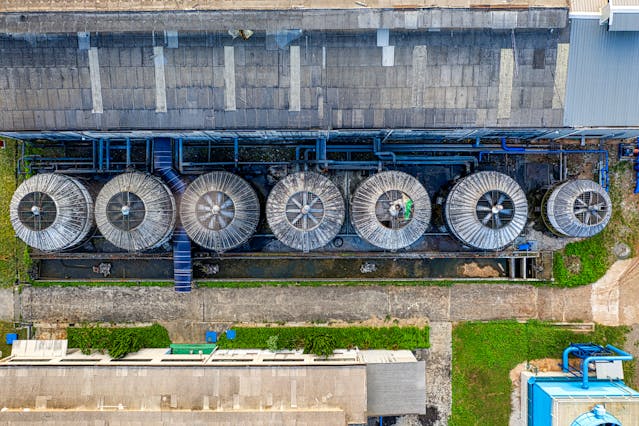
Daikin India is preparing to significantly expand its manufacturing footprint in the country, with plans to increase its annual room air conditioner production capacity to 4 million units by 2030.
Currently, the company produces around 3 million room AC units each year in India. The proposed expansion comes as demand for cooling solutions continues to rise across residential and commercial segments, driven by urbanisation, rising incomes, and increasing temperatures.
New Manufacturing Facility Planned
As part of its long-term growth strategy, the Indian subsidiary of Japan-based air-conditioning major Daikin Industries is planning to establish a new manufacturing plant in Andhra Pradesh. The facility will be the company’s fourth production unit in India and will play a crucial role in boosting overall manufacturing capacity.
The new plant is expected to support the company’s efforts to strengthen domestic production capabilities while ensuring a stable supply of air conditioners to meet growing market demand.
Tapping India’s Growing Cooling Market
India is emerging as one of the fastest-growing markets for air conditioning globally. Rapid urban expansion, rising middle-class consumption, and climate-related factors are contributing to a steady increase in demand for cooling appliances.
By expanding its manufacturing base locally, Daikin aims to enhance its competitiveness in the Indian market while supporting the country’s broader push toward domestic manufacturing.
Long-Term Manufacturing Strategy
The company has been steadily increasing its investments in India, recognising the country’s importance as both a major consumer market and a potential export hub. Expanding production capacity and setting up a new facility will also help strengthen the local supply chain and create employment opportunities.
With the planned expansion and the new plant in Andhra Pradesh, Daikin India is positioning itself to capture future growth in the cooling appliances market while reinforcing its long-term commitment to manufacturing in India.
14, Mar 2026
Policy incentives and new funding schemes set to drive growth in India’s shipbuilding sector
Pic Credit: Pexel
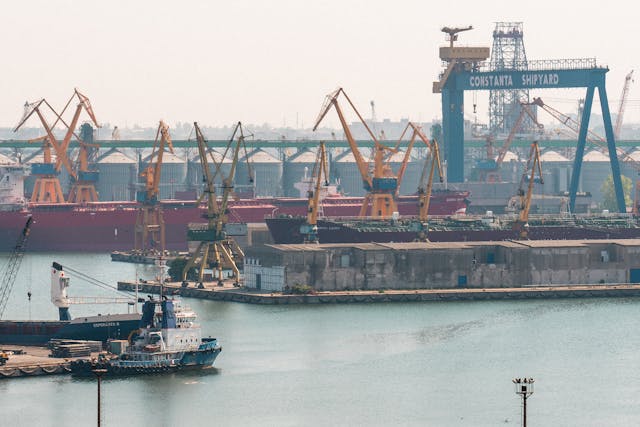
The Indian government has taken a significant step toward strengthening the country’s shipbuilding ecosystem by granting in-principle approval to 288 shipbuilding contracts worth ₹19,748 crore, covering the construction of 456 vessels across multiple categories.
According to Union Minister of Ports, Shipping and Waterways Sarbananda Sonowal, the approvals were granted under the Shipbuilding Financial Assistance Policy (SBFAP), a key initiative designed to encourage domestic shipbuilding and enhance the competitiveness of Indian shipyards.
Financial Support to Shipyards
The government has already disbursed ₹620.57 crore in financial assistance to 23 shipyards that have completed the construction and delivery of 204 vessels under the scheme. The policy provides financial incentives to domestic shipbuilders to offset cost disadvantages and promote large-scale vessel construction within the country.
The vessels covered under the approved contracts span a wide range of maritime applications. These include tugs, general cargo vessels, bulk carriers, oil tankers, crane pontoons, heavy deck cargo vessels, Ro-Ro passenger vessels, crew boats, passenger ferries, landing crafts, and self-elevating platforms. Such diversity reflects the growing demand for both commercial and specialised maritime vessels in India’s coastal and inland shipping sectors.
New Push Through Shipbuilding Development Scheme
To further strengthen the industry, the government approved the Shipbuilding Development Scheme (SBDS) in September 2025. The scheme aims to improve financing access for shipyards and expand their production capacity.
Under the initiative, the government will offer credit risk coverage to Indian shipyards and provide viability gap funding to support the expansion of existing or brownfield shipbuilding facilities. Operational guidelines for the scheme have recently been issued, enabling shipyards to begin applying for support.
Shipbuilding Sector Holds Strong Job Potential
An independent assessment of India’s shipbuilding industry conducted in 2024 highlighted the sector’s strong employment potential. According to the report, shipbuilding has an employment multiplier of 6.4, meaning that every job created in the sector can generate more than six additional jobs across related industries such as steel, engineering, logistics, and maritime services.
This indicates that expanding shipbuilding capacity could significantly contribute to both direct and indirect job creation, particularly in coastal regions where shipyards are located.
Challenges Hindering Growth
Despite its potential, the study also pointed out several structural challenges affecting the growth of the industry. These include limited domestic demand for ships, high financing costs, technological gaps, and capacity constraints within shipyards.
To address these issues and strengthen India’s position in the global shipbuilding market, the government has introduced several policy initiatives. These include the Shipbuilding Financial Assistance Policy, the Maritime Development Fund (MDF), and the Shipbuilding Development Scheme.
₹44,700 Crore Push for Maritime Infrastructure
In a major boost to the maritime sector, the government has also notified operational guidelines for two key shipbuilding initiatives with a combined outlay of ₹44,700 crore. These programmes aim to expand India’s domestic shipbuilding capacity, modernise shipyards, and improve the industry’s global competitiveness.
Under the financial assistance framework, which has a total allocation of ₹24,736 crore, shipbuilders will receive government support ranging from 15% to 25% of the vessel cost, depending on the type and category of ship being constructed.
Long-Term Vision for Indian Shipbuilding
The government expects these initiatives to transform India’s shipbuilding ecosystem over the coming decade by attracting investment, modernising infrastructure, and increasing domestic production capacity.
Strengthening shipbuilding capabilities is also seen as essential for India’s broader maritime ambitions, including expanding coastal shipping, improving port connectivity, and supporting the country’s growing role in global trade.
By encouraging domestic ship construction and supporting shipyards financially, policymakers hope to position India as a more competitive player in the international shipbuilding industry while generating employment and boosting economic activity across the maritime sector.


