


13, Mar 2026
UWM Researcher Reconstructs Ancient Landscapes From the Midwest to Mars
You might think Antarctica is the most remote place someone’s career might take them. UWM alum Libby Ives traversed Antarctica’s ice landscapes to study glacial sediments laid down more than 300 million years ago, but years later, she found herself even farther afield — literally, if not scientifically — when she applied her sedimentary skills to analyzing Martian landscapes for NASA.
By studying ancient landscapes, her work offers valuable insights about a planet’s environment — past, present and future. But the Waukesha, Wisconsin native didn’t always know geology was her path.
“I knew I wanted to do science, and I knew I wanted to be outside a lot,” Ives said. She discovered her passion for geosciences as an undergraduate at Northern Michigan University, where she was drawn in by the interdisciplinary nature of the field. “You get to use your physics, biology and chemistry knowledge, and you get to put it all together to tell the story of the Earth and how things came to be.”
Reading the rocks of Earth and Mars After graduation, she planned to take a few additional classes at UW-Milwaukee as a post-baccalaureate student, but then an opportunity arose to travel to Iceland for a field expedition with UWM professor Tom Hooyer, followed by an offer to join his lab as a graduate researcher. She jumped in, studying glacial geology for her master’s degree. After Hooyer passed away in 2016, Ives finished her project at Iowa State University.
After a stint away from academia, Ives returned to UWM for her geosciences PhD. Her advisor, John Isbell, was gearing up for an expedition to Antarctica to study sedimentary rocks from the Late Paleozoic Ice Age, which was the last time the planet was cold enough to have ice sheets at both poles — over 300 million years ago.
The trip unexpectedly landed Ives in an IMAX documentary. A Chicago-based film company had partnered with the Field Museum and the Natural History Museums of Los Angeles County to produce “Dinosaurs of Antarctica,” following the paleontologists on the same field team as Ives. “They were looking for people to help tell the story of Antarctica’s deep history,” she said. “It was a right place, right time sort of thing.”
While in Milwaukee, Ives worked with the Wisconsin Geological and Natural History Survey on a geologic mapping project, an experience that would prepare her for another big opportunity. In 2022, Ives joined NASA’s Jet Propulsion Laboratory as a postdoctoral researcher with the Mars 2020 mission. Her role: interpret images taken by the Perseverance rover to reconstruct the geologic history of Mars.
“I’m a physical sedimentologist,” she explained. “So, I think about how individual grains of sand or mud were transported — by air, water or glaciers — and what that tells us about the environment that deposited them.”
Returning to her roots Now back in the Midwest, Ives is a geologist with the Michigan Geological Survey, where she’s helping build a new research program on the state’s glacial geology. She’s also teaching upper-level geology at her undergrad alma mater.
After a career that’s spanned continents and planets, Ives is glad to have landed somewhere she can grow roots. Yet the impacts of her work reach far and wide, revealing how landscapes respond to climate shifts, informing how geological resources are managed, and deepening our understanding of Mars’ geology and past climate.
|
|

- 0
- By Neel Achary

13, Mar 2026
17 CSU Campuses Join Statewide Wildlife Monitoring Effort
In response to accelerating climate change and increasing human impacts on California’s landscapes, Cal Poly Humboldt and the U.S. Geological Survey California Cooperative Fish and Wildlife Research Unit are leading a major expansion of a statewide biodiversity monitoring effort.
The initiative, supported with $2.5 million in funding from the California Department of Fish and Wildlife (CDFW), will bring together 17 California State University (CSU) campuses to strengthen and grow the Sentinel Sites for Nature (SSN), the state’s coordinated system of long-term biodiversity monitoring sites.
As climate change accelerates and human-driven land-use changes reshape California’s landscapes, ecosystems are experiencing mounting pressure from drought, megafires, and habitat alteration. Yet understanding how these stressors affect species and ecosystems over time remains difficult without coordinated, long-term data collection across regions.
The SSN addresses that need. The CDFW has established 39 Sentinel Sites on CDFW-owned properties. The University of California Natural Reserve System is developing 37 more on UCNRS reserves. The addition of CSU sites on land owned by city, county, state, federal, and private entities (including non-governmental organizations) will bring the total number of sentinel sites to over 110.
This collaborative monitoring program is aimed at protecting California’s important biodiversity and helping guide science-based conservation, supporting California’s goal of conserving 30% of California’s coastal waters and lands by 2030, an initiative formally known as 30×30.
Additional sites at CSU campuses and affiliated properties will significantly broaden the scope of diverse ecoregions across the state: the coastal redwood forests in the north and deserts in the south; urban areas of Southern California and the San Francisco Bay Area; and working landscapes of the Central Valley and the Central Coast. Participating campuses include: Cal Poly in San Luis Obispo; Cal State LA; CSU Bakersfield; CSU Channel Islands; CSU Dominguez Hills; Fresno State; Cal State Fullerton; Cal State Monterey Bay; Cal State Northridge; Sacramento State; Cal State San Bernardino; San Diego State; San Jose State; Cal State San Marcos; Sonoma State; and Stanislaus State.
”It’s so exciting to join the statewide biodiversity monitoring effort,” says Micaela Gunther, a Cal Poly Humboldt Wildlife professor and a lead researcher for the project. “The CSUs will make a unique contribution to the initiative by including workforce training as a critical element of the sentinel site deployment and data collection methods. We’re also bringing in a diversity of habitats not previously included as part of the SSN, especially by including two locations right here on the North Coast in Humboldt County.”
Each site is equipped with non-invasive monitoring technologies including: camera traps that detect both small and large mammals, birds, and herpetofauna, bird and bat acoustic recorders, time-lapse cameras that monitor seasonal changes in vegetation and water levels, and at some sites, a Motus tower to study animal movement and migration, and a weather station that tracks climate conditions in real time. Importantly, data collected through the network will be shared among participating institutions, supporting collaborative analyses, cross-campus research, and coordinated conservation action.
The initiative also provides opportunities for students to gain hands-on experience on deployment, maintenance, and data retrieval techniques, while generating useful and relevant data they can use to complete research projects beneficial to their professional development
“For so long, ecological research has taken place at only a few sites over the course of one or two field seasons,” says Associate Professor Tim Bean of Cal Poly in San Luis Obispo.
“By joining this huge collaboration, data we collect will contribute to state-wide, long-term research and management. Students will learn how to work with big datasets and collaborate across campuses and with future employers. Through the SSN, California is blazing a trail for this new way of doing ecological research. So many other states and countries are trying to figure out how to develop and coordinate these kinds of monitoring networks, and I’m thrilled that the CSUs will be strengthening this effort.”
13, Mar 2026
Every Technical Graduate in Goa to be AI-Ready by 2028, Goa Ready for AI, says Minister Rohan Khaunte
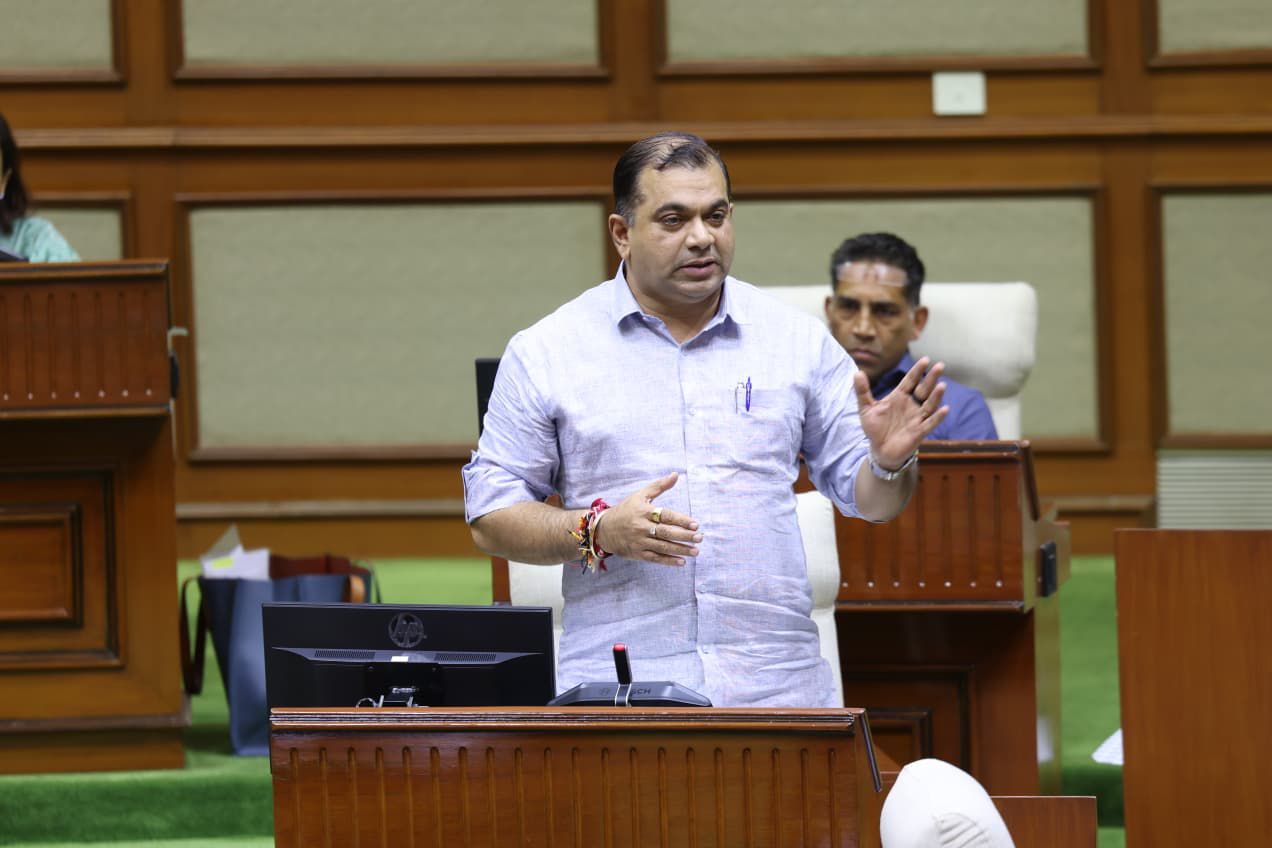
Porvorim, Mar 13: At the ongoing Budgetary Session of the Goa Legislative Assembly, Shri. Rohan Khaunte, Minister for Information Technology, Electronics & Communications (ITE&C), announced the Goa AI and Deep-Tech Policy will be notified within the next 100 days. He also highlighted the government’s vision to adopt Artificial Intelligence (AI), with a strong focus on developing local talent to create home-grown AI solutions.
13, Mar 2026
Chevron Appoints Emmanuelle Garinet to Lead Exploration Across Sub-Saharan Africa and the Americas
Johannesburg, South Africa, Mar 13: Energy supermajor Chevron has appointed Emmanuelle Garinet as Director of Exploration for the Americas and Sub-Saharan Africa, placing one of the upstream industry’s most experienced geophysicists at the helm of its discovery strategy across two of the world’s most critical hydrocarbon regions.
The African Energy Chamber (AEC) welcomes the appointment, noting that Garinet’s extensive experience in African exploration signals renewed opportunities for investment, strengthens geological understanding, and fosters collaboration between operators and host governments.
Expanding Exploration in Sub-Saharan Africa
Chevron’s African portfolio is entering a new phase of exploration-led growth. Key initiatives include:
-
Namibia: Following major deepwater discoveries in the Orange Basin, Chevron is evaluating prospects in the Walvis Basin and plans a new exploration well in PEL 82 between 2026 and 2027.
-
Nigeria: Chevron is expanding its deepwater presence after acquiring a 40% stake in offshore licenses PPL 2000 and PPL 2001 from TotalEnergies, with drilling operations expected in late 2026 near the Agbami field.
-
Angola: Chevron achieved first oil at the South N’dola platform in Block 0 in December 2025, producing approximately 25,000 barrels per day and routing associated gas to the Angola LNG plant, supporting the country’s gas monetization strategy.
“These developments underscore the importance of exploration in unlocking Africa’s energy resources while supporting regional economic growth and energy security,” said NJ Ayuk, Executive Chairman, AEC.
Americas Portfolio Provides Additional Growth
Chevron’s upstream operations in the Americas remain a key growth driver:
-
United States: Expansion continues in the Permian Basin, with output projected to reach one million barrels of oil equivalent per day in 2026. Deepwater developments in the Gulf of Mexico also remain critical to long-term production.
-
South America: Chevron continues development in Guyana’s Stabroek Block and Argentina’s Vaca Muerta formation, supporting production growth in the region.
A Career Built on Global Exploration
Garinet brings more than three decades of experience in exploration geology, subsurface interpretation, and upstream leadership. Her career spans senior exploration roles across Africa, South America, and Europe, including leadership positions at TotalEnergies. Notably, she led the exploration team behind the Venus discovery offshore Namibia, one of the largest deepwater oil finds in recent years.
“Exploration leadership with deep technical expertise and real experience in Africa’s basins is critical as the continent seeks to unlock new resources,” said NJ Ayuk. “Emmanuelle Garinet brings decades of geological insight and international exploration leadership. Her appointment at Chevron signals the continued importance of African energy development.”
Garinet has also been an advocate for African energy development, speaking at forums such as African Energy Week in Cape Town, where she emphasized the role of advanced seismic data, frontier exploration, and efficient permitting in unlocking opportunities across the continent.
13, Mar 2026
Men’s fast fashion Brand Banana Club Targets 50 Stores by the End of the Year
Banana Club, the rapidly growing men’s fast fashion brand made in Bharat, for Bharat, has announced a major expansion plan to scale its presence with 50 stores by the end of 2026. Currently operating 17 stores, the brand has laid a strong foundation for nationwide growth, combining both offline retail and a robust online presence through its D2C website, mobile app, and various marketplaces across India.
Co-founded by Neel Bafna and Prashant Lalwani, Banana Club began as an offline-first brand in Bengaluru and has steadily gained popularity for its trendy and unique menswear collections. The brand has achieved ₹150 crore ARR in just 2.5 years and aims to double this to ₹300 crore ARR by 2027.
Neel Bafna, Co-founder of Banana Club, said:
“Prashant and I started this journey with a shared vision to disrupt the menswear segment. Our current operating model gives us the agility to open 33 more stores this year while maintaining the design integrity our customers love.”
Prashant Lalwani, Co-founder of Banana Club, added:
“We believe that business should be both meaningful and fun. Seeing 17 stores live today is a proud moment, but scaling to 50 stores by year-end is about bringing our ‘purpose with play’ philosophy to every corner of India. We are focused on understanding the evolving needs of our customers and identifying market trends to create brand experiences that truly resonate with modern India.”
The expansion strategy will focus on both metro and Tier-1 cities, aiming to strengthen Banana Club’s market presence while delivering consistency and an elevated shopping experience. With this blueprint, the brand is poised to bring the latest menswear fashion trends with affordability and style to customers across the country.
13, Mar 2026
From Iconic Landmarks to Signature Addresses: How Chembur’s Legacy Locations Are Shaping Premium Living
Over the decades, Chembur has been home to several iconic landmarks that once defined the suburb’s cultural, recreational and industrial identity. Today, many of these locations are gradually transforming into some of Mumbai’s most sought-after residential addresses, giving rise to a new chapter of premium housing in the micro-market.
Chembur’s evolution mirrors the larger urban transformation seen across Mumbai where historic and industrial landmarks are being reimagined as lifestyle-driven residential destinations. Locations that were once associated with studios, factories and institutional spaces are now emerging as signature addresses, attracting leading developers and premium residential projects.

One of the most prominent examples is the historic R. K. Studio, which for decades stood as a symbol of Indian cinema. The redevelopment of the studio land has drawn significant attention to the locality, highlighting how legacy land parcels can be repurposed to create modern residential spaces that blend heritage with contemporary living. The iconic Dukes Factory, once synonymous with Chembur’s industrial character, represents the broader shift in land use across the area. As older industrial units gradually made way for redevelopment, several such locations began attracting residential development, unlocking new possibilities for premium housing.
Similarly, the presence of the prestigious Bombay Presidency Golf Club has played a key role in elevating Chembur’s residential appeal. Homes overlooking or located near the golf course have increasingly become aspirational addresses, offering residents rare green views and a tranquil lifestyle within Mumbai’s dense urban fabric.
Commenting on the emergence of such landmark-driven residential pockets, Mr. Vijay Choraria, Managing Director, Crest Ventures Limited said “Globally, iconic landmarks often become anchors for premium residential development. In Chembur, locations around the Bombay Presidency Golf Club have evolved into distinctive residential enclaves because they offer a rare lifestyle proposition such as expansive permanent green views, exclusivity and proximity to key parts of the city. Over time, these locations naturally develop into signature addresses that homebuyers strongly associate with prestige and quality living.”
Leading developers have recognized the potential of these landmark-driven locations and are increasingly investing in the micro-market. City’s Developers such as Godrej Properties, The Wadhwa Group, Rustomjee, House Of Hiranandani and Chandak Group have introduced premium residential developments that are reshaping Chembur’s skyline and elevating its reputation as an upscale residential destination.
Redevelopment is further accelerating this shift. Many ageing buildings and industrial plots are being transformed into modern residential towers offering upgraded amenities and improved urban planning.
A spokesperson from Chandak Group said, “Redevelopment has been a major catalyst in Chembur’s transformation. Several older structures and underutilized land parcels are now being reimagined as contemporary residential developments. This process is helping create luxury homes with modern amenities and better open spaces, turning previously industrial or legacy locations into premium residential addresses.”
Improved connectivity has also strengthened the suburb’s attractiveness. Infrastructure projects such as the Mumbai Monorail, along with easy access to the Eastern Freeway and major arterial roads, have enhanced Chembur’s connectivity with South Mumbai, BKC and Navi Mumbai, making it a convenient residential choice for professionals and business owners.
As iconic locations continue to be redeveloped and reimagined, Chembur is steadily transitioning into a neighbourhood defined not just by its history, but by its new identity as a cluster of signature residential addresses. The suburb’s transformation demonstrates how legacy landmarks can become the foundation for modern, premium urban living.
13, Mar 2026
SOTC Travel extends Gujarat footprint with South Bopal outlet in Ahmedabad
Mumbai, Mar 13: SOTC Travel, a leading omnichannel Travel and Tourism Company has inaugurated its new outlet in South Bopal, Ahmedabad, expanding its network to 16 strategically located outlets across Gujarat. Ahmedabad continues to rank among Gujarat’s key source markets, driven by strong demand for premium, experiential and international travel. Recognizing this growing opportunity, SOTC has strengthened its presence in the city with its South Bopal outlet, offering customers convenient access to expert holiday planning and personalized travel solutions.
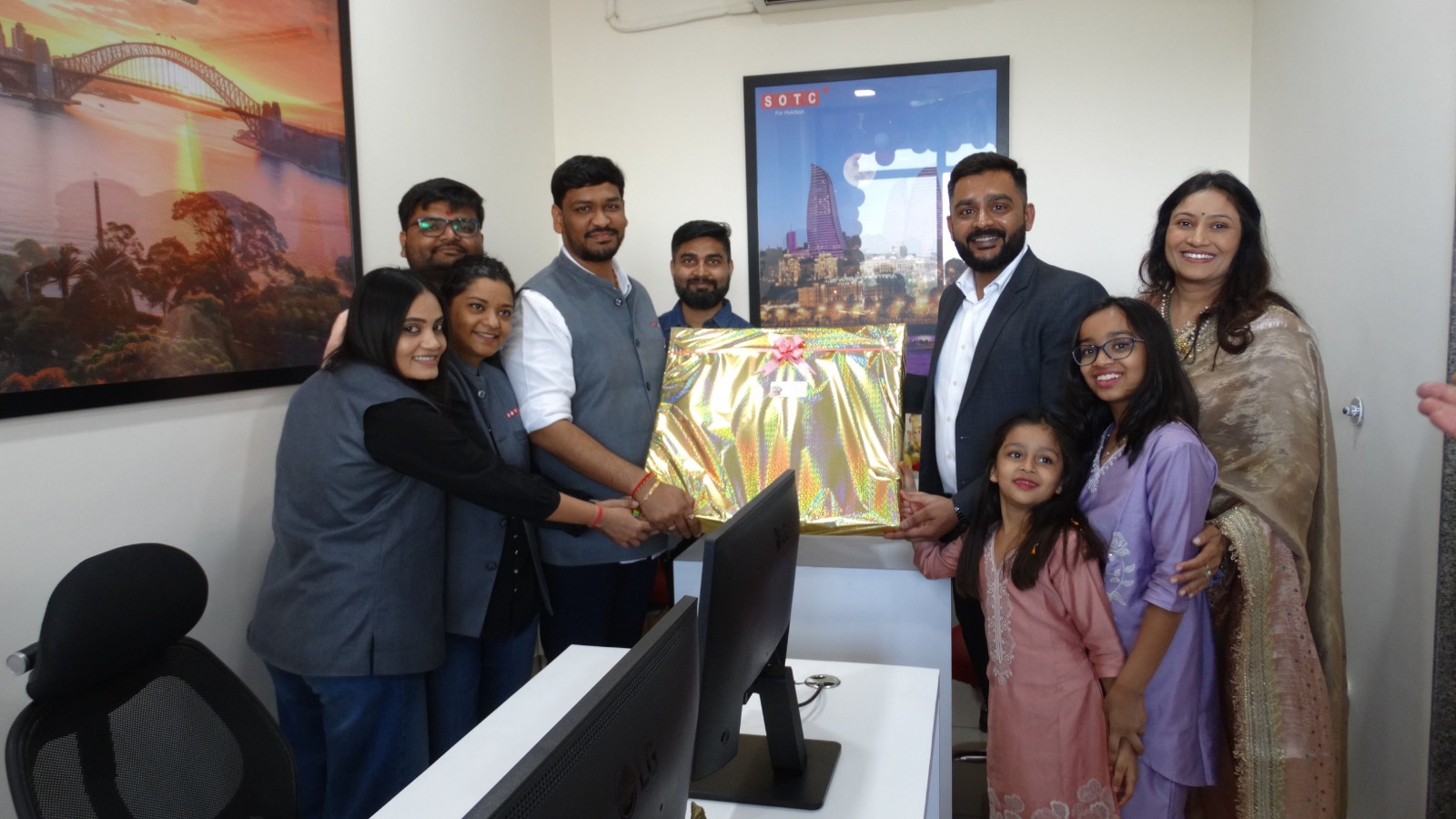
Located in one of Ahmedabad’s fastest-growing residential and commercial corridors, South Bopal is witnessing rapid urban growth, supported by rising affluence and strong connectivity across the city. These factors make it a strategic location for SOTC’s continued expansion in Gujarat. The new outlet will cater to leisure travellers through our integrated omnichannel model – offering a comprehensive portfolio of domestic and international holidays, Group Tours, personalized holidays and cruises, along with value-added services such as travel insurance—delivering seamless, end-to-end travel experiences.
Ahmedabad/Gujarat Travel Trends
·Top Destinations:
- Domestic & Indian Subcontinent: Kashmir, Himachal Pradesh, Uttarakhand, Rajasthan, Kerala, Andaman, Bhutan, Nepal & Sri Lanka
- International: Switzerland, France, Finland, Norway, Sweden, Japan, South Korea, Australia, New Zealand, Singapore, Malaysia, Thailand, Vietnam, Dubai & Abu Dhabi, South Africa, Egypt & Hong Kong
- Island Destinations: Maldives & Mauritius
- Emerging destinations: Morocco, Georgia, Philippines, Taiwan, Uzbekistan
·Spiritual/Darshan Portfolio: Strong interest in pilgrimage experiences including the Kailash Mansarovar Yatra, Char Dham Yatra and Vaishnodevi Yatra, reflecting the region’s continued affinity for spiritual travel
·Regional Product Portfolio: Gurjar Vishwadarshan Tours – Gujarati sathe Gujarati mate: Specially curated group tours designed exclusively for Gujarati travellers. These itineraries feature Gujarati-speaking Tour Managers, familiar cuisine and culturally aligned experiences, and continue to witness strong demand from families and senior travellers across the state.
·Emerging Travel Preferences: Travellers from Ahmedabad and Gujarat are increasingly seeking experiential and bucket-list holidays such as luxury multi-destination cruises, polar expeditions to Antarctica, Northern Lights experiences across Scandinavia and Iceland, self-drive holidays and adventure-led itineraries.
·Top customer segments: Multi-generational families, honeymooners/couples, working professionals, millennials and GenZ
·Average holiday duration: 4–6 days for domestic/short haul; 10–12 days for long haul
Mr. Rakesh Bawa, Senior Vice President & Head – Holidays, SOTC Travel Limited, said
“The launch of our South Bopal outlet marks an important step in strengthening our presence in Ahmedabad, as we expand our network to 4 outlets in the city and 16 in the State — one of our strongest and fastest-growing markets in West India. Ahmedabad continues to demonstrate a strong appetite for diverse travel experiences — from international and domestic group tours to premium and personalized holidays. South Bopal’s rapidly growing residential communities, rising affluence and strong consumer aspirations make it a strategic addition to our network. With this expansion, we aim to offer customers greater convenience, expert guidance and highly personalized holiday planning.
My team and I look forward to welcoming customers to our new South Bopal outlet and helping them create memorable travel experiences.”
13, Mar 2026
Ethisphere Recognizes Infosys with Compliance Leader Verification
Bengaluru, March 13, 2026: Infosys a global leader in next-generation digital services and consulting, today announced that it has been awarded the Compliance Leader Verification™ by Ethisphere, a global leader in defining and advancing the standards of ethical business practices. This recognition underscores the strength, maturity, and effectiveness of Infosys’ ethics and compliance program, and reflects the company’s continued commitment to fostering a strong culture of integrity, accountability, and responsible governance across its global operations. It also builds on Infosys’ recognition of being named among Ethisphere’s World’s Most Ethical Companies® in 2025 for the fifth consecutive year.
The Compliance Leader Verification™ is a rigorous, independent assessment of an organization’s ethics and compliance program and corporate culture. The evaluation includes Ethisphere’s proprietary Ethics Quotient® (EQ), benchmarking against organizations recognized as the World’s Most Ethical Companies®, and an in-depth review of documentation and interviews with senior leaders and key stakeholders. Infosys was evaluated across six critical areas: program resources and structure; perceptions of ethical culture; written standards; training and communication; risk assessment, monitoring, and auditing; and enforcement, discipline, and incentives.
“Congratulations to Infosys for achieving the Compliance Leader Verification™ recognition,” said, Eric Jorgenson, Director Data & Services at Ethisphere. “The review demonstrated to us that Infosys is committed to an Ethics & Compliance program that is focused on program advancement and improvement, embracing technology, and utilizing skilled E&C professionals to build and deliver strong E&C functions throughout the entire organization – a commitment made all the more impressive given the company’s size, with over 330,000 employees worldwide.”
Inderpreet Sawhney, Chief Legal Officer & Chief Compliance Officer, Infosys, said,
“We are honored to receive the Compliance Leader Verification™ from Ethisphere. This recognition affirms our steadfast commitment to integrity, and robust ethics and compliance framework. At Infosys, we lead with our values to ensure accountability and trust in every engagement with our clients, partners, and the communities we serve.”
13, Mar 2026
Paralympic Committee of India organizes “New Delhi World Para Athletics Grand Prix 2026” – ISIC Multispeciality Hospital is the Medical Partner
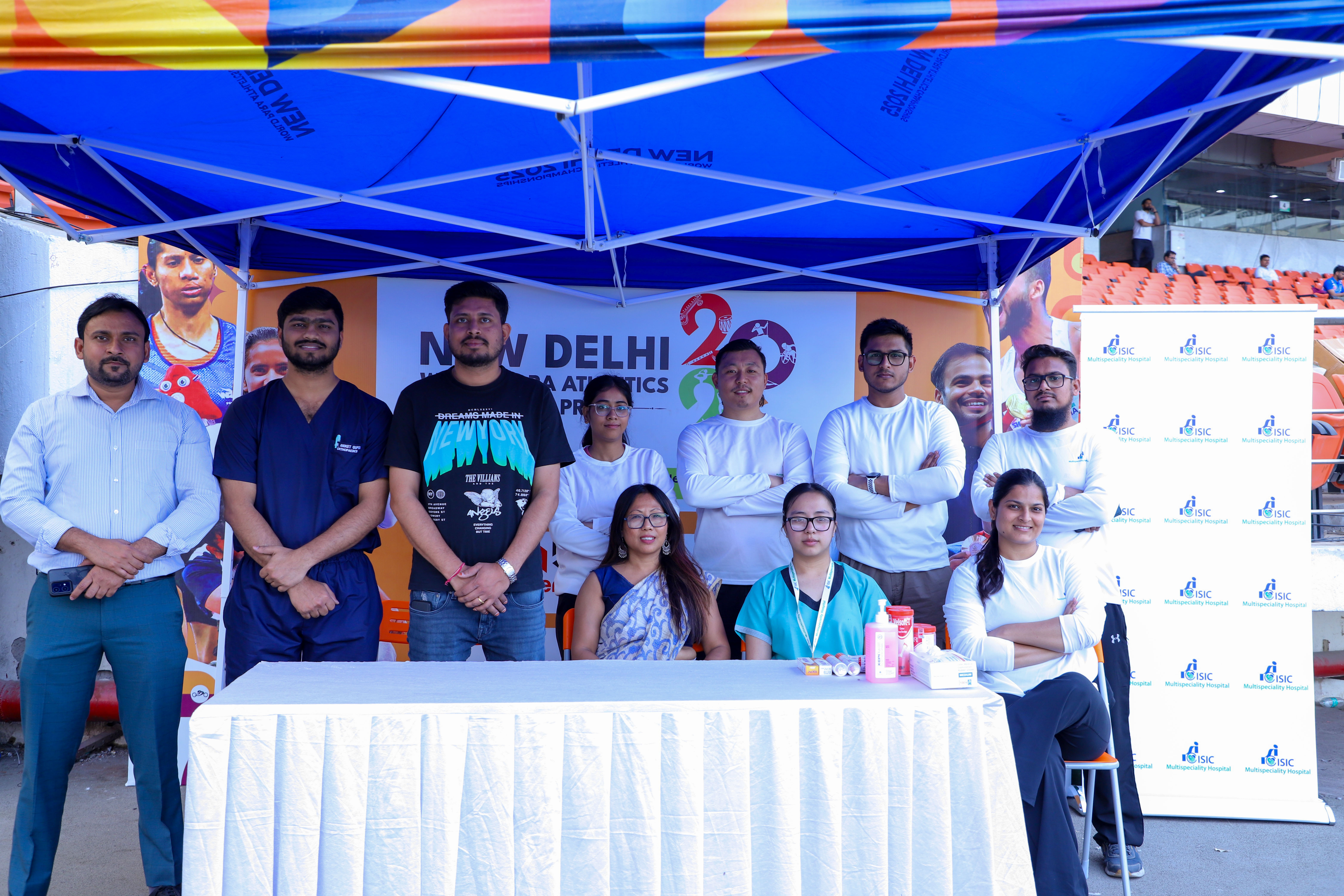
New Delhi, Mar 13th: ISIC Multispecialty Hospital (ISIC) extends its sincere gratitude to the Paralympic Committee of India (PCI) for appointing ISIC as the Official Medical Partner for the prestigious New Delhi World Para Athletics Grand Prix 2026, currently being held at India’s iconic Jawaharlal Nehru Stadium.
ISIC deeply appreciates the trust placed in the institution by the Paralympic Committee of India and acknowledges PCI’s continuous efforts in advocating for and supporting para-athletes across both national and international platforms. The opportunity to contribute to an event of this scale reflects a shared commitment towards strengthening the ecosystem for para sports in India.
Widely recognised for its excellence in spine, orthopaedic, and musculoskeletal care, ISIC has been providing comprehensive medical support throughout the international sporting event. Through this collaboration, ISIC and the Paralympic Committee of India are working together to ensure that athletes benefit from specialised clinical expertise, advanced diagnostic facilities, and tailored rehabilitation services designed to meet the unique needs of para-athletes.
This partnership reflects ISIC’s mission of restoring “hope and joy through clinical excellence” while reinforcing its commitment to inclusive sports and advanced rehabilitation practices. Caring for elite para-athletes requires a coordinated, multidisciplinary approach, and ISIC’s integrated care model brings together specialists in orthopaedics, neurology, spine surgery, physiotherapy, and rehabilitation medicine to deliver comprehensive and athlete-focused medical support.
The hospital also offers advanced technology and specialised facilities for athlete care. Its Sports Injury Clinic follows a structured recovery framework known as the “Comeback Continuum,” focusing on prehabilitation, injury prevention, data-driven recovery, and performance optimisation. Athletes also benefit from advanced diagnostic tools such as the TecnoBody Digital Movement Laboratory, which enables real-time gait analysis and 3D motion tracking to identify potential injury risks and enhance performance outcomes.
ISIC once again thanks the Paralympic Committee of India for the opportunity to be part of the New Delhi World Para Athletics Grand Prix 2026, and remains committed to supporting the health, performance, and long-term well-being of para-athletes competing at the highest level.
13, Mar 2026
Indian Equity Markets Remain Range-Bound Despite Strong Corporate Earnings: Report
New Delhi, March 13: Indian equity markets continue to trade within a narrow range despite strong corporate earnings growth, as global uncertainties and geopolitical tensions keep investor sentiment cautious, according to a recent report by Bajaj Finserv Asset Management.
The report highlighted that companies in the Nifty 500 index posted a 16 per cent year-on-year increase in profits in the third quarter of FY26, marking the strongest earnings growth seen in nearly two years. The performance reflects improving profitability across sectors and indicates a gradual strengthening of corporate balance sheets.
Despite this positive earnings momentum, domestic stock markets have not witnessed a major rally and have remained largely range-bound for more than a year. Analysts attribute this trend to external factors, including global economic uncertainties and geopolitical risks, which continue to influence market movements.
According to market experts, strengthening corporate earnings provide a solid base for the long-term growth of Indian equities. However, global developments have created volatility and limited the immediate upside in the markets.
The report also pointed to improving domestic economic indicators. Credit growth in the banking sector has returned to double-digit levels, signalling a rise in economic activity and demand for loans. Meanwhile, consumption trends have shown signs of recovery following recent policy measures, including tax relief through GST adjustments.
Monetary policy easing has also supported the economy. The Reserve Bank of India’s cumulative rate cuts and liquidity measures have helped reduce borrowing costs for businesses and households, which could support investment and consumption in the coming quarters.
However, emerging global trends are creating new challenges. The rapid expansion of artificial intelligence technologies has raised concerns about potential short-term disruptions in India’s IT services sector, particularly regarding demand patterns and employment dynamics.
Geopolitical tensions in the Middle East are another key risk factor. As India imports the majority of its crude oil, any disruption in global supply routes could lead to higher oil prices, putting pressure on inflation and the rupee.
The report warned that prolonged geopolitical instability may also affect sectors such as aviation, chemicals, paints and oil marketing companies, while increasing the risk of foreign investor outflows.
Meanwhile, the bond market has also witnessed fluctuations due to foreign capital movements and global developments, which have influenced currency movements and government bond yields.
Despite near-term challenges, analysts believe that improving domestic fundamentals and stable inflation could help support market stability in the medium term, although global developments will continue to shape investor sentiment.


