


8, Mar 2026
PanIIT Hyderabad Summit 2026 Hosts 500+ Participants for Strategic Technology and Policy Dialogue
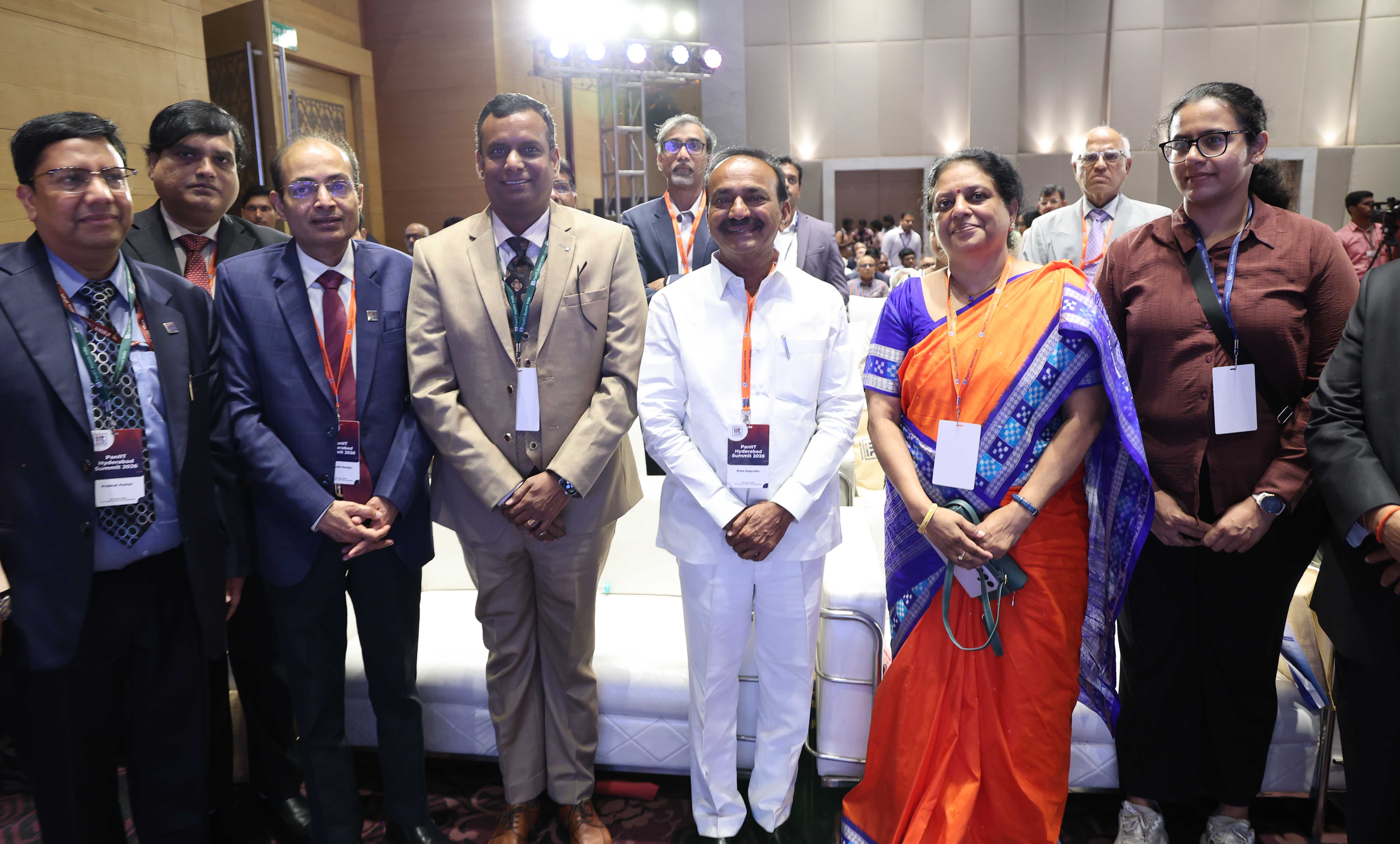
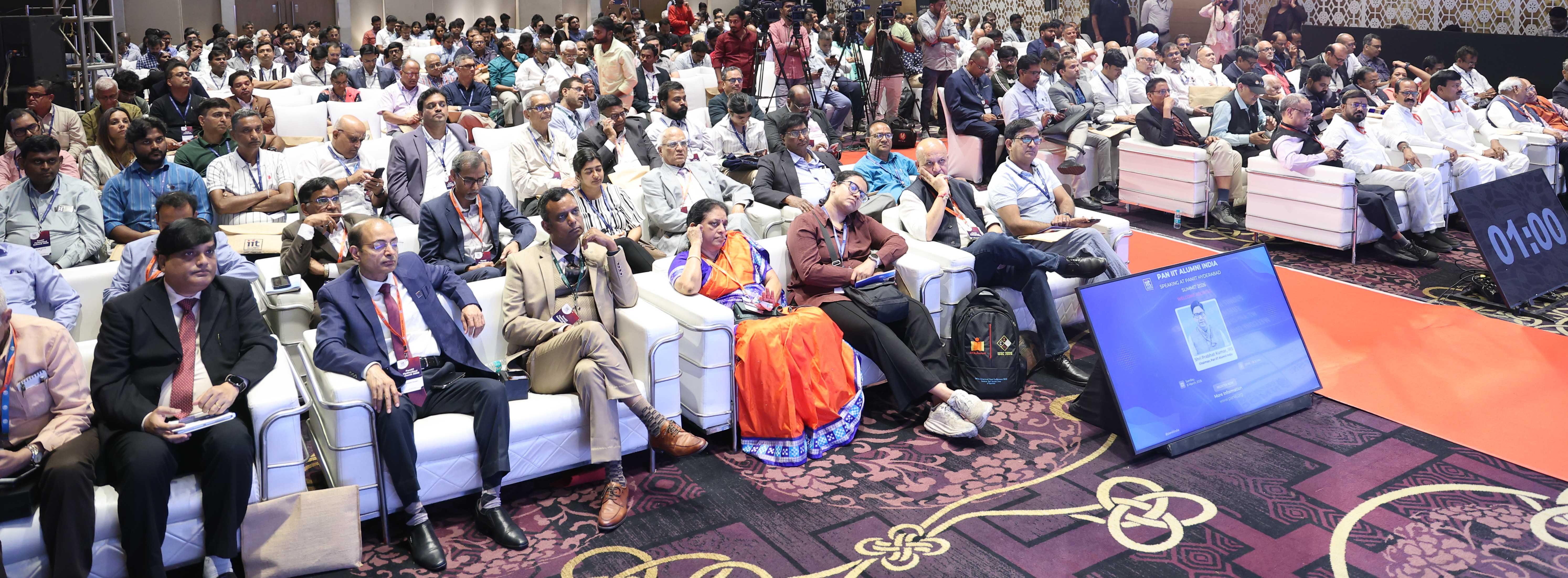
Hyderabad, March 08, 2026: A full-day, power-packed PanIIT Hyderabad Summit 2026, bringing together national leaders in technology, governance and industry, was held on Sunday at The Westin, Madhapur in the city. More than 250 participants attended the summit. The event was organised by PanIIT Alumni India, the umbrella organisation representing more than five lakh IIT alumni.
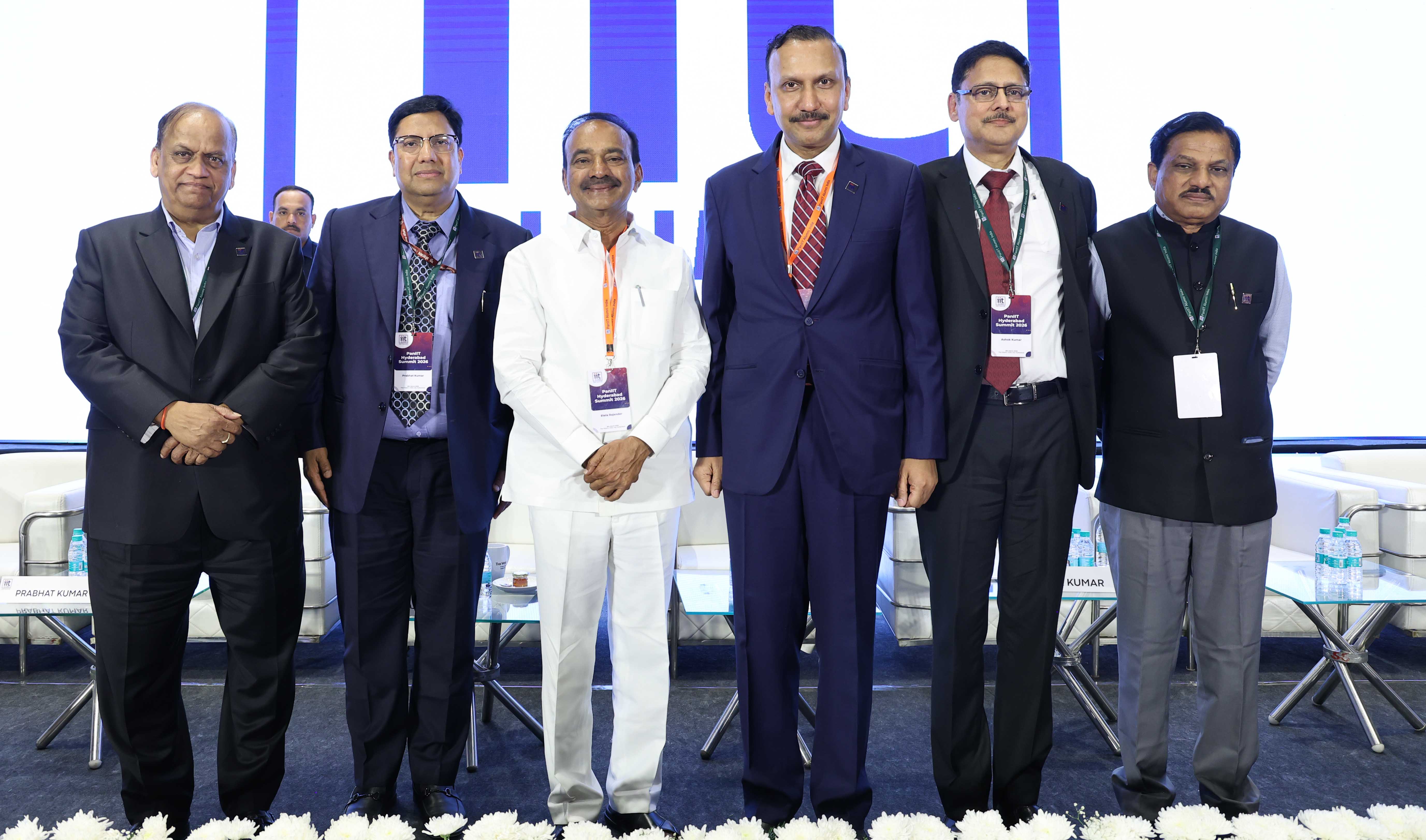
Shri Etela Rajender, Member of Parliament, inaugurated the summit. Speaking on the occasion, he said the IIT ecosystem is helping spread high-quality science and technology education across India. Collaboration among ecosystem players and research and development institutions will further strengthen the innovation landscape, he noted.
He said Indian talent in science and technology enjoys global demand, and Indians have immensely contributed to the tremendous technological growth of the United States of America, which is known for its technological superiority. However, he observed that the same country is now trying to dominate others in certain spheres. Addressing the IIT talent pool assembled at the summit, he asked, “Why should we not use the same talent and power to make India even stronger?”
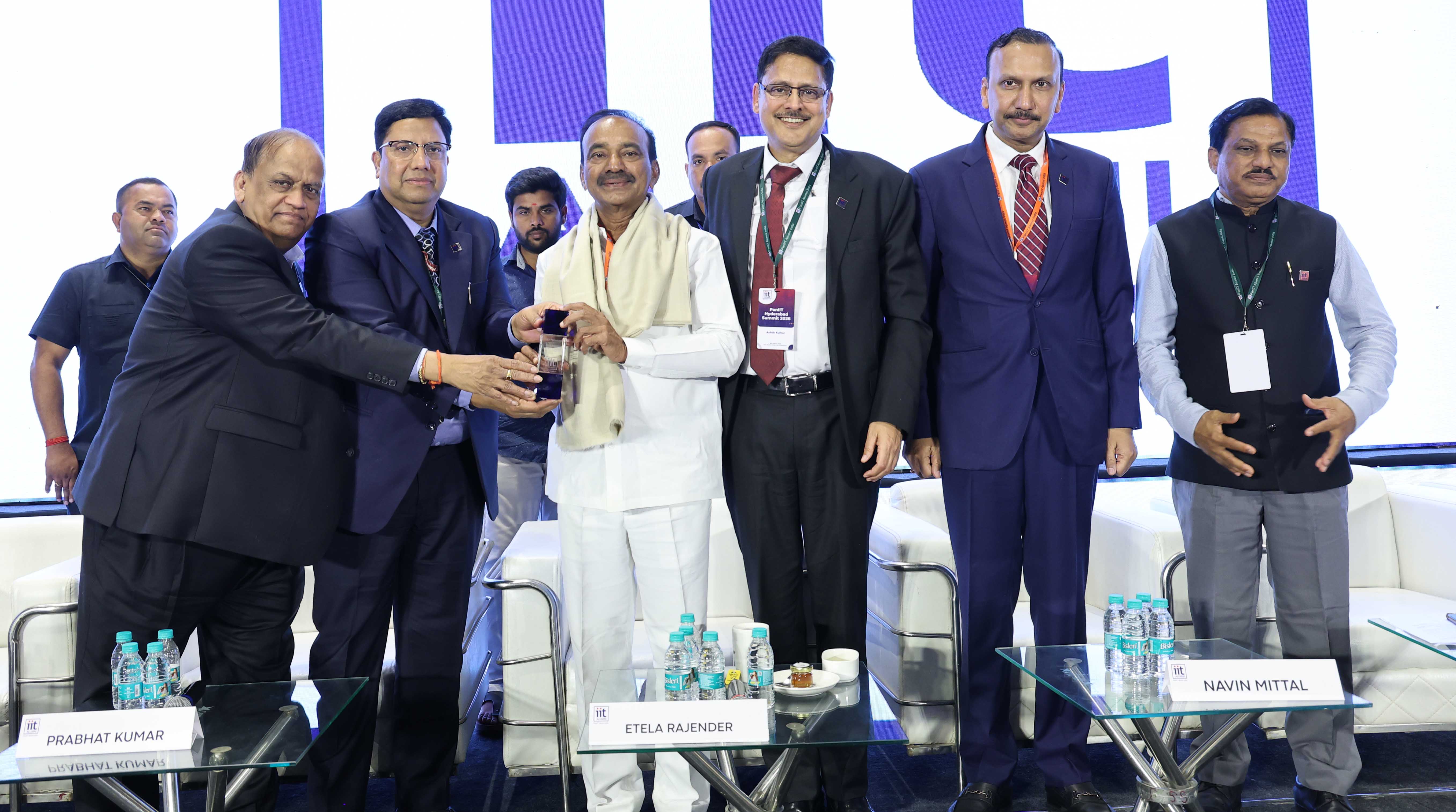
Reiterating his message, he said, “India’s scientific and technological talent has global demand—let us use it to strengthen our nation.” He also urged the community to build technology for construction and development rather than for destruction.
Speaking on Healthcare Transformation in India, Shri Sunil Kumar Barnwal, IAS, CEO, National Health Authority, Ministry of Health and Family Welfare, Government of India, highlighted the challenges of fragmented healthcare systems. He noted that multiple health identities for a single citizen and lack of integration lead to high Out-of-Pocket Expenditure (OOPE).
He explained that India’s healthcare ecosystem is undergoing a significant transformation. “From a fragmented healthcare system, we are now moving towards an intelligent and productive ecosystem,” he said. Through India Stack, India has become the first country to implement all three core Digital Public Infrastructures (DPIs): digital identity, real-time payments and consent-based data sharing.
He added that in 2020, the Hon’ble Prime Minister announced the Ayushman Bharat Digital Mission (ABDM), which leverages digital public infrastructure to facilitate interoperability in digital health transactions. ABDM is now becoming the digital backbone of Indian healthcare.
Referring to Ayushman Bharat – PM Jan Arogya Yojana (AB PM-JAY), he said its robust IT platforms and anti-fraud mechanisms enable nearly 20 lakh claims to be processed every month. “The infrastructure is now built. Data moves only with consent. Health systems are connected. We are now moving from digitised health to intelligent healthcare,” he said.
Speaking on Policy, Regulation and the Future of India’s Energy Infrastructure – Backbone of Industrial Expansion, Shri Navin Mittal, IAS, Special Chief Secretary, Energy, Government of Telangana, shared insights into India’s and Telangana’s energy production and distribution landscape. He said solar energy generation during the day now surpasses thermal power in many instances.
He also highlighted potential petroleum supply challenges due to geopolitical tensions involving Iran, the United States and Israel, noting that about 85 percent of India’s petroleum requirements are imported. He pointed out that electric vehicles have significantly lower operational costs compared to conventional vehicles.
He further stated that in December 2025, India’s renewable installed capacity crossed conventional power capacity for the first time in history, marking a major milestone in the country’s energy transition.
Speaking on Digital Governance and Public Technology Transformation, Shri Bhavesh Mishra, IAS, Special Secretary, IT & Electronics Department, Government of Telangana, explained how Hyderabad has overtaken Bengaluru to become India’s top destination for Global Capability Centres (GCCs). Citing a study by UnearthInsights, he said Hyderabad accounted for 46 percent of all new GCCs, while Bengaluru captured 33 percent between January and November 2025.
He said the city currently hosts around 60 GCCs, with another 25 in expansion, and highlighted that Hyderabad has emerged as a major hub for IT, GCCs, pharmaceuticals, defence and aerospace sectors.
He also spoke about OpenClaw and the rise of the “One-Person Unicorn.” OpenClaw, an open-source autonomous AI assistant developed by software engineer Peter Steinberger in 2025, demonstrates the emerging concept of a one-person unicorn. Built by a single developer, OpenClaw can autonomously perform tasks such as managing files, sending messages, writing code and interacting with digital services using advanced AI models. The project quickly gained global attention. Its rapid success highlights how AI-powered tools are enabling individual innovators to build impactful, globally scalable technologies, signalling a new era where a single entrepreneur could potentially build billion-dollar innovations.
He also referred to ancient Indian scholar Pāṇini, regarded as one of the greatest linguists in history. His work Aṣṭādhyāyī, consisting of around 4,000 grammatical rules, created a highly systematic and scientific framework for the Sanskrit language.
Shri Prabhat Kumar, IRS, Chairman, PanIIT Alumni India, said IITians have played a significant role not only in nation building in India but also in the development of many countries worldwide. He noted that the United States is the largest importer of IIT talent, and IITians have contributed significantly to global technology leadership.
He also referred to the recent AI Summit, where IITians played a major role. He mentioned that French President Emmanuel Macron recently observed that many global CEOs of multinational companies are Indians and IITians. He described the PanIIT Summit as a convergence of brilliant minds and added that Hyderabad, known as the City of Pearls, would ensure that participants take back a “pearl of wisdom” by the end of the summit.
Welcoming the gathering and setting the tone for the summit, Shri Sudhakar Gande, Convener, PanIIT Hyderabad Summit 2026, said Hyderabad is among the most dynamic and fastest-growing cities in India. Nearly 46 percent of GCCs are located in the city, and about 16 percent of India’s software exports originate from Hyderabad, with the city growing three times faster than the national average. He also noted that around 25 percent of Fortune 500 companies are headed by IIT alumni.
A panel discussion titled “Tradition Meets Transformation: The IIT Growth Story” was moderated by Shri Amitabh Ranjan, Registrar, IIPA. The panelists included Prof. Sukumar Mishra, Director, IIT (ISM) Dhanbad; Prof. Venkappayya R. Desai, Director, IIT Dharwad; and Prof. Mahendrakumar Madhavan, Dean, IIT Hyderabad.
The moderator observed that India possesses a rich knowledge tradition spanning thousands of years, from Aryabhatta and Sushruta to remarkable engineering feats such as the Ram Setu. He noted that India’s civilisational heritage remains unmatched and emphasised the Prime Minister’s vision that 200 years of colonial influence must be intellectually decolonised by 2047 as India moves towards Viksit Bharat.
He also pointed out that since their inception in 1951, IITs have helped create lakhs of direct jobs in India.
Prof. Sukumar Mishra, Director, IIT (ISM) Dhanbad, said India’s education system and the IIT ecosystem have evolved from science to applied science, to engineering and advanced technology, playing a critical role in national development.
Prof. Venkappayya R. Desai, Director, IIT Dharwad, cited examples from Singapore and the Netherlands on sustainable water management. He referred to Singapore’s NEWater initiative, where wastewater recycling has grown from 2.5 percent to nearly 40 percent of water supply, helping the country manage scarce resources effectively.
He also highlighted the Netherlands’ innovative water management practices, including floating infrastructure and advanced wastewater treatment technologies that allow water to be reused for agriculture, industry and environmental conservation. This circular water approach, he said, ensures that demand remains aligned with supply.
Prof. Mahendrakumar Madhavan, Dean, IIT Hyderabad, emphasised that IITs are no longer just teaching institutions but centres of innovation, invention and technology for humanity. He raised an important policy question, suggesting that spending on research and development should be considered under Corporate Social Responsibility (CSR) and that CSR funds should be allowed to support R&D.
In another session on Healthcare Transformation in India, Shri Sunil Kumar Barnwal, IAS, reiterated that technology, policy innovation and collaborative governance are reshaping India’s healthcare ecosystem, making quality healthcare more accessible and equitable for millions.
Dr. Tessy Thomas, former Director, DRDO, spoke on “Science, Strategy and Security.” She highlighted that space-based defence infrastructure will shape the future of global security, and that artificial intelligence will significantly influence how future wars are fought. She emphasised that the future of defence and aerospace will depend on how effectively India harnesses science and talent.
The summit featured focused thematic tracks addressing some of India’s most pressing opportunities, including: Infrastructure & Energy Leadership; Defence Innovation and Aatmanirbhar Bharat; Urban Infrastructure; Digital Transformation
And Healthcare & Life Sciences for Bharat
Eminent speakers from leading organisations such as DRDO, Microsoft India, NMDC, MIDHANI, Apollo Hospitals and Yashoda Hospitals shared their insights, alongside leaders from several high-growth startups and technology firms. Directors from IIT Dharwad and IIT (ISM) Dhanbad, as well as the Dean of IIT Hyderabad, participated in the discussions.
The summit served as a major convergence point for policymakers, industry leaders, innovators, entrepreneurs and members of the global IIT alumni network. It aimed to foster meaningful dialogue on innovation, technology-driven growth, infrastructure development and collaborative nation building, reinforcing the role of the IIT ecosystem as a strategic asset for India’s future.
Key sessions covered innovation ecosystems in emerging IITs, healthcare transformation in India, digital governance and public technology, and policy-driven industrial growth. Discussions also covered AI-driven innovation, startup growth strategies, resource security and large-scale infrastructure projects shaping modern India.
A dedicated startup session provided an opportunity for startups to pitch their ideas before angel investors and venture capitalists. This session was organised in collaboration with T-Hub and T-Works.
Shri Ashok Kumar, General Secretary, PanIIT, proposed the vote of thanks during the inaugural function.
—

- 0
- By Neel Achary

7, Mar 2026
Eastern Coalfields Limited Celebrates the Final Day of Annual Mines Safety Week 2025
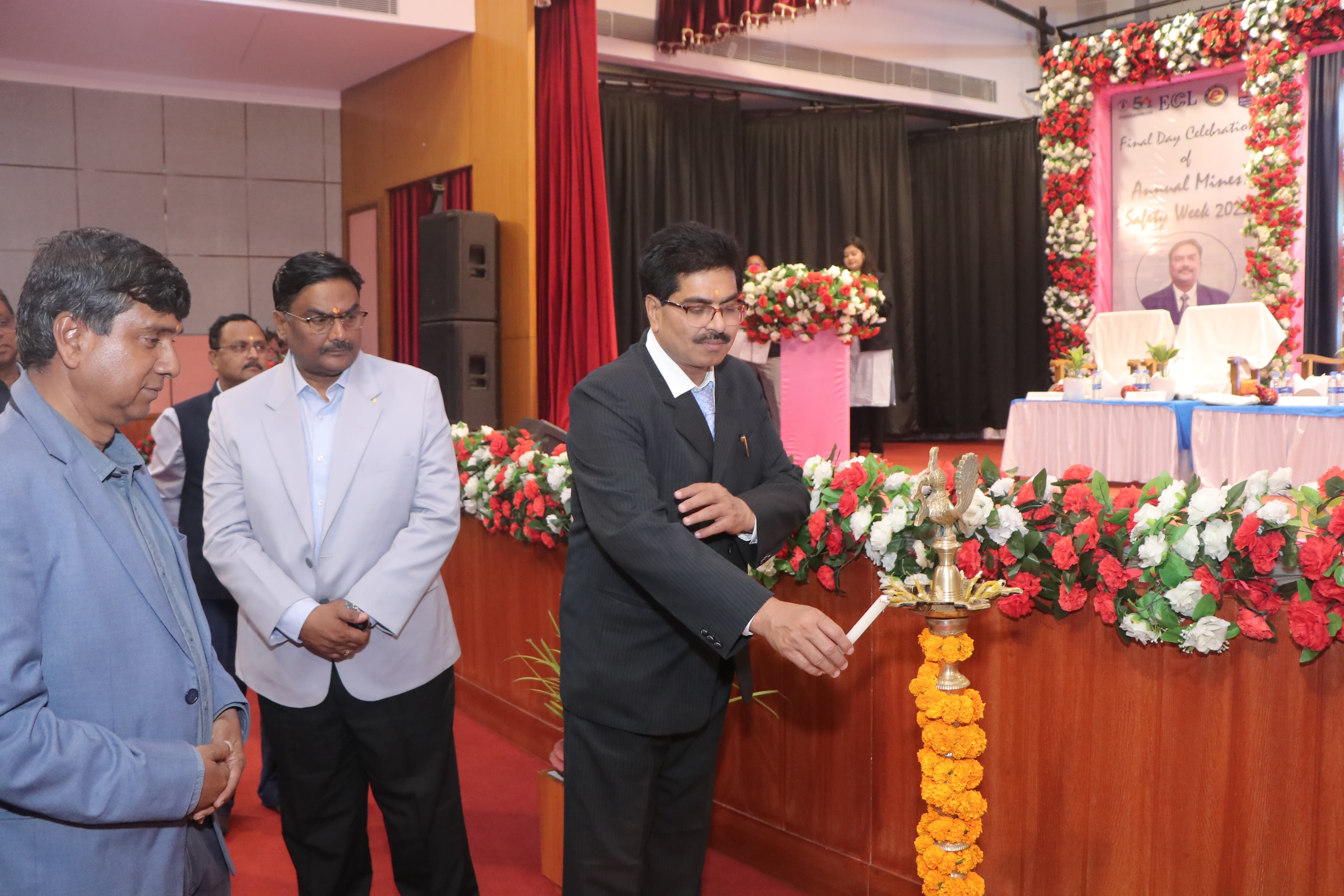
Eastern Coalfields Limited (ECL), a subsidiary of Coal India Limited (CIL), proudly organized the Final Day Celebration of the Annual Mines Safety Week – 2025 on 06th March 2026 at the Ramakrishna Mission Ashrama, Asansol, reaffirming its unwavering commitment to building a safer and more responsible mining ecosystem.
7, Mar 2026
SANY India Powers First-Ever All-Women Excavator Training Batch at National Academy of Construction, Andhra Pradesh
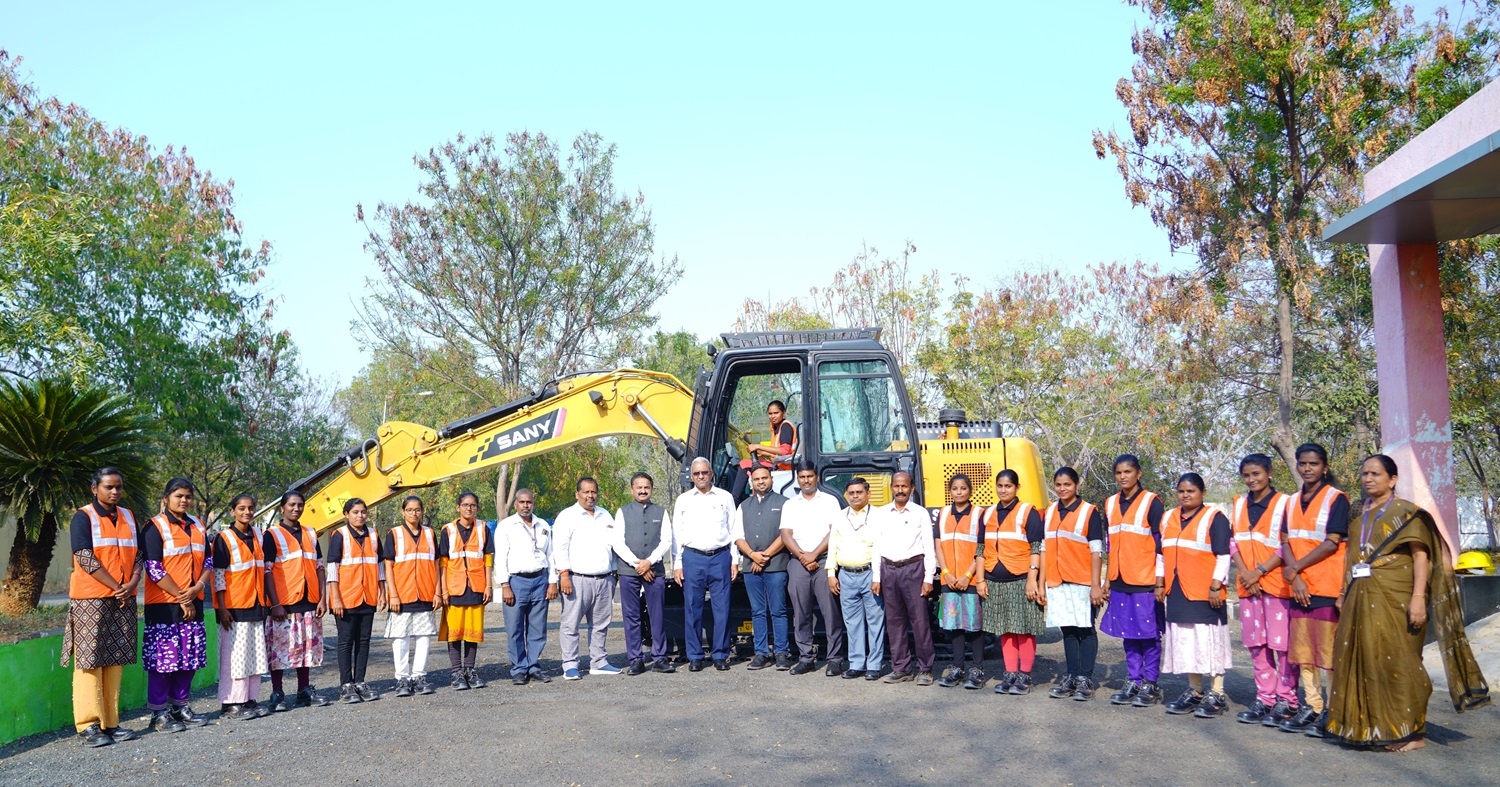
Mumbai / Hyderabad, Mar 07: In a landmark step towards gender inclusion and skill development in India’s construction sector, SANY India has enabled the first-ever all-women batch of excavator operators at the National Academy of Construction (NAC), Andhra Pradesh. The pioneering batch of 22 women trainees successfully completed their certification in March 2026, aligning with International Women’s Day and reinforcing the programme’s strong women-empowerment focus.
The comprehensive training programme was conducted on SANY SY120 excavator, with the machine facilitated by SANY India to NAC to support hands-on, industry-ready skilling. The training syllabus was designed by SANY India, ensuring alignment with global best practices and real-world operational requirements. To maintain the highest standards of training delivery, NAC trainers were trained and certified by SANY India before leading the programme for the women trainees.
Upon successful completion, the participants received certification under the Infrastructure Equipment Skill Council (IESC) framework, strengthening their employability across infrastructure and construction projects nationwide. NAC will also facilitate placement support for all graduating trainees, enabling a smooth transition from training to employment.
Empowering Women, Building the Nation
This initiative reflects SANY India’s commitment to inclusive growth, skill development, and nation-building. By providing access to high-quality training, modern equipment, and recognized certification, the programme opens new pathways for women to enter and thrive in traditionally male-dominated roles, contributing directly to India’s infrastructure ambitions.
Key Highlights:
- First all-women excavator operator batch at NAC, Andhra Pradesh
- 22 women trainees receiving end-to-end professional training
- Hands-on learning on SANY SY120 Excavator, facilitated by SANY India
- Training syllabus, trainer training, and certification supported by SANY India
- Certification under the Infrastructure Equipment Skill Council (IESC) framework
- Placement support by NAC for trainees post certification
- Programme completion aligned with International Women’s Day
Speaking on the initiative, Mr Sanjay Saxena, COO- SANY India said: “At SANY India, we believe true progress is inclusive. By empowering women with world-class skills and certification, we are not only shaping careers but also strengthening India’s construction ecosystem. This Women’s Day-aligned batch symbolizes opportunity, confidence, and capability.”
Certificate Handover Ceremony
The certificate handover ceremony was held on 6 March 2026 at the National Academy of Construction (NAC-AP), Pulivendula, Kadapa District, Andhra Pradesh, marking the successful completion of the pioneering training batch.
Mr. Madhusudan Katragadda, Dealer Principal, Madhura Engineering Pvt. Ltd., attended the ceremony as the Chief Guest and handed over certificates to the graduating trainees.
Speaking at the event, Mr. Madhusudan Katragadda said: “It is truly an honour to be part of such a historic initiative. I sincerely appreciate SANY India and the National Academy of Construction for taking this bold step toward empowering women in the construction equipment industry. Excavator operations have traditionally been a male-dominated field, and this programme marks the first step in changing that narrative. Seeing these talented women successfully complete their training fills us with pride and optimism for the future of the industry. I encourage all the trainees to continue learning and growing—this certification is just the beginning. With dedication and experience, they can explore many opportunities within the sector, including roles in operations, sales, and service engineering.”
The graduating batch of 22 women trainees expressed immense pride and enthusiasm as they received their certifications, marking the beginning of their professional journeys in the construction equipment sector.
The event was also attended by Mr. Rakesh Mekala, Assistant Director, National Academy of Construction, Kadapa District, along with NAC faculty and staff. Representatives from SANY India were also present on the occasion to celebrate the milestone and congratulate the trainees on their successful completion of the programme.
The ceremony concluded on a positive and inspiring note, symbolizing a significant step forward in promoting gender diversity and inclusive skill development in India’s construction industry.
7, Mar 2026
Women Investors Drive Surge in Premium Housing Demand, ANAROCK Survey Reveals
Mumbai, Mar 07: Indian women are increasingly making independent and high-value real estate investment decisions, with a growing preference for premium homes priced above ₹90 lakh, according to the latest H2 2025 Consumer Sentiment Survey by ANAROCK Group.
The survey reveals a sharp rise in women’s interest in higher-value residential properties. While only 25% of women preferred homes priced above ₹90 lakh in 2019, that number has now surged to 61%, indicating a major shift toward premium housing investments.
A detailed breakdown shows that 37% of aspiring women homebuyers prefer homes priced between ₹90 lakh and ₹1.5 crore, while 14% favour properties in the ₹1.5 crore to ₹2.5 crore range. Another 10% are looking at homes priced above ₹2.5 crore, reflecting the growing presence of high-net-worth women investors in the real estate market.
Commenting on the trend, Santhosh Kumar, Vice Chairman of ANAROCK Group, said:
“The modern Indian woman prefers brick and mortar over traditional FDs and gold on the back of their growing financial independence and hunger for high-yield assets. For 66% of women, real estate is now the ultimate investment vehicle. While gold and FDs still have a place, the stock market at just 3% — is barely on the radar. Women are not just saving for the future but casting it in concrete.”
Real Estate Tops Women’s Investment Preferences
The survey indicates that over 71% of women respondents prefer residential real estate as an investment, reinforcing property as the most trusted asset class. Meanwhile, the stock market has significantly lost appeal, with only 3% of women preferring it today compared to 20% in 2019.
Gold remains the second-most preferred investment option, with 18% of women favouring the asset class, up from 8% in 2019, while fixed deposits account for 13% of preferences.
The survey also shows a shift in buying intent. The end-use-to-investment ratio for women homebuyers currently stands at 71:29, compared to 77:23 in 2019, highlighting increasing investment-oriented purchases.
Women Prefer Larger Homes
Demand for larger homes continues to dominate women buyers’ preferences. According to the survey, over 54% of women prefer 3BHK homes, while 14% are inclined toward 4BHK homes or larger.
Interest in smaller homes continues to decline. Preference for 1BHK units has fallen to just 4% in H2 2025, compared to 8% in H2 2022, suggesting that women buyers are prioritising spacious living environments.
“Women homebuyers’ preference for spacious homes has remained consistent over the years,” added Santhosh Kumar. “The trend indicates a clear shift toward larger homes that support evolving lifestyle needs.”
Rising Interest in Newly Launched Properties
The survey further highlights a growing appetite for newly launched projects. Around 20% of women respondents now prefer newly launched properties, a significant increase from 9% in 2019.
Meanwhile, preference for ready-to-move-in homes has marginally declined to 32% from 33% earlier. The rising interest in new launches is also attributed to increased confidence in large and listed developers.
The ANAROCK Consumer Sentiment Survey polled 9,800 participants, including 4,900 women respondents, offering insights into evolving consumer behaviour and investment preferences in India’s residential real estate market.
7, Mar 2026
DBS Bank Study: 69 Percent of Urban Female Entrepreneurs Lead Financial Decisions
69% of female entrepreneurs surveyed in urban India identify as primary decision-makers in financial matters: ‘Women and Finance’ study by DBS Bank India
Chandigarh, Mar 07: DBS Bank India has unveiled the latest report from its ‘Women & Finance’ series, with Deloitte Touche Tohmatsu India LLP (DTTI LLP) as the research partner.
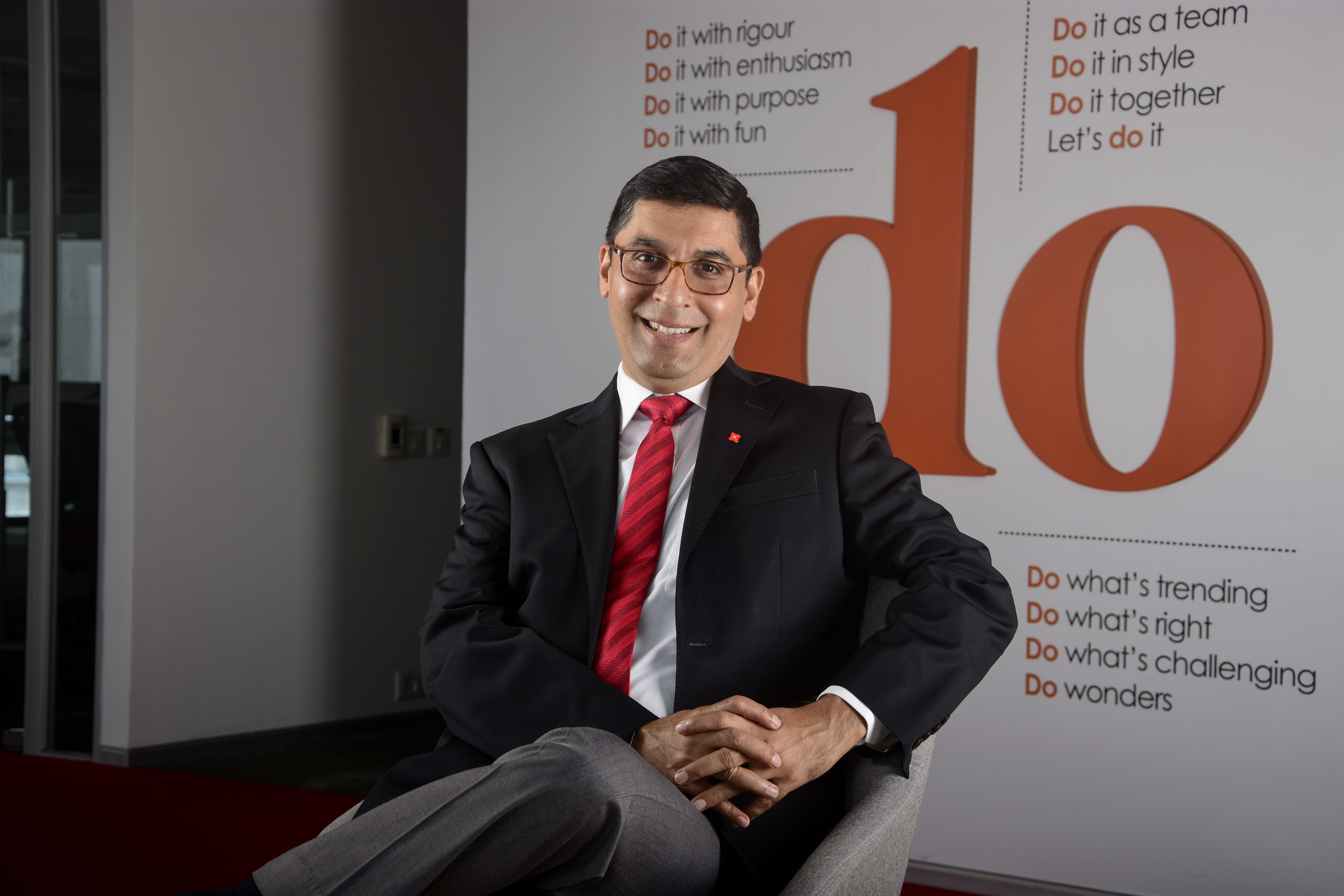
Launched ahead of International Women’s Day 2026, the report, Money Matters: Mindsets, Financial Agency and Behaviour Across Life and Career Stages, draws on responses from 1,342 women surveyed across North (23%), South (36%), East (14%) and West (27%) India, reflecting the views of female entrepreneurs, High Net Worth (HNW) women and rural women earners.
The report builds upon DBS Bank India’s Women and Finance study, first introduced in 2024, which comprises four reports capturing unique insights from women across segments. It explores their autonomy in financial decision-making, key drivers and life goals, preferences for engaging with banks and digital financial apps, as well as their perspectives on career breaks, perceived work-life balance, retirement planning and long-term financial preparedness.
Data from the survey suggests that financial decision-making increasingly sits with women themselves. Among the female entrepreneurs surveyed, 69% identify as primary decision-makers in financial matters, compared to 60% among rural women earners and 58% among HNW women. The trend is more pronounced with age, particularly among HNW women and female entrepreneurs, indicating that confidence and control grow as experience accumulates.
Global connectivity emerges as a key factor for many urban Indian women when selecting a banking partner. The preference is strongest among female entrepreneurs, with 89% citing a bank’s international network as influencing their decision. This trend is mirrored among HNW women, 84% of whom view an institution’s global footprint as an important factor in their choice. This preference is already reflected in their behaviour, with 81% of female entrepreneurs and 80% of HNW women surveyed already banking with global institutions. These trends point to the fact that these cohorts value cross-border connectivity, whether for business expansion, investing or the reassurance of institutional scale.
The study also shows that capital, while foundational, is not the only requirement for growth among the female entrepreneurs surveyed. Within this group, 44% value peer advisory and networking, 40% seek sector-specific mentorship, 33% want to strengthen investor connections to access growth capital, and 22% look for support on government schemes, and eligible grants or pitch competitions.
Divyesh Dalal, Managing Director and Country Head, Global Transaction Services, Corporate Banking, Financial Institutions and SMEs, DBS Bank India, said, “Insights from the latest report in our Women and Finance study highlight the growing importance female entrepreneurs place on institutional credibility and global connectivity when choosing a banking partner. This reflects the value they place on trusted partners that can support cross-border ambitions, offer access to global markets and connect them to broader ecosystems.
The findings also highlight that while access to credit continues to be an important enabler of growth, many female entrepreneurs are increasingly looking for support that goes beyond traditional banking services. Access to mentors, peer networks and investor connections is emerging as an important part of the journey as businesses scale. The insights underscore the importance of engaging with entrepreneurs in a more holistic way, combining financial solutions with ecosystem support that helps businesses grow meaningfully.”
Confidence levels in managing finances
- 76% of rural women earners surveyed report feeling confident or very confident about managing finances, compared to 67% among HNW women and 58% among female entrepreneurs.
- Among women who do not make financial decisions independently, there is reliance on trusted personal relationships for financial advice. Of the HNW women surveyed, 55% turn to their spouse or partner for financial advice or guidance, compared to 50% of female entrepreneurs surveyed. This pattern rises to 73% among rural women earners.
Life goals
- Among HNW women (64%) and female entrepreneurs surveyed (73%), buying a new home or property is a key priority, highlighting a strong preference for tangible assets and an affinity for home ownership. 73% of the rural women earners surveyed prioritise children’s education first as their life goal.
How women engage with banks
- Digital platforms, including apps and websites, are the most preferred channels of engagement for female entrepreneurs (44%) and 29% of HNW women. HNW women tend to prefer a hybrid approach (36%), combining digital channels with in-person support.
- In contrast, rural women earners show a stronger preference for in-person banking, with 47% favouring branch visits. This is driven by trust in face-to-face interactions.
Digital adoption
- Female entrepreneurs show the highest levels of digital adoption. Among those surveyed in this group, 84% use UPI, and 59% actively use digital financial tools such as banking apps. HNW women surveyed report UPI adoption at 77%, and 52% say they use digital tools such as savings and banking apps.
- Despite high smartphone ownership (82%), adoption of digital financial services remains limited among the rural women earners surveyed. Key barriers include low familiarity with apps (44%), fear of online scams (37%), and inconsistent connectivity (31%).
Career breaks
- Among those surveyed, female entrepreneurs report a higher incidence of career breaks, with 46% taking breaks for family or personal reasons and 22% for voluntary reasons such as travel or upskilling.
- This compares with HNW women, where the figures stand at 36% and 15% respectively. These differences suggest that female entrepreneurs may use the flexibility of self-employment to pause, recalibrate or invest in personal development, while HNW women tend to experience more continuous career paths.
Retirement planning and financial preparedness
- Among the female entrepreneurs surveyed, 39% expect to retire after the age of 50 years, 20% believe they may never fully retire, and 26% remain unsure. A similar pattern appears among HNW women, with 41% planning to retire after 50, 29% expecting lifelong engagement with work, and 12% uncertain about their retirement age.
- Rural women earners show comparable trends, with 42% expecting to retire after 50, 29% believing they will continue working indefinitely, and 19% remaining unsure. Among this cohort, 37% report having no long-term financial plan for retirement, while others rely on bank or post office savings (27%), formal pension schemes (23%), or informal instruments (13%).
7, Mar 2026
Tata Power Collaborates with Salesforce to Accelerate India’s Clean Energy Transition
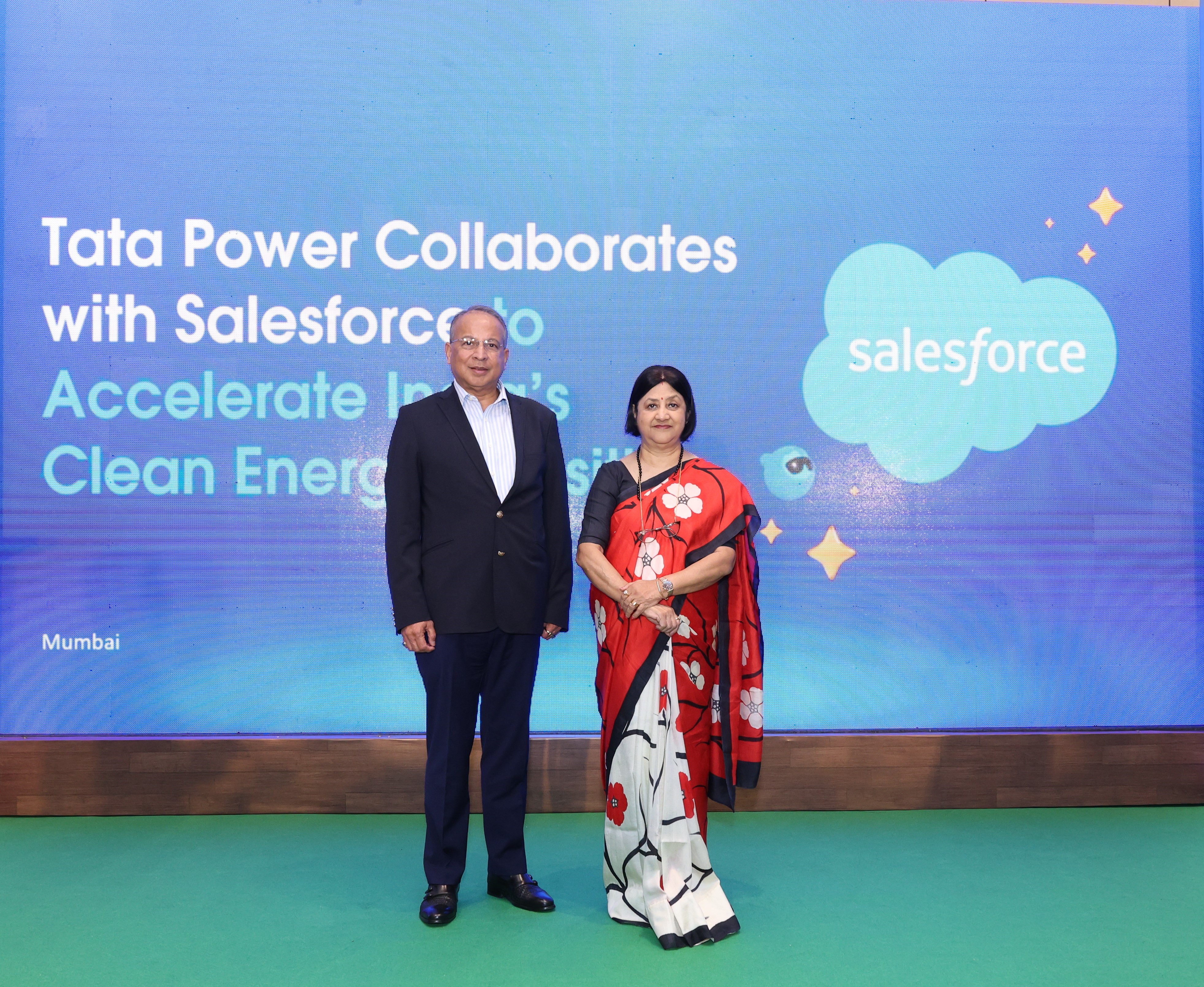
Chandigarh, Mar 7:Tata Power, one of India’s largest vertically integrated power companies, today announced its collaboration with Salesforce, the world’s #1 AI CRM, to digitally transform its rapidly expanding rooftop solar (RTS), EV charging, and smart home solutions businesses. The collaboration reinforces Tata Power’s long-term clean energy roadmap aligned with India’s net-zero ambitions by establishing a secure, intelligent, and fully integrated clean energy ecosystem powered by AI, automation, and data-driven insights. The platform will enable scalable growth, deeper partner and customer engagement, and operational excellence across the renewable energy value chain.
As part of this transformation, Tata Power has deployed Agentforce Sales, Agentforce Service, and Agentforce Marketing across its renewable energy subsidiary, Tata Power Renewable Energy Limited (TPREL). The Salesforce platform powers intelligent, AI-enabled workflows that enhance visibility, accelerate decision-making, and create seamless omnichannel experiences—driving efficiency, agility, and service leadership at scale.
Agentforce Sales and Agentforce Service form the foundation of Tata Power’s best-in-class omnichannel engagement model. Salesforce serves as a strategic digital backbone for Tata Power’s high-growth renewable energy businesses. The platform enables end-to-end digitisation of partners and customer journeys, delivering streamlined lead management, inventory visibility, process automation, and real-time performance tracking. This ensures enhanced transparency, operational efficiency, and a superior customer experience across touchpoints.
Additionally, Tata Power has developed a proprietary deep learning and agentic intelligence layer built on top of Salesforce to enable a zero-touch quality and safety validation process. This digital capability facilitates instant on-site verification and automated warranty generation, reinforcing Tata Power’s commitment to quality assurance and delivery excellence under its Solaroof offerings.
Driven by strong policy momentum under the Pradhan Mantri Surya Ghar Yojana, Tata Power’s residential rooftop solar segment has delivered over 200% growth across the past two financial years. Overall, the Company’s solar portfolio has achieved a fivefold increase in revenues between FY2020 and FY2025, reflecting accelerated market adoption, digital-led execution excellence, and expanding customer trust across segments.
Looking ahead, Tata Power and Salesforce will collaborate to co-innovate high-impact, agentic AI-led workflows designed to transform omnichannel customer and partner contact centre operations – driving faster resolution, proactive service, and predictive engagement.
Dr Praveer Sinha, CEO and MD Tata Power said,
“Tata Power is leading India’s green energy transition by scaling rooftop solar nationwide, expanding EV charging infrastructure, and advancing intelligent energy management solutions. As we accelerate this growth, digital capability is a critical enabler of scale, speed, and customer trust. Leveraging Salesforce’s AI-powered platform, we are transforming customer and partner journeys with greater transparency and agility, while strengthening operational excellence. Together, we are building a future-ready clean energy ecosystem that advances India’s net-zero ambitions.”
Arundhati Bhattacharya, President & CEO at Salesforce – South Asia, said,
“The path to a sustainable future is being paved by visionary enterprises that are embedding intelligence, agility, and customer-centricity into the core of their operations. Tata Power’s digital-first approach to accelerating India’s green energy mission exemplifies how technology can be a powerful catalyst for national transformation. At Salesforce, we are proud to partner with Tata Power in building a future-ready energy ecosystem—one that harnesses the power of data, AI, and automation to drive scalable impact, inclusive growth, and long-term climate resilience.”
7, Mar 2026
Venezuela’s Deputy Minister Arturo Gil Visits Cape Town to Advance Energy Ties
The visit builds on an MoU signed between Venezuelan petroleum authorities and the African Energy Chamber in February 2026, representing the next step in this collaborative initiative
CAPE TOWN, South Africa, Mar 7 — Following the historic visit by the African Energy Chamber (AEC) (https://EnergyChamber.org) to Venezuela in February 2026, Venezuela responded by sending its Deputy Minister of Artificial Intelligence and Productive Efficiency on Hydrocarbons Arturo Gil to South Africa to advance energy ties.
A high-level meeting was held in Cape Town, featuring Deputy Minister Gil and Carlos Feo Acevedo, the Venezuelan Ambassador to South Africa, alongside an AEC team led by Executive Chairman NJ Ayuk and a team from Energy Capital & Power, led by CEO James Chester. Discussions centered on strengthening investment flows, leveraging Venezuela’s expertise to support Africa’s energy resilience and identifying avenues for collaboration across the energy value chain.
The meeting follows a high-level visit by the AEC to Caracas in late February, which included meetings with Delcy Rodríguez, Interim President of Venezuela as well as the state-owned oil corporation Petróleos de Venezuela SA and the ministries of Hydrocarbon Geopolitics and Gas. The outcome of these meetings was a signed MoU, aimed at strengthening investment and collaboration across the oil, gas and broader energy sectors. The Cape Town discussion represents the next step in this collaboration, underscoring Venezuela’s commitment to establishing resilient ties with African nations.
Workforce Development and Technical Cooperation
A key outcome of the meeting was a commitment to strengthening workforce development across Africa’s energy sector. Under the initiative, the AEC will engage between 10 and 15 African stakeholders to participate in specialized technical training programs at Venezuela’s University of Hydrocarbons, supporting skills development and knowledge transfer between the two regions.
The Venezuelan delegation emphasized the importance of building long-term technical partnerships, noting that structured training programs would allow African professionals to gain hands-on expertise while fostering deeper institutional cooperation between Africa and Venezuela.
“We believe it would be valuable to organize a working visit to South Africa and bring a Venezuelan delegation to explore cooperation and investment opportunities,” stated Deputy Minister Gil.
Leveraging Venezuelan Oil and Gas Expertise
The meeting also examined how Africa can benefit from Venezuela’s more than 100 years of oil and gas production experience. Ayuk highlighted geological similarities between Venezuela and key African producing countries such as Namibia and Angola, suggesting that knowledge exchange on basin geology and data interpretation could accelerate exploration and production across both regions.
“We need to strengthen collaboration between Africa and Venezuela. I hope to see more African stakeholders leveraging your cooperation, particularly in the area of data sharing and trade,” stated Ayuk.
He also underscored Venezuela’s unique role as a member of the African Petroleum Producers’ Organization, emphasizing the importance of increased participation in continental initiatives such as the African Energy Bank to address both the continent and the south American nation’s investment challenges.
Unlocking Investment and Market Opportunities
Investment opportunities within Venezuela’s hydrocarbon sector was also a central focus of the meeting. The Venezuelan delegation highlighted the country’s extensive geological database, built over more than a century of exploration and production activity, which provides investors with detailed insights into untapped resources and development opportunities.
With 1,000 wells planned for development and over 20,000 wells already drilled – including many yet to be optimized – the country presents substantial and highly lucrative investment opportunities across its upstream sector.
Gas Development and Energy Access
Venezuela’s vast natural gas resources were also discussed as a potential solution to Africa’s growing energy access challenges. With approximately 600 million people in Africa lacking access to electricity and nearly one billion living without access to clean cooking solutions, Ayuk highlighted the potential role of Venezuela’s flared gas in strengthening the continent’s energy supply while also supporting economic growth for the South American nation.
“Venezuela has significant onshore gas resources that can be further developed, but unlocking this potential will require greater investment to support both national development and the needs of our people,” stated Deputy Minister Gil. “LPG is not only an energy resource but also a social solution with strong economic and societal value. There is substantial potential for expansion in both our onshore and offshore gas sectors.”
Role of African Independents in Upstream Expansion
During the meeting, the parties emphasized the growing influence of African independent oil companies, noting their success in expanding production across the continent after decades of experience working alongside international majors. Drawing parallels with markets such as Nigeria, he suggested that independent operators could also play a role in supporting Venezuela’s efforts to increase oil output through brownfield redevelopment and mature asset optimization.
“Outside the U.S., Africa – especially Nigeria – has one of the largest populations of independent oil producers, with many operators producing from as little as 1,000 barrels per day,” stated Ayuk.
As both regions seek to expand production and address energy access challenges, deeper collaboration between African and Venezuelan stakeholders could unlock new opportunities across the global energy landscape.
6, Mar 2026
Sukhraj Nahar, President, CREDAI-MCHI, on the Maharashtra State Budget 2026–27
“The Maharashtra Budget 2026–27 reinforces the government’s strong commitment to infrastructure-led growth, which remains a key catalyst for the real estate sector, particularly in the Mumbai Metropolitan Region (MMR). Major investments in transformative infrastructure such as Mumbai Metro Line 11 (INR 23,487 crore) connecting Wadala to the Gateway of India, and Metro Line 8 (INR 22,862 crore) linking Mumbai to the Navi Mumbai International Airport, will significantly strengthen regional connectivity.
Improved metro connectivity plays a crucial role in shaping real estate growth by reducing travel time, improving access to employment hubs, and opening up new residential and commercial development corridors along transit routes. This will increase housing demand and encourage planned development across emerging micro-markets.
Such large-scale infrastructure initiatives will not only enhance urban mobility but also drive housing demand, support transit-oriented development, and accelerate balanced urban expansion across the MMR. With Maharashtra’s economy projected to grow at 7.9%, the continued focus on infrastructure development will further boost investor confidence and reinforce MMR’s position as one of India’s most dynamic real estate markets.”
6, Mar 2026
Kia India Expands ‘Buckle Up’ Road Safety Initiative with Phase II; Signs MoU with TSL Foundation, Inaugurated by MoRTH
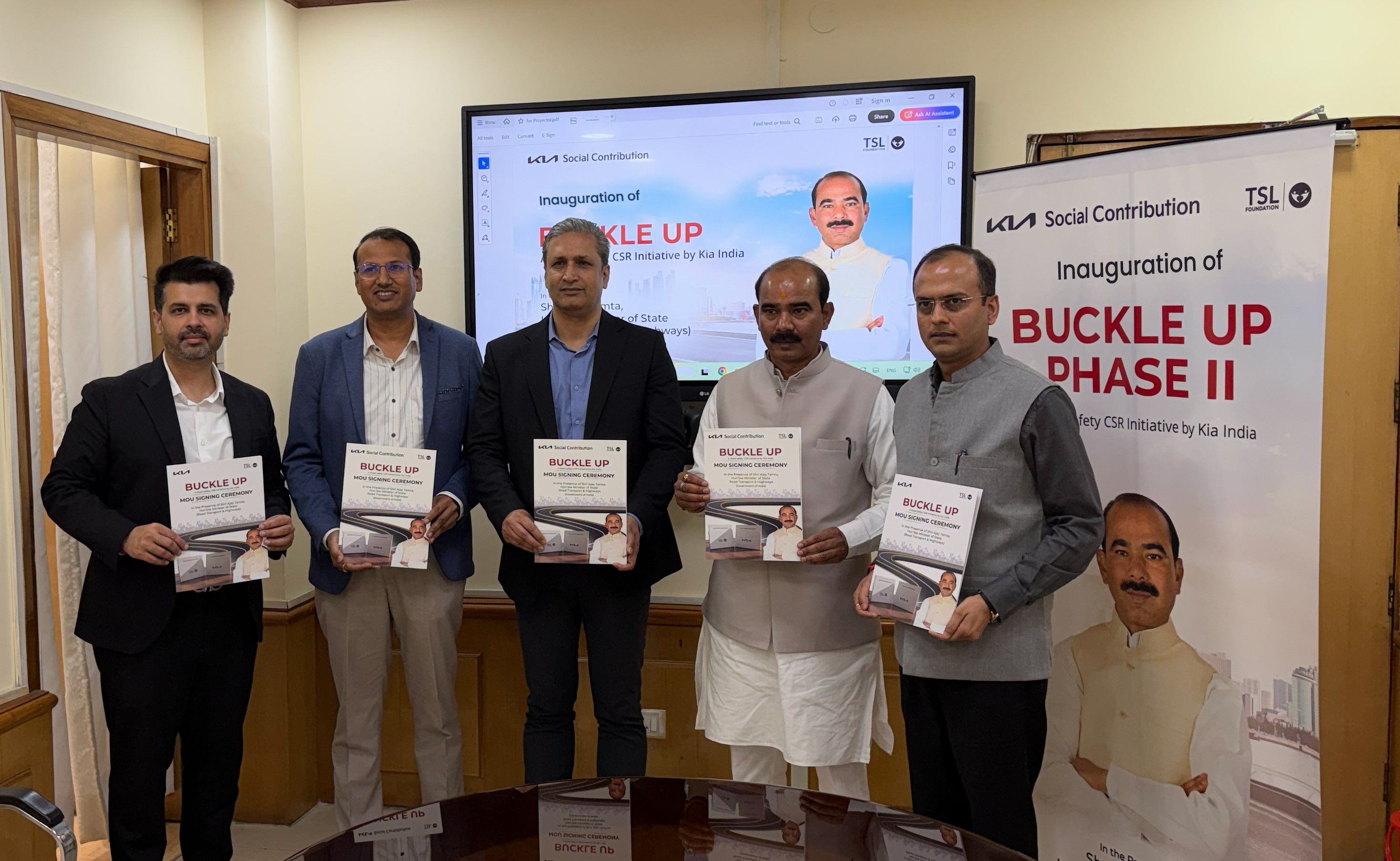
Mumbai, India, Mar 06: Reinforcing its role as a responsible mobility leader, Kia India, one of the country’s leading mass premium carmakers, announced the launch of Phase II of its flagship road safety initiative, ‘Buckle Up’, in partnership with The Social Lab Foundation (TSL), under the aegis of the Ministry of Road Transport and Highways (MoRTH). Marking the next phase, Kia India and TSL signed a Memorandum of Understanding (MoU) to expand the initiative’s reach and impact. Phase II was inaugurated by Shri Ajay Tamta, Hon’ble Minister of State, MoRTH, at Transport Bhawan, New Delhi, in the presence of senior government officials and Kia India leadership.
During Phase I of the Buckle–Up project (February 2024 – February 2026), Kia India partnered with the Gurugram Traffic Police to address road safety through a dual focus on Infrastructure and behavioural awareness. The programme facilitated the installation of 750 crash barriers across identified high-risk stretches in Gurugram, strengthening on-ground preventive infrastructure. Complementing these efforts, Kia India conducted structured road safety education programmes across 100 schools, reaching nearly 32,000 students and fostering early awareness among young road users.
By integrating tangible infrastructure upgrades with youth-focused engagement and working in close coordination with local authorities, Phase I established a scalable and outcome-driven model for community-led road safety. This structured foundation now evolves into Phase II, reinforcing Kia India’s long-term commitment to building safer mobility ecosystems through measurable and sustainable interventions.
Building on this strong foundation, Phase II (April 2026 – March 2028) significantly expands the initiative’s scale and geographic footprint. The programme will extend across Delhi–NCR and Uttarakhand, engaging nearly 20,000 students across 100 colleges through advanced driving simulators and structured experiential learning modules. These are designed to help young road users understand real-world risks and adopt safer driving behaviours. The initiative will also strengthen road safety infrastructure through the installation of additional crash barriers in high-risk zones, including Gurgaon and along the Delhi–Uttarakhand highway. These efforts will be supported by integrated awareness campaigns across different platforms of online and on-ground engagement programmes, further advancing Kia India’s long-term vision of building safer mobility ecosystems across communities.
During the MoU signing, Shri Ajay Tamta, Hon’ble Minister of State, MoRTH, commended Kia India’s structured approach to strengthening road safety through infrastructure and awareness interventions. He emphasized the importance of sustained collaboration between industry and government to reduce road fatalities and advance national road safety awareness efforts.
On the progression of the initiative, Mr. Sood, said, “At Kia India, safety is a fundamental pillar of our mobility vision, extending beyond our vehicles to the communities we serve. ‘Buckle Up’ reflects our long-term commitment to creating safer mobility ecosystems through infrastructure enhancement and sustained behavioural change initiatives. With Phase II, we are scaling our efforts to reach young and first-time drivers while strengthening on-ground safety interventions. Through this initiative, we are proud to support the Government of India’s vision of safer roads and contribute meaningfully towards building a stronger culture of road safety across communities.”
Commenting on the occasion, Apoorva Sharma, Executive Director of TSL Foundation said, “Our collaboration with Kia India in Phase I laid a strong operational foundation through targeted infrastructure and school-level engagement. With Phase II, we are building on these learnings to scale the programme across new geographies and age groups, further strengthening its impact through structured, experiential road safety interventions.”
Through the ‘Buckle Up’ initiative, Kia India continues to advance a structured and scalable model for community-led road safety, aligned with national priorities and built on measurable impact. As the programme evolves into its next phase, the company reaffirms its commitment to working alongside government bodies, local authorities, and community stakeholders to foster safer road behaviours and strengthen mobility ecosystems across India.
6, Mar 2026
ACCENTUM Open Sakura Pink Edition: A Stylish Pick for Women’s Day

Bright, lightweight, and thoughtfully designed, the ACCENTUM Open Sakura Pink Edition is a perfect Women’s Day pick that celebrates individuality, confidence, and style. The soft Sakura Pink finish adds a subtle, elegant touch, making it a chic accessory for women who embrace both fashion and functionality in their everyday lives.
With its open-ear design and custom 11 mm dynamic transducers, ACCENTUM Open delivers clear, balanced audio while allowing her to stay aware of her surroundings. Whether she’s heading to work, going for a walk, or managing a busy day on the move, it keeps her connected without missing a beat. Featuring Bluetooth 5.3 multipoint connectivity, intuitive touch controls, and up to 28 hours of battery life with the case, it blends convenience with modern design.
This makes ACCENTUM Open Sakura Pink ideal for:
• Her: A stylish audio companion that celebrates everyday confidence
• Busy lifestyles such as work, commutes, workouts, or travel
• Women who value both fashion and function in their everyday tech


