


6, Mar 2026
PhysicsWallah Alumna, Modge-by Land of Cakes Raises INR 1 Crore from Anupam Mittal on Shark Tank India Season 5

New Delhi, Mar 06: Alumna of PW School of Startups, the entrepreneurship arm of education company, PhysicsWallah (PW), Megha Sarayan, founder of Kolkata-based Modge – by Land of Cakes, has raised ₹1 crore in funding on Shark Tank India Season 5. The investment was made by Anupam Mittal, founder and CEO of People Group and angel investor, in exchange for 9% equity. Mittal backed the venture after recognising the founder’s determination and clarity of vision during the pitch.
Sarayan, a 26-year-old entrepreneur, has been building Modge as a mood-based cravings brand offering a range of vegetarian cakes, desserts, and savoury treats. Founded in 2017, it operates across cloud kitchens and physical outlets in Kolkata and Hyderabad. The brand has built a strong affinity around handcrafted baked goods that combine creativity, indulgence, and innovation. Her journey reflects a shift from instinct-driven entrepreneurship to a process-led, scalable business model, a transition that gained national visibility with her appearance on the show.
Reflecting on her journey, Sarayan said, “Shark Tank was always a dream for me, and I knew that to stand on that stage, I couldn’t just have a good product; I needed a business that could speak for itself. I had been running Modge for years, but I realised I needed an organised system to scale ahead. I enrolled myself in the Aarambh, a 5-day residential startup immersion program by PW School of Startups. The mentorship changed my perception of numbers and scale. The programme helped me bring structure to what I had built. This further helped me build confidence to walk into Shark Tank and present my business.”
Megha is an alumna of Aarambh 6.0, a startup mentorship bootcamp under PW School of Startups, where early-stage and growth-stage founders are guided on business structuring, operational discipline, and investor readiness. The programme focuses on helping founders refine their ideas into organised ventures with long-term scalability.
Commenting on the development, Gopal Sharma, Chief Operating Officer, PhysicsWallah (PW) said, “Seeing Megha secure funding on a platform like Shark Tank India makes us immensely proud. These achievements bring forth the importance of mentorship that nurtures ideas and instils real-world business thinking. Our aim at PW SOS has been to support founders in building sustainable organisations and supporting them in structuring their ideas and nurturing them, so these young entrepreneurs can build lasting foundations.”
With the new funding, Sarayan plans to strengthen Modge’s offline presence while continuing to scale its cloud kitchen operations, further building the brand as a cravings-led consumer business.
- 0
- By Neel Achary

6, Mar 2026
XLRI Delhi-NCR Successfully Concludes MAXI Mela 2026 at DLF CyberHub: Where Market Research Meets Carnival
Delhi-NCR, Mar 06: XLRI Delhi-NCR, a premier management institution recognised for academic excellence, industry engagement, and policy-focused research, successfully concluded its flagship marketing initiative, MAXI Mela 2026, at DLF CyberHub. Organised by the Marketing Association of XLRI (MAXI), the two-day event brought together over 1.5 lakh attendees, establishing itself as one of the largest student-led marketing activities in the National Capital Region.
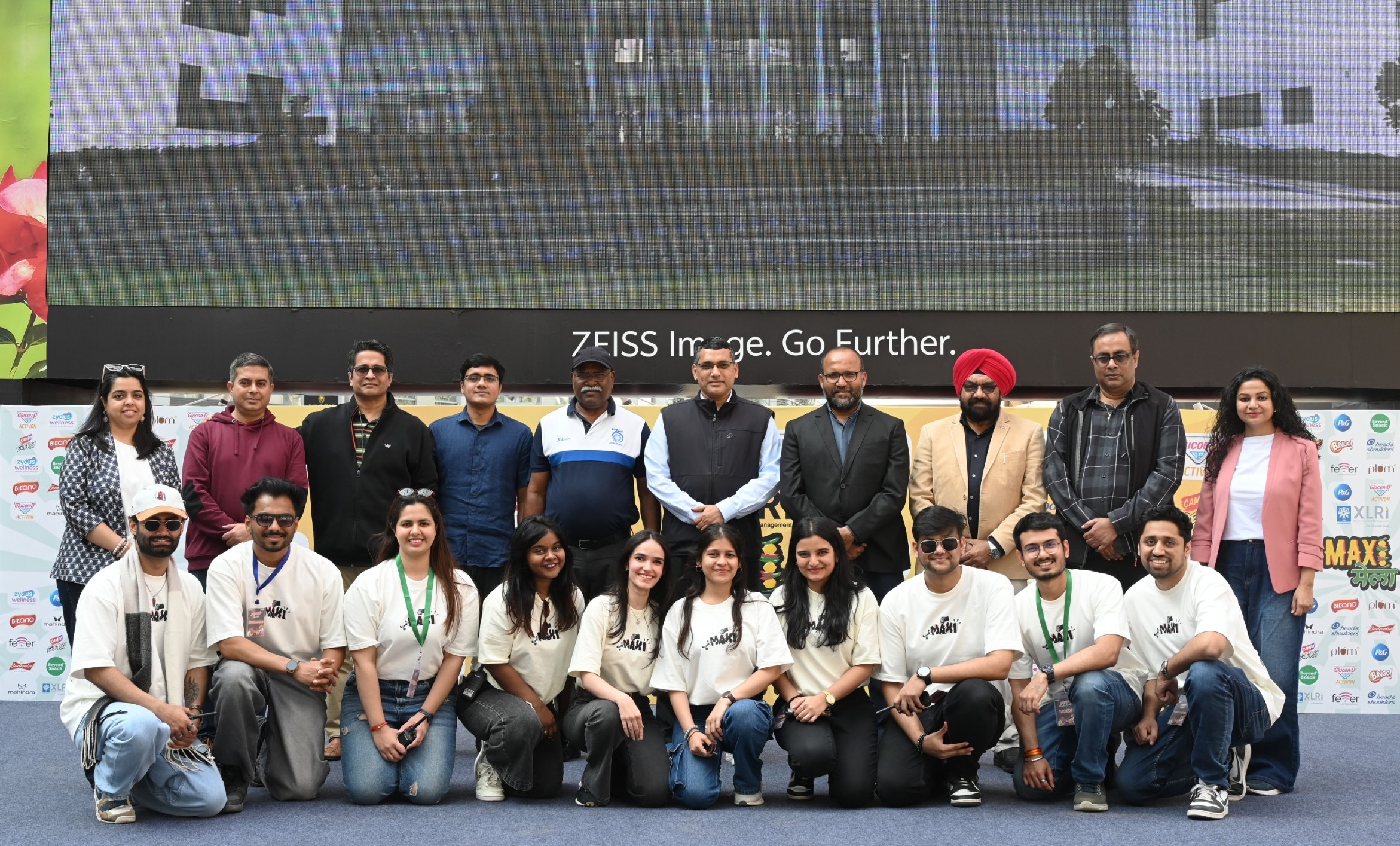
MAXI Mela 2026 was conceptualised as a live marketing laboratory, carrying forward the four-decade legacy of “Disguised Market Research.” Centred around an Indie Pop Art theme, the event blended entertainment with academic rigour, enabling students to apply classroom marketing frameworks within a real-world consumer environment. Moving beyond conventional survey methods, the initiative employed immersive and gamified engagement formats to capture authentic consumer insights. A key highlight was student collaboration with leading organisations such as Mahindra Group, AB InBev, and Procter & Gamble, allowing brands to gather organic insights into evolving Gen Z preferences, lifestyle aspirations, and consumption behaviour in a naturalistic setting.
Beyond its research focus, the Mela evolved into a vibrant cultural showcase. The event featured “Taal,” an inter-college dance competition with participation from institutions across Delhi University and the NCR region, alongside live musical performances by Aayushi Sharma, Rocknaama, and Project Dnox. A curated Commercial Bazaar further enriched the experience by bringing together local businesses, IEV startups, and lifestyle brands, collectively transforming the Amphitheatre into an energetic experiential space that seamlessly integrated large-scale public engagement with data-driven marketing insights.
Speaking on the successful conclusion of the event, Fr. Nelson A. D’Silva, S.J., Acting Director, XLRI Delhi-NCR said,
“MAXI Mela reflects XLRI’s commitment to experiential learning and industry collaboration. By enabling students to conceptualise and execute large-scale consumer research projects for leading organisations, we bridge the gap between academic theory and market realities. The overwhelming public participation demonstrates that research, when innovatively designed, can be both insightful and engaging.”
With the successful completion of its third Delhi-NCR edition, MAXI Mela 2026 reinforces XLRI Delhi-NCR’s growing regional footprint and sets a strong benchmark for student-driven industry engagement initiatives.
6, Mar 2026
CheerioAI Raises Seed Funding Led by Artha Venture Fund II to Advance Enterprise Automation
Bengaluru, Mar 06: CheerioAI, an AI-powered all-in-one customer engagement platform focused on optimizing the CAC-to-LTV equation, has raised ₹8 crore in a Seed funding round led by Artha Venture Fund II (AVF II). The round also saw participation from Hyderabad Angels, TiE Angels, LetsVenture, VC Mint, Invention Engine, and notable angel investors, including Arjun Vaidya, Anand Shahni (WedMeGood), Vivek Mathur (ex-Elevation Capital), Ajeet Khurana, along with early customers such as Habuild and Nitin Verma (InstaAstro).
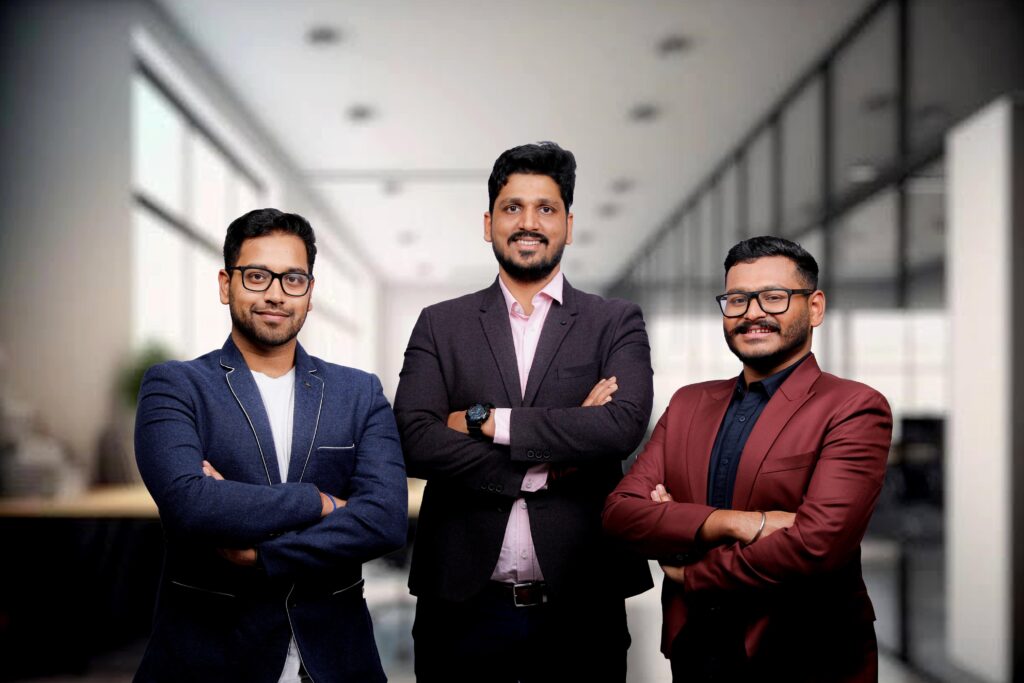
From left to right: Nishant Das co founder,Avinash Upadhyay -co founder,Priam Jain-Cto and co founder
The funding will be used to develop multi-modal AI capabilities, including a proprietary small-model LLM for ad generation, expand CheerioAI’s platform from messaging into voice and video, scale AI-driven automation, and strengthen enterprise-grade capabilities to help businesses drive higher engagement, faster growth, and improved ROI while ensuring security and compliance.
CheerioAI’s revenue has grown 450% year-on-year over the past two years. Over the next six months, the company plans to expand its team across engineering, AI, enterprise sales, and customer success to support scaling and global expansion.
Speaking on the announcement, Nishant Das, Co-founder of CheerioAI, said:
“Avinash, Priam, and I are thrilled to partner with Artha and our co-investors. This investment strongly validates our vision and will help us deepen our AI-driven automation capabilities while accelerating expansion into the enterprise segment. At CheerioAI, we envision a future where businesses operate with just three employees — the business founder, the technology founder, and CheerioAI. This funding is a crucial step toward making that vision a reality.”
CheerioAI addresses a major challenge faced by modern enterprises — fragmented communication across multiple digital channels, which often leads to inconsistent customer experiences, higher churn, and operational inefficiencies. The platform unifies marketing, support, and sales workflows across WhatsApp, email, SMS, social messaging, and in-app communication, enabling businesses to automate customer engagement and improve lifetime value.
Commenting on the investment, Anirudh A. Damani, Managing Partner at Artha Venture Fund, said:
“Our decision to invest in CheerioAI is anchored in our strong conviction around the long-term opportunity this team is building. As enterprises operate across an increasingly complex set of digital channels, customer retention and lifetime value optimization have become mission critical. Cheerio’s AI-native approach to orchestrating customer engagement positions it to become a category-defining platform.”
He further added that the round received strong ecosystem validation, with the opportunity referred by one of Artha’s LPs and additional investments coming from founders within its portfolio.
Varun Aggarwal, Founder of Change Engine at Invention Engine, said:
“At Invention Engine, we stand behind exceptional founders taking bold product bets that reshape enterprise workflows. Cheerio’s team demonstrated both ambition and execution, and we believe their AI-led approach to customer engagement will redefine how enterprises drive retention and lifetime value.”
Currently, CheerioAI works with 150+ enterprise customers across six industries and has generated over ₹500 crore in additional revenue for its clients through intelligent retention automation. With growing demand for scalable AI-driven engagement solutions, the company aims to become the default platform for customer lifecycle orchestration, enabling businesses to transform fragmented interactions into seamless, outcome-driven engagements.
Looking ahead, CheerioAI plans to expand its AI capabilities across automation, agentic workflows, and performance optimization, while maintaining a modular architecture that can integrate with evolving AI models. The company aims to empower enterprises globally by automating the majority of customer touchpoints, improving retention, and maximizing lifetime value.
6, Mar 2026
Decline of Populations of Migratory Species of Animals Covered by UN Treaty Worsens from 44% to 49% in 2 Years
Mar 6, Bonn / Campo Grande – An interim report which provides an update to the landmark State of the World’s Migratory Species (2024) warns that 49% of migratory species populations conserved by the global UN treaty are declining, (5% more in just two years), and 24% of species face extinction (2% more).
The new warnings are set to be presented to the 15th Meeting of the Conference of the Parties to the Convention on the Conservation of Migratory Species of Wild Animals (CMS COP15), a legally binding treaty of the United Nations, in Campo Grande Brazil 23-29 March.
The week-long COP is one of the most important global meetings for wildlife conservation. With high-level political attention from host-country Brazil, the meeting is set to tackle an ambitious set of actions addressing a vital aspect of the global biodiversity crisis.
Billions of individual aquatic, avian, and terrestrial wild animals migrate across lands, rivers, oceans and skies. They are essential to the well-functioning of nature and to human well-being, pollinating plants, transporting nutrients, regulating ecosystems, controlling pests, storing carbon and sustaining livelihoods and cultures worldwide.
Their survival depends on coordinated action across the full length of their migratory routes, which can cross multiple national borders and even continents.
Developed for CMS by the UN Environment Programme World Conservation Monitoring Centre (UNEP-WCMC) and other contributors, the interim report tracks significant changes in the conservation status of migratory species and highlights emerging trends to provide new information focusing on:
- Recent significant changes in the conservation status of species listed under the Convention on Migratory Species (CMS-listed) since the 2024 baseline, based on data from the IUCN Red List of Threatened Species.
- Newly reported population trends and changes in extinction risk documented in the scientific literature.
The report also underlines encouraging developments:
- Advances in mapping of migratory pathways to inform decision-making. Initiatives to map migrations are gathering momentum. This includes those spotlighted in the report – the Global Initiative on Ungulate Migration (GIUM), the Migratory Connectivity in the Ocean (MiCO) system, and BirdLife International’s work to identify and map six major marine flyways.
- Progress in identifying and safeguarding important habitats and migratory corridors.
- Recovery of some species through coordinated action.
Other key findings:
- 26 CMS-listed species, including 18 migratory shorebirds, have moved to higher extinction risk categories.
- 7 CMS-listed species have improved, including the saiga antelope, scimitar-horned oryx, and Mediterranean monk seal.
- 9,372 Key Biodiversity Areas (KBAs) important for CMS-listed species have been identified.
- 47% of the area covered by KBAs is not covered by protected and conserved areas.
- Progress has been made on filling gaps in knowledge on important habitats and migratory routes for sharks/rays and marine mammals, and new initiatives will identify areas for marine turtles.
- Despite some important successes, key indicators – such as the overall proportion of CMS-listed species with decreasing populations – are heading in the wrong direction.
The new report is based on the latest available data, including significant changes in conservation status, newly reported population trends, and recent progress in identifying and protecting critical habitats and migratory pathways.
This focused update provides Parties with the latest available evidence ahead of COP15 deliberations, helping to identify priority areas for action in advance of the next full report in 2029 at COP16.
Overexploitation, and habitat loss and fragmentation, are the two greatest threats to migratory species worldwide, notes CMS Executive Secretary Amy Fraenkel.
“The first global report was a wake-up call,” she said. “This interim update shows that the alarm is still sounding. Some species are responding to concerted conservation action, but too many continue to face mounting pressures across their migratory routes. We must respond to this evidence with coordinated and effective international action.”
The report underscores the need for action to improve the status of all migratory species listed on the Convention, but most urgently for the species listed on CMS Appendix I, where migratory species in danger of extinction throughout all or a significant portion of their range, are listed.
These 188 Appendix I species include terrestrial mammals (28), aquatic mammals (23), birds (103), reptiles (8), and fish (26).
Parties that are Range States to Appendix I-listed species are required to provide strict protection, including the prohibition of taking (such as hunting or capturing), protecting and restoring important habitats, and addressing obstacles that impede the species’ migration. Among other measures, a Global Initiative on Taking of Migratory Species (GTI) is expected to be launched at COP15. The new CMS-initiated initiative is designed to help governments, experts and local communities to ensure that any taking of migratory species is legal, sustainable and safe. It focuses on new findings that the threat of taking for domestic use is far greater than international trade.
“If we intervene only at the point of crisis, we risk acting too late,” said Fraenkel. “By strengthening governance, monitoring, legislation and community engagement upstream, we can reduce pressure on these remarkable animals and put them on the path to lasting recovery.”
Building on a landmark baseline
The 2024 State of the World’s Migratory Species report marked the first comprehensive global assessment of migratory animals, covering the 1,189 species listed at that time in CMS Appendices I and II and its analysis is linked to over 3,000 additional migratory species. It found that:
- 70 CMS-listed species had become more endangered over the previous three decades, compared to just 14 that improved in status.
- Migratory fish populations had declined by 90% on average since the 1970s and 97% of CMS-listed migratory fish species face extinction.
- More than half of Key Biodiversity Areas important for CMS-listed species lacked protected status.
The interim report update ensures that governments at CMS COP15 have the most current scientific picture before them.
“We have a baseline. We have better tools. And we have growing public awareness,” Fraenkel said. “The question before governments at COP15 is straightforward: will we match this knowledge with the political will and investment needed to secure the future of the world’s migratory species?”
Other key reports presented at COP15:
- Impacts of Deep-Sea Mining on Migratory Species: Review and Knowledge Gap
The study offers a thorough assessment of how deep-sea mining (1,000–6,000 meters) may impact key ocean species. Its findings reveal that sediment plumes and wastewater from mining can disrupt animal navigation, feeding, and prey availability, as well as introduce metal-contaminated particles into food webs. Other risks include habitat damage, more ship strikes, and persistent noise in sensitive marine environments.
Almost half of marine mammals covered by the Convention would be impacted. Other affected groups include sharks and rays, marine reptiles, seabirds and bony fish.
- Global Assessment of Migratory Freshwater Fishes
Some of the longest, most important migrations of species on Earth are happening beneath the surface of the world’s rivers, and they face significant threats from overuse, fragmentation, and pollution. This report identifies 325 new candidate species that could benefit from being added to CMS Appendices.
◾ Pre-COP15 media briefing (Zoom)
Thursday 5 March | 10 am EST / 11 am AMT / 3 pm GMT / 4 pm CET
Registration required: https://bit.ly/cmscop15-media-briefing
An interactive media briefing on COP15 to elaborate on the scope, structure, objectives, and what to expect in terms of resources, events, interview opportunities and logistics.
- Amy Fraenkel, Executive Secretary, CMS
- Kelly Malsch, Head of Nature Conserved, UN Environment Programme World Conservation Monitoring Centre (UNEP-WCMC), and lead author, State of the World’s Migratory Species: Interim Report (2026)
- Zeb Hogan, CMS Scientific Councillor, and lead author, Global Assessment of Migratory Freshwater Fishes
◾ At a Glance: CMS and COP15
With some 100 agenda items, issues on the table at COP15 span a vast range and include deep-sea mining impacts, illegal and unsustainable take, bycatch, habitat loss and fragmentation, light, noise and other forms of marine pollution, vessel strikes, priority areas for conserving marine migratory species, safeguarding ecological connectivity and migratory corridors, infrastructure and renewable energy impacts, as well as insect decline, climate change and other cross-cutting risks.
The Convention on the Conservation of Migratory Species of Wild Animals is a legally binding international treaty under the United Nations. CMS is one of the most important global frameworks for wildlife conservation and plays a vital role in addressing the global biodiversity crisis.
By fostering international collaboration, supporting research, and developing conservation agreements and actions among the Range States in which these species are found, CMS ensures the long-term survival of migratory species of wild animals and their habitats, and the vital benefits they provide.
132 countries plus the European Union are Parties to CMS. In addition, several non-Party countries have signed one or more binding CMS Agreements to protect migratory species.
The Conference of the Parties (COP) is the governing body of CMS, which meets every 3 years to review progress, add new species under the Treaty, and strengthen actions to address conservation needs as well as continuing or emerging threats.
At COP15, governments, scientists, conservationists, indigenous peoples and local communities, environmental leaders, and civil society from around the world will address urgent conservation challenges facing migratory species that cross international boundaries.
Venue: Bosque Expo, Campo Grande, Brazil (bosquedosipes.com/bosque-expo) Dates: Monday 23 March to Sunday 29 March 2026 (Time zone: AMT – Amazon Standard Time UTC/GMT -4 hours) COP15 accreditation: https://bit.ly/cms-cop15-media-registration
|
|
6, Mar 2026
SAMHI Hotels Announces Majority Investment in RARE India, Marks Entry into Experiential Leisure Segment
Gurugram, Mar 6: SAMHI Hotels Limited, a prominent branded hotel ownership and asset management platform in India, today announced that its Board has approved the acquisition of a 70% majority stake in RARE India, one of India’s earliest and largest platforms for heritage hotels, retreats, and experiential stays. With this move, SAMHI marks its entry into the experiential leisure segment through an asset-light platform investment.

The company expects to enter into definitive agreements by May 2026 to formalize the acquisition.
In parallel, SAMHI and RARE India have entered into a Memorandum of Understanding (MoU) with Marriott International to explore an affiliation that would leverage Marriott’s global distribution network and loyalty ecosystem. Under the proposed arrangement, RARE would gain exclusive rights to operate its portfolio under the “Outdoor Collection” brand by Marriott Bonvoy across India, Nepal, Bhutan, and Sri Lanka, while benefitting from Marriott’s global distribution channels. Definitive agreements with Marriott are expected after the acquisition process is completed.
Following the investment, RARE will continue to be operated independently by its founder and team, ensuring that its distinctive philosophy and community of heritage and experiential property owners remain central to its operations. The partnership will enable SAMHI to expand its portfolio to approximately 100 hotels, combining owned assets and affiliated properties.
A Legacy Platform with Differentiation and Scale
Founded in 2003 by Shobha Rudra, RARE India is one of the country’s earliest curated experiential hospitality platforms. The company currently represents a portfolio of 67 hotels with 990 rooms across 15+ states in India, along with an international presence in Nepal and Bhutan.
Over the past two decades, RARE India has built a strong reputation for:
-
Promoting responsible tourism and local employment
-
Curating heritage palaces, wildlife lodges, retreats, and boutique properties
-
Building a loyal community of hospitality entrepreneurs and experiential travellers
In a marketplace increasingly crowded with homestay and villa aggregators, RARE stands apart through its curated approach, legacy, and philosophy-driven growth model.
Strategic Asset-Light Expansion for SAMHI
SAMHI’s total commitment for the transaction is expected to be approximately ₹470 million, including a primary capital infusion into RARE India and a smaller portion allocated toward the purchase of shares from existing stakeholders.
The primary capital will support:
-
Strengthening management capabilities
-
Upgrading technology and distribution platforms
-
Expanding marketing and brand reach
This investment aligns with SAMHI’s long-term strategy of identifying high-value operating platforms with strong brand equity and growth potential. The move represents SAMHI’s first asset-light platform investment in leisure hospitality, allowing it to participate in a rapidly growing segment without altering its core strategy of scaling business hotels in key office and gateway markets.
Management Commentary
Commenting on the development, Ashish Jakhanwala, Chairman & Managing Director, SAMHI Hotels Limited, said:
“This investment in RARE India is a strategic adjacency that strengthens our platform without distracting from our core focus on business and gateway markets. RARE represents a combination of legacy, credibility, and scalable asset-light potential. With a strong founding team, a trusted community of owners, and the proposed affiliation with Marriott, we believe RARE can emerge as a leading B2C brand in experience-led tourism. Importantly, this is a small financial investment but with asymmetrical return potential.”
Shobha Rudra, Founder of RARE India, added:
“RARE India has always been built on relationships, trust, and a shared commitment to responsible tourism. This partnership with SAMHI allows us to remain true to our philosophy while strengthening and expanding the RARE community of hotel owners and discerning travellers.”
Rajeev Menon, President, Asia Pacific (excluding China), Marriott International, said:
“India’s experiential and heritage-led hospitality segment represents a significant long-term opportunity. RARE has built a distinctive portfolio rooted in authenticity and responsible tourism. Through this collaboration, we look forward to extending our global distribution platform and Marriott Bonvoy ecosystem to a highly curated collection of unique stays.”
6, Mar 2026
Nashik Hosts “Igniting Innovation” to Bridge Students and Startup Opportunities
Nashik, Mar 3 — The two-day program “Igniting Innovation,” held at Gurudakshina Hall, Gokhale Society, was successfully inaugurated, marking a significant milestone for Nashik’s aspiring entrepreneurs. The event aimed to bridge the gap between students from various academic backgrounds — not only Engineering but other disciplines like Arts, Commerce, Science, Pharmacy, and Architecture — and the startup ecosystem.

On 27th Feb, 2025 the chairperson of event Dr. Deepti Deshpande, Secretary of Gokhale Education Society, and chief guest Mr. Aashish Nahar, President of NIMA, the program saw overwhelming participation. Distinguished guests, including Sanjay Sonawane, Vice President of Maharashtra Chamber, Anisa Talavi, Deputy Commissioner of Skill Development, and Nikhil Tapdia, President of Laghu Udyog Bharti, graced the event.
Over 150 students from 50 colleges across North Maharashtra participated in the Igniting Innovation event, presenting their startup ideas, meeting investors, and gaining insights from industry experts. The event featured a full-day startup exhibition, pitching competitions, and an investor meet, followed by expert sessions on the second day.
On the evening of the 28th, the valedictory function was graced by Hon. Mrs. Ashima Mittal, CEO, ZP Nashik, and Mr. Santosh Mandlech, Founder and Past President of the Maharashtra Chamber of Commerce, as the Guests of Honour. During the event, Shreekant Patil announced the prize distribution for the best student participants, who had showcased their innovative ideas in the exhibition and pitching sessions. The winners were awarded certificates, and Patil committed to nurturing their ideas and offering possible seed funding to help them grow.

This program’s primary objective was to create an inclusive platform that integrates government support, industry associations, and educational institutions to help students become successful entrepreneurs. The event marked the beginning of a new era for Nashik’s startup ecosystem.
“I believe that through initiatives like ‘Igniting Innovation,’ we are sowing the seeds for a strong startup ecosystem in Nashik. We aim to host this event four times a year to provide continuous support to emerging entrepreneurs with seed funding, mentorship, and technology,” said Shreekant Patil, Mentor at Startup India and the driving force behind the initiative.
The event’s success was a result of the collaborative efforts between the government, educational institutions, and industry partners. With strong leadership, the “Igniting Innovation” program promises to inspire the youth of Nashik to pursue entrepreneurship and contribute to the growth of the Indian economy.
6, Mar 2026
Holyvolt Acquires Wildcat Discovery Technologies in$73 Million dealto Fuse Lab Breakthroughs with Production at Scale
Stockholm / San Diego, Mar 6– Swedish battery technology company Holyvolt has completed the acquisition of Wildcat Discovery Technologies, the world’s leading battery materials development firm, in a move that fundamentally reshapes how next-generation batteries are created, optimized, and manufactured.
The combination creates a group with end-to-end capability from molecular discovery to pilot-scale productionusing a fully integrated High Throughput Platform, eliminating the bottlenecks that have traditionally separated laboratory breakthroughs from commercial reality. The combined entity brings together Holyvolt’s pioneering process technology based on screen-printing and water-based processes, with Wildcat’s proprietary High Throughput Platform (HTP), which can quickly generate terabyte-scale structured datasetsthrough combinatorial experimentation. These datasets – among the highest quality in the industry -are primed for AI-driven analysis and accelerated learning.
The announcement follows Holyvolt’s recent €20 million funding round and will deliver world-class technical capabilities to the global battery sector across a broad range of industries, including automotive, consumer electronics, aerospace, storage, and defence. The combined entity will serve partners and customers across the entire battery supply chain as a technology development partner, with commercialization models – including licensing arrangements – tailored to each customer’s specific requirements.
Leveraging more than 20 years of development, the combination of Holyvolt’s unique process technology and Wildcat’s world-leading chemistry expertise has created a supplier capable of quickly bringing world-class battery innovations to market by integrating rapid innovation, flexible process technology, and rapid scaling to pilot capacity.
This transformational step directly addresses the critical challenges facing the global clean energy transition in Europe and North America: production costs, sustainability, and supply chain independence and competitiveness.
Mathias Ingvarsson, Founder & CEO, Holyvolt, said:“The acquisition of Wildcat is a perfect complement to our intended strategy of developing new technologies for the battery industry. Holyvoltis focused on developing new processes to make batteries cleaner and more affordable, and Wildcat has been pursuing the same goals via materials development and better chemistry. Combined, we are building what we believe is the most compelling technology to deliver on these objectives.”
Magnus Tyreman, Chairman of Holyvolt and former Head of McKinsey Europe, said:
The West must accelerate the development of next-generation battery technologies to secure long-term energy independence. The acquisition of Wildcat strengthens our ability to advance that mission.
Mark Gresser, President and CEO, Wildcat Discovery Technologies,said:“The Wildcat team is thrilled with this acquisition by Holyvolt. Mathias and team are very thoughtful with regard to their objectives in the battery industry, and recognise the value that Wildcat’s High Throughput Platform can deliver to our combined company and the industry at large. With Holyvolt’s vision and financial backing, Wildcat can finally unlock the true potential of high throughput combinatorial chemistry for battery materials.”
Prof. Peter Schultz, Founder, Wildcat Discover Technologies, noted pioneer of High Throughput, &CEOof Scripps Research – with six accociated Nobel prizes, said: “With Holyvolt, we can do for batteries what high throughput and AI have done for drug discovery.”
5, Mar 2026
HYSEA Annual Summit & Awards 2026 highlights Hyderabad’s rise as a global technology and innovation hub
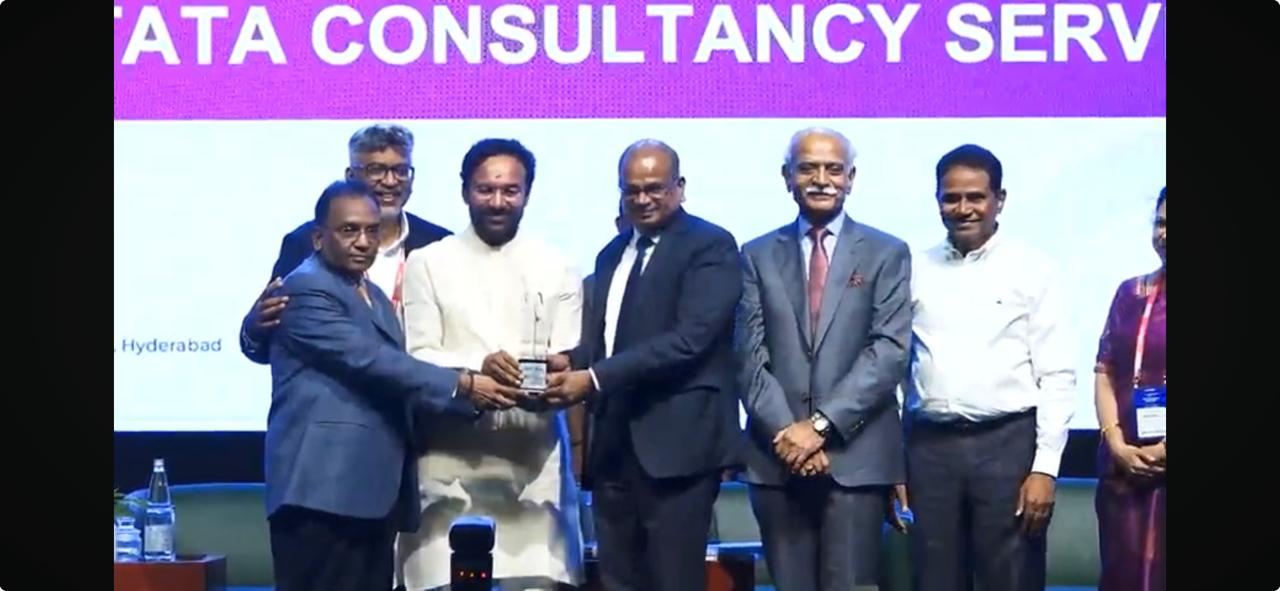
Hyderabad, Mar 05: HYSEA (Hyderabad Software Enterprises Association) hosted the 33rd edition of the HYSEA Annual Summit & Awards 2026 today at the Hyderabad International Convention Centre (HICC), bringing together over 1,200 technology leaders, entrepreneurs, policymakers, analysts, investors, and startup founders to discuss the next phase of global technology transformation driven by artificial intelligence and intelligent software systems.
Organised in partnership with STPI Hyderabad and the ITE&C Department, Government of Telangana, the Summit examined how AI driven systems, intelligent software, and deep technologies are reshaping enterprises, products, and talent models across industries.
The event was graced by Sri. G. Kishan Reddy, Hon’ble Union Minister for Coal and Mines , along with several distinguished leaders from industry and academia.
Prominent speakers at the Summit included: Ganesh Ramamoorthy, Managing Vice President, Gartner; Rajesh Varrier, President – Global Operations & CMD, Cognizant India; Dr. Krishna Ella, Founder & Executive Chairman, Bharat Biotech; Rajesh Dhuddu, Emerging Tech Partner, PwC India; Dr. Subba Rao Pavuluri, Chairman & Founder, Ananth Technologies; Ashutosh Sharma, Research Director, Forrester; Akshay Khanna, Managing Partner, Avasant; Sailaja Josyula, SVP and GCC Line Leader, among many other industry leaders.
As part of the Summit, HYSEA unveiled its Coffee Table Book titled Making IT Happen, developed in collaboration with The Times of India, which chronicles the journey of Hyderabad’s IT industry and the ecosystem that enabled the city’s rise as a global technology destination.
HYSEA also released the refreshed second edition of the HYSEA Scale@Hyderabad – Global Technology Destination Report, developed in partnership with the Government of Telangana, KPMG in India, CBRE, and Aon. The report provides updated insights into Hyderabad’s continued growth as a global technology hub and highlights the factors driving the city’s momentum.
HYSEA also presented a knowledge report in collaboration with PwC titled “How IT & GCC Organisations in Telangana are Advancing the Global AI Edge.” The report captures perspectives from industry leaders on how organisations in the state are adopting artificial intelligence to strengthen competitiveness, drive innovation, and build globally relevant capabilities.
Speaking at the Summit, Mr. Prashanth Nandella, President, HYSEA, said Hyderabad’s technology journey has been defined by its ability to adapt and lead through successive waves of change.
“As intelligence becomes embedded across systems, products, and enterprise operations, Hyderabad is well positioned to play a larger role in the next phase of global technology innovation. HYSEA continues to focus on strengthening the ecosystem through member engagement, thought leadership, talent development, and policy advocacy in collaboration with the Government. The future of jobs in the technology industry will increasingly lie at the intersection of deep domain expertise and advanced technology capabilities,” he said.
The Summit featured keynote sessions, panel discussions, analyst insights, practitioner talks, AI masterclasses, and a Startup & Product Expo showcasing emerging technology solutions.
Key discussions at the Summit explored themes such as deep tech adoption in enterprises, the evolving role of Global Capability Centres, talent transformation in the age of AI, cybersecurity in an agent driven technology landscape, and the future of software and SaaS platforms.
A fireside conversation between Prashanth Nandella, President, HYSEA, and Rajesh Varrier, President – Global Operations & CMD, Cognizant India, examined how enterprises are translating rapid advances in AI into measurable business outcomes and how Global Capability Centres are evolving into engines of engineering and innovation.
Ahead of the Summit, HYSEA also hosted a CXO research roundtable on “Lab to Market: Making Hyderabad India’s Deeptech Capital,” bringing together leaders from industry and academia to explore ways to strengthen research commercialisation and accelerate deep technology innovation.
During the evening ceremony, HYSEA Industry Awards were presented to companies for excellence in exports, business growth, employment generation, and women workforce advancement.
HYSEA also presented its Lifetime Achievement Award to Mr. Srinivasa Raju Chintalapati (Srini Raju), Chairman, iLABS Group, recognising his contributions to entrepreneurship, venture investment, and the development of India’s innovation ecosystem.
The HYSEA 10X Product Awards, one of the country’s largest startup recognition platforms, saw strong participation this year. From 294 nominations (272 startups and 32 established companies), a jury of over 50 industry experts shortlisted 40 finalists, who showcased their solutions at the Summit Expo. The startup cohort reflected growing maturity, with 36% having raised institutional funding and 12% crossing USD 1 million in ARR, along with a strong presence of B2B and enterprise technology startups.
HYSEA acknowledged the support of its partners and sponsors including:
Title Sponsor: Cognizant Technology Solutions
Industry Patrons: RealPage, DBS Tech, ServiceNow, Broadridge, Vanguard
Ecosystem Patrons: Q City, Raheja Mindspace, ICICI Bank
Gold Sponsor: TAO Digital
Featured Partners: TechnoGen and QAPilot
5, Mar 2026
African Energy Chamber Amplifies Diversity Fight in Africa’s Energy Sector
| SANDTON, South Africa, Mar 5/ — As Africa’s oil and gas sector gathers unprecedented momentum — buoyed by major discoveries, renewed exploration campaigns and intensifying global demand for diversified supply — the African Energy Chamber (AEC) (https://EnergyChamber.org) has sharpened a parallel and increasingly vocal campaign: ensuring that Africa’s energy renaissance is not built on exclusion.
In a firm public statement that has reverberated across industry circles, the Chamber declared that as Africa’s oil and gas sector expands, investment must “guarantee African participation, reject discrimination and uphold local content.” It warned that in the coming weeks it will engage African officials and industry leaders to secure “clear commitments to inclusive hiring and equal opportunity,” adding pointedly that “where progress is absent, we will exercise our lawful right to protest.” The message marks the latest escalation in what has become a sustained, multi-year advocacy push targeting global conference organizers and industry platforms that derive significant revenue from African markets but, according to the AEC, fail to reflect Africa in their leadership structures. A Campaign Years in the Making The current confrontation did not emerge overnight. Over the past several years, the AEC has issued multiple press releases, public letters and statements addressing what it describes as systemic exclusion within certain international energy forums. Among those most frequently cited are Frontier Energy Network, organizer of the Africa Energies Summit in London, and Hyve Group, a global exhibitions firm with significant exposure to African-focused extractive industry events. In successive communications dating back several conference cycles, the Chamber has called for structural reform, urging these entities to hire, promote and empower African professionals — including Black women — into senior executive and board-level positions. The AEC argues that while African ministers, national oil companies, regulators and indigenous firms are prominently featured on stage at major summits, decision-making power within the organizing companies remains largely non-African. To reinforce its position, the Chamber has publicly circulated graphics highlighting what it says is the near absence of Africans on boards and executive leadership teams of these organizations — despite the fact that a substantial portion of sponsorship revenue, delegate participation and thematic focus centers on Africa. For the AEC, this disconnect is not symbolic — it is structural. NJ Ayuk: “Inclusion Is Not Optional” Executive Chairman NJ Ayuk has been at the forefront of the campaign, framing it as a matter of principle rather than rivalry. “Africa’s energy future cannot be dictated from boardrooms that do not include Africans,” Ayuk has said in connection with the Chamber’s recent statements. “If you are making substantial revenue from African markets, hosting Africa-focused events and leveraging African participation, then Africans must be part of your leadership and governance structures.” He has consistently rejected the notion that the campaign is confrontational for its own sake. Instead, he presents it as aligned with the continent’s local content laws and sovereignty agenda. “We are not asking for favors. We are demanding fairness, merit-based opportunity and respect. Africa cannot champion local content at home while tolerating exclusion abroad.” Frontier Energy Network in the Spotlight In its most recent release on exclusion, the Chamber directly cited Frontier Energy Network, reigniting scrutiny around the Africa Energies Summit. The AEC contends that while the summit convenes high-level African participation — including ministers, regulators and executives — the internal hiring and leadership structure of the organizing body does not adequately reflect African professionals. “Frontier Energy Network’s hiring practices – widely understood across the industry to exclude Black professionals – are wrong. Full stop,” the AEC said. It further warned that organizations earning substantial revenue from Africans cannot expect to benefit from African markets while denying fair employment to Africans. Following publication of the Chamber’s latest statement naming Frontier, Pan African Visions reached out via email to Frontier Energy Network seeking comment and reaction. At press time, no formal response had been received. However, shortly after the AEC’s renewed charge, Frontier’s Founder and CEO, Gayle Meikle, published a detailed LinkedIn essay titled “Frontier CEO Brief: What Is an African?” While the post did not directly reference the Chamber’s allegations, it addressed themes central to the debate — identity, sovereignty and partnership. “I am an African woman. I am Zimbabwean. I was born in Zimbabwe. That is who I am,” Meikle wrote, emphasizing Africa’s diversity across 54 sovereign states and more than 2,000 languages. She cautioned against reducing Africa to binary definitions of who is “African enough,” politically or economically. Meikle underscored Africa’s civilizational depth — from Arab and Amazigh communities in the north to Yoruba, Igbo, Swahili, Shona, Zulu and Xhosa traditions — and argued that Africa’s resources must serve African development first. “Africa welcomes investment, but it expects partnership,” she wrote. “Sovereignty and collaboration are not in conflict; they are mutually reinforcing.” She concluded with a personal declaration: “No one grants me that agency. It is inherent. And anyone who attempts to diminish it will discover that it cannot be taken.” Ayuk’s Direct Rebuttal The LinkedIn post drew an immediate and sharply worded response from Ayuk. In a public post visible on and off LinkedIn, Ayuk accused Frontier’s leadership of avoiding the core issue. “Don’t pee on my leg and tell me it’s raining,” Ayuk wrote, stating that he had received outreach from industry professionals offended by what he described as a “No Blacks employment policy in 2026.” He called directly on Meikle and Frontier executive Daniel Davidson to commit to hiring Black professionals. “Don’t just beg them to come to Africa Energies Summit® and give you their money. Your brothers and sisters are qualified and need jobs. Hire them,” Ayuk wrote. He further warned that African professionals were privately indicating they would not attend the summit if the alleged exclusionary hiring practices continued. “A lot of Africans are already telling me in private they will not attend because of this race-based no blacks hiring policy. Don’t spend your money where you can’t work.” Ayuk’s post went beyond institutional critique and focused particularly on Black women in the energy sector. He recounted a conversation with a young woman in the seismic industry who told him that white male executives often pave the way for white women to be hired, while Black women must “fight hard” for similar opportunities — especially within companies profiting from African markets. “In today’s oil industry, black women are still the last hired and the first fired,” Ayuk wrote. He emphasized that Black women often navigate the intersection of race and gender as dual minorities in senior roles, facing unique mental health and professional pressures. Quoting Maya Angelou, he concluded: “Do the best you can until you know better. Then when you know better, do better.” Hyve Group and Boardroom Representation Similarly, Hyve Group has been the subject of sustained criticism from the African Energy Chamber — most forcefully articulated in 2024 — over what the Chamber described as a persistent absence of African leadership within a company that derives substantial revenue from African markets. In a strongly worded 2024 statement, the AEC argued that while Hyve plays a pivotal role in Africa’s energy and mining landscape through flagship events such as Mining Indaba and Africa Oil Week, its executive and board-level leadership did not reflect the continent from which it earns significant commercial returns. “It is disheartening to note that despite being a major beneficiary of Africa’s economic contributions, Hyve Group has yet to usher in a leadership team that reflects the rich diversity and talent pool present on the continent,” the Chamber stated at the time. The AEC further contended that prevailing hiring practices based on personal networks, trust and familiarity perpetuate exclusionary patterns that leave qualified African professionals — including Black women — outside decision-making circles. Executive Chairman NJ Ayuk contrasted Hyve’s leadership composition with what he described as the oil and gas industry’s stronger track record in promoting African talent. “The Oil and Gas industry that I love and champion is the greatest advocate for hiring Africans. It has trained Africans, promoted them, and many have become great entrepreneurs today,” Ayuk said in 2024. “That’s why I love Oil and Gas.” He expressed disappointment at what he described as a disconnect between Hyve’s commercial success in Africa and its internal leadership structure. “Hyve Group makes a huge part of its revenue from Africa, yet no African is in its leadership. They hire people they know, they trust and like. We’re not in that circle. I am very disappointed,” Ayuk stated. “People of African heritage are greater participants and sponsors of their programs. I believe they are capable of doing the leadership jobs, but there has not been an adequate commitment to hire and promote them at Hyve Group.” Ayuk also argued that corporate rebranding and public-facing diversity messaging must translate into measurable structural change. “Their rebranding and wokeness must lead to some inclusion and vice versa; otherwise, their wokeness is pure self-indulgence.” The Chamber framed the issue as one of fairness, economic reciprocity and governance consistency, particularly for countries such as South Africa, Nigeria, Kenya, Ghana, Namibia and Tanzania that actively support and host Hyve events. “We cannot accept that in 2024, companies doing business in Africa and earning huge revenues will not have Blacks in leadership,” Ayuk said. “Africans must not buy where they can’t work.” He further called for greater transparency around tax contributions linked to African-hosted exhibitions, urging disclosure of VAT collections and payments to relevant revenue authorities. While the 2024 statement focused squarely on Hyve’s governance structure at that time, the broader principle articulated by the Chamber has since evolved into a wider campaign encompassing multiple global event organizers: diversity must extend beyond speaker lineups and branding to executive authority, hiring pipelines and boardroom representation. “Inclusion cannot stop at the podium,” Ayuk has repeatedly maintained. “It must extend to governance, strategy and ownership of the narrative.” As Africa’s energy and mining sectors continue to expand, the Chamber argues that companies profiting from the continent’s markets must align their internal leadership structures with the local content and economic sovereignty principles increasingly enforced across African jurisdictions. The message — first forcefully delivered in 2024 — remains central to the AEC’s current push: representation is not optional, and economic partnership without leadership inclusion is unsustainable. A Growing Ripple Effect What distinguishes the current phase of the campaign is its intensity and visibility. The public exchange between Frontier’s CEO and the AEC Chairman has transformed what was once a policy dispute into a high-profile industry debate about race, governance and economic sovereignty. Industry insiders suggest some companies and institutions are quietly reassessing their participation in forums organized by entities facing exclusion allegations. While no major withdrawals have been publicly announced, reputational risk has become part of the calculation. African state-owned enterprises and regulators — increasingly conscious of domestic local content laws — face growing pressure to align external partnerships with internal policy commitments. Redefining Global Engagement with Africa As energy security reshapes geopolitical priorities, Africa is emerging not as a peripheral supplier but as a strategic partner. The AEC’s campaign seeks to ensure that this partnership reflects equity not only in rhetoric, but in leadership and employment structures. Africa’s energy renaissance, the Chamber argues, must be defined not only by reserves, LNG terminals or licensing rounds — but by who holds influence and who benefits from growth. “Africa’s energy renaissance must include Africans at every level,” Ayuk has insisted. “We will continue to fight for that principle — respectfully, lawfully and persistently.” With the Africa Energies Summit approaching, the pressure shows no sign of easing. What began as a governance question has evolved into a broader reckoning over representation, partnership and the future architecture of Africa’s global energy engagement. |
|
|
5, Mar 2026
Heroes who save the day, every day: Policybazaar and Star Health come together to honour people behind successful claims
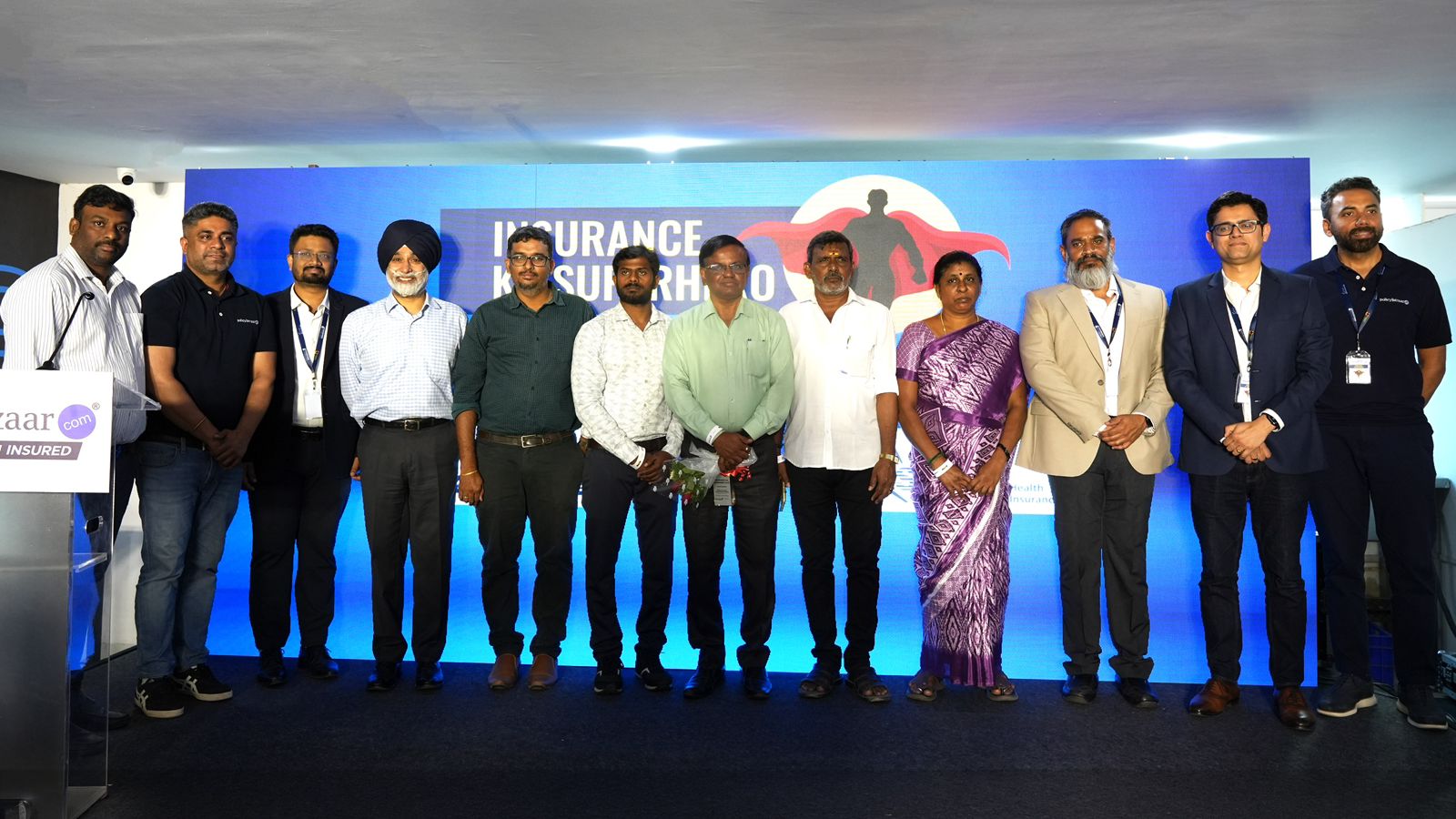
Chennai, Mar 05: Policybazaar’s flagship event ‘Insurance Ka Superhero’ successfully concluded its fifth edition in Chennai on Tuesday. Organised in association with Star Health Insurance, the event championed the brand’s long-standing commitment to fair and transparent claim settlements. It brought together heartfelt stories behind every successful claim and honoured the ‘Superheroes’ who made it happen along with the support of our insurer partners.In its partnership with Star Health Insurance, Policybazaar has assisted over 1.7 lakh families over a course of 5 years. The brand has successfully helped process claims worth 620 crores, and holds a stellar CSAT of ~90% when it comes to customer satisfaction. All of these efforts are concentrated towards the single mission of strengthening consumer trust with positive claims experiences in the industry.
The occasion was marked by the leadership from both Policybazaar and Star Health Insurance in attendance. They addressed the customers and the media to emphasise that the thoughtful decision of buying health insurance stands to save people from financial distress.
Addressing the audience, Sarbvir Singh, Joint Group CEO, PB Fintech, said: “Our aim is to make insurance a support system in difficult times, not an obstacle. We recognize that behind every claim is a family navigating a challenging period, often dealing with hospitalization and mounting medical bills. The last thing they need is to be tangled with technicalities. We are stripping away complexity to ensure that all genuine claims are settled without friction. By putting the customer’s needs first, we strengthen the entire industry. We are here to ensure that our customers’ focus remains on recovery, while we handle the rest. Our relationship with Star Health is driven by the shared vision of serving customers when they need us the most.”
Aditya Biyani, Chief Strategy & Investor Relations Officer, Star Health and Allied Insurance Co. Ltd. said, “At Star Health, we believe health insurance proves its value in moments of vulnerability. It is about showing up and standing by when a family is focused on recovery and care. Our role as an insurer is to ensure that financial concerns do not add to that stress. That means keeping the insurance journey aligned with people’s needs including a claims process that is clear, responsive, and centred on the patient. Ultimately, the goal is simple: enabling people to access the care they need with confidence and dignity”.
One of our customers, Mr. Balamurusdan was admitted to Prashanth Super Speciality hospital with Coronary Artery Disease, following a cardiac emergency. Policybazaar’s claim assistance team proactively coordinated with Star Health team, and helped with medical clarity needed to process the claim. After review, the claim was fully approved for ₹3, 58, 533 enabling his smooth recovery without any financial stress.
Another customer Mr. Sathishkumar R said, his children, Mohith (8) and Rithika (5) were hospitalised for Typhus and Typhoid fever. The cashless claim for Mohith was initially denied, citing lack of hospitalisation necessity. Upon escalation, Policybazaar team stepped in and supported the family by providing medical clarifications and coordinating with the insurer for reconsideration. Through persistent follow-ups, the claim was reopened and approved for ₹24,552 ensuring financial relief in a couple of days.
Talking about TN specific trends, Sai Narayan, CMO, Policybazaar, mentioned, “The average renewal rate of Tamil Nadu is even higher than the national average. Renewals are an important marker of consumer satisfaction and it also indicates people choosing continued financial protection for themselves and their families. Through Policybazaar‘s initiatives like Insurance Ka Superhero and Claim Samadhan Diwas we move beyond digital interfaces to provide face-to-face resolution.
Our strong online presence over the years combined with human touch on the ground ensures favourable and empathetic outcomes for customers looking to get assistance with their claims.