


22, Sep 2026
At the Eastern Economic Forum 2026, Rosatom representatives took part in a session dedicated to international cooperation in the Arctic
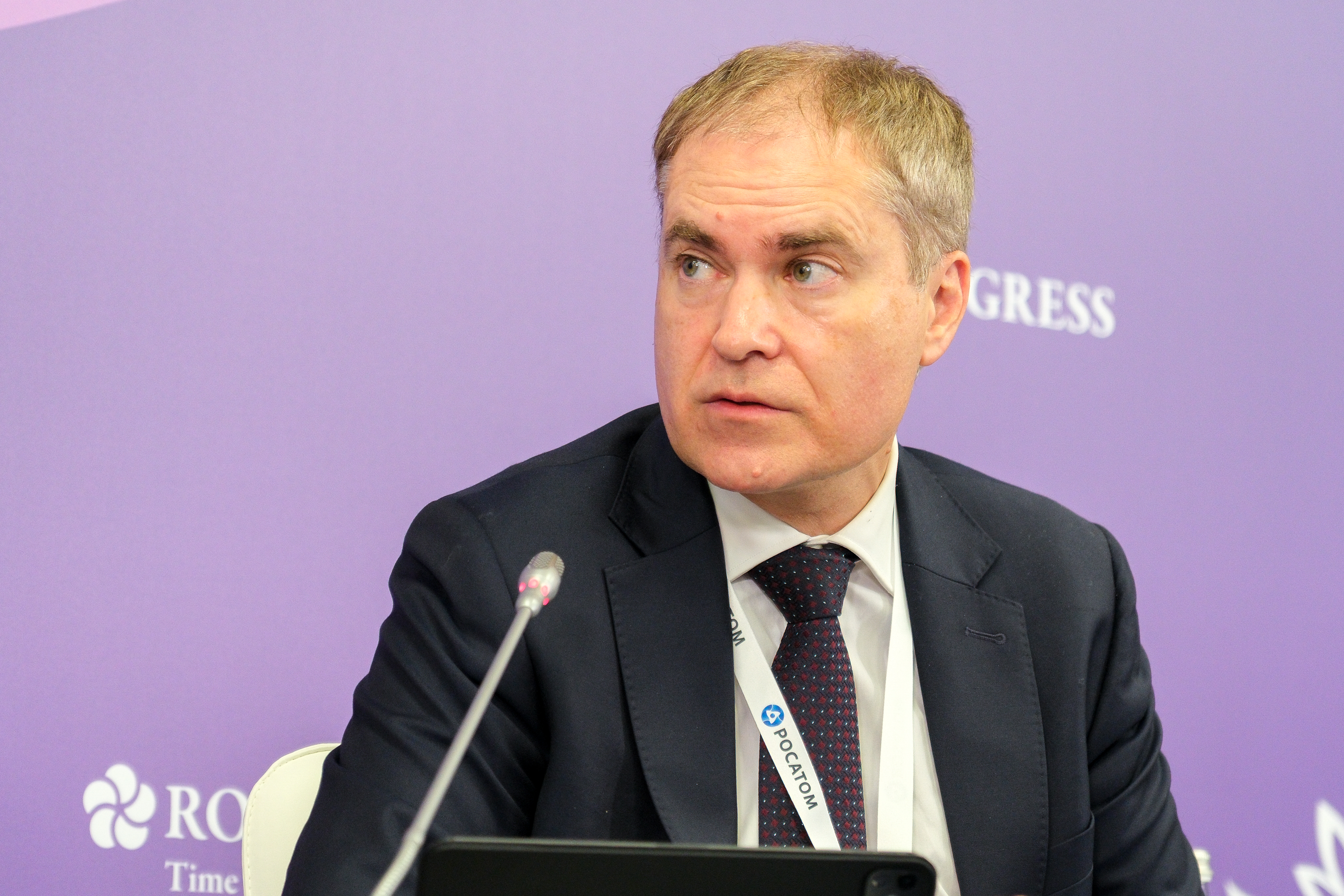
Moscow, Sept 22: At the session “International Cooperation in the Arctic: From Strategic Dialogue to Joint Projects” at the Eastern Economic Forum, Vladimir Panov, Director for the Development of the Northern Sea Route (NSR) and the Arctic and Director of the Arctic Directorate of the Rosatom State Corporation, presented a strategic vision for the development of the Northern Sea Route in today’s reality. Emphasizing the Arctic route’s competitive advantages for international shipping, he noted the route’s geographic and geopolitical stability.
” Predictability is critical for any business, and the events of the last year have brought security to the forefront. The NSR route runs along the borders of just six countries, and the fact that Russia is responsible for security along 70% of its length creates a unique competitive advantage ,” said Vladimir Panov.
The effectiveness of the system built by Rosatom State Corporation is confirmed by real economic indicators: container shipments along the NSR increased 2.5-fold last year, and another significant increase is predicted for this year. Following their Chinese partners, who have upgraded their pilot routes to regular service, South Korea is already operating its own pilot route, and India will join the route next year. To consolidate this success, Rosatom is moving to the next strategic stage: concluding long-term contracts with shipping companies, for which balanced financial and economic models are already being developed.
Alongside logistics, technological and infrastructure projects are being actively implemented. A joint venture with the Chinese company New New Shipping Line is underway to develop the world’s first high-ice-class container ships. These could be the first vessels of their kind to be built.
In conclusion, Vladimir Panov noted the Arctic’s high potential as a space for developing both individual initiatives and implementing projects jointly with international partners. ” The Arctic Council was formed on a geographical basis. And the new international format, for which all the necessary conditions have been created, based on pragmatism and economics, creates the preconditions for the emergence of a new international organization ,” he said.
For reference:
The Northern Sea Route is Russia’s main shipping route in the Arctic, stretching over 5,600 kilometers. It is part of the Trans-Arctic Transport Corridor (TTC). Travel time along the NSR from Asia to Europe is approximately 21 days, 1.5 times faster than via the Suez Canal (approximately 31 days). In recent years, the route has been developing dynamically: cargo traffic along the NSR has consistently exceeded 37 million tons over the past two years, and a new record for cargo volume is planned for 2026. Interest in international transit along the NSR is growing: during the 2025 summer-fall navigation season, 400,000 tons of containerized cargo passed along the route—2.3 times more than in 2024 (176,000 tons).
The Trans-Arctic Transport Corridor is a new international route being created at the direction of the President of the Russian Federation following the Murmansk Forum. The TTC will improve the efficiency and competitiveness of logistics by leveraging synergies from the integration of rail, road, river, and maritime infrastructure into a single complex linked to the NSR. The advantages of the TTC have also been recognized in other countries, and international container traffic along the NSR is growing: 7 container shipments were made along the NSR in 2023, 14 in 2024, and 24 in 2025.
The Eastern Economic Forum (EEF) is a key international platform for discussing the investment potential of the Russian Far East, presenting new projects, and exploring business conditions in the advanced development territories. Established by decree of Russian President Vladimir Putin on May 19, 2015, the EEF is held annually. It has become an effective platform for strengthening cultural and economic ties with countries friendly to Russia. The event is operated by the Roscongress Foundation.
The comprehensive development of the Russian Arctic zone is one of the state’s strategic priorities. Increasing the volume of traffic along the NSR is paramount to achieving the stated objectives in transportation and cargo delivery. The development of this logistics corridor is supported by establishing regular cargo transportation, building new nuclear-powered icebreakers, and modernizing the associated infrastructure. Rosatom State Corporation enterprises are actively participating in this effort.
- 0
- By Neel Achary

22, Sep 2026
M Group selects HCLTech for AI-led IT transformation across over 200 locations
LONDON and NOIDA, Sep 22: HCLTech, a global technology company, has been selected by M Group, the essential infrastructure services provider in the UK and Ireland, to modernize and transform IT operations across its 200-plus locations.
Through AI-led managed services spanning infrastructure and end-user operations, HCLTech will deploy its AI Force service transformation platform to streamline M Group’s IT landscape, strengthen resilience and build a scalable digital foundation for growth. The program will also accelerate broader digital transformation across M Group’s water, energy, technology and communications, transport, and defense, industrial and public sector business lines.
“Technology is critical to helping our people deliver essential infrastructure services safely, efficiently and at scale. As we continue to transform M Group, we’re investing in a stronger digital foundation and partnering with HCLTech, a global leader in IT services, to bring a new level of service for every team member in the field and in the office. Together, we’ll enhance the quality, reliability and scalability of our IT operations, helping colleagues work more effectively while supporting innovation and sustainable growth across the business,” said Chloe Anfield, Chief Technology Officer at M Group.
“M Group keeps critical infrastructure running for millions across the UK and Ireland. Being trusted to modernize the IT backbone behind that is a responsibility we take seriously. Our teams bring deep experience in complex, multi-site environments and we are committed to ensuring M Group’s technology keeps pace with the demands of the sectors it serves,” said Ajay Bahl, Chief Growth Officer and Global Head, Energy and Manufacturing at HCLTech.
This win extends HCLTech’s track record in essential infrastructure, an environment where operational continuity and regulatory compliance leave little margin for error and marks a significant deployment of AI Force at scale across a multi-sector services business.
22, Sep 2026
Single-dose Packaging Emerges As The Next Growth Opportunity For Brands
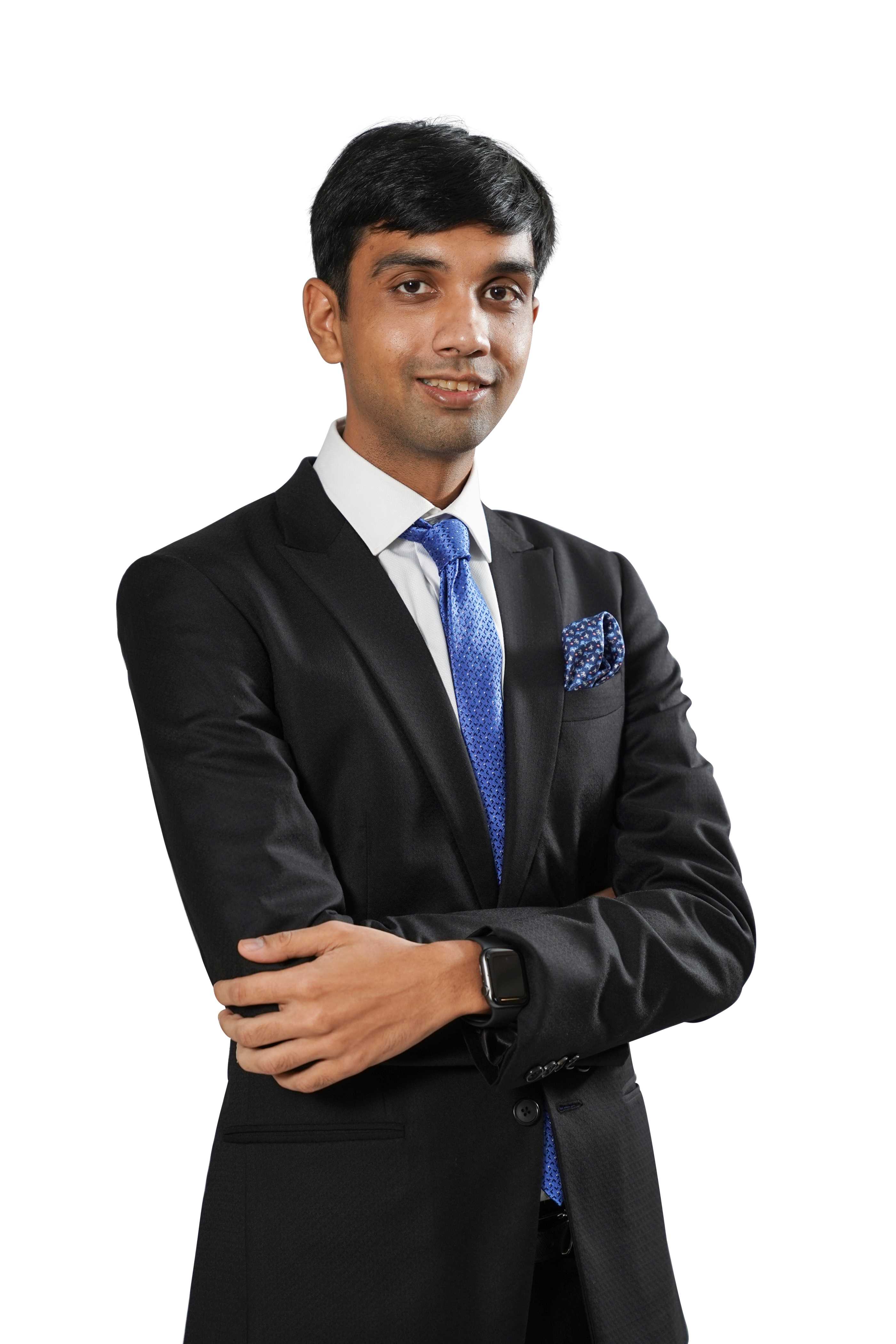
Mumbai, September 22, 2026: V-Shapes, the global leader in snap and squeeze mono-dose packaging solutions, is bringing its unit-dose packaging technology to brands looking to enhance customer experience, differentiate products, respond to changing consumption habits, and capture new market demand. The Italian packaging technology company has engineered a sustainable sachet alternative that moves beyond conventional tear-off pouches – combining an intuitive snap fold squeeze packaging opening with controlled dispensing packaging in a compact, portable pack.
Designed for high-viscosity liquids, gels, creams, and complex formulations, this one-handed opening packaging delivers precision portion control, hygiene, portability, freshness, and product protection in a single recyclable mono-material packaging proposition that eliminates zero tear-off litter.
Introducing the innovation, Abhishek Chitlangia, CEO of V-Shapes, said, “Brands are constantly looking for ways to make their products more relevant, more differentiated, and easier for customers to use. Packaging is one of the most immediate ways to influence that experience, and it should be treated as a core part of product value proposition.”
He added, “Our globally patented single-dose packaging solution addresses this upfront. We are giving brands an opportunity to rethink how their product is delivered, used, and experienced. Whether the objective is portion control packaging, convenience, product protection, premiumisation, sampling, or creating a completely new consumption occasion, the packaging itself can become part of the solution.”
The shift toward mono-dose packaging is already visible in Europe, where consumption is becoming increasingly mobile, individualised, and convenience-led.
Highlighting the ease of transition to mono-dose packaging for brands, Abhishek Chitlangia said, “The question for brands is no longer whether consumers have a need for single-dose formats. It is how effectively brands can use them. The opportunity now is for brands to look at what single-dose packaging can do for their products and consumers. We provide the automated packaging machinery and co-packaging contract services to make that possible.”
This innovative packaging has Targeted Cross-Industry Applications:
· Food & Beverage: Delivers portion control food packaging, hygienic sauce sachets, and easy-open salad dressing packs that ensure clean-consumption food packaging and reduced food waste packaging.
· Pharmaceuticals & Healthcare: Enables precision pharma dosing packaging, tamper-evident drug delivery packs, and hygienic liquid medicine packaging designed for accessible packaging for elderly care.
· Nutraceuticals & Wellness: Powers single-serve dietary supplement packs, portable energy gel packaging, and liquid vitamin unit-dose sachets that safeguard product freshness and active potency.
· Personal Care & Cosmetics: Elevates unit-dose cosmetic sample packaging and single-use skincare sachets with controlled dispensing cream packaging for premium beauty sampling and hygienic trial.
· Travel & Hospitality: Delivers single-dose hotel amenity packaging, one-handed hotel shampoo packaging, and spill-proof guest amenity packs featuring zero tear-off waste travel packs for an elevated guest experience.
From containing a product to enhancing its experience is the larger proposition of V-Shapes. The pack itself becomes a key touchpoint—helping determine how a product is opened, used, precisely dispensed, and remembered.
22, Sep 2026
Atlantis Dubai Marks Two Milestones in the 2026 Michelin Guide Hotel Selection
Atlantis The Royal retains MICHELIN’s highest hotel distinction for a second consecutive year, remaining the only Three MICHELIN Key hotel in the UAE, while Atlantis, The Palm marks its first inclusion in the MICHELIN Guide hotel selection.
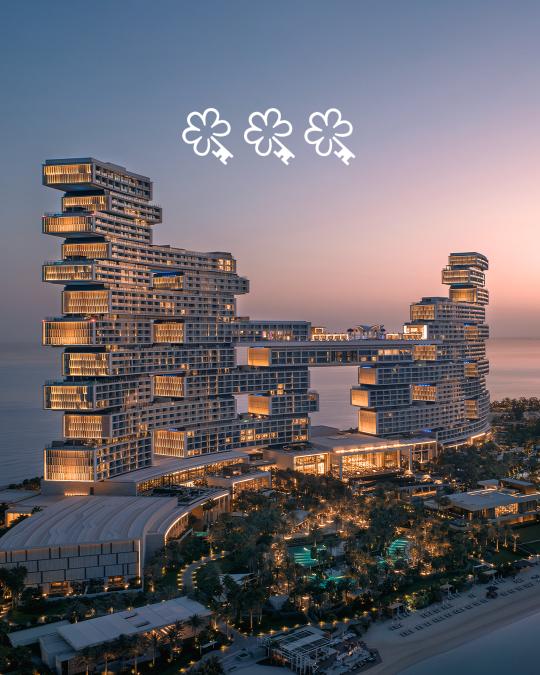
Dubai, United Arab Emirates –Sept 22 – Atlantis Dubai celebrates two significant achievements in the MICHELIN Guide’s 2026 global hotel selection, with Atlantis The Royal retaining Three MICHELIN Keys for a second consecutive year and Atlantis, The Palm joining the MICHELIN Guide hotel selection for the first time.
The recognition marks another milestone for Atlantis Dubai and comes just days after Atlantis The Royal was named No. 4 in The 50 Best Hotels 2026, rising two places from No. 6 in 2025 and securing its highest position to date. The resort was also named Best Hotel in the Middle East 2026 and received the Best Beach Hotel Award 2026 for the second consecutive year, further strengthening its position among the world’s leading luxury resorts.
Atlantis The Royal once again receives the MICHELIN Guide’s highest hotel distinction, Three MICHELIN Keys, remaining the only hotel in the UAE to hold the accolade. The recognition follows a landmark achievement for Atlantis The Royal in 2025, when the resort was awarded Three MICHELIN Keys at the MICHELIN Guide’s inaugural global MICHELIN Key Selection ceremony in Paris. During the occasion, Atlantis The Royal was also presented with the inaugural MICHELIN Architecture & Design Award, one of four special awards announced by the Guide.
Adding to the milestone for Atlantis Dubai, Atlantis, The Palm has also been included in the MICHELIN Guide hotel selection for the first time in 2026, recognising the iconic resort among the properties selected by MICHELIN Guide inspectors for their outstanding hospitality and guest experiences.
Following the successful rollout of MICHELIN Key distinctions in 15 top travel destinations throughout 2024 and early 2025, the MICHELIN Guide launched its first worldwide hotel selection in 2025, celebrating the most outstanding hotels across the globe. The MICHELIN Keys recognise hotels offering exceptional stays, with properties evaluated across five universal criteria: excellence in architecture and interior design, quality and consistency of service, overall personality and character, value for the price, and their contribution to the guest experience within a particular setting.
Already established as an iconic Dubai landmark, Atlantis The Royal continues to reshape the definition of luxury hospitality. From fashion and culinary experiences to world-class entertainment, the resort has collaborated with some of the world’s most recognised names, from Louis Vuitton and Valentino to Tiësto and Tate McRae, whose track ‘10:35’ was created as part of the resort’s pre-opening campaign. More recently, the resort has continued to bring together luxury, fashion and hospitality through collaborations including the takeover of its iconic skypool, Cloud 22, with Ounass and Dolce&Gabbana.
Guests can also indulge in award-winning dining experiences across 16 restaurants, lounges and bars, including celebrity chef restaurants and renowned dining concepts such as La Mar by Gastón Acurio, estiatorio Milos, Nobu’s first beach club concept, Nobu by the Beach, and CARBONE Dubai. The experience is elevated further by the breathtaking Skyblaze Fountain show, featuring a one-of-a-kind musical collaboration with legendary composer Hans Zimmer.
Kym Barter, Managing Director, Atlantis Dubai, comments: “This is an incredibly proud moment for Atlantis Dubai. To see Atlantis The Royal retain Three MICHELIN Keys for a second consecutive year, while remaining the only hotel in the UAE to hold the Guide’s highest hotel distinction, is a tremendous recognition of the passion, dedication and consistency of our colleagues.
To also see Atlantis, The Palm join the MICHELIN Guide hotel selection for the first time makes this recognition even more special. Both resorts offer very different experiences, but they share the same commitment to creating extraordinary moments for our guests.
Coming just days after Atlantis The Royal was named No. 4 in The 50 Best Hotels 2026, alongside being recognised as Best Hotel in the Middle East and Best Beach Hotel, this has been an extraordinary week for Atlantis Dubai. These achievements belong to our teams, whose passion and commitment continue to push us forward, and we are incredibly excited for what comes next.”
The MICHELIN Key is the hotel equivalent of the MICHELIN Star for restaurants. First introduced across 15 countries in North America, Europe and Asia before expanding into a global selection in 2025, the distinction recognises the world’s most outstanding hotel experiences. The MICHELIN Key comprises three levels: One Key for a very special stay, Two Keys for an exceptional stay and Three Keys for an extraordinary stay, representing the Guide’s highest hotel distinction.
22, Sep 2026
Vault by Virat Kohli Strengthens Its Gurugram Presence with the Launch of its Fourth Club in the City
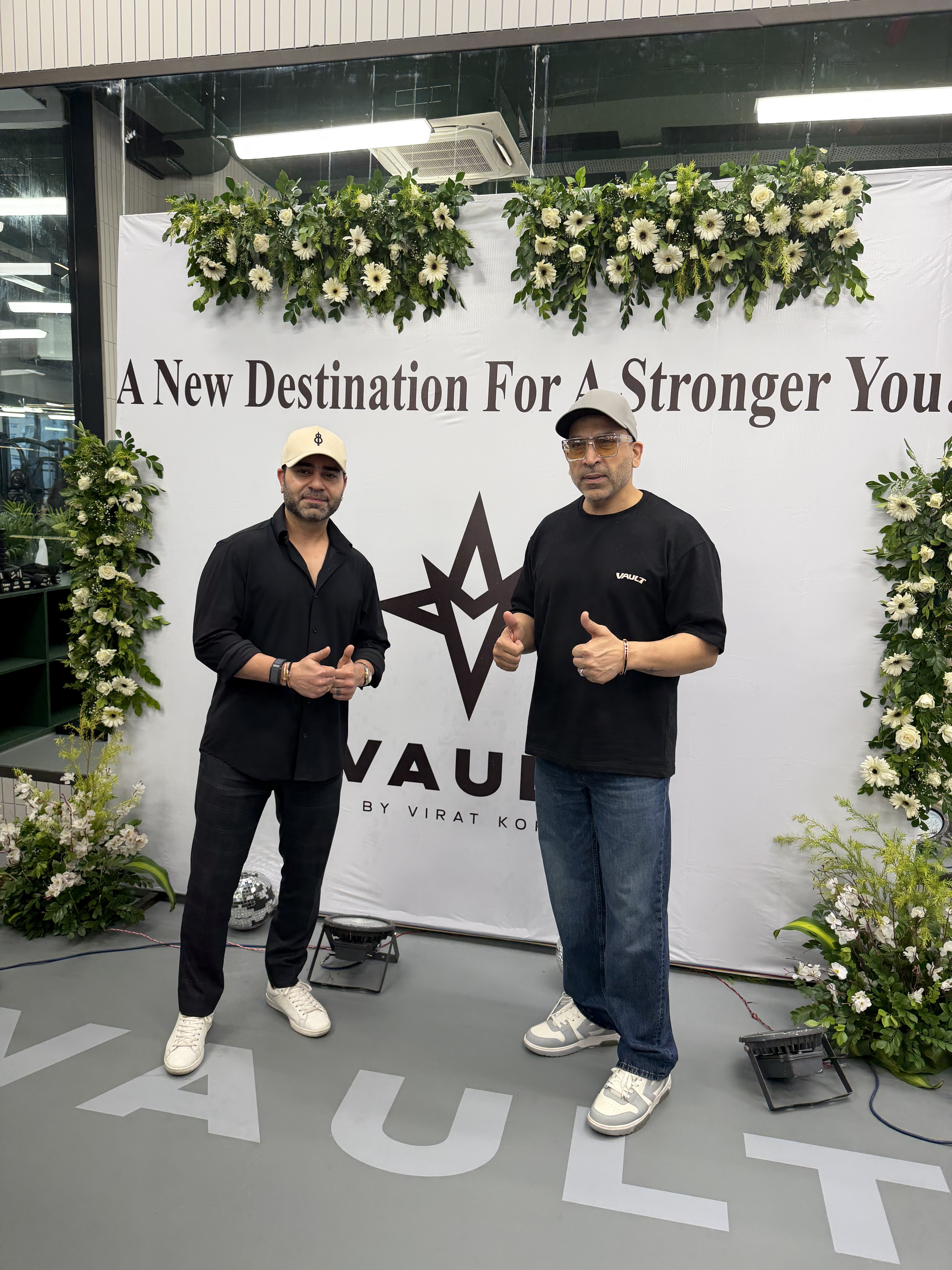
Gurugram, 22nd September 2026: Vault by Virat Kohli, India’s premium franchise-led fitness chain, opened its new club in Sector 70, Gurugram. This is the brand’s fourth club in the city and the latest step in its expansion across Haryana and the wider Delhi-NCR region.
Located on the 3rd Floor, Elan Epic, Southern Peripheral Rd, Opposite Tulip Violet, Sector 70, Gurugram, Haryana 122101, the new club spans approximately 7,000 sq. ft. It brings Vault‘s signature blend of premium design and functional training environments to the residents of Sector 70 and the surrounding neighborhoods.
The launch has drawn a strong response, with more than 250 memberships secured during the presale phase. The club opened its doors with a grand launch event, attended by Mukesh Gogia, Founder of Vault by Virat Kohli, and Vikas Kohli, who met members and the local fitness community.
The club is equipped with Matrix fitness equipment, in line with Vault‘s commitment to giving members access to world-class strength and cardio infrastructure.
Mukesh Gogia, Founder of Vault, said, “Gurugram is one of our most important markets, and opening our fourth club here shows how much demand there is for organized, premium fitness in the city. Sector 70 is a fast-growing residential hub, and we wanted to bring a Vault experience closer to the people who live and work here. With world-class equipment, thoughtfully designed spaces and a community-first approach, this club reflects everything Vault stands for.”
Vikas Kohli added, “Every new Vault club brings us closer to our shared vision of building a genuine fitness community across the country. Growing our presence in Gurugram lets us serve more members in a city that has embraced Vault from the start, and it was a pleasure to welcome the Sector 70 community.”
With the Gurugram launch, Vault continues its rapid expansion across the country, following the opening of its Panipat club earlier this month. The brand has confirmed plans to expand further as it continues to tap into growing demand for organized, premium fitness.
22, Sep 2026
Submer and Intel collaborate to advance AI and HPC infrastructure across the Middle East, Africa and Turkey
Collaboration combines Intel compute platforms and reference architectures with Submer’s full-stack engineering, design and delivery capability in the region
Dubai, United Arab Emirates, September 22,2026 — Submer, a full-stack AI and HPC infrastructure provider, and Intel today announced a collaboration agreement covering artificial intelligence (AI) infrastructure, high-performance computing (HPC) and next-generation data centre solutions across the Middle East, Africa and Turkey.
Under the agreement, Intel contributes its compute platforms, validated reference architectures and technology roadmap, while Submer contributes full-stack engineering, design and delivery capability spanning Advisory, Design & Build, Power Solutions, Thermal Solutions and IT Integration. Together, the two companies intend to support customers end to end, pairing Intel platform technology with Submer’s regional engineering and delivery capability.

Demand for AI and HPC capacity across the region is placing new requirements on data centre design, particularly around compute density, thermal performance and power. The agreement is intended to help operators and enterprises move from architecture to deployment through a single engineering path, rather than assembling capability across multiple parties.
A central strand of the work is the joint development of reference architectures for AI, accelerated compute and high-density deployments, including liquid-cooled designs. These combine Intel platform architectures with Submer’s infrastructure design and integration expertise, and will be tested and validated as complete configurations, with Submer contributing analysis of thermal performance, power usage and infrastructure efficiency.
“Customers in this region are not short of ambition on AI and HPC. What they need is a route from design intent to operating infrastructure that holds together technically,” said Khalid Aljamed, General Manager, Middle East, Africa and Turkey, Submer. “Working alongside Intel lets us pair proven compute platforms with the engineering, integration and delivery capability we have built regionally, so that customers are dealing with one coherent architecture rather than a set of disconnected decisions.”
The companies will work together across sovereign, enterprise, hyperscale, telecom and public-sector customers, drawing on each side’s existing relationships. Submer will support deployment feasibility assessments in target markets, covering both new-build facilities and upgrades to existing sites — which continue to represent a significant share of regional capacity as operators retrofit for higher densities.
“Organizations across the region are rapidly transitioning from experimental AI pilots to production-scale deployments faster than traditional data centers were built to handle. Today, the strategic focus is fundamentally shifting toward real-world application use cases and continuous inferencing—workloads that demand unprecedented platform agility, thermal efficiency, and compute density,” said Ahmad Alabduljabbar, General Manager, Saudi Arabia, Intel. “Bringing Intel’s validated reference architectures together with Submer’s advanced immersion cooling and deployment expertise delivers a practical, sustainable pathway to high-density AI and HPC environments. Building infrastructure that flexes to meet both immediate enterprise demands and future technological shifts is critical to realizing the Kingdom’s Vision 2030 ambitions for digital leadership and AI sovereignty.”
Initial activity will focus on reference architecture development and proof-of-concept engagements with customers in priority markets, with Submer providing infrastructure access, integration and deployment support, and Intel providing reference architectures and technical guidance. Joint workshops, executive briefings and technical sessions are also planned for customers and ecosystem participants across the region.
22, Sep 2026
The Ritz-Carlton, Pune Receives ONE MICHELIN KEY in the MICHELIN Guide 2026 Hotel Selection
Pune, Sep 22: Some milestones are measured by a moment. Others are built through a journey. The Ritz–Carlton, Pune, part of Ventive Hospitality’s luxury hospitality portfolio, has been awarded One MICHELIN Key in the MICHELIN Guide 2026 Hotel Selection, announced on 18 September 2026. The distinction marks a significant milestone for the hotel and recognizes its continued commitment to exceptional service, thoughtful hospitality and memorable guest experiences.
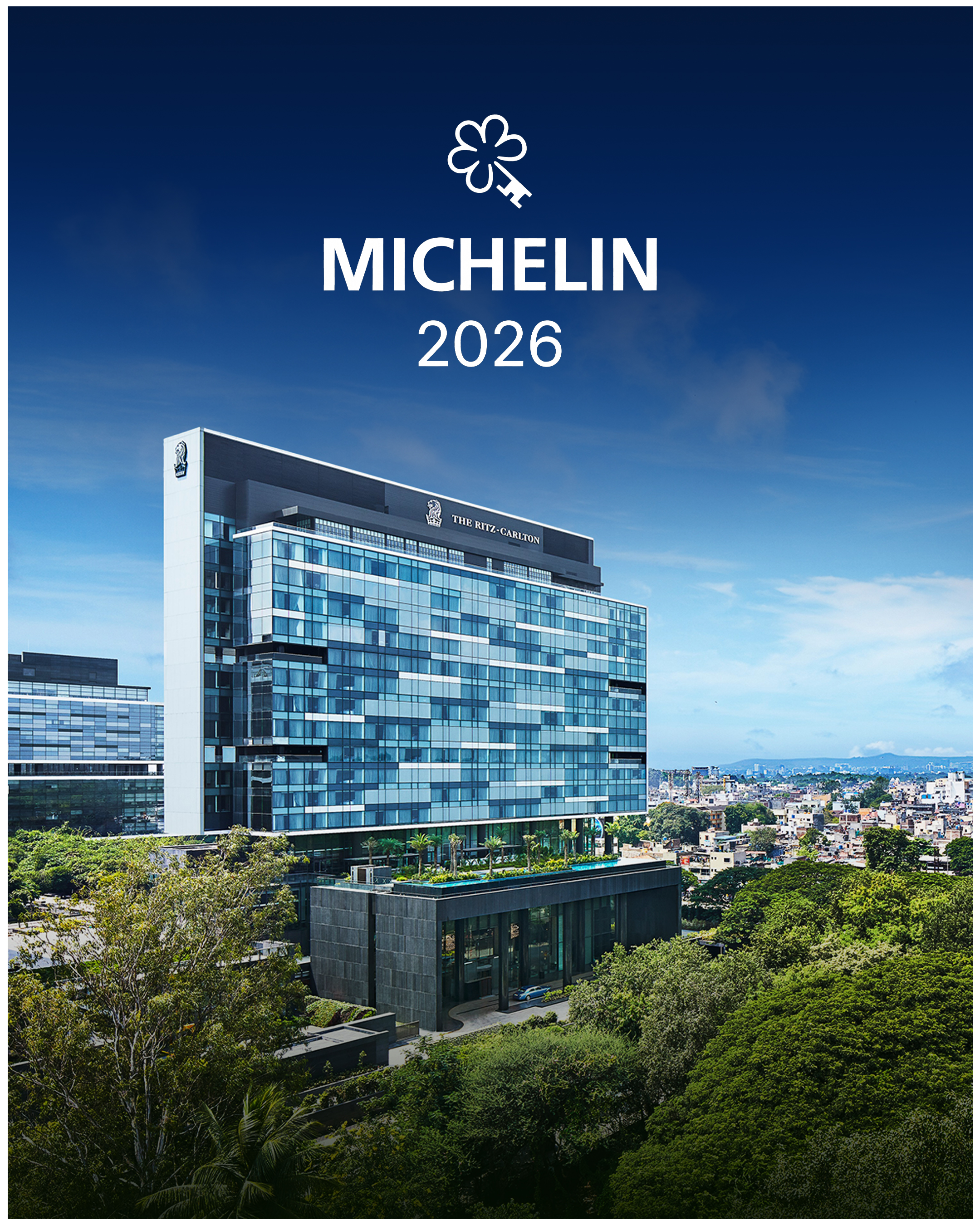
The recognition follows a period of deliberate evolution and sustained pursuit of excellence. In July 2026, The Ritz–Carlton, Pune was included in the MICHELIN Guide’s curated hotel selection, marking an important moment for the hotel. Proactive engagement and the introduction of The Ritz–Carlton, Pune to MICHELIN led to its recognition within the Guide’s global hotel ecosystem.
The recognition reflects the hotel’s distinctive character, attentive service and attention to detail. From the way guests are welcomed and cared for to the expression of the hotel’s sense of place, its Ladies and Gentlemen consistently bring the brand’s Gold Standards to life. The One MICHELIN Key is a meaningful affirmation of the hotel’s commitment to exceptional service, thoughtful design and gracious hospitality.
Ishwinder Gill, General Manager, The Ritz–Carlton, Pune, said:
“Receiving One MICHELIN Key is an incredibly proud moment for all of us at The Ritz–Carlton, Pune. The credit for this recognition truly belongs to our Ladies and Gentlemen, whose passion, dedication and commitment to excellence shape the guest experience every day.
What makes this recognition particularly special is the journey behind it, our constant pursuit of excellence, our willingness to evolve and, most importantly, the spirit of our people. At the heart of The Ritz–Carlton, Pune is a culture of empowerment, pride and genuine hospitality, where our Ladies and Gentlemen are encouraged to take ownership, anticipate our guests’ needs and create meaningful moments. It is this culture, lived consistently across every touchpoint, that transforms service into an experience and a stay into a lasting memory.”
For Ventive Hospitality, which owns and operates a portfolio of luxury hospitality assets, the recognition is also a reflection of its long-term approach to creating differentiated hospitality experiences.
Ranjit Batra, Chief Executive Officer, Ventive Hospitality, said:
“A MICHELIN Key is a significant recognition for The Ritz–Carlton, Pune and a proud milestone for Ventive Hospitality. It reflects the strength of the hotel, the commitment of our teams and partners, and the consistency with which exceptional hospitality is delivered. This recognition reinforces our focus on building distinctive hospitality assets that create enduring value and memorable guest experiences.”
The recognition reflects The Ritz–Carlton, Pune’s continued commitment to creating distinctive, deeply personal and memorable stays, while building on its presence within the MICHELIN Guide.
One Key. A milestone in luxury hospitality. A celebration of the experiences created together.
22, Sep 2026
State Budgets Shift Focus to Capex as States Push Fiscal Discipline
New Delhi, Sep 22: State governments are increasingly focusing on capital spending as they look to support economic growth while maintaining fiscal discipline. For FY27, capital expenditure is expected to grow significantly faster than routine revenue spending across 19 states, signalling a greater emphasis on infrastructure and long-term asset creation.
According to the report, capital outlay across the 19 states is projected to rise 16.4 per cent in FY27, compared with 9.2 per cent growth in revenue expenditure excluding interest payments. The difference reflects a shift in budget priorities, with states creating more room for spending on projects that can strengthen economic activity over the longer term.
Infrastructure gets greater budget focus
Capital expenditure typically goes towards projects such as roads, transport networks, irrigation, power, urban infrastructure and other public assets. Such investments can improve connectivity and create the foundation for businesses and communities to expand.
At the same time, states continue to manage regular expenses, including salaries, pensions, subsidies and essential public services. Slower growth in revenue expenditure suggests an effort to contain recurring costs and preserve fiscal space for development projects.
Wider impact on businesses and jobs
Higher public investment can create demand across several sectors, including construction, engineering, cement, steel, equipment and logistics. Infrastructure projects can also generate employment directly and indirectly through the businesses involved in their execution.
For local businesses and smaller enterprises, improved roads, transport, electricity and urban facilities can make it easier to move goods, reach customers and access wider markets. Over time, stronger infrastructure can also improve the environment for private investment.
Balancing development with fiscal prudence
The spending pattern also highlights the challenge facing state governments: supporting growth without allowing fiscal pressures to rise unchecked. States have to meet their regular commitments while ensuring that borrowing and expenditure are increasingly directed towards productive uses.
The focus on capital spending therefore forms part of a broader effort to improve the quality of public expenditure. Rather than simply increasing overall spending, states are seeking to direct a larger portion of their budgets towards projects that can create lasting economic value.
A shift in the quality of spending
The FY27 budget trend shows that states are trying to make development spending more investment-oriented. If these planned projects are executed efficiently and completed on time, the resulting infrastructure could support business activity, improve connectivity and strengthen economic opportunities across regions.
For the wider economy, the key will be how effectively states convert these higher capital allocations into completed projects and productive assets. The combination of stronger infrastructure spending and continued fiscal discipline could shape the pace and quality of state-led economic development in the coming years.
22, Sep 2026
NEC India Expands Strategic Partnership with WingArc1st to Bring Data Empowerment Solutions to India
India, Sep 22: NEC Corporation India Pvt. Ltd. and WingArc1st Inc. today announced the expansion of their strategic collaboration in India following the execution of a Master Distribution Agreement between NEC Corporation India Pvt. Ltd. and WingArc Singapore Pte. Ltd, a WingArc1st group company.
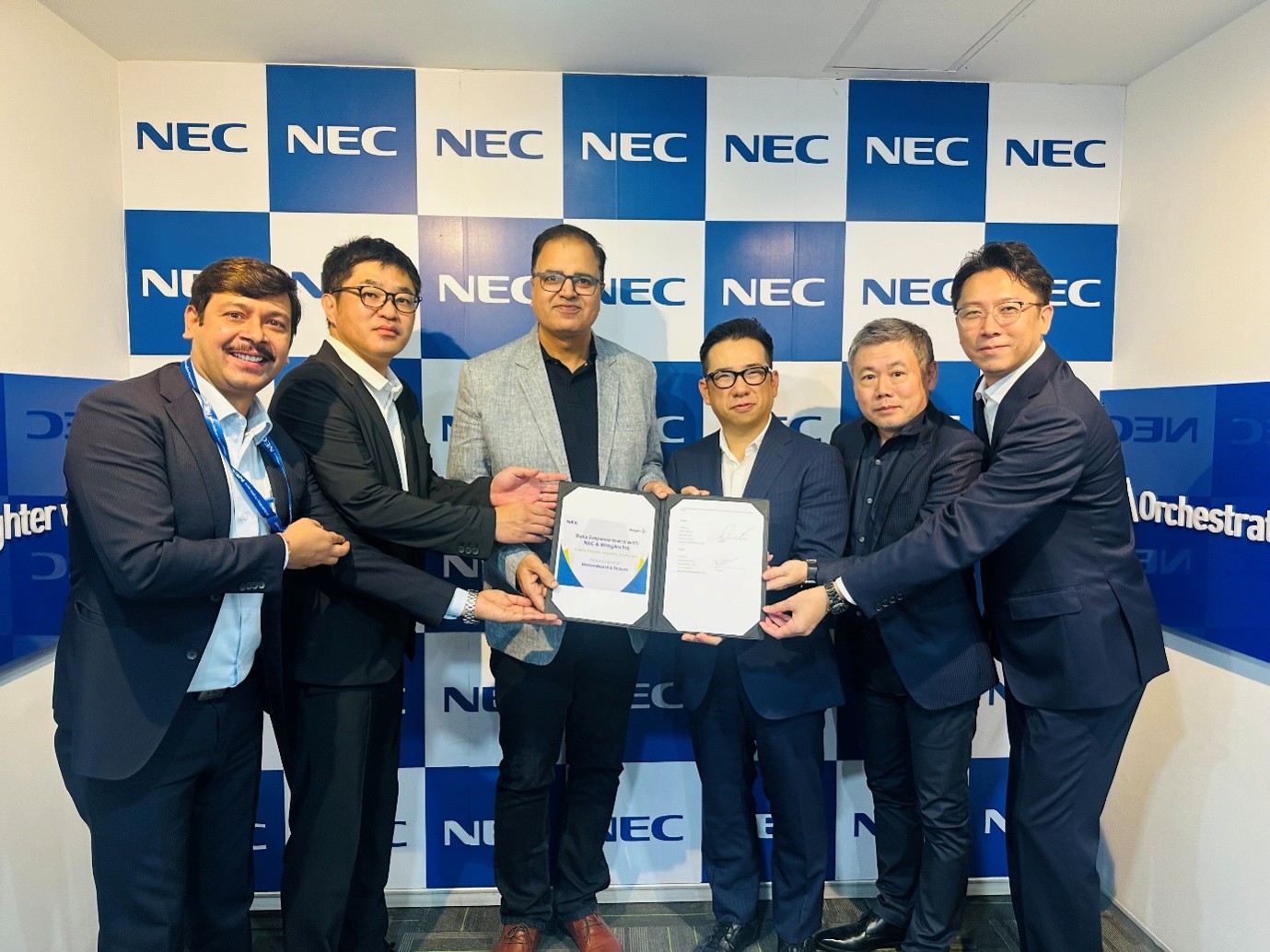
Under the agreement, NEC India will provide organizations in India access to WingArc1st’s data empowerment solutions, including Dr.Sum and MotionBoard. Dr.Sum enables enterprise data warehousing and analysis, while MotionBoard supports data visualization and analytics, helping organizations gain greater visibility into their operations and make informed business decisions.
The partnership will focus on opportunities across Enterprise, Financial Services, Manufacturing, and Public Sector/Government sectors, as organizations increasingly look to leverage data and analytics technologies to improve operational efficiency and business intelligence capabilities.
NEC and WingArc1st have collaborated in Japan for more than two decades, combining NEC’s Industrial IoT, consulting, and digital transformation expertise with WingArc1st’s data empowerment technologies. The expansion into India will leverage NEC India’s experience across enterprise, government, and public-sector organizations to further strengthen WingArc1st’s presence in the Indian market.
The partnership reflects NEC’s continued focus on enabling organizations with advanced technology solutions while supporting India’s evolving digital transformation landscape.
22, Sep 2026
India’s Rising Economic Scale Draws Bigger Global Business Interest, Says JPMorgan CEO
Mumbai, Sep 22: India’s rapidly expanding economy is attracting growing attention from global financial institutions, with JPMorgan Chase CEO Jamie Dimon saying the country’s economy could nearly triple in size over the next decade.
Dimon’s comments highlight the increasing importance of India in the global business and investment landscape, as international companies and financial institutions look to deepen their presence in the country.
JPMorgan is also preparing to significantly expand its India operations and research coverage. The bank plans to increase the number of Indian companies it tracks to around 2,000, with nearly 400 companies expected to have dedicated research coverage, according to reports. Its research operations currently cover close to 200 Indian companies.
JPMorgan expands its India footprint
The bank’s growing India presence reflects the country’s expanding corporate and financial markets.
Dimon pointed to the significant increase in JPMorgan’s India workforce since his first visit to the country in 2005. The bank now employs around 60,000 professionals in India, working across technology, investment banking and other specialised functions.
The expansion is also an indication of the increasing role India plays in the global operations of multinational financial institutions.
As Indian companies grow and increasingly look overseas, demand is expected to rise for investment banking, capital raising, financial research, advisory services and cross-border transactions.
More opportunities for Indian companies
A larger international financial presence could give Indian businesses greater access to global investors and financial expertise.
Companies seeking to raise capital, enter overseas markets, form international partnerships or expand their global operations could benefit from deeper links with international banks and investors.
The expansion of research coverage could also bring greater visibility to Indian companies among global investors, particularly as India’s corporate sector becomes more diversified.
Trade agreement remains a key focus
Dimon also called for India and the United States to complete their trade agreement, emphasising the importance of stable and predictable rules for trade and investment.
Greater certainty could help businesses plan long-term investments, strengthen supply chains and explore opportunities in both markets.
For Indian exporters and companies operating in globally integrated sectors, clearer trade arrangements could support decisions on manufacturing capacity, sourcing and overseas expansion.
Global economy faces pressure on capital
Alongside India’s growth prospects, Dimon highlighted several challenges facing the global economy.
Persistent inflation, high government borrowing, geopolitical tensions and rising investment requirements could increase competition for capital, he said.
He also indicated that interest rates and bond yields could remain higher for longer, as governments and businesses face increasing financing requirements.
AI investment could reshape global demand
The rapid expansion of artificial intelligence is emerging as another major source of investment demand.
Dimon said spending across the hyperscaler ecosystem could rise to around $1 trillion next year, compared with approximately $700 billion this year.
Such investment is expected to generate demand for data centres, semiconductors, computing infrastructure, electricity and other supporting technologies.
However, the longer-term impact of AI could extend beyond investment. Dimon said productivity gains from the technology could eventually reduce costs and create deflationary pressure in some parts of the economy.
India gains a larger role in the global economy
The outlook presented by Dimon comes as India continues to attract attention from global investors and multinational businesses.
The combination of a large domestic market, expanding corporate sector and growing international business links is creating opportunities across financial services, manufacturing, technology and other industries.
JPMorgan’s plans to expand its workforce and research coverage underline the bank’s long-term focus on India and its expectations of a significantly larger role for the country in the global economy over the coming decade.


