


22, Sep 2026
Beyond the Factory Gates: How Samsung Chennai Plant Is Creating Opportunities for Small Businesses in Sriperumbudur
Sep 22: The growth of Sriperumbudur as a major manufacturing hub is creating opportunities well beyond factory floors, with local small businesses benefiting from the expanding workforce, residential communities and demand for everyday goods and services around the industrial corridor.
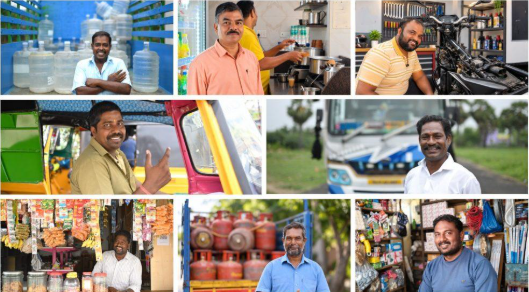
From tea shops, grocery and hardware stores to drinking-water suppliers, mechanics and local transport operators, entrepreneurs across Sriperumbudur say their businesses have grown as the town has expanded. The presence of major manufacturers, including Samsung’s Chennai plant, has been part of a broader industrial ecosystem that has brought more jobs, people and economic activity to the area.
Samsung established its Chennai manufacturing facility in Sriperumbudur in 2007. In the years since, the area has seen the growth of factories, housing and supporting services, creating a larger customer base for businesses serving the everyday needs of workers and families.
For long-time local entrepreneurs, the transformation is visible in the businesses they run.
Rajan, who has operated a tea shop in Sriperumbudur for nearly three decades, remembers a very different town.
“When I started, the customer base was small and the surrounding area was far less developed. Today, small houses have given way to flats, more companies and agencies have emerged, and a much larger population now lives and works in the area,” Rajan said.
His shop has grown alongside the neighbourhood, with the steady flow of customers reflecting the wider transformation taking place around him.
A Growing Industrial Hub, a Growing Local Economy
The same evolution can be seen in businesses catering to everyday household needs.
Sathish Kumar, who runs an electrical and hardware store, has seen demand increase as more families and workers have settled in the area.
“As more people settled here, the need for everyday products grew,” he said.
For Santhosh, the transformation has changed the scale of his grocery business. What began as a neighbourhood store now serves a much larger community, including employees working at companies nearby. As demand increased, he expanded his inventory and introduced deliveries.
“What began as a small neighbourhood store has become part of the daily rhythm of a much larger community,” he said.
New Needs, New Opportunities
The economic activity surrounding an industrial hub extends well beyond retail.
More people mean greater demand for housing, drinking water, cooking gas, transportation, vehicle repairs and other essential services. Across Sriperumbudur, local entrepreneurs have stepped in to meet these everyday needs.
Mastaan, who operates a drinking-water supply business, has seen demand rise as residential settlements have grown.
“With companies and industrial establishments bringing more housing settlements into the area, supplying water in larger quantities has become an increasingly important part of my business,” he said.
Local LPG distribution companies such as Prem Kumar’s and delivery services have similarly grown with the increasing number of households. Automobile repair stations, including Babu’s workshop, are serving more vehicles as economic and commuting activity increases across the area.
Transportation has also become an important part of Sriperumbudur’s expanding local ecosystem.
Govindaraj, a longtime resident who operates a bus service, has witnessed the town’s changing mobility needs first-hand.
“Today, my bus carries children going to school and people travelling to work. The growth in the area has increased the need for transportation, connecting homes, workplaces and communities,” he said.
Autorickshaw driver Manikandan has experienced a similar shift, with greater industrial and commercial activity bringing more passengers and more movement across Sriperumbudur.
Beyond the Factory Gates
The experiences of these entrepreneurs illustrate how the impact of manufacturing can extend beyond the workplace. A large industrial facility creates employment within its operations, while the people and economic activity around it can also generate demand for a wider network of local businesses.
In Sriperumbudur, that network can be seen every day.
It is the tea shop serving workers in the morning. The grocery store delivering essentials to nearby homes. The mechanic repairing vehicles. The autorickshaw and bus drivers connecting people with workplaces and schools. And the entrepreneurs supplying water, LPG, electrical goods and household products.
Together, they are part of the wider community that has grown around Sriperumbudur’s industrial development.
For entrepreneurs who have lived and worked here for decades, the transformation is visible not just in factories, buildings or infrastructure. It can be seen in the customers walking through their doors, the communities they serve and the businesses they have built over the years.
Nearly two decades after Samsung began manufacturing in Sriperumbudur, its Chennai plant is part of a much larger industrial and community ecosystem.
Beyond the factory gates, local entrepreneurs are building livelihoods around the everyday needs of a growing Sriperumbudur—showing how the expansion of manufacturing can create opportunities that ripple through the communities around it.
- 0
- By Neel Achary

22, Sep 2026
MENA Fintech Association Releases Bi-Annual Regulatory Update on ADGM’s Evolving Digital Asset Framework
Abu Dhabi, UAE – 22nd September, 2026 – The MENA Fintech Association has released its latest Bi-Annual Regulatory Update Session report, providing members and the wider financial services industry with insights into the Abu Dhabi Global Market (ADGM) Financial Services Regulatory Authority’s (FSRA) latest regulatory priorities, market developments, and forthcoming initiatives across digital assets and financial services.
The report follows MFTA’s Policy & Regulations Working Group participation in the FSRA Bi-Annual Regulatory Update Session held on 19 May 2026, led by members of the FSRA Policy & Legal team, Lawrence Paramasivam and Margaret Devaney. The session was moderated by Christine Assali, Co-Chair of the MFTA Policy & Regulations Working Group, and brought together approximately 20 representatives from MFTA member firms across the fintech and digital assets ecosystem.
The report provides an overview of how ADGM’s digital asset ecosystem has evolved from a predominantly institutional market focused on custody and price exposure into a broader and increasingly sophisticated financial ecosystem. It highlights developments across tokenised assets, structured products, staking, lending and borrowing, and the growing infrastructure supporting regulated digital asset businesses.
A key area highlighted in the report is the expansion of the virtual asset ecosystem within ADGM. Regulated entities are now engaging with a broader universe of virtual assets, while the development of independent custodians, brokerage venues, staking providers, security assessors, compliance providers, and transaction monitoring solutions is helping reduce barriers to entry and supporting more sophisticated operating models.
The report also examines the FSRA’s evolving regulatory frameworks around fiat-referenced tokens (FRTs), including the accepted FRT framework and the distinction between virtual assets and payment instruments. It further covers developments relating to staking activities, custody, financial crime controls, technology risk, market integrity, and the FSRA’s supervisory approach.
Beyond digital assets, the update provides insights into a number of emerging regulatory themes, including AI in regulated entities, tokenisation and TradFi convergence, cross-border regulatory coordination and harmonisation, and the potential implications of quantum computing for financial services.
The report reflects MFTA’s continued focus on creating practical channels for regulatory dialogue between policymakers, regulators, financial institutions, fintechs, and digital asset businesses. By translating regulatory discussions into accessible industry intelligence, the Association aims to help its network better understand evolving requirements and prepare for developments shaping the financial services landscape.
Nameer Khan, Chairman of the MENA Fintech Association and Founder of Fils, added:
“Regulatory clarity is fundamental to the sustainable development of financial innovation. Our ongoing engagement with regulators such as the FSRA provides the industry with an important opportunity to understand how regulatory frameworks are evolving alongside new technologies, business models, and market infrastructure. Through initiatives such as these regulatory update sessions, MFTA continues to strengthen the dialogue between regulators and the private sector and support a more informed, responsible, and forward-looking fintech ecosystem across MENA.”
The report also reflects MFTA’s appreciation for the FSRA’s continued engagement and openness to substantive dialogue with industry participants. MFTA thanked Lawrence Paramasivam, Margaret Devaney, Brian Byagaba, Monique Elgin, and John Hermann for their participation and contribution to the session.
As digital assets, tokenisation, AI, and emerging financial technologies continue to develop, MFTA will continue to convene regulatory and industry stakeholders to support greater clarity, knowledge exchange, and policy-aligned innovation across the region.
22, Sep 2026
Meghalaya Strengthens Maternal & Child Healthcare; CM Shri Conrad K. Sangma Inaugurates 50-Bed Annex at DMCH, Tura
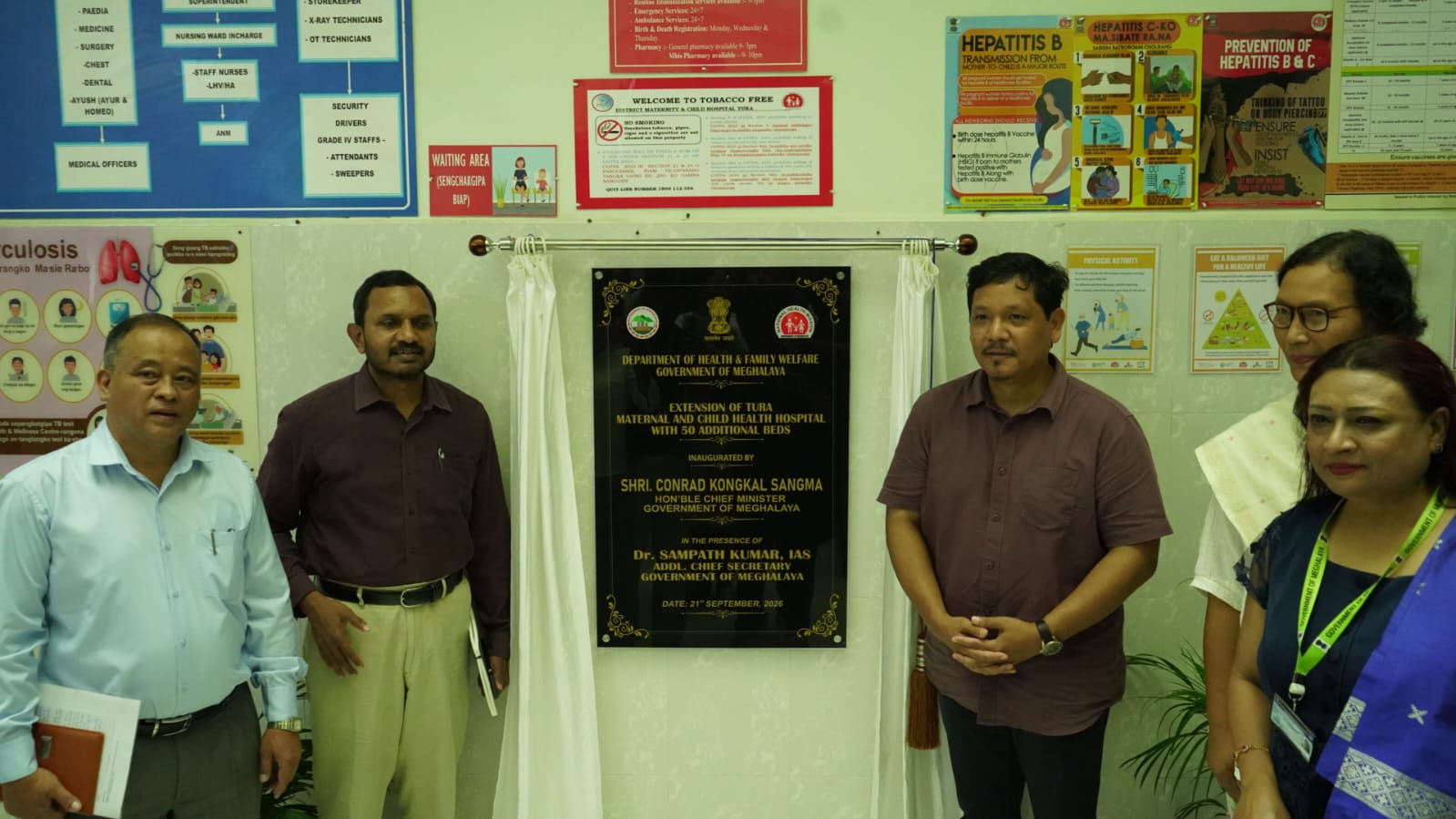
Tura, September 22, 2026: In a major step towards strengthening maternal and child healthcare in the Garo Hills, Shri Conrad K. Sangma, Honourable Chief Minister of Meghalaya, today inaugurated the expanded 150-bed District Maternity & Child Hospital (DMCH) at Tura, as part of the expansion of the Maternal and Child Health (MCH) facility.
Hosted under the theme “A Solemn Celebration of Maternal & Child Health,” the event highlighted Meghalaya’s continuing efforts to strengthen healthcare infrastructure, improve access to quality maternal and child care and reduce preventable deaths among mothers and children.
The expansion builds on a broader healthcare strategy that includes the MOTHER (Measurable Outcomes in Transforming Health Sector through a Holistic Approach with a Focus on Women Empowerment) programme, Rescue Mission and the Chief Minister’s Safe Motherhood Scheme, along with initiatives focused on high-risk pregnancies, institutional deliveries, maternal and child nutrition and improved referral systems.
Speaking on the occasion, Shri Conrad K. Sangma, Honourable Chief Minister of Meghalaya, said the expansion addresses an important infrastructure need and reflects the importance accorded by the State to maternal and child health. “It’s a very important step, especially keeping in mind the importance that we give to the health of mother and child. But more importantly, we are on expansion mode,” he said.
Emphasising the goal that healthcare systems must ultimately protect every mother and child, Hon’ble Chief Minister said, “We don’t want even a single mother to lose her life. We don’t want a single child to lose his or her life.” He said the State is working on further expansion of civil hospitals, district hospitals and mother and child hospitals. Under PM-DevINE, he said Meghalaya expects approximately ₹750–800 crore in project funding over the next five years and has consciously decided to direct most of these projects towards health. Tura, Shillong and Jowai are among the locations identified for major hospital infrastructure investments.
Shri Sampath Kumar, IAS, Additional Chief Secretary, Government of Meghalaya, said the inauguration marks a critical milestone in strengthening tertiary healthcare infrastructure in the region. He highlighted the State Government’s sustained commitment to healthcare over the past six to seven years and noted that Meghalaya is currently allocating more than 8% of its total budget to healthcare.
He highlighted key health outcomes achieved through sustained interventions, including a reduction of more than 55% in maternal mortality, over 40% in infant mortality and nearly 10 percentage points in stunting reduction over the past five years. Reaffirming the State’s vision of achieving single-digit maternal and infant mortality rates, on par with Kerala, he outlined interventions including the Chief Minister’s Safe Motherhood Scheme, transit homes for high-risk pregnant mothers, community childcare support through self-help groups, Mother-Baby Kits to encourage institutional deliveries and Mission 1000 Days focused on maternal and child nutrition.
From the clinical perspective, Dr. Dylan G. Momin, Specialist Obstetrician-Gynaecologist, Tura Maternity & Child Hospital, said the facility has been facing considerable pressure, catering to more than 100 pregnant women, in addition to gynaecological and paediatric cases. He said the expanded capacity will ease the burden and strengthen the hospital’s role as the referral centre for difficult and high-risk cases from across the Garo Hills. He also appreciated the financial support provided through government schemes such as CMHIS and the availability of advanced equipment, including laparoscopy facilities. “Lots of patients have benefited a lot because now we are working as a team,” he said.
At the frontline, Anna Merry Ch. Marak, Staff Nurse, Tura Maternity & Child Hospital, said the increased capacity has significantly improved the management of ante-natal, post-natal and high-risk patients, who earlier had to be accommodated together because of limited beds. She noted that regular training, updated protocols, advanced technology and team-based care have strengthened their ability to manage patients, while counselling has helped mothers with newborn care and breastfeeding. She also highlighted the impact of the Safe Motherhood Scheme kits and Chief Minister Mother & Child Care Kits, which provide essential items for both mothers and babies, as well as ambulance and other government-supported services that have reduced the burden on families.
Chief Minister also formally unveiled the plaque at the New OPD building, officially opening the enhanced facility to the public.
A major highlight of the programme was the Distribution Ceremony of the Chief Minister Mother & Child Care Kits, with the Chief Minister personally distributing the kits to post-natal mothers in the hospital wards. The kits are intended to provide practical support during the immediate postnatal period and contribute to safer, healthier beginnings for newborns.
21, Sep 2026
Aster DM Quality Care commissions 10 MW solar power project for Aster Medcity in Kerala
Kochi, Sep 21: Aster DM Quality Care, one of India’s healthcare providers, in partnership with Oyster Renewable Energy Pvt Ltd, has commissioned a 10 MW solar power project for Aster Medcity in Kerala. The milestone project marks another significant step in Aster’s journey towards building a more sustainable and energy-efficient healthcare infrastructure.
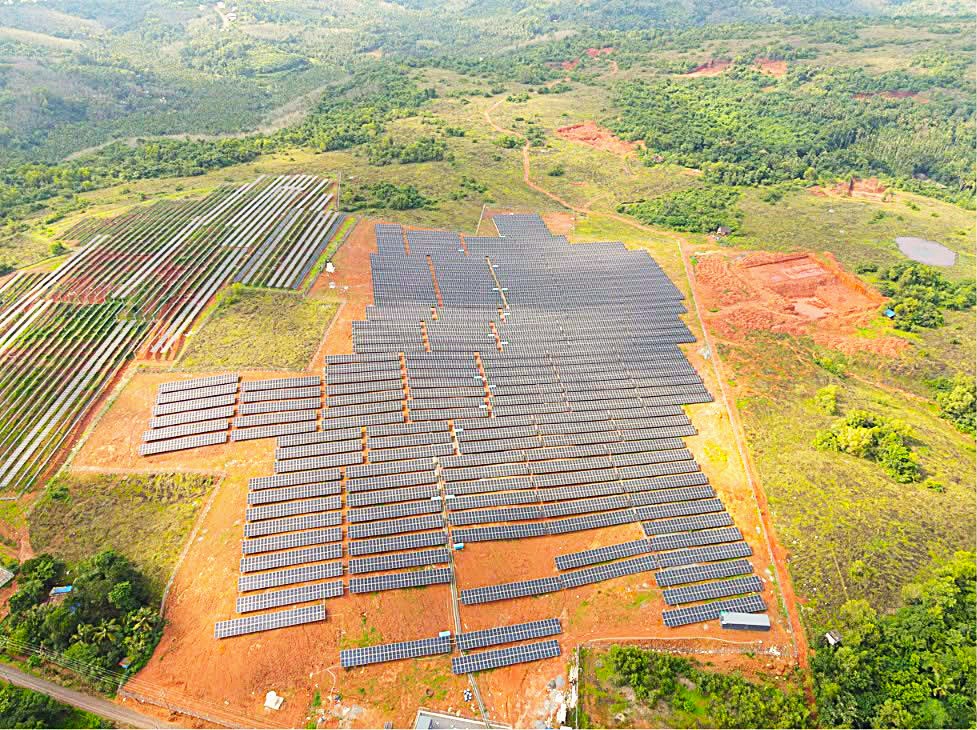
Developed by Oyster Renewable, the ground-mounted solar project is located at Ambalathara and adjoining villages in Hosdurg Taluka, Kasargod District. The project integrates high-efficiency bifacial solar modules optimised for Kerala’s tropical climate and is designed to deliver reliable and cost-efficient clean power to support the round-the-clock energy requirements of Aster Medcity.
The project is expected to generate approximately 16-17.5-million units of renewable energy annually, meeting over 90% of the total energy requirement of Aster Medcity on a captive basis. The power is supplied through Oyster Green Hybrid Two Private Ltd, in which the Aster Group holds a 26% equity stake. The project, once fully operational, is expected to abate approximately 23,138 metric tonnes of CO₂ emissions annually, significantly reducing the carbon footprint of Aster’s operations. Aster DM Quality Care has invested Rs. 3.87 crore in this project. The commissioning marks the first operational phase of the project, with full commissioning to follow in subsequent phases.
Commenting on the development, Mr. Ramesh Kumar, CEO, Aster DM Quality Care, said,
“As a healthcare organisation, we recognise that our responsibility towards healthier communities extends beyond the care we provide within our hospitals. Integrating renewable energy into our operations is an important part of our commitment to building a more sustainable healthcare ecosystem. This 10 MW solar project for Aster Medcity will not only help meet a significant proportion of the hospital’s energy requirements through clean power but also strengthen our efforts towards reducing the environmental footprint of our operations. We will continue to explore and invest in solutions that make our healthcare infrastructure more resilient, efficient and sustainable for the future.”
Siddharth Bhatia, Managing Director & CEO, Oyster Renewable Energy Pvt Ltd, said,
“The Aster Medcity project marks Oyster’s second-largest solar installation for a healthcare institution to date and sets a new benchmark for what clean energy infrastructure in this sector can look like. Healthcare facilities demand uninterrupted, reliable power, and this project has been engineered to meet exactly that standard. Beyond energy security, the project will abate approximately 23,138 metric tonnes of carbon emissions annually, a meaningful contribution to Kerala’s sustainability goals and India’s broader clean energy transition. We are proud to partner with Aster in their sustainability journey and demonstrate that responsible clean energy can support India’s critical infrastructure.”
The project reinforces the growing importance of renewable energy solutions in meeting the requirements of energy-intensive sectors such as healthcare. Through initiatives such as this, Aster DM Quality Care continues to integrate sustainability into its infrastructure and operations while reducing its dependence on grid-based fossil fuel power.
21, Sep 2026
RAKEZ spotlights infrastructure and connectivity as drivers of business growth at BCCD briefing
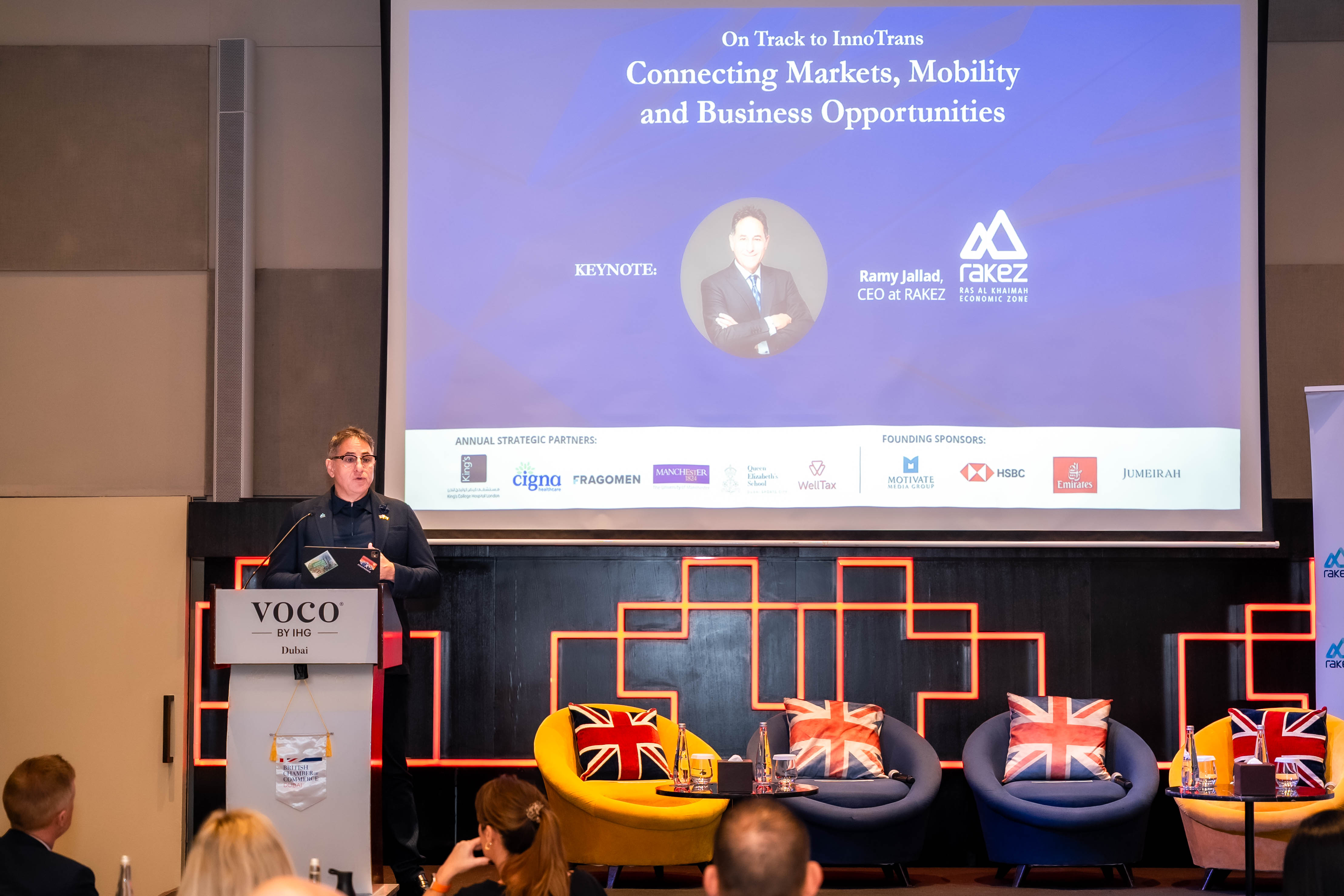
Ras Al Khaimah, Sept 21: Ras Al Khaimah Economic Zone (RAKEZ) highlighted the growing role of integrated infrastructure, rail connectivity and industrial ecosystems in enabling business growth and strengthening market access during the British Chamber of Commerce Dubai (BCCD) Business Briefing, ‘On Track to InnoTrans – Connecting Markets, Mobility and Business Opportunities’.
Sponsored by RAKEZ, the event brought together businesses and industry stakeholders from mobility, engineering, logistics, infrastructure and related sectors to discuss how stronger connectivity can support investment, market access and commercial links between the UAE and the UK.
Speaking at the event, RAKEZ Group CEO Ramy Jallad highlighted the importance of integrated infrastructure in supporting business growth, particularly how transport networks, industrial capacity, logistics and business ecosystems work together to improve competitiveness and create new opportunities.
He also participated in a panel discussion alongside AtkinsRéalis Senior Director and Middle East Transportation Market Lead Roger Cruickshank, moderated by BCCD Chair Helen Barrett.
Jallad said: “Connectivity delivers its greatest value when it translates into commercial opportunity. When transport infrastructure, industrial zones, ports, logistics networks and business ecosystems work together, companies gain greater flexibility in how they source, produce and reach their markets. For British businesses with expertise across engineering, infrastructure, digital solutions, logistics and related technologies, there is significant scope to build partnerships and establish a presence in the UAE, creating a platform for wider regional growth.”
BCCD CEO Katy Keenan said: “The conversations taking place around rail, mobility and infrastructure extend far beyond the transport sector itself. Business briefings such as this bring the wider business community together to explore and identify emerging opportunities for the supply chain and surrounding ecosystem. RAKEZ provided an important commercial perspective by connecting the infrastructure agenda with the needs of businesses looking to grow locally and between the UK-UAE trade corridor.”
The discussion also highlighted Ras Al Khaimah’s growing industrial ecosystem and the opportunities available to companies looking to establish or expand in the region. RAKEZ currently supports more than 50,000 companies across over 50 sectors, including more than 3,700 UK-linked businesses, with solutions ranging from industrial land and warehouses to offices and customisable facilities.
Through its collaboration with BCCD, RAKEZ continues to strengthen connections with the British business community and create opportunities for companies to explore Ras Al Khaimah as a base for UAE and regional growth.
21, Sep 2026
Baroda BNP Paribas Balanced Advantage fund crosses Rs 5000 crore AUM mark as it nears its 8th anniversary
Mumbai, September 21: Baroda BNP Paribas Balanced Advantage Fund has crossed the Rs 5,000 crore assets under management (AUM) milestone as it approaches its eighth anniversary, marking another milestone in the open-ended dynamic asset allocation fund‘s journey of wealth creation for investors.
The scheme has consistently outperformed its benchmark, the Nifty 50 Hybrid Composite 50:50 Index, over the one, three and five-year periods as well as since inception, buttressing its position as a core allocation to an investor’s portfolio (see table below).
|
Returns in CAGR % |
1 year |
3 years |
5 years |
Since inception |
|
Regular plan |
10.31 |
12.37 |
10.67 |
13.2 |
|
NIFTY 50 Hybrid Composite Debt 50:50 Index |
1.37 |
7.65 |
7.05 |
10.21 |
How has the fund created wealth?
A Rs 1 lakh investment made at the scheme’s inception would be worth Rs 2,62,961 as of end-August 2026. The fund has also delivered a 10.8% SIP return over one year and a 12.75% compounded annualised SIP return since inception, outperforming the benchmark returns over 1,3,5 years and since inception.
An investor who had started a Rs 10,000 monthly SIP from the scheme’s inception would have accumulated Rs 15.42 lakh as of end-August 2026.
How does the dynamic asset allocation strategy work?
The fund dynamically adjusts its net equity allocation between 30% and 100%, based on the fund’s multi factor asset allocation model. While this rebalancing would could result in tax liabilities if an individual were to do it in their portfolio, since the Baroda BNP Paribas Balanced Advantage fund adjusts the asset allocations in its portfolio directly, an individual investor’s tax liability crystalises only, when they redeem their investments.
Baroda BNP Paribas MF has developed a proprietary valuation model that assesses multiple valuation parameters to guide the fund managers on the relative allocation between net equity and debt. The fund managers of this open-ended hybrid fund, actively manage duration and exposure to sectors and market capitalisations to capture upside, protect downside and control risks.
Diversified portfolio across asset classes
As of end-August 2026, 80.6% of the scheme’s assets were invested in equity, the balance in debt, cash and other assets. The equity portfolio comprised 67.7% large-cap, 24.6% mid-cap and 7.7% small-cap stocks.
The debt portfolio focuses on capital preservation and income accrual, with 48.8% allocated to sovereign and highest-credit-rated instruments, 36.3% to cash and cash equivalents and 15% to high-safety-rated AA/AA+ instruments.
Jitendra Sriram, Kushant Arora and Neeraj Saxena manage the equity allocation of the scheme while Prashant Pimple manages the fixed income allocation.
Investors can start with a minimum lump-sum investment of Rs 5,000 or a monthly SIP of Rs 500. The scheme has no exit load for redemptions of less than 10% of the investment within one year.
A balanced approach to long-term investing
With its Rs 5,000 crore AUM milestone, a dynamic equity-debt allocation and diversified portfolio, Baroda BNP Paribas Balanced Advantage Fund offers investors a structured approach to navigating changing market valuations while participating in long-term equity wealth creation.
As the fund approaches its eighth anniversary, investors looking to build a core wealth creating portfolio with moderate long-term risk by combining equity growth potential with income generation from debt; and active risk management can consider the Balanced Advantage Fund as part of their medium to long-term investment strategy.
21, Sep 2026
Gwalior Telecom Manufacturing Zone Draws INR 5,500 Crore Investment Interest from 24 Firms
GWALIOR, September 21, 2026: Gwalior is emerging as a new destination for telecom equipment manufacturing, with 24 companies proposing investments of around ₹5,500 crore in the upcoming Telecom Manufacturing Zone (TMZ). The proposed investments are expected to create more than 18,000 direct and indirect employment opportunities, giving a significant push to the city’s industrial development.
The proposed manufacturing cluster is being positioned as a dedicated ecosystem for telecom equipment and components. Instead of relying on a single large project, the zone is expected to bring multiple manufacturers together, creating opportunities for suppliers, component makers, testing facilities and other supporting businesses.
The project is part of the Centre’s broader strategy to strengthen domestic telecom manufacturing and build more resilient technology supply chains. Increasing demand for 5G equipment, network infrastructure and emerging communication technologies has created opportunities for Indian manufacturers to expand both domestic production and export capabilities.
The first phase of the Gwalior project has identified approximately 170 acres of land for industrial development. Authorities are also examining the possibility of making additional land available as investor interest has grown beyond the initial capacity planned for the zone.
The investment proposals have followed a series of meetings between government authorities and potential investors. The Department of Telecommunications and the Madhya Pradesh government signed an agreement earlier this year to facilitate the development of the manufacturing zone, followed by investor outreach programmes in major business centres.
Investment interest from companies participating in these engagements has been divided across different phases. Proposals worth about ₹3,500 crore emerged from discussions in Delhi, while another ₹2,000 crore of proposed investment was generated through subsequent investor interactions in Mumbai.
The proposed zone is expected to benefit from a combination of government incentives and common infrastructure. Madhya Pradesh has outlined incentives relating to land, electricity, employment and production, while the telecom ministry has proposed shared testing infrastructure that could help manufacturers reduce the cost and time involved in product certification.
A proposed common testing laboratory package of around ₹500 crore is among the infrastructure initiatives being considered for the project. Such facilities could be particularly relevant for telecom manufacturers, where equipment and components must undergo technical and regulatory testing before entering commercial markets.
Connectivity is another factor supporting Gwalior’s industrial proposition. The city has established road and rail links with major markets in North India, while improvements in highway and airport infrastructure are expected to further support the movement of raw materials, finished products and industrial personnel.
The availability of engineering talent could also help the proposed cluster meet its workforce requirements. Gwalior and the surrounding region have a sizeable network of educational institutions, providing access to engineers and technically trained workers who could support manufacturing, product development, quality control and related operations.
For Madhya Pradesh, the project offers an opportunity to diversify Gwalior’s industrial base and attract technology-oriented manufacturing investments. For the telecom industry, the cluster could create a more integrated domestic supply chain by bringing equipment manufacturers and component suppliers closer together.
The development comes at a time when India is seeking to expand its role in global electronics and telecommunications manufacturing. Building local production capabilities can help companies serve India’s rapidly expanding digital infrastructure market while creating a base for exports to international markets.
The ₹5,500-crore investment proposals represent an initial commitment rather than completed investment, with companies still required to proceed through formal application, land-allocation and project-implementation stages. The eventual economic impact will depend on how quickly these proposals translate into operational facilities.
If implemented as planned, the Gwalior Telecom Manufacturing Zone could become a significant manufacturing cluster for the communications industry, combining production facilities, component suppliers, testing infrastructure, skilled manpower and logistics capabilities within a single ecosystem. The project could also add a new industrial dimension to Gwalior’s growing role in Madhya Pradesh’s technology and manufacturing economy.
21, Sep 2026
Arab Tank Terminals Selects IFS Cloud to Modernize and Unify its Enterprise Operations
Dubai, United Arab Emirates, September 21, 2026 — IFS, the leading provider of Industrial AI software, today announced that Arab Tank Terminals Ltd. (ATTL), one of the earliest independent bulk liquid storage terminals on Saudi Arabia’s Red Sea coast and a leading provider of storage and handling solutions for petrochemical products and industrial liquids in Saudi Arabia, has chosen to implement IFS Cloud embedded with IFS.ai,as its Enterprise Resource Planning (ERP) platform. This will help ATTL build a modern, scalable technology landscape aligned with the operational demands of the industry.
ATTL is a joint venture between Saudi Arabian Refineries Company (SARCO), Independent Petroleum Group (IPG) and Emirates National Oil Company (ENOC). As part of its digital transformation, the implementation of IFS Cloud, will provide a modern, integrated platform designed to support its operations and future growth while strengthening its capabilities across key business areas. Additionally, IFS Cloud, powered by IFS.ai, uses machine learning and historical trends to deliver tailored insights, and drives innovation and productivity.
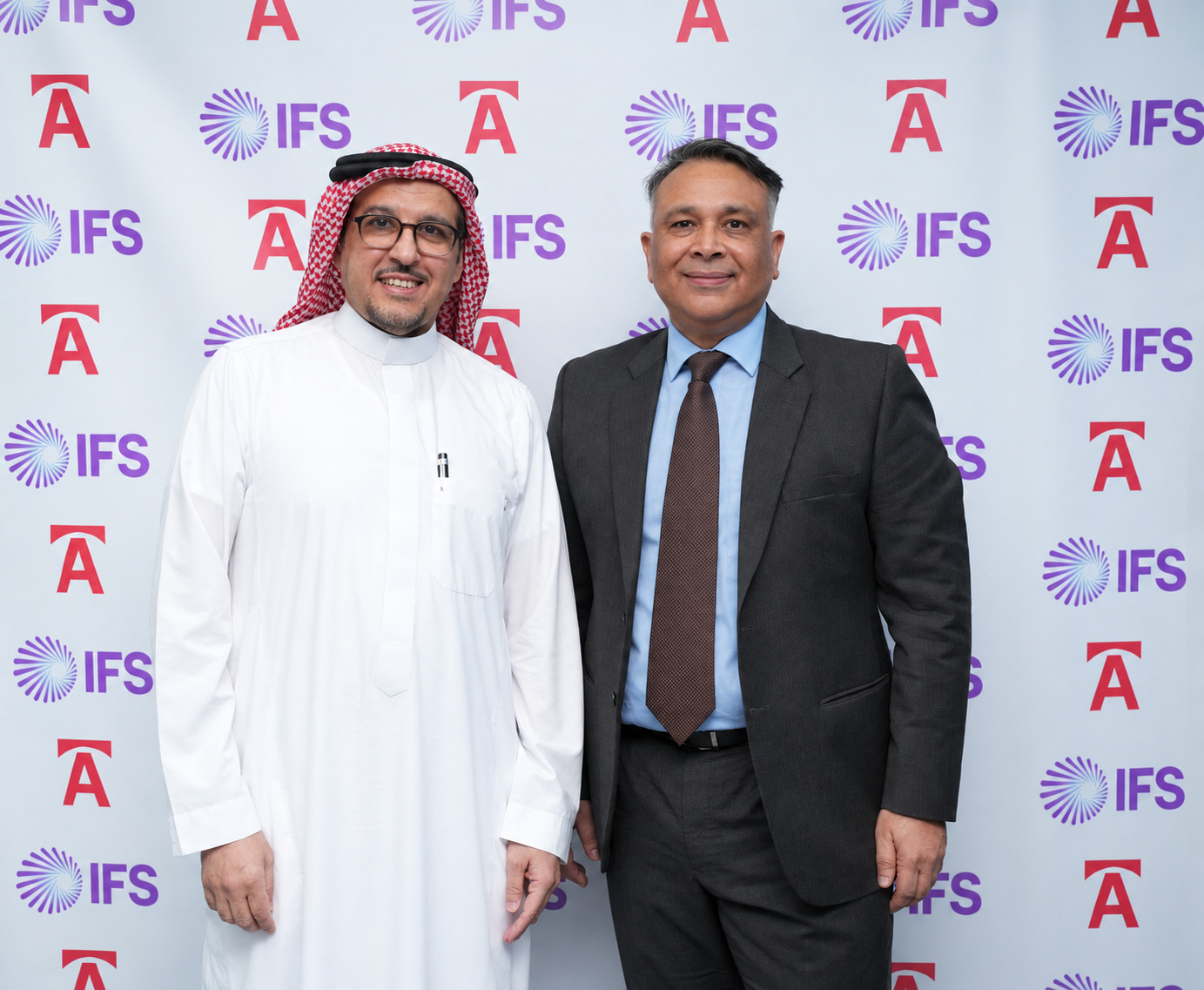
Rahul Misra, SVP & Managing Director – Middle East and Africa at IFS, said, “In an asset intensive organization such as Arab Tank Terminals Ltd, IFS Cloud that works on the operational intelligence of IFS.ai will help move from isolated signals to a single connected workflow. It will help teams detect issues earlier, respond faster and thereby optimize performance. We look forward to working with ATTL on their digital transformation journey.”
As part of the transformation, IFS Cloud will provide a single, unified platform that connects finance, procurement, supply chain, maintenance, asset management, projects, HSE, and human resources. By bringing critical business functions together in one system, ATTL will gain greater visibility across its operations, improve data accuracy, streamline workflows, and enable faster, more informed decision-making. The implementation is expected to help optimize asset reliability and maintenance planning, strengthen regulatory compliance and safety processes, improve inventory and procurement efficiency, and provide real-time operational insights.
Abdulaziz Albakr, Chairman of the Board of Directors, Arab Tank Terminals Ltd. said, “Investing in a platform like IFS Cloud is an investment in ATTL’s future. It gives our people the visibility, reliability and tools to operate at the highest standards, and lays the digital foundation for the next phase of ATTL’s growth.”
The key factors for choosing IFS Cloud were its strong capabilities in asset and maintenance management, safety and environment (HSE), and its ability to provide a unified foundation for managing critical business operations.
IFS, has received several accolades, the most recent ones include, Customers’ Choice in the 2026 Gartner Peer Insights Voice of the Customer for Cloud ERP for Product-Centric Enterprises, the 2025 AI Software Report: ranked IFS 3rd out of the Top 50 Software Companies, with CEO Mark Moffat named Top Software CEO as well as being named a leader in the IDC MarketScape: “Worldwide Manufacturing AI‑Enabled Asset‑Intensive Enterprise Asset Management Applications 2026 Vendor Assessment. IFS continues to be focused on its Middle East investments and has built a strong portfolio of customers across core industries.
21, Sep 2026
Dubai registers 2,046 residential-use rental contracts above AED1million in first eight months of 2026
Palm Jumeirah remains among strongest hubs for high-value residential leasing, fäm Properties analysis shows
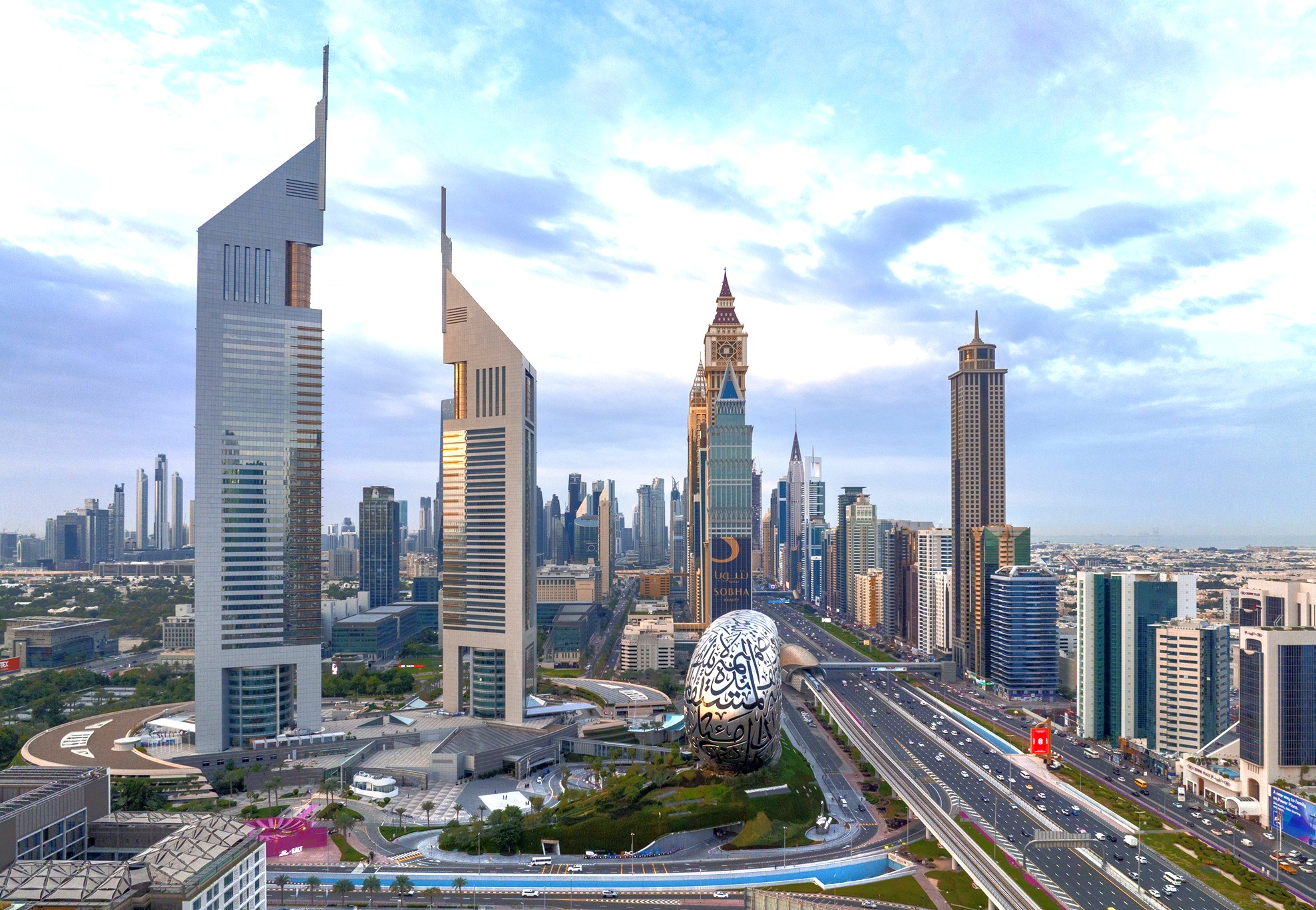
Dubai, UAE, Sept 21: Dubai registered 2,046 distinct residential-use rental contracts valued at AED1 million or more during the first eight months of 2026, with their combined contract value reaching AED6.79 billion, highlighting the scale of the market’s top tier.
A market analysis from fäm Properties shows that the contracts registered between 1 January and 31 August had a median annualised rent of AED1.35 million. New leases accounted for the majority of activity, with 1,423 contracts, or 69.6% of the total, compared with 623 renewals, or 30.4%.
Data from DXBinteract reveals that the median annualised rent for new leases was AED1.30 million, while renewals recorded a higher median of AED1.50 million.
One-year agreements dominated the market, accounting for 1,353 of the 2,046 contracts. Longer contracts naturally recorded lower annualised median rents because the AED1 million threshold applies to the total contract value, rather than the annual rental amount.
Villas represented the largest property category, with 951 contracts worth AED2.49 billion, at a median annualised rent of approximately AED1.12 million. Apartments accounted for another 531 contracts worth AED2.41 billion, with a median annualised rent of AED1.40 million.
Firas Al Msaddi, CEO of fäm Properties, commented: “The figures underline the scale of the upper end of Dubai’s rental market, while also showing how high-value contracts extend beyond individual villas and apartments into larger residential-use assets and accommodation categories.”
The Dubai Land Department residential-use classification also includes labour camps, which accounted for 520 contracts worth AED1.72 billion, at a median annualised rent of approximately AED1.84 million. Smaller categories included buildings, complex villas, staff accommodation, studios and penthouses.
Palm Jumeirah remained one of the strongest concentrations of high-value conventional residential leasing, recording 191 contracts with a median annualised rent of AED1.50 million.
NEW LEASES AGAINST RENEWALS
|
Lease |
Contracts |
Share |
Median annualised rent |
|
New |
1,423 |
69.6% |
AED 1.30m |
|
Renewal |
623 |
30.4% |
AED 1.50m |
ANNUALISED RENT BY CONTRACT TERM
|
Term |
Contracts |
Median annualised rent |
|
1 year |
1,353 |
AED 1.65m |
|
2 years |
299 |
AED 800k |
|
3 years |
224 |
AED 600k |
|
4+ years |
170 |
AED 390k |
LEADING AREAS
|
Area |
Contracts |
Median annualised rent |
|
Jabal Ali Industrial First |
204 |
AED 2.05m |
|
Palm Jumeirah |
191 |
AED 1.50m |
|
Hadaeq Sheikh Mohammed Bin Rashid |
117 |
AED 1.30m |
|
Al Merkadh |
90 |
AED 1.25m |
|
Muhaisanah Second |
86 |
AED 1.53m |
|
Me’Aisem First |
66 |
AED 1.75m |
LEADING NAMED PROJECTS AND DEVELOPMENTS
|
Project / Development |
Contracts |
Median annualised rent |
|
Palm Jumeirah |
106 |
AED 1.70m |
|
Jumeirah Golf Estates |
38 |
AED 1.68m |
|
Al Barari |
29 |
AED 1.30m |
|
Dubai Investment Park First |
28 |
AED 1.35m |
|
Jumeirah Islands |
25 |
AED 1.80m |
|
The Royal Atlantis Resort & Residences |
23 |
AED 1.35m |
|
IL Primo |
19 |
AED 1.95m |
21, Sep 2026
Aheesa unveils Vihaan-I semiconductor chip in the presence of Union Minister Shri Ashwini Vaishnaw at Semicon India 2026
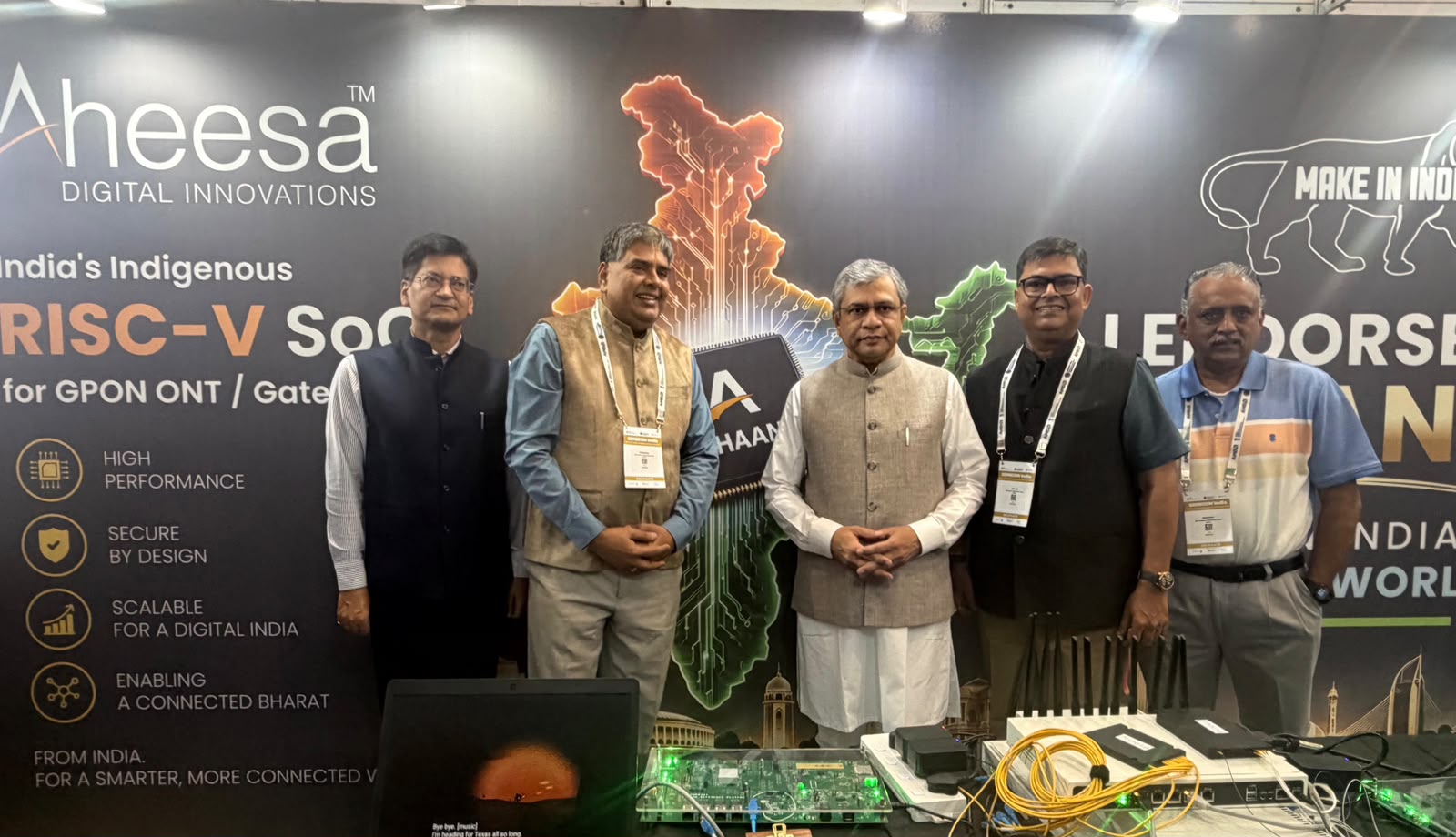
New Delhi, 21 September 2026: Aheesa Digital Innovations, a fabless semiconductor company, unveiled Vihaan-I, India’s first indigenously designed broadband networking chip, in the presence Union Minister for Electronics & IT Shri Ashwini Vaishnaw at Semicon India 2026, at Yashobhoomi, New Delhi.
Vihaan-I’s journey is tied to two of the nation’s defining dates. The chip was taped out on Republic Day, 26 January 2026, and achieved first-pass silicon success on Independence Day, 15 August 2026, validating India’s semiconductor ambitions.
“Unveiling Vihaan-I in the presence of Union Minister Shri Ashwini Vaishnaw, who is steering India’s semiconductor mission, was a proud moment for everyone at Aheesa. Vihaan-1 is proof that a Viksit Bharat can use advanced technology and design it,” said Sridharan Mani, Founder and CEO, Aheesa Digital Innovations.
“With Vihaan-I, we have a working silicon designed in India, by an Indian team, for India’s networks. Our focus is now on getting this chip into the hands of India’s broadband and telecom equipment makers,” Saket Singh, Director & Chief Growth Officer, Aheesa Digital Innovations.
Vihaan-I is India’s first home-designed chip for broadband and fibre networks. It brings the core functions of the internet equipment found in homes and offices onto a single Indian-designed chip, built on the open-standard RISC-V architecture and powered by the indigenous VEGA processor developed by C-DAC. It serves as a Made-in-India alternative to the imported silicon that powers most of the country’s telecom and broadband networks today.
At Semicon India 2026, Shri Ashwini Vaishnaw set out the six pillars of Semicon 2.0, with chip design named as the first pillar. Vihaan-I was among the Made-in-India chips he spotlighted, a working example of the design-led, indigenous milestone the mission is built to produce, and of the Atmanirbhar Bharat vision of designing strategic technology at home. Shri Ashwini Vaishnaw on Vihaan-I:
Path to commercialisation
With Vihaan-I’s silicon now validated, Aheesa is moving decisively from design to market. The company has signed partnerships across the chip’s path to deployment including a packaging MoU with Optilink Networks, which will support product development from prototyping through to packaging and the joint development of broadband customer equipment built on Vihaan-I. They have also signed a distribution partnership with The Zigma Technologies India. Aheesa is now preparing for commercialisation targeted for early 2027, and expects the Vihaan roadmap to extend across the broadband, telecom and cybersecurity domains that form its core focus.


