


27, Jan 2026
Modern Diagnostic IPO Subscribed Nearly 350.49 Times, Reflecting Strong Investor Confidence
Modern Diagnostic & Research Centre, a leading diagnostic chain, has successfully concluded its Initial Public Offering (IPO), raising ₹36.89 crore, which received an exceptional response from investors across categories. The issue was oversubscribed by a staggering 350.49 times at the close of the oversubscription period, which shows the market’s confidence in the company’s growth strategy and business model.
The IPO, which was open for subscription from Wednesday, December 31, 2025, closed on January 2, 2026, had its allotment of shares completed on Monday, January 5, 2026. The allotment status for the same was made available on the BSE website or on the registrar’s website, MUFG Intime India. The public issue consisted of a fresh issue of 4.1 million equity shares, aggregating ₹38.49 crore, offered in a price band of ₹85 to ₹90 per equity share with a lot size of 1,600 equity shares. Modern Diagnostic shares also commenced trading on the BSE SME exchange on January 7, 2026.
Modern Diagnostic & Research Centre was founded by Dr. D.S. Yadav, CMD, with an esteemed & rich heritage of quality diagnostics since inception, opening operations at New Railway Road, Gurugram, in 1985, with an impressive journey of more than four decades, earning the organization a pioneering name in quality pathology, as well as quality imaging, with a capacity to conduct 2,500 different tests in-house, mostly related to molecular, cytogenic, as well as radiological, studies.
The network of the company consists of more than 20 laboratories and diagnostic centers spread over 8 states, catering to individual patients, hospitals, and corporate clients with sophisticated diagnostic solutions. The USP of the company, MDRC, lies in the blend of legacy strengths, broad test menu, accredited labs, state-of-the-art imaging and pathology offerings, home sample collection, digital reporting for patients, and the focus for accurate results in diagnostics.
The company intended to use ₹20.7 crore of the net proceeds to acquire sophisticated medical equipment for its diagnostic centers and laboratories, thus enhancing its capabilities. Another ₹8 crore was allocated to meet the working capital needs, while ₹1 crore was earmarked to repay part of the debt. The rest of the amount was set aside for general corporate purposes.
During the allotment phase, the grey market price of the unlisted shares of Modern Diagnostic was reported at around ₹103.5 per share, indicating a Grey Market Premium (GMP) of ₹13.5, or approximately 15 percent, over the higher end of the IPO price band, as reported by sources monitoring the grey market activity. It was noted that grey markets are unregulated and unofficial markets, and investors should not solely depend on the GMP for IPO listing performance.
Expressing his views on the successful IPO, Dr. D.S. Yadav, the CMD for Modern Diagnostic & Research Centre, stated, “The strong enthusiasm shown by the investors has reaffirmed our conviction that precise diagnostic facilities provide a strong base for quality health. The amount generated from the IPO has been used for the installation of the most advanced health facilities and systems that would further improve the diagnostic facilities and provide a strong base for a transparent organisation.”
With a robust subscription response and a plan in place for the use of funds, Modern Diagnostic & Research Centre entered its next phase of growth with renewed momentum and was poised to further enhance its presence and improve the standards of diagnosis across its network.
- 0
- By Neel Achary

27, Jan 2026
Survey Finds Domestic RMG Still Banned Across Tamil Nadu
Higher Spending, Increased Daily Time on Offshore Betting Platforms as Domestic RMG Remains Banned – Survey in Tamil Nadu
Chennai, Jan 27: A new survey conducted by CUTS International among 1,000 former online real money gaming (RMG) users in Tamil Nadu finds that spending on illegal offshore betting platforms has increased significantly since the nationwide ban on all online money games in India through Promotion and Regulation of Online Gaming Act, 2025. The findings suggest that while users have shifted platforms following regulatory changes, their underlying gaming behaviour, spending levels, frequency, and engagement intensity has remained largely unchanged.
Despite the state enacting stringent regulations in February 2025, through The Tamil Nadu Online Gaming Authority (TNOGA), which imposed tighter operational mandates on domestic and legitimate operators, the study indicates that since the PROG Act 2025, offshore betting platforms continued to be a part of user’s gaming behaviour. About 67.8% of respondents engaged with offshore platforms alongside domestic operators, prior to the national ban. This proportion has since increased to 83%, driven by more respondents initiating offshore use after the ban (26.9%) than discontinuing it (11.7%).
“The data from Tamil Nadu clearly shows that users have not stopped online money gaming or reduced spending,” said Mr. Amol Kulkarni, Director (Research), CUTS International. “Instead, the same patterns of behaviour are now playing out on illegal offshore betting platforms. What stands out is the noticeable shift and consolidation of spending on these platforms, with fewer but higher-value transactions, even in a state where they were formally banned.”
CUTS surveyed online gaming users in Tamil Nadu through a self-reported online questionnaire to assess changes in behaviour before and after restrictions on legal platforms took effect. The analysis examined shifts in platform usage, monthly spending, and frequency of play, session duration, and daily engagement. Across all parameters, the data points to platform substitution rather than any meaningful reduction in gaming activity.
KEY FINDINGS
- Offshore platform usage remains high: Offshore betting usage increased from 67.8% before restrictions to 83% after, underscoring sustained and widespread access to offshore platforms despite regulatory prohibitions.
- Significant increase in offshore spending levels: While offshore betting was previously concentrated in lower-value play, post-restriction spending has shifted sharply toward higher ticket sizes:
- 25% of offshore users now spend ₹5,000–9,999 per month,
- Pre-ban, only 2% reported monthly spends offshore above ₹10,000; post-ban, the share has increased with 21% spending ₹10,000–24,999 per month
- 9% report monthly spending offshore of ₹25,000 or more
These spending levels indicate a consolidation of higher-value play on offshore platforms, which was earlier spread across both regulated domestic money gaming platforms and unregulated offshore operators.
- Frequency and intensity of play remain unchanged: User engagement has intensified on offshore platforms:
- Daily offshore play increased from 3% pre-restrictions to 45% post-restrictions
- Users spending more than two hours per session offshore rose from 2% to 43%
- Multiple gaming sessions per day are now significantly more common offshore
The survey findings point to an important policy implication: prohibitive regulation that removes regulated domestic supply without effectively addressing access to offshore or informal alternatives may displace higher-value gaming activity into less regulated environments.
CUTS International conducted a similar survey in Delhi NCR in December 2025, which saw one in four surveyed users migrating to offshore platforms. With similar surveys in other states, CUTS International is building a broader, evidence-based understanding of how users respond to the PROG Act and how spending and engagement patterns evolve across different regulatory contexts.
27, Jan 2026
Budget 2026 to Boost Domestic Electronics Manufacturing and Self-Reliance
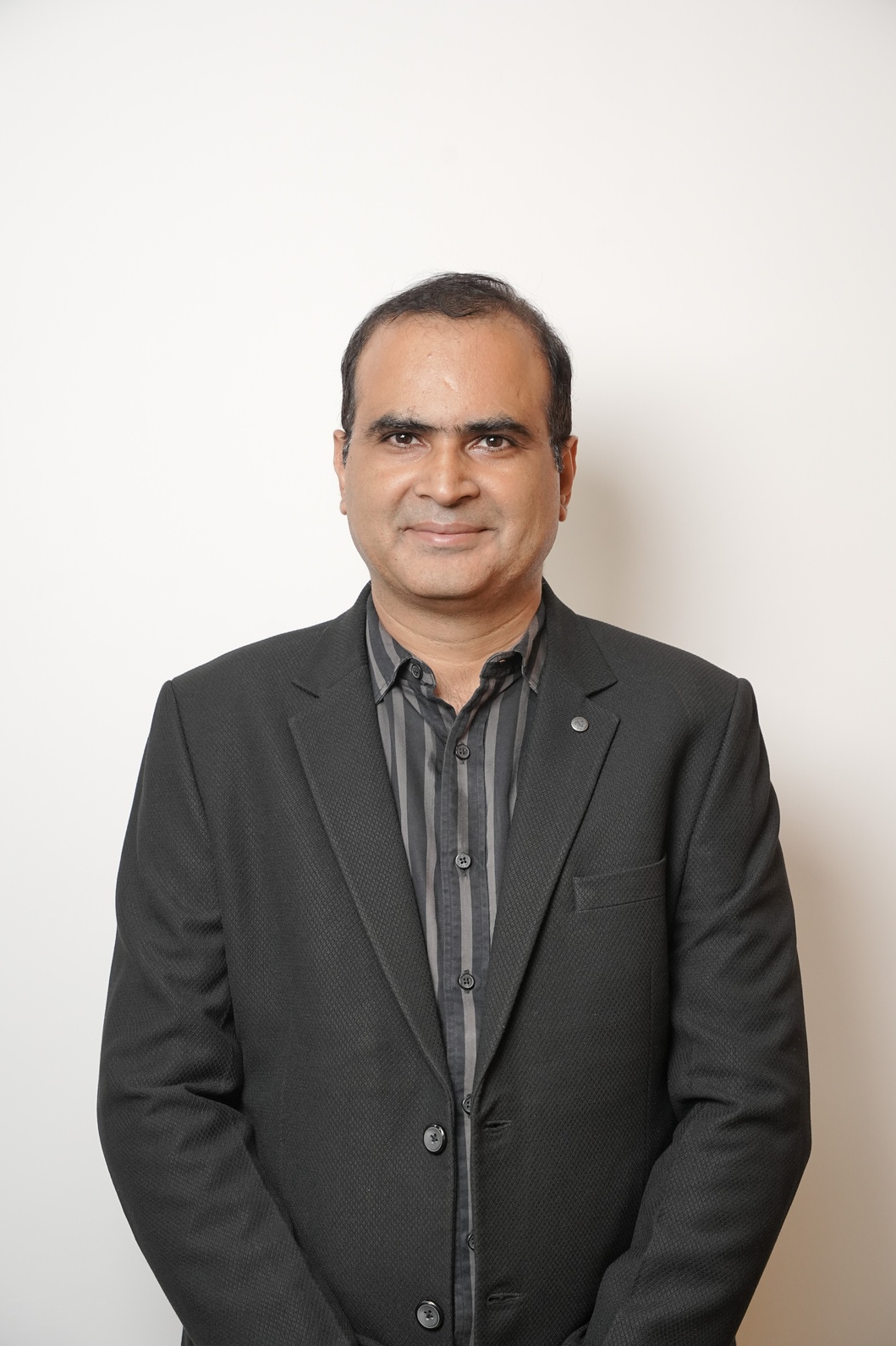
By : Mr. Ashok Rajpal, Managing Director – Ambrane India.
In the electronics segment, we expect the government to continue its strong push toward building in-house manufacturing capabilities. Policy support is likely to remain focused on encouraging domestic production facilities and strengthening auxiliary ecosystems that support the electronics value chain. This approach aligns well with India’s long-term manufacturing ambitions, especially as electronics has emerged as one of the fastest-growing sectors in the country. The exponential growth witnessed over the past few years reinforces our optimism, with India steadily positioning itself as a global manufacturing hub rather than just a consumption market.
For the broader population, the government has already taken significant steps to boost disposable incomes by extending tax slab benefits up to ₹12 lakh in the previous year. Given this substantial relief, we do not anticipate major additional tax relaxations in the upcoming budget. Instead, the policy focus is expected to shift toward stimulating domestic demand and strengthening self-reliance. Measures aimed at reducing dependence on imports, particularly from select countries, are likely to take precedence. This strategy not only supports local industries but also serves as a safeguard amid ongoing global trade tensions. Overall, the budget narrative appears firmly centered on reinforcing domestic capabilities, boosting internal consumption, and enhancing economic resilience in an increasingly uncertain global environment.
27, Jan 2026
India–EU Trade Deal: A Gateway to Strategic Growth
By: Mr. Dinesh Kanabar, Chairman & CEO, Dhruva Advisors, on the India–EU Trade Deal
“Great leadership, it is often said, lies in the ability to convert external challenges into strategic opportunities. In that spirit, it is heartening to see how India has responded to the headwinds created by higher tariffs imposed by the United States—not by retreating, but by accelerating its global economic integration through trade agreements with the UK, New Zealand, and now, most significantly, the European Union.
The India–EU Free Trade Agreement opens up one of the most important trading corridors in the world. For India, long a global leader in services, this pact expands access to the European market for its skilled professionals, technology services, and knowledge-based industries, at a time when human capital and digital capabilities are becoming central to global competitiveness.
For the European Union, India represents both a vast consumer market of 1.4 billion people and a fast-growing economy with rising demand for advanced manufactured goods, green technologies, pharmaceuticals, and capital equipment. Reduced tariffs and clearer market access will allow European firms to participate more deeply in India’s growth story.
Beyond trade, the agreement strengthens strategic partnership between two major democratic blocs, promotes investment, technology collaboration, and resilient supply chains. In that broader sense, this is not merely a trade deal, but a platform for long-term economic partnership—rightly being hailed as the “mother of all deals.”
27, Jan 2026
IEEMA and DTU Sign MoU to Strengthen Industry: Academia Collaboration
New Delhi, Jan 27: The Indian Electrical and Electronics Manufacturers’ Association (IEEMA) has signed a Memorandum of Understanding (MoU) today with Delhi Technological University (DTU) to strengthen industry, academia collaboration in the electrical and electronics sector.
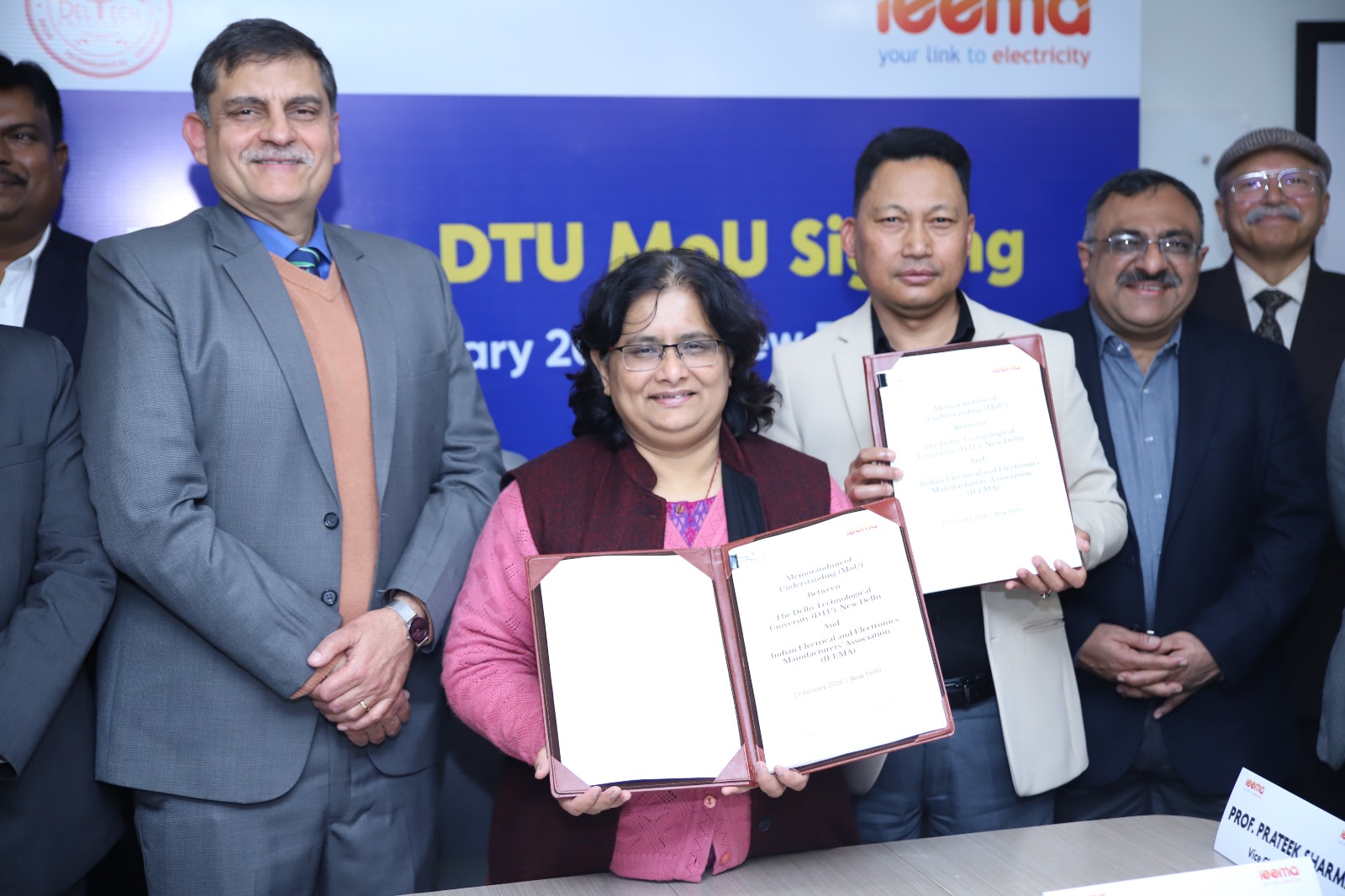
The MOU was signed by Binod Doley, Registrar, DTU and Charu Mathur, Director General, IEEMA, on behalf of the two organisations, here in Delhi today.
Highlighting the significance of academia, industry engagement, the Dr Prateek Sharma, Vice Chancellor of DTU said,
“This partnership is an important step towards bridging the gap between industry and academia. While many engineers today move towards software roles, strong industry exposure during college is essential to build self-reliance in core sectors. Academia is the best space to experiment, innovate, and learn from failure. The participation of the private sector and R&D investment will drive better outcomes. Continuous industry engagement will ensure students graduate as industry-ready professionals.”
Emphasising the sector’s growth and global competitiveness, Shri Vikram Gandotra, President, IEEMA said,
“India has significantly reduced its import dependence, emerging as a strong global supplier of high-quality products. As the sector continues to witness exponential growth, strengthening industry, academia collaboration is essential to sustain and accelerate this momentum, and this partnership is expected to deliver meaningful and fruitful outcomes.”
Outlining the key focus areas of the collaboration, Charu Mathur, Director General, IEEMA said,
“The collaboration will focus on clear, outcome-driven areas such as supporting startup expansion and identifying specific industry challenges for DTU to work on. Dedicated slots will also be provided for DTU in technical conferences and research papers, ensuring defined and quantifiable outcomes from this partnership.”
This Memorandum of Understanding (MoU) between IEEMA and DTU is set to institutionalise a long-term partnership under the Industry-Academia Engagement Initiative. This strategic collaboration aims to bridge the divide between theoretical academia and real-world application, fostering a robust ecosystem for innovation and manufacturing excellence.
This comprehensive review for curriculum upgrade by integrating industrial insights into academic programs will ensure that students are equipped with market-relevant skills in high-growth areas such as clean energy, digital grids, sustainable material and power electronics. Beyond education, the alliance focuses on joint research, startup mentorship, and policy advocacy to align with India’s national goals for decarbonisation and energy transition.
With IEEMA joining the DTU Industry Academia Council, this partnership serves as a model for sustained knowledge creation and the development of industry-ready professionals to lead India’s electrical and electronics sector.
A Joint Working Group of DTU and IEEMA experts will oversee the partnership. Meeting bi-annually, the group will approve action plans and monitor progress to ensure the collaboration hits measurable goals.
The DTU and IEEMA alliance stands as a national blueprint for practice-based engineering education. Aligned with the National Education Policy, it serves as a catalyst for India’s manufacturing excellence and energy transition.
27, Jan 2026
Honeywell Partners with SAF One & Tata Projects for Sustainable Aviation Fuel
DELHI, India, Jan 27: Honeywell (NASDAQ: HON) today announced that SAF One Energy Management Limited (SAF One) will use Honeywell UOP Ecofining™ process technology to produce sustainable aviation fuel (SAF).
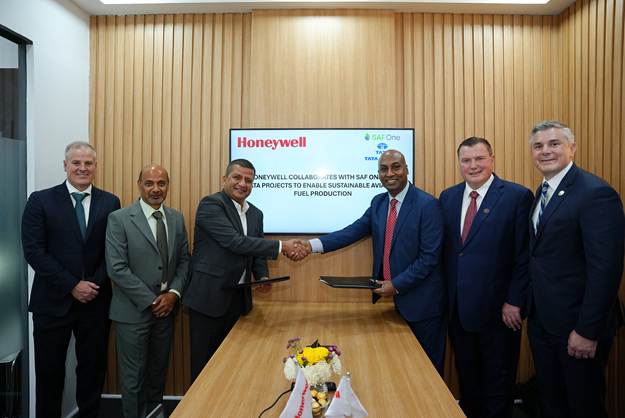
Tata Projects Limited (TPL), the Tata Group’s engineering and construction arm, has been appointed as the engineering, procurement, and construction (EPC) partner for the project. Together, Honeywell and TPL will deliver an integrated solution tailored to SAF One’s project requirements.
Honeywell UOP’s Ecofining process technology, developed in collaboration with Eni S.p.A., offers a capital- and cost-effective solution for processing waste fats, oils and greases into renewable diesel and SAF.
This collaboration marks a significant milestone in SAF One’s plans to develop multiple SAF production units globally, including one in India. Through the deployment of Honeywell UOP’s Ecofining process technology, SAF One will convert used cooking oil (UCO) and other waste oils and fats into SAF, helping the aviation industry reduce lifecycle emissions and advance its decarbonization goals.
Rajesh Gattupalli, President, Honeywell UOP, said:
“Our Ecofining process technology broadens the potential feedstock base for SAF and enables producers to adapt to shifting market conditions and resource availability. By leveraging our experience and continuous advancements in process engineering, we aim to make SAF production more economically feasible. The installation of our Ecofining process technology with SAF One and TPL demonstrates our leadership in SAF production and ability to help produce renewable fuels at scale.”
Rajiv Menon, President & COO – Energy & Industrial Business, Tata Projects Limited, said:
“Our collaboration with Honeywell and SAF One highlights the value of early engineering integration and disciplined execution in delivering scalable SAF projects. Together, we are enabling solutions that blend technology excellence with constructability and lifecycle efficiency.”
Commenting on this significant milestone, Deepak Munganahalli, cofounder and CEO of SAF One, said:
“We are delighted to work with Honeywell and Tata Projects Limited. Their techno-commercial expertise supports SAF One’s ‘design one build many’ approach across our pipeline of SAF projects. This collaboration strengthens our platform and enables us to work with our customers on scalable long-term decarbonization solutions.”
Honeywell and TPL are jointly optimizing the technology configuration to maximize capital expenditure, enhance project timelines, and deliver a solution aligned with SAF One’s global deployment strategy. The companies’ collaboration supports the ambitions of both India and the larger world for climate change mitigation and reinforces Honeywell’s leadership in developing SAF technologies for global markets.
###
27, Jan 2026
Alembic Pharmaceuticals Limited announces USFDA Final Approval for Difluprednate Ophthalmic Emulsion
Alembic Pharmaceuticals Limited (Alembic) today announced that it has received final approval from the US Food & Drug Administration (USFDA) for its Abbreviated New Drug Application (ANDA) Difluprednate Ophthalmic Emulsion, 0.05%.
The approved ANDA is therapeutically equivalent to the reference listed drug product (RLD), Durezol Ophthalmic Emulsion, 0.05%, of Sandoz Inc. (Sandoz).
Difluprednate ophthalmic emulsion is indicated for the treatment of inflammation and pain associated with ocular surgery and also indicated for the treatment of endogenous anterior uveitis. Refer label for a detailed indication.
Alembic has a cumulative total of 233 ANDA approvals (213 final approvals and 20 tentative approvals) from USFDA.
27, Jan 2026
Raymond Lifestyle Reports Resilient Q3 FY26 Performance with INR 1,883 Cr Total Income and Strong Domestic Growth
New Delhi, Jan 27: Raymond Lifestyle Limited today announced its unaudited financial results for the quarter ended 31st December 2025, reporting Total Income of INR 1,883 Cr, a 5% YoY growth, driven by robust domestic demand across Branded Textile and Apparel segments. Despite strategic increases in marketing spend to enhance brand equity, the company achieved EBITDA of ₹271 Cr at a margin of 14.4%, reflecting operational efficiency, optimized product mix, and a rationalized retail footprint.
While domestic performance remained strong, international operations faced headwinds due to U.S. tariffs, affecting B2B exports and global competitiveness. Nevertheless, domestic growth effectively offset these challenges. Gautam Hari Singhania, Executive Chairman, stated, “Our Q3 performance remains resilient, underpinned by domestic growth in lifestyle categories and proactive strategies to navigate global economic uncertainties, ensuring consistent stakeholder value.”
Segmental Highlights (Q3 FY26 vs Q3 FY25):
-
Branded Textile: Revenue up 11% to ₹951 Cr; EBITDA rose 35% to ₹207 Cr, margin at 21.8% vs 18% due to strong volume growth and improved product mix.
-
Branded Apparel: Revenue at ₹482 Cr, up 5%; EBITDA at ₹35 Cr, margin 7.3% vs 9.6% impacted by higher marketing spend and new store ramp-up.
-
Garmenting: Revenue ₹258 Cr, down 17% YoY; EBITDA ₹11 Cr, margin 4.2% vs 7.8%, affected by US tariffs and scale deleverage.
-
High Value Cotton Shirting: Revenue ₹205 Cr, up 2%; EBITDA ₹23 Cr, margin 11.1% vs 10.3%, driven by improved product mix.
The company ended the quarter with 1,675 stores, up from 1,653, and continues to optimize its retail network to sustain long-term growth momentum.
27, Jan 2026
Novotel Hyderabad & HICC Appoint Subin Venugopalan as Director of Food & Beverage
Hyderabad, Jan 27: Novotel Hyderabad Convention Centre and Hyderabad International Convention Centre (HICC) have announced the appointment of Subin Venugopalan as Director of Food & Beverage. Bringing over a decade of experience in luxury hospitality and large-scale F&B operations, Subin previously served as Food & Beverage Manager at Sheraton Grand Whitefield, Bengaluru, leading diverse outlets, banqueting, and high-volume events with a focus on guest experience, operational excellence, and revenue growth.
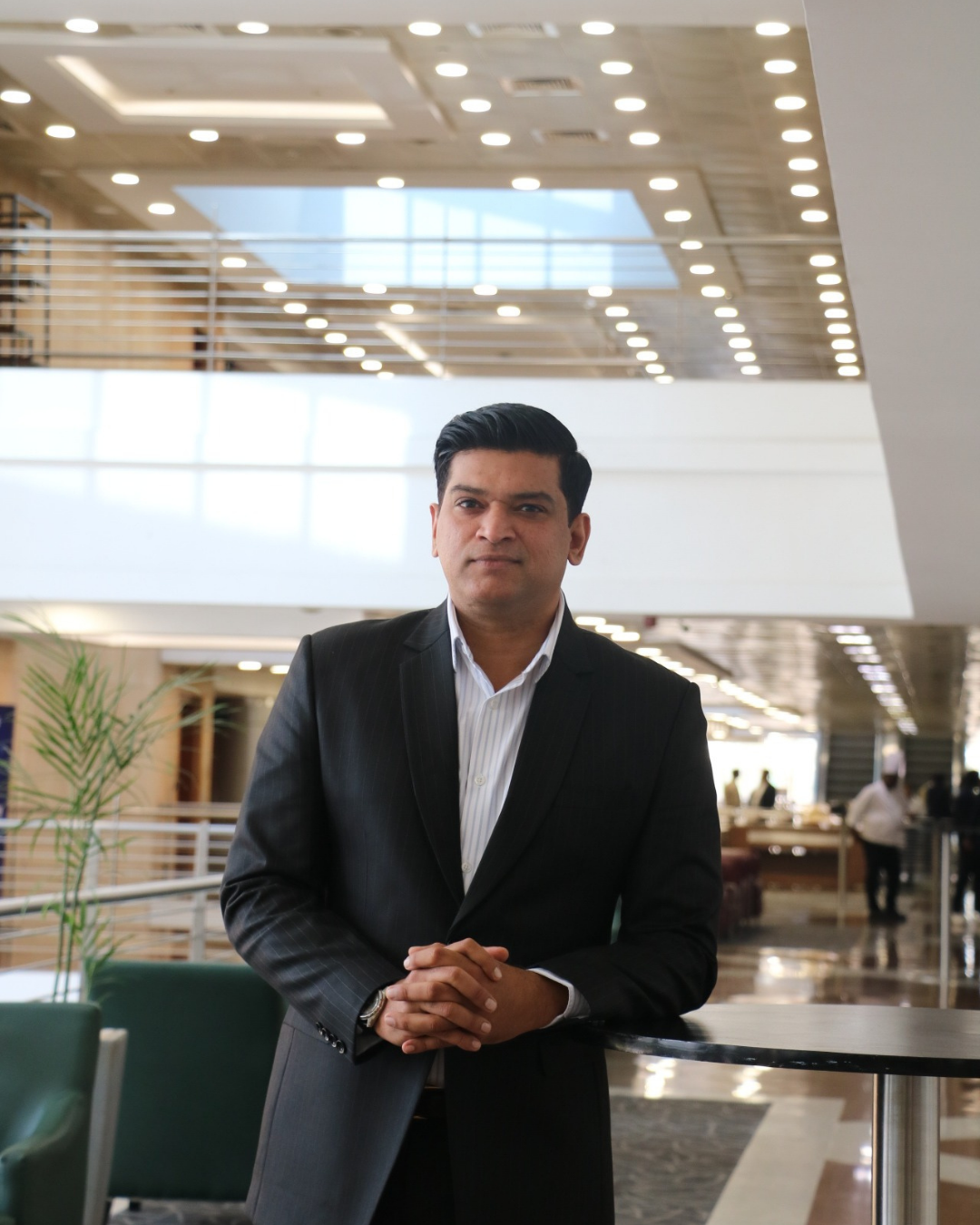
In his new role, Subin will oversee the F&B portfolio across Novotel Hyderabad Convention Centre and HICC, including signature restaurants, bars, banqueting, conventions, and bespoke culinary experiences. His mandate includes enhancing culinary innovation, elevating service standards, driving sustainability, and reinforcing the destination’s position as one of India’s premier convention and events hubs.
Rubin Cherian, General Manager, Novotel Hyderabad Convention Centre, said,
“Subin’s deep expertise and passion for excellence make him a valuable addition to our leadership team, poised to strengthen our culinary and convention offerings.” Subin Venugopalan added, “I am excited to join Novotel Hyderabad Convention Centre and HICC and look forward to creating distinctive culinary journeys, elevating guest experiences, and contributing to the property’s growth.”
27, Jan 2026
Union Budget 2026–27: Strengthening General Insurance as India’s Resilience Backbone
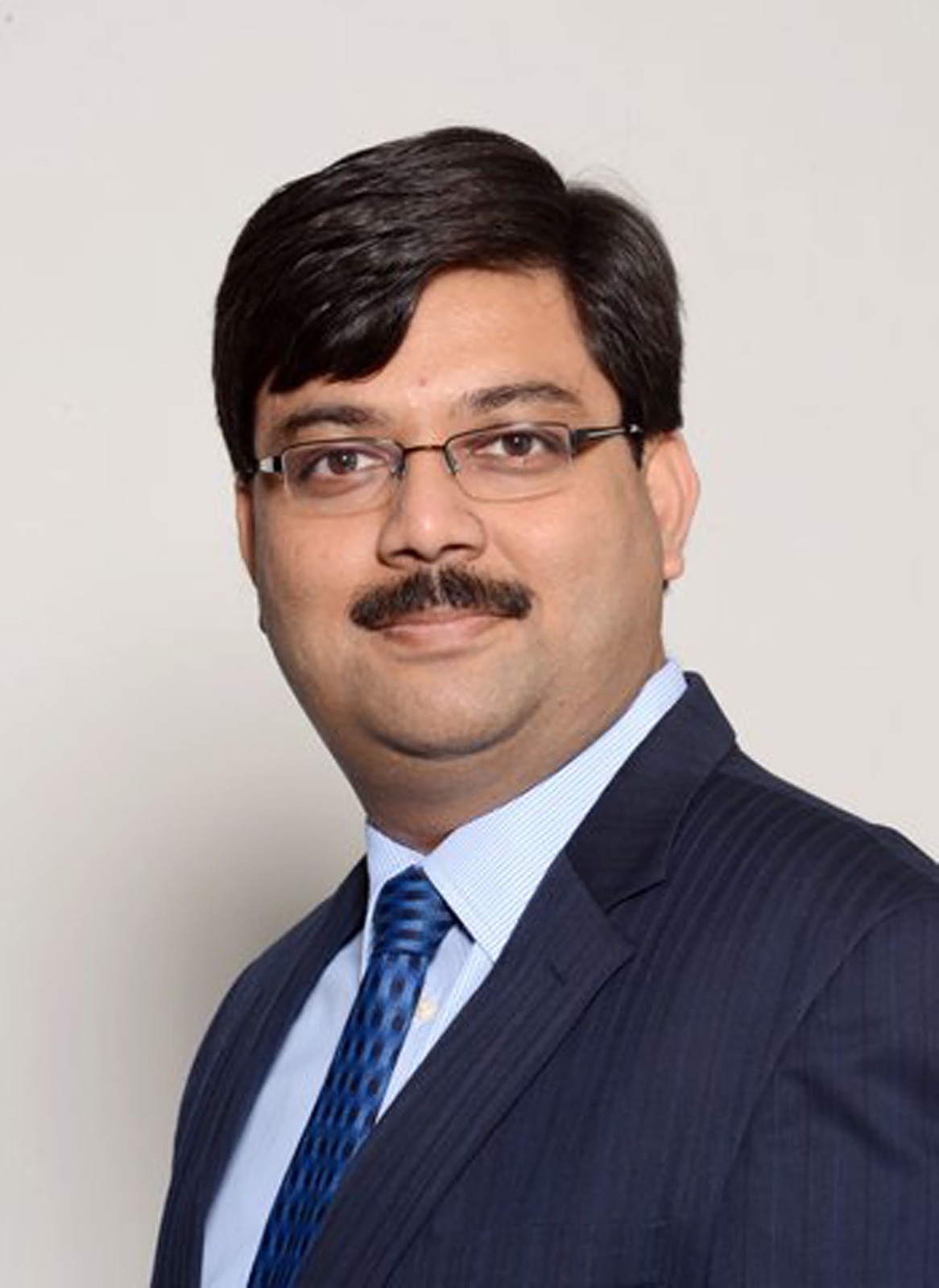
Mr. Rakesh Jain, CEO, IndusInd General Insurance:
As India approaches the Union Budget 2026–27, we stand at a pivotal moment where economic ambition and risk preparedness must advance hand in hand. With the nation witnessing rapid formalisation, digital expansion, and rising consumer expectations, general insurance is no longer a supplementary financial product it is a foundational pillar of resilience from economic volatility for households, businesses, and national infrastructure. The Budget presents a critical opportunity to strengthen this pillar by improving affordability, expanding coverage, and creating an environment conducive to long-term, innovation led growth.
As we approach the Union Budget 2026–27, the general insurance industry stands at an inflection point where last year’s landmark reforms such as the GST exemption on health insurance policies, stricter time bound cashless claim norms, and the broader legislative push toward affordability and transparency have set a strong foundation for deeper transformation in the year ahead.
Health insurance, now the core of the general insurance market, needs policy support to counter rising medical inflation and enhance access, especially for vulnerable groups. Similarly, India’s evolving mobility and infrastructure ecosystems demand sophisticated, future ready risk solutions backed by stable regulation, stronger domestic reinsurance capacity, and clear catastrophe frameworks.
Significant focus on insuring houses and SME/MSMEs is also critical to ensure that the asset and lifestyle creation of India is not at risk due to physical or economic volatility. With rising climate linked events, rapid urbanisation, and increasing asset ownership across Tier 2 and Tier 3 regions, home insurance traditionally underpenetrated requires policy incentives, tax benefits, and simplified product frameworks to drive mass adoption and strengthen household resilience.
Building on recent reforms, the sector now needs the Budget to focus on three decisive priorities that can shift the industry from reform to measurable results.
First, India must double down on digital rails that cut friction, fraud, and administrative costs. The National Health Claims Exchange (NHCX) requires full funding and a time bound, nationwide rollout to enable real time data exchange, while Bima Sugam, launched in 2025 and expected to become fully operational in 2026, must be fast tracked to deliver seamless e KYC, e policy issuance, and a unified service window for customers and intermediaries. Standard APIs, transparent claims workflows, and interoperable digital architecture across health, motor, home, and commercial lines will meaningfully reduce costs from purchase to payout.
Second, strengthening domestic reinsurance capacity and ensuring stable long term regulatory frameworks will be essential for supporting India’s expanding infrastructure, mobility, cyber, and property risk landscape. Incentives to build homegrown risk capital, promote innovation driven underwriting, and support early stage technologies such as telematics, AI led risk scoring, and satellite based property assessment will accelerate industry maturity.
Third, India must build climate and MSME resilience at scale through a National Catastrophe Risk Pool, which has become increasingly urgent amid rising urban floods, cyclones, and heat related losses. The Budget should also enable India’s first sovereign or state backed catastrophe bond via GIFT IFSC and provide viability gap funding for micro insurance and parametric products in high risk districts, ensuring meaningful protection for vulnerable communities, homeowners, and small businesses. As insurers rapidly scale AI, telematics, cyber risk modelling, and risk analytics capabilities, targeted Budget support for cybersecurity, data governance infrastructure, and insurance focused workforce skilling will be essential to ensure innovation remains safe, transparent, and accountable.
A forward looking Budget that positions general insurance as essential economic and social infrastructure anchored in digital enablement, affordability, home and MSME protection, and climate risk financing can significantly deepen insurance penetration and support the nation’s long term trajectory of inclusive and resilient growth.


