


11, Dec 2025
Gallant Sports Unveils India’s First Sports Infrastructure Consulting Service
Gallant Sports Launches India’s First Exclusive Sports Infrastructure Consulting Service Transforming Sporting Visions Into World-Class, Future-Ready Facilities
Gallant Sports & Infra Limited, one of India’s largest and most respected sports infrastructure companies, has unveiled the country’s first and only exclusive sports infrastructure consulting service designed to help institutions, governments, and private developers turn ambitious sporting ideas into globally benchmarked, high-performance facilities.

With a legacy of excellence in sports engineering, execution, and innovation, Gallant Sports now brings its unmatched expertise into a structured consulting offering that redefines how sports projects are envisioned, planned, and delivered in India.
A 360° Consulting Service Backed by Deep Engineering Expertise
Gallant Sports’ consulting framework is built on meticulous planning, technical precision, and long-term strategic thinking. The service supports clients across the entire development cycle—from the earliest concept sketches to execution-ready plans—ensuring every project meets international standards while remaining optimized for India’s diverse climatic, environmental, and operational conditions.
The end-to-end consulting offering includes:
- Structural design & engineering guidance
- Financial & feasibility modelling
- Advanced sports flooring & material advisory
- Land assessment & preparation consulting
- Design optimization for cost and performance
- Project management support & execution readiness
This integrated approach ensures that facilities are not only impressive in design but also deliver exceptional real-world performance, longevity, and safety. Whether it’s a single padel court or a full-scale multi-sport destination, Gallant Sports brings deep technical understanding and an unrelenting problem-solving mindset to every mandate.
Proven Expertise Across India
Gallant Sports has delivered sports infrastructure of national significance, including the renowned Jindal Padel Complex in Odisha, exemplifying its ability to blend global best practices with local realities. Each assignment is driven by a multi-disciplinary team of structural engineers, surface technologists, analysts, and project managers committed to maximizing efficiency and long-term asset value.
“Our mission is to turn every sporting vision into a world-class facility,” said Nasir Ali, Founder & CEO, Gallant Sports & Infra Limited. “Through precision engineering, expert planning, and comprehensive guidance, we ensure that every project becomes a lasting asset for the communities it serves.”
Future-Ready, Sustainable, and Built to Last
What sets Gallant Sports apart is its unwavering focus on sustainability, operational viability, and lifecycle efficiency. Clients benefit from:
- Cost-optimized planning without compromising performance
- Material and design choices engineered for long-term durability
- Strategies to improve ROI and operational profitability
- Continuous advisory support even after handover
More than a consulting firm, Gallant Sports positions itself as a long-term partner committed to ensuring every facility remains relevant, profitable, and high-performing for years to come.
Setting New Benchmarks for India’s Sports Infra Future
With this pioneering consulting service, Gallant Sports & Infra Limited reinforces its mission to elevate India’s sports infrastructure landscape. The company continues to empower clients across education, government, corporate, and private sectors to transform sporting dreams into enduring, world-class destinations.
- 0
- By Neel Achary

11, Dec 2025
India’s Flex Space Market to Surpass 100 Million Sq Ft by 2027, Driven by Enterprise and GCC Demand
Bengaluru, Dec 11: India’s flex space market is poised for a decisive growth phase over the next 2-3 years, with flex stock across the top seven cities expected to surpass 100 million square feet by 2027, up from 72.3 million square feet in 2025, according to Colliers’ latest report “Flex India: Pioneering the Future of Work.” The share of flex spaces in the overall office stock is also set to strengthen, with flex penetration likely to rise from 8.5% in 2025 to 10.5% by 2027, supported by sustained operator expansion. This growth will be further fueled by strong enterprise demand, with average annual seat uptake projected to increase 25% over the next two years to around 200,000 seats, compared to 160,000 seats seen during 2024 and 2025.
“India’s flex market is entering a pivotal era of expansion, with Grade A stock set to surpass 100 million square feet by 2027, growing annually by nearly 20% across the top 7 cities. As domestic enterprises and global firms, especially Global Capability Centers (GCCs) deepen their flex adoption, operators are responding by curating next-generation, customized workspaces adept with advanced PropTech and sustainable features. The flex market momentum is further being bolstered by growing number of operators raising capital through IPOs, signaling strong investor confidence. Overall, the next phase of India’s flex market will be driven by the growth of technology firms, the expansion of GCCs, changing expectations of occupiers and increasing appetite of institutional investors.”, says Arpit Mehrotra, Managing Director, Office Services, Colliers India.
Bengaluru accounts for 31% of total flex stock, while Pune stands out with highest flex penetration of 11.5%
Bengaluru leads with more than 22 million square feet of operational flex space, followed by Delhi NCR with 12.5 million square feet, together comprising nearly half of India’s total flex stock. In terms of flex space adoption, Pune stands out prominently with highest flex space penetration of 11.5%, driven by sustained demand from technology and BFSI firms, along with start-ups. Meanwhile, Chennai has emerged as one of the fastest-growing flex markets in the country, recording an impressive 5.6X growth in flex stock since 2021.
Scalable, tech-enabled and customized solutions along with GCC specific services drive flex space growth
Scalability, customization and tech integration have emerged as key occupier priorities in workplace decisions. In response, flex operators are increasingly offering fully managed workspaces with tech support, value-added services, option to customize it according to occupier preferences etc. Additionally, with rising demand from GCCs, flex operators are offering “GCC-as-a-Service” model to global firms, assisting them in identifying optimal locations, obtaining regulatory approvals and delivering workspaces aligned with global standards. Also, operators are prioritizing ESG-focused design and preferring to expand their green-certified portfolio. Interestingly, in the last 2-3 years, around 70% of the flex space uptake was concentrated in green-certified developments, underscoring the pragmatic approach toward sustainability.
Technology and BFSI firms account for 60-65% of enterprise demand; engineering & manufacturing and consulting firms to increase their flex portfolio
Enterprise occupiers continue to dominate India’s flex market, accounting for nearly 70% of the total flex seat demand. Average annual enterprise seat uptake has grown notably, from around 50,000 seats in 2021 to nearly 160,000 seats in 2024 and 2025, led primarily by technology and BFSI firms – these sectors cumulatively contribute around 60% of the current enterprise demand. This strong trajectory is set to continue further, with annual enterprise seat uptake expected to reach ~200,000 seats during 2026 and 2027, marking a 25% increase over the preceding two-year period. While technology and BFSI occupiers will remain the most prominent demand drivers, sectors such as engineering & manufacturing and consulting are expected to contribute more meaningfully, accounting for 10-15% of enterprise seat uptake each.
GCCs to account for half of the flex space demand as their India footprint deepens across major cities
A defining shift in recent years has been the rapid rise of Global Capability Centres (GCCs) as prominent occupiers of flex space in the country. During 2025, GCCs continue to drive 40–45% of the approximate 160,000 enterprise seat uptake across the country, and their share is expected to further rise over the next two years as they scale and diversify their India operations.
“GCCs have become one of the most prominent demand drivers of flex space, accounting for 40-45% of the enterprise seat uptake. As they expand into higher-value functions such as R&D, engineering, analytics and artificial intelligence, flex operators are responding with specialized value-added offerings including onboarding support, compliance-ready infrastructure, fully managed services and rapid deployment models. With PropTech-led efficiencies, enterprise-grade solutions and sustainability features becoming core to flex portfolios, GCCs are expected to deepen their flex adoption, contributing to nearly half of total enterprise demand over the next two years.” says Vimal Nadar, National Director & Head of Research, Colliers India.
SBDs emerge as core flex space hubs across Tier I cities; Tier II city expansion to accelerate
India’s flex market continues to be dominated by Tier I cities, which account for the majority of operator expansions and enterprise activity. Within these cities, Secondary Business Districts (SBDs) remain the preferred micro-markets, contributing to over half of the Grade A flex space uptake in the last 5 years. Their proximity to large talent clusters, availability of high-quality commercial developments, improving infrastructure-led-connectivity and relatively lower real estate costs have made them favorable for operators and occupiers alike.
At the same time, several operators are aggressively expanding into Tier II locations such as Ahmedabad, Bhubaneswar, Coimbatore, Chandigarh, Indore, Jaipur, Kochi, Lucknow, Thiruvananthapuram etc. With average seat rentals 30–35% lower than Tier I cities, the price arbitrage in these smaller markets offer compelling reasons for occupiers to prefer flex spaces while adopting hub-and-spoke as well as distributed workforce models. Driven by the anticipated traction in these emerging locations, Tier II cities can witness steady expansion of flex operators, and account for 10–15% of the country’s flex stock by 2027.
11, Dec 2025
Thomas Cook India and SOTC Travel Unveil Winter Travel Trends 2025
Mumbai, December 12, 2025: Winter travel is witnessing growing interest from Indian travellers showcasing a mix of winter adventures, cultural/festive celebrations and exceptional experiences. Thomas Cook (India) Limited, India’s leading omnichannel travel services company, and its group company, SOTC Travel, announced their Winter travel trends 2025, unveiling evolving traveller preferences for the winter/end-of-year season.
A notable highlight this year is the extension of winter holiday travel timelines – till March—providing travellers with an expanded window to explore winter destinations and experiences. Alongside Europe’s alpine routes, Northern Lights and iconic Christmas markets, Indians are showing strong interest in global cultural calendars including the Rio Carnival in February and snow festivals across Japan, South Korea and China in January–February. This evolution reflects how diverse traveller segments—from families and couples to millennials, Gen Z and professionals—are making travel a year-round pursuit, with winter 2025 offering a rich blend of adventure, culture, wellness and luxury. We are also witnessing a growing interest towards closer-to-home destinations with easy visa/visa-free processes and improved connectivity.
Key Winter travel trends
· Soft adventure & Outdoor winter activities: Skiing, snowshoeing, Tobogganing/sledding, snowmobiling, husky/reindeer safaris across Europe’s Alpine regions of Switzerland, France, Austria and Germany, witnessing Northern Lights in Scandinavia and Russia’s Murmansk
· Direct connectivity, no-visa or easy visas and attractive pricing inspiring travel to short haul destinations like Vietnam, Thailand, Philippines, Indonesia, Singapore, Malaysia, Dubai, Abu Dhabi, Oman, Morocco and long haul favourites like Australia, New Zealand
· India and Indian subcontinent’s Andamans, Kerala, Rajasthan, Goa, North East and Sri Lanka
· Winter wellness experiences like thermotherapy and cold plunges, ice bathing in Sweden’s Uppsala and Fjällnora; Norway’s Tjuvholmen and Svalbard, renowned Swiss spa town of Bad Zurzach, Japanese onsen, Korean jjimjilbang, mineral mud baths in New Zealand & Vietnam, wellness retreats in Bali & Thailand; Himalayan spa retreats and Ayurvedic centers in Kerala
· Distinctive stays: eco-friendly glamping in geodesic domes amidst the Swiss Alps; stargazing through glass igloos in Lapland; châteaux/palaces in France, Italy and Austria; traditional mountain lodges in Scandinavia/Georgia; wooden cabins in Himachal Pradesh and Uttarakhand, havelis and luxury tents in Rajasthan
· Event/Cultural calendars: Harbin International Ice and Snow Festival in China, the Sapporo Snow Festival in Japan, Hwacheon Sancheoneo Ice Festival in South Korea, Winter Lights Festival in Reykjavík, Amsterdam Light Festival, New Year’s Eve fireworks celebrations in Sydney Australia, USA’s Las Vegas, San Francisco and California; Christmas markets/ winter wonderland in Europe’s Switzerland, France, Austria, UK and Scandinavia; Rann Utsav in Gujarat, Hornbill festival in Nagaland, Bikaner Camel Festival in Rajasthan
· Wildlife safaris are gaining interest: reverse migration season in Kenya and South Africa; wildlife spotting and trekking in Australia and New Zealand; India’s national parks and sanctuaries like Ranthambore National Park, Periyar National Park and Kaziranga National Park opening up for the winter season
· Cruises continue to be the flavor of the season: domestic and international sailings – Resort World Cruise sailings in Singapore, Disney Cruise Line in Australia & New Zealand, MSC sailings in Dubai-Abu Dhabi; river cruising in Egypt
Mr. Rajeev Kale, President & Country Head – Holidays, MICE, Visa, Thomas Cook (India) Limited, said, “Winter travel is shaping up as a season of discovery for Indian travellers. With the introduction of new air routes, improved direct connectivity and attractive early-booker pricing, we are seeing strong demand across diverse segments—from multigenerational families and couples to millennials and working professionals. While Europe’s alpine adventures and Scandinavia’s Northern Lights remain timeless favourites, there is rising interest in closer-to-home destinations across South East Asia, Central Asia and India, driven by easy visa access and direct/improved connectivity. From a domestic front, Andamans, Himachal Pradesh, Uttarakhand, Kashmir, Kerala, Rajasthan, Goa and North East continue to be the top destinations. What excites us most is the appetite for unique experiences—whether it’s winter wellness in Japan and Scandinavia, distinctive stays from igloos to palaces, vibrant cultural festivals, or wildlife safaris and luxury cruises in Antarctica.”
Mr. S D Nandakumar, President & Country Head – Holidays & Corporate Tours – SOTC Travel, said, “Travel is increasingly becoming a year-round pursuit, and Winter 2025 reflects this evolution with a rich blend of adventure, culture and wellness. Europe’s winter wonderland and iconic Christmas markets continue to inspire festive travel, while unique experiences like witnessing the Aurora Borealis across Scandinavia and Russia are gaining traction. Cruising too has emerged as a strong favourite—whether international sailings across Singapore, Australia and Abu Dhabi, or river cruises in Egypt. This growing appetite underscores how Indian travellers are seeking distinctive experiences across destinations and formats, making winter travel more diverse and dynamic than ever. What’s especially encouraging is the rising interest from India’s Tier 2 and Tier 3 cities, along with strong growth in the MICE segment, signaling a broader shift in travel aspirations across the country.”
10, Dec 2025
Tata Hitachi Unveils Next-Gen Machines & Electric Excavators at EXCON 2025
Hyderabad, Dec 10: Tata Hitachi, one of India’s leading construction machinery manufacturers, officially opened its pavilion at EXCON 2025 South Asia’s largest construction equipment exhibition under the theme “Reliable Orange.”
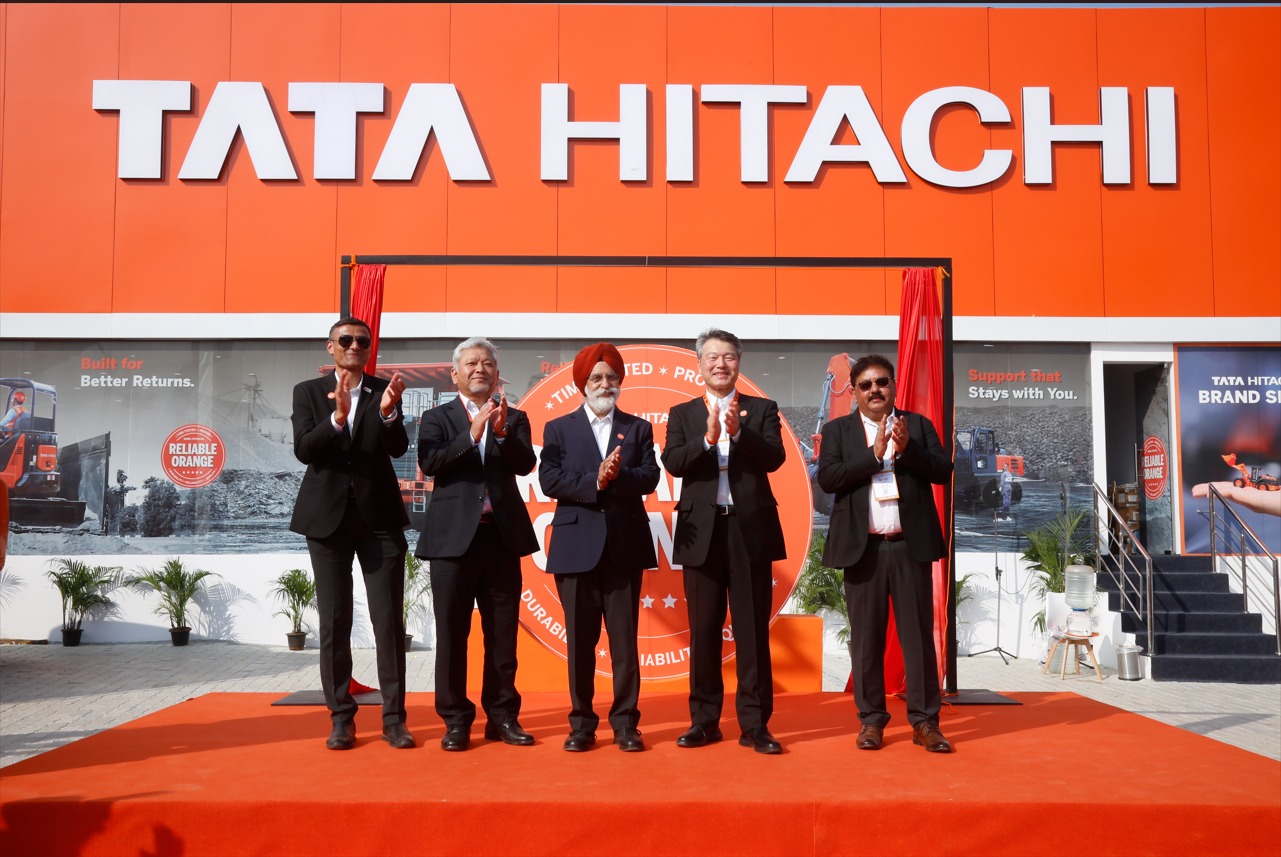
Mr. Masafumi Senzaki, the Representative Executive Officer, President & Executive Officer, and COO of Hitachi Construction Machinery in Japan, inaugurated the Tata Hitachi Pavilion at EXCON 2025. His attendance was a notable event, as it marks renewed commitment to India’s infrastructure growth story and HCM’s support to Tata Hitachi for more than 4 decades. It also highlighted India’s pivotal role in Hitachi Construction Machinery Japan’s global growth strategy.
This year’s theme ‘RELIABLE ORANGE’ highlights Tata Hitachi’s unwavering promise of reliability, innovation, and consistent performance, built on a legacy of trust, engineering excellence, and customer commitment.
Reliable Orange is embodied in more than 120,000 units, working with our esteemed customers, who have come to experiencesuperior fuel efiiciency, durability and excellent resale value. As the company continues its journey with more than 120,000 machines sold, it reinforces its legacy of engineering excellence and customer trust. Tata Hitachi’s portfolio is acknowledged for providing superior fuel efficiency across various categories, enabling customers to substantially lower operating costs while enhancing productivity, performance, and sustainability.
Mr. Masafumi Senzaki, Representative Executive Officer, President & Executive Officer and COO, Hitachi Construction Machinery, Japan said,
“India is one of the fastest-growing construction markets in the world, and our collaboration with Tata Hitachi enables us to meet the expectations of Indian customers with world-class machinery and dependable support. With the innovations showcased at EXCON 2025, we aim to empower customers with machines that deliver high output, reduced operating costs, and long-term reliability attributes that define our shared philosophy of engineering excellence.”
Mr. Sandeep Singh, Managing Director at Tata Hitachi, said;
“Our customer-centric philosophy, people, processes have stood us in good stead in our journey of over 60+years. It is this ethos that has enabled us to build one of India’s largest customer-facing networks in the excavator segment’’.
Speaking about the participation at EXCON 2025, Mr. Singh said;
“EXCON continues to be the most significant platform for the construction equipment industry, and we are proud to showcase our expanded portfolio under the theme ‘Reliable Orange.’ This theme reflects our long-standing promise of reliability, durability, and customer trust. With the introduction of electric machines, new attachments, and live demonstrations of advanced technologies, we are reinforcing our commitment to shaping the future of India’s construction ecosystem. These demonstrations will offer visitors a first-hand understanding of machine capability, efficiency, and operator comfort in real application scenarios. They will also highlight how smart systems, automation, and precision technologies are transforming productivity and safety on job sites.”
He further added ‘’As the country accelerates infrastructure development at an unprecedented pace, our focus remains on delivering machines that are reliable, efficient, and designed for real-world conditions.’’
Tata Hitachi’s participation at EXCON 2025 demonstrates its continued commitment in shaping the future of the construction equipment industry with innovation, sustainability, reliability, and customer-centricity at its core.
10, Dec 2025
From Chaos to Confidence – Future-Proofing Pune & PCMC’s Real Estate Story

By Anil Pharande, Chairman – Pharande Spaces
Pune and its sister city Pimpri-Chinchwad (PCMC) in the West have solidified their position as real estate growth powerhouses, with more than 90,000 homes sold each year. In 2025, these markets infused more than Rs. 5,550 crore in stamp duty revenue into the state government coffers – a strong testimony to the confidence homebuyers and investors have in these twin property dynamos.
Pune and PCMC appeal to people from all walks of life. They have a generous stock of affordable housing and a wide range of homes across other price bands, from budget-friendly options to luxury developments. The IT corridors around Hinjewadi, Magarpatta and Kharadi continue to draw in talent and investments. This continuously drives up demand for homes. End-user demand from families, young professionals, and retirees remains the backbone of these markets, maintaining a stability that many other major cities can only dream of.
Infrastructure Investment Equals Long-Term Value
The story about infrastructure in these two cities is just as interesting. Transformative connectivity projects have fuelled Pune’s and PCMC’s real estate booms. The Pune Metro has been running since 2017 and now covers more than 100 km. The Phase 1A extensions are almost done. On November 26, 2025, the Union Cabinet approved the second phase of the expansion and added Lines 4 and 4A, which will run 31.636 km and have 28 new stations.
Pune’s Rs. 1.30 lakh crore Comprehensive Mobility Plan (CMP) – a 30-year plan – includes ring roads, bypasses, grade separators, and flyovers that work together to fight traffic jams. This is real progress towards making the city more modern and efficient. Likewise, PCMC’s Transit-Orientated Development (TOD) project around 11 metro stations aims to create livelier, more commutable neighbourhoods.

Hard Realities
However, we cannot ignore the reality that explosive growth has outpaced infrastructure problems. The problem is not in these markets’ fundamentals, which are still strong, but in ensuring that these plans are coordinated and carried out efficiently to keep up with Pune and PCMC’s rapid growth.
Consider the number of cars on the roads of these twin cities today – Pune now has more than 35 lakh registered four-wheelers, and 2.5 to 3 lakh more are added each year. The Pune RTO registered 3 lakh new vehicles in 2024, and the PCMC added 1.2 lakh. PCMC now has almost one car for every person. There are 21.45 lakh cars in a population of about 30 lakh. Unfortunately, our roads have not kept up; only 4% of PCMC’s 2,300 km of roads have been improved to handle real-time traffic.
Despite a massive amount of capital being spent, the average speed in both these cities is still only 18 km/h. The Pune Ring Road, which will be a key solution for reducing traffic woes, officially began construction in December 2024. However, the completion date has been pushed back to 2030. This 168.94 km project was supposed to be finished years ago.
Population pressure makes things even more complicated. The number of people living in PCMC went from 17 lakh in 2011 to 30 lakh today, and it is expected to reach 96 lakh by 2041. This sudden increase puts a lot of stress on public services, sewage systems, and the water supply. Even though people in newly merged areas pay higher property taxes, they still don’t have basic services.
Regulatory bottlenecks have resulted in a huge backlog of pending residential projects. Over 100 major housing projects worth Rs. 30,000+ crore in PCMC are stuck because they have not been given environmental clearance yet. These kinds of delays raise construction costs and push back possession dates, which hurts buyer confidence and keeps new supply from coming on the market when demand is still strong.
In the past, PCMC was a deacon of scientific city planning, cluster-based zoning, and superior infrastructure. But in recent years, things have started to go wrong. While beautification projects look nice, it seems we are putting looks ahead of important improvements like widening roads, managing traffic, and better parking. There are plans for development, but they are not always followed through on. PCMC’s most recent development plan, which was only recently in draft form after a ten-year delay, received more than 18,500 objections from citizens.
This shows that there are real problems with planning and execution.

Building on Past Successes – The Way Forward
The good news is that recognising these problems has led to real action. Using data-driven methods and feedback from citizens, PCMC has chosen 25 busy intersections to focus on. The focus is now on changing road layouts and adding grade separators and signal-free corridors.
Anti-encroachment drives are tackling illegal shops and temporary buildings that obstruct traffic. These measures do show that PCMC is trying to get back into a proactive, scientific planning track that used to make it a model for urban development.
The ambitious goals of the CMP and the Rs. 9,858 crore set aside for Pune Metro Phase 2 show that the Maharashtra government is serious about its plans. The CMP framework is a major step towards greater collaboration between the Pune Municipal Corporation, PCMC, traffic police, and transportation authorities.
All stakeholders must be on board to ensure that these projects align with the master plan. The expansion of PCMC’s cluster-based development strategy through transit-oriented development could transform metro corridors into self-sustaining urban ecosystems.
Action is the Magic Word
The opportunity for real estate developers, investors and city planning authorities is waiting to be addressed. Pune and PCMC’s underlying strengths – strong end-user and investor demand, a wide range of market segments, a dynamic IT sector, and relatively low prices – are still intact. The 1.45 lakh property registrations in 2025 (the most in four years) show that buyers are still loyal to their cities despite the traffic chaos, regulatory delays, and various financial market upheavals.
However, the infrastructure story must go from plans on paper to on-ground action. We must uphold our promises to fix the execution gaps causing urban chaos and take coordinated, time-limited actions. Making Pune and PCMC future-ready depends on strong political leadership and will.
There is too much at stake. The real estate developer fraternity is ready to work together with the city planning authorities to usher Pune and PCMC into their next phase of growth. However, there must be a unanimous consensus on one fundamental fact, namely that growth at the cost of liveability is ultimately meaningless and will result in a degraded market that benefits no one.
Anil Pharande is Chairman of Pharande Spaces, a leading real estate construction and development firm famous for its township projects in Greater Pune and beyond. Pharande Promoters & Builders, the flagship company of Pharande Spaces and an ISO 9001-2000 certified company, is a pioneer of townships in the region. With the recent inclusion of Puneville Commercial into one of its most iconic townships, Pharande Spaces taken a major step towards addressing Pune’s current and future requirements for fully integrated residential-commercial convenience.
10, Dec 2025
airpay joins elite club of full-stack aggregators with RBI’s cross-border licence
Mumbai, Dec 10: airpay Payment Services has secured approval from the Reserve Bank of India to operate as a cross-border payment aggregator, completing its authorisations under the unified payment aggregator (PA) framework. With this, the company is licensed to operate across PA-O (online), PA-P (physical/POS/QR) and PA-CB (cross-border) categories.
This milestone positions airpay as a homegrown full-stack payments infrastructure provider for Indian enterprises, D2C brands and SMEs, a single compliant platform for collections, payouts and settlements whether they sell in deep-tier Bharat or global markets. The company expects this launch to accelerate scale, projecting a 30–40% rise in processing volumes over the next 6-12 months and anticipating 20%+ revenue contribution from cross-border flows alongside onboarding 50,000+ merchants in the same period.
“Indian business growth is no longer domestic-only. Our exporters, SaaS firms, digital merchants and local retailers are all engaging globally, and they need reliability, compliance and speed in payments,” said Kunal Jhunjhunwala, Founder of airpay Payment Services. “RBI’s approval positions us to support that shift responsibly and at scale. It strengthens our ability to provide Indian businesses a regulated yet seamless bridge to make or collect payments from Mumbai, Manipur or to Madrid,” he further added.
The PA-CB framework brings cross-border payment facilitation under direct RBI supervision with requirements around governance standards, escrow management and foreign-exchange regulations. For businesses, this results in reduced compliance overhead, lower settlement risks, and greater transparency in international commerce.
The timing aligns with India’s shift to global trade. From export-led MSMEs and D2C brands targeting Europe, Middle East and SEA, to service providers and subscription businesses scaling internationally, cross-border e-commerce volumes continue to expand on both the import and export fronts.
India’s payment aggregation ecosystem is entering a phase where reliability, regulatory discipline and full-stack infrastructure are not optional but essential for growth. As businesses scale across online, offline and international markets, they need payment partners who remove friction, reduce compliance risk and ensure money movement remains fully within RBI and FEMA guardrails. The companies that can prove end-to-end compliance while maintaining uptime, security and speed will be the ones powering India’s grassroot and export-led growth while enabling SMEs to seize scaling opportunities without operational or financial hurdles.
With all three licences secured, airpay is now positioned to support the next decade of Indian commerce, enabling Bharat-to-World payment flows while continuing to strengthen the country’s regulated digital-payments backbone.
10, Dec 2025
ADP Appoints Gaurav Rathee as Head of HR for Global Shared Services International India & the Philippines
Hyderabad, Dec 10: ADP India, the world’s largest provider of human capital management solutions, has announced the appointment of Gaurav Rathee as Divisional Vice President and Head of Human Resources, overseeing the people strategy for two of ADP’s Global Shared Services International (GSSI) operations – India and the Philippines.

With a proven track record of over 25 years in human resources leadership, Gaurav brings deep expertise in building world-class talent ecosystems, driving large-scale organizational transformation, and fostering inclusive, high-performing workplaces. In his new role, he will lead the HR strategy for more than 15,000 associates across multiple locations.
Gaurav’s career began in 1999 with the Indian Army, Parachute Regiment Special Forces, where he served for eight years. During this time, he led Special Forces troops in high-pressure environments, overseeing training, performance, welfare and grievance management, and coordinating with government agencies on civic action and disaster relief missions. This early foundation in leadership, resilience, and people management has shaped his approach to building strong, purpose-driven teams throughout his corporate career.
Prior to joining ADP, Gaurav held senior leadership roles at Aon and Genpact, where he played a pivotal role in scaling global capability centers, strengthening leadership pipelines, and enhancing employee experience across diverse functions such as technology, analytics, operations, growth functions, and transformation teams. At ADP, Gaurav’s focus areas include strengthening ADP’s culture of collaboration, nurturing next-generation talent, and reinforcing the company’s position as an employer of choice in the industry.
Speaking about his appointment, Vijay Vemulapalli, General Manager and Managing Director, GSSI said,
“We are delighted to welcome Gaurav to ADP. His extensive leadership experience, strategic mindset, and deep commitment to people development make him an invaluable addition to our Global Shared Services International leadership team.”
Gaurav Rathee, Divisional Vice President and Head of HR, GSSI added,
“Stepping into ADP feels like joining a team that already knows the playbook of best practices, and is ready to invent a few new moves. Workforces today want more than roles, they want purpose, growth, and energy. ADP already has the foundation, and I’m delighted to help amplify that energy across India and the Philippines.”
Gaurav holds a Bachelor of Science from Delhi University, an MBA in Human Resources from the Institute of Management Technology (IMT) Ghaziabad, an Executive Certificate in HR Management from XLRI Jamshedpur, and a Post Graduate Certification in Business Administration from the Management Development Institute (MDI) Gurgaon.
9, Dec 2025
Khaitan & Co Appoints Dr. Vimal Choudhary as COO to Drive Strategic Growth
Khaitan & Co Appoints Dr. Vimal Choudhary as Chief Operating Officer, Strengthening Leadership Amidst Strategic Growth
Bengaluru, Dec 09: Khaitan & Co, a leading full-service Indian law firm, has announced the appointment of Dr. Vimal Choudhary as Chief Operating Officer (COO). Dr. Choudhary brings more than 23 years of deep experience in global consulting, strategy and operations, most recently as Head of McKinsey’s Global Centres in India and Global Chief Strategy Officer at McKinsey Global Services. He will be based at the Firm’s Mumbai office.
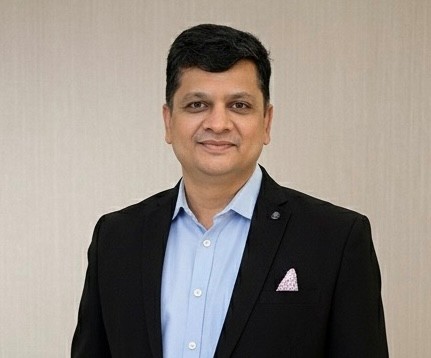
Haigreve Khaitan, Senior Partner at Khaitan & Co said
“We are thrilled to have Vimal join the Firm as our new COO. This appointment marks an important step forward in our continuous pursuit of excellence, transformation and strategic growth. In an era where operational sophistication and forward-thinking digital capabilities set industry benchmarks, Vimal’s exceptional track record in building world-class teams, leading global transformation, and driving strategic outcomes at scale will be crucial as we power the next chapter of our Firm’s evolution. His leadership comes at an exciting juncture for us, amplifying our ambition to deliver outstanding value for clients, strengthen our organisational foundations, and accelerate our journey as an employer of choice in the legal sector.”
As COO, Dr. Choudhary will lead all of Khaitan & Co’s internal functions, with a sharpened mandate to drive strategic initiatives, infuse digital and AI-led innovation, optimise operational infrastructure, and elevate the Firm’s knowledge and capability platforms. His leadership will span all aspects of operations, with focus areas including the implementation of next-generation technology solutions, and instituting best-in-class processes for enhanced collaboration, resilience and scale.
A Chartered Accountant and an MBA, Dr. Choudhary is a McKinsey veteran where during his 23-year tenure, he held several global leadership roles – shaping strategy and operations for McKinsey Global Services, overseeing the Firm’s largest office complex outside the US in India, and stewarding key initiatives around client services, acquisition integration, digital capability building, talent development and business expansion. He was also served on the Board of Directors at McKinsey Global Capabilities and Services and ETML Singapore, a boutique analytics company acquired by McKinsey.
Dr. Choudhary’s appointment underscores Khaitan & Co’s commitment to industry leadership, sustainable growth, and fostering an environment that attracts and nurtures top talent. It sets the stage for bold advances in client service, operational excellence, and the Firm’s long-term competitiveness in the evolving legal landscape.
9, Dec 2025
DS Group Expands Hospitality Portfolio in the NE
Guwahati, Dec 9: Expanding its hospitality portfolio, the Dharampal Satyapal Group (DS Group), a leading FMCG conglomerate and multi-business corporation, has announced a strategic expansion of its hospitality portfolio in the North East with significant developments at its existing property – Radisson Blu Guwahati. This move introduces the largest pillar less convention centre in the North East, alongside 85 additional rooms, bringing the property’s total room inventory to 280. The new purpose-built convention centre boasts a 25,000 sq. ft. area which includes a 15000 sq. ft. pillar-less hall having a capacity for 1500 guests, effectively positioning Radisson Blu Guwahati as the region’s largest integrated convention and stay facility that addresses a significant gap in its MICE (Meetings, Incentives, Conferences, Exhibitions) infrastructure as well as weddings.
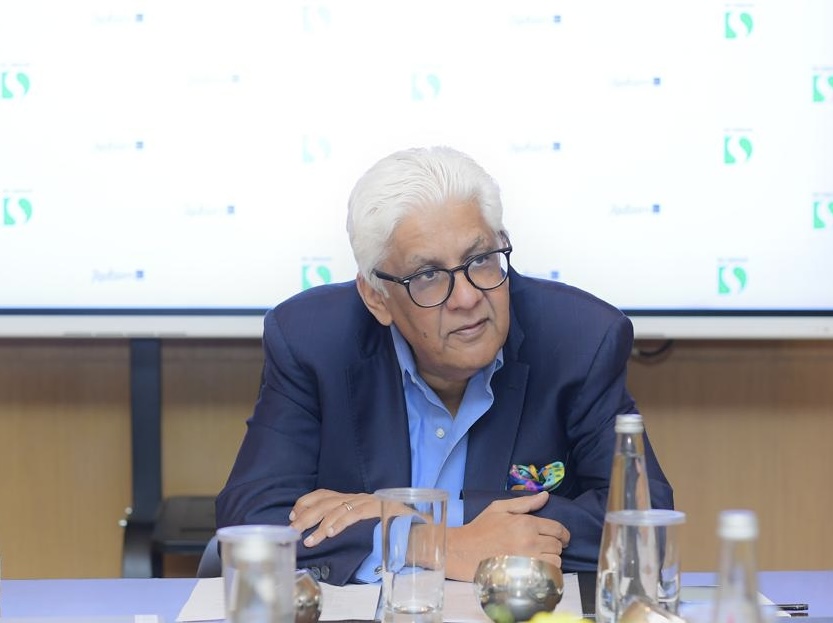
The new 25,000 sq. ft. convention centre at Radisson Blu, Guwahati will significantly enhance the region’s capacity for large-scale, multi-day conferences and events with integrated accommodation which was a need in this market. It is also ideal for weddings and large functions. This strategic expansion aligns with DS Group’s hospitality growth strategy, targeting high-growth markets with untapped potential. Guwahati was selected due to its emergence as a key economic and administrative hub in Northeast India, presenting a compelling combination of economic significance and rising demand.
Speaking on the occasion, Mr Nathan Andrews, Business Head, Hospitality, DS Group said,
“DS Group’s expansion aims to reposition Radisson Blu, Guwahati, as a preferred destination for business and leisure events, leveraging the city’s evolution as a gateway to the Northeast. By focusing on personalized service, authentic local experiences, and a tranquil ambiance, the property can seamlessly integrate its unique cultural ethos, continuing to serve diverse travellers while attracting a new segment of business, policy and cultural events.”
The additional rooms are expected to be operational by end of 2026, further enhancing the property’s ability to host large-scale, multi-day events with seamless guest experience. The expansion also elevates Radisson Blu Guwahati’s competitive positioning—not just within the city, but across the broader region.
The Radisson Blu in Guwahati offers an exotic and unique dining experience that truly highlights the rich culinary heritage of India’s North East. While Café B-You provides a diverse selection of international buffets and à la carte options with Mediterranean and Indian influences, the true gem for food enthusiasts is Nest Asia. Nest Asia is a major draw for guests, offering a curated North-Eastern dinner that takes diners on a delectable journey through the flavours of the “Seven Sisters” states. Here, one can savour authentic local cuisine, such as the comforting Aloo Pitika, a flavourful mashed potato dish, and the tangy Masor Tenga, a traditional Assamese fish curry. The meal culminates in the unique and subtly sweet Black Rice Kheer, a dessert that perfectly encapsulates the region’s distinct culinary identity.
Radisson Blu Guwahati aims to provide guests with an ideal starting point to explore the vibrant culture and stunning natural landscapes of Assam. Conveniently situated just 10 km from the airport, the hotel offers easy access to key attractions such as the sacred Kamakhya Temple (about 9.8 km), the picturesque Amchong Tea Estate (about 45 km), and the renowned Kaziranga National Park (about 174 km). This makes it a serene yet well-connected base for both leisure and business travellers. The hotel distinguishes itself through its exceptional service, thoughtfully curated regional experiences, and meticulous attention to aesthetic detail, seamlessly blending global standards with authentic local flavour. Guests consistently praise the warm hospitality, immersive experiences, and sense of serenity that embody the property’s unique cultural ethos.
DS Group’s long-term vision for its hospitality division is to become a leading player in the Indian market with a strong, diversified portfolio of modern, luxurious, and sustainable hotels across India. The growth strategy involves aggressive pan-India expansion through asset management and brand partnerships, targeting high-growth Tier I and Tier II cities, and capitalizing on the opportunity in domestic and international tourism with a mix of city and resort properties. The company plans to significantly expand its room inventory, aiming to double its current room count by 2029. This ambitious growth will be supported by an investment of INR 1000 crores over the next few years, funded through internal resources and strategic partnerships, leveraging the hospitality sector’s increasing contribution to the group’s overall revenue. While focusing primarily on luxury and mid-scale hotels, DS Group aims to have 10-12 hotels in its portfolio within the next three years, strategically located in key cities across India, including new developments in the North and East, and an expanded presence in the Northeast.
The DS Group has been in the hospitality business since 2000. Presently, its hospitality portfolio encompasses six distinguished properties which include The Namah Corbett and Namah Nainital are Radisson Individual Resorts, Radisson Blu Hotel Guwahati, InterContinental, Jaipur, Holiday Inn Express, Kolkata Airport and the Renaissance Hotel in Bengaluru.
9, Dec 2025
Brakes India and TBK sign business alliance agreement
Chennai, Dec 9: Brakes India Private Limited and TBK Co., Ltd. recently signed a capital and business alliance agreement. With this, Brakes India, a TSF Group Company, acquires 10% shareholding in TBK through a primary capital infusion. The investment marks an important development for both organisations. This paves the way to leverage the strength of both the companies for commercial vehicle braking and create enhanced value for customers and stakeholders.

TBK, a leading global auto component manufacturer in the M&HCV segment specialises in brakes, pumps, and engine-related components. This move gives both organisations the scope to draw on each other’s strengths. It provides access to complementary geographies and has the potential to engage new customers and explore new supply chains. This opportunity introduces Brakes India’s existing hydraulic and pneumatic products into new export markets. It also opens avenues to extend the complementary product portfolio of TBK in the Indian domestic market. “Through this partnership, both companies will mutually complement each other’s technological strengths and customer bases to the fullest extent, jointly creating high value-added products and solutions for respective markets. Together, we aim to unlock new opportunities and contribute to the advancement of next-generation mobility” said Mr Kaoru Ogata, President & CEO, TBK.
“This milestone is a starting point for a long-term association with TBK. It reinforces our commitment to strategic, long-term growth. With this agreement, Brake India has access to TBK’s line-up of products for the Indian market and will offer Brakes India’s leading pneumatic braking products to new customers outside of India” said Mr Sriram Viji, Managing Director, Brakes India. This collaboration drives the development of cleaner, safer and more efficient commercial vehicle braking technologies, supporting the industry’s shift towards advanced and sustainable mobility.


