


10, Sep 2026
Enviro Infra Engineers’ Subsidiary Suyog Urja Receives INR 224.19 Crore LOI from Tata Power Renewable Energy for Wind EPC Project
India, Sept 10: Enviro Infra Engineers Limited (EIEL), a leading EPC company in water and wastewater treatment, through its subsidiary Suyog Urja Limited, has received a Letter of Intent (LOI) from Tata Power Renewable Energy Limited (TPREL) for the execution of EPC turnkey works for the development of a 180 MW NTPC Wind Power Project at Parli, Maharashtra. The LOI has a contract value of ₹224.19 crore and is to be executed by 31st March 2027.
The scope of work encompasses Wind Turbine Generator (WTG) foundation works, Balance of Plant (BoP) works and 33 kV transmission line works. The WTG foundation package includes civil foundation works for 58 WTGs, along with associated reinforcement steel and geotechnical requirements.
Under the BoP scope, Suyog Urja will undertake the development of an approximately 39-acre storage yard, coordination and management of Right of Way (ROW) for material movement, and construction of access roads, pathways and crane pads, along with other associated civil and infrastructure works.
The LOI also covers the construction and commissioning of the 33 kV transmission line, including route survey and design, supply and erection of poles/towers, conductors, insulators and associated hardware, as well as ROW-related activities and installation of STATCOM/harmonic filter systems.
Commenting on the development, Mr. Sanjay Jain, Chairman, Enviro Infra Engineers Limited, said, “The contract win marks an important milestone in strengthening our presence in the wind EPC segment and further validates the capabilities we have added through Suyog Urja. The 180 MW project reinforces our ability to participate in large-scale renewable energy infrastructure projects and complements our growing presence across solar, wind and energy storage. We remain focused on building a diversified renewable energy platform backed by strong execution capabilities, technical expertise and disciplined project delivery. As India’s renewable energy capacity continues to expand, we see significant opportunities to contribute to the country’s clean energy transition through reliable, high-quality infrastructure.”
The LOI further strengthens Enviro Infra Engineers’ growing renewable energy portfolio and reinforces its strategy of building diversified, integrated capabilities across the clean energy infrastructure ecosystem.
- 0
- By Neel Achary

10, Sep 2026
Algorand Foundation Names William Herkelrath Chief Executive Officer
Herkelrath joins as Algorand deepens its focus on institutional adoption and post-quantum resilience
DOVER, DELAWARE, Sept 10 – Algorand Foundation U.S. Inc (“Algorand“) announced the appointment of William Herkelrath as Chief Executive Officer. Herkelrath succeeds Staci Warden, who is stepping down after nearly five years leading Algorand.
Herkelrath brings two decades of experience across AI, enterprise software, institutional finance, and blockchain infrastructure, most recently as co-founder of K3 Labs, an AI-first automation platform for building and running AI agent-managed workflows, and previously in leadership roles at Chainlink and Curv.
“I joined Algorand because they are a leader in decentralized post-quantum cryptography. With both AI and quantum threats on the horizon, Algorand has a unique opportunity to become a trusted partner in bringing verifiable and trusted security to a wide variety of institutions as they roll out the next generation of digital assets and cybersecurity infrastructure,” said Herkelrath.
“Leading the Algorand Foundation has been one of the great privileges of my career. Together with its ecosystem entrepreneurs, the Algorand Foundation has proven the case for what a public blockchain can do for real-world finance, and I could not be prouder of what we have accomplished. William brings the vision and experience to lead Algorand through its next chapter, and I am excited for him and the team to carry that work forward,” said Warden.
This news comes at a pivotal moment for Algorand. Google’s Quantum AI paper cited the network more than 30 times as a key innovator in the space. Post-quantum accounts are already live today, built on a strong track record of pioneering the use of Verifiable Random Function (VRF) and backed by a large ephemeral validator set.
Alongside the leadership transition, Algorand also announced changes to its Board of Directors. Herkelrath and Alex Fowler, Chief Strategy Officer at Nexus Laboratories, are joining the board, and Rebecca Rettig and Michael Mosier are departing.
Herkelrath officially became Algorand’s Chief Executive Officer on August 31. He will work alongside the existing leadership team as Algorand continues its focus on institutional adoption and post-quantum resilience.
9, Sep 2026
BD Soft and Foxit Bring Partners Together for an Exclusive Foxit Partner Meet in Mumbai
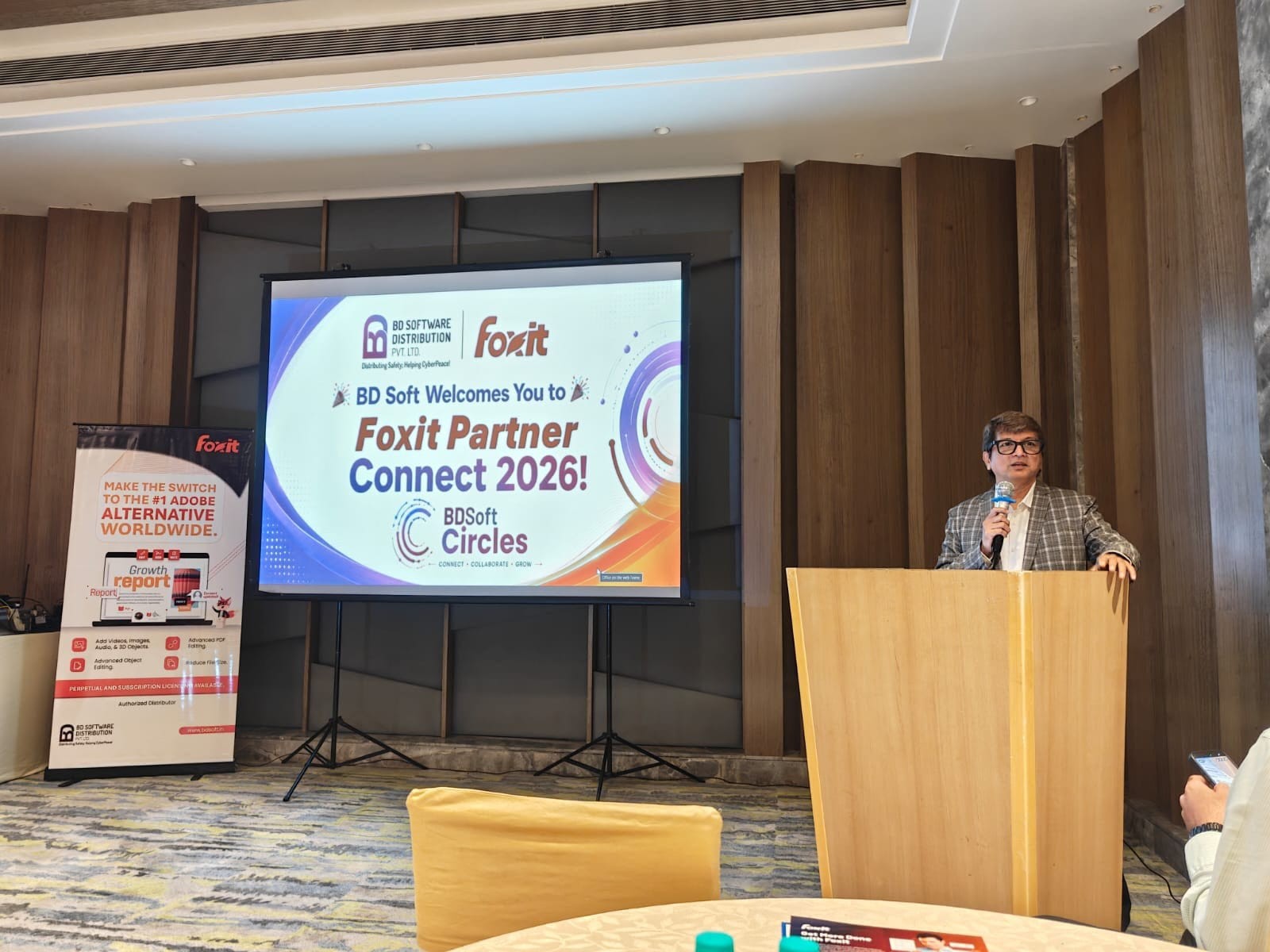
Mumbai, Sept 09: BD Software Distribution Pvt. Ltd. (BD Soft), a leading value-added distributor of cybersecurity and productivity solutions, successfully hosted an exclusive Foxit Partner Meet 2026 in Mumbai under its BD Circles initiative, bringing together Foxit, BD Soft, and its channel partner community for a half day of technology insights, business opportunities, networking, and collaboration.
The event marked the first BD Circles meet hosted at the Radisson Mumbai and witnessed an enthusiastic response from the partner community, with around 35 partners arriving as early as 8:30 AM to participate in the half day session and discussions. The strong participation reflected the growing interest among partners in Foxit‘s solutions and the business opportunities within the document productivity and PDF solutions market.
The event provided partners with deeper insights into Foxit‘s business strategy, product portfolio, partner opportunities, technical capabilities, and real-world use cases. The sessions also focused on how Foxit‘s solutions can address evolving business requirements around document management, collaboration, productivity, and digital transformation. The meet further provided an engaging networking platform for partners to connect with the Foxit and BD Soft teams, exchange market insights, and explore new avenues for business growth.
Speaking at the occasion, Zakir Hussain Rangwala, CEO, BD Soft, emphasized the importance of building strong and engaged channel relationships: “Our partners are an integral part of our growth journey. The strong participation at the Foxit Partner Meet demonstrates the enthusiasm within our channel community to learn, collaborate, and explore new opportunities. We remain committed to empowering our partners with the right technology, knowledge, and business support.”
The successful BD Soft Circles – Foxit Partner Meet 2026 further strengthened the Foxit–BD Soft partner ecosystem, creating valuable opportunities for collaboration, business growth, and continued channel engagement.
9, Sep 2026
Super Chennai Launches ‘Madras Mindset’ to Decode the Chennai Mindset Behind Its Global Success Stories
Chennai, Sept 09: What makes Chennai people tick? Is there something distinctive about the way the city’s people think, build, create and solve problems? Super Chennai seeks to explore these questions through ‘Madras Mindset’, a new fortnightly podcast that brings together people who have built successful careers, companies, institutions and ideas from Chennai and taken their journeys far beyond the city.
The podcast is hosted by Mr.Vijay Gopalan, seasoned business leader and former CFO of AirAsia India. The inaugural episode features Mr.Srinath Ravichandran, Co-founder and CEO of AgniKul Cosmos, whose journey from Chennai to building one of India’s prominent space-technology ventures offers a compelling starting point for the series.
Rather than simply documenting success stories, Madras Mindset looks at what lies behind them: the choices, setbacks, influences, turning points, and values that shape the way people build. The conversations ask a larger question: does Chennai have a distinctive mindset, and if so, what does it look like?
The conversation with Ravichandran looks beyond AgniKul Cosmos’ entrepreneurial journey to examine the experiences, influences, and decisions that shaped his approach to building a deep-tech company from Chennai. His story sets the tone for a series that seeks to understand whether there are common traits shared by people who have built enduring ventures from the city.
Mr. Ranjeeth Rathod, Managing Director, Super Chennai, said, “Chennai has produced remarkable entrepreneurs, business leaders, creators, scientists and institution-builders, but many of their stories remain known only in fragments. With Madras Mindset, we wanted to create a platform that goes beyond celebrating achievement to understand the thinking behind it. What did Chennai teach them? What did they carry from the city? And how did those influences shape what they went on to build? These are the conversations we hope to bring to a wider audience through the series.”
Speaking about the podcast, Mr.Vijay Gopalan, Seasoned business leader and former CFO of AirAsia India, said, “I grew up in Madras and built my career in Chennai. Over the years, I have spent a great deal of time understanding businesses and what makes organisations and leaders work. I have been passionate about bringing the story of captains and achievers who have contributed to nation-building and created a lasting legacy from this city. Madras Mindset is an attempt to explore that mindset through conversations with people who have built remarkable journeys from this city. I hope these conversations reveal not just what they achieved, but the thinking, experiences, and values that shaped how they got there.
Over the coming episodes, Madras Mindset will bring together voices from entrepreneurship, technology, business, creative industries, sport, culture and institution-building. While each guest will have a different journey, the series will look for the influences and experiences that connect them from the city’s educational and institutional foundations to its culture of resilience, community and long-term thinking. The upcoming episode features Krish Subramanian, Co-founder & CEO of Chargebee, and will air on 5 September 2026.
—
9, Sep 2026
Telangana, Zepto to Set Up 5 PRAGATI Centres for Gig Workers Across Hyderabad
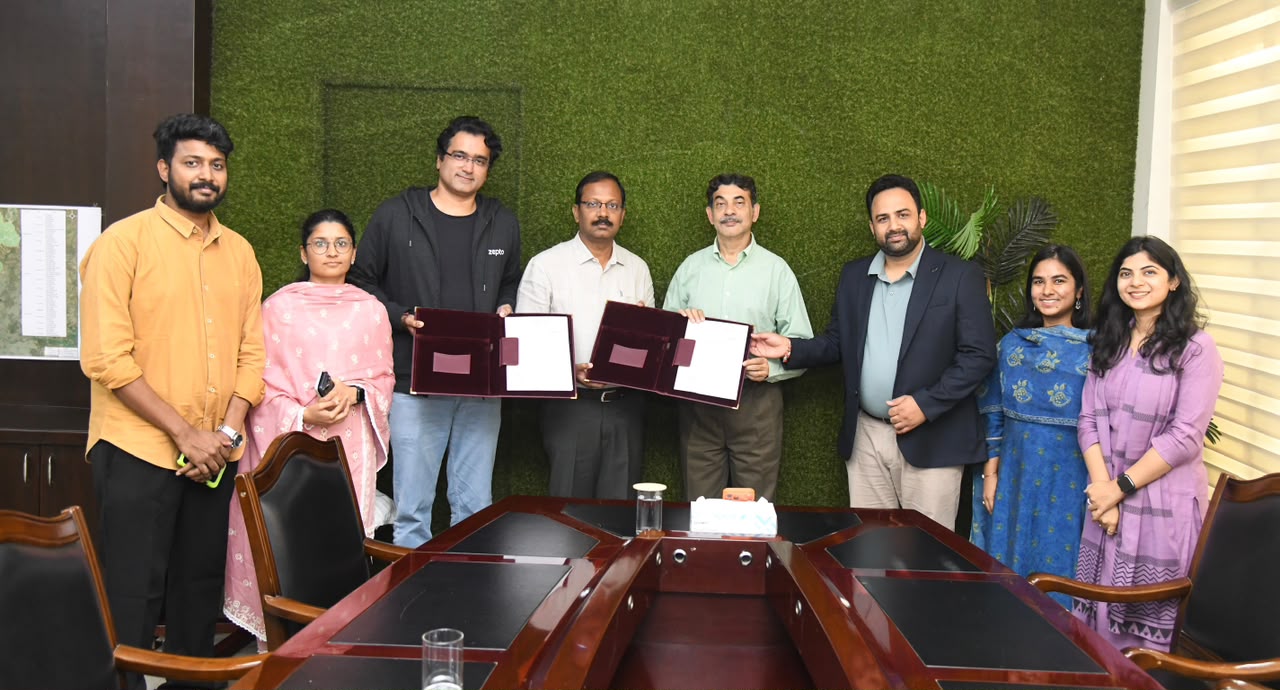
Hyderabad, 09 September 2026: The Government of Telangana and Zepto have signed a Memorandum of Understanding (MoU) to establish five Project PRAGATI Centres across Hyderabad, creating dedicated spaces where gig workers across platforms can rest and access essential facilities during the working day.
The initiative seeks to address gaps in basic urban infrastructure for workers who spend much of their day on the road. A 2024 HeatWatch survey of 166 gig and platform workers in Hyderabad, whose findings were subsequently examined in Economic & Political Weekly, found that nearly 69% of workers surveyed lacked access to clean washrooms, while more than 80% lacked shaded resting areas or cooling facilities while working.
The PRAGATI Centres will be open to gig workers across platforms, including workers in quick commerce, food delivery, e-commerce, apparel and other last-mile delivery networks. Depending on the locations jointly identified by the Government and Zepto, each centre could see hundreds of worker visits.
Vikas Sharma, Chief Operating Officer, Zepto, said, “India’s gig workforce is projected to grow from 77 lakh workers in 2020–21 to 2.35 crore by 2029–30. As this workforce grows, the infrastructure supporting it must evolve too. Access to drinking water, clean washrooms, a safe place to rest or somewhere to charge a phone are basic requirements for anyone spending much of their working day on the move. We already provide these facilities to delivery partners across our store network. Through Project PRAGATI, we are extending that thinking beyond Zepto’s ecosystem and working with the Government of Telangana to create spaces that can be accessed by gig workers across platforms.”
Jayesh Ranjan, Special Chief Secretary to the Government, Metropolitan Area & Urban Development Department, said, “Gig and platform workers are an increasingly important part of Hyderabad’s urban economy. As the nature of work evolves, cities must also respond to the everyday infrastructure needs of people working on the move. Project PRAGATI will create accessible spaces that address some of these practical requirements and are available to workers irrespective of the platform they are associated with. We welcome Zepto’s partnership in supporting this initiative for Hyderabad’s wider gig-worker community.”
Each centre will provide safe, all-weather resting space, clean drinking water, clean washroom access, first-aid support, mobile charging points and WiFi connectivity. The centres will also host periodic health camps and facilitate awareness around e-Shram registration for eligible gig and unorganised workers. Zepto will fund and maintain the centres on an ongoing basis as provided in the MoU with the Malkajgiri Municipal Corporation.
Zepto’s store network already provides delivery partners access to core facilities such as drinking water, washrooms, resting space, charging and first-aid support. Project PRAGATI extends this approach to the wider gig-worker ecosystem through dedicated, platform-agnostic centres.
9, Sep 2026
SMERGERS Data: F&B emerges as the strongest franchise category among investors
September 9, 2026: Food & Beverage stands out as the largest category in franchising, making up about a third of all active franchise listings (553 of 1,770), more than Consumer Retail and Education combined, reveals SMERGERS. SMERGERS is a Bengaluru-based online investment banking platform that connects small and medium-sized businesses and franchise brands with investors, buyers, lenders, and M&A advisors across the world.
Within F&B, Fine Dine Restaurants, Cafes and Fast Food Restaurants alone account for over half the listings, while smaller formats like Bakeries, Ice Cream Parlors and Juice & Snack Shops are where new listings are growing fastest. Investor interest in F&B is unusually strong: brands here average around 54 introduction requests each, well ahead of the platform-wide average of about 39 requests per listing, and ahead of other major categories like Consumer Retail (35) and Education (23). While average investor demand across franchising has fallen since 2019 due to Covid Lockdown, F&B has held up and is now back to near all-time-high levels.
Looking at over 29,000 investor introduction requests across these 553 F&B brands, three clear patterns stand out.
Niche beats scale
Bakeries, Ice Cream Parlors and Juice & Snack Shops, smaller and more specific formats, get 2-3x times more interest per listing compared to larger F&B categories like Fine Dine Restaurants and Cafes. Brands like The Bake Shop (Bakeries), Lassi House (Juice & Snack Shops) and Giani Ice Cream (Ice Cream Parlors), and Drunken Monkey (Juice & Snack Shops) are among the platform’s most sought-after names. Nice brands attract maximum investor interest for example a Juice & Snack shop brand called Drink Your Selfie, has received over 200 introductions from investors around the world. These niche formats are also where new franchise listings are growing fastest, so a focused, specific concept clearly stands out more than a generic one, even in a crowded category.
Fine Dine and Cafes, by contrast, are the two formats that have slower investor interest in recent years, and the reasons likely go beyond the platform itself. Both are relatively capital and space-intensive formats, harder to replicate cheaply at scale, at a time when rising urban rentals and staffing costs have squeezed dine-in economics. The rapid rise of food delivery and cloud kitchens has also given brands a lower-cost way to build a customer base without opening full-format restaurants or cafes, and inflation-conscious consumers have leaned toward quicker, smaller-ticket formats like juice bars, bakeries and ice cream parlors over sit-down dining. Fine Dine and Cafes remain large, established categories, but the newer growth is clearly happening in leaner, more asset-light formats.
Ticket size is the strongest lever
Franchises priced under ₹20 lakh get roughly 2-3x times more investor interest than those priced above ₹80 lakh, and this holds true across almost every industry. Cheaper entry point consistently means more interest from franchise buyers. Keeping the entry investment low is one of the strongest levers a brand has to attract more franchisee interest.
“Food and beverage has consistently been where franchise investors show up in India. What the data now tells us is that even as broader franchise investment has slowed, F&B has held its ground and continued to grow. But within that, the investor is becoming more selective. The formats drawing the most interest today are not the ones with the most listings. They are the ones with the sharpest concept and the lowest entry cost,” said Vishal Devanath, Co-Founder and CEO, SMERGERS.
Indian brands lead, but cross-border interest runs both ways
It’s often assumed that Indian investors would be especially drawn to well-known foreign F&B brands, but the data tells a different story: domestic brands win this race by a clear margin. The vast majority of interest Indian investors show goes to homegrown F&B brands, with only a small share directed at foreign ones. Foreign brands that do draw meaningful Indian interest include Hong Kong’s Le Bistro Winebeast and AOC Eat & Drink, UAE’s Orril Water, South Korea’s Mad for Garlic and Greece’s Mikel Coffee Company, brands where a large share of their platform interest comes specifically from Indian investors.
It is interesting to note, though, that there is significant demand running the other way too: Indian F&B brands receive real interest from foreign investors, mainly out of the UAE, along with UK, Malaysia and Singapore. So while Indian investors clearly prioritize homegrown brands first, F&B franchising is still a genuine two-way cross-border market, not a one-way street.
“If you’re an F&B brand owner looking to franchise, the data points to a clear playbook: a focused, niche concept will draw more investor interest than a generic one, a lower entry investment will multiply the number of leads you get, and don’t assume international appeal is out of reach, several Indian brands here are already pulling serious interest from investors in the UAE, UK, Malaysia and Singapore. If you’re an investor looking to take up a franchise, F&B remains the category with the deepest pool of active, well-performing brands to choose from, and the smaller, lower-investment formats, bakeries, ice cream parlors, juice and snack brands, are consistently where competition for a good territory is fiercest, so it pays to move quickly and do diligence early on brands in these formats,” concluded Vishal Devanath, Co-Founder and CEO, SMERGERS.
SMERGERS operates across 195 countries and 900+ industries and has facilitated over 23,000 business and franchise introductions to date.
9, Sep 2026
Mannai Corporation appoints Sumanta Roy to strengthen ICT leadership
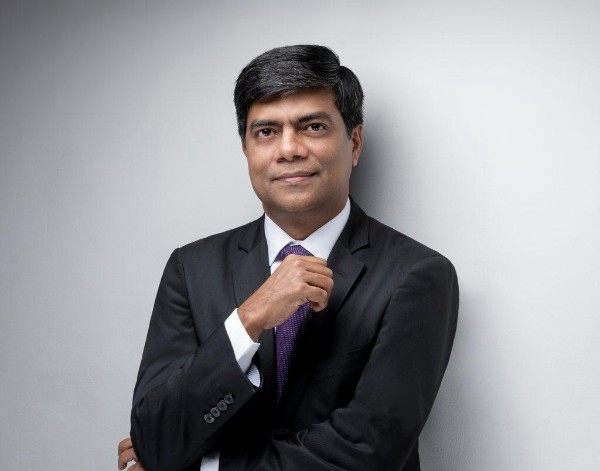
Technology expert Sumanta Roy to drive growth across Mannai’s Information and Communication Technology (ICT) business in the Middle East and Africa region.
Dubai, UAE, Sept 09 – Mannai Corporation QPSC announced the appointment of technology industry veteran Sumanta Roy as Group President for Information and Communication Technology (ICT). Roy will lead the Group’s ICT business across the Middle East, and Africa, strengthening its technology capabilities and advancing its regional expansion, with Saudi Arabia among its priority markets.
Saudi Arabia stands as a strategic priority for Mannai with the Group deepening its operations in the Kingdom through Mannai Information Technology Saudi Arabia. In his new role, Roy will steer the next phase of growth from the company’s base in Riyadh, drawing on Mannai’s regional capabilities and global partnerships to build on its technology presence in the Kingdom and support the Group’s broader expansion across Middle East and Africa. This will include deepening relationships with customers and technology partners, while widening the portfolio across high-growth areas such as AI, cybersecurity, cloud, digital transformation, intelligent infrastructure and managed services. He will also work to bring greater integration and scale across Mannai’s ICT businesses, driving sustainable, profitable growth as the Group extends its regional footprint.
“Sumanta joins Mannai at an important point in the evolution of our technology business. He brings more than three decades of industry experience, an exceptional understanding of the Middle East and Africa, and a proven ability to build businesses, deepen customer relationships and lead growth across complex and rapidly evolving markets,” said Alekh Grewal, Group Chief Executive Officer, Mannai Corporation QPSC. “As we strengthen our leadership in Qatar and accelerate our ambitions in Saudi Arabia and across the wider region, his experience and perspective will be invaluable. I am delighted to welcome Sumanta to Mannai and look forward to working with him as we build the next chapter of our ICT business.”
“I am pleased to join Mannai at a time of significant opportunity for the technology industry across the region. Mannai has built an extraordinary legacy of trust, deep customer relationships and technology expertise, and there is a tremendous opportunity to build on that foundation as markets accelerate their digital and AI ambitions.” said Sumanta Roy, Group President – ICT, Mannai Corporation QPSC “My focus will be on bringing together the strength of our people, capabilities and global technology partnerships to create greater value for our customers, while accelerating our growth in strategic markets, particularly Saudi Arabia, and expanding Mannai’s technology footprint across Middle East and Africa. I am excited to work with the team to build the next phase of this journey.”
Roy brings more than thirty years of leadership experience in IT services, business transformation and regional growth. He served as President and Regional Head for Middle East and Africa at Tata Consultancy Services (TCS), leading business growth, market expansion and customer relationships across the region. During his tenure, he strengthened TCS’ presence in the Middle East and Africa markets and advanced AI, cloud and digital transformation initiatives, while carrying out substantial work in Saudi Arabia. He holds an MBA in Marketing from the Indian Institute of Social Welfare and Business Management (IISWBM).
With Mannai Information Technology Saudi Arabia scaling its operations from Riyadh, the Group is bringing its technology expertise, global partnerships and decades of enterprise experience to customers across the Kingdom and wider region.
9, Sep 2026
The Great Indian Space Race – Why Bigger Is Suddenly Better

– By Akash Pharande, Managing Director – Pharande Spaces
Indian home buyers are stretching their EMIs, their patience, and often whatever goodwill is left in their joint family WhatsApp groups. Everyone, with very few exceptions, now wants a big flat – even if it means longer, heftier EMI tenures. 3BHKs and above now get up to 50% of all property buyer demand. About a decade ago, it was just 30%.
Considering that property prices have also increased massively in the last ten years, that is NOT a small jump. Not surprisingly, developers are obligingly rolling out the required inventory. Flat sizes have grown across the board, and buyers just… absorb them.
There is no sign of shrinking ambition. Downgrading is firmly off the wish list. And no, this is not just another Insta phase that will peter out by the next monsoon. It is a very real, very visible shift in what Indians now want from and in their homes – space. Lots of it. As much as they can afford.
The trend has taken such a strong hold that there have actually been instances of some projects which had mostly smaller flats being converted to accommodate the demand for bigger homes.
Not among private builders who have already sold some parts of their projects – RERA makes it hard to just ‘scrap’ a small-flat project midway to turn it into one with bigger units without buy-in from their existing customers. But just this year, the Ghaziabad Development Authority (GDA) announced its intention to merge unsold smaller flats in schemes like ‘Madhuban Bapudham’ and ‘Indraprasth’ into bigger ones by knocking down the wall between two adjoining units – simply to revive stalled sales.
That’s the government, so not much complexity there. But private developers – and individual owners – who want to combine two adjacent flats into one larger ‘jodi’ flats, duplexes, or triplexes can only do so after getting a revised sanctioned plan from the municipal authority.
It’s worth mentioning that a previous pattern has actually reversed itself. Around 2016-2019, builders started reducing flat sizes and revamped their towers to include smaller 2 and 3BHK units because there was a lot of demand for such homes from budget-conscious first-time buyers.

What Actually Changed?
It is a popular notion that it was Covid-19 which brought on the ‘race for space’. However, that is not the case. This demand was already brewing, but the pandemic certainly did set it on fire.
Before Covid, flats had been getting smaller for years. The main issues were an affordability crunch and the fact that millennials who were interested in homeownership at all (most still preferred renting back then – unlike now) wanted low-maintenance setups. After the lockdowns descended, living rooms suddenly became offices, classrooms and gyms. Not to mention a war zone every time two family members needed the space for different reasons.
Some reports suggest that the bigger flat size trend started picking up almost right after the first lockdown lifted. Because of WFH, studying from home, and no access to gyms, Indians suddenly realised that they needed room to breathe.
But as a developer, I can assure you that affordability was maxing out even before 2020. So, what has changed? Not people’s budgets. If anything, the pandemic pushed more hopeful Indian homebuyers to the financial brink than any other single event I the past few decades.
Many had to postpone their dream of homeownership altogether and settled for renting instead. Others who were not as seriously impacted by job losses bought whatever affordable housing remained. Thereafter, the demand equation changed drastically – the new motto was “if at all, then go big.” The right kind of supply naturally followed, as it always does.
Paying More… for More
Prices in the premium, larger-home segment have shot up seriously in the last 2-3 years – in some markets by 40% or more. Land has obviously become pricier, as have construction materials. According to real estate consultants Anarock, the residential sales value went up by almost 20%, even though the actual number of housing sales barely moved.
Basically, Indians are willing to shell out a lot more for more space. Additional space is not a ‘good-to-have’ any longer – it is now non-negotiable.
The Home Office That Ate the Hall
A dedicated study/work room is now one of the top requirements. Balconies, which had begun vanishing in the metros over the years, are now mandatory.
Homebuyers today ask harder questions like “What will the maintenance cost be?”, “Will this flat fetch a good price on the resale market?”, and “Show me exactly how far the school, mall and hospital are from here – ask your salesperson to drive me there.” It is now homebuying tempered with risk management.
Anyone who was locked in a small flat with three generations fighting over one router back in 2020 now looks at buying a home like they would look at any investment decision, but the investment is not only financial – it’s also lifestyle. This home must work for us today and five years from now, whatever we decide to do. Like take up consulting from home instead of working from an office, have two more kids like Mum so badly wants us to, or retire in comfort and security.
The ‘buy-small-now-upgrade-later’ mindset is gone. Covid certainly did do that. Now, it’s only about forever homes. The starter homes concept is gone – at least for now. But not in all cases.
Where Small Still Wins
Smaller homes still have plenty of takers. In fact, studio apartments have staged a major comeback and are one of the fastest-growing segments on the young-professional housing space. Such homes are cheap to maintain and often easier to commute to because projects with studios mostly come up in the crowded city centres, which have grown around workplace hubs.
Young professionals, newly married or about-to-marry couples, and retirees who have taken a conscious call to downsize are the primary buyers. Smaller flats don’t work for growing families, but they still do for singles, young couples, and empty-nesters who prefer convenience to large empty spaces.
Which Cities Are Actually Driving This Trend?
Smaller homes are now largely a big-city story. In smaller cities and towns where land is much cheaper, buying small makes no sense. Every city has its own version.
Mumbai is obviously the epicentre of ultra-luxury, big-format living. There, wealthy buyers look for sprawling apartments and duplexes despite the costliest per-square-foot prices in India. In Delhi-NCR and Bengaluru, the prices of larger premium homes have also shot up, and such units find ready takers among corporate honchos and tech start-up founders.
Pune has its very own version, because work-from-home is still very much a factor here. In PMC, buyers look for 3 and 4 BHKs with dedicated workspaces. In the sister city of PCMC, large-format homes in its many integrated townships are the fastest sellers.
And tier 2 cities continue to do brisk business in studio apartments and compact 1, 1.5 and 2 BHKs, thanks largely to their young working populations.
Are Developers Following the Bigger Homes Trend, or Steering It?
Developers in cities like Mumbai, Pune and Bengaluru have mostly gone all-in on projects dominated by larger, amenity-rich homes. The simple reason is that buyers there care more about space and flexibility than about mere affordability. It is also sound business – premium, large-format homes have better profit margins.
Is This a Passing Fad, or Here to Stay?
The demand for bigger homes is entirely structural – and reflects how both the modern work environment and the real estate market are evolving. Hybrid work models, a focus on wellness, and investment sense drive demand for bigger homes, as they attract more buyers and yield higher resale prices.
This trend is not about to change. If anything, the new focus on bigger homes will grow over the years – though, because of depleting land resources, new bigger homes may not be quite as big as today in the future. They will also become more expensive, and the cost factor will begin to affect an increasing segment of our cities’ otherwise well-to-do populations.
As for smaller affordable housing, the story is far more dire. The fact is that many of today’s first-time homebuyers are challenged to buy bigger homes and are gradually also getting priced out of the entry-level market segment. They can see the storm coming, so the ‘budget stretch’ that everyone keeps talking about is sometimes not a courageous lifestyle choice but plain survival mode.
If they miss this opportunity, buying a 2 BHK two years from now, even with hopes to upgrade later, will be impossible as property prices rise, salaries stagnate, and many tech jobs disappear. It’s literally now or never – and “if at all, then go big.”
About the author:
Akash Pharande is Managing Director of Pharande Spaces, a leading real estate construction and development firm famous for its township projects in Greater Pune and beyond. Pharande Promoters & Builders, the flagship company of Pharande Spaces and an ISO 9001-2000 certified company, is a pioneer of townships in the region.
9, Sep 2026
Novotel Visakhapatnam Varun Beach to Host 41st IATO Annual Convention as City Strengthens Its MICE Credentials
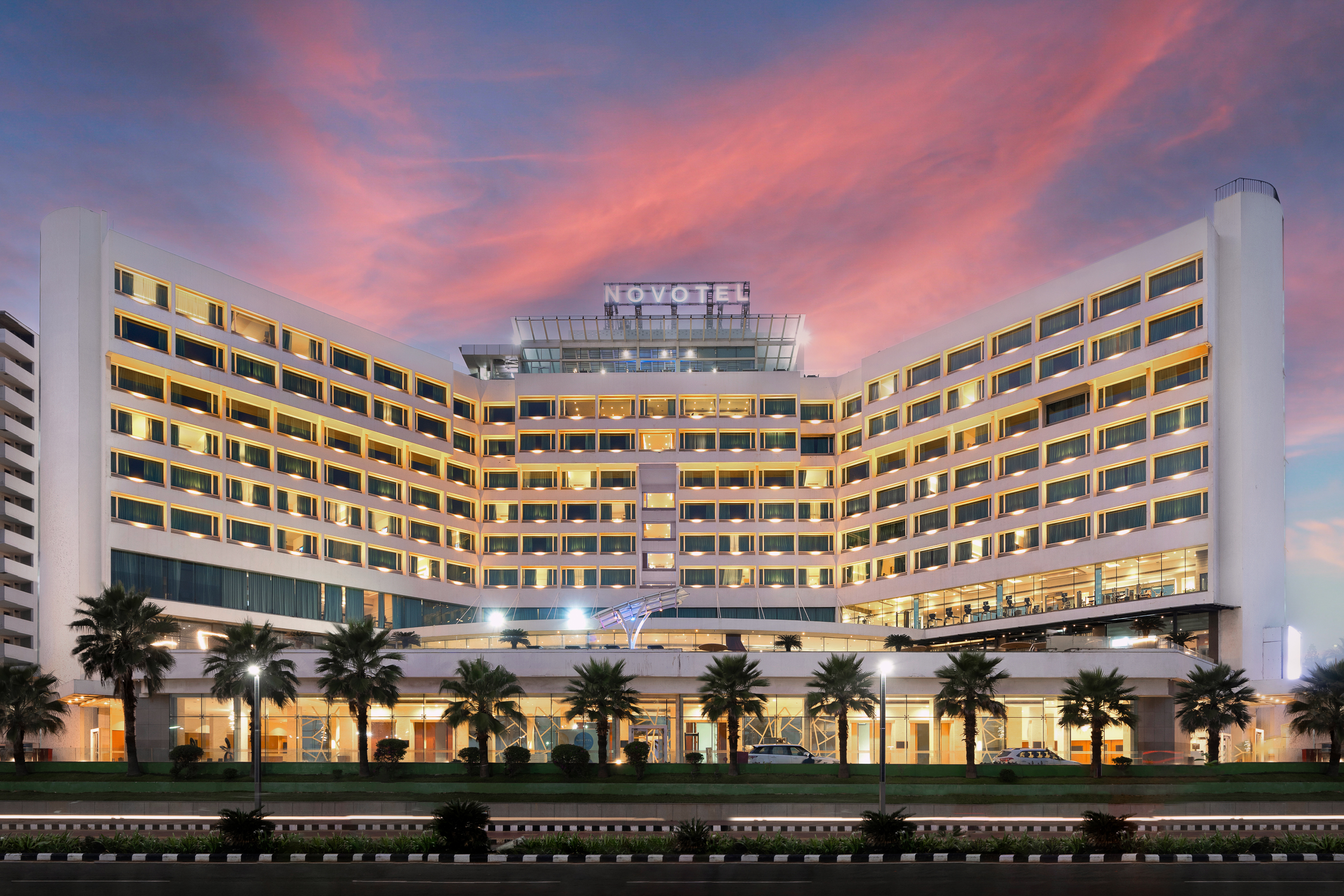
Sep 09: Novotel Visakhapatnam Varun Beach will host the 41st Indian Association of Tour Operators Annual Convention from 10–13 September 2026, bringing one of India’s most prominent tourism industry gatherings to Visakhapatnam.
Supported by the Government of Andhra Pradesh, the annual convention is among India’s key tourism industry forums, bringing together tour operators, hospitality leaders, policymakers, tourism boards, and stakeholders from across the country.
As the official venue, Novotel Visakhapatnam Varun Beach will host the convention’s key events, including delegate registrations, the inaugural ceremony, business sessions, networking events, the Indian Tourism Fair Travel Mart on 11 and 12 September, and evening cultural programmes. The inaugural session is expected to be attended by the Hon’ble Chief Minister of Andhra Pradesh, the Union Minister of Tourism, senior officials from the Ministry of Tourism, Government of India, and representatives from nearly 18 State Tourism Departments.
Located on Visakhapatnam’s iconic Beach Road overlooking the Bay of Bengal, Novotel Visakhapatnam Varun Beach is one of the city’s leading MICE destinations, offering expansive event spaces and contemporary hospitality for large-scale national and international events.
Lakshmi Sridhar, General Manager, Novotel Visakhapatnam Varun Beach, said,
“We are delighted to host the 41st IATO Annual Convention at Novotel Visakhapatnam Varun Beach. It is a proud opportunity to welcome India’s travel and tourism fraternity and showcase Visakhapatnam’s growing potential as a leading destination for leisure and MICE tourism. We look forward to delivering an exceptional experience that reflects the warmth and hospitality of the city.”
The convention will feature discussions on the future of Indian tourism, sustainable travel, destination development, and industry collaboration, alongside signature experiences including the IATO Run for Responsible Tourism, tourism awards, cultural evenings, and post-convention tours across Andhra Pradesh.
By hosting the 41st IATO Annual Convention, Novotel Visakhapatnam Varun Beach further strengthens its position as a preferred venue for marquee industry events while reinforcing Visakhapatnam’s growing prominence on India’s tourism and MICE map.
9, Sep 2026
Turkish Airlines to Become Liverpool FC’s Main Club Partner from the 2027/28 Season
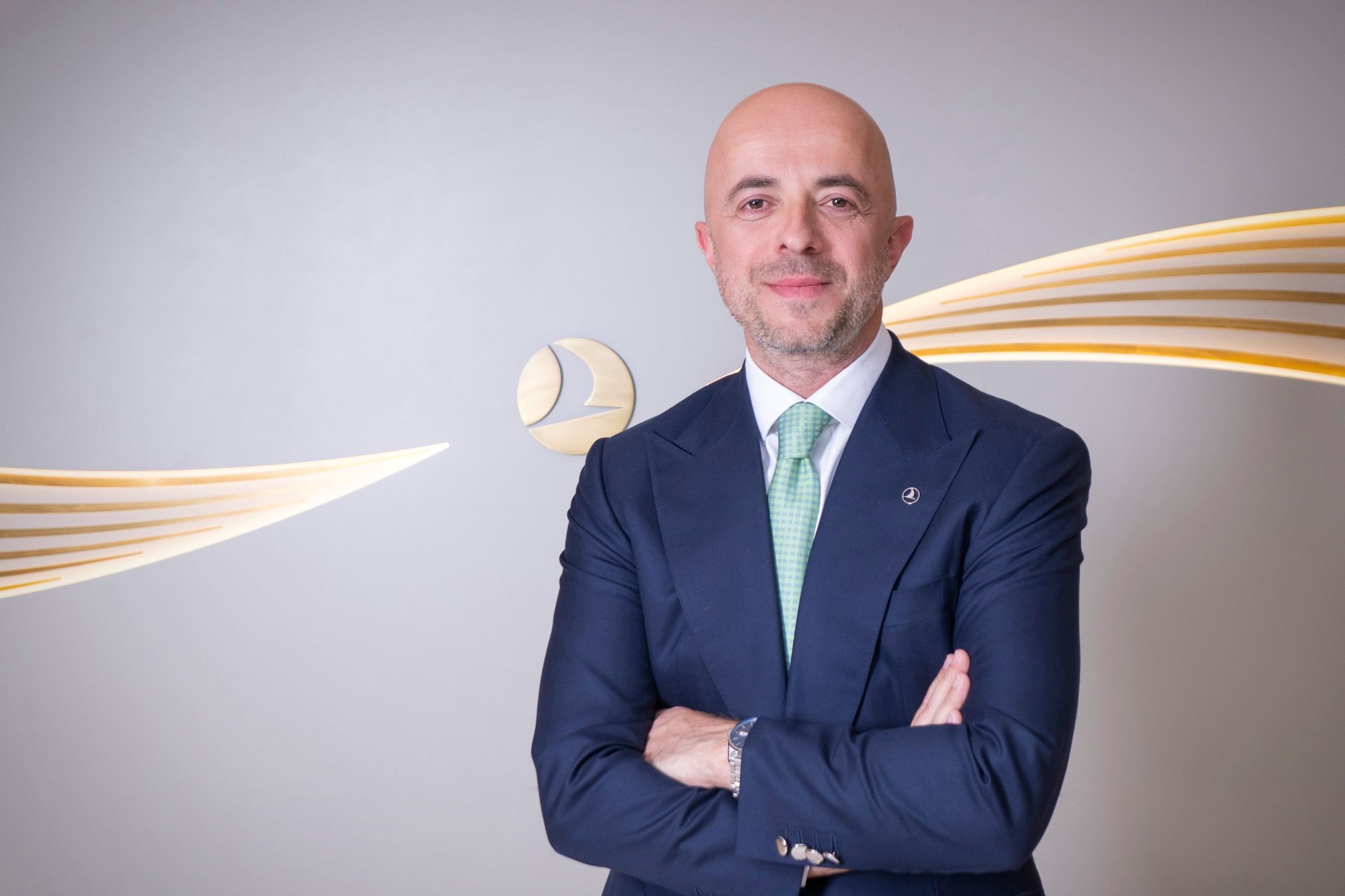
Bengaluru, September 09, 2026: Turkish Airlines, the airline that flies to more countries than any other, has announced that it will become Liverpool Football Club’s Main Club Partner from 1 June 2027 with the airline’s logo appearing on the front of the men’s, women’s and academy shirts from the start of the 2027/28 season.
The announcement marks the next chapter in Liverpool FC’s commercial history and will represent the first change to the Club’s Main Club Partner in 17 years.
From June 2027, Turkish Airlines will become Liverpool FC’s Main Club Partner, bringing together two organisations with a shared international reach and a commitment to connecting people around the world. LFC’s supporter base spans every continent, while Turkish Airlines connects people, cultures and destinations around the world through its extensive international flight network, flying to more countries than any other airline from its Istanbul hub.
The new partnership will also mark a significant moment in the history of the LFC shirt. The front of the shirt is one of the most recognisable positions in world sport and one that the Club has historically reserved for long-term and meaningful partnerships.
Turkish Airlines will become part of that history from the 2027/28 season, as Liverpool FC enters a new chapter both on and off the pitch.
Turkish Airlines CEO Ahmet Olmuştur said: “Liverpool Football Club is one of the world’s most recognised and respected football clubs, with an exceptional heritage and a truly global community of supporters. We are very pleased that Turkish Airlines will become the Club’s Main Club Partner and that our name will take its place on one of the most iconic shirts in world sport.
As the airline that flies to more countries than any other, connecting people, cultures and continents is at the heart of who we are. This partnership brings together two global brands united by their international reach, commitment to excellence and ability to inspire millions of people around the world.
The agreement also marks an important new chapter in Turkish Airlines’ long-standing support for global sport. We believe in the unique power of sport to transcend borders and bring communities together. As we begin this new chapter, we look forward to moving forward together with Liverpool FC and its supporters around the world.”
Liverpool FC Chief Commercial Officer Ben Latty said “This is a milestone announcement for Liverpool FC and we are delighted to welcome Turkish Airlines as our Main Club Partner from June 2027. The front of the Liverpool shirt holds a special place in the history of our club. Turkish Airlines is a globally recognised organisation with an extensive international network, and we look forward to beginning our partnership and building a strong relationship together, with already strong foundations built from those special memories back in 2005.
This announcement also provides an opportunity to recognise the extraordinary contribution Standard Chartered has made to Liverpool FC over the past 17 years. They have been an important part of our journey through an exceptional period in the club’s history, and we are delighted that Standard Chartered will remain part of the Liverpool FC family as a Global Partner from 2027. As we prepare for this transition, we look forward to this new season and welcoming Turkish Airlines as our Main Club Partner from June 2027.”


