


9, Sep 2026
CM Majhi Woos UAE Investors, Odisha Seeks Global Investment Partnerships
Abu Dhabi/Bhubaneswar, Sept. 9 (UDN): Odisha intensified its global investment push on Wednesday as Chief Minister Mohan Charan Majhi began a series of high-level meetings with leading UAE corporations, investment institutions and business groups, seeking partnerships across key industrial sectors.
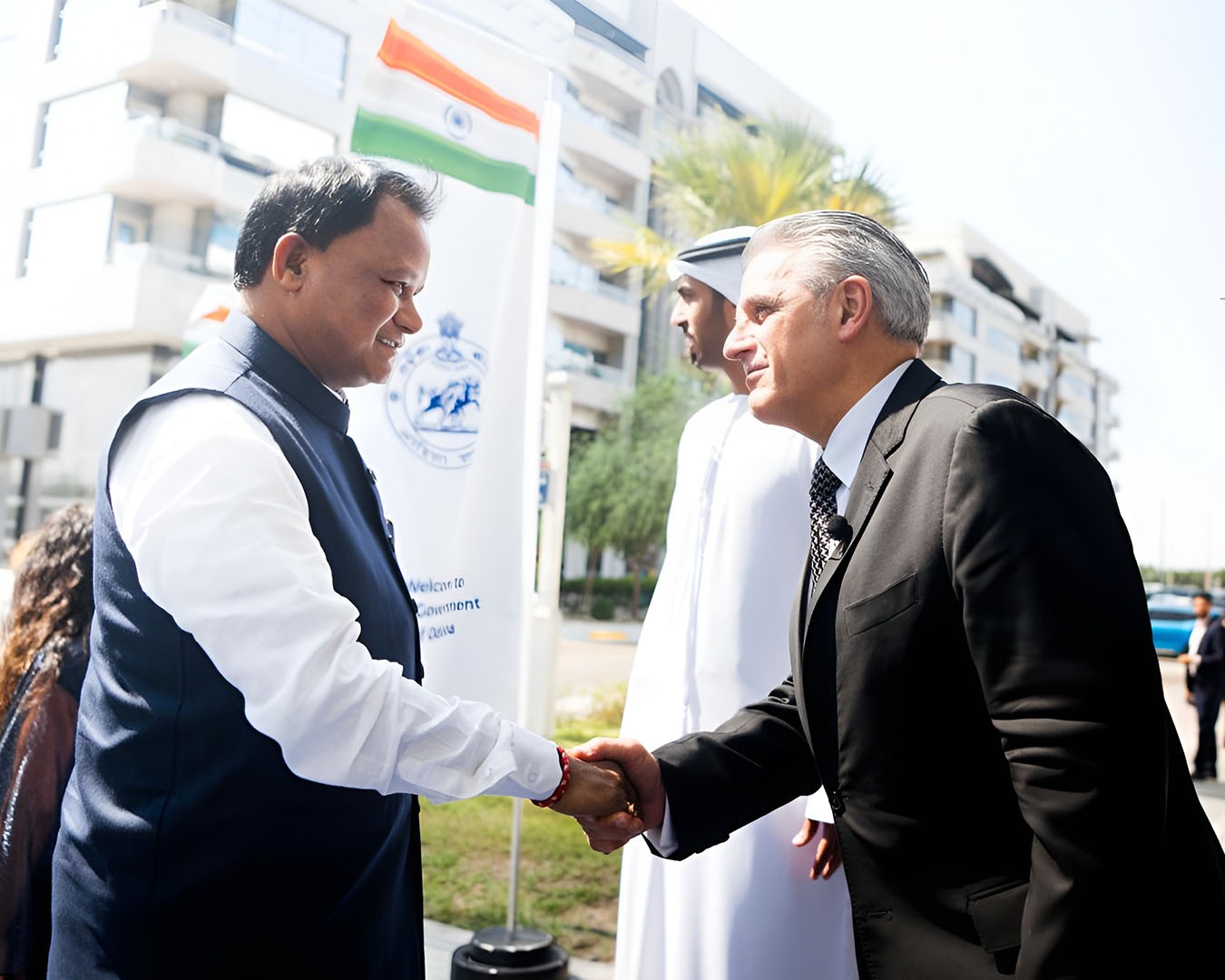
Pic Credit: x.com/CMO_Odisha
Leading an official state delegation, Majhi showcased Odisha’s growing industrial ecosystem and emerging business opportunities during the first day of the investment outreach, aimed at attracting foreign investment from the Gulf region.
Talks with Leading UAE Business Groups
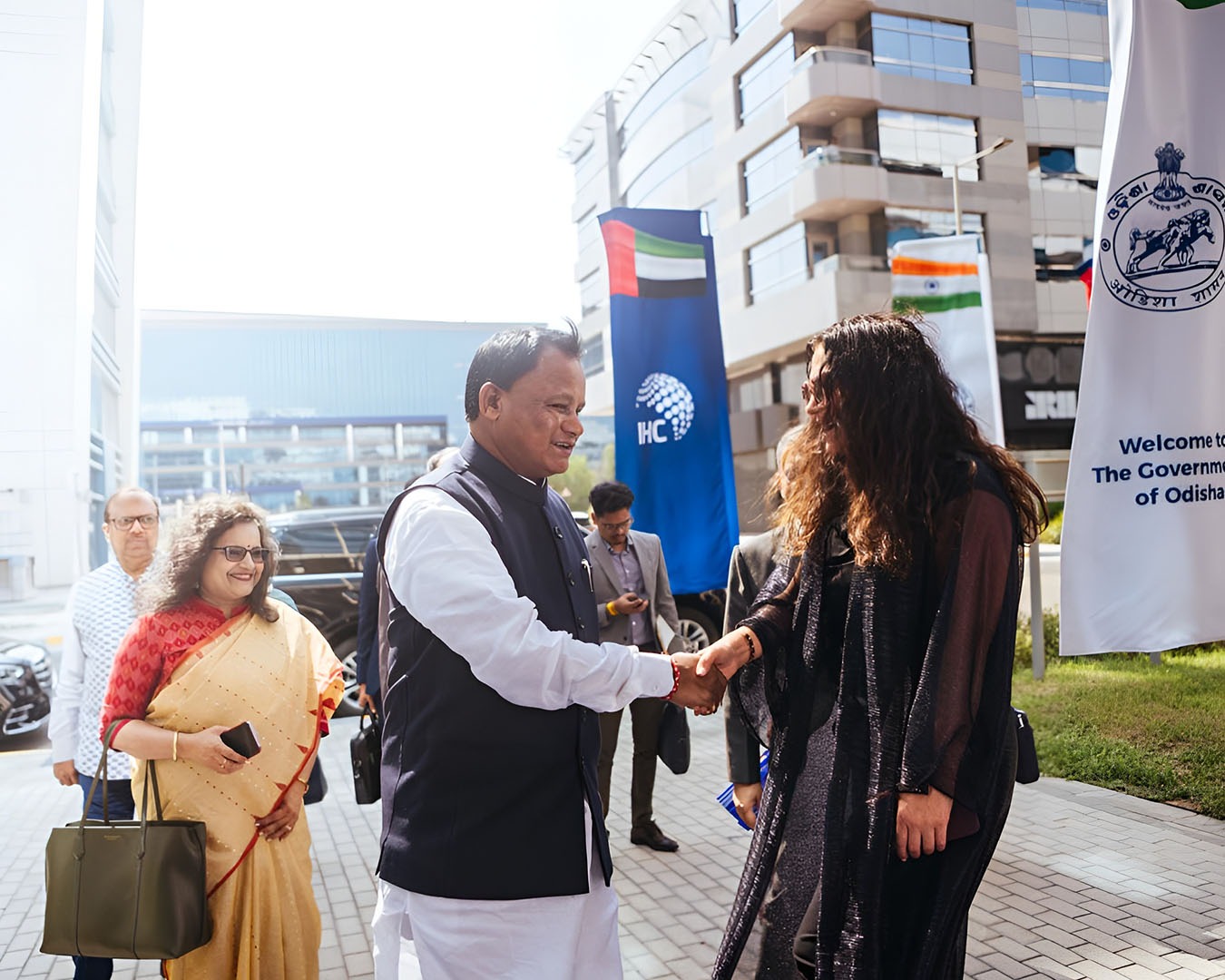
One of the day’s key engagements was a roundtable meeting with representatives of the International Holding Company (IHC), one of the UAE’s major business conglomerates. The discussions explored investment prospects in Odisha and opportunities for long-term industrial collaboration with the group’s various business verticals.
The Chief Minister also interacted with members of the Indian Business and Professional Group (IBPG) in Abu Dhabi, highlighting Odisha’s expanding investment landscape and seeking to strengthen commercial ties between businesses in India and the UAE.
Petrochemicals and Strategic Investments in Focus
A significant meeting was held with Hazeem Sultan Al Suwaidi, Chief Executive Officer of Borouge, where discussions centred on potential collaboration in the petrochemicals sector and investment opportunities within Odisha.
The delegation also met senior representatives of prominent UAE investment institutions, presenting the state’s industrial capabilities, infrastructure development and sector-specific opportunities to prospective investors.
Odisha’s Local Products Reach Dubai
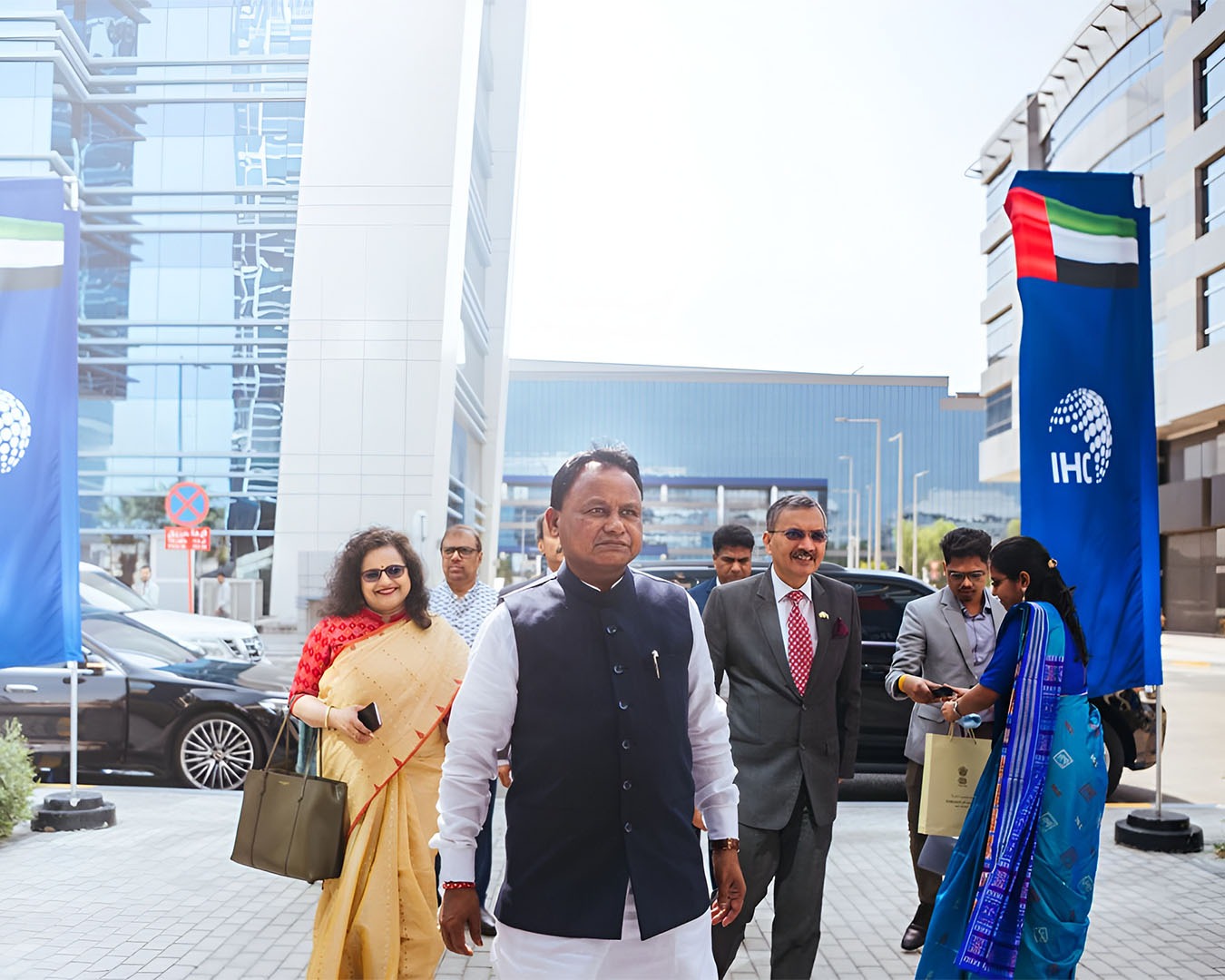
Beyond investment discussions, the Odisha delegation inaugurated a One District One Product (ODOP) showcase in Dubai, promoting the state’s traditional handicrafts, artisan products and locally manufactured goods in the international market.
The initiative is expected to create greater global visibility for Odisha’s indigenous products while opening new export opportunities for local entrepreneurs and artisans.
Strengthening Institutional Ties
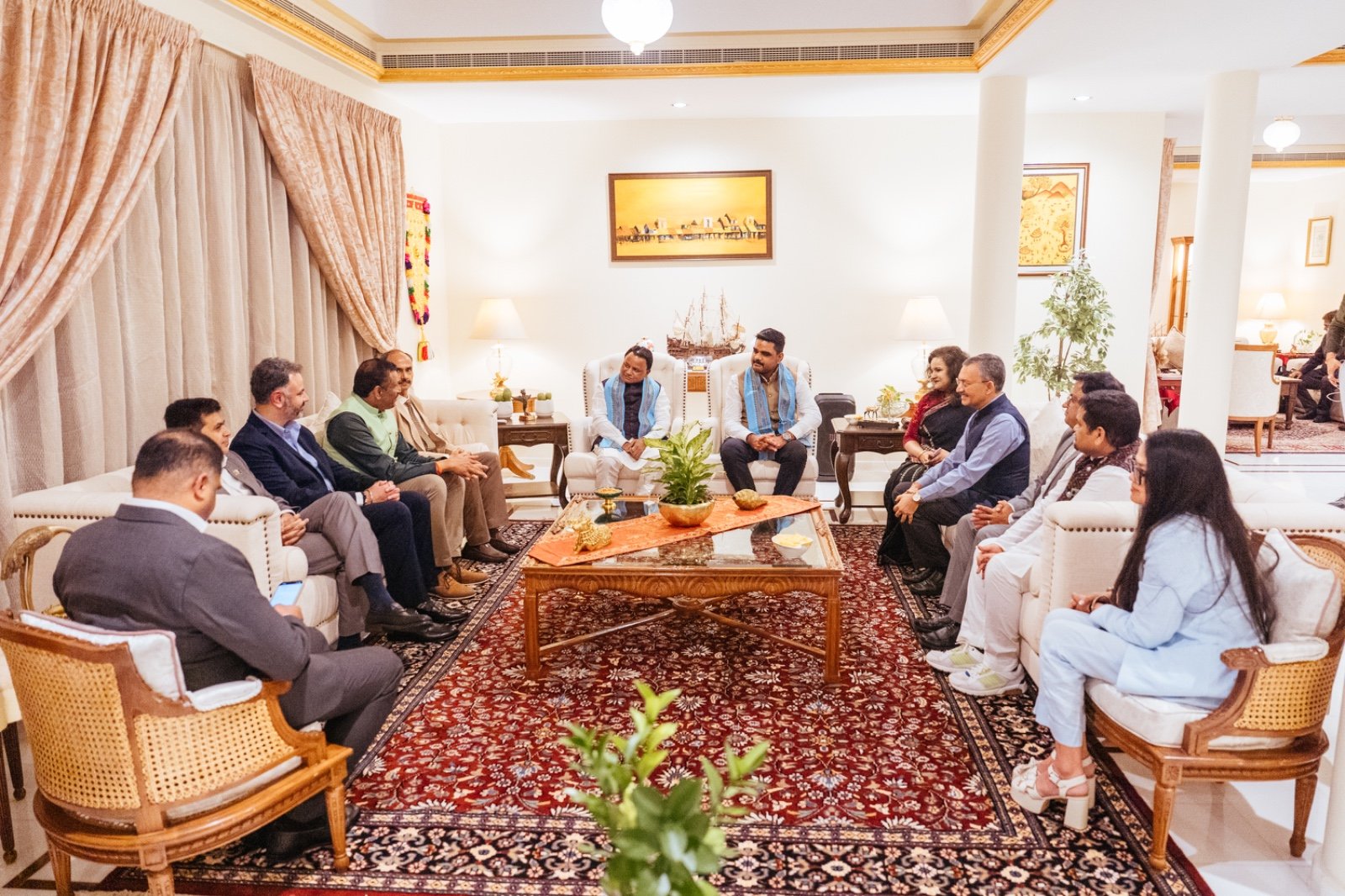
The day’s engagements concluded with a meeting between the delegation and the Consul General of India in Dubai, where discussions focused on enhancing institutional cooperation, business partnerships and community-level engagement between Odisha and the UAE.
The UAE visit forms part of Odisha’s broader strategy to attract global investments, expand international trade opportunities and position the state as a competitive destination for industries across multiple sectors.
- 0
- By Neel Achary

9, Sep 2026
ISCL Season2 Kicks Off with 32 Teams, 127 Matches, and a Bigger Vision for Indian Softball Cricket
 opened its second season.jpg)
Kolkata, 09 September 2026: The Indian Softball Cricket League (ISCL) opened its second season today, unveiling a national competition nearly triple the size of its debut edition: 32 teams and 127 matches spanning the country. The announcement came at a press event in Bengaluru attended by cricketing icons, league officials, and the organization’s newest commercial partners.
“Two years ago, we were just trying to get people to take softball cricket seriously,” said Dr. Gangadhar Raju, Founder and President of ISCL and the Indian Softball Cricket Foundation (ISCF). “Now we have 32 teams and players from towns most people can’t find on a map. That’s the story of Season 2, it’s not about us anymore, it’s about how far the players have pushed this.”
Former India cricketer Harbhajan Singh, who joins fellow international Cricketer Suresh Raina as a Brand Ambassador for the new season, spoke about what drew him to the role. He spoke about the scale of opportunity the expanded format creates, telling the gathering that a bigger league means more young players get a chance at being seen. Something he said which is close to his heart.
The league also confirmed its broadcast and commercial lineup for the season. Sony Sports Network comes onboard a Official Broadcasting Partner, putting ISCL matches in front of a International/National television audience for the first time at this scale. Screenox joins as Official Screening Partner, showcasing ISCL in more than 1500 screens across the country. MyAsia comes in as a Strategy Partner, tasked with helping ISCL grow into a International League as well as a commercially robust sporting property.
“For us at Sony Sports Network, partnerships are about more than just putting a game on television. ISCL has a unique story because it comes from the grassroots and gives players an opportunity to showcase their talent on a bigger platform. With Season 2 growing significantly, we’re excited to be part of this journey and help take the sport to a much wider audience. We hope that our association with ISCL will bring greater visibility to the players, the teams and the game itself, while encouraging more young cricketers across the country to believe that there is a place for them in the sport,” said Kaushik Kalluri, AVP-Sony Sports.
B. H. Anil Kumar, a former IAS officer and Chairman ISCL Pvt Ltd, and Vice Chairman Sanjeev Singh both addressed the media on the league’s plans for professional growth and expansion into new regions. Noorul Ameen, representing MyAsia, laid out the strategic and commercial thinking behind the partnership, framing it as a long-term bet on softball cricket‘s growth in India rather than a one-season sponsorship.
Taken together, the expanded team count, the International/National broad cast tieup, and new partnerships mark ISCL‘s clearest step yet toward becoming a mainstream property in India’s crowded sporting calendar, one built, organizers say, on the same grassroots talent pipeline that got the league here in the first place.
9, Sep 2026
BRICS Summit Can Turn India’s Global South Partnerships into New Business Opportunities
New Delhi, Sep 9: India’s upcoming BRICS Summit can provide a strong platform to turn its growing engagement with the Global South into greater trade, investment and business opportunities, industry representatives said.
The 18th BRICS Summit is scheduled to be held in New Delhi on September 12-13, with trade, finance, technology, investment and economic cooperation among the key areas of discussion.
Industry leaders believe India should use its BRICS presidency to move beyond diplomatic engagement and create practical opportunities for businesses. Greater cooperation among emerging economies could help Indian companies access new markets, attract investment and build stronger international partnerships.
The focus could include easier trade procedures, stronger supply chains, improved access to finance and greater cooperation in areas such as manufacturing, technology, infrastructure, healthcare, agriculture and renewable energy.
For Indian businesses, deeper engagement with Global South economies could open new avenues for exports and investment at a time when companies are looking to diversify markets and reduce dependence on traditional trade routes.
Digital technology could also play an important role. Cooperation in digital payments, trade finance and technology can make cross-border transactions easier and create new opportunities for small and medium-sized businesses. Discussions around the BRICS Economic Partnership 2030 are also expected to focus on trade, investment, supply-chain integration and financial cooperation.
The industry view is that the real value of the summit will depend on how effectively agreements and partnerships are converted into business activity. Greater connectivity among BRICS economies could help Indian companies expand their international presence while attracting more foreign investment into the country.
With India hosting the summit, the event provides an opportunity to strengthen its role as a bridge between major emerging economies and translate its growing Global South partnerships into tangible economic gains.
8, Sep 2026
Saviynt Appoints Kamel Heus as Vice President of Sales for the Middle East and Africa
Cybersecurity veteran to drive regional growth, strengthen partner ecosystem and advance identity security across MEA
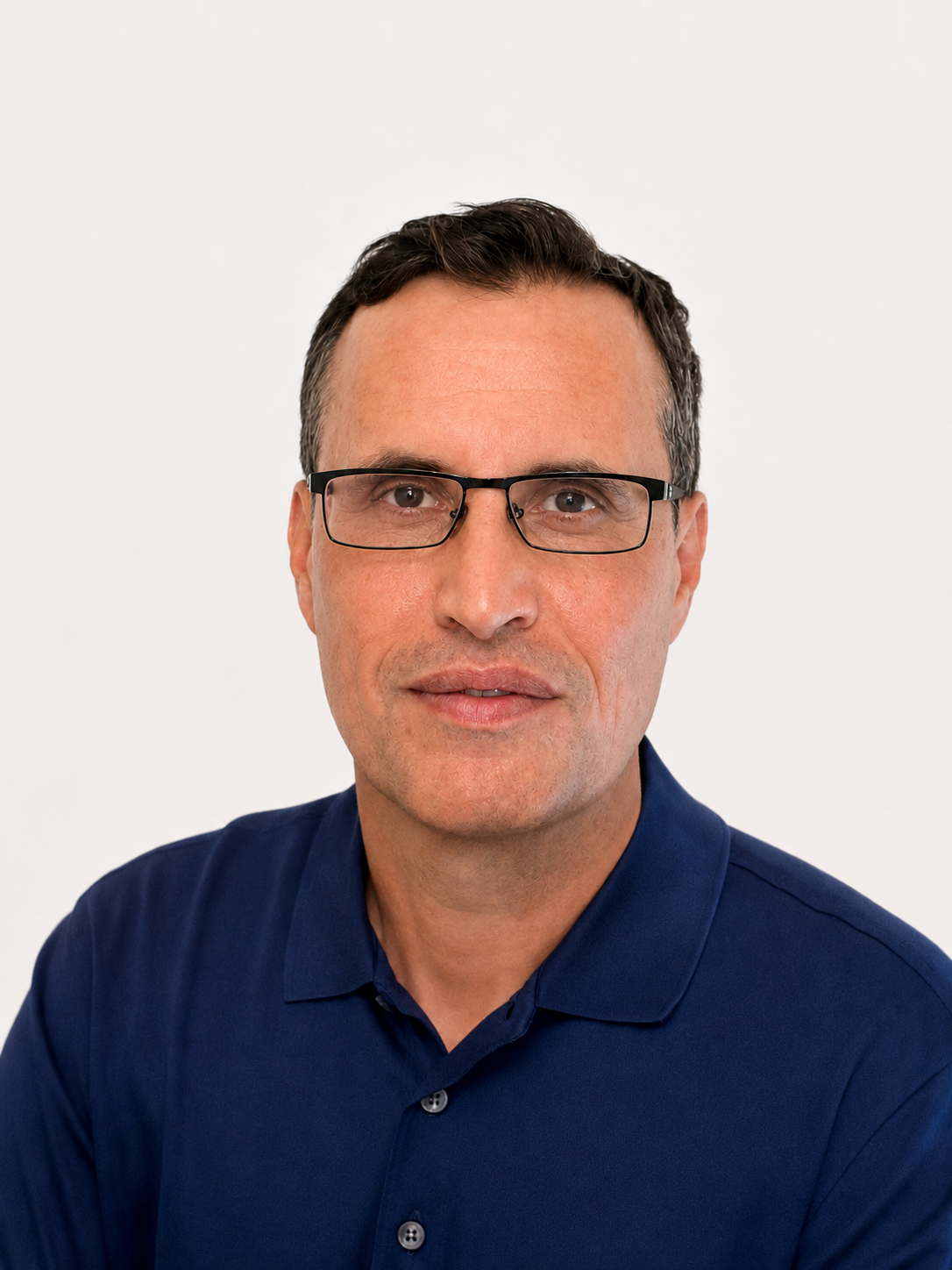
Dubai, United Arab Emirates, September 8, 2026: Saviynt, a leading provider of identity security solutions, today announced the appointment of Kamel Heus as Vice President of Sales for the Middle East and Africa (MEA). Based in Dubai, Heus will lead Saviynt’s business across the MEA region, including Turkey, as the company advances its growth and strengthens its presence in key markets.
In his new role, Heus will drive new business, renewals and customer expansion across MEA, while leading Saviynt’s regional channel strategy, expanding its partner ecosystem, and building out the company’s local go-to-market team. As AI reshapes how organizations across government, banking and financial services, utilities, healthcare, oil and gas, and retail approach identity, Heus’ appointment reflects the growing importance of securing both agentic identities and AI-driven environments. His near-term priorities include deepening Saviynt’s regional presence, expanding into Saudi Arabia, and growing local hosting capabilities to meet in-region delivery and data residency requirements.
“MEA represents a significant opportunity for Saviynt as organizations across the region accelerate their digital transformation and increasingly look to AI to transform how they operate and grow,” said Pete Angstadt, Chief Commercial Officer at Saviynt. “Our role is to help customers move faster on that journey while ensuring security and governance keep pace. Kamel’s deep experience in the region and understanding of its customers, markets and partner ecosystem will be invaluable as we continue to expand our presence. We’re making a long-term investment in MEA, and his appointment is an important step in bringing Saviynt closer to our customers and partners as we help accelerate their AI journey securely.”
Heus will also help MEA businesses address a new category of identity risk: AI agents. As these agents gain access to enterprise applications and data, they require the same discovery, governance and lifecycle controls that are traditionally applied to human identities. Saviynt’s Zuma platform is built to meet this need, giving organizations visibility into AI identities and the ability to enforce least-privilege access across their lifecycle.
“The Middle East and Africa have become one of the fastest-growing cybersecurity markets in the world, and Identity sits right at the center of it, especially as AI agents enter the enterprise,” said Kamel Heus, Vice President of Sales, MEA, Saviynt. “I’ve spent over a decade building businesses from the ground up in this region, and I’m excited to do it again at Saviynt. My focus is to build out our local presence, grow a strong partner ecosystem, and enable organizations across MEA to grow their business through secure, confident access both for their people and their AI. It’s a great time to be doing this work here.”
Heus brings 20 years of enterprise cybersecurity sales leadership and a strong track record of building and scaling businesses across the Middle East, Africa and Europe. He has held senior leadership roles at Thales, Centrify (now Delinea) and Sophos, most recently serving as Vice President, EMEA at Thales, where he led the company’s Identity and Access Management business across the region. He holds a PhD in Applied Mathematics and Computing from Université Grenoble Alpes in France and has been based in Dubai for more than a decade.
With Heus leading its MEA sales organization, Saviynt will continue to deepen its relationships with customers and partners, expand its regional capabilities and help organizations strengthen identity security as cloud, AI and digital transformation reshape enterprise environments.
8, Sep 2026
India’s EV Market Gains Momentum as August Sales Rise 53%, Penetration Reaches 12.3 pc
New Delhi, Sep 8: India’s electric vehicle market continued to gain momentum in August, with retail sales rising 52.9 per cent year-on-year to 2,98,448 units, according to the Federation of Automobile Dealers Associations (FADA). The figure marks the strongest August performance for EVs so far.

EVs accounted for 12.3 per cent of total vehicle retail sales during the month, up from 9.5 per cent in August last year. The rise shows that electric mobility is gradually becoming a more common choice among Indian consumers.
Electric two-wheelers remained a key driver of the growth, while electric three-wheelers continued to see strong demand in the commercial and last-mile mobility segments. The increasing availability of models, improving charging facilities and growing awareness of lower running costs are helping more buyers consider EVs.
The broader automobile market is also seeing a shift towards alternative powertrains. In August, CNG, hybrid and electric passenger vehicles together accounted for 41.95 per cent of passenger vehicle sales, moving ahead of petrol and ethanol-powered vehicles at 40.85 per cent.
The strong EV performance is significant for the wider auto industry as manufacturers, battery companies, component suppliers and charging operators prepare for rising demand. It also signals that electric vehicles are steadily moving beyond being a niche segment and becoming an important part of India’s mobility market.
With the festive season approaching, sustained consumer demand could provide another boost to EV sales in the coming months. At the same time, expanding charging infrastructure and improving affordability will remain important for maintaining the pace of adoption.
8, Sep 2026
Experts emphasize upon the need for regular physical activity on the occasion of World Physiotherapy Day, at Amity
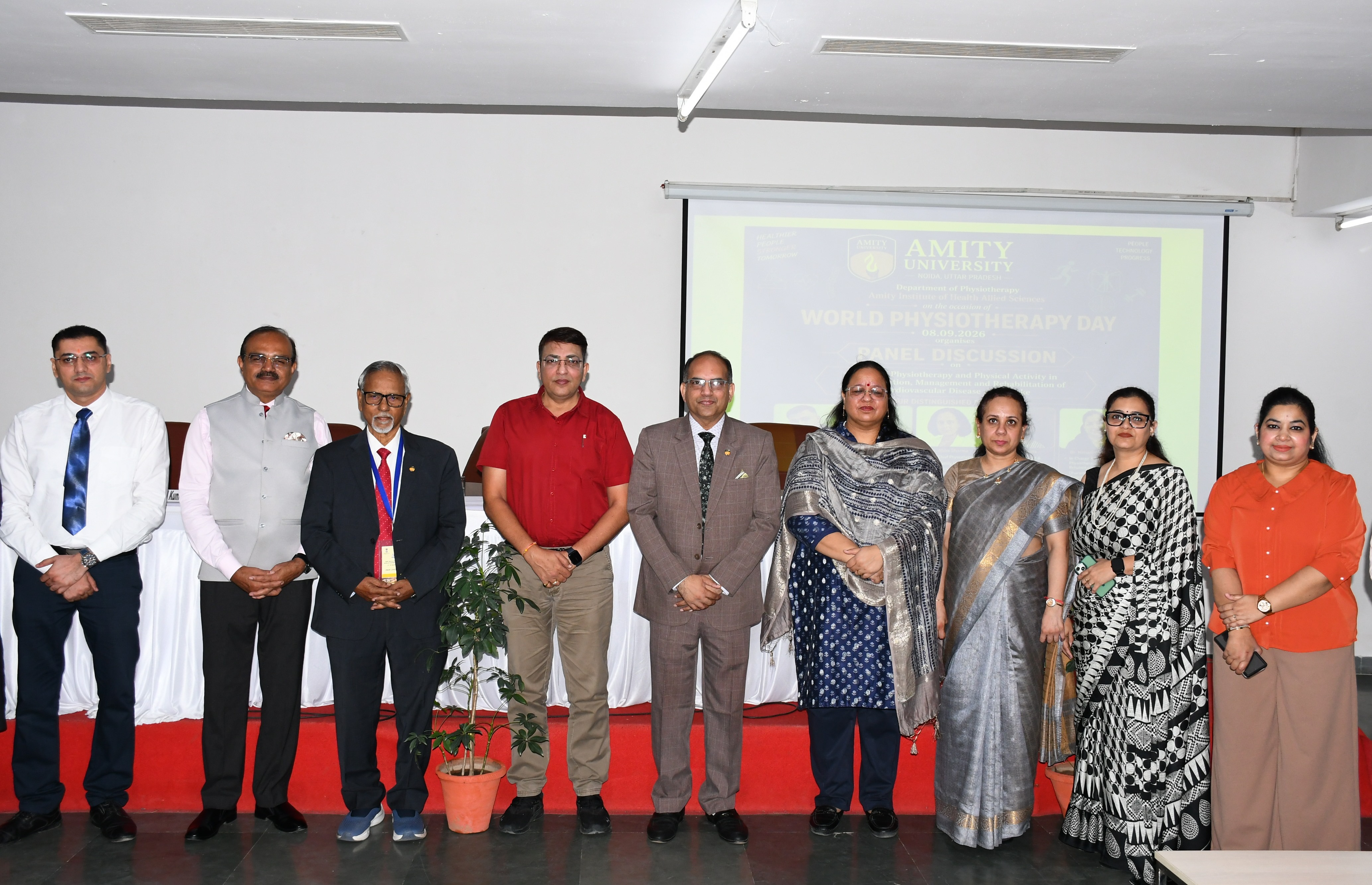
Amity Institute of Health & Allied Sciences (AIHAS), Amity University Uttar Pradesh Noida campus celebrated World Physiotherapy Day, by organizing a Panel Discussion on the theme, “Role of Physiotherapy and Physical Activity in the Prevention, Management, and Rehabilitation of Cardiovascular Disease and Stroke.” World Physiotherapy Day is observed globally on 8th September each year, providing an important opportunity for physiotherapists worldwide to highlight the vital role the profession plays in keeping people healthy, mobile and independent.
The Panellists included Dr. Abha Sharma, Head of the Department, Physiotherapy, Holy Family Hospital, New Delhi, Dr. Dharam Pani Pandey, Head of the Department, Physiotherapy, Manipal Hospital, New Delhi, Dr. Rahul Kumar Verma, In-charge, Physiotherapy, Government Institute of Medical Sciences, Noida, Dr. Preeti Handa, In-charge, Physiotherapy, Felix Hospital, Noida and Dr. Himani Chauhan, HOD-Physiotherapy, Dharamshila Hospital, New Delhi.
Sharing her views on the topic, Dr. Abha Sharma, stated, “Exercise along with a good diet, healthy lifestyle prevent hypertension, diabetes, obesity. In order to prevent a stroke, stress management is extremely important, a person can meditate, practice yoga or do any other kind of activity for stress management.”
Stressing upon the importance of regular physical activity, Dr. Dharam Pani Pandey, said, “Regular physical activity is one of the most effective ways to prevent diseases and maintain overall health. Exercise works like a natural medicine, strengthening the body, improving immunity and reducing the risk of lifestyle-related diseases.”
Dr. Rahul Kumar Verma, opined, “Physical activity and exercises can prevent cardiovascular diseases. It is essential to exercise every day, even if for 20-30 minutes so that your body remains active and fit. One should go for regular examination of the body including blood sugar, stay hydrated and eat a healthy diet.”
Dr. Preeti Handa, shared, “Proper assessment of a patient is extremely crucial so that physiotherapists know which exercise will suit them since all exercises are not meant for all patients. After assessing the patient, they should make a plan which is suitable for the patient.”
Dr. Himani Chauhan, asserted, “Body movement is extremely important if a person wants to remain fit and healthy. One should walk or do at least one kind of physical activity daily which keeps the body flexible and energetic.”
Welcoming the guests, Dr. Jasobanta Sethi, Director- AIHAS, said, “The event aims to promote awareness of the contribution of physiotherapy and regular physical activity to cardiovascular health, stroke prevention, functional recovery and long-term rehabilitation. The programme will bring together students, faculty members, clinicians and invited experts for academic exchange and community-oriented health activities.”
On this occasion, a Guest Lecture by Dr. Khyatee Sharma, Founder, Pratyaksh Health Care, Delhi On-campus Physiotherapy Camp, Laboratory Tests, a Poster-Making Activity, were also organized. Also present on the occasion were Prof (Dr) B. C. Das- Dean, Health & Allied Sciences, Prof. (Dr.) S. K. Srivastava, Mentor, AIHAS, faculty and students of AIHAS.
8, Sep 2026
LG Electronics India redefines visual excellence with the launch of LG MAGNIT Gen 2 Micro LED Display
New Delhi, Sept 08: LG Electronics India Limited, India’s consumer electronics brand, today strengthened its Information Display portfolio with the launch of the new LG MAGNIT Gen 2 Micro LED display, unveiled at the 12th edition of its propriety platform, the Grand Tech Seminar. The new LG MAGNIT Gen 2 combines enhanced visual performance with features designed to simplify deployment and long-term operation. The ultra-high-definition display features enhanced contrast, deeper blacks, improved grayscale performance and 120Hz refresh rate support for smoother, more realistic imagery.
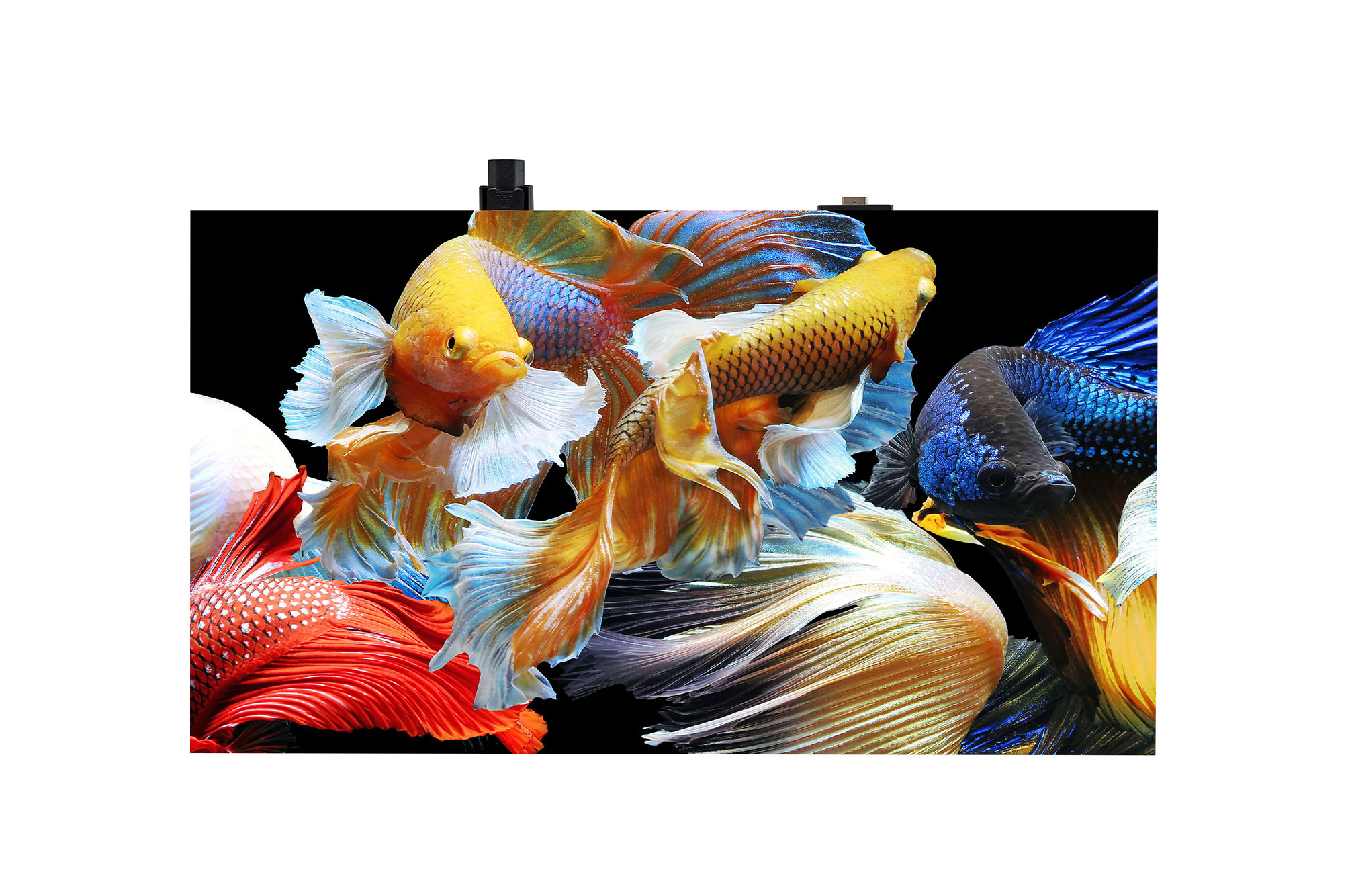
Beyond visual excellence, the new LG MAGNIT Gen 2 is engineered to deliver differentiated value and convenience across installation, operation and maintenance. A prime example is the newly applied Line-to-Dottechnology. In conventional LED displays, driver ICs operate light sources by line, meaning a single pixel defect can affect an entire line. LG’s LTD technology converts potential line defects into dot-level defects, ensuring that any pixel issue remains isolated to a single dot. This significantly minimizes visual disruption and enables a more comfortable, seamless viewing experience.
“With the launch of the LG MAGNIT Gen 2, LGE India is setting a new gold standard for ultra-premium visual experiences, introducing a product that represents the absolute apex of display technology. We are bringing an unrivaled premium quotient to the market—empowering luxury retail and hospitality sectors with an immersive canvas that elevates brand storytelling to an art form. Simultaneously, its pixel-perfect, fail-safe precision makes it the ultimate choice for corporate boardrooms and mission-critical command centres, while offering elite residences a bespoke cinematic masterpiece. Information Display continues to be one of our fastest-growing segments, and we remain deeply committed to providing our discerning Indian clients with futuristic innovations that seamlessly blend technological brilliance with absolute reliability, redefining what is possible for enterprises and premium consumers alike.”
8, Sep 2026
Ganesh Chaturthi Fever Grips Cities as Festive Demand Gives Local Businesses a Boost
Pic Credit: Pexel
New Delhi, Sep 8: With Ganesh Chaturthi just around the corner, cities across India are beginning to take on a festive look. Streets, markets, homes and community pandals are being decorated with colourful lights, flowers and traditional ornaments as preparations for welcoming Lord Ganesha gather pace.
Ganesh Chaturthi will be celebrated on September 14 this year, and the approaching festival is already creating a visible buzz in local markets.
For businesses, the festival is bringing a fresh wave of demand across several categories. Shops selling decorative items, lighting, flowers, torans, rangoli materials and puja essentials are seeing increased interest as families and community groups prepare their homes and pandals.
The festive rush is also benefiting sweet shops and food businesses. Laddoos, modaks and other traditional sweets remain an important part of Ganesh Puja, with families buying them both for offerings and for sharing with relatives, friends and neighbours. The rise in festive activity provides an important opportunity for small sweet shops, local food makers and home-based sellers to increase their sales.
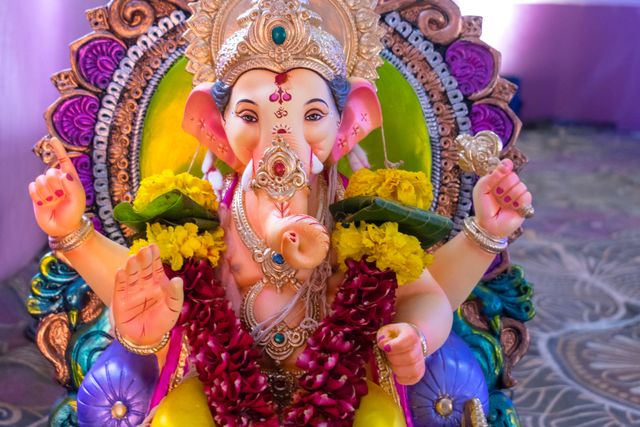
Ganesh idols remain at the heart of the celebrations. Artisans and idol makers are busy preparing idols in different sizes and designs to meet demand from households, housing societies and large community celebrations. Markets are offering everything from traditional clay idols to more decorative designs.
At the same time, an important change is becoming visible in the way people are choosing their idols. Eco-friendly Ganesh idols are gaining attention as consumers look for ways to celebrate the festival while reducing their impact on the environment. Natural clay and other biodegradable materials are increasingly being preferred over Plaster of Paris and idols finished with chemical-based paints.
The idea behind eco-friendly idols is simple: devotion does not have to come at the cost of nature. Idols made from suitable natural and biodegradable materials can break down more easily during immersion, reducing the amount of long-lasting waste entering rivers, lakes and other water bodies. Natural, non-toxic colours can further reduce the environmental impact.
This shift is also creating opportunities for artisans and small businesses producing sustainable festival products. From clay idols and natural colours to reusable decorations and traditional handmade items, the demand for greener alternatives is opening another segment within the festive economy.
The Ganesh festival therefore represents more than a religious celebration. It brings together consumers, artisans, sweet makers, decorators, flower sellers, retailers and small businesses, creating economic activity across multiple parts of the local market.
As the final preparations begin, the combination of colourful streets, decorated homes, traditional sweets and beautifully crafted idols is setting the stage for another vibrant Ganesh Chaturthi. For consumers and businesses alike, the festival is becoming an occasion to celebrate tradition while also giving greater importance to sustainability and responsible choices.
8, Sep 2026
India’s Employment Outlook Strengthens in Q4 as Changing Roles and Skills Reshape Why Employers Add Staff
-
Finance & Insurance and Hospitality report the strongest NEO for Q4 2026 at 60% and 58% each, followed by Information at 57%.
-
India‘s most competitive sector, Finance & Insurance is expected to grow by 4 points since last quarter and since Q4 2025. Globally, India holds the second position for its employment expectations in this sector, above the sector’s global outlook by 24 points.
-
Highest Q-on-Q increase is seen in Hospitality by 21 points, followed by Public Sector, Health & Social Services with 15 points and Trade & Logistics sector by 9 points.
-
Utilities & Natural Resources reported the most decline from Q3 by 23 points followed by Professional, Scientific & Technical Services by 3 points.
-
Hiring intentions have strengthened in all four regions compared with the previous quarter and year-over-year. The most competitive region in India is the East region with a NEO of 59, rising by 7 points since last quarter and 23 points compared with the same quarter last year. This region reports the greatest growth in expectations since last quarter and this time last year.
-
South reported the second highest growth in expectations since Q4 2025 with an increase of 10 points.
-
Employers in very large organizations with 1,000 to 4,999 employees are the most optimistic with a NEO of 58, rising by 8 points since last quarter and 5 points since Q4 2025. Globally, India ranks third for its employment expectations in these organizations, beating the global outlook by 29 points.
-
When compared to Q3, employment expectations have risen in all organization sizes except those with 10-49 employees where it declined marginally by 2 points.
-
Employers in small organisations with less than 10 employees have seen the most growth from last year by 20 points followed by large organisations with 5000+ employees by 12 points.
8, Sep 2026
PM Modi Praises Vadodara’s Cleanliness Drive, Calls Citizen Participation Encouraging
Vadodara, Sep 8: Prime Minister Narendra Modi on Tuesday praised Vadodara residents for their enthusiastic participation in the city’s cleanliness campaign, saying the effort reflects the strong spirit of public participation in keeping the city clean.
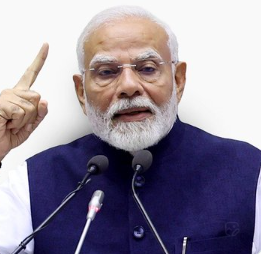
The appreciation came during PM Modi’s visit to Vadodara, where he attended the ‘NaMo 4 Viksit Bharat’ programme and inaugurated and dedicated several development projects. The city had launched a large-scale cleanliness and environmental campaign ahead of his visit under the Gujarat government’s ‘Swachhata Se Swagat’ initiative.
The cleanliness campaign brought together residents, sanitation workers, civic officials, elected representatives, educational institutions and voluntary organisations. The drive covered public spaces, lakes, gardens, healthcare centres, heritage sites and other important areas of the city.
Large numbers of citizens joined the campaign across Vadodara’s 19 wards. The initiative also included tree plantation and environmental awareness activities, giving the cleanliness drive a broader focus on protecting the city’s natural and public spaces.
The campaign saw particularly strong participation around heritage and recreational locations. Thousands of residents also joined cleanliness activities along important routes and public areas, while saplings were planted and distributed at several locations.
A cyclothon organised as part of the wider campaign further brought residents and children together to promote both fitness and cleanliness. Around 1,500 children participated in the event, reinforcing the message that keeping the city clean is a shared responsibility.
PM Modi’s remarks have placed the spotlight on the role citizens can play alongside municipal authorities in improving urban cleanliness. The Vadodara campaign has shown how community participation can turn a civic initiative into a broader public movement.
With the festive season approaching, the cleanliness effort is also expected to encourage residents to maintain cleaner streets, neighbourhoods, markets and public spaces. The emphasis is now on sustaining the momentum beyond the campaign and making cleanliness a regular part of civic life.
The Vadodara initiative reflects a wider effort to combine cleanliness, environmental awareness and public participation, while creating a cleaner and more welcoming city for residents and visitors.


