


8, Sep 2026
Akoirah by Augmont Introduces ‘Sculpted by Nature’, A Contemporary Fine Jewellery Collection Inspired by Nature’s Timeless Forms

Mumbai, 8th September 2026: Nature has long been one of design’s greatest muses, inspiring architecture, fashion, interiors, and art with its effortless balance of beauty and structure. Drawing from this enduring influence, Akoirah by Augmont unveils Sculpted by Nature, a contemporary fine jewellery collection that reimagines botanical forms through sculptural silhouettes, refined craftsmanship, and laboratory-grown diamonds.
The collection celebrates the quiet elegance of nature, translating blooming petals, graceful vines, delicate leaves, and organic curves into wearable works of art. Designed for the modern consumer who values individuality as much as craftsmanship, Sculpted by Nature reflects a new perspective on fine jewellery, where timeless inspiration meets contemporary expression.
The collection features standout creations including The Diamond Cluster Studs, inspired by petals in full bloom and finished with striking pear-cut diamond drops; The Enchanted Vine Hoops, which reinterpret climbing vines through fluid, diamond-studded silhouettes; The Pear Halo Studs, a modern take on a timeless classic with layered pear-shaped brilliance; and The Botanical Laurel Ring, inspired by intertwined foliage and designed to capture nature’s graceful movement.
Crafted in recycled gold and set with laboratory-grown diamonds, each piece balances artistic design with everyday versatility. Rather than being reserved for special occasions, the collection is designed to become part of the wearer’s personal style, seamlessly transitioning from everyday dressing to celebratory moments.
Commenting on the launch, Namita Kothari, Founder, Akoirah by Augmont, said: “Nature has an effortless way of creating forms that are timeless, balanced, and endlessly inspiring. With Sculpted by Nature, we wanted to capture that beauty through a contemporary lens, creating jewellery that feels artistic, versatile, and deeply personal. Every piece is designed to celebrate craftsmanship while allowing the wearer to express their individuality, making it as relevant for everyday wear as it is for life’s special moments.”
As consumers increasingly gravitate towards jewellery that reflects their personality rather than tradition alone, design is emerging as one of the strongest differentiators in the luxury jewellery category. Today’s buyers are seeking pieces that are versatile, expressive, and thoughtfully crafted, moving beyond occasion-led purchases to jewellery that becomes part of their everyday identity.
Sculpted by Nature, Akoirah continues to redefine modern luxury by creating collections that combine contemporary design with conscious craftsmanship. Inspired by nature yet designed for today’s lifestyles, the collection offers a fresh interpretation of fine jewellery, one where every piece is intended to be worn, cherished, and collected.
- 0
- By Neel Achary

8, Sep 2026
Influence is what happens after people listen’: Ranveer Allahbadia
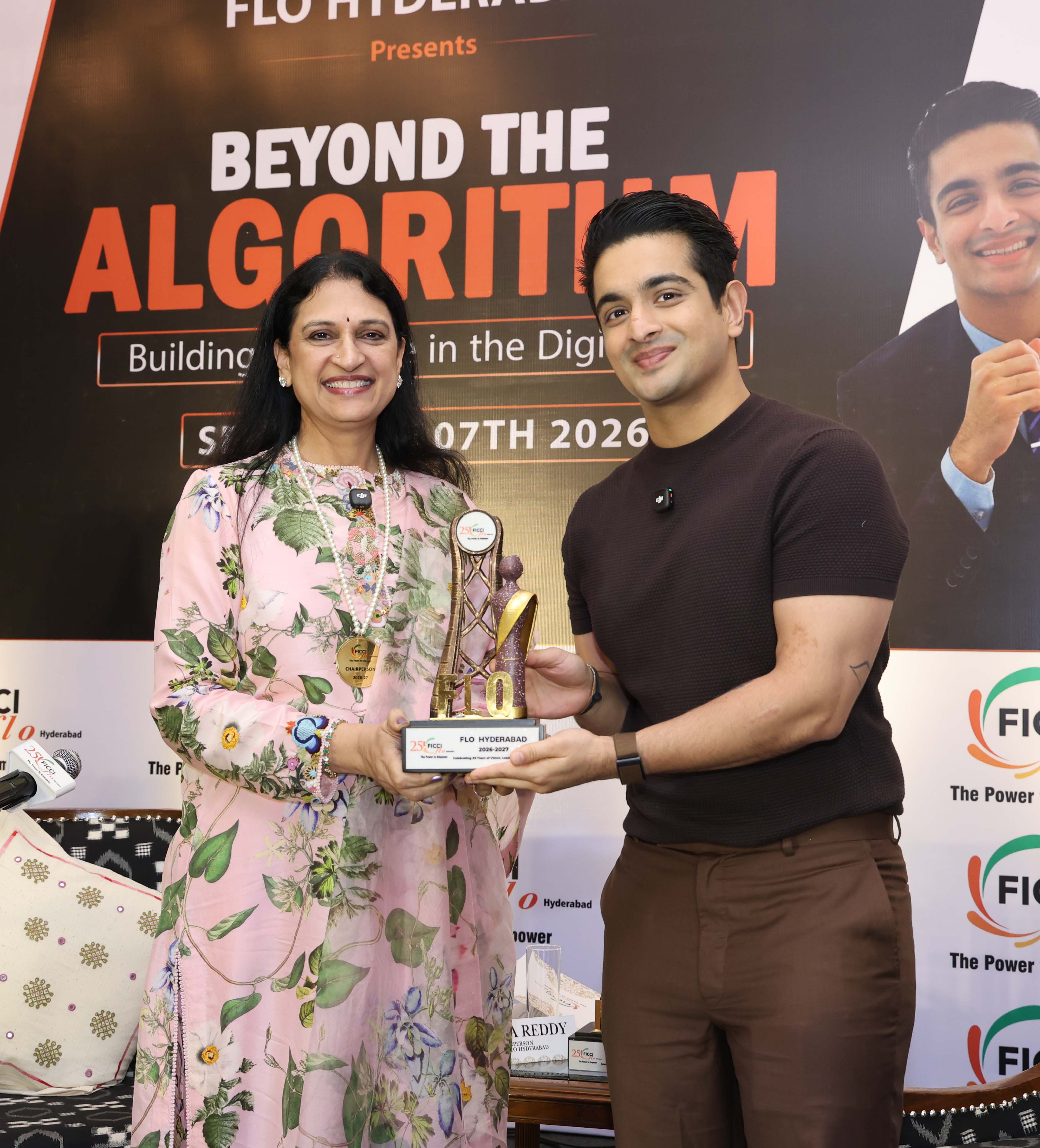
Hyderabad, Sept 08: “Influence is not about how many people listen to you; it is about what happens after they listen.” That was the message from prominent podcaster, content creator and entrepreneur Ranveer Allahbadia, popularly known as BeerBiceps, at a special session on the future of digital influence organised by FLO Hyderabad at ITC Kakatiya on Monday.
Speaking at “Beyond the Algorithm: Building Influence in the Digital Age,” Allahbadia said influence should not be measured merely by followers, views or reach, but by the ability to change perspectives, inspire action and make people believe in themselves.
The 33-year-old engineer-turned-content creator was in conversation with Seetha Reddy, Chairperson, FLO Hyderabad, before an audience of more than 400 FLO members, past chairpersons of FLO and YFLO, entrepreneurs and professionals.
One of Allahbadia’s key messages to businesses was to rethink the way they approach digital marketing. “I think it is time for enterprises to create a youth department to handle such tasks,” he said, adding that young people below 25 from Tier-2 and Tier-3 cities could bring a fresh perspective to digital marketing, given their familiarity with rapidly changing platforms, trends and online behaviour.
He said algorithms are changing at an extremely rapid pace and are becoming increasingly difficult and tiring to manage, making it important for organisations to bring younger perspectives into their digital strategies.
Allahbadia also identified WhatsApp marketing as an emerging area of opportunity, saying that audiences and marketers are increasingly moving beyond conventional social media platforms into more direct and demanding forms of digital engagement.
Explaining the role of different platforms, he said X drives conversation, LinkedIn builds business connections, Instagram creates visual influence, Facebook builds communities, while YouTube establishes authority through storytelling.
On the future of podcasting, Allahbadia said the space has become increasingly crowded and that there has been some decline in podcasting.
He, however, said talk shows and long-form conversations will continue to have relevance.
His advice to aspiring podcasters was to begin with short-form content before graduating to long-form conversations.
“Political podcasting is scary,” he said, referring to the challenges and sensitivities associated with the space.
Sharing a personal insight, Allahbadia said he had learnt a great deal from Priyanka Chopra after podcasting with her.
“I want to give back to society through my work by creating more jobs. I want to spread values through my work,” he said.
Looking ahead, Allahbadia identified quantum computing as one of the technologies that could have a major impact on the future, suggesting that it could dramatically expand computing capabilities.
His comments highlighted the rapidly changing technology landscape and the need for businesses and professionals to keep looking beyond today’s dominant technologies.
Speaking about Hyderabad, Allahbadia revealed that he had tried Hyderabadi biryani in Mumbai and was keen to experience the authentic version in Hyderabad.
He also invited his followers in Telangana to send him suggestions through social media and direct messages about places he should explore in the state, saying he would like to discover more of Telangana based on recommendations from his audience.
The session examined a fundamental question of the digital era: Does visibility automatically translate into influence?
For generations, influence was largely associated with institutional positions, credentials, professional achievements and years of experience. Digital platforms have dramatically changed that equation. Today, an individual with a phone, an idea and the ability to communicate can potentially reach millions.
But, as the discussion highlighted, attention is not influence, reach is not trust, and popularity is not necessarily credibility.
Speaking about the relevance of the session, Seetha Reddy, Chairperson, FLO Hyderabad, said: “Influence today is no longer something that simply comes with a position or title. The digital world rewards speed, visibility and attention. But attention is not influence, and a large audience is not necessarily trust. The real challenge is to build relevance, credibility and staying power. Influence has to be built deliberately—through what we say, what we stand for and the conversations we create.”
She said the issue was particularly relevant for women as more women take on public-facing roles as entrepreneurs, founders, professionals, spokespersons, creators and thought leaders.
“FLO believes that the ability to communicate effectively, shape conversations and establish credibility is becoming an increasingly important component of modern leadership,” she added.
The “Beyond the Algorithm” session brought together digital influence, entrepreneurship, personal branding and leadership, encouraging women to look beyond simply being visible online and focus instead on building credibility, trust and lasting impact.
8, Sep 2026
From Water to Wealth: Technology Reshapes India’s Aquaculture Growth Story
New Delhi, Sep 8: India’s fisheries and aquaculture industry is undergoing a significant transformation as advanced technologies, rising investment and growing demand for seafood push the sector towards more efficient and commercially viable production models.
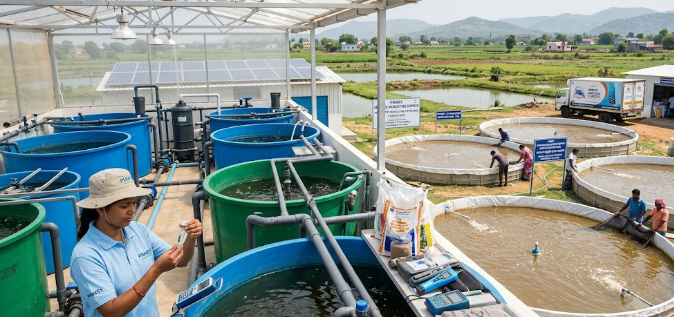
Technologies such as Recirculatory Aquaculture Systems (RAS) and Biofloc are emerging as important tools in this transition, enabling fish farmers to produce more in controlled environments while making better use of water and other resources. The shift is also opening new opportunities for rural businesses, employment and investment across the wider fisheries value chain.
The fisheries and aquaculture sector already plays a major role in India’s rural economy, supporting the livelihoods of nearly three crore fishers and fish farmers. Its economic footprint extends well beyond primary production, encompassing feed, equipment, processing, cold-chain infrastructure, transportation, packaging, retail and exports.
India is now the world’s second-largest fish producer, contributing around 8 per cent of global production. It is also the second-largest aquaculture producer, the world’s largest producer and exporter of shrimp and the second-largest producer in capture fisheries.
Sustained public investment has helped accelerate this growth. Since 2015, more than ₹39,272 crore has been approved or announced through various government initiatives aimed at strengthening fisheries infrastructure, improving production, encouraging technology adoption, expanding market access and boosting exports.
The results are reflected in the sector’s production performance. Annual fish production has more than doubled from 95.79 lakh tonnes in 2013-14 to a record 198 lakh tonnes in 2024-25. Inland fisheries and aquaculture have been at the centre of this expansion, with output increasing 147 per cent from 61.36 lakh tonnes to 151.60 lakh tonnes over the same period.
India’s seafood export performance has also strengthened considerably. Exports rose from ₹30,213 crore in 2013-14 to a record ₹73,890 crore in 2025-26, underlining the growing importance of fisheries to India’s export economy and its integration with global seafood markets.
Technology is now expected to play a larger role in sustaining this momentum. Under the Pradhan Mantri Matsya Sampada Yojana (PMMSY), RAS and Biofloc systems are helping shift aquaculture towards controlled, intensive and resource-efficient production.
RAS relies on water treatment and recirculation, enabling farms to reuse a large proportion of their water. The systems can recycle up to 90-95 per cent of water, reducing freshwater requirements and making aquaculture possible in locations where conventional farming may be difficult. Production units can also be established closer to urban consumption centres and major markets, potentially improving supply efficiency and reducing logistical distances.
Biofloc technology takes a different approach by using beneficial microorganisms to maintain water quality and support fish growth. The system can help farmers make more efficient use of resources while creating controlled production conditions.
Under PMMSY, 9,467 RAS units and 4,573 Biofloc units have been approved, backed by an investment of ₹4,120 crore. The expansion of these systems is helping promote year-round production and extend aquaculture beyond conventional farming regions.
The economic impact could extend well beyond fish farms themselves. As technology adoption increases, demand is likely to grow for aquaculture equipment, specialised feeds, water-treatment systems, farm automation, digital monitoring, cold storage, logistics, processing and technical services. This creates space for both established businesses and new rural enterprises to participate in the emerging aquaculture ecosystem.
Technology-led production could also strengthen India’s position in high-value seafood markets. Controlled farming environments can offer greater consistency in production, improved biosecurity and better traceability, all of which are becoming increasingly important as international markets place greater emphasis on quality and food safety.
The applications are expanding across different segments of aquaculture. RAS and Biofloc systems are being adopted for premium-value trout production in cold-water regions such as Jammu and Kashmir, Ladakh, Uttarakhand and Himachal Pradesh. They are also being used in shrimp farming in saline and brackish-water areas and in ornamental fish production, creating opportunities in specialised and higher-value markets.
The next phase of the sector’s development could see aquaculture increasingly integrated with digital technologies. Artificial intelligence, real-time monitoring, drones and renewable energy solutions have the potential to improve farm management, monitor water conditions, optimise resource use and reduce operating costs.
At the same time, greater diversification towards high-value species such as shrimp, trout, seabass, tilapia, murrel and pangasius could help farmers improve returns while expanding India’s presence in international seafood markets.
For the rural economy, the transformation carries significance beyond higher fish production. A stronger aquaculture industry can generate additional income opportunities, create skilled and semi-skilled jobs and stimulate demand for businesses involved in processing, storage, transportation and marketing. It can also provide farmers with alternatives to traditional sources of rural income.
As investment, technology and private-sector participation deepen, Indian aquaculture is gradually evolving from a largely traditional activity into a more organised and technology-driven industry. If supported by skills, infrastructure and efficient market linkages, this transformation could strengthen rural livelihoods, expand the seafood export base and establish fisheries as an even more important pillar of India’s emerging blue economy.
8, Sep 2026
AcroMeta to Enter Ambient Temperature Cellular Logistics Through Strategic Partnership with Macro HRD SG Pte. Ltd.

[L-R] Signing ceremony between Mr Toh Ker How, Executive Director of AcroMeta Group Limited, and Ms Kawinyarat Mardpiratchata, CFO and Managing Partner of Macro-HRD Pte. Ltd.
SINGAPORE, Sept 08- AcroMeta Group Limited (“AcroMeta”, or the “Company”, and together with its subsidiaries, the “Group”) today announced that it has entered into a non-binding term sheet (“Term Sheet”) with Macro HRD SG Pte. Ltd. (“Macro”), a Singapore-based provider of management consultancy services to the healthcare sector. The Term Sheet sets out the principal terms for a strategic partnership between AcroMeta and Macro-ATCLS Pte. Ltd. (“Macro-ATCLS”), the company through which Macro’s Ambient Temperature Cellular Logistics technology is being commercialised.
Mr Lawrence Toh, Executive Director of AcroMeta Group Limited, said, “This proposed strategic partnership gives us the opportunity to build a position in an industry where cell and gene therapy logistics are expected to grow at double-digit rates in the years ahead. We see this as a natural extension of our strategy to grow our portfolio beyond our core operations, and we’re excited about the potential to build a meaningful presence in bringing this technology into Southeast Asia.”
About Ambient Temperature Cellular Logistics (ATCLS)
Ambient Temperature Cell Logistics (ATCLS) is an emerging technology licensed by Macro HRD, designed to fundamentally transform the transportation and distribution of living cells and other temperature-sensitive biological materials by eliminating reliance on conventional refrigerated and cryogenic cold chains. ATCLS uses proprietary ambient-temperature preservation and reactivation technologies, supported by its proprietary Gradient Equilibrium Decision Modeling (GEDM) platform for real-time governance, chain-of-identity and process control, enabling dormant living cells to be transported at ambient temperature and reactivated at the point of use.
The opportunity addresses rapidly expanding markets including stem cells, CAR-T/immune-cell therapy, gene therapy, regenerative medicine, organ and tissue transplantation, and cell-and-gene-therapy logistics; the underlying markets cited in the project materials range from US$5.2 billion for immune-cell therapy to US$47 billion for organ transplantation, while the global cell-and-gene-therapy 3PL market is estimated at US$1.81 billion in 2025 and projected to reach US$16.95 billion by 2035 (25.1% CAGR).
Based on defined ambient-addressable segments, ATCLS estimates a Serviceable Addressable Market (SAM) of approximately US$14.5 billion by 2032, positioning the technology as a potential category-creating solution capable of reducing the cost, fragility and geographic limitations of conventional cold-chain logistics. (See Footnote 1)
Proposed Exclusive Licensing Arrangement for Southeast Asia
AcroMeta will have an option to acquire an exclusive licence to deploy the ATCLS technology across agreed territories in Southeast Asia, including the right to appoint sub-licensees. The proposed exclusive licensing arrangement is intended to provide AcroMeta with the rights to develop and commercialise the ATCLS business within Southeast Asia.
This structure allows AcroMeta to secure exclusive rights across the Southeast Asian markets, together with a first right to acquire additional territories, significantly expanding the Group’s potential commercial reach for the ATCLS technology.
Building AcroMeta’s Platform Growth Strategy
The Group intends to continue evaluating strategic opportunities to support its long-term value creation for shareholders. The Board remains focused on disciplined capital allocation as the Group progresses through its next phase of development.
Footnote 1: This information was provided by Macro’s management and has not been verified by the board of directors. The directors have not audited or verified the data supplied by the company.
8, Sep 2026
India’s Lithium Battery Manufacturing Sector to Create 3 Million Jobs by 2030, says Adecco India
Mumbai, 8th September 2026: India is transforming from importing and assembling lithium-ion cells to building a domestic cell-to-pack manufacturing base. The country’s battery industry is entering its most capital-intensive and employment-intensive phase, evolving from an assembly and import-dependent opportunity into a fully integrated cell-to-recycling industrial ecosystem, according to Adecco India. The sector is projected to generate 1.5 to 2 million jobs, 25% direct and 75% indirect, by 2030. Hiring is expected to grow by 25% to 30% Y-o-Y, with the next decade defined less by conventional assembly-line roles and more by specialised electrochemistry, materials science and battery process engineering capabilities across the value chain.
According to Deepesh Gupta, Director and Head of General Staffing, Adecco India, “India’s battery manufacturing journey is no longer just a policy ambition; it is now translating into plant-level capacity. Under the PLI Scheme for Advanced Chemistry Cells, the Government of India has committed Rs. 18,100 crore to develop 50 GWh of domestic ACC manufacturing capacity, with an additional 5 GWh reserved for niche chemistries. A new component manufacturing incentive scheme of nearly Rs. 12,000 crore is also under consideration for cathode and anode active materials, copper foil, electrolytes and separators. With battery manufacturing capacity currently at around 60 GWh and expected to approach 100 GWh by the end of 2026, along with upcoming gigafactory investments in Gujarat, Karnataka, Haryana and Telangana, the sector is moving beyond assembly and building the depth of a full industrial ecosystem. Since battery components account for more than 60% of cell cost, and India continues to depend heavily on imported lithium, cobalt and refined battery-grade materials, workforce planning must cover the entire value chain, from cell chemistry and pack integration to end-of-life recycling, not just finished-vehicle manufacturing,”
“Catalysing the vision of ‘Atmanirbhar Bharat’, this localisation drive, supported by the Critical Minerals Mission and India’s participation in the Quad Critical Minerals Initiative Framework, will reduce India’s reliance on imported cells and refined materials, strengthen energy security, and support the Net-Zero target by 2070, while creating employment opportunities across both established manufacturing hubs and emerging Tier-2 and Tier-3 industrial corridors,” he added.
Lithium Battery manufacturing is expected to contribute 50% – 60% of India’s projected green manufacturing jobs by 2030, with specialised battery engineering talent commanding salary premiums of up to 35% to 40% over conventional manufacturing and electronics roles.
Gigafactory clusters continue to be the primary employment engine for the sector, concentrated in Karnataka, Telangana, Gujarat and Haryana, with individual facility capacities ranging from 6 GWh to upwards of 16 GWh of cell and pack manufacturing capacity. 70% of total hiring demand is concentrated across these clusters, with 30% of new mandates expected to originate from Tier-2 and Tier-3 industrial corridors as component parks, battery recycling facilities and supplier ecosystems mature around the anchor gigafactories. State-wise, karnataka and Gujarat are expected to account for the largest share of this hiring at 24% and 22% respectively, followed by Telangana (18%) and Haryana (14%), as cell manufacturing, pack assembly and ancillary supplier capacity scales across these clusters.
The Cell Manufacturing and Battery Components segment will account for the largest share of hiring (42%-45%), extending well beyond gigafactory operators into cathode and anode active material producers, copper foil, electrolyte and separator manufacturers, and precursor chemical suppliers, as India works to localise a supply chain. Currently, China controls roughly 80% of global copper foil output and refines the majority of the world’s lithium, nickel and cobalt.
Talent planning is also beginning to look beyond lithium-ion chemistry. A 2026 CEEW assessment argues that India will need to diversify its battery chemistries as demand could reach around 1.3 TWh annually by 2047, with sodium-ion batteries emerging as a credible pathway to supporting the country’s energy transition and reducing supply-chain vulnerabilities. Several key sodium-ion battery components, including cathode materials, hard-carbon anodes, electrolytes and aluminium current collectors, can draw on India’s existing industrial capabilities in pharmaceuticals, fertilisers, textiles and chemicals, potentially enabling significant domestic value addition and opening a parallel talent pathway for chemical and process engineers already embedded in these sectors. Emerging players commercialising hard carbon made from agricultural and bio waste for sodium-ion batteries with support from the Department of Science and Technology and the Technology Development Board, point to the kind of cross-sector talent movement this diversification could unlock.
Entry-level demand is strongest across process engineering, cell testing, validation and quality functions (45%), while mid-level hiring is increasingly concentrated on Battery Management System Engineers, Process and Automation Engineers, and Materials and Electrochemistry Engineers (40%). At the senior level, demand centres on Cell Chemistry Scientists, Functional Safety Leaders and Advanced Manufacturing Heads (15%).
Battery Recycling and Circular Economy Manufacturing is emerging as one of the sector’s fastest-growing talent segments as end-of-life volumes begin to build. With India currently recycling only a small fraction of its end-of-life lithium-ion batteries, and industry estimates pointing to a recycling market opportunity of around USD 3.5 billion by 2030, alongside the Government’s Critical Minerals Mission and the KABIL joint venture working to secure upstream lithium, cobalt and nickel supply, recycling and materials recovery are becoming central to the sector’s workforce planning rather than a peripheral function. Hiring in this segment is projected to grow by 25-30%, with demand shifting towards Hydrometallurgy Engineers, Battery Diagnostics Specialists and EPR Compliance Leaders, and salary premiums of up to 30%-40% reflecting an acute skill shortage estimated at 45%.
“Despite the pace of capacity announcements, specialised battery talent availability continues to lag industry demand by 25-30% across electrochemistry, materials science, battery process engineering and functional safety. A significant share of India’s conventional electronics and automotive manufacturing workforce, skilled in mechanical and electrical assembly, is not directly transferable to gigafactory environments without structured reskilling in cell chemistry, cleanroom protocols and battery safety systems. Addressing this gap will require accelerated reskilling of the existing manufacturing workforce, deeper industry-academia collaboration with chemical engineering and materials science institutions, and sustained investment in specialised battery technical education,” Deepesh added.
Looking ahead, organisations that build layered, function-specific talent pipelines, spanning cell chemistry, process manufacturing, functional safety and materials recovery, will be best placed to lead India’s battery manufacturing ecosystem as it scales. A one-size-fits-all workforce strategy will not work for a manufacturing base this technically complex and still this early in its build-out. With deep expertise in engineering, manufacturing and specialised workforce solutions, Adecco India is well positioned to support companies in building this future-ready talent base.
The commentary is based on insights from over 30+ client base of Adecco India.
7, Sep 2026
SAFEEN Drydocks Expands Ship Repair Capacity with UAE’s Largest Floating Dock
Abu Dhabi, UAE – 07 September 2026: SAFEEN Drydocks, the shipbuilding and repair subsidiary of Noatum Maritime, has expanded its drydocking operations with the addition of a 230-metre floating dock at Zayed Port in Abu Dhabi. Designed to accommodate ocean-going commercial vessels and rig repair projects, the new dock strengthens SAFEEN Drydocks’ ship repair, maintenance and refurbishment offering, while improving turnaround flexibility for customers.
SAFEEN Drydocks, a joint venture between AD Ports Group and Premier Marine Engineering Services LLC, currently operates over 170,000m² of shipyard facilities at Khalifa Port and Zayed Port in Abu Dhabi.

Located at Zayed Port, the new 230-metre floating dock is the largest in the UAE, with a lifting capacity of 21,000 tonnes, and is positioned alongside 1,000 metres of quayside. The addition broadens the range of vessel repair and maintenance projects SAFEEN Drydocks can accommodate, while providing greater scheduling flexibility.
The expanded drydocking infrastructure will also support the maintenance of Noatum Maritime’s extensive deep-sea fleet, boosting operational efficiency and reducing downtime.
Captain Ammar Al Shaiba, CEO – Maritime & Shipping Cluster, AD Ports Group, said: “The addition of the floating dock marks an important step in the continued expansion of SAFEEN Drydocks’ capabilities. By increasing our capacity to serve larger vessels and maintenance projects, we are strengthening our ability to support customers with faster, more flexible maintenance solutions, while also enhancing the efficiency of our own fleet operations.”
The new floating dock complements the recently acquired Balenciaga Shipyard in Spain, which includes drydocks, a 105-metre slipway, and a 22,385m² factory equipped with advanced automation technologies.
The continued expansion reinforces Noatum Maritime’s commitment to investing in high-value maritime infrastructure and expanding integrated marine services across the UAE and beyond. It also enhances SAFEEN Drydocks’ role in supporting vessel owners and operators with comprehensive ship repair, maintenance and refurbishment solutions from Abu Dhabi.
7, Sep 2026
Samsung Announces Exciting Festive Offers on Galaxy Tab S10+ in India
Gurugram, Sep 07: Samsung today announced exciting offers on its flagship Galaxy Tab S10+ tablet ahead of the festive season in India. Galaxy Tab S10+ combines cutting-edge hardware with AI-powered features, making it the ideal choice for professionals, creative individuals, and tech enthusiasts seeking a versatile device for work, play, and smart home management.
Galaxy Tab S10+ comes with a 31.47 cm Dynamic AMOLED 2X display with anti-reflective technology to deliver vibrant visuals while minimizing glare. Whether you are working on documents, reviewing presentations, or streaming content, the display ensures an immersive experience. Galaxy Tab S10+’s quad-speaker setup, enhanced with AI-powered Dialogue Boost, delivers crisp audio, while its IP68 rating and Armor Aluminium construction ensure durability for everyday use.
The intuitive S Pen, included with Galaxy Tab S10+, unlocks new possibilities for productivity and creativity. From jotting down ideas during meetings to annotating documents or sketching concepts, the S Pen offers a natural way to interact with the tablet. Note Assist leverages AI to automate transcription and summaries, transforming lengthy discussions or lectures into organised notes. PDF Overlay Translation allows users to translate PDFs seamlessly through an on-screen overlay, making multilingual document handling effortless. Handwriting Help further enhances usability by cleaning up handwritten notes for better organisation and readability.
Galaxy Tab S10+ simplifies everyday interactions, with Google’s Circle to Search, enabling users to search or translate content directly on the screen without switching apps. This feature assists with researching topics, looking up information while reading or translating text on the fly. Air Command with AI provides quick access to Galaxy AI Assistant features, while the Galaxy AI ecosystem lets users choose between Samsung’s Bixby and Google’s Gemini for compatible experiences.
Beyond productivity and creativity, Galaxy Tab S10+ doubles as a smart home hub. With 3D Map View and SmartThings integration, users can monitor their connected home devices from a single screen, eliminating the need to switch between apps. SmartThings Energy and AI Energy Mode offer insights into energy consumption across connected devices, empowering users to manage their home’s energy usage effectively.
Galaxy Tab S10+ is powered by the MediaTek Dimensity 9300+ processor, with a slim & portable design. It packs 12GB RAM with 256GB storage, a 10090 mAh battery, and 45W charging for all-day productivity and flexibility for users on the go.
Galaxy Tab S10+ is designed for professionals, creatives, and tech-savvy individuals who demand a larger-screen device for work, creativity and entertainment.
Consumers can also avail No-Cost EMI options through banks and NBFCs. For Galaxy Tab S10+ Wi-Fi variant, monthly EMI options include INR 14833 through banks, INR 7417 through NBFCs and INR 6877 through Samsung Finance+ with a 15% down payment. For the 5G variant, monthly EMI options include INR 17333 through banks, INR 8667 through NBFCs and INR 8036 through Samsung Finance+ with a 15% down payment.
The festive offers make it easier for Indian consumers to own the Galaxy Tab S10+ — a device that redefines productivity, creativity, and smart living in one sleek package.
7, Sep 2026
RAKEZ showcases Ras Al Khaimah’s investment proposition at AIM Congress 2026
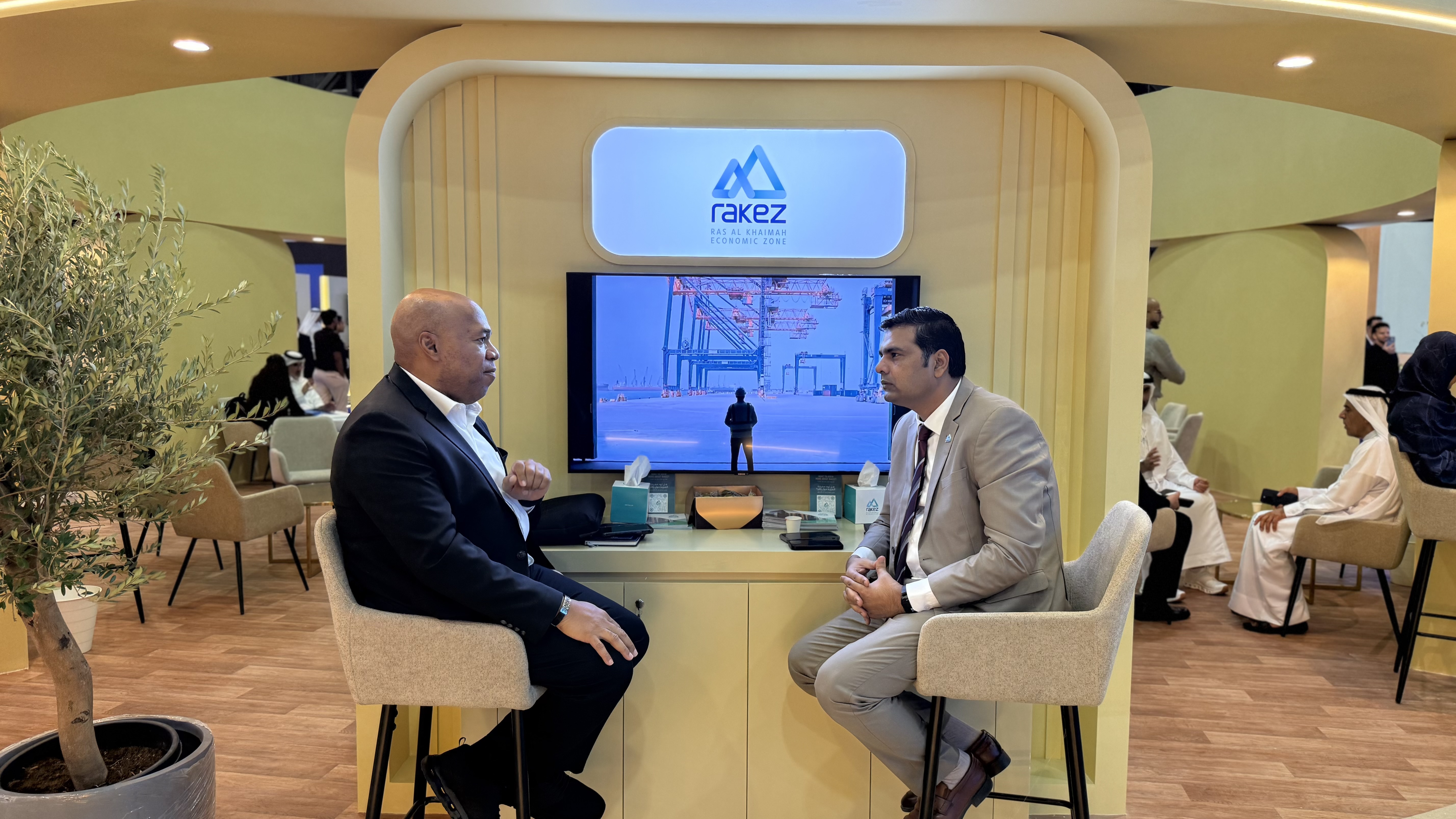
Ras Al Khaimah, Sept 07: Ras Al Khaimah Economic Zone (RAKEZ) is participating in AIM Congress 2026, which opened today at Dubai World Trade Centre and runs until 9 September, showcasing Ras Al Khaimah’s growing proposition as a competitive destination for investment and business expansion.
RAKEZ is participating as a co-exhibitor within the Ras Al Khaimah Pavilion, alongside Marjan, RAK Chamber, RAKBANK, RAK Properties, RAK Innovation City and other participating entities, collectively presenting the breadth of the emirate’s business and investment ecosystem to global investors, entrepreneurs and decision-makers.
Commenting on the significance of AIM Congress, RAKEZ Group CEO Ramy Jallad said, “The UAE’s investment momentum speaks for itself. In 2025, the country attracted a record AED 177.3 billion in foreign direct investment, marking its fourth consecutive year of record inflows and placing it ninth globally for inbound FDI. This reflects the confidence international investors have in the UAE as a place to establish, expand and compete.”
“At Ras Al Khaimah, we are building on that momentum by offering businesses a competitive operating environment, strong infrastructure and connectivity, access to regional and international markets, and an ecosystem designed to support growth. AIM Congress gives us an important platform to engage directly with investors and demonstrate how RAKEZ can support them at every stage, from market entry to long-term expansion,” he added.
During the three-day event, the RAKEZ team is engaging with prospective investors, business leaders and strategic partners from international markets, highlighting its comprehensive range of business set-up solutions and facilities, spanning from flexible workspaces and offices to warehouses, industrial facilities and land, complemented by a range of support services designed to simplify establishment and ongoing operations.
This offering supports a diverse business community that today comprises more than 50,000 active companies from close to 200 across more than 50 sectors. The scale and diversity of this community reflect Ras Al Khaimah’s growing appeal to businesses at different stages of growth, and from a wide range of industries and markets.
AIM Congress provides a timely platform to take this proposition to a global audience, bringing together leaders, policymakers, investors and innovators to explore new investment pathways, sustainable economic growth, digital transformation and international partnerships. Through its presence within the Ras Al Khaimah Pavilion, RAKEZ is contributing to the emirate’s wider investment story and strengthening its visibility among businesses seeking opportunities to establish, expand and grow across the UAE and wider region.
7, Sep 2026
India’s Cold Chain Takes Centre Stage as RX India Unveils India Cold Chain Show 2026 Conference Programme
Mumbai, Sep 07 : RX India today announced the conference programme for the India Cold Chain Show 2026, taking place from 22 to 24 October 2026 at the Bombay Exhibition Centre, Goregaon, Mumbai.
The one-day conference, taking place on 22 October will centre on the theme “India’s Cold Chain Opportunity – Capital, Infrastructure and Growth. It will bring together policymakers and industry leaders toexamine how investment, infrastructure expansion and digital innovation can build a more efficient and resilient cold chain ecosystem in India.
India’s cold chain sector is fast emerging as a critical growth engine, fuelled by rising demand across food, pharmaceuticals, agriculture and e-commerce. Growing investment in cold storage, refrigerated transportation and digital technologies is guiding the shift toward a more capable and dependable value chain. The conference will explore how capital deployment, infrastructure expansion and technology led innovation can unlock new opportunities, reduce supply chain losses and support India’s long-term economic growth.
The programme will open with a keynote address, followed by a note on “The Cold Chain Imperative: Building a Future-Ready India”. The session will bring together policymakers and industry leaders to discuss the sector’s shift from a supporting logistics function to a critical national infrastructure for food security, healthcare, exports and modern retail.
The conference programme will feature a series of focused sessions, including:
-
From Perishable to Preserved: temperature-controlled food supply chains, cutting post-harvest losses and reshaping India’s frozen food trade
-
Connected, Compliant and Patient-Centric: reimagining pharma cold chain logistics for the “Pharmacy of the World”
-
Building Agile Logistics through AI and Automation: a fireside chat on predictive planning, smart warehousing, autonomous operations and real-time visibility
-
The Reefer Revamp: transforming India’s temperature-controlled transport through fleet modernisation, infrastructure and sustainable, low-carbon solutions
-
Last Mile and Return Logistics: the economics of reverse logistics, product safety, asset recovery and last-mile efficiency
Umang Gupta, Country Head, RX India, said
“India’s cold chain sector is at an inflection point, driven by rising demand, increasing investment and rapid advances in technology. The opportunity now is to move from fragmented growth to a more integrated, scalable and resilient ecosystem.
The conference at India Cold Chain Show 2026 has been designed to bring industry experts, policymakers and innovators under the same roof and turn that momentum into measurable outcomes to support India’s long-term growth story.
Across food, pharmaceuticals, agriculture and e-commerce, businesses are investing in infrastructure, technology and new operating models to meet the country’s rapidly changing needs. As the sector evolves, the focus must remain on creating measurable value: reducing losses, improving efficiency, strengthening returns and building and a more resilient ecosystem that supports India’s long-term growth story,”.
Through these discussions, the conference aims to prioritize the next phase of India’s cold chain growth, while creating a platform to bring together stakeholders to identify opportunities for collaboration, investment and innovation.
The India Cold Chain Show is co-located with the India Warehousing & Logistics Show, together forming one of the country’s most significant gatherings for the warehousing, logistics, cold chain and supply chain community. Visitors can expect live product demonstrations, new product launches and a high-level conference programme, alongside 200+ exhibitors and more than 10,000 business visitors across the co-located shows.
7, Sep 2026
India’s Demographic Dividend Holds Key to Becoming World’s Largest Economy
New Delhi, Sep 7: India has a significant opportunity to become the world’s largest economy, but achieving this goal will depend on how effectively the country uses its young and growing workforce, former Reserve Bank of India Deputy Governor Dr Michael Debabrata Patra said.
Patra said India’s demographic advantage could remain an important driver of economic growth until around the mid-2050s. This gives the country a crucial window to strengthen its economy, create jobs and raise productivity.
He stressed that a large working-age population alone cannot guarantee faster growth. India will need to focus on quality employment, better education and skill development, stronger infrastructure and higher productivity.
Expanding manufacturing and improving opportunities for young people will also be important to ensure that the growing workforce contributes meaningfully to economic activity.
Greater participation of women in the workforce could further strengthen India’s growth prospects and help the country make better use of its demographic potential.
Patra’s remarks highlight the importance of turning India’s demographic strength into sustained economic growth. With the right policies, investment and reforms, the country’s young population could become one of its biggest advantages in its journey towards global economic leadership.


