


7, Sep 2026
Jindal Stainless Partners with Japan’s JFE Steel to Strengthen Ferritic Stainless Steel Capabilities
Sep 07: Jindal Stainless, India’s stainless steel manufacturer, has entered into a Technical Assistance Agreement with JFE Steel Corporation, Japan, one of the world’s steelmakers, to strengthen its manufacturing capabilities for selected ferritic stainless steel grades. The collaboration will focus on enhancing product quality, manufacturing practices, and process efficiency through technical assistance.
The agreement comes at a time when global demand for stainless steel is accelerating, driven by increasing adoption across automotive, infrastructure, railways, process industries, and other value-added applications owing to its corrosion resistance, durability, and lower lifecycle costs. Industry estimates indicate that the global stainless steel market, particularly the ferritic stainless steel segment, is expected to witness steady growth over the coming decade, supported by rising demand for cost-efficient and sustainable material solutions. Ferritic stainless steel grades are widely used in automotive components, railway coaches, kitchen equipment, industrial machinery, construction, and several other value-added applications, making them an important growth segment for the future. Under the Technical Assistance Agreement, JFE Steel will support Jindal Stainless’ ongoing efforts to strengthen product quality and manufacturing practices for the grades specified in the Agreement.
Commenting on the cooperation, Managing Director, Jindal Stainless, Abhyuday Jindal, said,
“The future of manufacturing will be shaped by materials that deliver superior performance, sustainability, and value. Stainless steel, as a group of diversified high-performance alloys, is emerging as the material of choice across industries. Ferritic stainless steel, in particular, is becoming an increasingly important solution for industries looking to balance durability, corrosion resistance, and cost efficiency. At Jindal Stainless, we are committed to continuously enhancing our technological capabilities by cooperation with the world’s best. JFE Steel’s decades of expertise in ferritic stainless steel manufacturing will help us further strengthen product quality and operational excellence. More importantly, this association is about building capabilities that create greater value for our customers by strengthening our people, processes, and practices through this agreement.”
The Agreement will reinforce Jindal Stainless’ commitment to leveraging global expertise, fostering innovation, and building world-class manufacturing capabilities to support the future growth of stainless steel.
- 0
- By Neel Achary

7, Sep 2026
From Grocery Bills to Fuel Costs, Inflation Pressure Builds in August

New Delhi, Sep 7: India’s retail inflation is expected to rise to 4.88 per cent in August, up from 4.44 per cent in July, as higher food prices and fuel costs put renewed pressure on household budgets, according to a Union Bank of India report.
The projected increase would mark the second consecutive monthly rise in consumer price inflation and the highest reading in the current CPI series, the report said.
Food inflation is expected to increase to 6.03 per cent in August from 5.24 per cent in July. While vegetable prices are expected to show some moderation, higher prices of sugar, cereals and edible oils could keep overall food inflation elevated.
Sugar is emerging as a key source of pressure. The report estimates that sugar inflation could rise sharply, with prices increasing around 15 per cent during August. This could push sugar inflation to 11.53 per cent on a month-on-month basis.
Cereal and pulses prices are also expected to remain firm due to tighter domestic supplies. Milk prices could see further pressure in the coming months following recent price increases in several states.
For households, higher food inflation means a larger share of monthly income could go towards essentials such as groceries and cooking needs. This can leave consumers with less money for discretionary spending on items such as clothing, entertainment, eating out and other non-essential goods.
The expected rise in inflation also matters for businesses. Higher input and operating costs can increase pressure on manufacturers, retailers and food companies. Some businesses may pass part of these costs on to consumers, while others may see their profit margins squeezed.
The inflation outlook will also remain important for monetary policy. A sustained rise in consumer prices could make it more difficult for the Reserve Bank of India to ease interest rates aggressively, particularly if food and fuel pressures continue.
The latest estimate comes as India’s economy continues to show strong growth, with GDP expanding 7.8 per cent in the April-June quarter. However, keeping inflation under control will remain important to ensure that strong economic growth is supported by healthy consumer demand.
Overall, the expected August inflation rise highlights the continuing impact of food and energy prices on the Indian economy. A moderation in food prices and improved supply conditions will be important for easing pressure on households in the months ahead.
7, Sep 2026
Mayfair Spring Valley Resort, Guwahati Wins Best Luxury Hotel Award at Global Tourism Excellence Awards 2026
New Delhi, Sep 07: Cementing its position in Northeast India’s luxury hospitality sector, Mayfair Spring Valley Resort, Guwahati, has been honoured with the title of “Best Luxury Hotel” at the Global Tourism Excellence Awards 2026. The recognition was conferred at the awards ceremony held on August 29 in Noida. Presented by Mrs. Riniki Bhuyan Sarma, CMD, Pride East Entertainments, the award marks a significant milestone for the resort as it continues to establish a distinctive identity for luxury hospitality in the region.
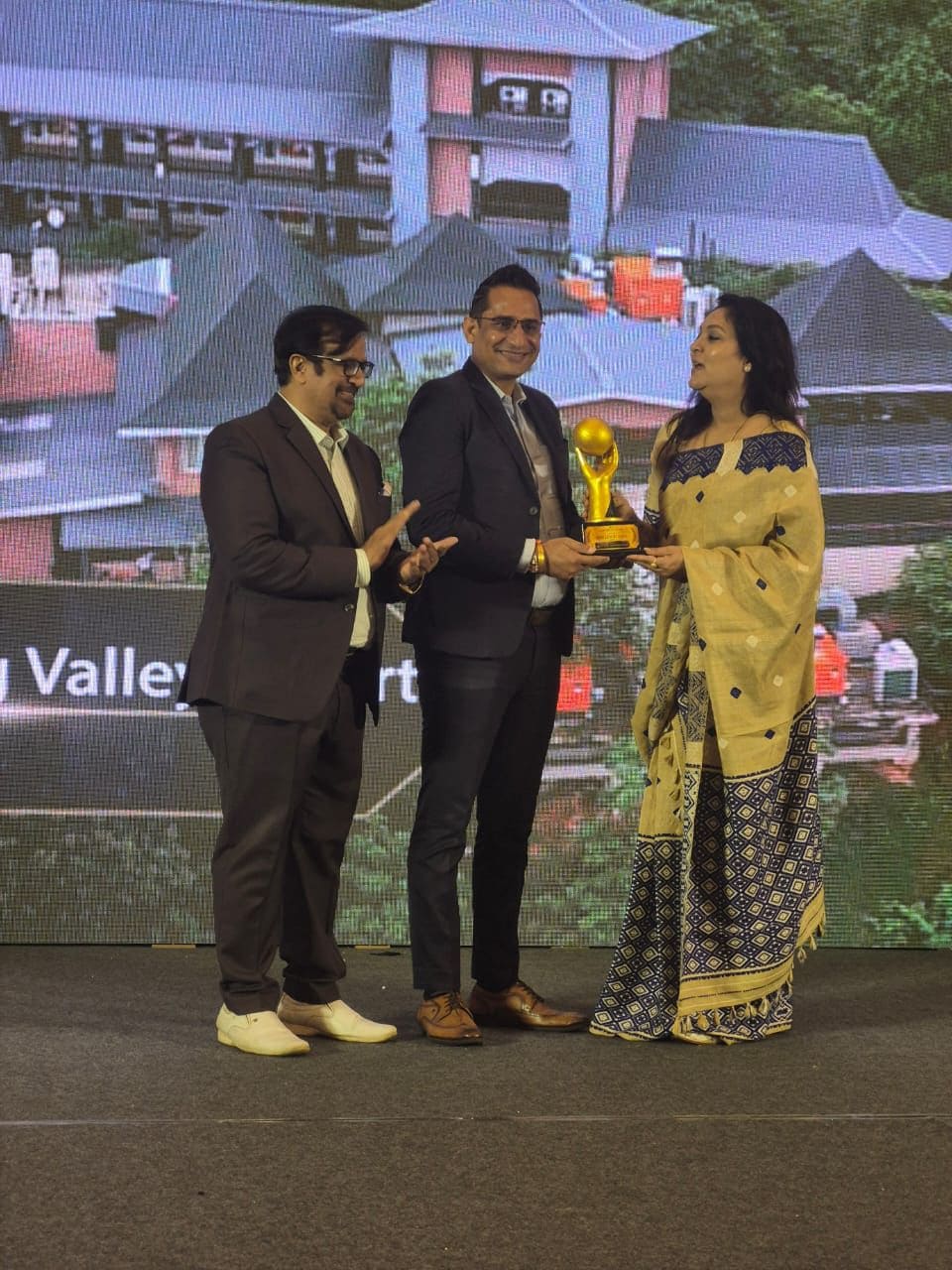
The recognition comes as Northeast India continues to gain attention among travellers seeking destinations that combine natural beauty, distinctive cultural experiences and high-quality hospitality. Mayfair Spring Valley Resort has positioned itself at the forefront of this evolution, bringing together luxury, thoughtful service and the character of the region to create experiences for travellers from across India and around the world.
Commenting on the achievement, Mr. Pardeep Siwach, General Manager, Mayfair Spring Valley Resort, Guwahati, said
“This recognition is a proud moment for the entire team at Mayfair Spring Valley Resort. We have always believed that luxury is about more than beautiful spaces; it is about creating thoughtful, personalised experiences that guests remember. This recognition belongs to our entire team, whose passion, commitment and attention to every detail make exceptional guest experiences possible every day. We are grateful to everyone who has been part of our journey and look forward to continuing to raise the bar for luxury hospitality in the region.
The award reflects Mayfair Spring Valley Resort’s larger vision of going beyond conventional luxury hospitality to showcase the extraordinary beauty, culture and warmth of Northeast India on the global tourism map. By creating a luxury destination rooted in its regional identity while maintaining contemporary standards of hospitality, the resort is contributing to the growing visibility of Guwahati and the wider Northeast as a premium travel destination.
7, Sep 2026
Al Qadsiah Club and LogRhythm | Exabeam Sign Memorandum of Understanding to Explore Cybersecurity Innovation
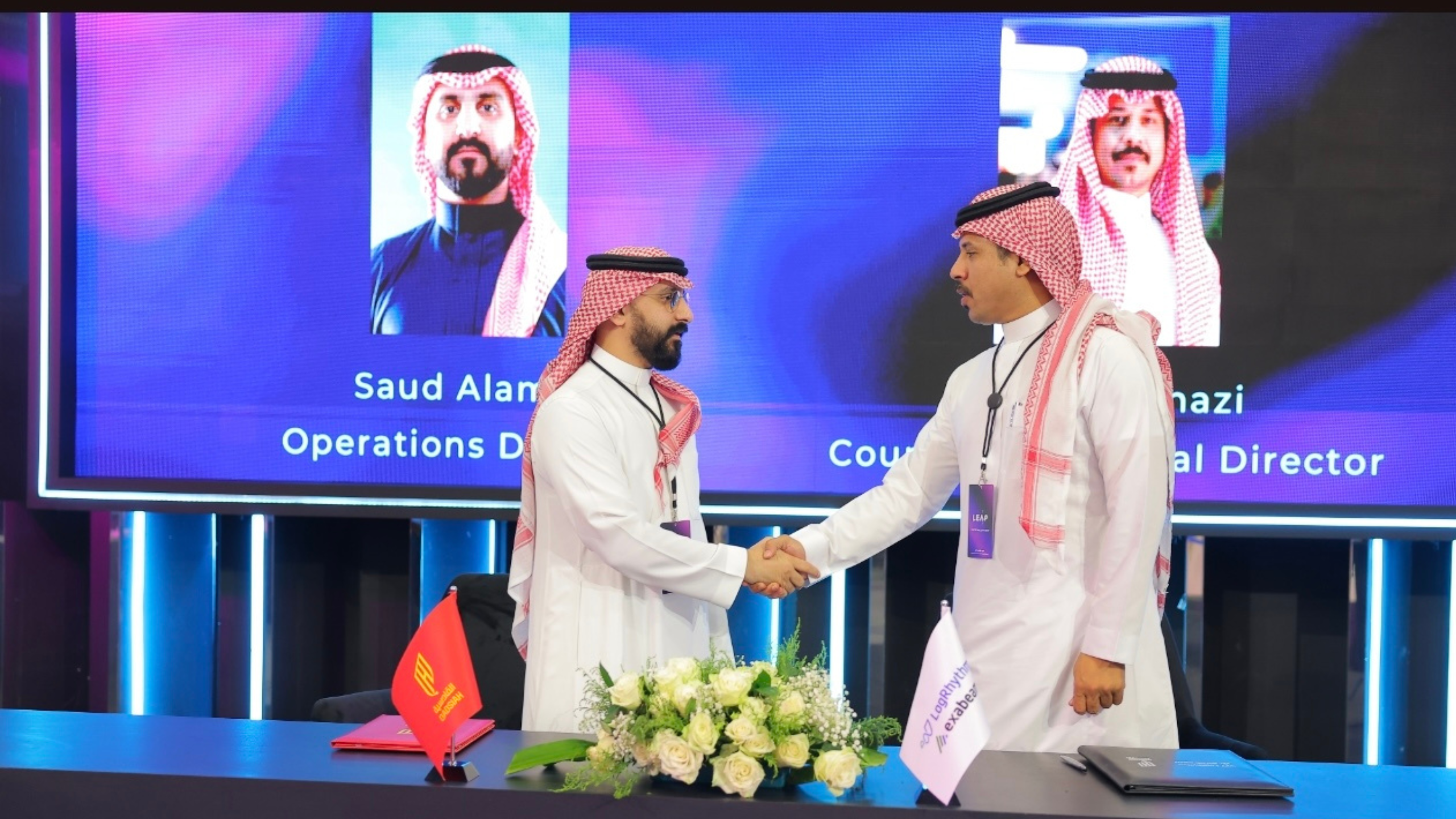
Sept 07: Al Qadsiah Club and LogRhythm | Exabeam have signed a Memorandum of Understanding (MoU) to explore opportunities for collaboration in the field of cybersecurity. The agreement was signed on the sidelines of LEAP 2026, reflecting both parties’ commitment to supporting innovation and strengthening digital security in the Kingdom of Saudi Arabia.
The collaboration brings together Al Qadsiah Club, one of Saudi Arabia’s leading sports clubs, and LogRhythm | Exabeam, a company specializing in cloud-based cybersecurity solutions and AI-driven analytics, with the aim of exploring ways to enhance cyber resilience and protect the Club’s digital environment.
The MoU focuses on evaluating opportunities to leverage advanced security information and event management technologies and solutions that support threat monitoring, detection, and response capabilities, while helping safeguard the systems, platforms, and digital services that underpin the Club’s day-to-day operations.
The two parties will also explore opportunities to strengthen cybersecurity practices and enhance the readiness of the Club’s digital infrastructure to keep pace with the rapidly evolving digital landscape, in alignment with Saudi Arabia’s digital transformation agenda and the objectives of Vision 2030.

Commenting on the agreement, Sultan Al-Alanazi, Country Director, LogRhythm | Exabeam Saudi Arabia, said:
“As the sports sector continues its rapid shift towards digital services and data-driven environments, cybersecurity has become essential to protecting operations, services, and information. This Memorandum of Understanding with Al Qadsiah Club marks an important step in supporting the digital transformation of Saudi Arabia’s sports sector. We look forward to exploring opportunities for collaboration and leveraging cloud-native technologies and AI-powered capabilities to strengthen cybersecurity and digital resilience.”
For his part, Saud Al-Omari, Executive Director of Operation of Al Qadsiah Club said:
“Cybersecurity is a fundamental pillar of Al Qadsiah Club’s digital transformation journey, and enhancing cyber resilience is an important part of our efforts to build a secure and sustainable digital environment. Through this MoU, we look forward to exploring opportunities for collaboration with LogRhythm | Exabeam and benefiting from its expertise and advanced technologies to strengthen the protection of our systems and digital services while supporting our future ambitions.”
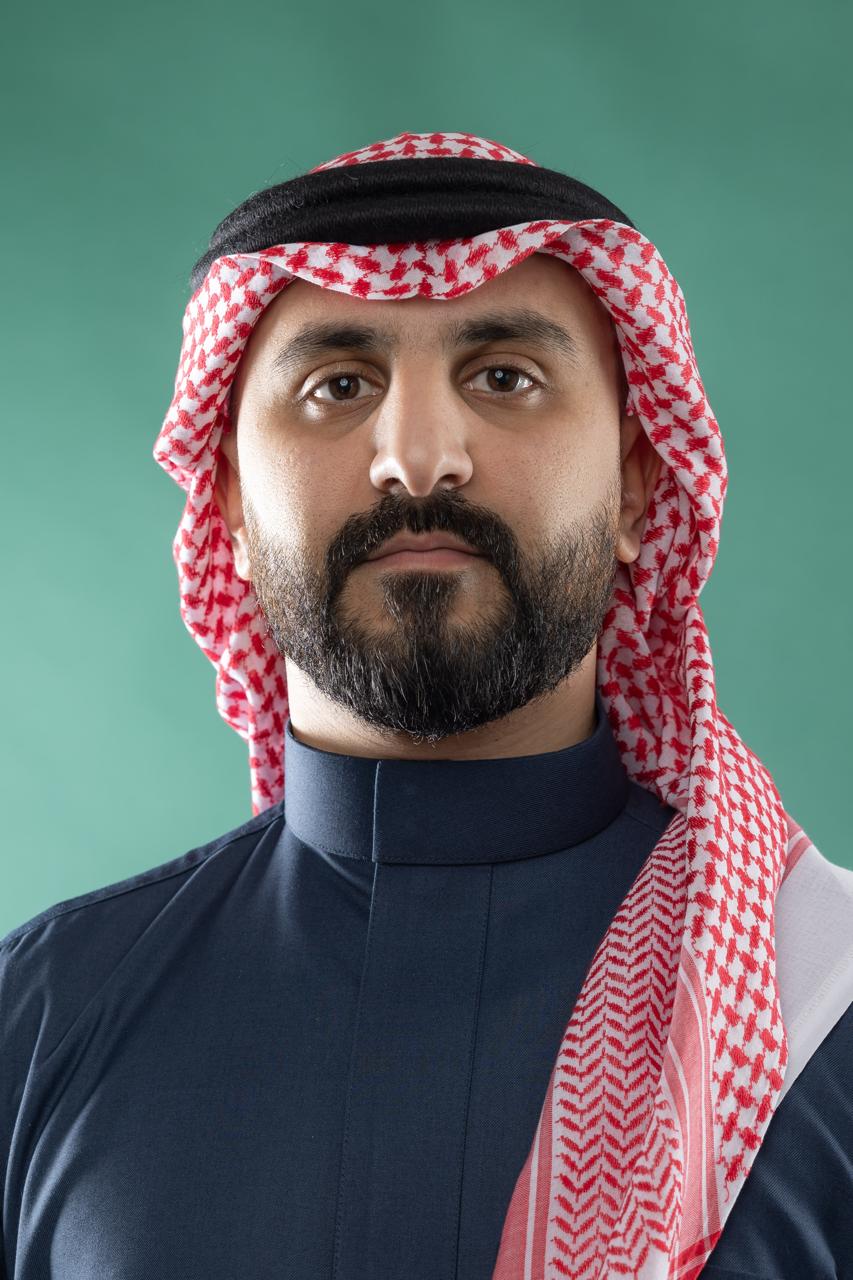
The MoU reflects the shared commitment of Al Qadsiah Club and LogRhythm | Exabeam to advancing innovation and cybersecurity, contributing to the protection of the Club’s digital ecosystem and supporting the continued development of Saudi Arabia’s sports sector in line with the objectives of Vision 2030.
7, Sep 2026
Sensex, Nifty Slip at Open as Middle East Tensions, IPO Activity Pressure Markets
Mumbai, Sep 7: Indian stock markets started the week on a cautious note on Monday, with the Sensex and Nifty opening slightly lower as investors remained wary of rising crude oil prices, tensions in the Middle East and a packed IPO calendar.

The Nifty 50 opened at 23,883.15, down 14.55 points or 0.06 per cent, while the Sensex slipped 69.38 points or 0.09 per cent to 76,446.05.
Selling was more visible in IT and media stocks in early trade. The Nifty Media index fell 1.26 per cent, while the IT index declined 1.15 per cent. Auto, Chemicals, Private Bank, FMCG and Cement stocks also traded under pressure.
Some pockets of the market, however, managed to stay positive. Oil & Gas, Metal, PSU Bank and Realty stocks recorded modest gains.
A major concern for investors this week is the strong IPO pipeline. With several mainboard issues opening for subscription, a significant amount of investor money could move towards new offerings, potentially reducing liquidity available for the broader secondary market.
Global developments are adding to the cautious mood. Renewed tensions involving the US and Iran have pushed crude prices higher, raising concerns over energy costs and their possible impact on India’s economy and corporate earnings.
The market is also coming into the new week after four consecutive weekly declines, making investors more selective in their approach. Analysts are watching the 23,800 level on the Nifty as an important support, while 23,960 could act as an immediate hurdle.
For the week ahead, movements in crude oil, foreign fund flows, IPO activity, global interest-rate expectations and developments in the Middle East are likely to remain key drivers of market sentiment.
With several competing factors at play, investors could see continued volatility and stock-specific movements during the week.
5, Sep 2026
New ESG Framework Maps Key Risks and Growth Opportunities Across India’s FMCG Sector
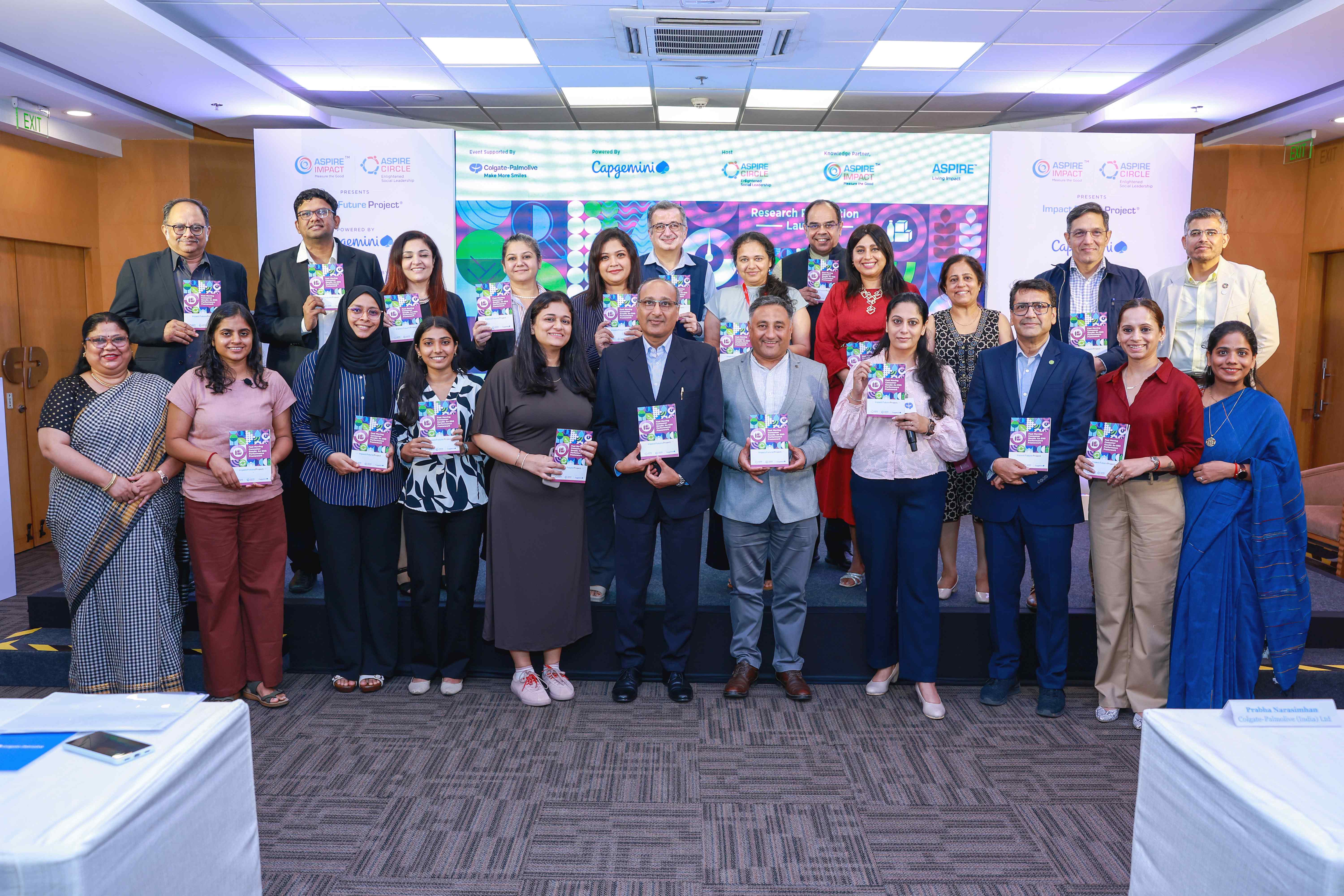
Mumbai, Sep 05: Aspire Circle and Aspire Impact have launched “Fast Moving Consumer Goods: An ESG Performance Framework,” a new research publication under the Impact Future Project, a thought-leadership initiative supported by Capgemini. The publication brings together 19 senior ESG, sustainability and business leaders to develop a sector-specific approach to measuring ESG performance and assessing ESG risks and opportunities.
India’s FMCG sector generated USD 245.4 billion in revenue in 2024 and is projected to reach USD 615.9 billion by FY2027, touching more than 1.4 billion consumers. The framework moves beyond a single blended ESG score by assessing ESG Risk and ESG Opportunity separately, providing companies, investors and other stakeholders a clearer view of vulnerabilities and potential for sustainable value creation.
The framework combines sector-agnostic KPIs with FMCG-specific indicators across Personal Care, Household, Food Products and Diversified FMCG. The assessment covers Environment, Social and Governance issues including emissions, energy, water, packaging, product lifecycle, responsible sourcing, employee health and safety, customer impact, governance and ethical conduct.
Key ESG risk areas include packaging waste, water stress, energy-intensive manufacturing, supply chain traceability, sustainable sourcing, product quality and safety, responsible marketing and natural resource stewardship. Opportunities include circular packaging, renewable energy, refill and reuse models, ethical sourcing and regenerative agriculture. The essence of the framework is that clearer identification of material ESG risks, combined with measurable opportunities, can help FMCG companies build consumer trust and brand equity, anticipate regulatory and market shifts, and drive innovation and responsible growth, ultimately contributing to stronger long-term business performance and stakeholder outcomes.
The framework integrates Risk and Opportunity assessments through a 2×2 Risk–Opportunity quadrant. The framework integrates Risk and Opportunity assessments through a 2×2 Risk–Opportunity quadrant, where the respective scores position a company within the quadrant and provide a clear view of its current ESG risk–opportunity profile and direction of travel. This goes beyond a single embedded score by showing where a company stands, where it should aim to move, and whether progress is being driven by reducing risk, strengthening opportunities, or both.
Amit Bhatia, Founder, Aspire Circle and Aspire Impact, said,
“India’s USD 245 billion FMCG sector reaches over a billion consumers every day, giving it a unique ability to turn everyday choices into large-scale climate and social impact. Our ESG framework, with separate Risk & Opportunity ratings and both sector-agnostic and sector-specific KPIs, lets FMCG companies benchmark themselves against peers and translate ESG intent into measurable, comparable action.”
Prabha Narasimhan, Managing Director & CEO, Colgate-Palmolive (India) Limited, said,
“As the FMCG sector touches billions of lives every day, we have a unique opportunity and responsibility to make sustainable choices more accessible and impactful. At Colgate-Palmolive India, our experience of embedding ESG across our products, operations and communities has shown us the value of clear, measurable goals and collective action. Through our 2030 SMILE Strategy, we are advancing climate action, circularity, oral health and community impact..”
The publication is the latest in IFP’s planned series of 12 sector-specific ESG performance frameworks, following frameworks covering industry-agnostic ESG KPIs, Financial Services, Healthcare, Information Technology and Utilities. The Working Group members for the FMCG publication included Amit Saha, Founder & CEO, Pro India, Ex Chief Sustainability Officer, Hindustan Coca-Cola Beverages; Dr. Ankur Chaturvedi, Assistant Vice President Operations & ESG Lead, Emami; Burzin Dubash, Chief Operating Officer & Chief Financial Officer, Ankur Capital; Dipanwita Chakraborty, Founder Advisory at Visible Growth Inflection Points; Former Regional Director – Corporate Responsibility & Sustainable Development, Asia Pacific, Cargill; Gagandeep Singh Sethi, Senior Vice President, Integrated Operations, Sustainability & Responsibility, Pernod Ricard India; Gayatri Divecha, Senior Advisor, Gayatri Divecha Consulting; Former Head, Sustainability & Corporate Social Responsibility, Godrej Group; Kanika Pal, ISB-BIPP Visiting Fellow; Milind Datar, VP Manufacturing and EHSS, Tilak Nagar Industries; Nehit Vasavada, Deputy General Manager, Operations Management and Food Safety Management Systems, Amulfed Dairy; Prachi Singh, Senior Vice President, INI Farms; Saloni Malhotra, CEO, Aspire Impact Assurance; Former CEO, MIPL; Sanskriti Kapoor, Vice President, ESG & Impact, Omnivore; Shilpashree Muniswamappa, Director, ESG & Communications, Colgate-Palmolive; Sreemoyee C. Bhattacharyya, Lead, Sustainability, Marico; Srinidhi S. Rao, Head Sustainability, Diageo India; Tannya Garg, Director, Impact, Partnerships & New Initiatives, FarMart; and Dr. Taruna Saxena, Former Director Sustainability & Societal Initiatives, Nestlé.
Capgemini continues its association with the Impact Future Project. Anurag Pratap, VP & CSR Leader, India, Capgemini, said,
“We believe the time has come to mainstream the principles of an Impact Economy. The Impact Future Project is playing a significant role in accelerating this vision by fostering greater awareness, encouraging collaboration, and bringing together diverse stakeholders to drive meaningful action towards a more sustainable and inclusive future.”
The framework is also supported by IKOO World, Aspire Impact’s digital platform for ESG, Sustainability and Impact Assessments and benchmarking, with data for more than 750 organisations.
Harpreet Kaur, Chief Knowledge Officer, Aspire Impact, said,
“The publication ultimately seeks to make ESG measurement more useful for companies, investors, regulators and other stakeholders by combining a common set of industry-agnostic indicators with FMCG-specific KPIs, separating ESG Risks from ESG Opportunities, and moving ESG assessment beyond broad sustainability claims towards more measurable, comparable and actionable insights.”
5, Sep 2026
SAIL Achieves Record August Steel Production, Sales Jump 13 percent as Borrowings Fall by Rs 870 Crore
State-owned steel giant Steel Authority of India Limited (SAIL) has delivered one of its strongest monthly performances in recent years, posting record production and double-digit sales growth in August 2026. The Maharatna PSU achieved its highest-ever August output of hot metal, crude steel and saleable steel, while robust domestic demand and improved retail sales helped push overall sales volumes to 1.87 million tonnes. The performance further strengthens SAIL’s position as one of the key drivers of India’s expanding steel consumption story.
SAIL’s production numbers reflected strong operational momentum across its integrated steel plants. Crude steel production increased 8% year-on-year to 1.68 million tonnes, while hot metal production rose 9% to 1.78 million tonnes. Saleable steel production also edged up to 1.69 million tonnes, marking a new August record for the company. The growth comes as India’s infrastructure, construction and manufacturing sectors continue to generate healthy demand for domestically produced steel.

The company also reported an impressive commercial performance during the month. Overall steel sales surged 13% year-on-year to 1.871 million tonnes, compared with 1.654 million tonnes in August last year, supported by strong demand across Tier-1 and Tier-2 retail markets. Cash collections jumped 23%, reflecting better customer realisations and disciplined commercial execution. SAIL also recorded its highest-ever August sales in value-added steel products, including cold rolled, galvanized and alloy steel, while reducing inventory levels through faster supply-chain movement and improved market servicing.
SAIL’s growth was also visible in its supplies to the railway sector, a major consumer of long steel products. Rail supplies to Indian Railways increased 5% to 1.23 lakh tonnes, while supplies of long rails touched an all-time monthly high of 1.12 lakh tonnes, registering 11% growth over the corresponding period last year. On the financial front, the company reduced its borrowings by ₹870 crore compared to its position on March 31, 2026, strengthening its balance sheet and improving financial flexibility.
The strong performance extended beyond August. During the April-August 2026 period, SAIL’s cumulative steel sales reached 7.71 million tonnes, up 5.6% over the same period last year despite global market volatility and fluctuating steel prices. Higher sales of finished and processed steel, an improved product mix and wider regional market penetration helped sustain growth during the five-month period.
Commenting on the company’s performance, Dr. A.K. Panda, Chairman and Managing Director, SAIL, said the results demonstrate a strong alignment between operational efficiency, commercial execution and financial discipline. He added that ongoing expansion projects, improving domestic demand and India’s long-term infrastructure push position SAIL to accelerate growth while making a significant contribution to the country’s rising steel consumption and manufacturing ambitions.
4, Sep 2026
Malaysian Palm Oil Exports Slip as Indian Demand Cools in August
Kuala Lumpur, Sep 4: Malaysia’s palm oil exports weakened in August as softer demand from India weighed on shipments, highlighting growing pressure on the world’s edible-oil market even as palm oil prices remain close to a two-year high.

Pic Credit: Pexel
Malaysia is estimated to have shipped around 1.3 million tonnes of palm oil in August, about 8 per cent lower than in July. At the same time, inventories are estimated to have risen nearly 6 per cent, reaching their highest level since January.
The decline in Indian purchases is significant for the global market because India is among the world’s largest edible-oil importers. A prolonged slowdown in buying could leave Malaysian exporters with larger inventories and increase competition for overseas markets.
For India, weaker palm oil imports could also influence the sourcing decisions of refiners and food companies. If palm oil remains expensive, businesses may increasingly compare it with alternatives such as soybean and sunflower oil, depending on relative prices and availability.
Palm oil prices have gained around 7 per cent in the third quarter and are trading near their highest levels in about two years. The price strength comes despite weaker exports, reflecting concerns that global supplies could tighten in the months ahead.
Weather remains a key risk. The possibility of an El Niño pattern affecting palm production has raised concerns about future supplies, while Indonesia’s expanding use of palm oil for biofuel production could reduce the amount available for international trade.
Higher palm oil prices could also raise input costs for food manufacturers, particularly companies producing packaged foods, snacks, bakery products and other items that use vegetable oils. For consumers, any sustained increase in edible-oil costs could eventually add pressure to household food budgets.
The combination of weaker Indian demand and rising Malaysian inventories may create some short-term pressure on the market. However, potential production disruptions and stronger biofuel demand could limit any significant decline in prices.
Market participants will now watch Indian buying, Malaysian inventory levels and weather conditions closely. The direction of these factors will determine whether the current weakness in exports develops into a broader slowdown or proves to be a temporary pause in demand.
4, Sep 2026
Second Point S campus to help workshops manage growth in a changing automotive industry
For the second consecutive year, Point S welcomes young automotive leaders from nine countries to France. • Building on the success of the inaugural programme, the campus continues to prepare the next generation of family business leaders for a rapidly evolving automotive industry. • This year’s programme focuses on managing growth across people, teams, and business performance.
Sept 04: Independent tyre dealers and mechanical workshops will descend upon France for an exclusive conference aimed at preparing future leaders to manage growth in an automotive aftermarket shaped by technological change, evolving customer expectations, and increasing market competition.
Following the success of its inaugural event in 2025, Point S International is bringing together the next generation of automotive entrepreneurs with the second Next Generation Campus, taking place from 31st August to 4th September in Provence, France.
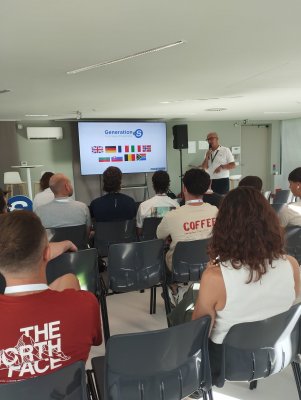
This year, the campus is centred around the theme of growth management, helping participants develop across four key areas: My Growth, Team Growth, Business Growth, and Brand Growth. Through a series of interactive sessions, attendees will strengthen their leadership and managerial capabilities, learn how to motivate and develop high-performing teams, improve customer satisfaction, monitor commercial and financial performance, and enhance the local digital visibility of their businesses to complement wider national and international marketing initiatives.
Participants from Germany, Belgium, Bulgaria, France, Italy, Norway, Slovakia, South Africa, and the UK will come together to share experiences and learn from industry experts while building lasting international relationships
Fabien Bouquet, CEO of Point S International, commented: “The independent sector, like many others, is undergoing an age of rapid digital transformation. New technologies, digital tools, and AI are changing the way workshops operate and engage with customers, but sustainable success depends on much more than technology alone. Strong leadership, motivated teams, good commercial management, and an exceptional customer experience remain the foundations of every successful business. Our role is to help the next generation develop the skills to grow across all of these areas with confidence.”
The campus is Point S International’s bespoke response to one of the industry’s most significant long-term challenges – preparing the next generation of family business leaders to succeed during a period of unprecedented technological and commercial transformation. While previous generations were able to build on relatively stable business models, today’s emerging leaders must navigate workforce shortages, changing customer expectations, digitalisation, electrification, and rapidly evolving vehicle technologies, while continuing to grow profitable, resilient businesses.
Participants represent three stages of the leadership journey: students preparing to join the family business, employees developing towards future leadership roles, and recent successors who have already taken over day-to-day management. Building on the foundations established during the inaugural campus, this year’s programme places greater emphasis on developing practical management skills that help leaders drive employee engagement, improve business performance, and support sustainable long-term growth.
The campus also continues to strengthen the growing community of young leaders across the Point S network. Alongside the formal programme, participants will build relationships through team activities, networking opportunities, and shared experiences, creating an international peer network that will continue long after the event concludes. Professional translation services will once again support collaboration across languages, ensuring participants can exchange ideas freely regardless of their country of origin.
Fabien Bouquet added: “Last year’s historic inaugural campus demonstrated the value of bringing together the next generation of leaders from across our European network. The challenges facing our industry continue to evolve, making it more important than ever that young business leaders develop the skills, knowledge, and connections needed to lead with confidence. By investing in their development today, we are helping ensure that our members remain strong, innovative and successful for generations to come.”
The second edition of the Next Generation Campus reinforces Point S’s long-term commitment to supporting its members beyond day-to-day business operations. By equipping future leaders with the leadership, commercial, and operational skills needed to manage growth, alongside an international network of peers, Point S is helping to safeguard the continued success of its independent tyre dealers and automotive service providers while preserving the entrepreneurial values that have defined the network for generations.
4, Sep 2026
When Architecture Becomes Furniture: Yuvraj Vohra Launches Villaro Design Studio in MG Road, Delhi
Sep 04: Furniture designer Yuvraj Vohra has unveiled the new Villaro Design Studio on MG Road, Delhi, introducing a furniture brand shaped by an architectural way of thinking. Trained in architecture, Vohra approaches furniture not as standalone objects but as elements that influence how a space is experienced. His transition from designing buildings and interiors to designing furniture stems from a belief that furniture plays a defining role in shaping the character, function and atmosphere of a room.

“Architecture taught me to think about proportion, materiality and the relationship between objects and space,” says Vohra. “That thinking continues in every piece we create at Villaro. Furniture should not simply occupy a room; it should belong to it.” This philosophy forms the foundation of Villaro’s design language.
The collection brings together furniture that explores the relationship between architecture and material. A marble fireplace is treated as a sculptural architectural element. Sofas incorporate stone within their arms, creating a dialogue between soft and solid materials. Hand-fluted stone surfaces introduce texture and depth, while seamless corners allow forms to appear clean and uninterrupted. Across the collection, materials such as stone, marble, wood, metal and upholstery are used not merely as finishes but as integral components of the design. Shades of ivory, black and Calacatta Viola further define the visual language, allowing the character of each material to take centre stage.
Rather than following trends, the focus remains on material expression, construction and proportion. Every piece is developed with consideration for the architecture around it and the way it will be used within a space. Alongside its design philosophy, Villaro places significant emphasis on transparency during production. Before manufacturing begins, every piece undergoes a full kitting process, where materials, components and specifications are reviewed and approved. Quality checks are conducted at multiple stages of production, and clients receive QC reports throughout the making of their furniture, providing visibility into the journey from concept to completion. In an industry where manufacturing often remains hidden from the client, Villaro’s approach seeks to create greater confidence and accountability throughout the process.
The studio has also been envisioned as a resource for architects and interior designers seeking furniture solutions for residential and commercial projects. Beyond customisation of dimensions and finishes, the Villaro team supports professionals with furniture presentations, shop drawings, 3D files for project models, material samples, and digital and physical mood boards. The objective is to integrate furniture into the design process from an early stage, ensuring alignment between architecture, interiors and product development.
From concept discussions and technical detailing to manufacturing and installation, Villaro works closely with design professionals to help translate ideas into finished pieces. The new MG Road studio presents the collection through complete settings that allow visitors to understand furniture within a spatial context. However, the focus remains firmly on the pieces themselves, their materials, detailing, construction and relationship with the spaces they inhabit.
For homeowners, the studio offers an opportunity to explore furniture tailored to individual lifestyles and architectural requirements. For architects and interior designers, it serves as a collaborative environment where ideas, materials and technical solutions can be developed together.
With the launch of Villaro Design Studio, Yuvraj Vohra introduces a furniture brand that draws from architecture while remaining rooted in furniture design. Through material-driven design, production transparency and close collaboration with the design community, Villaro presents a considered approach to contemporary furniture for modern Indian homes and projects.


