


22, Aug 2026
Aludecor Launches Weather-Responsive Intelligent Louvers with Global Remote Access
Mumbai, 22 August 2026: As buildings increasingly rely on large, glazed façades, managing heat gain, glare and indoor comfort has become an important consideration in modern building design. Addressing this need, Aludecor, one of India’s leading aluminium composite panel and façade product manufacturers, has unveiled Alubreeze Intelligent Louvers, India’s first indigenously developed intelligent louver system designed to be controlled from anywhere in the world and even to make building façades responsive to changing environmental conditions.
Alubreeze Intelligent Louvers can sense, respond and adjust. The motorised metal sun louver system uses environmental inputs such as sunlight, rain and wind to automatically adjust louver positions, helping manage solar exposure, glare and weather conditions while giving building owners and facility teams greater control over façade operations.
“The façade should do more than define a building’s appearance; it should actively contribute to how the building performs. With Alubreeze Intelligent Louver System, we are making the façade more responsive to its environment, bringing together design, performance and intelligent control in one system,” said Mr. Ashok Kumar Bhaiya, Chairman & Managing Director, Aludecor.
Built on Aludecor’s Alubreeze Architectural Louver Systems, the intelligent system combines a controller, 24V linear actuator, environmental inputs and AluSync Cloud. It can be monitored and operated through a mobile application or web dashboard, while BMS and API integration allows it to connect with wider building automation systems. Hall-sensor feedback enables the system to verify louver position, supporting closed-loop control.
The system is designed to respond to different façade conditions. Louvers can adjust to reduce glare and solar exposure during periods of intense sunlight, with their positions programmable through the day. They can also automatically adjust to the sun’s intensity and move to a protective position during rainfall and strong wind conditions. This allows the façade to function as an active building-performance layer rather than simply as a static architectural element.
The Alubreeze Architectural Louver System is available in fixed and intelligent configurations, giving architects the flexibility to select passive or adaptive façade solutions depending on project requirements. Single and double louver configurations are available in 30°, 45° and 90° angles, with profiles ranging from 100 mm to 600 mm depending on the configuration. The louvers can be installed horizontally or vertically.
Both configurations of Alubreeze including the static metal sun louvers contribute to building energy performance by reducing the effective Solar Heat Gain Coefficient (SHGC) of glazed façades and helping improve the Energy Performance Index (EPI). Independent studies indicate potential cooling-energy savings of 18–40% in climates comparable to India, with actual performance dependent on factors such as climate, glazing, façade orientation, window-to-wall ratio, controls and building usage.
The louvers can be deployed across commercial offices, institutional buildings, hospitality projects, airports and transit infrastructure, parking façades, atriums, canopies, pergolas and public buildings. The system is designed to allow architects to balance solar control and daylight comfort with the visual language of the building, with a range of profiles, angles and finishes available.
With Alubreeze, Aludecor aims to expand the role of architectural louvers from passive shading elements to responsive façade systems that can interact with the building, its occupants and its environment.
- 0
- By Neel Achary

22, Aug 2026
Taj Agra Invites Guests to Embrace the Monsoon with a Special Staycation Experience
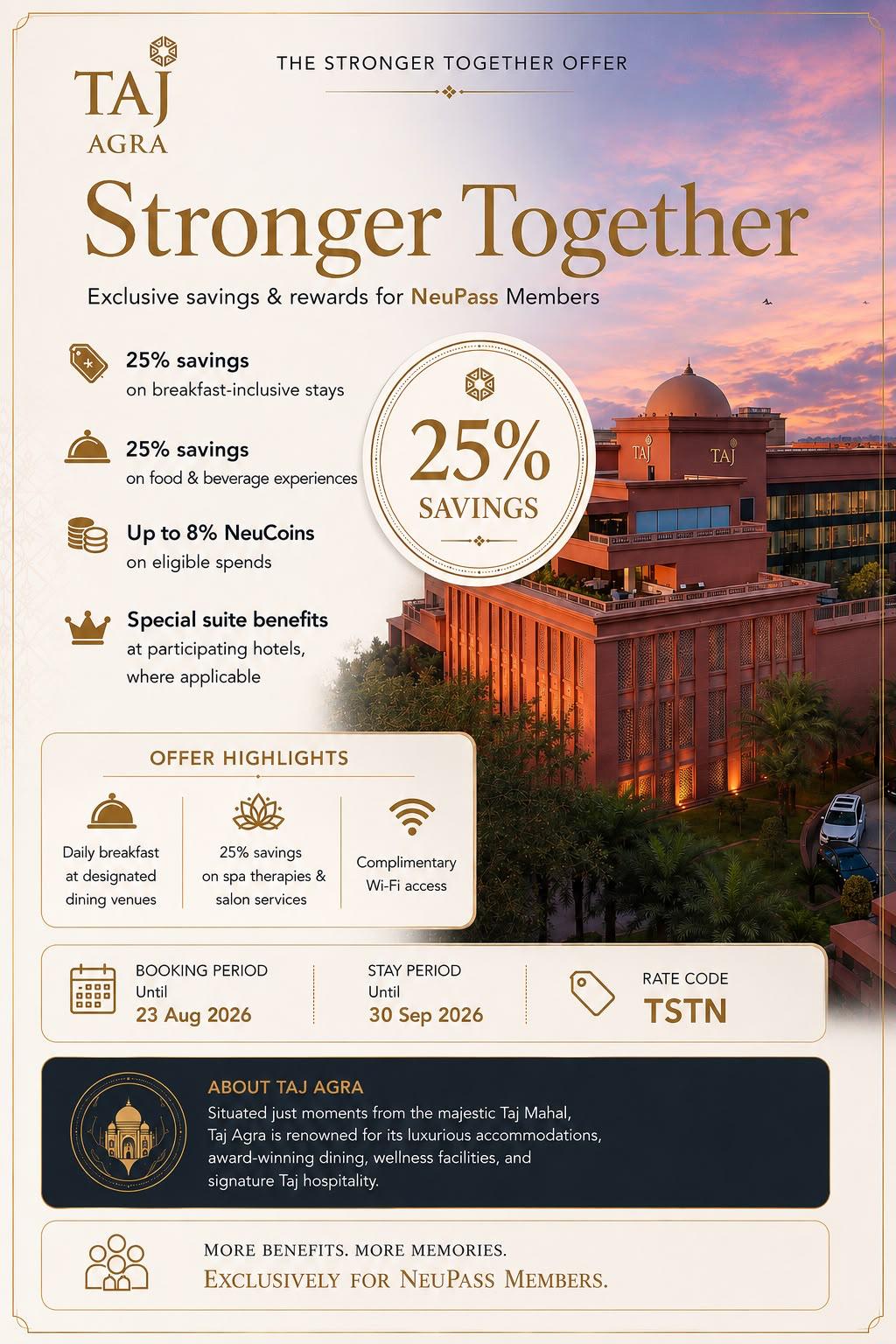
Agra, 21 August 2026: Taj Agra invites guests to make the most of the monsoon season with a specially curated staycation experience that brings together relaxed stays, dining and wellness benefits. Designed for guests seeking a leisurely getaway in Agra, the Monsoon Staycation offers attractive savings across accommodation, food and beverages, and spa and salon services.
The offer includes 25% savings on breakfast-inclusive stays, with daily breakfast at the designated dining venue. Guests can also enjoy 25% savings on food and beverages and 25% savings on spa therapies and salon services during their stay.
Speaking about the offer, Bikram Pradhan Revenue Manager, Taj Agra, said, “The monsoon season offers a wonderful opportunity to slow down, reconnect and enjoy a more leisurely getaway. Through our Monsoon Staycation, we are delighted to welcome guests to Taj Agra for a relaxed and enriching experience, with thoughtfully curated dining and wellness benefits. We look forward to creating memorable stays that allow guests to pause, unwind and enjoy the season in comfort.”
Key Offer Details
● 25% savings on breakfast-inclusive stays
● Daily breakfast at the designated dining venue
● 25% savings on food and beverages during the stay
● 25% savings on spa therapies and salon services
● Up to 8% NeuCoins on bookings and eligible spends
● Standard Wi-Fi during the stay
The Monsoon Staycation is available for bookings from 18 July to 23 August 2026, with stays valid from 18 July to 30 September 2026. The offer provides guests with an opportunity to experience a relaxed monsoon escape while making the most of Taj Agra’s dining and wellness experiences.
Located in the historic city of Agra, Taj Agra combines contemporary hospitality with the rich cultural legacy of the destination, offering a comfortable setting for leisure getaways, celebrations and business stays.
21, Aug 2026
India’s FDI Reform Gains Momentum as 29 Investments Worth ₹4,895 Crore Reported

New Delhi: India’s revised foreign direct investment (FDI) framework is beginning to facilitate faster investment flows, with 29 FDI investments involving proposed investments of ₹4,895.65 crore reported under the new regime up to August 20, 2026.
The investments cover a diverse range of sectors, including Information Technology, Artificial Intelligence, Information & Communication, manufacturing, pharmaceuticals, data centres and transport services, reflecting continued overseas interest in India’s expanding digital, industrial and services economy.
The investments have been reported by investors and entities based in Mauritius, the United States, the Republic of Korea, Japan, Singapore, Luxembourg and the Cayman Islands. The geographical spread highlights the continuing interest of international investors in India as a destination for capital and technology.
The revised framework is designed to simplify and accelerate foreign investment by removing the requirement for prior government approval in cases where ownership from Land Bordering Countries (LBCs) is non-controlling and limited to up to 10 per cent. The reform is aimed at providing greater regulatory certainty, reducing transaction timelines and improving the overall ease of doing business.
The changes were introduced through Press Note 2 of 2026 and the subsequent amendment to the Foreign Exchange Management (Non-debt Instruments) Rules, 2019, notified on May 1, 2026. Under the revised rules, the beneficial ownership test is applied at the level of the investor entity. Investors with non-controlling LBC ownership of up to 10 per cent can therefore invest through the automatic route, subject to applicable sectoral caps, entry routes and other regulatory conditions.
Importantly, eligible investors can proceed without seeking any additional government approval after reporting the prescribed information to the authorities. This represents a significant shift from the earlier regulatory approach under Press Note 3 of 2020, under which foreign investors with even a small degree of beneficial ownership originating from an LBC were required to obtain prior government approval.
The earlier requirement had been viewed as a source of uncertainty and additional transaction time for international investors, particularly in cases involving minimal and non-controlling LBC ownership. The revised framework seeks to address these concerns while maintaining the necessary regulatory safeguards.
The reporting of 29 investments worth nearly ₹4,900 crore indicates that the policy change is already supporting greater clarity and predictability for foreign investors. As India continues to attract capital into emerging areas such as AI, data infrastructure, advanced manufacturing and pharmaceuticals, the streamlined FDI regime could further strengthen the country’s position as a competitive global investment destination.
21, Aug 2026
PVR INOX to Open 25,000-Sq.-Ft. Multiscreen Multiplex at Bhumika Realty’s The Icon in Faridabad
Delhi NCR, Aug 21: Bhumika Realty, the real estate arm of Bhumika Group, today announced a partnership with PVR INOX Limited for a 25,000 sq. ft. multiscreen multiplex at The Icon, its mixed-use development on Delhi-Mathura Road in Sector 27A, Faridabad.
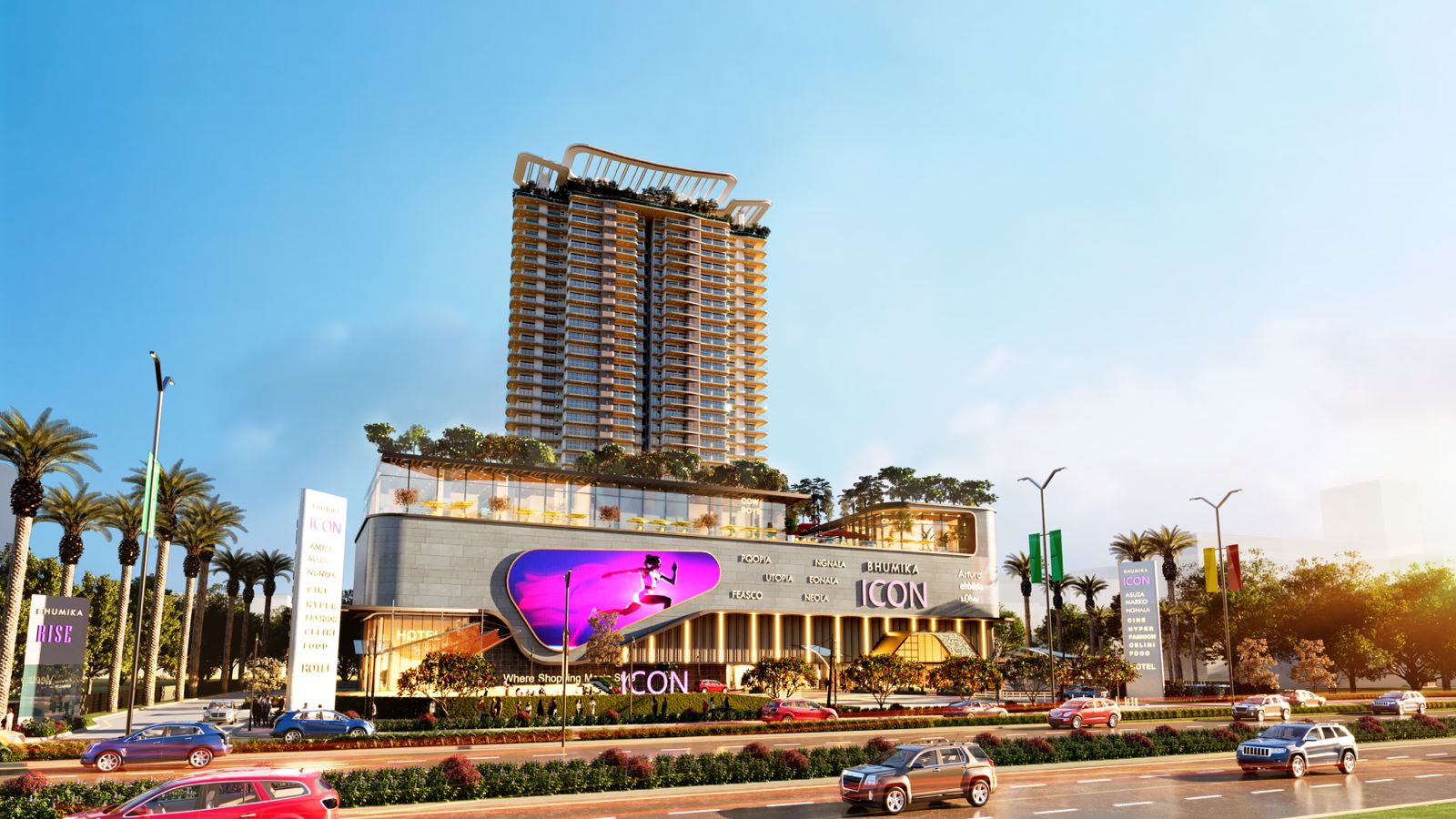
The agreement marks the second association between the two companies, following PVR INOX’s presence at Urban Square, Udaipur. The repeat partnership comes as Bhumika Realty expands its portfolio of mixed-use and retail developments across high-growth markets.
At The Icon, PVR INOX will occupy approximately 25,000 sq. ft. across the second and third floors. The multiplex is planned to commence operations alongside the opening of the mall.
The cinema will form part of The Icon’s wider mix of premium retail, entertainment, hospitality and residences. The development is intended to serve the established catchment around Sector 27A as well as the wider Faridabad & South Delhi market.
Uddhav Poddar, CMD, Bhumika Group, said:
“PVR INOX’s association with The Icon, following our partnership at Urban Square, is a strong endorsement of the quality and positioning of the development. As we expand into high-growth markets, we are focused on building assets that can attract leading national brands and generate sustained consumer demand. PVR INOX adds an important entertainment component to The Icon and strengthens its overall proposition.”
Located on NH-19, Delhi-Mathura Road, in Sector 27A, Faridabad, The Icon is a RERA-approved mixed-use development comprising premium retail, residences and hospitality. The project has been designed by Bentel Associates of South Africa.
The development is located within an established residential and commercial catchment and has direct frontage on the Delhi-Mathura Road corridor. Its location is expected to allow it to serve both nearby residential communities and consumers from across Faridabad and adjoining areas.
The partnership builds on PVR INOX’s existing presence at Urban Square, Udaipur, Bhumika Realty’s retail and entertainment development in Rajasthan. The two projects represent Bhumika Realty’s strategy of combining retail, entertainment and other consumer-facing uses within larger mixed-use developments.
The Icon is among Bhumika Realty’s key developments in Delhi-NCR, alongside its broader portfolio spanning retail, residential, hospitality and mixed-use projects.
21, Aug 2026
Bandhan Konnagar Launches SETU 2026 to Build a National Dialogue on Collaborative Social Development
Mumbai / New Delhi, Aug 21: Bandhan Konnagar hosted the first-ever SETU – India’s National Leadership Summit on Collaborative Social Development today, with the theme ‘From Policy to Practice: Building Partnerships for Scalable Social Impact’, to discuss the theme with policy makers, government officials, corporate CSR and ESG practitioners, philanthropists, academicians and experts from the development sector. The Summit aimed to establish a national forum for discussion and action on the opportunities and challenges of integrating development goals across government, business, civil society, communities and other stakeholders and into scalable, measurable and sustainable solutions. The Summit was organised at the India Habitat Centre, New Delhi, and was an important milestone in the development of a national dialogue for inclusive and collaborative social development that will be continued in the future.
Shri Kamlesh Paswan, Minister of State, Ministry of Rural Development, Government of India, was invited to the inaugural Summit, which brought together senior government representatives, including Shri Arun Kr Pillai, CEO, National Skill Development Corporation (NSDC); Shri Chandra Shekhar Ghosh, Chairman, Bandhan Group; and Shri Sanjib Kumar Das, CEO, Bandhan Konnagar, along with CSR and ESG leaders, development practitioners, philanthropies, academicians and implementation partners.
SETU is an ongoing dialogue on collaborative social development at national level. The Summit aims to foster greater linkages among policy, resources, implementation and community needs and will highlight these through cross-sector discussions, exchange of grassroots experience, evidence-based impact studies, partnership announcements and recognition of organisations contributing to inclusive development. Through the synergy of government, corporations, civil society, philanthropy, academia and communities, SETU seeks to promote solutions that can shift from policy to practice, pilot to scale, intervention to impact and measurable. With this, it aims to play a part in a development paradigm in which economic development and social development go hand in hand and be a part of India’s growth.
Shri Chandra Shekhar Ghosh, Chairman, Bandhan Group, said, “India’s vision of achieving a developed country status by 2047 will be fulfilled with a purpose only when the fruits of development are realized for all the sections of society. Rural communities, women, youth and under-served communities can’t just be passive beneficiaries of development; they must be the active participants and contributors to economic and social change in India. The next step in CSR is to go beyond expenditure and activity to measurable long-term impact. SETU is a call to move from welfare to empowerment, from isolated interventions to partnerships and from short-term activities to enduring social value.”
The first session was inaugurated by Shrimati Kamlesh Paswan and Shrimati Arun Kumar Pillai, providing the background to the significance of policy, skilling and institutional partnership in inclusive development. Shri Chandra Shekhar Ghosh gave a leadership talk titled “From Inclusion to Institution: Building Development Models from the Grassroots” highlighting the importance of developing models that are more than individual interventions that can become sustainable institutions and systems. The Summit also saw the discussion around the structural issues in skill development, sustainable livelihoods and enterprise, credit and markets, community-led climate action, and the importance of health and education in inclusive human development.
Dr. Bhaskar Chatterjee gave a keynote on the journey of CSR from compliance to collaborative & measurable impact and Ms. Shefali Agarwal, CGM, NABARD spoke on Graduated Rural Income Generation Programme (GRIP) and innovative means of enabling rural ultra poor families. The programme was also marked through the impact study along with a partnership announcement between Bandhan Konnagar and LEAP 300, experience sharing by livelihood beneficiaries and recognition of Bandhan Konnagar‘s CSR partners by the SETU Bandhan CSR Awards.
Shri Sanjib Kumar Das, CEO, Bandhan Konnagar, said, “For us, SETU is the next step in the development of Bandhan Konnagar‘s 25-year-long journey and we feel that it will be the key between thoughts and deeds. We hope to foster partnerships that are outcome-focused, scalable and responsive to the reality on the ground, which is defined by the coming together of communities, implementation organisations, government, corporates, donors and knowledge institutions around a shared purpose to strengthen an ecosystem in which education, skilling, livelihoods, financial inclusion and climate resilience can converge to create greater opportunities for communities, and help build a more equitable and future-ready India.”
Bandhan Konnagar, an NGO, initiated its activities in 2001 with two main goals: Poverty alleviation and Women’s empowerment which were the driving force behind organising the Summit. With a long-standing belief that social transformation is impossible with just one intervention, Bandhan Konnagar was conceptualised as an extension of this belief. Bandhan Konnagar, now with 25 years of grassroots engagement, was conceived as an extension of their long-held belief that sustainable social transformation can only be achieved through a series of interventions. The organisation sees the need for the next steps toward development in the form of enhanced partnerships, increased attention to measurable results, institutional development and solutions that help communities break free from welfare and dependency and transition to dignity, opportunity and economic self-reliance. Hence, the Summit aimed to convene multiple stakeholders to discuss evidence, experiences and models that can be transferred, enriched and scaled up to the national level in India.
21, Aug 2026
Udaan network, Sense International India’s network of adults with deafblindness brings girls and women with deafblindness to the forefront of Advocacy
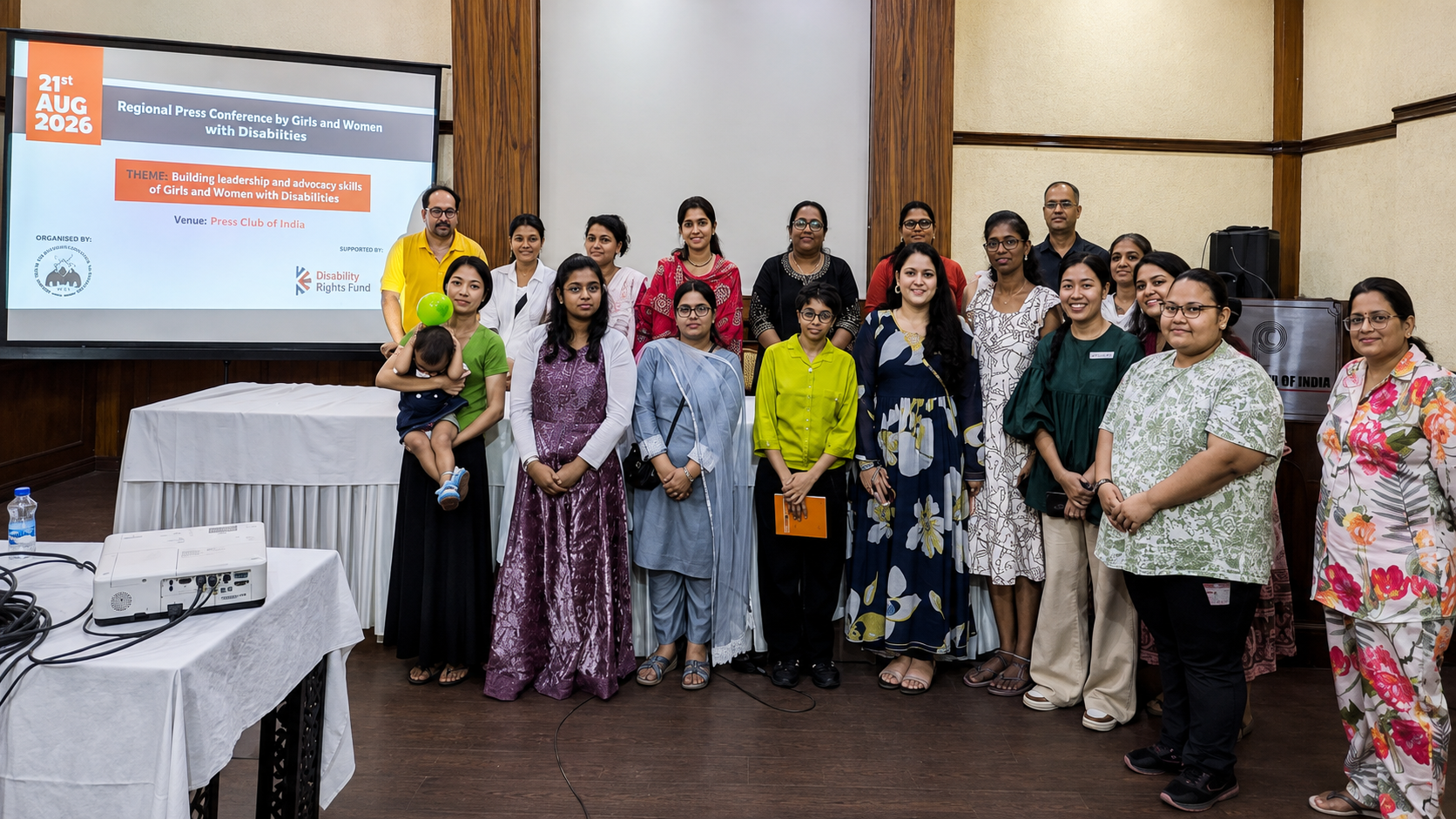
New Delhi, August 21, 2026: Sense International India (Sense India), the country’s only national organisation exclusively supporting persons with deafblindness and multiple disabilities, today hosted a press conference on ‘Building Leadership and Advocacy Skills of Girls and Women with Deafblindness’ at the Press Club, Delhi today.
Udaan Network, Sense India’s network of adults with deafblindness brought together girls and women with deafblindness to highlight the barriers faced by them and the urgent need for greater visibility, recognition and participation.
Speaking for themselves and their communities were Asha Patwal from Uttarakhand, an artist and aspiring teacher; Maiden Soben Lyngkhoi from Shillong, an aspiring baker; Alice from Kolkata, a dancer and entrepreneur; Dodiyar Maheshwari from Ahmedabad, a café professional and performer; and Ganga from Wayanad, an independent professional and advocate.
The event highlighted three urgent priorities: ensuring girls and women with deafblindness have meaningful opportunities to speak for themselves and take leadership roles; ensuring deafblindness is accurately identified and included in the Census 2027 and other data systems; and making essential information accessible in formats that persons with deafblindness can access and use.
Girls and women with deafblindness face multiple and intersecting barriers related to gender, disability, communication and accessibility, limiting their access to education, employment, public life and decision-making. The press conference emphasised that inclusion cannot simply mean being present—it must mean having the voice, agency and opportunity to lead.
The event also stressed that without accurate data through Census 2027, persons with deafblindness, particularly girls and women, risk remaining invisible in policies, programmes and services. Being counted is fundamental to being recognised. Equally, information on government schemes, education, employment, healthcare, elections, rights and public services must be made available according to individual communication needs, including through Braille, large print, tactile communication, tactile sign language and accessible digital formats.
Speaking on the occasion, Uttam Kumar, CEO, Sense International India, said, “For nearly three decades, our work has shown us that girls and women with deafblindness know what needs to change. What they are too often denied is the opportunity to say it publicly and to be heard. Today, that space belonged to them. We hope every journalist here leaves not just with a story, but with a responsibility: to help ensure that this community is counted, recognised and heard long after today. As we move towards Census 2027, it is critical that deafblindness and all 21 specified disabilities under the RPwD Act are accurately captured, so that no one is left invisible in India’s official data. What is not counted cannot be adequately planned for or addressed — and deafblind people must not be missing from the nation’s count.”
The press conference was organised in collaboration with the Deafblind Regional Centres (DbRCs), members of the Udaan Network and Sense India’s state partner organisations, which provided mentoring, preparation, accessibility and logistical support to enable the women to take the lead in the media engagement and was supported by the Disability Rights Fund (DRF).
The initiative seeks to challenge the perception of girls and women with deafblindness as merely recipients of care and support, and reinforce their identity as rights-holders, advocates, contributors and leaders. By creating direct dialogue between women with deafblindness and media professionals, it also aims to promote more accurate, respectful and rights-based representation of deafblindness.
The message from the women at the press conference was clear: they want to speak for themselves and address their concerns, and they should not be brought into conversations only after decisions affecting their lives have already been made.
Girls and women with deafblindness should not simply be included in conversations about their lives and rights, they should be enabled and empowered to lead those conversations.
21, Aug 2026
Young innovators driving India’s space sector, says Government
New Delhi, August 21: Young entrepreneurs and innovators emerging as the new force in India’s space sector were praised for their courage, persistence and willingness to venture into a challenging and rapidly evolving domain.
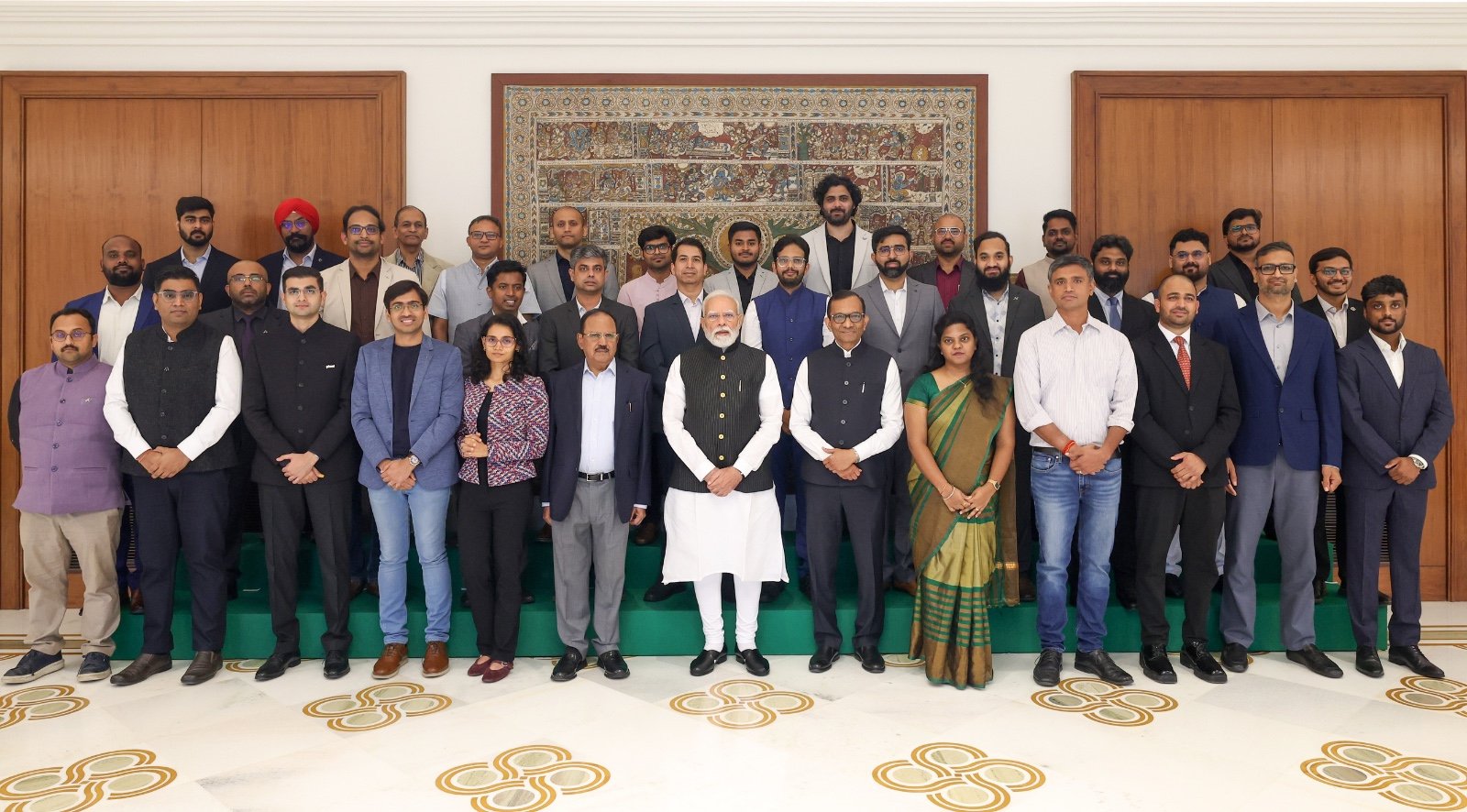
It was wonderful to meet the Yuva Urja of India’s space sector…young entrepreneurs and innovators who have shown remarkable courage by entering a new and demanding domain. They have taken risks, trusted the reform process and remained consistent in their efforts. Due to this,… pic.twitter.com/RV1Nd4dUKm
— Narendra Modi (@narendramodi) August 21, 2026
Interacting with representatives of leading space startups, it was highlighted that young innovators have demonstrated remarkable confidence by taking risks, embracing new opportunities and remaining committed to their goals. Their efforts, coupled with the country’s space sector reforms, have contributed significantly to India’s rapid progress in space technology in recent years.
During the interaction, representatives of various startups presented their work and shared their experiences of building businesses and developing innovative solutions in the space sector. They also highlighted how the Government of India’s space reforms have opened new opportunities for private players and enabled startups to expand their capabilities.
The startups expressed appreciation for the policy environment and reforms that have encouraged greater private participation, innovation and investment in the sector.
The Government assured the young space entrepreneurs that it would continue to provide support and create an enabling ecosystem for startups as they work towards strengthening India’s technological and commercial capabilities in space.
It was emphasised that India’s growing private space ecosystem has the potential to establish the country as a leading global player by combining innovation, technological excellence and commercial viability.
With young entrepreneurs and startups taking the lead, India is poised to build a strong and globally competitive space economy while offering the world an innovative and sustainable model for private participation in space exploration and technology.
21, Aug 2026
On National Senior Citizens Day, Athulya Senior Care Champions Dignity, Purpose and Active Ageing
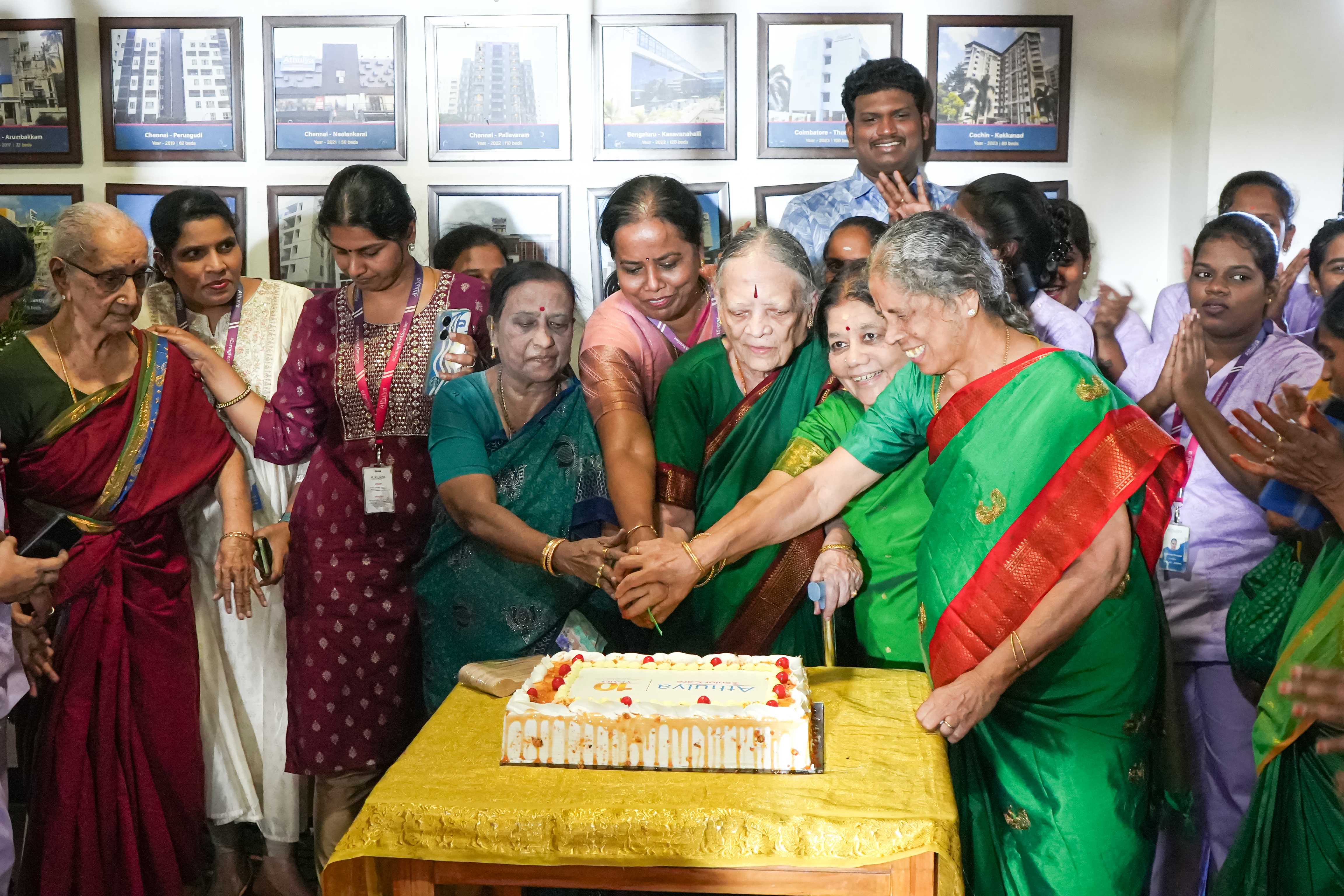
Aug 21: On National Senior Citizens Day, observed annually on 21st August, Athulya Senior Care, India’s largest assisted living provider, brought together residents, families and care teams across its centres for a series of activities focused on companionship, wellbeing and celebrating the contributions of senior citizens.
The celebrations reflected Athulya’s commitment to creating a senior-care environment that goes beyond clinical needs to foster dignity, independence, connection and a strong sense of community. With an integrated senior-care ecosystem spanning assisted living, rehabilitation, transition care, mind and memory care, palliative care and dedicated geriatric care hospital, Athulya supports seniors and their families across multiple stages of the ageing journey.
Speaking on the occasion, Mr. Srinivasan G., Founder & CEO, Athulya Senior Care, said, “National Senior Citizens Day is an opportunity to celebrate the experiences, contributions and individuality of our seniors. At Athulya, we believe that senior care must go beyond addressing medical needs to creating an environment where seniors feel connected, independent and valued. Every interaction and experience we create is guided by our commitment to ensuring that ageing is supported with dignity, purpose and a strong sense of belonging.”
Across Athulya’s centres, seniors participated in a range of community-centric and senior-friendly activities, including games, music, cultural performances, interactive sessions and cake-cutting ceremonies. The celebrations brought residents together with their families and care teams, creating opportunities for social connection, participation and shared experiences. The occasion reinforced Athulya’s belief that senior care should create space for joy, connection and active living at every stage of life.
21, Aug 2026
Union Minister Sarbananda Sonowal inaugurates Model Room at Paradip Port Authority
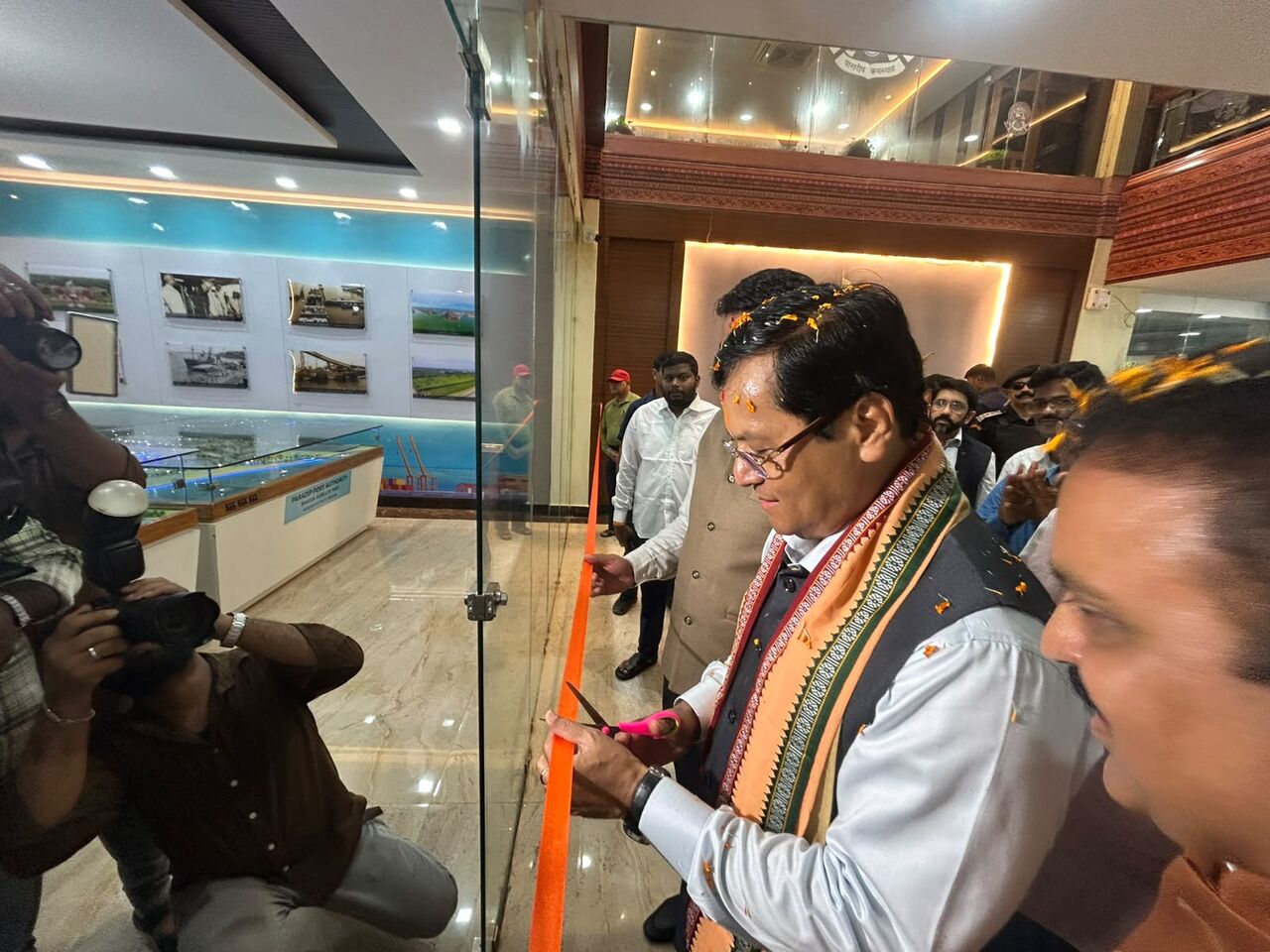
Union Minister for Ports, Shipping and Waterways Sarbananda Sonowal inaugurated a new Model Room at the Administrative Office Building of the Paradip Port Authority (PPA), marking an important step towards strengthening planning and visualisation of the port’s infrastructure and development initiatives.
The Model Room is designed to provide a comprehensive visual representation of Paradip Port’s existing facilities as well as its ongoing and proposed development projects. The facility is expected to help officials and stakeholders better understand the scale, connectivity and operational aspects of various infrastructure projects.
The initiative will also support more effective planning and presentation of major port-related projects. By providing a detailed visual platform, the Model Room can facilitate discussions among policymakers, port authorities, project teams and other stakeholders while enabling a clearer assessment of proposed infrastructure and development plans.
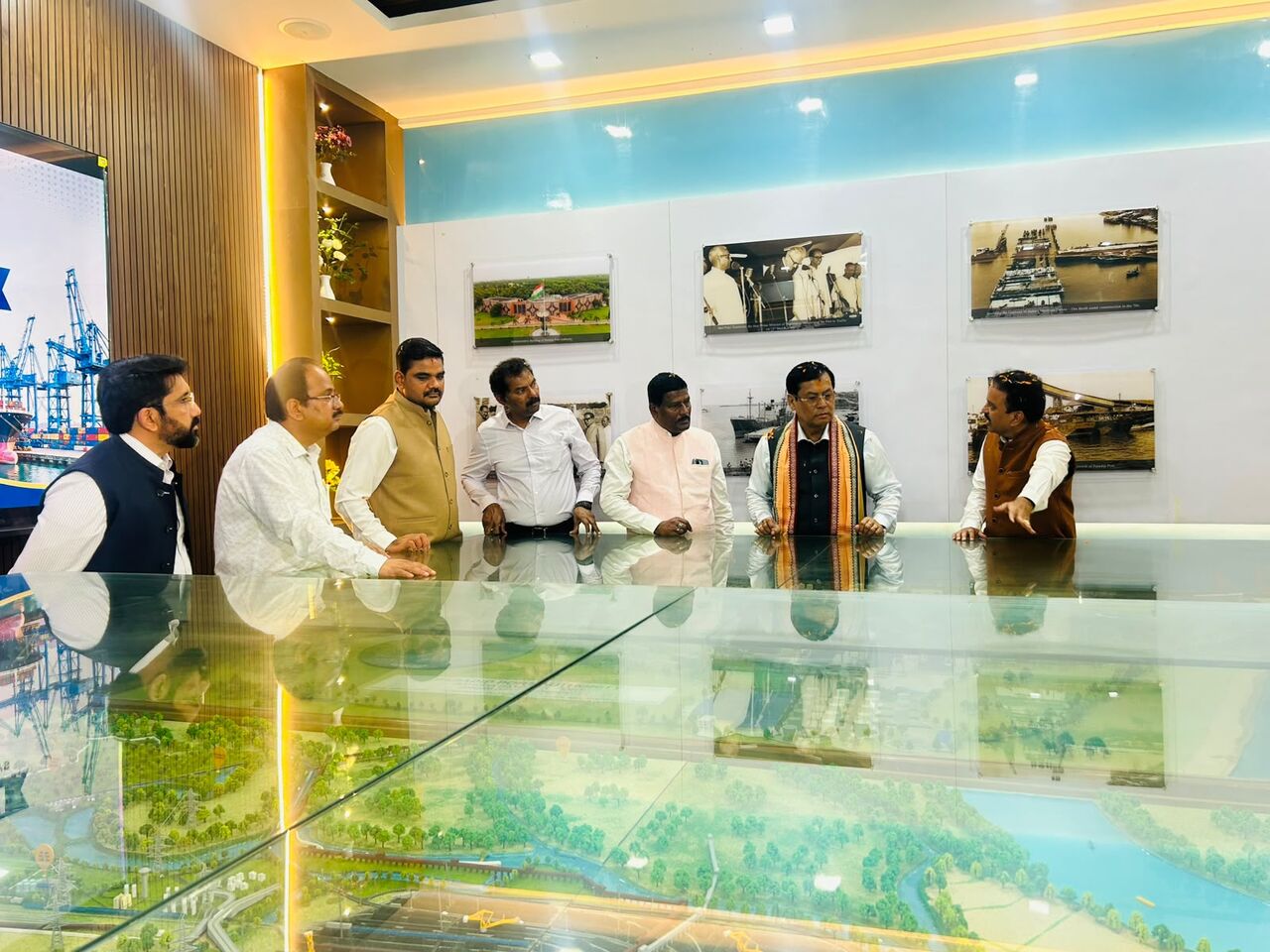
The inauguration underlines Paradip Port Authority’s continued focus on modernisation, infrastructure development and efficient project planning. The new facility is expected to contribute to a more coordinated approach towards the port’s future expansion and strengthen efforts to position Paradip as a modern and strategically important maritime gateway for India.
21, Aug 2026
India’s Housing Market Holds Firm as Home Prices Rise 6 pc in Q1 FY27
New Delhi, Aug 21: India’s housing market continued to show resilience in the first quarter of FY27, with home prices rising 6 per cent year-on-year, according to a report by Kotak.

The increase was supported by stronger pricing across several major property markets. The report also found that the overall value of housing sales grew 9 per cent during the quarter, even though the number of homes sold remained relatively moderate.
The latest figures suggest that developers are maintaining pricing strength even as buyers remain selective. Limited new project launches and steady demand for homes in key cities have also supported property prices.
However, the market is not growing uniformly across the country. Some major cities recorded stronger activity, while others saw slower sales. This indicates that buyers are increasingly focusing on location, quality and pricing before making purchase decisions.
The trend also highlights a changing housing market where rising prices are contributing more to growth than a sharp increase in sales volumes. For homebuyers, this could mean continued pressure on affordability, particularly in well-established urban markets.
Overall, the latest data points to a stable but selective housing market. Sustained growth in sales volumes and new demand will be important for maintaining the sector’s momentum in the coming quarters.


