


21, Aug 2026
Qatar Airways’ 150 Starlink-Equipped Widebody Aircraft Now Include World’s First Starlink-Equipped Boeing 787-9
DOHA, Qatar, Aug 21: Qatar Airways, the operator of the world’s first and largest Starlink-equipped widebody fleet, has become the first airline to operate Starlink-equipped Boeing 787-9 aircraft, globally. The carrier has also completed Starlink rollout across its Boeing 787-8 sub-fleet in seven months, bringing the total number of its Starlink-equipped widebody aircraft to 150.
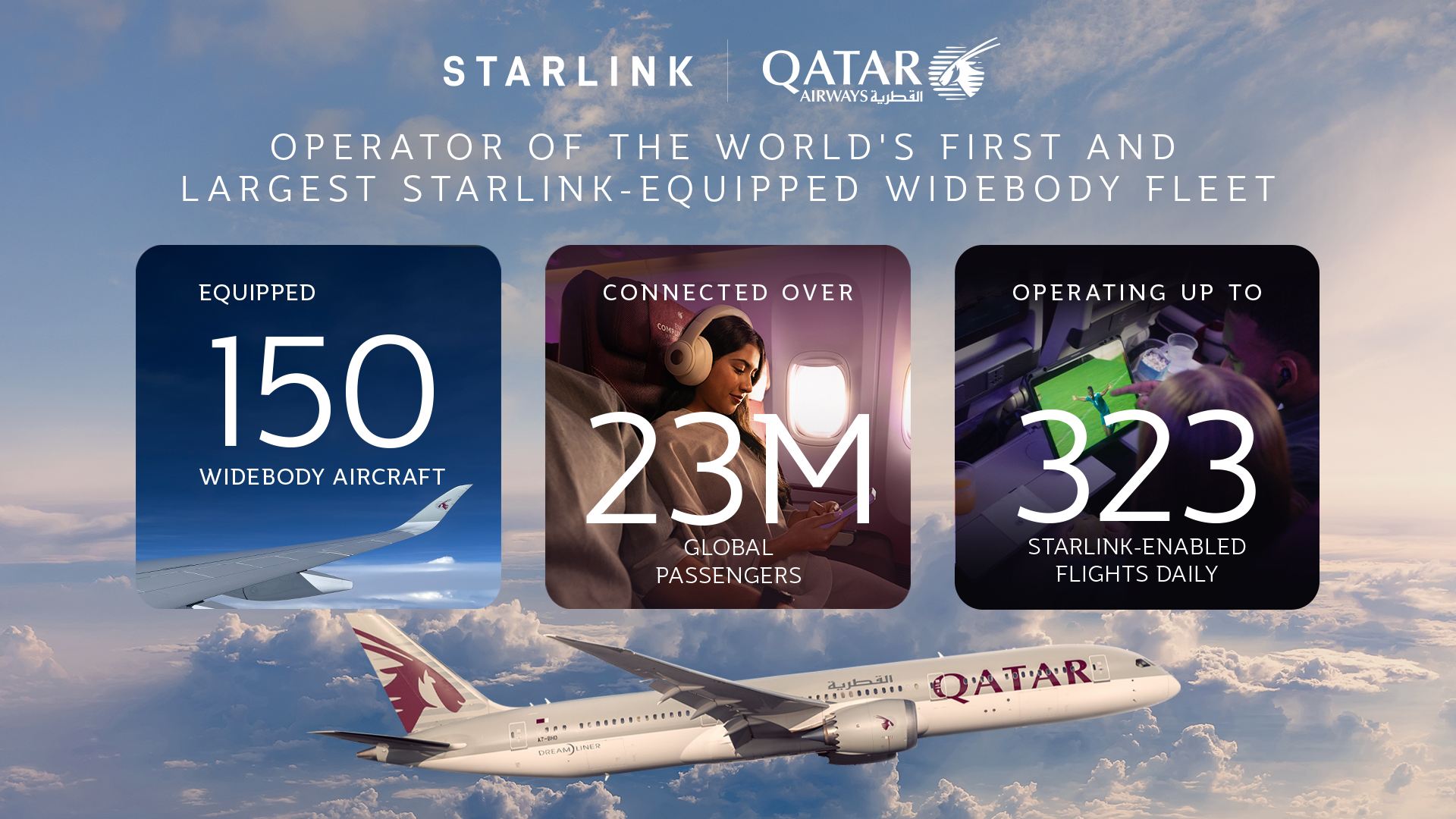
Qatar Airways remains on track to complete the Starlink rollout across its Boeing 787 fleet by the end of 2026.
The latest achievement builds on Qatar Airways’ record-breaking completion of the Boeing 777 programme in nine months and the Airbus A350 programme in eight months. The airline now operates the world’s first and largest Starlink-equipped Boeing 777, Airbus A350, and Boeing 787 fleets.
By building a Starlink-connected journey at a scale unmatched by any other widebody operator, Qatar Airways is bringing passengers closer to a future where travelling no longer means stepping away from the digital world. Every new Starlink-equipped aircraft extends that experience to more passengers, offering them greater freedom over how they spend their time onboard. Whether they want to work, stay connected with loved ones or simply relax, Starlink Wi-Fi speeds of up to 500 Mbps allows the cabin to become whatever passengers need it to be at 35,000 feet.
Qatar Airways was the first airline to globally offer Starlink onboard long-haul and ultra-long-haul routes across six continents. With free of charge, gate-to-gate Starlink Wi-Fi becoming available on more journeys across the airline’s global network, Qatar Airways is keeping passengers connected to what matters most while flying to the Americas and Australasia, as well as key gateways across Africa, Asia, Europe, and the Middle East.
Since launching Starlink connectivity onboard in October 2024, more than 23 million passengers have connected to the fastest Wi-Fi in the sky across over 86,000 Qatar Airways flights.
As the fastest and most ambitious Starlink widebody installation programme in aviation history surpasses 83 per cent completion, Qatar Airways continues to lead in innovation and offer enhanced value to its passengers. With up to 323 Starlink-flights operating daily, the airline is making access to fast, seamless onboard connectivity an increasingly familiar part of its global passenger experience.
Passengers can now enjoy complimentary Starlink Wi-Fi throughout their journey via seamless Privilege Club membership authentication/enrolment.
Gate-to-gate access may be unavailable at certain airports due to local regulatory requirements.
Aircraft subject to change if operationally required.
- 0
- By Neel Achary

21, Aug 2026
Majority of Dubai homes under construction already sold as demand keeps pace with supply
New fäm Properties report shows 90%-100% absorption rate for thousands of apartments and villas to be handed over in 2026

Dubai, UAE, Aug 21: The majority of homes currently under construction in Dubai have already been sold, with a new report today showing absorption rates of 90%-100% for thousands of apartments and villas to be completed this year.
A market analysis by fäm Properties reveals that 564,072 residential properties are currently being built across Dubai, with the majority due for handover by 2028. Of these, 425,863 (75.5%) have been sold to date.
The overall absorption rate for apartments is 74.1%, with 367,514 of 495,775 units sold, rising to 85.4% for villas, with 58,349 of 68,297 also sold.
Of 96,585 homes to be delivered this year, 80,127 (82.9%) have been sold, with absorption rates of 82% for the 91,209 apartments and 95% for the 5,376 villas.
Data from DXBinteract also shows 100% absorption rates across a number of residential areas for homes to be handed over this year, including apartments in Al Wasl (637), and villas in Wadi Al Safa 5 (854), Nad Al Sheba First (235), and Al Hebiah Sixth (476).
Meanwhile, 93.5% of the 2,397 apartments to be delivered on Palm Jumeirah this year, along with 92.8% of 2,324 at Jumeirah Lakes Towers, have been sold.
“The fact that around three quarters of apartments and more than eight in ten villas currently under construction have already been sold reflects a market where demand keeps pace with development,” said Firas Al Msaddi, CEO of fäm Properties.
“Investors commit to buying properties before completion because they have confidence in Dubai, its transparent regulatory framework and the consistent quality being delivered by developers.
“Dubai’s population has now surpassed 4.58 million, and that it’s now home to more than 80,000 millionaires. All this reinforces Dubai’s position as one of the world’s most attractive destinations to live, work and invest.”
Homes under construction have also seen high absorption rates at Downtown Dubai, where 92.2% of 6,248 apartments being built have been sold, including 96.6% of the 3,981 to be handed over in 2026.
It’s a similar story in Business Bay, where 82.8% of 30,317 apartments under construction have been sold, including 88.7% of the 16,938 to be delivered this year.
Other areas recording high absorption rate for apartments under construction include Ras Al Khor (93.5% of 6,950) and Al Barsha South 2 (85% of 12,655).
Among the areas with the highest absorption rates for villas are Al Hebiah Fifth (98.7% of 2,060), Nad Al Sheba First (98.2% of 1,569), Wadi Al Safa 5 (96.4% of 8,216), Dubai South (94.5% of 5,698) and Al Yufrah (94.7% of 6,429).
21, Aug 2026
NTT DATA and Palo Alto Networks Sign Global Strategic Alliance to Accelerate Secure AI Transformation
Mumbai, Aug 21:NTT DATA, a global leader in AI, digital business and technology services, and Palo Alto Networks announced a multi-year strategic alliance designed to help organizations securely adopt AI, modernize cybersecurity, simplify complex technology environments and build cyber resilience for the AI era.
As Palo Alto Networks first strategic alliance of this kind with a global systems integrator, the agreement, which targets $1 billion in joint business by the end of three years, combines Palo Alto Networks AI-powered cybersecurity platforms with NTT DATA’s consulting, engineering and managed services.
Leveraging joint engineering, co-innovation and coordinated global delivery, the alliance will help clients assess cyber risk, deploy AI securely and continuously optimize security. Through these joint solutions, clients will gain a unified approach that seamlessly spans cybersecurity strategy, implementation and managed services.
Building on the companies’ Frontier AI collaboration, the alliance brings together Palo Alto Networks Unit 42® threat intelligence with NTT DATA’s global cybersecurity expertise, AI governance and managed services. Backed by joint investments, more than 2,000 certified experts, as well as dedicated Forward Deployed Engineers, the alliance will deliver a seamless approach to streamline deployments and speed client outcomes. Through direct engineering collaboration, NTT DATA will gain early access to new platform features — further accelerating the delivery of AI security services to clients.
Initial solutions will address the most pressing cybersecurity challenges facing clients in highly regulated and critical industries, including financial services, healthcare, manufacturing and the public sector, across six strategic transformation areas:
·Autonomous Security Operations Center (SOC) – Modernize security operations with Agentic AI and managed services that help organizations detect, investigate and respond faster to increasingly sophisticated, machine-speed cyber threats while reducing operational complexity.
·AI governance – Embed governance, security and risk management throughout the AI lifecycle, helping organizations manage emerging AI risks and confidently scale AI innovation with greater accountability, transparency and control.
·Identity security – Protect human, machine and AI agent identities, including workloads and devices, through an Identity Security Framework designed to discover, manage, secure and govern identities across the enterprise.
·Zero Trust & SASE – Helps secure users, applications and data across an increasingly complex attack surface through a unified Zero trust and secure edge architecture, leveraging AI-driven threat detection and prevention.
·Resilient cloud – Enables organizations to improve visibility, compliance and autonomous risk reduction across multi-cloud environments with AI-enabled security posture management and stronger governance.
·Firewall modernization – Modernize firewall environments to reduce complexity, improve visibility and strengthen enterprise security.
“AI is reshaping both business and cybersecurity, making deep ecosystem collaboration more important than ever,” said Nikesh Arora, Chairman and Chief Executive Officer, Palo Alto Networks. “Expanding our alliance with NTT DATA allows us to operationalize platformization at true global scale, helping enterprises eliminate legacy complexity and move fast without sacrificing safety.”
“AI is redefining every aspect of the enterprise, but it is also transforming the threat landscape at unprecedented speed. Organizations need a new approach to cyber resilience that combines AI-driven security, deep industry expertise and global scale,” said Abhijit Dubey, Chief Executive Officer and Chief AI Officer, NTT DATA, Inc. “Together with Palo Alto Networks, we’re bringing AI-powered cybersecurity innovation together with NTT DATA’s consulting, engineering and managed services capabilities to help clients securely accelerate AI adoption and stay ahead of evolving threats.”
NTT DATA brings world-class cybersecurity expertise to the collaboration, backed by over 7,500 cybersecurity professionals, 70+ delivery centers and 20+ Autonomous Cyber Defense Centers. Paired with Palo Alto Networks AI-powered platforms and Unit 42 threat intelligence, the alliance delivers the technology, expertise and global reach enterprise organizations need to securely deploy AI across complex environments.
21, Aug 2026
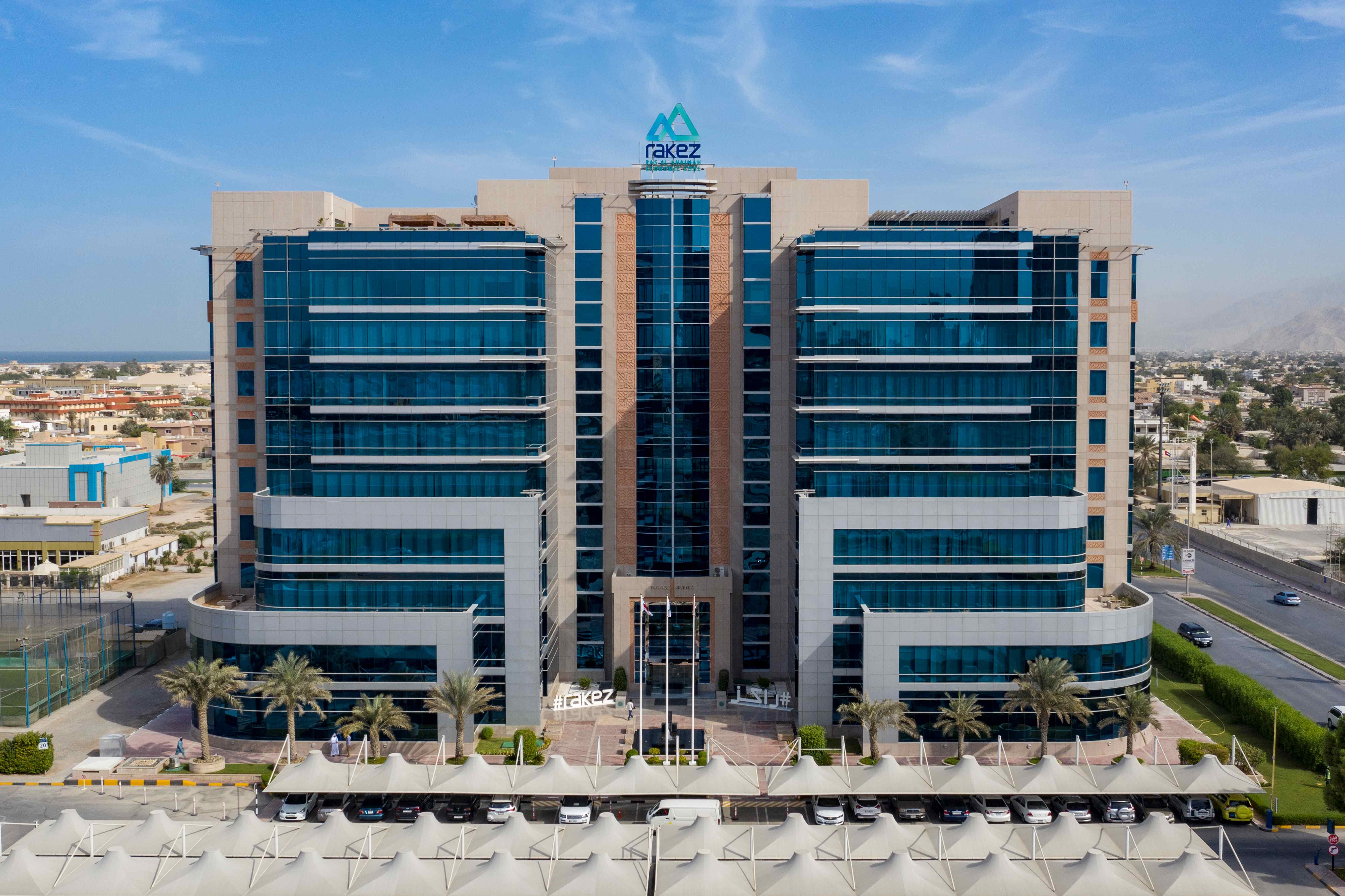
RAKEZ business community grows to 50,000 companies, reinforcing Ras Al Khaimah’s position as a leading global business destination
|
21, Aug 2026
Indian Bank Celebrates Customers’ Day, Reaffirms Commitment to Customer-Centric Banking
Chennai, Aug 21: Reinforcing its customer-first approach, Indian Bank celebrated Annual Customers’ Day on Thursday, August 20, 2026, across all its branches in India and overseas. The initiative provided an opportunity for direct interaction with customers, gathering their valuable feedback and understanding their expectations to further strengthen customer service.
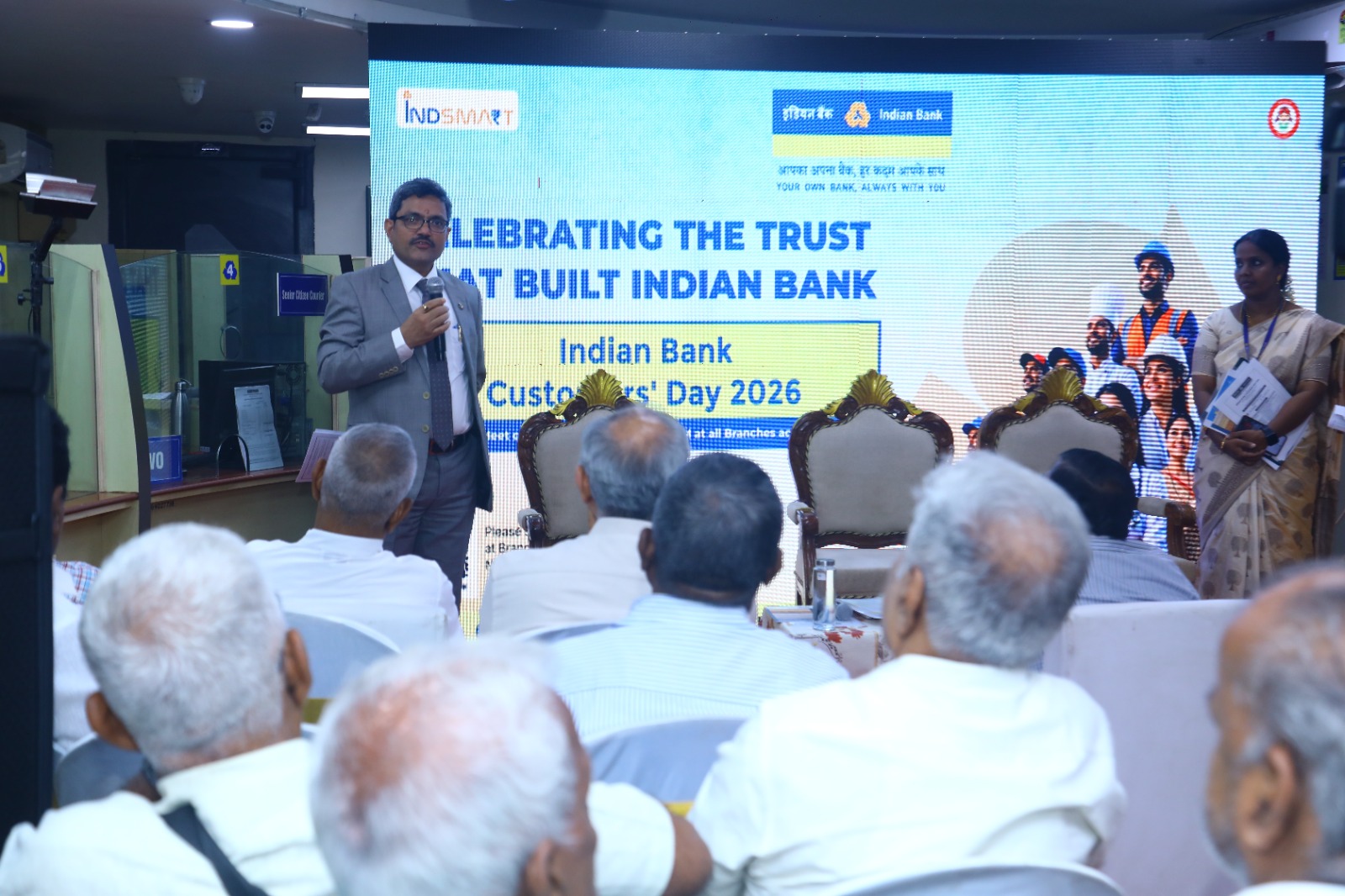
On this occasion, the Bank expressed its gratitude to customers for their continued trust, loyalty and support. Senior management emphasised the importance of customer feedback and invited suggestions to further improve the quality and delivery of banking services. The initiative reflects Indian Bank’s commitment to excellence through continuous customer engagement and a culture of listening and improvement.
The Customers’ Day programme in Chennai was attended by the top executives of the Bank at Alwarpet, Nungambakkam, Mylapore and Ethiraj Salai Branches. The Bank’s overseas branches in Singapore, Jaffna and Colombo also organised Customers’ Meets, providing an opportunity to strengthen relationships with its global customer base.
During the interactions, the leadership team listened to customers’ views on their day-to-day banking requirements, products and services. The discussions also helped identify opportunities to further streamline processes and strengthen service delivery.
By bringing its senior leadership closer to customers, Indian Bank reaffirmed its commitment to listening, responsiveness and continuous improvement. The engagement reflects the Bank’s endeavour to ensure that customer perspectives remain central to the enhancement of its products, services and overall banking experience.
21, Aug 2026
Akshay Kumar partners with Acer for smarter, easier and healthier tech Into Home
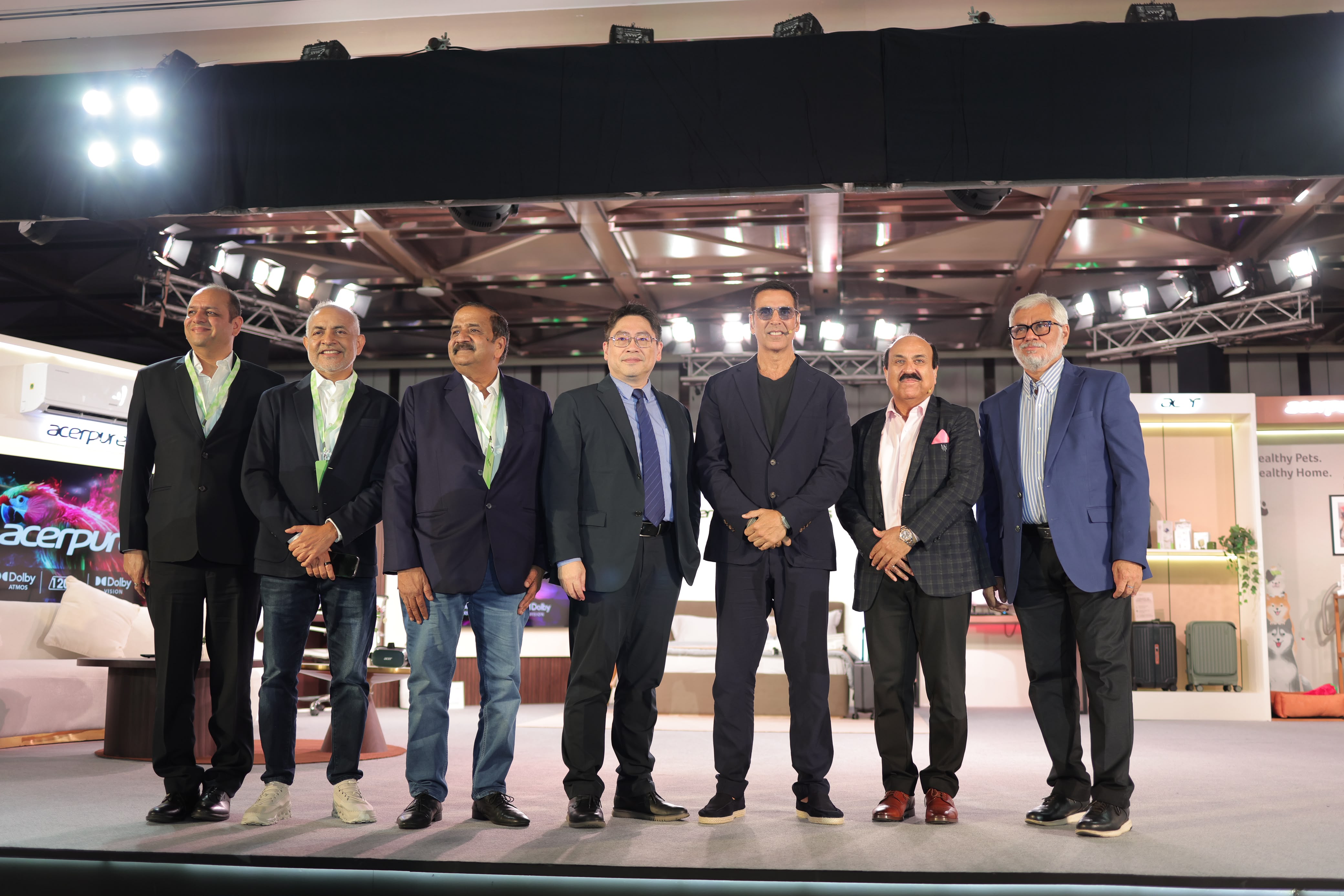
Acer is all set to welcome Akshay Kumar as their brand ambassador at a time when the global technology conglomerate celebrates 50 years of innovation and 27 years in India. With the brand extending its footprint from personal computing to a broader ecosystem of products for the modern home, the partnership blends the dynamic, performance-driven persona of Akshay with the long-standing legacy of technology and innovation. House of Acer combines Acer’s technology and Acerpure’s complete home appliances under one roof, with the mission to make everyday life smarter, easier and healthier.
Speaking about his association with Acer, Akshay Kumar said, “My life is always moving. There is work, travel, fitness and family, and when I come home, I want things to be simple. Technology should make life easier, not add more to your list. What I like about Acer is that it has evolved with the way people live. The House of Acer brings together technology that can become a natural part of your everyday life, from the way you work and entertain yourself to the way you live at home. That is what makes this association exciting for me.”
Harish Kohli, President & Managing Director, Acer India Group, said, “For 50 years globally and 27 years in India, Acer has continued to evolve with the changing needs of consumers. Today, technology is no longer confined to the desk but is an integral part of how we work, relax, entertain ourselves and live. The House of Acer brings this evolution together, creating a home where technology is designed to make everyday life smarter, easier and healthier. Akshay Kumar embodies qualities such as performance, discipline, reliability and constant evolution, making him a natural partner for this next chapter of Acer.”
21, Aug 2026
Gujarat, Walmart Explore Global Market Access for MSMEs and Artisans
Gandhinagar: The Gujarat government and global retail major Walmart have discussed a roadmap to expand international market opportunities for the state’s micro, small and medium enterprises (MSMEs) and artisans, with the proposed collaboration expected to be showcased at the Vibrant Gujarat Global Summit 2027.
The discussions focused on identifying sector-specific opportunities that can help local businesses improve their export readiness, strengthen product capabilities and gain access to international supply chains. The initiative is aimed at connecting Gujarat’s small enterprises and traditional artisans with wider global markets.
Walmart Executive Vice-President Dan Bryant highlighted the company’s supplier-development efforts in India, while Gujarat Chief Minister Bhupendra Patel discussed the state’s industrial ecosystem and the potential for greater participation of MSMEs in global trade.
The proposed roadmap is expected to be presented during the Vibrant Gujarat Global Summit 2027, providing a platform to explore further collaboration between the state, global retailers and local enterprises. The initiative could strengthen export opportunities for Gujarat’s MSMEs and artisans while supporting their integration into international value chains.
21, Aug 2026
Domestic Air Travel Demand Slips 4.8 percent in July

New Delhi: India’s domestic air passenger traffic declined 4.8 per cent year-on-year in July 2026, with airlines carrying around 1.20 crore passengers compared with 1.26 crore in the same month last year, according to data released by the Directorate General of Civil Aviation (DGCA).
The decline came after domestic traffic touched a record monthly level of about 1.54 crore passengers in May. Industry data indicates that seasonal weakness and relatively high airfares contributed to the moderation in demand during July.
Despite the July decline, the overall passenger count for the first seven months of 2026 remained slightly higher than the corresponding period last year. Domestic airlines carried 984.03 lakh passengers between January and July, compared with 977.79 lakh during the same period in 2025, marking growth of 0.64 per cent.
The latest figures point to a softer phase for India’s aviation sector, although passenger volumes for the year so far continue to remain above last year’s levels.
21, Aug 2026
India Opens Wider Rupee Route for Export Transactions

New Delhi: The Centre has eased rules governing export transactions in Indian rupees, giving exporters greater flexibility to invoice overseas sales and receive payments in the domestic currency. The move is aimed at encouraging wider use of the rupee in international trade.
Under the revised Foreign Trade Policy, export contracts, invoices and payments with countries outside the Asian Clearing Union (ACU) can be denominated and settled in rupees or foreign currencies. Rupee-denominated export realisations will also be treated on par with foreign-currency earnings for applicable trade-policy benefits and export obligations.
The policy change is expected to provide exporters with an additional settlement option and reduce their dependence on foreign currencies for eligible international transactions. It also supports the government’s broader efforts to strengthen the international role of the Indian rupee.
The latest move builds on the rupee trade framework introduced earlier, under which international trade could already be invoiced and settled in Indian currency through arrangements involving authorised banks and Special Rupee Vostro Accounts.
21, Aug 2026
Mosaics Fine Art Festival Secures $24,145 Grant from Missouri Arts Council
Funding supports the 31st annual arts celebration in Historic St. Charles.
(St. Charles, Mo., Aug. 21, 2024) Mosaics Fine Art Festival has been awarded a $24,145 grant with public support from the Missouri Arts Council (MAC), a state agency that invests in the cultural, educational, and economic vitality of communities across Missouri. This marks the fourth consecutive year the festival has received nearly $25,000 in support from MAC.
The grant will fund the festival’s 31st annual event, taking place Sept. 11 through 13, along several blocks of North Main Street in Historic St. Charles, Mo. The free three-day, family-friendly event welcomes all ages and will feature more than 70 juried artists representing 15 states. Attendees can browse and purchase original works while experiencing the charm of a district with more than 30 restaurants and over 75 shops.

MAC provides funding to nonprofit organizations through grants that deliver high-quality arts programming throughout Missouri. Applications are reviewed based on artistic merit, community engagement, and organizational capacity. MAC also prioritizes advancing cultural equity to ensure all Missourians have access to meaningful creative opportunities.
“We are deeply grateful to the Missouri Arts Council for its continued investment in our festival and the artists we serve,” said Denise Wulff, president of Mosaics Fine Art Festival. “This support allows us to expand access to the arts, welcome a diverse group of talented artists, and create an experience that brings people together while celebrating creativity in our community.”
The Mosaics Fine Art Festival is a nonprofit organization that showcases local and regional artists while educating the community’s children and adults on how art can enhance their lives. The festival features a wide array of artwork produced by a mix of emerging, mid-career and established artists in all media. For more information, call (314) 406-2067 or visit Mosaics Fine Art Festival.


