


15, Oct 2026
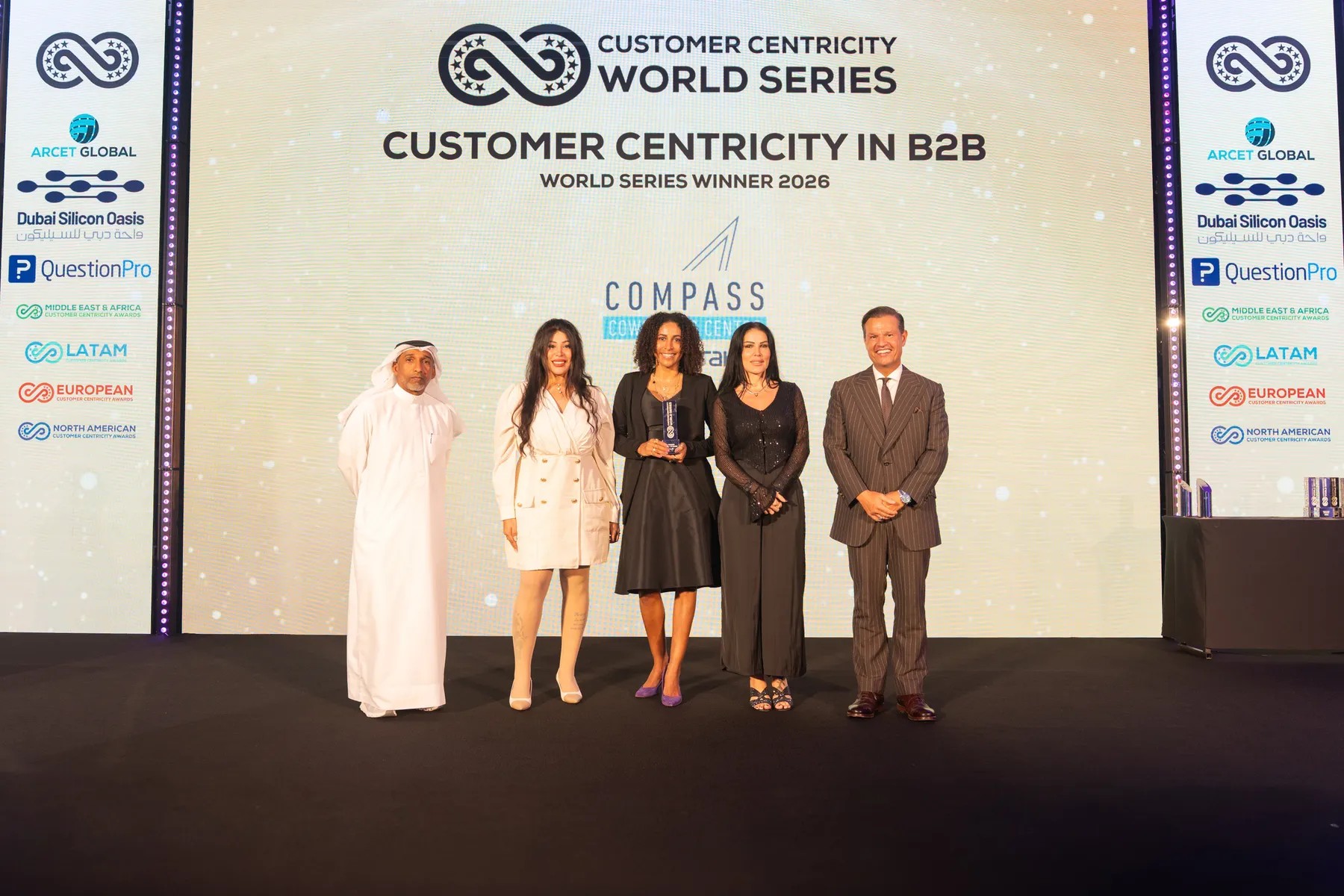
RAKEZ secures three honours at Customer Centricity World Series Awards 2026
|
- 0
- By Neel Achary

15, Oct 2026
Sundaram Finance Revises Deposit Interest Rates From October 16, 2026

Chennai, Oct 15…..Effective 16th October 2026, Sundaram Finance increases Deposit Interest Rates for One Year Tenure by 0.30%and by 0.25% for Two & Three-year tenure respectively for both Regular and Senior Citizens.
·Regular: The interest rate for One-year deposits has been increased from 6.70% p.a. to 7.00% p.a. For two years, it has been increased from 7% p.a. to 7.25% p.a. & for three years it has been increased from 7.25%p.a. To 7.50%p.a.
·Senior Citizens: The interest rate for One-year deposits has been increased from 7.20% p.a. to 7.50% p.a. For two years, it has been increased from 7.50% p.a. to 7.75% p.a. & for three years it has been increased from 7.75%p.a. To 8.00%p.a.
Sundaram Finance currently has a deposit base of ₹6,088 crore, reflecting the continued trust and confidence of its deposit holders. Company enjoys AAA rating Stable from both ICRA and CRISIL, denoting highest safety for deposits
15, Oct 2026
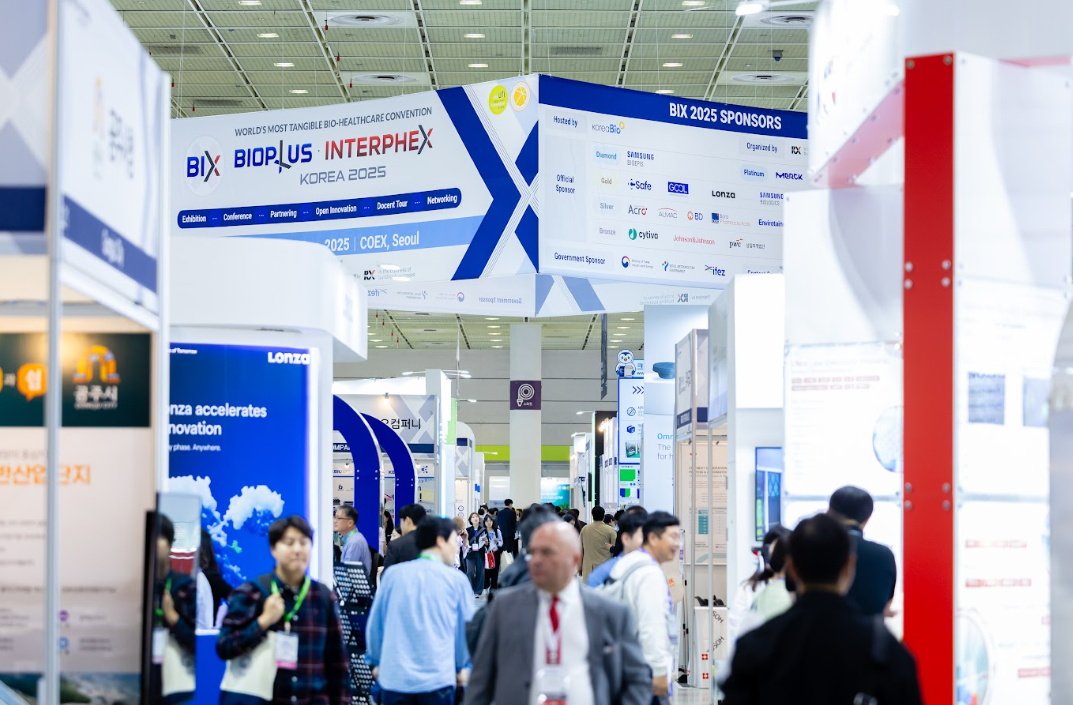
BIX 2026 Counts Down to Opening with Post-GLP-1 Session on the Next Obesity Treatment Market
-
Billy Cho , PE and Head of JVC, CBC Group
-
Huizhong Xiong , Vice President of Innovent Biologics
-
Inyoung Choi , PhD, Senior Executive Vice President and Head of R&D Division of Hanmi Pharmaceutical
-
Seulki Lee , CEO of D&D Pharmatech
“The bioindustry’s business strategies are evolving rapidly as next-generation therapeutics, advances in AI, shifting investment and M&A dynamics, and intensifying global competition converge,” said Seung-kyou Lee, Vice President of Korea Biotechnology Industry Organization (KoreaBIO). “We hope BIX 2026 will be a platform where key players across the industry come together to share real-world market insights and strategies and discover new partners and business opportunities.”
15, Oct 2026
SailPoint creates flexible, high-performance collaboration spaces with Kramer AV
Integrated Kramer solution enables SailPoint’s Pune office to seamlessly transform two independent meeting rooms into one larger collaboration environment, with professional audio, 4K video, wireless collaboration and intuitive control.
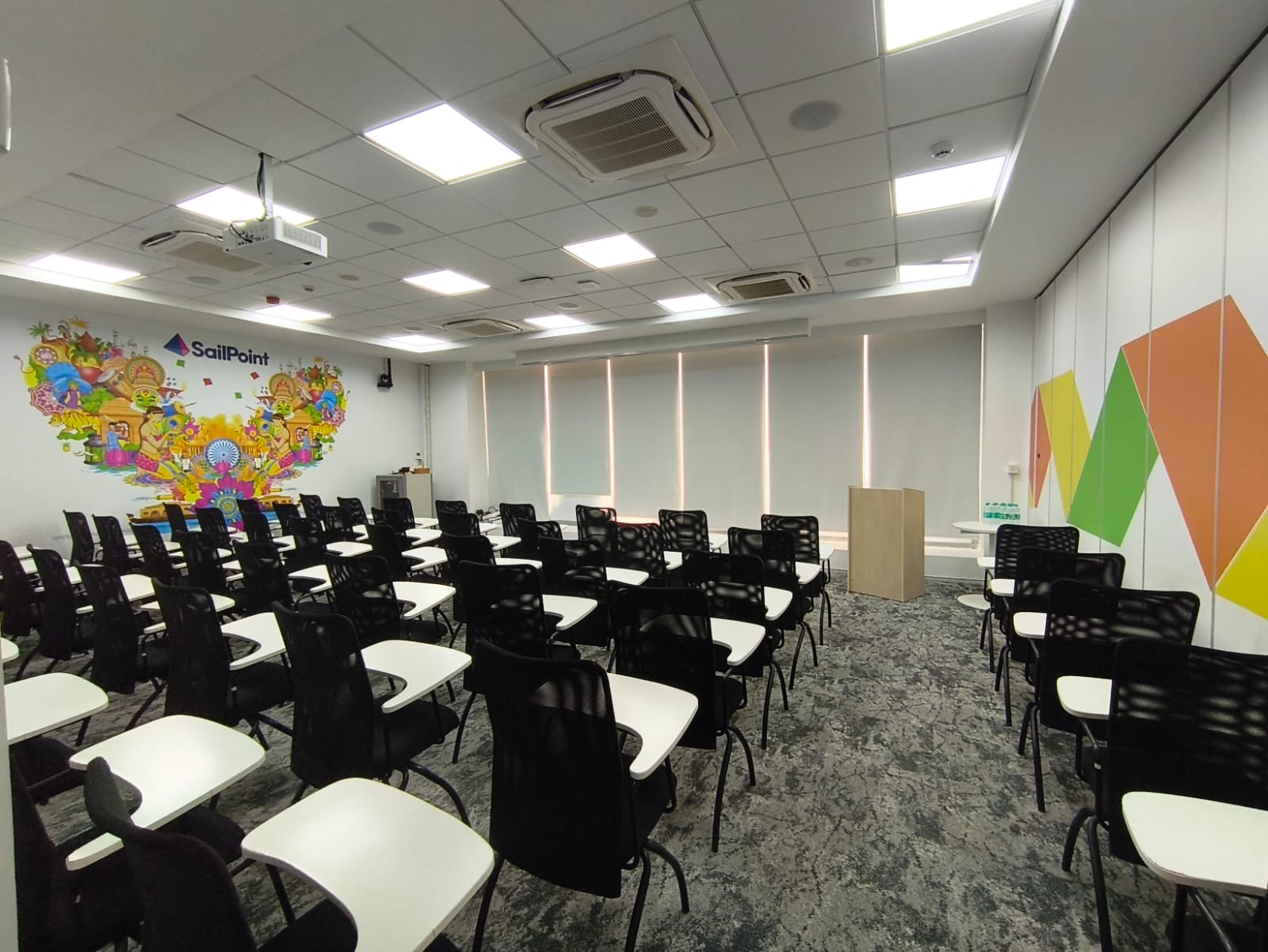
Tel Aviv, Israel – Oct 15 — Today’s workplace is more fluid than ever. Teams gather in person one hour, collaborate with colleagues across continents the next, and often need meeting spaces that can change just as quickly as the agenda itself. At its Pune office in India, SailPoint Technologies has embraced that flexibility, creating an intelligent collaboration environment powered by Kramer that supports meetings of different sizes and formats.
Founded in 2005, SailPoint Technologies is a global leader in enterprise identity security, helping organizations protect digital identities across increasingly complex IT environments. With collaboration playing an important role in its global operations, SailPoint required meeting spaces that could adapt easily to different needs while providing a consistent experience for both in-room and remote participants.
At the heart of the project was a common but complex AV challenge: enabling two neighboring meeting rooms to operate independently for everyday meetings, while also allowing them to become one larger space for executive presentations, training sessions and town hall events.
When the rooms are combined, the audio, video, USB and control environment also needs to work as one. When separated, each room needs to return to independent operation — without users having to manually reconfigure the technology.
SailPoint partnered with SRSG Broadcast India Pvt. Ltd. to design and deliver a fully integrated Kramer solution combining professional audio, 4K video distribution, wireless collaboration, USB connectivity and centralized room control within a dedicated AV network.
At the touch of a button, users can select the required room configuration, with the underlying AV systems working together to support the selected environment. The result is a consistent experience whether the space is being used for a small team meeting, hybrid collaboration or a larger company event.
Flexible video and collaboration
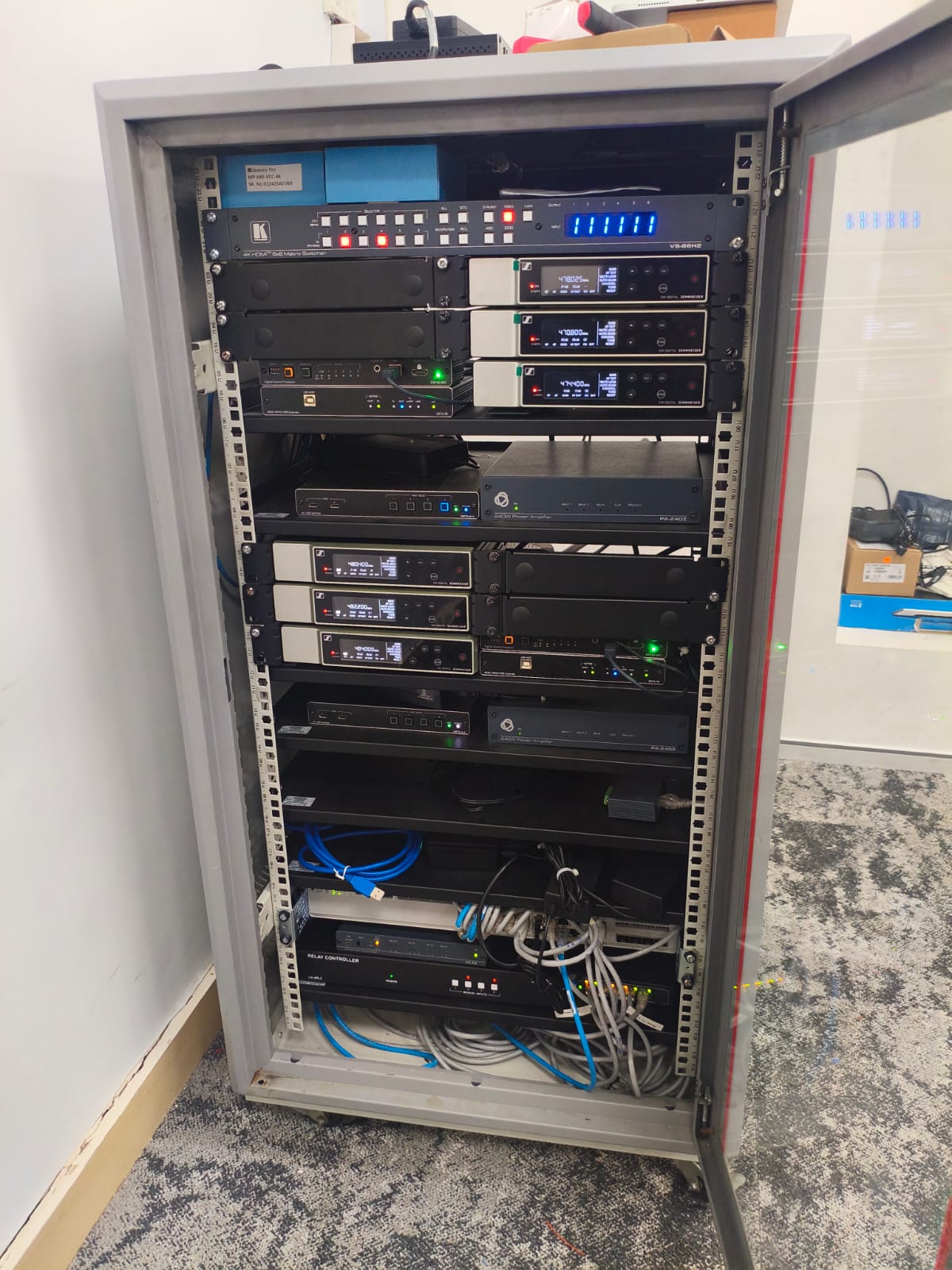
At the core of the video architecture is the Kramer VS-66H2 matrix switcher, providing flexible routing of multiple video sources to displays across the rooms.
Kramer SWT3-22-HU-WP-T wall plates provide USB-C and HDMI connectivity for laptops, while Kramer VIA Connect3 enables wireless presentation and collaboration. This gives employees the flexibility to connect and share content in the way that best suits the meeting.
For long-distance signal distribution, Kramer EXT3-TR and TP-583R HDBaseT solutions transport 4K60 video and control signals over structured cabling, with USB extension provided by the EXT3-TR, creating a reliable infrastructure capable of supporting the different room configurations.
Clear, consistent hybrid communication
Professional audio was an equally important part of the design, particularly when the spaces are used for hybrid meetings.
Dual Kramer DSP-62-AEC digital signal processors provide acoustic echo cancellation, automatic microphone mixing and noise suppression, with dedicated processing logic supporting both independent and combined room configurations.
Audio is amplified through the Kramer PA-240Z and distributed through ceiling loudspeakers, providing consistent coverage across the spaces and supporting clear communication between in-room and remote participants.
Hybrid collaboration is further simplified through the Kramer SWT3-41-U, which enables cameras, microphones and other USB peripherals to be shared between the rooms. This removes the need to manually reconnect USB equipment when the room configuration changes and supports BYOD workflows across conferencing platforms such as Microsoft Teams and Zoom.
One-touch room control
Bringing the complete environment together is the Kramer KC-Virtual Brain1, coordinating video routing, audio processing, USB management and room-combine functionality through a centralized control platform.
Kramer RC-308 wall controllers provide straightforward one-touch operation for everyday users, while an Apple iPad interface provides access to additional controls when required.
Users can select Room 1, Room 2 or Combined mode, with the system coordinating the required AV functions behind the scenes. This reduces the complexity typically associated with divisible meeting spaces and enables users to focus on the meeting rather than the technology supporting it.
“This project demonstrates how intelligent system design and the Kramer ecosystem can transform modern meeting environments into flexible, high-performance collaboration spaces,” commented Ashish Papadkar, IT Support Specialist at SRSG Broadcast India Pvt. Ltd. “The seamless room management and centralized control architecture give SailPoint the operational simplicity and enterprise-grade reliability needed to support different meeting formats.”
For SailPoint’s IT team, the unified architecture also simplifies the environment that needs to be supported. A dedicated AV network provides a segregated infrastructure for the collaboration technology, while the integrated approach makes ongoing maintenance and future expansion easier to manage.
The result is a flexible collaboration environment designed to adapt from everyday meetings to hybrid sessions, training and larger events without requiring users to think about the technology behind it. Whether the rooms operate independently or as one combined space, the same Kramer infrastructure supports consistent video, audio, USB connectivity and control.
15, Oct 2026
AED250M Palm Jebel Ali mansions designed for buyers who want the finished article
Two ultra-luxury waterfront homes to be sold only on completion as more high-net-worth individuals want walk-through before committing
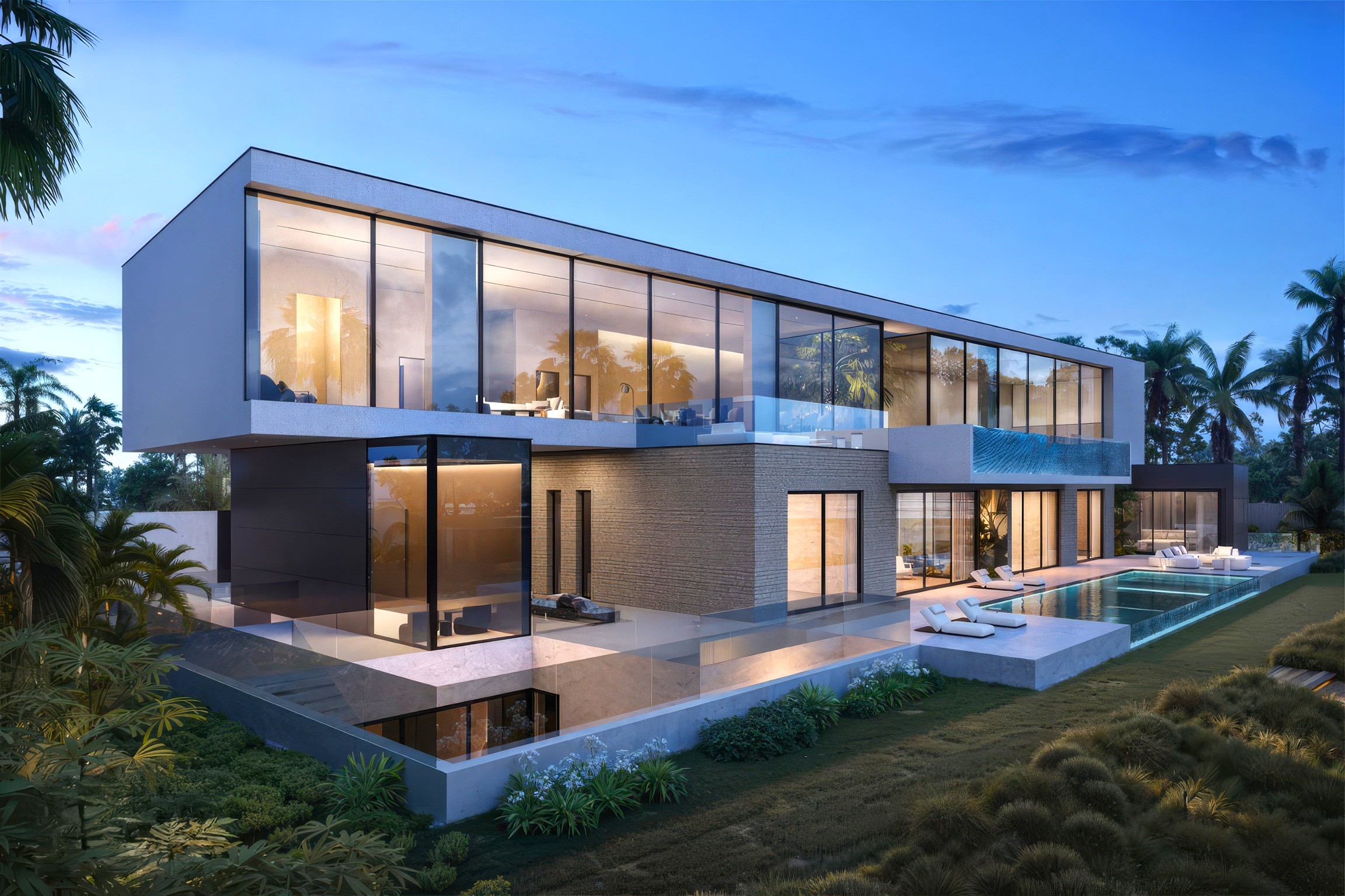
Dubai, UAE, Oct 15: Two ultra-luxury waterfront mansions to be built on the Palm Jebel Ali will each be offered for sale at AED250 million only on completion, as more wealthy Dubai property buyers insist on seeing the finished home first.
The mansions will be delivered by Nordic by fäm, the ultra-prime development arm of fäm Properties, in a departure from the off-plan model that has long defined Dubai’s high-end property market.
Now at the final stage of design, each mansion will offer 20,000 square feet of built-up area on a 25,000-square-foot waterfront plot. The living spaces are designed to maximise natural light, privacy and uninterrupted sea views. Completion is expected in 2029.
They are part of a wider AED3 billion portfolio of luxury homes being developed under the Nordic by fäm brand in prime Dubai districts, including Al Wasl and Meydan, all for sale only on completion. The latest of these properties has just been listed for AED85 million in Al Wasl.
“By completing the homes before inviting buyers, we’re removing uncertainty often associated with pre-construction sales,” said Firas Al Msaddi, CEO of fäm Properties. “Today, more of the high-net-worth buyers we’re talking to are increasingly end-users who intend to live in their homes, and their priorities have changed.
“They want privacy, exclusivity and long-term value, and the deciding factors are the architecture, the build quality and the finish. They want to walk through the finished home before they commit.”
Palm Jebel Ali’s rare waterfront positioning makes it one of the world’s most exciting real estate opportunities for global buyers, and Al Msaddi says: “Our decision to complete two ultra-luxury mansions there before offering them for sale reflects our long-term conviction and confidence in Dubai as one of the world’s most desirable locations for high-net-worth buyers.”
More than AED140 billion worth of ultra-luxury homes have been launched in Dubai in the last five years. Sales of AED40M+ villas grew from 27 in 2020 to 282 in 2025, with transaction value soaring by just over 1,520% during this period from AED1.36 billion to AED22.05 billion.
Demand at the top end of the market has remained strong this year, with the first half of 2026 bringing 197 AED40M+ villa sales valued at AED14.24 billion.
The latest luxury villa completed from Nordic by fäm is located in Al Wasl, minutes from Downtown Dubai. Two other completed homes from the same portfolio previously sold for AED61.5 million and AED76 million in the same area.
Meanwhile, a flagship mansion with 35,000 square feet of built-up area, currently under development in Meydan is expected to be listed on completion next year at AED275 million by fäm Luxe, the exclusive sales partner for Nordic by fäm.
Shaped by Scandinavian minimalism, precise detailing and materials used to last, each residence is individually designed and built without templates, so no two homes are the same. Luxury amenities include professional-grade cinemas, private spas with jacuzzi, steam and massage rooms, gyms, and extensive indoor-outdoor living areas.
15, Oct 2026
Discover Your Next Japanese Product at “JAPAN’S FOOD” EXPORT FAIR Winter 2026
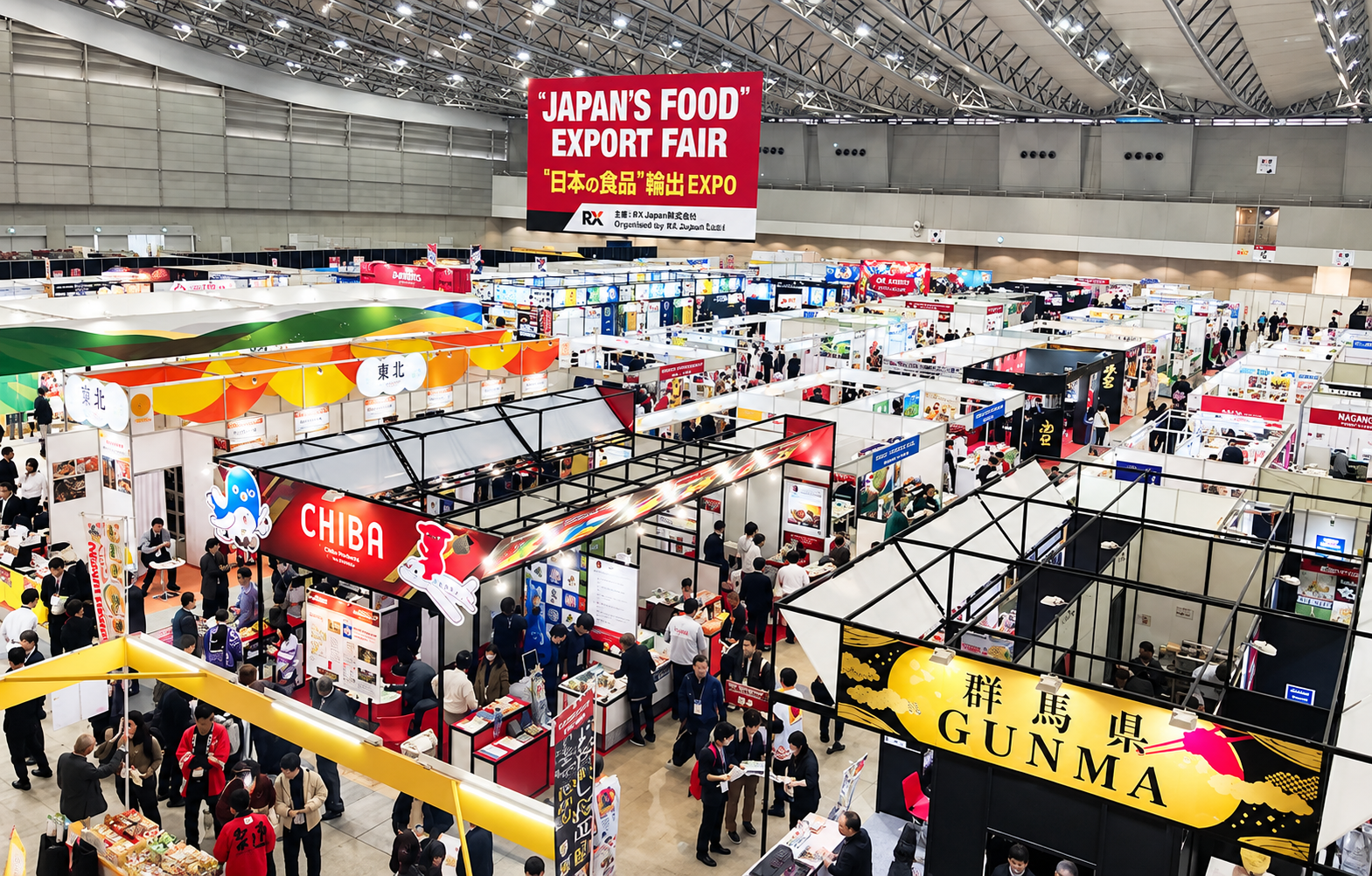
A Focused Sourcing Platform for Japanese Products
From premium matcha from Kyoto and wagyu beef to sake, craft beverages, seafood, processed foods, and confectionery, buyers can explore more than 3,000 products, including many that are not yet widely available outside Japan.
Discover Products You May Not Find Outside Japan
Why International Buyers Visit
Register Early and Arrange Meetings Before You Arrive
Visitor registration for JAPAN’S FOOD EXPORT FAIR Winter 2026 is free until 5 November (JST). Starting 6 November, RX Japan will implement a new admission scheme, with a JPY 5,500 registration fee for visitors who register after the deadline. This initiative is designed to attract high-quality, purchase-ready buyers, helping exhibitors maximize their business opportunities at the show.
15, Oct 2026
Vedanta Aluminium Deepens Global Partnerships, Showcases Sustainable Solutions at ALUMINIUM 2026 in Düsseldorf
Bhubaneswar, Oct 15 (UDN): Vedanta Aluminium, India’s largest aluminium producer, strengthened its engagement with international customers, industry stakeholders and technology partners at ALUMINIUM 2026, a leading global trade fair for the aluminium industry held in Düsseldorf, Germany.
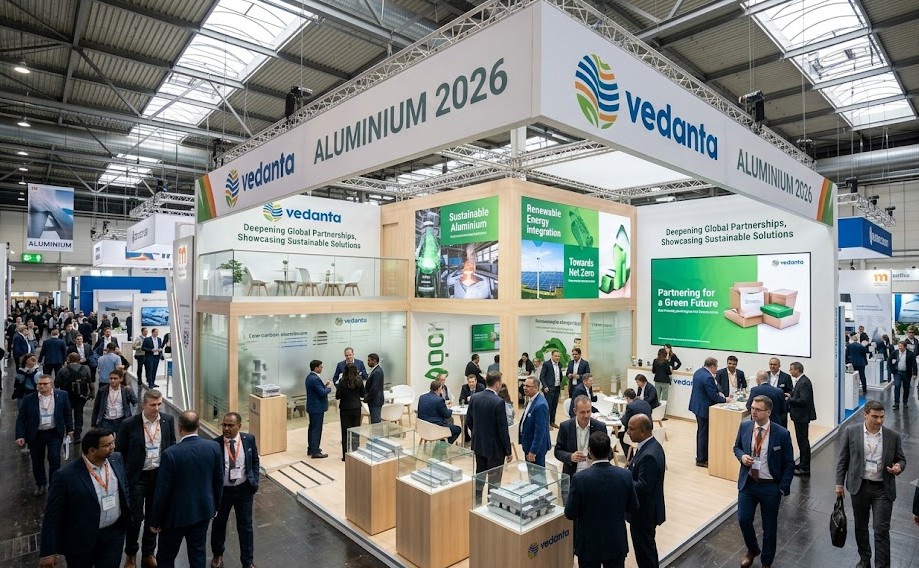
Representational Image
The participation provided a platform for the company to exchange insights on emerging industry trends, explore new business opportunities and strengthen partnerships across international markets. With sustainability, supply chain resilience and advanced manufacturing gaining prominence, Vedanta Aluminium highlighted its commitment to delivering high-quality, value-added aluminium products and customer-focused solutions to meet the evolving requirements of global industries.
Discussions at the exhibition centred on key developments shaping the aluminium sector, including low-carbon materials, product innovation, reliable supply networks and customised solutions for diverse industrial applications. The conversations also underscored the growing importance of technological advancement and closer collaboration between producers and customers in an increasingly competitive global marketplace.
Rajesh Kumar, CEO, Vedanta Aluminium, said, “The global aluminium industry is witnessing a significant shift, with customers placing greater emphasis on sustainability, supply chain resilience and advanced manufacturing applications. This presents an opportunity to build stronger partnerships, drive product innovation and deliver greater value through differentiated solutions. At Vedanta Aluminium, we remain committed to deepening customer relationships, expanding our value-added portfolio and supporting the evolving needs of industries across global markets.”
With a customer presence spanning more than 60 countries, Vedanta Aluminium caters to a broad spectrum of industrial sectors through its portfolio of primary and value-added aluminium products. Its offerings include billets, wire rods, primary foundry alloys and specialised products serving automotive, electrical, infrastructure, renewable energy and advanced manufacturing applications.
The company continues to focus on improving product quality, accelerating technical qualification processes and developing application-specific solutions to address customer requirements across international markets. Engagements at global industry platforms such as ALUMINIUM 2026 also enable the company to gain a deeper understanding of changing market expectations and identify opportunities for long-term collaboration.
Sustainability was another key theme throughout the exhibition, with industry discussions highlighting renewable energy integration, circularity, recycled aluminium content and emissions reduction. As manufacturers and end-users increasingly prioritise responsible sourcing and greater supply chain transparency, collaboration across the aluminium value chain is becoming increasingly important to advancing decarbonisation efforts.
The exhibition also offered insights into growth opportunities linked to automotive electrification, power transmission, renewable energy infrastructure and other emerging applications. These sectors are creating demand for aluminium solutions that combine performance, reliability and resource efficiency, reinforcing the importance of continuous innovation and technical partnerships.
With an installed production capacity of more than 2.4 million tonnes per annum, Vedanta Aluminium remains focused on strengthening its position in international markets through customer engagement, product development and operational excellence. Its participation at ALUMINIUM 2026 reflects the company’s continued efforts to align its offerings with global industry priorities while building lasting partnerships and supporting the expanding role of aluminium in a more sustainable industrial future.
15, Oct 2026
Jeanologia brings a new perspective on the product to Kingpins Amsterdam:
Jeanologia brings a new perspective on the product to Kingpins Amsterdam: understanding its impact and expanding creative possibilities
-
The company presents the new generation of EIM to the international denim community.
-
Jeanologia’s presence at Kingpins also includes COMMON GROUND, a collaboration with Sue Barrett exploring the relationship between nature, camouflage, craft and technology.
Valencia (Oct 15, 2026). What lies behind a garment? From the processes and resources used to make it to the creative decisions that shape its final look. Jeanologia brings this question to Kingpins Amsterdam, one of the leading meeting points for the international denim community, where on October 14–15 it will present two different perspectives on the product: understanding and measuring its impact and exploring new ways to create it.
For two days, yarn and fabric manufacturers, garment makers, finishers, brands and designers come together in Amsterdam. This makes Kingpins a key setting for Jeanologia to introduce the new generation of EIM, which expands environmental measurement across the different stages involved in making a garment, and to present COMMON GROUND, its collaboration with Sue Barrett, where nature and camouflage become the starting point for creative exploration.
From yarn to garment: EIM comes to Kingpins
After more than 15 years measuring the environmental impact of garment finishing, EIM is expanding its scope to connect information from yarn, fabric and garment finishing under one common methodology. This evolution addresses one of the textile industry’s key challenges: a garment passes through multiple processes and players before reaching the consumer, and understanding its impact requires reliable, comparable information from each of these stages.
At Kingpins, Jeanologia will demonstrate how this new architecture works through live demonstrations of the different EIM modules and sessions with brands and manufacturers, showing how environmental information can be generated, connected and used throughout the production chain.
The new EIM includes independent Yarn, Fabric and Garment Finishing modules, allowing each stage to be measured separately, while EIM+ brings the results together to provide a complete view of the product. Using primary production data, EIM measures water and energy consumption and chemical use, as well as worker impact at the garment-finishing stage, and classifies environmental performance as low, medium or high impact.
The information remains traceable and is structured for use in tools such as the Digital Product Passport (DPP) and Life Cycle Assessment (LCA). While EIM has its roots in denim and the measurement of garment-finishing impact, this new generation expands its application to any textile product, from yarn to finished garment.
“Kingpins gives us the opportunity to introduce the new EIM to a community that brings together many of the players involved in creating a garment. The challenge is no longer to measure processes in isolation, but to connect that information, understand the product as a whole and turn data into a tool to compare, decide and improve,” says Begoña García, EIM Director.
COMMON GROUND: observe, transform, belong
Jeanologia’s second proposal in Amsterdam moves into the creative space. Developed in collaboration with Sue Barrett, COMMON GROUND is a collection that explores our relationship with nature through pattern, camouflage and transformation.
Inspired by shapes, textures, shadows and patterns found in the natural environment, the collection reinterprets camouflage through craft, creativity and technology. Camouflage becomes the visual thread connecting the pieces and a way to explore ideas of adaptation, identity and belonging.
Jeanologia’s laser and G2 Ozone technologies are part of this creative process. Laser brings pattern, contrast and depth directly onto the garment, while ozone works with colour and ageing to shape the final look. Technology becomes a tool to translate the creative idea into the product and expand its possibilities.
The concept is captured in the COMMON GROUND manifesto:
Observe.
Transform.
Belong.
Nature creates the pattern.
The maker transforms it.
The wearer gives it meaning.
“There are a handful of projects we remember as ‘the ones’, built on true collaboration and creativity. COMMON GROUND is one of those. It has been a chance to bring together my passion for camouflage and utility clothing with nature, craft and technology, and reinterpret these references in a new way,” says Sue Barrett.
“For some of us, the creative process is as meaningful as the final collection. COMMON GROUND made us think about the balance between becoming part of our surroundings while still preserving our own identity, what makes us unique while sharing a common ground,” says Carme Santacruz, Creative Director at Jeanologia.
15, Oct 2026
EASYMLS BRINGS AN INDEPENDENT MLS TO U.S. YACHT BROKERS FROM NEW MIAMI HEADQUARTERS
Enhanced by AI tools, the Multiple Listing Service platform expands across the U.S., reaching brokers on both the East and West coasts
MIAMI, Fla.(October 15, 2026) – EasyMLS, the all-in-one platform built for yacht brokers, dealers, shipyards, charter operators and private owners, founded by Lionel Nicolai and now headquartered in Miami, is expanding its reach across both the East and West coasts of the United States, powered by a growing suite of artificial intelligence tools.
Founded on the idea that the yacht or boat itself should be the center of a broker’s business, EasyMLS gives yachting professionals a single platform to list, distribute, share and close deals, with artificial intelligence increasingly at the core of how the platform helps brokers work.
In yachting, the software a broker uses usually belongs to the site they advertise. Unlike software tied to a single advertising portal, EasyMLS is independent. Brokers can publish once, distribute their listings across the channels they choose, and maintain ownership of their leads and data.
At the center of that intelligence is the AI Estimator, which produces an indicative market estimate in seconds, based on real market comparables, giving brokers instant, data-driven pricing instead of relying on guesswork or outdated comps. The AI Import Engine automatically imports boat catalogs from PDFs, Excel files or third-party portal URLs, eliminating hours of manual data entry each week.
EasyMLS is the work of founder Lionel Nicolai, a Frenchman who grew up around the yachting industry; in his family, selling boats is a business passed down from father to son. While living and working in the United States, notably in real estate, Nicolai discovered the power of the Multiple Listing Service (MLS)
and realized yachting had never had a universal, independent MLS equivalent. That dual perspective, deep knowledge of boats paired with firsthand insight into the American market, became the foundation for EasyMLS.
“In real estate, no broker would work without an MLS. Yachting never had a universal, independent MLS. That is what we are building, and it belongs to the brokers who use it, not to a portal renting them space,” said Nicolai.
EasyMLS is used by brokers across the United States, alongside an established base in Europe.
Looking ahead, EasyMLS plans to extend its reach beyond the U.S., with future expansion planned into Canada, the Caribbean and South America, further connecting yacht professionals across the Americas to its network.
14, Oct 2026
Leonardo DRS Awarded JIATF-401 IDIQ Contract to Accelerate Delivery of Tactical Expeditionary Sensing Capabilities for Critical Counter UAS Mission
ARLINGTON, Va.– Oct. 14, 2026 – Leonardo DRS, Inc. (Nasdaq: DRS) announced today that it has been awarded a $500 million ceiling indefinite-delivery/
The JIATF-401 IDIQ is designed to increase speed and agility in delivering vetted Counter UAS (C-UAS) technologies and systems to operators. Under this contract, DRS will be eligible to compete for task orders that enable the rapid delivery of integrated C-UAS sensing capabilities supporting force protection and low-altitude air defense missions.
“Today’s threat environment is evolving faster than ever, and our customers need proven capabilities delivered at operational speed,” said John Baylouny, president and chief executive officer of Leonardo DRS. “This JIATF IDIQ positions DRS to accelerate the delivery of integrated C-UAS sensing technologies through rapid fielding of operationally relevant capabilities that help protect forces and strengthen low-altitude air defense as new threats emerge.”
“Our counter UAS and air defense radars have demonstrated proven detection, tracking, and force protection performance in operational environments,” said Max Cohen, senior vice president, general manager at Leonardo DRS RADA Technologies business unit. “We design, manufacture, and deliver combat-proven sensing systems at speed, and we’re ready now to support JIATF with mission-ready expeditionary radar capability that can be fielded rapidly as operational needs for C-UAS evolve.”
DRS manufacturers combat-proven radar and sensing solutions that support mission sets including counter-UAS, counter-rocket, artillery, and mortar, and short-range air defense, helping to provide persistent situational awareness and threat tracking for deployed forces. Backed by deep mission expertise and rapid design and manufacturing capabilities, the team supports customers from concept through production and sustainment to meet evolving threats with speed, scale, and reliability.
This IDIQ contract award positions DRS to compete for future task orders throughout the contract’s period of performance.


