


13, Aug 2026
Taj Agra Marks India’s 80th Independence Day with a Grand Patriotic Celebration
Agra, Aug 13: Taj Agra will celebrate India’s 80th Independence Day on 15 August 2026 with a day-long programme bringing together guests and associates in a celebration of national pride, unity and the spirit of India.
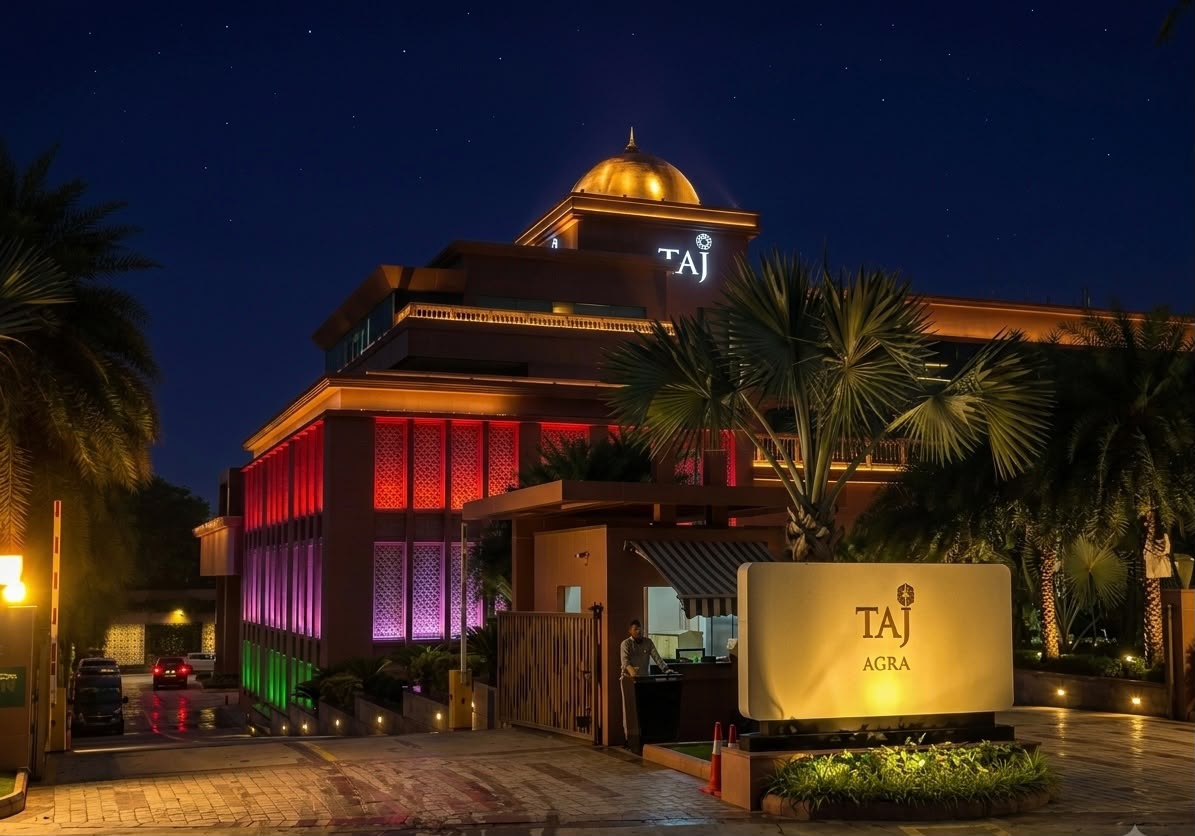
The celebrations will begin at 9:00 AM at the Main Porch with a flag-hoisting ceremony led by the Managing Director & Cluster General Manager of Taj Agra, followed by an Independence Day parade by the hotel’s Security Team and distribution of sweets among guests and associates.
Speaking about the celebrations, Shantanu Chakraborty, Director of Operations- General Management, Taj Agra, said,
“Independence Day is a moment of immense pride for every Indian and an opportunity to celebrate our shared heritage and values. At Taj Agra, we are delighted to bring together guests and associates through thoughtfully curated experiences that honour the spirit of India while creating memorable moments of togetherness and hospitality.”
The celebrations will extend across the hotel with a series of Independence Day-themed guest experiences and culinary offerings. A special Hi Tea will be hosted at the Tea Lounge following the morning ceremony, while guests staying at the hotel will receive special turndown amenities. A tricolour welcome drink will greet guests on arrival, with tricolour-themed mocktails and desserts also being served at Palato. Patriotic music will add to the celebratory atmosphere across Infini- The Sky Lounge, Daawat-e-Nawab and the hotel’s public areas.
The culinary experience will take centre stage at Palato, the hotel’s all-day dining restaurant, with a specially curated tricolour buffet showcasing Indian delicacies. The Independence Day menu will celebrate the diversity of Indian flavours while incorporating the colours of the national flag through a selection of dishes, beverages and desserts. The specially curated menu will also feature regional favourites and signature Indian delicacies inspired by the country’s rich culinary traditions.
Speaking about the culinary offerings, Chef Palash Ghosh, Executive Chef, Taj Agra, said,
“Indian cuisine reflects the incredible diversity of our country, making Independence Day a fitting occasion to celebrate its many flavours and traditions. We have curated a tricolour-inspired culinary experience featuring Indian delicacies, festive mocktails and desserts, bringing together the colours and flavours of India for our guests to enjoy.”
The lunch buffet at Palato will be available from 12:30 PM to 3:30 PM, priced at INR 1,999 plus taxes per person, while the dinner buffet will be served from 7:30 PM to 11:30 PM, priced at INR 2,199 plus taxes per person.
Through its programme of patriotic ceremonies, music and specially curated culinary experiences, Taj Agra invites guests to come together and celebrate India’s 80th Independence Day, honouring the nation’s rich heritage, cultural diversity and enduring spirit of unity. The celebrations are envisioned as a tribute to the values that bind the country together, while offering guests an opportunity to experience the warmth of Indian hospitality and the vibrant traditions that make India truly unique.
Event Details:
Date: 15 August 2026
Time: 9:00 AM onwards
Venue: Main Porch, Taj Agra
- 0
- By Neel Achary

13, Aug 2026
Indian Bank disburses INR 1,220 crore under Retail, Agriculture and MSME (RAM) segments
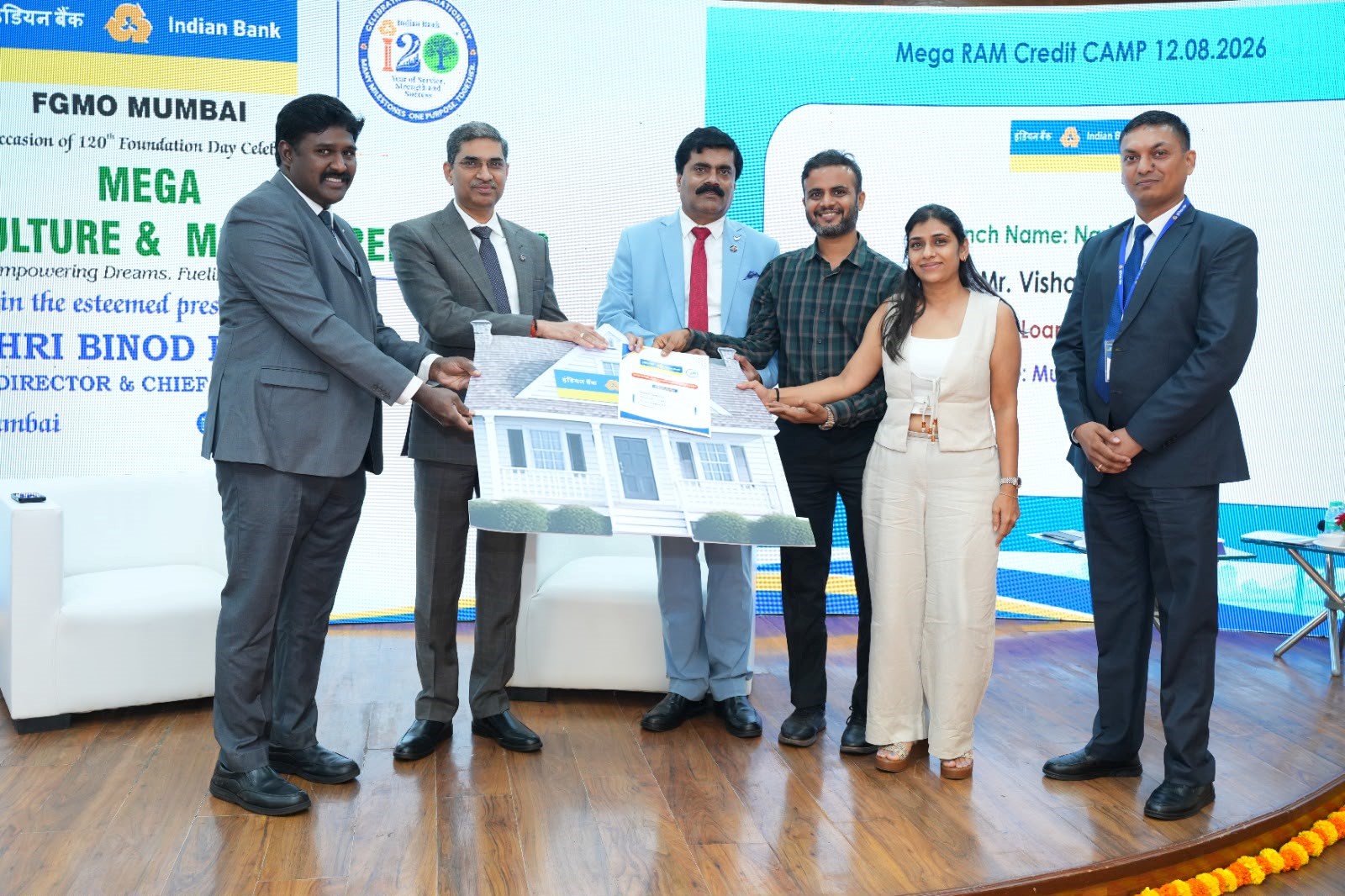
Chennai, Aug 13: Indian Bank distributed sanction letters aggregating to ₹1,220 crore across the Retail, Agriculture and MSME sectors at a Mega Disbursement and Customer Outreach Camp organised in Mumbai covering the regions of Maharashtra, Gujarat and Goa as part of its 120th Foundation Day fortnight celebrations.
Shri Binod Kumar, MD & CEO, Indian Bank, inaugurated the camp and handed over sanction tickets to the beneficiaries. Out of the total sanctions, the MSME segment accounted for ₹615 crore underscoring the Bank’s commitment to supporting entrepreneurs and the growth of the MSME sector.
Speaking on the occasion, Shri Binod Kumar, MD & CEO, Indian Bank, said, “Indian Bank remains committed to delivering superior customer service while driving transformative initiatives across the RAM segments. Timely and adequate access to credit is critical to enabling individuals, farmers and entrepreneurs to realise their aspirations. These sectors are key drivers of employment generation, entrepreneurship and inclusive economic growth, and we will continue to strengthen our efforts to provide customer-centric financial solutions that support their growth and development.”
The initiative is aligned with the Bank’s strategic objective of strengthening its presence across the RAM segments and contributing to inclusive growth through customer-centric banking, enhanced access to credit, and support for the financial aspirations of individuals, farmers and entrepreneurs.
Bank has undertaken various CSR initiatives across the country as part of the ongoing Foundation Day celebrations. While the Bank donated computers, laptops and essential infrastructure items to Victoria Memorial School for the Blind, Mumbai, financial assistance towards the development of sports activities was provided at Cochin University of Science and Technology (CUSAT) by Executive Director Ms Mini T.M. in a function held at Cochin.
13, Aug 2026
Delivery Of Second Multi-purpose Vessel ‘MS Maria’ To Hs Schiffahrts
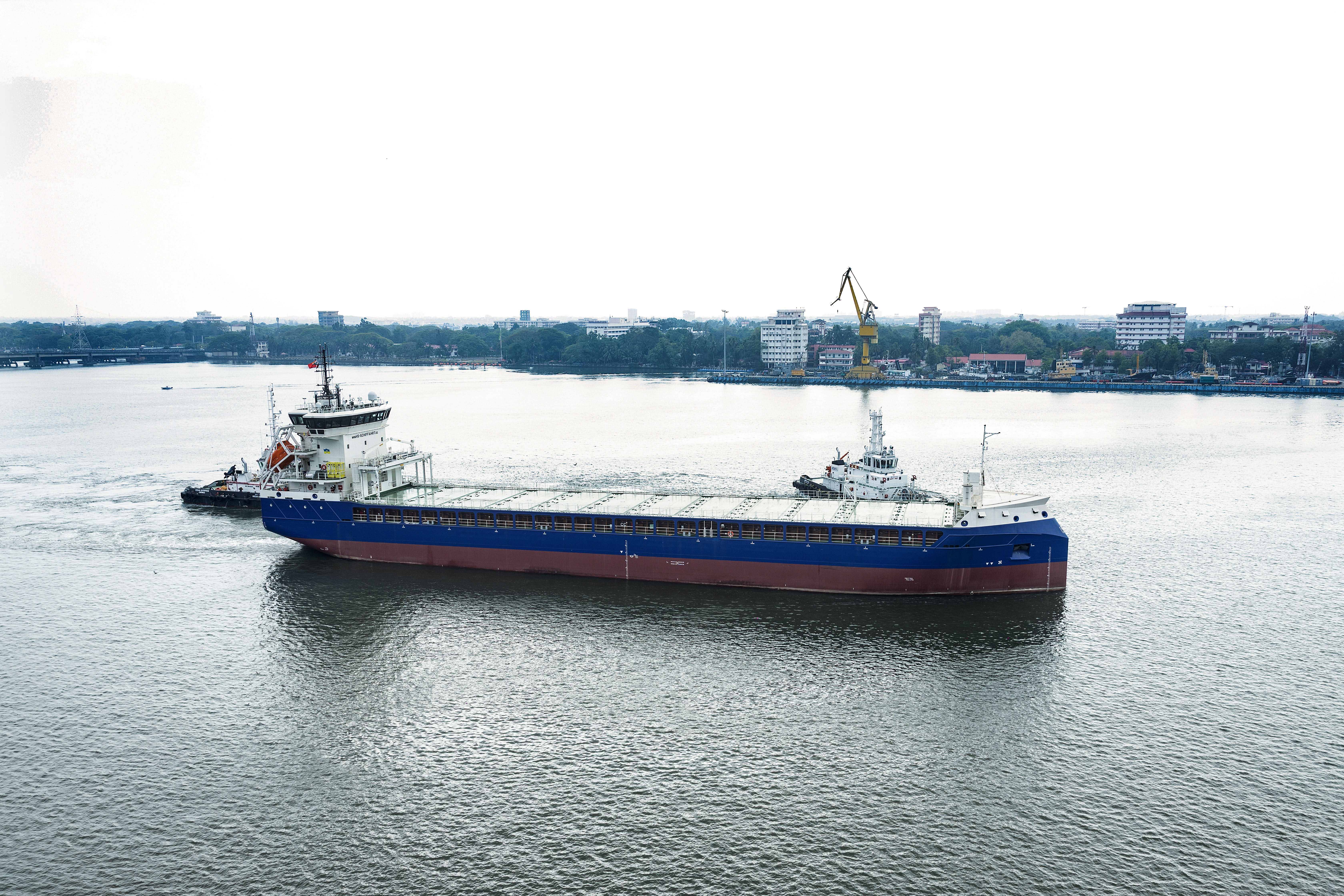
Cochin, 13 August 2026: Cochin Shipyard Limited (CSL) delivered ‘MS Maria, the second of the eight HS EcoFreighter series of Multi–Purpose Vessels (MPVs), to HS Schiffahrts UG (haftungsbeschränkt) & Co. KG, Germany, on 12 August 2026. The Delivery and Acceptance Protocol was signed between Dr. S. Harikrishnan, Director (Operations), Cochin Shipyard Limited, and Mr. Heinz Josef Schepers, Director, HS Schiffahrts UG (haftungsbeschränkt) & Co. KG, in the presence of senior officials from the Owner and CSL.
12, Aug 2026
Celebrate Independence Day at Moxy Bengaluru Airport Prestige Tech Cloud with The United Plates of India
Bengaluru, Aug 12: This Independence Day, gather your favourite people for an afternoon of good food, great company and Moxy’s signature energy. On Saturday, 15th August, Moxy Bengaluru Airport Prestige Tech Cloud invites guests to celebrate with The United Plates of India, an indulgent Independence Day brunch at Moxy Kitchen, bringing together a vibrant spread of flavours and a relaxed afternoon of celebrations.
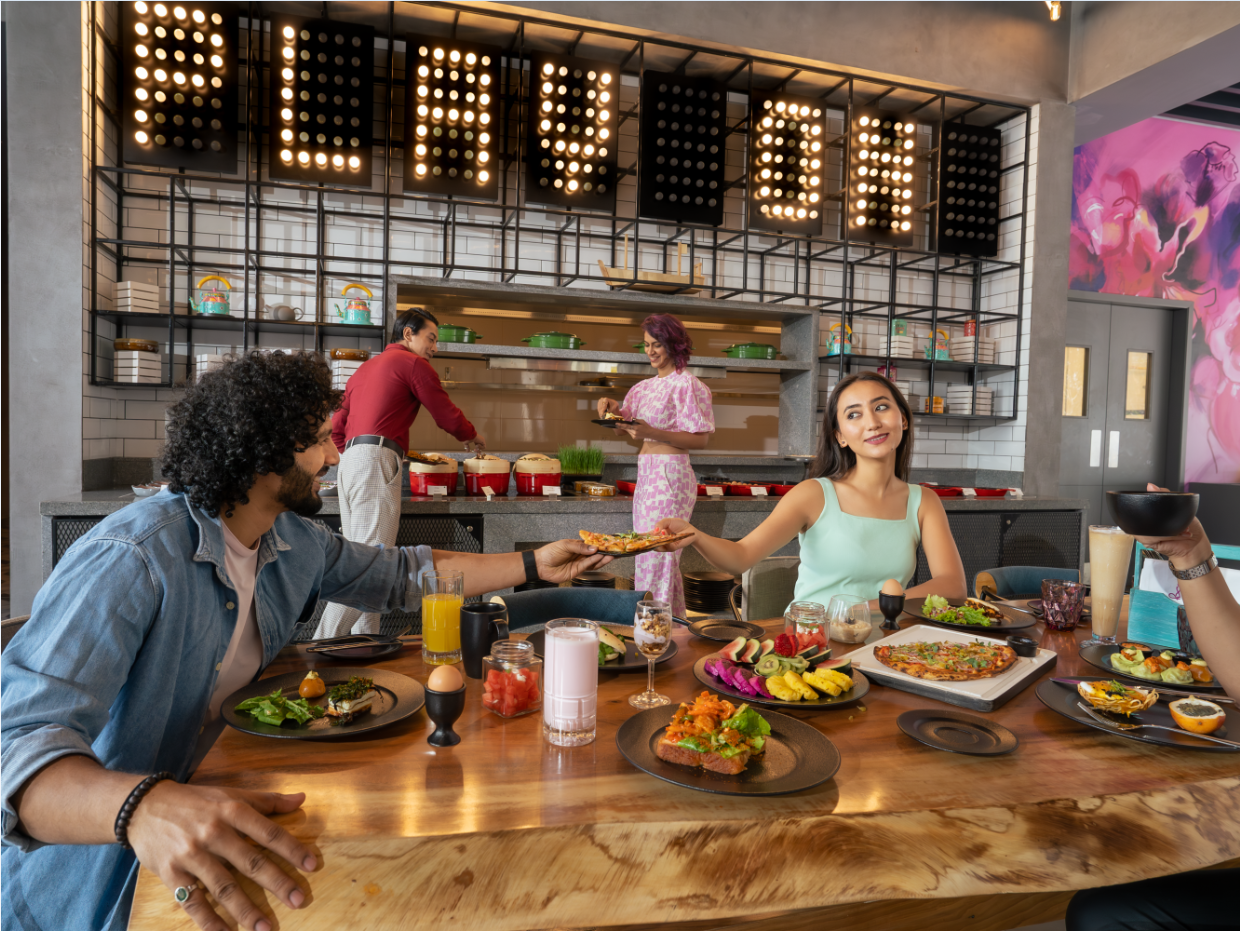
From 12:30 PM to 3:30 PM, Moxy Kitchen sets the scene for an easy-going Independence Day gathering, with a spread designed for long lunches and even longer conversations. Whether it’s a family get-together, a catch-up with friends, or simply a reason to step away from the everyday, the brunch offers an enjoyable way to spend the national holiday.
Staying true to Moxy’s playful, social-first spirit, The United Plates of India is all about bringing people together around the table. Starting at INR 1,999++, the brunch pairs a celebratory dining experience with Moxy’s upbeat atmosphere, making it an easy pick for those looking to make the most of the long weekend with their favourite people.
At Moxy Bengaluru Airport Prestige Tech Cloud, celebrations are never meant to feel predictable. From its lively social spaces to its youthful approach to hospitality, the hotel continues to create experiences that encourage guests to eat, drink, connect and have a good time. This Independence Day, Moxy Kitchen brings that spirit to the table with a brunch that is relaxed, vibrant and made for togetherness.
So, this 15th August, gather your crew, bring your appetite and celebrate Independence Day with The United Plates of India at Moxy Kitchen. #AtTheMox.
12, Aug 2026
Manufacturing GVA Rises 10.88 pc in Three Years, Government Data Shows
New Delhi, Aug 12: India’s manufacturing sector recorded 10.88 per cent growth in Gross Value Added (GVA) during 2022-23 to 2025-26, according to government data based on the revised national accounts series.

Pic Credit: Pexel
The figures point to a strong expansion in manufacturing activity over the three-year period, as the sector continues to play an important role in India’s broader economic growth.
The government has been focusing on strengthening domestic manufacturing through initiatives aimed at attracting investment, improving infrastructure and supporting businesses across key industrial segments.
Schemes such as the Production Linked Incentive programme have encouraged investment in areas including electronics, automobiles, pharmaceuticals and other strategic industries. At the same time, improvements in logistics and connectivity are helping manufacturers reach both domestic and international markets more efficiently.
The revised national accounts series uses 2022-23 as its base year and provides an updated assessment of economic activity across different sectors.
The manufacturing sector is also gradually moving towards more technology-intensive production. This includes growing activity in electronics, advanced engineering, semiconductors and other high-value industries.
For businesses, this shift is creating new opportunities while also increasing the need for investment in modern technology, skilled workers and efficient production systems.
The government has also been seeking to strengthen domestic supply chains and encourage Indian manufacturers to become more integrated with global value chains. Greater participation in global manufacturing could help expand exports and create new employment opportunities.
The latest GVA figures provide an encouraging picture of manufacturing performance under the revised measurement framework. However, maintaining this momentum will depend on continued investment, stable supply chains, access to skilled talent and the ability of Indian companies to remain competitive.
With manufacturing expected to remain central to India’s long-term growth plans, the sector’s performance will continue to be closely watched as the country works to build a stronger and more globally competitive industrial base.
12, Aug 2026
Indian Companies Go Global: 77% Plan to Increase Overseas Hiring, Deel Survey
Aug 12 – Indian businesses are looking well beyond their borders to fuel growth, according to a new survey by Deel, which finds that 77% of Indian companies plan to increase global hiring over the next 12-18 months. The research signals a shift in how Indian organisations are building and structuring their workforces, as access to specialised talent, proximity to customers, and round-the-clock operations emerge as the leading drivers of international expansion.
The survey of 1,008 senior decision-makers and HR leaders across seven major Indian cities finds that global hiring is no longer a fringe strategy but a mainstream one. More than half (54%) of companies already have more than a quarter of their workforce based outside India. Additionally, more than half (58%) of companies operate in four or more countries, with nearly 20% already operating across more than 10 countries.
Specialised talent, not cost, is fuelling global expansion
34% of respondents cite access to specialised or emerging skills as their top reason for hiring globally, followed by 33% who hire to be closer to customers and local markets, and 20% who cite the ability to run 24/7 operations. The findings underscore that for Indian companies, going global is a talent and market-access strategy, not a cost play.
Global hiring is heavily concentrated in technology roles:
Companies expanding overseas are looking to fill the skills gap and also revenue-critical roles. Nearly nine in ten (89%) of companies hiring globally are looking for advanced technology and engineering talent, such as core developers, AI/ML specialists, and R&D professionals. This is followed by sales and business development (80%) and product and design (45%).
North America remains the top destination for Indian companies’ global workforces, cited by 36% of respondents, ahead of Europe/UK (27%) and APAC (21%). This suggests employers are willing to pay more to hire the right talent from high-income economies for roles that directly influence roadmap and revenue.
“India’s economic momentum, maturing startup ecosystem, thriving digital economy, and increasingly supportive policy environment are giving Indian companies the confidence to build globally, not just serve global clients from India. The winners will be those treating international expansion as a core growth strategy – backed by the right talent, technology, and compliance foundations. In the next few years, India’s most ambitious companies will be measured not just by revenue growth, but by its global footprint,” said Rakesh Gaur, Head of Sales for India at Deel.
Compliance, not cost, is the biggest barrier to scaling globally
As Indian companies expand their international footprint, compliance has emerged as the biggest obstacle to scaling. Three quarters (76%) of respondents cite compliance and administrative burden, not the cost of expansion, as their primary challenge. This includes navigating global payroll, local tax laws, statutory benefits, and risks such as misclassification and permanent establishment.
The impact is already being felt: One in three (36%) of companies report moderate or significant disruption to their expansion plans due to compliance issues, and only one in ten (10%) say they are highly confident their global HR and payroll setup is fully compliant.
Compliance delays are already impacting business performance
The impact of compliance challenges extends well beyond HR and legal teams. Among companies that experienced delays in their global expansion, the biggest causes were local entity setup taking longer than expected (42%), followed by visa, immigration or work permit delays (31%), payroll, tax or statutory filing errors (27%), and internal system or process gaps caused by manual or disconnected tools (25%).
The business consequences are significant. Seven in ten (70%) companies say compliance-related delays pushed back a product or market launch, while 67% report strain on leadership time, team morale or company reputation. Nearly six in ten (59%) experienced delayed revenue because new hires were not productive on time, 49% lost or delayed a deal, contract or project, and 38% incurred additional legal, remediation or unplanned costs. Only 20% say the delays had no measurable financial impact.
Fragmented operations are slowing global growth
Workforce operations also remain fragmented. Nearly half (46%) of companies use a central HR system but still manage global payroll manually, and 44% juggle between two to five separate HR or workforce platforms to manage their international teams.
Rakesh adds, “Indian companies want to scale globally, but managing compliance across fragmented systems isn’t just inefficient – it’s a compliance liability. The ones that win will consolidate their operations onto a platform built for global growth.”
EOR adoption is becoming the default route to global expansion
Against this backdrop of rising complexity, Employer of Record (EOR) solutions are emerging as the default strategy for Indian companies scaling internationally. 34% of companies already use an EOR model, while another 24% use a mix of employment models, combining EOR, contractors, and owned entities, depending on the country and role.
Among companies already using an EOR, the benefits are clear: 40% say it saves them both time and cost, and a further 35% say it primarily saves time.
About the Research
The survey was conducted among 1,008 senior decision-makers directly involved in global hiring, expansion, and workforce strategy across seven Indian cities — Delhi/NCR, Mumbai, Bengaluru, Chennai, Hyderabad, Pune, and Kochi — spanning sectors including IT, BFSI and fintech, telecom and technology services, healthcare, retail, education, media, entertainment & gaming, and professional services. The mobile/web-based survey used stratified sampling and comprised 15 questions.
12, Aug 2026
CPDL Strengthens Power Infrastructure with Commissioning of New 11 kV Feeder for Sector-46-C Area
Chandigarh, August 12, 2026: Chandigarh Power Distribution Limited (CPDL) has commissioned a new 11 kV 46–C Feeder originating from the 66/11 kV Sector-47 Grid Substation, taking another step towards strengthening the city’s power distribution network. The project has been completed at an approximate cost of Rs 55 lakh.
The newly commissioned feeder is designed to enhance the reliability and operational flexibility of the electricity distribution network in Sector–46–C and adjoining areas.
CPDL officials said that the new feeder will provide substantial load relief to the existing 11 kV feeder for Sector 46 C & D, emanating from the Sector-32 Grid Substation, reducing feeder loading and improving the continuity and reliability of power supply for consumers.
The project will also enhance network flexibility by enabling efficient load redistribution with improved system redundancy.
In addition, it will facilitate planned cut-point shifting to provide further load relief to the 11 kV 32 Water Works Feeder originating from the Sector-52 Grid Substation, thereby improving the overall performance of the distribution network.
Consumers in the area will benefit from improved voltage regulation, reduced chances of feeder overloading, and outages. The additional infrastructure will also enable CPDL to cater to future growth in electricity demand in the locality.
12, Aug 2026
Pocket FM Strengthens Global Brand Presence Through Partnership with Alpine APL Pipers for Global Chess League 2026
Aug 12: Pocket FM, the world’s largest audio series platform, has partnered with Alpine APL Pipers as Global Co-Sponsor for the team’s campaign in the Global Chess League 2026, scheduled to be held from 3–13 September 2026. The partnership marks another milestone in Pocket FM’s international brand journey as it continues to strengthen its global brand presence through strategic partnerships with globally recognised sporting franchises.

Led by reigning World No. 1 Magnus Carlsen, Alpine APL Pipers is one of the Global Chess League’s marquee franchises, bringing together an exceptional international line-up featuring Anish Giri, Vidit Gujrathi, Koneru Humpy, Divya Deshmukh and Volodar Murzin. Through this collaboration, Pocket FM aligns with a franchise that represents excellence, strategy and world-class sporting ambition.
As part of the partnership, Pocket FM will have a strong presence across the team’s key touchpoints through integrated branding, digital visibility, broadcast integrations, on-ground fan engagement initiatives, exclusive player interactions, and a range of brand-led experiences throughout the tournament.

Rohan Nayak, CEO & Co-Founder of Pocket Entertainment, said, “At Pocket FM, we believe the world’s greatest stories and the game of chess share something fundamental – imagination, strategy and the pursuit of excellence. Our partnership with Alpine APL Pipers reflects our commitment to supporting communities that inspire millions while connecting with audiences through culture, passion, and ideas that transcend borders.”
Mahesh Bhupathi, Chief Executive Officer of SG Sports-Media-Entertainment, said, “We are delighted to welcome Pocket FM as our Global Co-Sponsor for the Global Chess League 2026. Pocket FM has built a strong global community and a distinctive storytelling platform that resonates with audiences across markets, making them a natural partner for Alpine APL Pipers.”
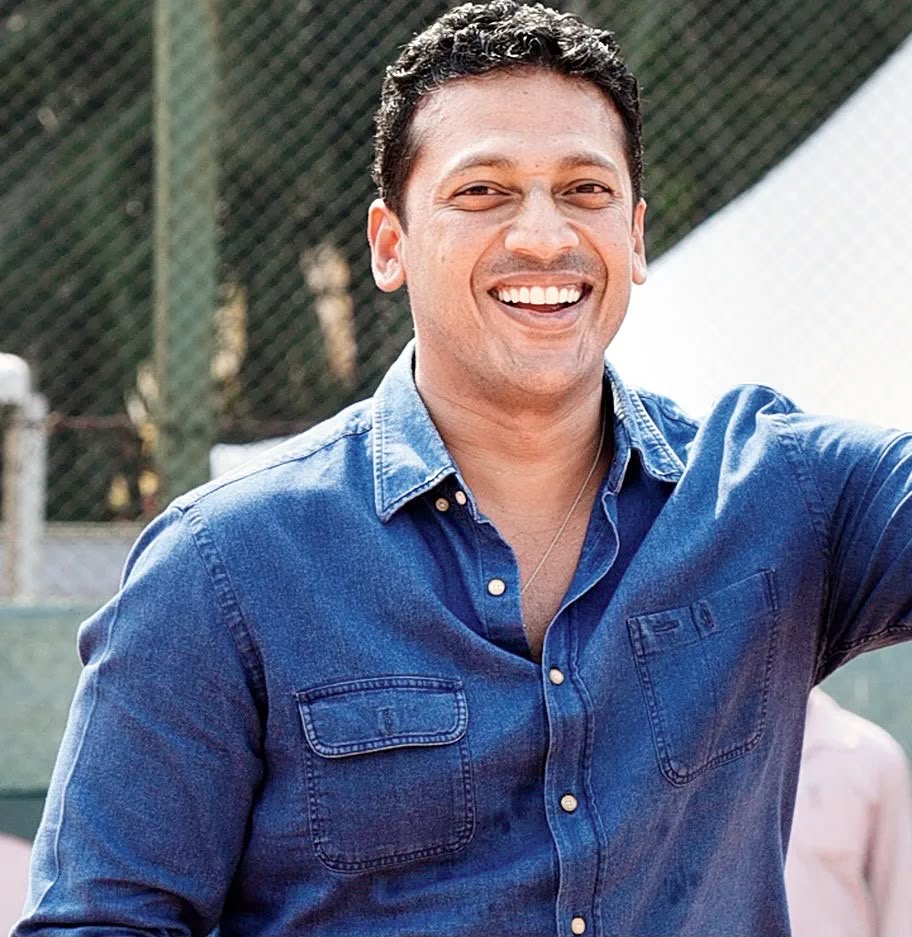
Beyond the competition, the partnership will create opportunities for fan engagement throughout the tournament, allowing audiences to connect with some of the world’s leading chess players while following Alpine APL Pipers’ journey in the Global Chess League.
Magnus Carlsen, World No. 1 and Icon Player for Alpine APL Pipers, said, “The Global Chess League has created a unique platform that brings together some of the world’s best players while making team chess more exciting for fans around the world. It’s great to welcome Pocket FM to the Alpine APL Pipers family, and I’m looking forward to an exciting season together.”
For Pocket FM, the partnership is part of a broader strategy to build deeper global consumer engagement through culturally relevant platforms that bring together world-class talent and passionate communities.
Vineet Singh, Global Head of Brand Marketing, Communications, Partnerships & Public Affairs at Pocket FM, said, “As Pocket FM expands globally, we are focused on partnerships that strengthen our international brand. Chess is a game of strategy, imagination, and anticipation, the same qualities that define great storytelling.”
12, Aug 2026
As APAC Investment Volumes Rise 22 percentage in H1 2026, India Stands to Benefit from Renewed Investor Interest in Core Real Estate Sectors
“The broadening recovery across Asia Pacific reflects growing investor confidence in commercial real estate as macroeconomic conditions stabilise and capital returns to core sectors. India is particularly well-positioned within this environment, underpinned by strong economic fundamentals, resilient office demand, expanding industrial and logistics infrastructure, and continued institutional investor interest. As global investors reassess portfolio allocations over the coming years, India is expected to remain a preferred destination due to its favourable demographics, depth of occupier demand and ongoing infrastructure-led growth.”
“The recovery has moved beyond the early, opportunistic phase and is broadening back into the core of the market. Investors are no longer just asking where the value is, but how best to access it. That is why we are seeing record levels of partial-stake and joint-venture activity, as capital chases control, alignment and conviction rather than simply market exposure.“The maturity wall building towards 2029 will be one of the defining forces of the next few years. It will bring more traditional assets to market at the same time as investors rotate into data centres and living, and that reshaping of portfolios is where the real opportunity lies. Hong Kong is a case in point: it is now at the mature end of its repricing cycle, and history tells us the strongest returns in that market are captured within a short window of the turning point.”
12, Aug 2026
Billu Salon Achieves 24 Cr ARR, Targets INR 100 Cr Revenue in Next 18 Months
New Delhi, Aug 12: Billu, an on-demand personal care services platform, has achieved an Annual Recurring Revenue (ARR) of 24 crore, marking a significant milestone in its growth journey. The company has built its early scale by combining technology-led convenience, trained manpower, transparent pricing, and a strong focus on customer experience.
A key driver of Billu’s growth has been its ability to reach customers’ homes in as little as 30 minutes. The company regularly trains its skilled workforce and conducts customer surveys to understand evolving personal care requirements and ensure its services remain accessible within customers’ budgets. Its mobile application further simplifies the booking experience, allowing customers to book services in three to four clicks, with straightforward pricing and no hidden charges.
Mr. Neel Kulshreshtha and Mr.Nilesh Kothari, are the founders of Billu. While Neel has adopted a passive role and works in the background as an advisor. Nilesh is the CEO responsible for Billu management and growth. Nilesh said, “Our growth has always been centered around solving everyday customer problems through convenience, affordability, and quality. The 24 Cr ARR milestone reflects the trust customers have placed in us and the strength of our operating model. As we enter our next phase of growth, our focus will remain on delivering consistent service while expanding our presence across more cities. We are aiming to reach ₹100 crore in revenue over the next 18 months.”
Billu has followed a capital-efficient marketing approach, leveraging online and offline visibility, customer referrals, and repeat bookings rather than relying heavily on marketing spends. Its understanding of consumer pain points, including long salon waiting times, weekend inconvenience, hygiene concerns, and high pricing, led to the introduction of affordable at-home services.
Customer feedback has also played a central role in shaping the brand. Billu currently maintains organic ratings of 4.5–4.8 stars across different platforms and measures service quality after every booking to improve customer experience and encourage repeat usage.
The company has adopted a hybrid growth model spanning digital channels, offline outreach, and referrals. As demand has increased, Billu has scaled its infrastructure and resources accordingly. One of its key operational challenges has been maintaining the 30-minute service promise during peak weekend demand. To address this, the company has leveraged AI to optimize manpower allocation and service processes.
Looking ahead, Billu plans to launch new services across Delhi NCR and expand operations into other metropolitan cities. Its long-term vision is to build a trusted personal care platform centered on affordability, speed, and quality while scaling sustainably across India.


