


13, Oct 2026
FIA President Mohammed Ben Sulayem believes Africa could follow Middle East motorsport example after Rwanda Formula 1 announcement
Return of the FIA Formula One World Championship to Africa “a historic moment for our sport and an important step in the continued global growth of motorsport”
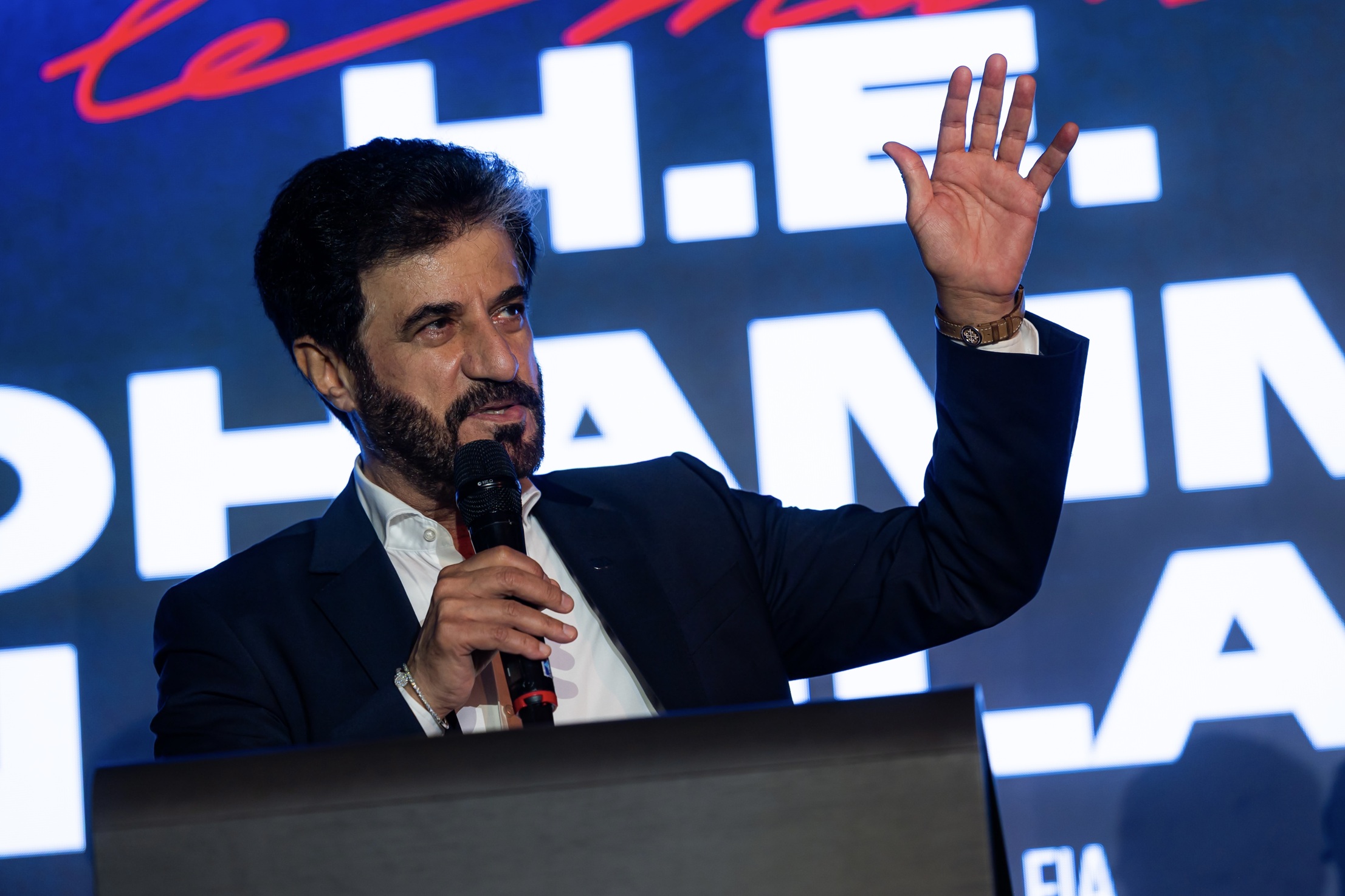
Dubai, UAE, Oct 13: FIA President Mohammed Ben Sulayem believes motorsport development in the Middle East over the last two decades is an example of what could be mirrored in Africa following today’s announcement that Rwanda is to become a new FIA Formula One World Championship venue.
The announcement of a landmark 10-year agreement to bring the FIA Formula One World Championship back to Africa, marks a defining moment in the Championship’s history and will see the sport return to the African continent for the first time since 1993 with the Formula 1 African Grand Prix, presented by Visit Rwanda, set to join the calendar in the early 2030s.
Returning Formula 1 to Africa has been a long-standing ambition, and today’s announcement follows years of collaboration to ensure the right foundations, with the best partner, are in place to deliver a successful, sustainable and world-class Grand Prix for generations to come.
The long-term agreement will see the first race in the country take place once the new purpose-built circuit in Bugesera, Rwanda, has been completed, which is expected to be early in the next decade.
“The return of the FIA Formula One World Championship to Africa is a historic moment for our sport and an important step in the continued global growth of motorsport,” said FIA President Mohammed Ben Sulayem.
“Rwanda has demonstrated a strong commitment to delivering a world-class event, and the FIA will work closely with FOM and our partners as this new circuit is developed to the highest international standards.
“This agreement is also about creating a lasting legacy, inspiring new generations, developing talent and opening new opportunities for motorsport across Africa and beyond. Increasing accessibility is at the heart of the FIA’s mission, and we have a responsibility to ensure that our sport continues to grow at every level, reaching new communities and creating opportunities for people in every corner of the world.”
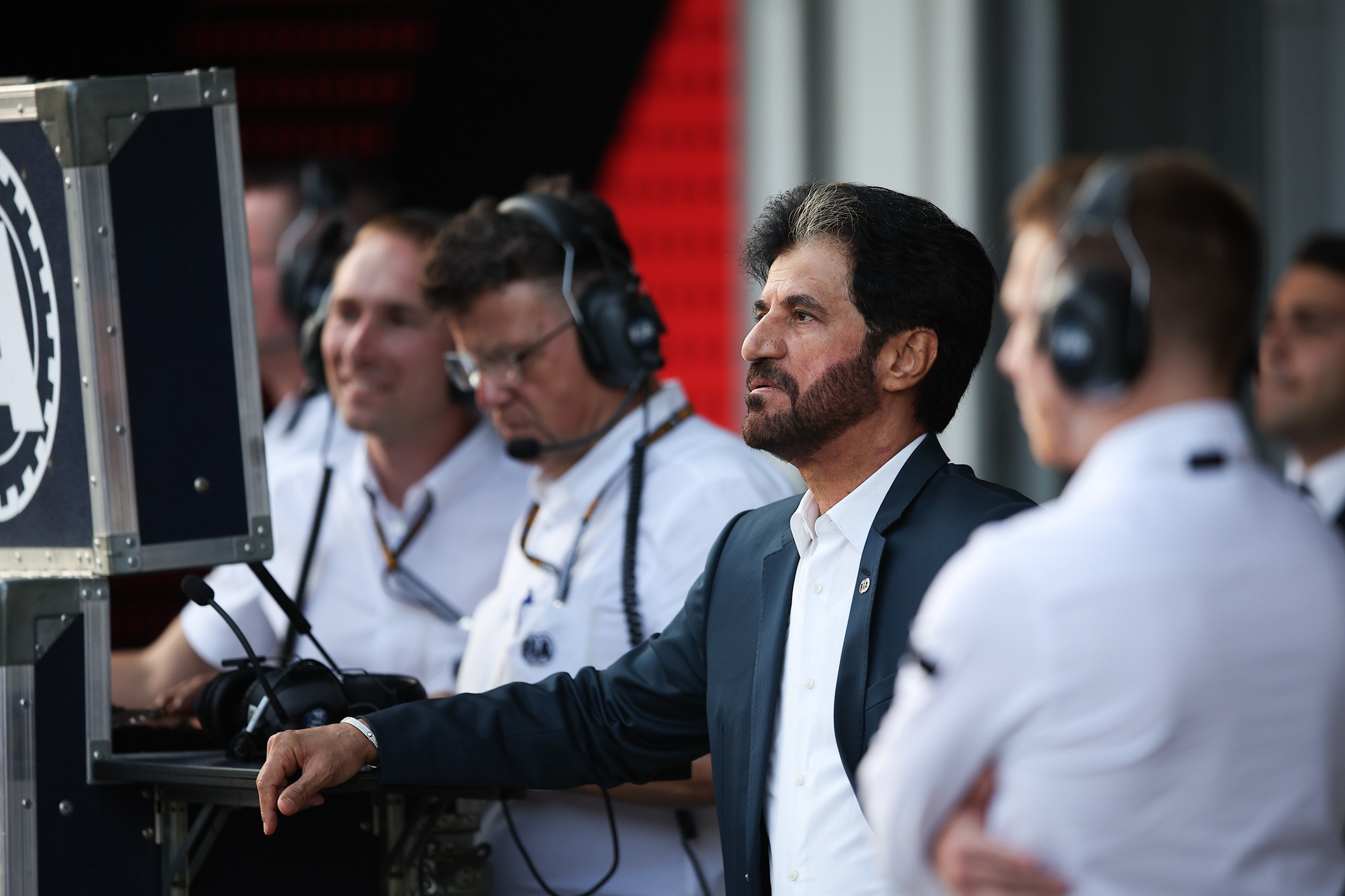
The FIA President sees potential parallels between the way the Middle East has become a major force in global motorsport with a growing influence across championships and disciplines, and the possibilities ahead in Africa.
The Bahrain Grand Prix first welcomed Formula 1 to the Middle East in 2004, and the event’s success paved the way for Abu Dhabi, Qatar and Saudi Arabia to follow in its footsteps, and invest in this pinnacle of motorsport.
“Few regions have embraced international motorsport with such ambition as we’ve seen in the Middle East in recent times, particularly in Formula 1, and this has not gone unnoticed in Africa,” said Ben Sulayem.
“There is a lot of hard work ahead, but the arrival of the FIA Formula One World Championship in Rwanda can have a huge impact on the way Grand Prix racing, and motor sport as a whole, is perceived across the African continent, and this could lead to much more development there for our sport.”
The new track in Bugesera will be developed to FIA Grade 1 standards as part of a wider sports, tourism, infrastructure, and commercial development project led by the Rwanda Development Board.
Located approximately 40 kilometres south of Kigali and adjacent to the new Kigali International Airport, the circuit will be designed to work in harmony with the natural landscape, using the area’s elevation changes to create a unique and challenging racing experience while delivering exceptional viewing opportunities for fans.
Beyond race weekends, the venue will serve as a year-round destination capable of hosting international motorsport, major events, conferences and entertainment, helping to drive long-term economic growth and investment across the region.
More than simply bringing Formula 1 back to Africa, the project is designed to create a legacy by supporting tourism, attracting investment, developing local talent and creating new opportunities for communities and businesses. Together, the FIA, the Government of Rwanda, the Rwanda Development Board, and FOM share a vision to build an event that generates meaningful economic and social impact while inspiring future generations across the continent.
- 0
- By Neel Achary

13, Oct 2026
Modernisation of carry allocation is accelerating across private equity
Modernisation of carry allocations is set to accelerate over the next three years as private equity fund managers move to more flexible and inclusive models, new research* from Ocorian, a leading U.S. and global asset services provider, shows.
The study, which surveyed private equity managers across the U.S. and Europe collectively managing $3.511 trillion, found that 84% expect the pace of modernisation to increase, with fund structure complexity, regulation and tax issues being the key drivers of change.
Research across key U.S. markets, the UK, Switzerland, Germany, Italy, Spain, Poland, Sweden and Bulgaria found alternative phantom equity pools are currently the most widely used innovations, while points systems for legacy deal inclusion will see the most growth over the next three years.
More than half (54%) questioned currently use alternative phantom equity pools, while 53% use shorter vesting and retention hooks and 50% use points systems for legacy deal inclusion. Around two out of five (37%) focus on broader participation as an innovation to carry allocation.
Looking ahead, 60% expect a dramatic increase in the use of points systems for legacy deal inclusion over the next three years, while 56% expect the same for the use of alternative phantom equity pools
Fund complexity, regulation and talent are driving change
The study identified fund structure complexity, regulatory change and tax developments as the primary drivers of changes to carry allocation. More than a third (37%) say complexity of fund structures, including continuation vehicles and longer fund lives, is creating a need for more flexibility while 33% say regulatory and tax changes, including UK reforms, are making changes necessary.
Around 10% of firms are already using tiered performance-based carry, where carry rates can rise above 20% when higher return thresholds are achieved. depending on higher return multiples, while 90% are considering it.
Balancing broader participation with LP protection
The survey also found carried interest or other equity-linked compensation is increasingly being shared with non-principals, with 82% reporting a slight increase over the past three years and 11% reporting a significant increase.
However, there is also more demand from LPs for stronger protection against over-distribution with 92% reporting an increase.
Brendan Dowling, Head of Employee Incentive Services at Ocorian, said: “Carry allocation practices are continuing to evolve, and our research suggests this evolution is likely to accelerate over the next three years.
A range of factors are driving this shift. Chief among them are increasing regulatory and tax scrutiny, alongside the growing complexity of fund structures and incentive arrangements, all of which are creating a greater need for flexibility.
Competition for talent is also influencing how firms structure carry. There is an increasing focus on creating reward mechanisms that are more transparent and better understood by participants, contributing to a broader trend towards wider participation in carry programmes.”
The table below shows which innovations to carry allocations private equity fund managers expect the use of to increase the most over the next three years.
|
Carry innovation |
Percentage expecting use to increase dramatically over next three years |
Percentage expecting use to increase slightly over next three years |
Percentage expecting use to stay the same over next three years |
Percentage expecting use to decrease over next three years |
Percentage saying not applicable |
|
Broader participation |
25% |
53% |
22% |
Zero |
Zero |
|
Point systems for legacy deal inclusion |
60% |
17% |
20% |
1% |
2% |
|
Alternative phantom equity pools |
56% |
20% |
22% |
2% |
1% |
|
Impact-linked carry |
32% |
25% |
41% |
2% |
1% |
|
Dollars at work reporting |
23% |
38% |
32% |
1% |
6% |
|
Shorter vesting and retention hooks |
25% |
28% |
42% |
2% |
4% |
|
Portfolio level/deal specific allocation |
34% |
37% |
27% |
1% |
2% |
|
Earlier in fund life incentives |
23% |
55% |
20% |
2% |
Zero |
13, Oct 2026
Senior Industry Leaders Set to Join Inaugural ALUMINIUM Arabia 2026


“ALUMINIUM Arabia is bringing together key stakeholders from across the aluminium value chain at an important time for the industry in Saudi Arabia,” said Amira El Daly, Event Director, ALUMINIUM Arabia. “With more than 120 exhibitors and over 30 speakers expected to participate, the event will provide a platform for industry leaders to exchange knowledge, explore new technologies and strengthen collaboration around the opportunities shaping the future of aluminium, from advanced manufacturing and downstream development to sustainability and recycling.”
13, Oct 2026
RAKEZ workshop helps entrepreneurs make smarter digital advertising decisions
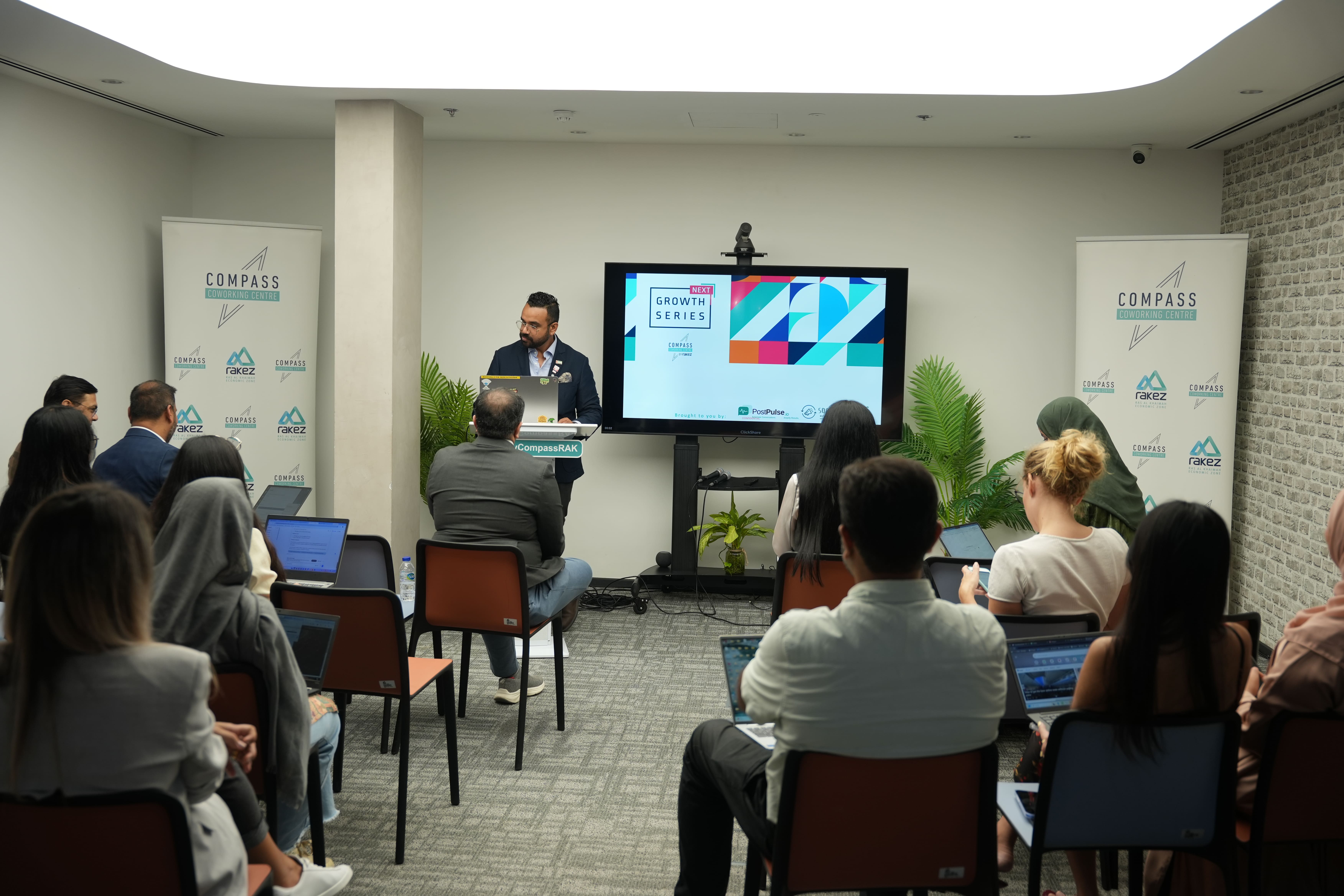
Ras Al Khaimah, Oct 13: Ras Al Khaimah Economic Zone (RAKEZ) recently organised a workshop at Compass Coworking Centre to help entrepreneurs and small business owners plan more focused digital advertising campaigns, manage their marketing budgets and evaluate the results.
Titled ‘Digital Advertising for Solo Business Owners: Running Meta Ads with Purpose’, the session addressed a common challenge for smaller enterprises: turning advertising expenditure into meaningful business results while working with limited resources. It explored how business owners can move beyond simply boosting social media posts and take a more structured approach to reaching potential customers.
The workshop was led by Abhishek Aditya Sharma, Founder and CEO of SocialCTR Solutions, who shared insights drawn from more than 18 years of experience in digital marketing, branding and performance advertising. He guided attendees through the key elements of Meta advertising, including campaign structure, audience targeting and budget allocation, explaining how these decisions should connect to a company’s business objectives.
Participants also explored how to use performance metrics to assess whether campaigns are delivering value and identify where adjustments are needed. Through practical examples and interactive discussions, the session encouraged business owners to make decisions based on campaign results, helping them direct their budgets more effectively and refine their advertising approach over time.
Building on these fundamentals, the workshop examined the growing role of artificial intelligence in digital marketing. Attendees saw how AI-powered tools can support the development of advertising content and streamline campaign preparation, offering practical ways to manage the time and effort involved in running campaigns alongside their day-to-day business responsibilities.
RAKEZ Group CEO Ramy Jallad said: “For many small businesses, reaching the right customers while managing costs is a constant challenge. Digital advertising offers opportunities to reach new audiences, but business owners need to understand how to plan campaigns and assess their results. By connecting entrepreneurs with relevant expertise, we aim to help them make better-informed marketing investments and develop the skills they need to support their growth.”
Alongside the learning sessions, participants had opportunities to connect with fellow entrepreneurs, exchange experiences and discuss the challenges of promoting their businesses. The workshop combined access to specialist expertise with peer interaction, helping business owners consider how to apply the learning to their own marketing priorities.
13, Oct 2026
Doomspeak Vs. Realty – Developers Not Stressed About Festive Season 2026
by Akash Pharande, Managing Director – Pharande Spaces
The news is suddenly filled with ‘worry’ pieces – the RBI has raised rates, the West Asia conflict continues to unsettle the economy, and one firm says that housing sales reduced. As developers, we read all of such news – but rest assured, we are still planning for a busy festive season. Why? Because our experience and also the evidence all tell us that such headlines do not sign cheques.
Why the Doomspeak?
It’s obvious why ‘doom and gloom’ stories about the residential property market get so much press. After all, housing touches close to every Indian household, so a story that implies scarcity of any kind – be it on the supply side, the demand side, or both, always have a ready audience. It literally tugs at the Indian heartstrings.
The fact is in real estate, fear-based articles work directly on basic human psychology. A ‘real estate downturn’ angle will always find readers regardless of whether the evidence supports it or not.
The recent rate hike also makes for a tight narrative with a date, a number, a ‘perpetrator’ and a ‘victim’. Nobody ever writes about a quiet strength or recovery in buyer intent, because it lacks sensationalism. You will never find ‘gradual recovery’ in any real estate-related headline.
That’s all fine – reporters have to write such articles to sell papers. The RBI decision does have implications. But when we make an immediate mental leap from rising costs to dwindling demand, developers tend to tune out not because they don’t like the evidence, but because there is no such evidence.

What the Numbers Say
Industry data for July–September 2026 puts housing sales across India’s major cities at roughly 1.02 lakh units. Depending on the tracker and the cities covered, that is anywhere from a 6% fall to a 3% rise over this period in 2025. It broadly averages out at about 1.5% lower. After a year of falling sales, a flat market is not falling but stabilising and as one firm correctly points out, the earlier moderation is cyclical, not structural.
Consider this – according to the data, new launches rose 18% in Q3 2026 and ask yourself – would builders add so much inventory if they expect the market to be declining? A recent survey found that 50% of prospective buyers plan to purchase homes within the next two years. Another 54% believe that macro-economic volatility will at best have a low impact on the Indian housing sector.
Last Year’s Evidence
The best test of the ‘doom’ theory is as recent as last year. Reports said that housing sales in the top cities fell by around 14% in 2025 and attributed it to ‘high prices, IT layoffs and geopolitical tension’. In other words, if there ever was a ‘doom’ year, it would have to be 2025.
However, during the Dussehra–Diwali festive season, most developers saw year-on-year sales shoot up by anywhere between 10–25% in the larger metros – after a sales drop of about 20% across the first nine months of 2025.
Consultancy reports disagreed widely when it came to the last quarter of 2025 – one found sales rising, and another showed a year-on-year drop of 15%. As developers, we do read the news and follow the data, but we also know that such figures are not necessarily the equivalent of the chemistry periodic table. We also follow our instincts, our own sales graphs, and what we know about our customers.
Years When Festivals Did Not Lift Sales
There are notable exceptions, of course. In 2016, demonetisation was announced on 8 November – bang in the middle of the festive quarter – and the market did grind to a halt. In fact, the major cities saw sales drop by anywhere between 35-45% in the October–December quarter (again, the data swings wildly depending on its source). It’s fair to say that housing sales fell by at least 42%, reaching their lowest level since 2010.
Another muted year was 2018., when the October–December quarter saw sales rise by a paltry 4% over the previous quarter thanks to the NBFC crisis. Media stories wrote about a ‘failed festive season’, even though sales still increased – albeit far below the usual festive boost..
In both instances, the market shocks were to money and credit – in 2016, a sudden cash withdrawal and in 2018, a lending squeeze on non-banking financial companies. Buyers found it difficult to pay, and lenders found it harder to lend.
These were not the only standout years for market slowdown, and there are no credible festive-by-festive records related to housing sales. However, even in the pandemic year of 2020, sales rose by well above 70% in the October–December quarter over the previous quarter, from a rather low base.
The point is that such reports completely discount or ignore the human factor, especially the hard-wired Indian drive to homeownership and the festive season spirit that drives housing sales in India. In the above instances, sales fell when homebuyers did not have access to cash or credit. We know that political instability or uncertainty can have a similar effect, though it tends to be more localised rather than nationwide.
Indian homebuyers do not cancel their purchase plans because they read doom-and-gloom reports in the papers.
Real Headwinds
Yes, we are dealing with actual, undeniable headwinds right now. With the RBI increasing the repo rate by 25 bps to 5.50% on 7 October – the first hike since February 2023 – many banks are already lifting their lending rates. On a Rs. 50 lakh loan over a 10-year tenure, this adds about Rs. 66 a month to the EMI, and this can have a real impact on household budgets among budget housing buyers.
The rate hike will cause some stress among affordable and mid-segment buyers, but not on those who are scouting the premium and luxury markets. The RBI’s move is a measured step, but it is not a credit squeeze – lenders continue to lend, banks are open for business, and there is no cash freeze. Most housing loans tend to have tenures of 15-20 years, and rates are bound to fluctuate over such a period. Few buyers set lending rates as perennial red flags. The current headwinds also eventually blow off.
Why Developers Are Calm
Winds, including headwinds, change – but India’s tradition-driven sentiment is not an unpredictable gust of hot or cold air. It is very real. Last year, we saw a ‘gloomy’ 2025 yield a healthy festive uplift. We don’t necessarily expect a bumper Diwali. Homebuyers make purchase decisions based on their current and anticipated employment status, property prices and location, on whether a project incites the necessary spark of decisiveness, and on whether the time is right for the family to take the plunge.
The Indian festive period continues to have a massive cultural relevance and we, as developers, are all geared up to welcome our customers at our sites and confirm bookings during this auspicious period.
About the Author:
Akash Pharande is Managing Dir
13, Oct 2026
Government Targets Training of 6.35 Lakh Rural Youth Through RSETIs in 2026–27
New Delhi, October 13, 2026: The Ministry of Rural Development (MoRD) has partnered with the National Academy of RUDSETI (NAR) to strengthen rural skill development, promote entrepreneurship and improve livelihood opportunities, setting a training target of 6.35 lakh rural youth for the current year through Rural Self Employment Training Institutes (RSETIs).
The Ministry exchanged a Memorandum of Understanding (MoU) with NAR on October 12, 2026, to establish uniform training standards, improve administrative practices and facilitate systematic capacity building across RSETIs nationwide.
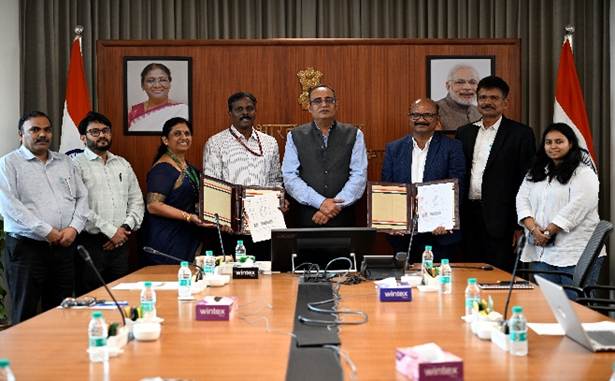
The MoU exchange took place in the presence of Rohit Kansal, Secretary, Department of Rural Development, Ministry of Rural Development. S. Sasikumar, Joint Secretary (Rural Skills), exchanged the agreement on behalf of the Department of Rural Development, while Raju N. Kori, Director General of NAR, represented the academy.
A key objective of the partnership is to enhance the quality, relevance and delivery of training programmes offered through the RSETI network. The initiative will focus on improving candidate registration through Kaushal Panjee and strengthening attendance monitoring through Aadhaar-based face authentication under the Aadhaar Enabled Biometric Attendance System (AEBAS).
The collaboration will also promote the introduction of new-age courses aligned with the National Skills Qualifications Framework (NSQF), alongside the adoption of industry-benchmarked training equipment and learning materials. RSETIs will implement core Entrepreneurship Development Programme (EDP) courses as notified by the Ministry to equip trainees with the skills needed to establish and manage their own enterprises.
The agreement further provides for strengthening the Training of Trainers (ToT) framework, improving the assessment and certification of trainers and candidates through the Unified Portal at kaushal.rural.gov.in, and ensuring compliance with the Common Norms prescribed by the Ministry.
For the current year, RSETIs have been assigned a target of training 6.35 lakh rural youth, exceeding the target set for the previous financial year, 2025–26. The programme will cover women, members of Scheduled Castes and Scheduled Tribes, persons with disabilities and other vulnerable sections of rural society.
The partnership is expected to improve institutional capacity, strengthen digital governance and establish more effective monitoring mechanisms across the RSETI ecosystem. By standardising training practices and aligning skill development with market and industry requirements, the initiative aims to help rural youth acquire practical skills and build sustainable self-employment opportunities.
The agreement reinforces the Ministry of Rural Development’s focus on connecting skill development with entrepreneurship and livelihood generation. It also supports the broader vision of Viksit Bharat by encouraging rural enterprise creation, expanding economic opportunities and promoting inclusive growth across rural India.
13, Oct 2026
Jyotiraditya Scindia Interacts with Students at Mizoram University, Highlights Northeast’s Development Potential
Aizawl: Union Minister for Communications and Development of North Eastern Region Jyotiraditya M. Scindia interacted with students at Mizoram University on Monday during his two-day visit to Mizoram. The interaction also included students from Goa and Chandigarh who are visiting the Northeast under the Ministry of Development of North Eastern Region’s (DoNER) Ashtalakshmi Darshan Programme.
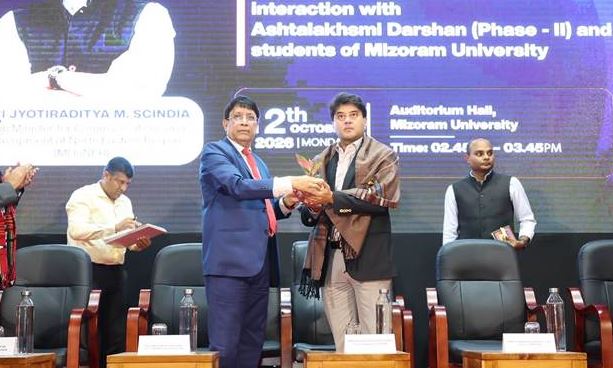
During the interaction, Scindia highlighted the Northeast’s rich cultural heritage, diverse traditions and vast development potential. He emphasised the importance of educational and cultural exchanges in helping young people gain a deeper understanding of the region, while promoting mutual respect, national unity and stronger cultural ties.
Inspired by Prime Minister Narendra Modi’s vision of positioning the eight northeastern states as the nation’s Ashtalakshmi, the programme aims to familiarise students from different parts of India with the region’s cultural diversity, social traditions and emerging development opportunities.
More than 590 students have participated in the Ashtalakshmi Darshan Programme over the past year, contributing to stronger people-to-people connections between the Northeast and other parts of the country.
Scindia underlined the programme’s relevance to the vision of Viksit Bharat 2047, noting the importance of engaging young people in nation-building, celebrating India’s diversity and strengthening the Northeast’s contribution to the country’s overall progress.
The interaction underscored the Ministry of DoNER’s continued efforts to encourage youth participation, facilitate cross-cultural learning and build stronger connections among states. The initiative seeks to inspire young people to appreciate the Northeast’s potential and play an active role in shaping a more inclusive, integrated and developed India.
13, Oct 2026
KEZAD-based Arabian Gulf Steel Industries Achieves Lowest Verified Carbon Footprint for Rebar
CARES UK verified Environmental Product Declaration confirms 139 kg CO₂e per tonne for rebar produced at AGSI’s KEZAD Abu Dhabi facility
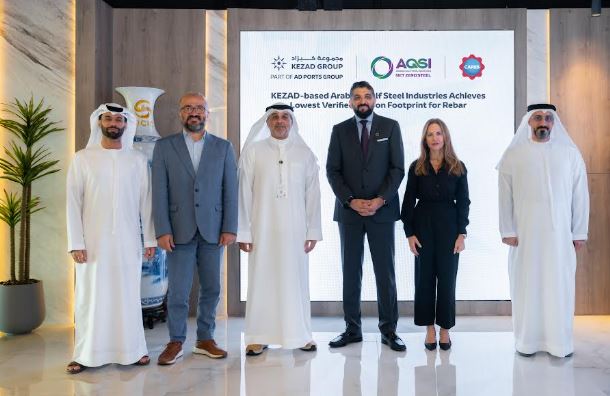
Abu Dhabi, UAE – 13 October 2026: Arabian Gulf Steel Industries, AGSI, the UAE’s largest private steelmaker and recycler, has achieved the lowest verified carbon footprint for rebar, marking a major step for low-carbon construction materials produced in the UAE.
AGSI’s reinforcing bar produced in Abu Dhabi has a verified cradle-to-gate carbon footprint of 139 kg of carbon dioxide equivalent per tonne, well below the typical 600 to 700 kg per tonne for scrap-based rebar. Its Sharjah operations record 218 kg CO₂e per tonne. Both figures are also below the nearest comparable publicly available EPD figure of 300 kg CO₂e per tonne.
The achievement was announced at Khalifa Economic Zones Abu Dhabi, KEZAD Group headquarters, in the presence of Mohamed Al Khadar Al Ahmed, CEO, Khalifa Economic Zones Abu Dhabi – KEZAD Group, Asam Hussain, Founder and CEO of Arabian Gulf Steel Industries, and Ayhan Tugrul, Chief Operating Officer of CARES.
The announcement brings together AGSI’s manufacturing capability, the independent verification provided under the CARES EPD programme and KEZAD’s industrial infrastructure. It also supports the growing use of verified product-level carbon data across the construction sector, where developers, contractors, consultants and regulators increasingly need clear information on embodied carbon.
Asam Hussain, Founder and CEO of Arabian Gulf Steel Industries, said: “This is a defining achievement for AGSI and for the UAE steel industry. Low-carbon steel production is no longer a future ambition. It is measurable, verified and being delivered today. Our 2024 carbon-neutral plant milestone established the direction of our journey, and this EPD takes that progress further, setting a new benchmark for what can be achieved in low-carbon steel production. We set out to push the boundaries for steel decarbonisation, and we will continue to challenge what is possible.”
Abdullah Al Hameli, Chief Executive Officer, Economic Cities and Free Zones, AD Ports Group, added: “AGSI’s achievement is a significant milestone for Abu Dhabi’s industrial sector, establishing the company as a world leader in steel decarbonisation and adding to Abu Dhabi’s standing as a global hub for advanced industry. It’s a strong example of the level of performance that manufacturers operating within KEZAD can achieve. KEZAD provides the infrastructure, utilities, logistics access and long-term operating base that manufacturers need to grow and invest. AGSI’s success highlights the strength of Abu Dhabi’s industrial base in enabling companies to advance efficient and lower-carbon production and compete at the highest levels internationally.”
Ayhan Tugrul, Chief Operating Officer of CARES, said: “AGSI’s reinforcing steel is already certified to the CARES scheme for quality and traceability, and this independently verified EPD now sets out its product carbon footprint on the same rigorous basis. Verified, product-specific data of this kind is what allows designers, contractors and asset owners to make sound decisions on embodied carbon rather than relying on generic industry averages. It also strengthens Abu Dhabi’s position as a growing centre for advanced industrial production and lower-carbon construction materials.”
Both AGSI results cover production from raw materials to the factory gate and have been independently verified against recognised international standards. The full Environmental Product Declarations, EPDs, are available on the CARES website. For a fair comparison, EPDs must use the same rules, measurement method and production boundaries. The figures quoted here have been compared on that basis.
Embodied carbon is the carbon linked to a material across its life cycle. It is becoming an important requirement in major construction and infrastructure projects. EPDs give buyers and project teams a verified and consistent way to assess and compare the environmental impact of products.
AGSI’s latest result builds on its 2024 carbon-neutral plant milestone under PAS 2060. It now extends that performance to the product level. AGSI uses 100% locally recycled scrap and a fully electrified production process.
AGSI’s verified low-carbon rebar gives the market a local material option that supports quality, supply reliability and carbon reporting needs. It also strengthens Abu Dhabi’s position as a growing centre for advanced industrial production and lower-carbon construction materials.
12, Oct 2026
Vegetable Prices Surge Across Odisha, Household Budgets Come Under Pressure
Bhubaneswar, Oct 12 (UDN): A sharp rise in vegetable prices across Odisha has left consumers struggling to manage their daily household expenses, with several commonly used vegetables selling for Rs 60 to Rs 80 per kg in retail markets. The price hike has placed an additional burden on middle-class families already grappling with rising kitchen expenses.
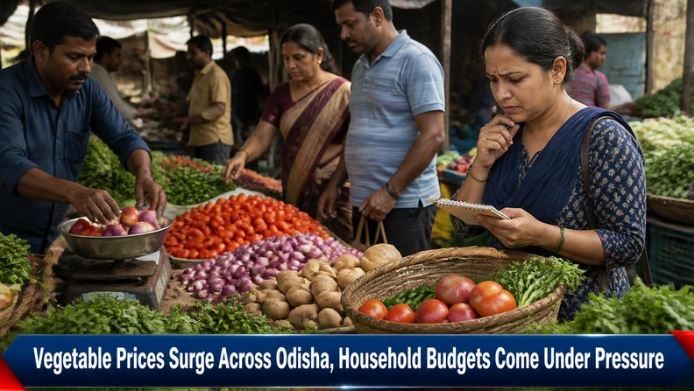
Representational Image
Brinjal, okra, pointed gourd and bitter gourd are among the vegetables commanding higher prices in markets across the state. Consumers say the sudden increase over the past few days has made even routine vegetable shopping increasingly expensive.
Prices Remain High in Cuttack Markets
At Chhatra Bazaar, one of Cuttack’s major vegetable markets, onions are selling at Rs 60 per kg, while pointed gourd is priced at Rs 80 per kg. Brinjal costs Rs 60 per kg, whereas tomatoes are available at Rs 40 per kg.
Bitter gourd, spine gourd, yardlong beans and okra are also selling at around Rs 60 per kg, adding to the financial strain on consumers.
Bhubaneswar Consumers Face Similar Rates
A similar trend has been reported at Unit-1 Haat in Bhubaneswar. Onions are selling at Rs 60 per kg, while pointed gourd and brinjal are priced at Rs 50 per kg. Tomatoes are available at Rs 40 per kg.
Bitter gourd and okra are commanding prices ranging from Rs 60 to Rs 80 per kg. Spine gourd is selling at Rs 60 per kg, while ridge gourd costs Rs 50 per kg.
With several essential vegetables becoming more expensive, consumers say they are being forced to cut back on purchases or adjust their daily menus to stay within their budgets.
Rainfall, Supply Disruptions Blamed for Price Hike
Prolonged rainfall over the past few days has been cited as one of the reasons behind the price surge. The adverse weather conditions are reportedly affecting crops and disrupting the supply of vegetables to markets across Bhubaneswar, Cuttack and other coastal areas of Odisha.
Odisha’s dependence on supplies from other states during certain periods also contributes to price fluctuations, according to Sudhakar Panda, general secretary of the State Business Association.
“Vegetable prices tend to remain high during this season as we depend heavily on supplies from other states. This increases prices. While wholesalers sell vegetables at lower prices, some vendors double the rates, putting consumers under financial pressure,” Panda said.
His remarks point to concerns over the gap between wholesale and retail prices, with consumers bearing the brunt of rising costs at the marketplace.
Middle-Class Families Feel the Pinch
The price rise has become a concern for households trying to balance food expenses with other essential needs. Consumers say their incomes have not increased in line with the rising cost of everyday commodities, making it increasingly difficult to manage monthly budgets.
“The rise in prices of essential commodities, including vegetables, has affected the budget of the middle-income group. While our income has not increased, the prices of kitchen essentials have risen significantly,” a consumer said.
As vegetable prices remain elevated, consumers are hoping for improved supplies and a moderation in retail rates in the coming days. Until then, households across Odisha may continue to feel the pressure of increasingly expensive everyday essentials.
12, Oct 2026
Ambience Mall Gurugram Strengthens Fashion Offering with Expanded UNIQLO Store
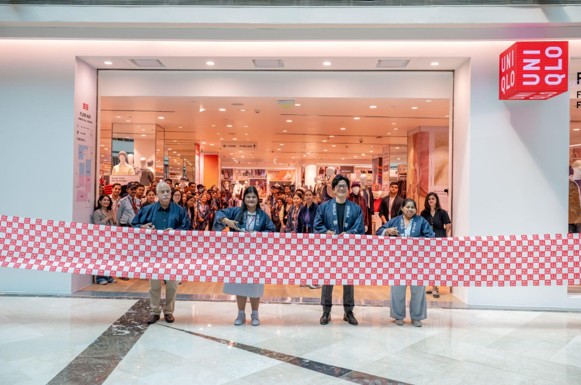
Delhi NCR, 12 October 2026: Ambience Mall Gurugram has further strengthened its fashion and lifestyle offering with the reopening of its expanded UNIQLO store. The store, which has been part of the mall for over six years, has now expanded to approximately 28,000 sq. ft., making it UNIQLO’s second Super Large Format store in India. The expansion brings a wider selection of LifeWear and an enhanced retail environment to customers.
Arjun Gehlot, Director, Ambience Group, said, “At Ambience Malls, our vision has always been to create destinations that evolve with the changing aspirations and lifestyles of our consumers. The expansion of UNIQLO at Ambience Mall Gurugram reflects the strong response the brand has received from our customers over the years, while further strengthening our fashion and lifestyle offering. As consumers increasingly look for greater choice and more engaging retail experiences, we continue to curate a relevant mix of leading global and emerging brands across our destinations. We are delighted to see UNIQLO expand its presence at Ambience Mall Gurugram and look forward to continuing to offer our customers an enhanced experience through this expanded format.”
The expanded UNIQLO store offers more than 330 styles, along with additional trial rooms, self-checkout counters and UTme!, which allows customers to personalise selected products. The store also features the brand’s 2026 Fall Winter collection and a RE.UNIQLO Donation Box supporting clothing reuse and recycling initiatives.
The expansion further adds to Ambience Mall Gurugram’s diverse portfolio of international and Indian fashion and lifestyle brands, reinforcing its position as a leading destination for fashion, lifestyle and contemporary retail experiences.


