


7, Jul 2026
Advancing ambitions: PPDS strengthens Nordic leadership with the promotion of Jonas Fjeld to Business Manager for the region
Progressing with purpose: Building on a fast track record of success at PPDS, Jonas Fjeld takes on expanded responsibilities to accelerate growth and strengthen relationships with customers and partners across the Nordic countries.
Amsterdam, July 07: PPDS, the exclusive global provider of Philips Professional Displays and complementary solutions, is pleased to announce the promotion of Jonas Fjeld to Business Manager Nordics.
Part of a broader organisational realignment designed to support future growth and deliver more localised, tailored service and support to partners and customers, Jonas has been appointed to the newly created role after joining PPDS in August 2025 as Country Sales Manager for Philips Professional Displays in Norway.
With more than 15 years of top level AV/IT sales and management experience under his belt, including a decade working at two of the world’s leading manufacturers and distributors, Jonas has consistently demonstrated the leadership and expertise required to support the company’s continued growth across both local and international markets and through all verticals.
Reporting to Jae O Choi Park, EMEA Commercial Head at PPDS, Jonas’ expanded role now covers Sweden, Finland, Denmark, Norway, Estonia, and the Baltics. He will be responsible for leading the sales and commercial strategy across all products and solutions – including Philips LED and Videowalls, Signage, ePaper and interactive displays, professional and hotel TVs, and solutions – driving growth and strengthening brand presence in each country.
Working closely with his team, including Lilly Janson, Sales Manager Finland and Baltics, Peter Bystrom, Sales Manager Sweden, and Peter Thurner, Sales Manager Sweden, Jonas will also focus heavily on further strengthening and expanding channel relationships with distributors, system integrators, AV/IT partners, designers and architects, ensuring PPDS remains at the forefront of future project tenders.

Commenting on his appointment, Jonas said: “Since joining PPDS, I have believed strongly in what we can achieve with our portfolio and talented team. We have built strong momentum in Norway, and I am proud to now take on this expanded role. There are significant opportunities ahead across the Nordics, and together we will continue to strengthen PPDS’ position in the market.”
Jae added: “Jonas has demonstrated strong leadership and a clear ability to develop and execute strategies that deliver results. His deep understanding of the Nordic region made him the natural choice for this role. On behalf of PPDS, I wish him every success.”
- 0
- By Neel Achary

7, Jul 2026
Gold, Silver Prices Decline Up to 2 pc on Weak Global Cues
New Delhi, July 7: Gold and silver prices witnessed a decline of up to 2% on Tuesday, tracking weak global cues and subdued investor sentiment in the precious metals market.
The fall in international bullion prices impacted domestic markets, with both gold and silver coming under selling pressure. Market analysts attributed the decline to a stronger US dollar, shifting expectations on global interest rates, and cautious investor participation.
Gold prices remained under pressure as traders assessed the outlook for monetary policy and key economic developments. A firm dollar and higher interest rate expectations often weigh on demand for non-yielding assets such as gold.
Silver prices also moved lower, following weakness in global markets and reduced demand from investors. However, analysts noted that precious metals could find support from ongoing economic uncertainties and changing market dynamics.
Going ahead, bullion prices are expected to remain influenced by global currency movements, central bank policy decisions, inflation trends, and broader market sentiment.
7, Jul 2026
Delhi-NCR Flex Space Demand Hits Record High in Q2 2026
New Delhi, July 7: Delhi-NCR recorded its highest-ever quarterly uptake of flexible workspace solutions in the second quarter of 2026, reflecting strong demand for agile office spaces among businesses across sectors.
The surge in flex space adoption has been driven by the growing preference for flexible leasing models, expansion plans of companies, and the increasing need for ready-to-use, scalable workplace solutions. Startups, enterprises, and multinational companies are increasingly turning to managed workspaces to improve operational efficiency and support evolving work models.
Industry experts said the record performance highlights the changing dynamics of commercial real estate, with businesses prioritising flexibility, cost optimisation, and employee-focused work environments.
The growth of flexible office spaces in Delhi-NCR also underscores the region’s expanding business ecosystem, strong infrastructure, and growing attractiveness for domestic and global companies.
With hybrid work models becoming more prominent and businesses seeking adaptable workplace solutions, the flexible workspace segment is expected to maintain its growth momentum in the coming quarters.
7, Jul 2026
Dilip Suryavanshi: Building an Infrastructure Enterprise Through Four Decades of Execution Excellence
From a small civil contractor in Madhya Pradesh to leading one of India’s diversified infrastructure EPC companies, Dilip Suryavanshi’s journey reflects a sustained focus on execution, operational discipline and long-term growth.
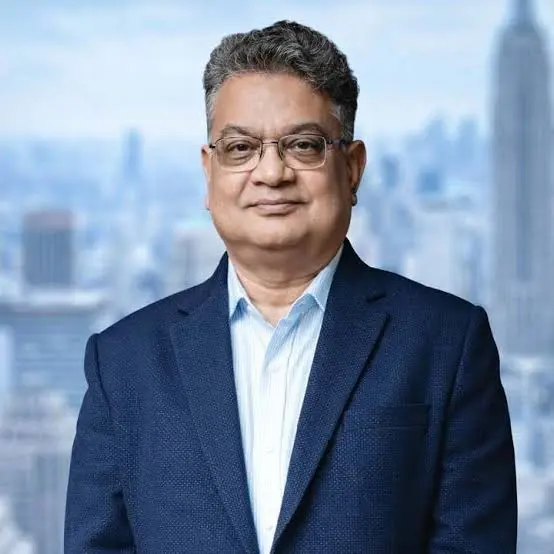
Bhopal| July 07: Over the last four decades, Dilip Suryavanshi, Chairman and Managing Director of Dilip Buildcon Limited (DBL), has transformed a modest civil contracting business into one of India’s leading infrastructure engineering, procurement and construction (EPC) companies.
Beginning his entrepreneurial journey in 1987 with small civil construction projects in Madhya Pradesh, Suryavanshi focused on developing strong in-house execution capabilities, consistently reinvesting in equipment, technology and operational systems rather than relying extensively on subcontracting. This execution-led approach has remained central to the company’s growth strategy.
A civil engineering graduate from Government Engineering College, Jabalpur, Suryavanshi entered the construction industry with hands-on experience in project execution, workforce management and site operations. These formative years laid the foundation for the company’s emphasis on disciplined project delivery and operational excellence.
As India’s infrastructure sector expanded, Dilip Buildcon steadily evolved from a regional contractor into a nationally recognised EPC organisation. Following its corporate restructuring during the mid-2000s and its public listing in 2016, the company further strengthened its governance framework, financial capabilities and execution capacity.
Today, Dilip Buildcon has established a diversified presence across highways, metro rail systems, tunnels, irrigation projects, mining, airports, industrial infrastructure, renewable energy, power transmission and other complex infrastructure segments.
Under Suryavanshi’s leadership, the company is now advancing its DBL 2.0 strategy, aimed at broadening its infrastructure portfolio beyond traditional road construction while leveraging its established engineering expertise and execution capabilities across emerging sectors.
His leadership philosophy continues to centre on operational control, equipment ownership, disciplined capital allocation and long-term value creation—principles that have helped position the company among India’s established infrastructure developers.
Beyond business, Suryavanshi has also contributed to the industry’s development through his long association with the Madhya Pradesh Builders Association and has been recognised for his contributions to India’s infrastructure sector.
As India continues to invest in large-scale infrastructure development, Dilip Buildcon’s evolution reflects how consistent execution, engineering capability and long-term planning can shape a regional enterprise into a nationally recognised infrastructure organisation.
7, Jul 2026
Supertails Appoints Dr. Prathmesh Deshmukh as Chief Veterinary Officer to Build Standardised Pet Healthcare System in India
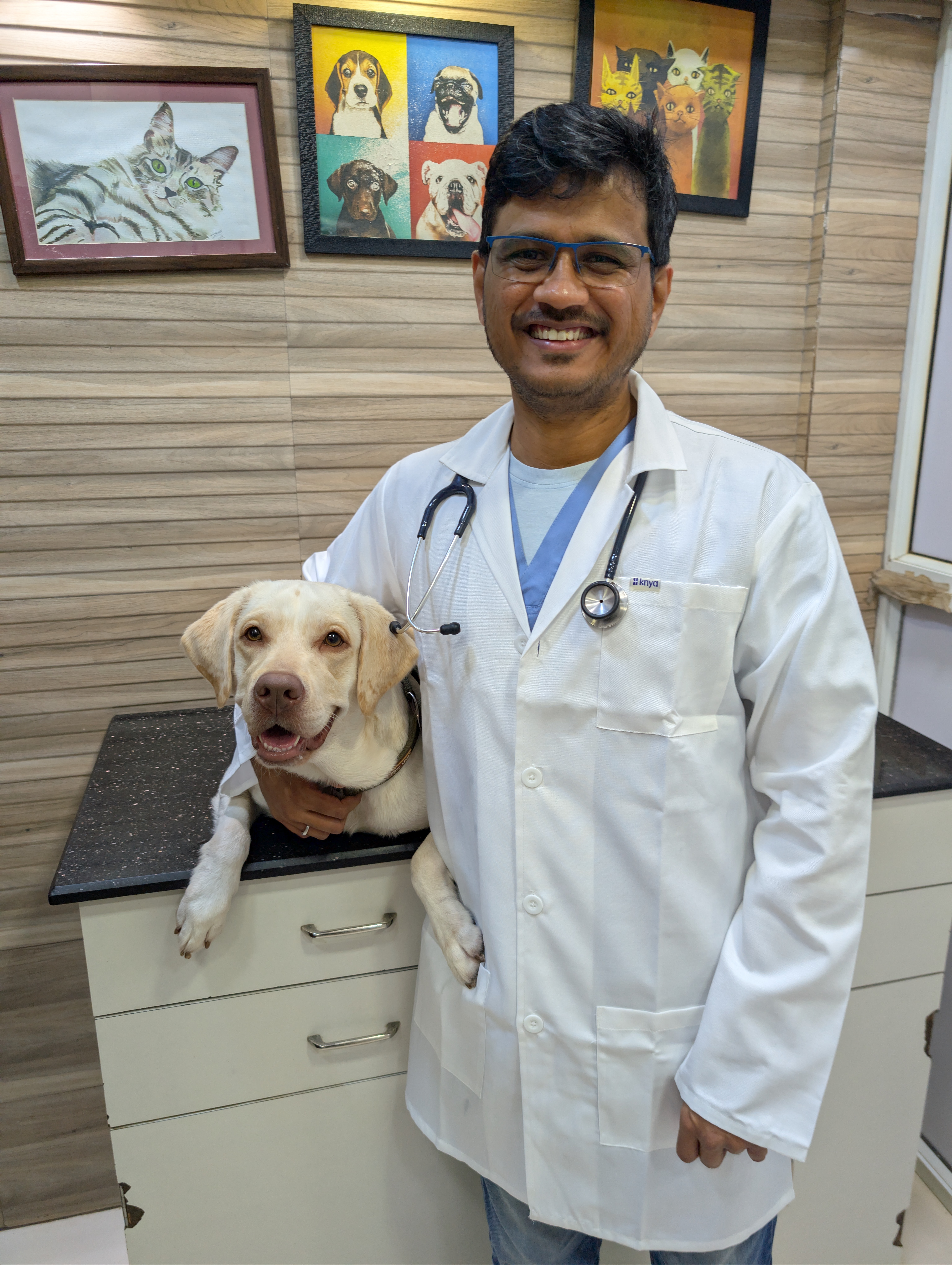
Bengaluru, July 07: Supertails, India’s comprehensive pet care platform, today announced the appointment of Dr. Prathmesh Deshmukh as its Chief Veterinary Officer (CVO). Dr. Deshmukh will lead clinical training, define standards of care, and drive the medical vision behind Supertails’ rapidly growing network of clinics across the country ensuring that pet parents receive the same rigorously trained, consistent standard of veterinary care no matter which Supertails clinic they walk into, in any city.
Dr. Deshmukh brings over 15 years of clinical and academic experience in veterinary neurology and neuroimaging. A graduate of Bombay Veterinary College, he trained further at the University of Sydney and the European School for Advanced Veterinary Studies (ESAVS). In 2014, he co-founded Acumed Veterinary Specialty with his wife, Dr. Deepti Deshpande – India’s first and only AiCVIM Cardiology Diplomate building it into a practice that combined specialist neurology referrals including MRI-led diagnostics and advanced procedures with everyday veterinary care such as vaccinations, check-ups and surgery, all under one roof.
He has been Lead Speaker at the Indian Society of Veterinary Medicine (ISVM) Conference and Co-Investigator on the Indian Canine Epilepsy Project with North Carolina State University. He is also the co-founder of “Antibiotic Vigilantes,” an initiative raising antibiotic resistance awareness among Indian veterinary professionals.
Dr. Deshmukh first engaged with Supertails as a consultant, training the clinical team, before taking on a deeper role structuring its healthcare division. As CVO, his mandate is to build a uniform standard of care across every Supertails clinic and design the clinical protocols underpinning the company’s expansion into new cities.
Speaking on his appointment, Dr. Prathmesh Deshmukh, Chief Veterinary Officer, Supertails, said: “I’d rather build veterinarians than simply employ them. A place that looks after its doctors will always look after its patients better, and this role gives me the scale to shape how medicine is practised across every Supertails clinic. Making excellent, consistent care the default rather than the exception.”
Vineet Khanna, Co-founder, Supertails, said: “For a pet parent, the hardest part of an emergency isn’t finding a clinic, it’s not knowing what kind of care they’ll get once they’re inside it. Dr. Prathmesh has spent over a decade building and mentoring in veterinary neurology, and more recently helping us structure our clinical teams. With him defining our protocols and training every veterinarian who wears a Supertails badge, a pet parent can walk into any Supertails clinic, in any city, and trust that their pet will get the same rigorous, fear-free standard of care. As we grow beyond Bengaluru, that trust is non-negotiable.”
7, Jul 2026
TN Upgrades Pongal Dhotis and Sarees Scheme for 2027
Chennai, July 7: The Tamil Nadu government has announced a revamp of its free Pongal dhotis and sarees scheme for 2027, with a focus on improved fabric quality, new colour options, and updated designs.
The upgraded garments will be provided to beneficiaries as part of the annual Pongal welfare initiative, aimed at ensuring better quality products while continuing support for eligible families across the state.
Officials said the changes are being introduced to enhance beneficiary satisfaction and modernise the traditional festive scheme. The government is also working on production and distribution arrangements to ensure timely supply ahead of Pongal 2027.
The initiative continues Tamil Nadu’s efforts to combine welfare support with encouragement for the textile sector through large-scale garment production and distribution.
7, Jul 2026
Adani Foundation Joins Andhra Pradesh’s Mission to Strengthen Rural Livelihoods
July 7: The Adani Foundation has joined hands with the Government of Andhra Pradesh’s P4 (Public-Private-People Partnership) initiative to support livelihood enhancement and promote inclusive development across the state.
The partnership aims to strengthen community-based development by bringing together government support, private sector expertise, and public participation to create sustainable livelihood opportunities for vulnerable communities.
Under the initiative, the Adani Foundation will contribute towards programmes focused on improving income opportunities, enhancing skills, and supporting social and economic empowerment. The collaboration is expected to help communities gain better access to resources, training, and opportunities for sustainable growth.
The P4 initiative is designed to encourage collective participation from different stakeholders to address development challenges and accelerate progress at the grassroots level. By combining government efforts with corporate social responsibility initiatives, the programme seeks to create a stronger support system for communities.
The partnership reflects the growing role of public-private collaborations in driving inclusive development and strengthening livelihood opportunities for people across Andhra Pradesh.
7, Jul 2026
India Has Potential to Become the World’s ‘Connector Economy’: Anand Mahindra
New Delhi, July 7: Industrialist Anand Mahindra has said that India has the potential to emerge as the world’s “connector economy” by leveraging its strategic position, economic strength, and ability to bridge global markets.
Speaking on India’s evolving role in the global economic landscape, Mahindra highlighted the country’s growing importance as a link between major economies, businesses, and supply chains. He emphasised that India’s demographic advantage, expanding manufacturing capabilities, and innovation ecosystem could help it play a larger role in global trade and commerce.
He noted that as global businesses look to diversify supply chains and explore new growth opportunities, India is well-positioned to attract investment and strengthen its position as a trusted economic partner.
Mahindra also underlined the importance of continued focus on infrastructure development, skill enhancement, technological advancement, and policy reforms to support sustainable economic growth.
The comments come amid India’s increasing engagement with global markets and its efforts to establish itself as a key player in international trade. A stronger role as a connector economy could provide new opportunities for businesses, entrepreneurs, and industries across sectors.
With its expanding market, growing innovation capabilities, and strategic global position, India is poised to play a significant role in shaping the future of the global economy.
7, Jul 2026
India Sets New Strategy to Accelerate Seafood Export Growth Through TEPA
New Delhi, July 7: The Centre has rolled out a comprehensive roadmap to strengthen India’s seafood export sector under the Trade and Economic Partnership Agreement (TEPA), aiming to enhance global market access and improve the competitiveness of Indian seafood products.
The new strategy focuses on expanding export opportunities, promoting value-added seafood products, improving supply chain efficiency, and ensuring compliance with international quality and safety standards. The initiative is designed to help exporters tap into emerging markets and strengthen India’s position in the global seafood trade.
The government has highlighted the need for greater adoption of modern technologies, sustainable aquaculture practices, improved processing facilities, and stronger infrastructure to support long-term growth in the sector.
India’s seafood industry plays a crucial role in generating foreign exchange earnings, supporting livelihoods in coastal regions, and contributing to the country’s export economy. The roadmap aims to provide exporters with better support systems and create an enabling environment for sustainable growth.
Through the TEPA framework, the Centre is working towards deeper trade engagement, improved market opportunities, and enhanced competitiveness for Indian seafood exporters in international markets.
The initiative is expected to further strengthen India’s seafood export ecosystem and contribute to the country’s broader goal of expanding its global trade footprint.
7, Jul 2026
Government Sets Focus on Expanding India’s Leather and Footwear Exports to Dollar 15 Billion
New Delhi, July 7: Union Commerce and Industry Minister Piyush Goyal has urged India’s leather and footwear industry to work towards achieving an ambitious $15 billion export target, highlighting the sector’s crucial role in boosting manufacturing, employment, and India’s global trade presence.
The minister emphasised the need for the industry to adopt advanced technologies, improve product quality, enhance competitiveness, and strengthen its presence in international markets. He said that innovation, sustainable manufacturing practices, and skill development would be key factors in unlocking the sector’s full potential.
The leather and footwear industry has significant scope for expansion, particularly through increased value addition, modern production methods, and stronger integration with global supply chains. The sector can contribute substantially to India’s export growth while creating new employment opportunities.
The government is focused on providing policy support, improving infrastructure, and creating a favourable business environment to help exporters overcome challenges and expand their global reach.
With rising international demand and growing manufacturing capabilities, the leather and footwear sector is expected to remain an important contributor to India’s vision of becoming a leading global manufacturing and export hub.


