


25, Jul 2026
OHRIA AYURVEDA Reimagines Ayurveda’s Oldest Overnight Ritual with India’s First Ghee Collagen Sleeping Mask

Delhi, India July 25: As overnight skincare rituals continue to shape modern beauty routines, OHRIA AYURVEDA is taking the category back to its roots with the launch of India’s First Ghee Collagen Sleeping Mask – an innovation inspired by one of Ayurveda’s oldest and most revered skincare preparations, Shata Dhauta Ghrita (100-Times Washed Ghee). Positioned under the thought, “India’s First, Ayurveda’s Oldest.”, the First Gel-Based Ghee Collagen Sleeping Mask – Age Delay Night Ritual redefines overnight skincare by bringing together centuries-old Ayurvedic wisdom and modern skincare science in a lightweight, breathable gel-ghee hybrid that restores skin while you sleep. Unlike conventional sleeping masks that focus only on surface hydration, OHRIA’s latest innovation is rooted in the Ayurvedic philosophy of Rasayana—the science of deep nourishment and rejuvenation. Designed to work in harmony with the skin’s natural overnight repair cycle, it helps support natural collagen production, deeply hydrates, calms heat-stressed skin, improves the appearance of pigmentation and post-acne marks, and restores visible firmness and luminosity over time.
At the heart of the formulation lies Shata Dhauta Ghrita, a traditional Ayurvedic process in which pure cow’s ghee is washed one hundred times to transform it into an exceptionally lightweight, cooling, fast-absorbing preparation. Long celebrated in Ayurveda for its restorative properties, this time-honoured ritual has been reinterpreted into a modern gel-ghee hybrid texture that delivers all the nourishment of ghee without heaviness or greasiness, forming a breathable moisture-sealing layer suitable for every skin type—including sensitive and acne-prone skin. The formulation is further enriched with Naturally Derived Gotu Kola Exosomes, Peptides, Amino Acids, Sugarcane-Derived Hyaluronic Acid, and a 61% Ayurvedic herb blend featuring Manjistha, Sariva, Sandalwood, Rose Petals, Licorice, and Gotu Kola, ingredients traditionally celebrated for supporting skin renewal, calming inflammation, reducing the appearance of pigmentation, and enhancing the skin’s natural radiance. Rather than chasing temporary radiance, the Ghee Collagen Sleeping Mask introduces OHRIA AYURVEDA’s philosophy of Indian Glass Skin – healthy, luminous skin achieved through consistent overnight nourishment, repair, hydration, and restoration. Every application transforms sleep into an active skincare ritual, allowing the skin to repair while you rest and awaken with a visibly calmer, softer, more radiant complexion.
Speaking on the launch, Rajni Ohri, Founder of OHRIA AYURVEDA, said, “Ayurveda has always believed that healthy skin is nurtured through nourishment and restoration rather than quick fixes. With the Ghee Collagen Sleeping Mask, we wanted to revive one of Ayurveda’s oldest skincare preparations – Shata Dhauta Ghrita – and reinterpret it through modern formulation science. We call it The Overnight Eraser because it is designed to help visibly erase the effects of everyday skin stress, dehydration, dullness and fatigue overnight while supporting healthier, stronger and naturally radiant skin over time. Inspired by Rasayana, this product reflects our vision of introducing Indian Glass Skin through the wisdom of Ayurveda.”
- 0
- By Neel Achary

25, Jul 2026
FII Outflows Continue from Indian Markets Amid Escalating Global Tensions
Mumbai, July 25: Foreign Institutional Investor (FII) outflows from Indian equity markets continued this week as escalating global geopolitical tensions and heightened risk aversion prompted overseas investors to reduce exposure to emerging markets.
Market participants remained cautious amid growing uncertainty surrounding global developments, leading to sustained selling by foreign investors. The outflows reflect a broader shift toward safer assets as investors assess the potential impact of geopolitical risks, inflationary pressures, and evolving monetary policy expectations across major economies.
Despite the continued FII selling, domestic institutional investors (DIIs) have provided support to the markets through consistent buying, helping cushion the impact of foreign fund withdrawals. Analysts note that India’s strong macroeconomic fundamentals, resilient corporate earnings, and long-term growth prospects continue to underpin investor confidence.
Market experts expect near-term volatility to persist as global events unfold. Investor sentiment is likely to remain sensitive to geopolitical developments, central bank policy signals, commodity price movements, and global capital flows.
While foreign portfolio flows may remain under pressure in the short term, India’s structural growth story and improving economic outlook are expected to support medium- to long-term investment interest.
25, Jul 2026
ACVS INDIA 2026 brings global experts to Hyderabad to Advance Safer, Smarter Interventional Cardiology
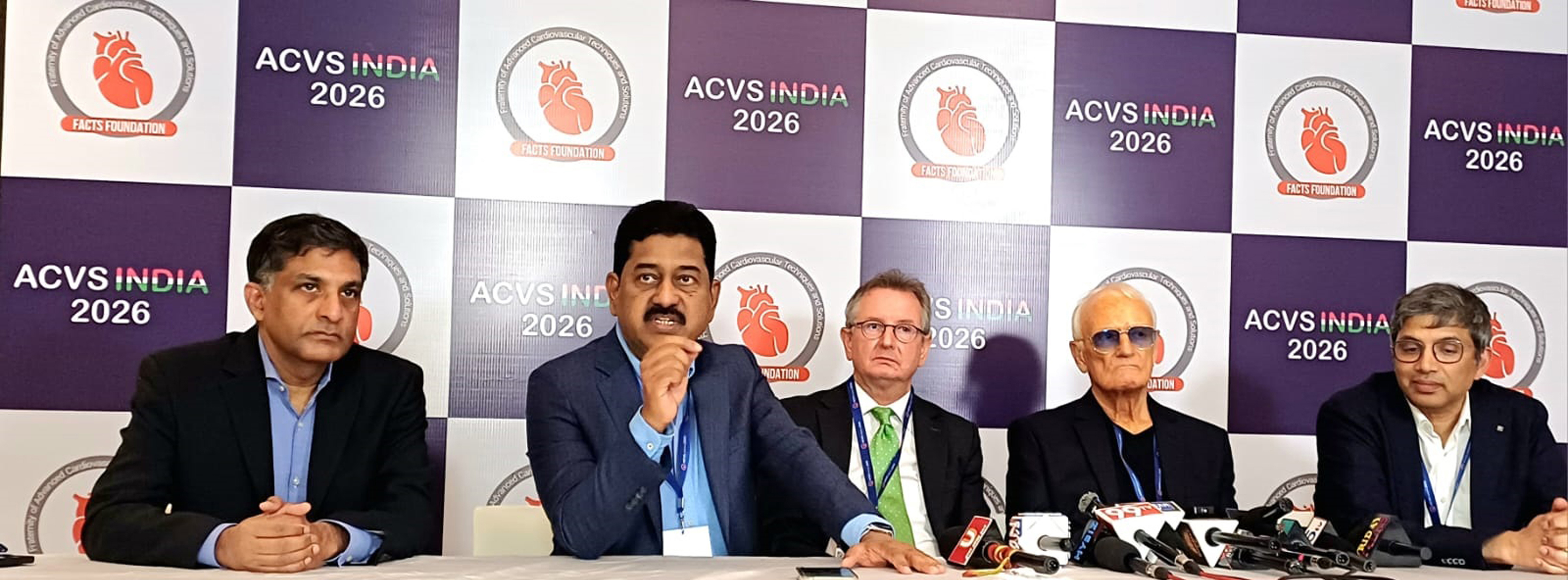
Hyderabad, July 25: FACTS Foundation, a non-profit organization of cardiologists and cardiac surgeons committed to research, innovation, education, and training, in association with ACVS INDIA (Advanced Cardiovascular Solutions) is hosting the 17th edition of ACVS INDIA 2026, from July 24 to 26, 2026, at the Trident Hyderabad. This is India’s premier and 2nd largest Interventional Cardiology conference of our country which will be attended by app. 1500 cardiologists across India & few from abroad. The conference themed “Complications Prevention & Management” brings together some of the world’s foremost interventional cardiologists to deliberate on the latest advancements in cardiovascular care.
Dr. A. Sreenivas Kumar, Founder Director, FACTS Foundation, Sr. Consultant Cardiologist & Director – Cardiology and Clinical Research, Apollo Hospitals, Hyderabad; Dr. Susheel Kodali, Sr. Consultant Cardiologist, NYU Group of Hospitals, New York; Dr. Ramesh Daggubati, Professor and Vice Chair of Cardiology, Chief of Interventional Cardiology, Director of Structural Heart Disease, West Virginia University School of Medicine; Prof. Eberhard Grube, Head, Centre of Innovative Interventions in Cardiology (CIIC), University Hospital Bonn, Germany; and Dr. Miroslaw Ferenc, University Heart Center Freiburg/Bad Krozingen, Germany; addressed the media, today at a Press Conference at Trident Hyderabad.
The three-day conference will focus on techniques to prevent and manage complications in coronary and structural heart interventions, while showcasing the latest advances in coronary interventions, structural heart disease, complex PCI, cardiovascular imaging, complication management, and emerging technologies. Experts will also discuss advanced minimally invasive techniques that enable treatment of complex cardiac conditions without open-heart surgery, significantly reducing patient trauma, morbidity, and mortality.
Speaking on the occasion, Dr. A. Sreenivas Kumar said, The significance of ACVS INDIA 2026 lies in showcasing the latest advances in the treatment of cardiovascular diseases. Rapid technological innovations have made cardiac procedures safer, more precise, and increasingly minimally invasive. The conference will bring together globally renowned cardiologists and cardiac surgeons from India and abroad to demonstrate these cutting-edge techniques, offering young doctors a unique opportunity to learn from world experts and enhance patient care. A major highlight will be the live satellite transmission of advanced cardiac procedures from leading international centres. The scientific programme will feature breakthrough developments such as advanced technologies to treat heavily calcified heart valves, the use of Impella, a catheter-based micro heart pump that provides temporary mechanical circulatory support during high-risk interventions and advanced Chronic Total Occlusion (CTO) techniques to reopen long-standing blocked coronary arteries. Live case transmissions from Germany will further provide delegates with a rare opportunity to witness some of the world’s most advanced cardiac interventions in real time.
Dr Susheel Kodali said, The conference will offer valuable insights into the latest transcatheter valve therapies and peripheral vascular interventions, highlighting minimally invasive catheter-based treatments that are transforming cardiovascular care. While Transcatheter Aortic Valve Replacement (TAVR) is now performed more frequently than open-heart valve surgery in the U.S., experts will emphasise that appropriate patient selection and clinical decision-making are as critical as the procedure itself. The discussions will also focus on the responsible adoption of these advanced technologies through education and evidence-based practice, particularly in countries like India, where affordability, access to specialised care, and limited procedural volumes remain key challenges.
Prof. Eberhard Grube said, Since the advent of Transcatheter Aortic Valve Replacement (TAVR) in 2002, structural heart interventions have transformed the treatment of valve disease. Initially met with scepticism and resistance, these minimally invasive procedures were first offered to elderly, high-risk patients who were unsuitable for open-heart surgery. Their remarkable success has since been validated through robust clinical trials, establishing TAVR as a standard treatment worldwide. Today, the Heart Team approach, where cardiologists and cardiac surgeons jointly determine the most appropriate treatment for each patient, has become the global standard, reflecting the successful convergence of interventional cardiology and cardiac surgery. While challenges such as affordability, access, and long-term outcomes remain, innovation continues at a rapid pace. With India’s growing focus on indigenous technologies and medical device development, the country is poised to play a significant role in shaping the future of structural heart interventions.
Dr Miroslaw Ferenc, said, As populations age, the incidence of heavily calcified coronary artery disease is rising, making treatment increasingly complex. Today, the success of Percutaneous Coronary Intervention (PCI) depends not only on stent implantation but, more importantly, on optimal lesion preparation using advanced technologies such as orbital atherectomy, rotoblator, laser use and shockwave therapy, to ensure the best outcomes. The conference will focus on these evolving technologies through live case demonstrations, enabling participants to learn from complex real-world interventions. Experts will also discuss emerging strategies for younger patients, where the emphasis is increasingly on preserving future treatment options by minimising permanent stent implantation through innovations such as drug-coated balloons, alongside informed decision-making between catheter-based interventions and surgery.
Dr Ramesh Daggubati, Said, Heart health begins with prevention through a healthy diet, regular exercise, weight management, and controlling cholesterol and blood sugar. Today, many heart blockages can be treated safely with minimally invasive catheter-based procedures, avoiding open-heart surgery. Advanced intravascular imaging and calcium-modification technologies have significantly improved outcomes in complex coronary interventions. ACVS INDIA is helping bridge the gap in advanced interventional cardiology training through live case demonstrations, expert discussions, and hands-on learning from global specialists. These real-time procedures enhance clinical skills, promote safer interventions, and improve patient outcomes. With lifestyle diseases such as diabetes, obesity, and heart disease on the rise due to poor diet and physical inactivity, greater public awareness, preventive care, and regular health check-ups are essential to safeguarding heart health.
A key highlight of ACVS INDIA 2026 is the India Talent Sessions, offering young interventional cardiologists a prestigious platform to present challenging cases and innovative treatment approaches. The sessions foster scientific exchange, expert feedback, and practical learning from internationally renowned faculty. The conference also emphasizes translating research into clinical practice through evidence-based recommendations, procedural strategies, and real-world insights to improve decision-making and patient outcomes. Another hallmark is its extensive Live Case Demonstrations, featuring 23 live coronary and structural heart interventions, showcasing advanced techniques, cutting-edge devices, and practical solutions for managing complex cardiovascular diseases.
Among the major attractions will be live procedures by internationally renowned operators, including Dr. Saibal Kar and Dr. Srinivas Potluri alongside several leading Indian interventionists who will demonstrate diverse procedural approaches and share technical nuances in managing challenging cases. A landmark highlight of this year’s conference is the first-ever live transcatheter aortic regurgitation intervention to be transmitted directly from the United States, providing Indian delegates with a rare opportunity to observe advanced structural heart intervention performed in real time by global experts.
Delegates attending the conference will have the opportunity to interact with some of the world’s most distinguished faculty, including Dr. Ajay Kirtane, Dr. Susheel Kodali, Dr. Ramesh Daggubati, Dr. Samir Kapadia, Dr. Saibal Kar, Dr. Sanjog Kalra, Dr. Saurabh Gupta, Dr. Dharam Khumbhani, Prof. Eberhard Grube, Dr. Miroslaw Ferenc, Dr. Arvinda Nejundappa, Dr. Ashish Pershad, Dr. Srinivas Potluri, Dr. Michael Benz, Dr. Sripal Bengalore along with many senior Indian faculty.
With its unique blend of global expertise, cutting-edge science, live case demonstrations, innovation in practice, interactive discussions, and Hyderabad’s renowned hospitality, ACVS INDIA 2026 promises to be an enriching academic experience and reaffirms its mission of promoting excellence in cardiovascular care through education, innovation, collaboration, safety, precision, and better patient outcomes.
24, Jul 2026
Saudi Arabia’s Red Sea crude bypass peaks in March and declines 41% by June, Wood Mackenzie data shows
Gulf crude exports fall 82% from January to June; Iraq, Kuwait and Qatar record zero exports as Strait of Hormuz remains severely constrained
LONDON/HOUSTON/SINGAPORE, July 24 –Saudi Arabia redirected virtually all crude exports through its East-West Petroline to Yanbu on the Red Sea following the closure of the Strait of Hormuz in late February, reaching a peak of approximately 4.07 million barrels per day in March. By June, those volumes had declined to approximately 2.39 million barrels per day — a 41% reduction from peak, according to Wood Mackenzie vessel tracking and cargo data.
Gulf crude exports fall 82% from January baseline
From January to June 2026, crude exports from the Middle East Gulf fell 82%, from an average of 18.8 million barrels per day across 370 cargoes to approximately 3.4 million barrels per day across 71 cargoes, according to Wood Mackenzie’s MEC tracking data.
The Strait of Hormuz carried approximately 11.4 million barrels per day of crude capacity in January and February 2026, averaging 6.3 large crude carrier movements per day according to Wood Mackenzie’s VesselTracker. Following US-Israel strikes on Iran on 28 February, traffic through the strait effectively ceased. By early July, large crude carrier movements had partially recovered to approximately 4.4 vessels per day — down 30% from pre-conflict levels — with Suezmax outbound transits at zero, transit vessel counts down 97% from pre-conflict norms, and freight rates approximately three times pre-conflict levels.
Iraq, which exported 3.77 million barrels per day in January, recorded zero exports by June. Kuwait fell from 1.19 million barrels per day to zero from April. Qatar, at 0.72 million barrels per day in January, also recorded zero from April. All three producers are entirely dependent on the Strait of Hormuz for seaborne crude access and have no pipeline bypass alternative. The UAE maintained a diminished position of approximately 0.56 million barrels per day in June, accounting for 68.6% of all non-Saudi Gulf exports in the June-July period.
Saudi Arabia’s Red Sea pivot peaks — then declines
Saudi Arabia’s response was to shift crude exports through the East-West Petroline to Yanbu, its Red Sea terminal. In March, 86.7% of Saudi liftings originated from Yanbu, representing 121.9 million barrels across 77 cargoes at an average of approximately 4.07 million barrels per day. That concentration rose to 93.6% in April, 94.3% in May and 98.6% in June, with only a single cargo of approximately one million barrels clearing the Gulf at Ju’aymah during the month.
Despite the near-total concentration of exports through Yanbu, volumes have declined steadily from the March peak. By June, Yanbu loadings had fallen to approximately 2.39 million barrels per day — a 41% reduction from the March peak and a 66% decline from Saudi Arabia’s January total export level of approximately 7.96 million barrels per day across both Gulf and Red Sea terminals.
The destination profile for Saudi Red Sea crude in June and July reflects a clear shift toward South and East Asian markets. Of recorded cargoes, 11 were directed to Ain Sukhna in Egypt for onward pipeline movement, five to Malacca, four to Karachi, three each to New Mangalore and Sikka in India, and two each to Ulsan and Yeosu in South Korea and Yokkaichi in Japan. No direct European crude deliveries were recorded from Saudi Red Sea terminals during this period.
Refined product flows from the region have continued at reduced levels. Wood Mackenzie’s Global Refined Waterborne Products tracking recorded 171 MEG-origin product cargoes in June and July, including jet fuel deliveries to Pembroke in the United Kingdom and Le Havre in France and ULSD movements to Constantza in Romania. Four product cargoes loaded at Jubail on the Saudi Gulf coast in early July, indicating limited commercial passage for smaller vessels.
“For months, the market treated Yanbu as the answer to Hormuz risk,” said Ian Solis, data analyst, Tech/Maritime-Ops for Wood Mackenzie. “The problem is that Yanbu has its own chokepoint. If Bab al-Mandeb comes under sustained disruption from a declared Houthi naval blockade, Asia stands to lose a major crude supply artery. What looked like diversification was in reality a shift from one strategic bottleneck to another.”
24, Jul 2026
JW Marriott Mumbai Sahar Announces the Appointment of Dr. Nisarga V M as Spa Manager

Mumbai, July 24: JW Marriott Mumbai Sahar, proudly known as the “Gateway to Mumbai,” is delighted to announce the appointment of Dr. Nisarga V M as its new Spa Manager. Renowned for its bespoke therapies and immersive wellness experiences, Spa by JW is designed around the brand’s four signature pillars: Calm, Nourish, Balance and Renew, creating personalised journeys that help guests restore balance, rejuvenate the mind and body, and embrace holistic well-being.
In her new role, Dr. Nisarga will lead the operations of Spa by JW, overseeing wellness programming, spa operations, guest experience, and team development. She will play a pivotal role in enhancing the hotel’s spa offerings by delivering personalised experiences rooted in the core pillars: Calm, Nourish, Balance and Renew.
Dr. Nisarga brings over five years of experience in luxury spa and wellness operations across leading hospitality brands, including IHCL (Taj Hotels). Throughout her career, she has held leadership positions at Taj Alibag Resort & Spa, Taj Theog Resort & Spa, Taj Devi Ratn, Jaipur, where she was a part of the pre-opening team, and Golden Palms Resort & Spa, Bengaluru. Across these roles, she has successfully led operational excellence, wellness programming, and high-performing teams while consistently delivering exceptional guest experiences.
Speaking on her appointment, Dr. Nisarga V M, Spa Manager, JW Marriott Mumbai Sahar, said, “I am delighted to join JW Marriott Mumbai Sahar and be a part of a brand that places genuine emphasis on holistic well-being. Wellness has become an integral part of the luxury hospitality experience and I look forward to collaborating with the team to further elevate the Spa by JW experience with wellness programmes and experiences that resonate with the evolving needs of today’s guests.”
24, Jul 2026
LOHUM Investor Baring Private Equity Partners Announces INR 370 Crore Partial Exit at Over 20x MOIC, Continuing as a Significant Shareholder
Greater Noida, July 24: LOHUM, India’s largest diversified producer of sustainable critical minerals and advanced materials, along with Baring Private Equity Partners (India), today announced that Baring Private Equity Partners (India) realised approximately INR 370 crore, generating a return of over 20x on invested capital (MOIC) and an IRR in excess of 80%, through a part exit from a fund that has crossed the end of its term; Baring remains a significant shareholder in LOHUM through its other funds.
Baring first backed LOHUM in 2020, drawn to the company’s leadership team, its differentiated technology, and a shared conviction that India could emerge as a global hub for critical minerals and advanced materials supply chains. Five years on, that early bet has become one of the highest-multiple exits in the Baring portfolio to date.
Broad-Based Ownership, Broad-Based Gains
The transaction also reflects LOHUM’s long-standing commitment to shared ownership within the company. To date, LOHUM has enabled over INR 100 crore in cumulative ESOP liquidity for its employees, a milestone that remains rare among Indian startups and echoes the company’s philosophy of building wealth alongside its workforce, not just its shareholders.
Existing Investors Double Down
Notably, a significant share of the transaction was absorbed by LOHUM’s existing investors and their LPs, who chose to increase their exposure to the company. This development is a strong validation of LOHUM’s growth story, its leadership, its technology, and the scale of opportunity that remains ahead.
Building a Category-Defining, Homegrown Industry
Over the past five years, LOHUM has built world-class, homegrown capabilities across the refining and recycling of critical minerals: cobalt, copper, lithium, nickel, platinum group metals, and advanced materials, such as precious metal catalysts, rare earth magnets, and cathode active materials (CAM). By recycling and refining critical materials from industrial & energy transition waste in addition to sustainably extracting minerals from primary sources, LOHUM is helping meet the world’s rising demand for critical minerals while cutting environmental impact and import dependence for India and for the industries being built on these minerals globally.
Commenting on the milestone, Rahul Bhasin, Founder & Managing Partner, Baring Private Equity Partners, said:
“We first invested in LOHUM in 2020 because we were deeply impressed by the vision, ambition, and execution capabilities of its leadership team, alongside its differentiated technology. Just as importantly, we shared the conviction that India has the opportunity to become a global leader in critical minerals and advanced materials supply chains. Building a category-defining company in an emerging industry is never easy. The LOHUM team has consistently demonstrated the foresight to anticipate where the market was headed and the discipline to execute that vision. Across cobalt, copper, lithium, nickel, CAM, precious metal catalysts, and rare earth magnets, LOHUM has built a platform we believe will only grow more critical to India’s and the world’s supply chains. To the entire LOHUM leadership and team, thank you for your partnership and for setting such a high bar through your relentless focus, resilience, and execution. We remain proud long-term shareholders through our other funds and have never been more optimistic about LOHUM’s future.”
Speaking on the partnership, Rajat Verma, Founder & CEO, LOHUM, said:
“Baring believed in LOHUM back in 2020, when building a homegrown, world-class critical minerals and advanced materials ecosystem in India was still an unproven idea. Their conviction, patience, and support over the last five-plus years have been instrumental in getting us to where we are today. To have delivered a return of this scale for our first institutional investor, while also putting over INR 100 crore back into the hands of our own employees by facilitating ESOP liquidity, tells us we’re building the right way for our shareholders, for our people, and for the country’s ambitions in critical minerals and advanced materials.”
We’re proud that this milestone reflects the values we’ve built the company around: broad-based ownership, long-term thinking, and a genuine belief in India’s potential to lead in this industry globally through technological innovation. We’re just as encouraged that our existing investors chose to lean in further. That confidence, alongside Baring’s continued partnership through its multiple funds, gives us tremendous conviction as we scale our capabilities across sustainable critical minerals and advanced materials. This is a proud milestone, but we see it as one marker on a much longer journey,” added Mr. Verma.
24, Jul 2026
Only One in Five U.S. Young Adults With Advanced Cancer Receive Palliative Care as Part of Treatment, Study Shows
ATLANTA, July 24: Young adults with advanced cancer face unique challenges that make palliative care especially important. This population often experiences physical, emotional, and social needs while undergoing treatment, related to their developmental and life-stage transitions. However, a new study by researchers at the American Cancer Society (ACS) reveals that despite a small increase in use over time, only 18.3% of young adults in the United States with advanced cancer received palliative care as part of treatment in 2023. The study is published today in the Journal of the American Medical Association (JAMA) Network Open.
“Palliative care can help address symptoms, support decision-making, and improve quality of life during treatment, yet many young adults are still not receiving these services,” said Kewei Sylvia Shi, MPH, associate scientist, health services research at the American Cancer Society, and lead author of the study. “We need to get this population the care they need, especially as rates of early-onset cancers continue to increase.”
Palliative care is specialized medical treatment for anyone living with a serious illness, focused on providing relief from symptoms and stress. Its primary goal is to improve the quality of life for both the patient and their family. For the study, researchers analyzed data from the National Cancer Database of 67,706 young adults 18 to 39 years of age diagnosed with stage IV solid tumors or poor-prognosis high-grade brain tumors between 2010 and 2023. The results show that the use of palliative care alongside cancer treatment increased from 9.3% in 2010 to 18.3% in 2023. However, utilization remained low. Between 2021 and 2023, only 17.1% of young adults received palliative care while undergoing treatment for their cancer — that’s about 1 in 5 people. Researchers also found palliative care use varied by cancer type, with the highest rates among young adults with lung, stomach, kidney, breast, and pancreatic cancers.
“Misconceptions about palliative care may be one barrier to earlier use,” added Shi. “Integrating basic palliative care more consistently into routine oncology care, while referring patients with more complex needs to specialty palliative care, may help expand access to supportive care services.”
“This research highlights the pressing need for policies that will improve access to palliative care services for patients with cancer, especially for young adults, who often face unique challenges over the course of their cancer journey,” said Lisa Lacasse, president of the American Cancer Society Cancer Action Network. “We are urging Congress to pass the Palliative Care and Hospice Education and Training Act which would improve patients’ access to quality palliative care services while expanding palliative care research funding and training tomorrow’s workforce to provide comprehensive care that treats the whole person.”
Other ACS researchers contributing to this study include Dr. Robin Yabroff and senior author Dr. Xuesong Han.
24, Jul 2026
India’s SME Sector Taps Capital Markets, Raises Rs 3,752 Crore Through IPOs
New Delhi, July 24: Small and Medium Enterprises (SMEs) raised around Rs 3,752 crore through nearly 80 Initial Public Offerings (IPOs) during the January-June period, reflecting continued investor interest in smaller businesses seeking capital market access, according to a report.
The strong fundraising activity highlights the growing role of SME platforms in enabling emerging companies to raise funds for expansion, capacity building, technology upgrades and strengthening their business operations.
The report noted that the SME IPO segment has witnessed significant participation from companies across diverse sectors, as businesses increasingly explore public markets as an alternative source of funding.
Market experts said the rise in SME listings indicates growing confidence among investors in entrepreneurial ventures, while also providing smaller firms with greater visibility and opportunities for long-term growth.
However, experts also cautioned that investors should carefully evaluate business fundamentals, financial performance and growth prospects before investing in SME offerings, given the relatively higher risks associated with smaller companies.
The continued momentum in SME IPO activity underscores the evolving landscape of India’s capital markets and the increasing participation of smaller enterprises in the country’s economic growth story.
24, Jul 2026
India’s Private Sector Continues Expansion in July, HSBC PMI Stands at 54.3
New Delhi, July 24: India’s private sector remained in expansion territory in July, with the HSBC Flash India Composite Purchasing Managers’ Index (PMI) registering 54.3, indicating continued growth despite a moderation in business activity. The index, compiled by S&P Global, remained above the crucial 50-point mark that separates expansion from contraction.
The latest PMI reading, however, reflected a slowdown in the pace of growth compared with June’s 57.1, as weaker momentum in the services sector weighed on overall private sector performance. Services activity eased to a 53-month low, while manufacturing showed greater resilience and continued to support economic expansion.
Export demand provided a positive boost, with international sales recording strong growth. Businesses also continued to increase hiring, reflecting confidence in sustained demand conditions.
Companies reported rising input costs driven by higher fuel, labour, material and transportation expenses. Businesses responded by increasing output prices, indicating renewed pressure on margins and inflation trends.
Commenting on the survey findings, economists noted that while growth momentum has moderated, India’s private sector continues to demonstrate resilience amid global uncertainties and changing market conditions. The expansion in PMI signals ongoing economic activity, even as businesses remain cautious about cost pressures and demand challenges.
24, Jul 2026
Craquelure Inspired Surfaces & New Campaign Launch Dominate Aludecor’s 24th Foundation Day
Mumbai, July 24: Aludecor Lamination Pvt. Ltd, a façade product manufacturer which is known for trendsetting innovations in the industry, utilized its 24th foundation day to launch a new series and the second phase of its industry-first Test Nahi Toh Trust Nahi TVC campaign.

The company has introduced another “never-seen-before” reengineered aluminium composite panel surface that interprets one of nature’s wonders. This time it was the craquelures of stones formed by geological aging. Christened Stonic, this series is positioned by the company through its catalogue as revealing “the poetry of ageing through delicate craquelure and layered depth.” The series is said to draw inspiration from the stone heritage of Harappan and Mohejo-daro, transforming an ancient legacy into a contemporary surface.
Available in seven shades, the series has been developed using what the company describes as its proprietary Spray Fusion technology. Stonic is expected to find applications across commercial, residential, hospitality and mixed use spaces, including facades, feature walls, entranceways, soffits, balcony fascia and ceilings.
Having created a flutter by being the first in the ACP industry to launch a TVC campaign – Test Nahi Toh Trust Nahi – in the beginning of the year, Aludecor used the foundation day occasion to launch an extension of the campaign. Called The Fikar-Free ACP, the campaign is informed by the most practical pain points of contractors and architects, hammering home that by imbibing the culture of using tested ACP one can be free of stress or fikar. The campaign is anchored by a surreal Fikar-Meter, the readings of which are influenced by real-world stress scenarios in fabrication. A series of quirky videos and on-ground activations have been rolled out.


