


13, Nov 2023
Distance Learning Education in India

A distance course, also known as a distance learning or online course, is an educational program where the majority or the entirety of the instruction occurs remotely, often via the Internet. These courses allow students to study and complete coursework from a location of their choice, offering flexibility in terms of time and location. Distance courses can range from individual classes to entire degree programs and are commonly offered by various educational institutions, including universities, colleges, and online learning platforms. They often utilize digital resources, such as online lectures, readings, videos, and interactive assignments, and may incorporate communication tools like video conferencing, discussion forums, and email for student-teacher interaction.
Distance learning in India has gained significant momentum over the years, especially with the proliferation of digital technologies and the internet. Several institutions offer distance education programs, providing opportunities for individuals who can’t pursue full-time, on-campus education due to various constraints.
The landscape of distance learning in India includes various universities, both central and state, such as Indira Gandhi National Open University (IGNOU), Symbiosis Centre for Distance Learning, and many others. These institutions offer a wide array of courses, from undergraduate to postgraduate levels, across disciplines like arts, science, commerce, management, and technology.
The approach to distance education in India has evolved considerably, transitioning from traditional correspondence courses to more dynamic online platforms. Learners now have access to study materials, lectures, discussion forums, and even live sessions through various digital mediums.
Government bodies like the University Grants Commission (UGC) and the Distance Education Bureau (DEB) regulate and maintain the standards of distance learning programs to ensure quality education and the recognition of degrees obtained through these programs.
Challenges within the system often include issues related to access, quality, and equity. There’s a significant focus on expanding access to education, particularly in rural areas, and ensuring that the quality of education is consistent across regions. Efforts are being made to address these challenges through various government initiatives and private endeavors.
However, while distance learning provides flexibility, it’s crucial to choose recognized and accredited institutions to ensure the value and acceptance of the certifications or degrees earned. There have been instances of non-accredited or unrecognized institutions providing questionable education, leading to concerns about the quality and recognition of the degrees obtained.
Overall, distance learning in India has significantly expanded educational accessibility, catering to a diverse range of learners across the country and beyond. The flexibility it offers has made education more inclusive for individuals who might otherwise struggle to pursue higher education due to geographical, financial, or time constraints.
- 0
- By Rabindra

13, Nov 2023
Empowering India’s Future: 5 NGOs Transforming Children’s Lives
India is home to a substantial child population, with many of them grappling with a multitude of challenges, including poverty, limited access to education, healthcare disparities, and more. Fortunately, numerous non-governmental organizations (NGOs) across the country are tirelessly dedicated to tackling these issues and enhancing the overall well-being of children. Below, we have compiled a list of some of the impactful NGOs in India, such as Save the Children India, and CBM India Trust, that are making a significant difference in the lives of these children.
Save the Children India is one of the largest and most well-known NGOs in India, dedicated to the welfare of children. Their work spans various domains, including education, healthcare, child protection, and emergency response. They focus on ensuring every child’s right to survival, protection, development, and participation. Save the Children operates numerous programs and projects across the country, making a substantial difference in the lives of underprivileged children.

CBM India Trust is a leading Indian not-for-profit development organization committed to improving the quality of life of persons with disabilities and other marginalized communities. They are dedicated to promoting inclusive education, ensuring that both girls and boys in low-income settings have equal access to education. Their program is aligned with the 2030 Agenda for Sustainable Development Goals, which underscores the importance of transforming education systems to be more inclusive, particularly for children with disabilities. Additionally, they are working alongside persons with disabilities to remove cultural and environmental barriers to their full participation in health, education, and livelihood in over 25 states to break the vicious cycle of poverty and disability.

CRY – Child Rights and You – CRY is an organization that has been championing the cause of child rights in India for decades. They work to ensure children’s access to quality education, healthcare, and protection from exploitation. CRY partners with grassroots organizations and empowers communities to address the unique challenges faced by children in their specific regions.

Pratham is focused on improving the quality of education for underprivileged children in India. They implement innovative teaching methods and programs to bridge the learning gap and ensure that all children have access to quality education. Pratham’s initiatives have reached millions of children, especially those in rural and remote areas.

Smile Foundation is committed to the holistic development of underprivileged children. They provide healthcare services, education, and skill development programs to empower children and their families. Their approach is to break the cycle of poverty and improve the overall well-being of children in need.

These five NGOs in India are significantly influencing the lives of children by tirelessly striving to provide them with crucial essentials like education, healthcare, and nutrition, and safeguarding them from exploitation. By extending support to these organizations, both individuals and corporations can play a pivotal role in shaping a brighter and more secure future for India’s children. Your contribution, no matter the size, holds the power to make a tangible difference in the lives of these young souls, granting them the opportunity to flourish and realize their full potential.
13, Nov 2023
Ekstep Foundation And PVR Nest Collaborate In“Bachpan Manao Badhte Jao” Mission to Celebrate Childhood
~ PVR NEST launches its ‘Let’s Start Doing Good’ with Bachpan Manao Badhte Jao ~
National, November 13, 2023: EkStep Foundation has partnered with PVR NEST’s ‘Let’s Start Doing Good initiative’ under the ‘Bachpan Manao Badhte Jao’ mission to showcase the ‘Bachpan Manao’ short film as a public service message in over 1000 screens of PVR INOX theatres across the country. The film made by Prakash Varma of Nirvana Films will run on PVR INOX screens from November 17 – November 30.
As part of the initiative, the mission is to launch a short film for the first time on the Big Screen that encapsulates the simple yet profound joys of childhood, the moments where children learn and grow best. This heartwarming film aims to encourage viewers to “Celebrate Childhood, Keep Growing” and opens their hearts and minds to the magic of the early and foundational years of every child. This unified effort aims to encourage caring adults especially parents and teachers to see the holistic growth of every child and understand the window of opportunity these early years present while recognizing the importance of the power of exploration and play to ensure a strong foundation for every child.
Deepika Mogilishetty, Chief of Policy and Partnerships at EkStep Foundation – Bachpan Manao says,
“The film is a call to every caring adult – mother, father, teacher, preschool educator, Anganwadi teacher, and anyone who engages with children up to the age of 8 to recognize the abundance of childhood and the opportunities it inherently provides. With simple actions and attention, we can as a society ensure the best foundation for the future of every child in India. Partnering with PVR NEST gives the mission wings as it travels to cinemas and into the hearts and minds of people, and they have generously connected it to the Let’s Start Doing Good initiative in PVR INOX screens across the country. For everyone reading this and going to the cinemas, we say carry and spread the message – Bachpan Manao Badhte Jao.”
The ‘Bachpan Manao, Badhte Jao’ mission is a collaborative effort of over 80 organizations recognizing that children learn through PLAY, living moments are learning moments, children need holistic development and children need to be given ‘Seekne Ki Aazadi’. Scientifically, it is known that the brain’s plasticity is strongest during the first 8 years and over 85% of an individual’s brain development occurs by the age of 6.
Rohini Nilekani, Co-founder, of EkStep Foundation, shared her vision for the initiative, stating, “Bachpan Manao, Badthe Jao’ is a societal mission to nurture the learning journey of India’s children by celebrating childhood itself, which is the greatest teacher of all. The youngest citizens of our country are the future. Every year, about 25 million children are born in India, and every year we have the opportunity to ensure that every generation of children is learning. Come, let’s all help to democratize the joy of learning.”
‘SDG (Start Doing Good)’ represents a collaborative effort between PVR INOX and communities, aimed at fostering dialogue, action-oriented projects, and conferences centered around the 17 Sustainable Development Goals (SDGs). This campaign forges partnerships with organizations dedicated to long-term commitments toward these global objectives. PVR NEST, the CSR arm of PVR INOX Limited with its belief in transforming the lives of children at risk has joined this mission by screening the Bachpan Manao launch film in PVR INOX theatres across the country as part of their “Let’s Start Doing Good’ initiative. PVR NEST invites everyone to raise the level of conversation for the sake of our youngest.
Commenting on the occasion, Deepa Menon, Founder Head, PVR NEST said, “The launch of “Bachpan Manao, Badhte Jao” marks a significant milestone in advancing early childhood development and the foundational stage in India. EkStep Foundation, co-founded by Nandan Nilekani, Rohini Nilekani, and Shankar Maruwada is incubating the growing network of 80+ organizations that are aligned to solving for the growth, well-being, and development of India’s youngest. PVR NEST supports the creation of safe urban public spaces for children and women and is happy to collaborate with EkStep Foundation in realizing every child’s fundamental right to holistic growth. It is helping reinforce the message in cinema, a powerful medium, not only for entertainment but also for reflecting and influencing society. ‘Bachpan Manao, Badhte Jao’ collection (a term derived from collaboration and action) is committed to forging partnerships that drive, sustain, and scale actions for lasting inter-generational impact”.
Adding further, Shankar Maruwada, Co-Founder and CEO of EkStep Foundation said, “This mission urges us to relook at the way we approach early childhood in today’s world. It invites us to understand, value, and celebrate the abundance within and around each child. Our role is to be a catalyst for this mission so that it can grow further, carried proudly on the shoulders of all collectors.”
11, Nov 2023
Information Technology for Education in India
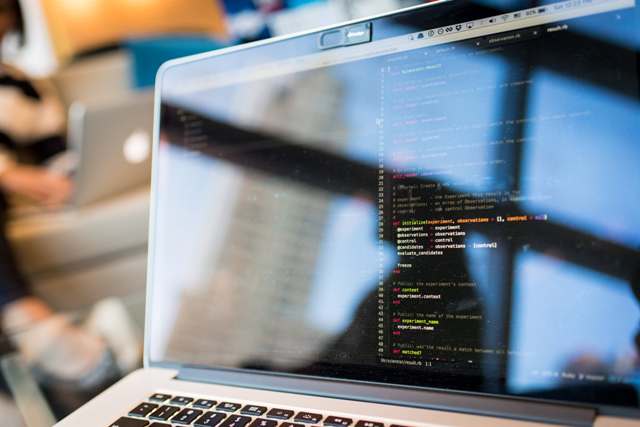
Information technology (IT) is a vast and constantly evolving field that encompasses the use of computer systems, networks, and infrastructure to store, retrieve, transmit, and manipulate data. It involves the design, development, implementation, and management of both hardware and software systems used in various organizations, businesses, and industries. IT professionals work with a range of technologies, including computers, networks, databases, and other digital systems, to solve problems, create efficiencies, and innovate in diverse areas.
Education in India has seen a significant integration of Information Technology (IT) over the years. Several initiatives and technological interventions have been implemented to improve access, quality, and outreach of education across the country. Here are some key aspects:
Digital Learning Platforms:
Online Learning: Platforms like Byju’s, Unacademy, and Khan Academy offer diverse courses and materials.
E-learning Portals: National Programme on Technology Enhanced Learning (NPTEL) and SWAYAM provide courses from IITs and other institutions.
Government Initiatives:
Digital India: A flagship program that aims to transform India into a digitally empowered society.
SWAYAM (Study Webs of Active Learning for Young Aspiring Minds): Provides online courses, especially for remote areas and rural students.
EdTech Startups:
Byju’s: One of the most successful EdTech startups in India, offering interactive learning programs.
Unacademy: Provides online classes and tutorials for various competitive exams.
Use of Technology in Schools and Colleges:
Smart Classrooms: Integration of smartboards, projectors, and multimedia tools for interactive teaching.
E-books and Online Resources: Many educational institutions are adopting digital libraries and resources.
Challenges:
Infrastructure: Disparities in access to technology and the internet between urban and rural areas.
Digital Literacy: Ensuring both teachers and students are proficient in using technology for education.
Quality of Content: Ensuring that the digital content provided is of high quality and standardized.
Future Prospects:
Adaptive Learning: Personalized learning experiences through AI and machine learning.
Increased Access: Improving internet penetration and access to technology in remote areas.
Skill Development: Integrating vocational training and skill development through digital platforms.
Educational paths in IT can range from certifications and vocational training to undergraduate and graduate degrees. Many universities and colleges offer specialized programs in IT, and there are numerous online courses and platforms available for learning specific IT skills.
The field is constantly evolving due to rapid technological advancements, so staying updated with the latest trends and technologies is crucial for a career in IT. Continuous learning and adapting to new tools and methods are essential in this field.
India’s journey in integrating IT in education has shown immense potential, but there’s a continual need for infrastructural development and ensuring equitable access across diverse demographics.
10, Nov 2023
Educate Your Child for the Development of Skill and Creativity

Education is an incredible journey that spans various forms of learning, whether formal or informal. It’s the process through which knowledge, skills, values, and habits are acquired. From early childhood through adulthood, education takes place in schools, colleges, universities, and through experiences in the world. It’s not just about textbooks and classrooms; it encompasses personal development, critical thinking, and the acquisition of practical skills that shape individuals and societies.
Education plays a crucial role in skill development and nurturing creativity. Here are some key aspects that can support this:
Skill Development:
Hands-On Learning: Practical application of knowledge is vital. Whether it’s through apprenticeships, internships, or project-based learning, hands-on experience is invaluable.
STEM Education: Emphasizing science, technology, engineering, and math helps in developing problem-solving skills and a strong foundation for various careers.
Arts and Humanities: Creativity thrives in artistic pursuits and the humanities. Encouraging expression through arts, music, literature, and other creative outlets can enhance critical thinking and innovative skills.
Critical Thinking and Problem-Solving: Teaching students to think critically, analyze, and solve problems enhances their adaptability in various situations.
Soft Skills: Communication, teamwork, adaptability, and emotional intelligence are vital. Including these skills in the curriculum can prepare students for the modern workplace.
Fostering Creativity:
Encouraging Curiosity: Cultivating a love for learning and exploration is key to nurturing creativity. Encouraging questions and curiosity stimulates the creative mind.
Divergent Thinking: Promoting divergent thinking, where multiple solutions are encouraged for a problem, opens up creative possibilities.
Freedom for Expression: Allowing students the freedom to express themselves in different ways fosters creativity. This could be through writing, art, music, or even unconventional means.
Interdisciplinary Learning: Integrating different subjects helps students see connections and draw upon various fields to innovate.
Experiential Learning: Offering experiences that challenge students to think and create, like debates, simulations, or hands-on experiments, stimulates creativity.
Tools and Resources:
Technology Integration: Using technology as a tool for learning and creation opens new avenues for creative expression and skill development.
Access to Resources: Ensuring students have access to libraries, technology, mentors, and diverse learning materials can broaden their horizons.
Mentorship and Guidance: Mentors can play a crucial role in guiding and inspiring students in their creative and skill development journeys.
Continuous learning and upskilling in specific skills are becoming more and more essential in today’s dynamic job landscape, allowing individuals to remain competitive and adaptable in their careers
Remember, an education that balances skill development and creativity not only prepares individuals for the workforce but also equips them with the ability to adapt and innovate in an ever-changing world.
9, Nov 2023
Good Places for Education in India

Education in India is a vast and diverse landscape. The system follows a 10+2+3 pattern, meaning 10 years of school education, 2 years of higher secondary, and 3 years of undergraduate education. However, there are variations and additional levels like diploma courses, vocational training, and postgraduate studies.
Primary education is free and compulsory for children aged 6 to 14, as per the Right to Education Act. The education system is divided into different boards, with CBSE (Central Board of Secondary Education) and ICSE (Indian Certificate of Secondary Education) being two prominent ones.
Higher education in India includes universities, colleges, and institutes offering various undergraduate and postgraduate programs. The Indian Institutes of Technology (IITs) and Indian Institutes of Management (IIMs) are internationally renowned for engineering and management studies, respectively.
India has some excellent educational institutions across various fields. Here are a few renowned ones:
Indian Institutes of Technology (IITs): Known for engineering and technology, the IITs are prestigious institutions with campuses in various cities like Delhi, Mumbai, and Chennai.
Indian Institutes of Management (IIMs): Top-notch business schools, the IIMs are renowned for their management programs.
Delhi University: One of the oldest universities in India, Delhi University offers a wide range of undergraduate and postgraduate courses.
Jawaharlal Nehru University (JNU): Located in Delhi, JNU is known for its social sciences and humanities programs.
All India Institute of Medical Sciences (AIIMS): AIIMS is a premier medical institution, known for its high standards in healthcare education and research.
National Institute of Fashion Technology (NIFT): If you’re interested in fashion and design, NIFT is a top choice.
National Law School of India University (NLSIU): For law enthusiasts, NLSIU in Bangalore is considered the best law school in India.
Tata Institute of Social Sciences (TISS): TISS is known for its programs in social sciences, social work, and human resources.
Indian Statistical Institute (ISI): ISI is a prestigious institution for statistics, mathematics, and quantitative studies.
BITS Pilani: Birla Institute of Technology and Science (BITS) is known for its engineering and science programs.
Remember, the “best” place for education depends on your field of interest and the specific program you are looking for. Always do thorough research based on your preferences and career goals.
8, Nov 2023
50 Percent of gifted students not reaching their full potential: Study
Bangalore, 8th November 2023: Power Club, a US-based career and talent development company and IPN Foundation, a knowledge network of school leaders, successfully concluded the Education Summit (GTES 2023) focused on nurturing the extraordinary gifts and talents of K-12 students/children on Nov 03, 2023. With over 100 researchers, educationists, and school principals as attendees, the virtual summit emphasized schools’ crucial role in preparing students for the future and identifying their unique talents beyond academics. The event also saw participation from industry-leading guest speakers and top school leaders like Don Ambrose (Author and researcher, Gifted Education), Sonia Lal (Former Harvard Admissions interviewer) and B. Earl (Writer and storyteller at Marvel Entertainment), Mrs. Amrita Buramn (Deputy Director, Sunbeam Group of Educational Institutions, Varanasi), Dr. Chandrashekar (CEO, Jain Group of Institutions, Hyderabad), Mr. Sanjay Dutta (Director principal, MMPS Udaipur), Ms. Rama Maylavarapu (Principal, CPS Global, Chennai) and more.
Gifted students are those who demonstrate outstanding levels of aptitude or competence (compared to others of their age) in one or more domains. These domains could include structured areas of activity like mathematics, music and languages or skills like dance, sports and painting. When there is a gap between a child’s potential and their achievement, it is referred to as underachievement. According to a study by Dr. Jae Yup Jung from UNSW, Sydney, over 50% of gifted students fail to reach their full potential, with a significant number dropping out of school and university prematurely. This gap is exacerbated by the lack of dedicated policies and programs, as well as a general unawareness and misunderstanding of giftedness.
At GTES 2023, Don Ambrose, author and a leading expert in Gifted Education, shared his insights on the missing link in schools’ assessment of giftedness and talent and how they can nurture their students’ full potential. While acknowledging the value of standardized testing and IQ, Don went on to talk about the ‘spectrum of abilities’. Using the analogy of visible light, which when passed through a prism gives us a spectrum of colors, Don shared his concern about the many gifts and talents possessed by students remaining latent. He urged schools and policy makers to go beyond academic assessments that look only for algorithmic abilities and also search for abilities like critical thinking, visual metaphoric thinking (the ability to be able to synthesize and represent complex ideas through diagrams and visuals, aesthetic sensibilities), and the ability to appreciate aesthetics and beauty. He stressed on the need for schools to foster multidisciplinary thinking to enable students to discover their aspirations and empower them to act on their unique talents and gifts.
Saurabh Saxena, Founder and CEO of Power Club said, “We believe that every student is uniquely talented. Five years ago we discovered that 50% of gifted students remain underachieved for life, and this compelled us to work towards making real world education inclusive, so that every student is empowered to discover and develop their unique talents and find a path to creative fulfillment. GTES 2023 aimed to inspire forward-thinking school leaders to transcend existing academic boundaries, work towards identifying the unique talents of their students and offer expert advice on how they can nurture them to achieve their full potential. Going forward, we aim to make GTES an annual event, fostering holistic development in gifted education, worldwide.”
Gaurava Yadav, Founder & Chairman of IPN Foundation, talking about their association with Power Club, said, “We are excited about the possibilities of bringing a Gifted and Talented education programme for the Indian School education system along with the PowerClub team. NEP2020 has ushered in massive possibilities for Indian students and as a country we are undergoing major metamorphosis in our overall education landscape. This is the best time to bring world class opportunities to the Indian school ecosystem. And we believe the team behind Power Club is geared up in bringing this movement with the right mix of experience and expertise for Indian students.”
Power Club, through GTES, aims to empower school leaders with the knowledge and tools necessary to identify and support gifted students fostering an environment where their unique talents can thrive. By bringing together experts and practitioners in the field, the summit serves as a catalyst for change driving awareness and advocating for necessary policy reforms. The company is all set to launch its transformative curriculum with select top schools in the US, Middle East, and India this year.
8, Nov 2023
B L Kashyap secures two new orders worth Rs. 271 crores approx
B L Kashyap secures two new orders worth Rs. 271 crores approx. from Suparna Realtors Private Limited and Jagamayi Manor Private Limited
The current order book stands at approx Rs. 3276 crores
New Delhi…November 08, 2023…B L Kashyap & Sons Ltd. (BSE: 532719 NSE: BLKASHYAP), one of the leading Engineering, Procurement, and Construction (EPC) Companies has secured two new orders worth Rs. 271 crores approx. from Suparna Realtors Private Limited and Jagamayi Manor Private Limited. The company has received the orders for civil and structure works for commercial projects; Sattva Texonicat Bangalore and Sattva Verve at Pune District, Maharashtra respectively. The current order book stands at approx. Rs. 3276 crores.
Mr. Vineet Kashyap, Managing Director, B L Kashyap & Sons Ltd. said, “B L Kashyap continues its stellar performance of winning prestigious orders. These new projects will further strengthen our geographical presence in Karnataka and Maharashtra states as well as enhance our commercial portfolio.”
8, Nov 2023
India’s The Riverside School wins World’s Best School Prize for Innovation 2023
The five World’s Best School Prizes, founded last year by T4 Education in collaboration with
Accenture, American Express, and the Lemann Foundation are the world’s most prestigious
education prizes and see winning schools share $250,000
National, 08.11.2023: The Riverside School, an independent international school in Ahmedabad, Gujarat, India, which has gained worldwide recognition for its groundbreaking, student-centric approach to education with its I CAN pedagogical model, was today named winner of the World’s Best School Prize for Innovation 2023. The five World’s Best School Prizes, founded last year by T4 Education in collaboration with Accenture, American Express, and the Lemann Foundation, are the world’s most prestigious education prizes and this year’s winners share an award of $250,000.

At the same time, Institución Educativa Municipal Montessori sede San Francisco in Colombia won the World’s Best School Prize for Environmental Action. SPARK Soweto in South Africa won the World’s Best School Prize for Community Collaboration. The Max Rayne Hand in Hand Jerusalem School won the World’s Best School Prize for Overcoming Adversity. And EEMTI Joaquim Bastos Gonçalves in Brazil won the World’s Best School Prize for Supporting Healthy Lives. The winners were chosen by an expert Judging Academy.
In addition, a new Community Choice Award was presented this year to Escola Municipal Professor Edson Pisani in Brazil after it won the most votes of all the World’s Best School Prizes finalists in a Public Vote. It will now receive membership to T4 Education’s new Best School to Work program, an independent, evidence-based mechanism to certify schools for their culture and help them transform their working environment to attract and retain the best teachers.
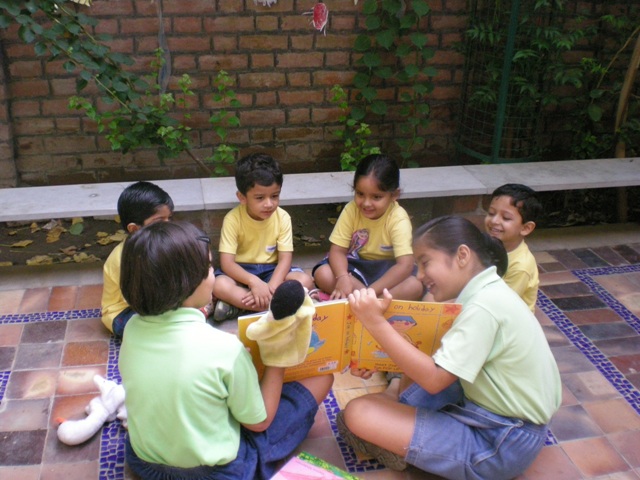
Vikas Pota, Founder of T4 Education and the World’s Best School Prizes said, “My deepest congratulations to The Riverside School in India. Educators across the world should look to the shining example of your school in the difference you have made to so many lives. Governments must look to the trailblazing work they have done as they seek answers to the great challenges we face today. Where you lead, they must follow. This tremendous moment has been made possible by the leadership, vision, and culture your school has fostered and it brings me great pride to bestow upon you the World’s Best School Prize for Innovation 2023.”
The five World’s Best School Prizes – for Community Collaboration, Environmental Action, Innovation, Overcoming Adversity, and Supporting Healthy Lives – celebrate schools everywhere for the pivotal role they play in developing the next generation of learners and for their enormous contribution to society’s progress, especially in the wake of COVID. The Prizes were established to share the best practices of schools that are transforming the lives of their students and making a real difference to their communities.
8, Nov 2023
JIS Group launches its state-of-the-art JIS Drone Academy, Offering Exciting Courses in Drone Technology for the Very First Time
Kolkata, November 8, 2023: JIS Group announced the official launch of its state-of-the-art JIS Drone Academy with a vision of “ Education to Empowerment in collaboration with industrial leaders in the UAV tech domain, EduRade and Megh Robotics at the Dr. Sudhir Chandra Sur Institute of Technology Campus in Dum Dum. The academy aims to introduce a range of short-term courses designed to provide comprehensive training in various aspects of Drone Technology for aspiring drone enthusiasts. Sardar Simarpreet Singh, Director of JIS Group was present at the event.

The JIS Drone Academy is poised to become the go-to destination for aspirants looking to explore the world of drones, offering courses that cater to different interests and career aspirations. The courses to be offered at the institute are a Short-Term Course in Aerial Photography (Beginner), a Short-Term Course in Agricultural Application, a Short-Term Course in Security and Emergency Response, a Diploma in Drone Technician, and a Diploma in Drone Survey and Mapping.
The JIS Drone Academy is committed to providing the necessary knowledge and skills to empower individuals in the field of drone technology. With the potential for drones to revolutionize various industries, these courses aim to prepare students for exciting career opportunities and professional growth. This center aims to serve as a hub for the development, testing, training, and exploration of unmanned aerial vehicles, revolutionizing industries, generating employment, and entrepreneurship, along with opening new possibilities.
On this occasion, Sardar Simarpreet Singh, Director of JIS Group, said, “We at JIS Group have set our goal to unlock the skies of opportunity with JIS Drone Academy, where we intend to soar beyond boundaries to empower aspiring drone enthusiasts. We invite young minds to join us as we take flight into the future of technology and innovation.”


