


1, Nov 2026
Nepal, Bhutan Push for Special Himalayan Climate Agenda at COP31 Amid Rising Disaster Risks
Kathmandu, Nov 1: Amid growing threats from climate change and an increase in extreme weather events across the Himalayan region, Nepal and Bhutan have jointly called for a dedicated Himalayan climate agenda at the upcoming United Nations Climate Change Conference (COP31).
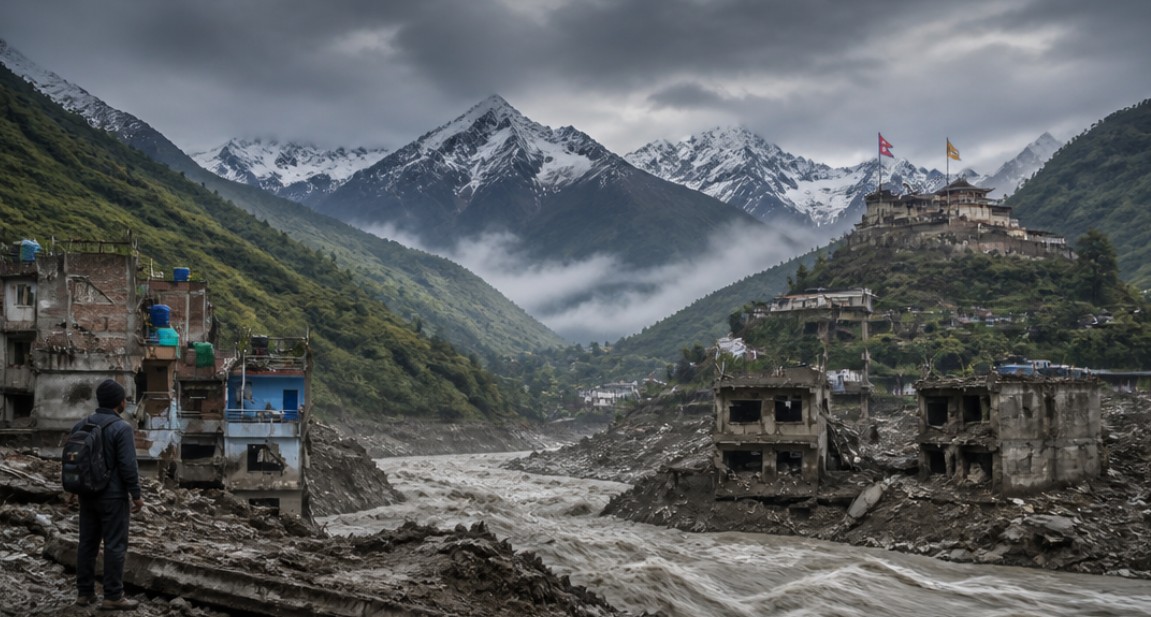
Representational Image
The two Himalayan nations have proposed a separate agenda item titled “1.5-Degree Temperature Rise in the Himalayan Region”, seeking greater international recognition of the environmental challenges confronting mountain ecosystems and communities.
The conference is scheduled to take place in Antalya, Turkey, from November 9 to 20.
According to a statement issued by the secretariat of Nepal’s Minister for Agriculture, Forests and Environment on Saturday, the joint proposal was submitted under Rule 12 of the draft rules of procedure of the conference. Nepal’s Agriculture, Forests and Environment Minister Geeta Chaudhary submitted the proposal on behalf of both countries.
Growing Climate Threats Across the Himalayas
The joint initiative comes against the backdrop of increasingly severe climate-related disasters in the Himalayan region, including devastating floods, glacial lake outbursts, rising temperatures and accelerated glacier melting.
The proposal highlights concerns that continued temperature increases could cause irreversible damage to fragile mountain ecosystems, threaten biodiversity and undermine the livelihoods of communities dependent on Himalayan natural resources.
It also emphasises the importance of the Himalayan river systems, which provide water, food and energy to more than two billion people living downstream.
The region is also home to nearly half of the world’s important biodiversity areas, making its protection critical for ecological stability.
Call for Scientific Research and Global Action
Under the proposed agenda, Nepal and Bhutan have urged the international community to support comprehensive scientific studies on rising temperatures in the Himalayan region and assess the consequences of exceeding global temperature targets.
The two countries have also proposed an annual high-level dialogue on mountains and climate change to ensure that the concerns of Himalayan nations receive sustained attention in international climate negotiations.
Another key recommendation is to initiate a process for developing a dedicated action plan for Himalayan ecosystems under the United Nations Framework Convention on Climate Change (UNFCCC).
The proposal further calls for mountain-specific priorities to be incorporated into global discussions on climate adaptation, climate finance and loss and damage.
Devastating Floods Highlight Economic Cost of Climate Change
The urgency of the joint initiative has been underscored by recent disasters in both countries.
In Nepal, devastating floods in the Bhotekoshi and Trishuli river systems on August 26, 2026, caused extensive destruction. The flooding was linked to an avalanche that temporarily dammed a river, according to the report.
A Rapid Disaster Needs Assessment prepared by the Nepalese government estimated the damage at approximately $2.7 billion, while recovery and reconstruction requirements were projected at $4.7 billion.
Bhutan has also experienced the devastating impact of climate-related events. A flash flood on Thursday night, reportedly triggered by the bursting of the Shintaphu glacial lake, washed away infrastructure at the Gasa Tshachu natural hot springs.
No casualties had been reported as of Friday.
Himalayan Nations Seek Stronger International Support
Through the joint proposal, Nepal and Bhutan are seeking to shift greater global attention towards the specific vulnerabilities of mountain regions, which often face disproportionate consequences from climate change.
The initiative underscores the need for stronger international cooperation, adequate climate financing and science-based adaptation measures to protect vulnerable Himalayan communities.
As COP31 approaches, the two countries are hoping to secure a more prominent place for Himalayan concerns in global climate negotiations and push for concrete action to safeguard the region’s ecological and economic future.
- 0
- By Neel Achary



