


20, Aug 2026
University of Houston Awarded $3.8M Grant to Expand Access for Prediabetes Prevention
HOUSTON, Aug. 20 – The University of Houston has received a $3.8 million award from the National Institutes of Health to launch a five-year study evaluating whether continuous glucose monitors (CGMs) can be an effective and accessible tool for preventing or delaying progression to Type 2 diabetes among underserved populations.
With an estimated 115 million U.S. adults living with prediabetes, researchers and clinicians from UH Health, the University’s academic health enterprise, will work with community partners to test how CGMs can be used as an effective and accessible tool for preventing Type 2 diabetes.
“This is not just about rolling out new technology—it’s about putting an actionable diabetes prevention tool in the hands of people who have historically had limited access to these advances,” said Lola Adepoju, leader of the study and executive director of the Humana Integrated Health Systems Science Institute at UH. “As diabetes care continues to advance, we have an opportunity to close some of these access gaps and make sure people who could benefit most aren’t the last ones to gain access.”
Turning Real-Time Data into Action
According to the Centers for Disease Control, nearly 80% of people with prediabetes don’t know they have the condition, potentially missing a critical window to make changes that could prevent or delay Type 2 diabetes. Even after diagnosis, the challenge is turning that diagnosis into action. CGMs provide a real-time window into how blood sugar responds throughout the day, helping patients better understand how their daily habits affect their health.
“CGMs help patients connect everyday choices — what they eat, how much they move and how well they sleep — with what’s happening inside their bodies,” Adepoju said. “That feedback is immediate and personal, which can give people the information and motivation they need to make healthier choices before prediabetes progresses to Type 2 diabetes.”
Researchers will examine whether those insights translate into measurable health improvements. The study will track changes in blood sugar awareness, health behaviors and HbA1c, a key measure of glucose control, as well as whether participants return to normal glucose levels or delay progression to Type 2 diabetes.
Expanding Access Through Community Health
Even as CGMs become more widely available, cost remains a significant barrier for some people. The devices are not typically covered by insurance for prediabetes, and while some are now available over the counter, the out-of-pocket costs can still prevent patients who could benefit from the technology from getting it.
Adepoju’s team hopes to close that gap by working with Federally Qualified Health Centers (FQHCs) and community partners to broaden access to CGMs, while training community health workers to help patients understand and use the technology effectively.
“If this study is successful, prediabetes care could become more proactive and accessible, combining earlier intervention, effective technology and ongoing support tailored to each patient’s needs,” Adepoju said. “We also hope to show insurers and policymakers the value of covering CGMs for people with prediabetes, particularly those who may not be able to afford these devices on their own.”
The focus on prevention, technology and community-based care also makes the study a natural fit for the UH Health mission.
“This study reflects exactly what UH Health is about — bringing together researchers, clinicians and community partners to turn new ideas into better health and healthcare,” said Dr. Jonathan McCullers, vice president for health affairs at UH and dean of the Tilman J. Fertitta Family College of Medicine. “By pairing innovative research and technology with community-based care, we have an opportunity to improve how we prevent chronic disease while expanding access to the tools that can help people live healthier lives.”
- 0
- By Neel Achary

17, Aug 2026
Divya Jyoti Ayurvedic Medical College Expands Clinical & Research Infrastructure in Modinagar
Modinagar, Aug 17: Divya Jyoti Ayurvedic Medical College & Hospital has expanded its clinical training, research and integrated healthcare ecosystem with strengthened OPD infrastructure, specialised Ayurveda clinics, Panchakarma facilities and research-oriented academic initiatives aimed at supporting growing demand for Ayurveda education and holistic healthcare learning in North India.
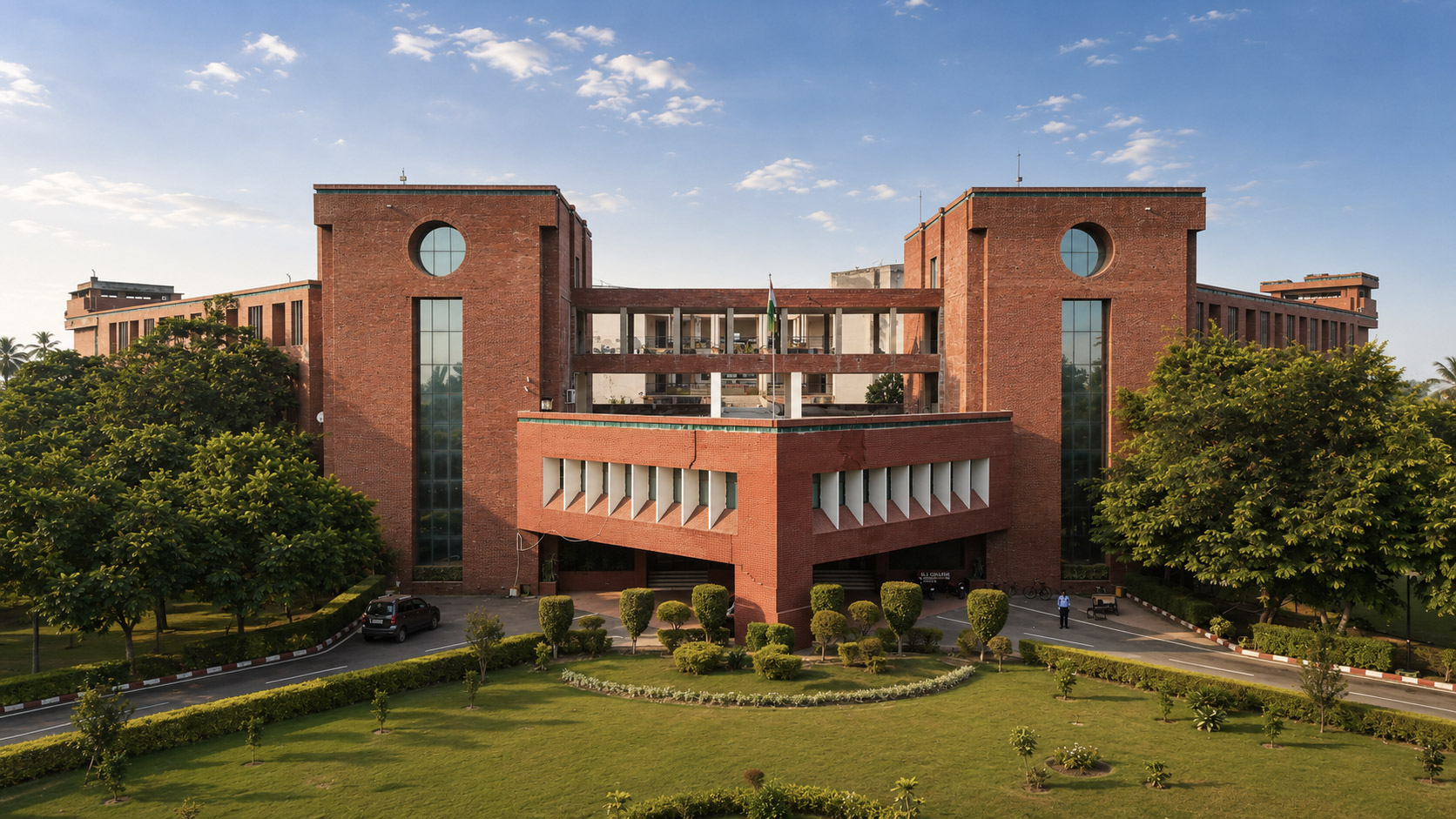
The expansion comes amid rising student interest in evidence-based Ayurveda education and increasing patient demand for integrated and preventive healthcare systems. Ranked No. 1 in UP AYUSH Counselling for two consecutive years in 2023 and 2024, the institution has continued strengthening its academic and clinical ecosystem through practical learning infrastructure, patient-centric training and community healthcare engagement.
Located within the larger DJ Group of Institutions healthcare campus in Modinagar, the institution currently operates a 100+ bedded teaching hospital supported by active OPD and IPD facilities, a dedicated Panchakarma centre and more than 10 specialised clinics focused on areas including skin diseases, joint disorders, pediatric care and lifestyle disorders. The institution currently records over 200 OPD patient visits daily, enabling broader clinical exposure and hands-on learning opportunities for Ayurveda students. The college also continues conducting regular medical outreach and free health camps across rural and urban communities as part of its preventive healthcare initiatives.
Speaking on the expansion, Mr Rhitik Jassar, Chairman, DJ Group of Institutions and Jassar Dental Medical Education Health Foundation, said,
“India is witnessing growing global recognition for Ayurveda and holistic healthcare systems, making it important for educational institutions to strengthen clinical exposure, research capabilities and modern learning infrastructure. At Divya Jyoti Ayurvedic Medical College & Hospital, our focus remains on building an integrated ecosystem where traditional Ayurvedic knowledge is supported by scientific learning, patient-centric training, innovation and community healthcare engagement. We remain committed to preparing future Ayurveda professionals capable of contributing meaningfully to both Indian and global healthcare systems.”
Dr. Sharada, Principal, Divya Jyoti Ayurvedic Medical College & Hospital, said,
“Quality Ayurveda education is built on the integration of strong academic foundations with extensive clinical exposure and research-oriented learning. At Divya Jyoti Ayurvedic Medical College & Hospital, we are continuously strengthening our academic ecosystem through faculty development, research initiatives, practical training and interdisciplinary learning opportunities, enabling students to develop the knowledge, clinical competence and professional skills required to contribute effectively to the evolving healthcare landscape.”As part of its ongoing academic and research expansion, the institution has strengthened its skill-development and research ecosystem through CME programmes, seminars, workshops, institutional collaborations and exposure visits to premier institutions including the All India Institute of Ayurveda (AIIA), New Delhi. The institution is also expanding collaborative learning initiatives, research-oriented academic frameworks and innovation-led activities aimed at strengthening practical healthcare education and industry exposure for students.
Established in 2017, with its associated hospital founded in 2012, the institution offers a 5.5-year BAMS programme approved by NCISM and affiliated to Mahayogi Guru Gorakhnath AYUSH University. The academic ecosystem is supported by over 110 faculty members, 14 specialised Ayurveda departments, digital learning systems, advanced laboratories, herbal gardens and dedicated student mentorship initiatives focused on continuous academic and clinical development.
With over 500 graduates placed across hospitals, wellness centres and healthcare organisations including Yashoda Hospital, Felix Hospital, Patanjali, Sri Sri Tattva and IMS BHU, the institution continues strengthening its position as a growing centre for Ayurveda education, clinical learning and integrated healthcare training in North India.
15, Aug 2026
NHAI Opens Applications for 2026-27 Winter and 2027 Term Internship Programmes
New Delhi, August 15, 2026: The National Highways Authority of India (NHAI) has opened applications for its Winter Internship Programme 2026-27 and Term Internship Programme 2027, offering students an opportunity to gain practical experience through live projects in India’s national highway development ecosystem.
The one-month Winter Internship will run between December 2026 and January 2027, while the six-month Term Internship is scheduled from January to June 2027. Students will have some flexibility to select their preferred duration within the prescribed internship period, taking into account different academic calendars.
NHAI has identified 541 positions for the Winter Internship and 542 positions for the Term Internship. Interns will be placed across 125 ongoing National Highway projects, as well as various divisions of NHAI and the Indian Highways Management Company Limited (IHMCL).
The programme will give students exposure to areas including highway planning and construction, operations and maintenance, asset management, road safety, legal affairs, finance, media and other functions. Interns will work under the supervision of experienced NHAI professionals.
The programme is open to eligible pre-final and final-year undergraduate and postgraduate students from recognised institutions in India and abroad. Disciplines covered include engineering, computer science, IT, AI and data science, law, journalism and mass communication, human resources, finance and marketing, among others.
To encourage participation from leading technical institutions, 100 seats have been reserved for IIT students and 150 for students from NITs. Selected interns will receive a monthly stipend of ₹20,000 and a certificate after successfully completing the programme.
How to Apply
Applications must be submitted online through the NHAI Internship Portal. Students are required to provide their academic details, indicate internship preferences and, where applicable, specify preferred project locations. Applications will subsequently be verified and recommended by the respective institutions.
The last date for students to apply is October 20, 2026, while institutes are required to complete their recommendations by November 10, 2026.
The internship initiative is part of NHAI’s broader effort to strengthen industry-academia collaboration and develop a skilled talent pool for India’s expanding highway and infrastructure sector. By combining academic learning with exposure to live infrastructure projects, the programmes are expected to give students a practical understanding of one of the country’s fastest-growing sectors.
15, Aug 2026
Jason Prevelige Named Director of Sacred Heart University’s Doctor of Medical Science Program
FAIRFIELD, Conn.—Sacred Heart University has appointed Jason Prevelige founding program director of its Doctor of Medical Science (D.M.Sc.) program.
Prevelige, a Sacred Heart alum and longtime educator, returns to the University with more than 17 years of clinical experience and a distinguished record of leadership in physician associate (PA) education, health care advocacy, and professional organizations. As founding program director, he will provide academic, administrative, and strategic leadership for the University’s newly established post-professional doctoral program, overseeing its launch, curriculum, faculty, assessment, and continued growth.
Before joining Sacred Heart full time, Prevelige played an integral role in developing the University’s physician associate studies program, serving on its founding advisory committee, developing the pediatric curriculum, and teaching pediatrics and emergency medicine since the program’s inaugural cohort. He also helped shape the foundation of the Doctor of Medical Science program alongside colleagues Reynold Jaglal, director of the physician associate studies program and Eric Nemec, clinical professor and director of research, assessment, and program development.
Throughout his career, Prevelige has practiced emergency medicine as well as pediatric hospital medicine, neonatology, and urgent care. He has held health care leadership positions for more than a decade and most recently served as assistant medical director in emergency medicine at Saint Mary’s Hospital in Waterbury. Nationally, he completed a three-year leadership succession culminating in his term as president and chair of the board of the American Academy of Physician Associates. He also served two terms as president of the Connecticut Academy of Physician Associates and continues to chair its legislative committee.
“Dr. Prevelige is a visionary leader whose expertise spans academia, clinical practice, and national professional leadership,” said Karl Minges, dean of the College of Health Professions. “I am confident he will build a distinctive and innovative D.M.Sc. program that empowers physician associates to advance their careers and lead in an increasingly complex health care environment. We are excited to welcome him to Sacred Heart University and look forward to the impact he will have on our students and the profession.”
In a question-and-answer session, Prevelige discussed what drew him back to Sacred Heart University, his vision for the D.M.Sc. program, and how his experiences have prepared him to lead the University’s newest doctoral program.
What attracted you to Sacred Heart University and the D.M.Sc. program?
When the Doctor of Medical Science program was proposed, I was honored to be asked and jumped at the opportunity to assist my colleagues, Drs. Reynold Jaglal and Eric Nemec, in shaping the foundation of the program. When the position of program director was open, it seemed natural for me to apply. I feel now that I have come full circle in my SHU journey and am so thrilled to once again return in such a significant capacity to SHU.
What excites you most about leading the program?
While something new and different can be scary, it can also be exciting. For me, the opportunity to develop a world-class program, built for PAs who are looking for that next step in advancing their knowledge base and career, is an incredible one. I have had a variety of experiences, including my own education, that I am bringing with me, and to take the best of those experiences and share them with others is so unique and does not happen every day!
How have your previous experiences prepared you for this role?
I have been so fortunate in my career that I have been surrounded by phenomenal leaders who have mentored, supported, and helped shape my journey. After my PA education at Quinnipiac University, I quickly became involved in our state’s professional organization, the Connecticut Academy of Physician Associates. I have held a variety of roles, including two terms as president, and I continue to serve as the chair of the legislative committee. That work has provided me the opportunity to help shape health care and health care education in our state through advocacy efforts that have included authoring and amending language that later became law and working closely with our state’s legislators.
That eventually led to my service to our national organization, the American Academy of Physician Associates, where I first served in the House of Delegates, which is the policy making body for the Academy, later as a director at large, and most recently was elected president and chair of the board of directors, with my term just ending June 30.
In that role I had the amazing opportunity to travel across the country and internationally where I engaged PAs, physicians, nurses, and other health care leaders. I advocated for patients and PAs at the federal level and even internationally, had the opportunity to engage the national media and do my part to shape health care in different ways.
Along the way I completed an MBA at Quinnipiac, and my own Doctor of Medical Science at University of the Pacific.
What do you hope students gain from their experience in the program?
I hope to see our students find their own areas of personal growth. My own doctoral education helped me to grow as a leader as I self-reflected, but my own education also grew my network which is where opportunities in leadership often come from. I want to help our students achieve their goals in life by enhancing their already solid foundations with new areas of focus that will allow them to provide even better patient care through a stronger ability to advocate, to lead teams, to educate the health care providers of tomorrow.
Looking ahead, what is your vision for the program?
The opportunities for this program are endless in my opinion. With our SHU Dingle campus, there is an incredible opportunity to expose our students to international models of health care to help inform their work in our system. At the same time, there is opportunity to provide our education to international PAs and carry the SHU mission further abroad. I see the ability to grow relationships, not just among classmates in the program, but between our doctoral students and our PA students so we can create bonds between our PAs of today, with our PAs of tomorrow. Through the Doctoral Capstone, our students will have the ability to make real change in their workplaces, in the literature and in health care.
14, Aug 2026
NITI Aayog Consults Stakeholders on Transforming Vocational Education in Schools
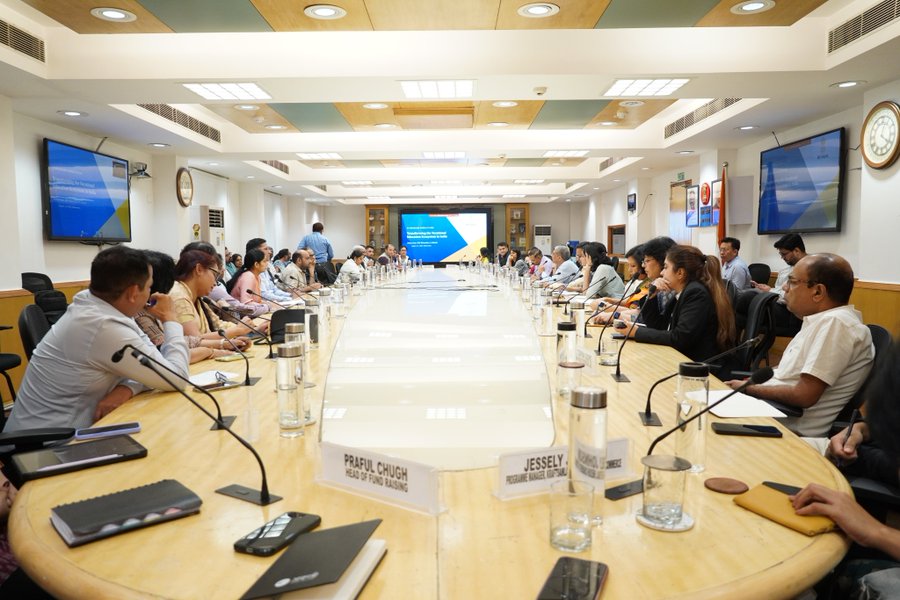
New Delhi, August 14, 2026: NITI Aayog organised a stakeholder consultation on “Transforming Vocational Education in India: Vocational Education in Schools”, chaired by Dr. Joram Aniya, Member, NITI Aayog, with the objective of strengthening the integration of vocational learning into school education.
The consultation brought together representatives from the Department of School Education & Literacy and other stakeholders to discuss ways to make vocational education more relevant, accessible and aligned with the changing requirements of the economy and labour market.
The discussions focused on improving the delivery of vocational education at the school level, strengthening links between education and employment, and creating greater opportunities for students to acquire practical and industry-relevant skills alongside academic learning.
The consultation also underlined the importance of closer coordination among policymakers, educational institutions, industry and skill-development organisations. Such collaboration can help ensure that vocational programmes reflect emerging opportunities and equip young people with skills needed for the future of work.
The initiative is in line with India’s broader efforts to build a more flexible and skills-oriented education system, where vocational pathways are integrated into mainstream schooling rather than being treated as an alternative to academic education. NITI Aayog’s ongoing work on education and skills seeks to support policy approaches that can contribute to a more capable and future-ready workforce.
12, Aug 2026
Hawai’i High School Students Take Ideas to Launch at Hawai‘i Pacific University Entrepreneurship Bootcamp

HONOLULU | Aug 12: Nearly 60 Hawaiʻi high schoolers walked into HPU’s Sunset Ballroom at Aloha Tower Marketplace on July 27 with an idea and a laptop. By Friday afternoon, they had honed their “why,” their target market, and solution, walking out with a nascent venture and live websites they had built themselves.
The free HPU x Blue Startups Entrepreneurship Bootcamp, held July 27 to 31 and sponsored by HPU’s John F. Scarpa Entrepreneurial Pathway, brought together rising juniors and seniors from 18 public and private schools across the islands for five days of building. Working solo or in groups of two or three, students launched 40 ventures, each one identifying a business opportunity, designing a brand, building and publishing a live website (with AI tools), producing marketing assets and presenting the result to a panel of founders, mentors, and investors.
“What we saw this week is exactly why the Scarpa Entrepreneurial Pathway exists at HPU,” said HPU College of Business Dean Amy Nguyen-Chyung, Ph.D., lead of the Pathway. “At the start of the week, the students formed an initial idea of their business opportunity and by Friday, they had built real websites identifying the problem and solutions and stood up in front of founders and investors to defend their work. This group went further by envisioning their target customer’s key characteristics with an empathy map and turning those target customers into a virtual business advisor using AI. I am so impressed by their work and presentation skills. Investing in developing youth entrepreneurship and leadership skills is a worthwhile way in which HPU and the Scarpa Pathway can engage with the community.”
The Bootcamp was led by Alexi Drouin, an entrepreneur, HPU adjunct professor and academic director at Blue Startups, Hawaiʻi’s premier tech accelerator and a program ranked among the top 20 in the country by TechCrunch.
Each day carried a theme and ended with something shipped. Monday was Find Your Opportunity, when students landed on an idea and drafted a name, a logo and a one-liner. Tuesday was Design Your Solution, when they pressure-tested those ideas against AI-simulated customers and toured HPU’s waterfront campus and Makerspace. Wednesday was Build Your Website, a full day of production that ended with every student holding a public URL. Thursday was Launch Your Idea, devoted to social posts, short videos and slide decks. Friday was Present Your Business.
Guest speakers came from across the local startup community and, in one case, from the students’ own generation. Coen Cadinha of Keiki Rise and Big Boy Sweets opened the week as a peer-age founder.
Nalukai Foundation Board President Allen Murabayashi presented on Tuesday about the importance of talking to customers. Giovanna (“Gigi”) Scholbi (HPU ’25) of Cheeki Swimwear spoke about writing down goals and going after them while also giving tips about sourcing sustainable materials.
Miki Hardisty of Olelo Intelligence spoke Wednesday about building an AI company in Hawaiʻi and led the students in an exercise of using agentic AI.
ʻIolani School’s Gabriel Yanagihara spoke Thursday to talk about AI in the classroom and online. On multiple days, Nguyen-Chyung introduced additional examples to drive home the importance of problem identification, product market fit and writing down key components of the one’s plan using a simple canvas.
On Friday, presentation day filled the room with students, parents, teachers and HPU staff. HPU entrepreneurial coordinator and small business management instructor Richard Kebo listed the three key requirements needed before making a sale (business registration, bank account and general excise tax number). Individuals and teams took the front of the room in turn, speaking for 60 seconds, showcasing their business websites and presenting the overarching goals of their companies. After every four presentations, the expert panel offered feedback to the groups.
The panel included Blue Startups Program Director David Holt, Liya Safina of Hawaii Angels and Google, Murabayashi, and Nguyen-Chyung. It was not a pitch competition. Nobody won, and that was deliberate.
The companies took direct aim at problems the students’ families live with.
NāUlu, founded by Hanae Kauanoe and Sophia Tung will be a nonprofit that supplies basic phones with prepaid minutes and preloaded apps to unhoused families and people at risk of homelessness, with GPS directions to shelters and food sources and tools for finding work. Their premise is that staying reachable is often what separates crisis from stability.
May Shiraishi’s Ventur aims to connect Hawai’i students with internships and volunteer roles. Her website has now aggregated over a hundred available roles.
Emily Fukui and Kirah Wong built Brain Chain to address Hawaiʻi’s brain drain. Their job board aims to pair Hawaiʻi-born college graduates with local specialized roles that include subsidized housing. The founders said they talked to graduates stuck on the continental U.S. who wanted to come home and could not make the rent math work.
Trevor Chvosta’s Local Produce lets residents order specific crops directly from island farmers after harvest and pick them up at neighborhood drop points on Mondays and Thursdays, with leftover food routed to food banks. Lariah Trevenen-Ferreira built Hoʻihoʻi i ka ʻĀina as a portal connecting people to land and marine restoration projects grounded in Native Hawaiian practice.
A fan of Pokemon-Go, Kiva Ebert founded Malama Go, a real-world interactive game that incentivizes tourists to visit sites and learn about Hawaiian culture, earning points that could be redeemed with local merchants or for cultural figurines.
Aware that teens in hospitals have few options to keep them occupied, Thalia Grace Hoapili aims to stock hospitals with free Mālama Crafteen Kits for patients ages 12 to 19, pre-cut, so teenagers can start creating from a hospital bed.
Others tackled dementia care, teen mental health, permitting for first-time renovators and senior isolation.
Forty-five students who completed the full week, published their deliverables and finished both surveys will earn an HPU x Blue Academy Certificate of Completion, shareable on LinkedIn.
11, Aug 2026
Hyderabad Public School, Begumpet Launches Major School Leadership Programme and Career Talks Initiative
Hyderabad, Aug 11: Reinforcing its century-old legacy of nurturing future-ready leaders, Hyderabad Public School, Begumpet has launched a comprehensive Leadership Programme that places leadership development at the heart of every student’s educational journey. Designed to cultivate confidence, resilience, empathy, critical thinking and decision-making from an early age, the programme reaches over 3,500 students across all grades and curricula, making it one of the most extensive school-based leadership initiatives in the world.
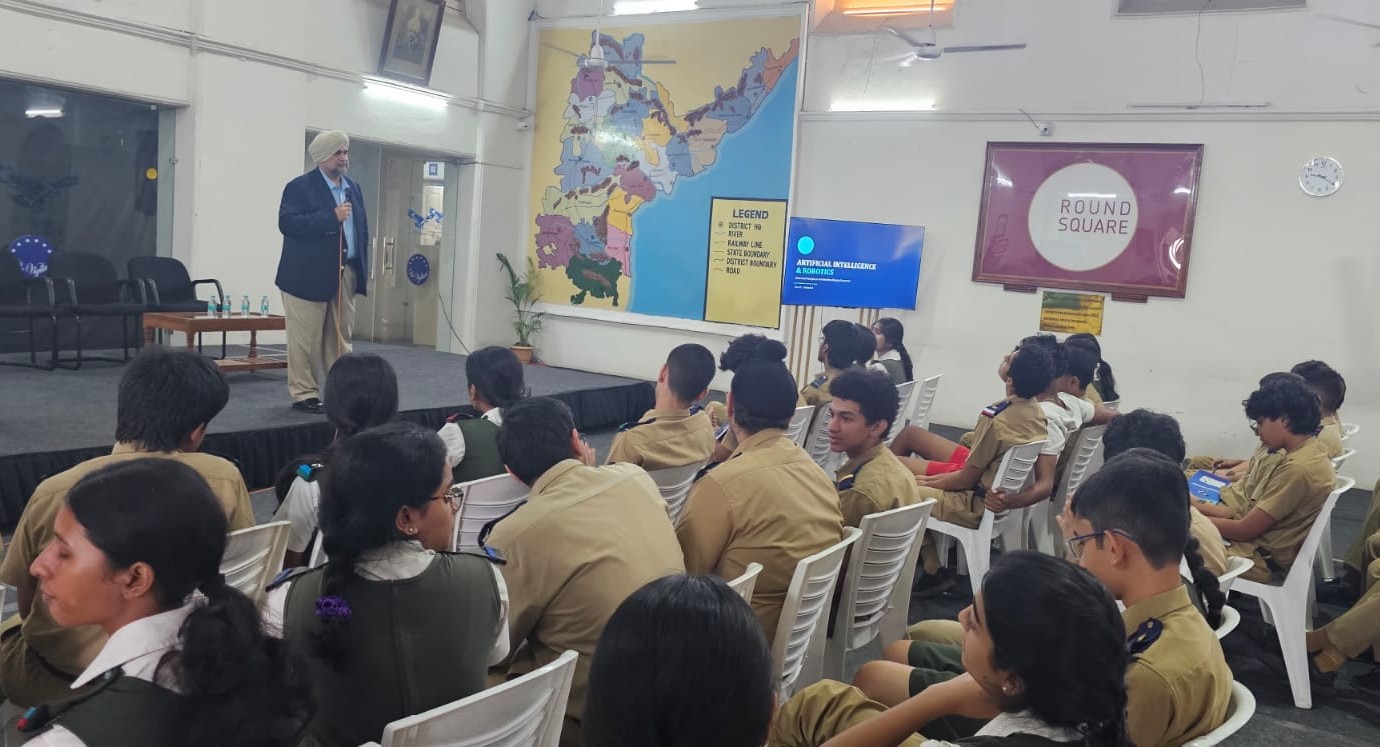
As part of the programme’s launch, the school organised the second edition of The HPS Dialogues – Career Talks, bringing together accomplished industry professionals, entrepreneurs and HPS alumni to engage with more than 300 students across the ICSE, ISC and Cambridge curricula. The initiative marked the beginning of a broader leadership journey that connects classroom learning with real-world experiences, enabling students to make informed decisions about their future while developing the qualities required to lead with purpose.
Leadership has always been central to HPS’s philosophy of education. Introduced during the school’s centenary year, when leadership emerged as the defining theme, the newly launched. Through a structured, age-appropriate curriculum, students participate in four leadership modules each academic year, amounting to nearly 12 hours of dedicated leadership learning annually. By graduation, every student will have completed 48 unique leadership modules, each designed to strengthen self-awareness, communication, collaboration, innovation, global citizenship and ethical leadership.
Speaking on the initiative, Dr. Skand Bali, Principal, Hyderabad Public School, Begumpet, said,
“Leadership is not a skill that begins in adulthood; it is cultivated through experiences, opportunities and reflection from an early age. At HPS, we believe every child has the potential to lead, whether in a classroom, a community or on the global stage. Our Leadership Programme has been designed to nurture that potential systematically, helping students develop the confidence, empathy and character to navigate an increasingly complex world. The HPS Dialogues Career Talks is a natural extension of this vision, allowing students to learn directly from those who have transformed ideas into impact.”
The programme follows a carefully scaffolded progression across all grades. Younger students begin by developing self-awareness and teamwork before progressing to communication, problem-solving, adaptability and innovation. Senior students explore strategic leadership, global citizenship and legacy-building, ensuring leadership development evolves alongside their intellectual and emotional growth. Leveraging the school’s expansive campus as a dynamic learning environment, the programme encourages students to think independently, communicate effectively and take initiative in authentic situations.
The HPS Dialogues – Career Talks embodies this experiential philosophy by bringing professionals directly into the school environment. Organised by the Office of College & Career Guidance in partnership with the Oyster team, the two-day event introduced students to diverse careers spanning hospitality, biotechnology, finance, entrepreneurship, fine arts, healthcare entrepreneurship, artificial intelligence, robotics, media ventures and public leadership.
For Grade 10 students, the sessions offered an early understanding of emerging and traditional professions, while Grades 11 and 12 engaged in deeper conversations around industries that are rapidly transforming the global economy. More importantly, students were encouraged to connect their academic learning with practical career pathways, replacing uncertainty with informed exploration.
A defining feature of the initiative was the participation of HPS alumni, who returned to their alma mater to share personal journeys, professional challenges and lessons from the workplace. Their presence transformed the sessions into meaningful conversations across generations, giving students authentic perspectives that extend far beyond textbooks and examinations.
The Career Talks initiative is part of the broader HPS World is My Oyster programme, an alumni-led platform founded on the belief that students understand careers best by experiencing them first-hand. Launched in 2024, its flagship initiative, Take Your First Dip, enables students from Classes 9 to 12 to shadow HPS alumni in workplaces across multiple industries. In its inaugural year alone, the programme placed 110 students across 120 internships hosted by 25 alumni-led organisations representing 11 career streams, including healthcare, aviation, aerospace, renewable energy, pharmaceuticals, entrepreneurship and technology.
Together, Career Talks and Take Your First Dip create a comprehensive career exploration ecosystem, beginning with conversations that spark curiosity and extending into immersive workplace experiences that build clarity, confidence and informed career choices.
Looking ahead, HPS Begumpet plans to expand the initiative through cluster-based career sessions, expert panel discussions and a structured alumni mentorship programme that will foster sustained engagement between students and graduates of the institution.
By seamlessly integrating leadership education, career awareness and experiential learning, Hyderabad Public School, Begumpet continues to redefine holistic education. As it enters its next century, the institution remains committed to preparing students not only to excel academically but also to become thoughtful, compassionate and capable leaders ready to shape the future.
5, Aug 2026
Anti-Drug Awareness Drive Reaches MCM DAV College, Hundreds Take the Drug-Free Pledge
Chandigarh | August 5, 2026
Arya Yuva Samaj National President Yogi Suri called on young people to play an active role in building a drug-free India, urging them to “become the sword of Swami Dayanand Saraswati and destroy the demon of addiction.” He delivered the message as the Chief Guest at the ‘No Nasha Nation’ awareness programme organised during Induction Week 2026 by the Internal Quality Assurance Cell (IQAC) and the Victory Against Drug Abuse (VADA) Club at Mehr Chand Mahajan DAV College for Women (MCM), Chandigarh.
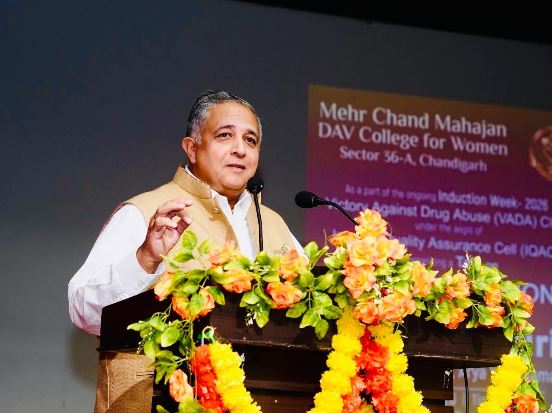
The programme aimed to make newly admitted students aware of the growing risks of substance abuse and digital addiction while encouraging them to lead disciplined, responsible and value-based lives. Mr Amanjeet Singh, IRS, Zonal Director, Narcotics Control Bureau (NCB), Chandigarh, attended as the Guest of Honour. Also present were Dr Anoop Kumar Vats, National Coordinator (Colleges), DAV College Managing Committee; Ms Mona Narang, Principal of MCM DAV College; and Mr Navdeep Singh, Deputy Director, Higher Education Department.
Welcoming the students, Yogi Suri said, “True freedom lies in learning to make the right and responsible choices.” He said drug abuse and digital addiction have become major challenges for young people, affecting their health, time, goals and future.
He said ‘No Nasha Nation’ is not just an anti-drug campaign but a national movement that encourages young people to choose discipline over addiction, purpose over distraction and values over temptation. He added that a drug-free India can only be achieved through the combined efforts of students, parents, teachers and society.
Using a simple analogy, Yogi Suri said that just as people stay away from a poisonous snake to avoid its venom, the safest way to avoid addiction is to stay away from drugs altogether. He said social evils must be addressed at an early stage before they become larger challenges. Calling drug abuse a national concern, he urged young people to face it with courage, determination and self-confidence. He added that values, self-discipline and the teachings of the Vedas provide protection against addiction.
Appealing to the students, Yogi Suri said, “Become the sword of Swami Dayanand Saraswati that destroys the demon of addiction.” He also said women have an important role in bringing positive change to families, society and the nation, and can contribute significantly to the goal of a drug-free India.
At the end of his address, Yogi Suri administered the ‘No Nasha Nation’ pledge to hundreds of students. They pledged to lead a drug-free life, encourage others to do the same and spread the campaign’s message in society. Arya Yuva Samaj also screened a short film highlighting the importance of a disciplined and value-based life.
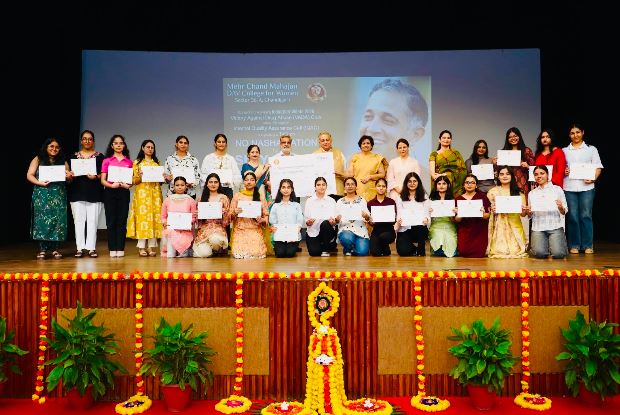
Guest of Honour Mr Amanjeet Singh, IRS, spoke about the growing problem of drug abuse and addressed common misconceptions. He cautioned students that even a single instance of drug use can have long-term consequences. He said timely treatment and counselling can help people recover from addiction and encouraged those in need to seek support through the Tele-MANAS mental health helpline.
Dr Anoop Kumar Vats said ‘No Nasha Nation’ has become a nationwide movement and urged students to take its message to their families, friends and communities and become ambassadors of the campaign.
During the programme, the college presented IQAC scholarships to students who performed well at Panjab University. Students also staged a street play on the impact of drug abuse. Acting Principal Ms Neena Sharma said such programmes help develop social responsibility, moral values and positive thinking among students. She expressed confidence that initiatives like ‘No Nasha Nation’ would continue to encourage young people to become responsible citizens and contribute to nation-building.
30, Jul 2026
One-Day Hindi Workshop Held at Drug Proving Unit, CCRH Bhubaneswar
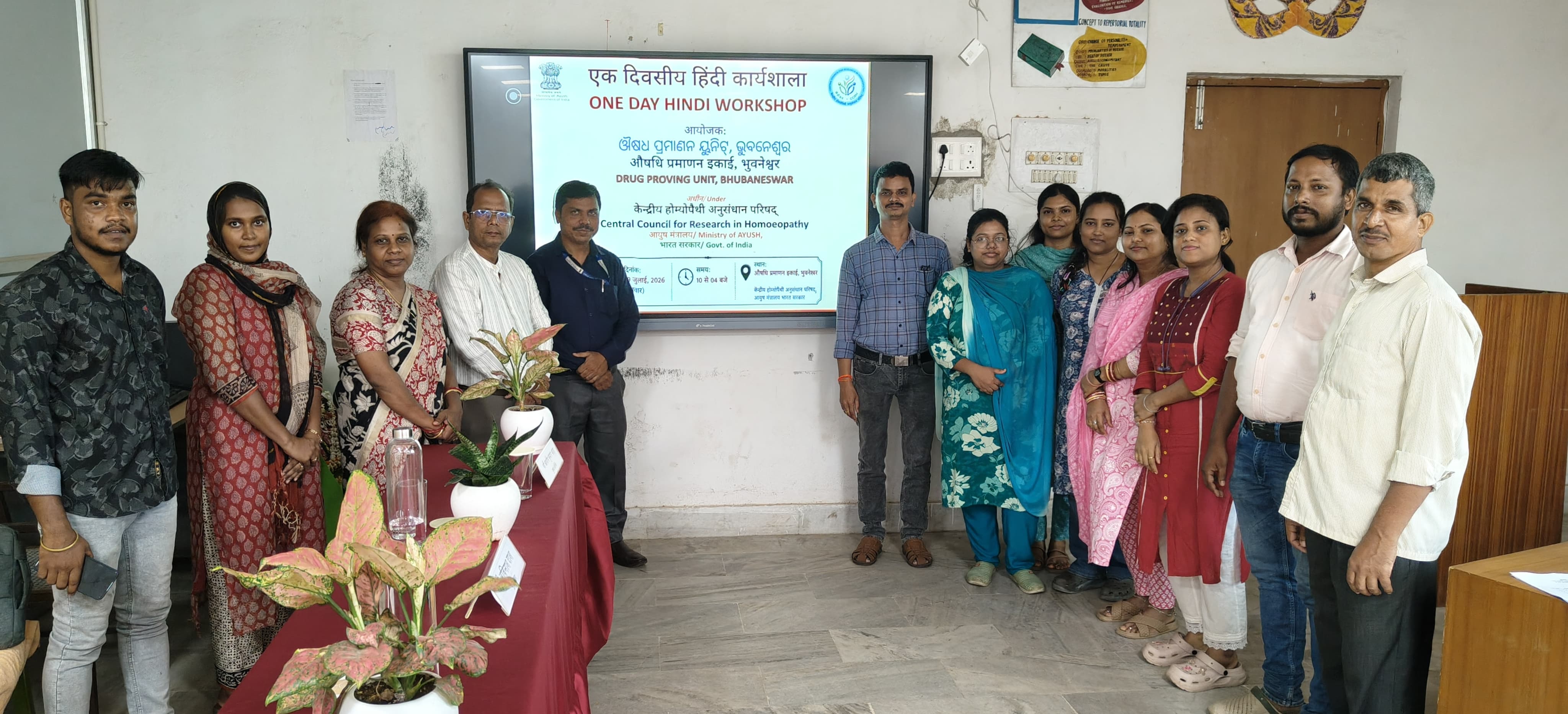
Bhubaneswar, July 30: A one-day Hindi workshop was successfully organized on Tuesday at the Drug Proving Unit, Bhubaneswar, under the Central Council for Research in Homoeopathy, Ministry of Ayush, Government of India.
Shri Abinash Dash, Librarian Rajbhasha Officer In-charge, Institute of Hotel Management, Bhubaneswar, and Shri Ashish Kumar Shah, Console Controller, Office of the Chief Manager, East Coast Railway, Railway Sadan, Chandrasekharpur, Bhubaneswar, graced the occasion as Chief Speaker and Chief Guest respectively.
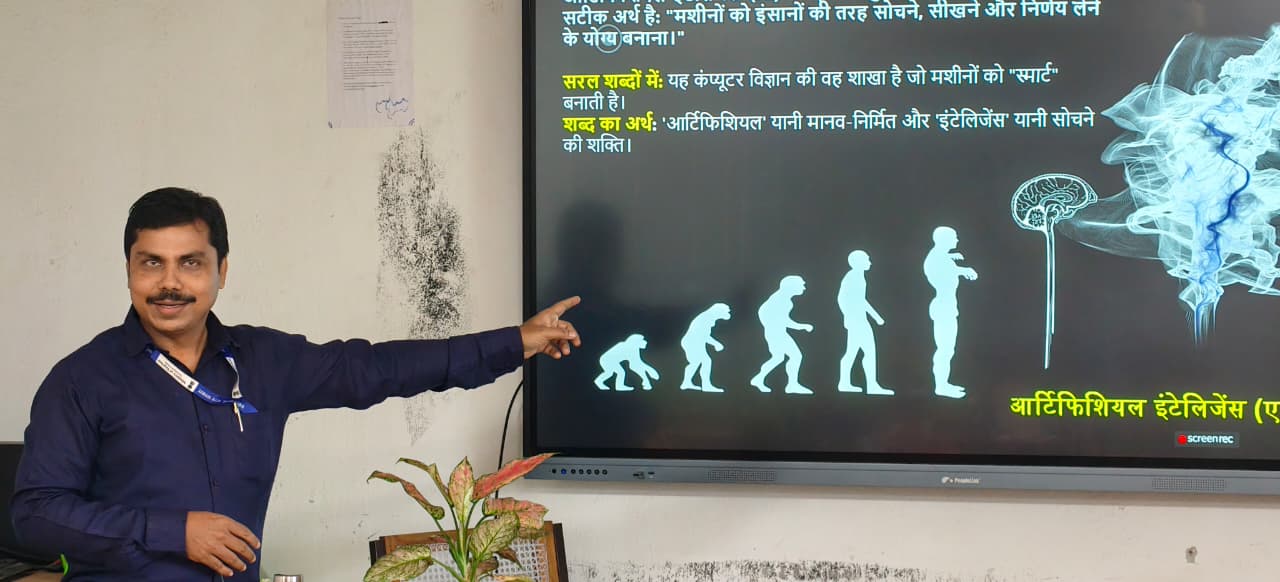
All staff members of the unit actively participated in the workshop. The program began with a brief introduction by Sashmita Pati, Hindi Assistant.
The dignitaries delivered insightful presentations on the rules and regulations of Rajbhasha Hindi and also highlighted the growing role of Artificial Intelligence in promoting and using Hindi in official work.
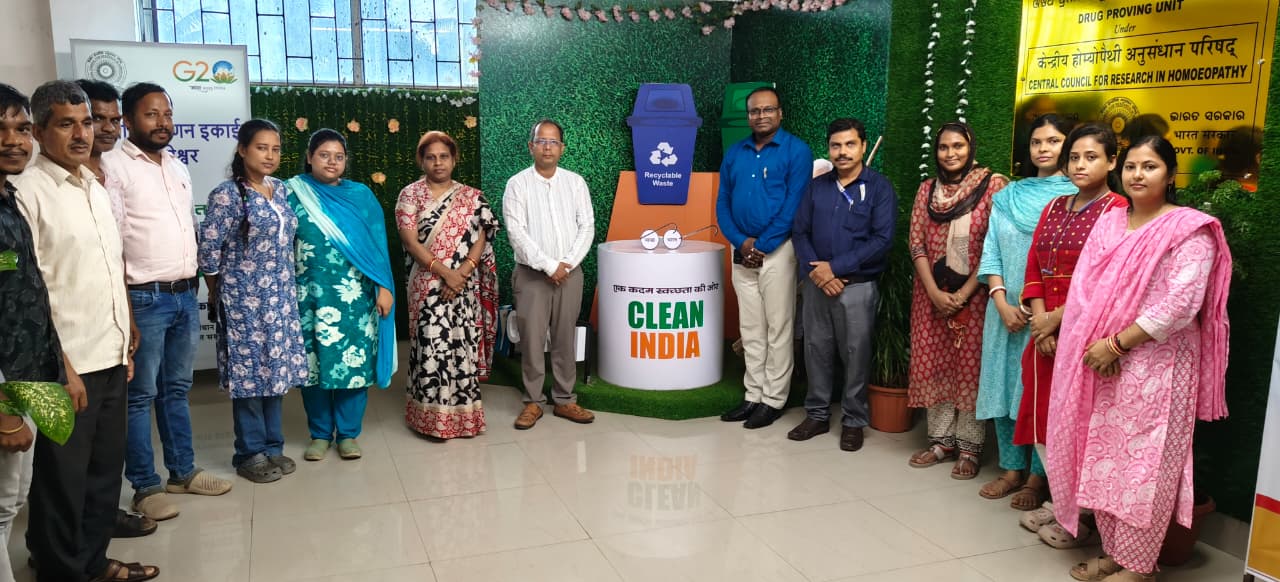
The workshop proved to be highly beneficial for all employees in enhancing their understanding and practical use of Hindi in administration.
The session concluded with a vote of thanks by Dr. Sujata Choudhury, Hindi Officer, followed by closing remarks by Dr. Umakant Prusty, Officer incharge.
30, Jul 2026
Tamil Nadu Sets Benchmark in Digital School Infrastructure Across Southern India
Chennai, July 30: Tamil Nadu has achieved a significant milestone in strengthening digital education, emerging as the leading state in southern India for the implementation of ICT laboratories and smart classrooms under the Centre’s Samagra Shiksha programme.
The initiative has helped transform learning environments across government schools by introducing technology-enabled classrooms, digital learning resources, and improved access to modern educational tools. These facilities are supporting teachers in delivering more interactive lessons while helping students develop essential digital skills for the future.
The expansion of ICT infrastructure reflects Tamil Nadu’s continued commitment to improving the quality of school education and ensuring that students from diverse backgrounds have access to technology-driven learning opportunities. By integrating digital tools into classrooms, the state is working towards creating a more inclusive, engaging, and future-ready education system.
The progress under the programme highlights the growing importance of technology in education and demonstrates how investments in digital infrastructure can enhance teaching methods, encourage student participation, and prepare young learners for a rapidly changing world.